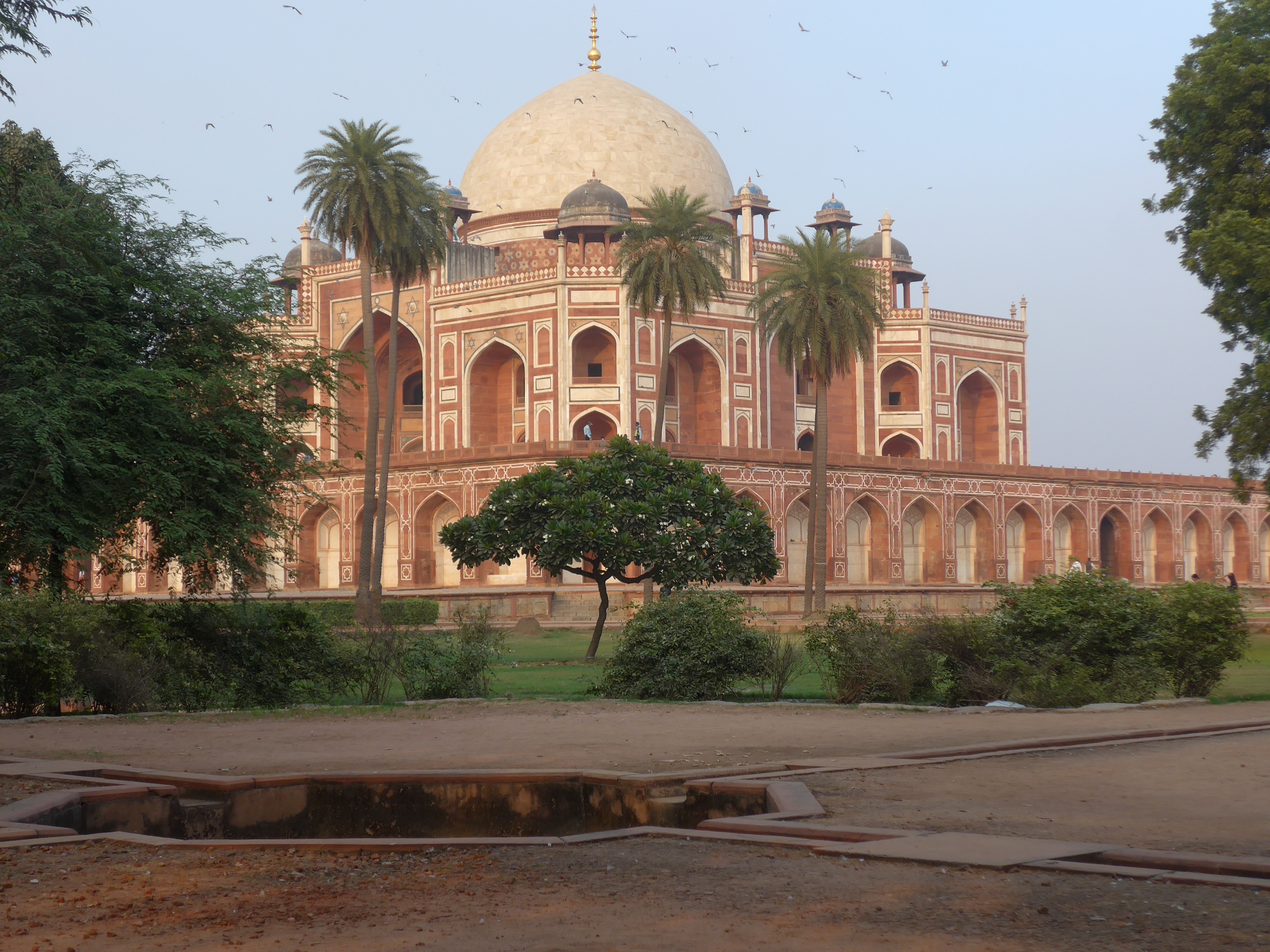
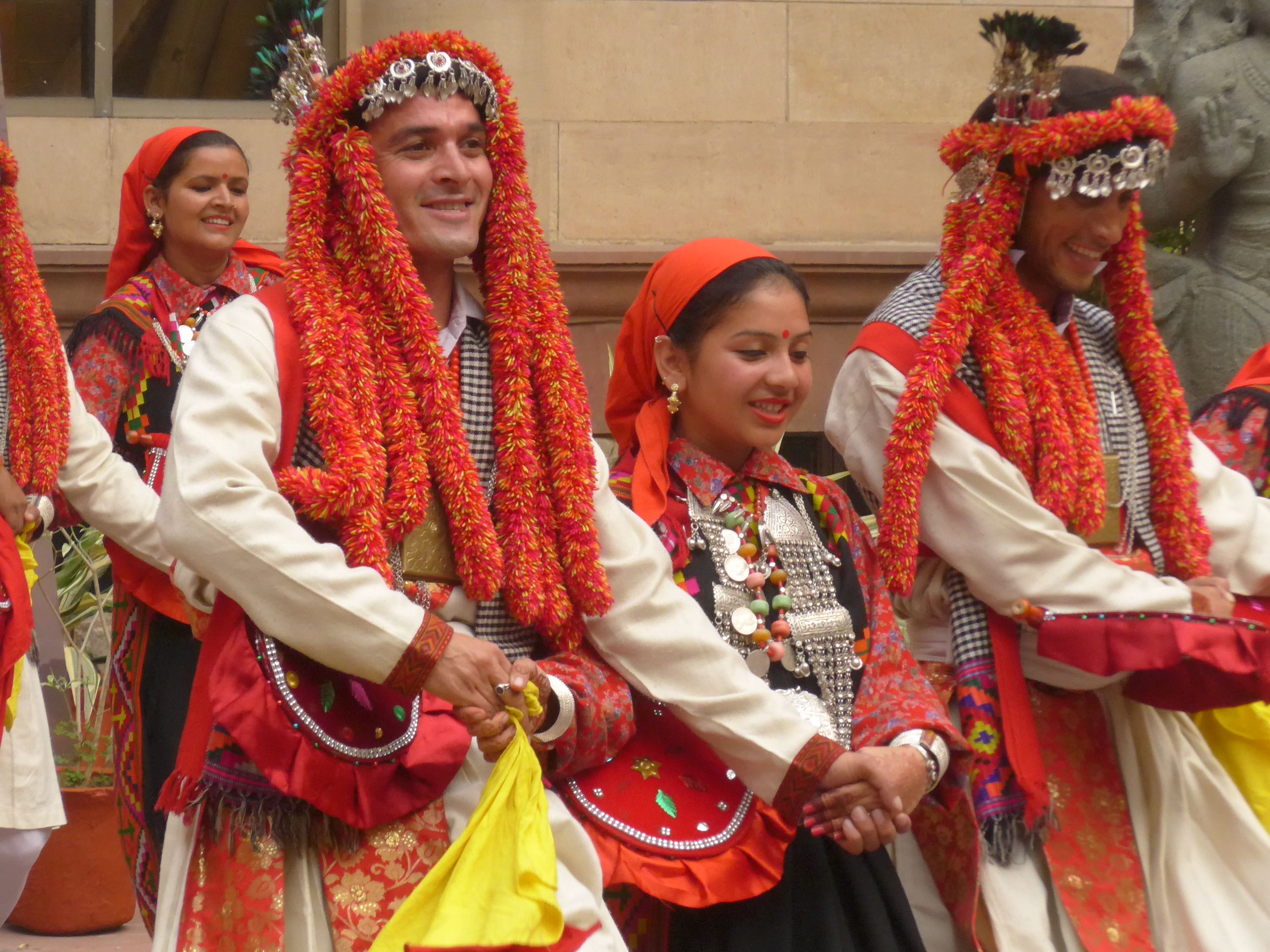
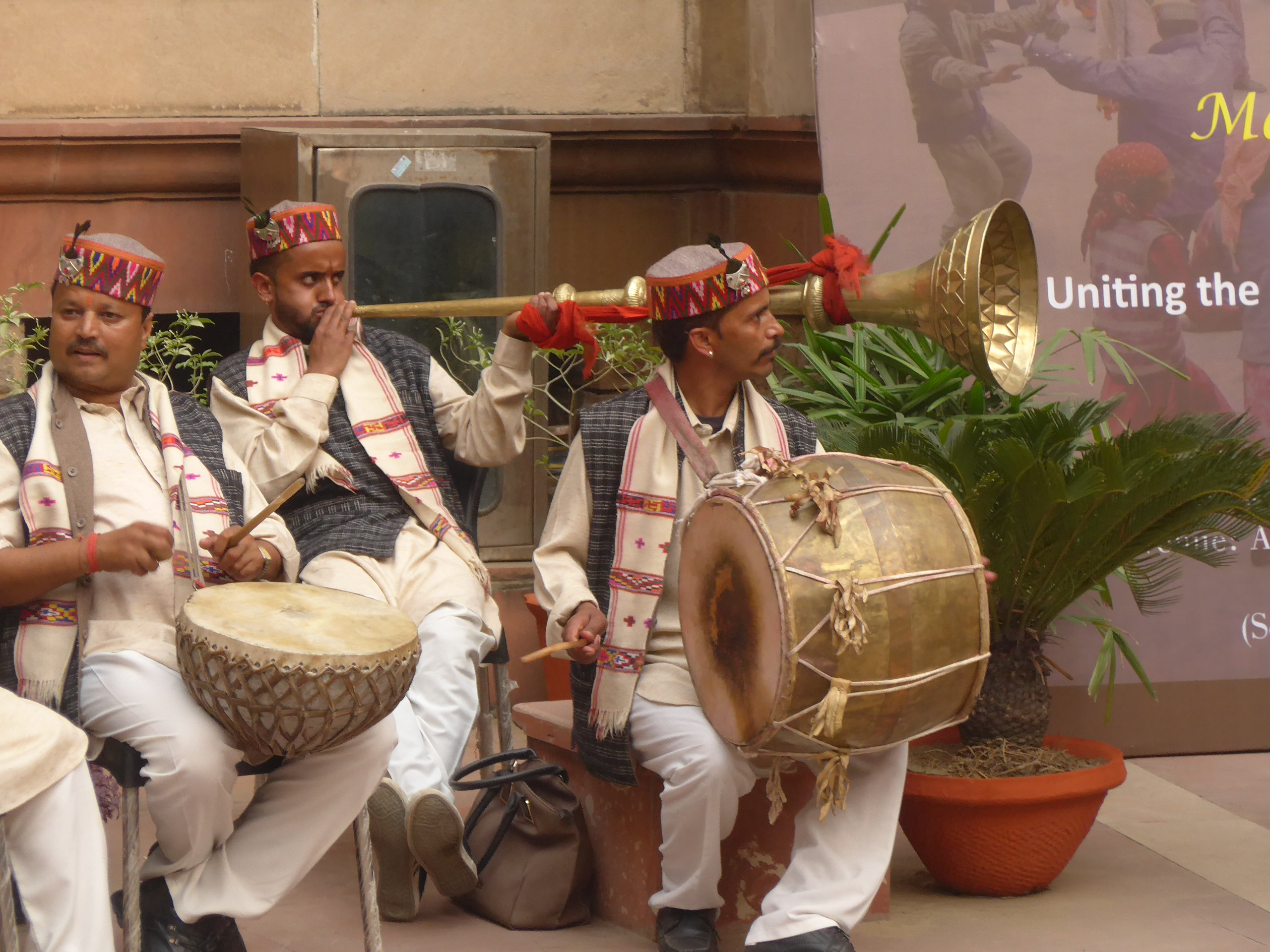
Delhi: sounds of car horns, trains and parakeets; smells of dust, incense, drains and frangipane; sights of flyovers and traffic jams, Mughal tombs and dancers from Himachal Pradesh.
For half an hour the train leaving Delhi for Gwalior passed endless slums and shacks, stagnant, litter-choked rivers and pools with a scurf of plastic lapping everywhere. The pall of Delhi’s famous smog half-hid the factory buildings and tower blocks and the pollution levels had reached “severe”. The scale of the problems India faces was overwhelming and depressing. And then the fields of wheat and cotton began and traditional, village India appeared. The smog thinned, the sun broke through and the other passengers started to chat. Outside Agra a vast area of eroded sand dunes and scrub had been the hideout of “dacoits” until it was recently cleared. “What happened to the bandits?” “They are in the government!”
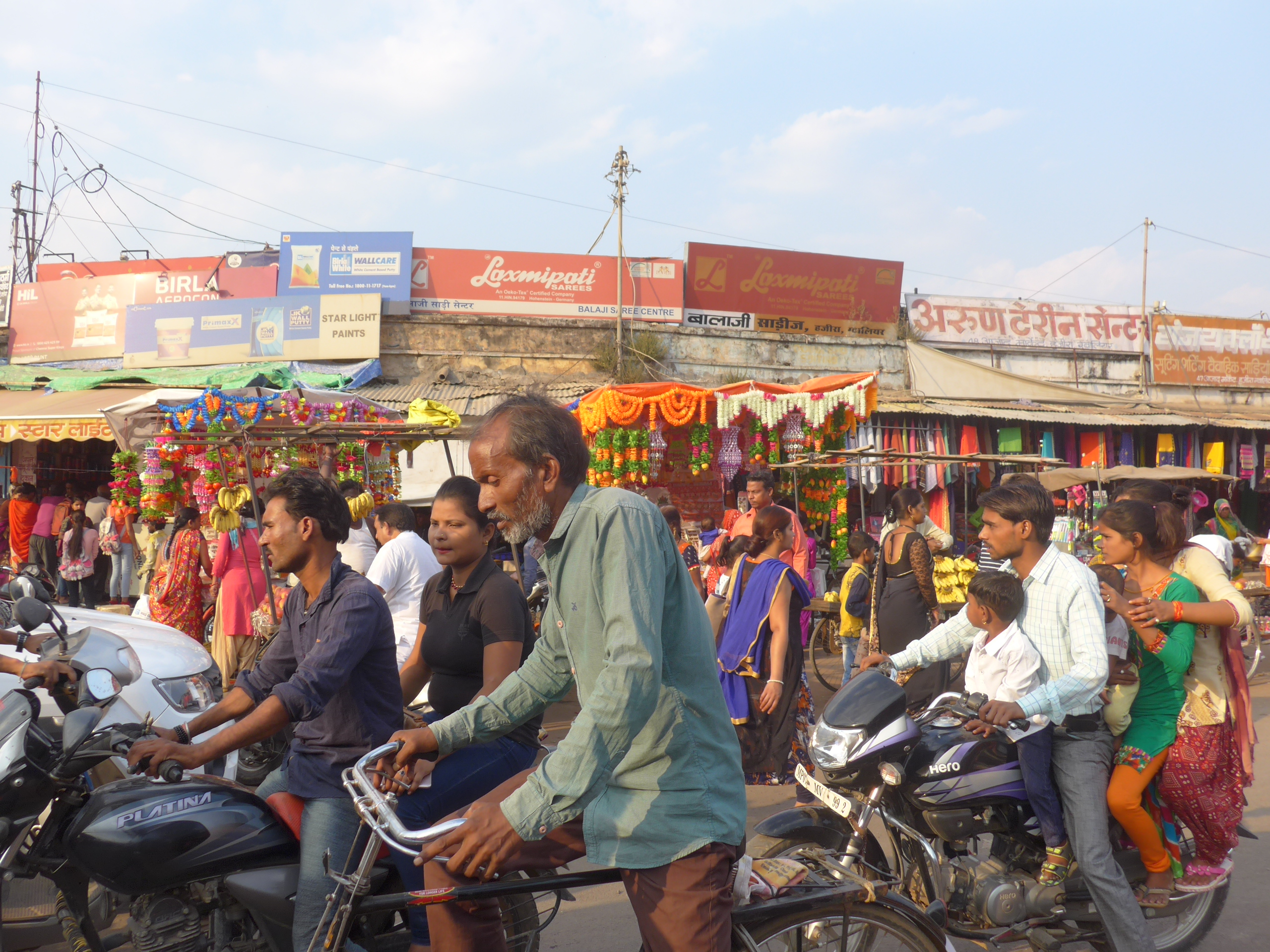
Madhya Pradesh is one of India’s poorest states and the city of Gwalior was a challenge. It was a madly busy place, full of noise, auto-rickshaw horns, barking dogs, building sites, cars driving in all directions. It was such bedlam it was easier to hail an auto, rather than try to walk anywhere or even cross the road. So why come to Gwalior? Palaces, forts and temples.
The Jai Vilas Palace, still the home of the Maharajas of Gwalior, was an enormous, 19th-century hotch-potch of east and west, stuffed full of such oddities as a silver train that carried cut-glass brandy decanters on rails around the massive dining tables when the maharajah entertained. He was a favourite with the British, holding some of the biggest tiger shoots in India. I particularly liked the ladies’ Art Deco indoor pool with mirror-glass cocktail cabinet: I hope the maharani made good use of it.
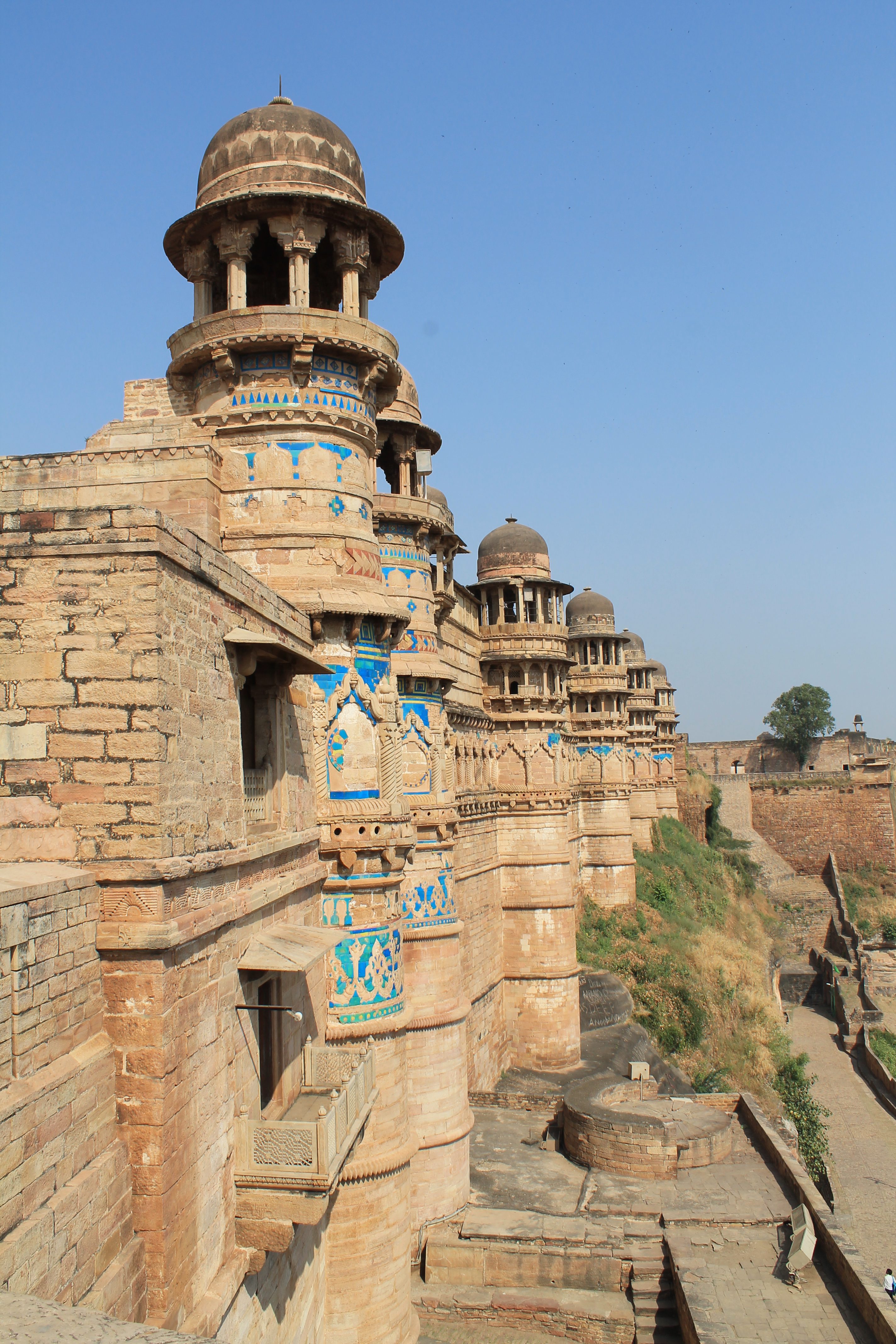
Overlooking the city was a massive fort, studded with palaces and temples built by the Rajputs from the 9th century onwards.
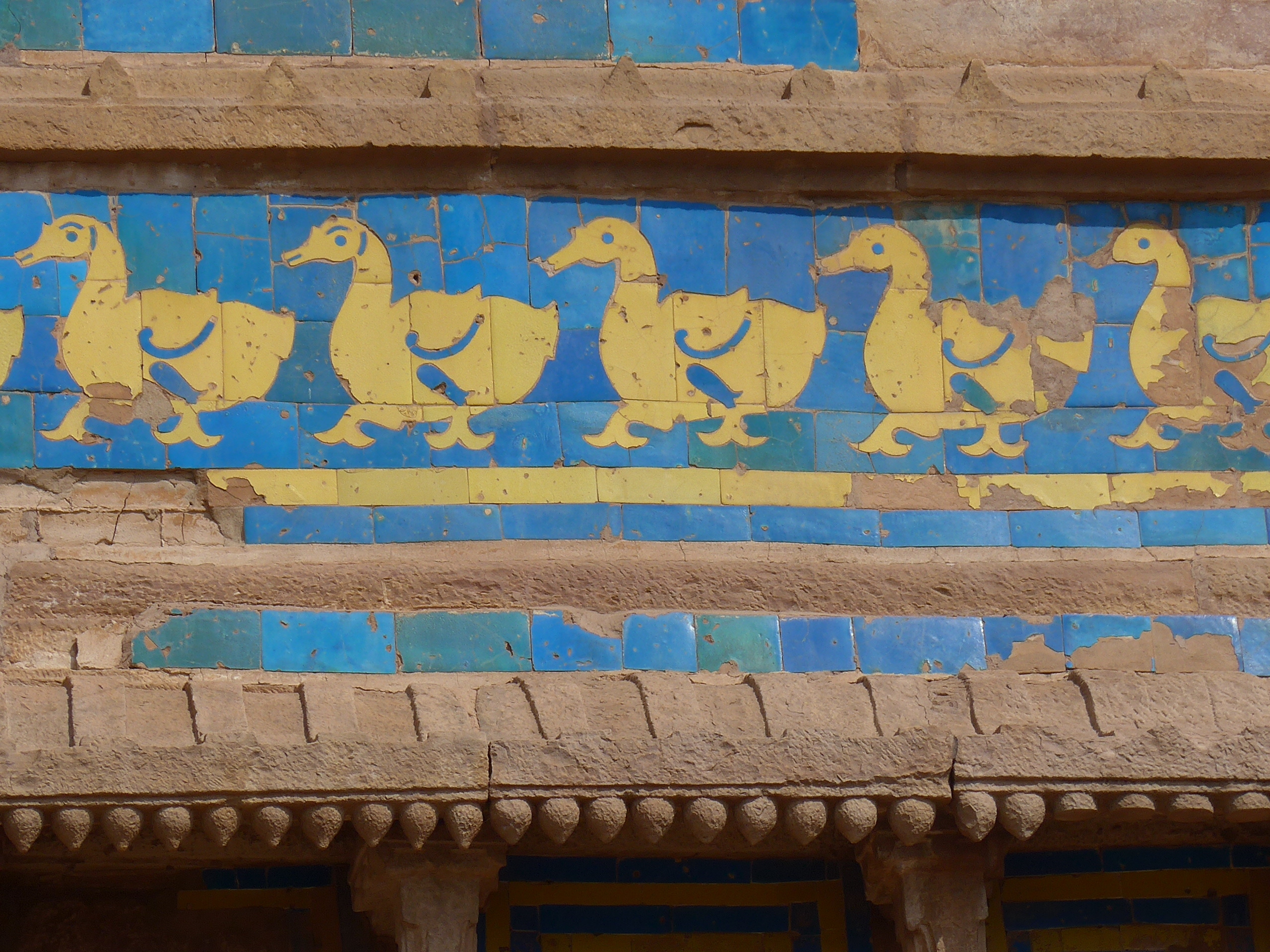
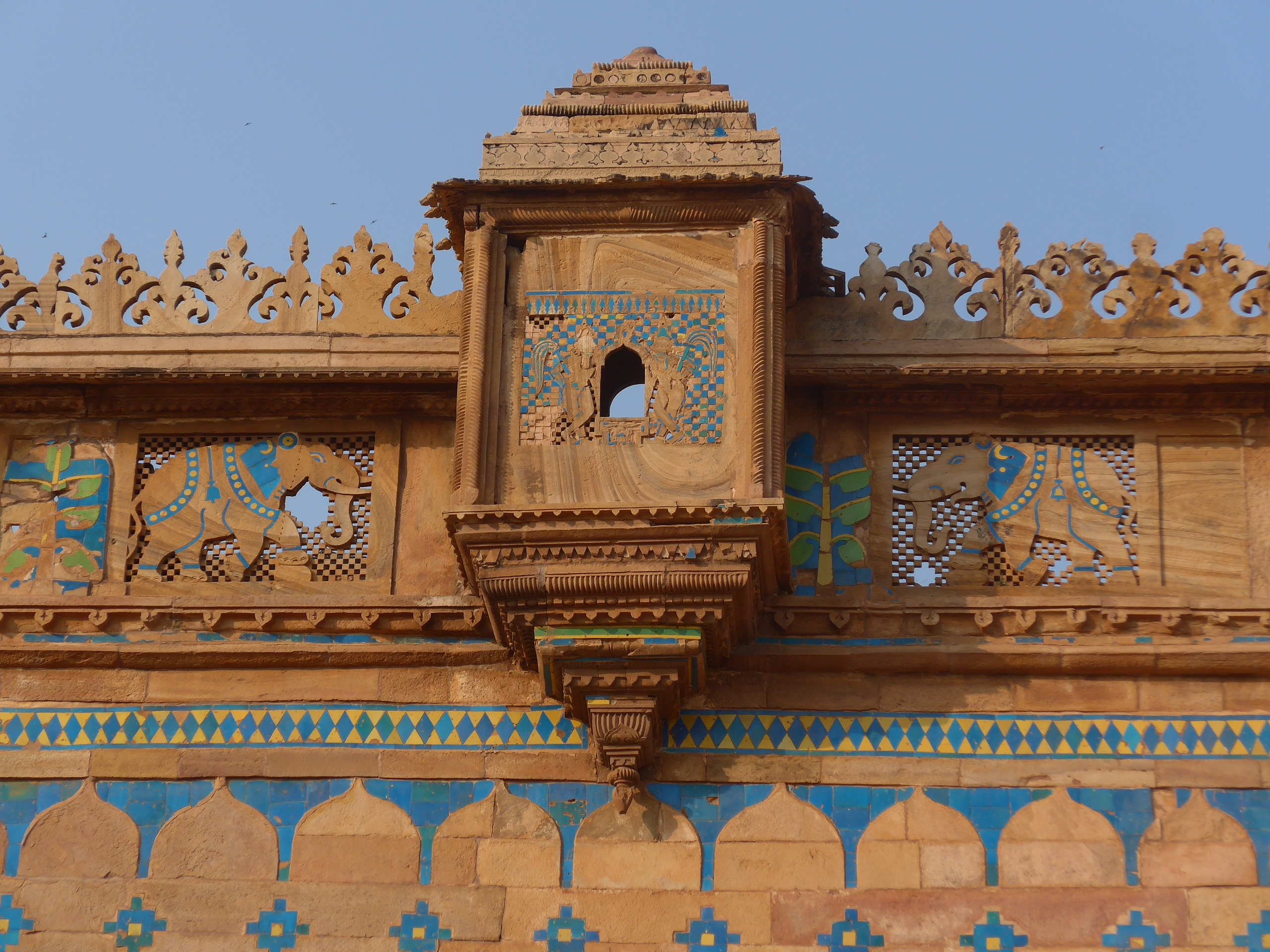
The walls of the Man Singh Palace, the only intact pre-Mughal palace, were decorated with tiles of ducks, parakeets, elephants and the ghariwal, the Indian alligator. Inside, a maze of palace rooms were decorated with animal and flower carvings and open-lattice work screens allowed spying from room to room.
The visiting Indians were in their Sunday best and we were in demand for “selfies”.

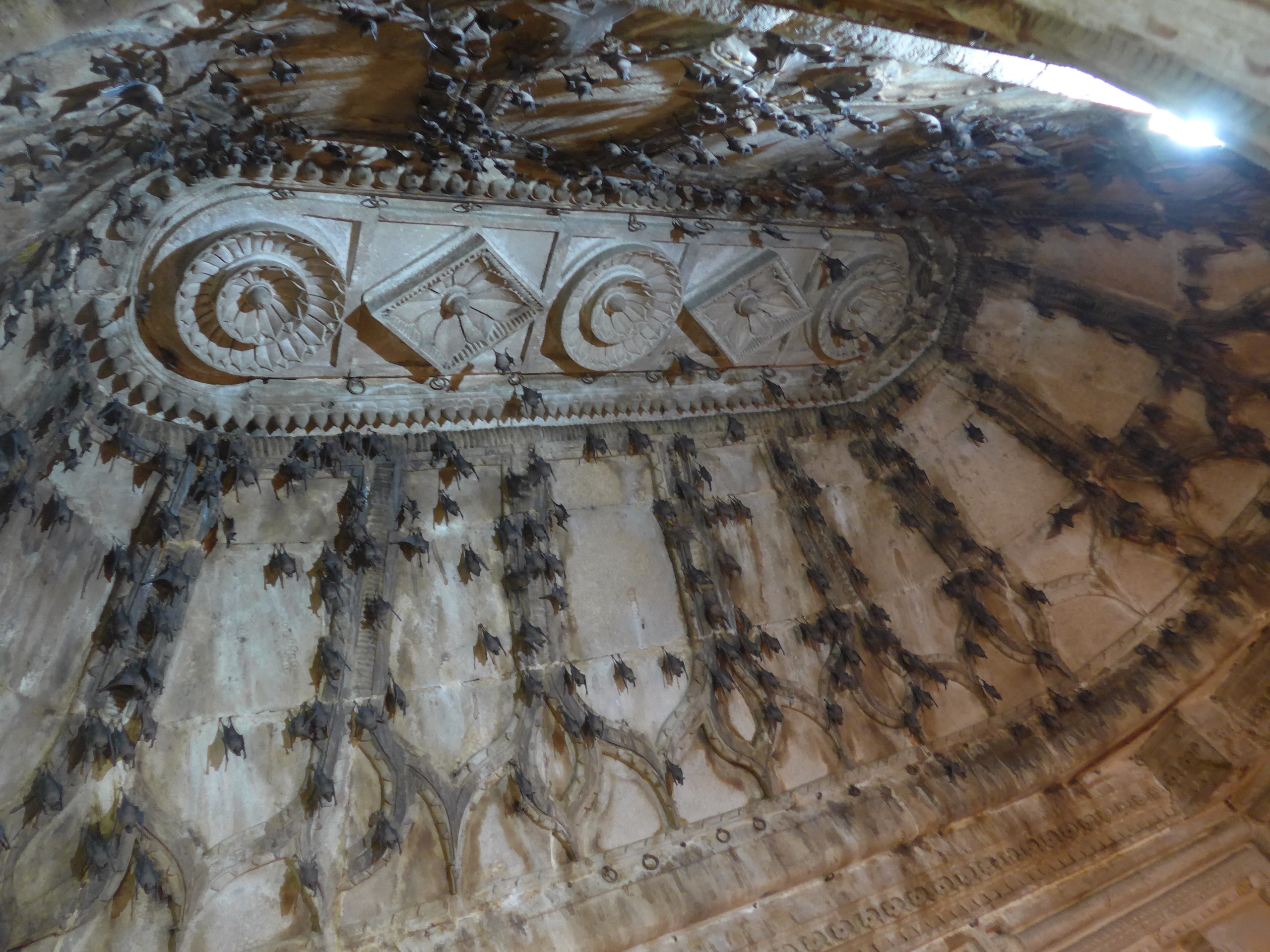
One room was coated with bats, twittering slightly and stretching their wings as the visitors disturbed their rest.
Two beautiful 9th-century temples, the Subhasu Mandirs, stood on the edge of the cliff, the carved figures defaced by Muslim conquerors.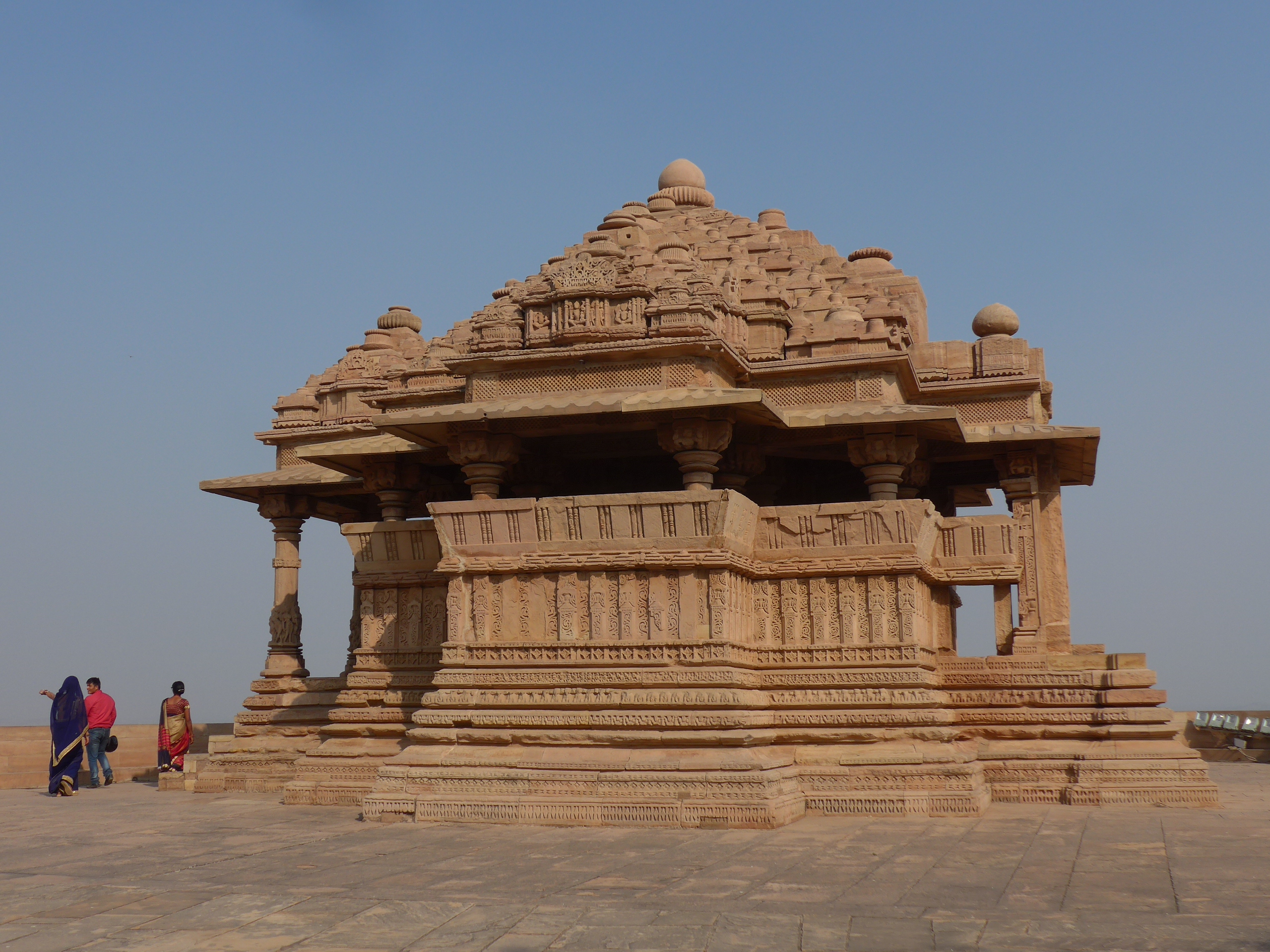
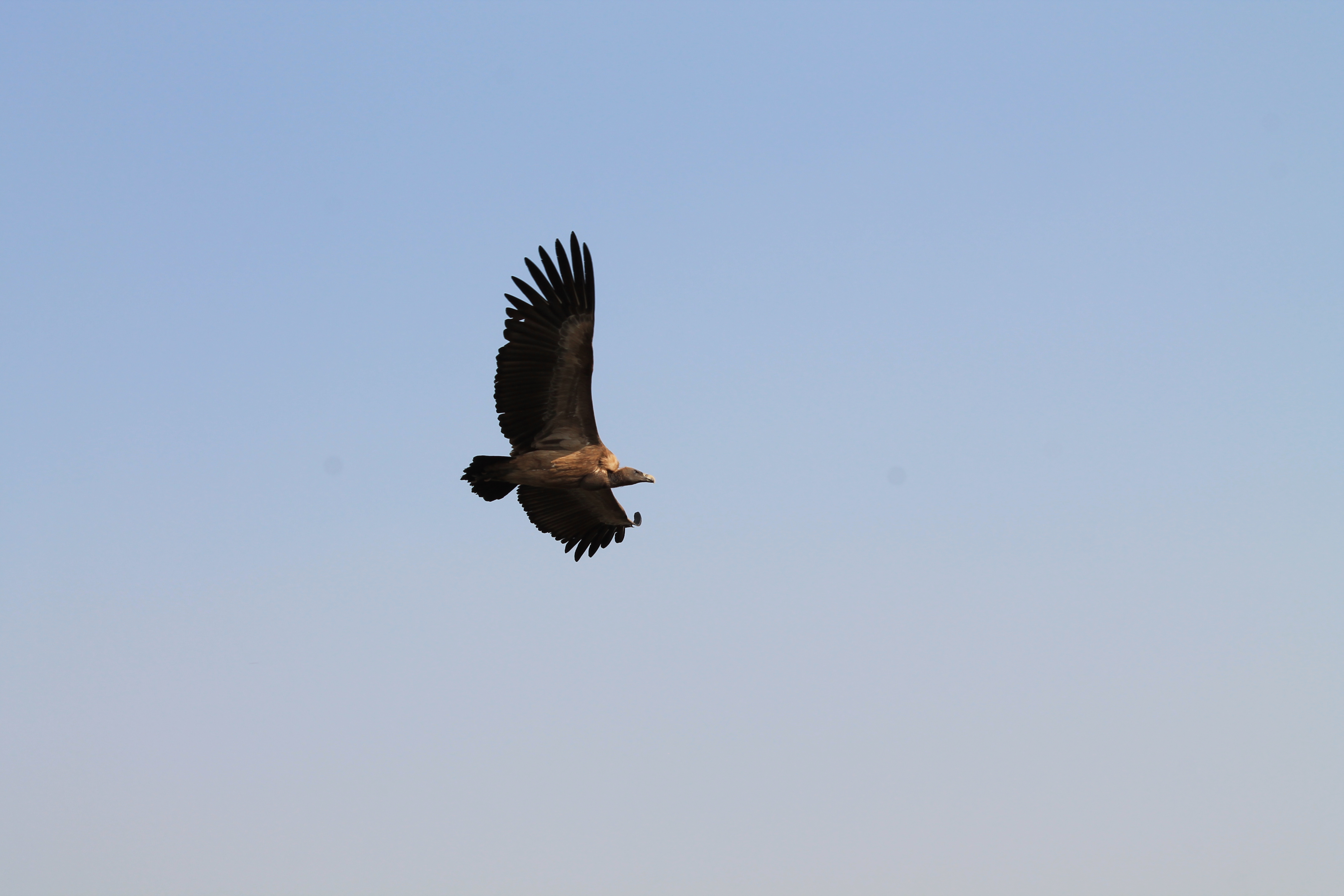
Above us circled a dozen vultures, on the lookout for weakened tourists.
Outside the Uwhari Gate, Jain figures were carved in the cliff-face of a ravine, sadly also mostly defaced. Young people on motorbikes stopped in excitement at seeing us, for more selfies, never mind the Jain sculptures.
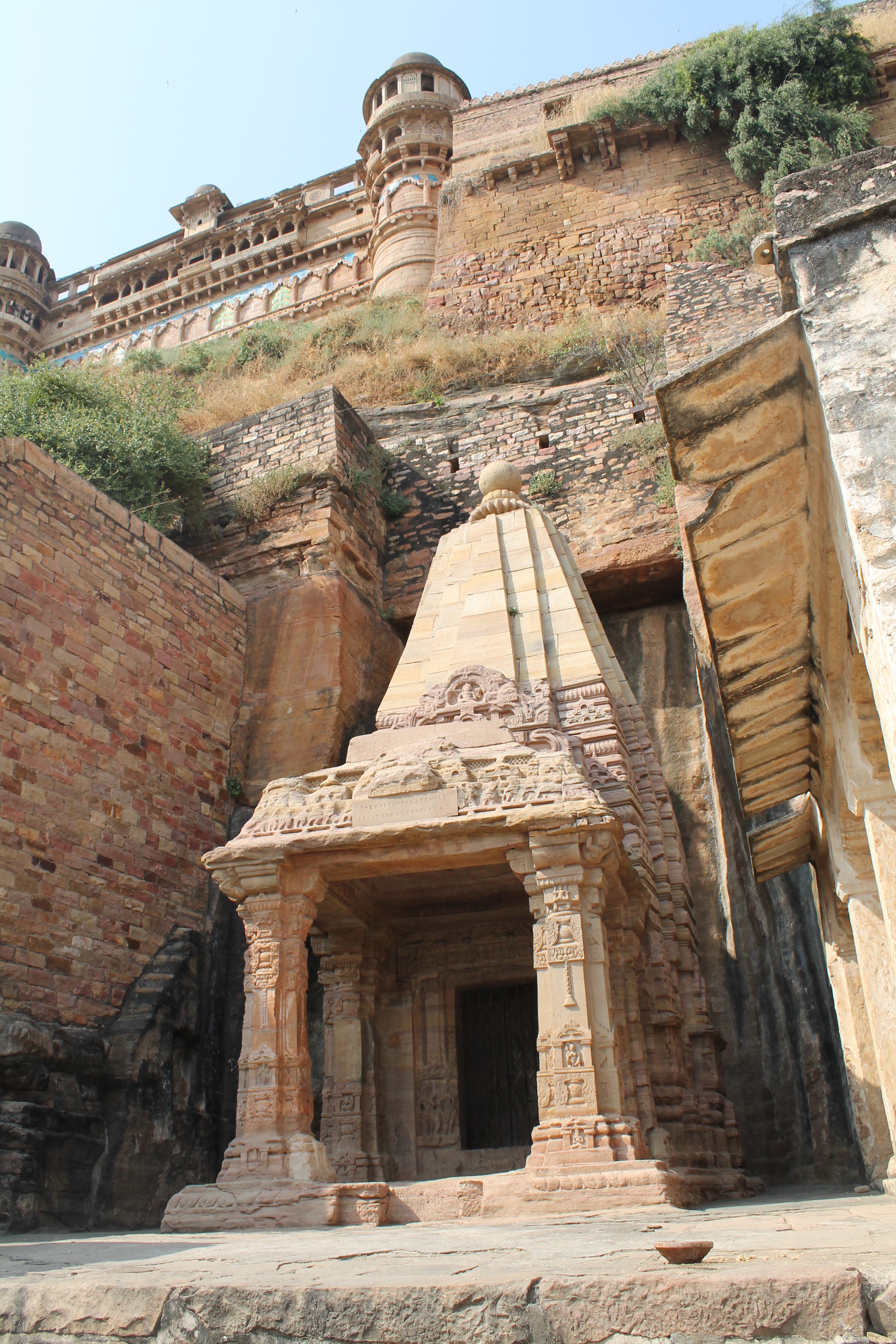
Halfway down from the Elephant Gate a 9th-century temple depicted the earliest use of the figure zero, a concept attributed to India.
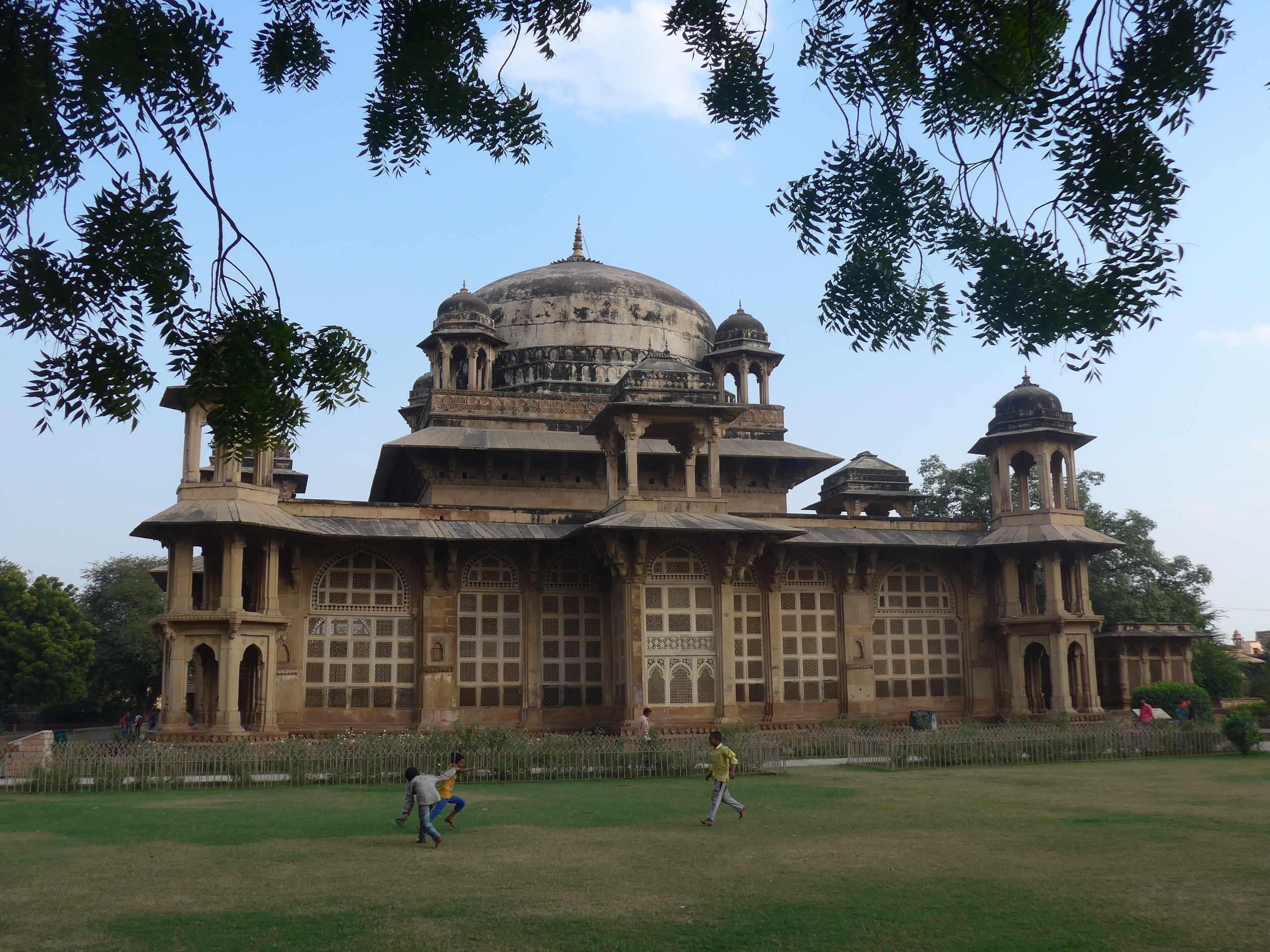
By the time we visited the Tansen Tombs (Tansen was a musician at the court of the Emperor Akbar), I was weary enough to fall asleep in a marble pavilion, only to be awoken for more selfies. I met a mongoose in the rose gardens of the tomb of Tansen…
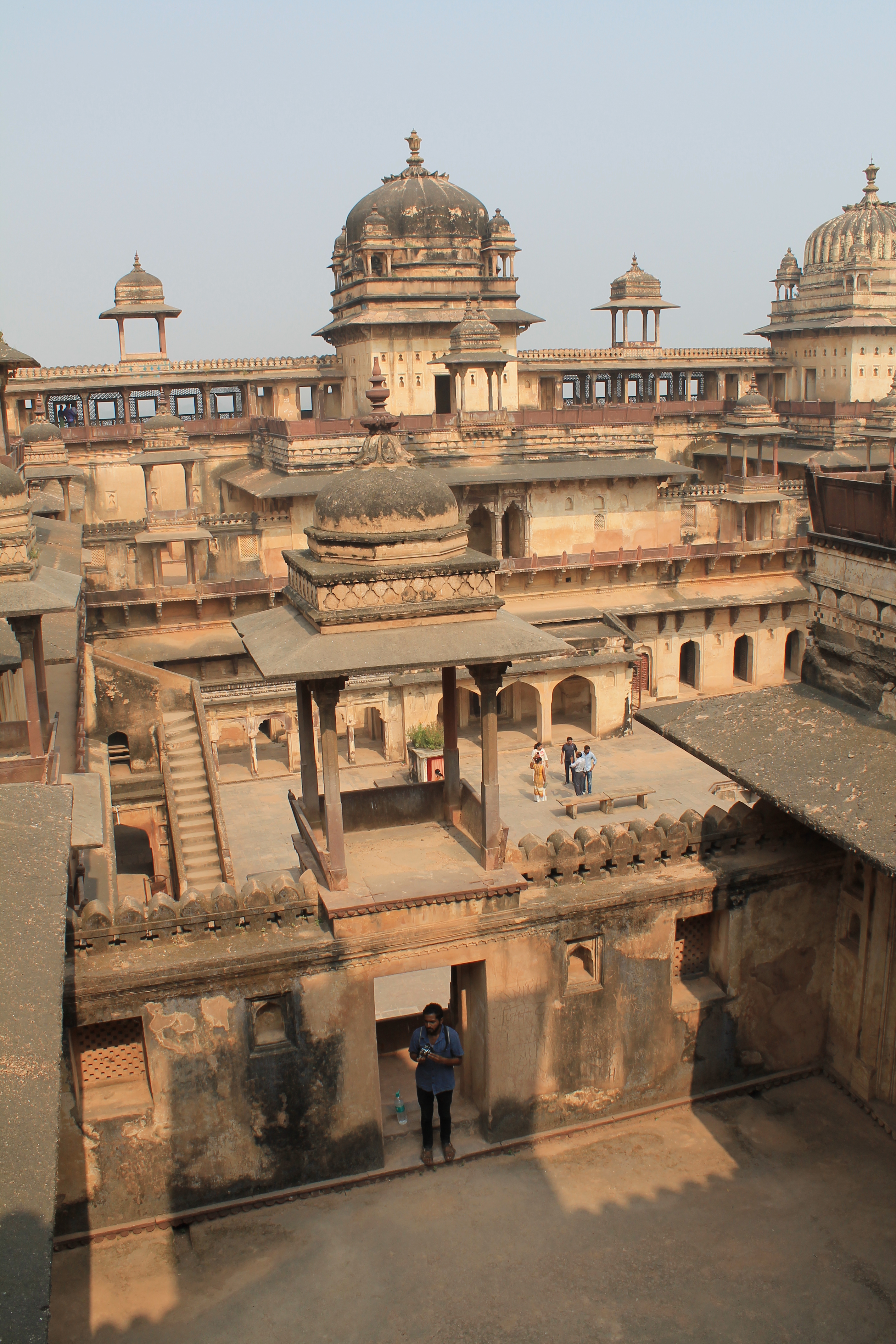
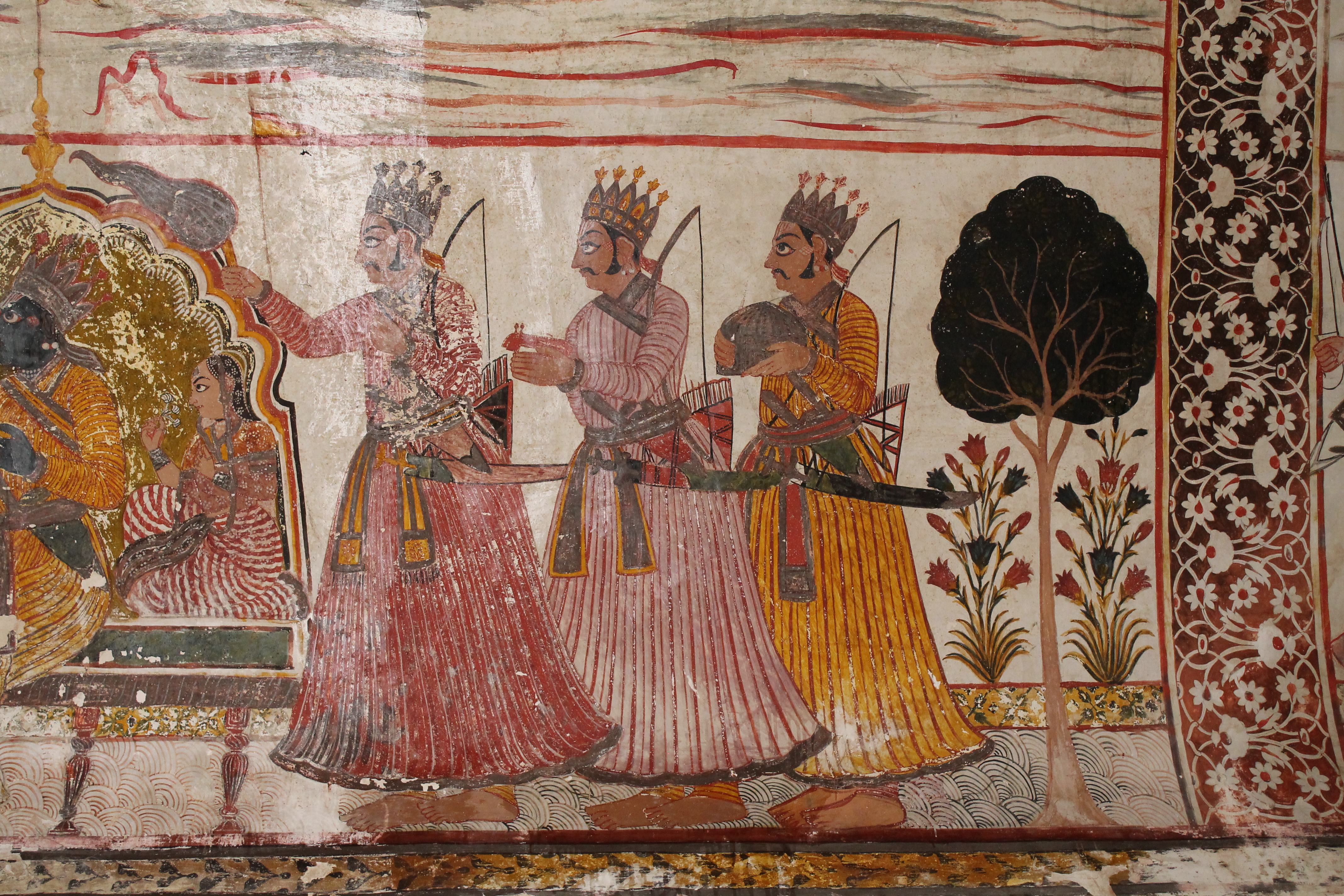
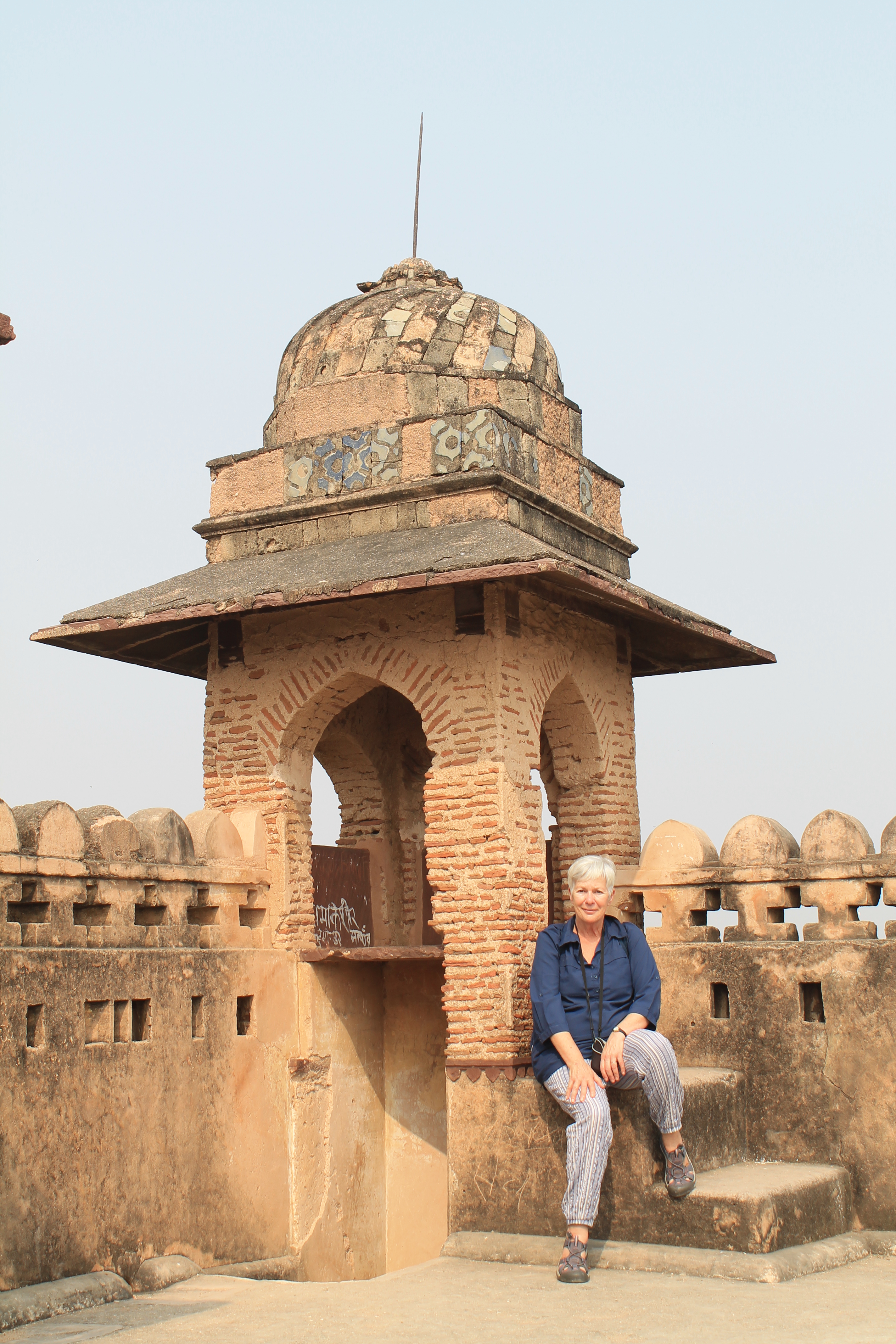
A short train ride away was the small town of Orchha, small and quiet enough for us to be able to walk down the street. It was full of palaces and shrines, clustered around the banks of the Betwa river.
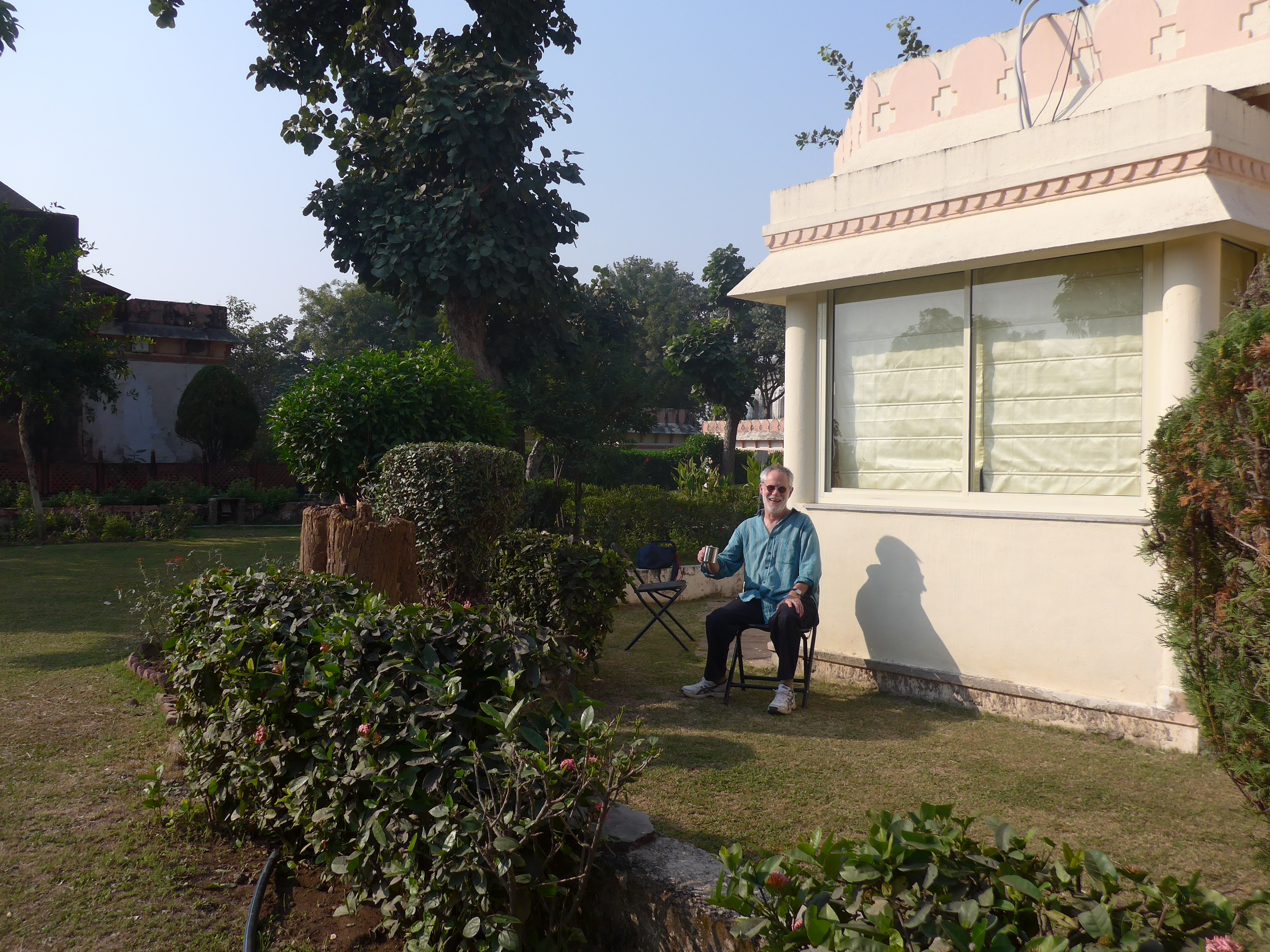
Staying in a palatial “cottage”, set in the landscaped gardens of the Betwa Retreat, and right by the pool, certainly helped us to feel we could cope after the mayhem of Gwalior.
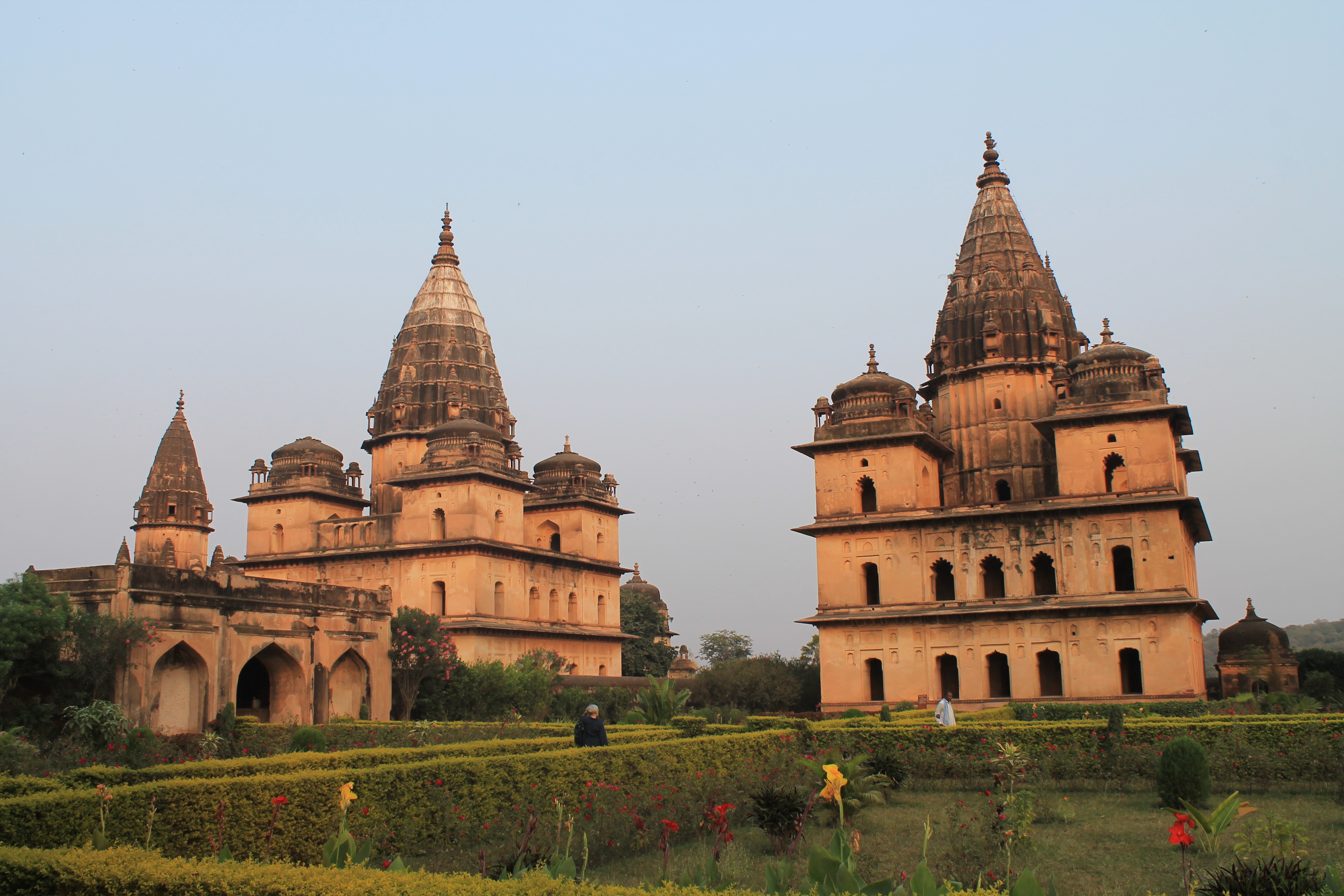
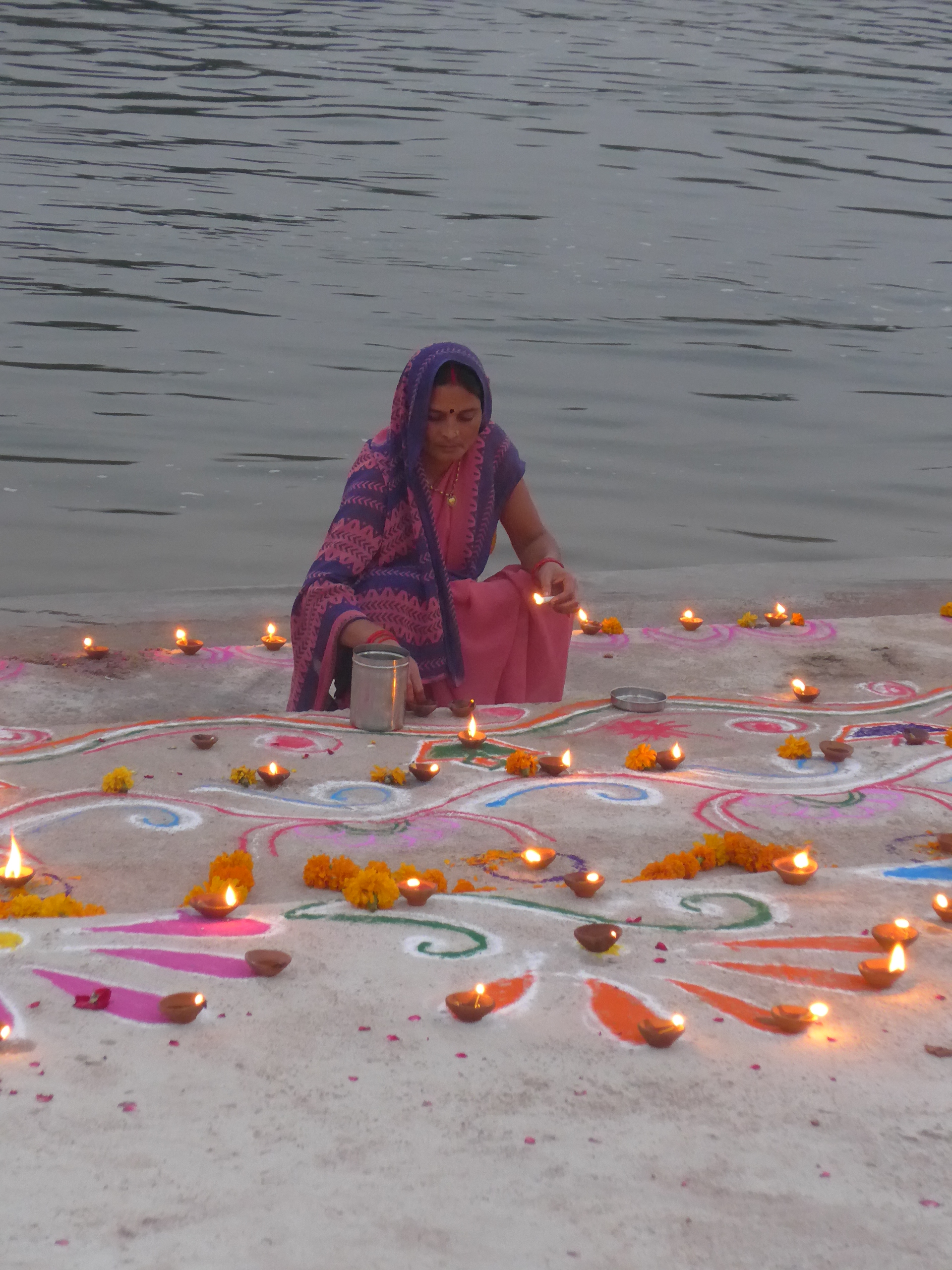
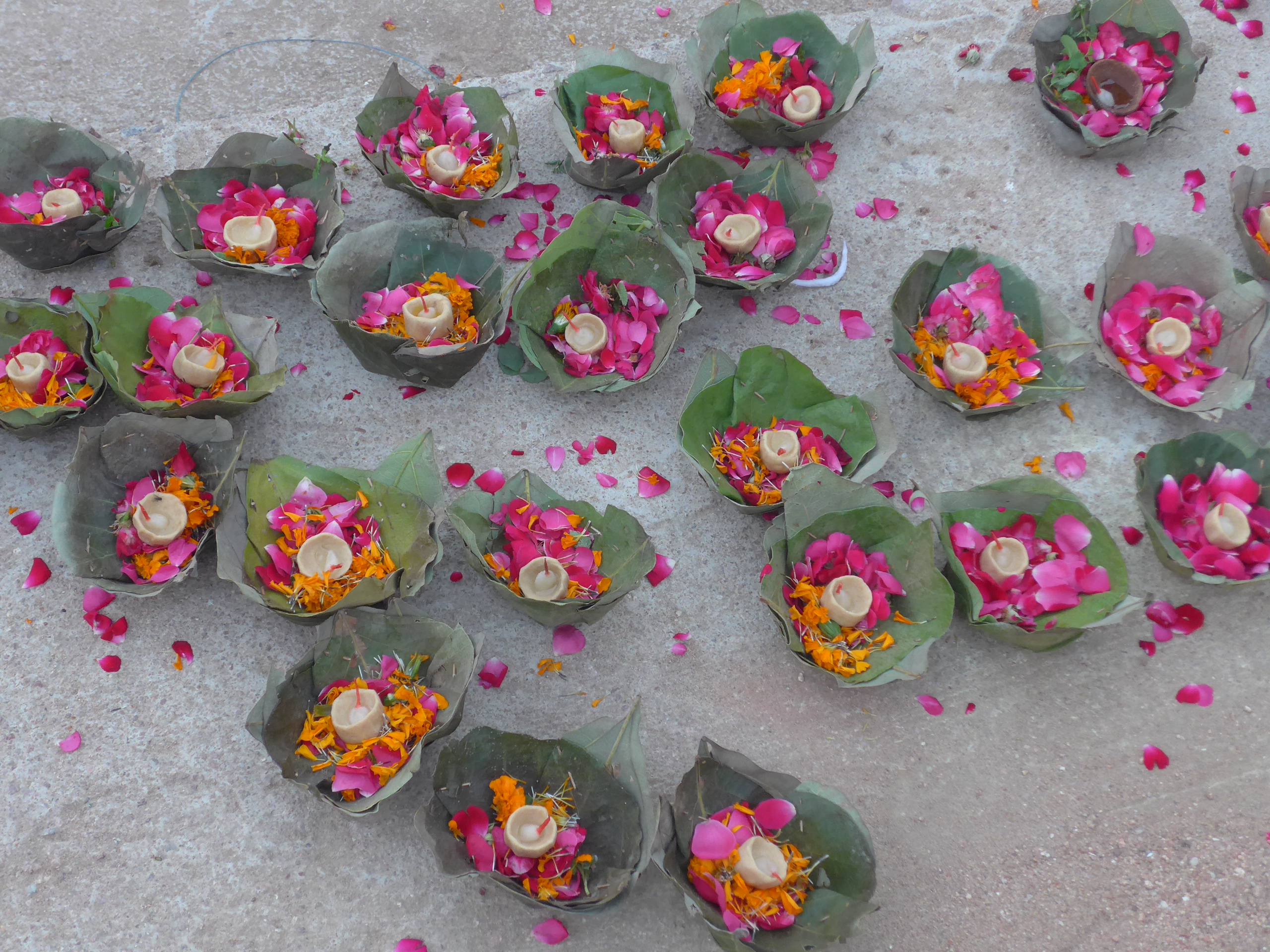
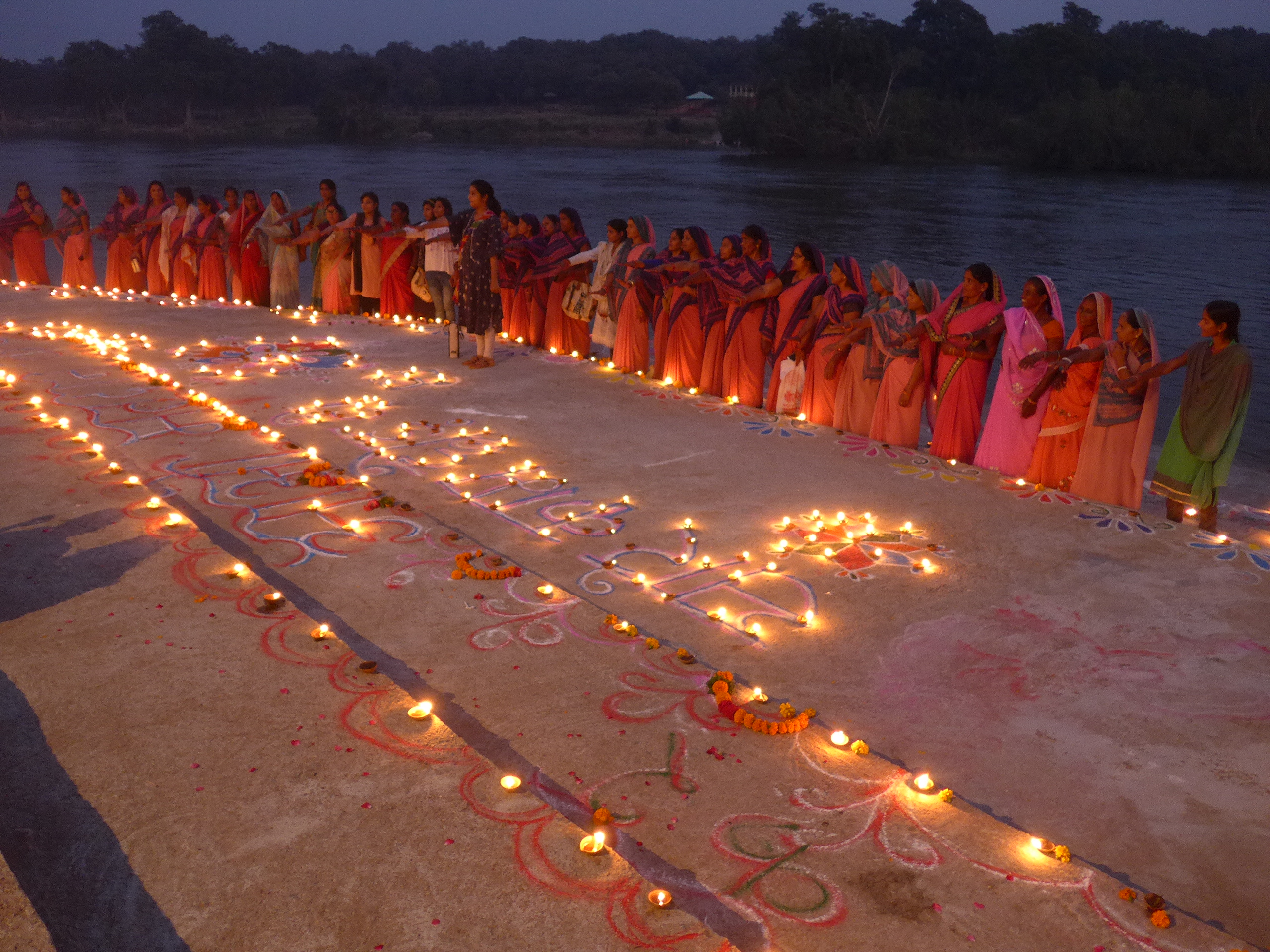
On the banks of the Betwa, overlooked by the 16th century funerary monuments called the Chhatris, a celebration of women’s right to vote was taking place.
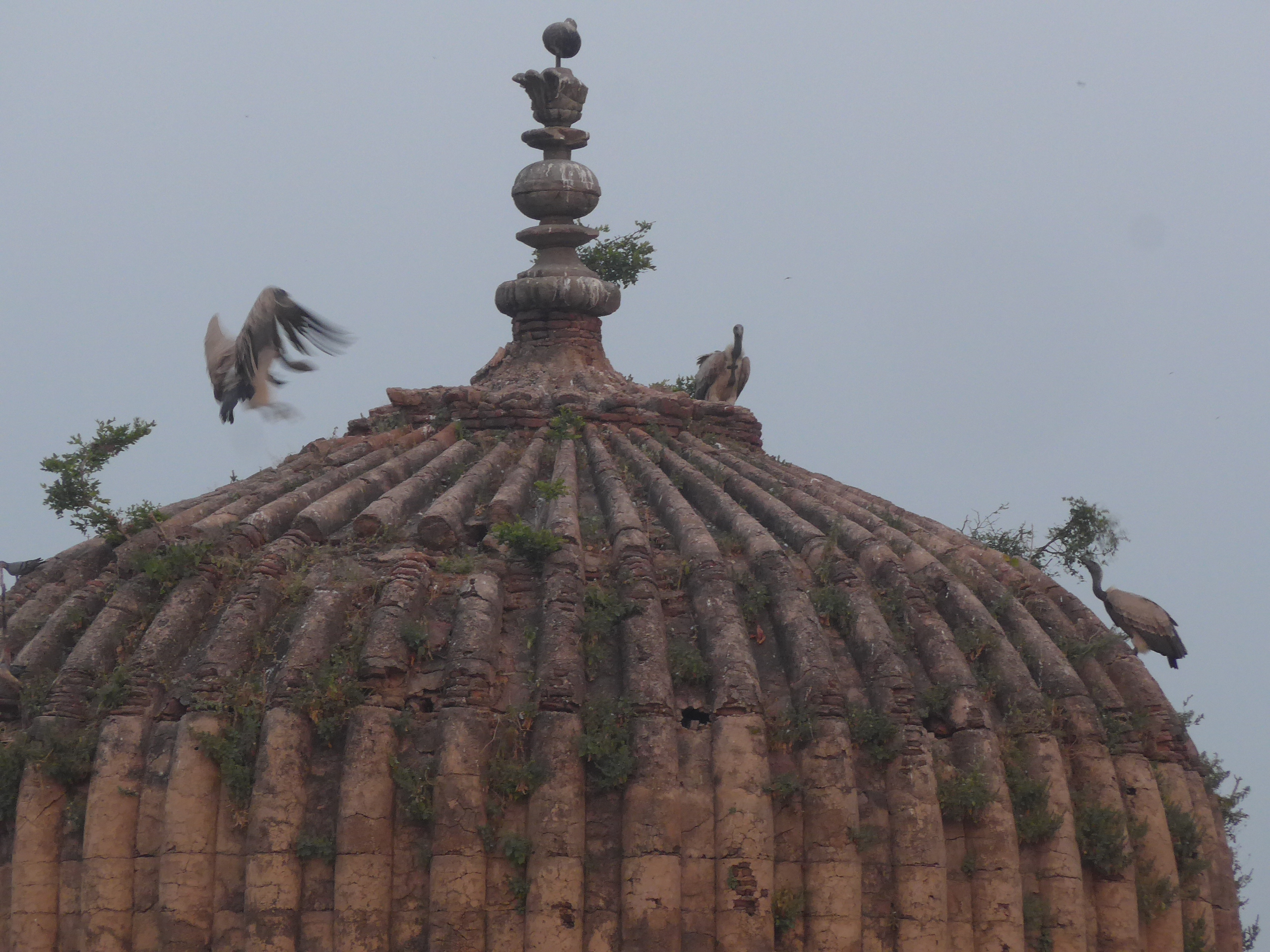
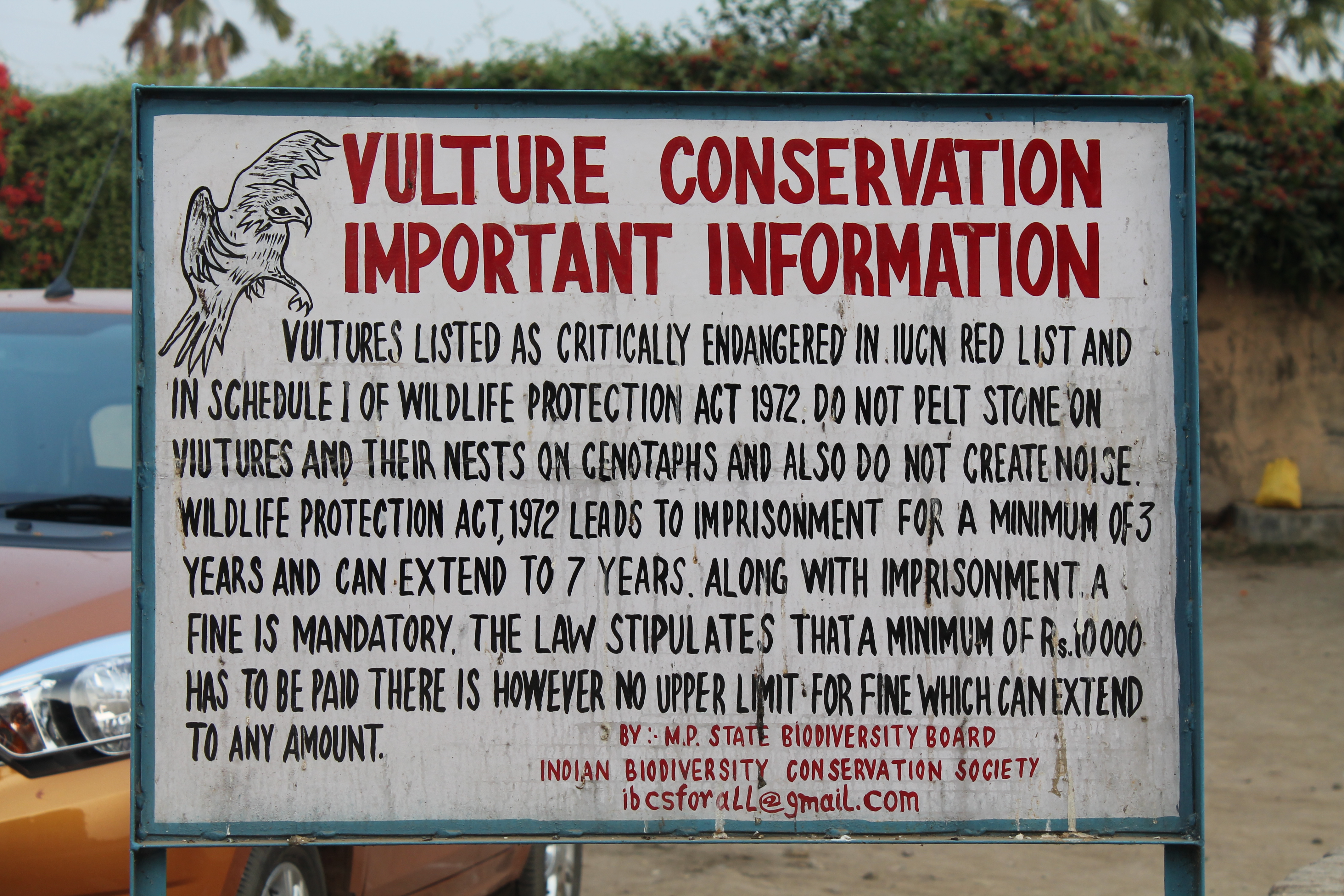
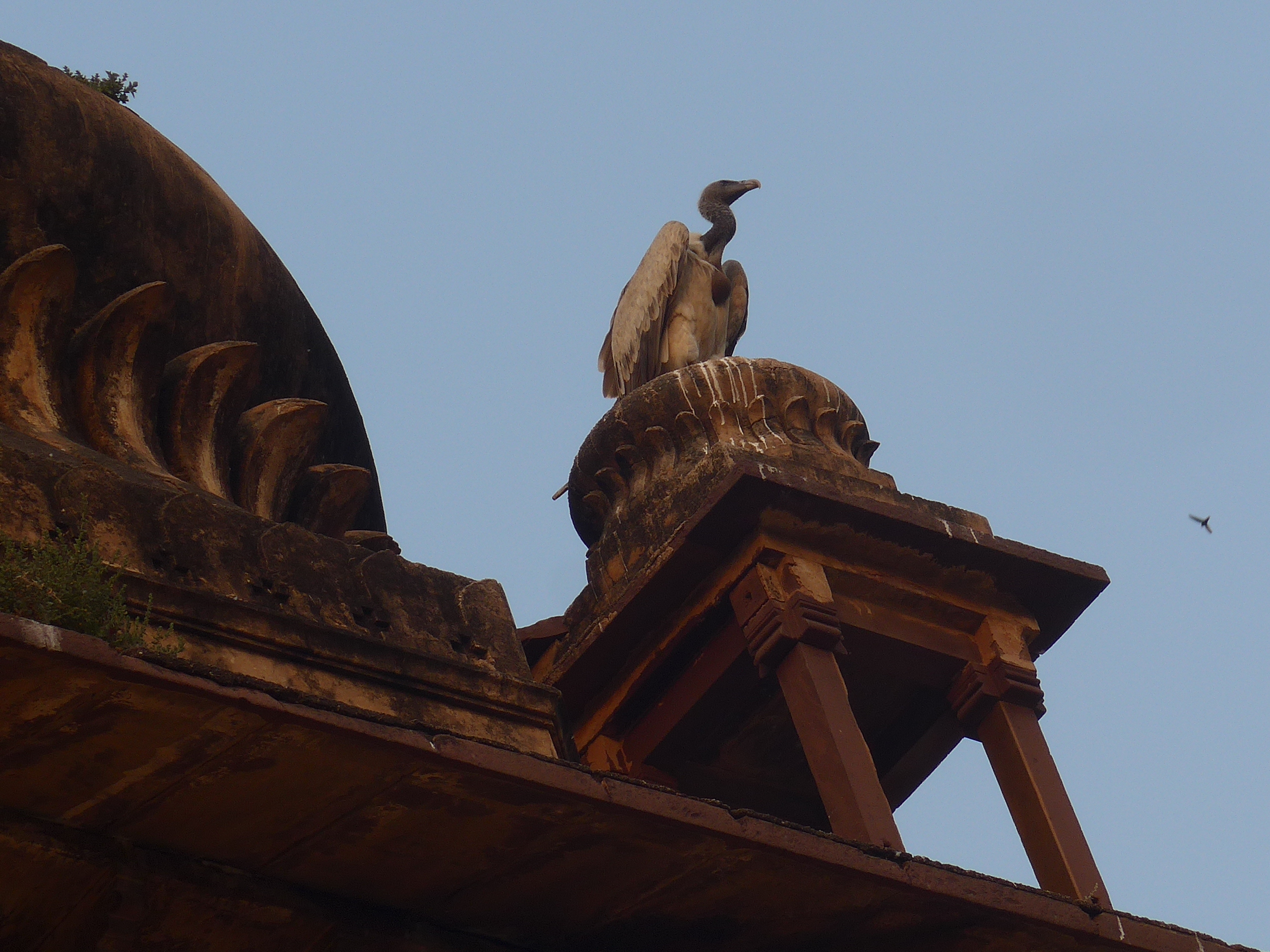
Orchha may have been peaceful but the local wildlife was pretty mean. I was head-butted by one of those placid-looking cows that stand around on street corners. A monkey jumped on our table and grabbed a Fanta drink. We remonstrated, it bared its teeth, we beat a hasty retreat. The vultures, however, behaved impeccably.
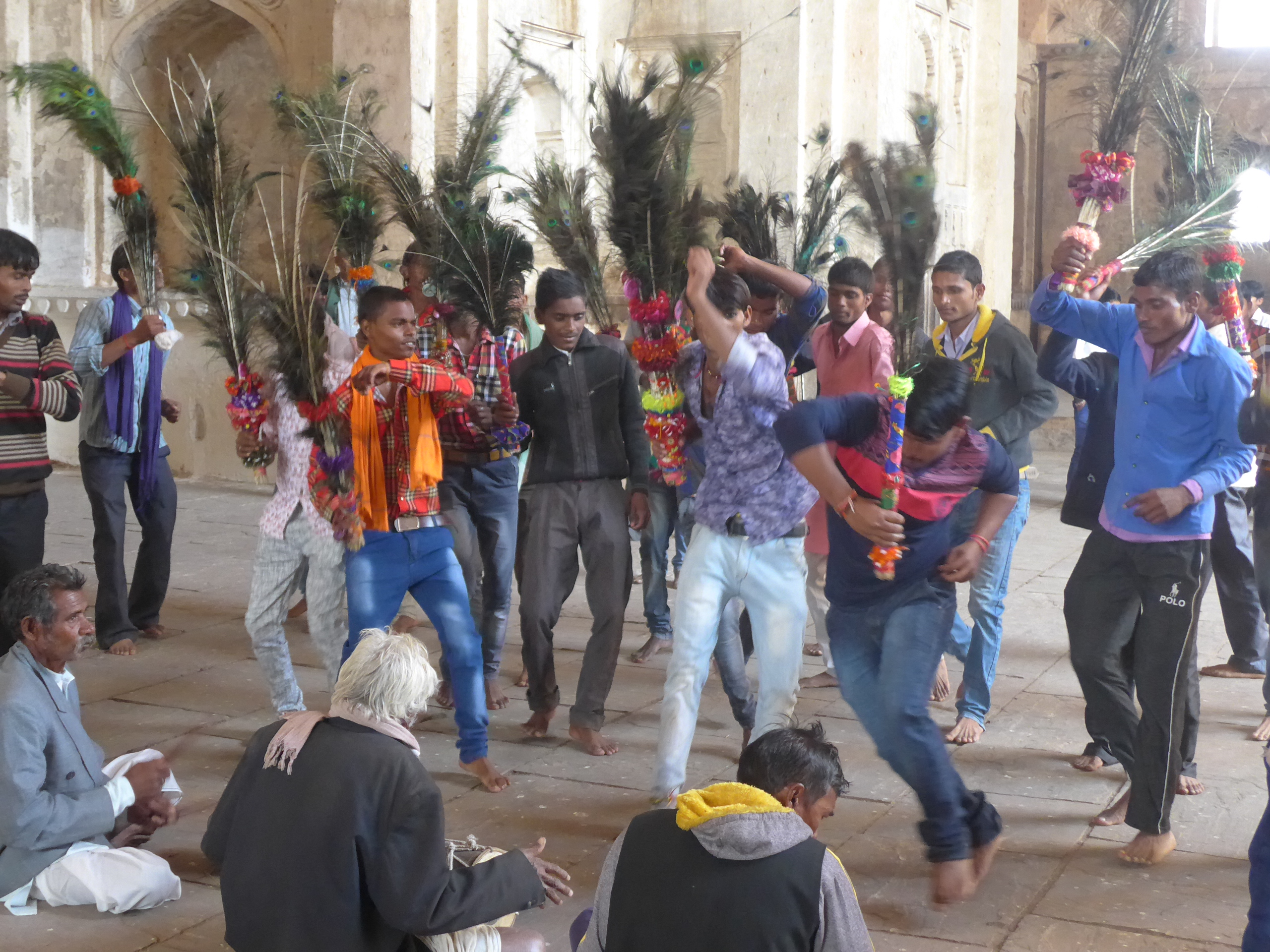
As it was Diwali, people were pouring in to visit the temple, buy souvenirs, set off firecrackers and generally have a good time.
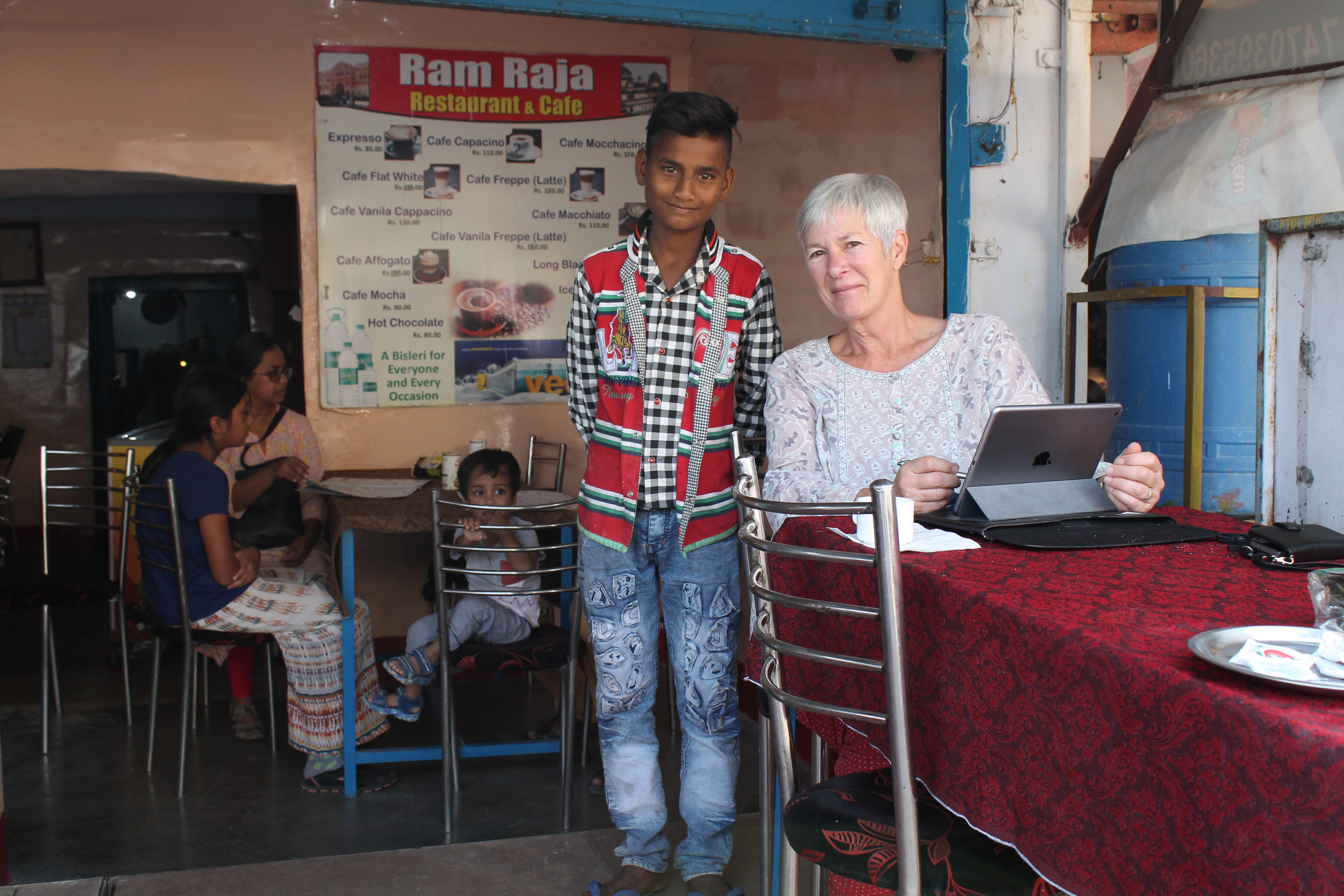
And four days here have given us enough time to recover, relax, and publish the first real Indian posting at the Ram Raja restaurant, Orchha.
 Riki's Indian Rovings