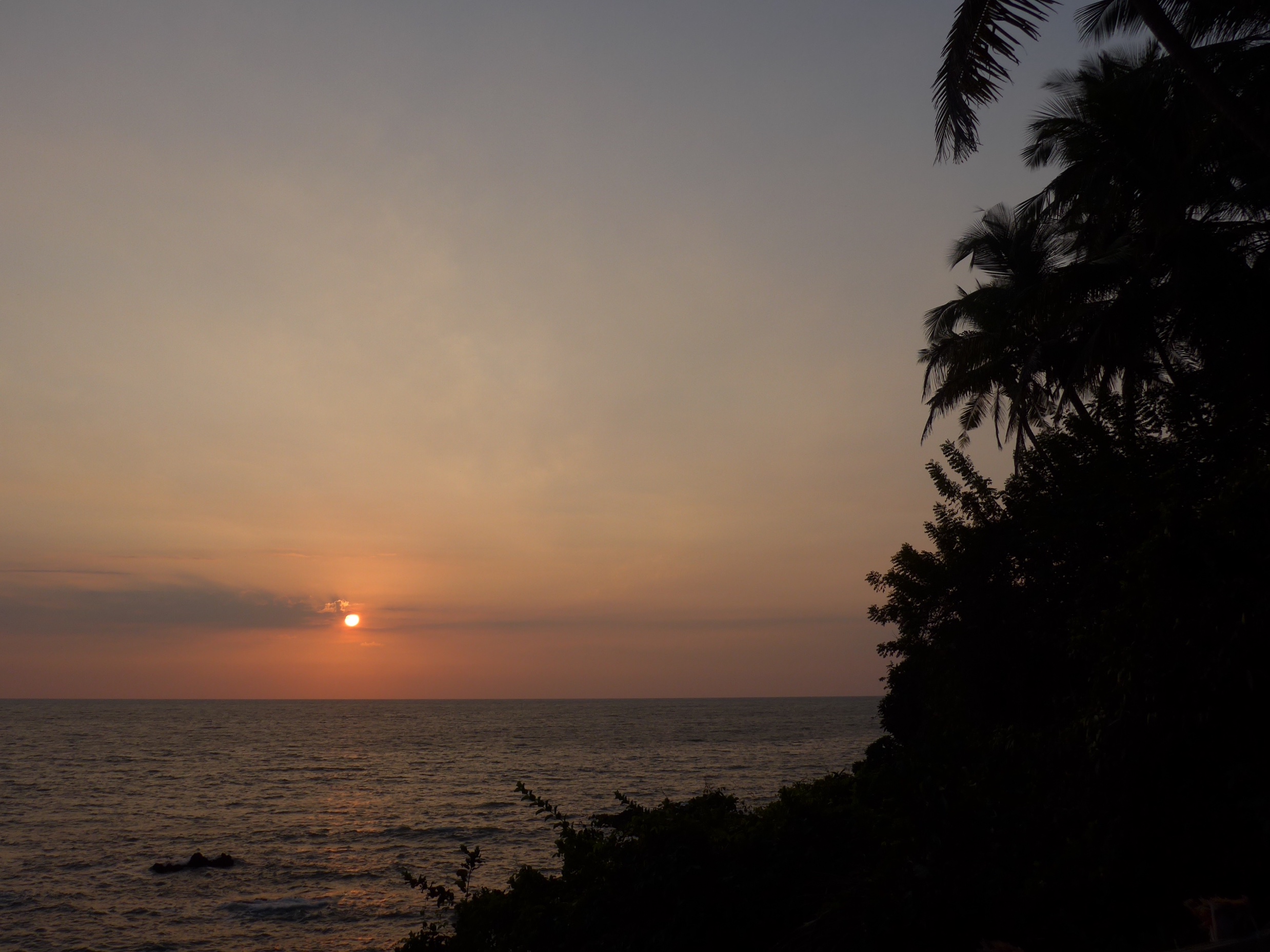
10. Southern Kerala and the backwaters : “These paper boats of mine …”

“These paper boats of mine are meant to dance on the ripples of hours and not reach any destination.” Rabindranath Tagore.
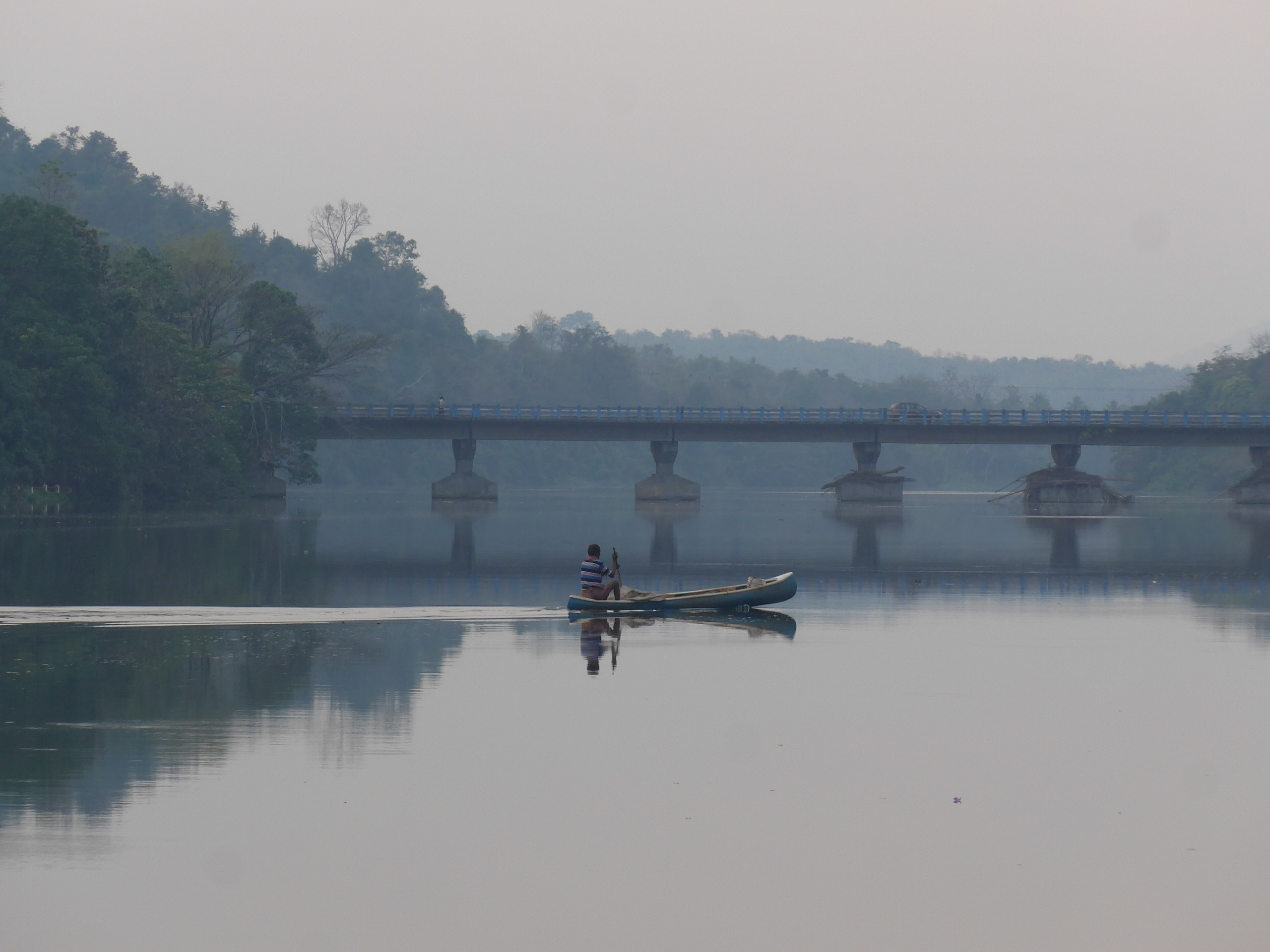
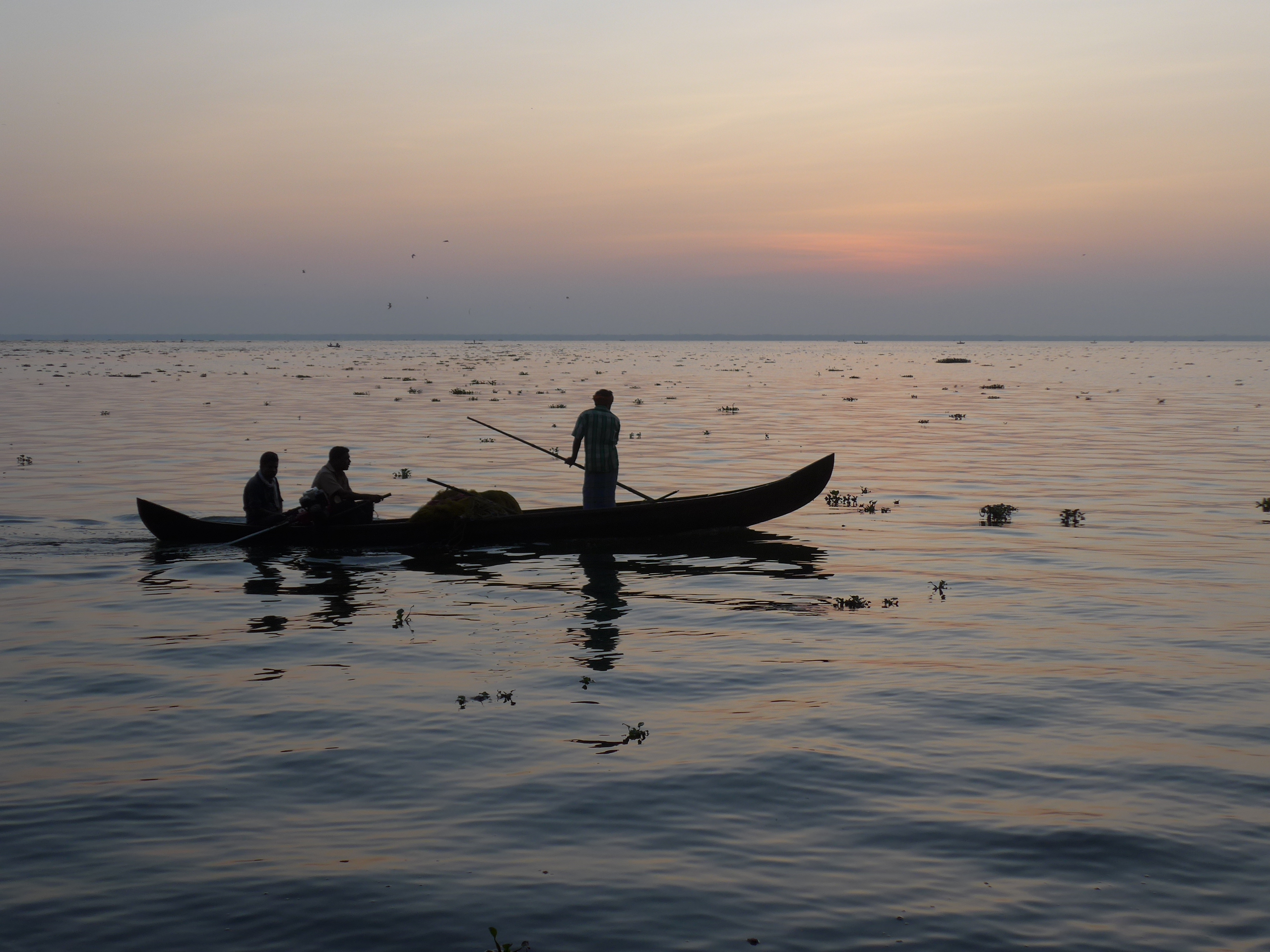
This seemed an apposite description of the ephemeral nature of the posts on this blog but also an image of the landscape of Kerala. In the east the Ghats are bisected by rivers and lakes and in the west is a narrow coastal plain of seashore, estuaries, lagoons and backwaters, parts of which were badly affected by the monsoon floods.
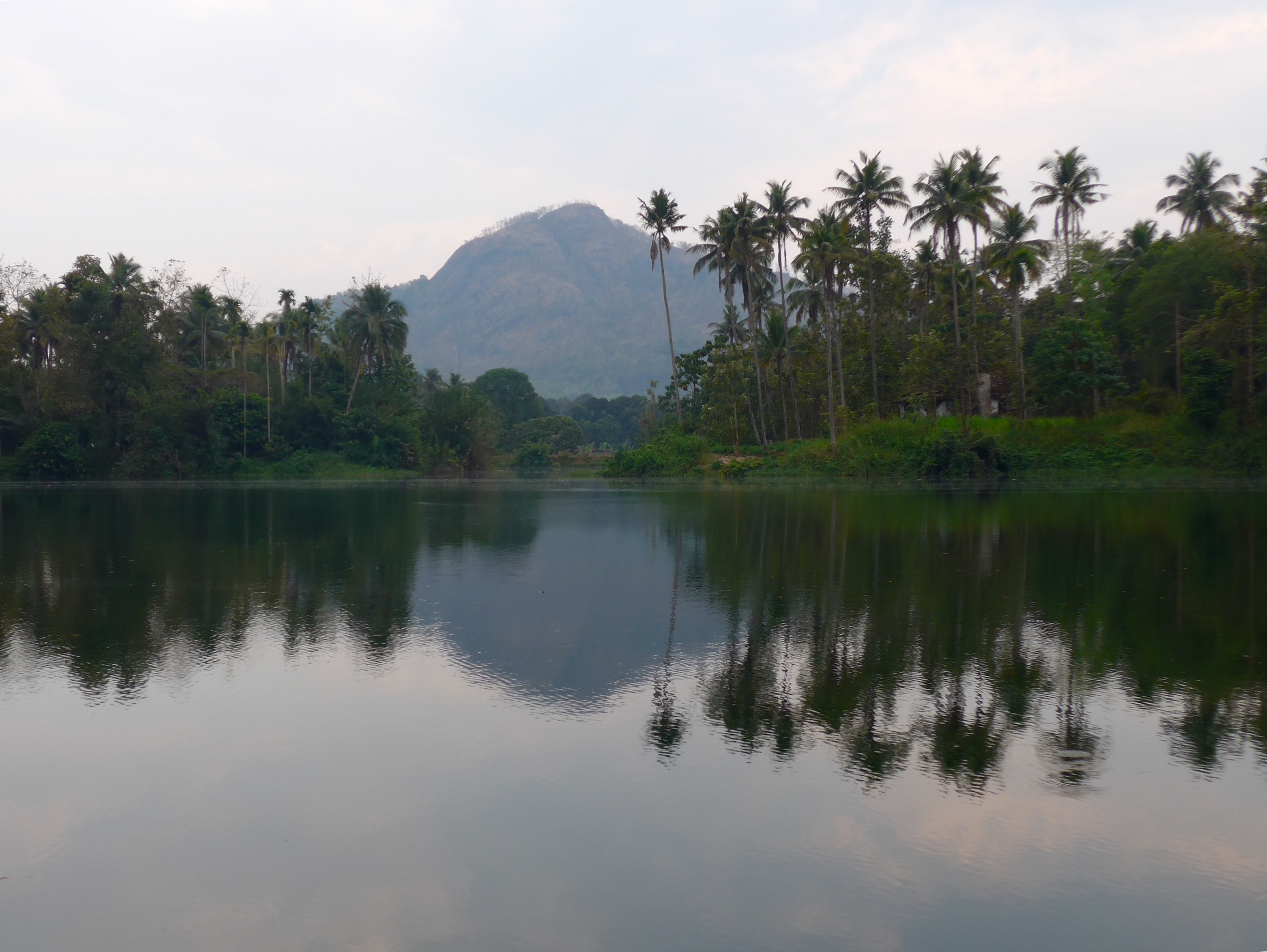
Periyar River, Thattekad

You cannot travel far without seeing or crossing water, on which you will see fishing boats and dugout canoes, or the sea-going trawlers and freighters approaching the ancient ports of Cochin (Kochi) and Calicut (Kozhikode).
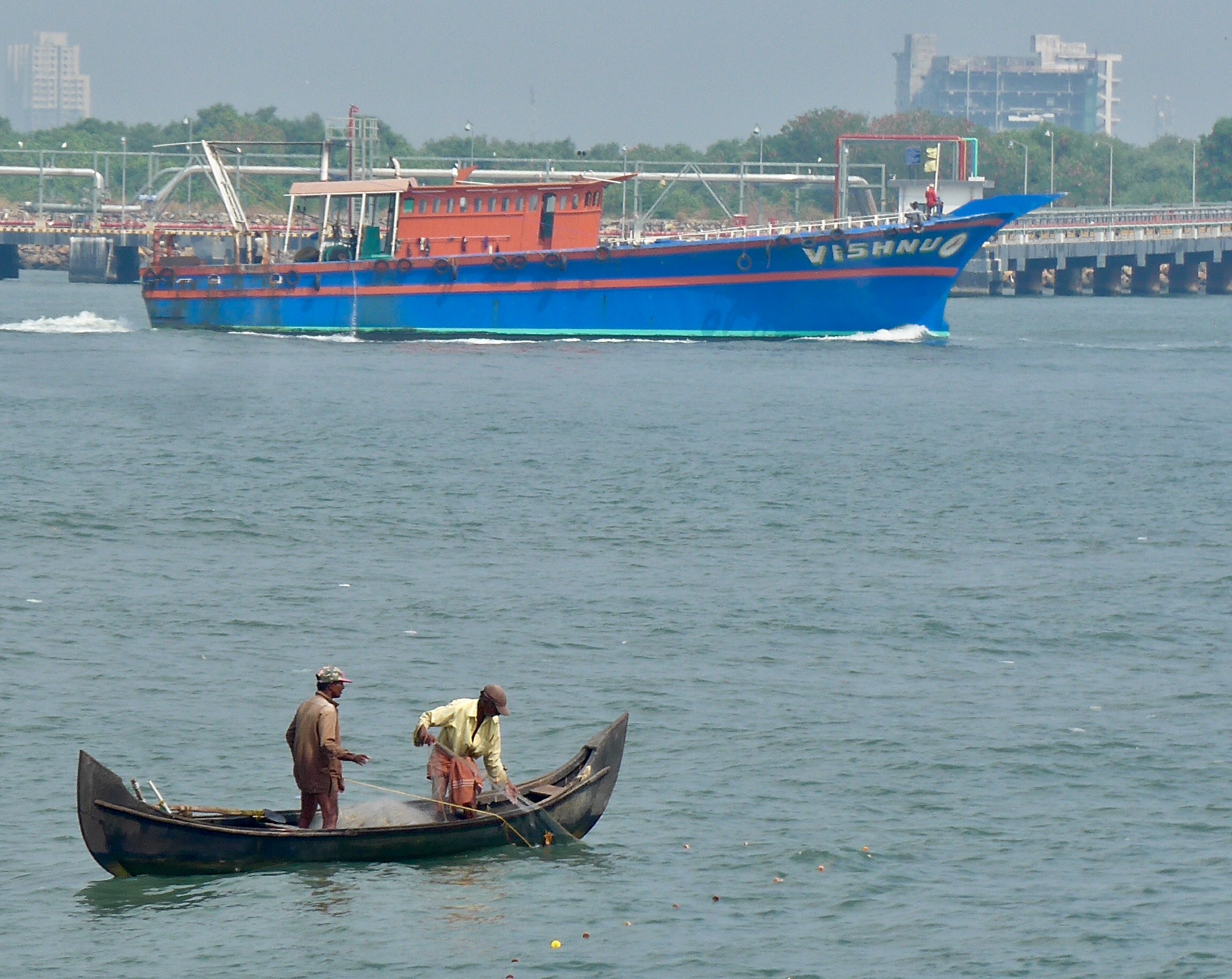
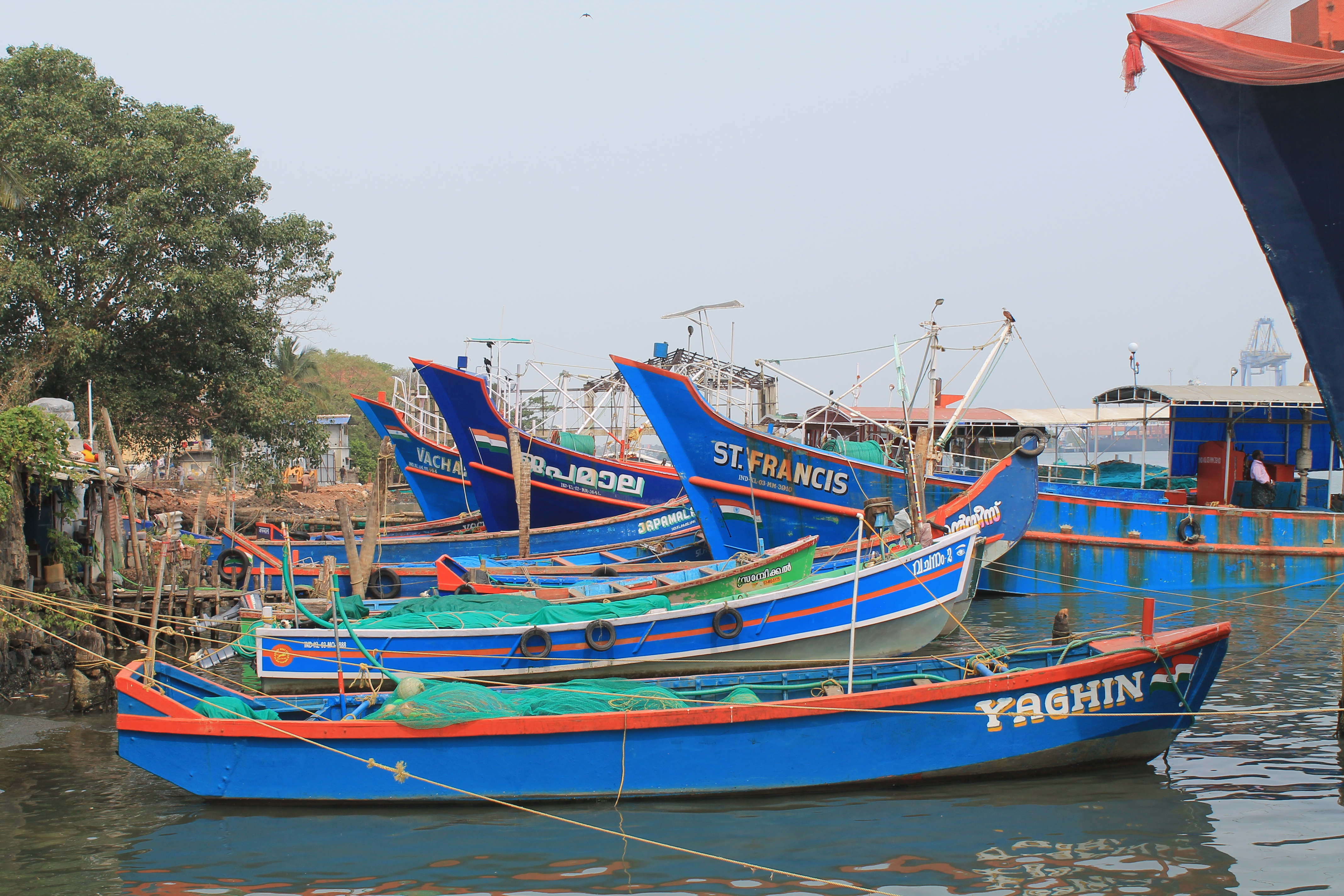
Off Fort Kochi
Fishing boats, Fort Kochi


Lake Vembanad


Back up in Wayanad in the Western Ghats the night time air was cool and the landscape a mixture of jungle and coffee plantations.
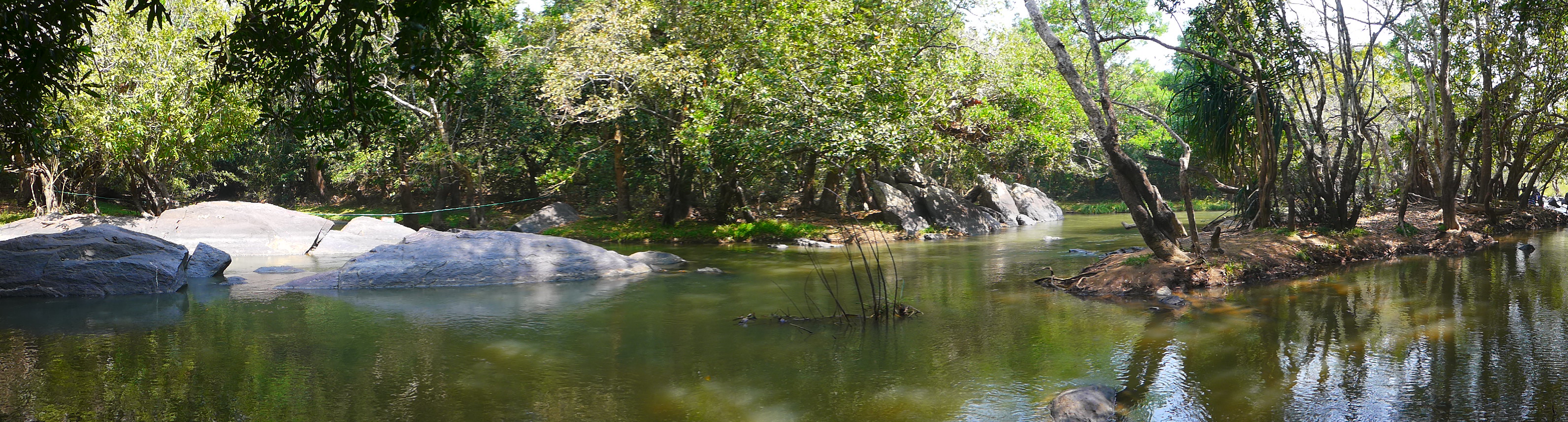
Kuruva Island, Wayanad

The tigers proved elusive but Jim did have to grapple with a giant spider in the bathroom and wrestle it to the floor. Luckily the spider conceded. On safari we saw four wild elephants coming down to a waterhole in the evening to drink, and we did meet a rare sloth bear. This belied its name by galumphing rapidly away when it saw us.
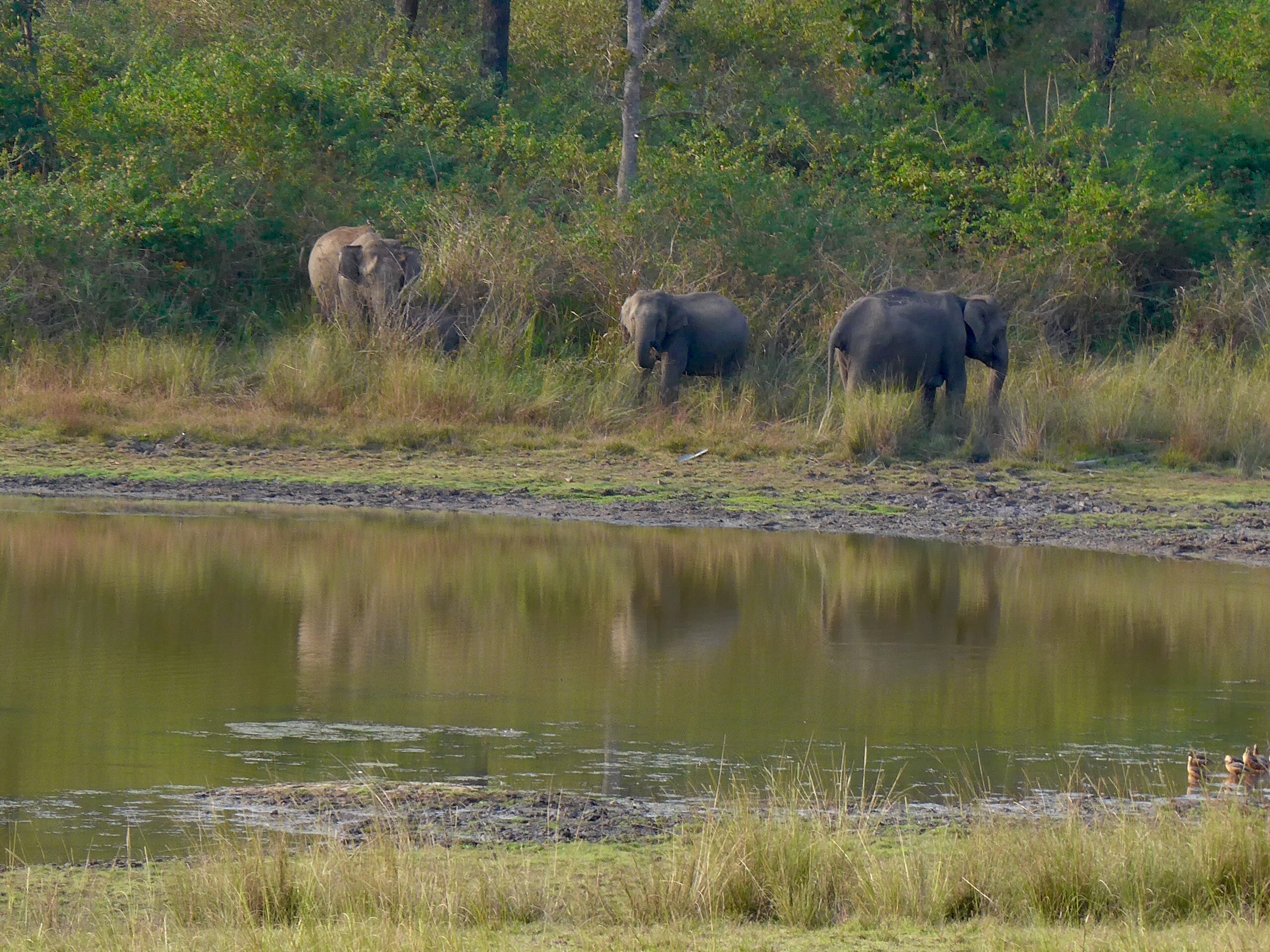
Wild elephants at Nagarhole National Park


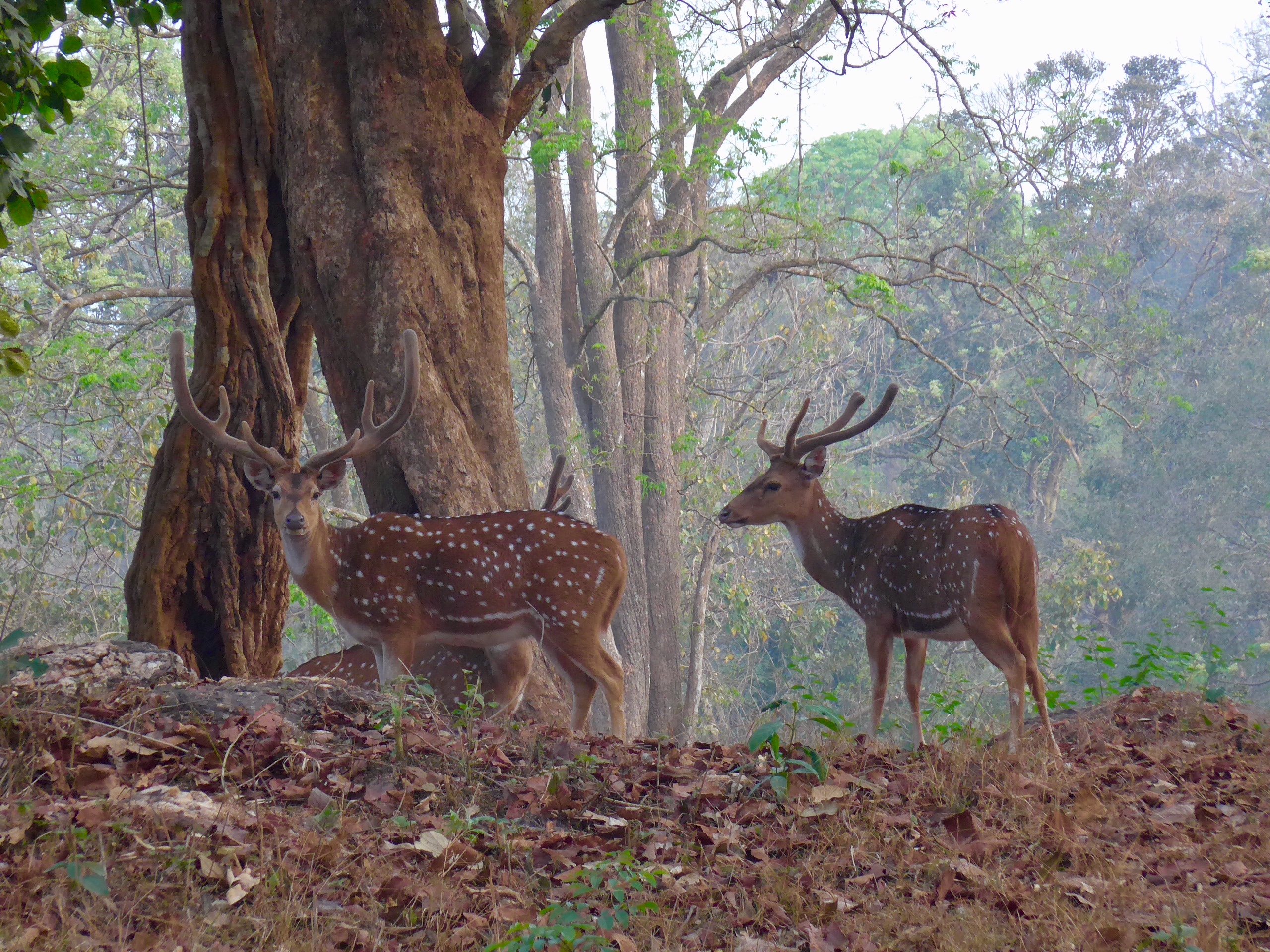
Spotted deer in Wayanad


At Varnam Homestay we stayed in a house on stilts with fruit trees of all kinds growing round us.
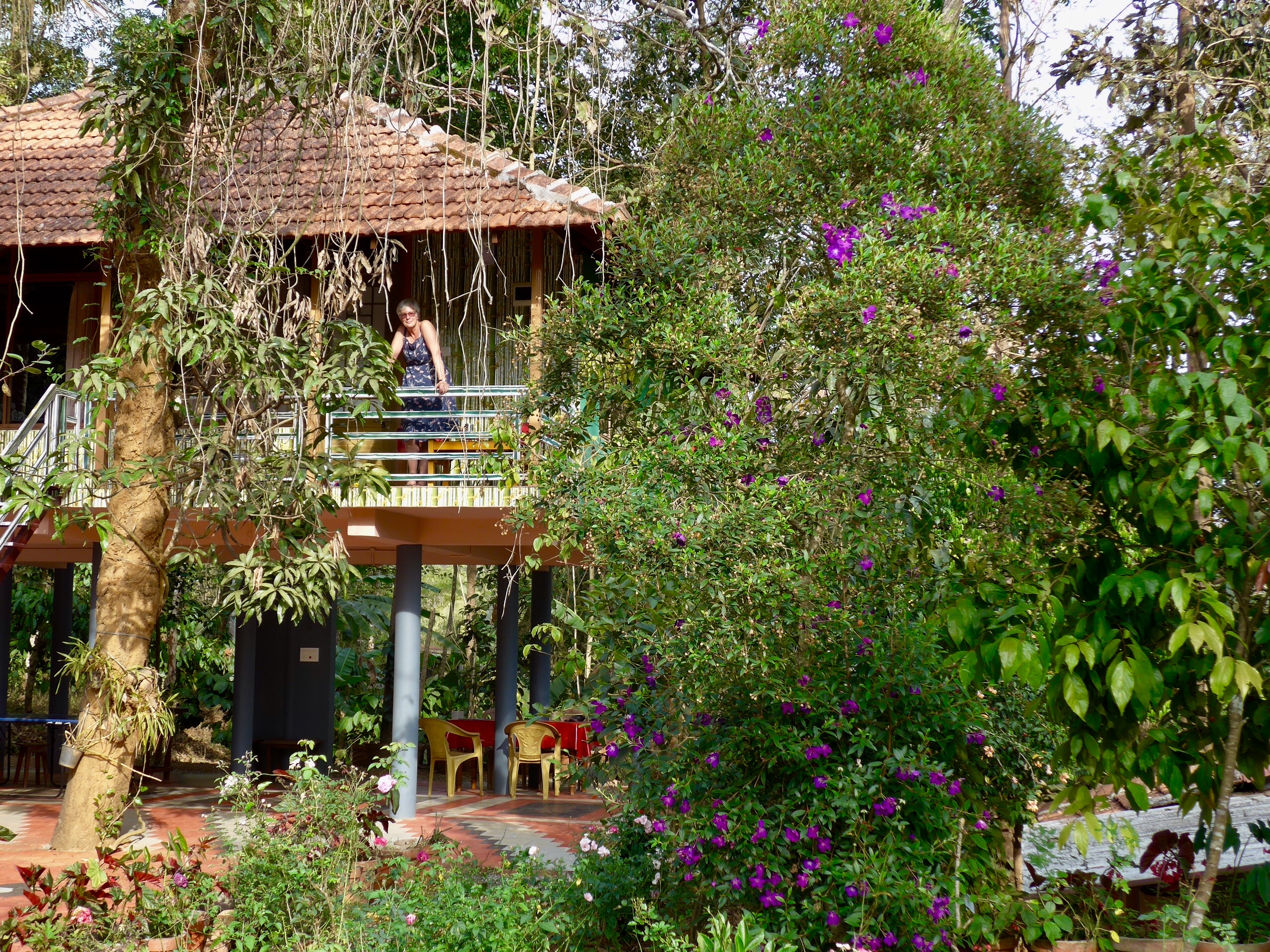
Varnam Homestay, Wayanad

There were walks in the padi fields, rubber plantations and the surrounding forest where we watched giant (three feet long) Malabar squirrels doing acrobatics in the topmost branches. Some guests met wild elephants crossing the road. Electric fences are everywhere in an attempt, not always successful, to protect both people and crops from elephants, tigers, wild boar and leopards.
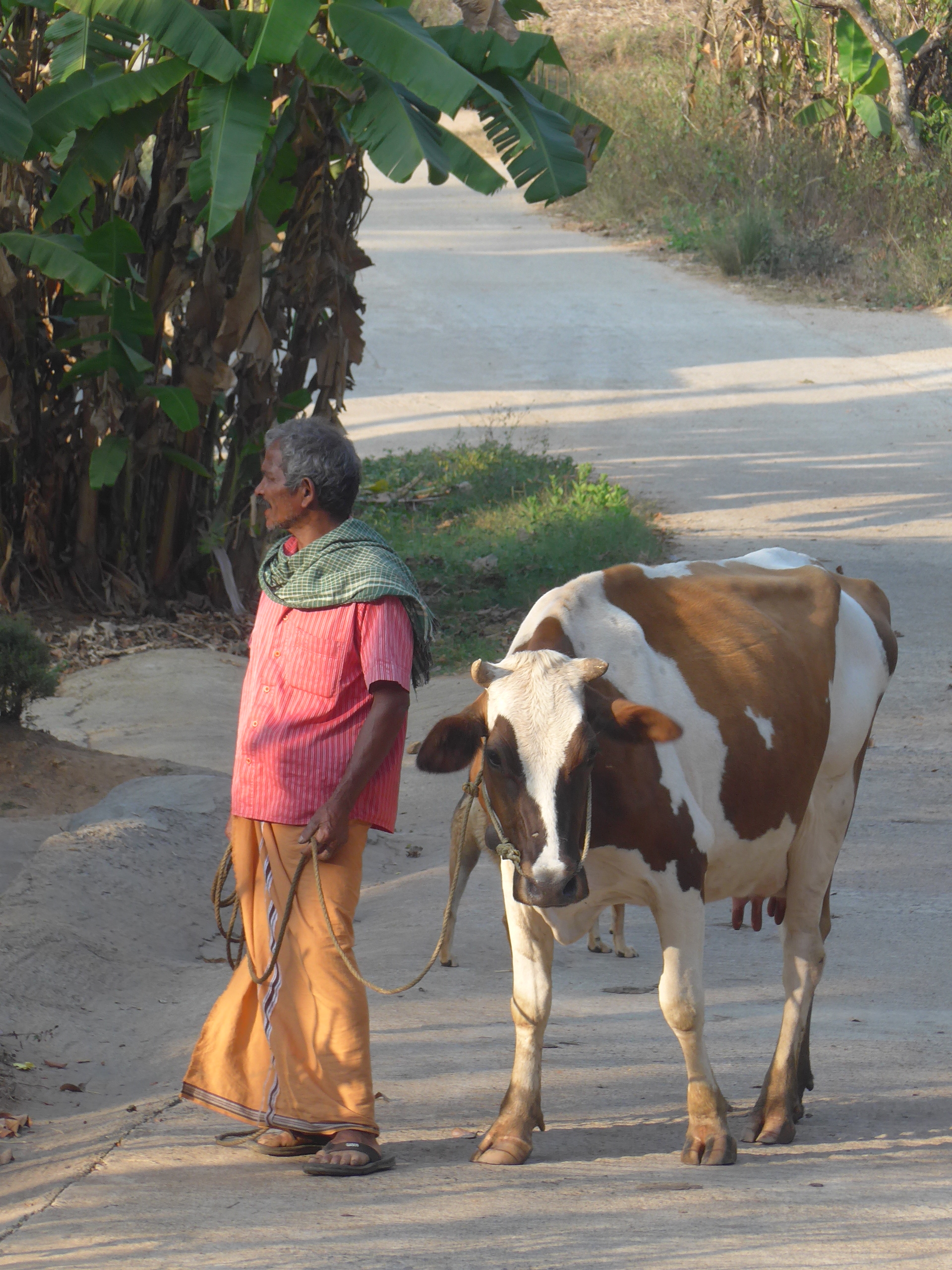
Bringing the cow home in the evening in Wayanad

Our lovely hostess Beena cooked meals from their organic plantation and made various Ayurvedic remedies for those she felt in need. She did make our neighbour, Doris, climb the coconut palms to gather the nuts. Doris, being from Switzerland, was a dab hand at climbing palm trees.
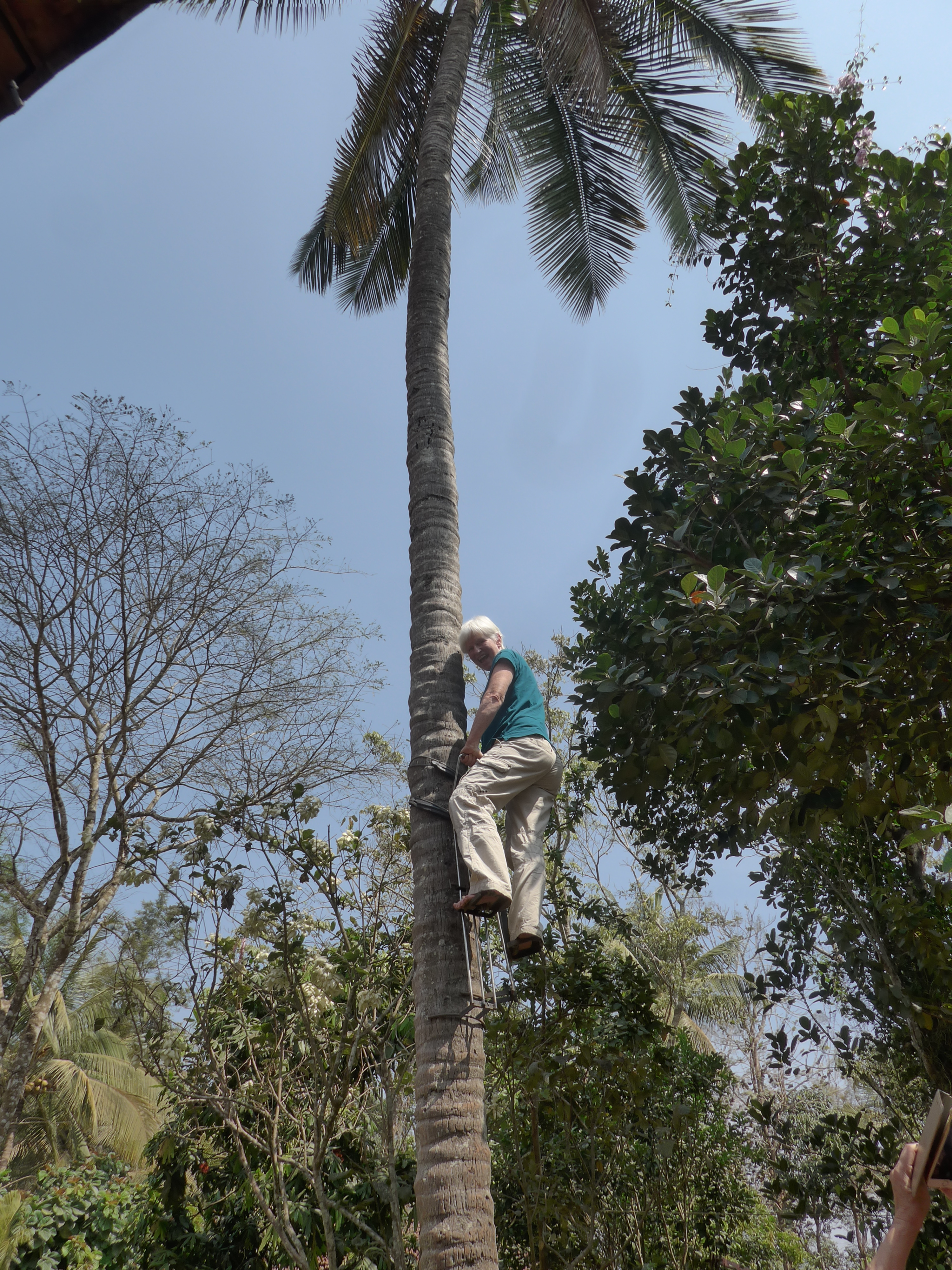
Our neighbour at Wayanad, Doris, climbing a coconut palm

Some of us went to a very musical church service on Sunday. The Orthodox Syriac Christians are amongst the oldest Christian communities in existence. They were converted by Saint Thomas in 52 AD. This rather stumped the Portuguese missionaries who came to convert them in the 16th century and found they had been Christians long before the Portuguese. A large Catholic community is the Portuguese legacy.
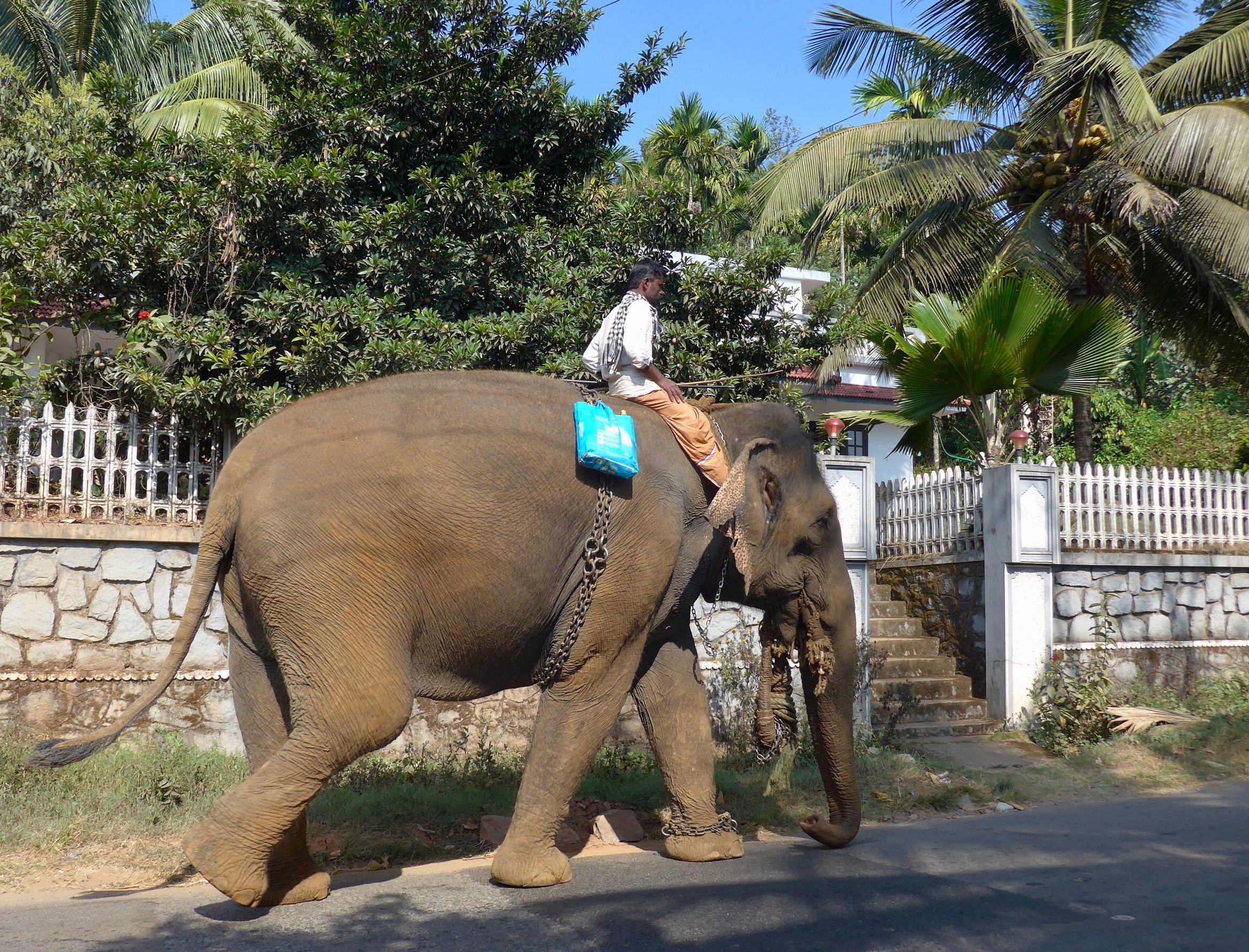
Working elephant, Wayanad

At Thattekad Bird Sanctuary, back on the coastal plain on the Periyar river, we saw some very rare birds, (frogmouths, trogons, bay owls) and, on a night safari, two kinds of nightjar and that most extraordinary creature, the slender loris. It was incredibly hot and humid and standing in the jungle in the night for twenty minutes without moving was a memorable experience. We were surrounded by calling nightjars, but also feasted on by mosquitoes which bit through my clothes and licked up my insect repellant. It reminded me never ever to go trekking in the tropical forest again, not even for a Jerdon’s nightjar.
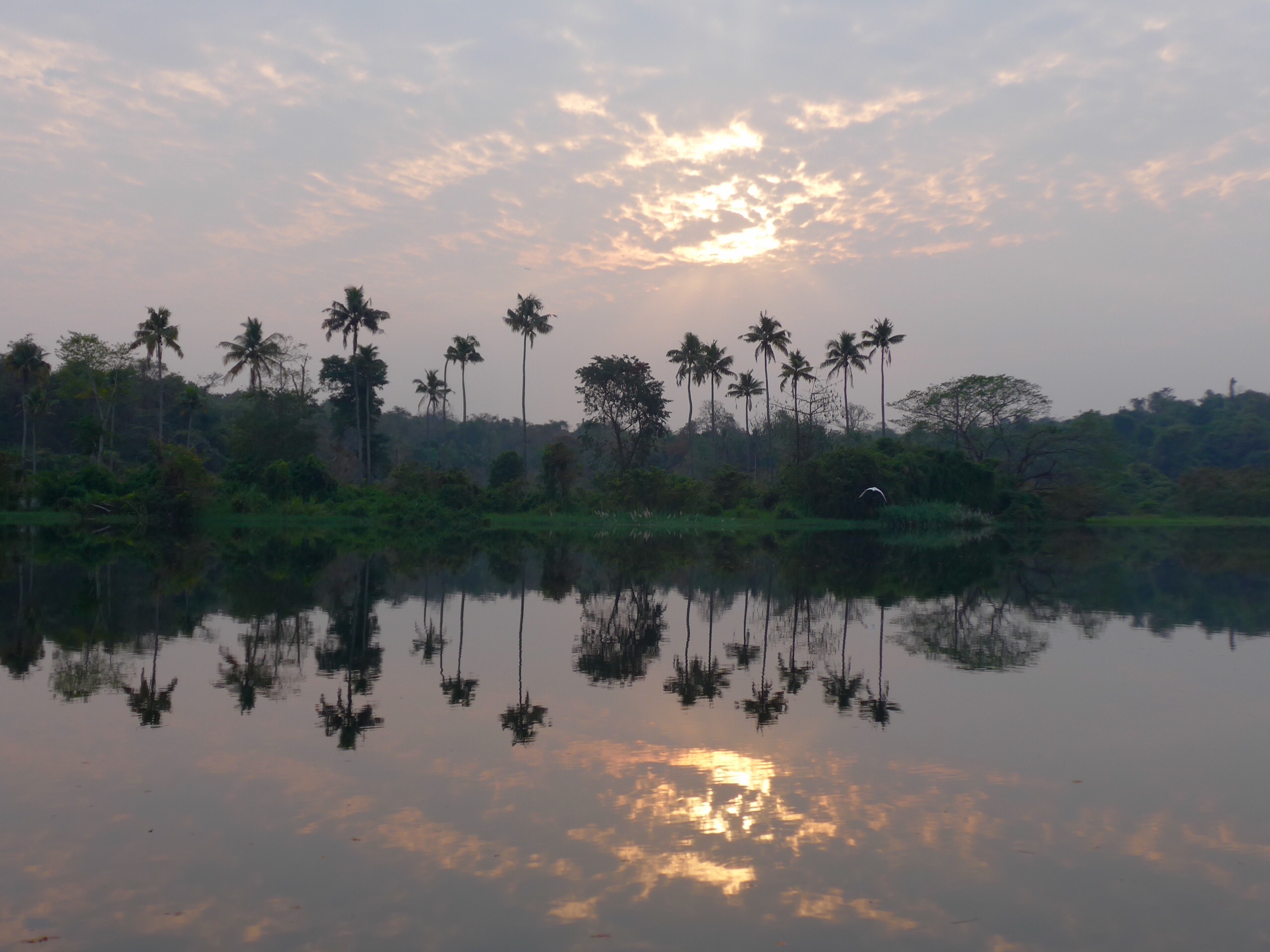
Periyar River, Thattekad
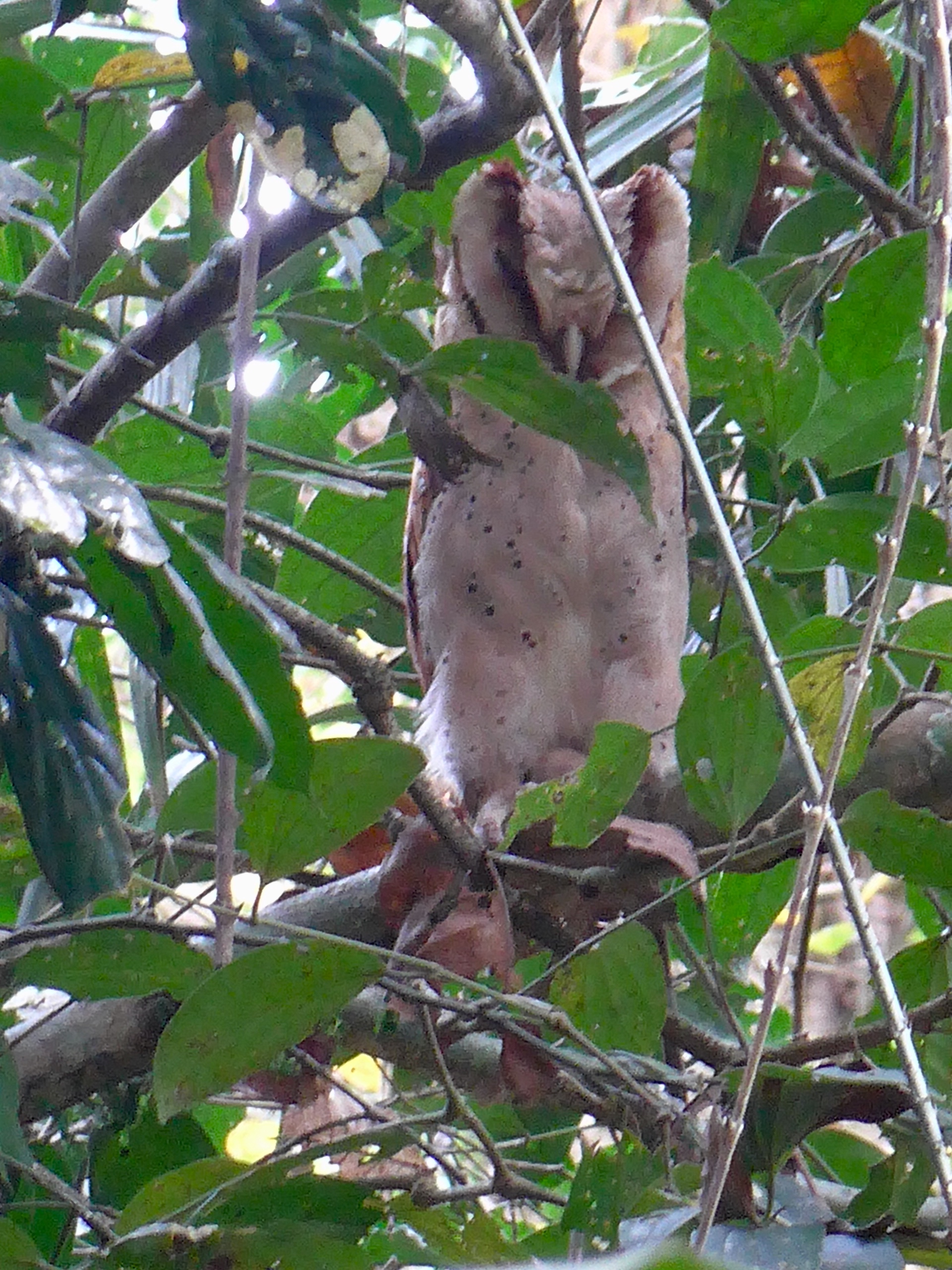
Ceylon Bay Owl, Thattekad
Chameleon, Thattekad


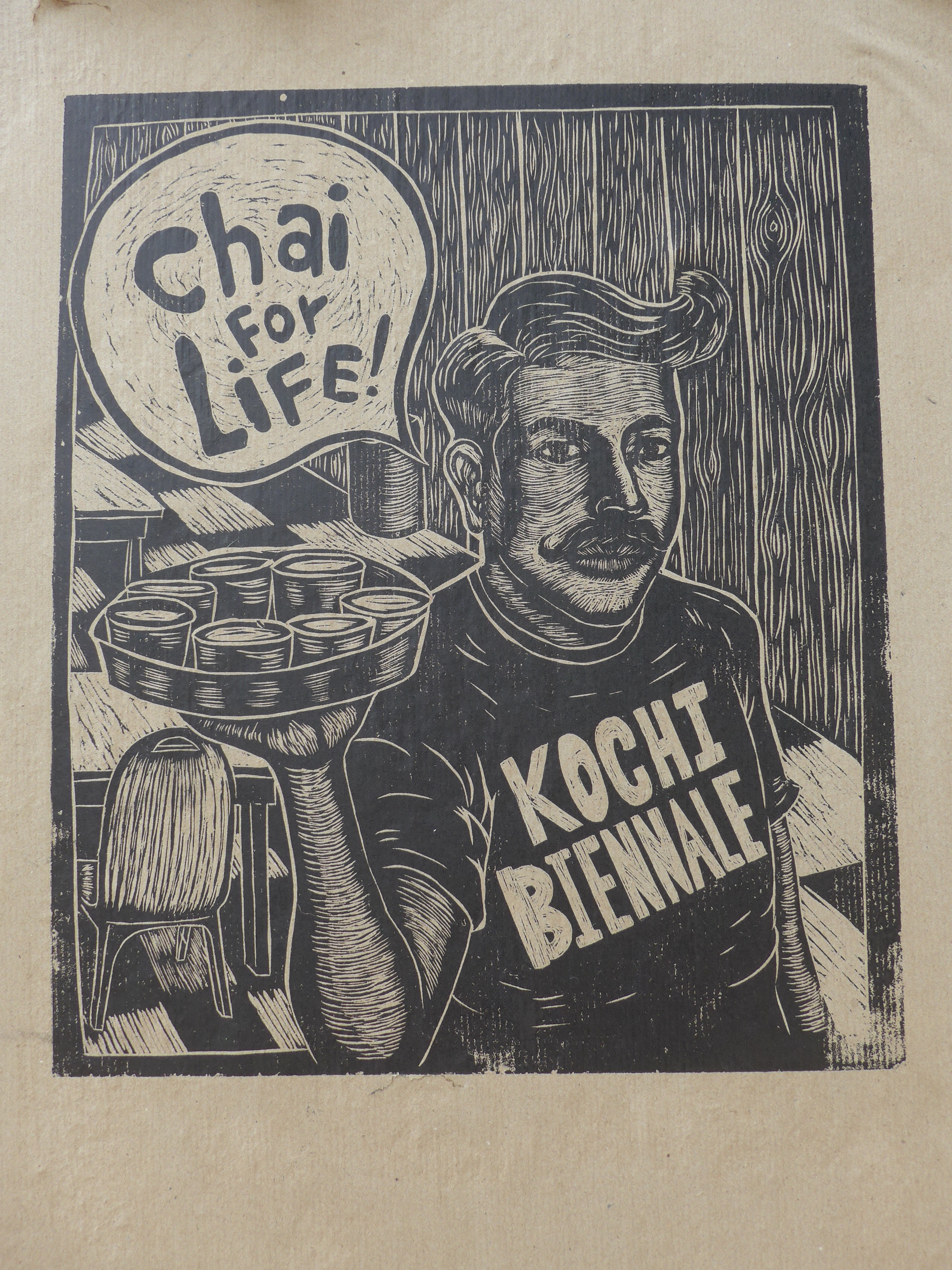
Next was something completely different. We headed to hot, humid Fort Kochi where there were smart shops, foreign tourists, art galleries (the Biennale was on), colonial Dutch houses, cafes with filter coffee and chocolate cake, wood-fired pizza, and air-conditioning!
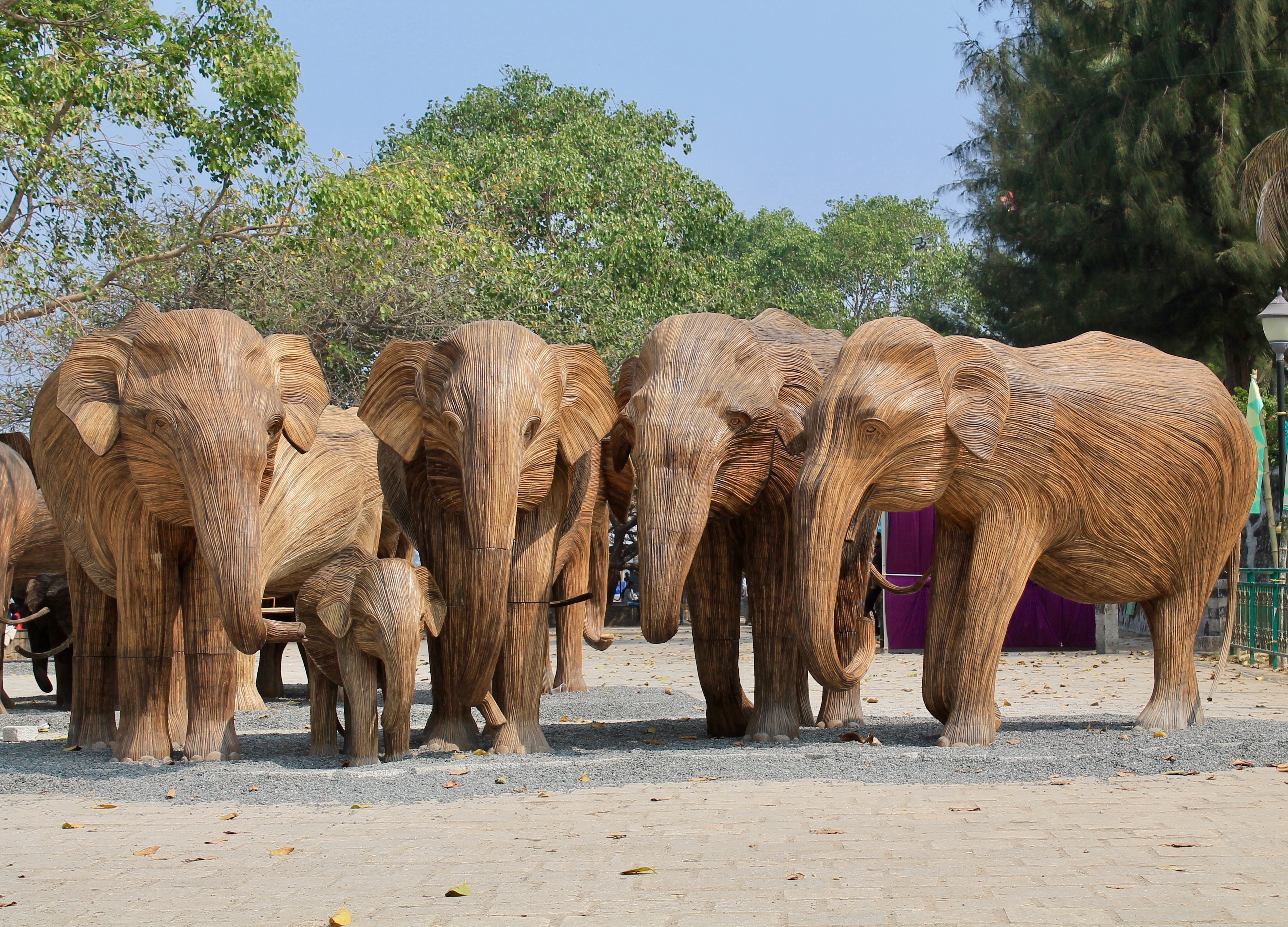
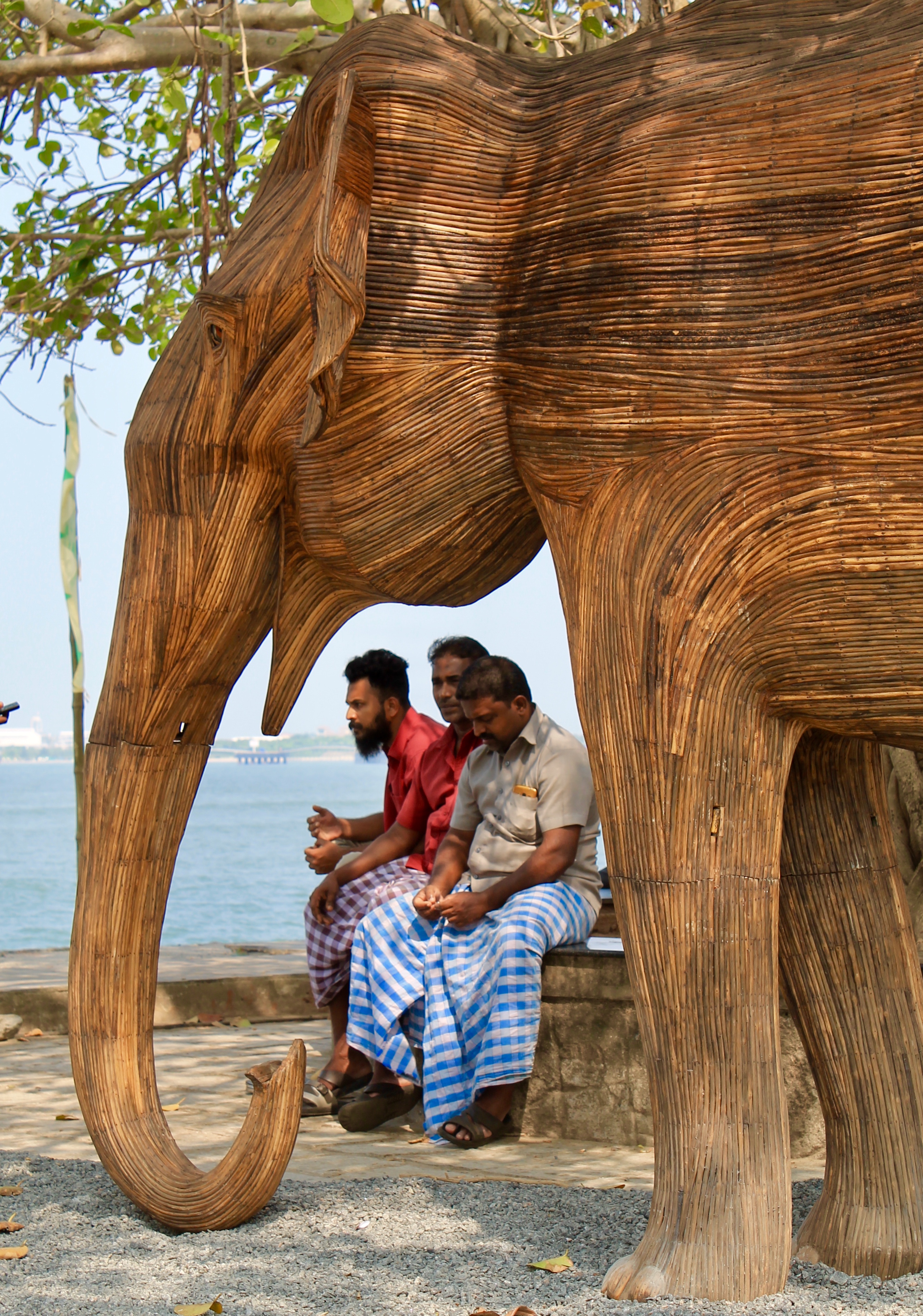
The Biennale Elephants, Kochi seafront
Kochi Biennale woodcut


Kerala is an affluent state with a high state of literacy, the road traffic is relatively well-behaved and there is little litter. It’s a green and prosperous land. When I asked where all the skinny wandering cows were, I was told “We eat them!”
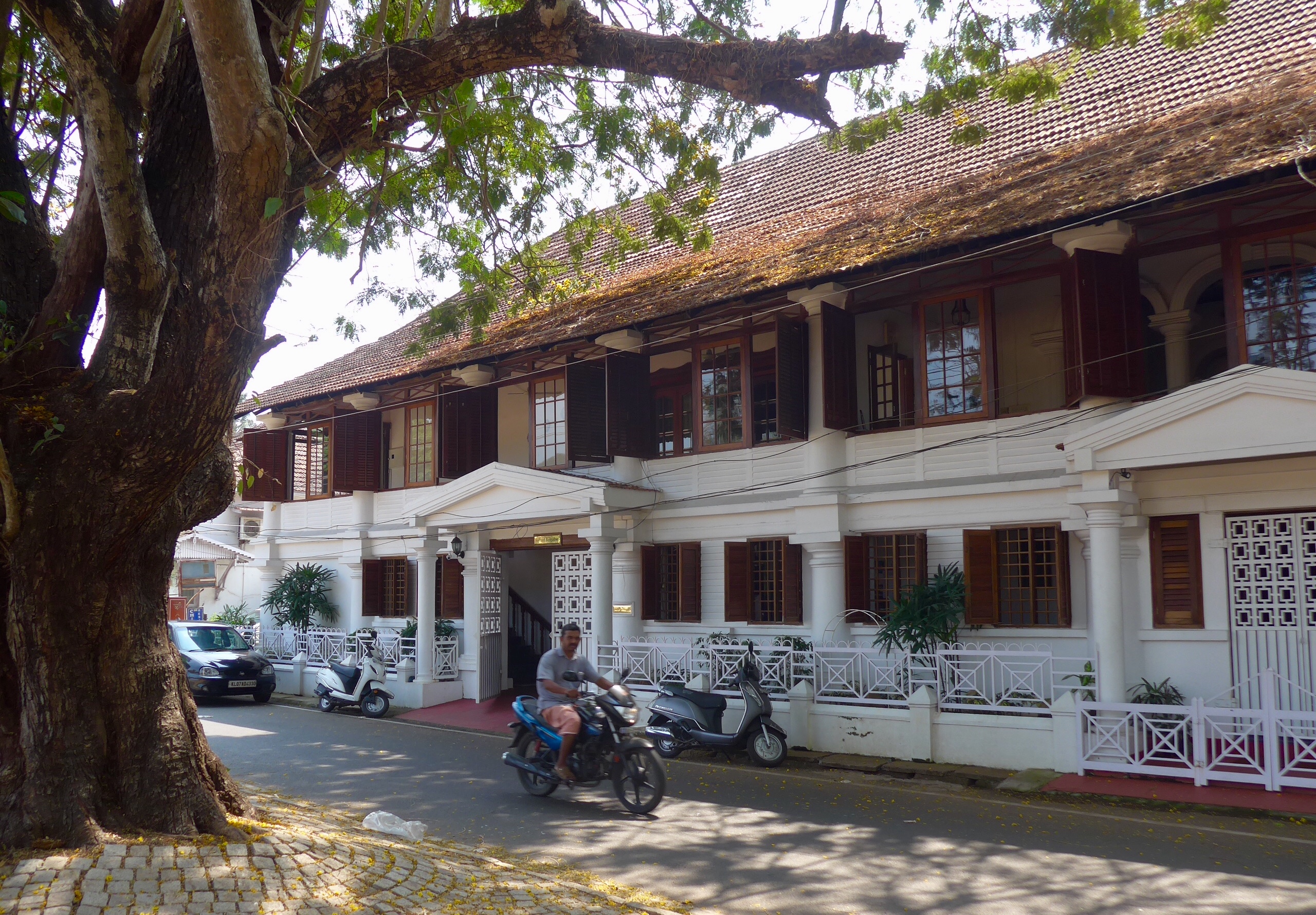
Old Dutch houses, Fort Kochi

The population is Christian (Orthodox and Catholic), Muslim (probably descendants of the Arab traders) and Hindu, and the state has a democratically elected Communist government.
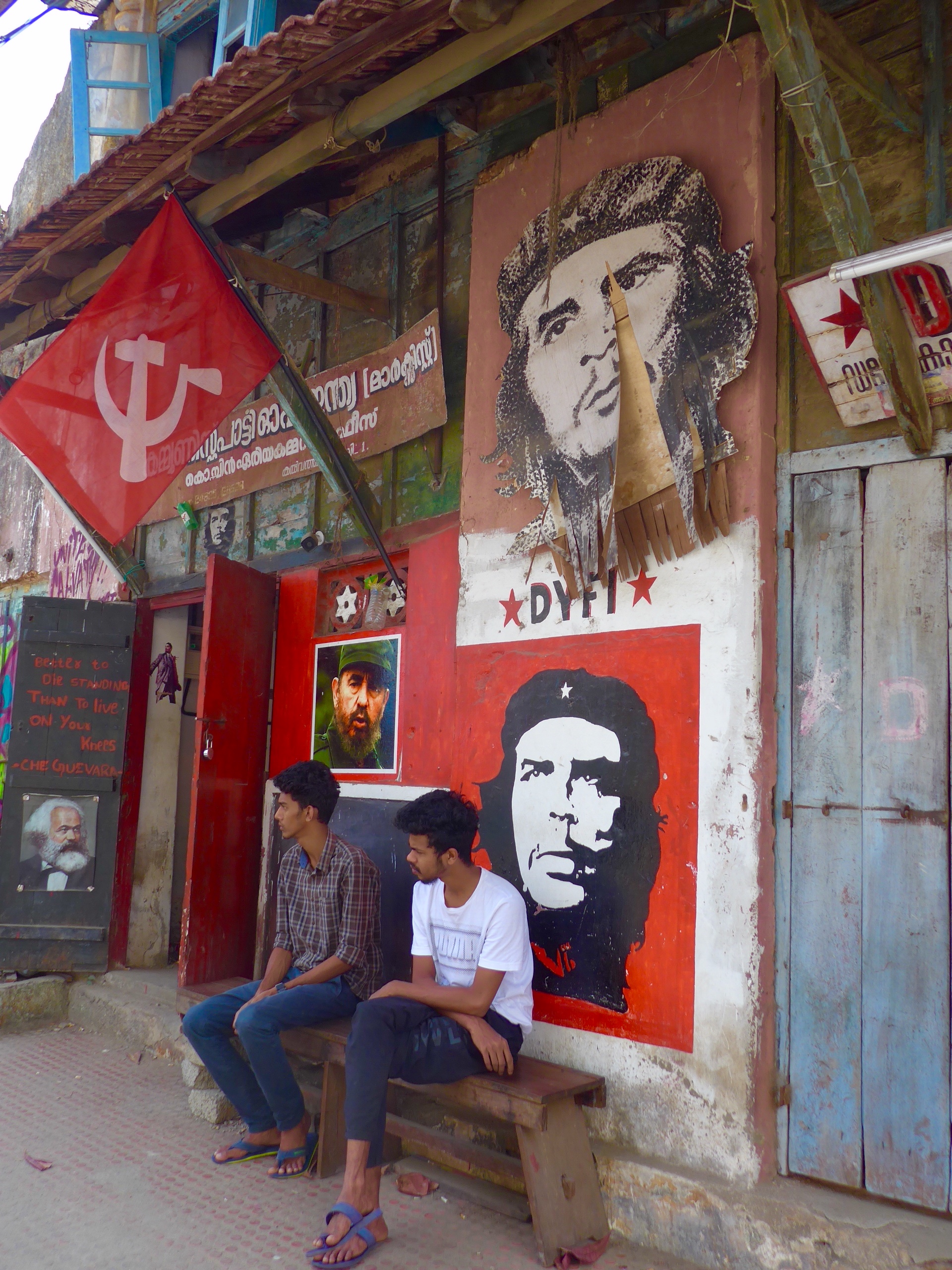
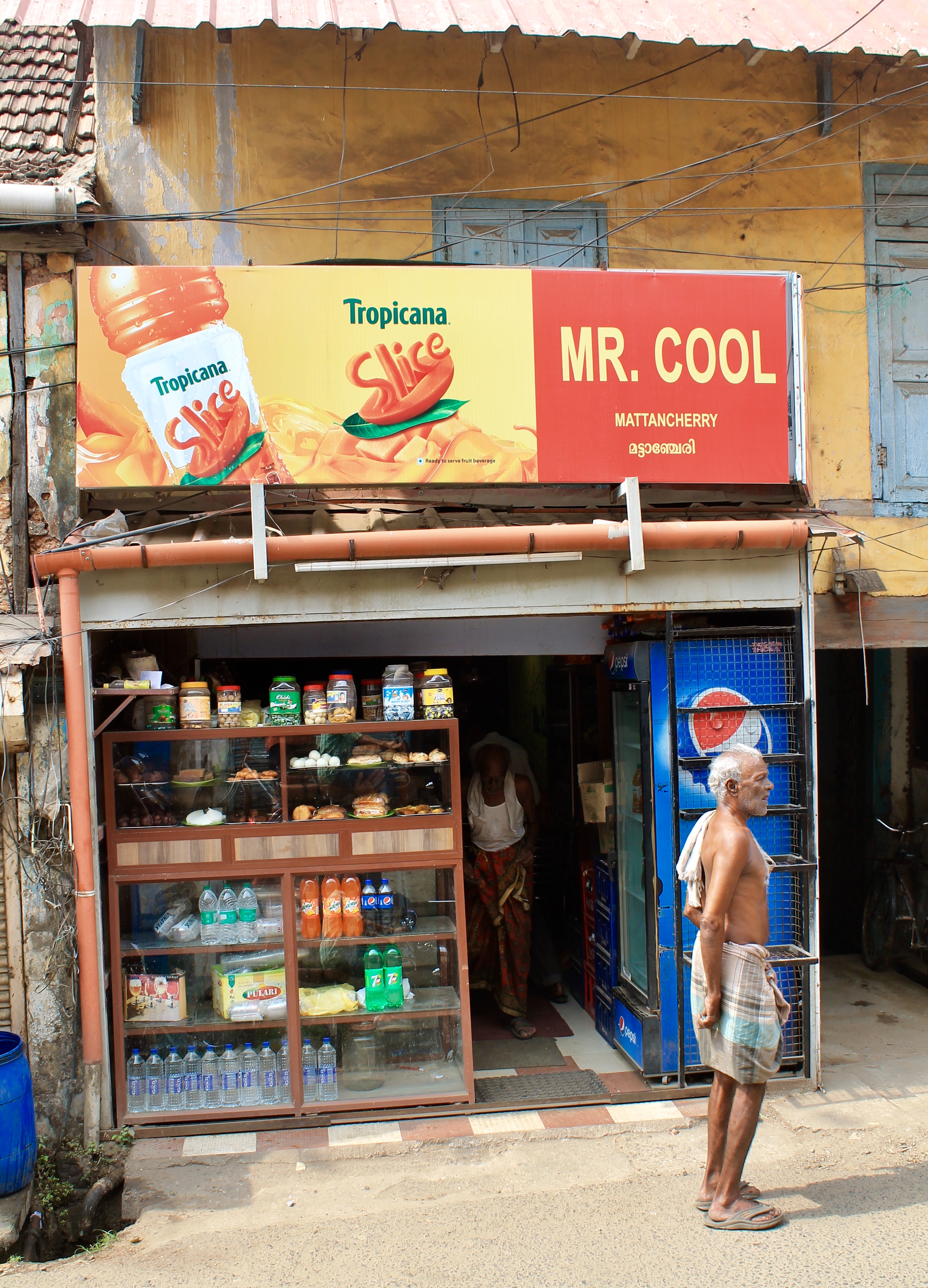
Kochi is still an important entrepôt, and the Mattancherry area is all godowns (warehouses) for rice and spices.
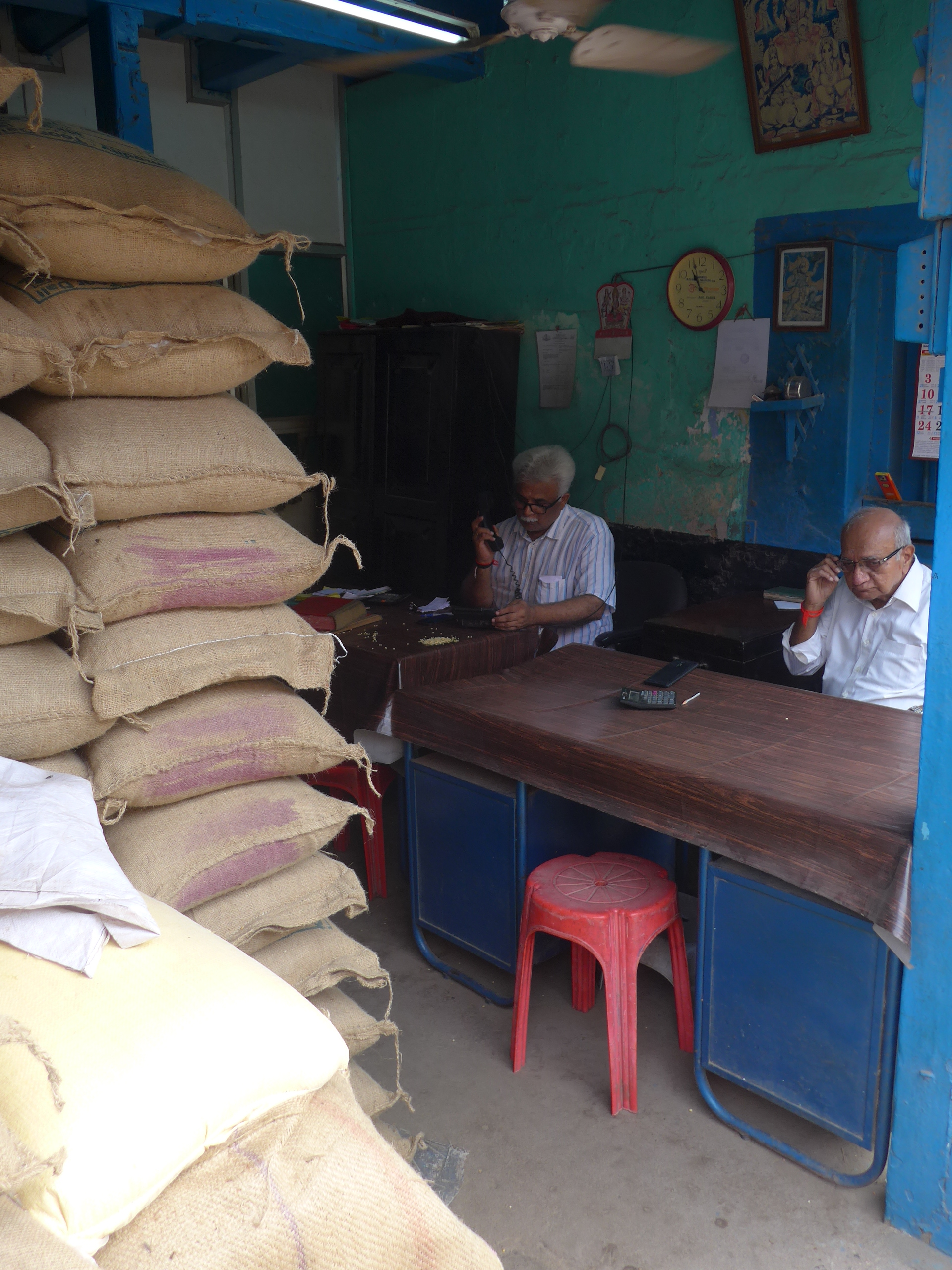
Rice traders in “godown”, Mattancherry, Kochi
Mattancherry, Kochi


In Fort Kochi you can see Kathakali dance, a form of dance-drama from the 16th century that uses complex eye movements, facial expressions and hand gestures to convey the meaning of the story.
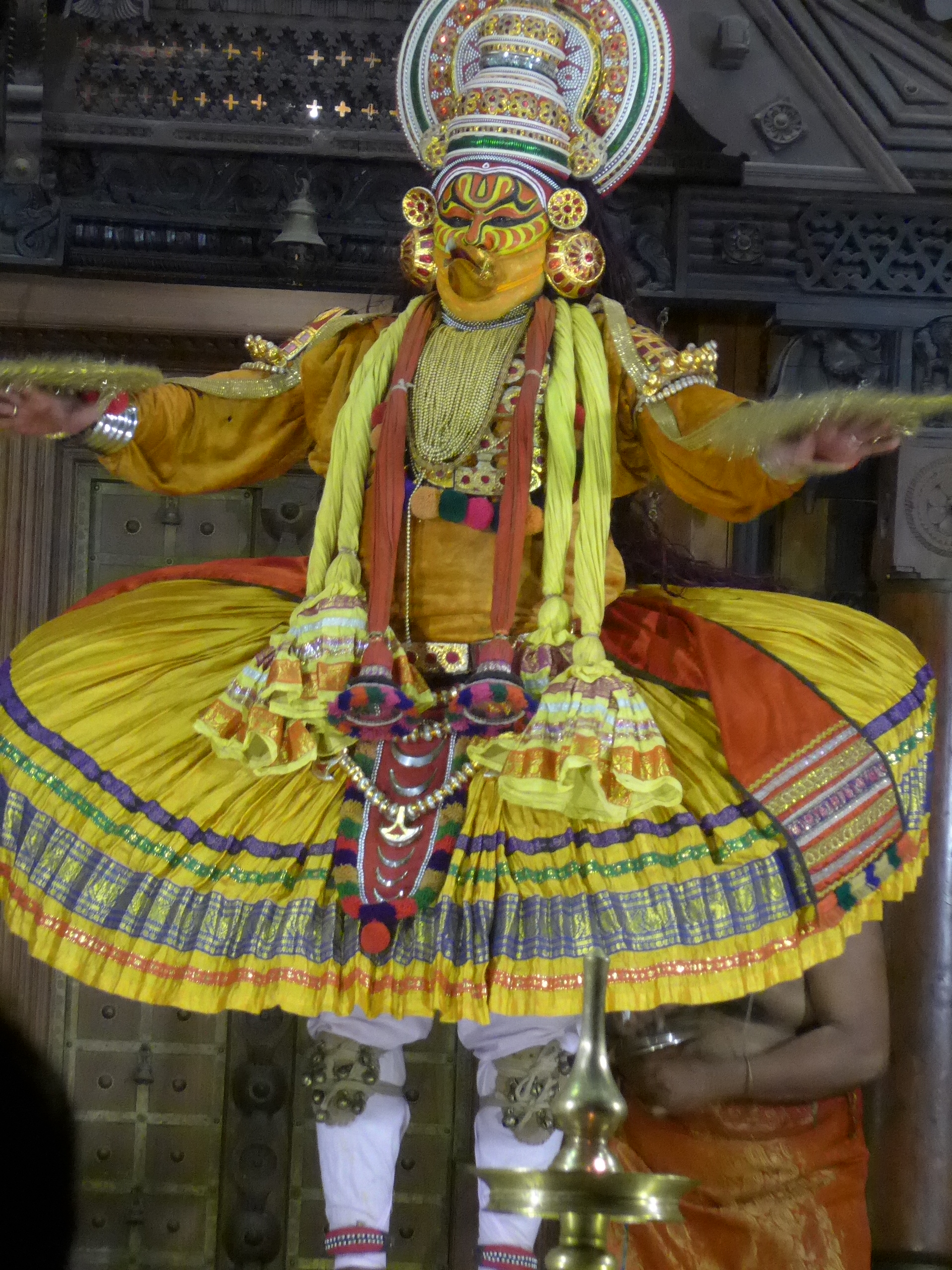
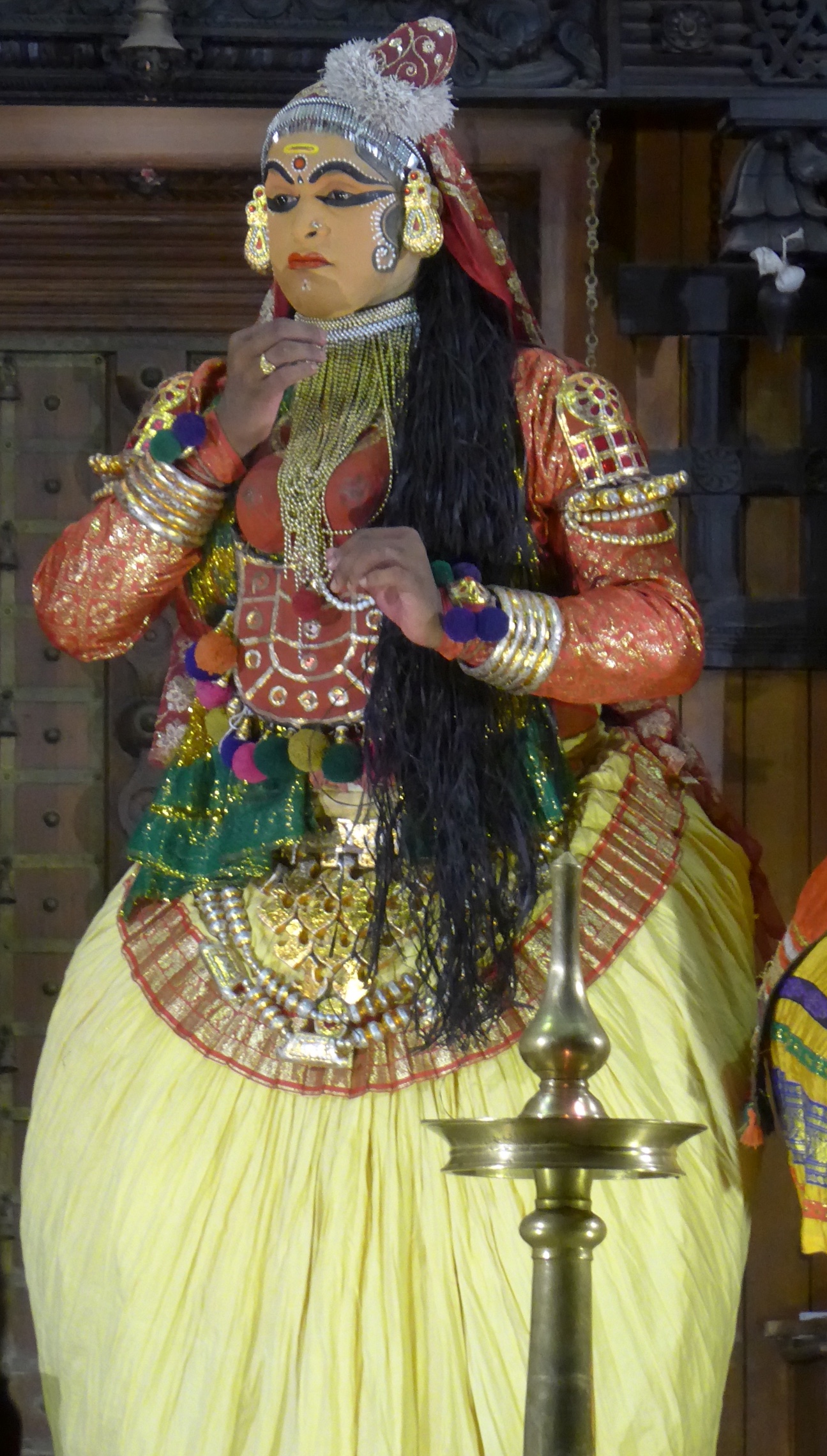
Kathakali dancer as the Golden Swan
Kathakali dancer as the Princess Damayanti

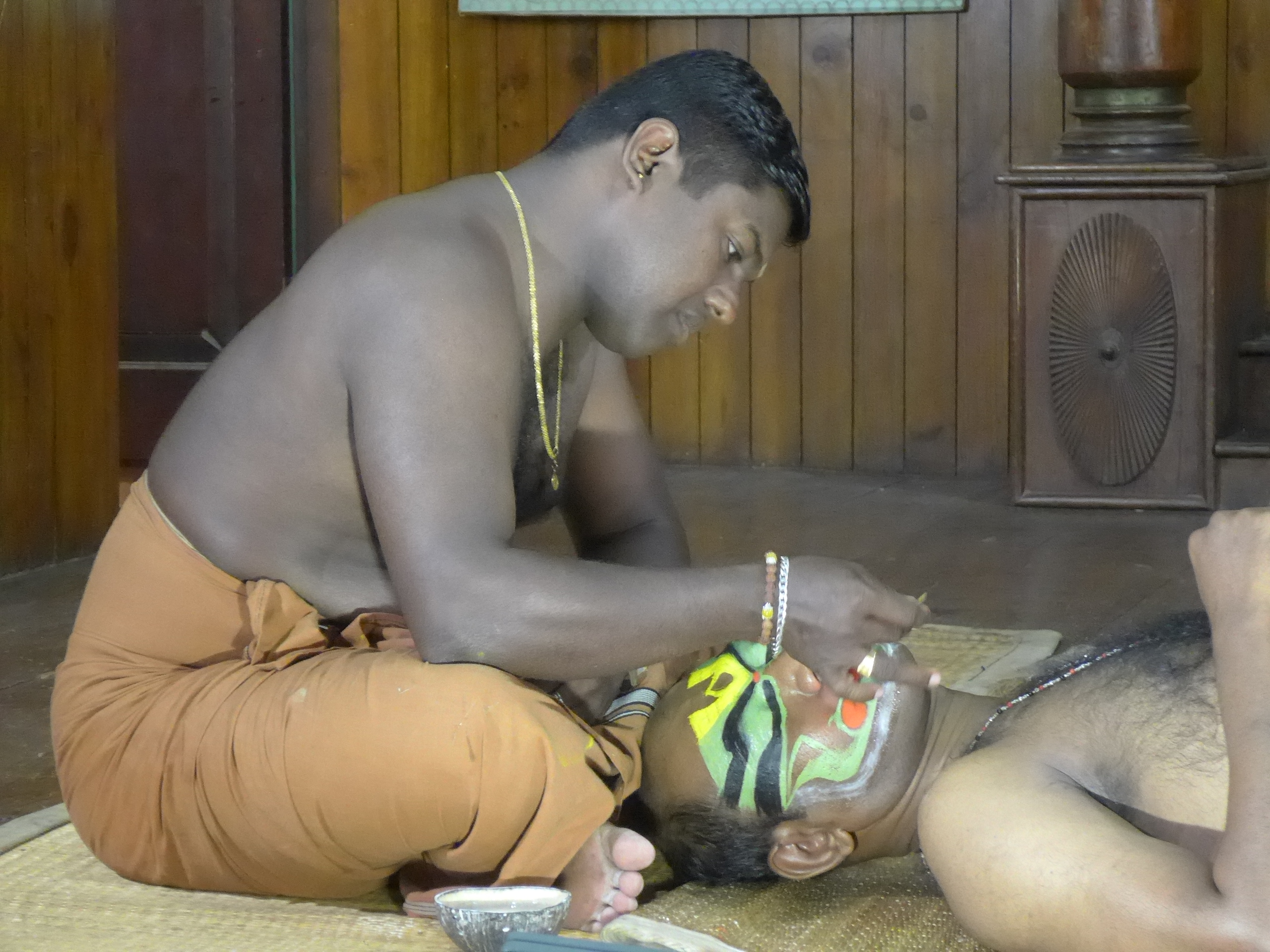
The application of the make-up and costumes takes hours.

Applying make-up, Kathakali dancers


Or you could see the more traditional Indian classical dances.
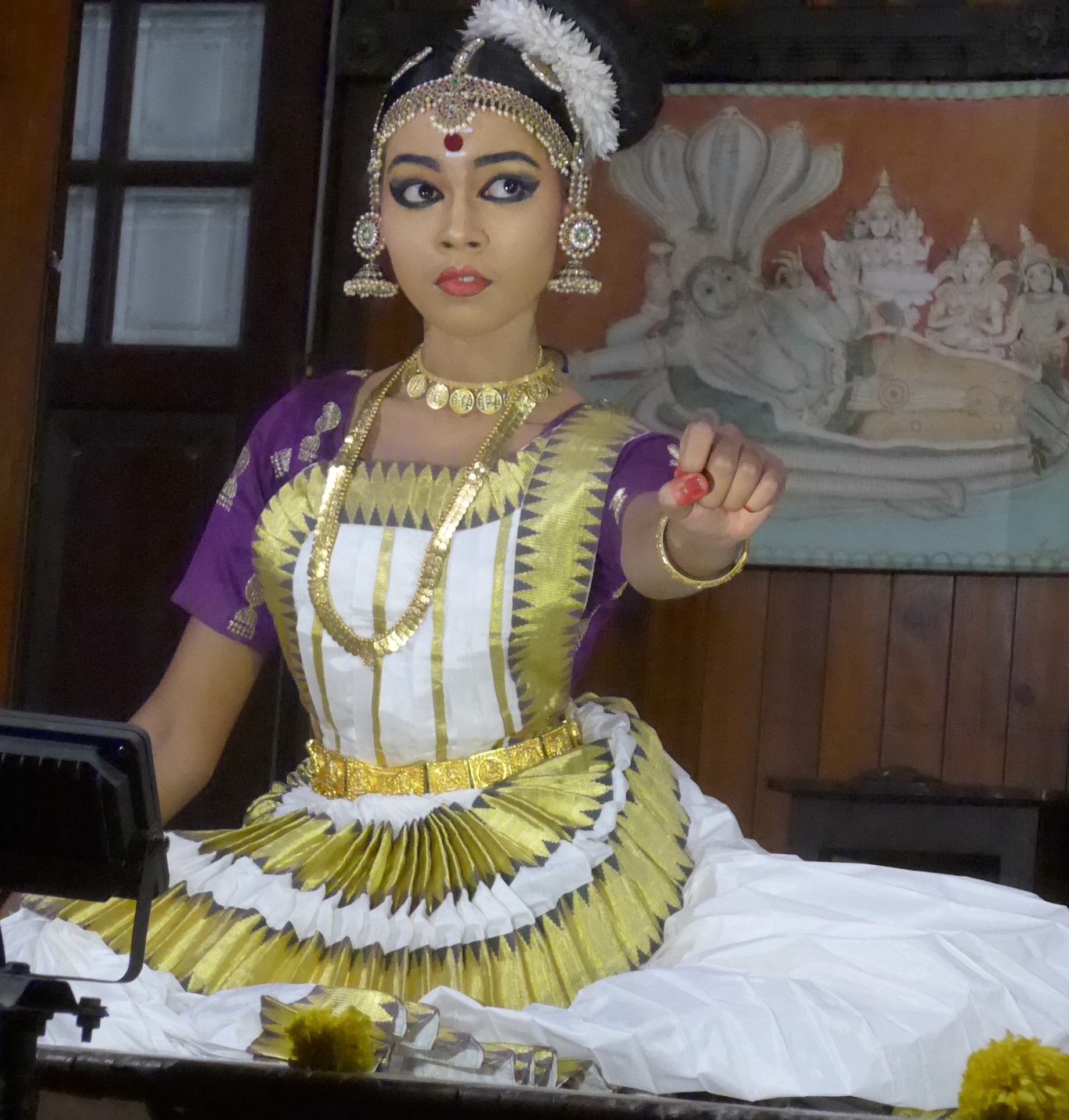
Mohiniyattam dance form from Kerala
Three classical dancers: Kuchipudi, Bharatnyam and Mohiniyattam


Or you could catch up on some beauty culture.
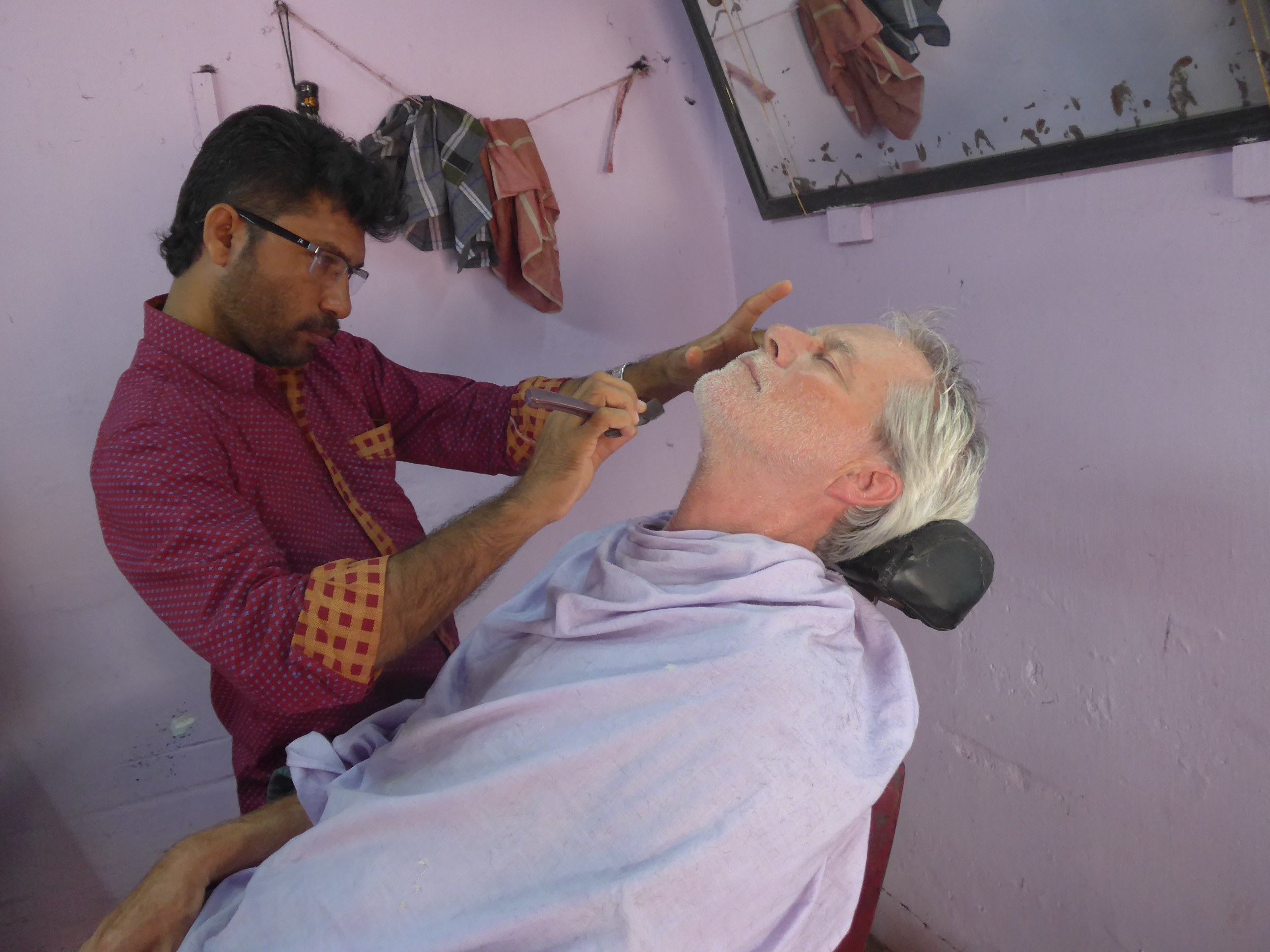
“The worst pies in London!”

Having had our fix of caffeine and culture we headed south for the last time to Lake Vembanad, our last stop in India.
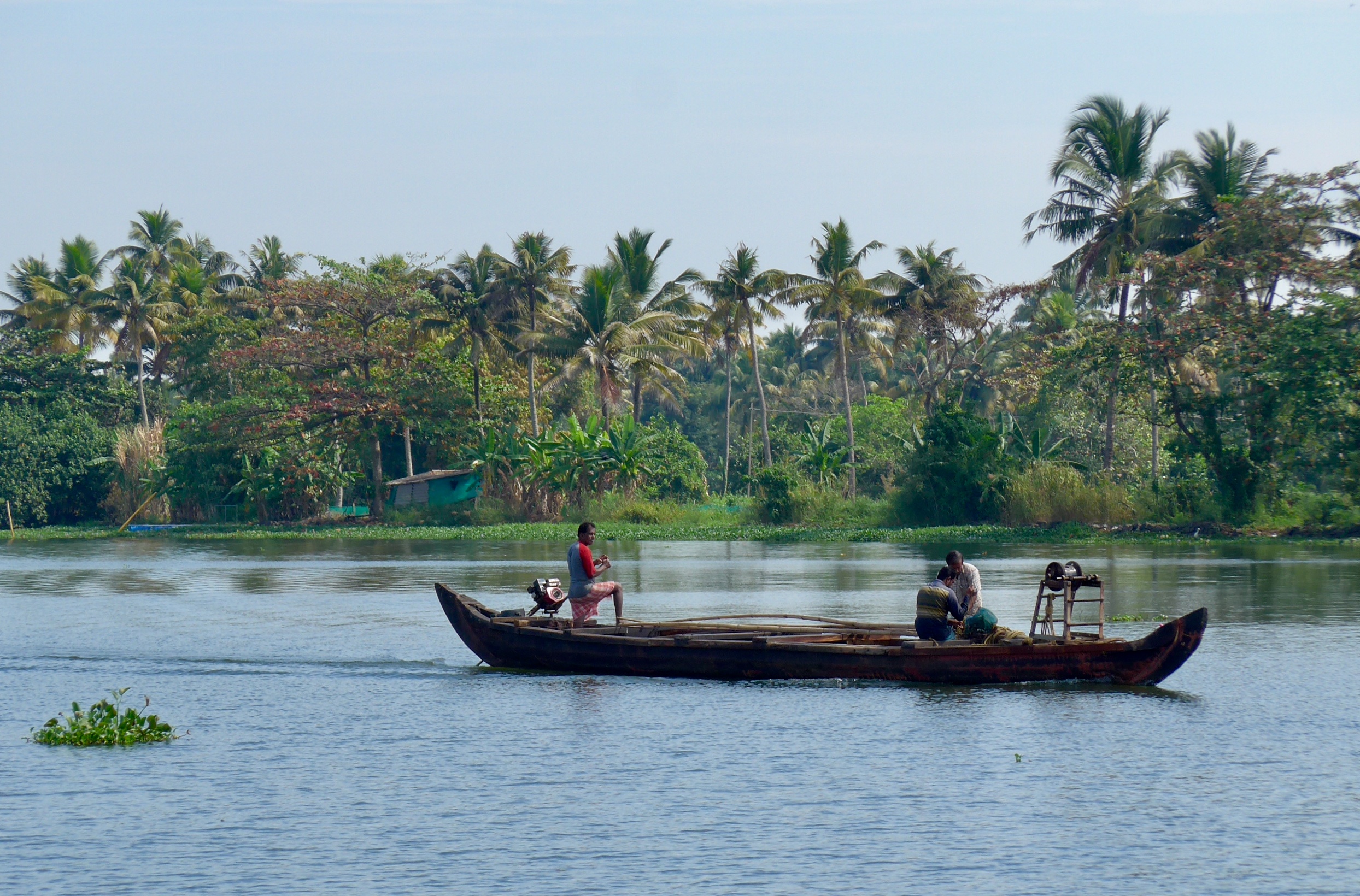
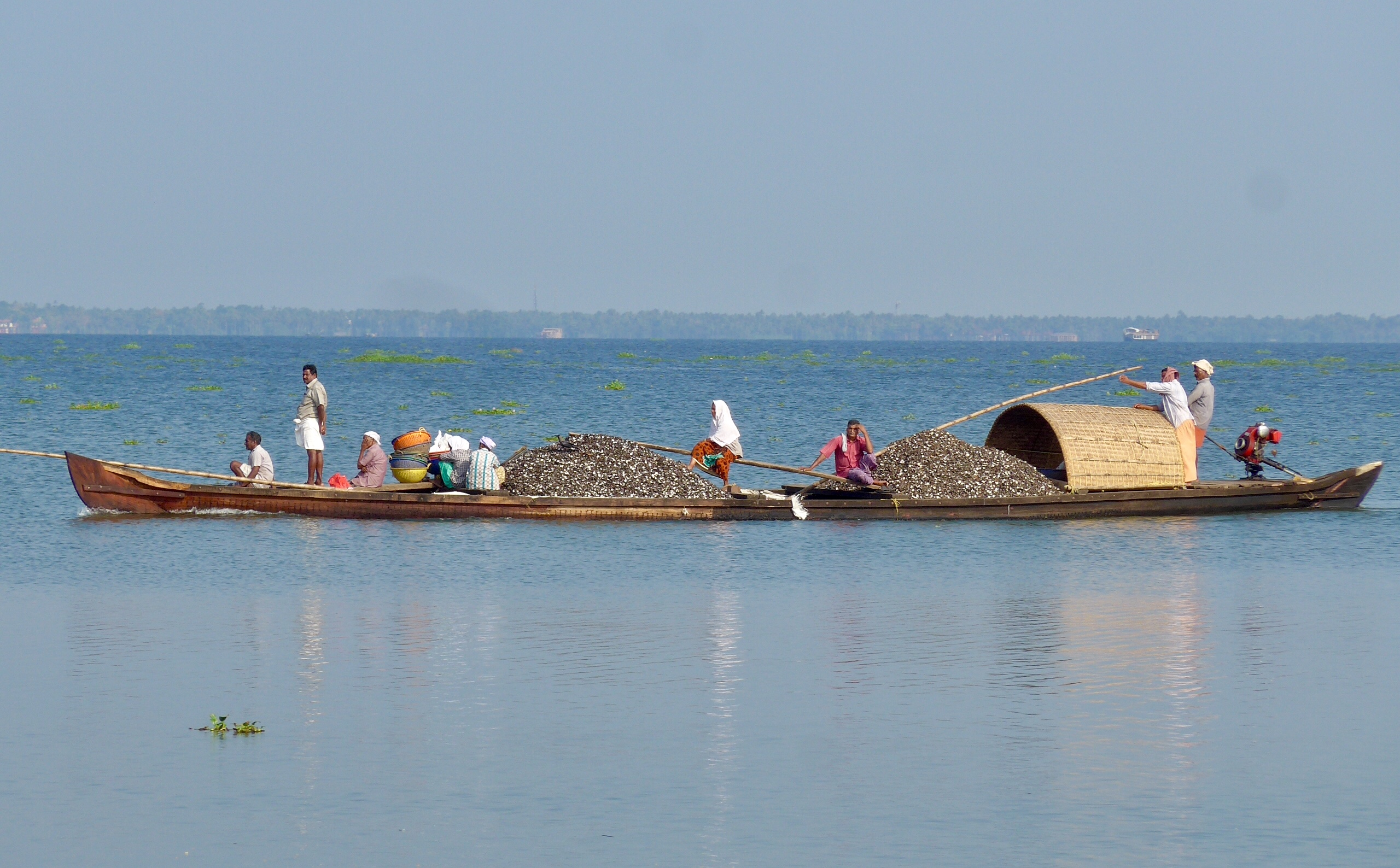
Lake Vembanad
Boat carrying clam shells for lime

The temperature was 33 and the humidity 76%. Our hosts at Vembanad House, Sandhiya and Bala, told us that under the Communists most of their land was taken away as no-one is allowed to own more than 15 acres. Luckily they still have their beautiful traditional Keralan home, with ornate wood-carving, and terracotta tiles. Around it they had planted coconut groves, flowering shrubs and orchids.
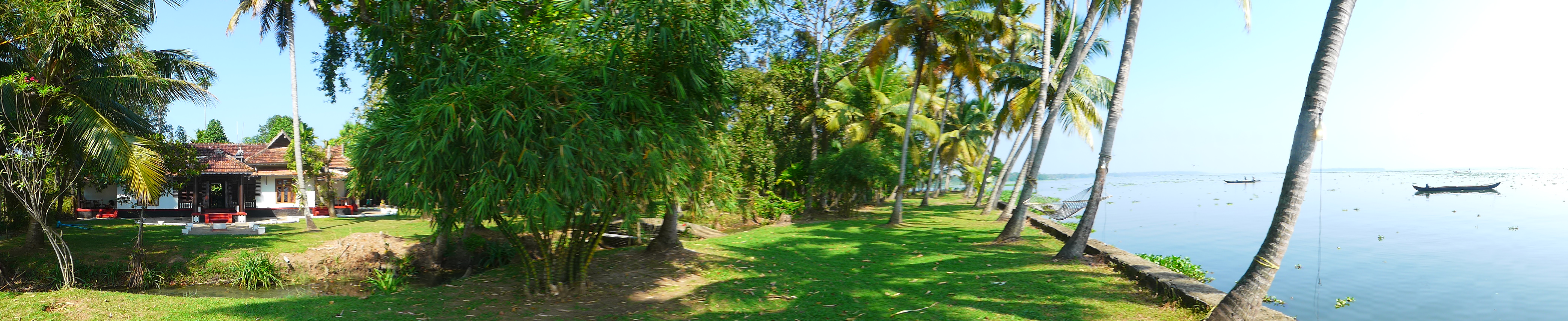
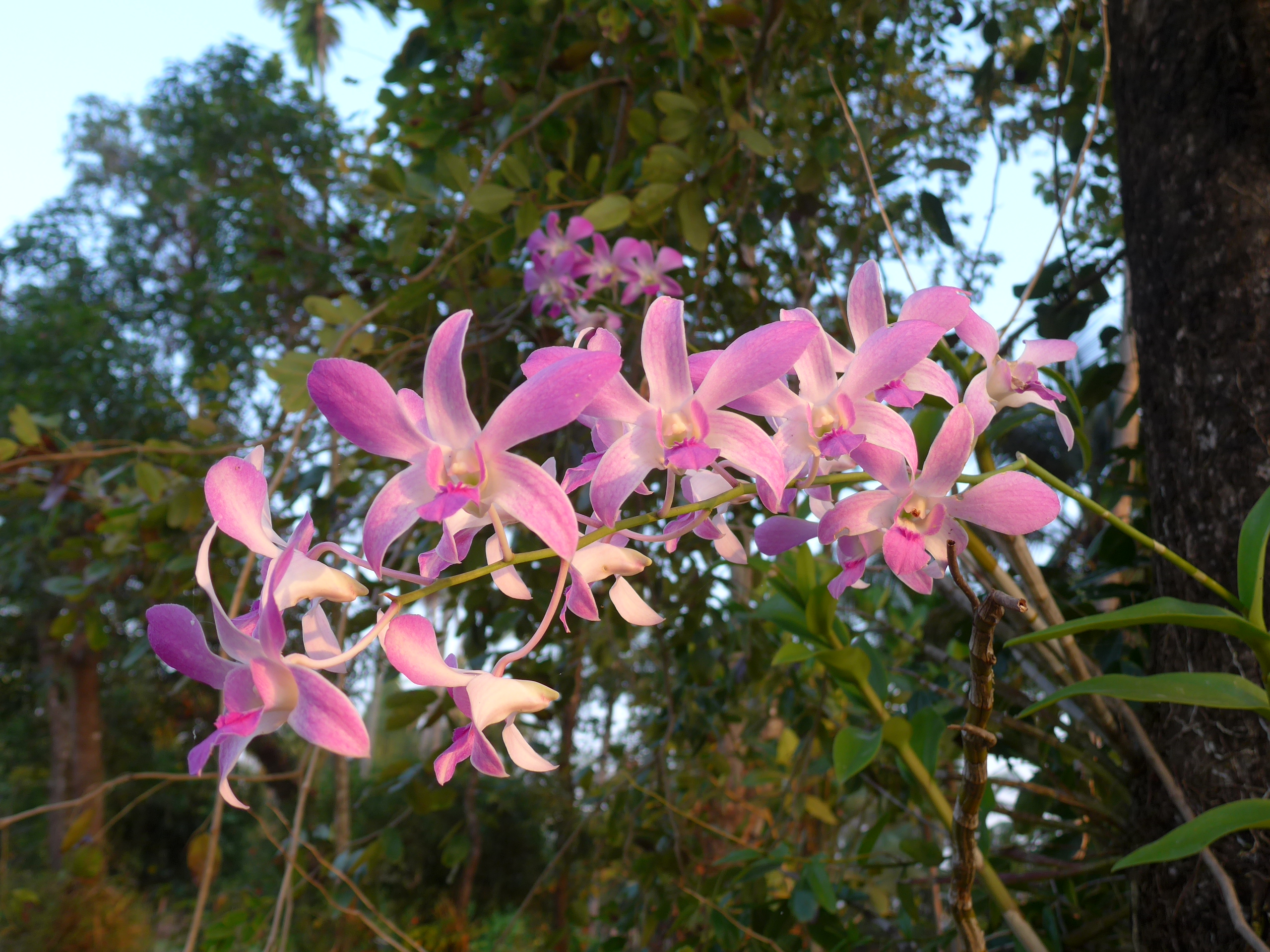
Vembanad House and the lake.


Behind were two large padi fields and in front the 60-mile long lake spread out like a watery mirror.
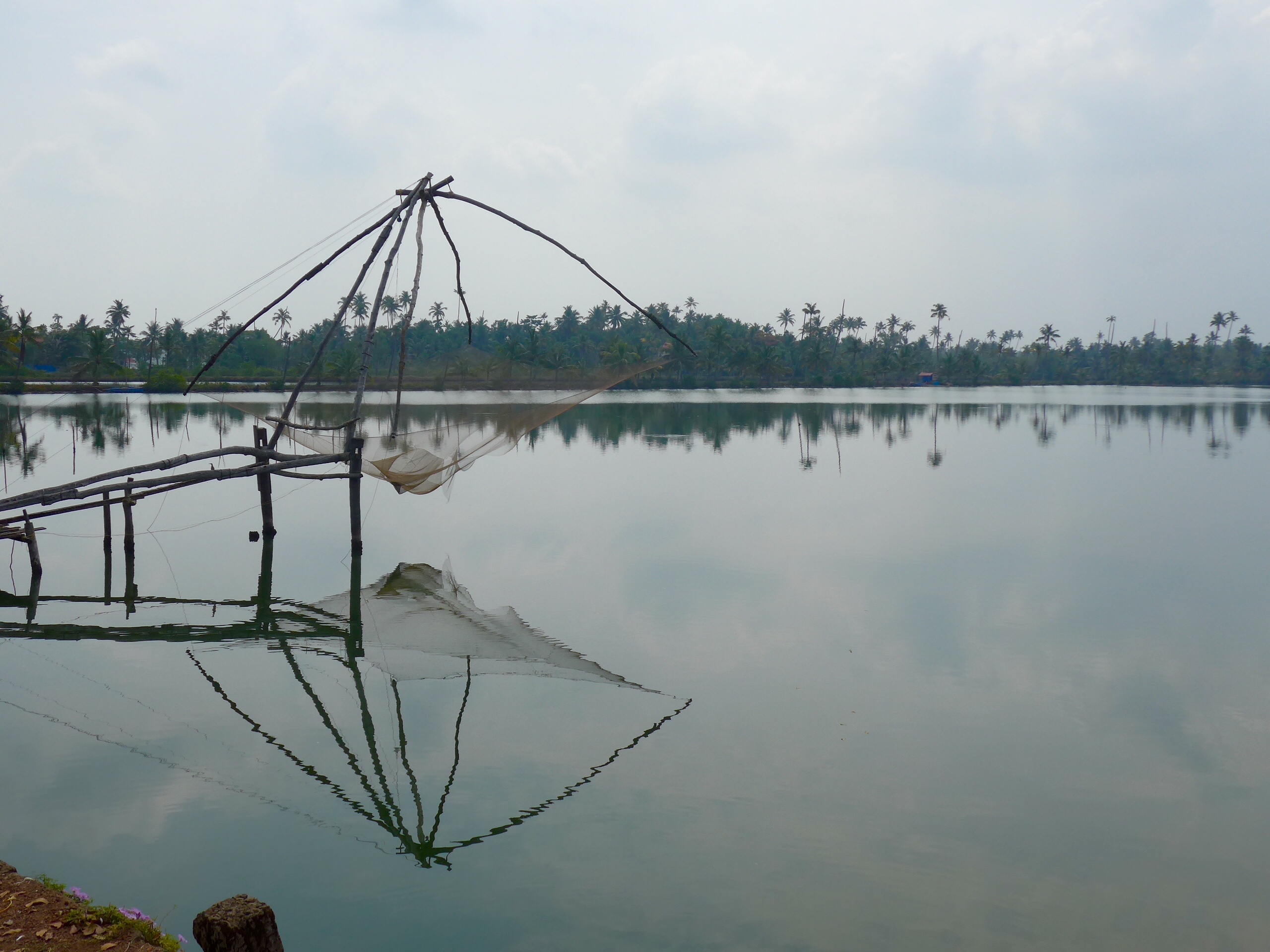
Chinese fishing net

That night we watched thunder and lightning across the lake. Suddenly a tremendous wind rushed across the water followed by a tropical downpour. It was the first rain we had seen in nearly four months.

Waterways near Aleppey
Lake Vembanad

This was part of Kerala’s famous “backwaters”, a sort of tropical green Venice, where tourists hire luxuriously-converted rice boats at Aleppey and glide down the canals and across the lake.
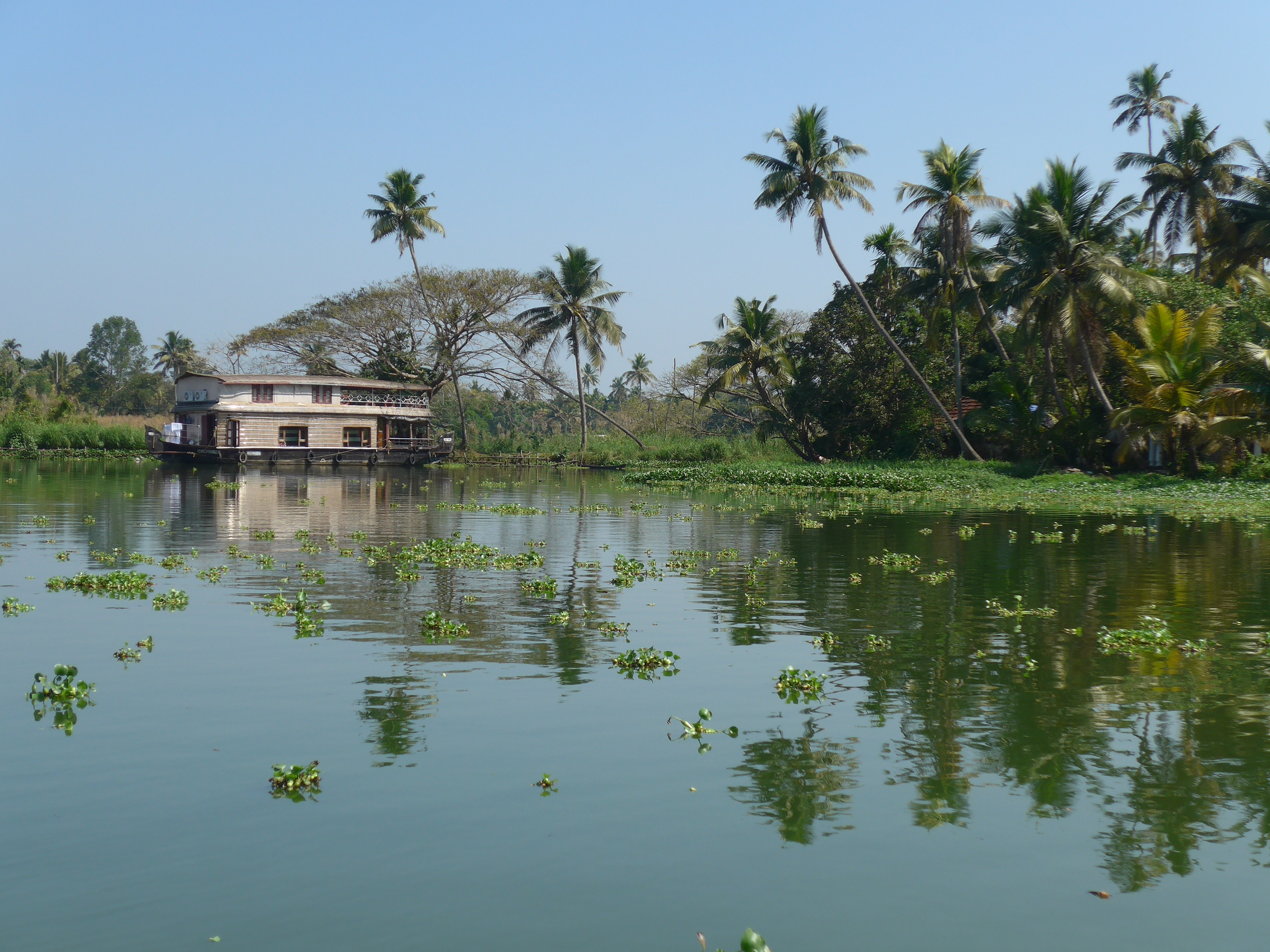
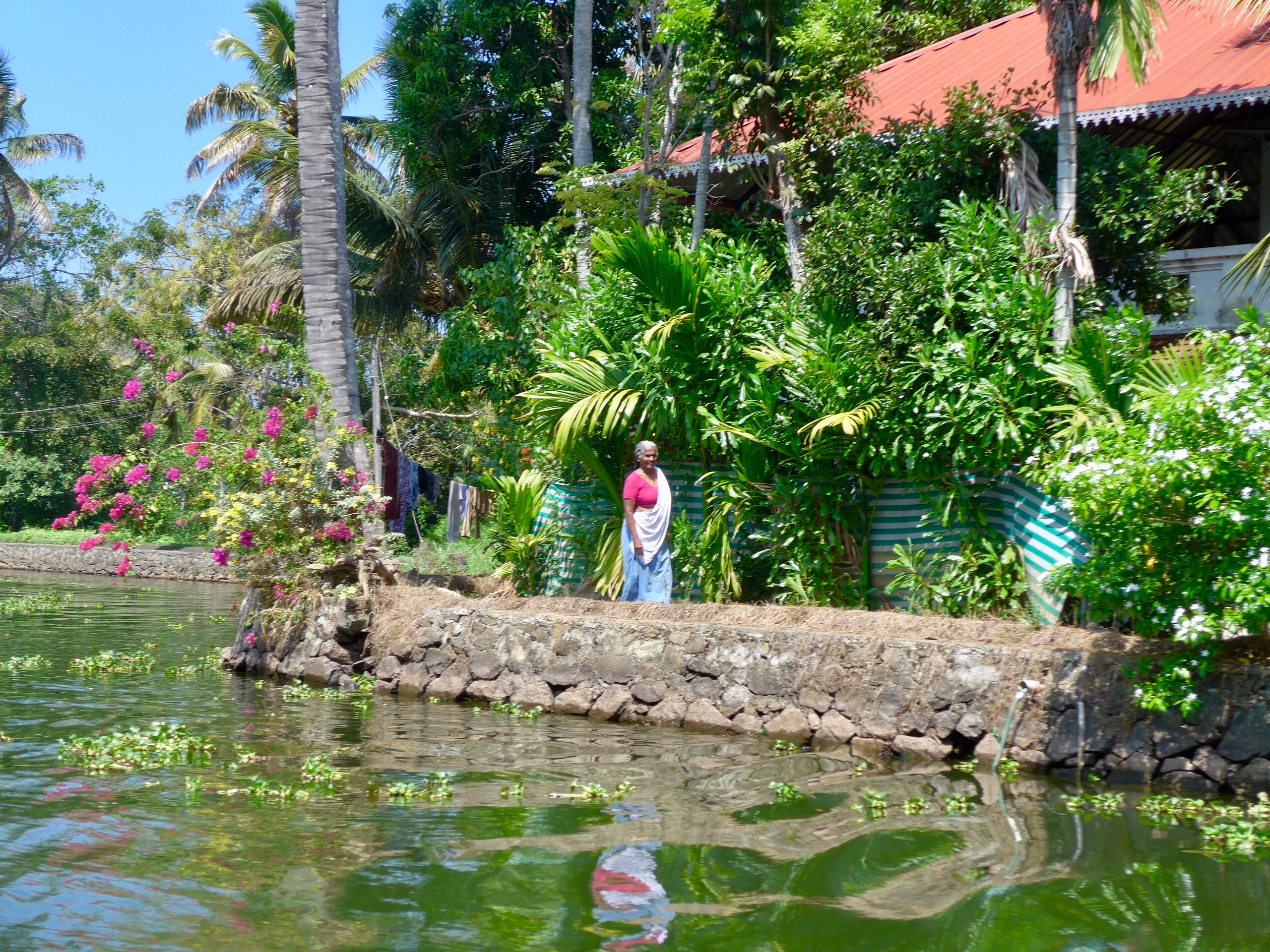
House boat near Aleppey
Canal-side house near Aleppey
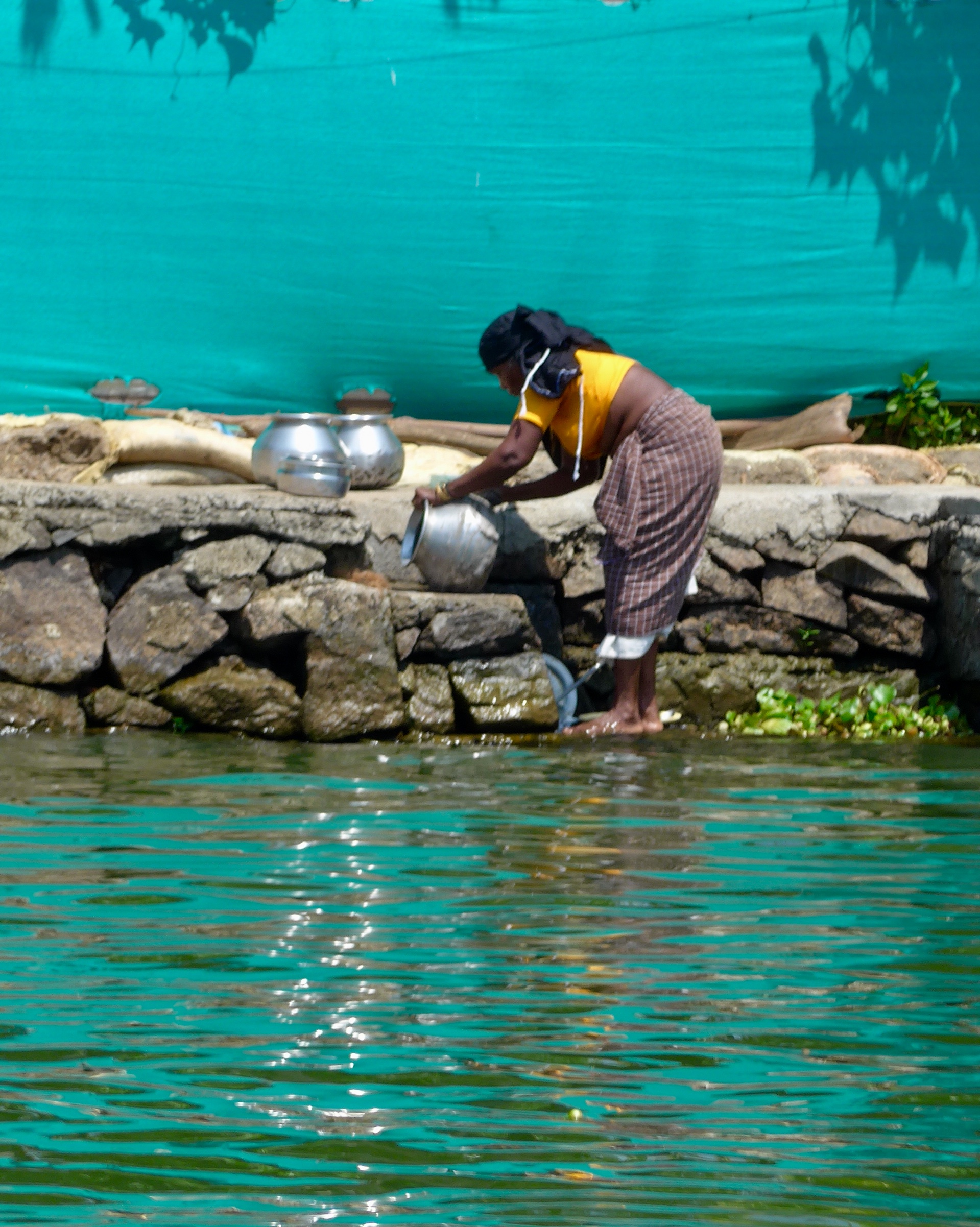
Washing-up near Aleppey

But who would want to do more than lie in the hammock by the water’s edge, at Vambanad House, watching the fishing boats paddle by, while exotic birds pottered about, and Sandhiya produced meal after delicious meal? It was a restful end to the India part of our trip, all memories of dust and traffic and malevolent insects fading away, before we flew to Colombo. Just two more weeks in Sri Lanka and the Rovings will be over.
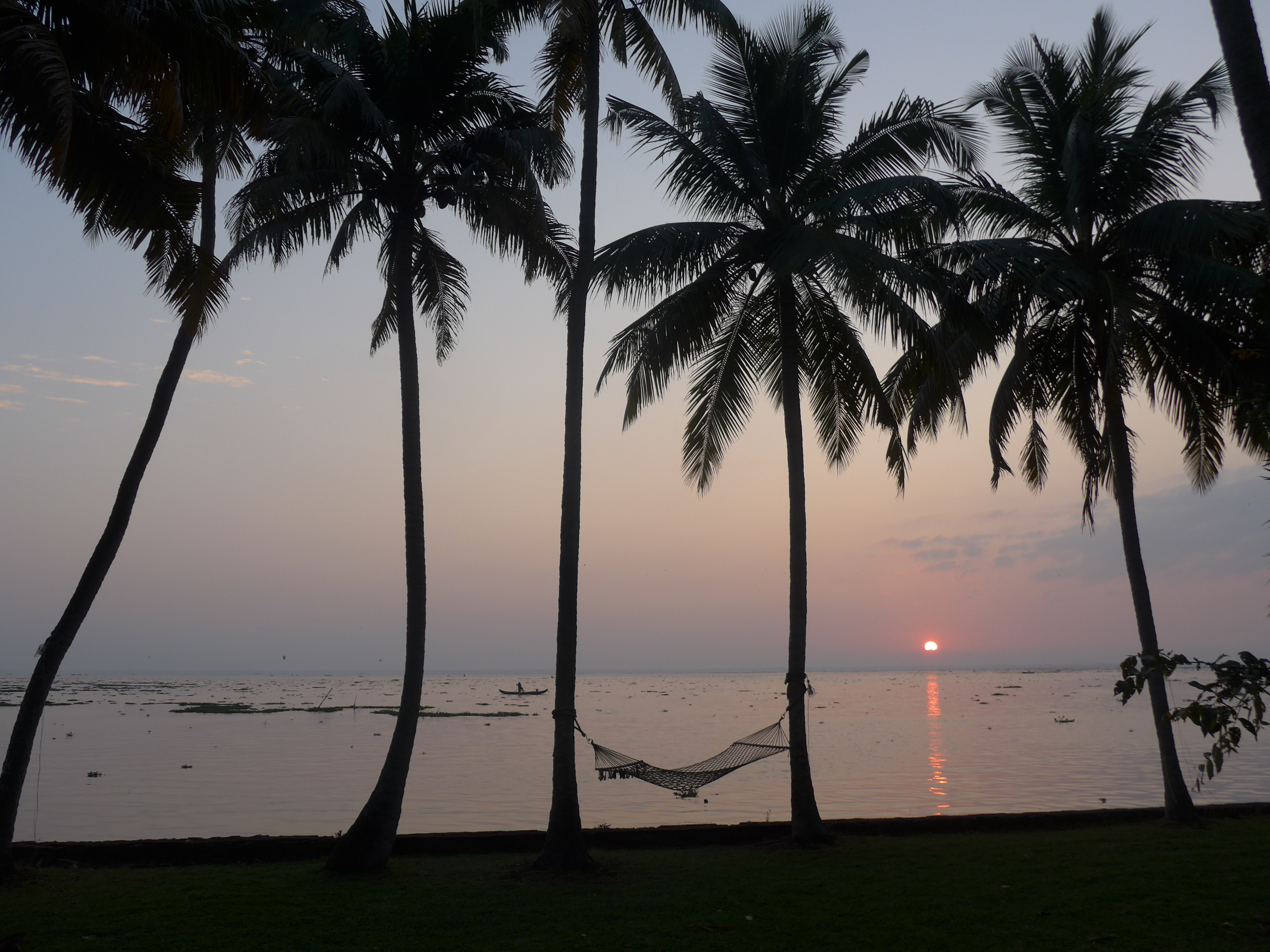
Sunrise at Vembanad House


11. Sri Lanka: Jaffna and the East “White sands and palmyrah fronds.”

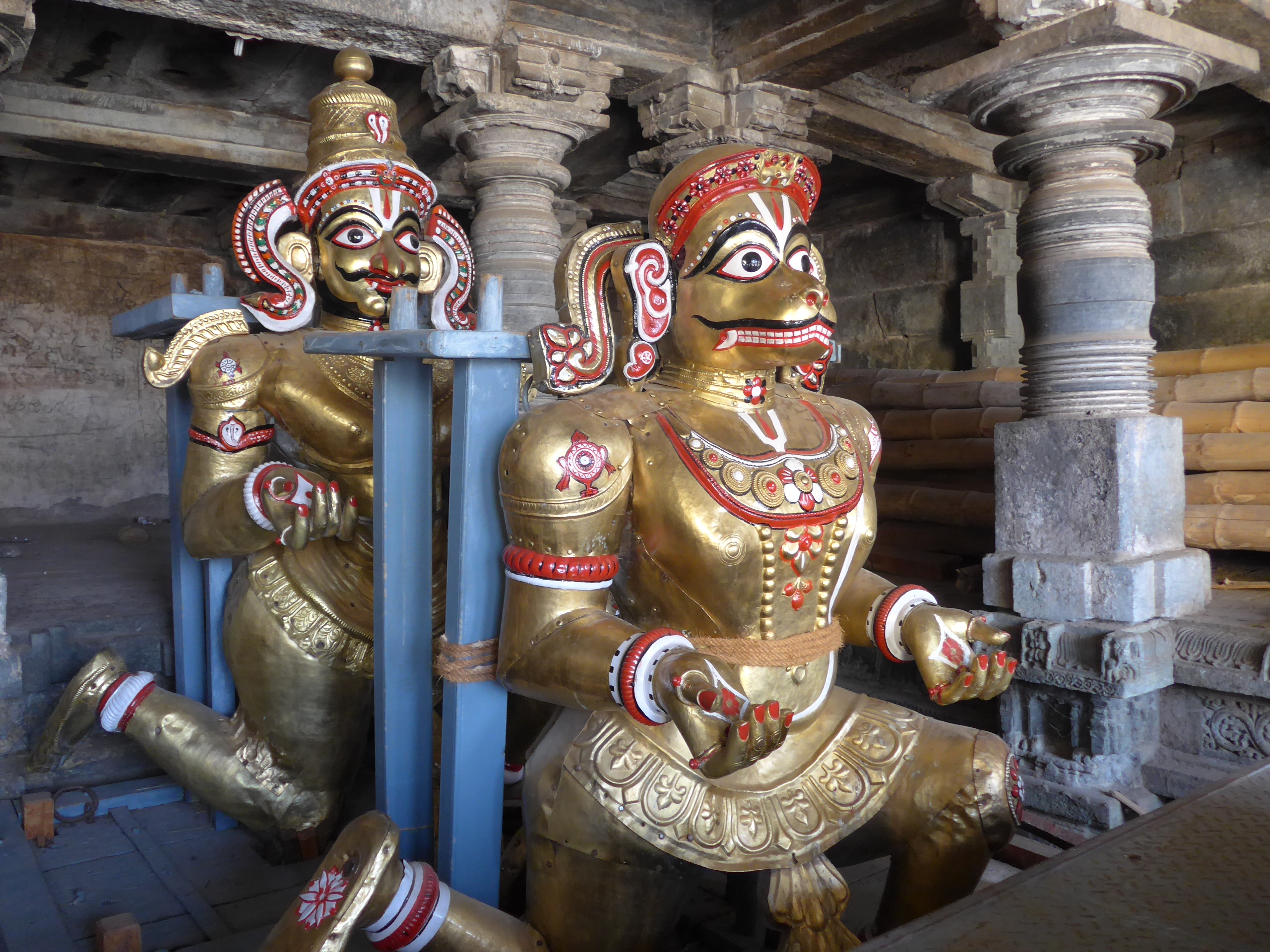
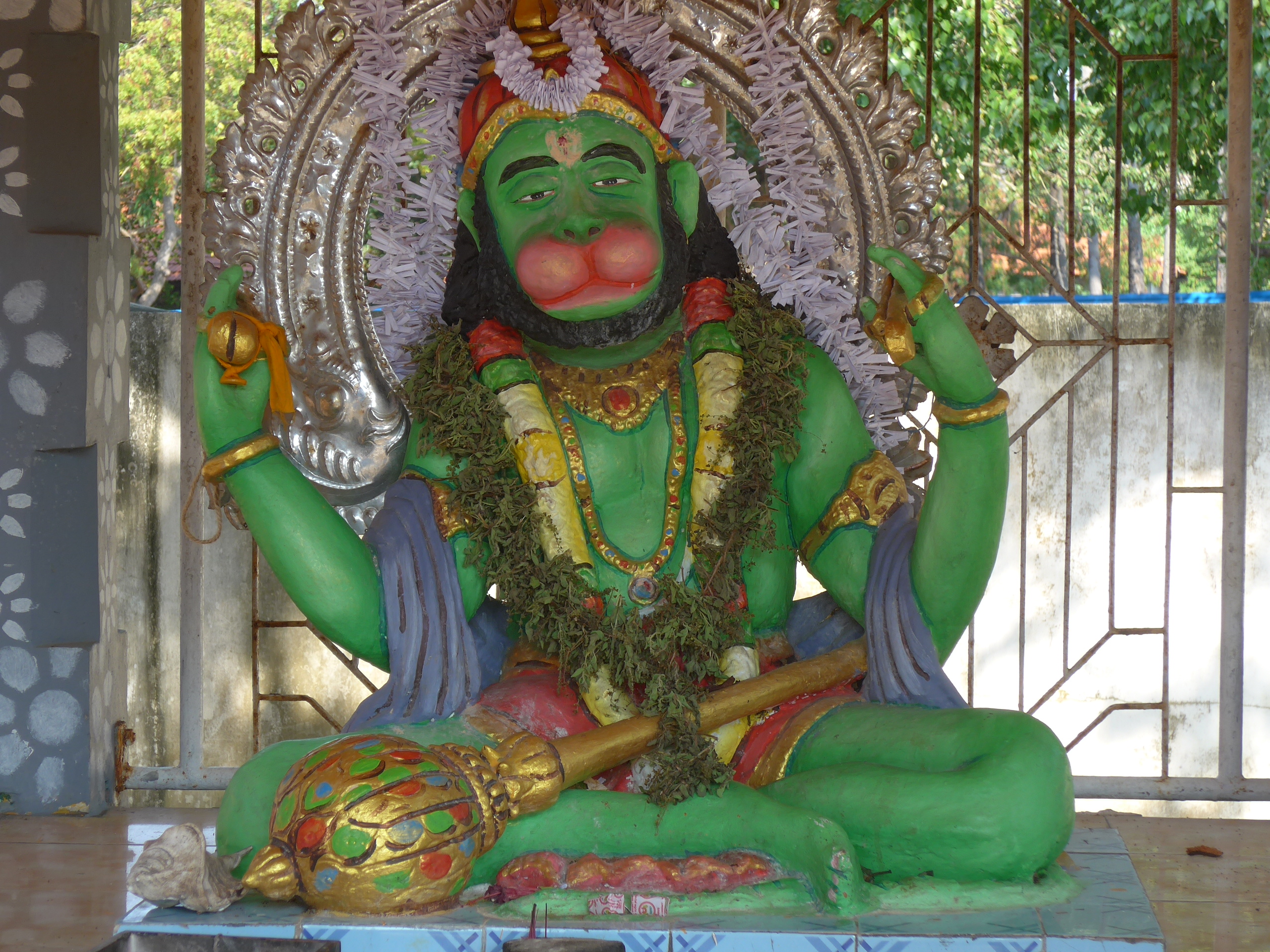
A very green Hanuman at the Punnalai Varatharaja Perumal Kovil Hindu temple

Hold fast fellow-travellers, we have reached the final voyage, through a sombre but ultimately beautiful Sri Lanka.

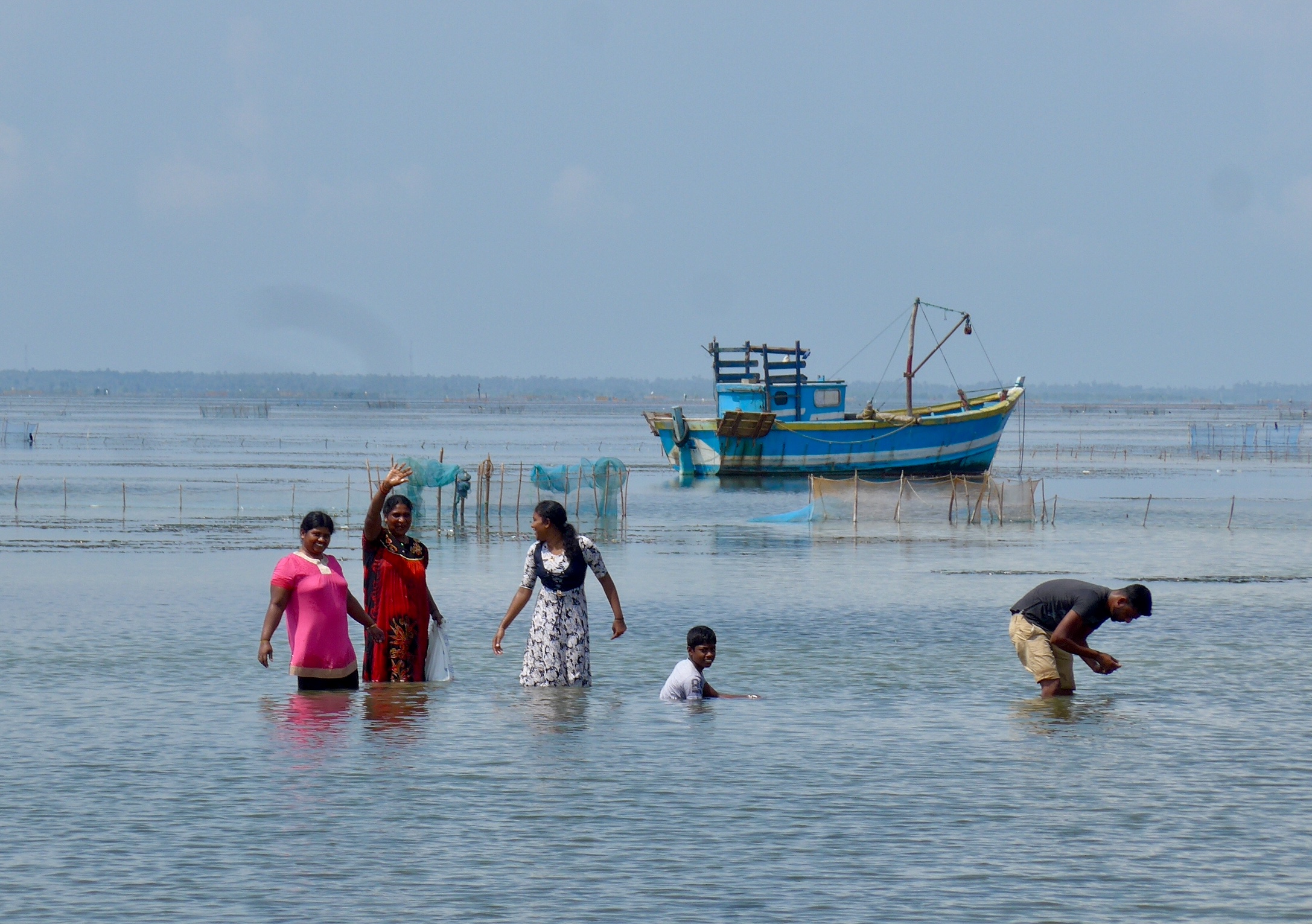
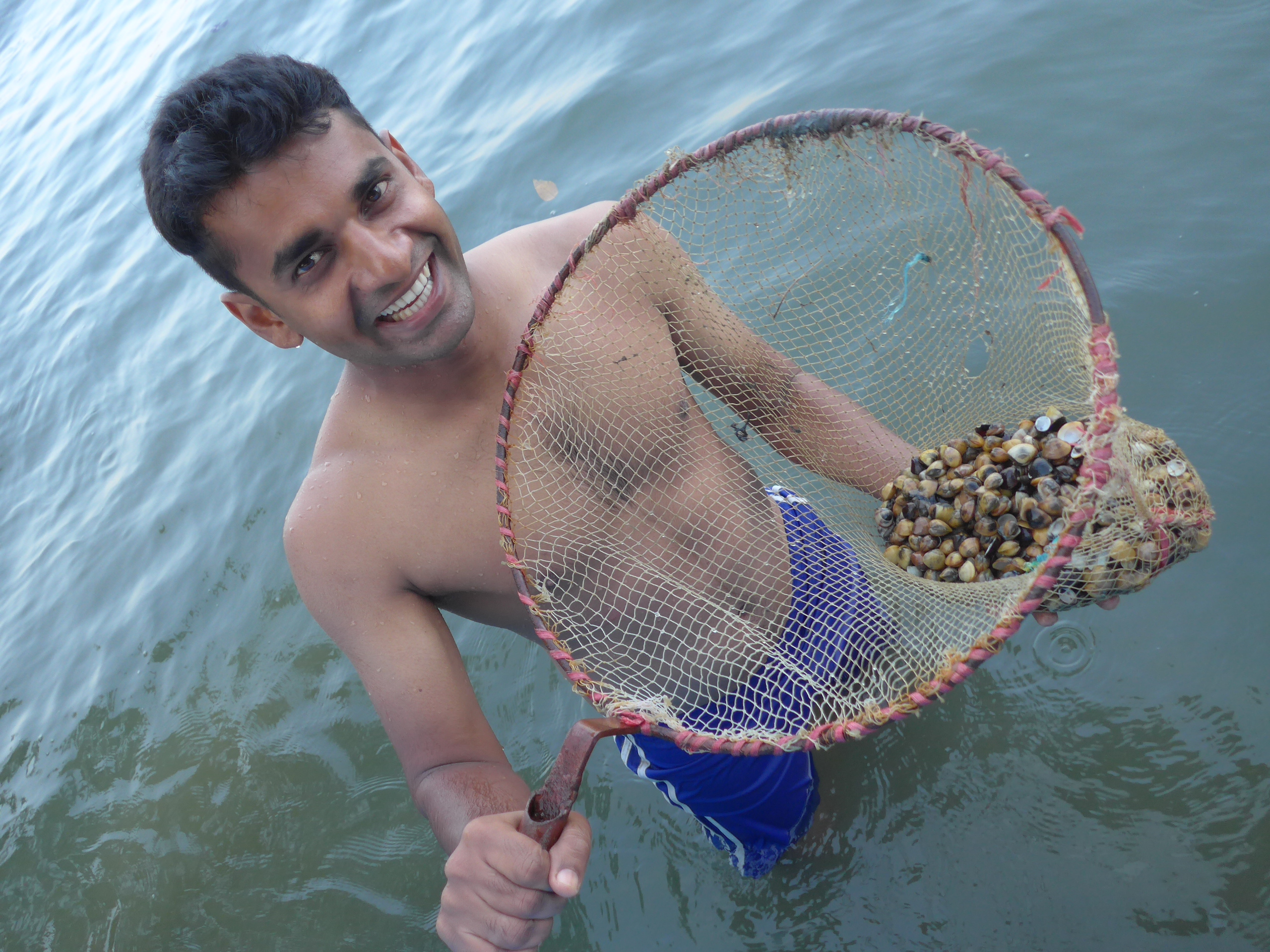
Gathering clams, Jaffna

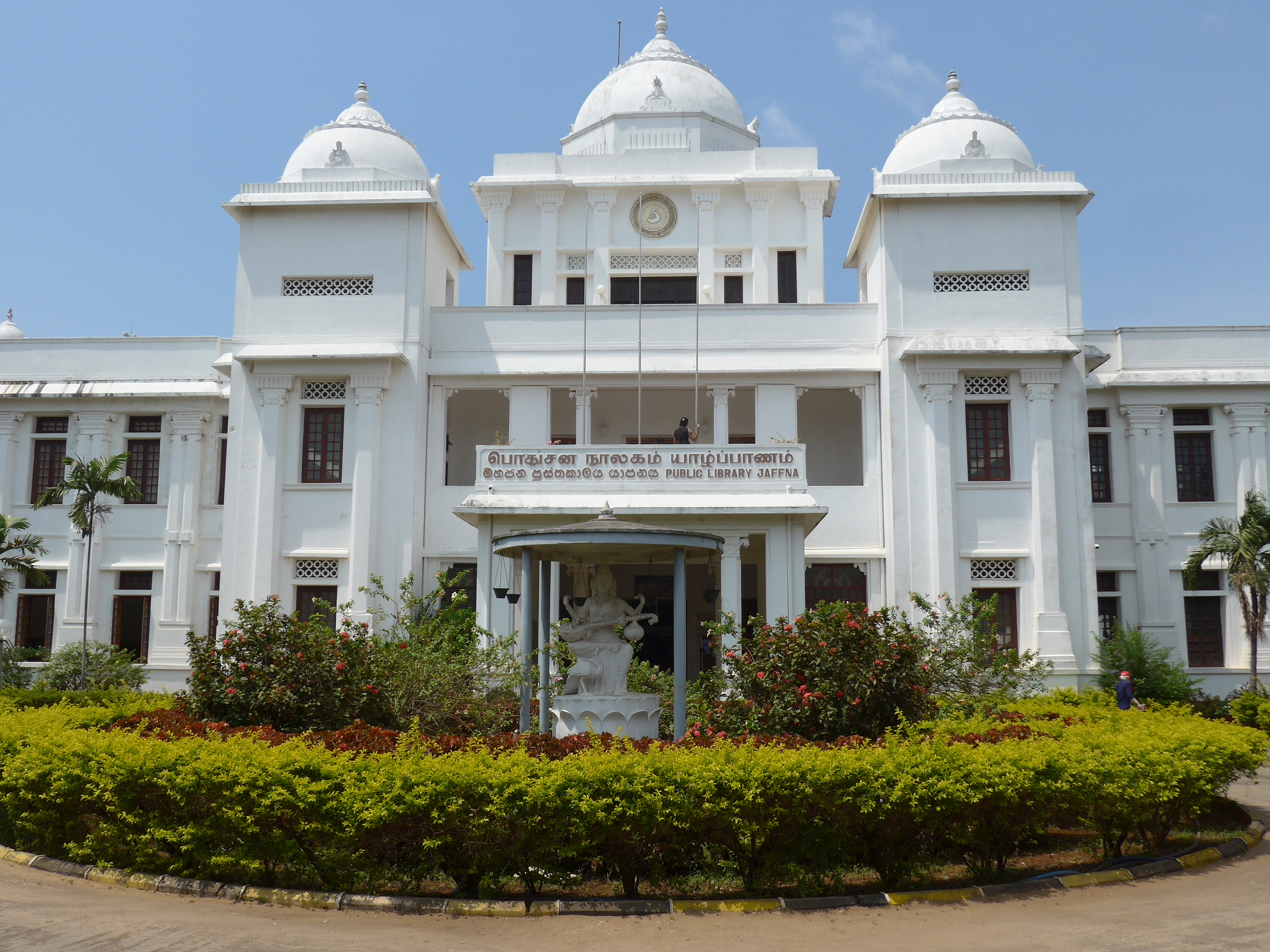
On the night of 1st June 1981, early in Sri Lanka’s recent civil war, the Jaffna Public Library was burnt to the ground by police and paramilitaries, destroying 97,000 volumes and irreplaceable manuscripts, of huge importance to the Tamil community. But it was one of the first buildings to be rebuilt, a symbol of the determination of the Tamil population to keep their culture alive.

The rebuilt Public Library, Jaffna

Poet Jean Arasanayagam comments on the scarred Jaffna Peninsula:

“Somewhere lost landscape

White sands and palmyrah fronds

Freakishly black,

Beside the broken wall,

The ruined gopuram.”

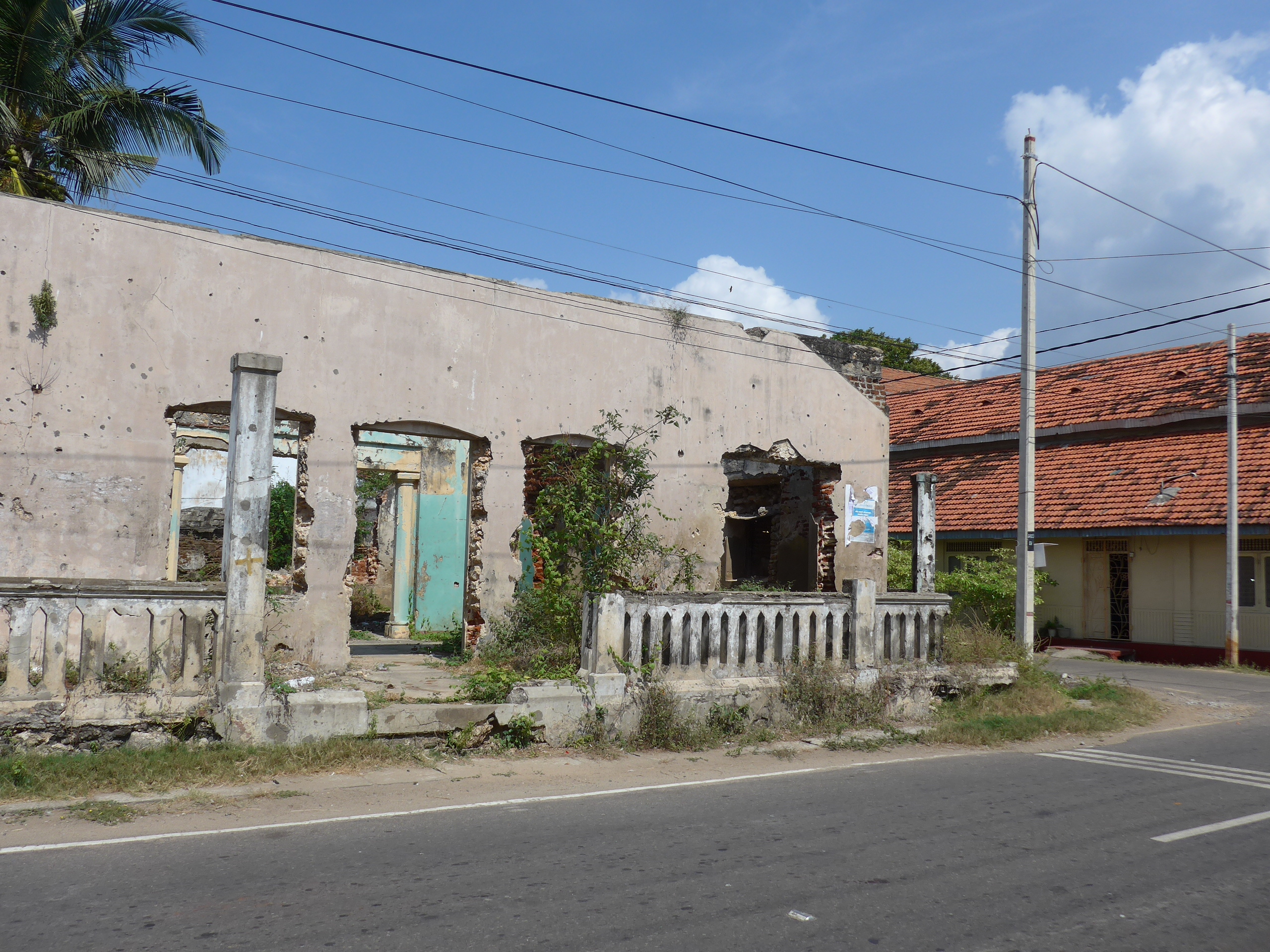
We returned to Sri Lanka to visit Jaffna in the north and the north-east coast, Tamil areas that had suffered under the fighting. Houses reduced to a shell in a quiet, suburban street brought home some of the horror for the civilians, caught between two warring factions for thirty years.

War-ravaged house in Jaffna Town.


Entrance to the Dutch Fort, Jaffna

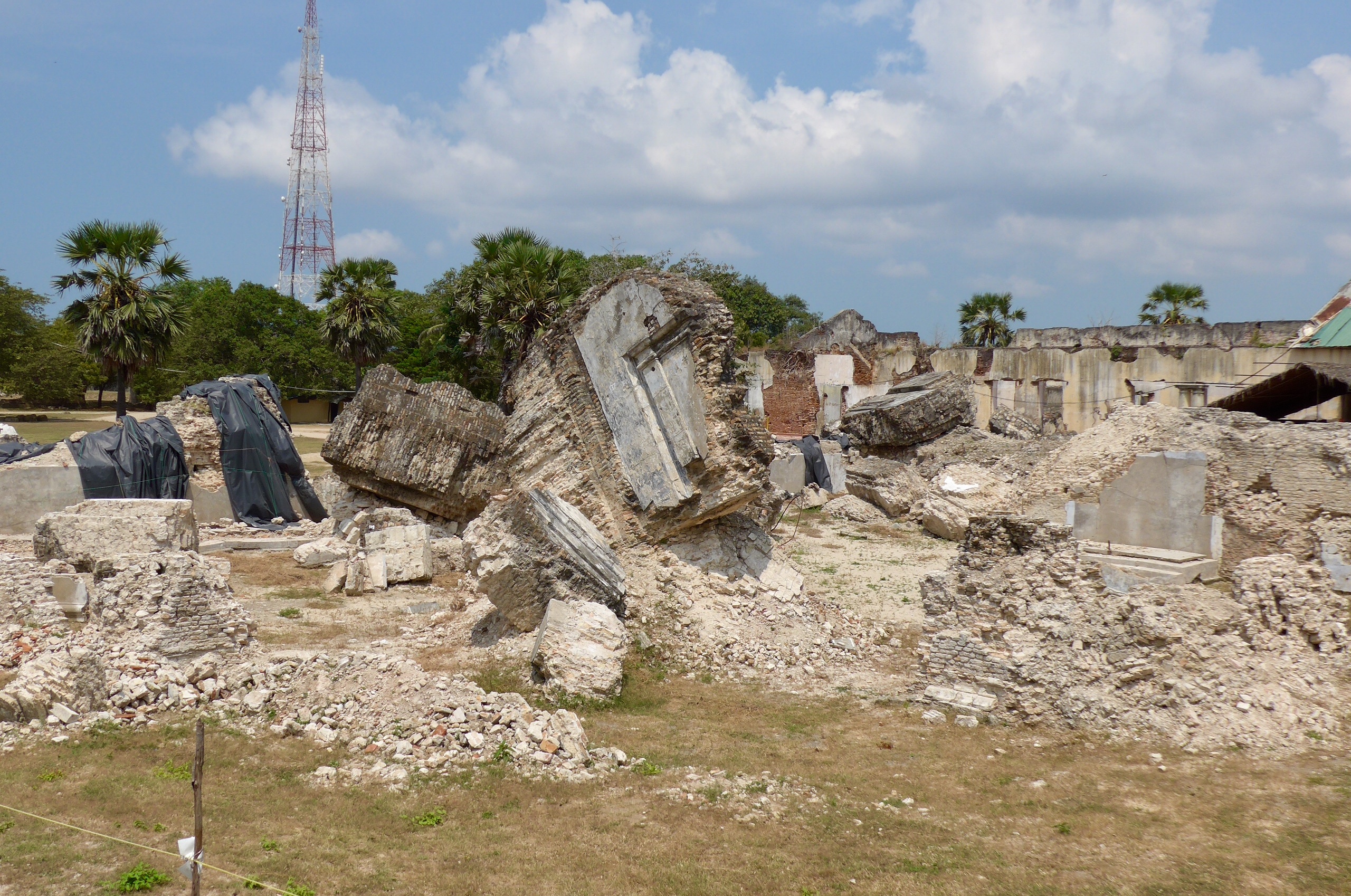
Though the old Dutch Fort has been repaired, the Dutch Church, dating from 1707, has been left exactly as it was after the war.


The Dutch Church inside the Fort, destroyed in the civil war

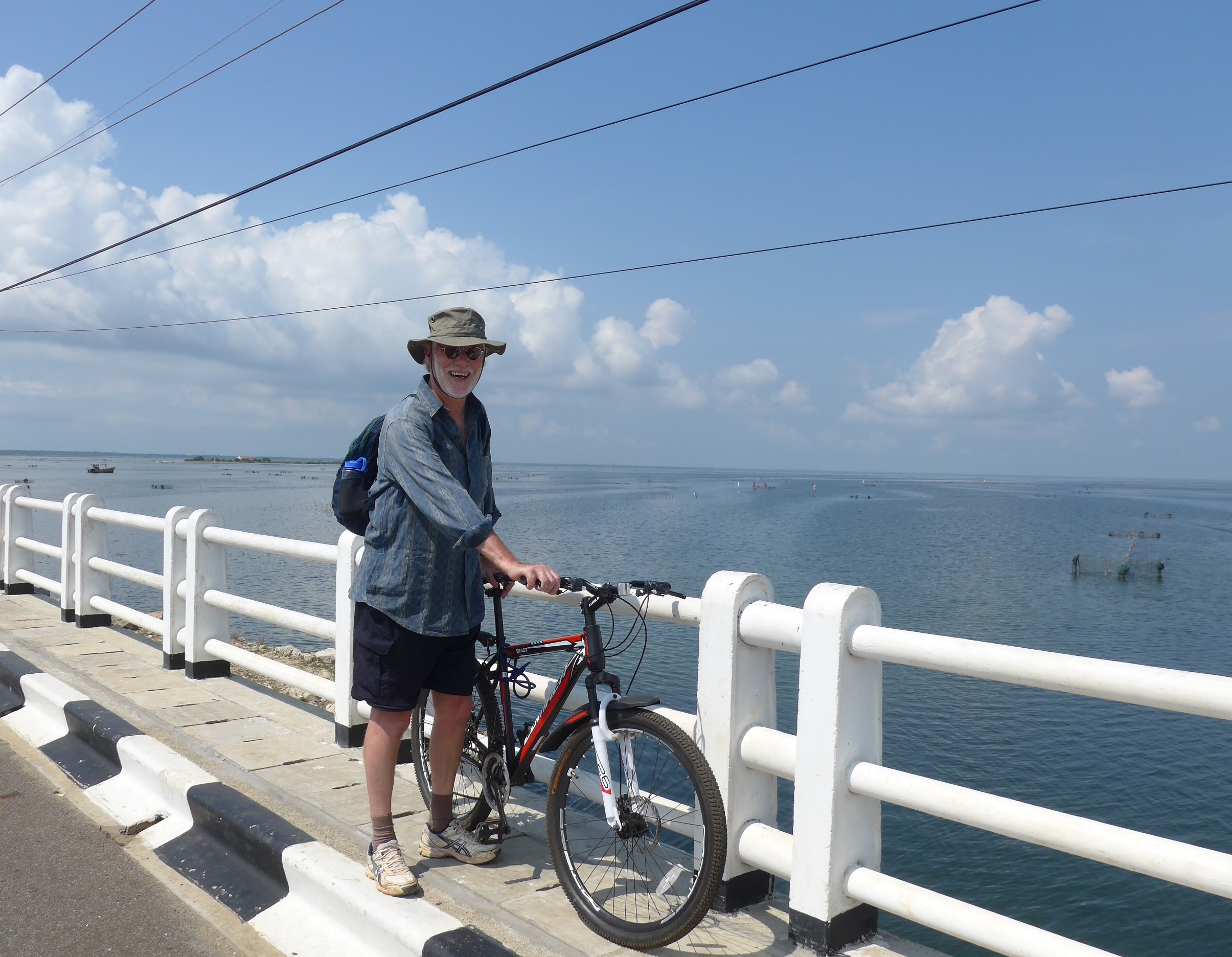
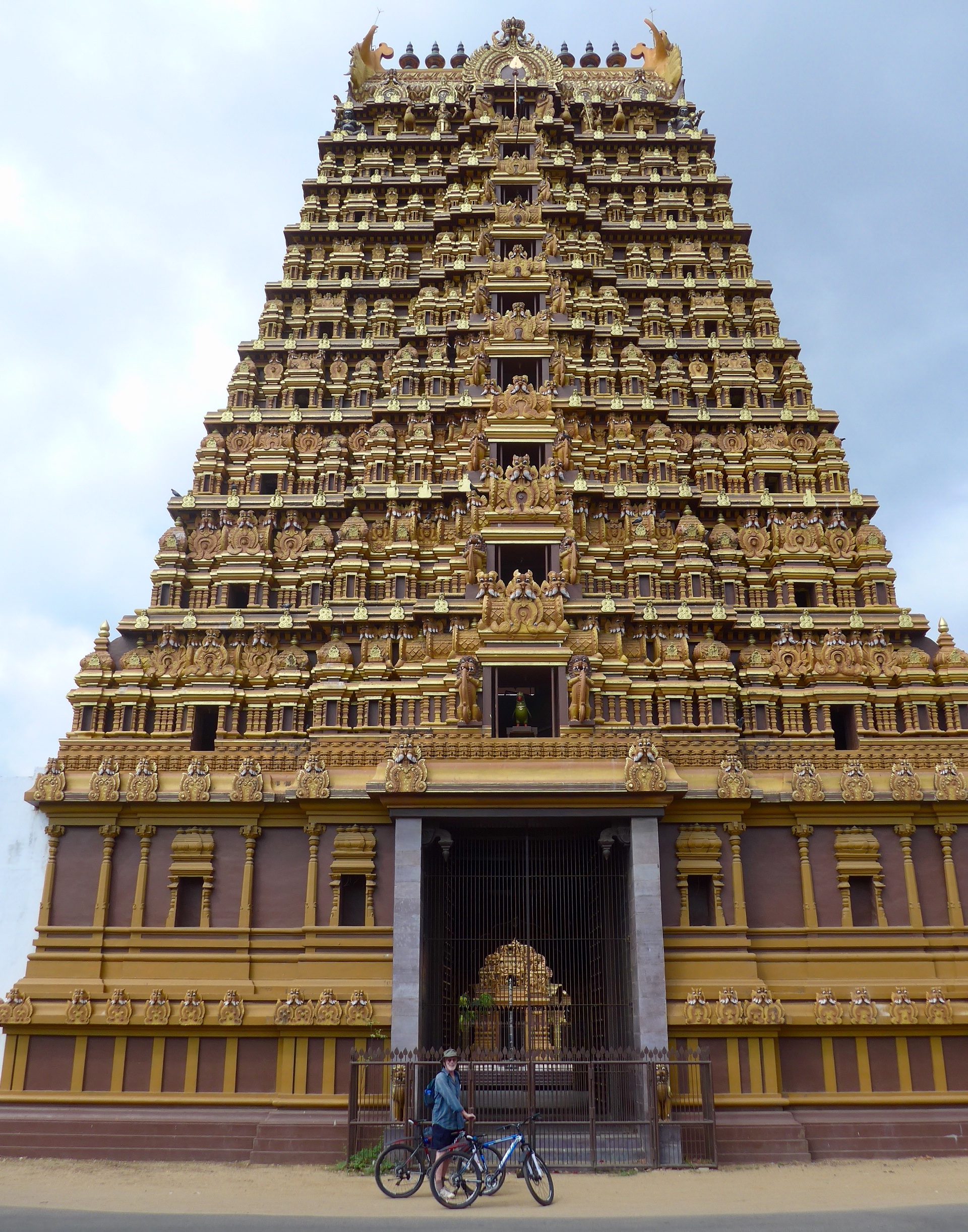
We cycled, despite the heat, and were rewarded by friendly greetings from all that made us glad we had made the effort of the seven-hour train journey from Colombo.

Cycling across the causeway to the islands at Jaffna
Cycling to the Nakuru Kandaswamy Temple, Jaffna

As with India, the temperatures were far higher than normal. For the locals it was a level of a heat expected in May, not February.

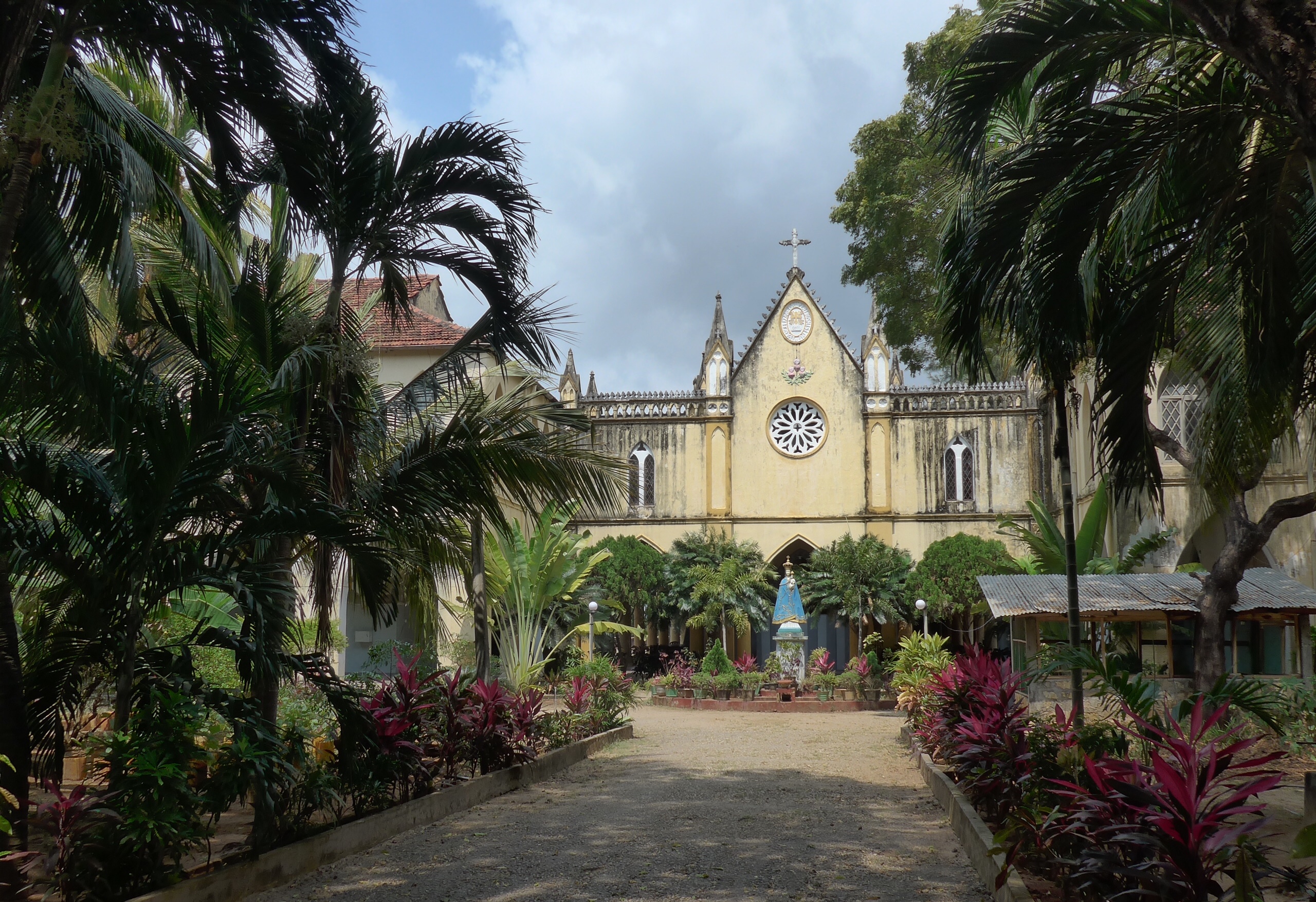
St Martin’s Seminary, Jaffna


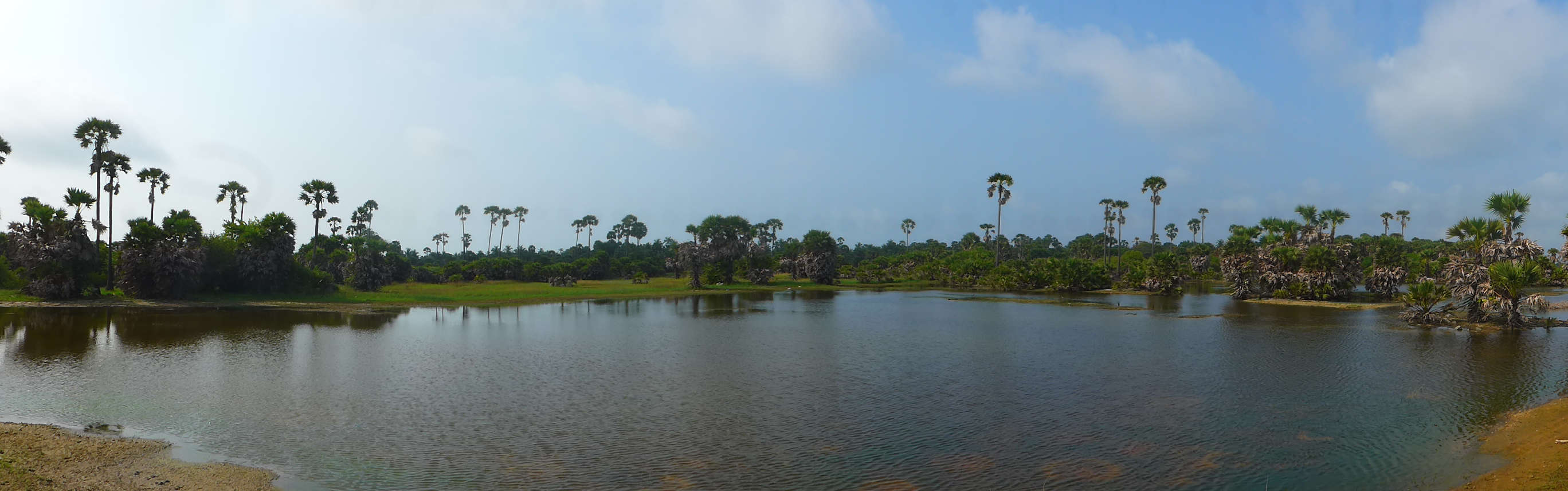
The land at Jaffna petered out in a string of islands, flat and watery, set about with lagoons and the round-topped palmyrah palm.

On Kayts Island, Jaffna

Most of the houses were maliciously destroyed by the military, but gaudy new Hindu temples were being built, and new houses through aid from India and the UN, while fishing and tourism are increasing.

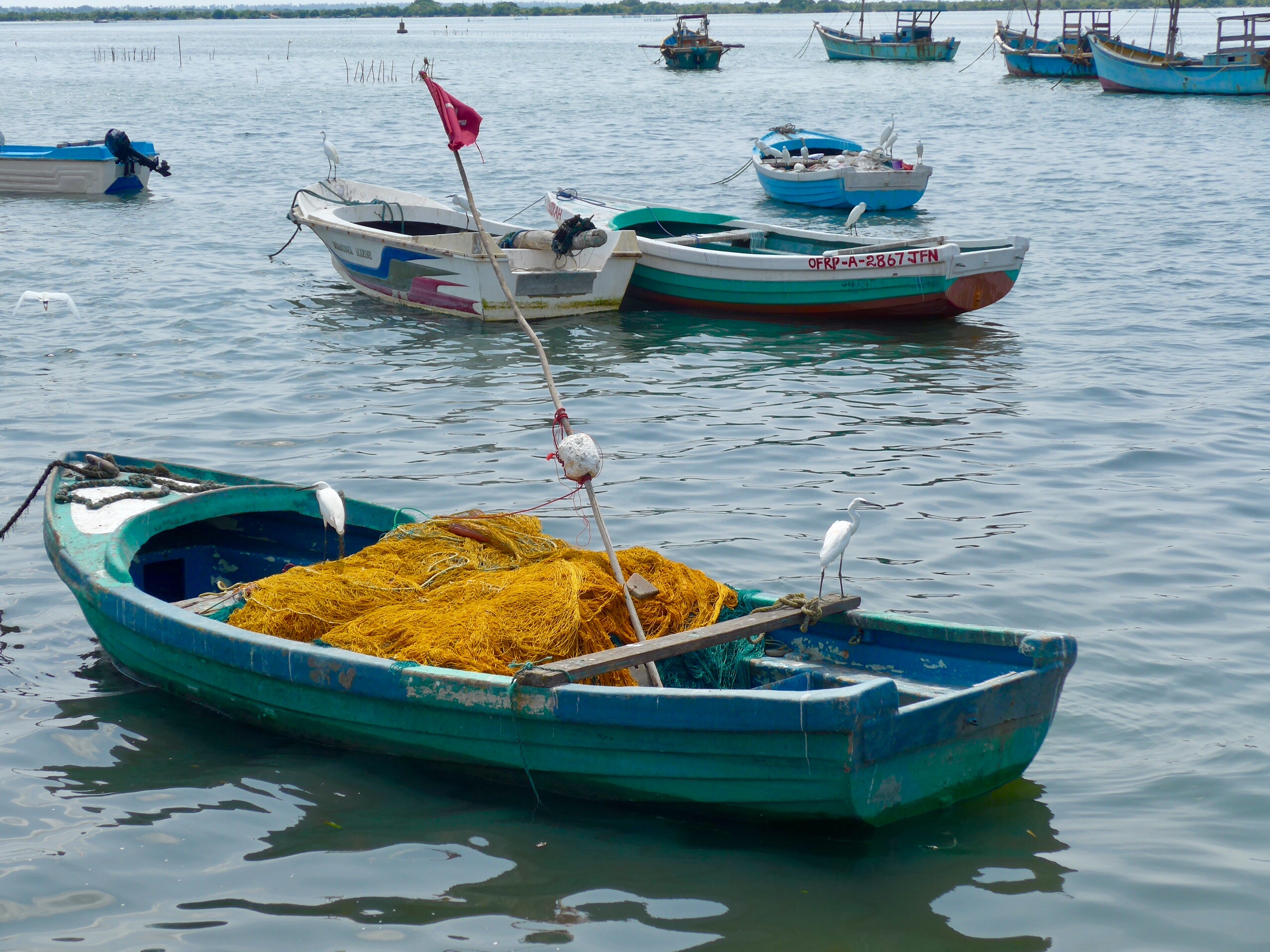
Fishing boats, Jaffna
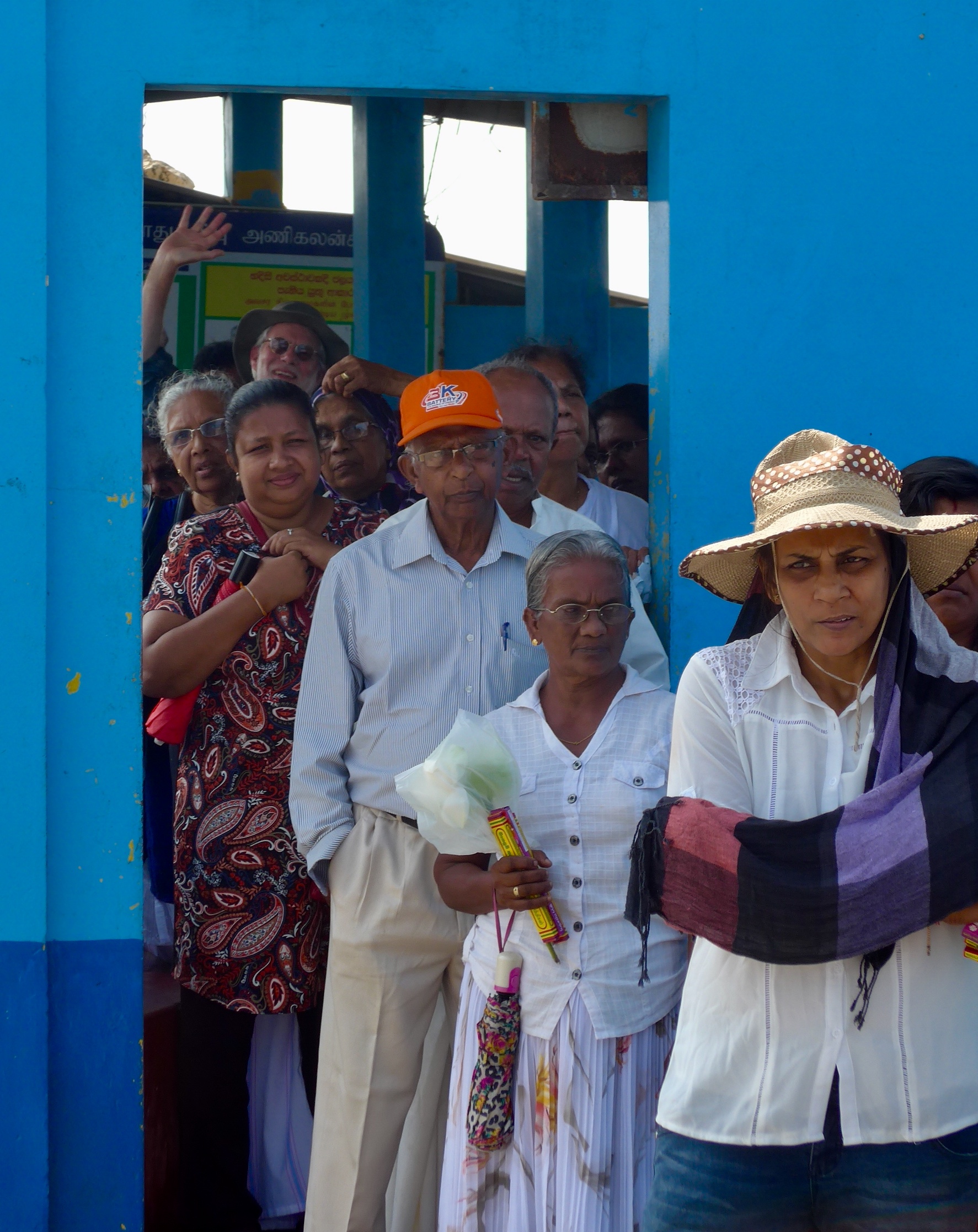
Queue for the boat to Nainativu Island, Jaffna


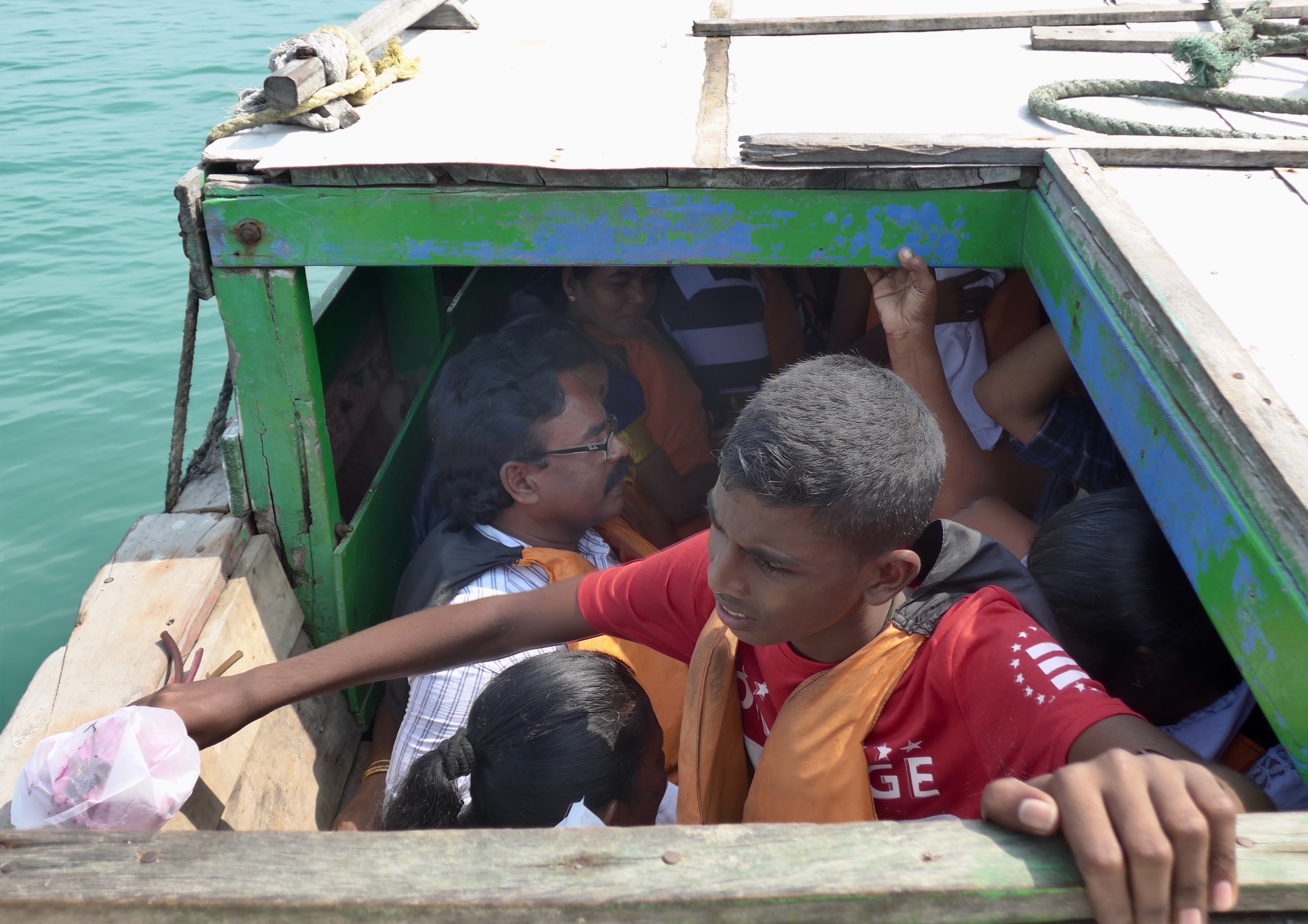
The rickety old ferry boats did not inspire confidence. Over sixty people were crammed below decks on the first one we clambered into, with people standing in every space. Had the boat capsized there was no way anyone would have escaped.

The less crowded boat to Nainativu Island, Jaffna

We fought our way off and insisted on sitting on the roof of the next boat with the luggage and motorbikes, and so chugged more confidently across to Nainativu island.

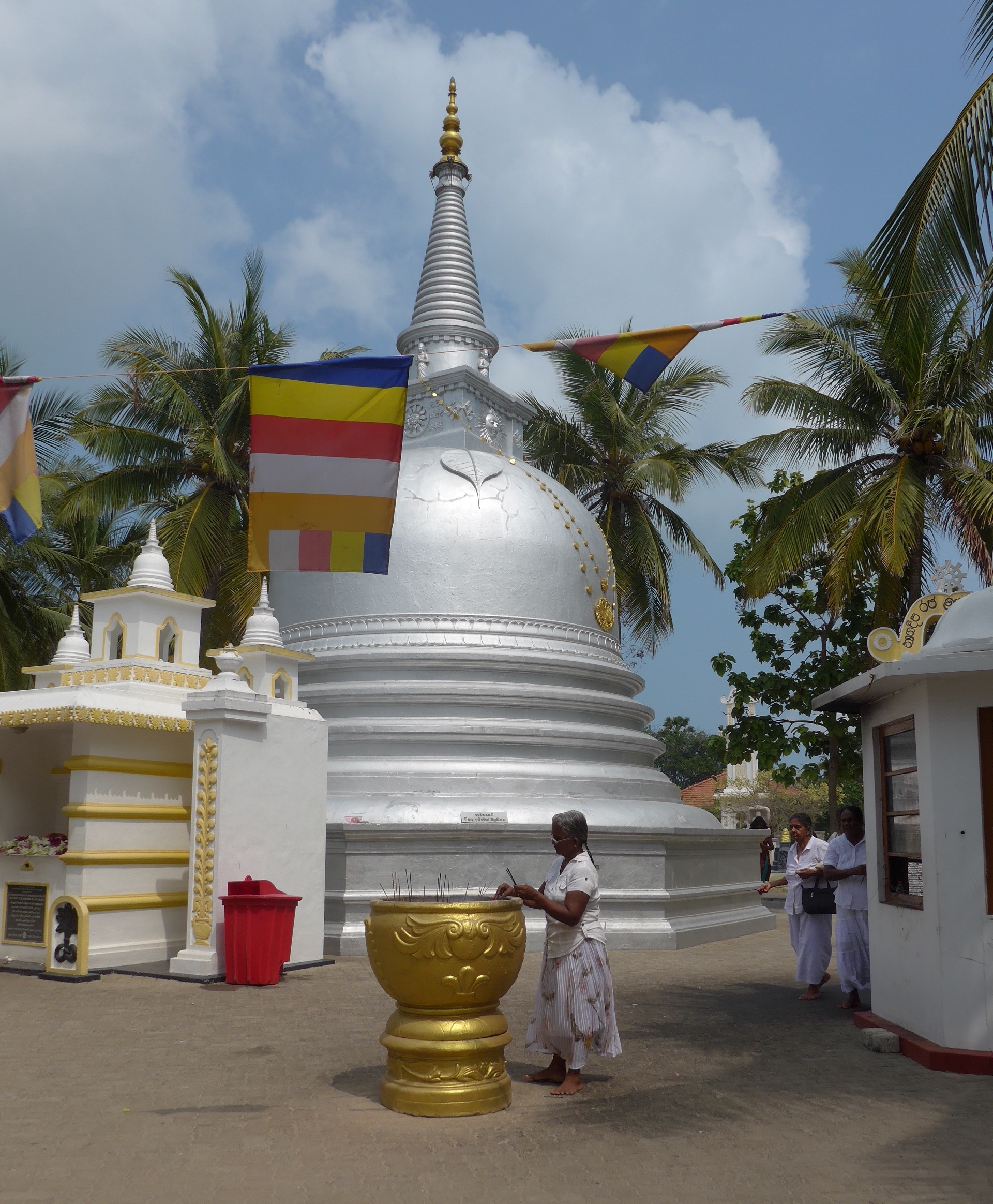
Nagadipa Vihara Buddhist temple, Nainativu.
Nagadipa Vihara, Nainativu


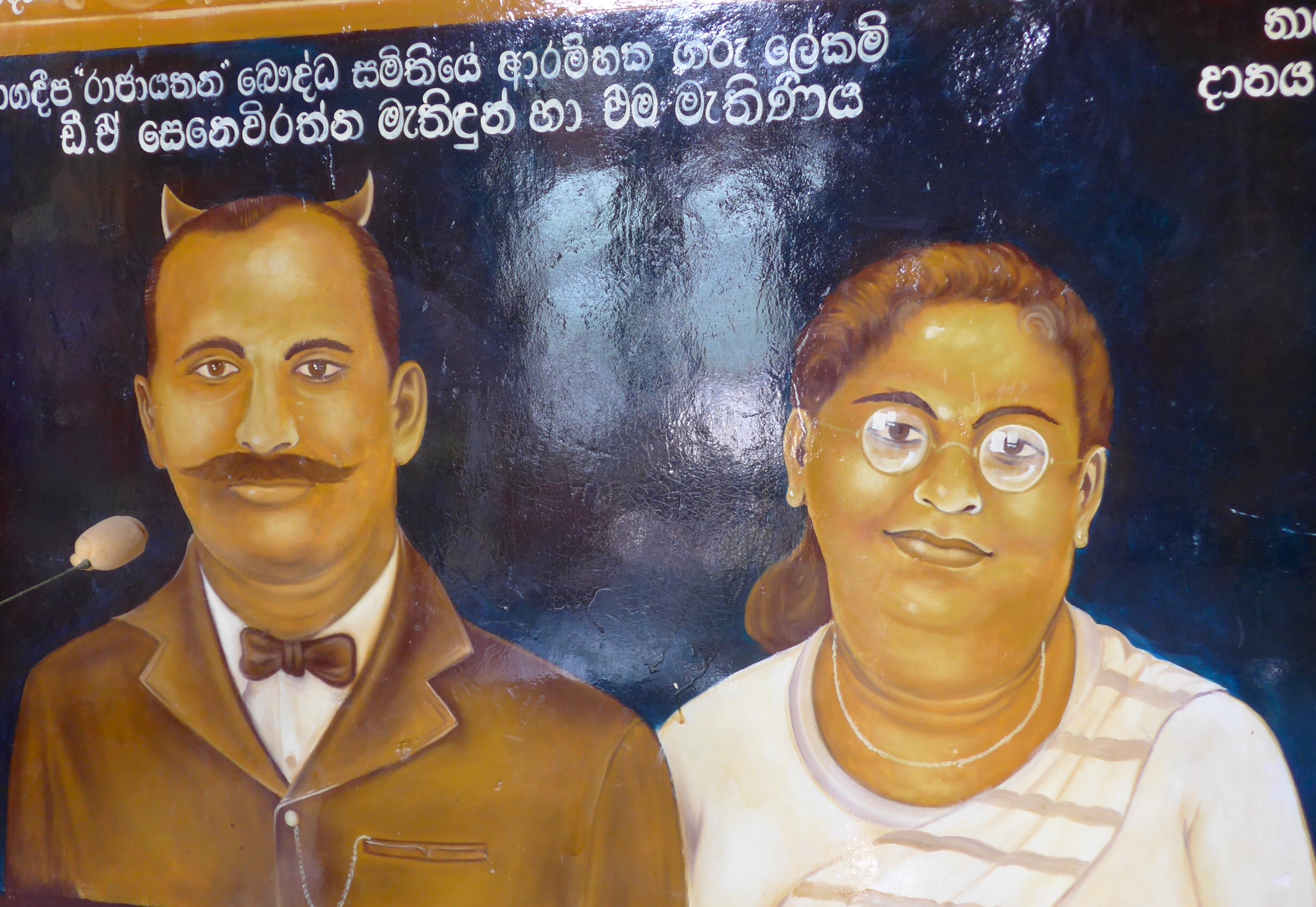
I would love to know why this gentleman painted inside the Buddhist temple appears to have horns…

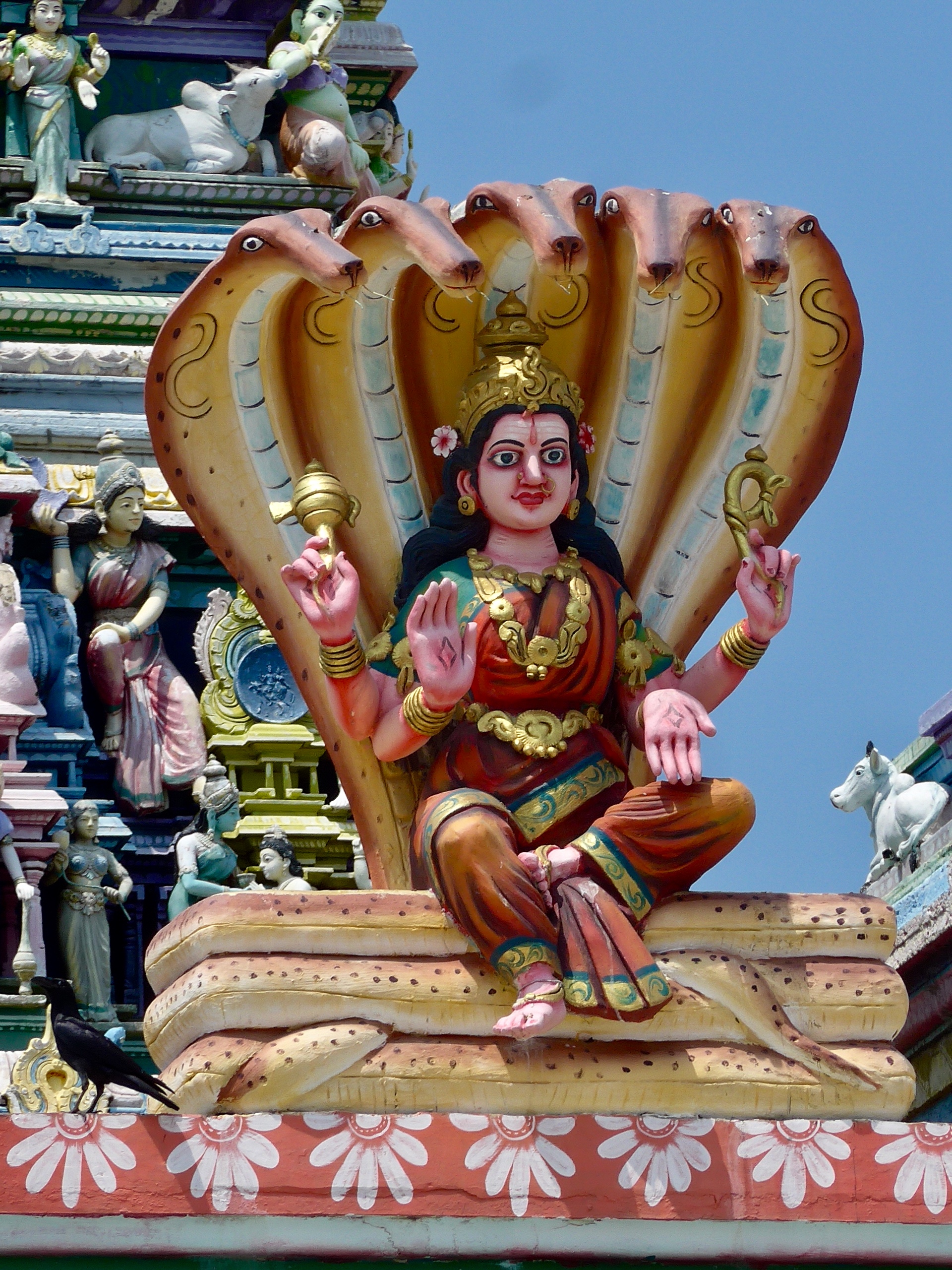
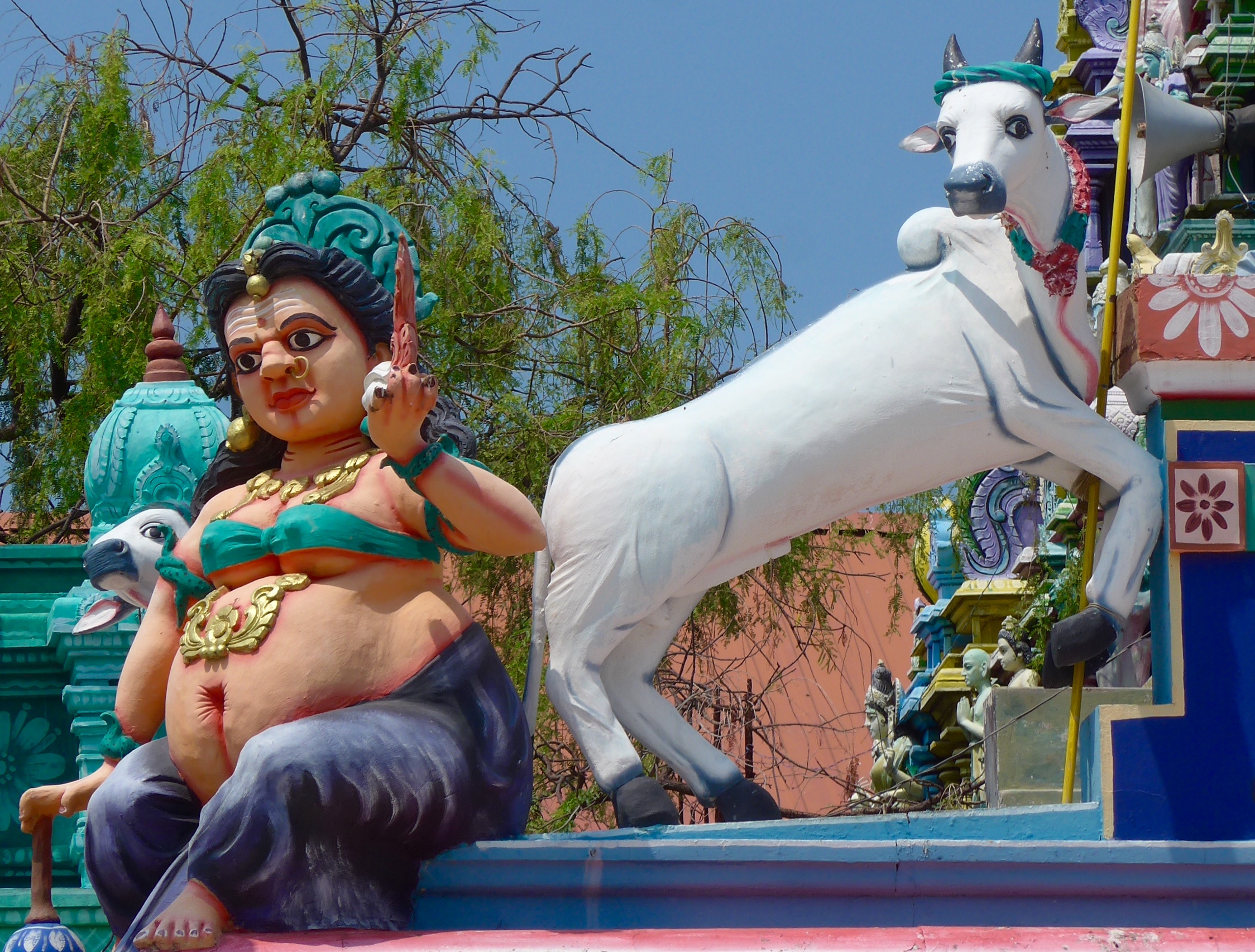
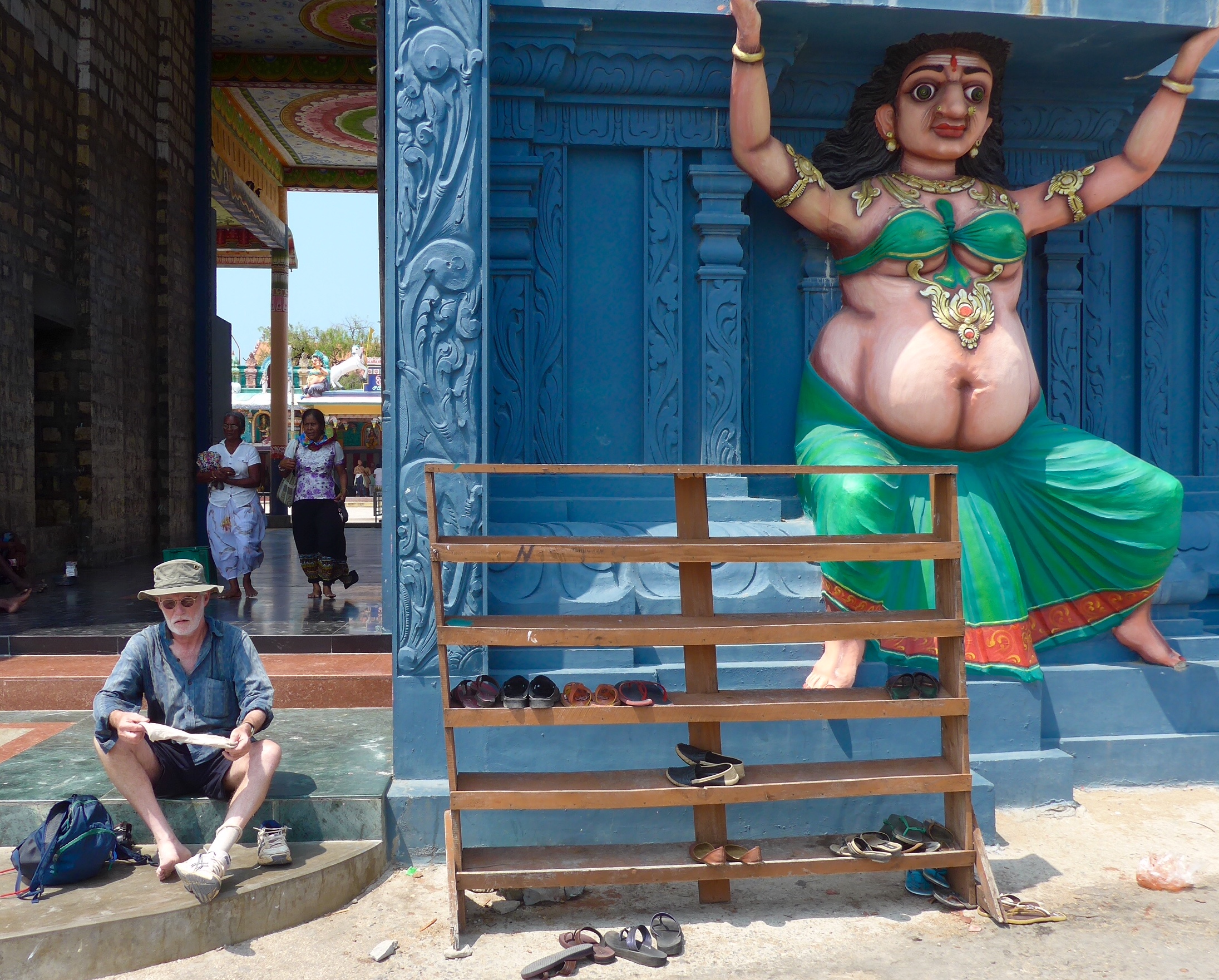
As well as the Buddhist shrine there was a Hindu Temple dedicated to the goddess Durga, a favourite place to take newborn babies. Presumably if the frightening boat journey does not silence them, the intimidating female goddesses will.

Nagadipa Pooshani Ambal Kovil, Nainativu


The shoe stand at the temple

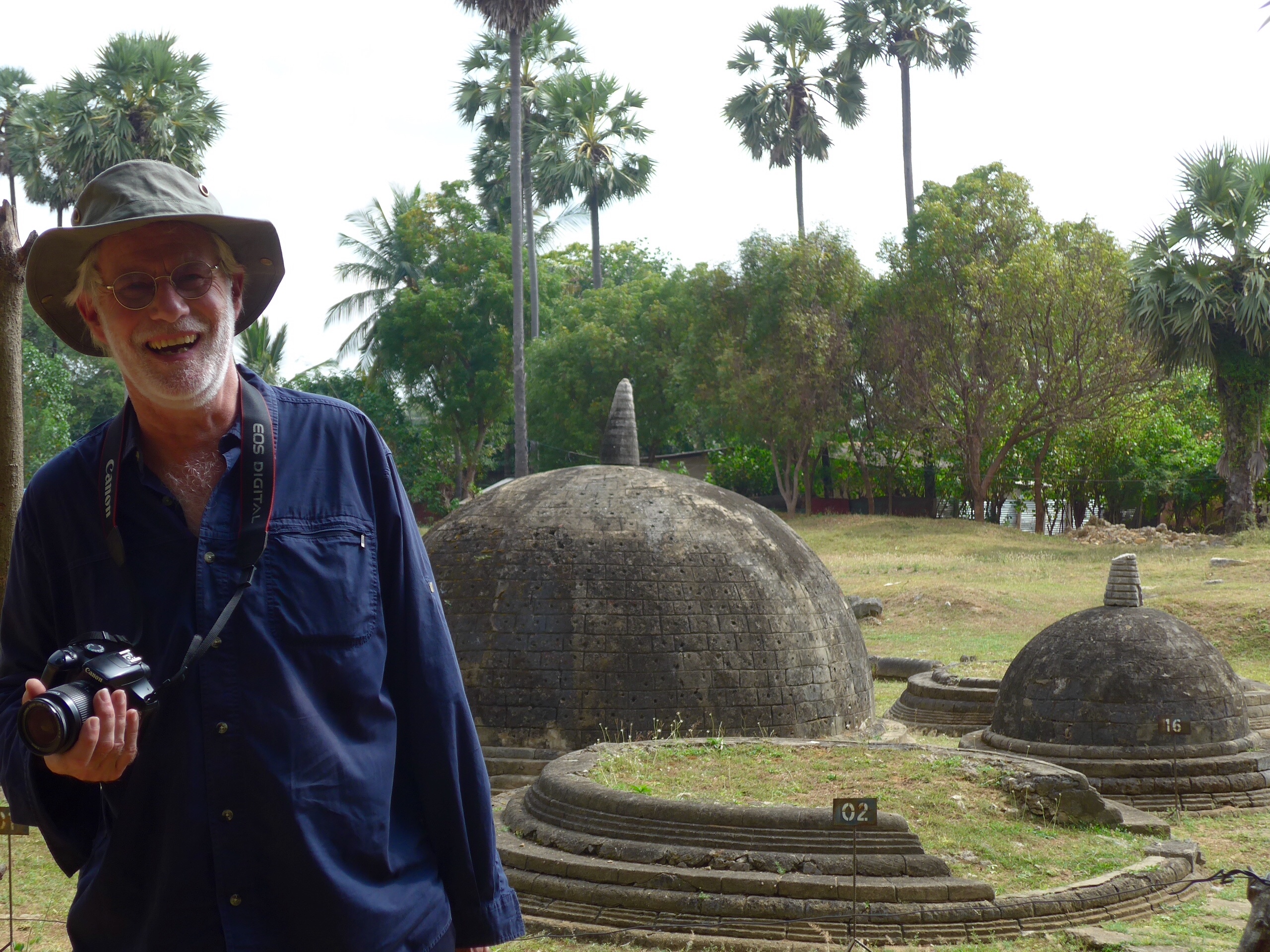
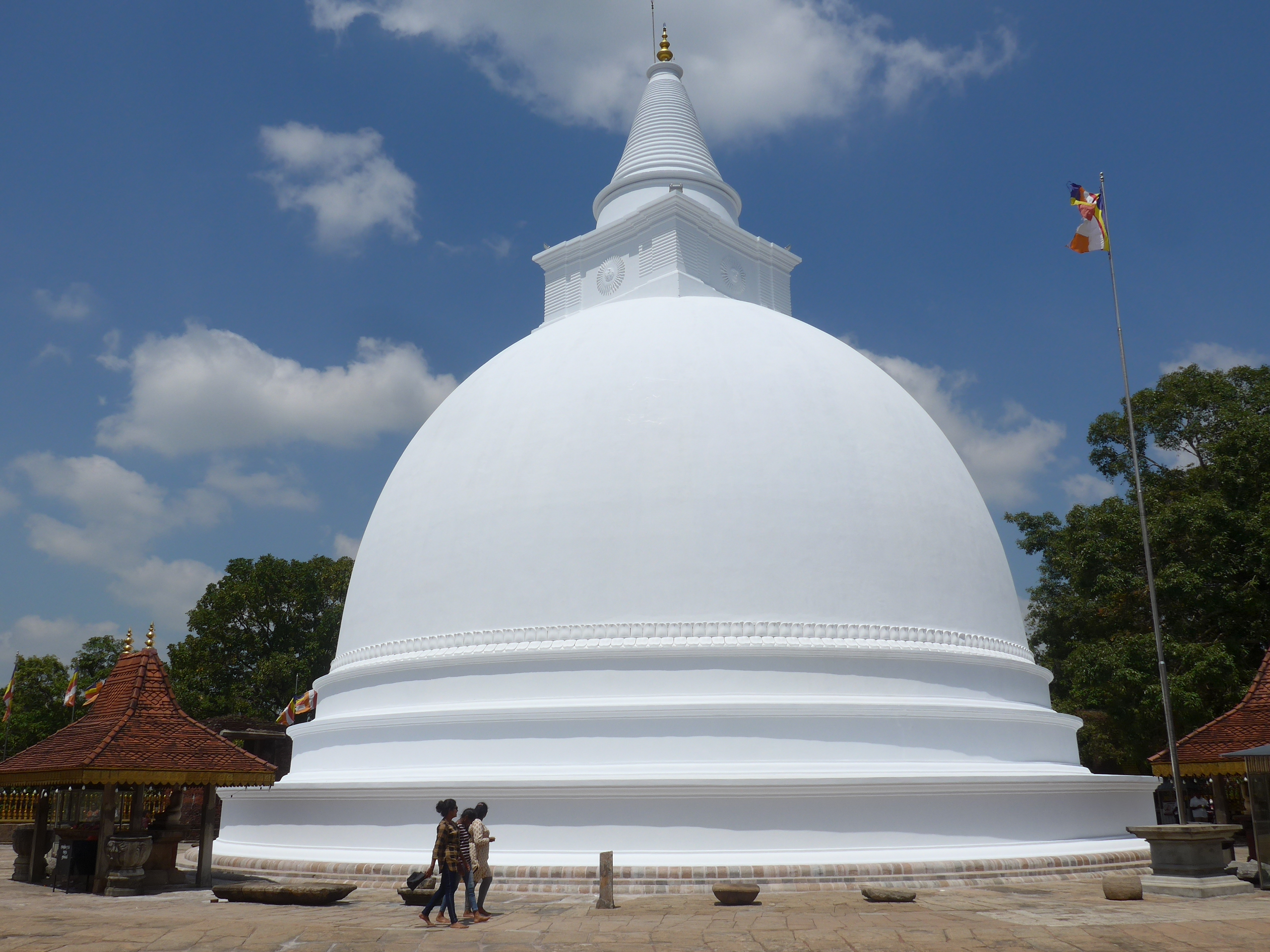
Back on the mainland, no-one is quite sure what the cluster of possibly 2,000-year-old Buddhist dagobas at Kantharodai were for, but they looked pleasingly round and simple after the Hindu temples.

Kantharodai

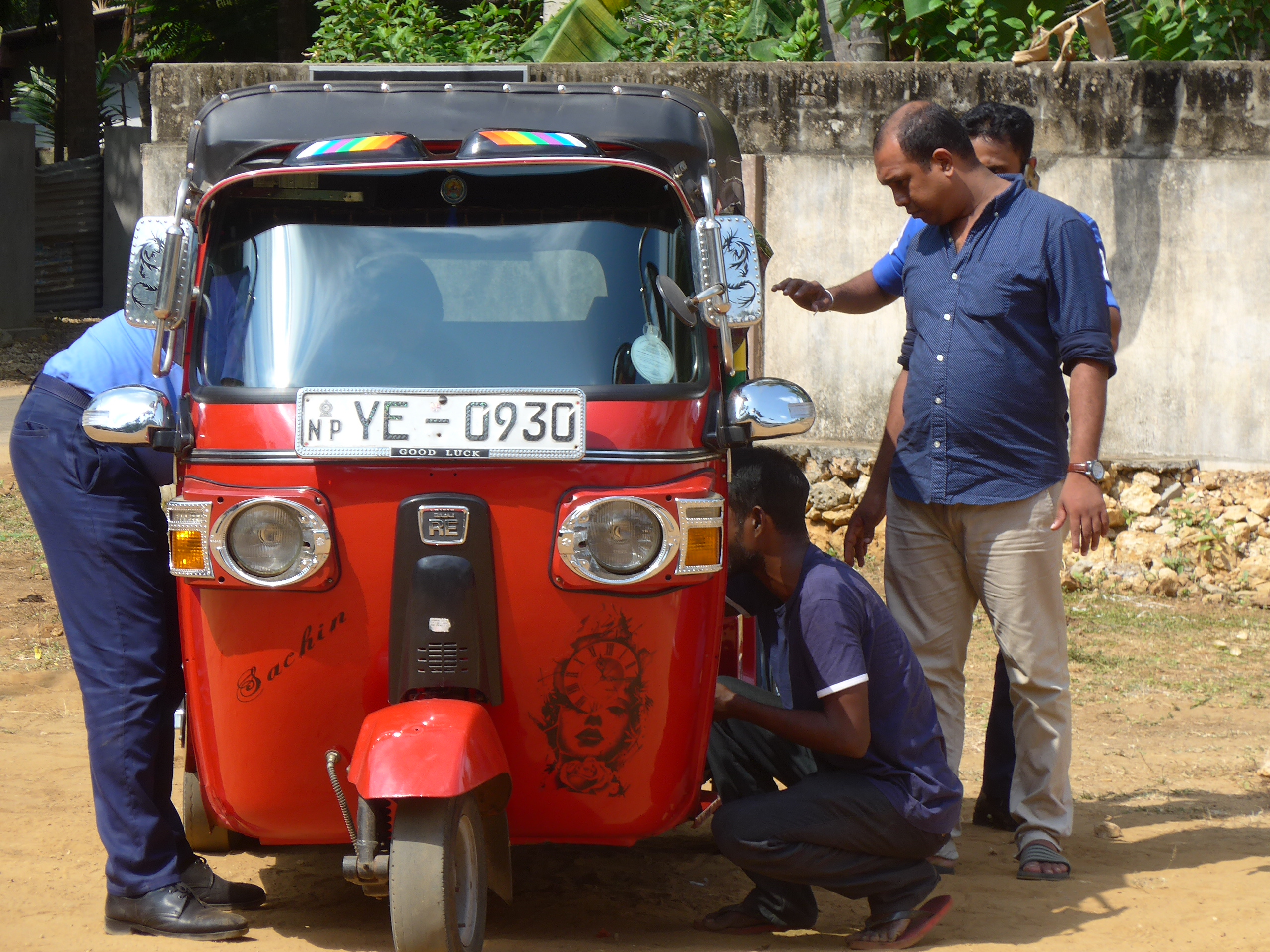
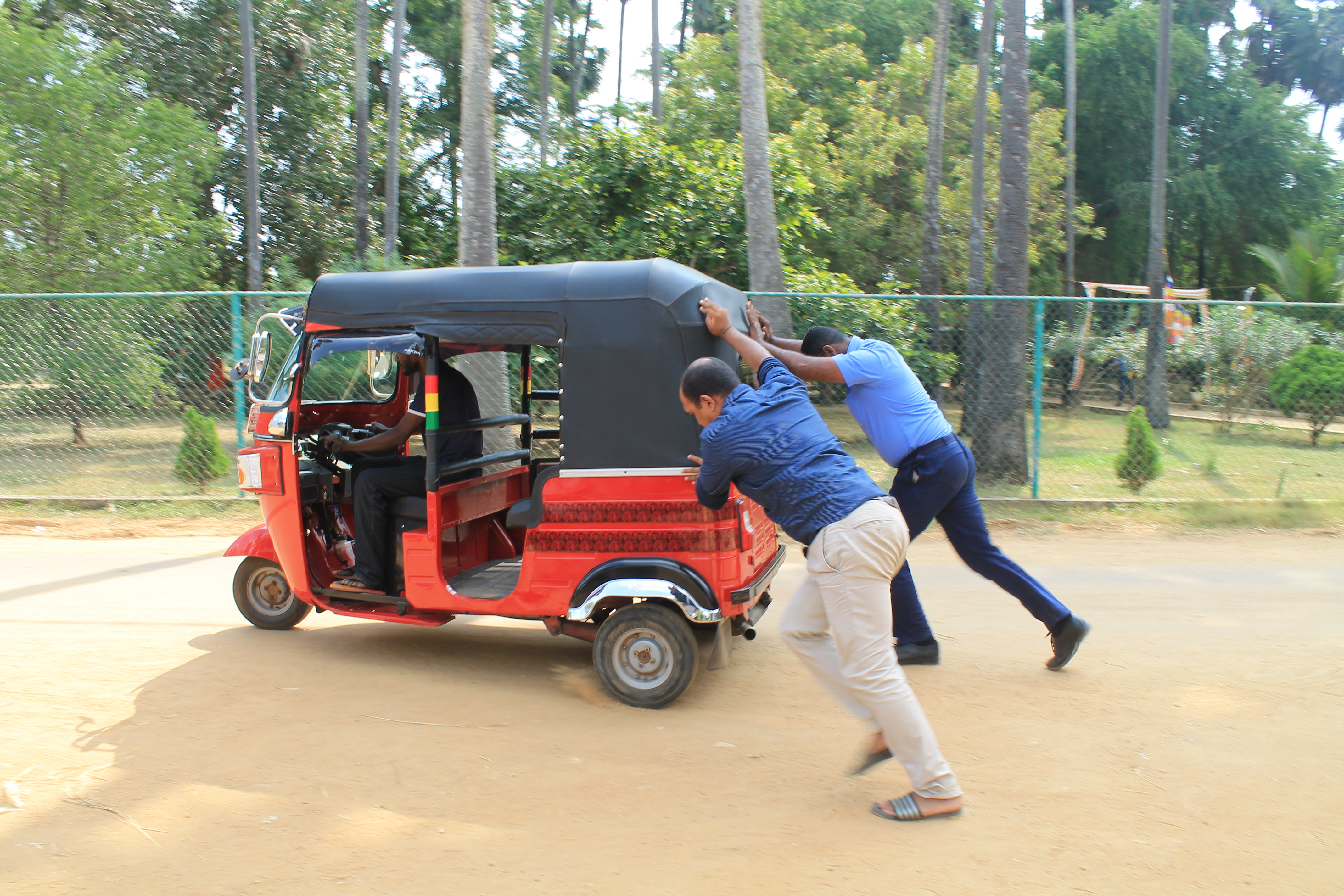
Our tuk-tuk out there broke down but luckily the Sri Lankan Navy were on hand to help it get started.

“That ‘hound broke down and left us all stranded …” C. Berry.
But the Navy came to the rescue.
Relief all round

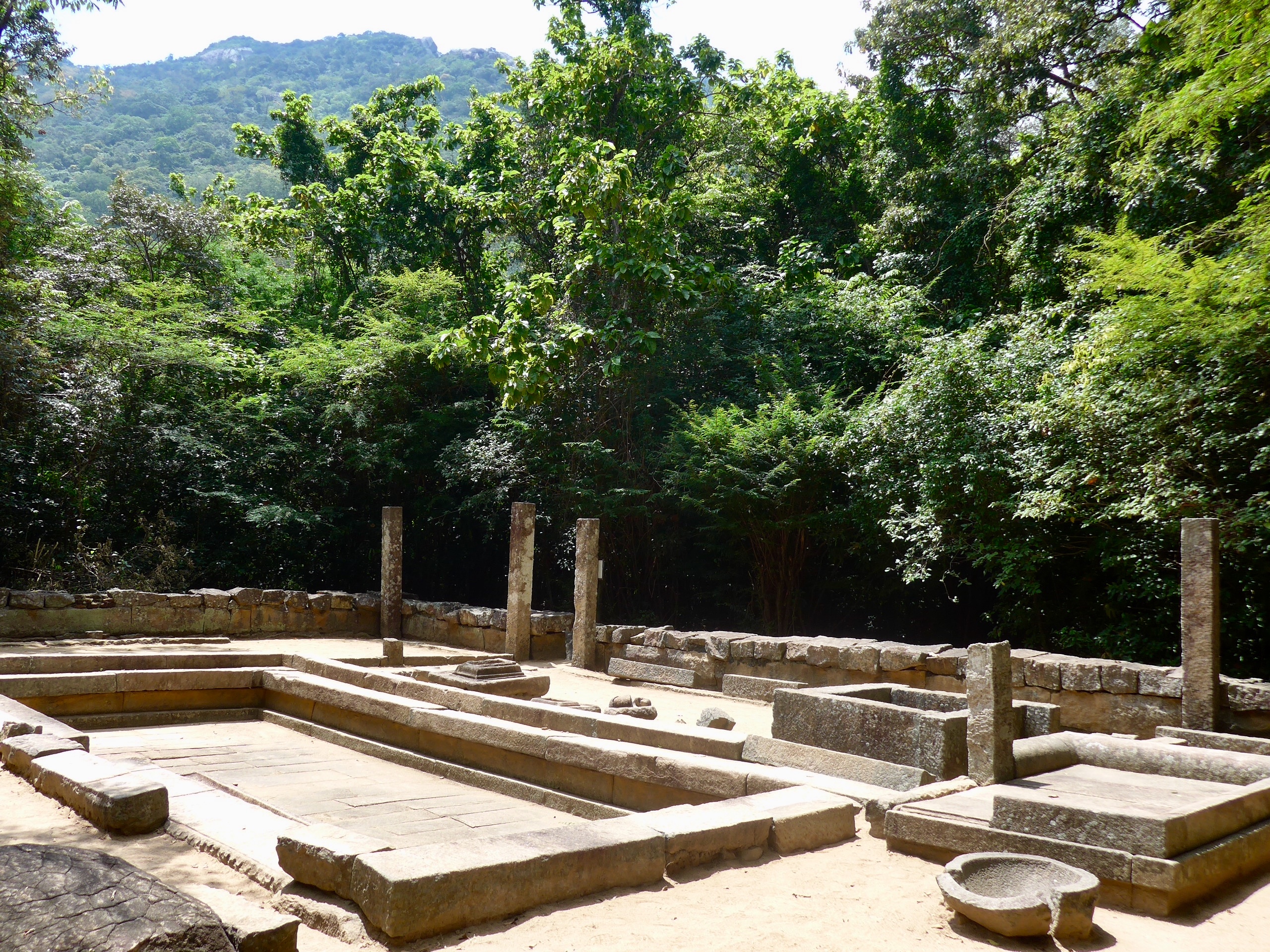
A big treat for our final week was having a car and driver, Sugath. Half-way to the east coast we explored the peaceful ruins of Ritigala, dating from 250 BC, and set in the thickest jungle we had seen so far.

Ritigala ruins c. 250 BC
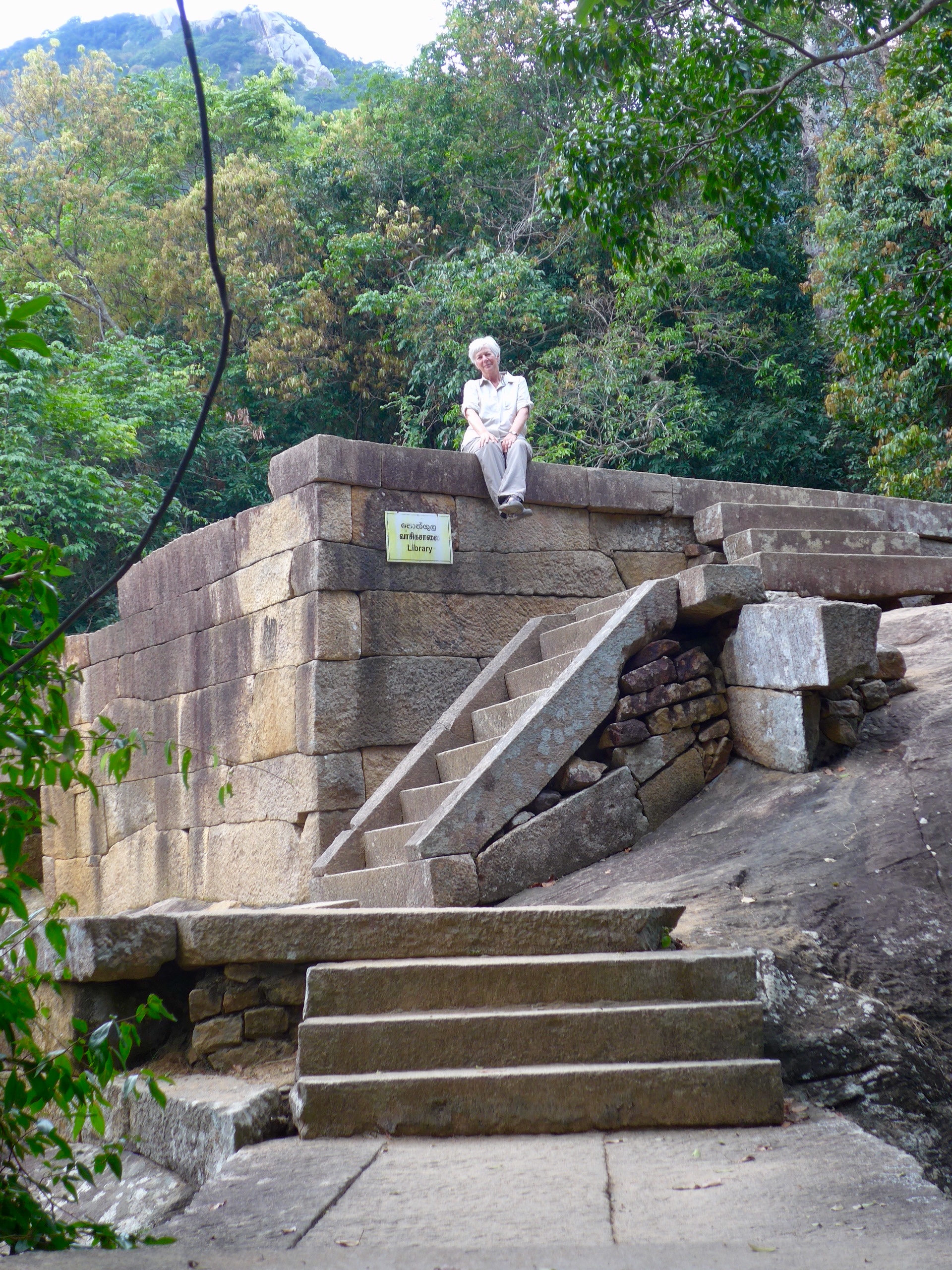
Ritigala Library, c. 250 BC. A victim of the cuts?

There was a library with a wonderful view across endless forest to the central mountains, and some venerable trees.

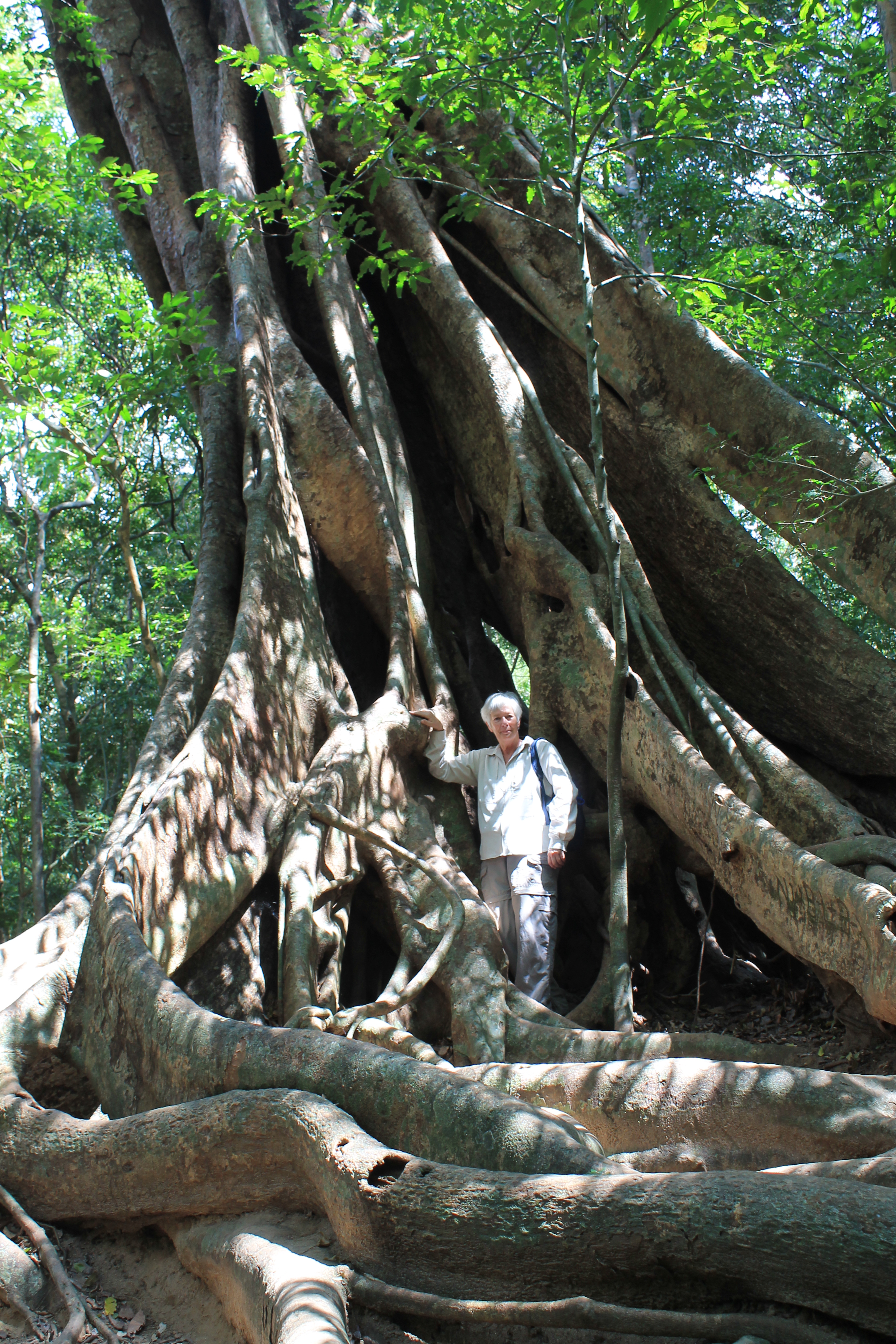
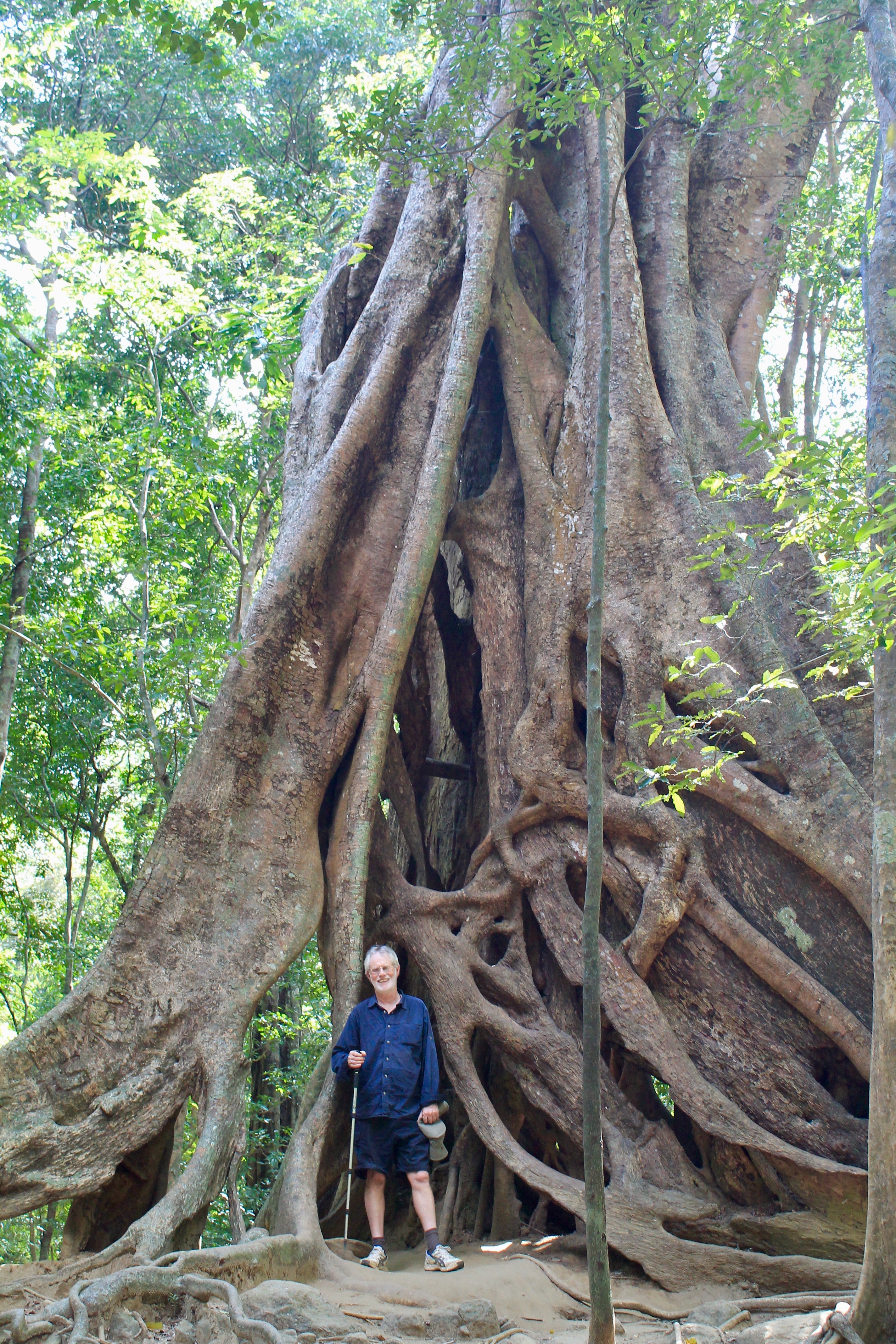
Meetings with remarkable trees


Meetings with more remarkable trees


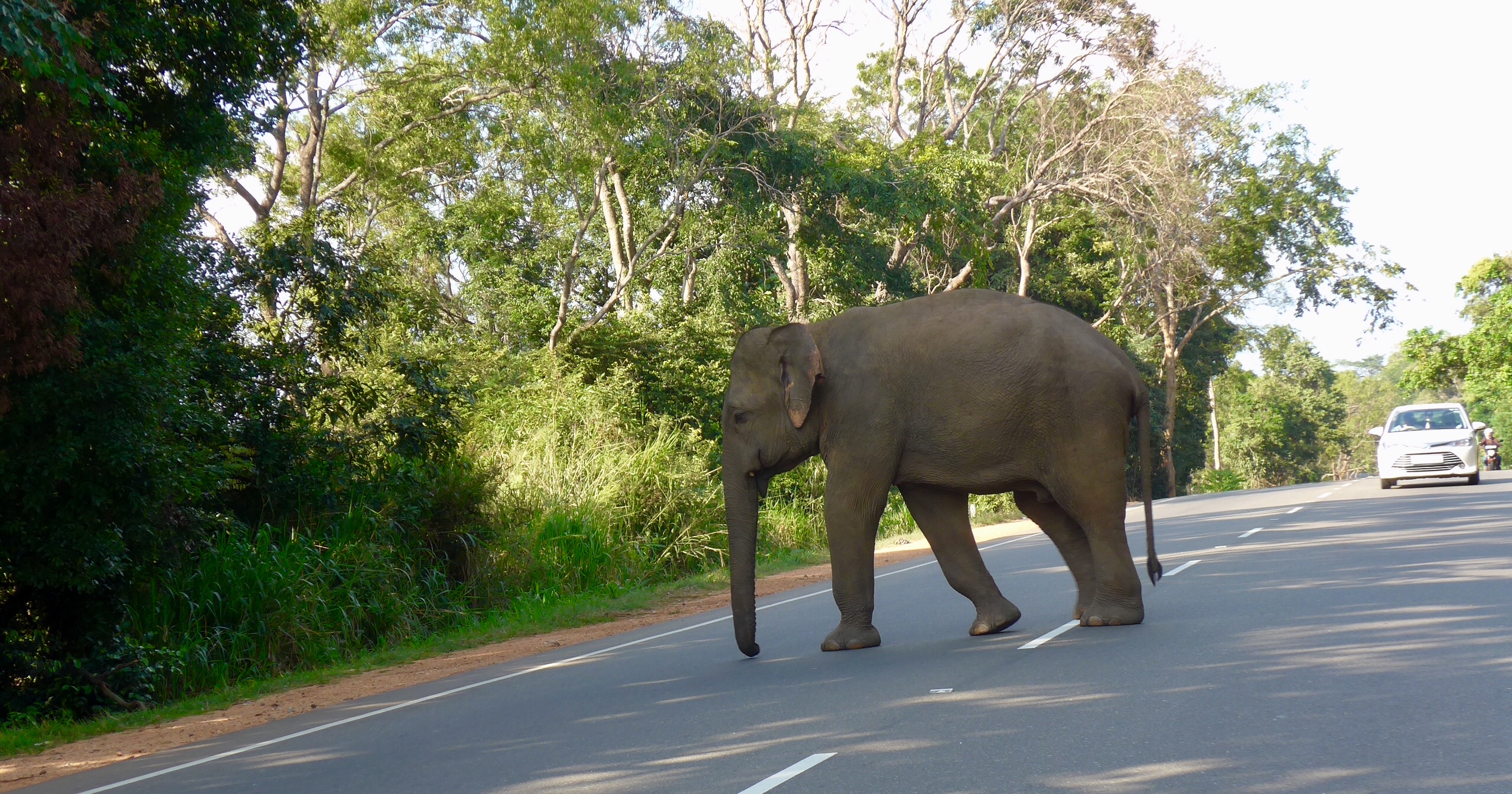
And from that thick jungle an

Near to a sign saying “Wild animals crossing the road”!

unexpected pedestrian crossed the road.

Outside Fort Frederick, Trincomalee

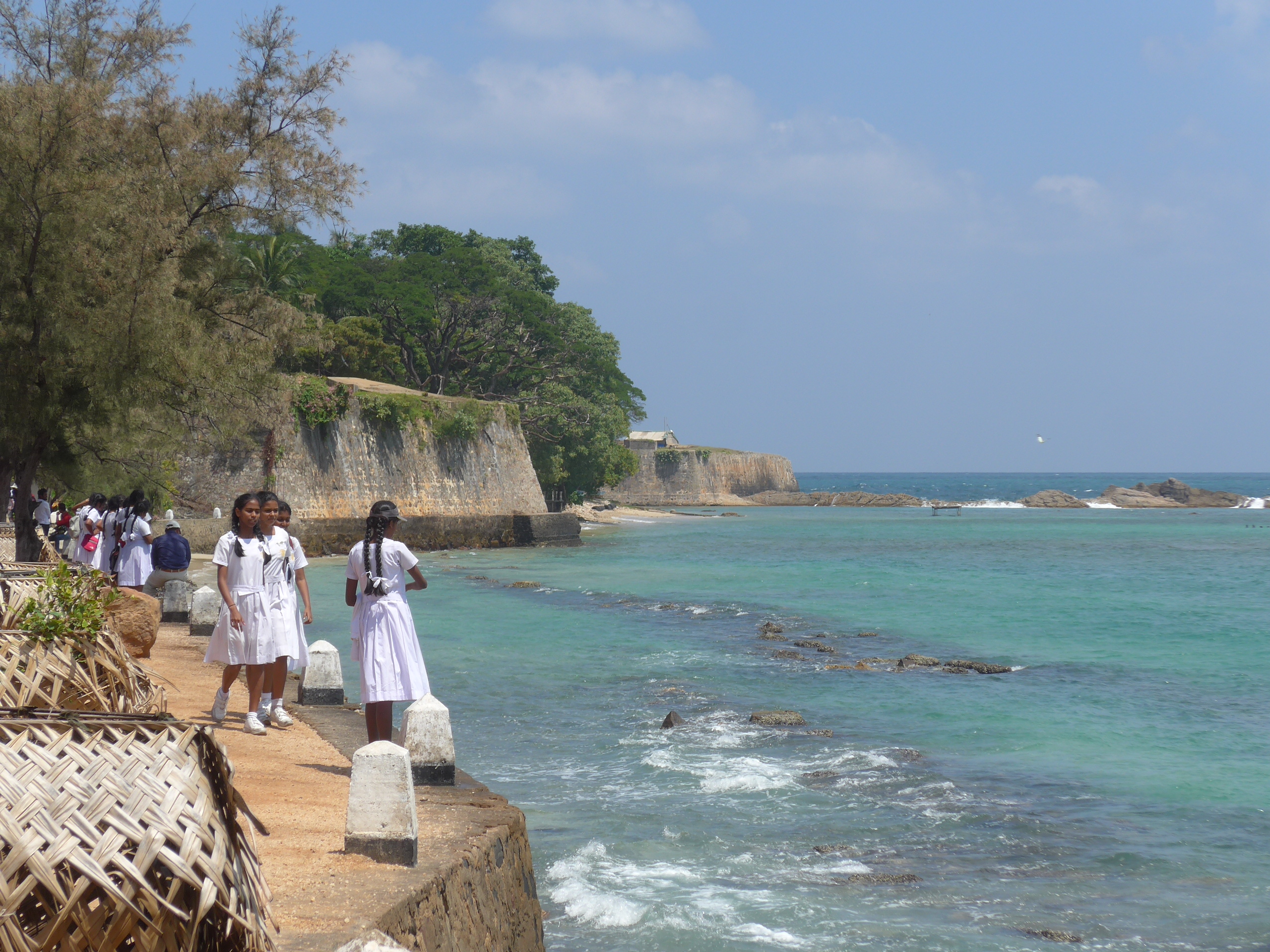
On the east coast of Sri Lanka is the port of Trincomalee, the fifth largest natural harbour in the world. Fought over by the Portuguese, the Dutch, the French and the British, the old fort still dominates the town.

Entrance to Fort Frederick, Trincomalee

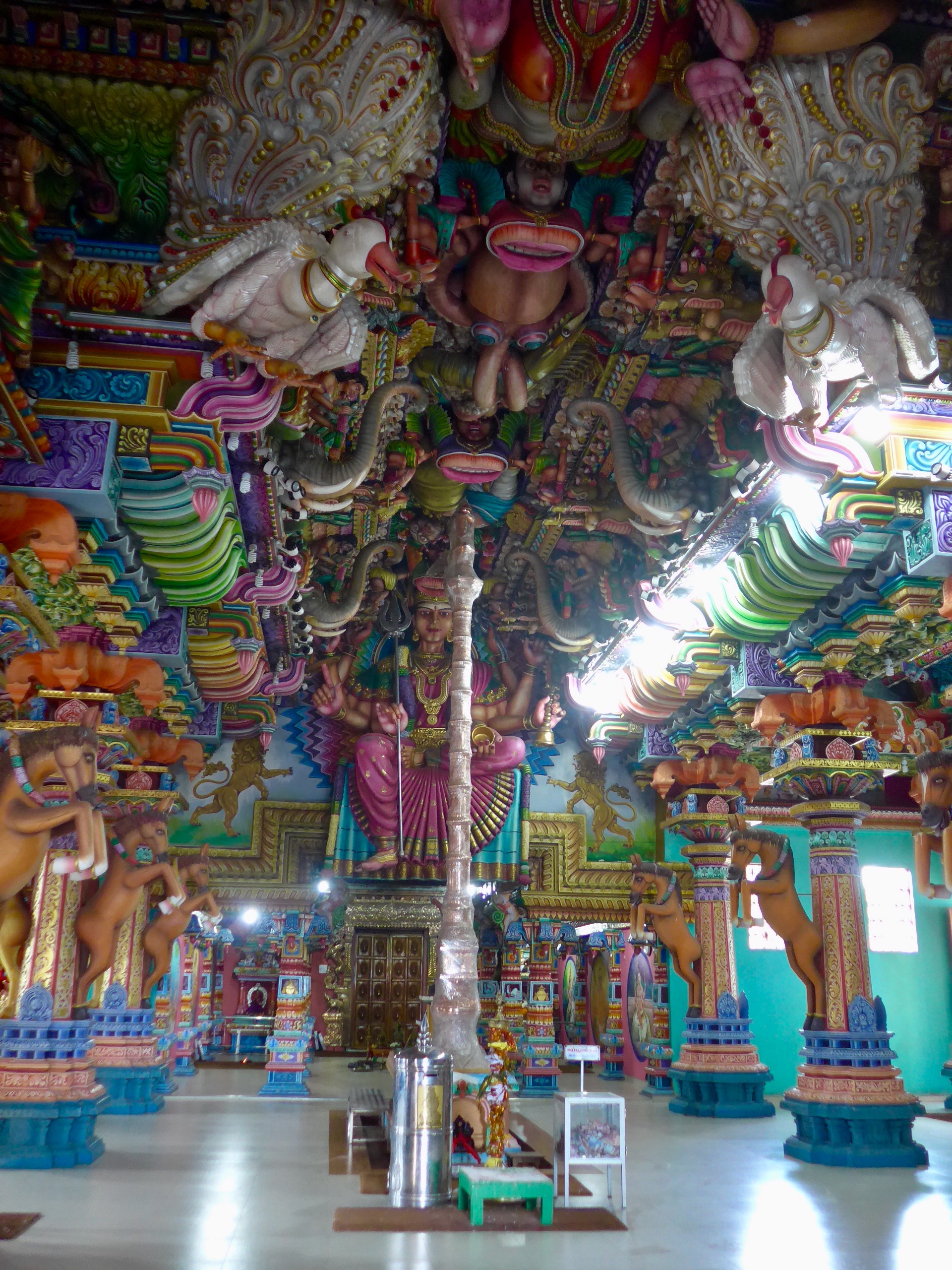
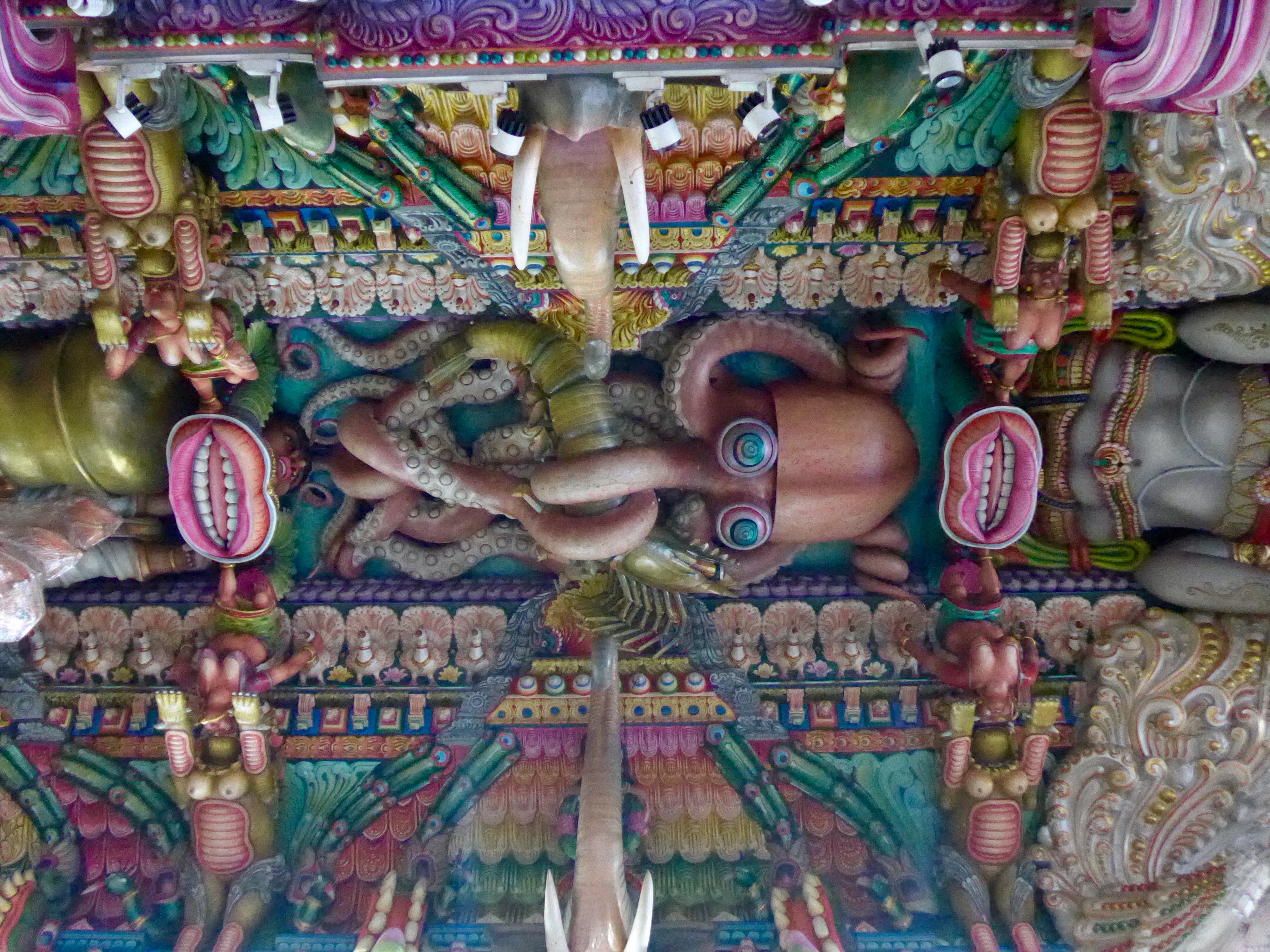
The temple to Kali had one of the strangest interiors I had seen, including disembodied mouths and a giant octopus.

Interior of Kali Kovil, Trincomalee
Outside the Kali Kovil, Trincomalee


Ceiling of Kali Kovil, Trincomalee

At Batticaloa there were beautiful beaches but the economy was still struggling after the devastation both of the war and the 2004 tsunami.

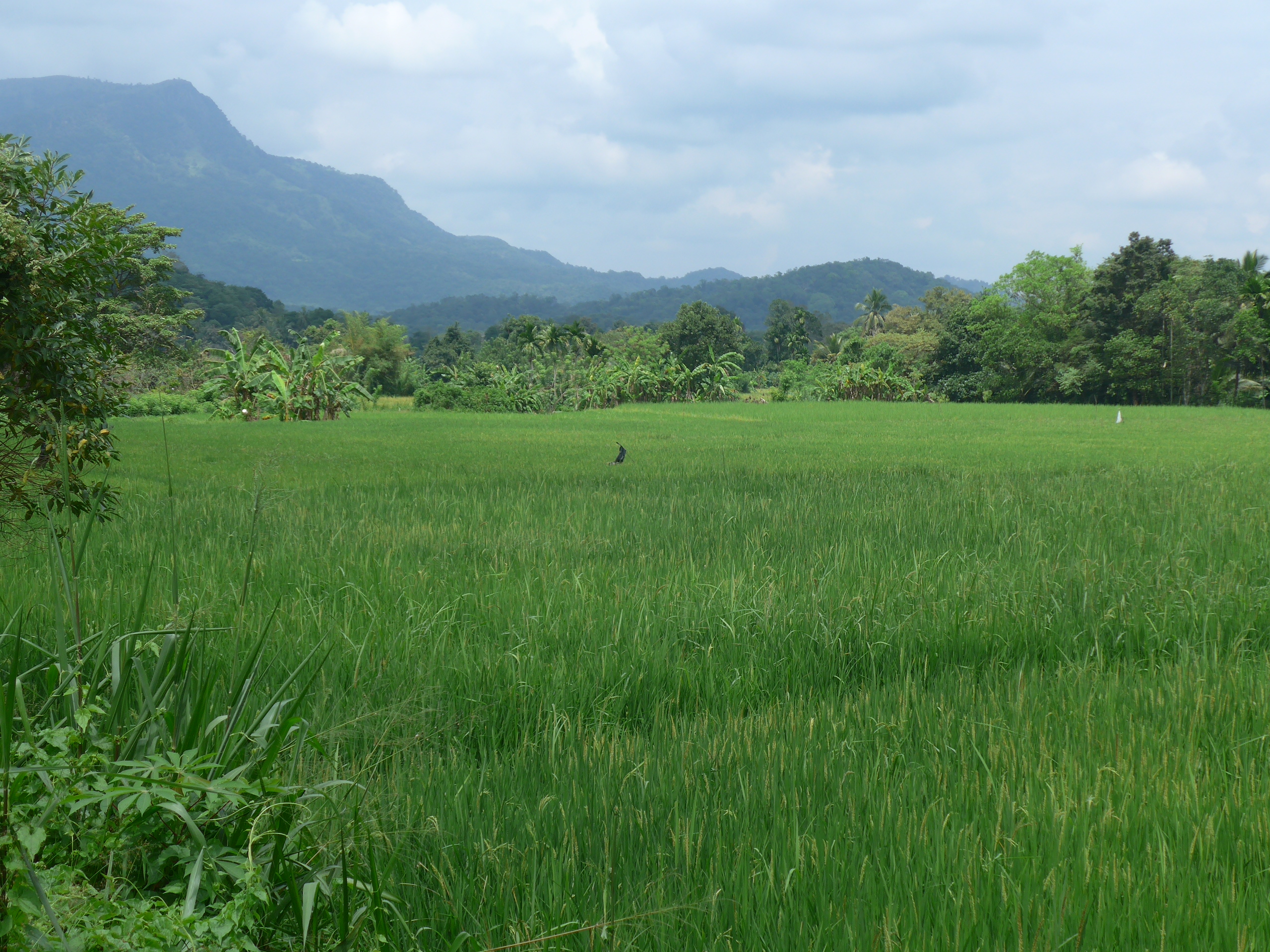
Padi fields


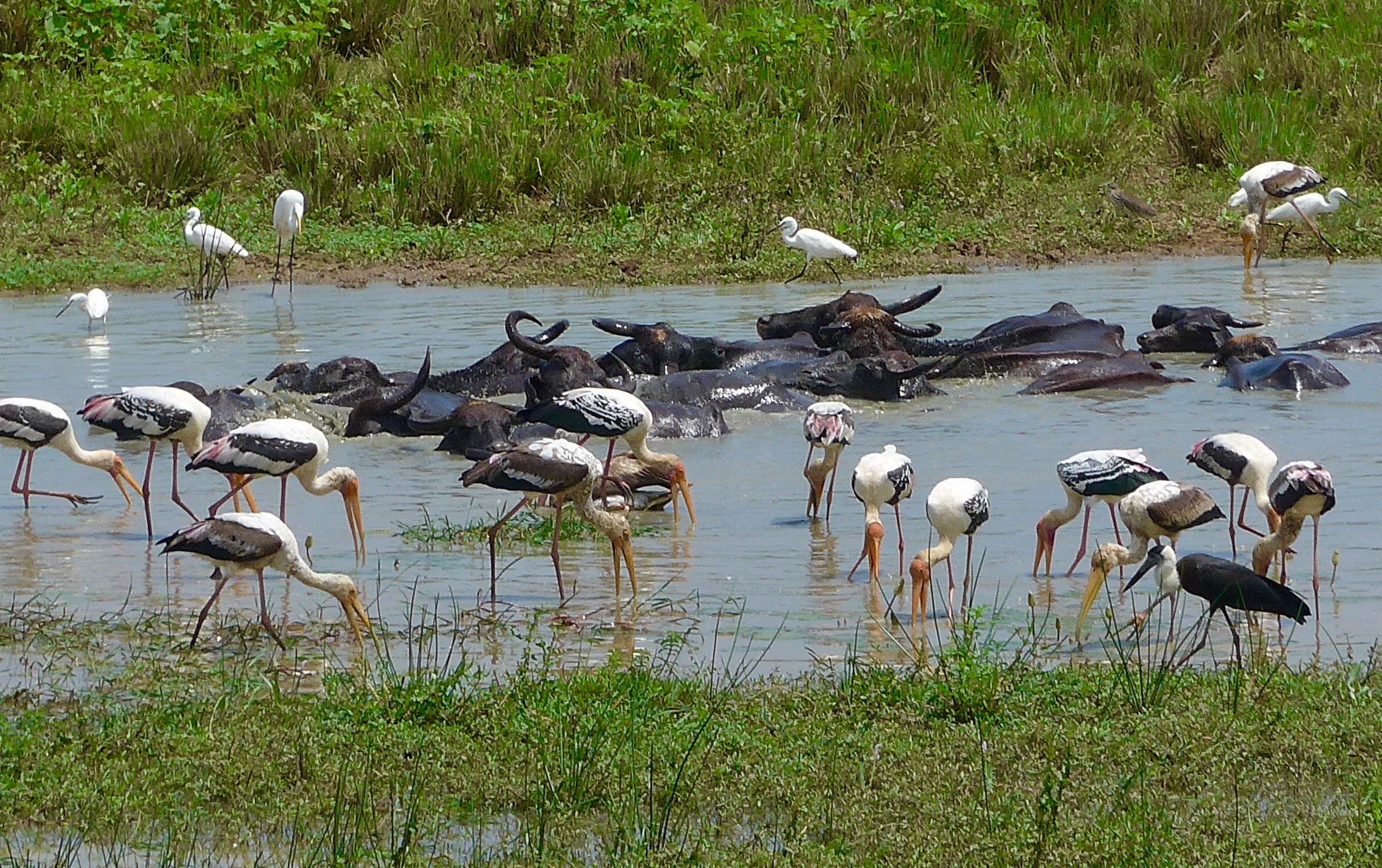
Water buffalo wallowing, painted storks, egrets, woolly-necked storks etc.

Finally we turned inland away from the mainly Tamil and Hindu coast and drove through electric-green padi fields, coconut groves, lotus-filled lakes and the granite outcrops of central Sri Lanka. We were back in lands that were mainly Sinhalese and Buddhist.

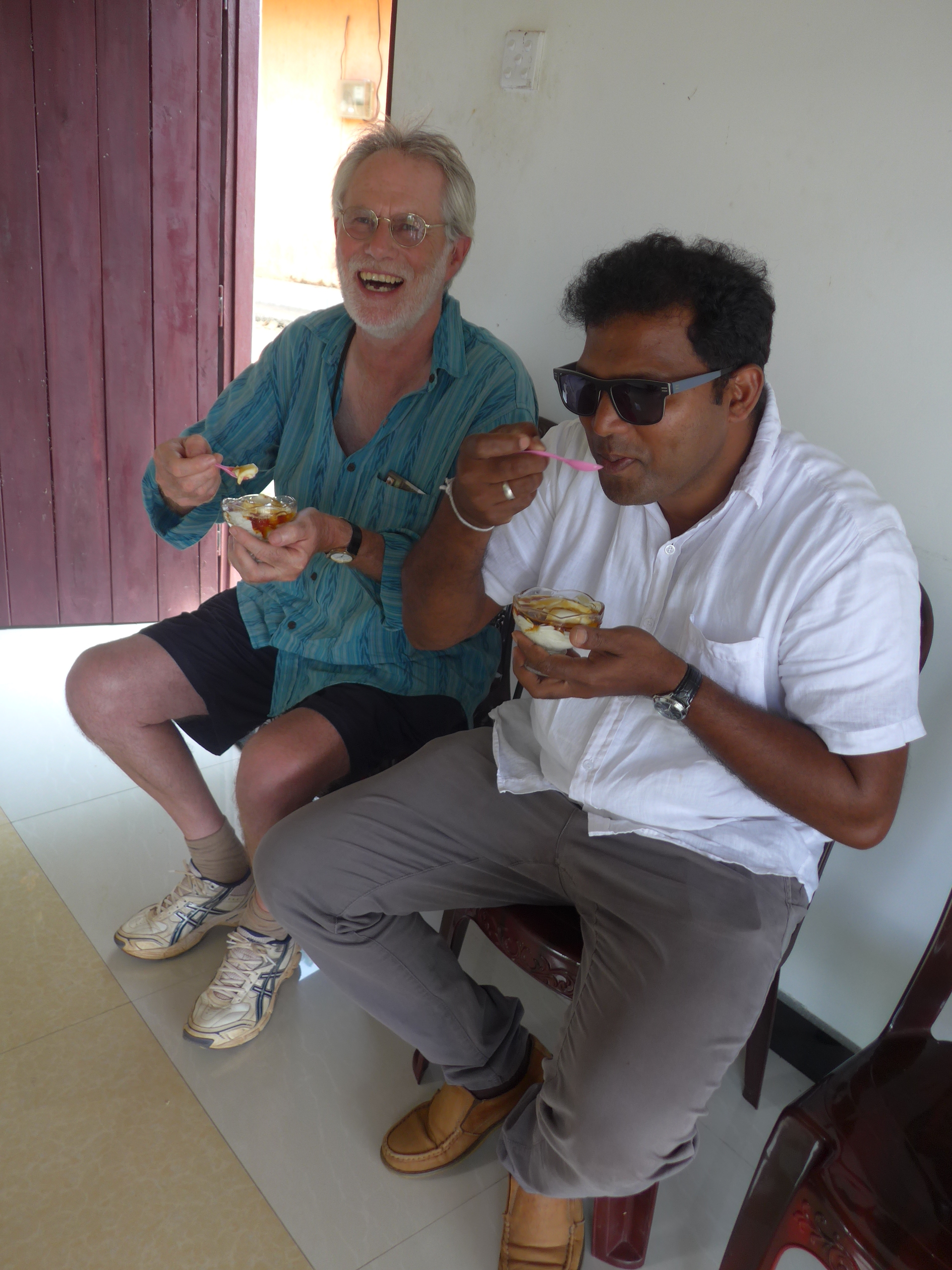
Jim and Sugath sampling buffalo curd and treacle


After India, Sri Lanka seemed so green, and so clean. And the traffic was positively civilised! Traffic lights, pedestrian crossings, overtaking  on the right, all the things we take for granted. And very little plastic rubbish. And smiling, friendly people.

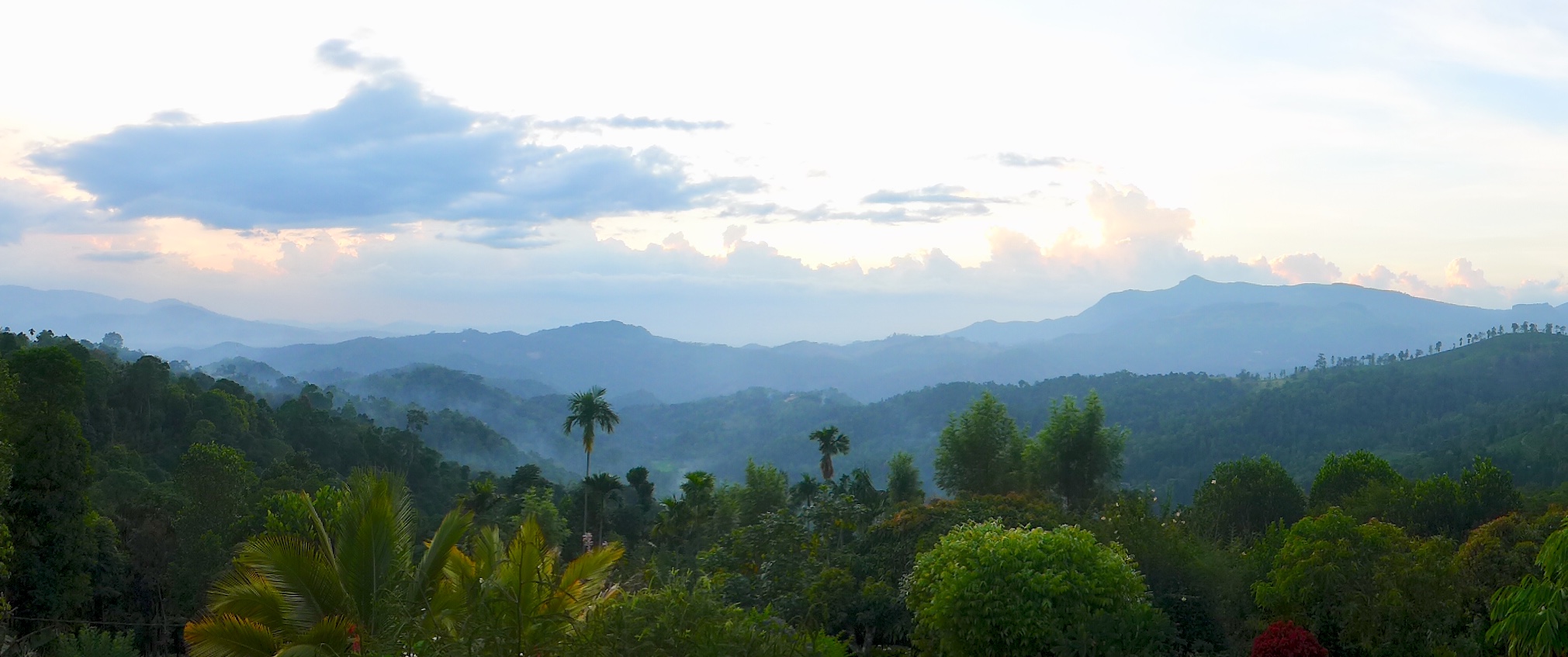
The view from Rangala House

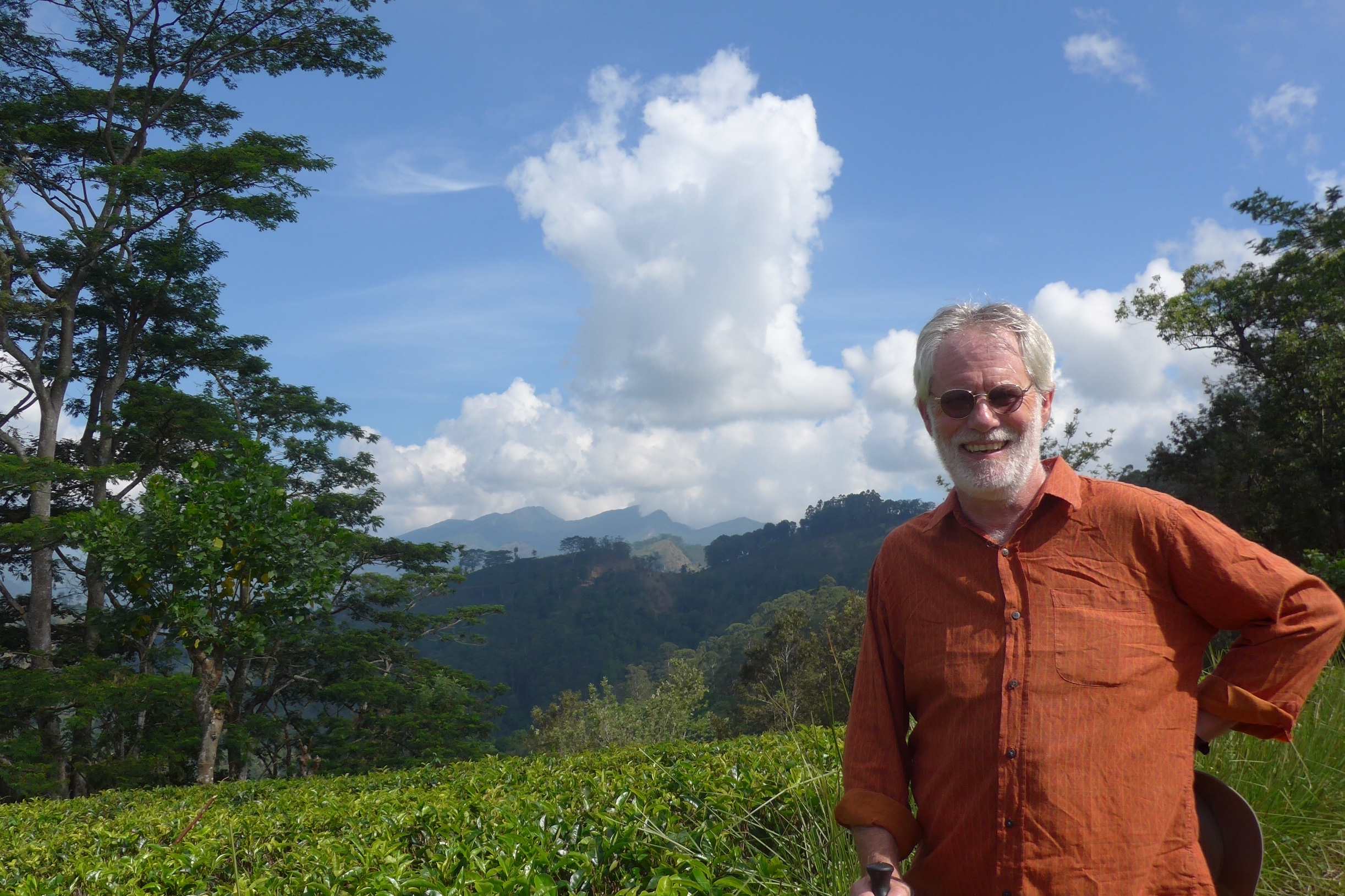
And our last stop was Rangala House high in the Knuckles Range of hills near Kandy. A big thank-you to Barbara W. for suggesting we come here for our last few days, saving the best of the trip to the last. What a view, cool walks in the tea plantations and the best food in Sri Lanka.

Walking in the tea plantation with the Knuckles Range in the background.
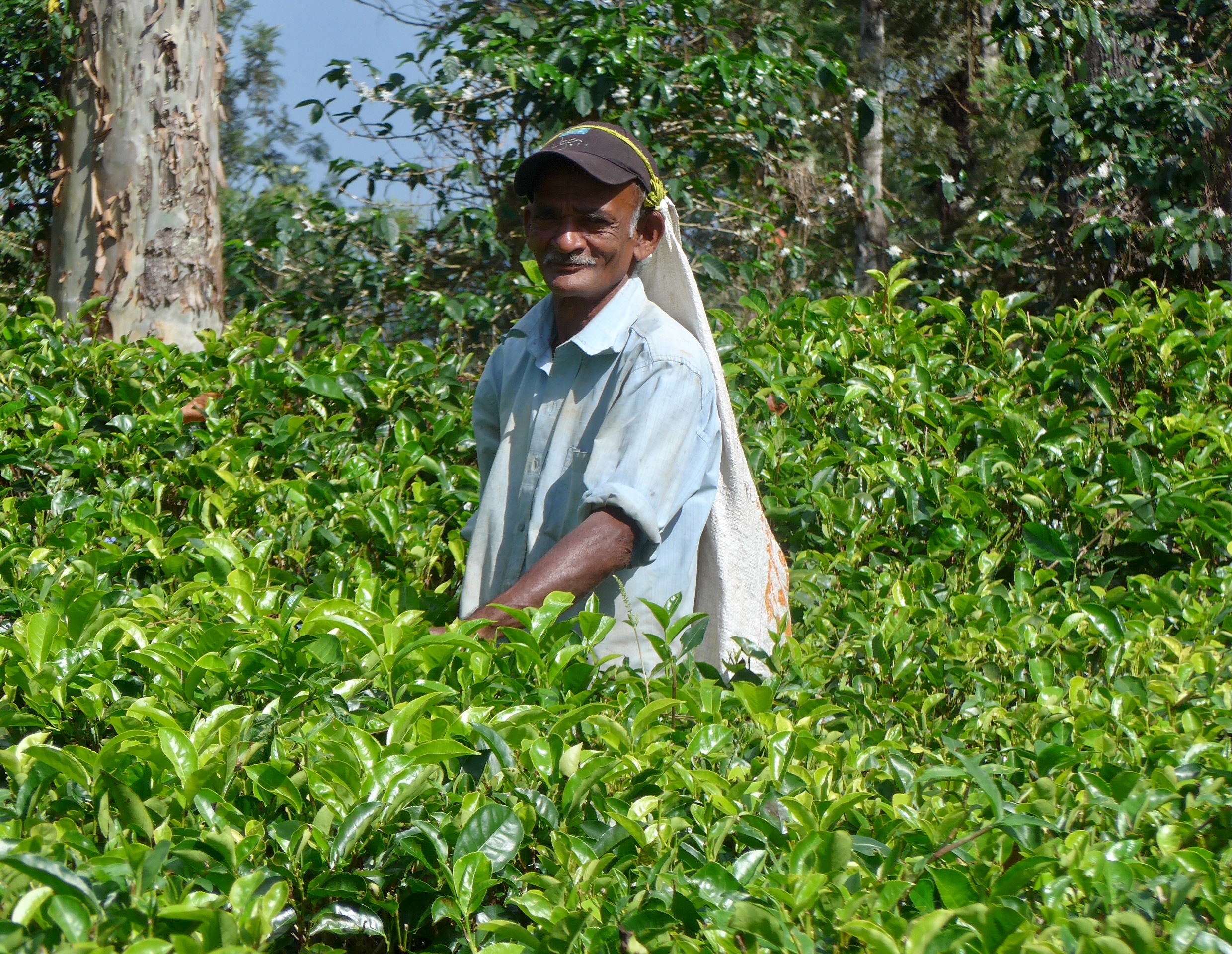
Picking tea on Duckwari Tea Estate.

What a wonderful place to end the trip.

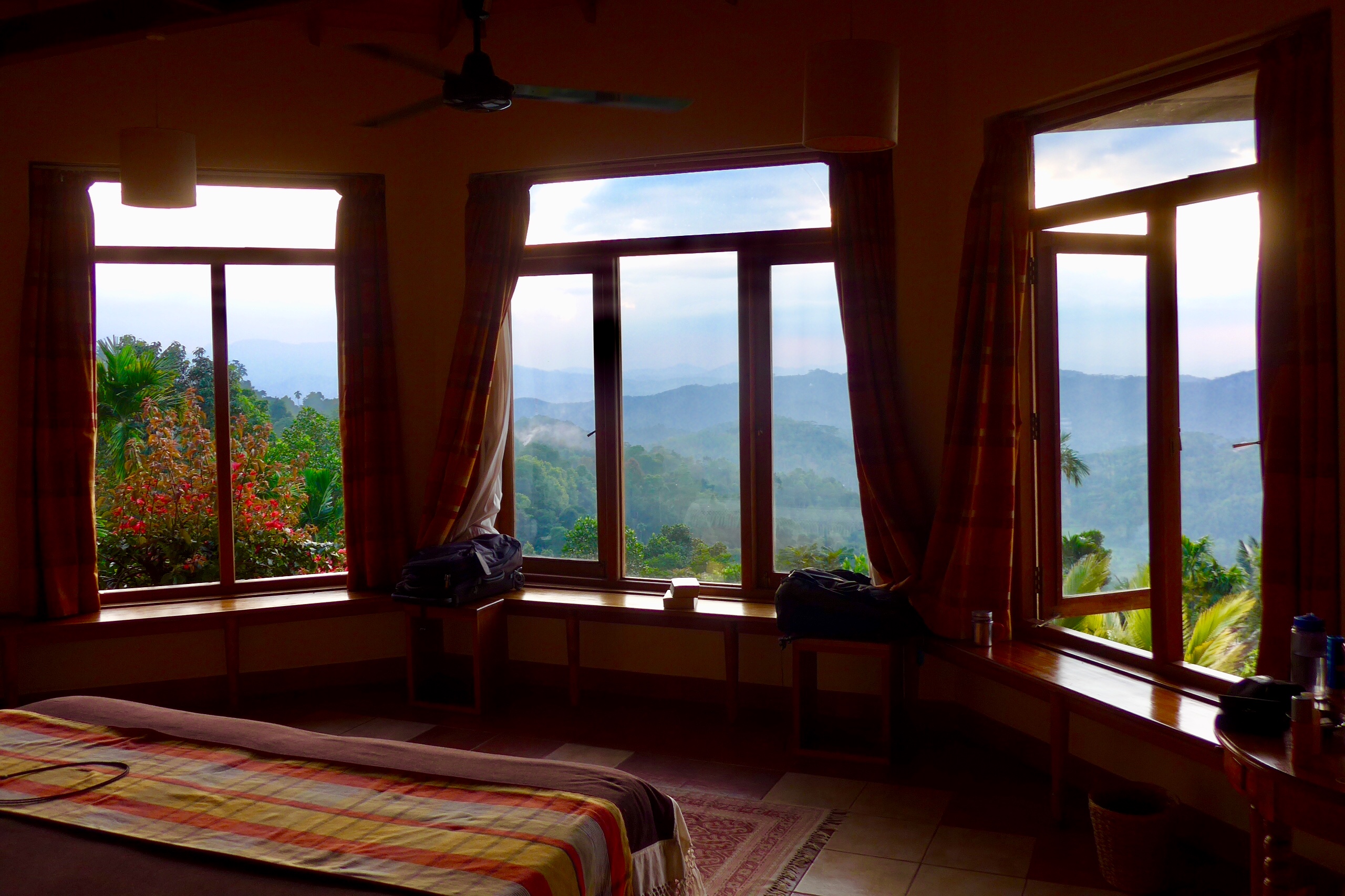
The view from our room at Rangala House

A good antidote to Brexit is to come here to Sri Lanka. Thank you all for your company on this long trip, and thank you to Jim for his photos, for proofreading, and for putting up with my grumpiness when the heat, dust and selfies were all too much!

See you all very soon.

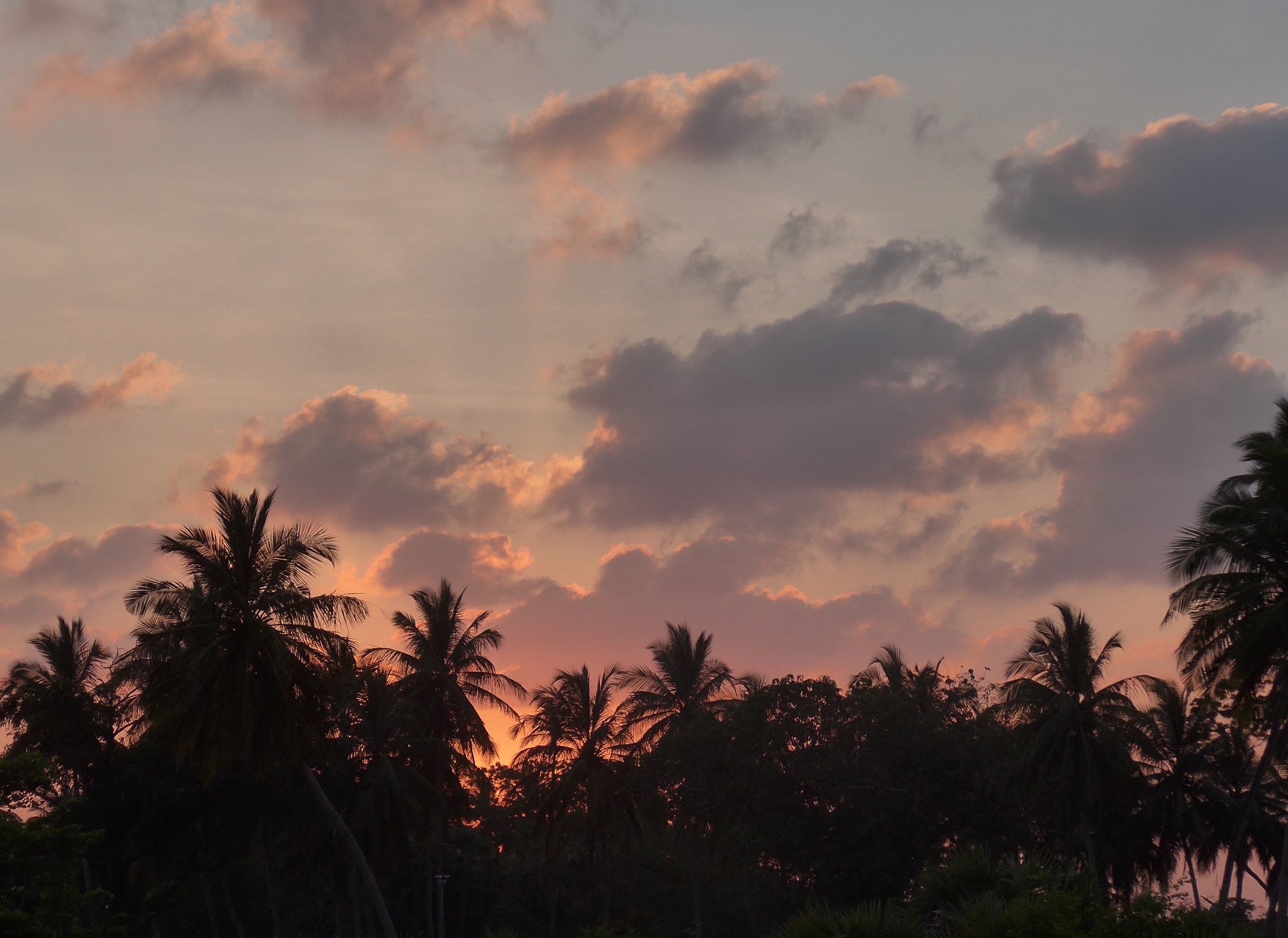
The final palm tree sunset


7. Goa : “What glorious palms of Goa’s Isle I see …”

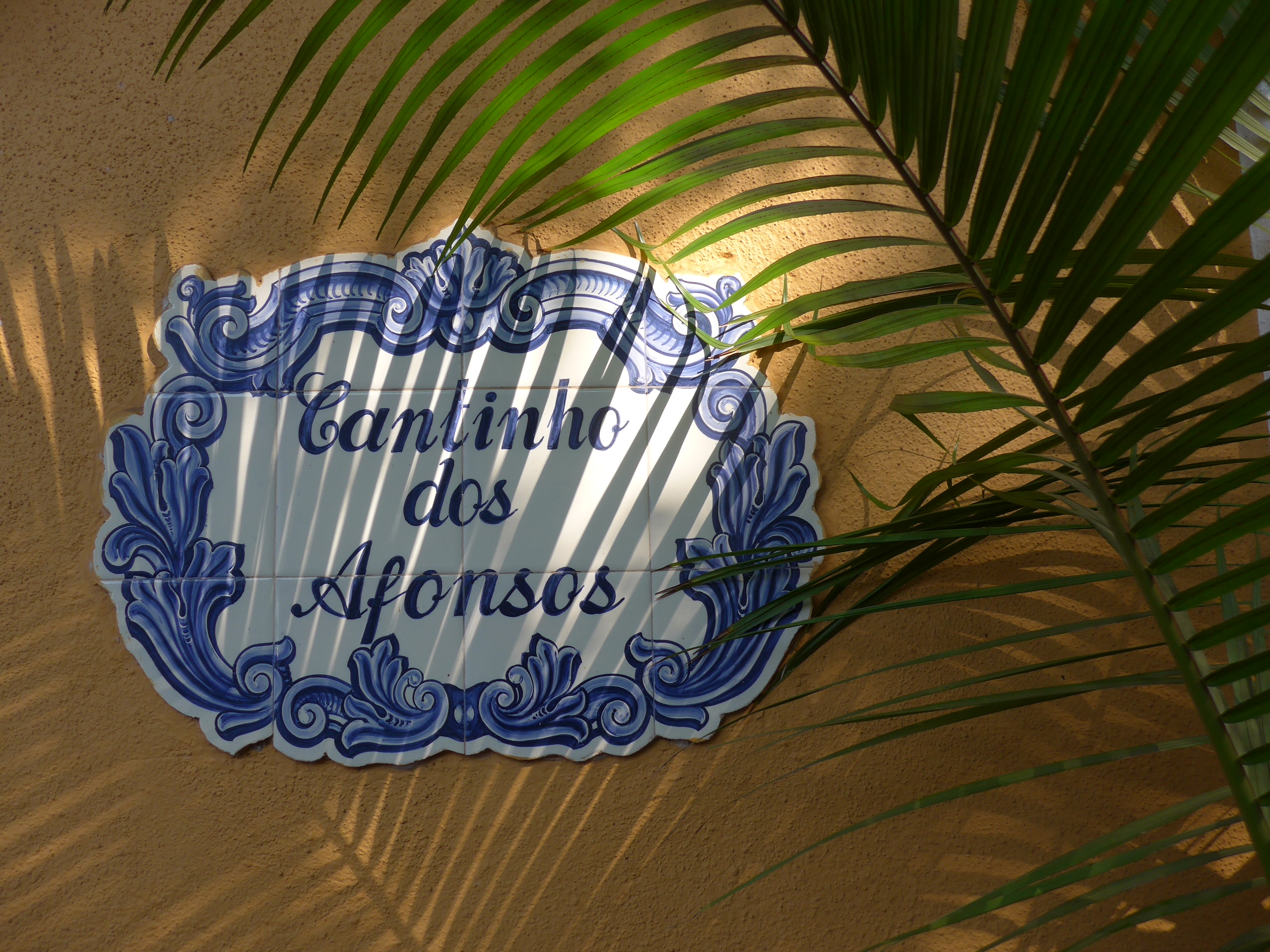
House name, Paniji, Goa

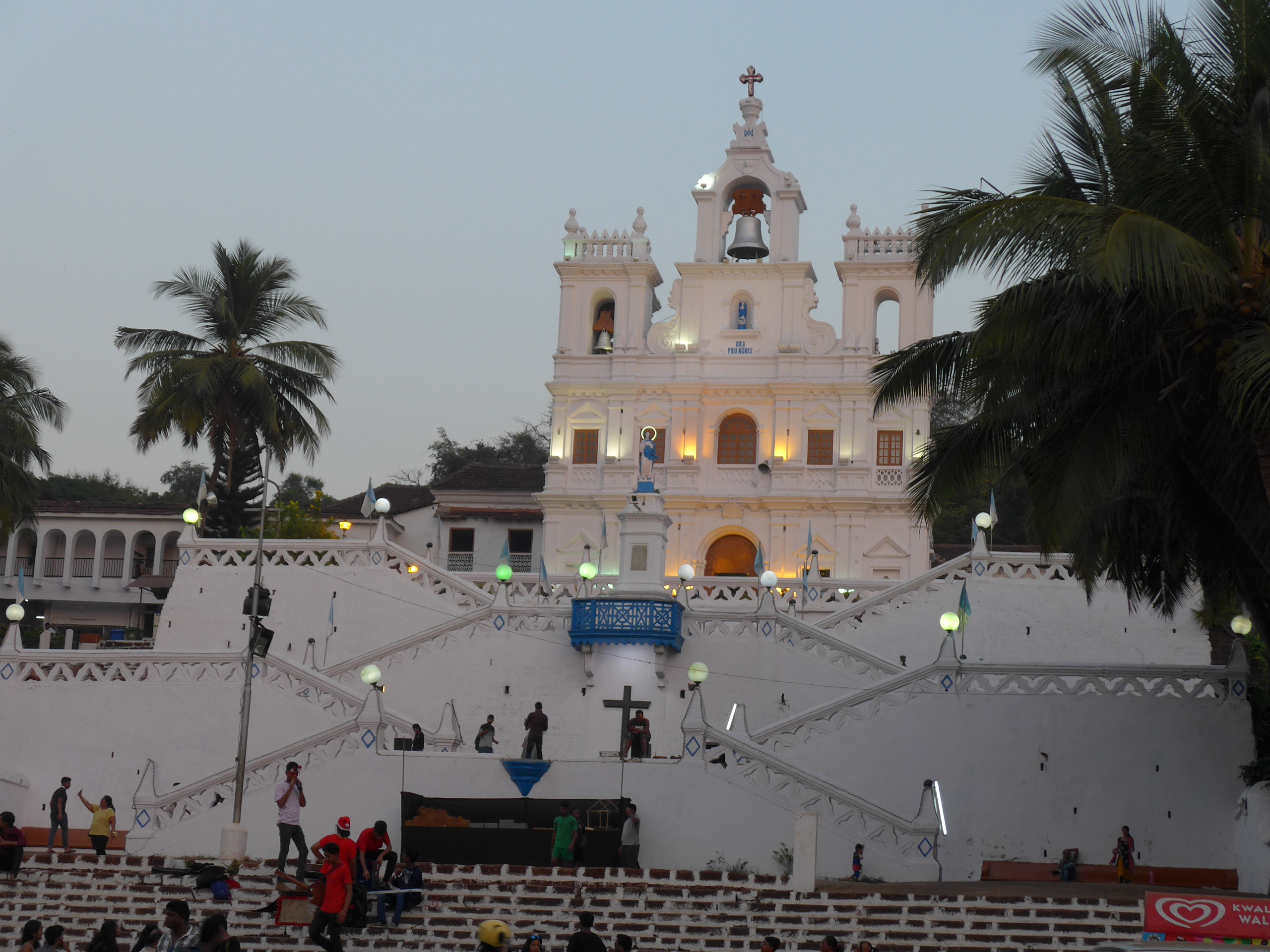
Entering the ex-Portuguese enclave of Goa, we felt we were in a different country, with churches, colonial-style houses, lakes and rivers and greenery everywhere, and of course “Goa’s purpled shore” (Luiz de Camoens Os Luisadas, Canto 10).

Church of Our Lady, Paniji, 1541
Paniji, Goa
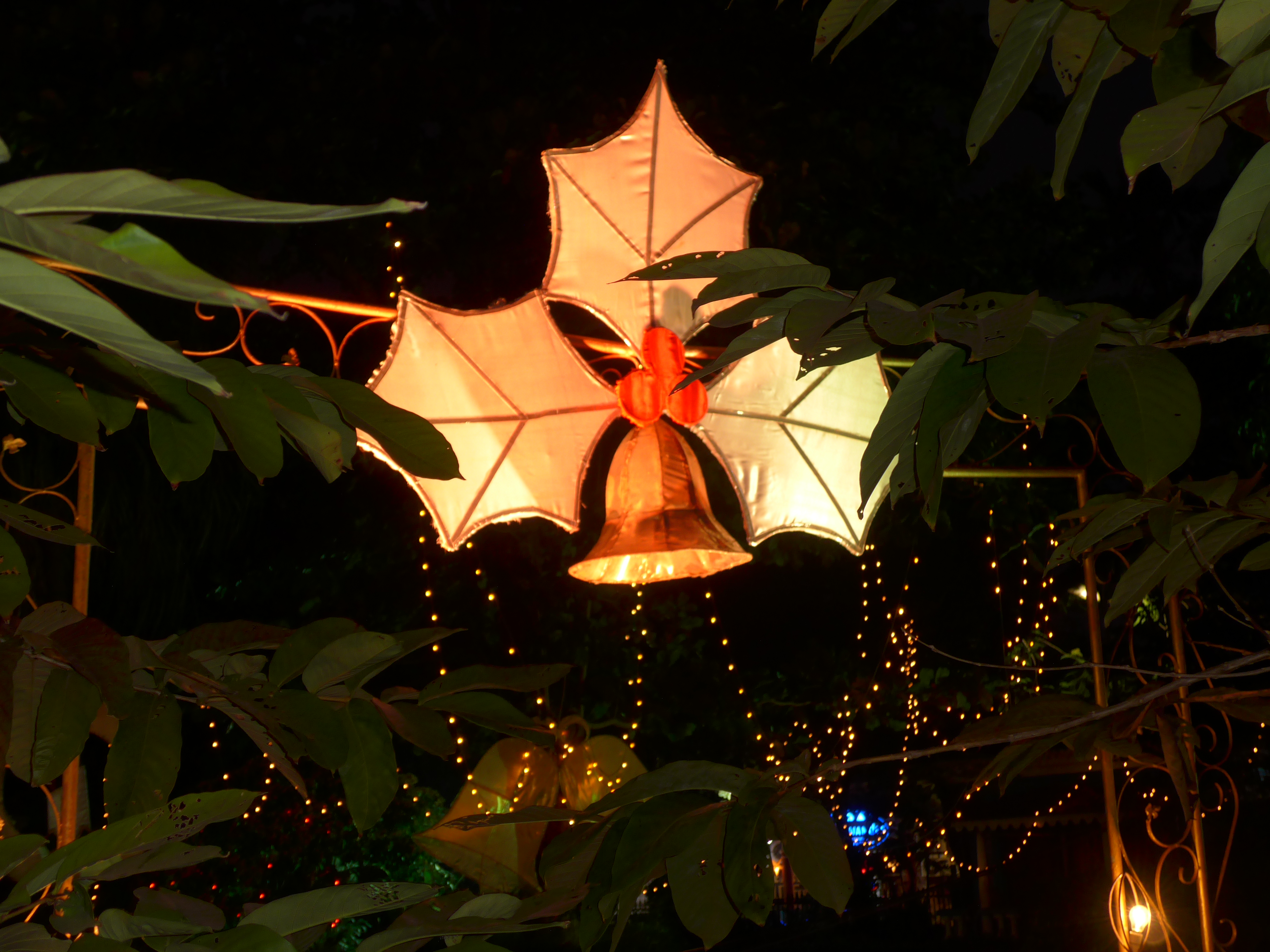
Christmas decorations in Paniji, Goa

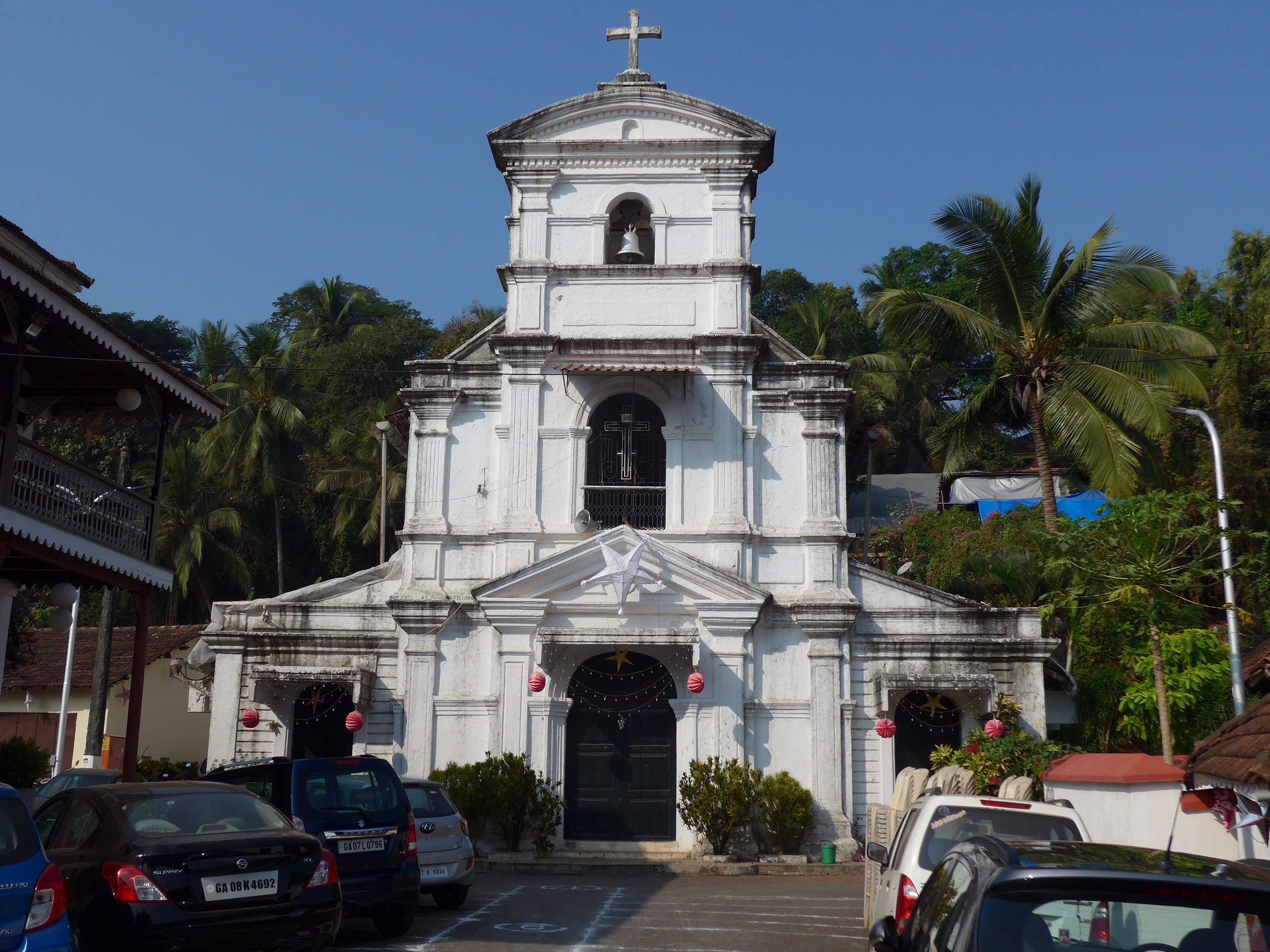
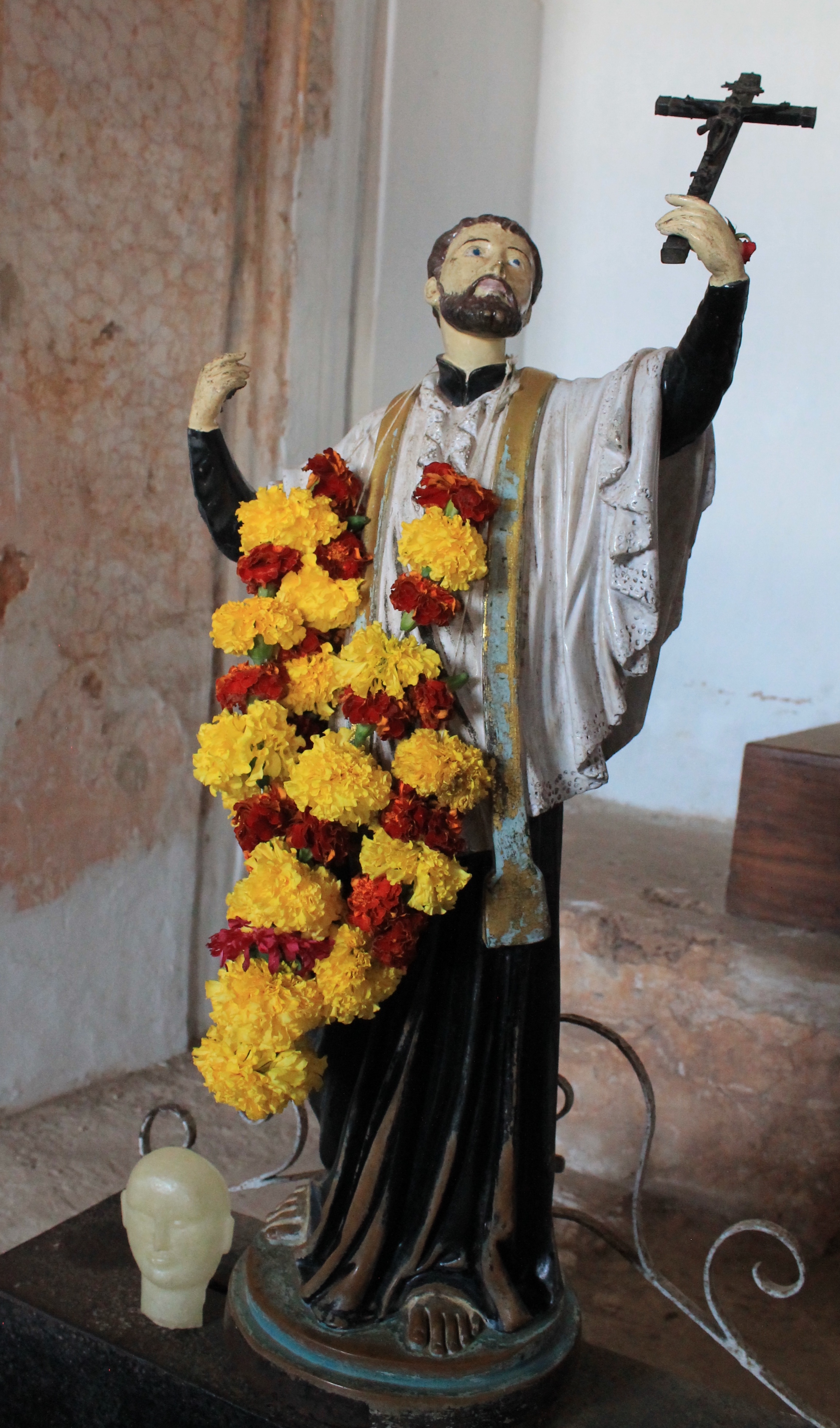
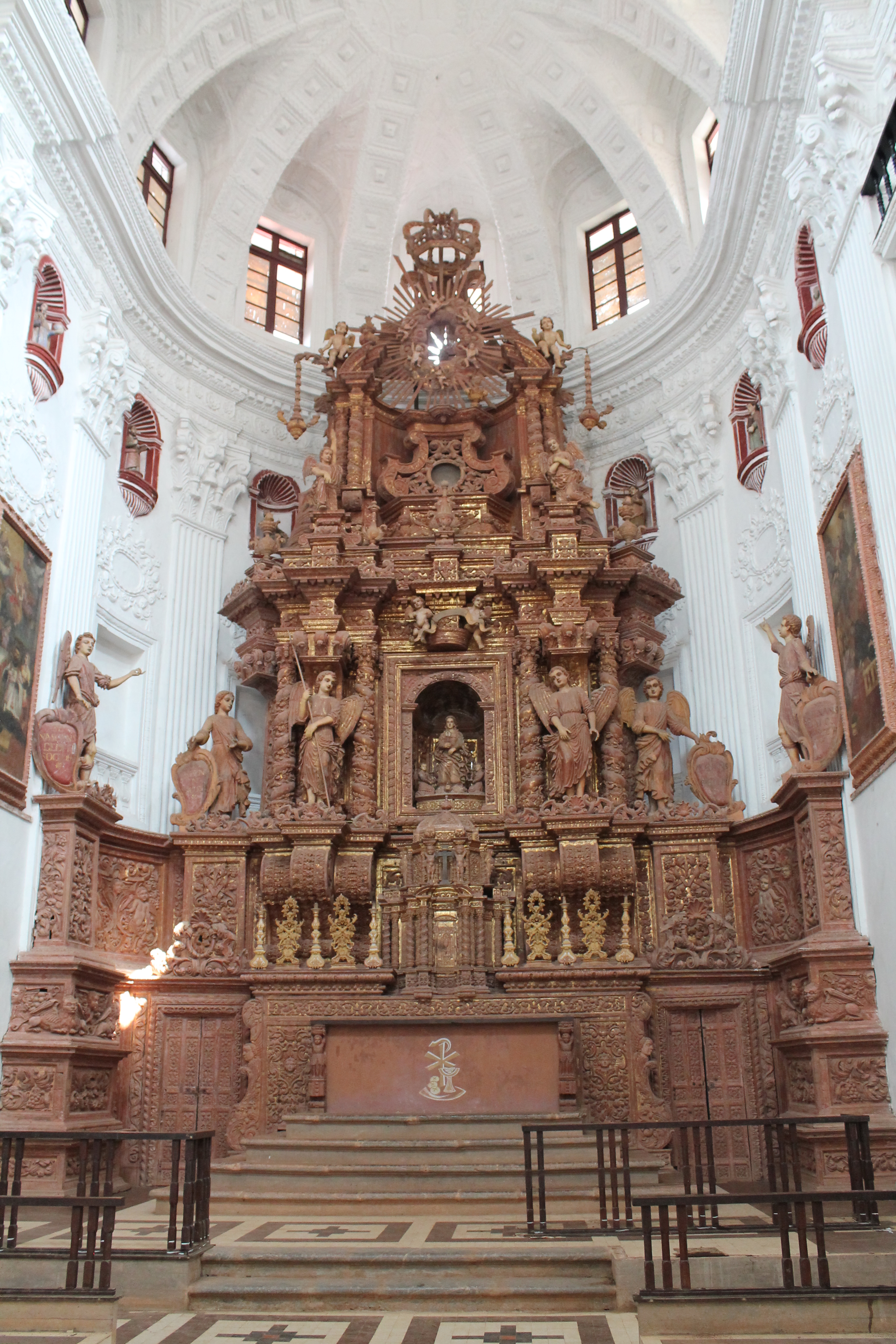
It was strange to visit 16th-century churches and cathedrals in Paniji and Old Goa, including viewing the body of St Francis Xavier, and to see Christmas decorations everywhere, and candles, and youngsters in Father Christmas hats playing “Jingle Bells Rocks”.

St Francis enhanced by marigold garlands
Church of St Catejan, Old Goa, 1651

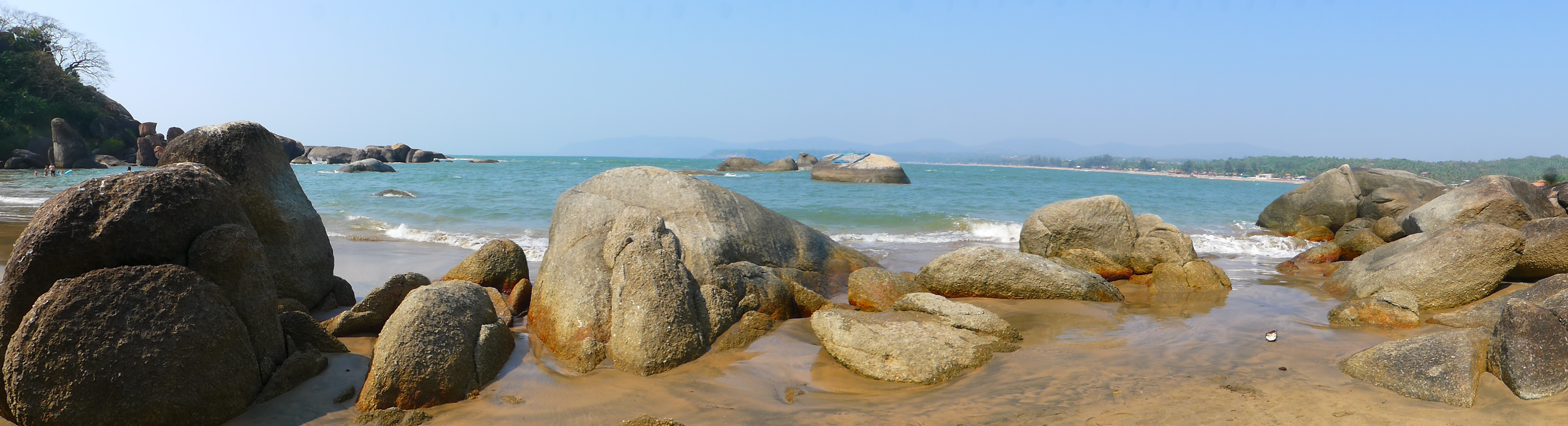
Further down the coast we were anticipating a quiet, Catholic fishing village. The beach at Agonda was long, clean and beautiful but the entire length was fringed with bamboo cabins, beach cafes, full of extraordinarily pale, plump and bare (mostly) British tourists. It was a shock to see smoking and drinking, in public! On the beach!

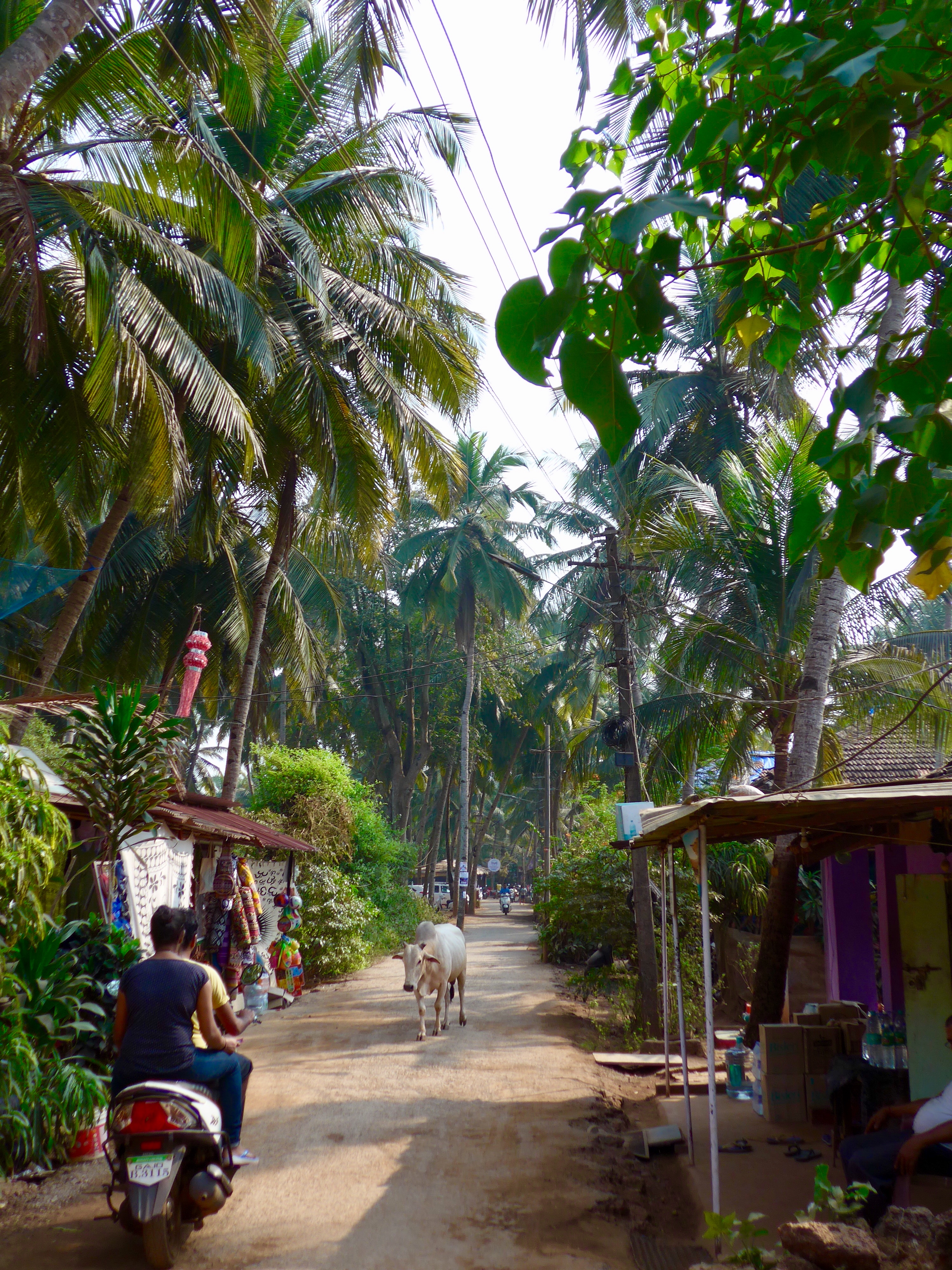
High Street, Agonda, Goa

But the whole place is a Fata Morgana, a western idea of a beach paradise, wholly run by immigrant workers from Nepal, shops full of tourist tat from all over India and Nepal, and insubtantial enough to be completely swept away by a small tidal wave.

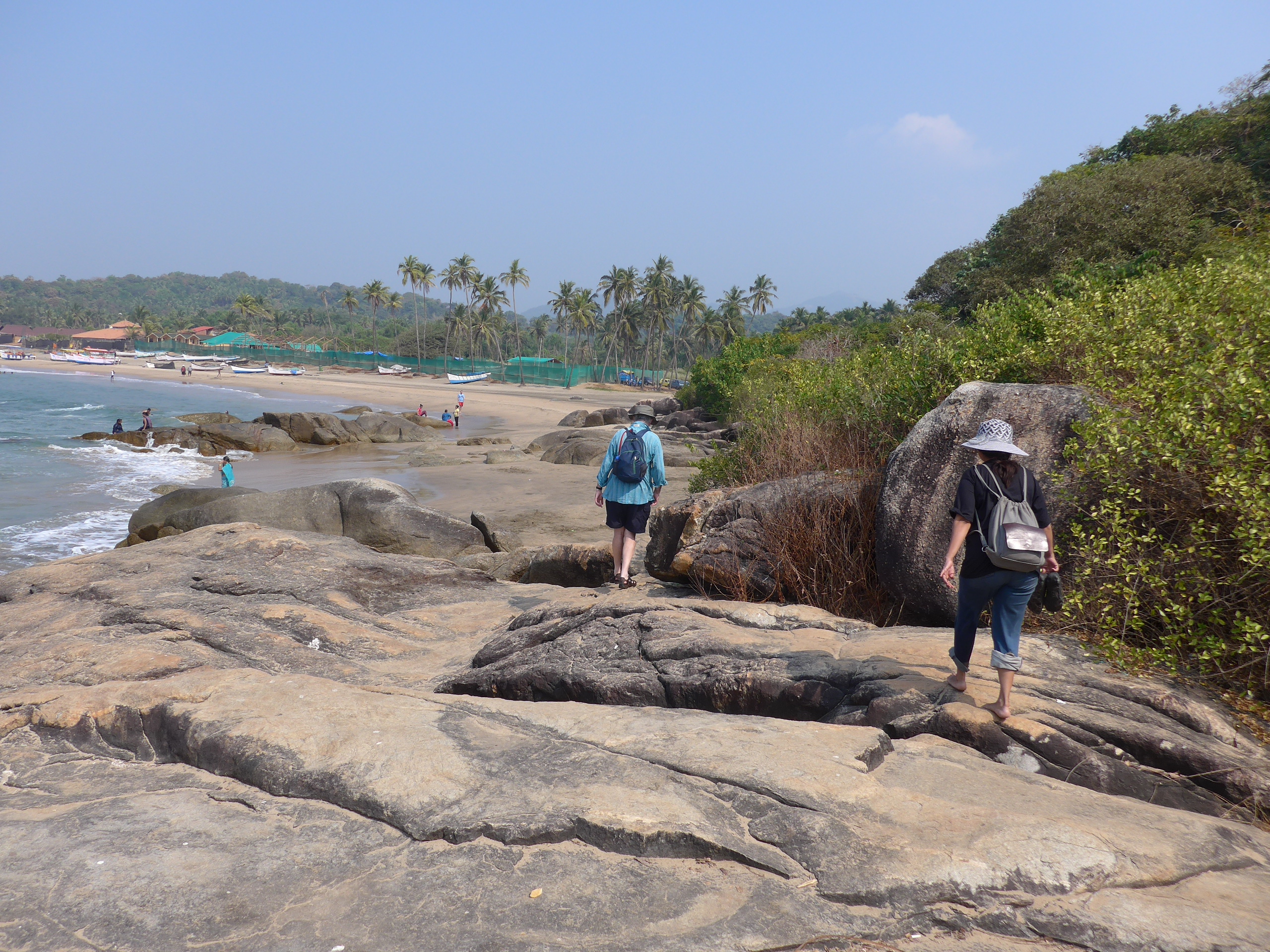
Agonda beach south end

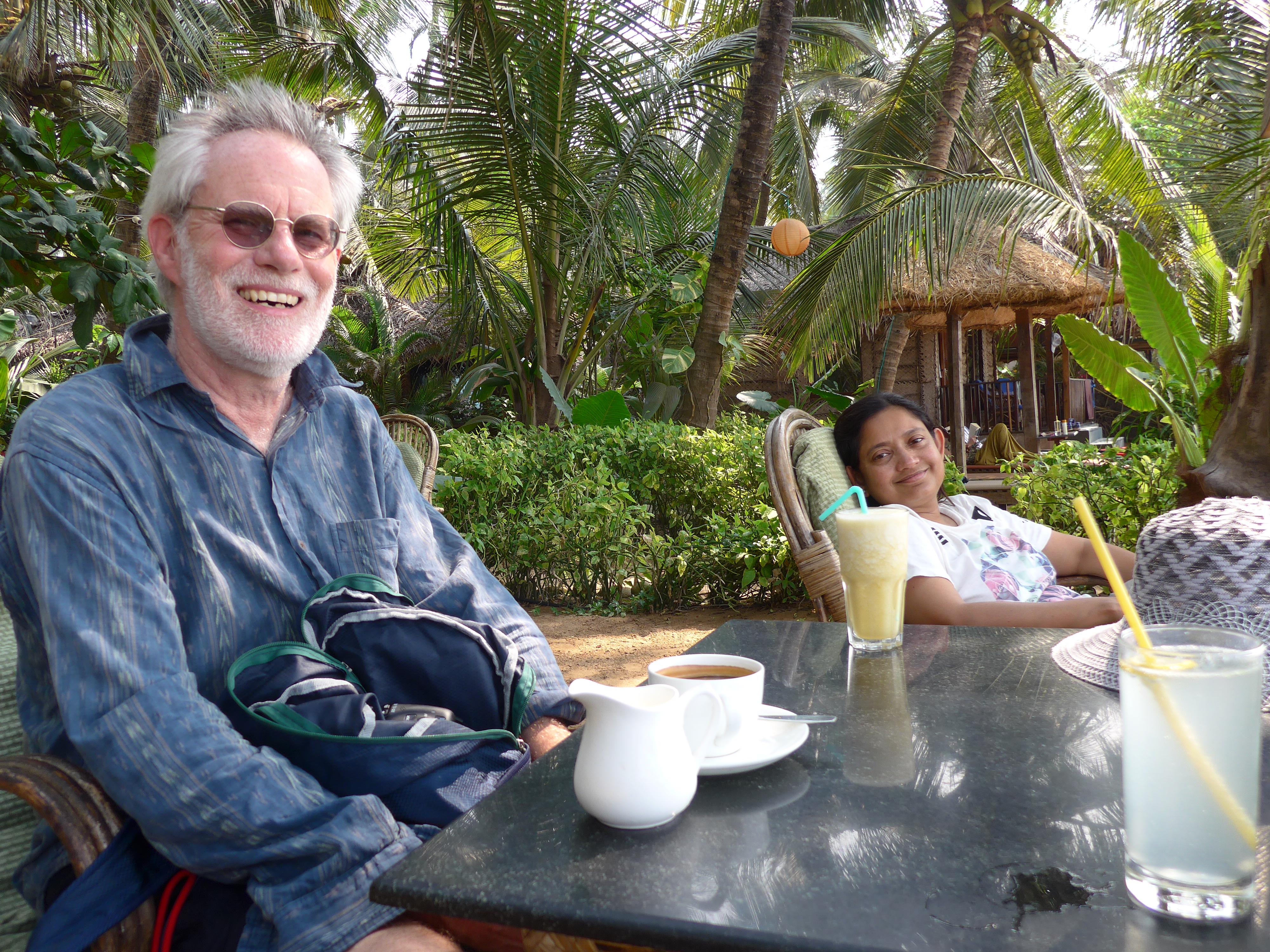
However, in the company of our friend Sujata who flew down to join us for Christmas from Kolkata, it became easy to enjoy the pseudo-hippie lifestyle, and sit around eating and drinking under the palm trees, watching the waves and the sunsets, getting my hair oddly cut, and stocking up on insect repellent and deodorant, two items in frequent use as you can imagine.

Jim and Sujata at Whitesands, Agonda
Jim and Sujata, south end of Agonda Beach

And Sujata and I went to a Christmas church service, in the Goan language of Konkani, singing along to familiar hymns in English.

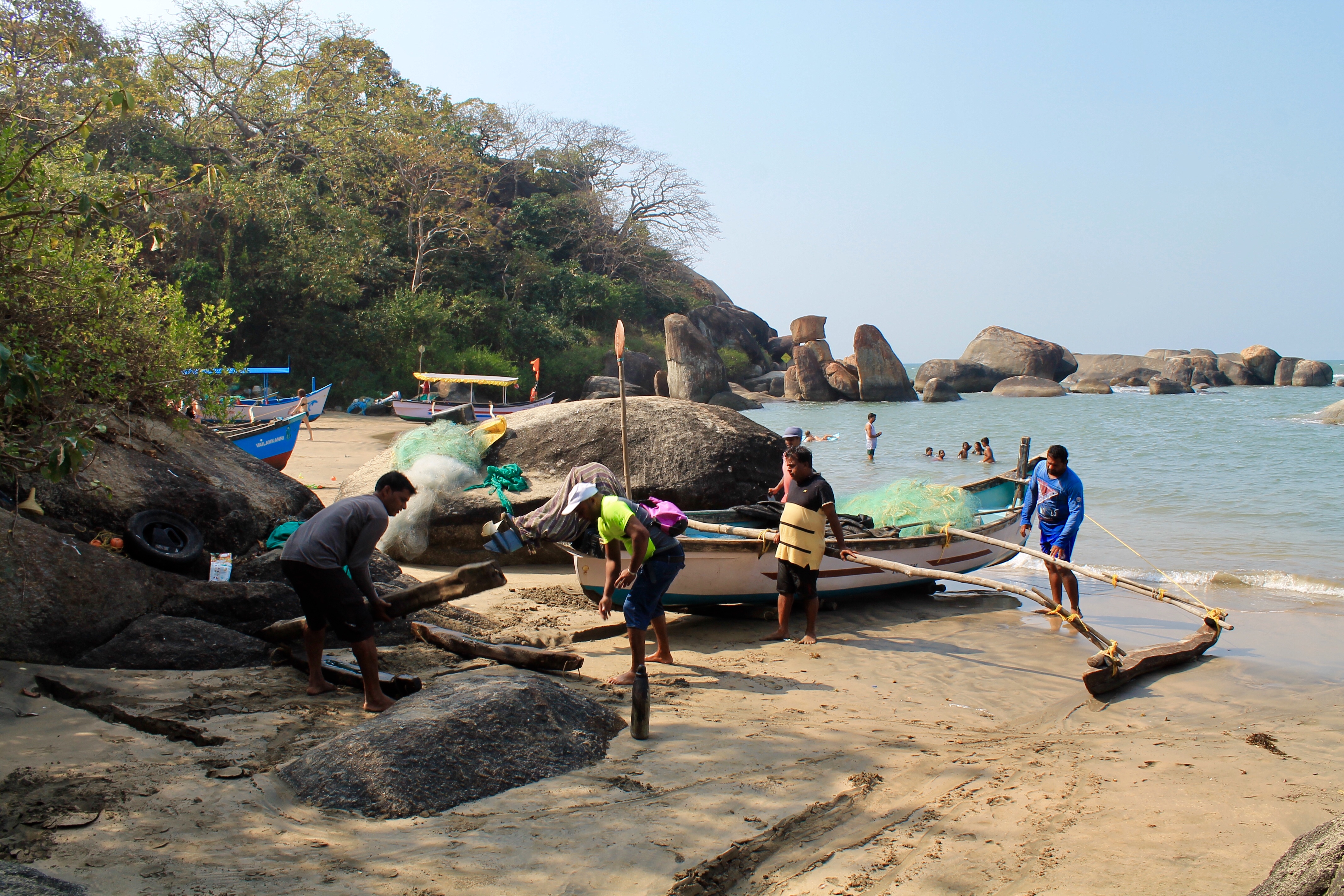
Bringing fishing boats in at Agonda

To get away from the noisy Indian New Year we climbed west into the Western Ghats, leaving the hot, sticky, coastal atmosphere behind for cool green forest.

Jim enjoying being off the grid

With only solar power, no WiFi or phone, and all food and hot water made over wood fires, it was a big contrast from the Goa resorts. We trekked each day with excellent Kohli from Nagaland (north-east states), who also ran the place while the owners were away.

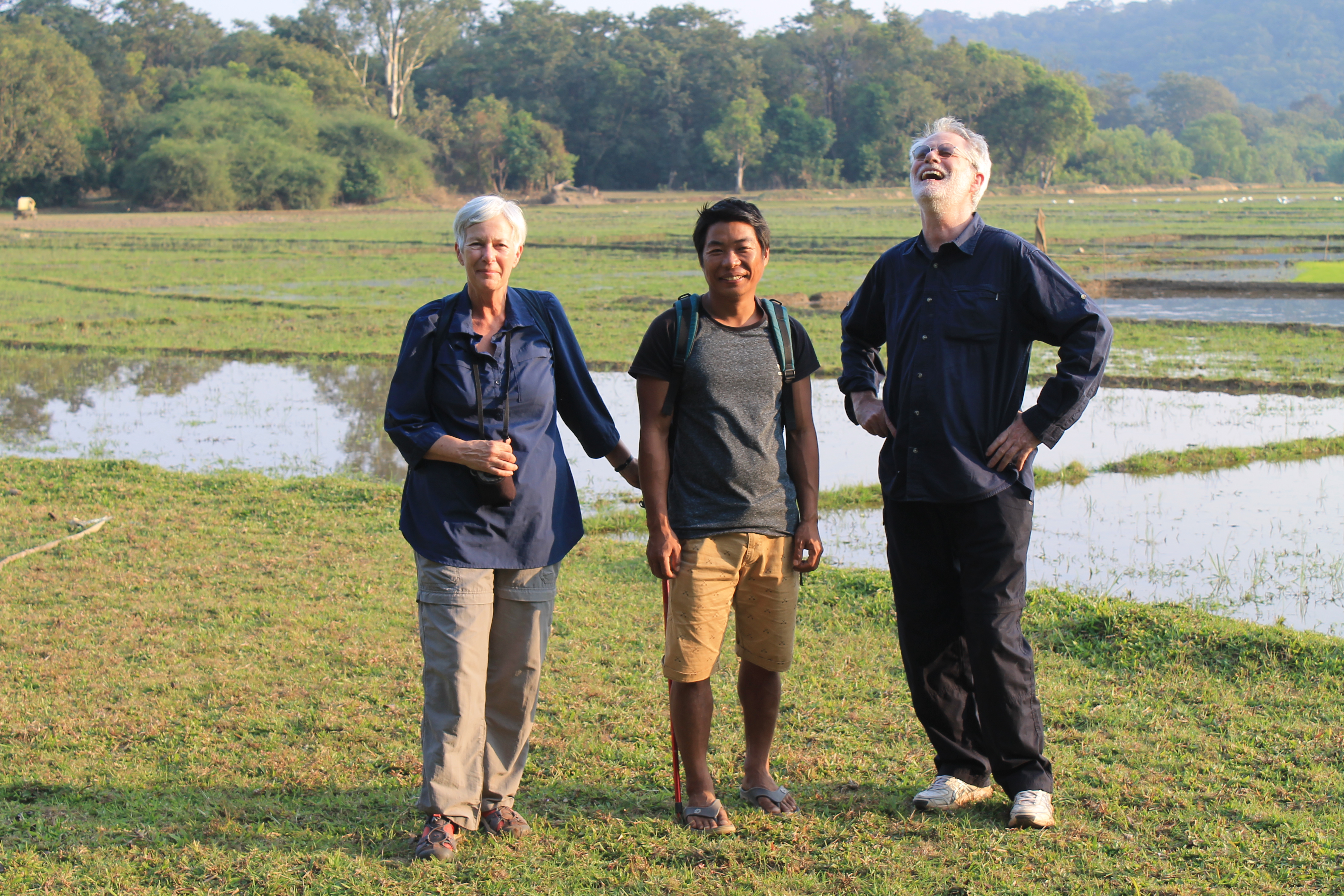
With guide Kohli at the padi fields near Off the Grid.

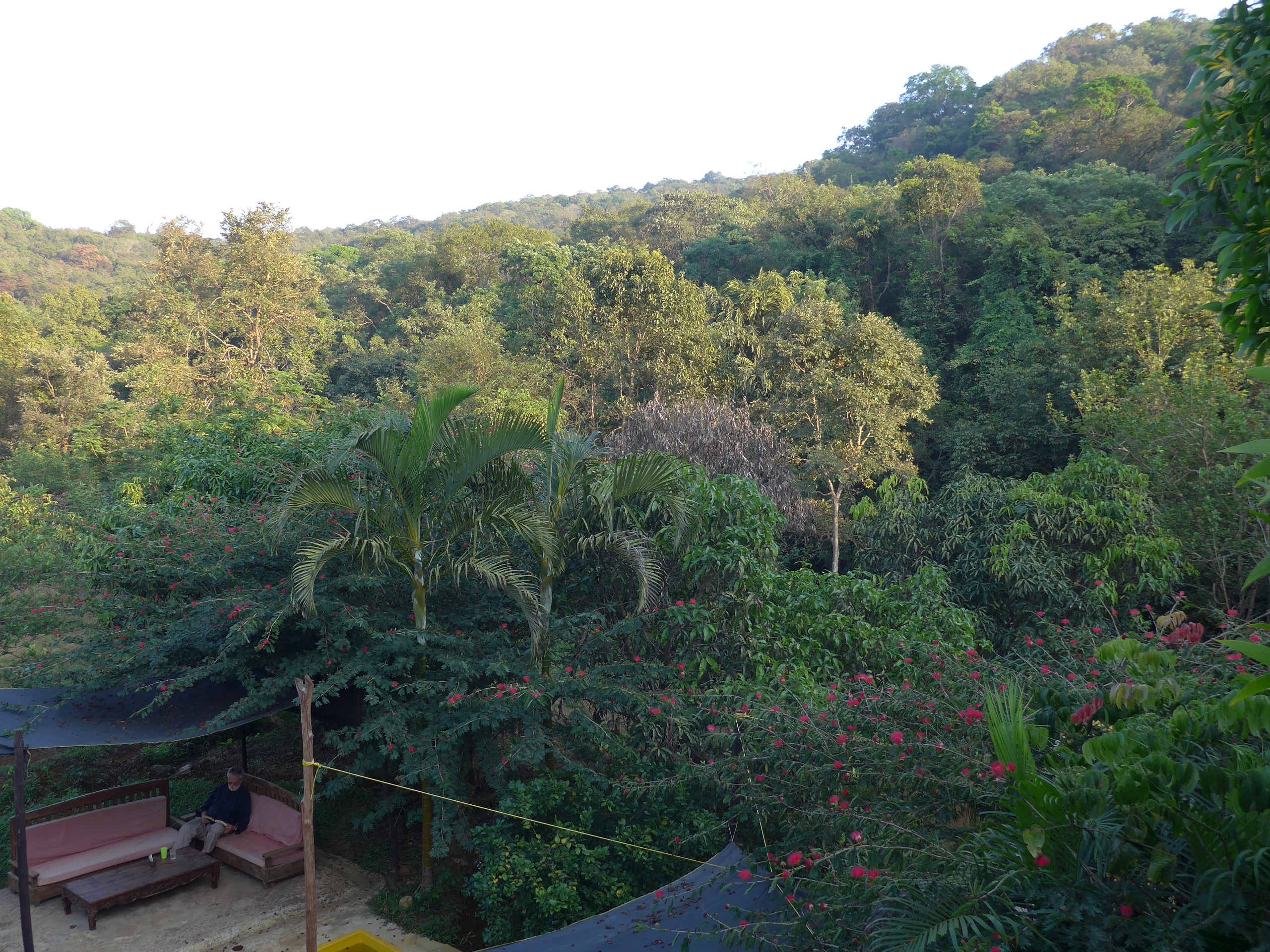
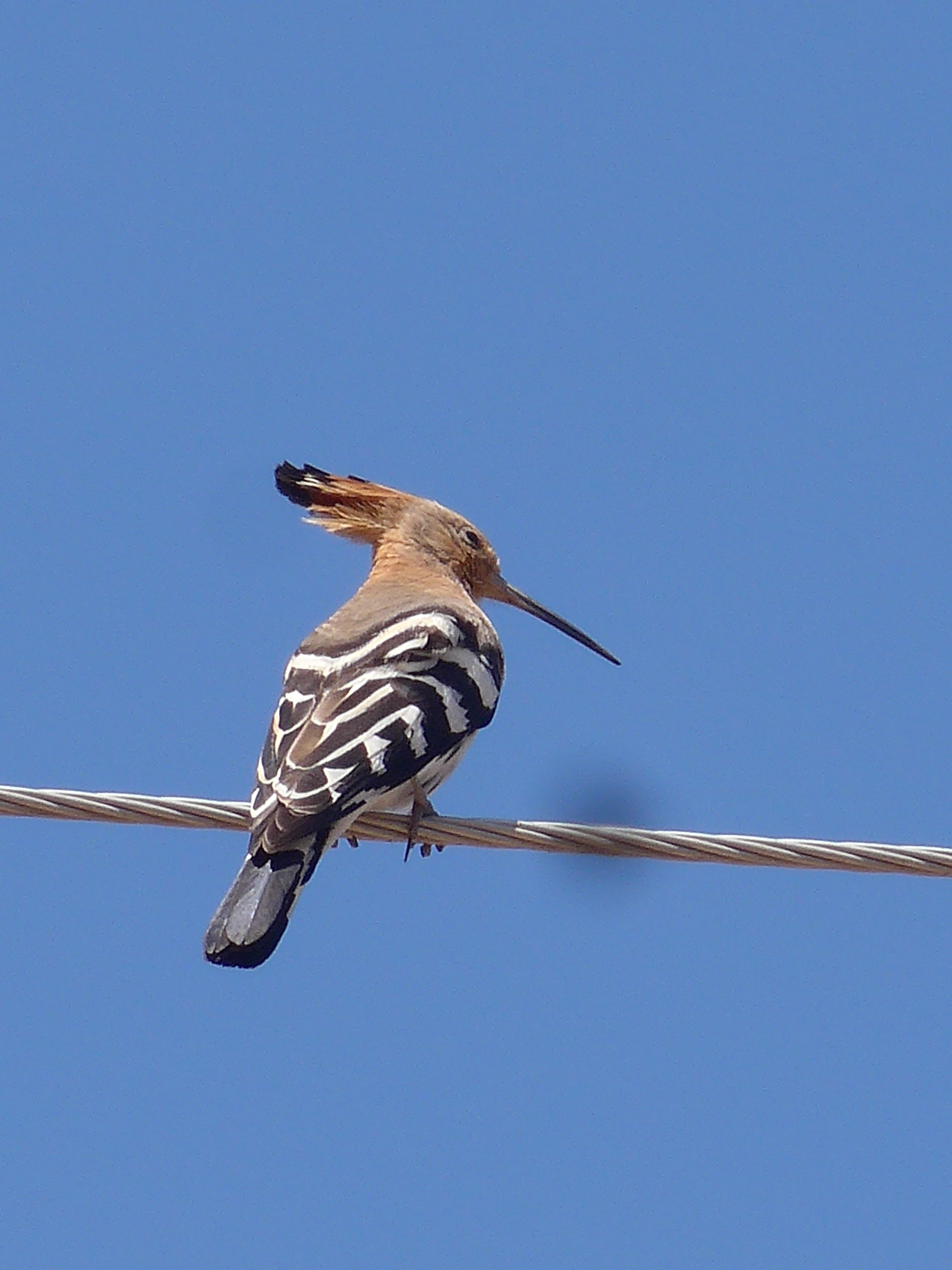
From our room I could lie in bed, watch the sunrise over the mountains, and sunbirds, leaf birds, vernal parrots and drongos landing in the flowering trees.

Crimson-backed sunbird
Hoopoe

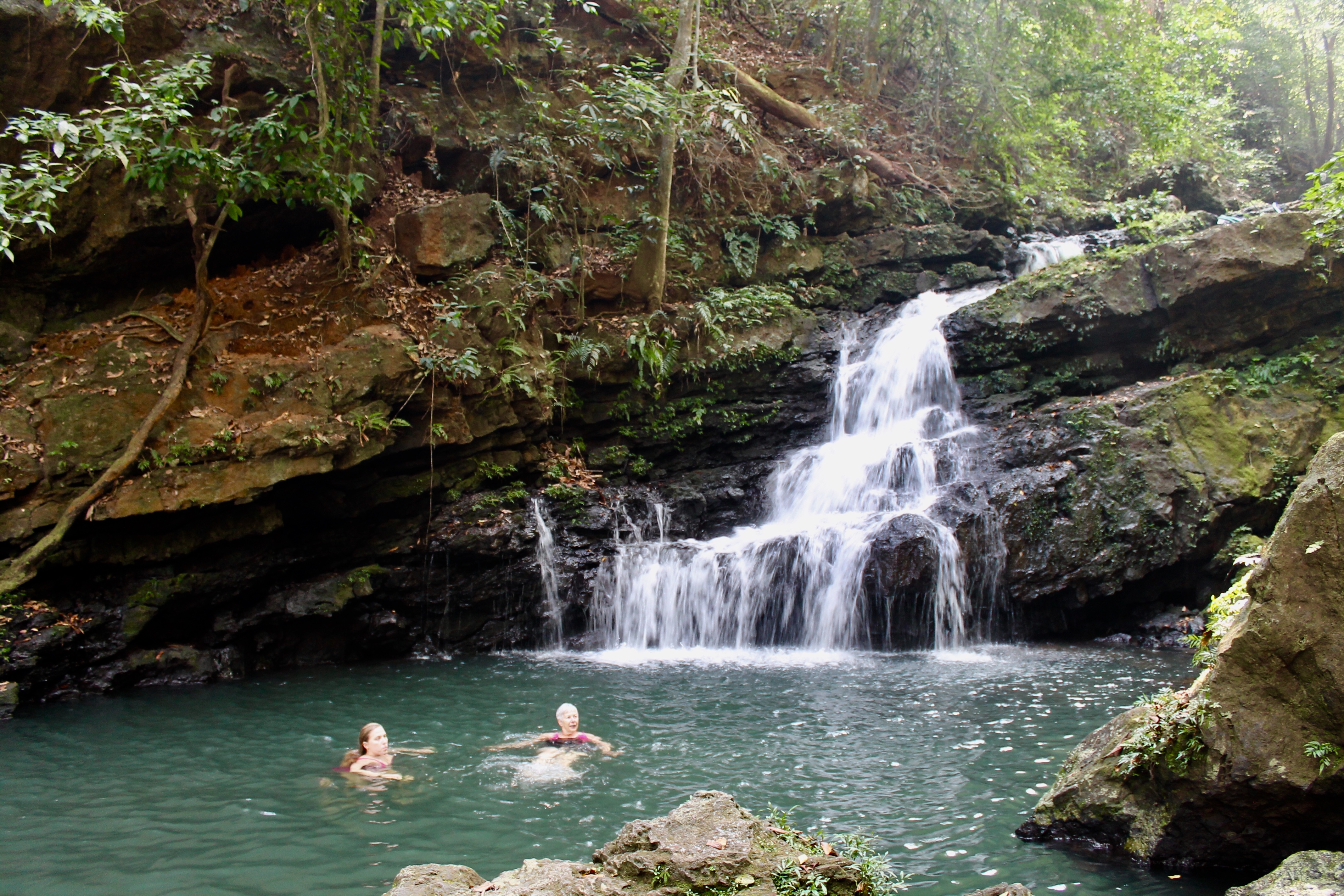
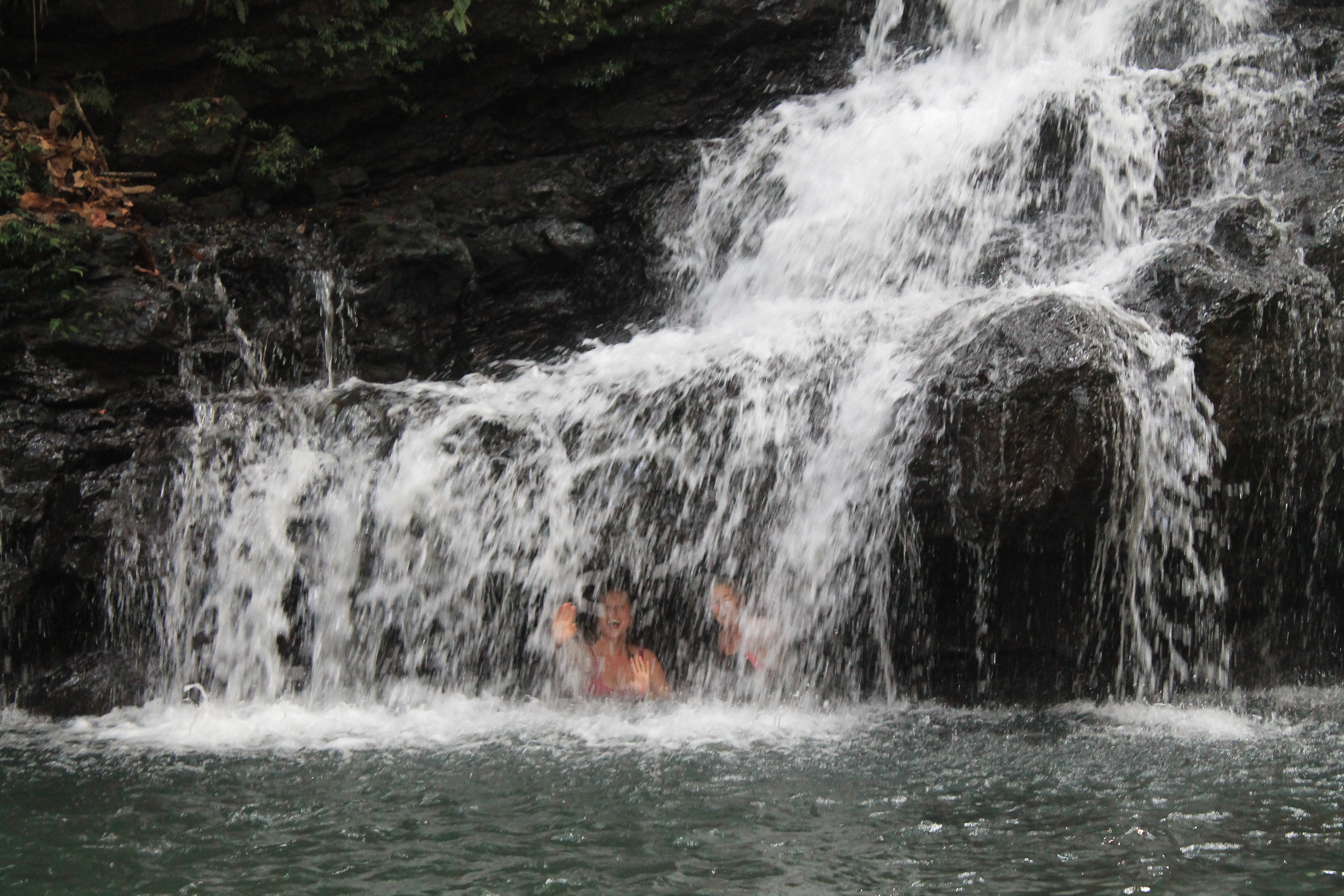
We swam in an icy, deep mountain pool with a waterfall, where fish nibble your feet, legs and bottom, eliciting embarrassing squeaks of surprise.

The deep pool at Off the Grid
Behind the waterfall with fellow-traveller Saffron at Off the Grid

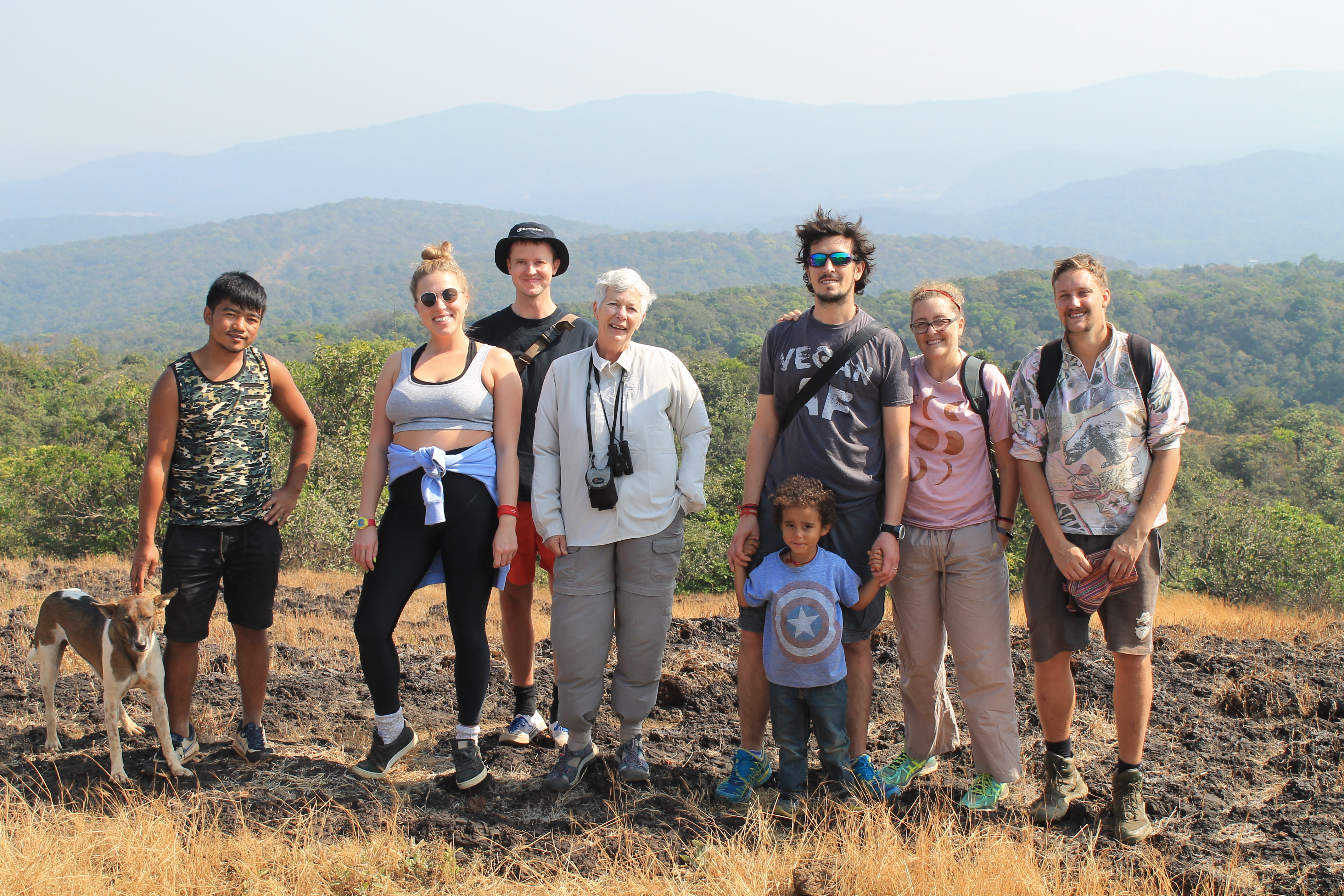
We ate out under trees by the river, and sat round a fire each night, looking at the stars and telling stories. And we really enjoyed being with a group of friendly, like-minded Guardian readers!

The disparate bunch of trekkers at Off the Grid

Yes, at halfway through the trip we were fully recharged (you may have noticed a trace of weariness creeping in earlier) and ready for the next stage, Hampi in Karnataka. Though I have to say my clothes, particularly my underwear, are disintegrating and I will have to search out the Mysore Cotton Undies Emporium when we get there. After a six-hour train journey east we had left the mountains behind and were travelling across central Karnataka with endless fields of sugar cane and chillies. I saw several million chillies during the journey. As we left the black volcanic rock of the Deccan Traps, huge granite boulders began to be pushed out of the earth and piled up in mounds.

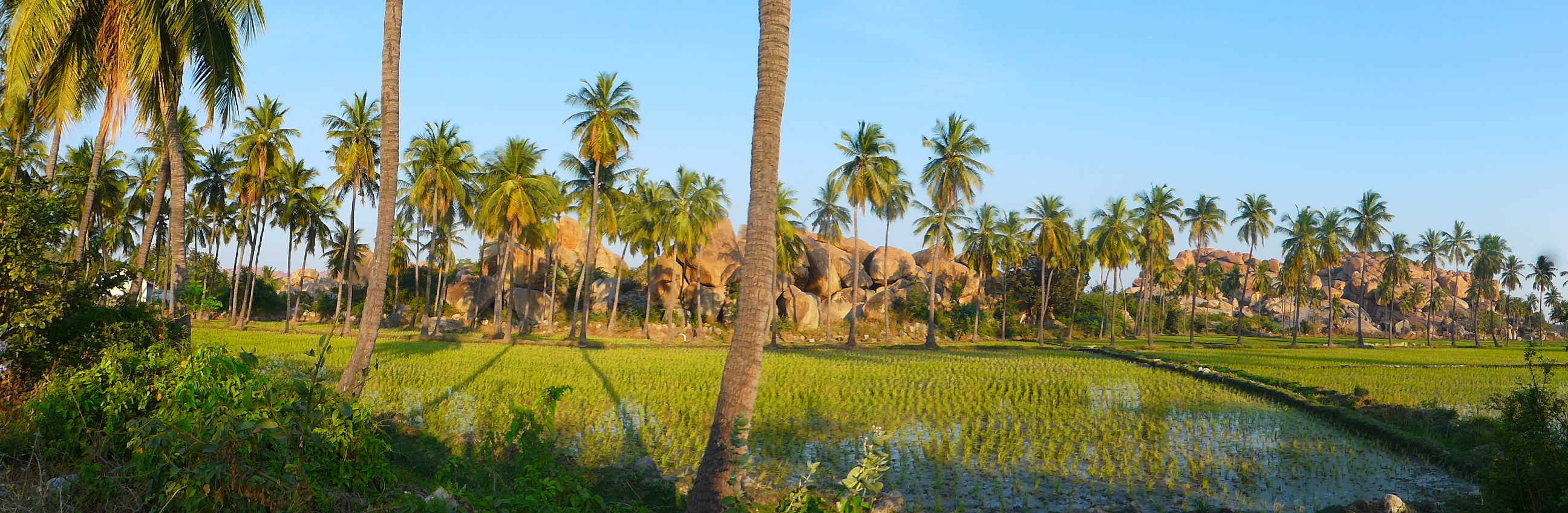
Padi fields and rocks at Hampi

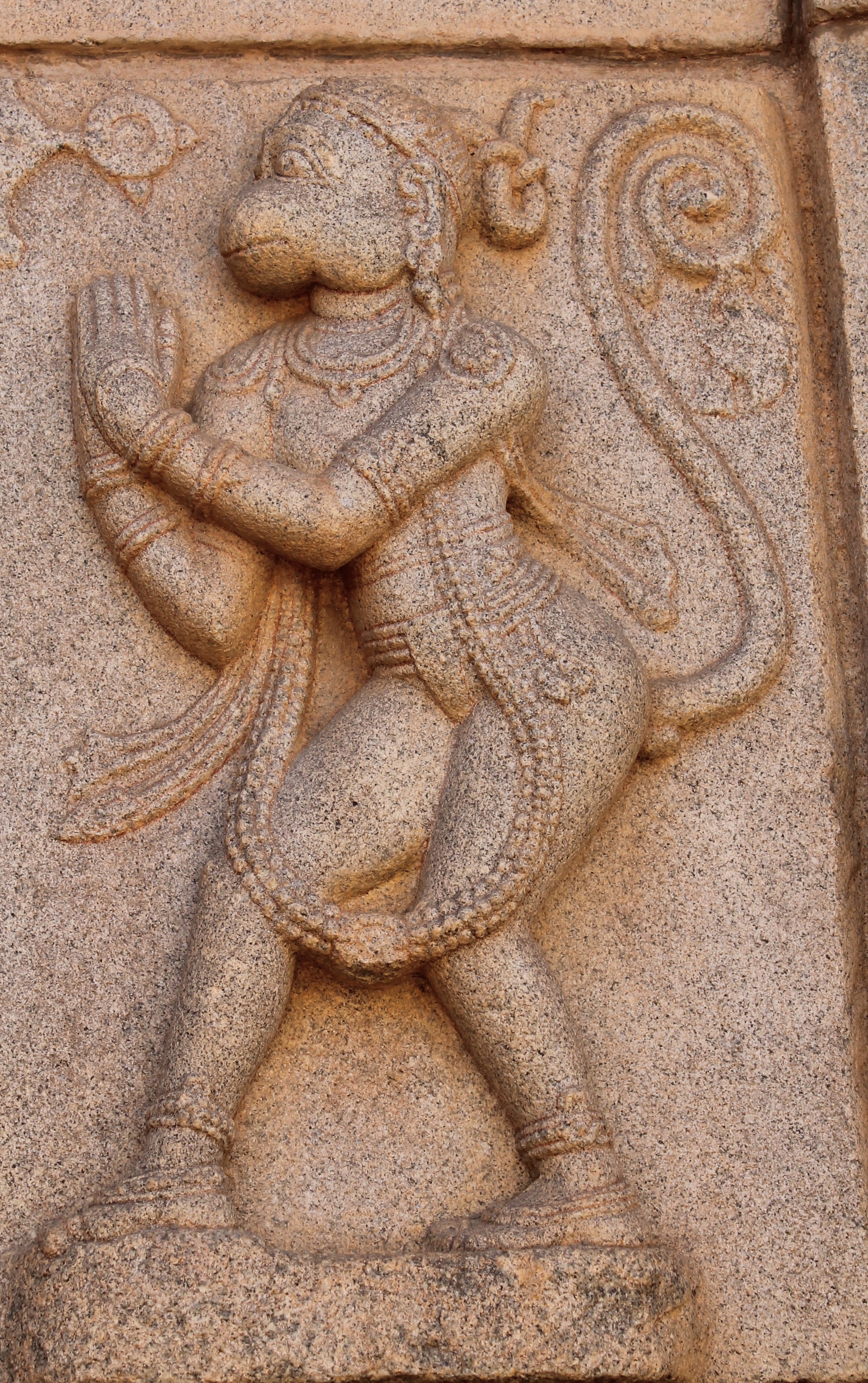
This was down to the armies of Hanuman, the Monkey-king, who seemed to spend a lot of time chucking boulders about, making them into hills and balancing them precariously on top of each other.

Hanuman, the monkey king, responsible for the Hampi landscape.

Between the outcrops, electric-green padi fields shone in the evening light and banana and coconut plantations waved their palms. Amongst the boulders the temples and palaces of Hampi, or Vijayanagar, stretched in all directions.

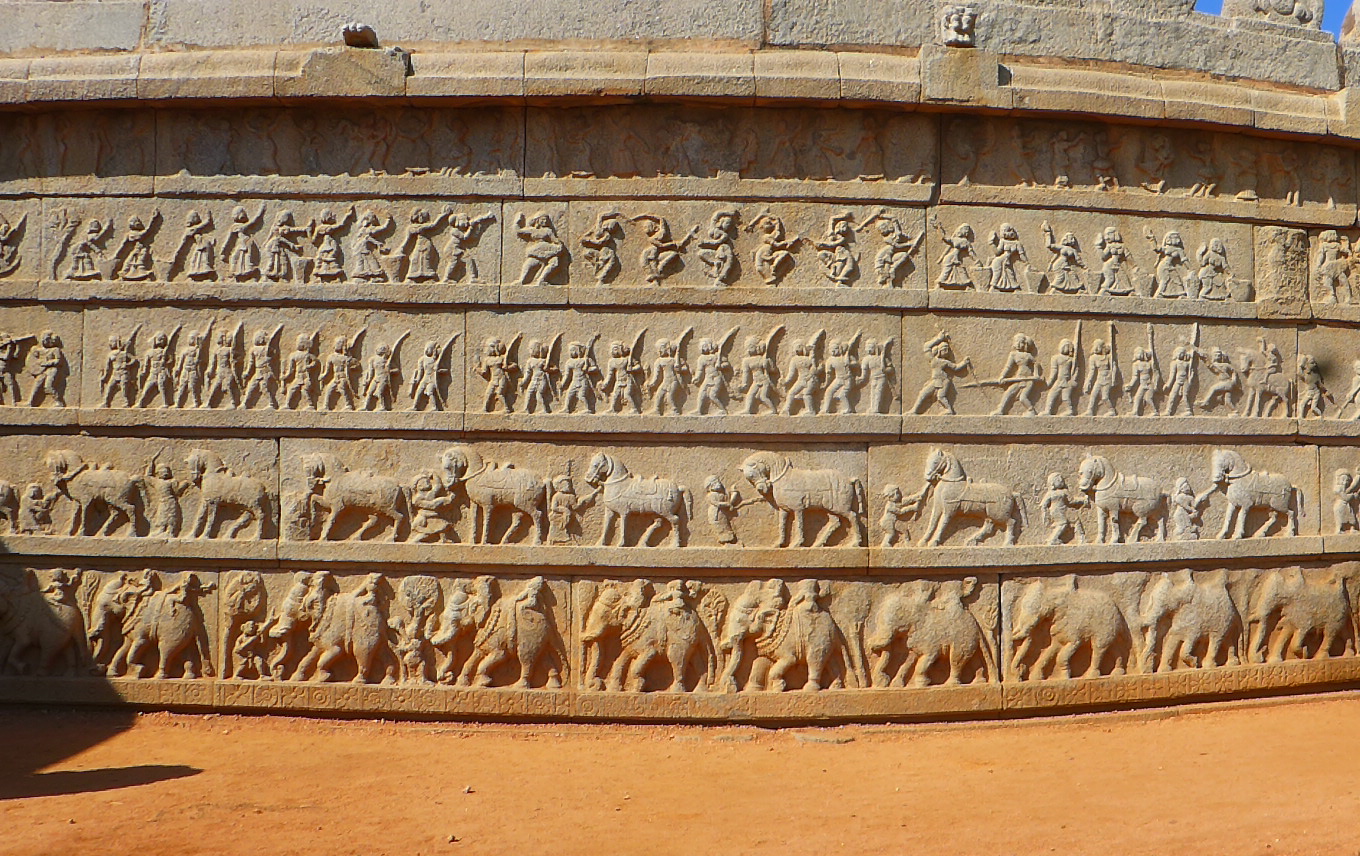
Friezes on the Hazara Rama temple, Hampi
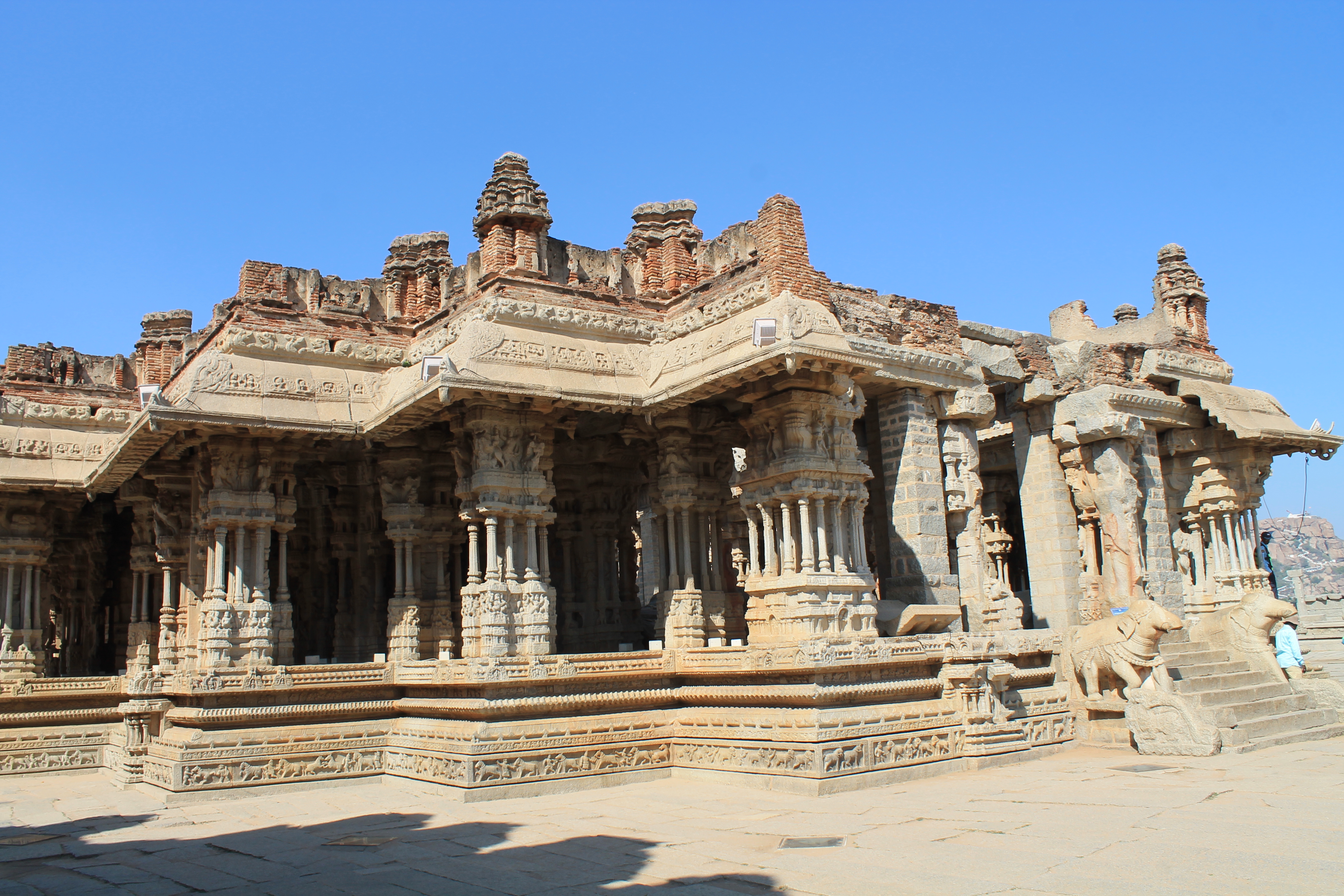
The dancing hall of the Vitthala Temple, with its musical columns.
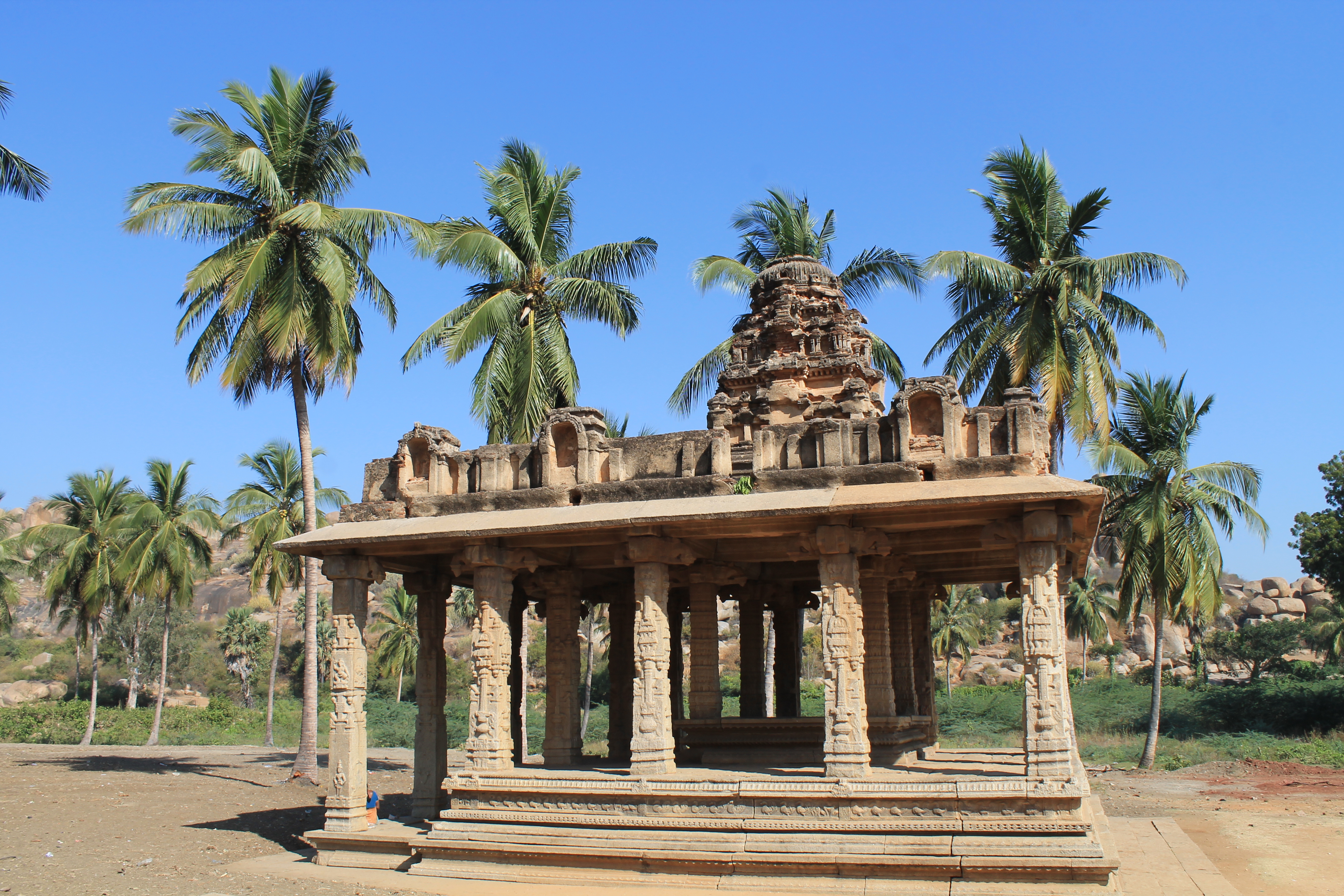
Small temple near the Vitthala Temple, Hampi

To avoid causing ancient ruin-fatigue I will just say there were lots and lots of them, many with their original carvings and sculptures, dating from the fourteenth and fifteenth centuries, when it was a Hindu empire of great wealth and power.

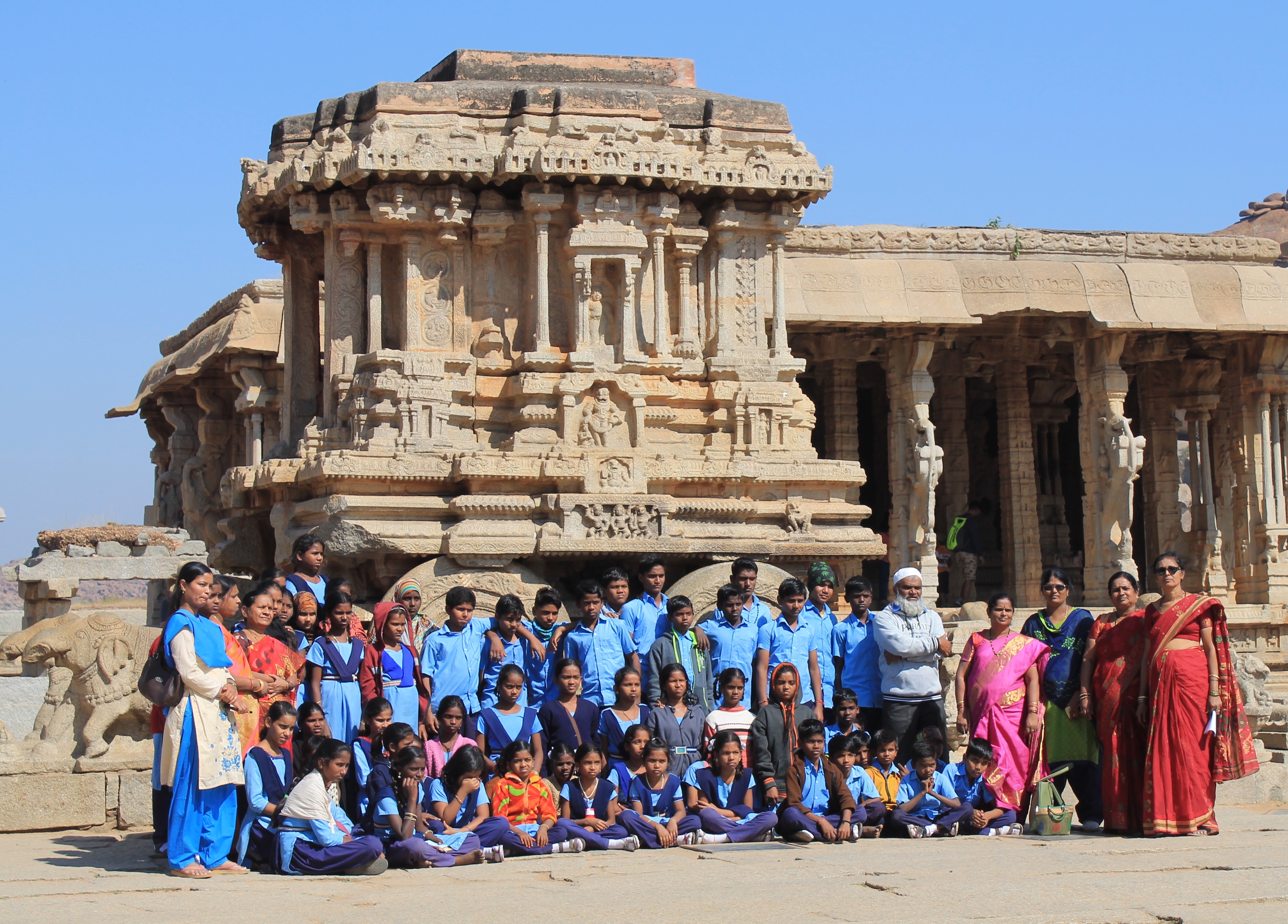
School photo at Vitthala Temple, Hampi

It was sacked by Muslim armies in the sixteenth century, presumably no longer enjoying the patronage of Hanuman, though plenty of his subjects were still about now, including a gang who liked to gallop across our cabin roof in the early morning.

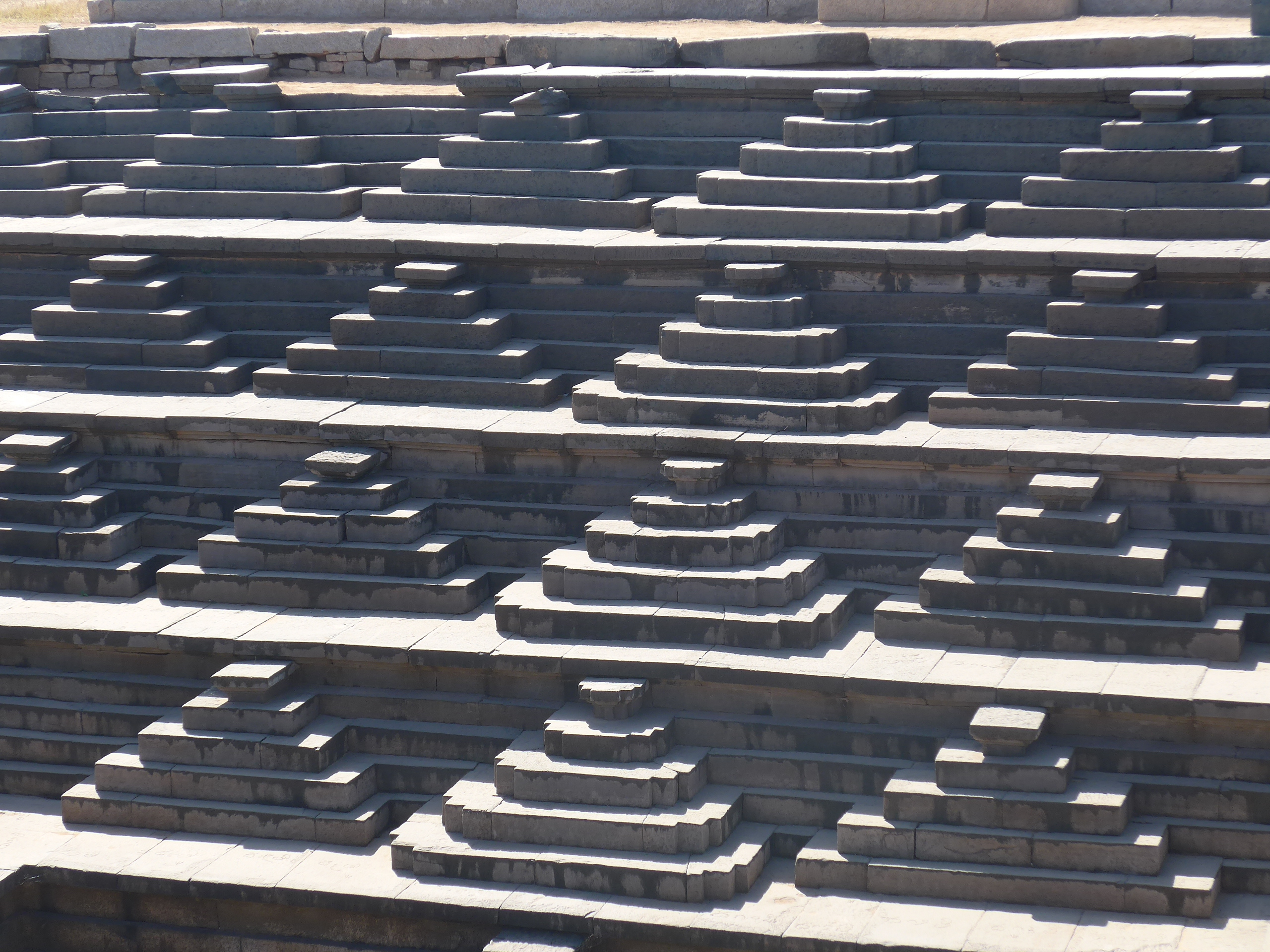
Step well, Royal Enclosure, Hampi

We stayed in the Uramma Cottages across the river, on the edge of a village called Anegundi, in a green garden which we shared with various chickens, cows, dogs and squirrels and the village sewing-circle.

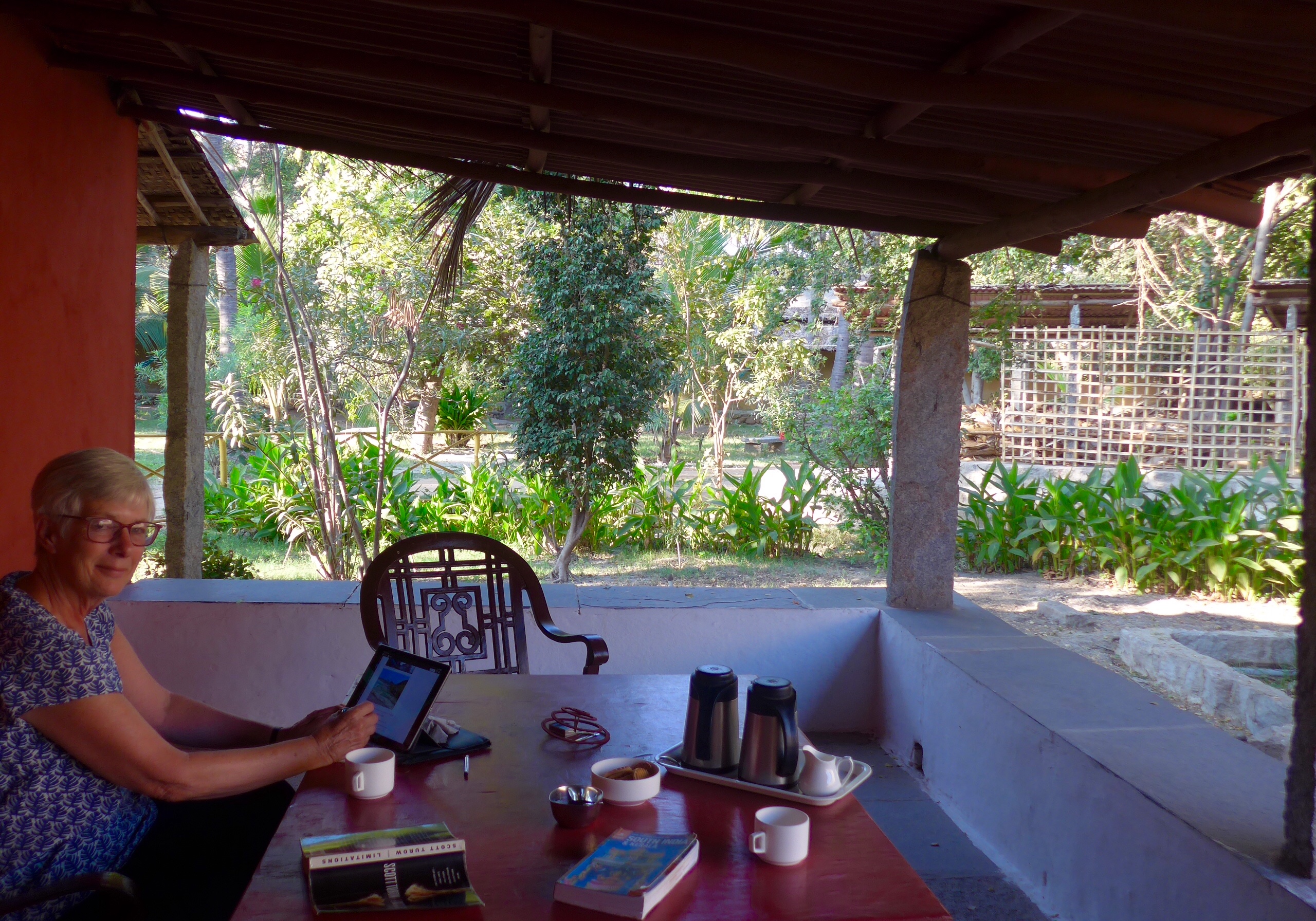
Writing the blog on the Uramma Cottage verandah
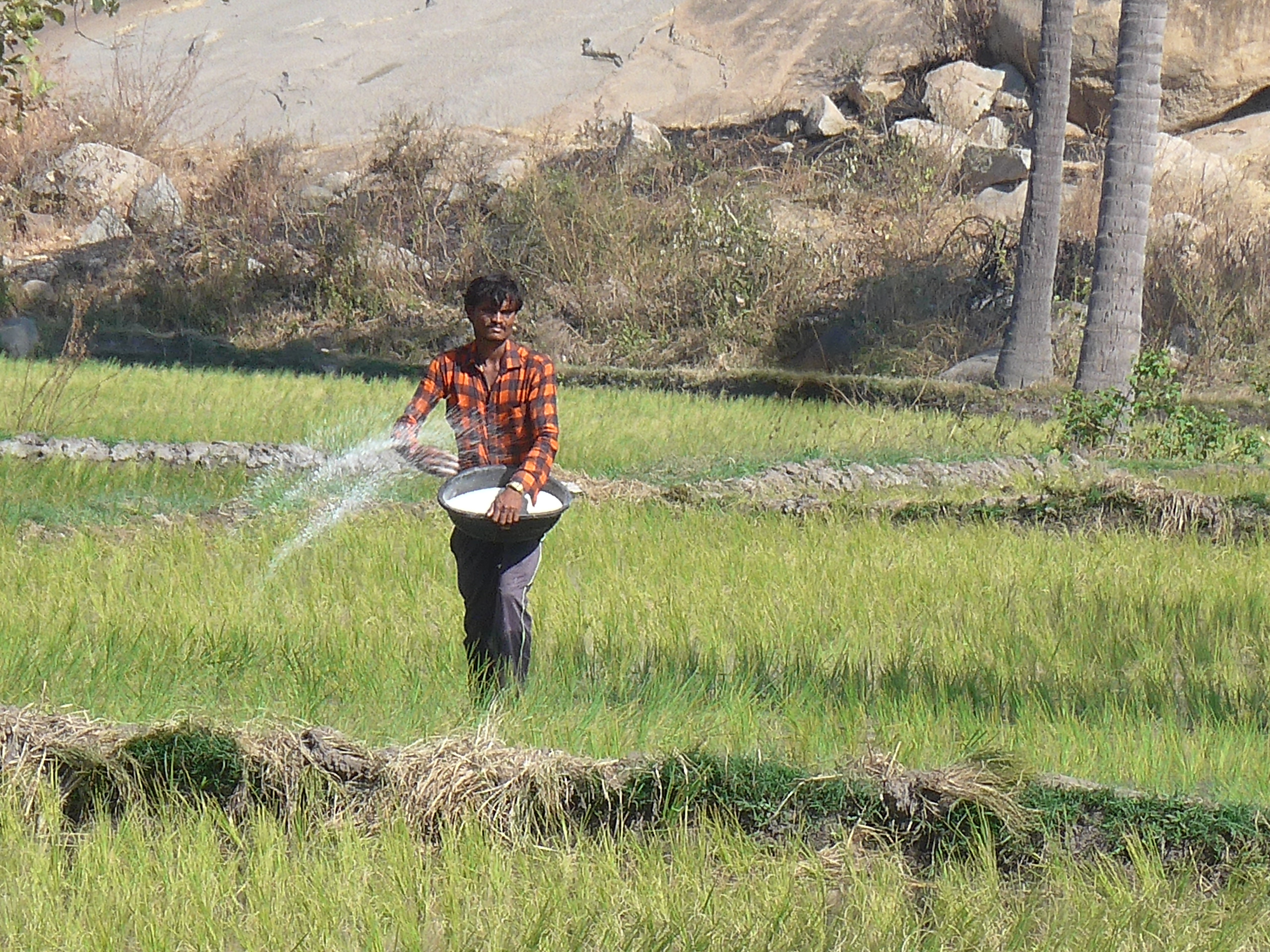
Working in the padi-fields
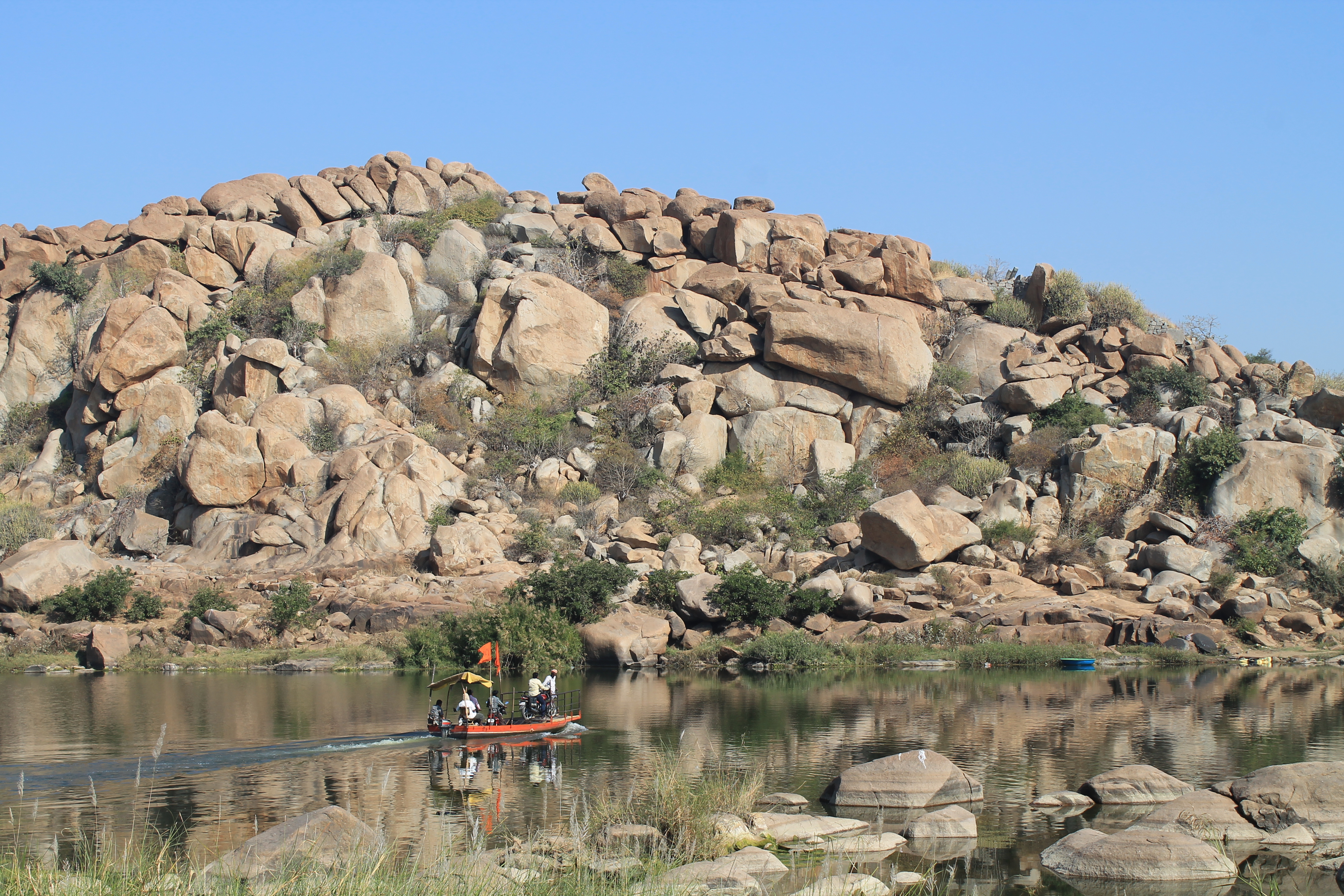
The motor boat ferry at Anegundi


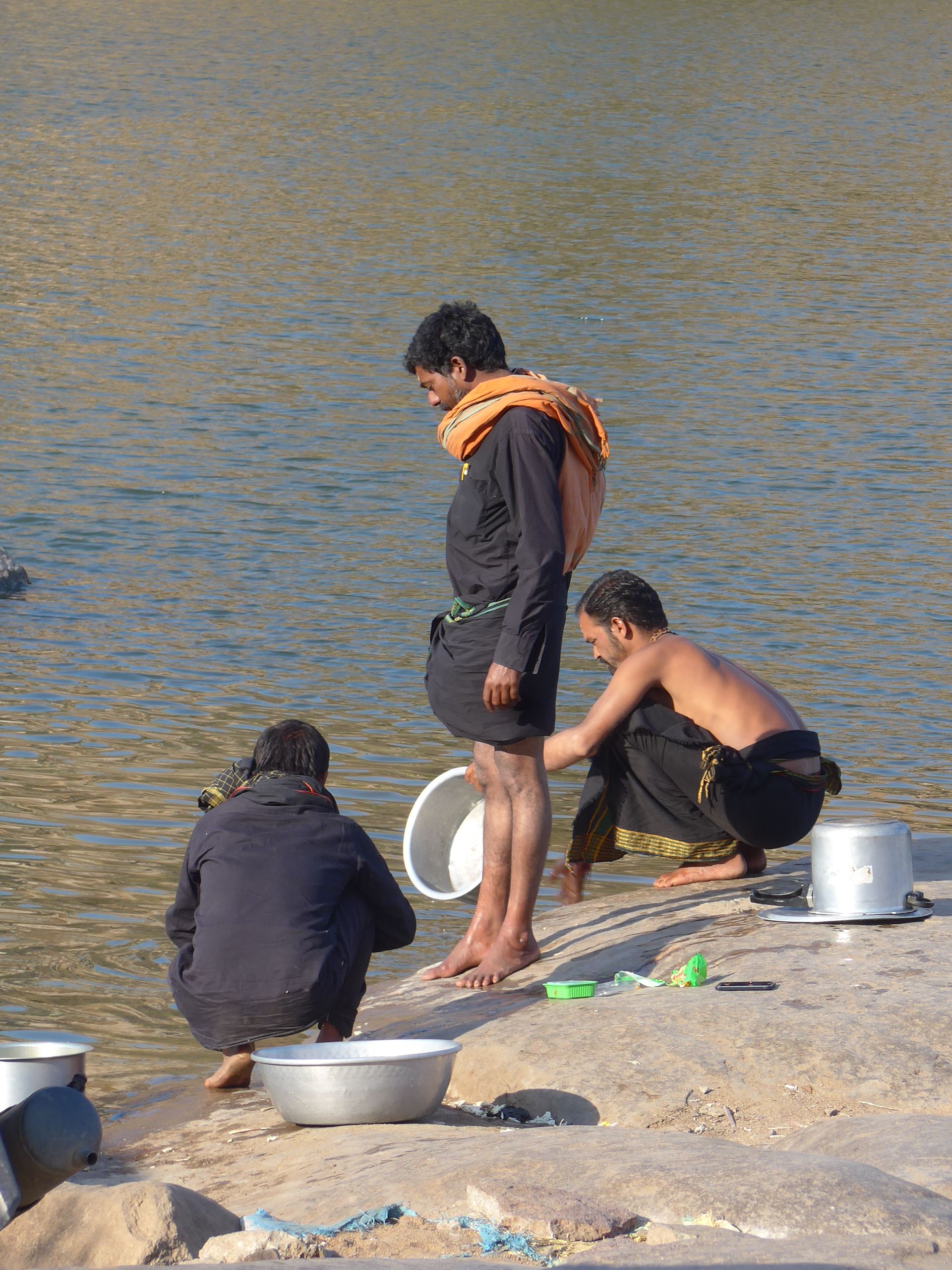
Pilgrims from the south doing their washing up


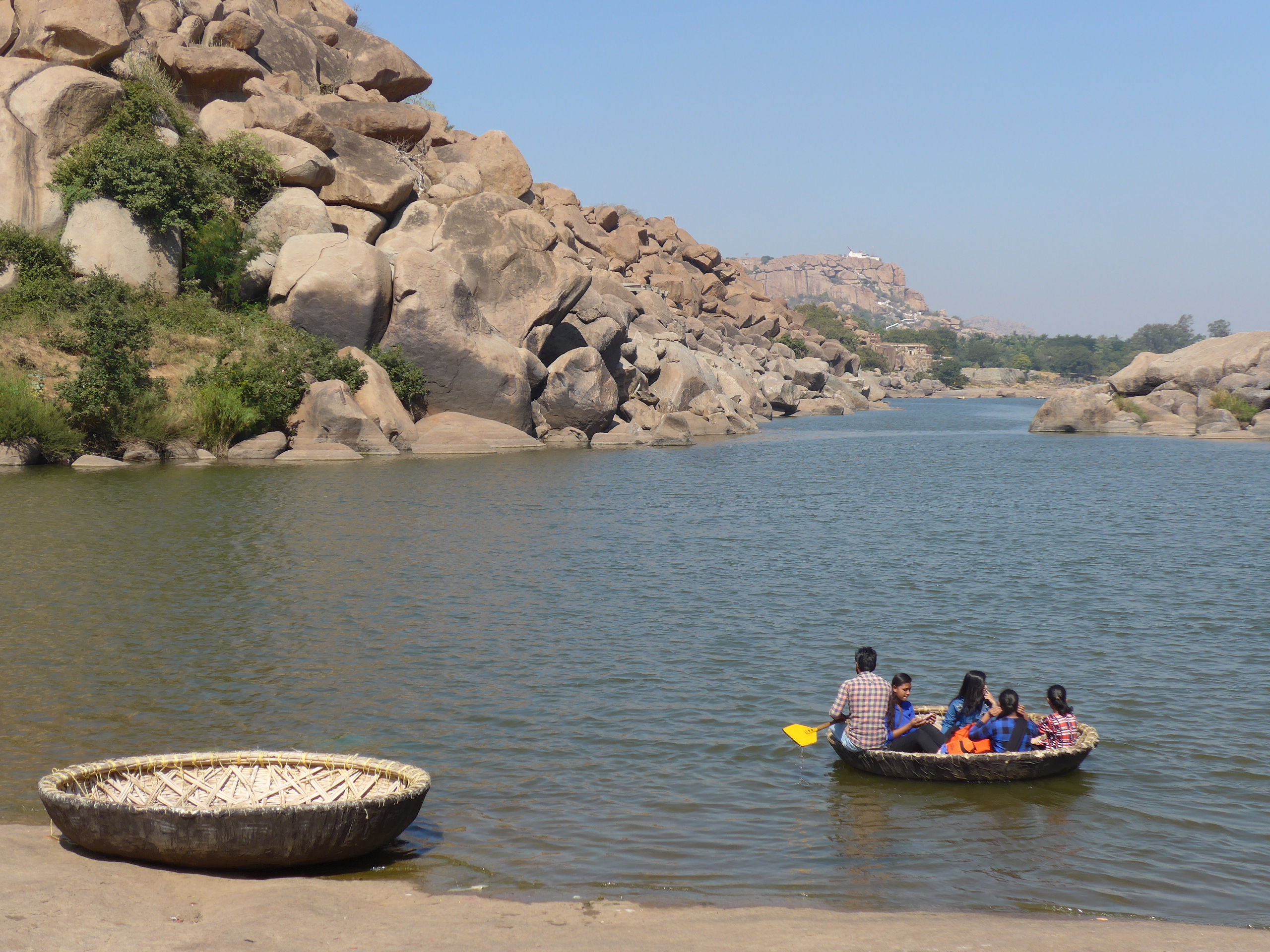
Coracle fishing at Hampi

To reach Hampi there were three crossings, some with coracles but ours was by a small motor-ferry which went when the boatman could be bothered.

The coracle ferry

On one crossing seventeen people and six motorbikes were loaded and the gun whales were just four inches above the water.

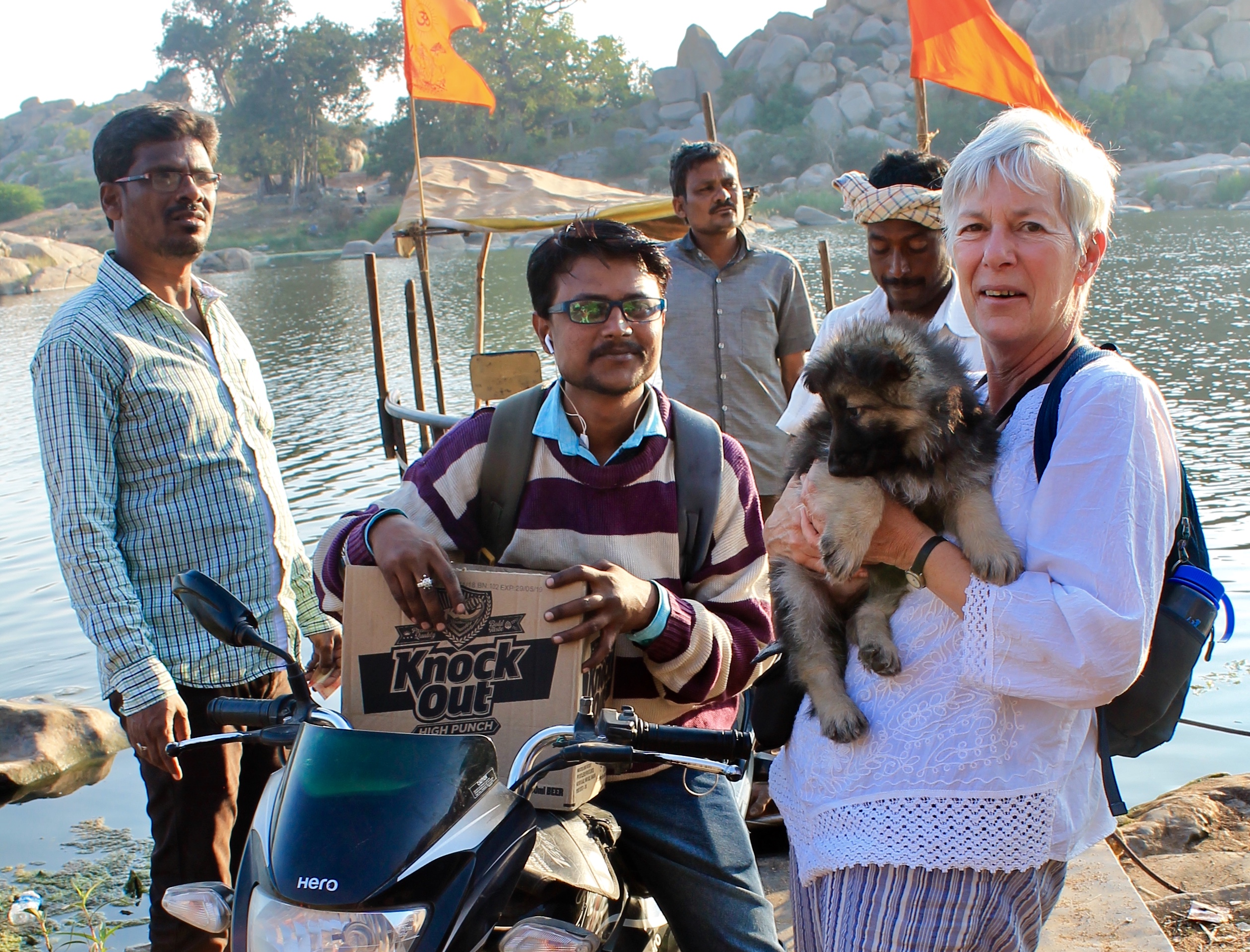
Carrying the puppy off the motorboat ferry.

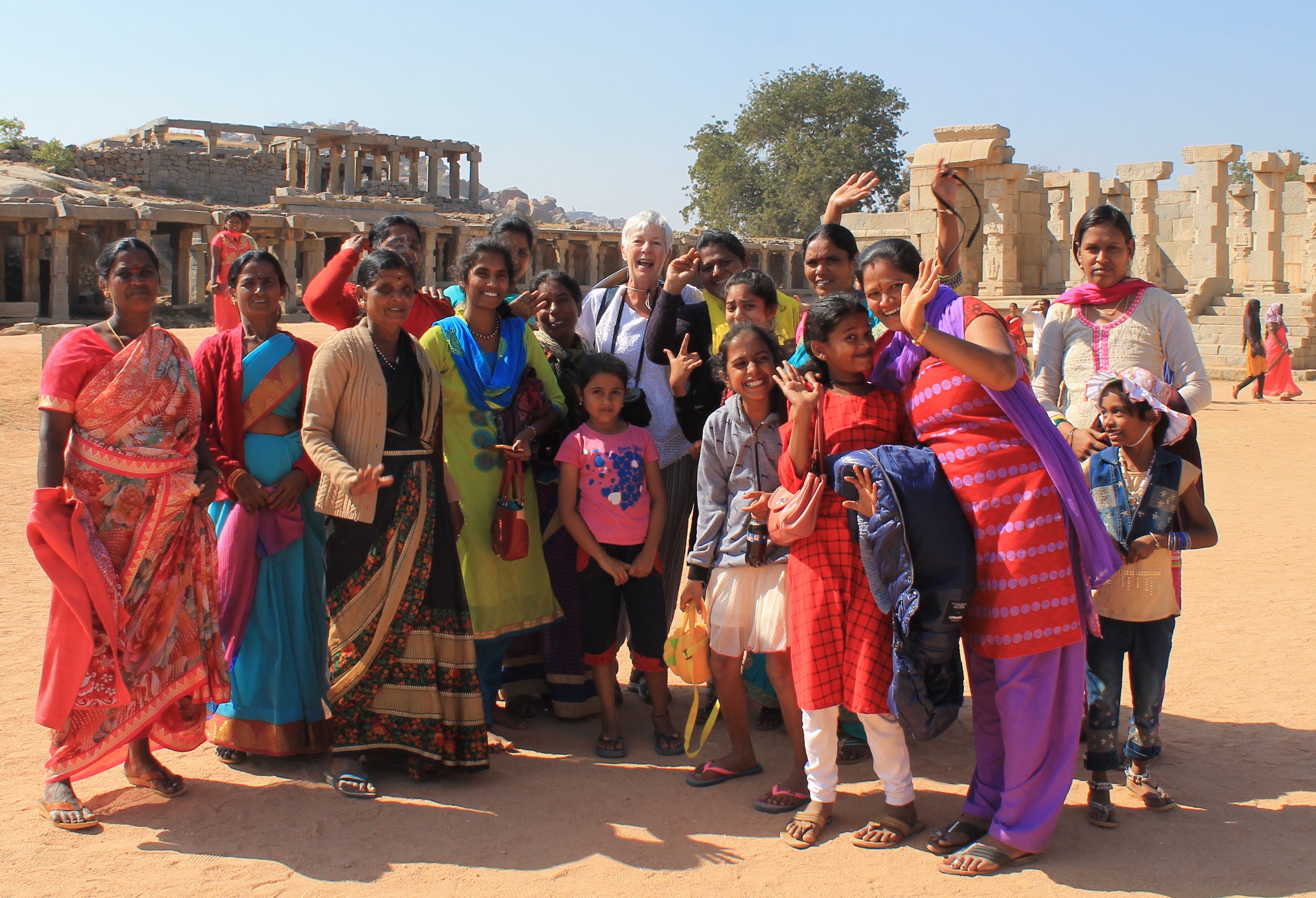
On another someone asked me to carry a large, delightful, fluffy puppy across in my arms. This lovely all-female group below had come all the way from Assam to visit the temples. Who could resist them? There was a lot of squeezing my cheeks and rubbing my hands to see if the colour would come off.

The ladies from Assam

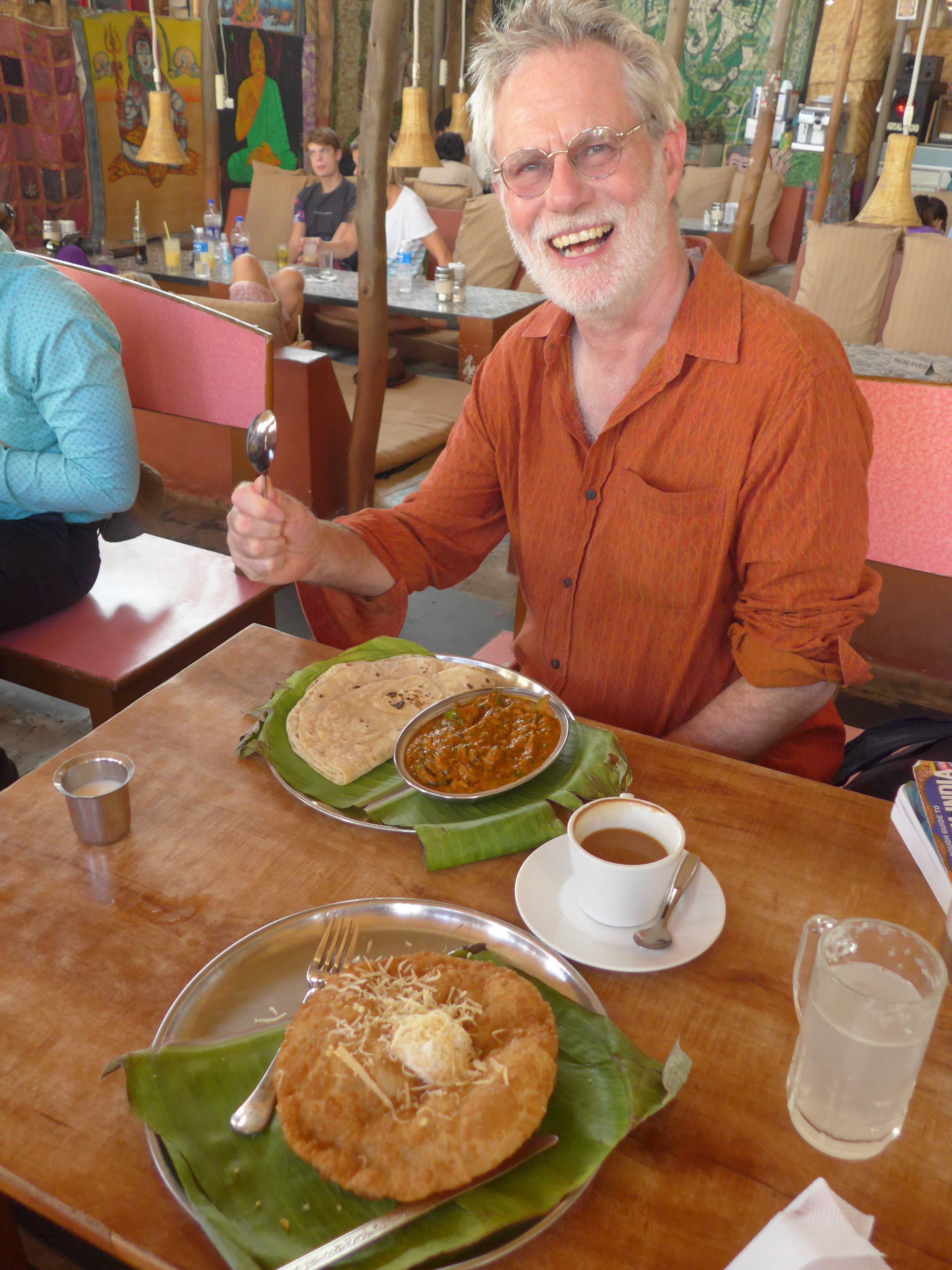
But a lot of foreigners still come here for the vibe. There’s nothing like sitting in the Mango Tree Cafe in Hampi eating banana pancakes to make you feel like an old hippie. It made it all worthwhile …

Lunch at the Mango Tree, Hampi


8. Karnataka : “Oh, land of strange delight!”

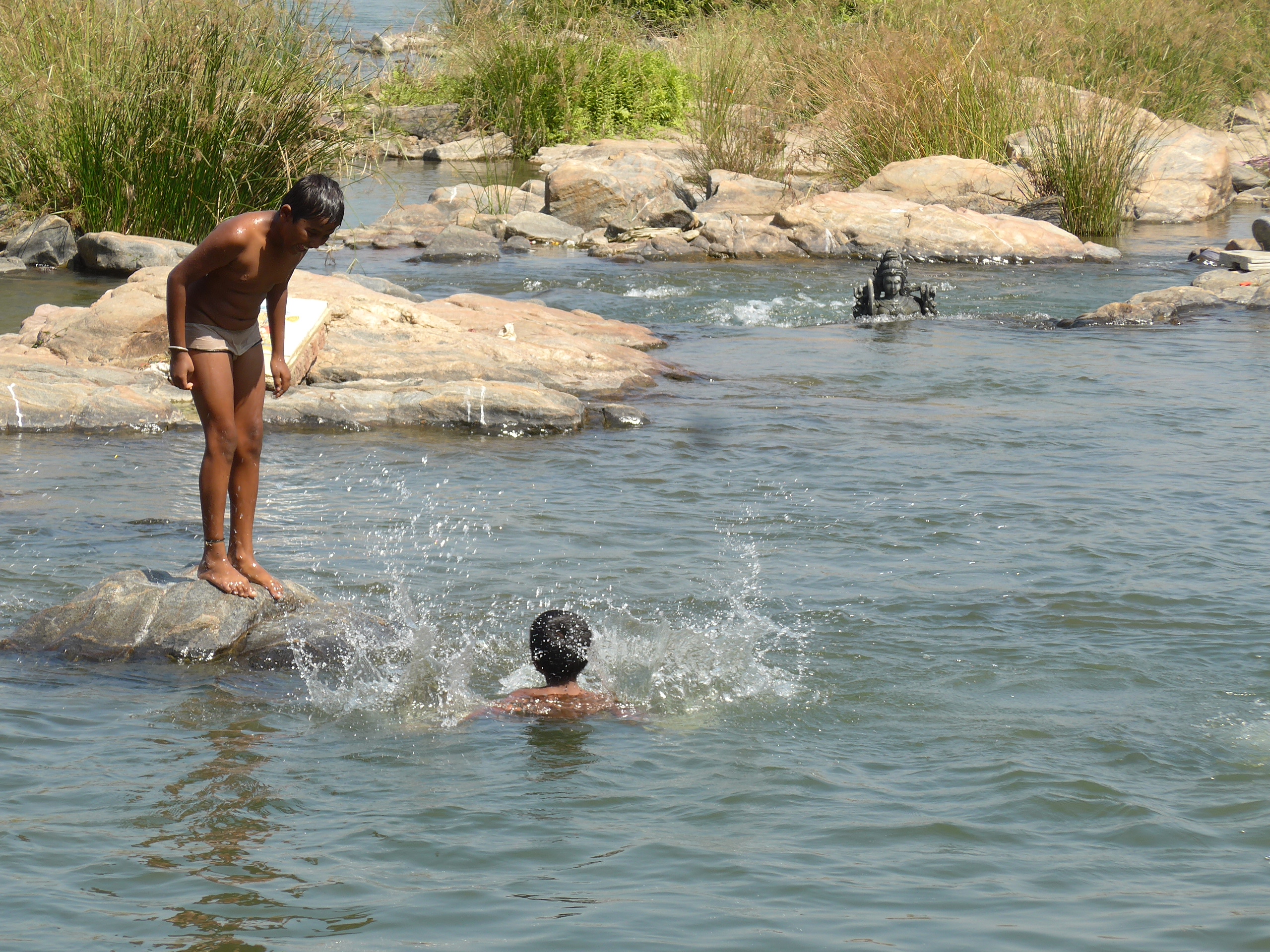
Boys swimming and image at bathing ghats, Seringapatam.

“Oh, land of little ease,

Oh, land of strange delight!”

(Quoted by Alexander Frater in Chasing the Monsoon)

We had had plenty of moments of little ease, now we began to experience the strange delight. With the peace of Off the Grid, and the laid-back atmosphere of Hampi, it felt more like a holiday and less like an endurance test.

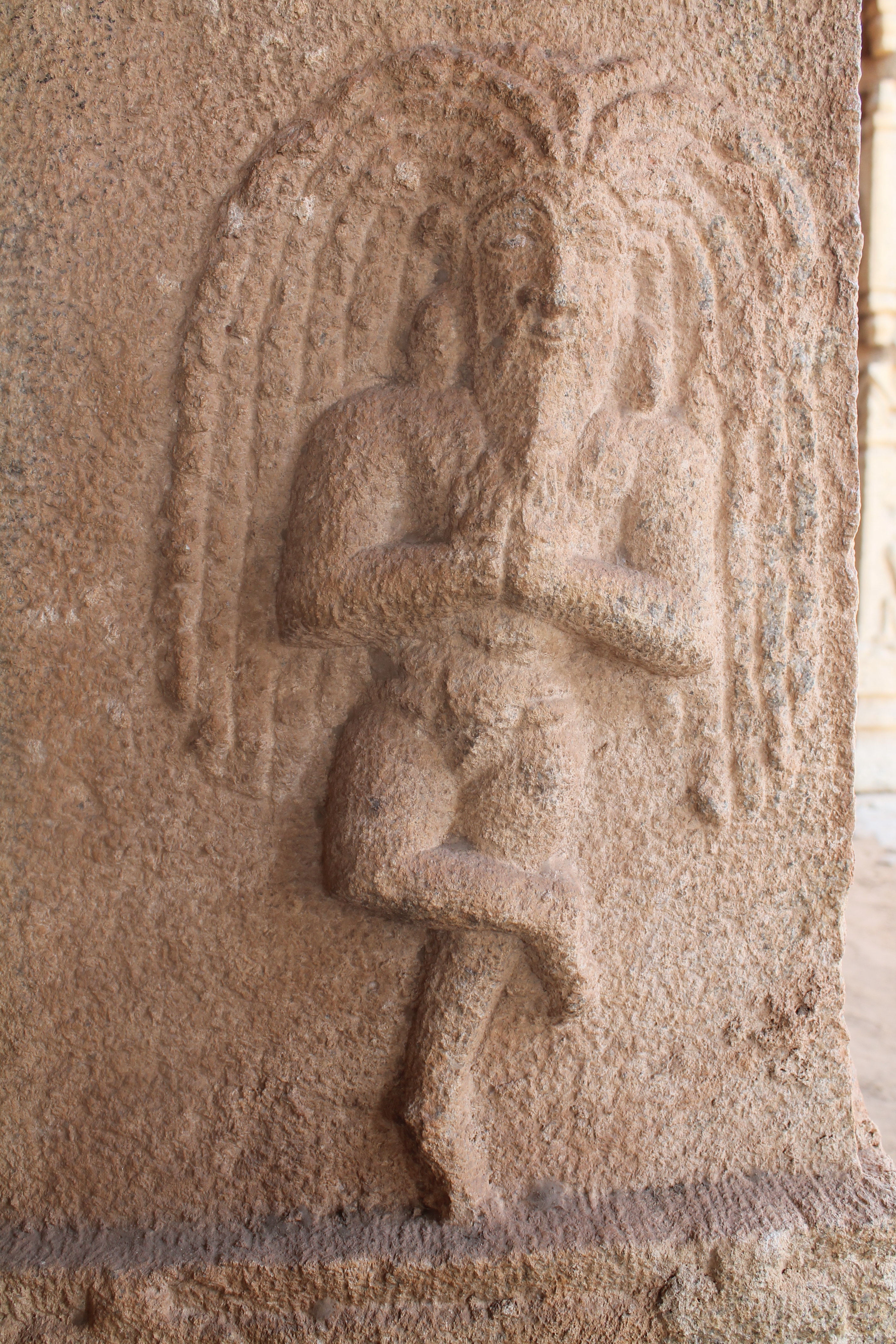
14th century prediction of hippie in Hampi


We took an overnight sleeper down to Mysuru (Mysore),  through green, and cleaner countryside with banana, coconut and sugar-cane plantations.

Mysuru is a comparatively clean and green city, and we were staying at the Green Hotel, a small converted palace set in large gardens, in which one could loll at much ease.

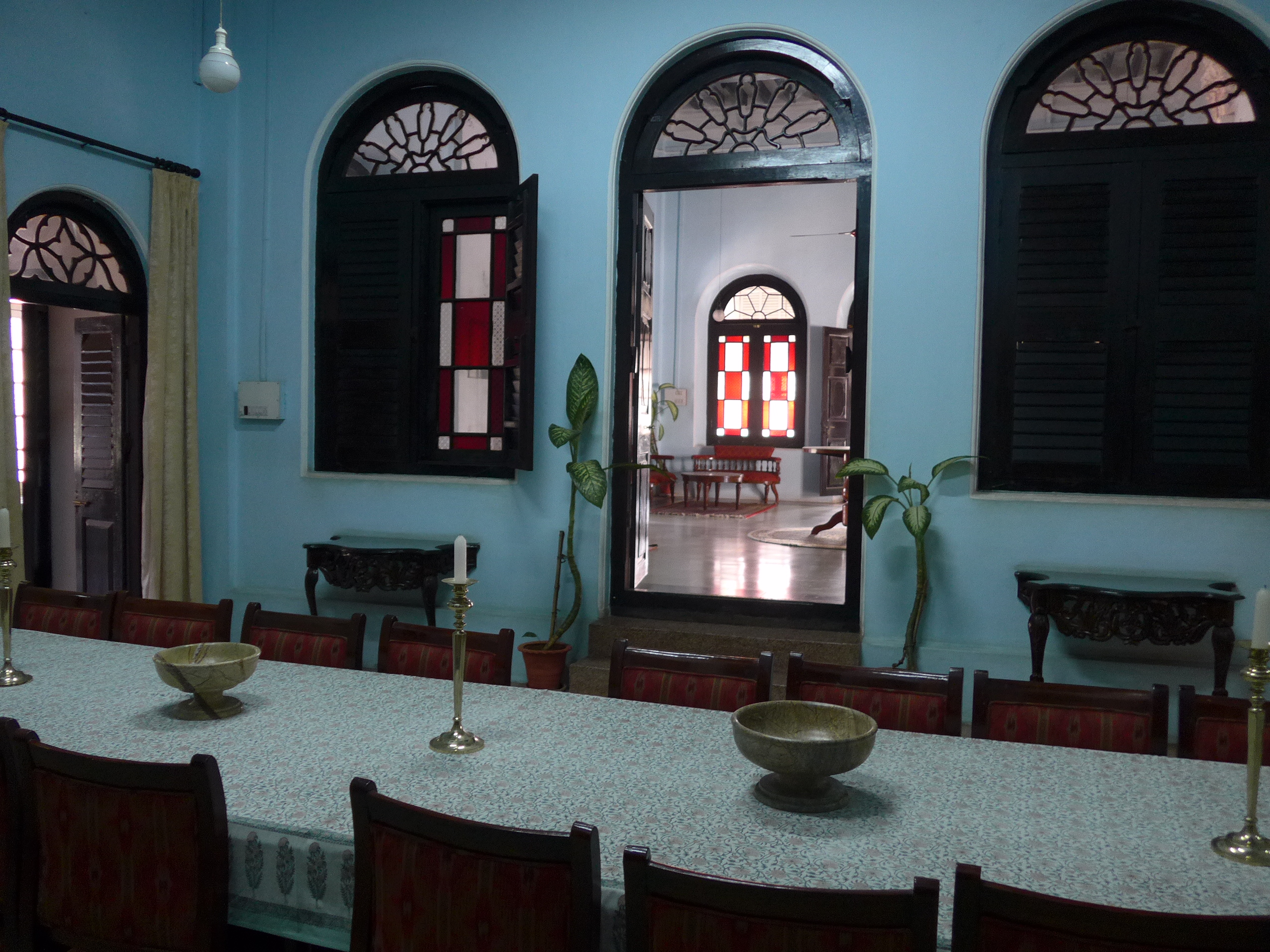
Interior of Green Hotel, Mysuru.
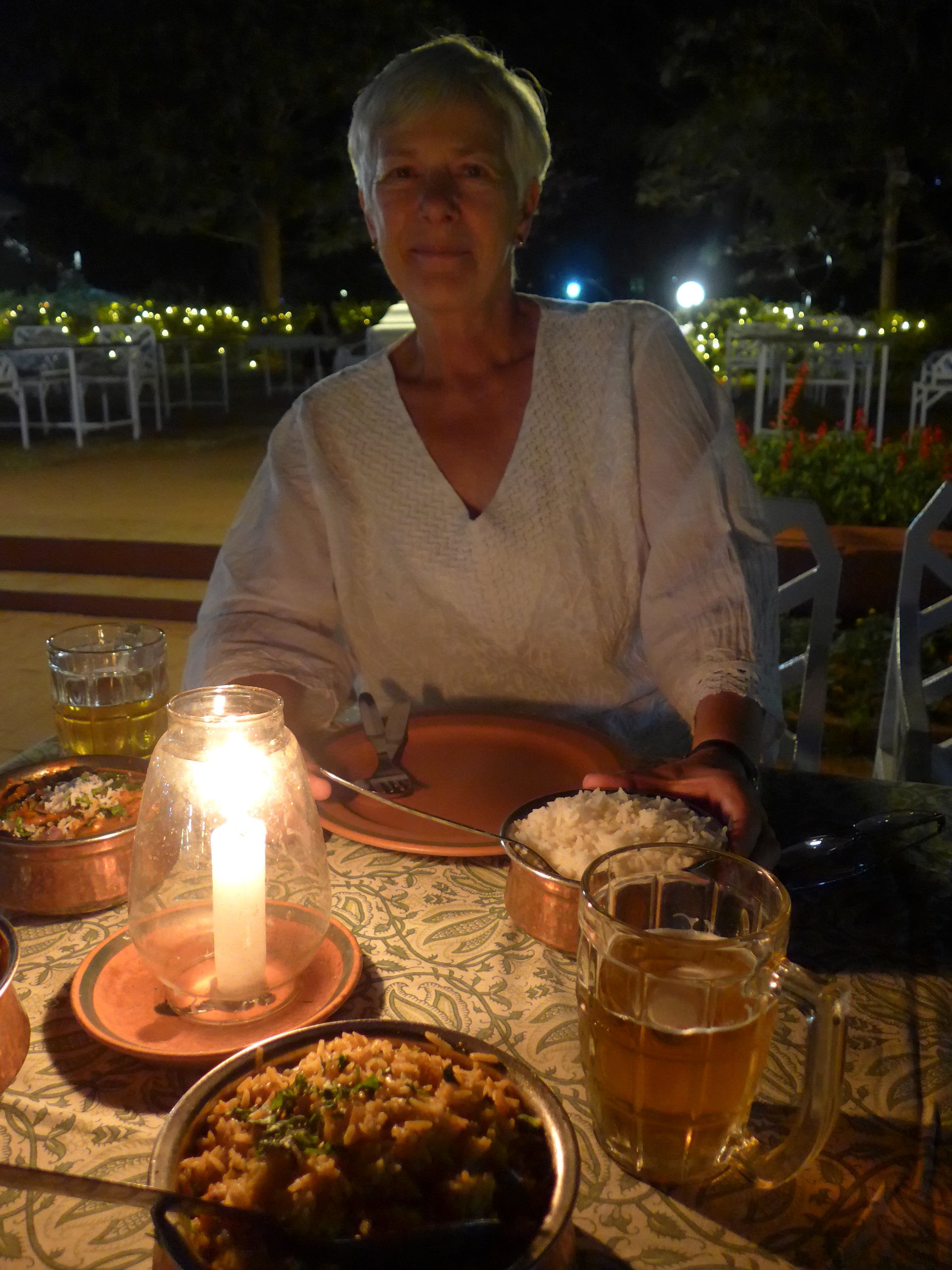
Dinner at the Green Hotel, Mysuru


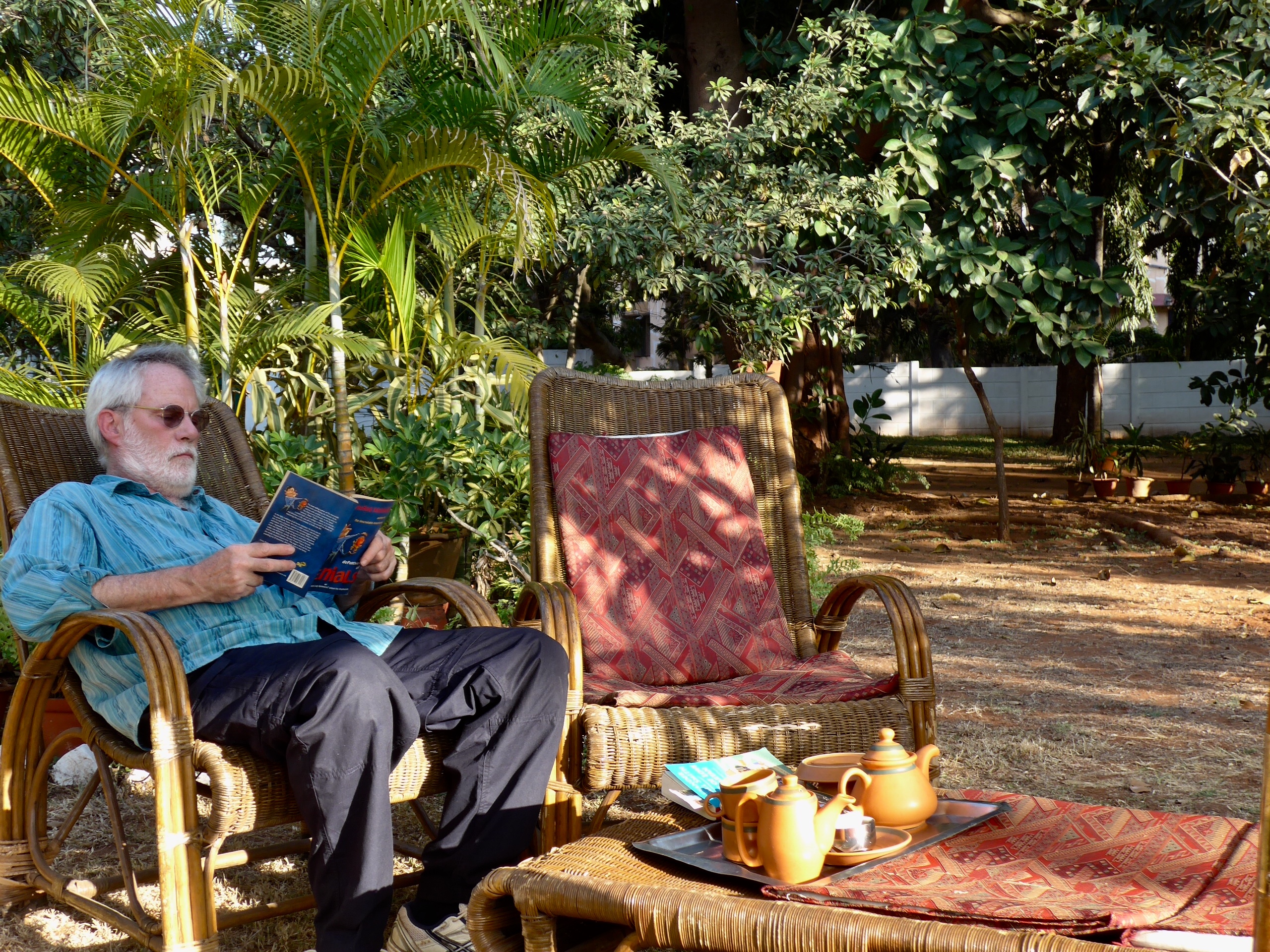
Tea at the Green Hotel, Mysuru


I could get used to living in palaces …

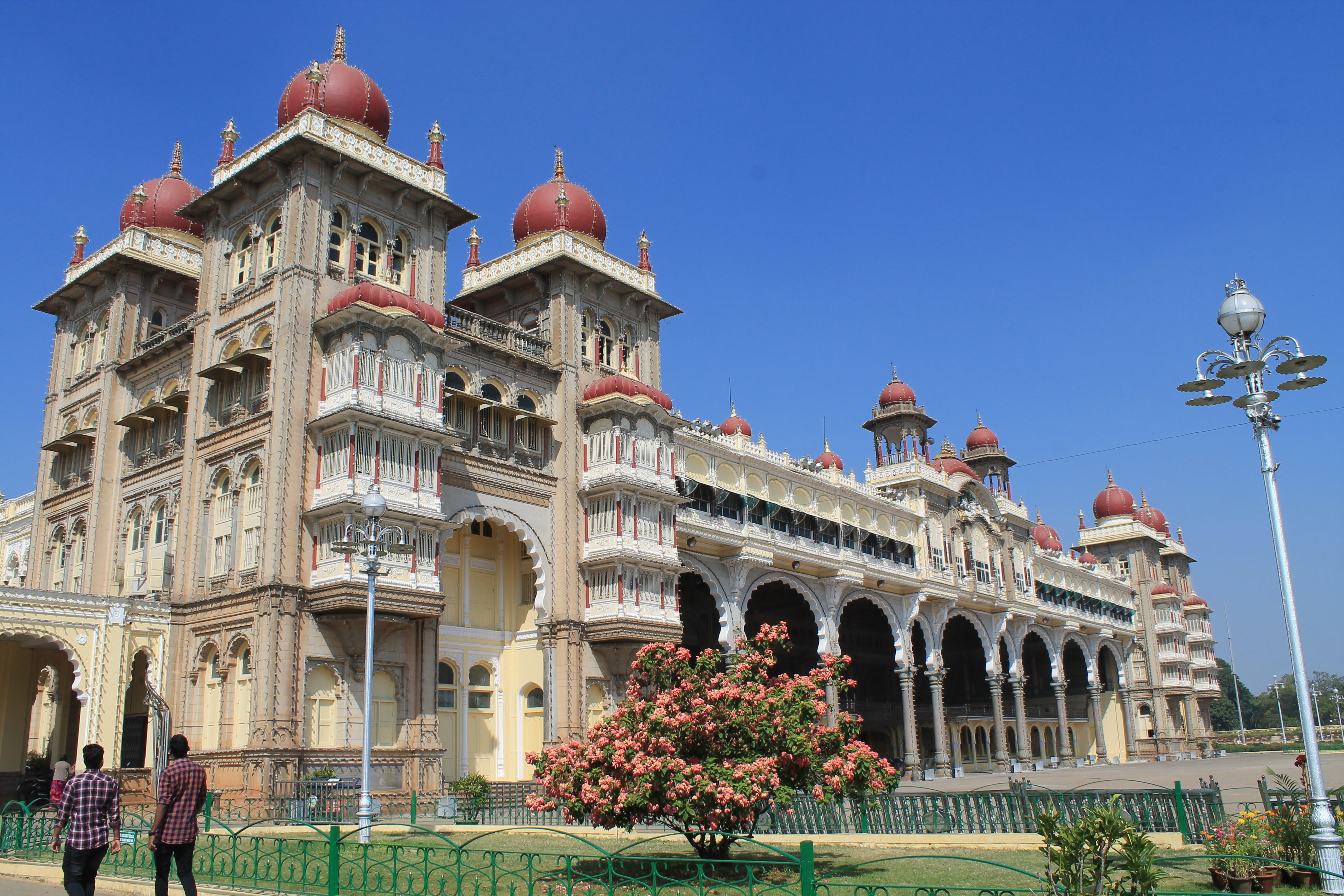
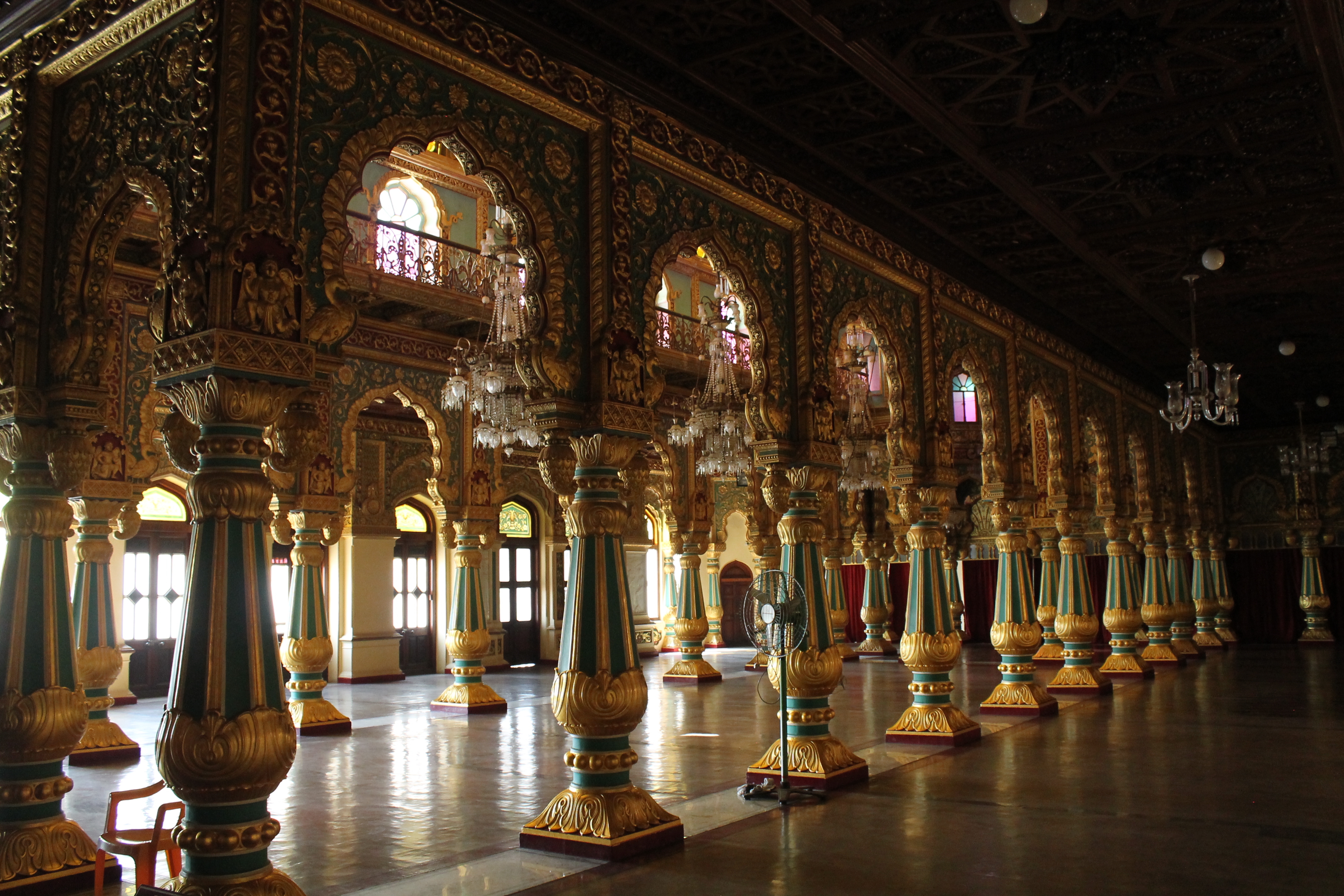
Mysore Palace proper was the biggest and grandest yet, a rococo extravaganza, built 1897-1912, in a mixture of Indo-Saracenic styles with plenty of Mughal, Rajput and Gothic thrown in.

Mysore Palace, Mysuru
Mysore palace
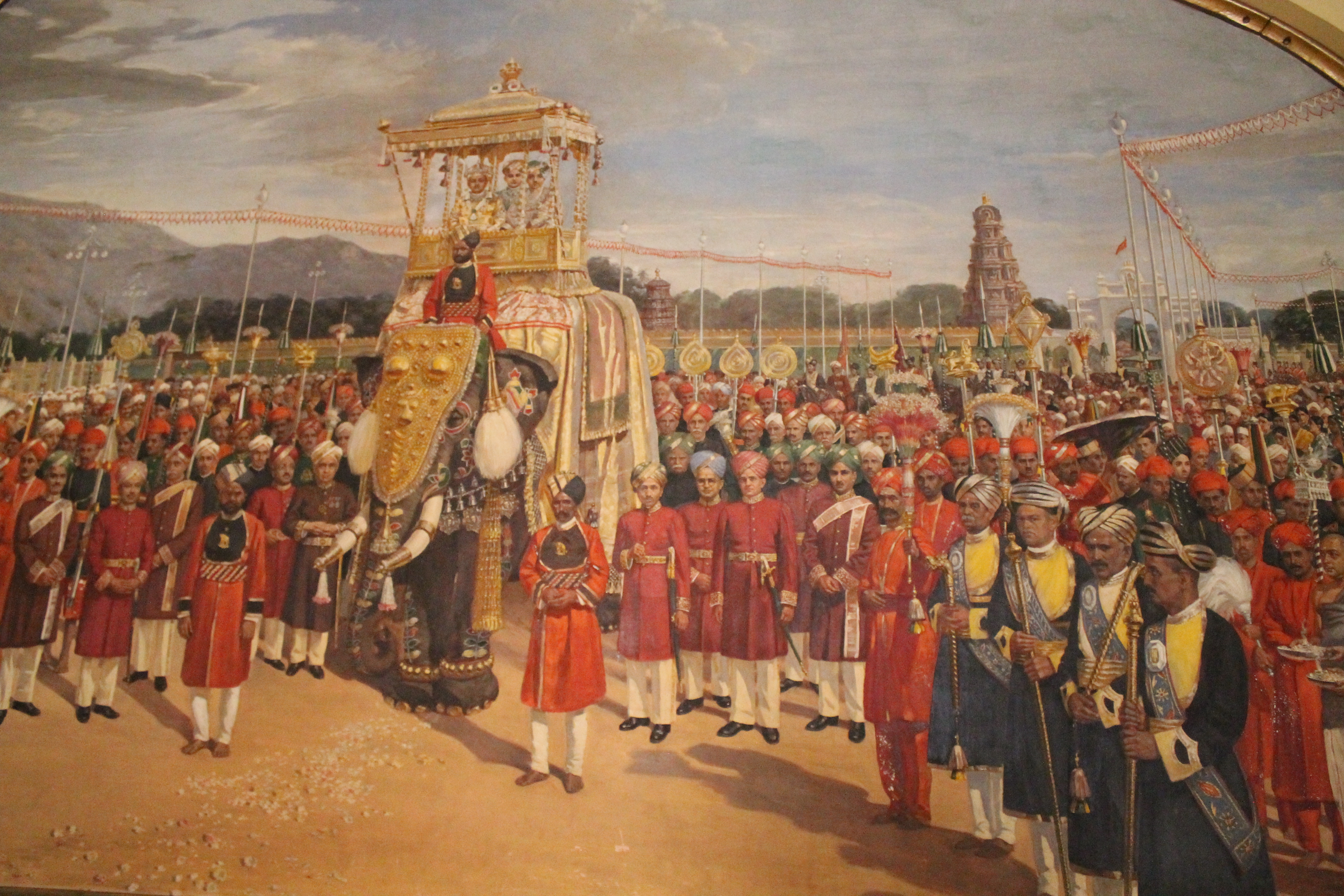
Wall paintings in Mysore Palace.


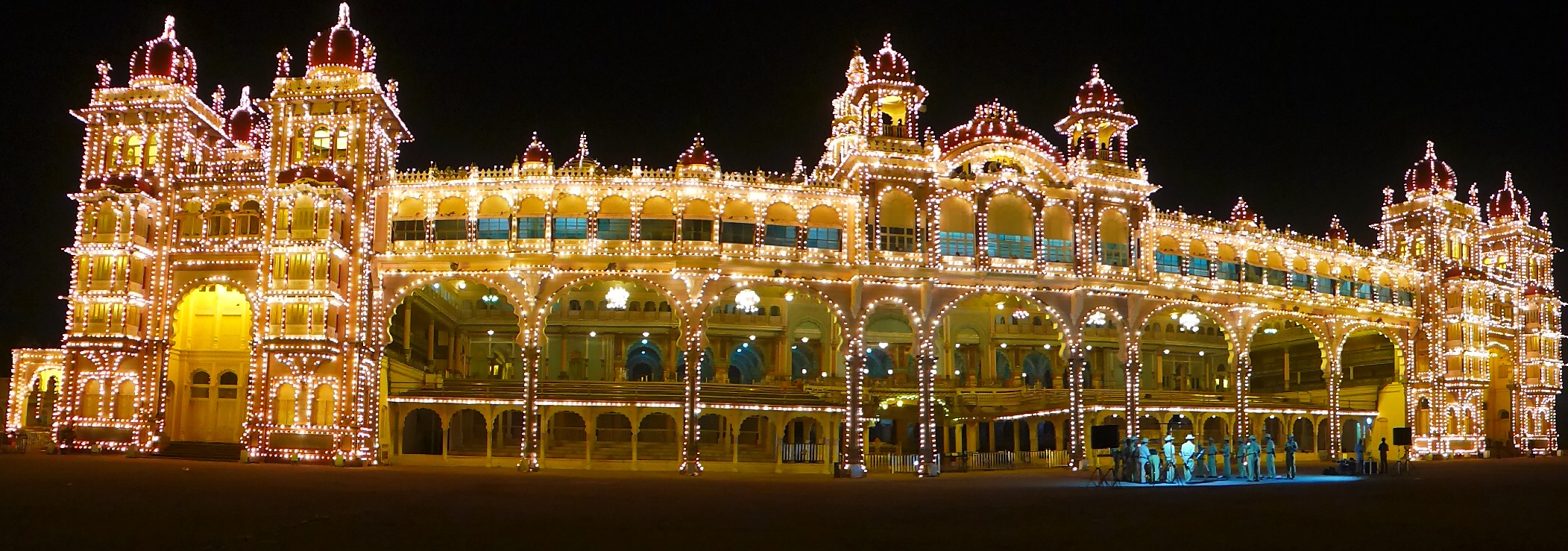
And on Sundays between 7 and 8 pm the vast palace and its three gates and three temples are lit by 76,000 light bulbs, the police band plays and everyone is allowed in for free. It was one big party …

Mysore Palace illuminated

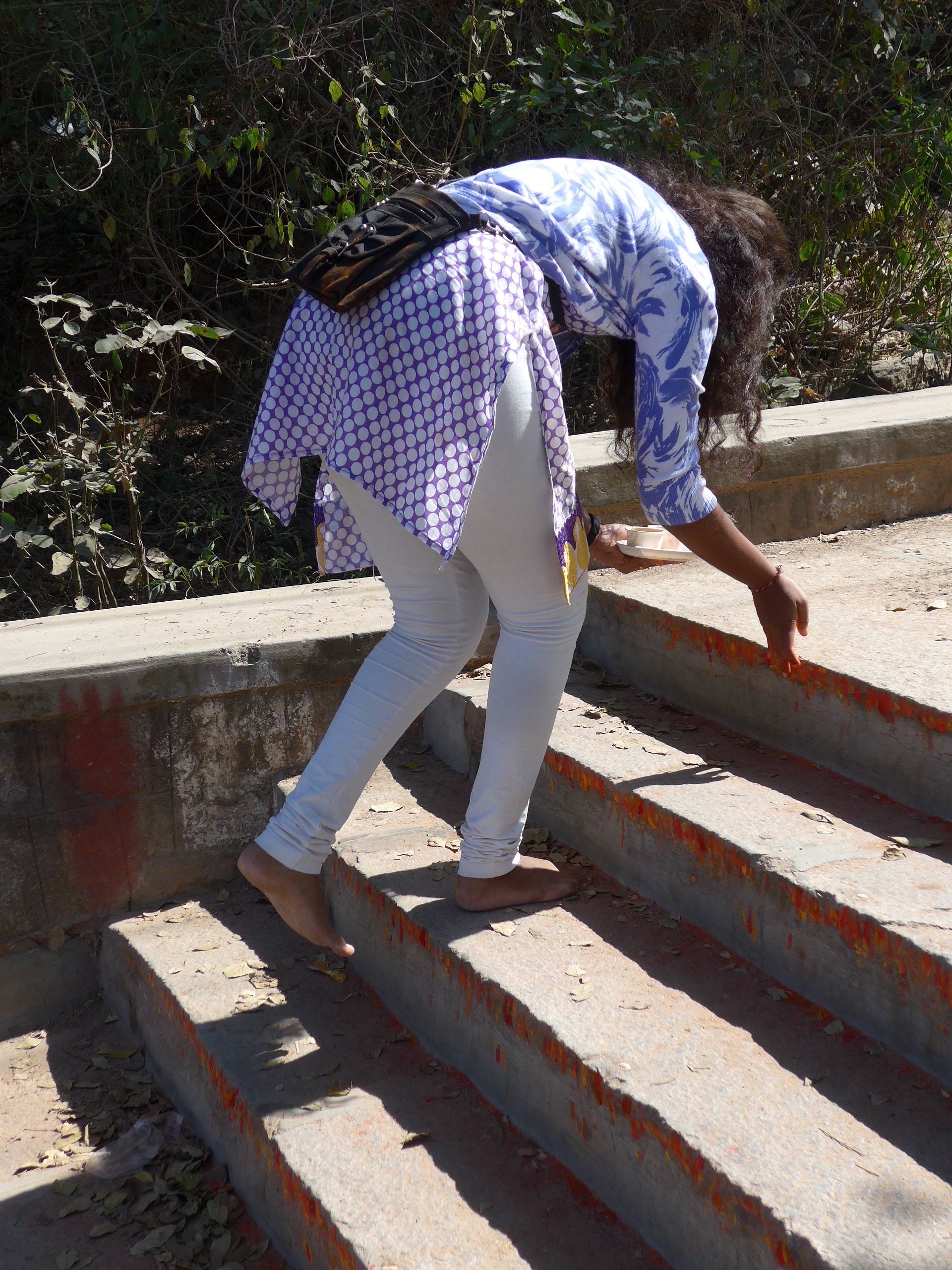
There was Chamundi Hill to climb with the Chamundeshwari Temple  (to the goddess Durga) on top. Women, hoping for intercession from the goddess, bend down and mark every single step with red and orange powder as they climb, and there are one thousand steps.

Anointing every one of 1,000 steps

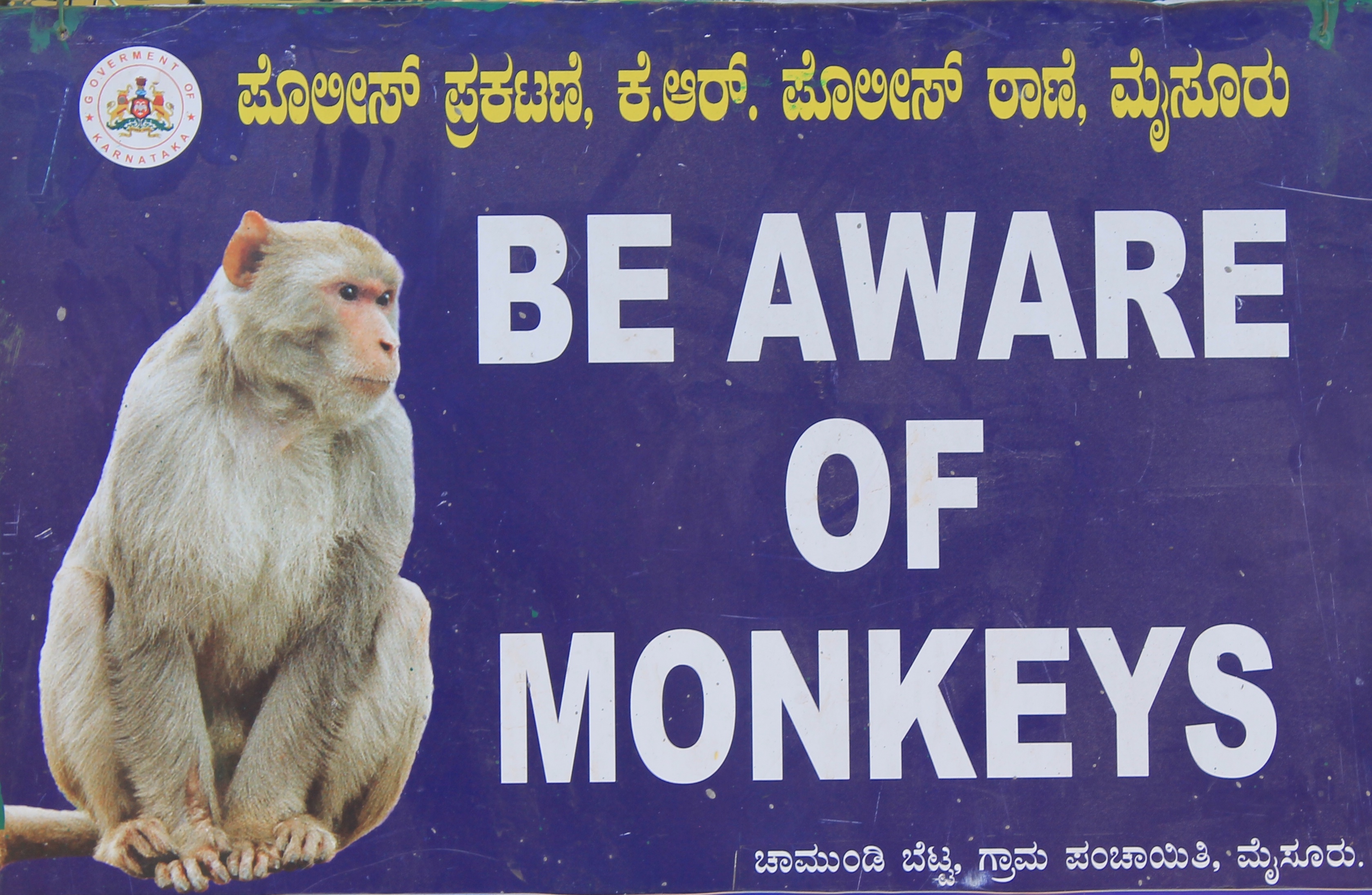
There were huge crowds of pilgrims and a number of canny, long-tailed onlookers.

Know your enemy!

We have been keeping an eye on the riots over women entering the Sabarimala Temple in Kerala. Recent disturbances and bombs were in Kannur through which we will be passing in a few weeks time.

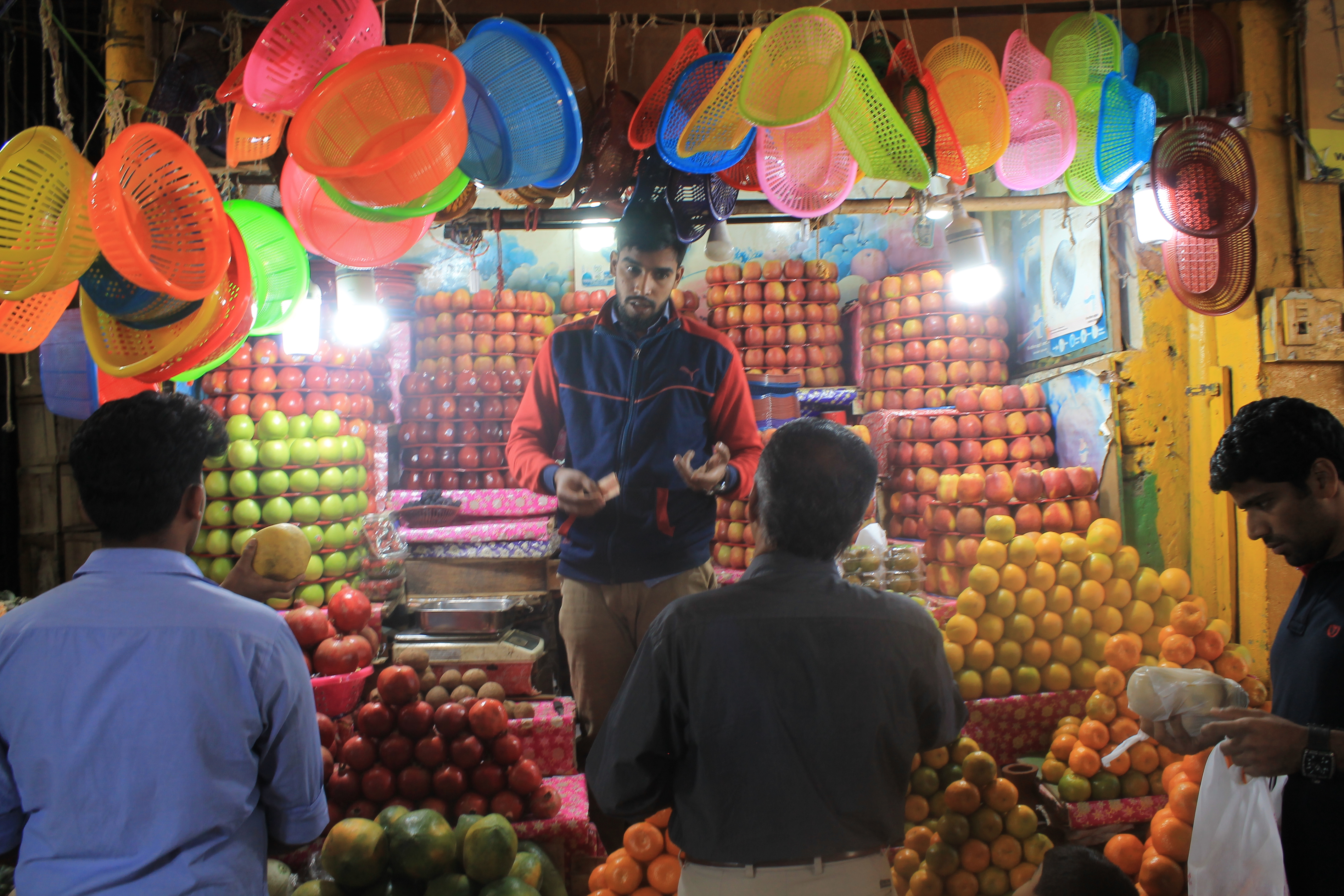
In Mysuru market plausible young men tried to sell us incense sticks, unguents and soaps made from sandalwood, for which Mysuru is famous.

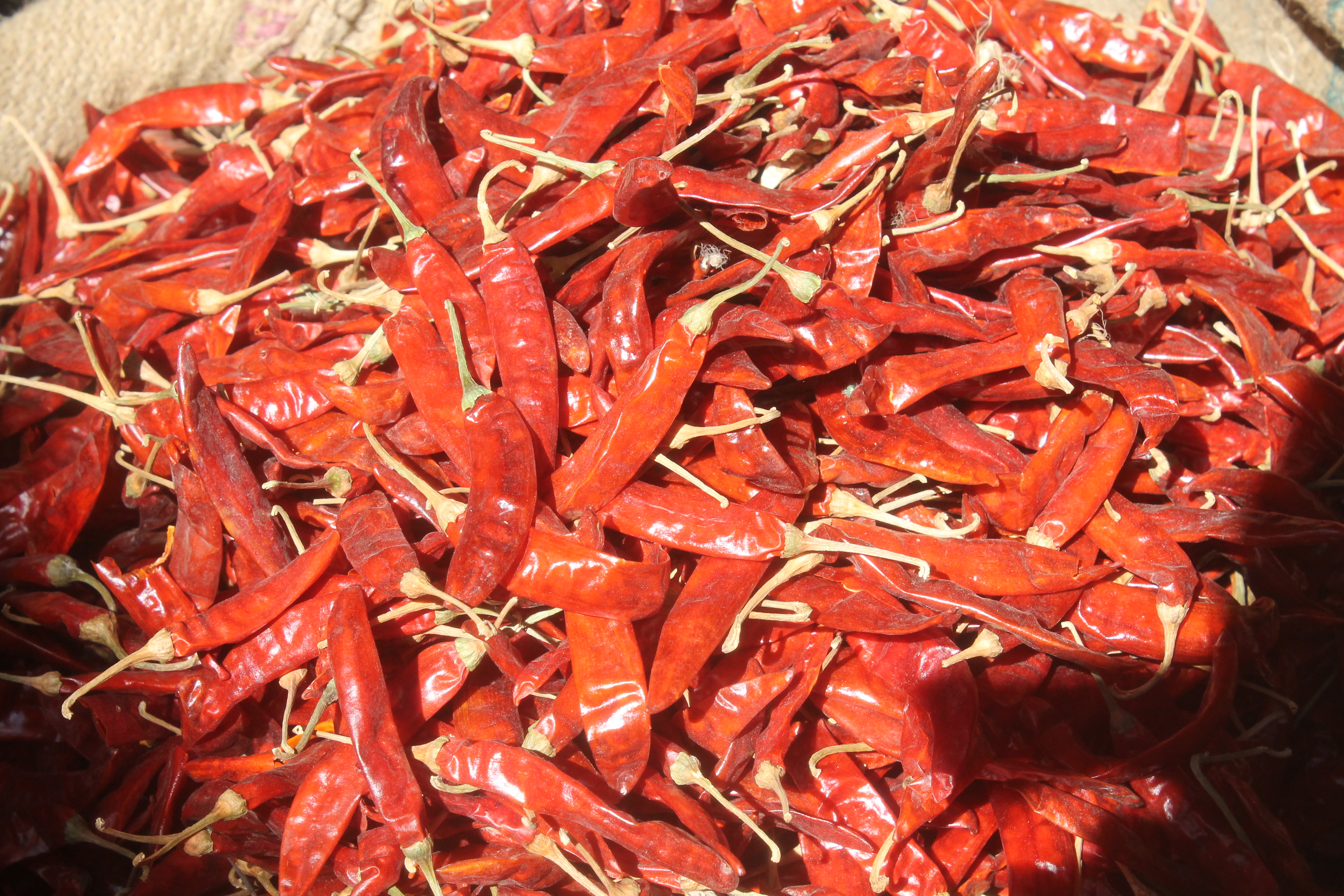
Chillies in Mysuru market
Mysuru market
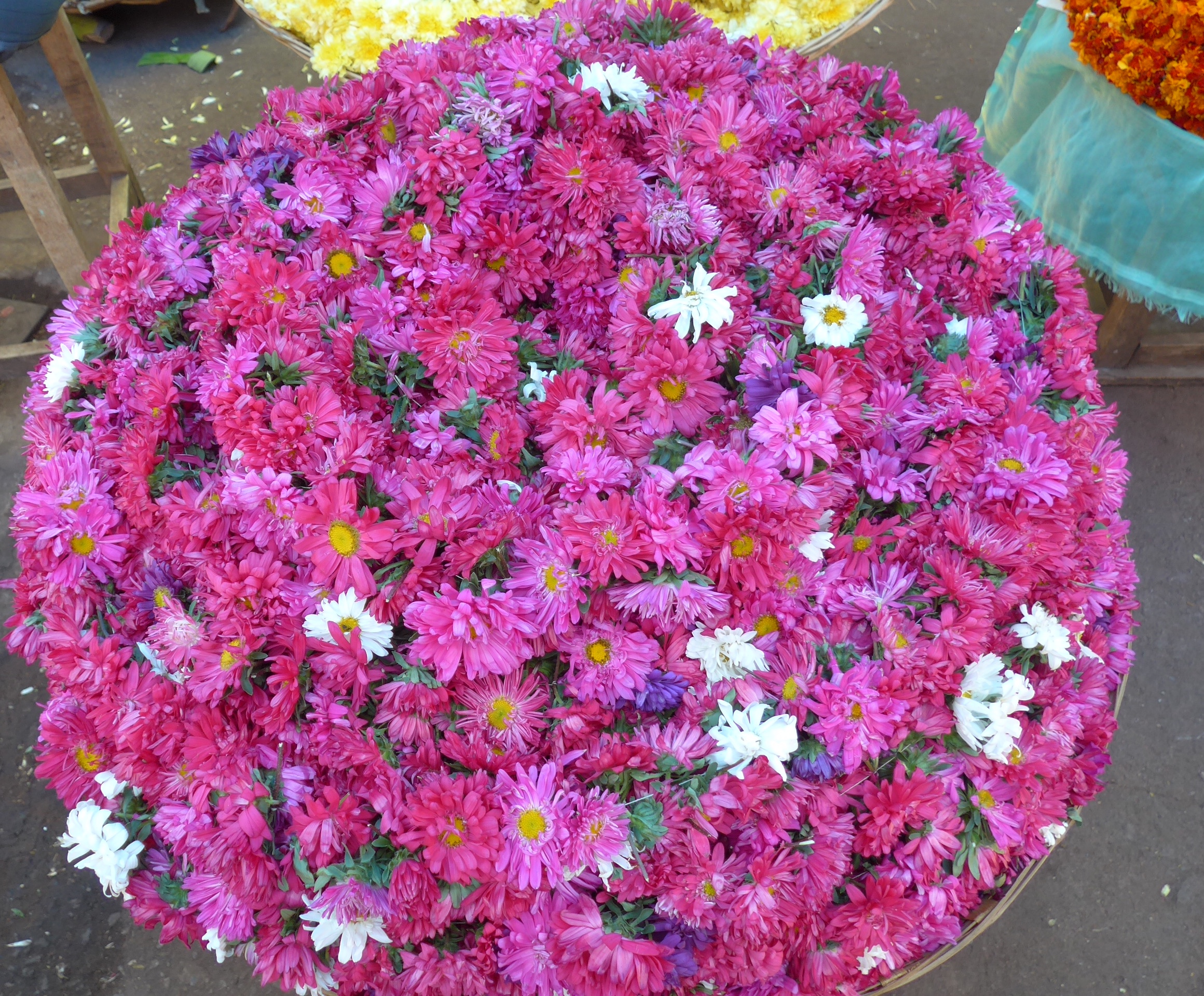
Flowers for offerings, Mysuru market
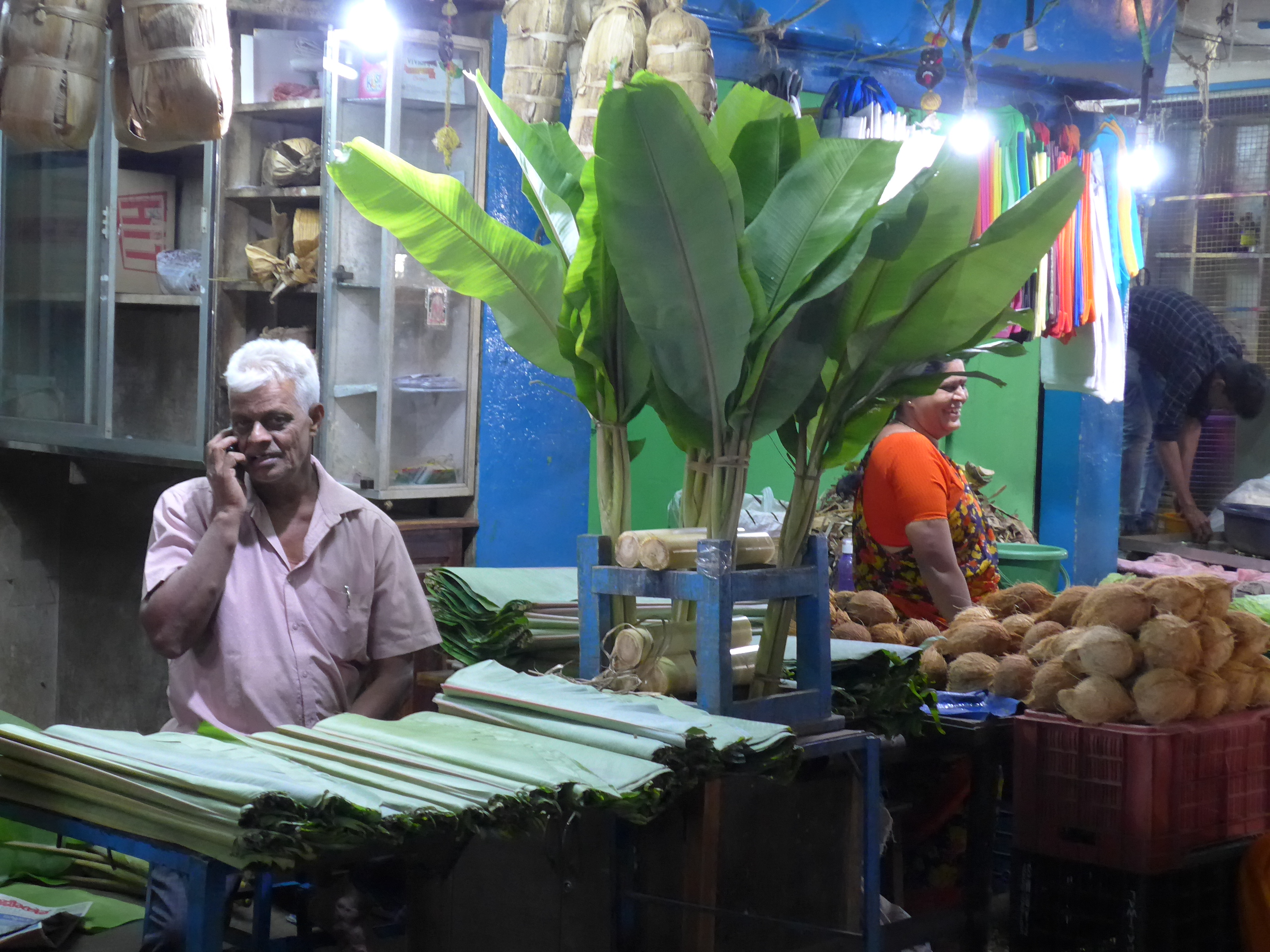
The banana leaf stall, for dinner plates, parcel wrapping etc.
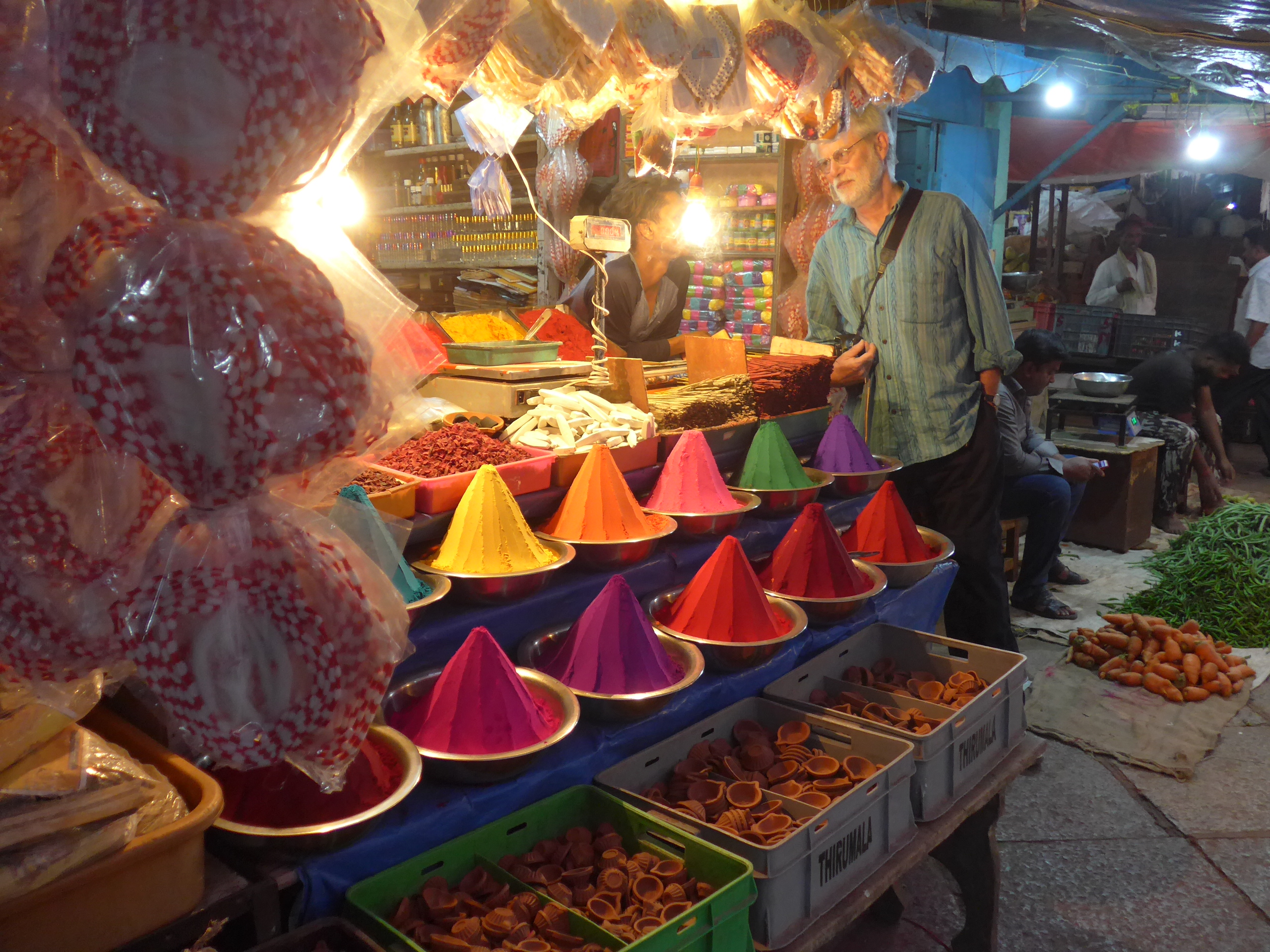
Kumkum powder, Mysuru market.


I was puzzled by stories in the local press about police raids on “sandalwood criminals”. Stealing trees perhaps? Smuggling incense? No, it was about tax evasion by the film stars, producers and directors of Karnataka’s film industry “Sandalwood”!

The best outing was a cycle tour around Seringapatam, the fort of Hyder Ali and his son Tipu Sultan (of the V & A’s mechanical-tiger-eating-British-soldier automaton-cum-musical organ fame).

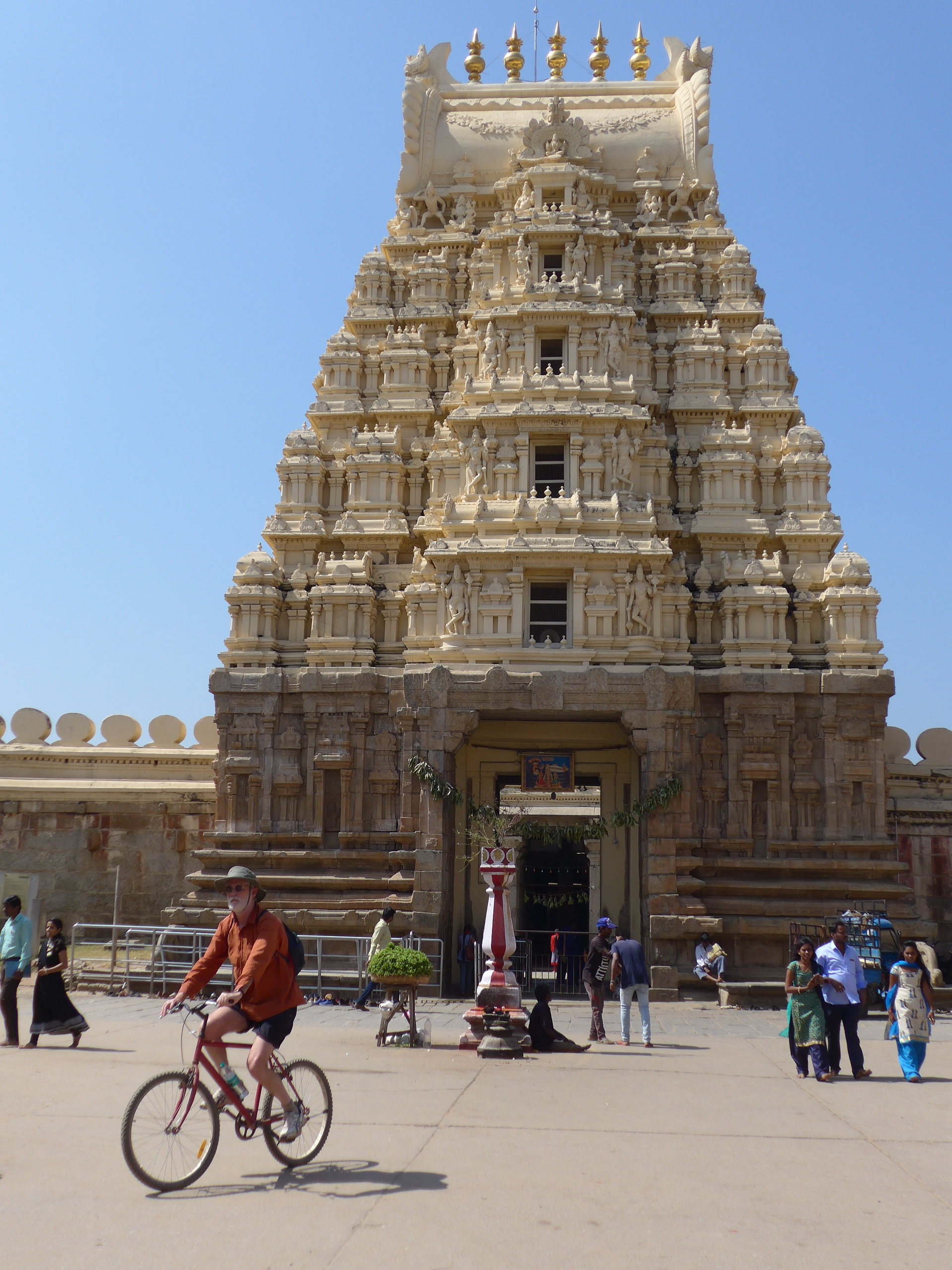
C10th Sri Ranganathswami Temple, Seringapatam

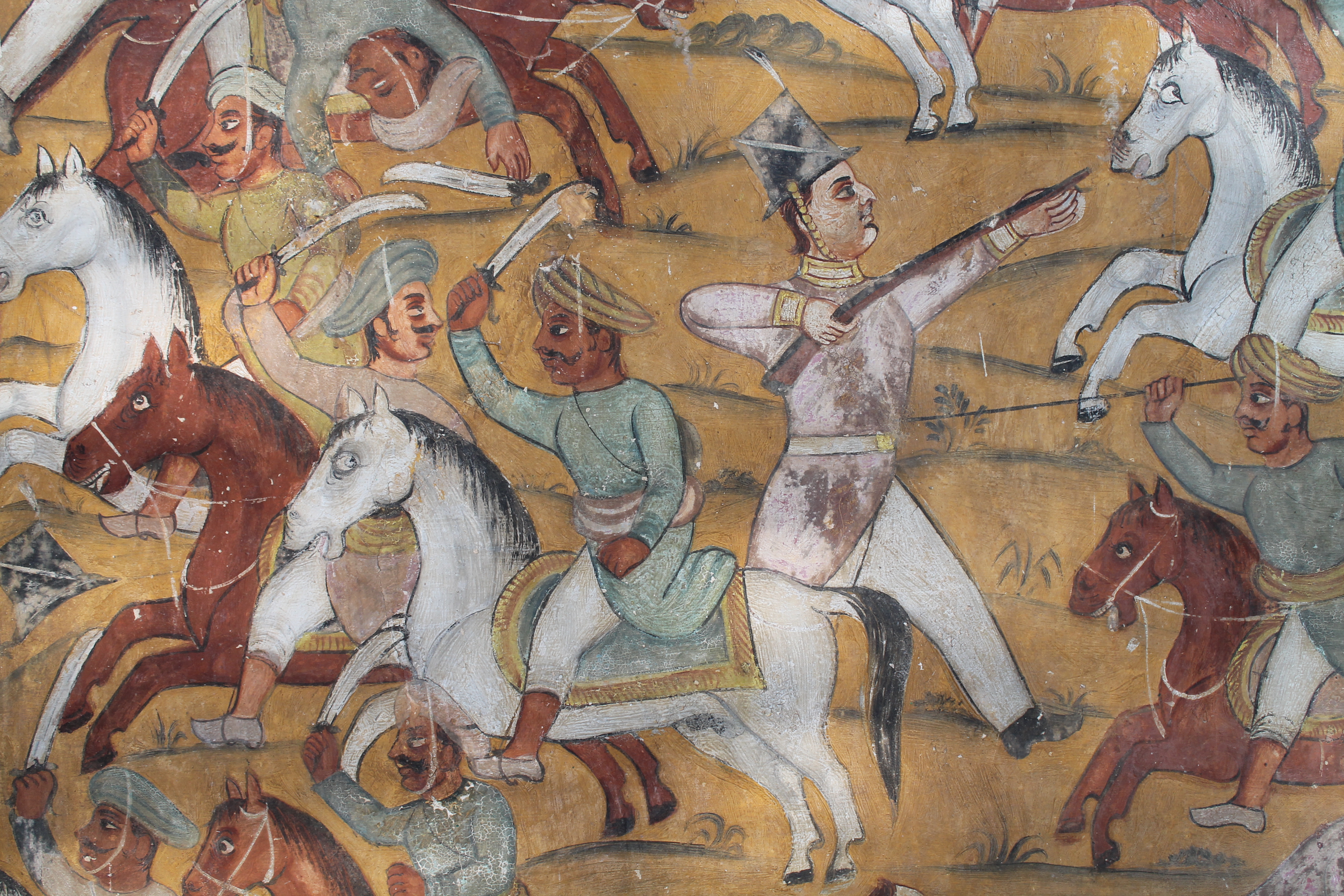
They trounced the East India Company and British armies during the early Anglo-Mysore Wars but Tipu Sultan, the “Tiger of Mysore”, was defeated and died during the Siege of Seringapatam, under forces led by Arthur Wellesley, later Duke of Wellington. Tipu was considered an enlightened ruler by many and the interior of his lovely little summer palace was completely covered in wall paintings of flowers and battle scenes, with tiger-striped pillars.

Tipu Sultan’s summer palace, Daria Daulat Bagh.
Tipu’s Summer Palace


The cycle tour through the countryside, led by Stephen Farrell of Mysore B & B, allowed us to see small villages and the Cauvery River and the rice and sugar cane harvests,

Cycle-touring at Seringapatam
Wooden ox carts carrying sugar cane


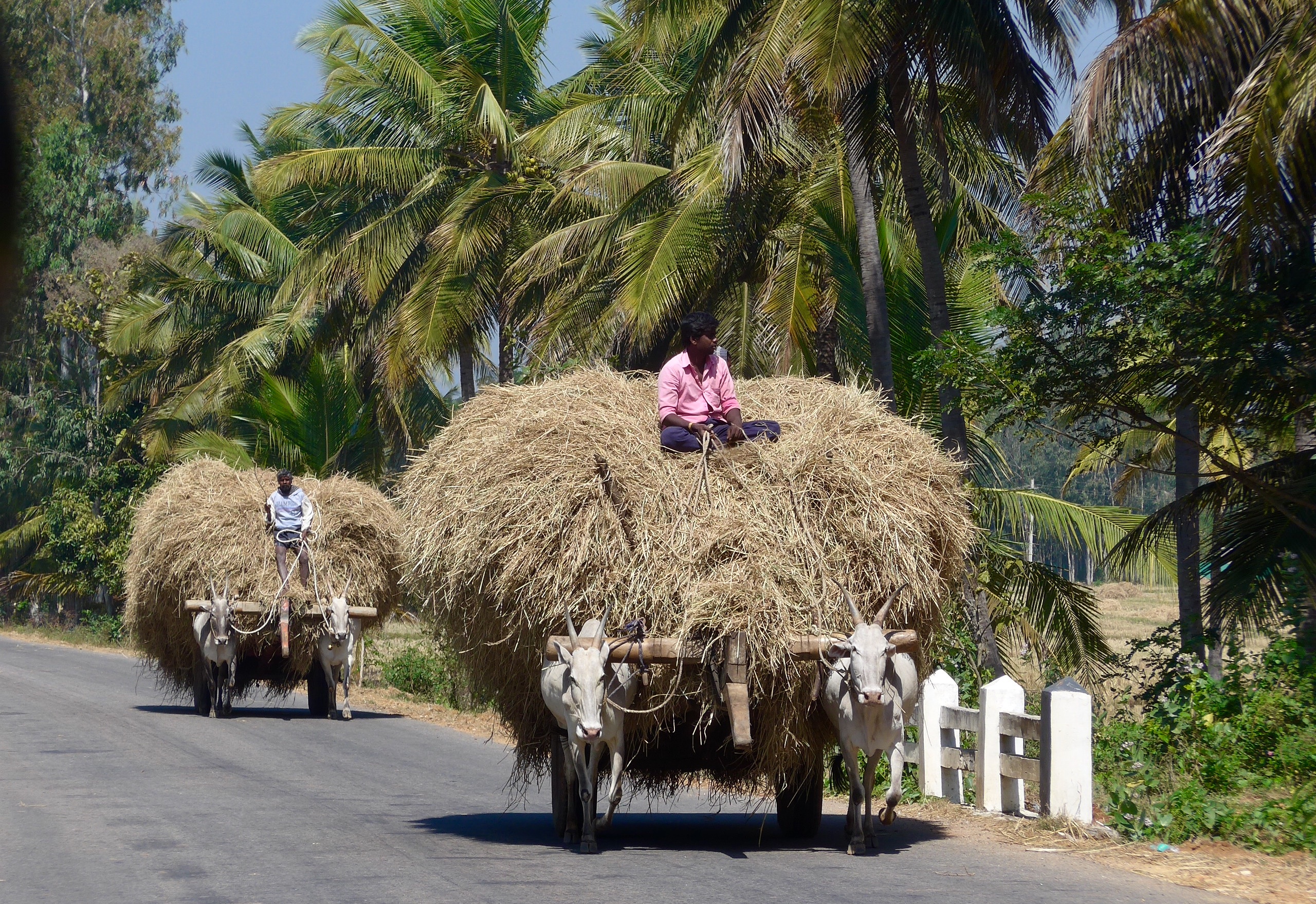
Wooden ox carts carrying hay


though the route was sometimes unusual.

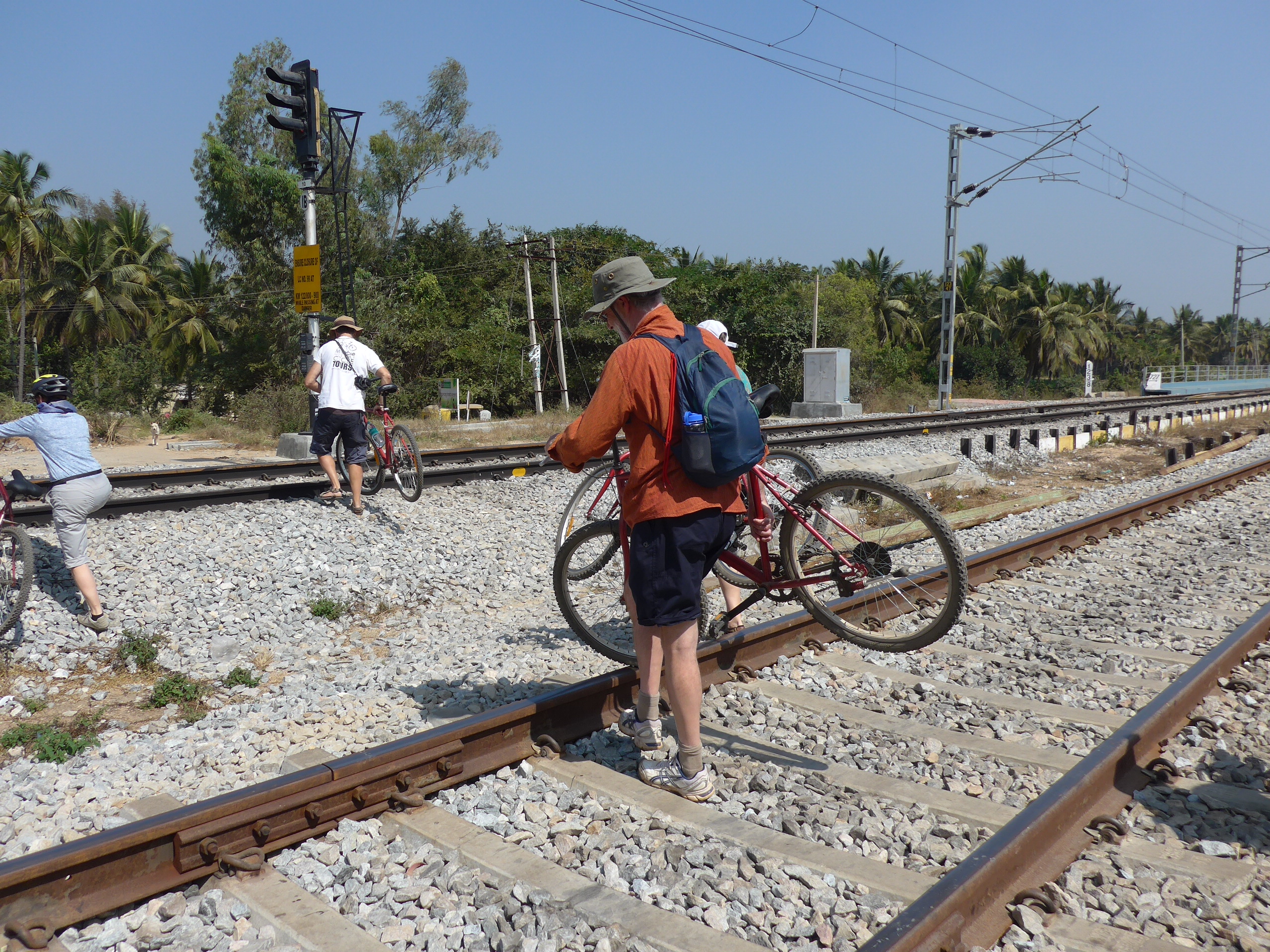
Crossing the main Bangalore-Mysore railway line

I find the frequent intrusion on personal space, either through friendliness, or curiosity or to sell something, more wearing as the trip progresses and I have snapped “Just leave me alone!” on more than one occasion. The dilution of attention resulting from being in a group and the ability to cycle away rapidly was really welcome!

A short walk in the Western Ghats

In the Western Ghats above Mysuru is the district of Coorg, or Kodagu, where the fair-skinned Kodavu people claim to be from Afghanistan, or even the descendants of Alexander’s soldiers. Here we stayed at the Rainforest Retreat, a coffee and cardamom plantation, completely run on organic and conservationist lines by two plant scientists, Doctors Sujata and Anurag Goel.

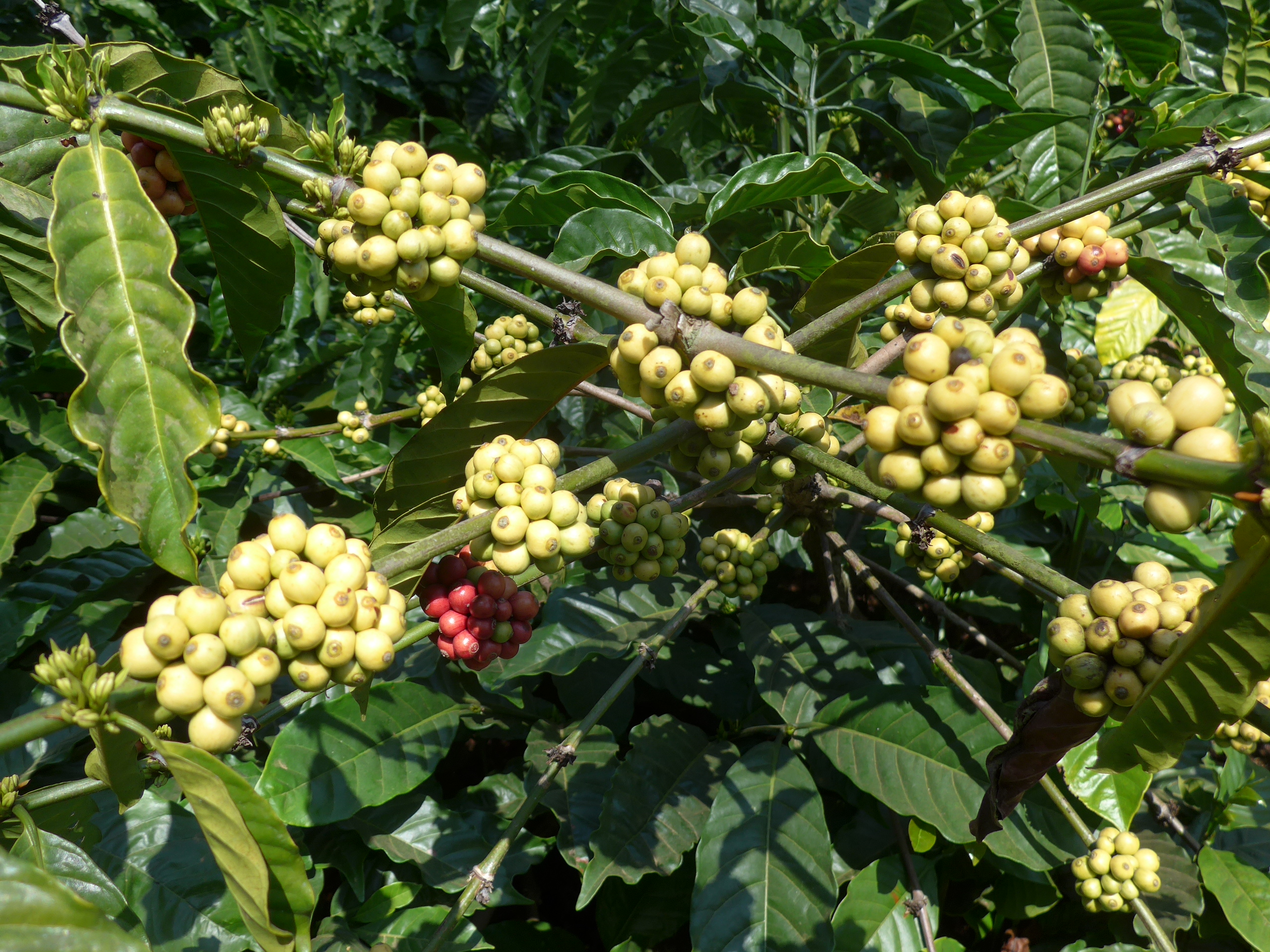
Unripe and ripening coffee beans
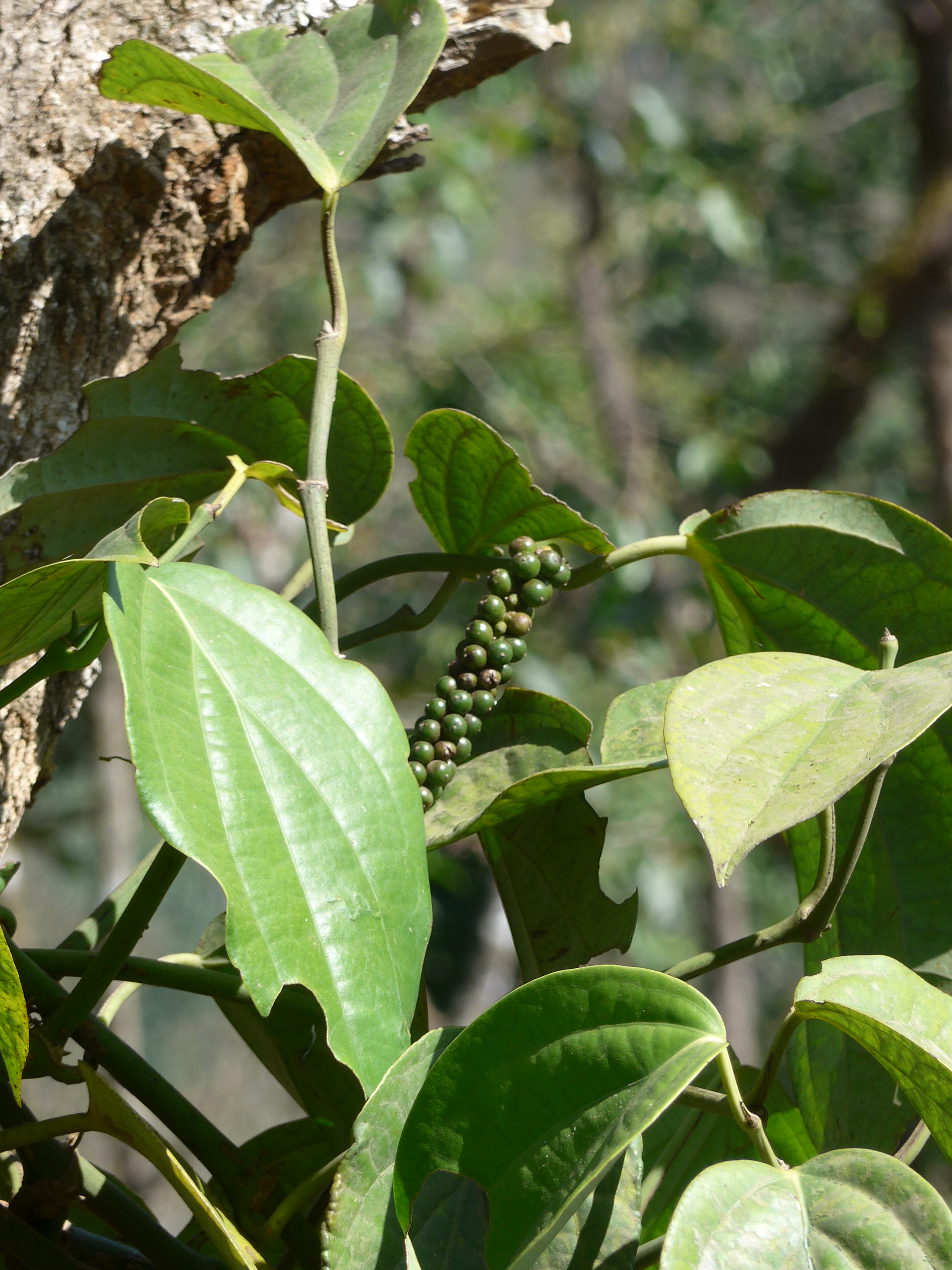
Pepper vine


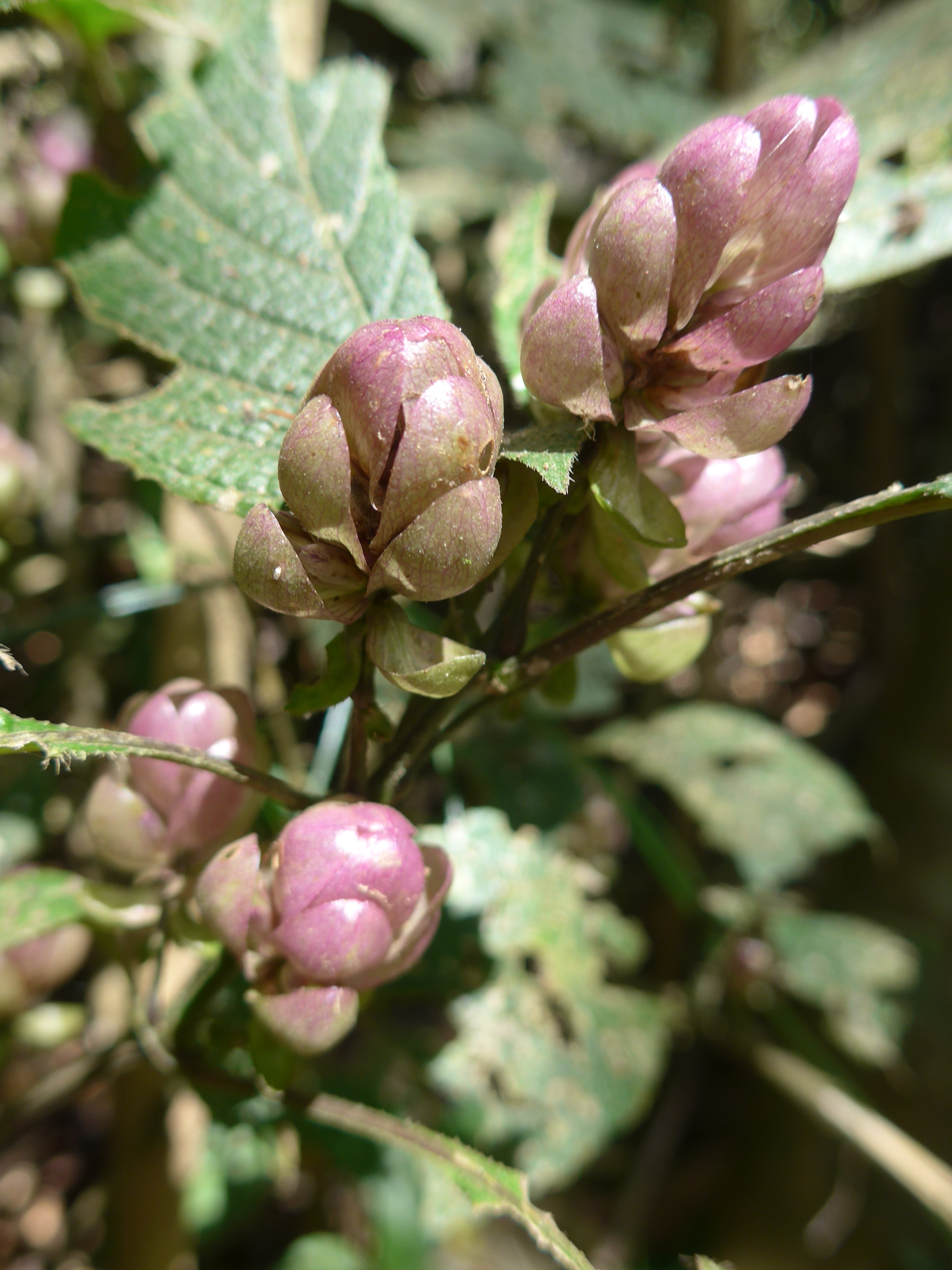
Strobalanthus that flowers once in eight years


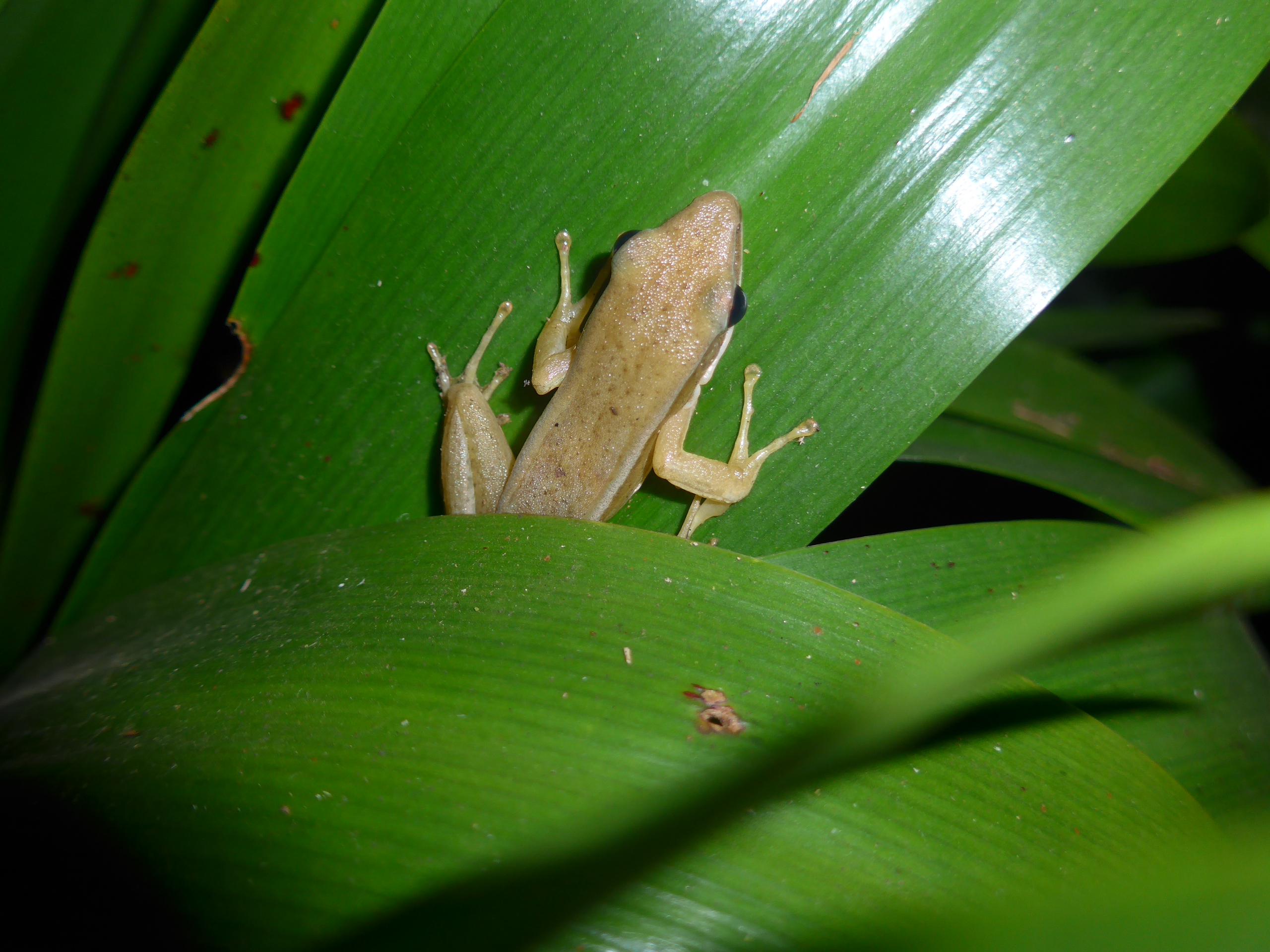
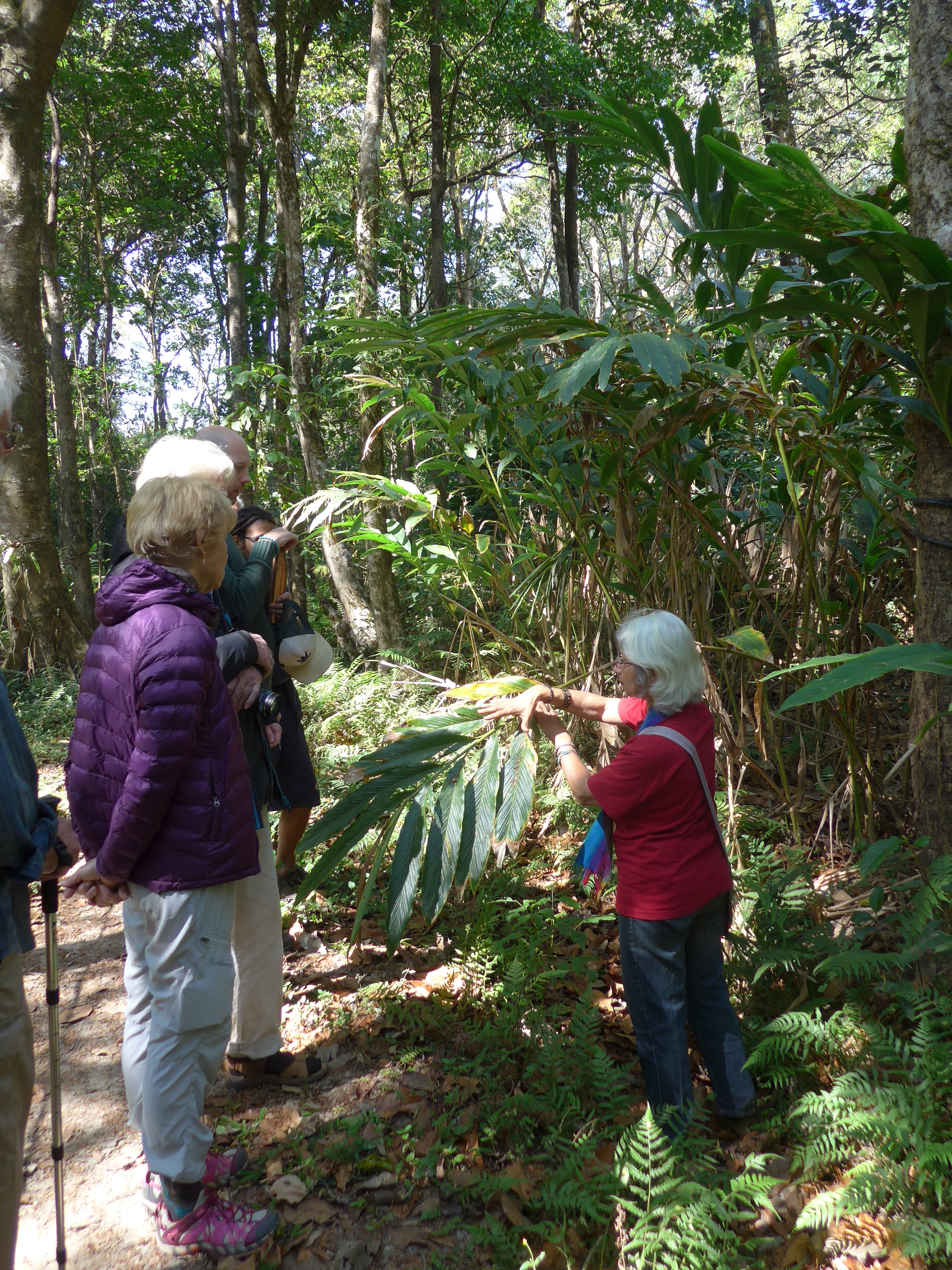
Sujata gave us an inspiring tour and talk about their efforts to restore and conserve the biodiversity of the plantation, increasing the populations of insects, frogs and birds,


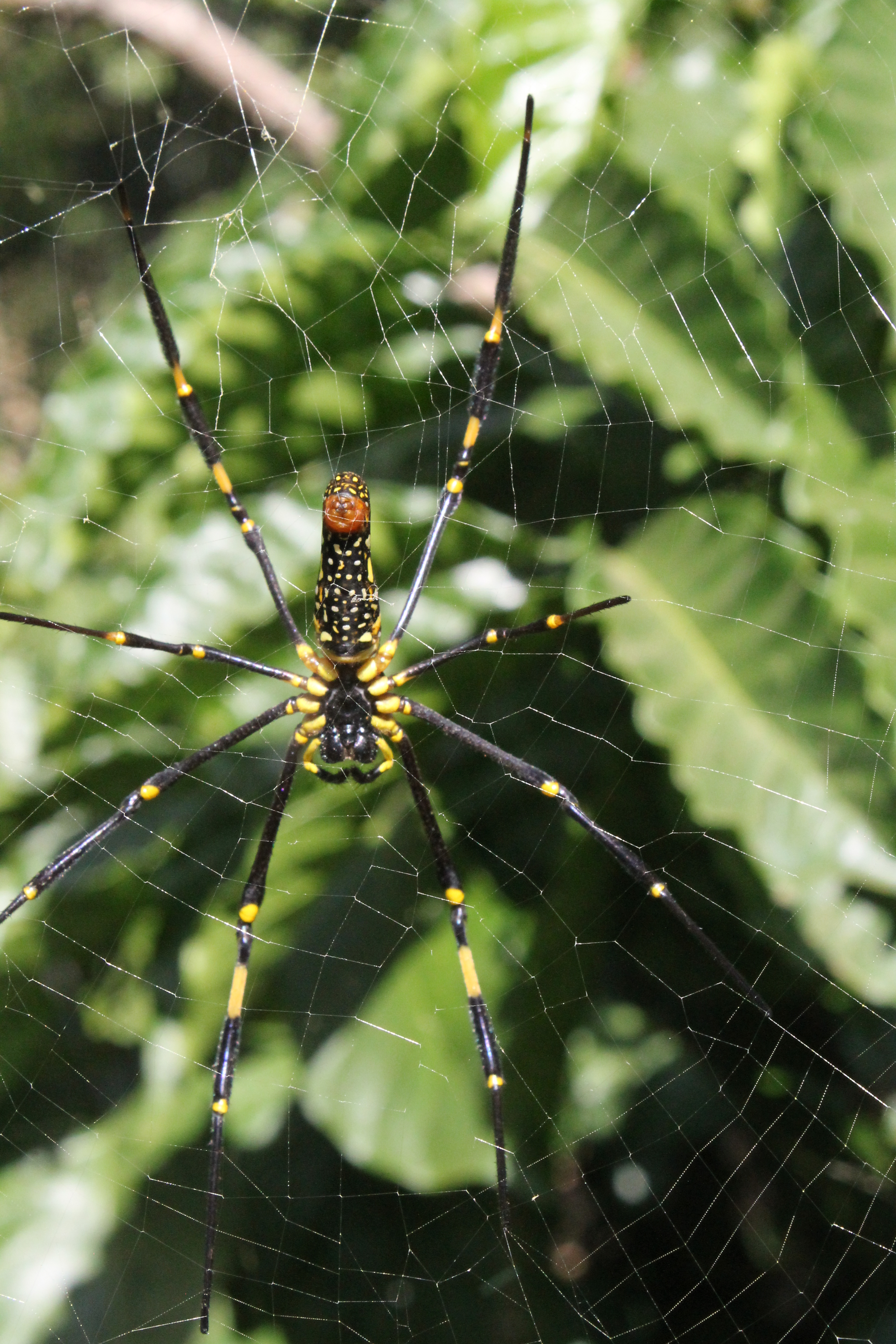
Great Yellow Wood spider


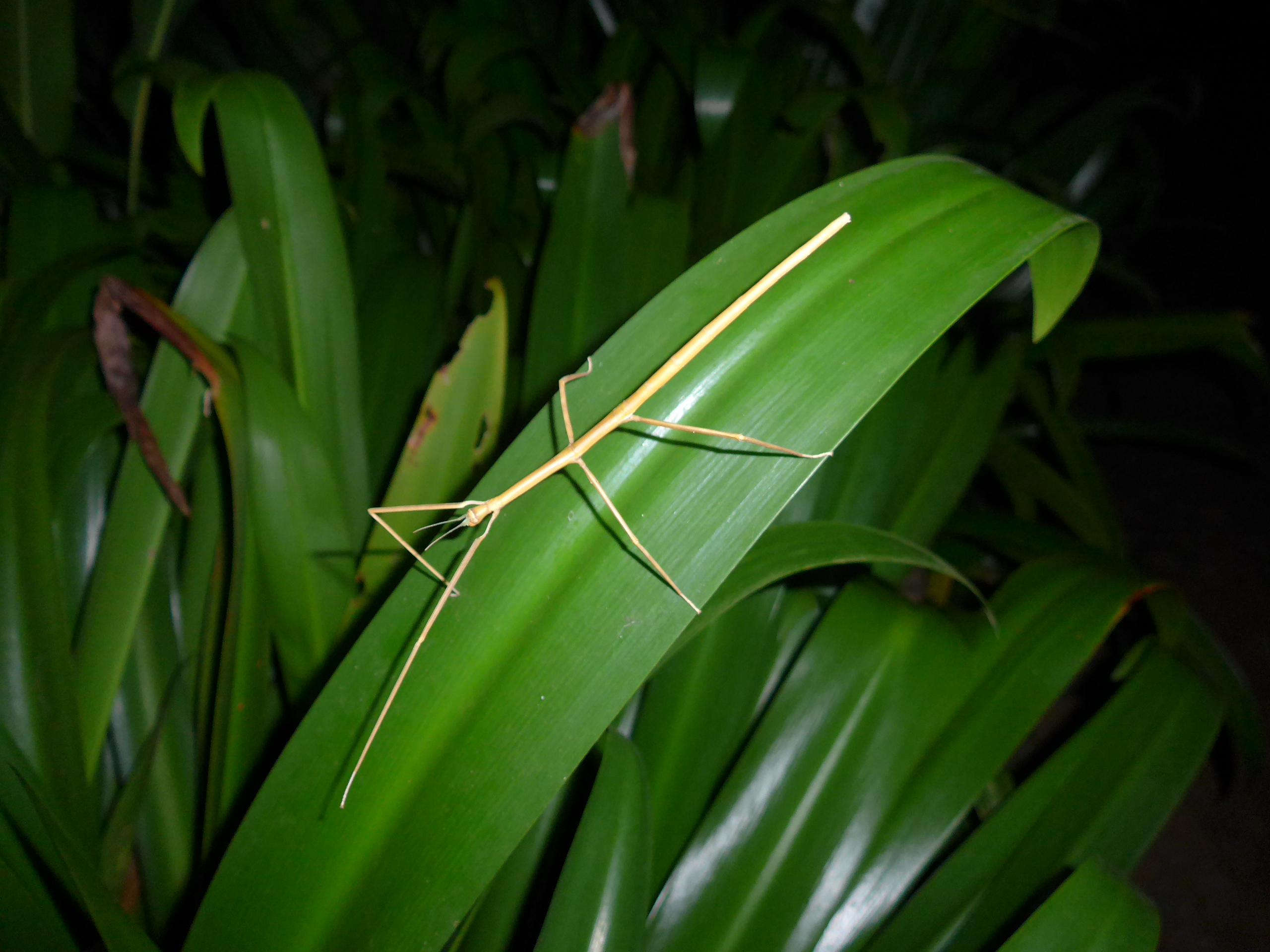
Stick insect
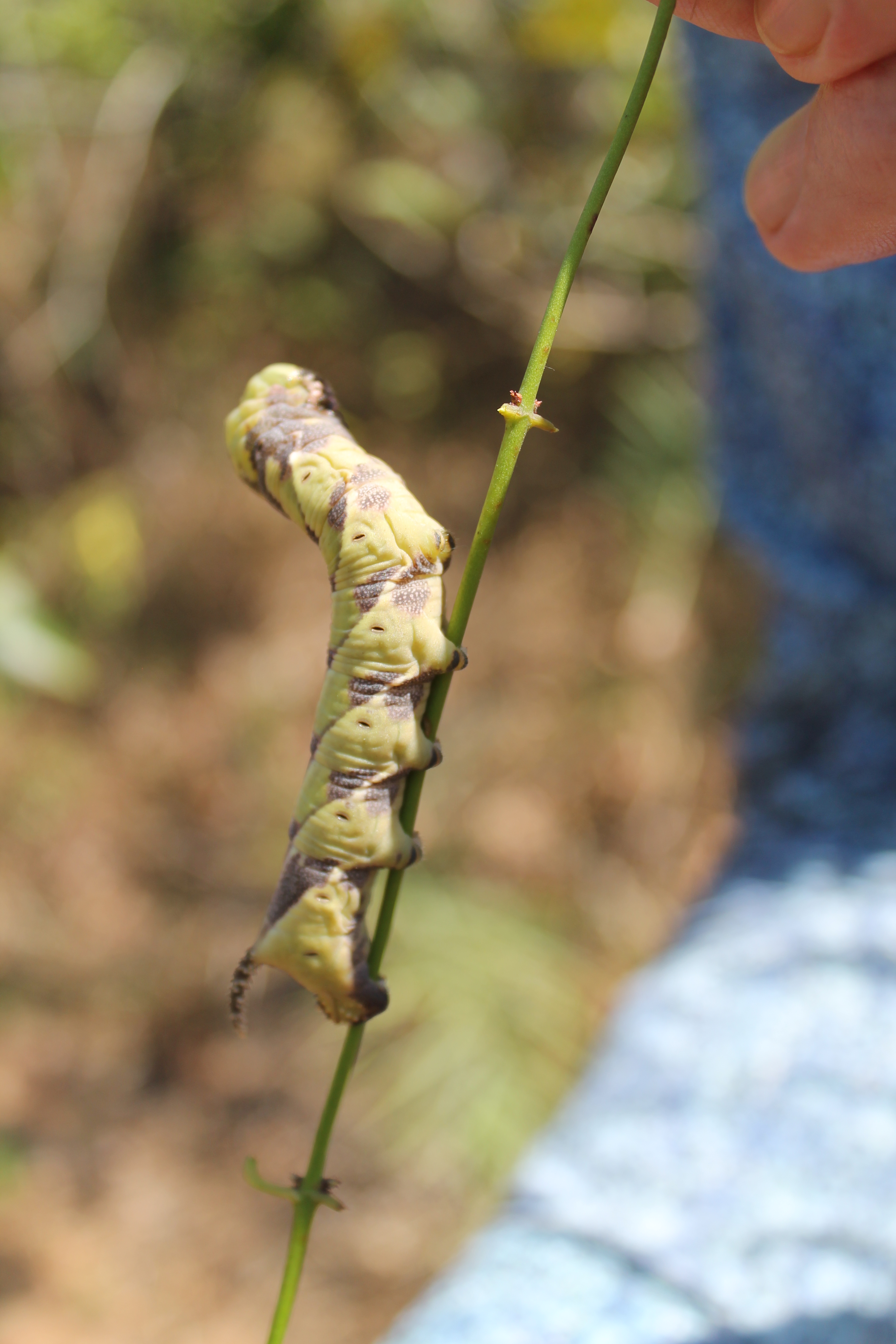
Hawk moth caterpillar


as well as encouraging plants and weeds to protect the environment, particularly after the monsoon floods last summer.

Dr Sujata Goel demonstrating natural pesticide methods in the cardamom plantation

The estate runs on solar power and biogas produced from their animal dung and plantation foliage, with six tourist cottages to supplement their income from organic coffee sales. And our cottage was right in the forest,

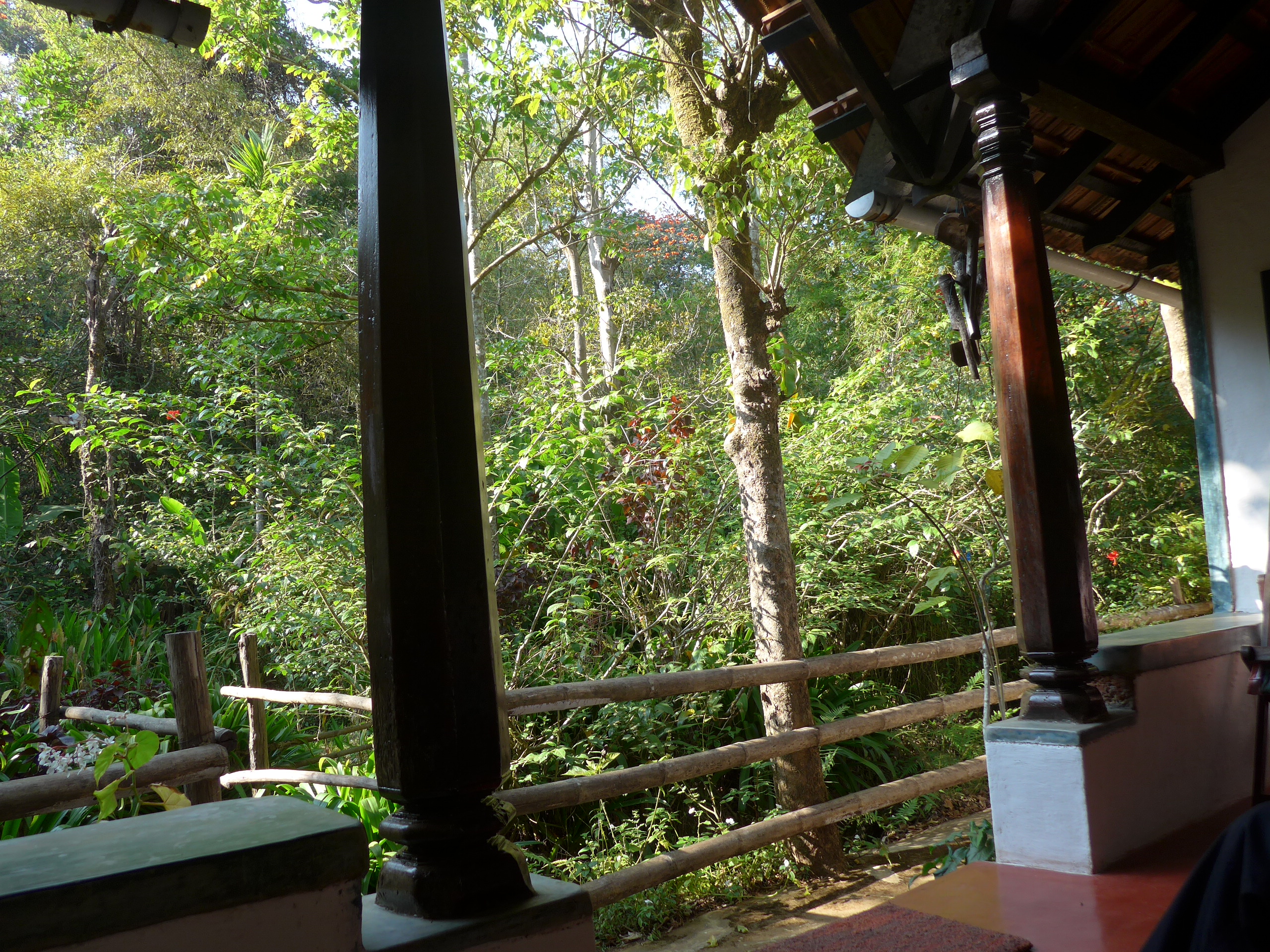
View from Atlas Cottage, Rainforest Retreat


with a stream to cross on a wooden bridge, and wood-fired hot water morning and evening. For the cold nights there was a bonfire to sit round with guests and staff. In the morning it was tea on the verandah as the birdsong tried to drown out the sound of the rushing stream. In the daytime there would be a trek into the hills.

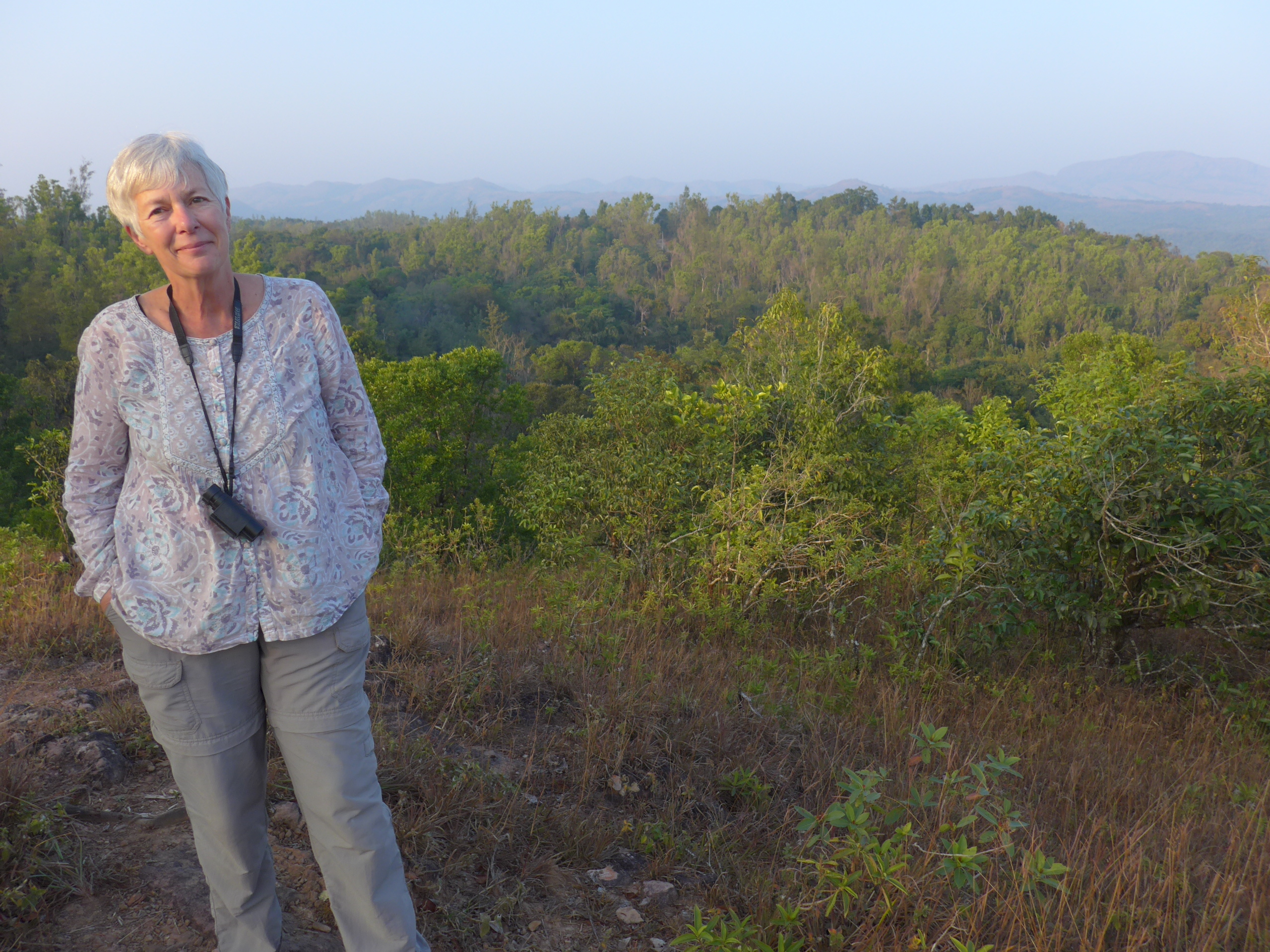
Viewpoint across the Ghats and Juan, our guide from Colombia via Bournemouth

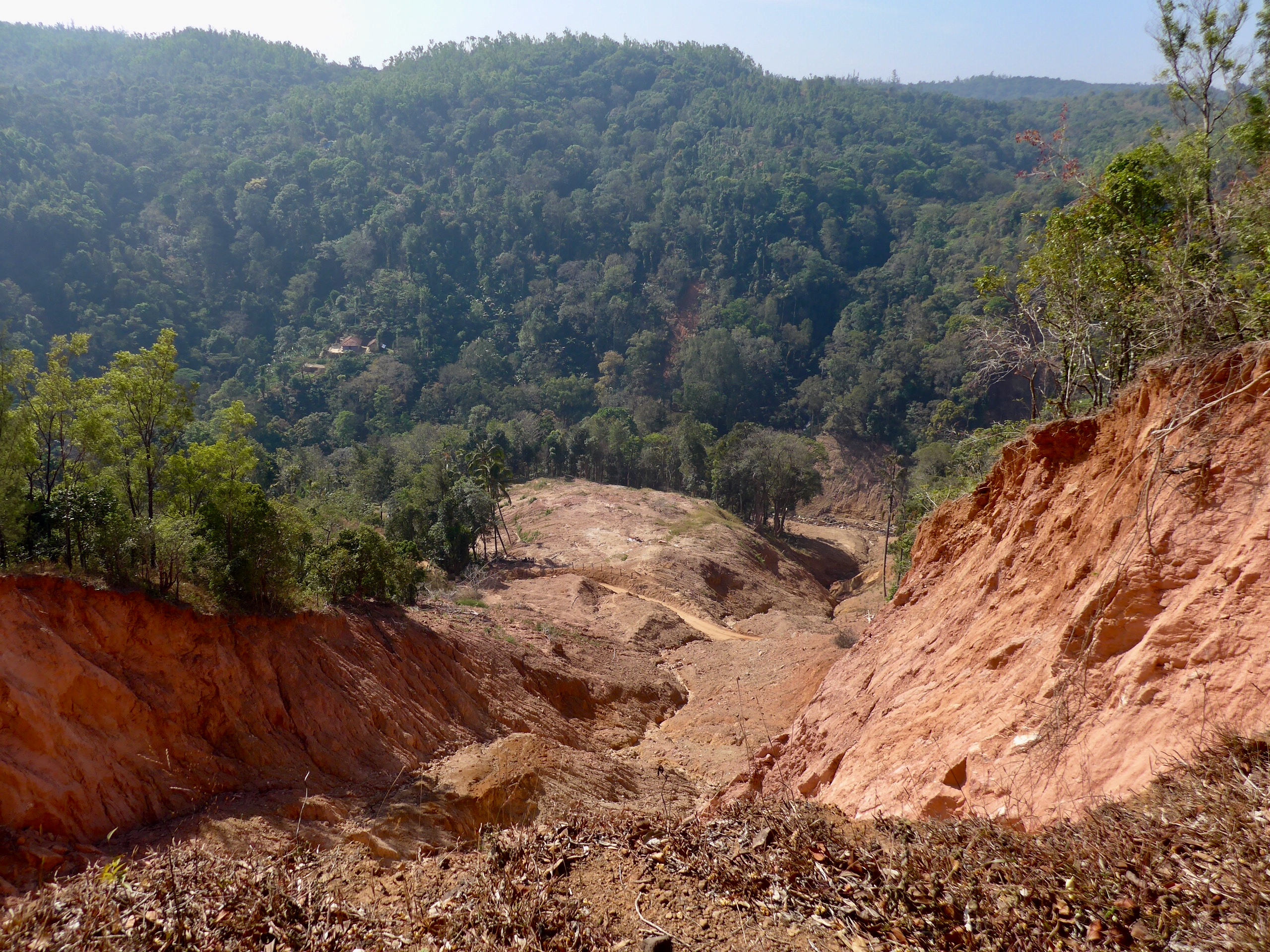
But this was also an area that suffered terribly in the monsoon floods last summer, when torrential rain fell for three days and nights without a break.

Landslip following monsoon floods last Summer

You may think you have escaped temples but no such luck. We left the foreign tourist trail as our fellow travellers headed south to Kerala and we turned north again to Hassan where there are 10th-century Hoysala temples aplenty.

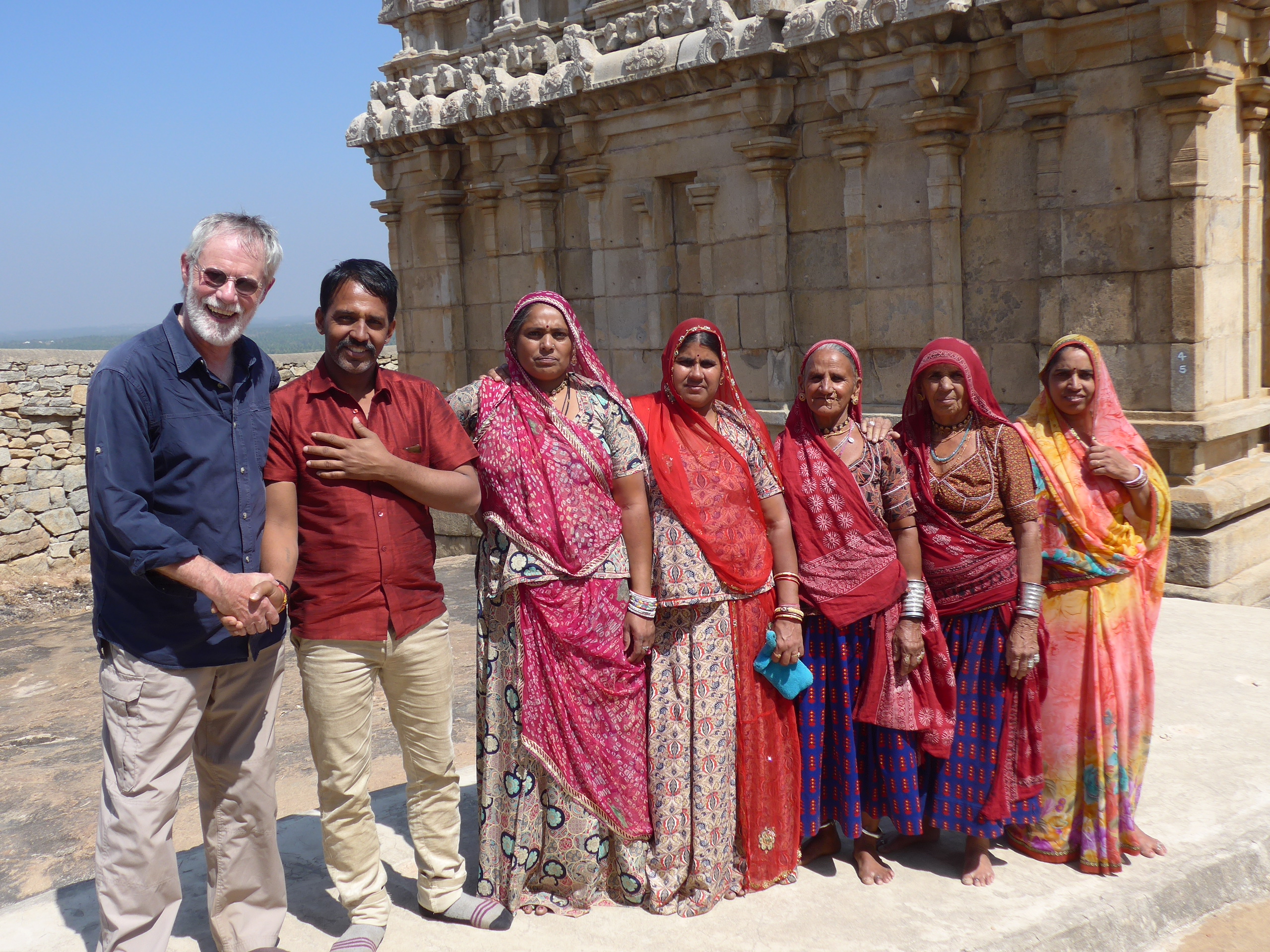
Jim and friends on Chandragiri Hill, Sravanabelagola.
Indragiri Hill, Sravanabelagola, showing what you can do if you keep up your yoga


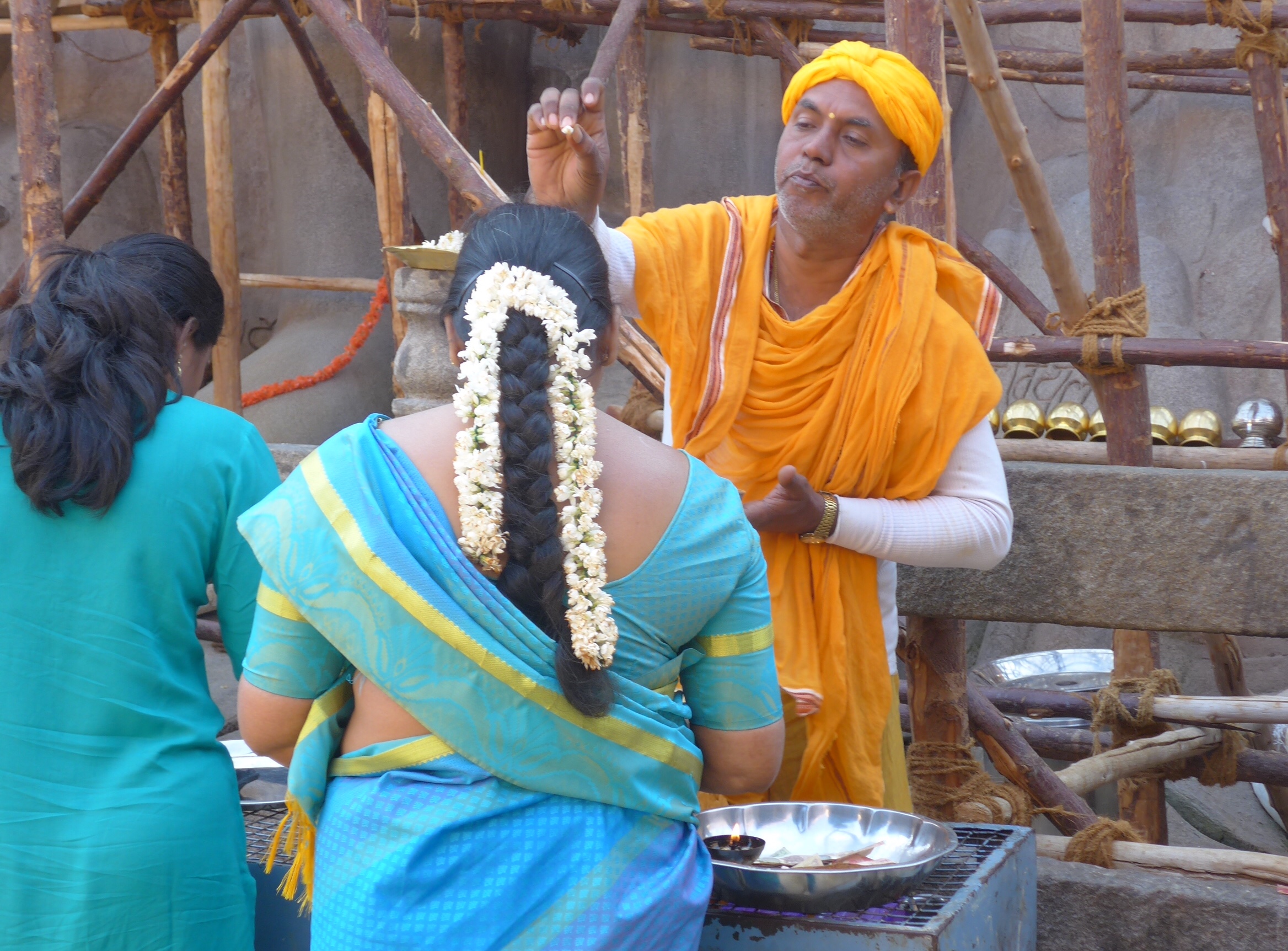
Blessing at Gomateshvara statue


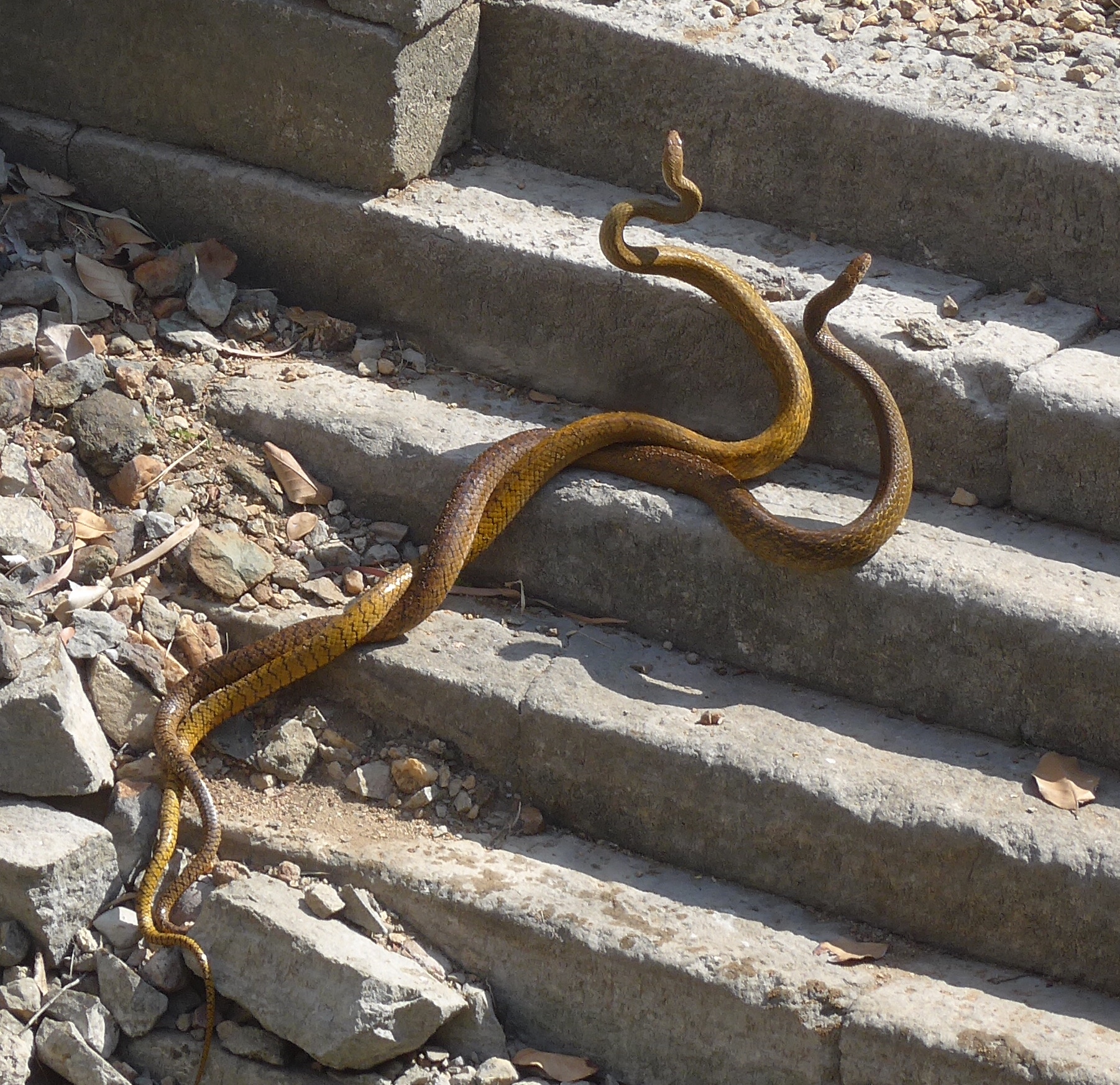
Some mating Indian Rat Snakes performing a sinuous dance near the Jain temples at Halebid.

Rat snakes “dancing” (mating)
Jain Temple, Halebid

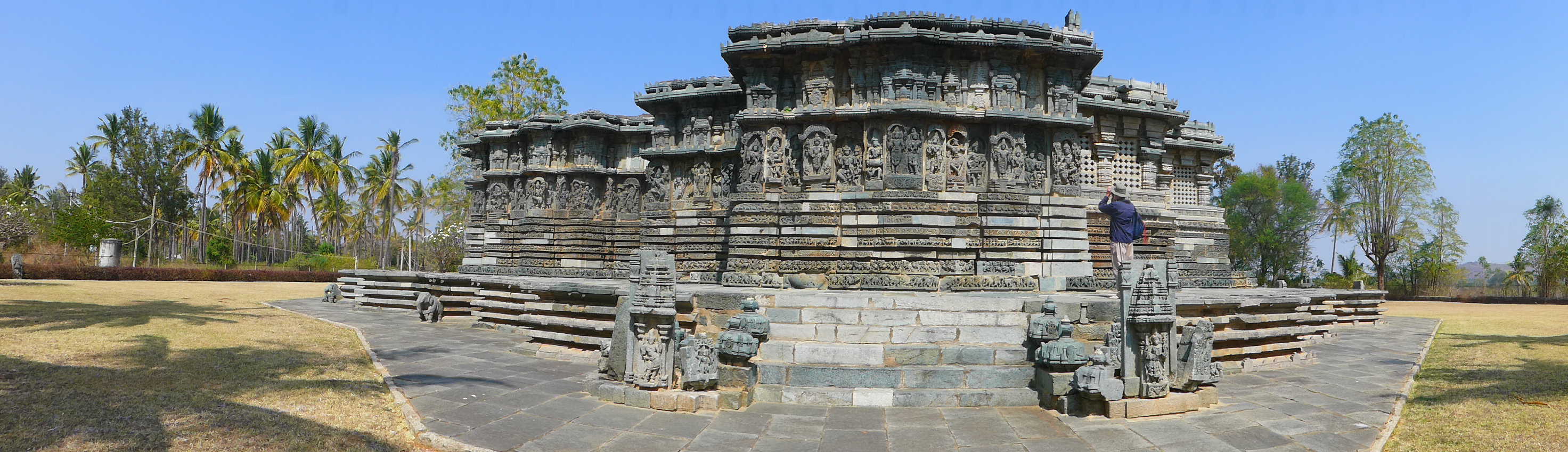
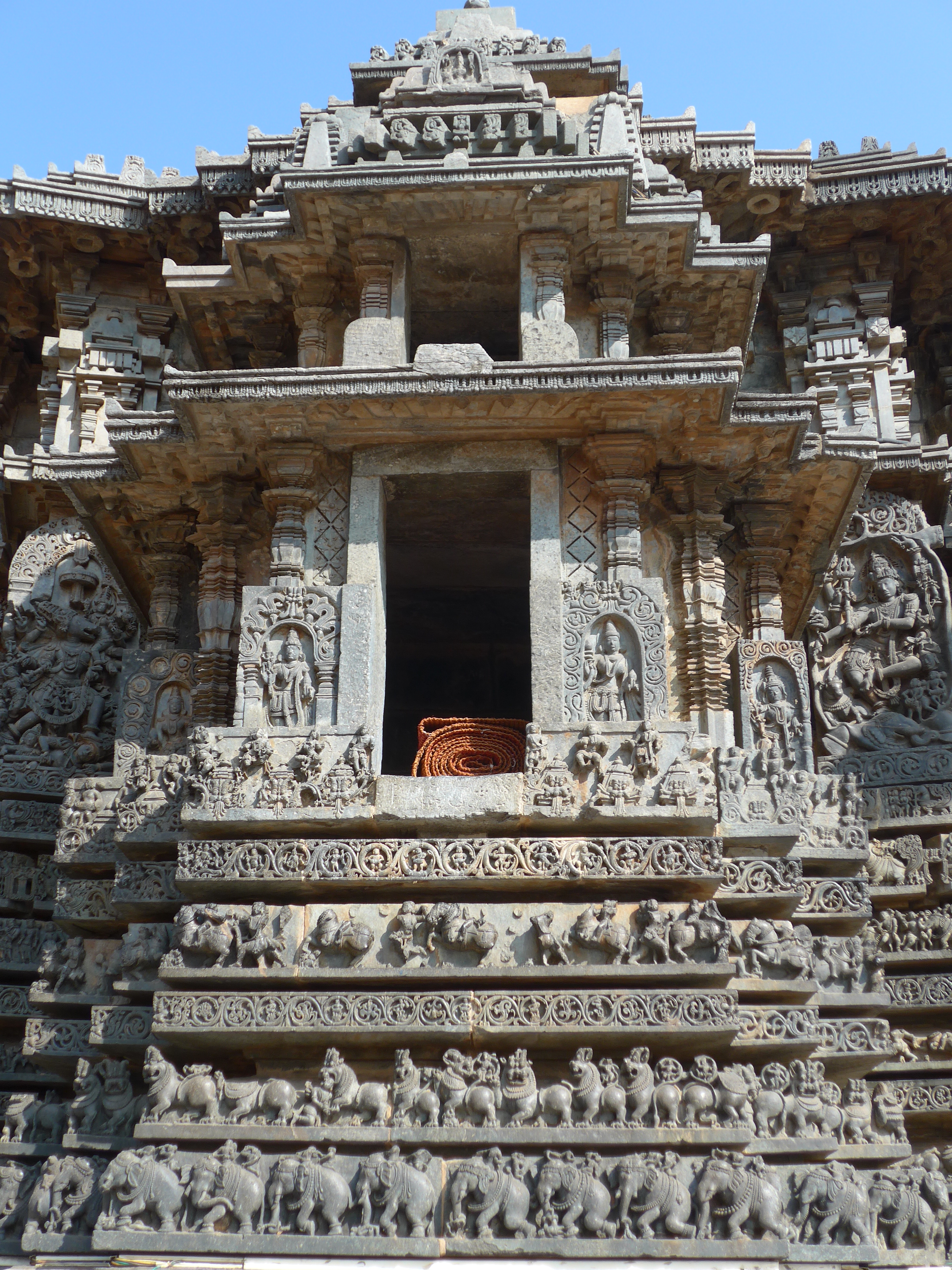
Hoysaleshvara Temple, begun 1121, Halebid.
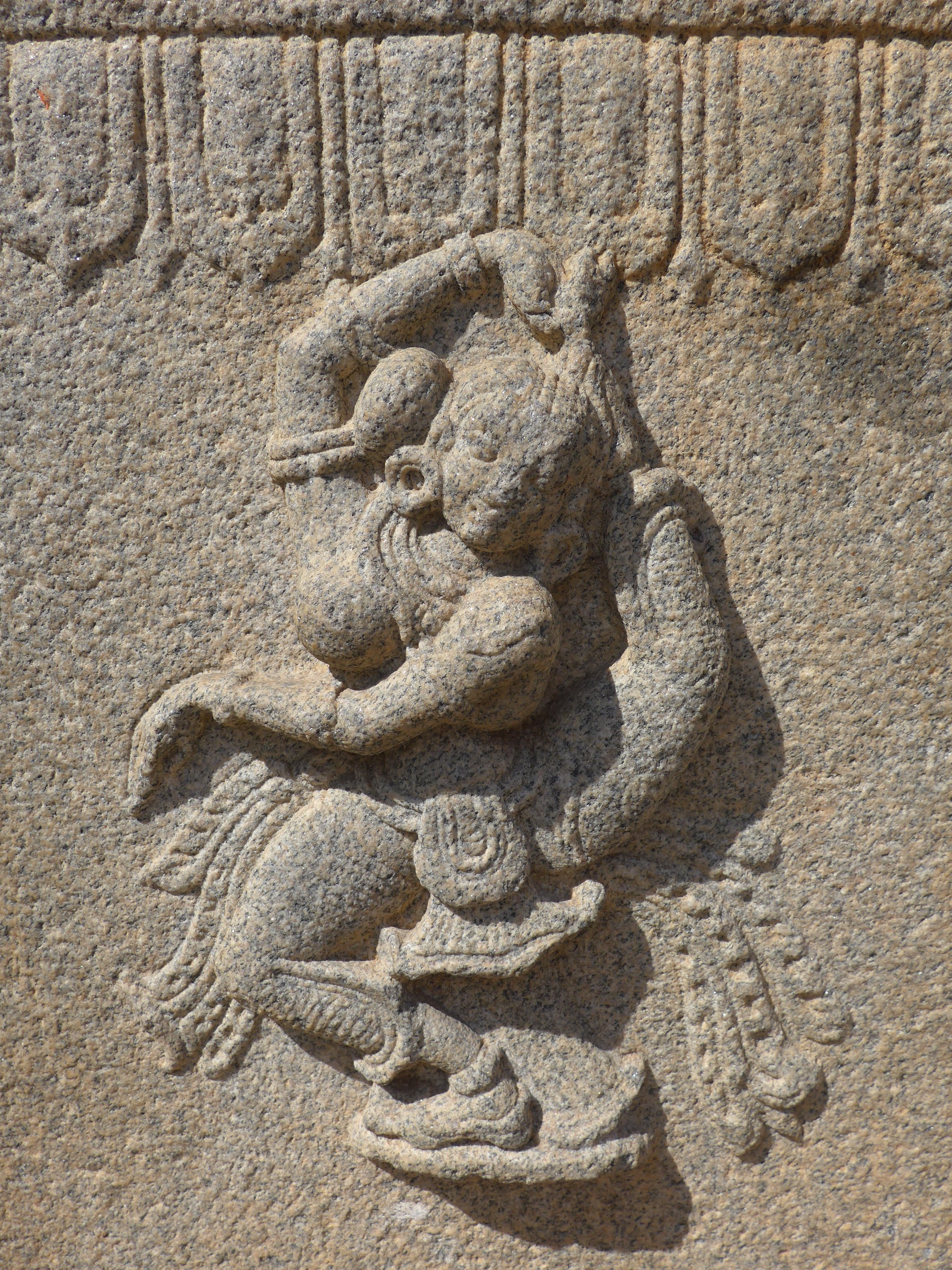
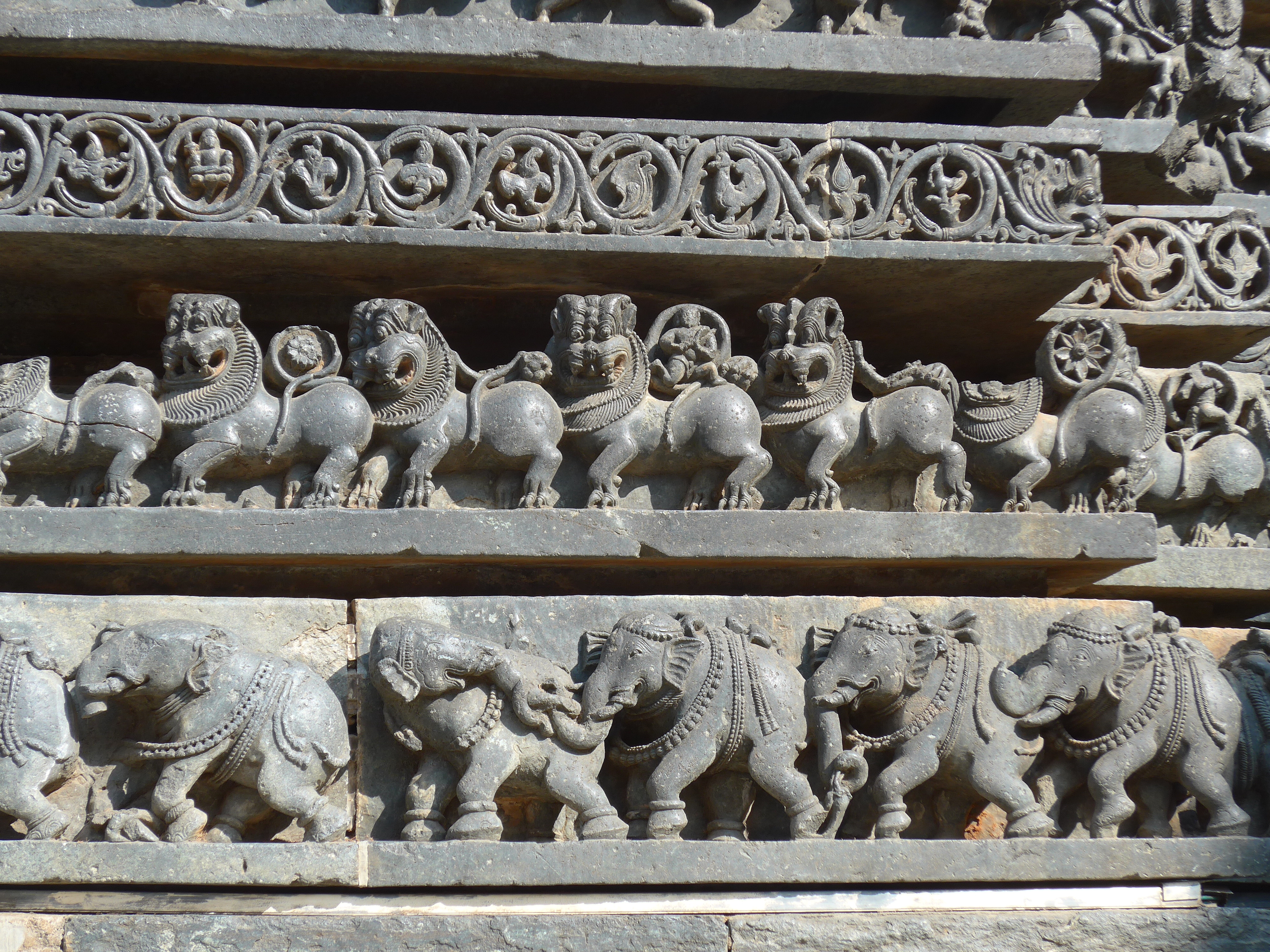
Frieze on Hoysaleshvara Temple, started 1121, Halebid


Figures from the “car” or chariot (juggernaut) festival at Chennakeshava Temple, Belur.

And so, completely templed out, we headed further north again on a twelve-hour overnight sleeper train to Gokarna, (yes a complete circle around Karnataka) for four days on the beach.


9. “The sun matures on India’s spicy shores”: the Malabar Coast

Om Beach, Gokarna

When William Cowper wrote this line in Charity, the coast of Karnataka and Kerala was famous for its spices: pepper, cardamom, cinnamon and cloves, the scent of which drifted across the waves to the Arab and European sailing ships hoping to trade for these expensive and luxurious commodities.

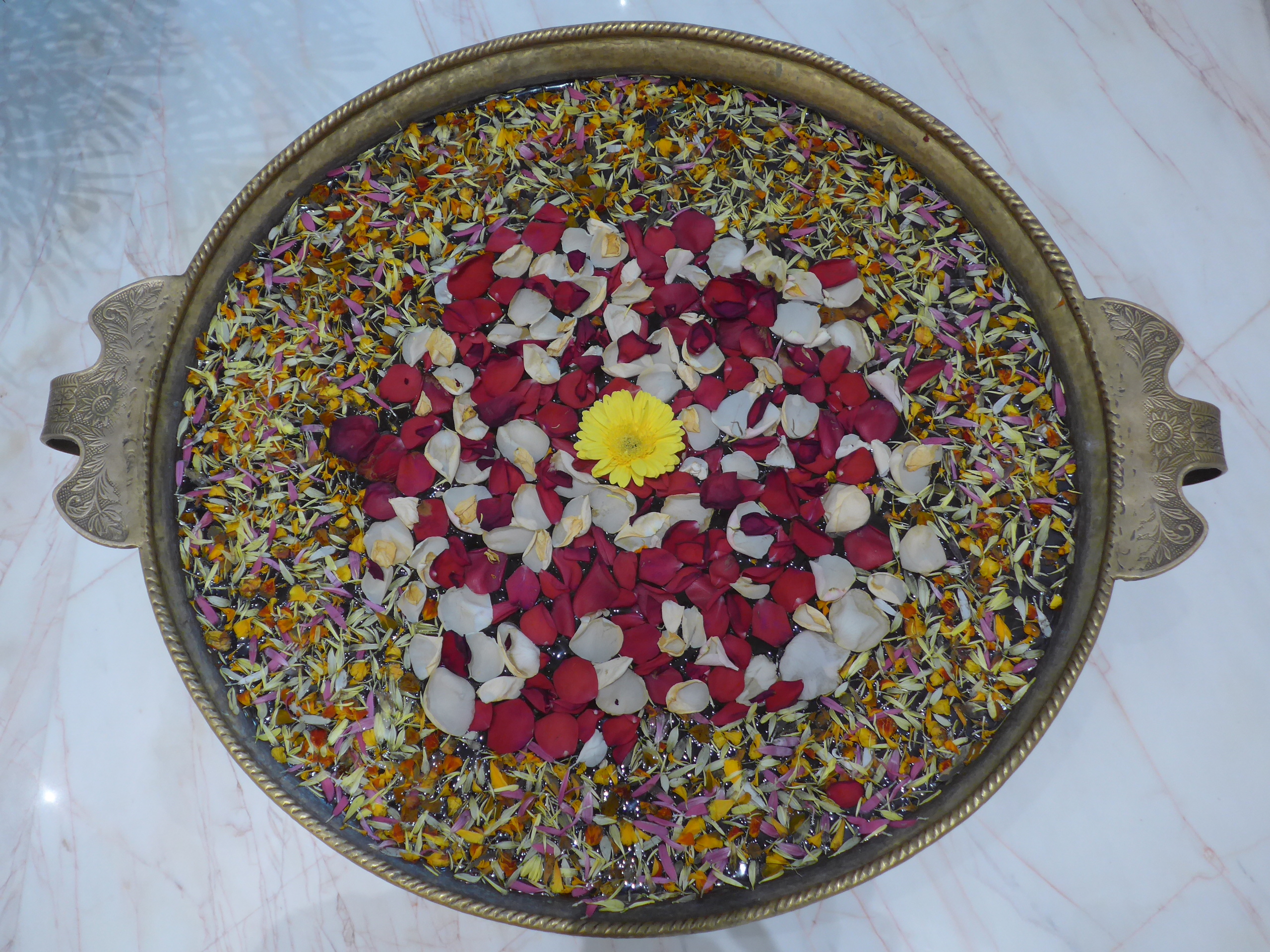
Flowers floating in a brass bowl

Gokarna, on the north coast of Karnataka, was now known for its temples,

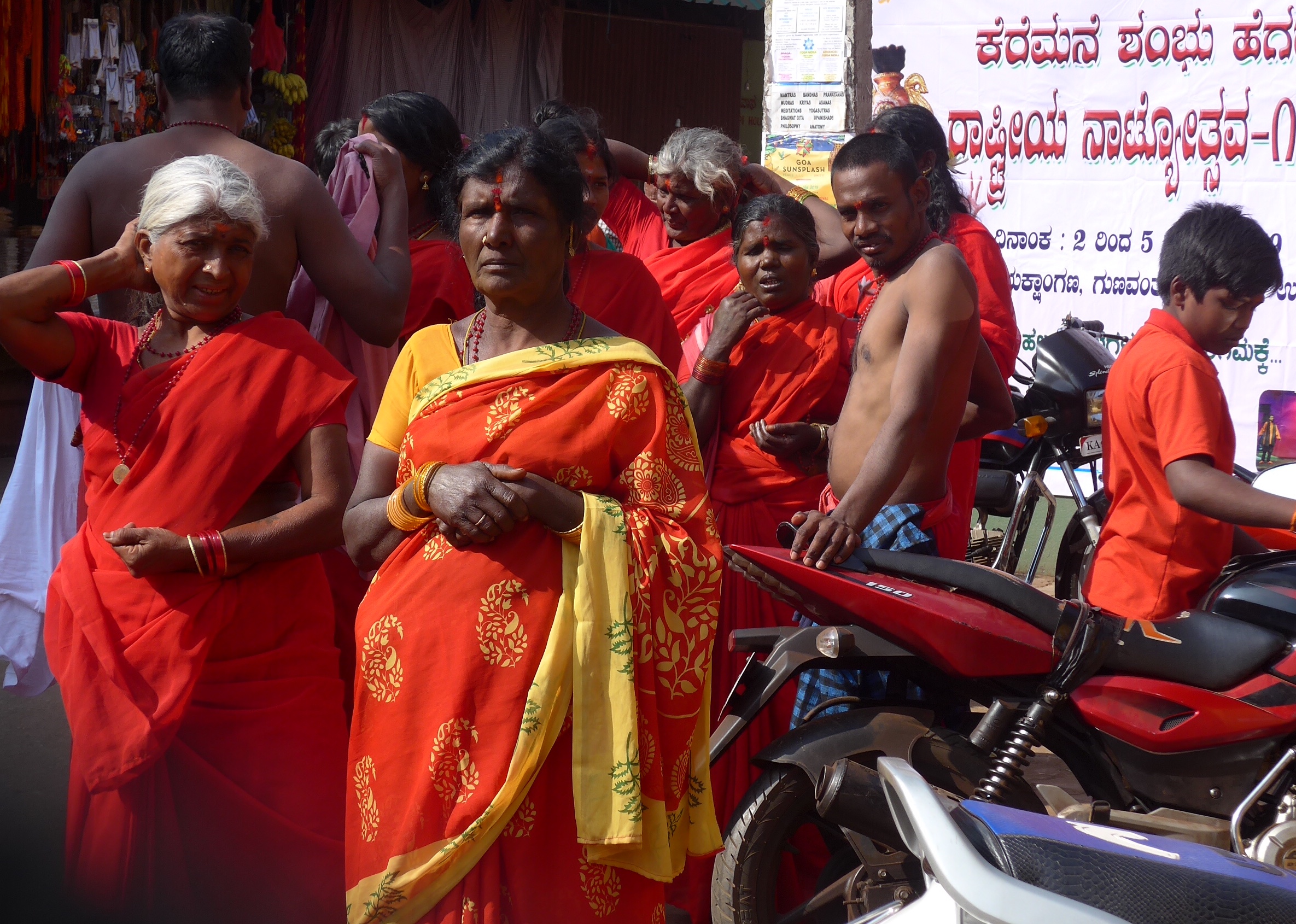
Pilgrims at the temple in Gokarna
Shopping in Gokarna town

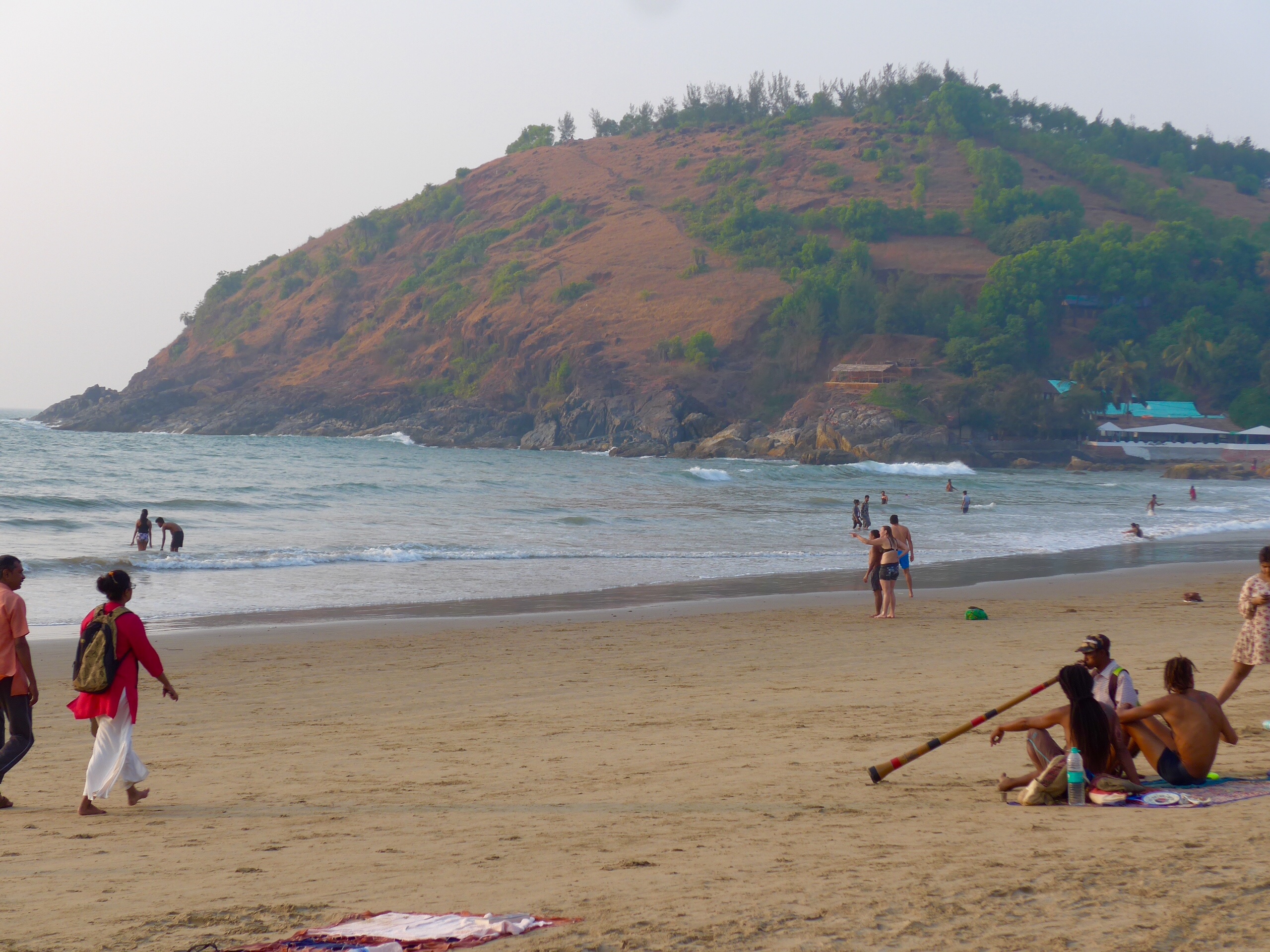
its beautiful beaches, for yoga and for the hippies who have drifted down from Goa. Men’s hair fashion on the beach was top-knots for the young, and grizzled dreadlocks or ponytails for the older men. Each night a little hippie market of hand-made jewellery was set out on the beach while people played guitars, and even, yes, a didgeridoo!

Kudle Beach, Gokarna

As the sun set, the beautiful young sat cross-legged at the waves’ edge, eyes closed, hands open on knees, intoning “ommm”.  Breakfast at our hotel was accompanied by the local temple’s “ommm”s as well as bells, chanting and the blowing of conch shells. The ommms were omnipresent. On the night of the full moon there was fire-juggling and dancing on the beach by the younger dreadlocked ones. Good to see the locals preserving their old customs.

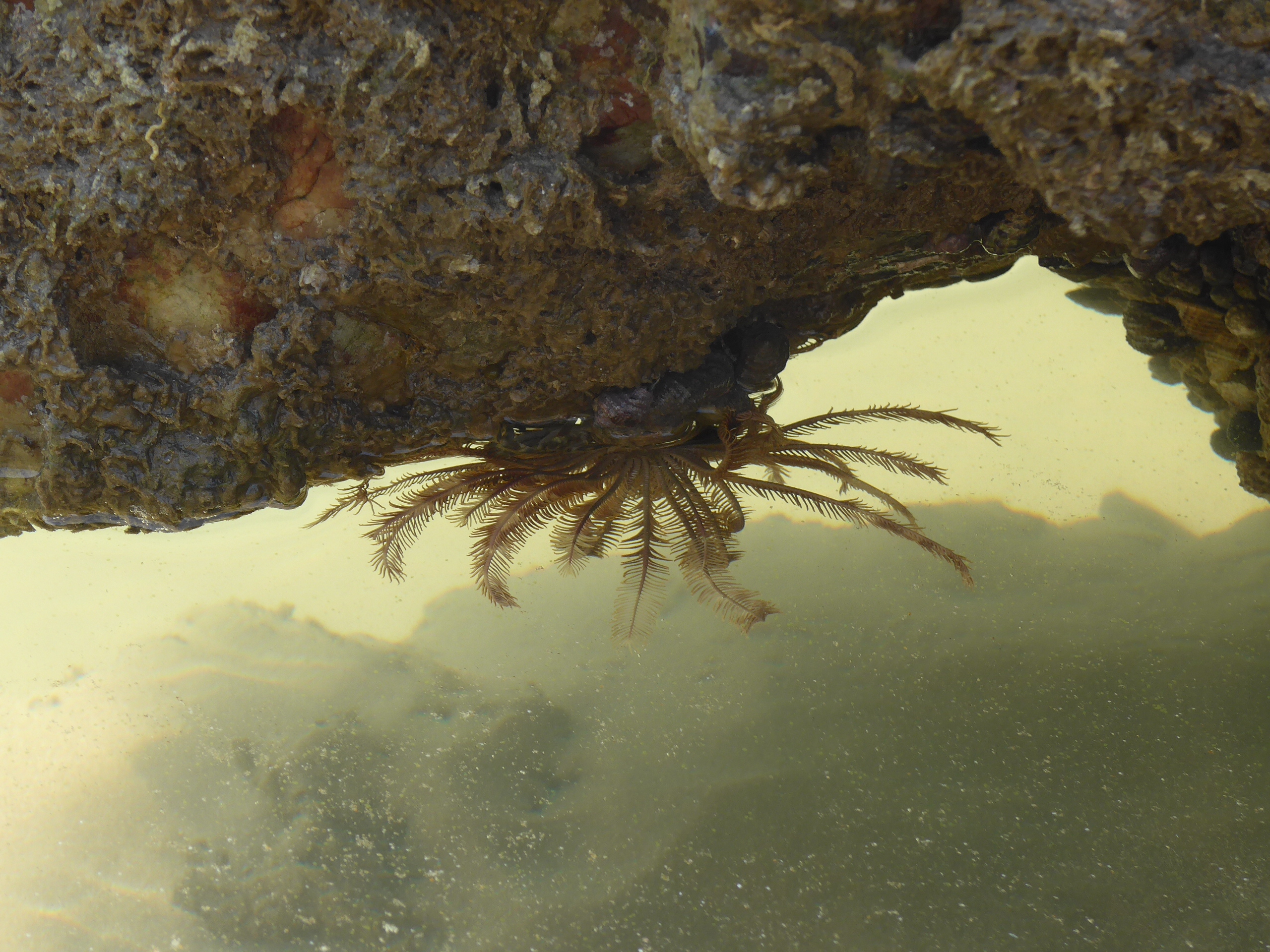
Know your anemone?


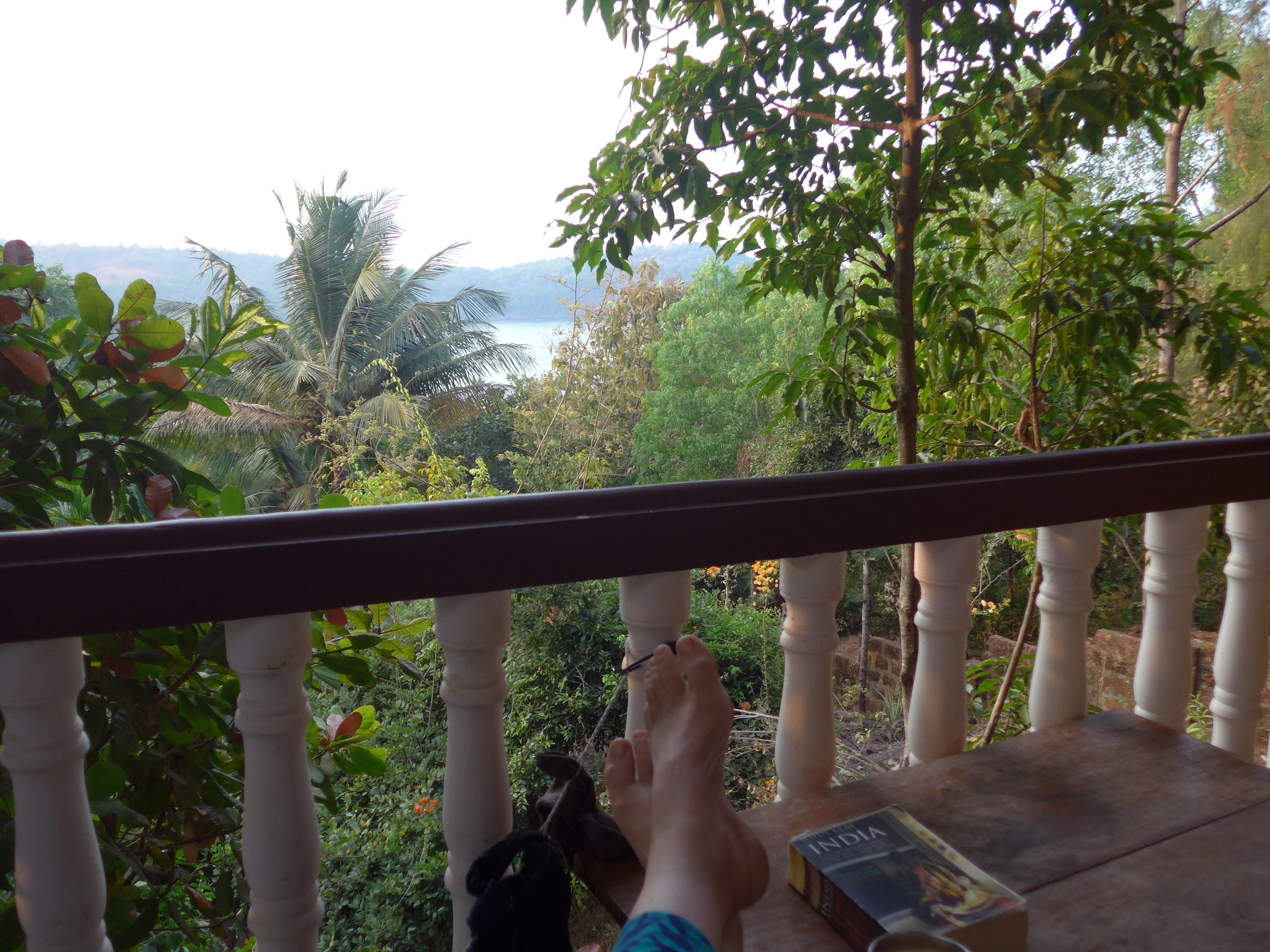
Each morning I would sit on our balcony as the sun rose and watch the waves crashing on Kudle Beach below.

View of Kudle Beach, Gokarna, from our balcony.

Some mornings I had the distinct feeling I was being watched …

Being watched on our balcony, Gokarna

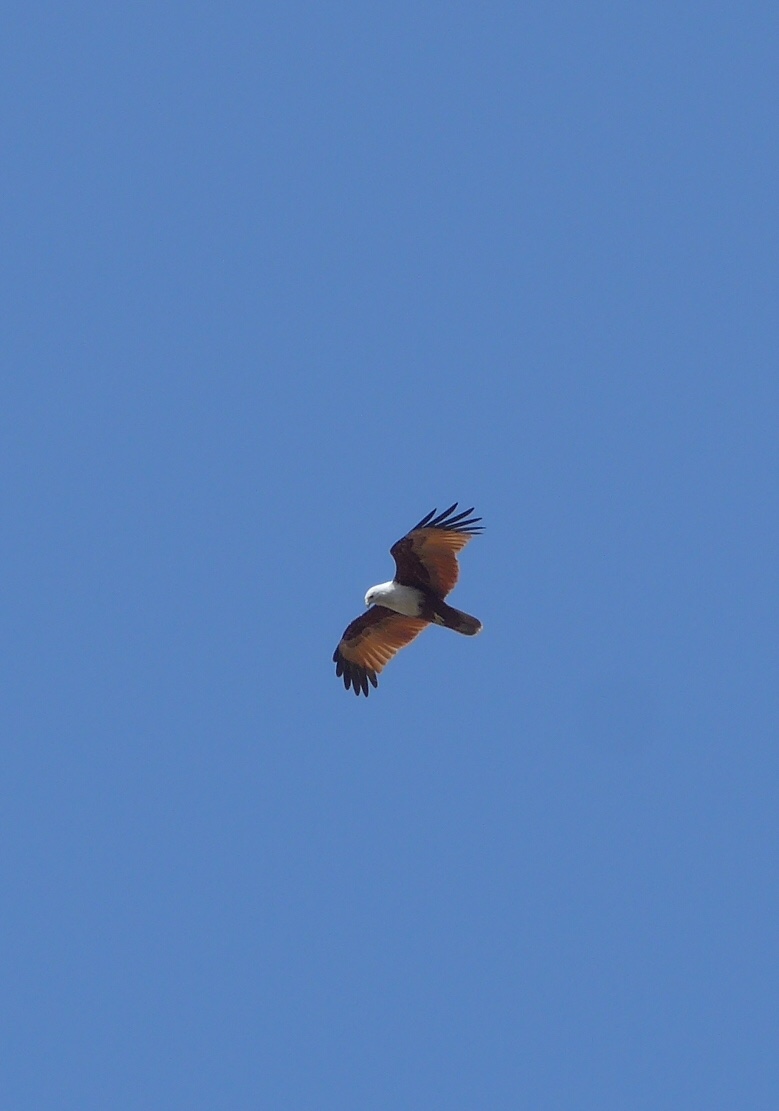
Elegant brahminy kites floated over the sea’s edge, barely stirring a wing feather as they gently circled. Perhaps they were looking for fish but we thought they were really saying “Oh wow, man, just look at that blue sea …. oh wow …”

Brahminy kite … Wow …
Brahminy kite … oh wow…


We tried doing the Big Garden Bird-watch but found no category for fish eagles, brahminy kites or racket-tailed drongos. We did spot three mongooses and some other fauna (Gloria, look away now).

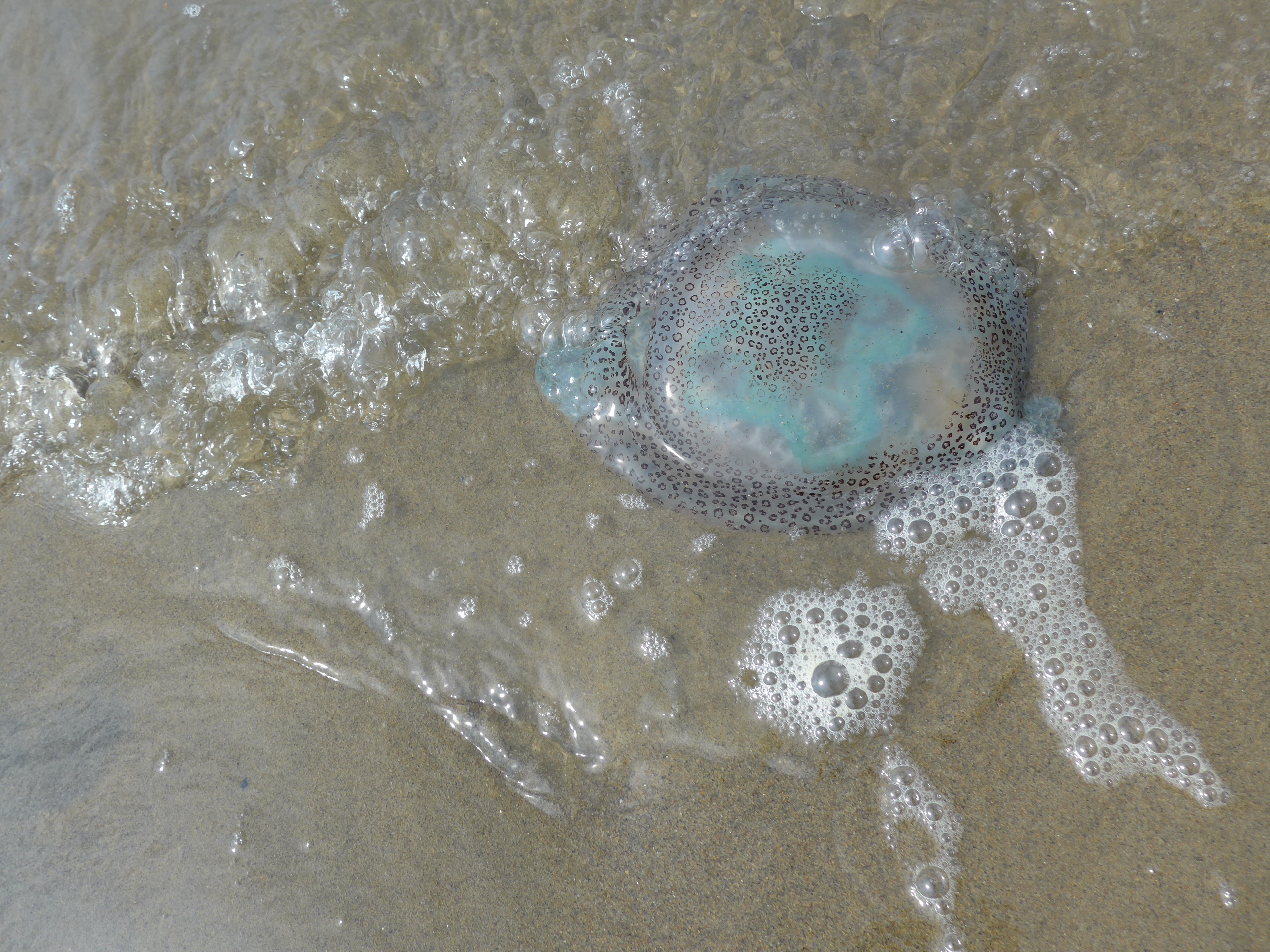
A dinner-plate sized leopard jellyfish being refloated
Red ants’ nest
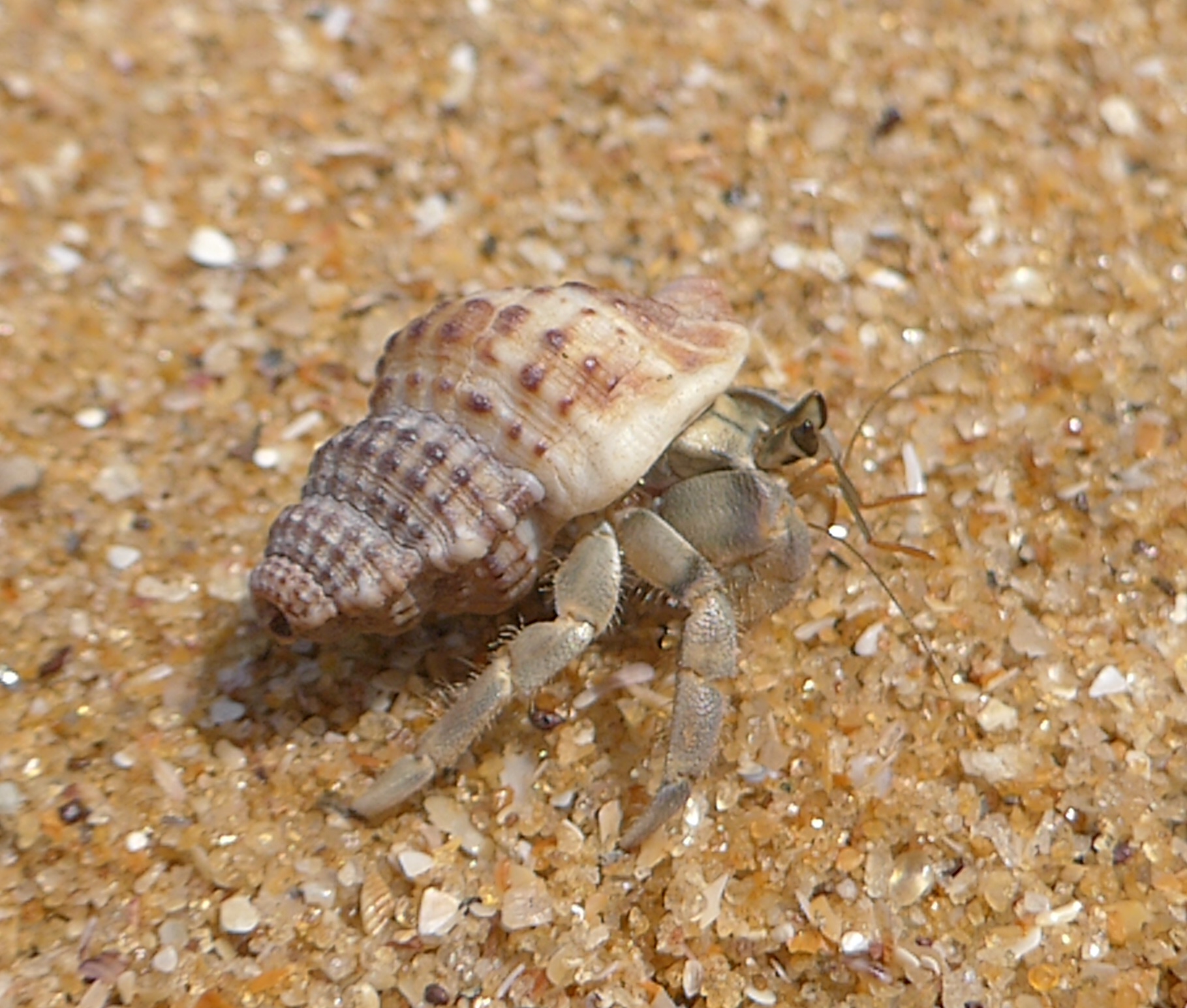
Hermit crab


The Konkan Railway was built over twenty years to cover the 461-mile route down the west coast of India. The mountainous and estuarine coast required more than 2,000 bridges and 91 tunnels to be built. Gokarna to Udupi was another section in our attempt to travel its length.

View from the Konkan Railway
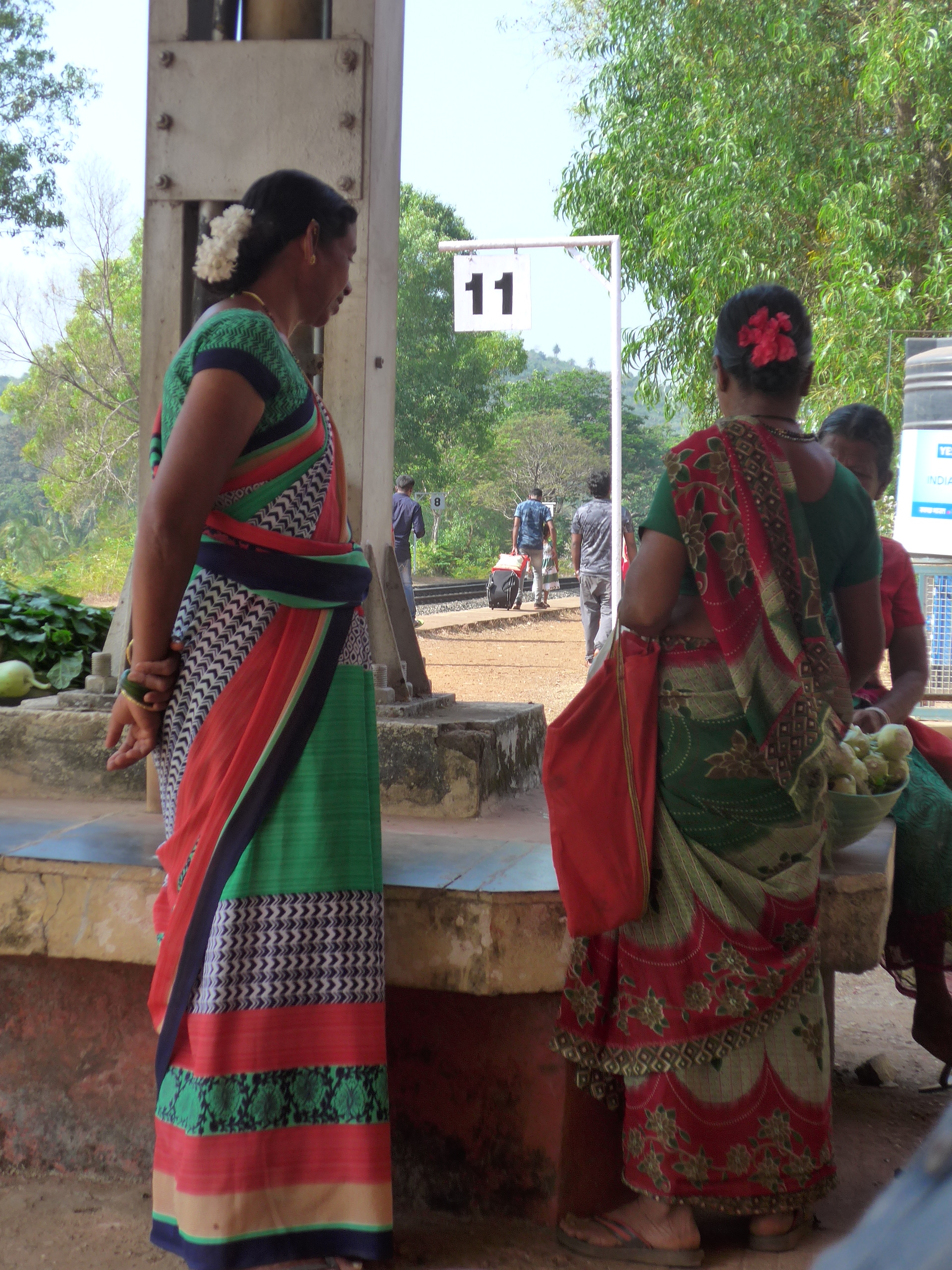
Village women waiting to sell their fresh veg when the train arrives at Gokarna Station

Udupi is famous as a temple town, and as the home of the masala dosa, and with gusto we sampled both. The heart of the town is a cluster of old but very much living temples, each with their “car” or chariot outside.

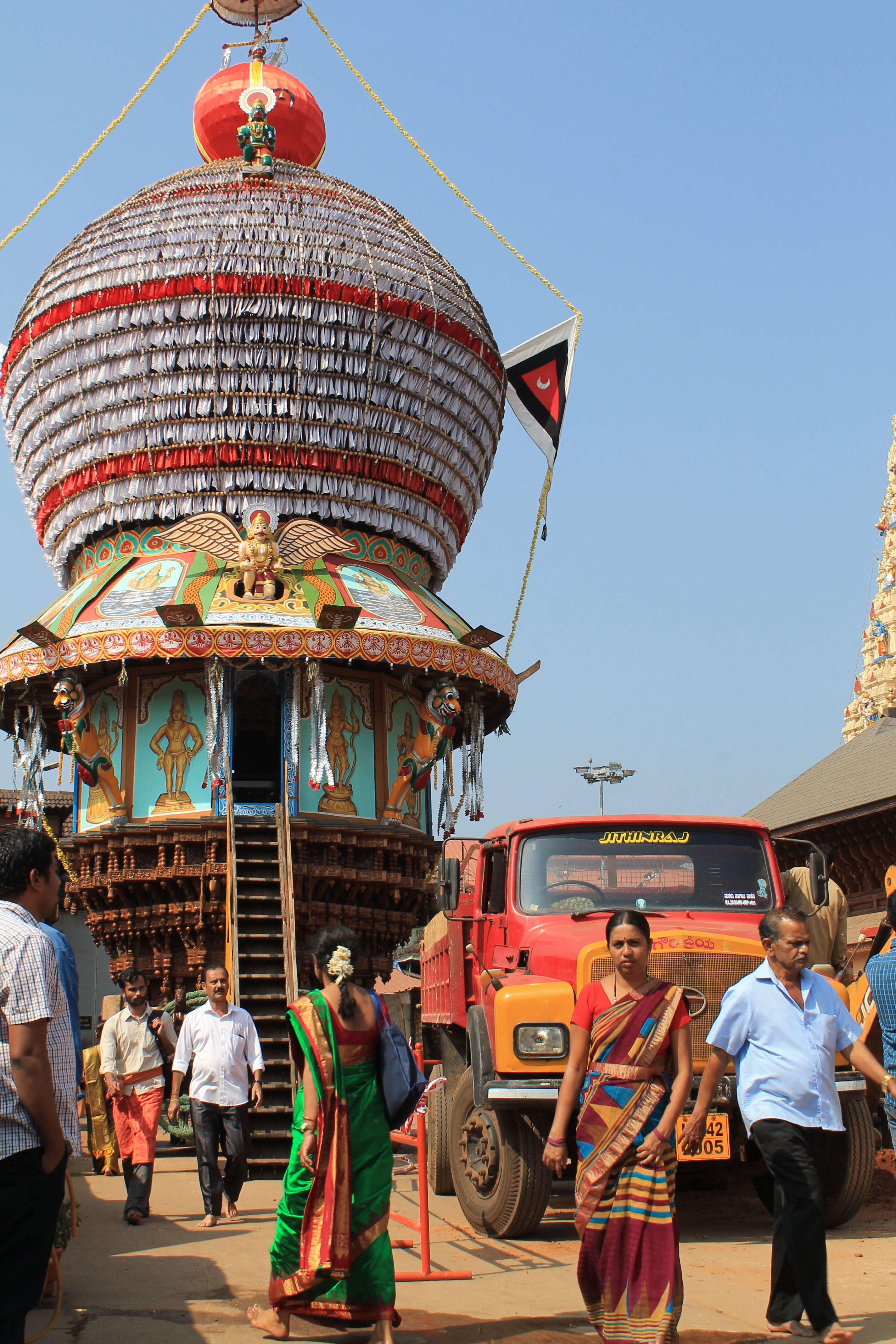
Chariot outside Shri Krishna temple, Udupi
At the Shri Anantheswara Temple, Udupi

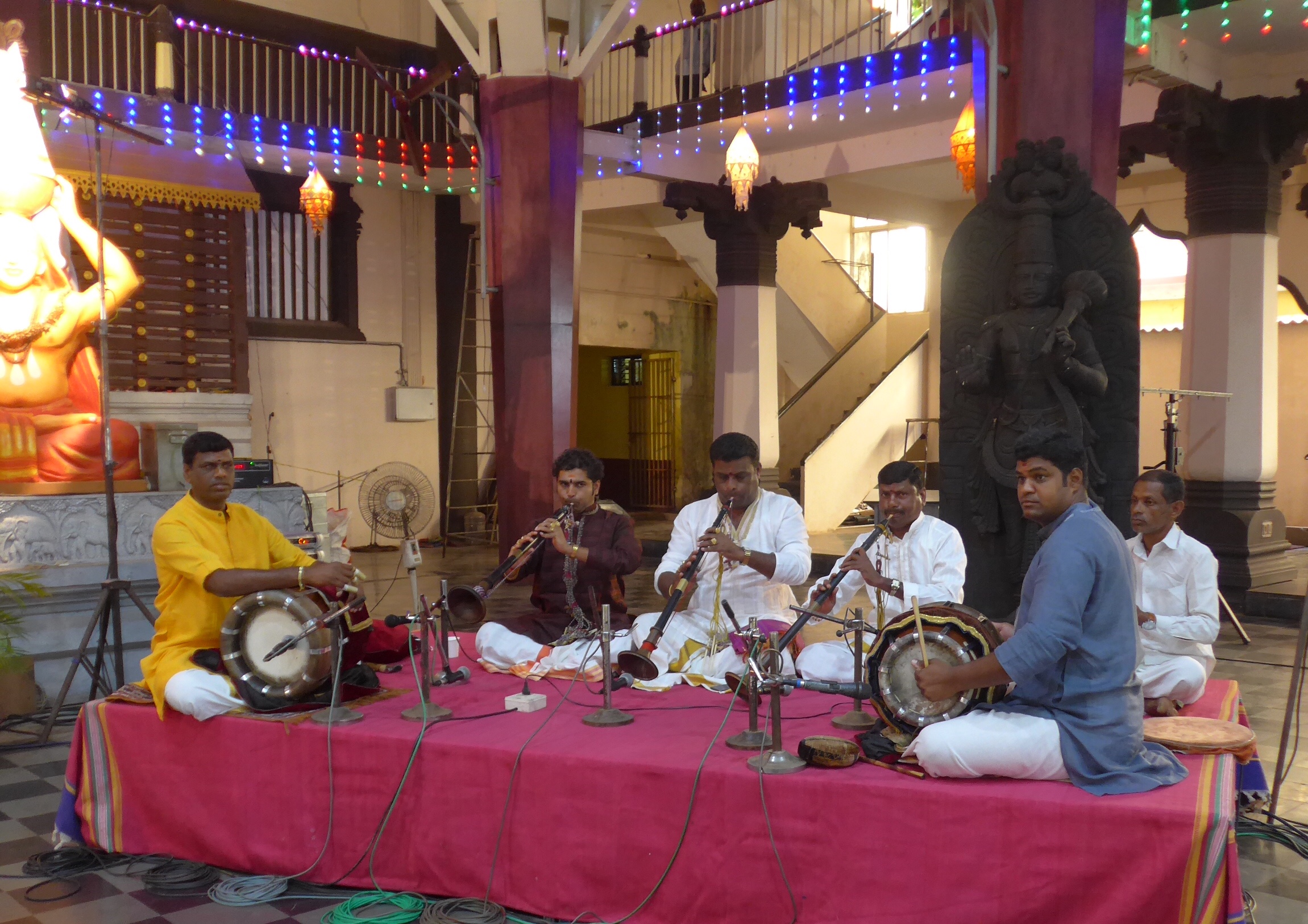
The area was alive with pilgrims going to worship, devotional singing and bands playing what sounded extraordinarily like jazz.

One of the many bands at the temples in Udupi
Blessing the offerings at Shri Anantheswara Temple, Udupi


It was like a giant jazz/folk/religious festival. The inner shrines could not be entered but just sitting in the temple courtyards as people of all ages made their offerings, prayed and circled the inner temples was fascinating and atmospheric.

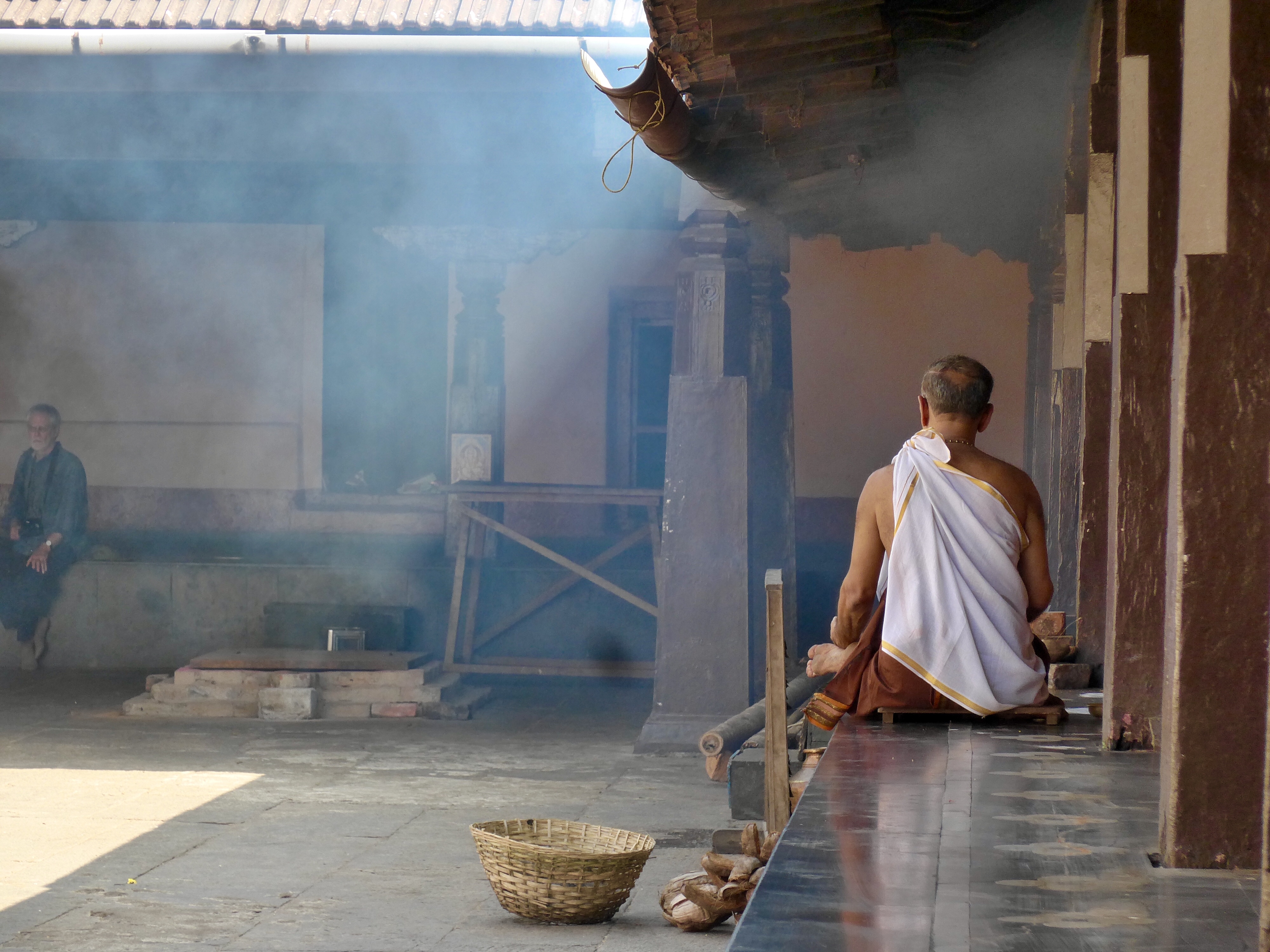
Meditations on life, the universe and everything, Udupi

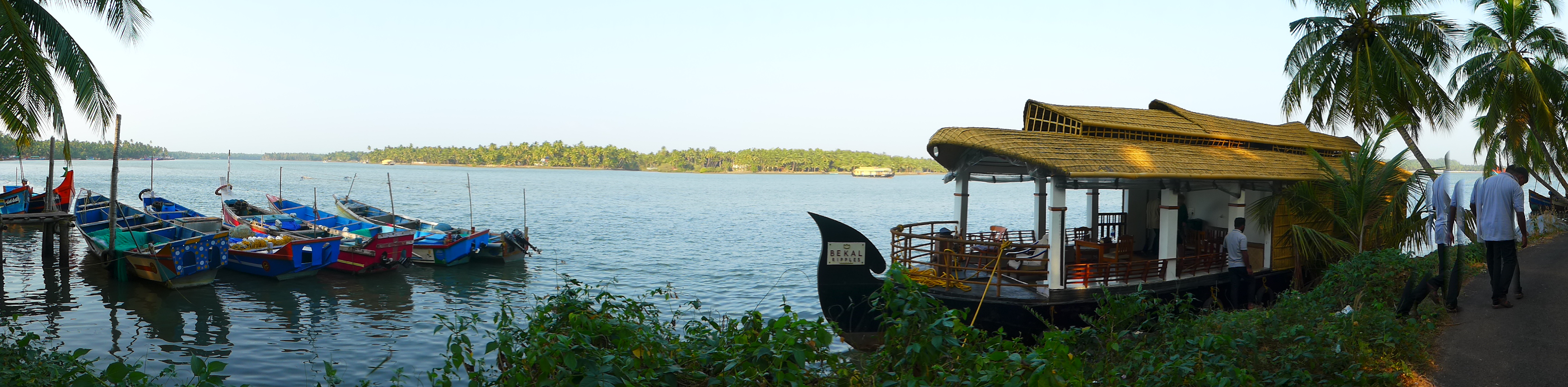
Further down the coast we crossed into Kerala, to spend a day and a night on a rice-boat in the northern backwaters at the Tejaswini River.
Fishing boats and our rice boat moored at Tejaswini river.
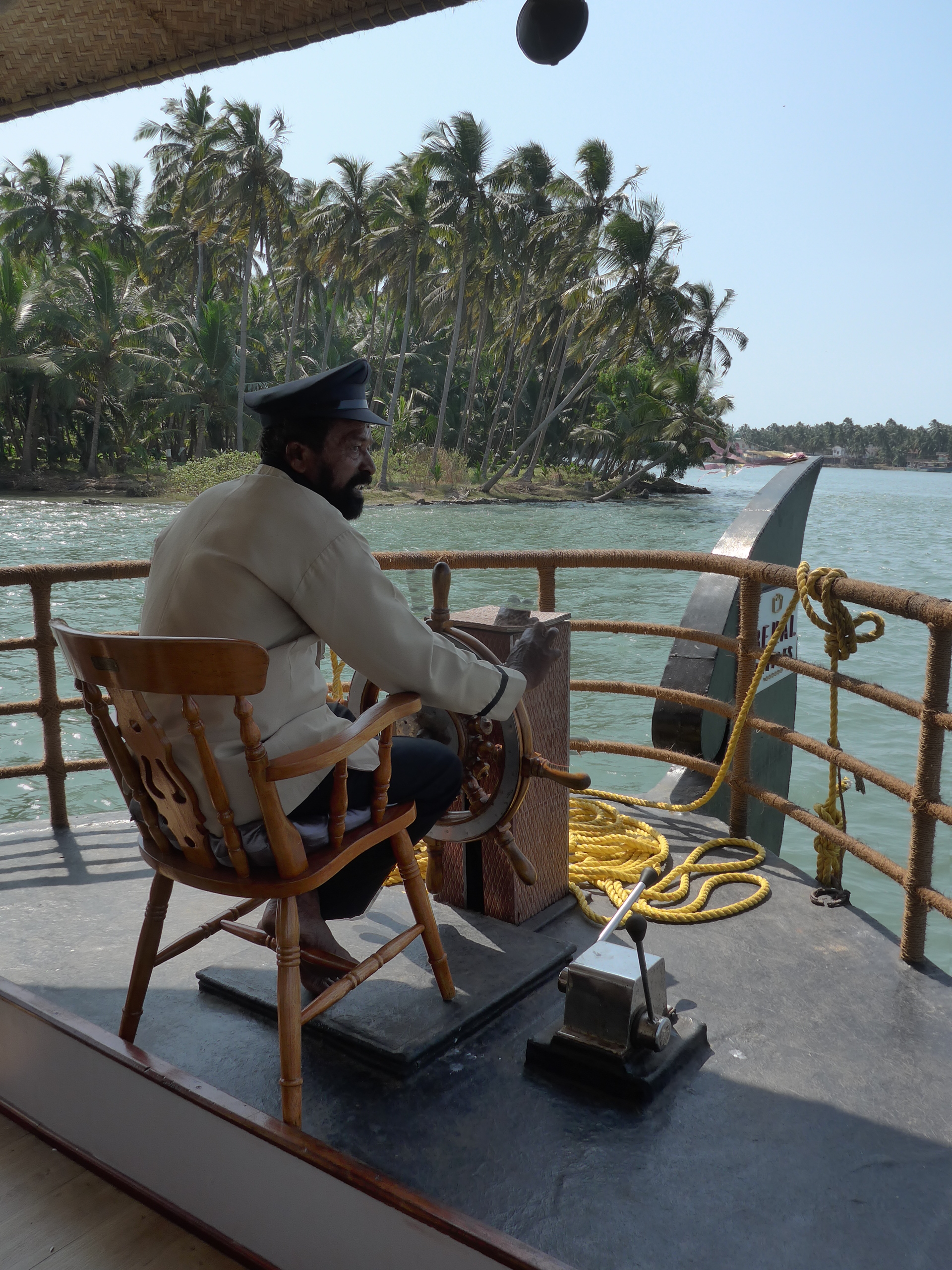
Steered by the charismatic Captain Krishna, “Forty years a sea-going fishing captain”,

Captain Krishna on the rice boat


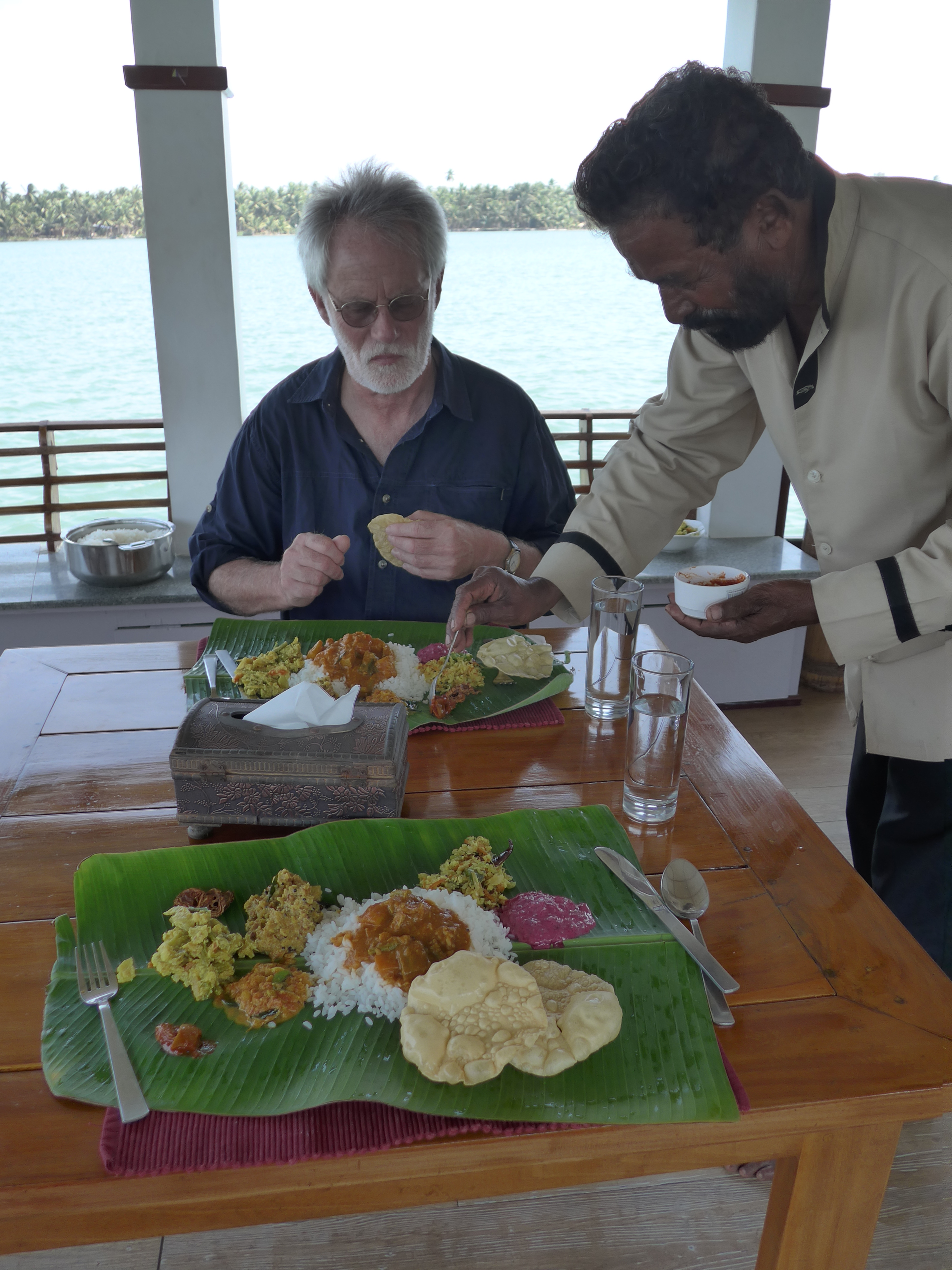
Lunch on the rice boat

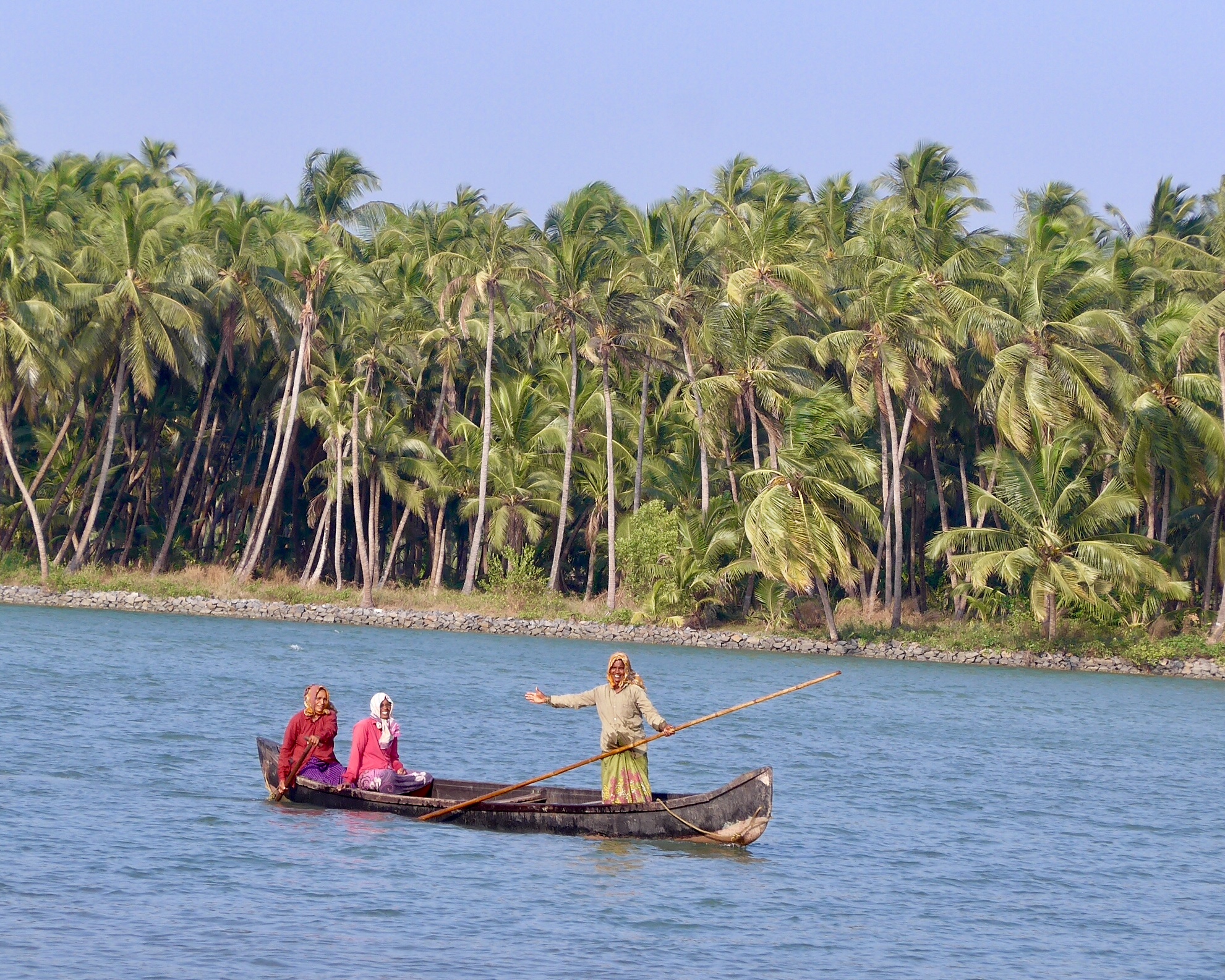
we enjoyed 24 hours of luxury, floating past wooden fishing boats, little houses amongst the trees, lagoons and islands and a million palm trees.
Farewell to Captain Krishna as we head south by auto-rickshaw

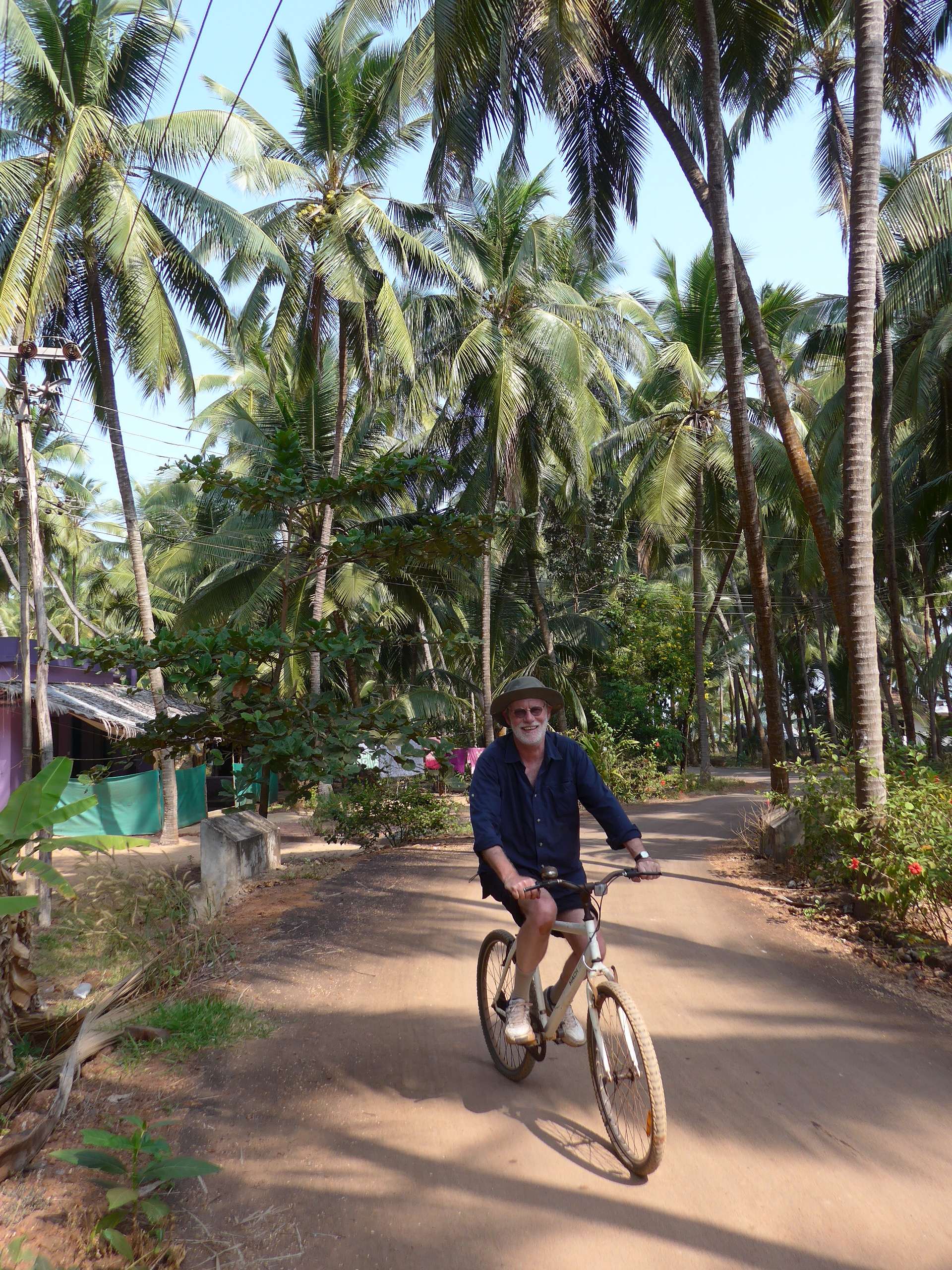
We were gathering pace now as went further south to the Avisa Beach House, in Valiyaparamba. Such hard work! On a coconut-palm-covered peninsula, 150 yards wide, there was little to do other than sit and watch the waves crashing on the empty beach and count the coconut palms, and eat and drink. But we did stir ourselves to do some cycling.
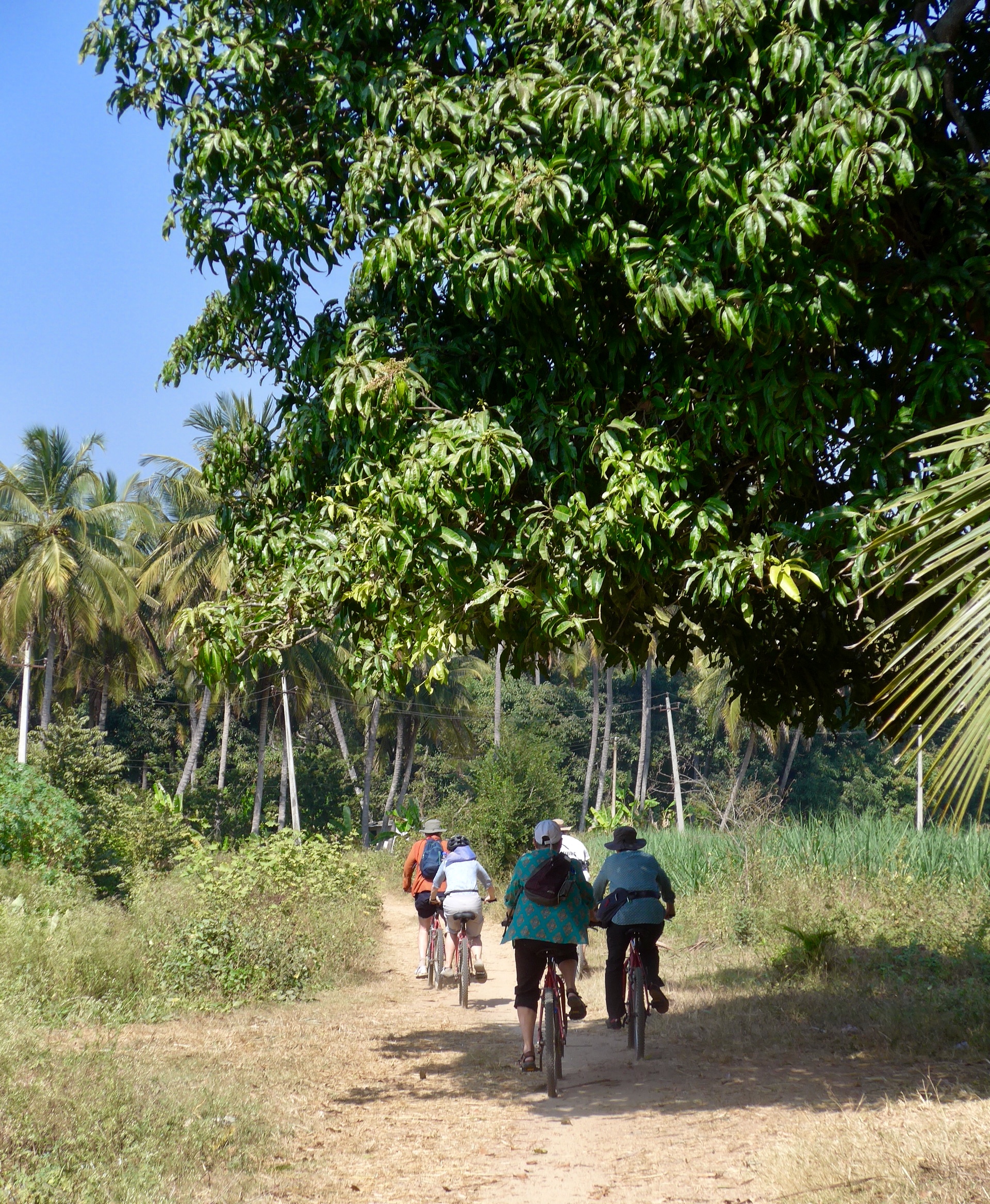
Cycling on the Valiyaparamba peninsula, north Kerala

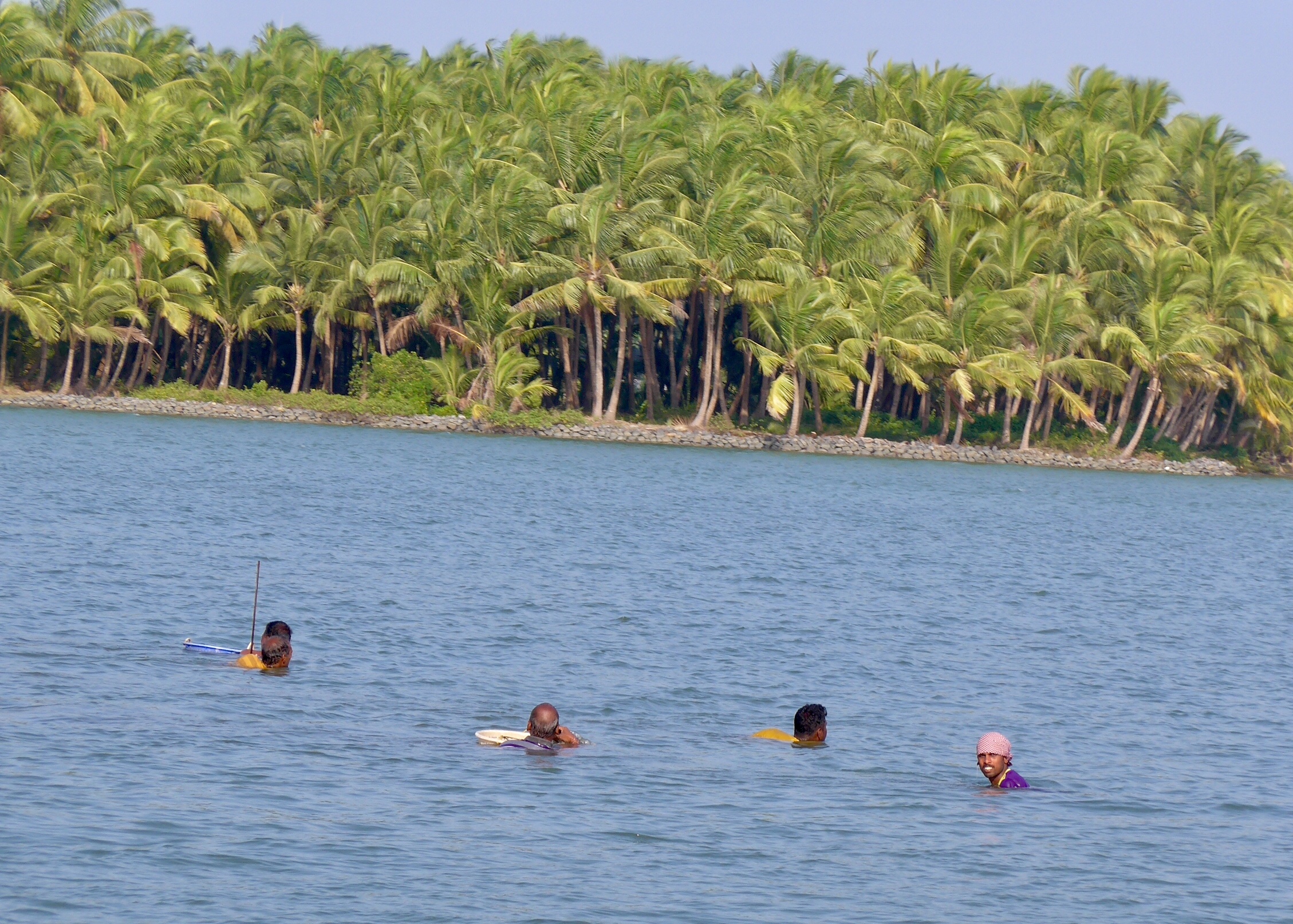
People make a living gathering coconut, or farmed mussels from ropes, or tiny clams from the lagoon bed.

Gathering clams or mussels
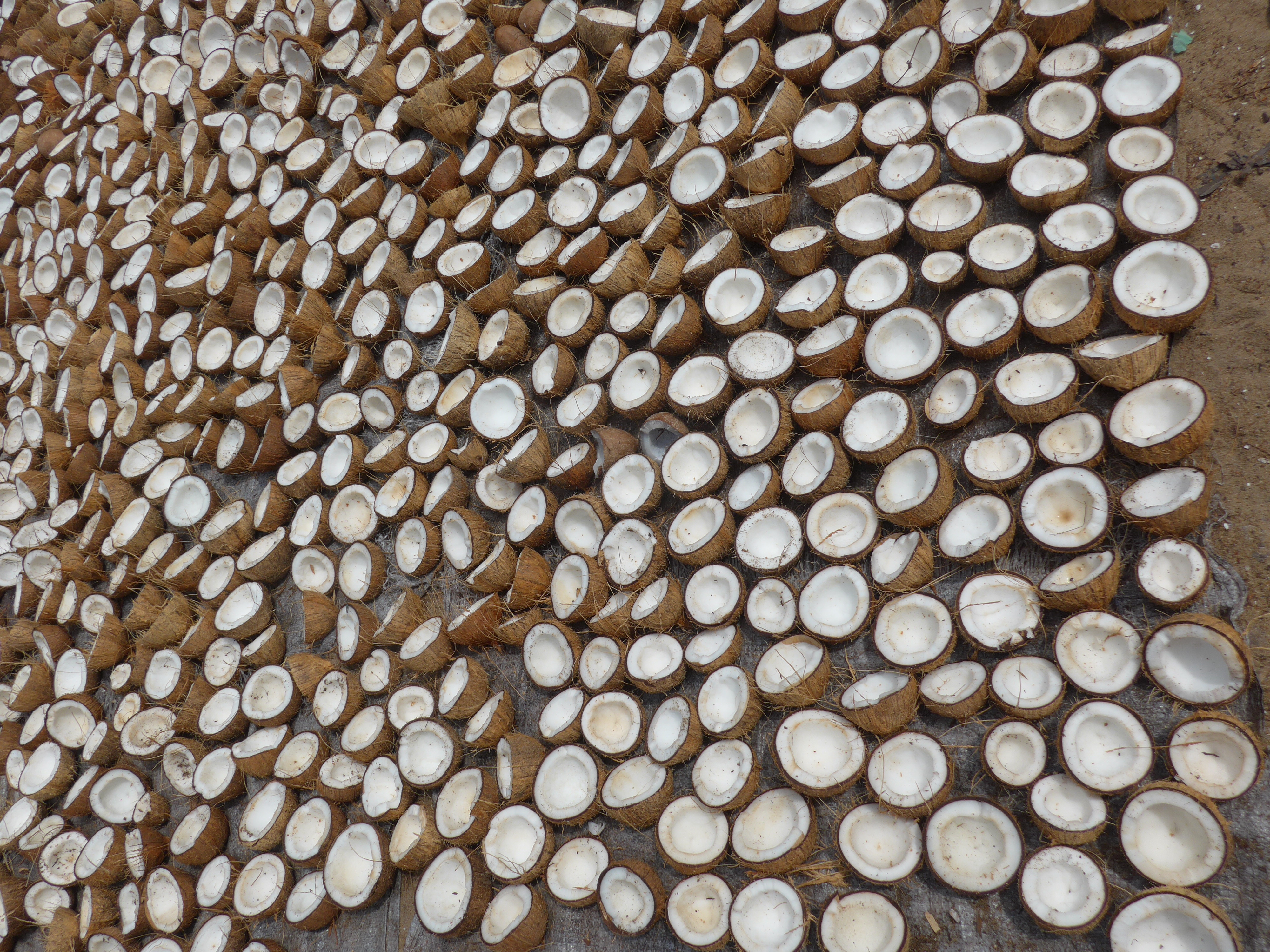
Split coconuts drying for coconut oil


Gathering tiny clams for dinner

Another thirty kilometres south and we stopped at Kannur Beach House.

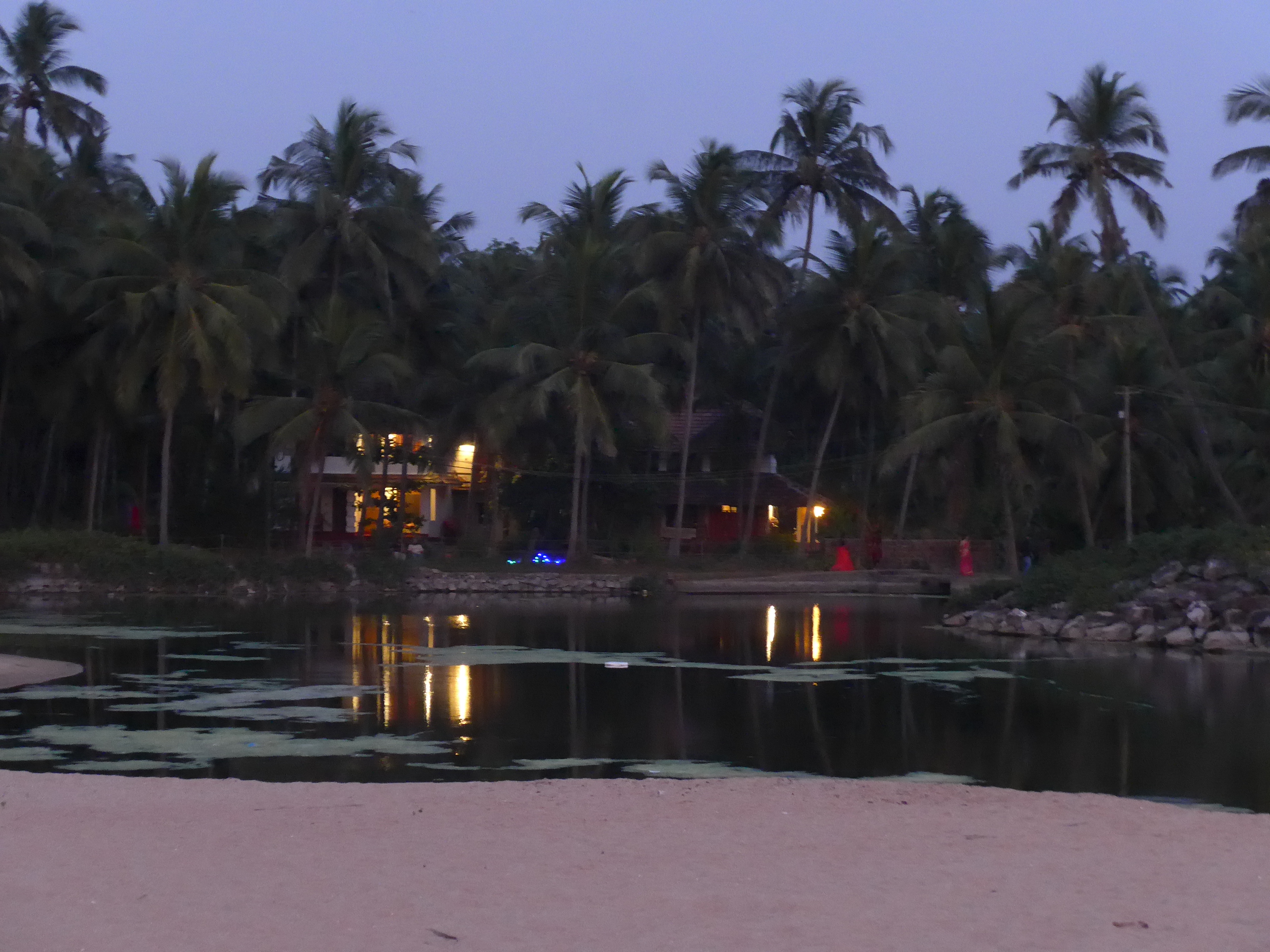
Kannur Beach House at night

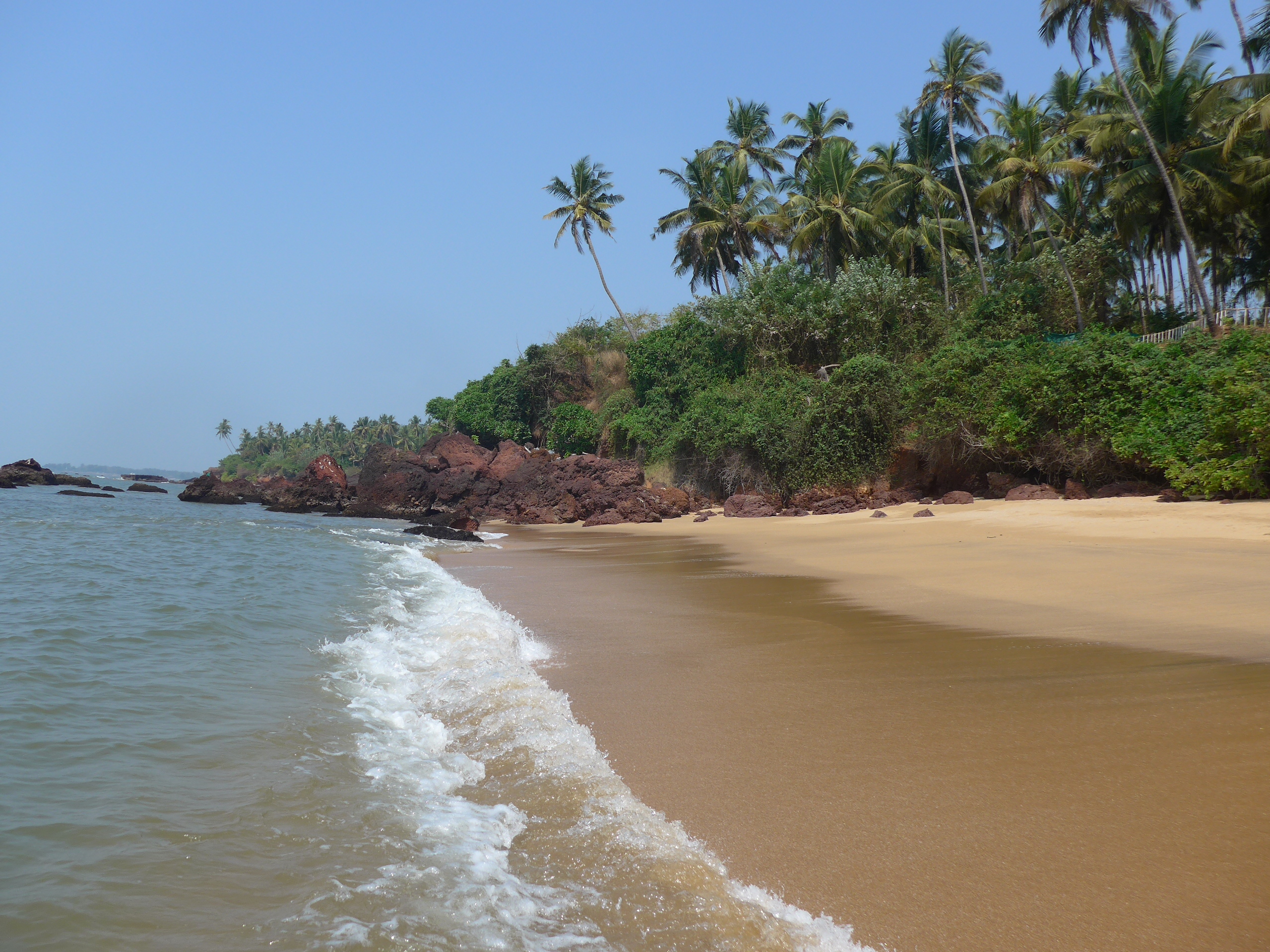
The empty coconut grove which had one homestay when we came in 2014, now had half-a-dozen but my favourite beach was still unspoilt.

The most beautiful beach in Kerala

Kannur opened an international airport in December so if you want to see unspoilt northern Kerala go now before it becomes developed like the south.

Offerings to the god

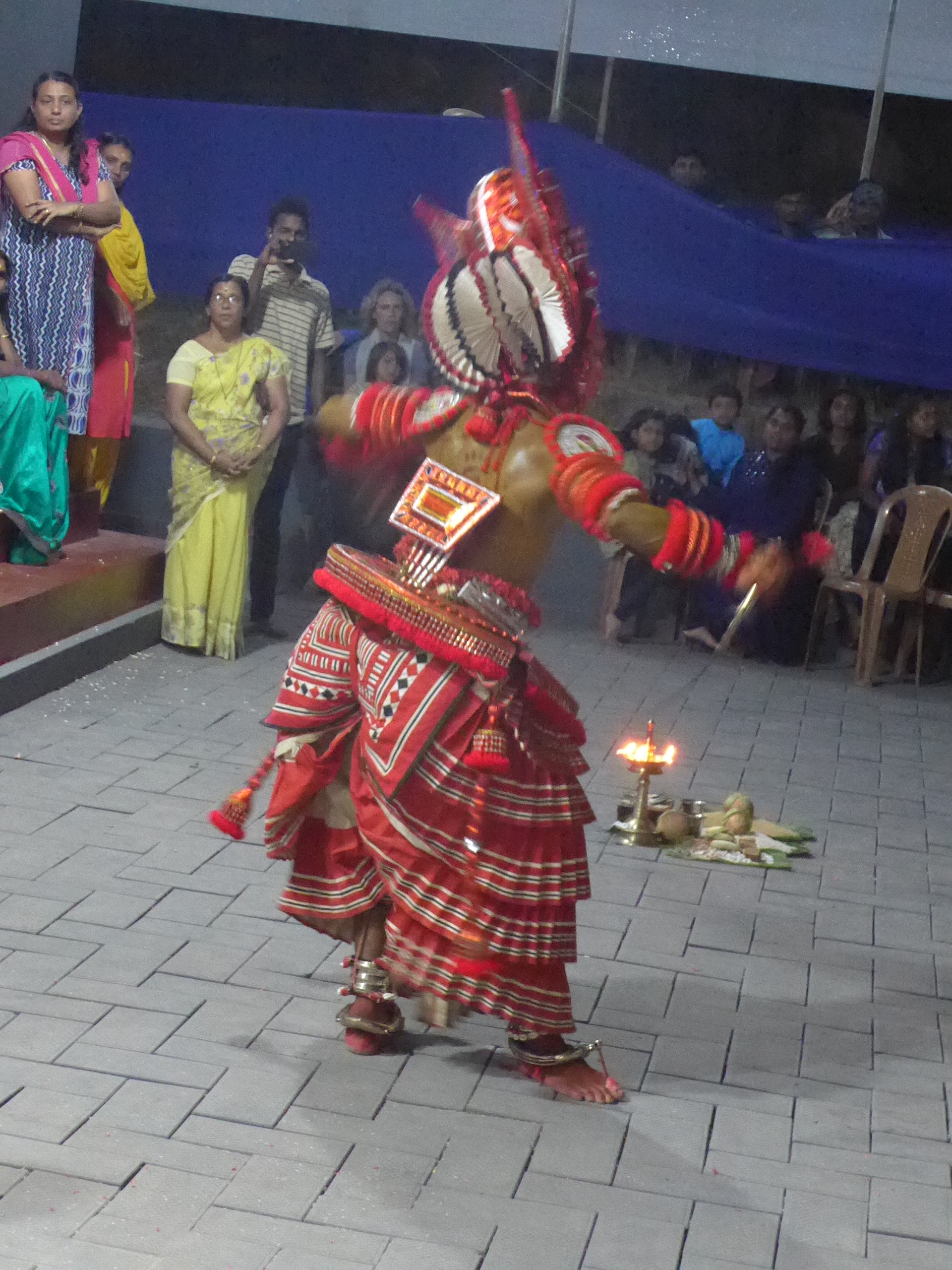
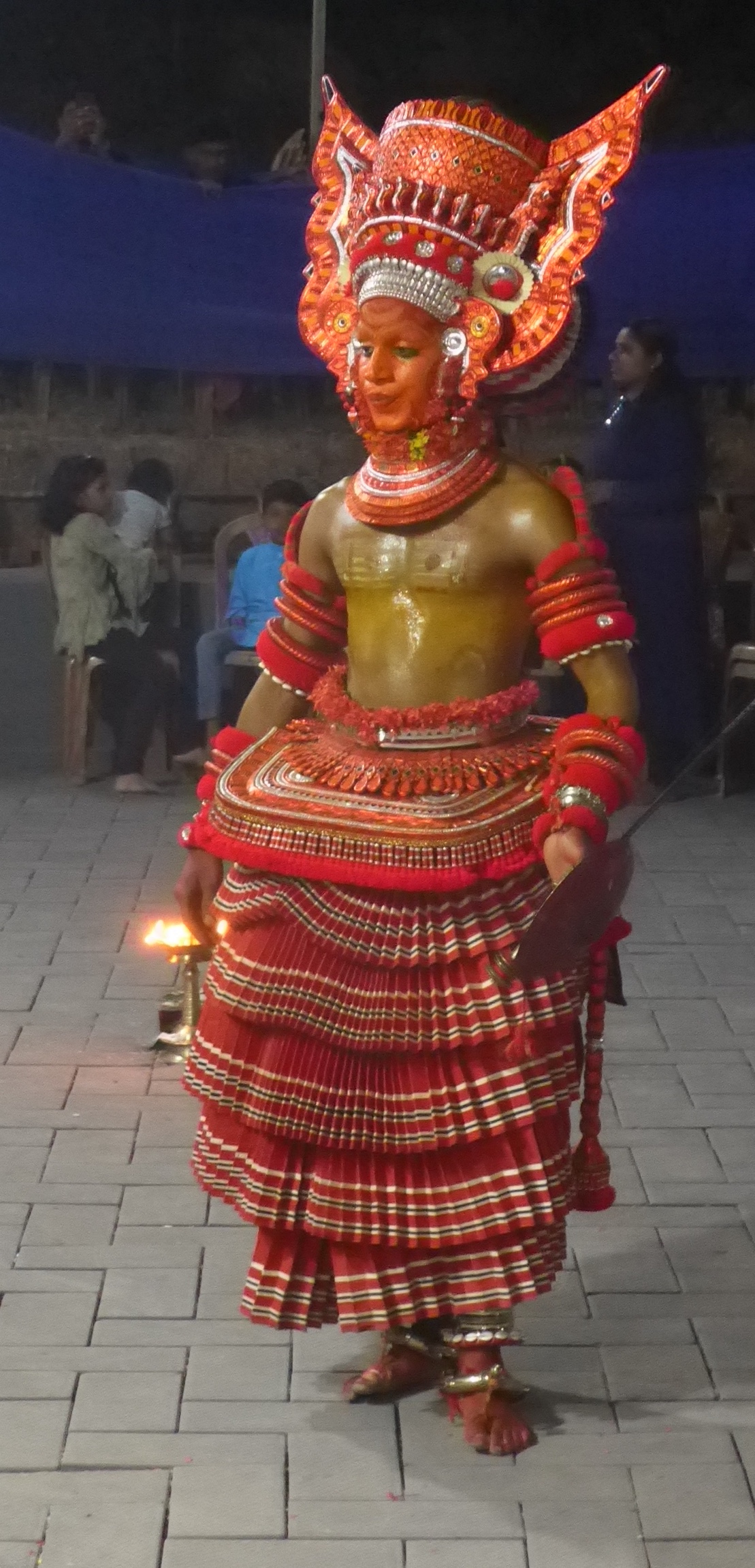
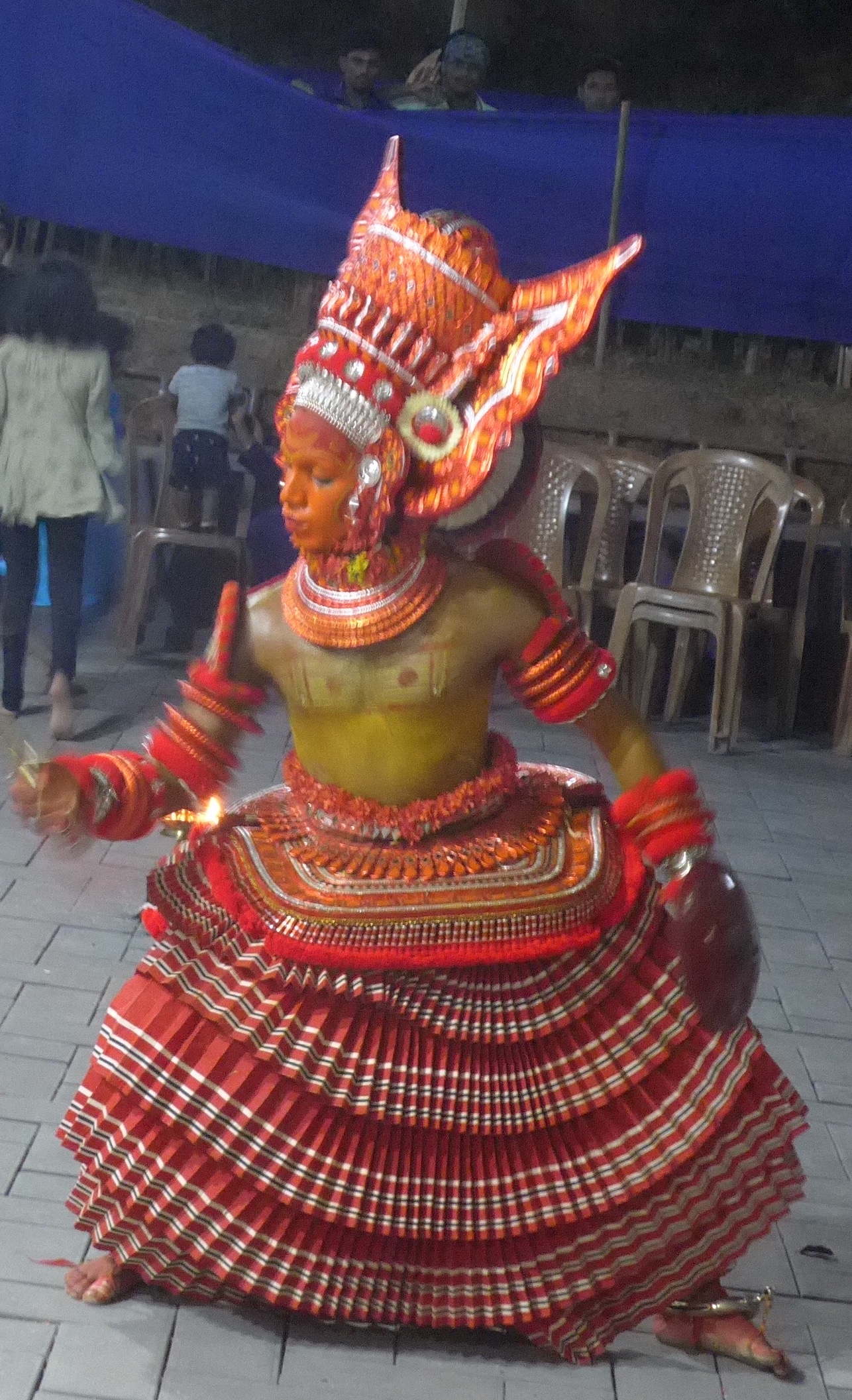
North Kerala is the only place where you can see theyyam, the pre-Hindu ceremony where the performer takes on the trance-induced role of a god in an extraordinary performance involving music, costume, dance and ritual.

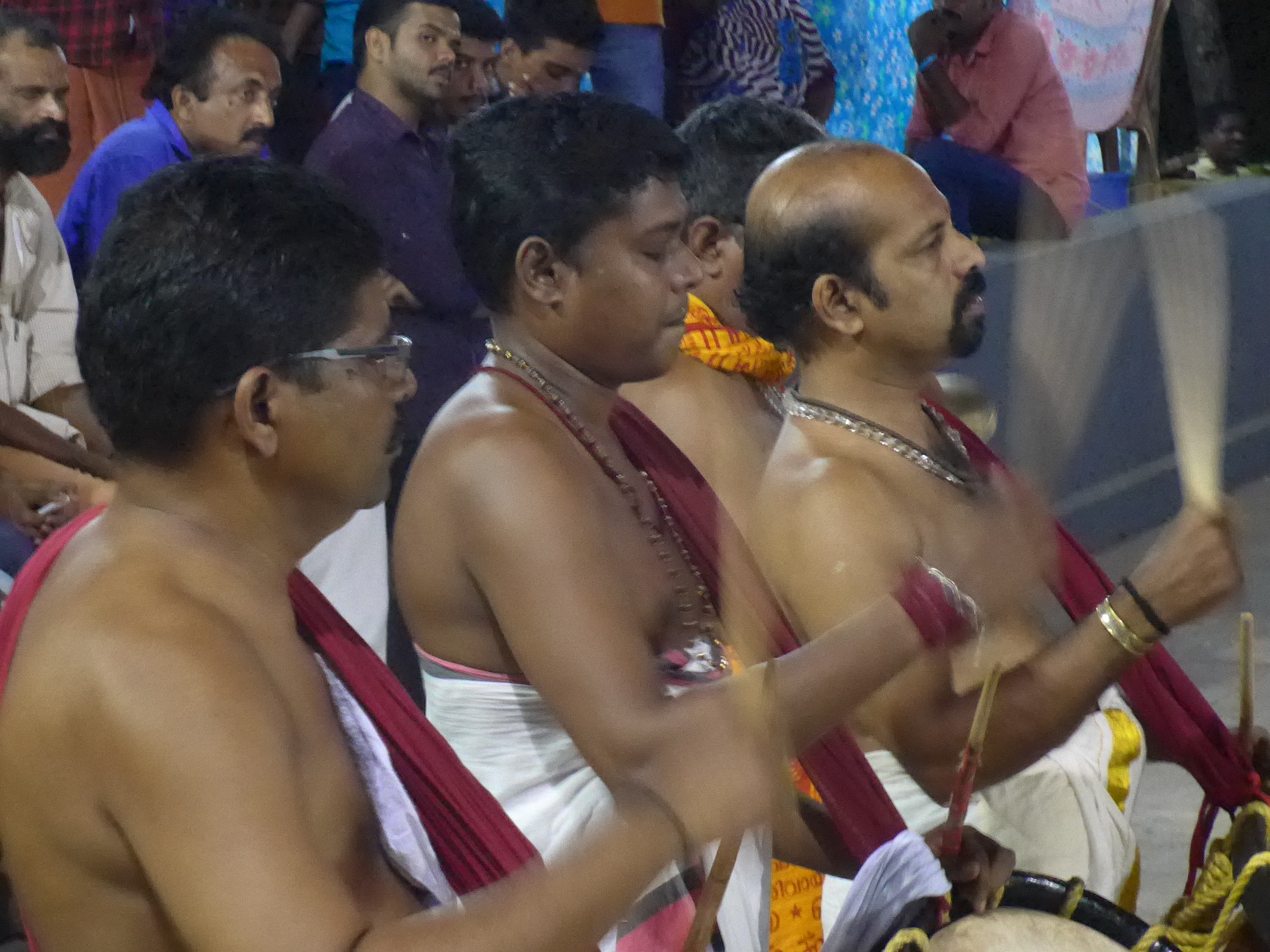
Drummers at the theyyam
Each theyyam’s costume is unique to that god

This ancient practice has its roots in a pantheistic form of worship, where animals, trees and rocks have a religious value, as well as over 300 gods and characters. The theyyam passes into a trance in which they become one of these gods.


The theyyam’s make-up takes from 3 to 6 hours to apply.

The theyyams take place in “groves”, not temples, can go on for three days and inspire huge respect amongst the people who come and ask for advice and blessings.

The theyyam in a trance-dance.
The theyyam giving advice and blessings to petitioners

It is never performed elsewhere or as anything other than a religious event.

As the sun sets on the Malabar Coast I have to apologise for all this hedonism which must be getting tedious for you all. I hope to describe some suffering and discomfort soon.  We are heading back up into the Western Ghats where the temperature at night will be only 15 degrees and we are sure to be trampled by wild elephants, or eaten by tigers.

Sunset at Kannur