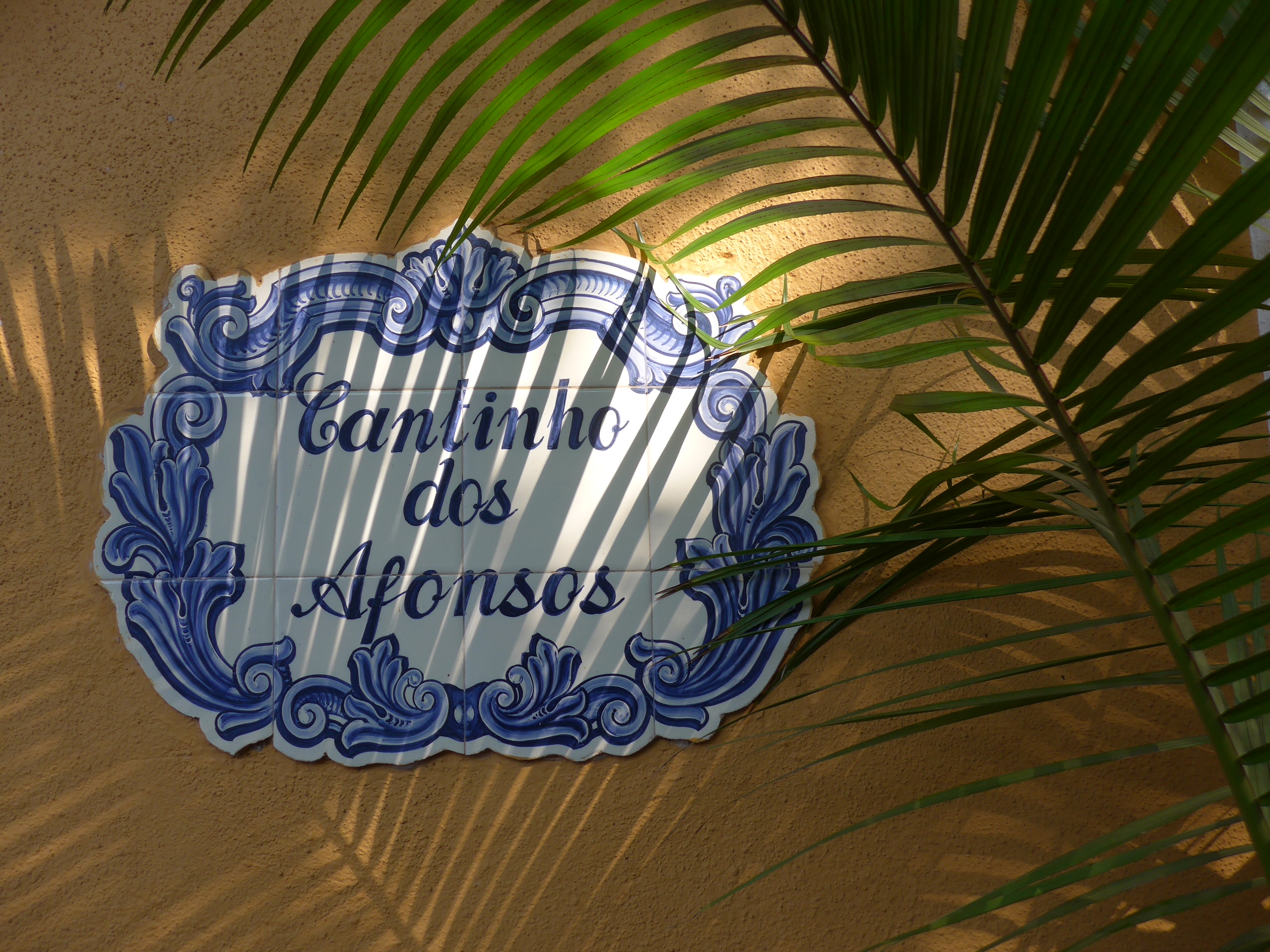
Entering the ex-Portuguese enclave of Goa, we felt we were in a different country, with churches, colonial-style houses, lakes and rivers and greenery everywhere, and of course “Goa’s purpled shore” (Luiz de Camoens Os Luisadas, Canto 10).
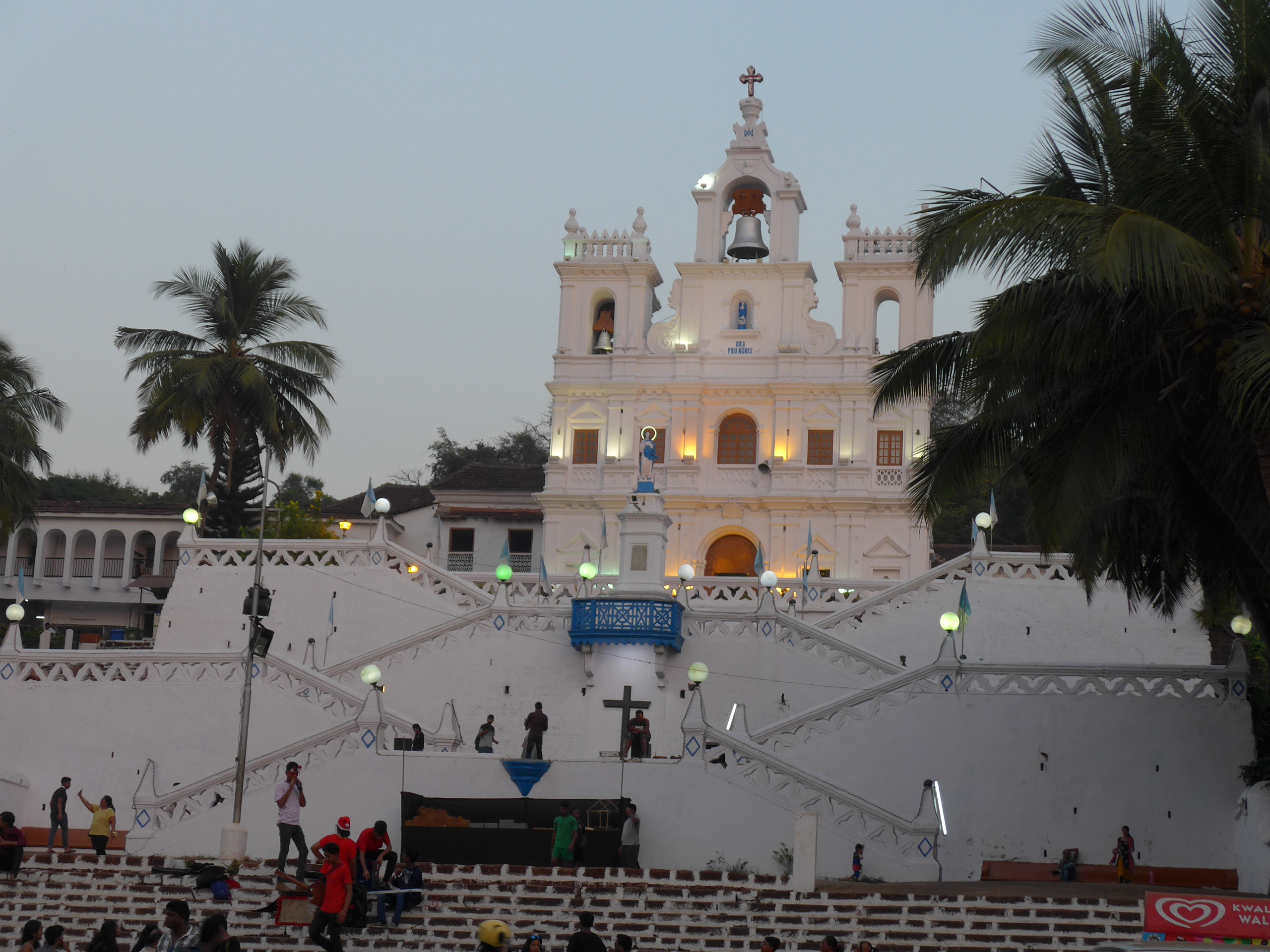
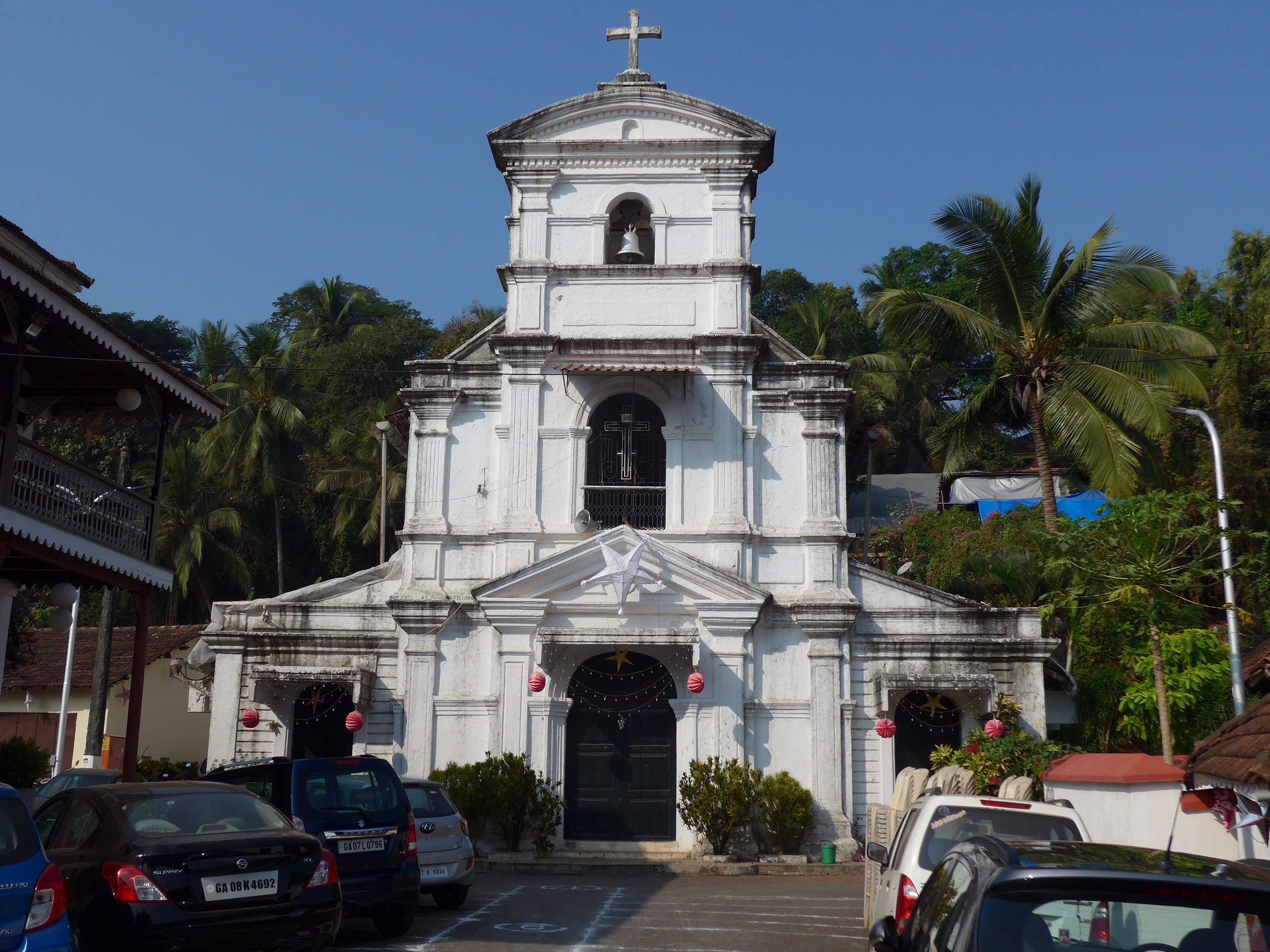
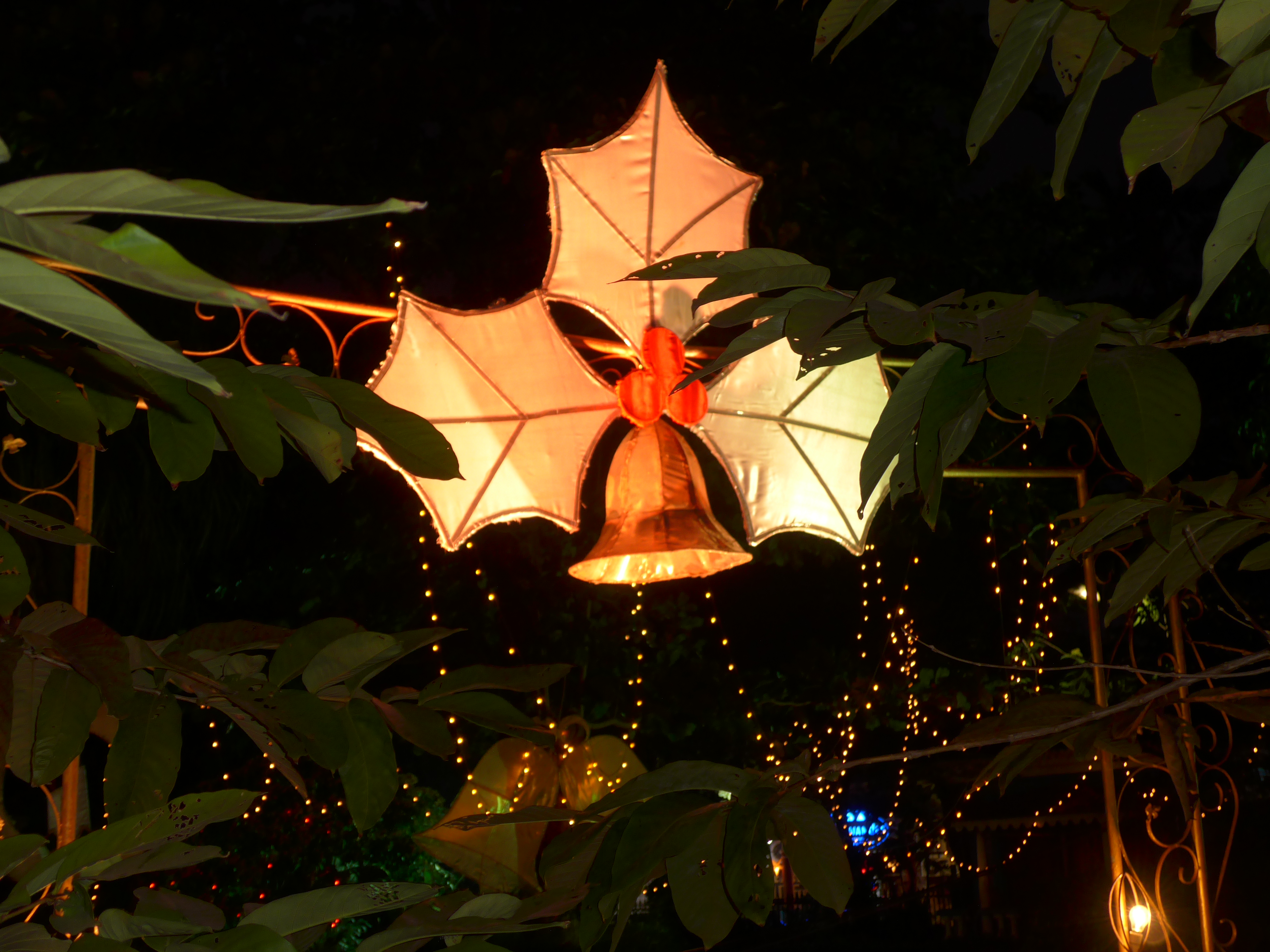
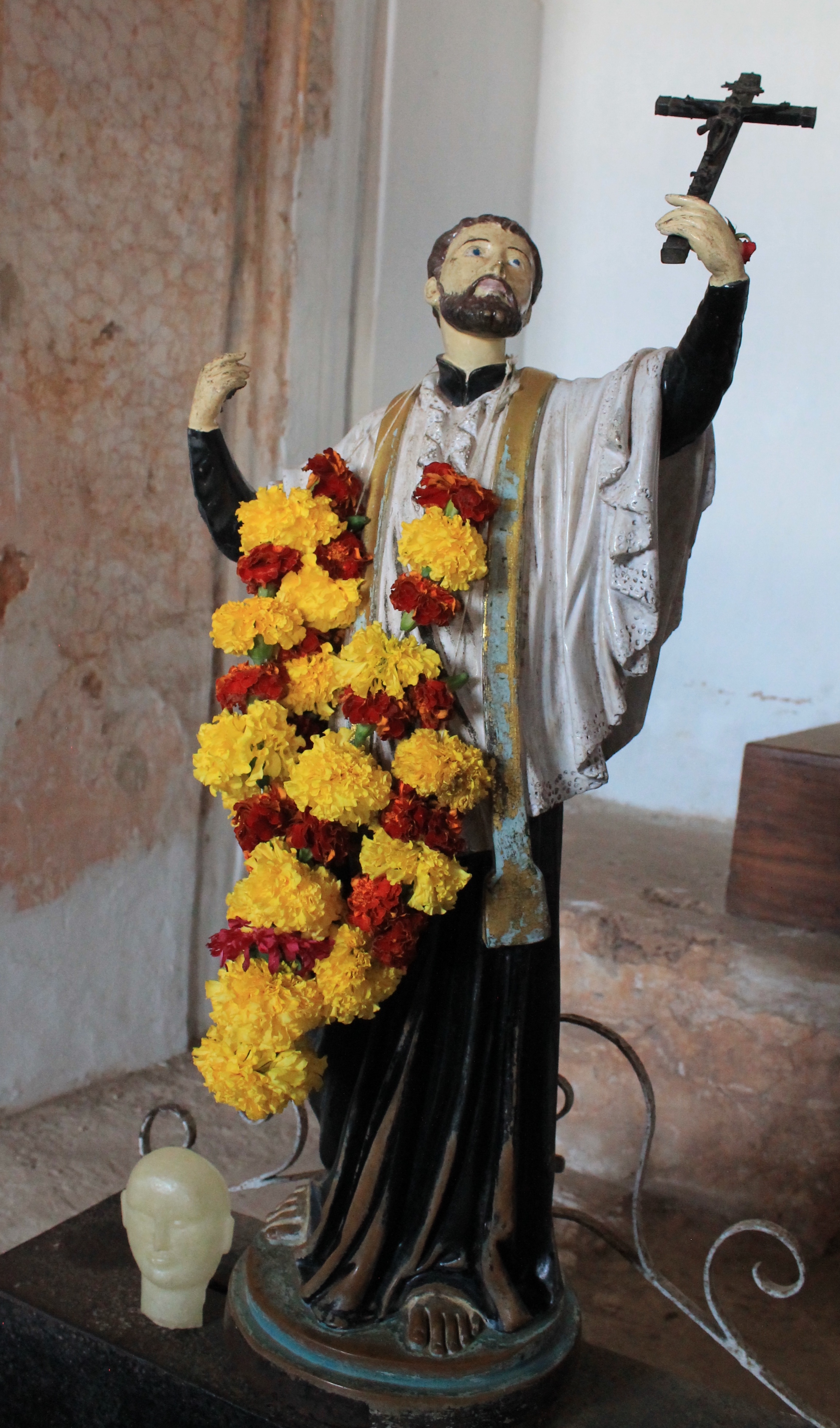
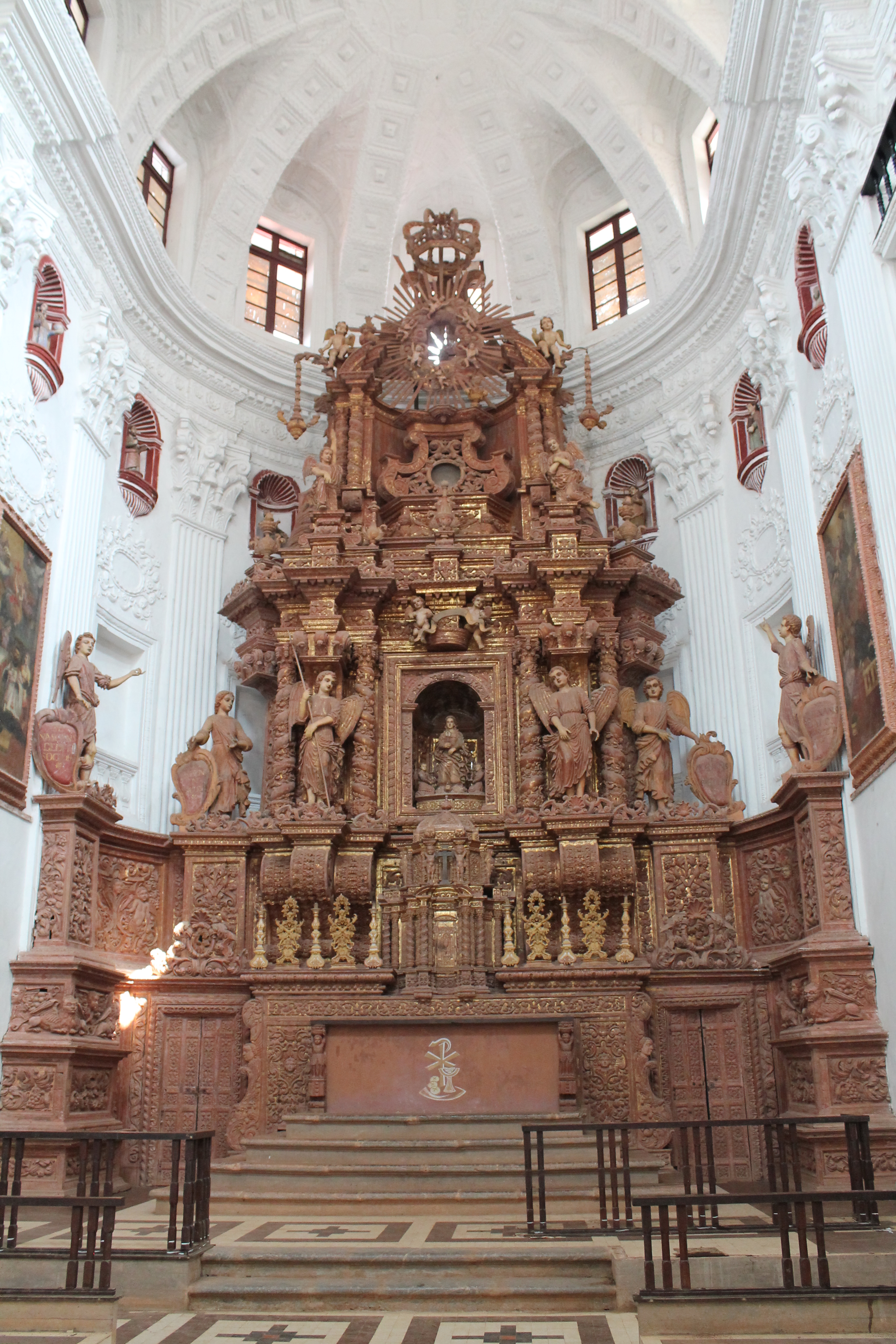
It was strange to visit 16th-century churches and cathedrals in Paniji and Old Goa, including viewing the body of St Francis Xavier, and to see Christmas decorations everywhere, and candles, and youngsters in Father Christmas hats playing “Jingle Bells Rocks”.
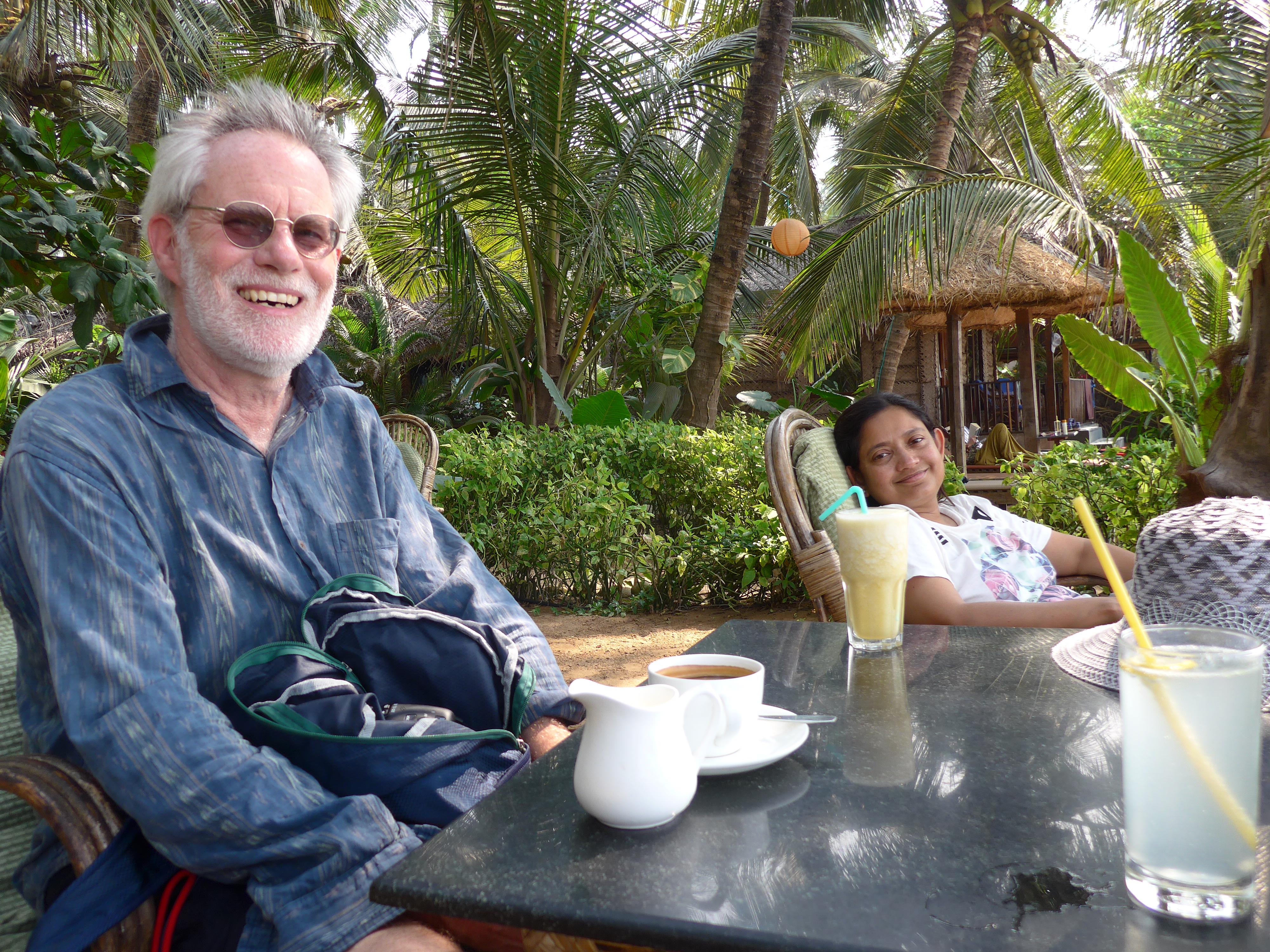
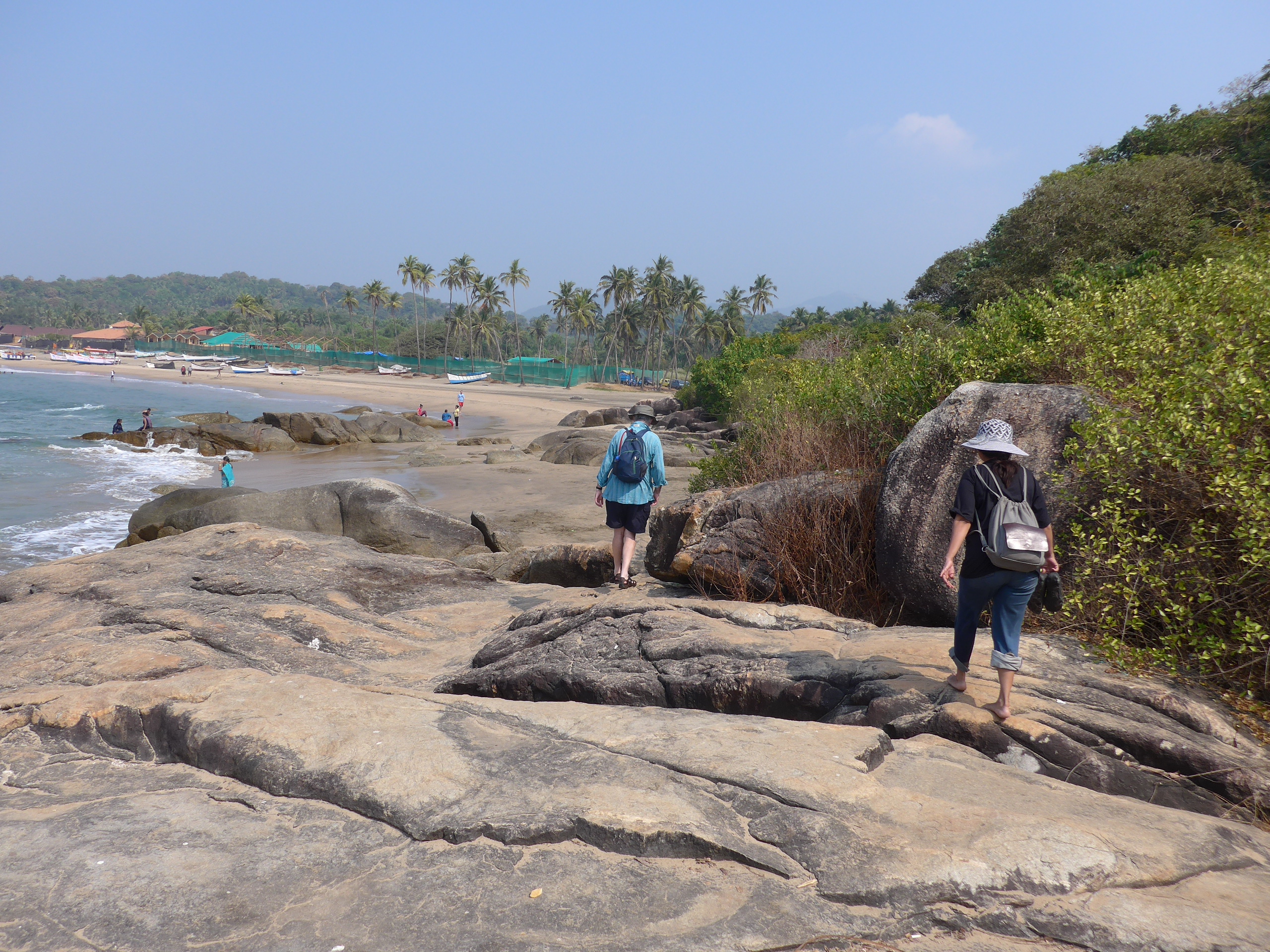
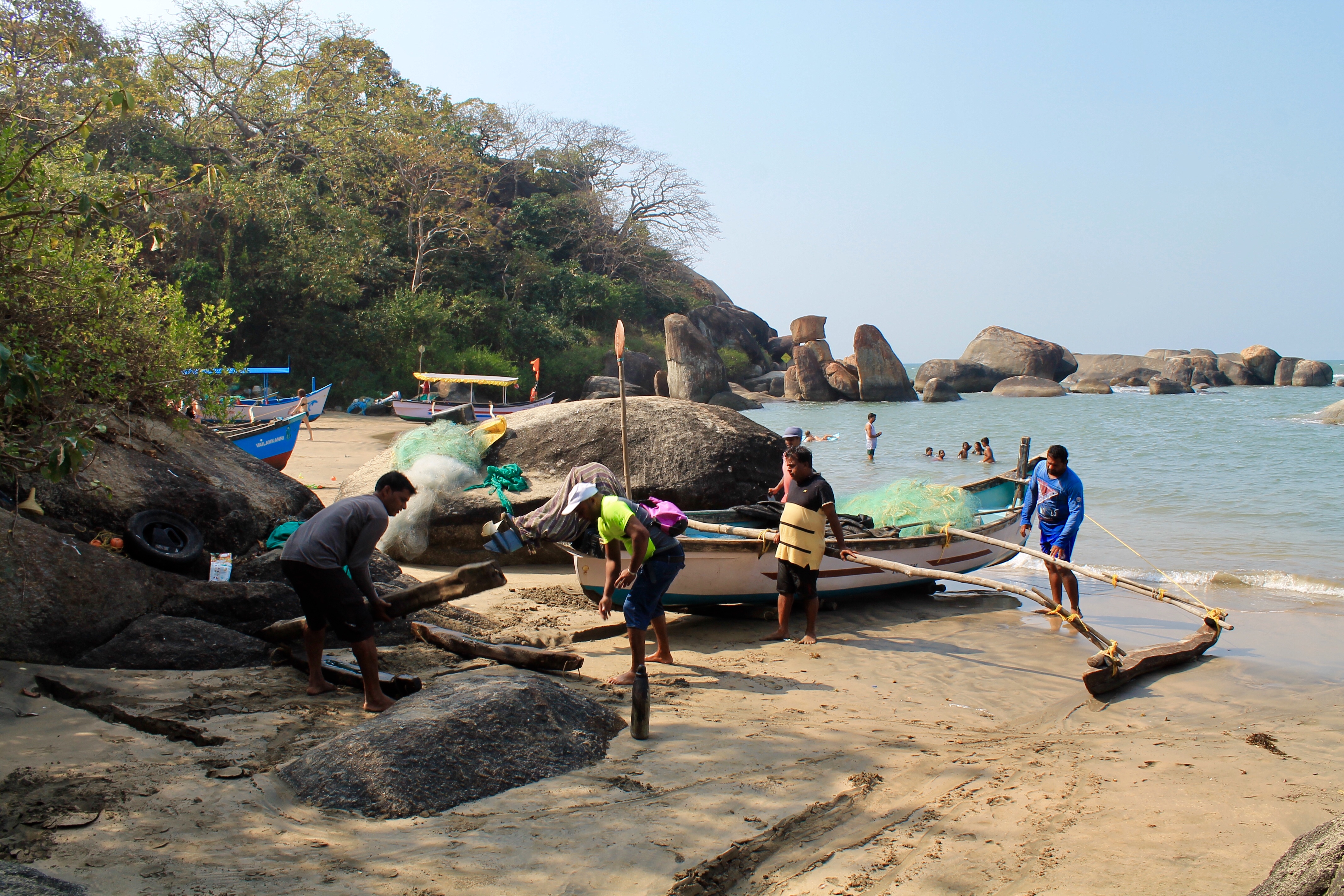
Further down the coast we were anticipating a quiet, Catholic fishing village. The beach at Agonda was long, clean and beautiful but the entire length was fringed with bamboo cabins, beach cafes, full of extraordinarily pale, plump and bare (mostly) British tourists. It was a shock to see smoking and drinking, in public! On the beach!
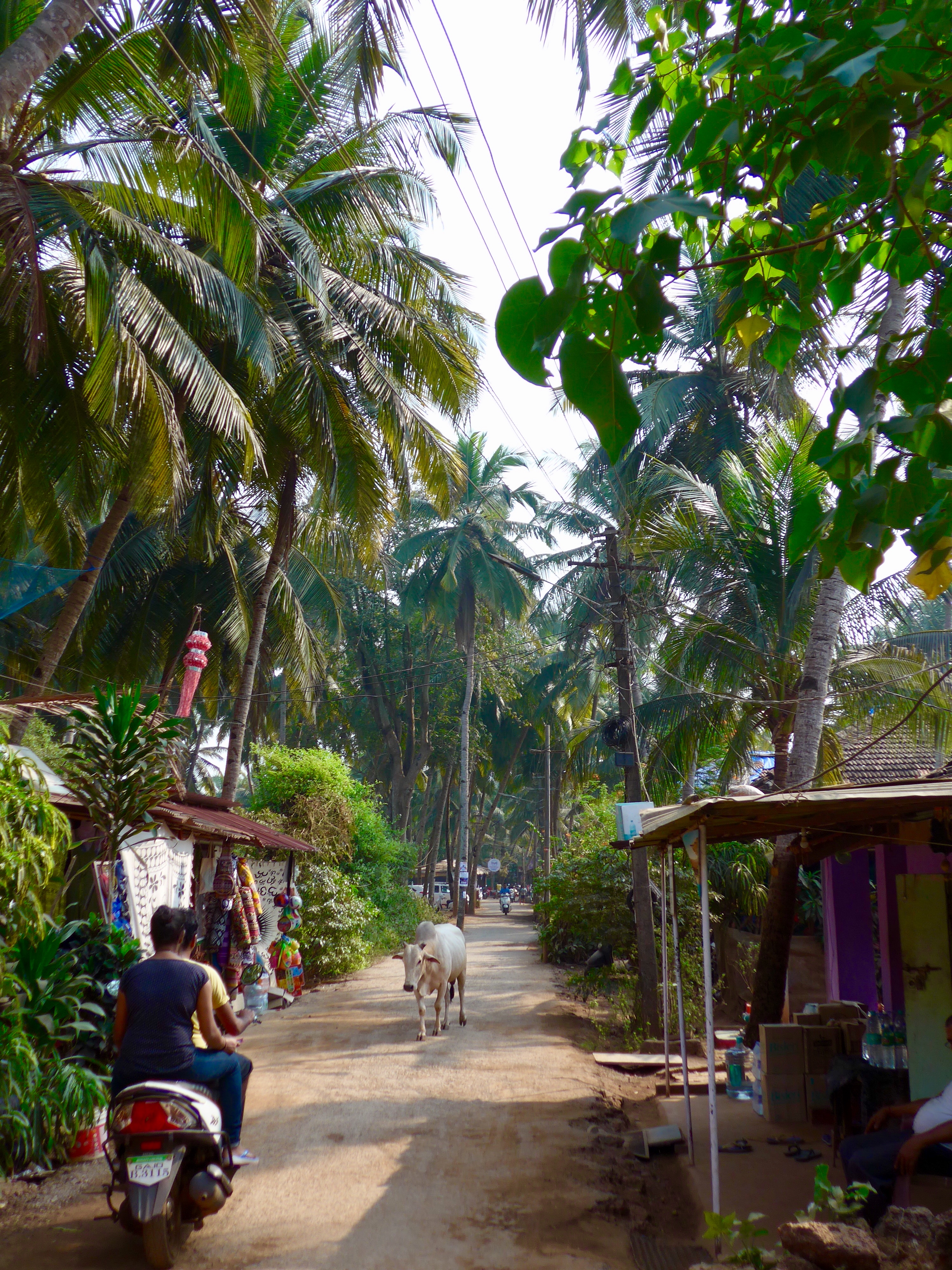
But the whole place is a Fata Morgana, a western idea of a beach paradise, wholly run by immigrant workers from Nepal, shops full of tourist tat from all over India and Nepal, and insubtantial enough to be completely swept away by a small tidal wave.
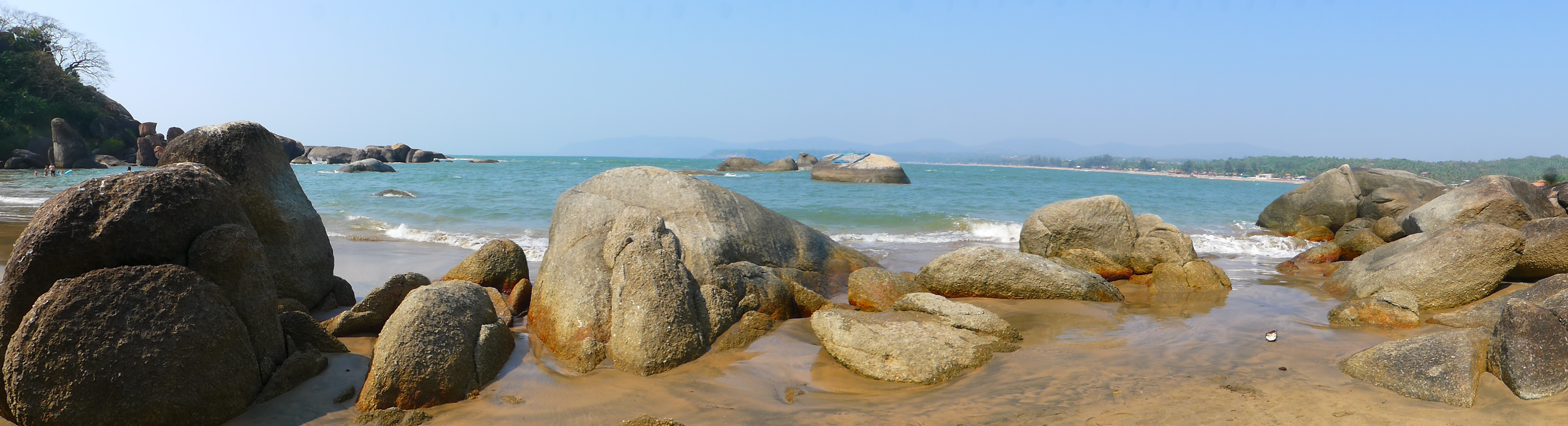
However, in the company of our friend Sujata who flew down to join us for Christmas from Kolkata, it became easy to enjoy the pseudo-hippie lifestyle, and sit around eating and drinking under the palm trees, watching the waves and the sunsets, getting my hair oddly cut, and stocking up on insect repellent and deodorant, two items in frequent use as you can imagine.
And Sujata and I went to a Christmas church service, in the Goan language of Konkani, singing along to familiar hymns in English.
To get away from the noisy Indian New Year we climbed west into the Western Ghats, leaving the hot, sticky, coastal atmosphere behind for cool green forest.
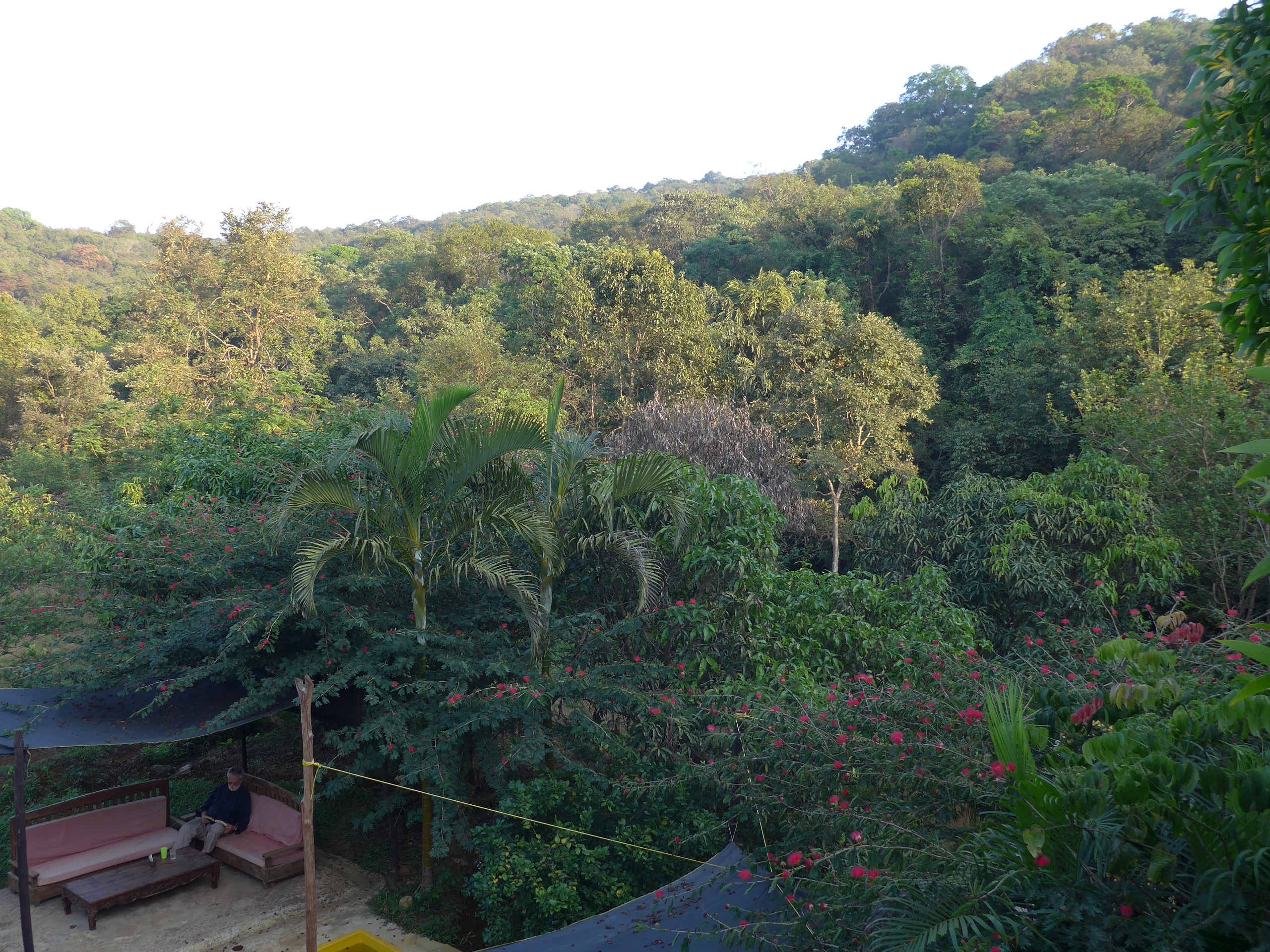
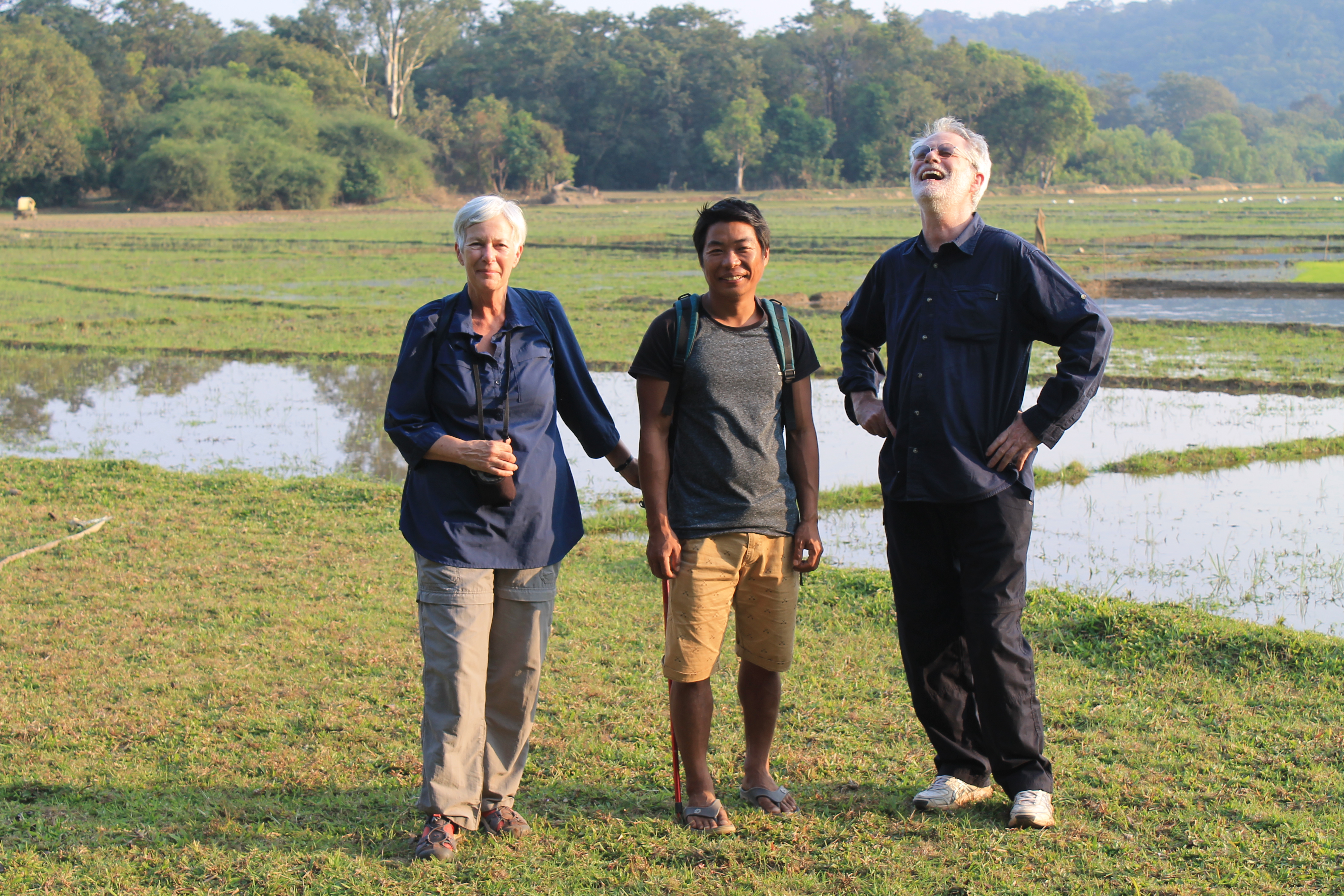
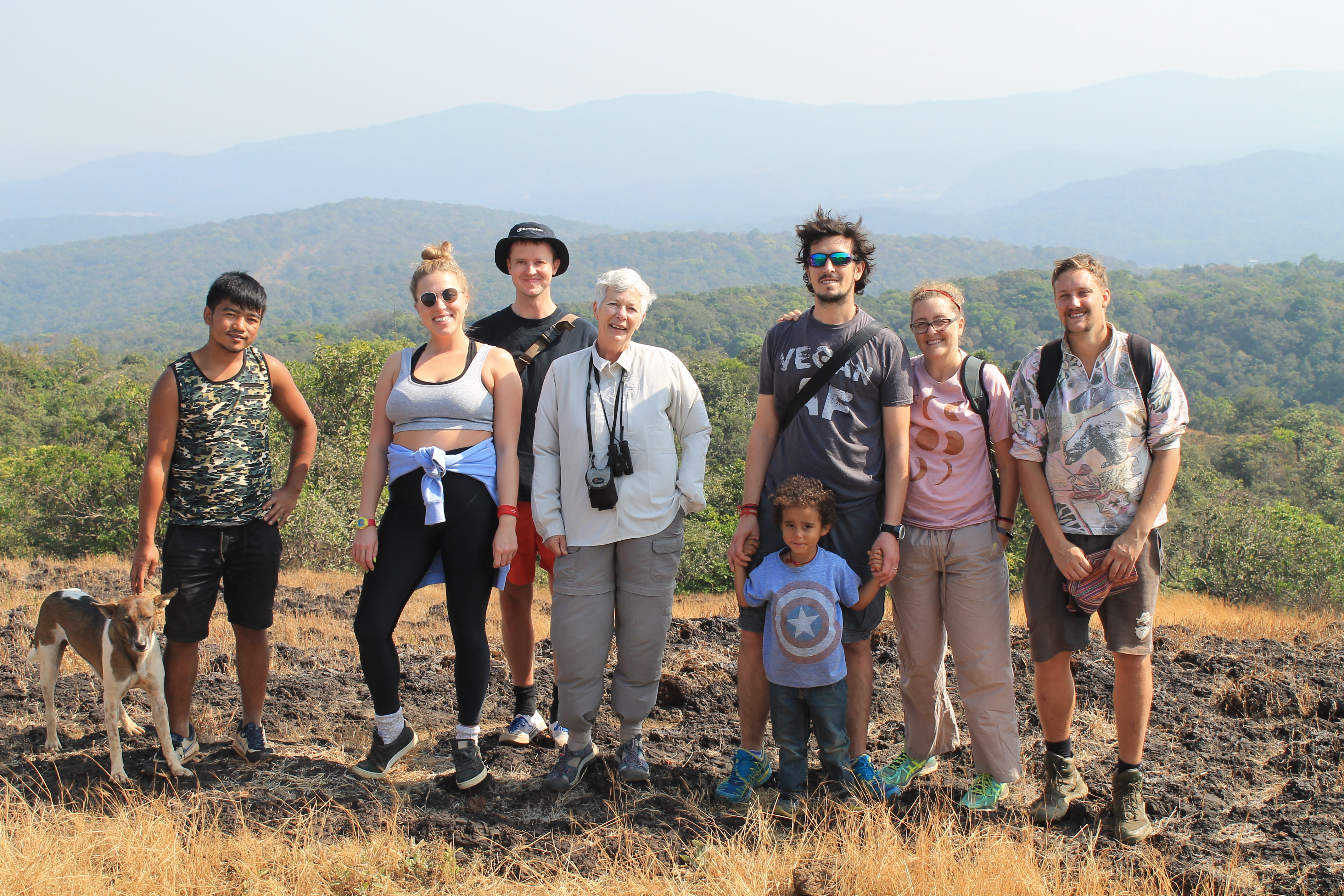
With only solar power, no WiFi or phone, and all food and hot water made over wood fires, it was a big contrast from the Goa resorts. We trekked each day with excellent Kohli from Nagaland (north-east states), who also ran the place while the owners were away.
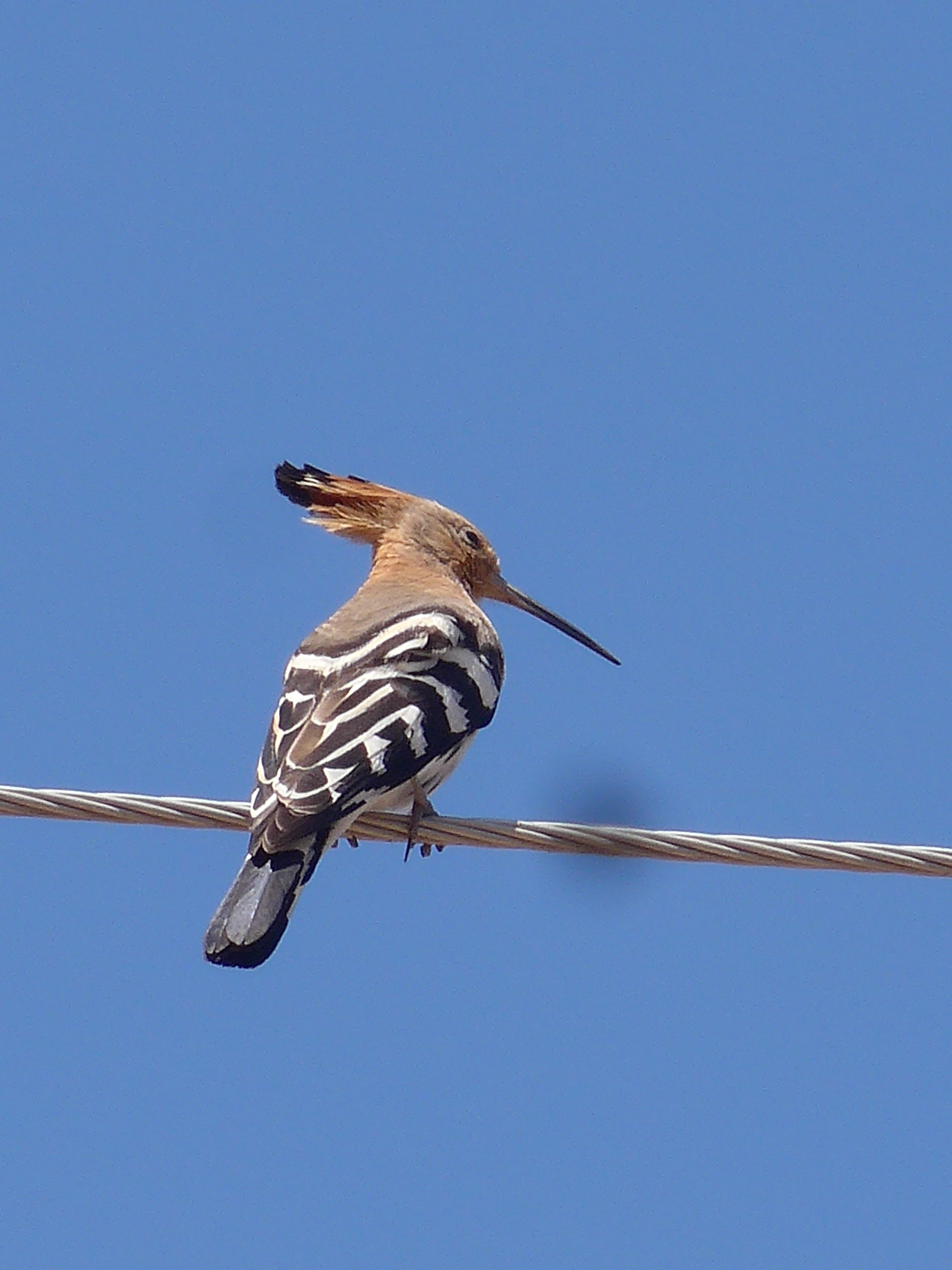
From our room I could lie in bed, watch the sunrise over the mountains, and sunbirds, leaf birds, vernal parrots and drongos landing in the flowering trees.

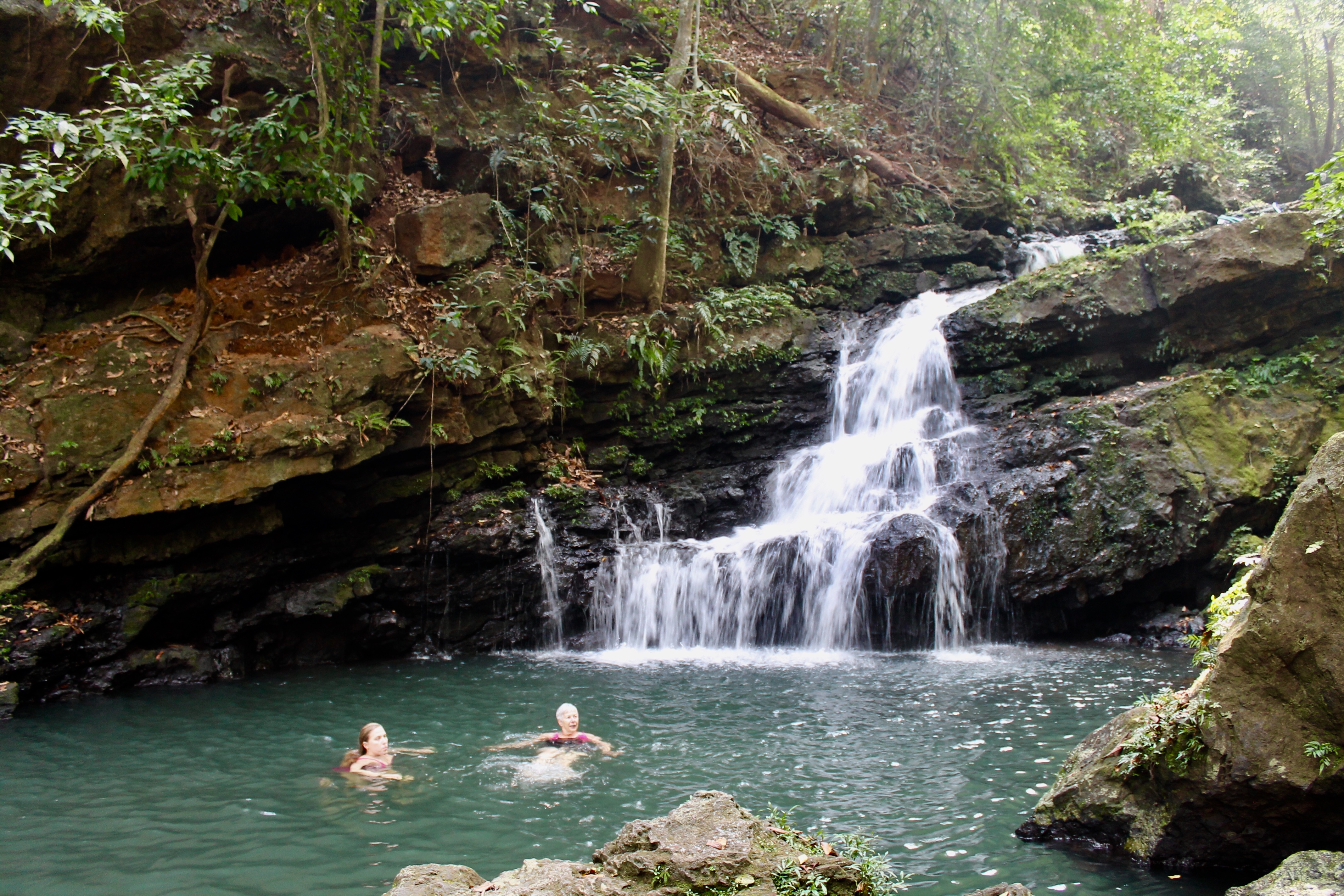
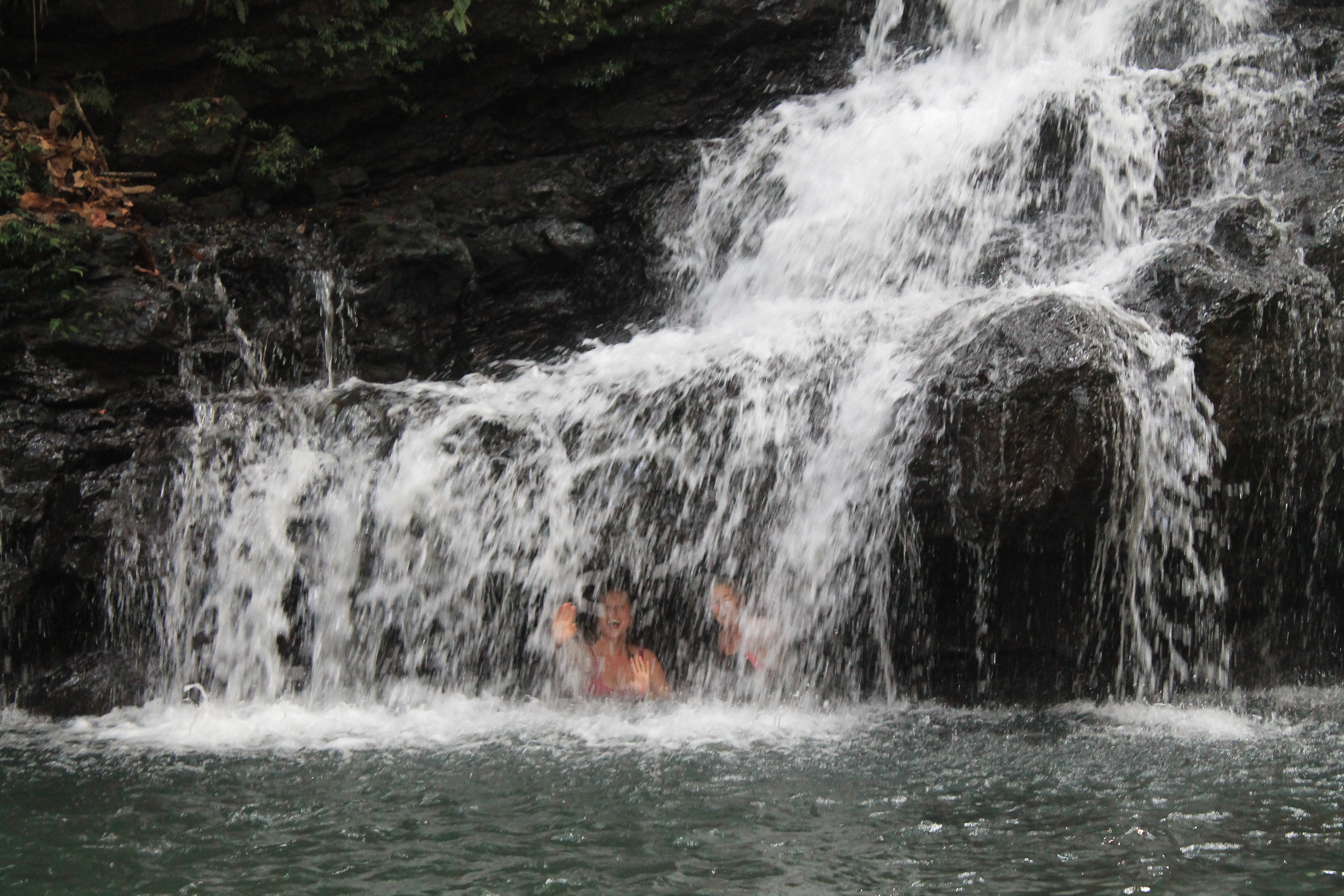
We swam in an icy, deep mountain pool with a waterfall, where fish nibble your feet, legs and bottom, eliciting embarrassing squeaks of surprise.
We ate out under trees by the river, and sat round a fire each night, looking at the stars and telling stories. And we really enjoyed being with a group of friendly, like-minded Guardian readers!
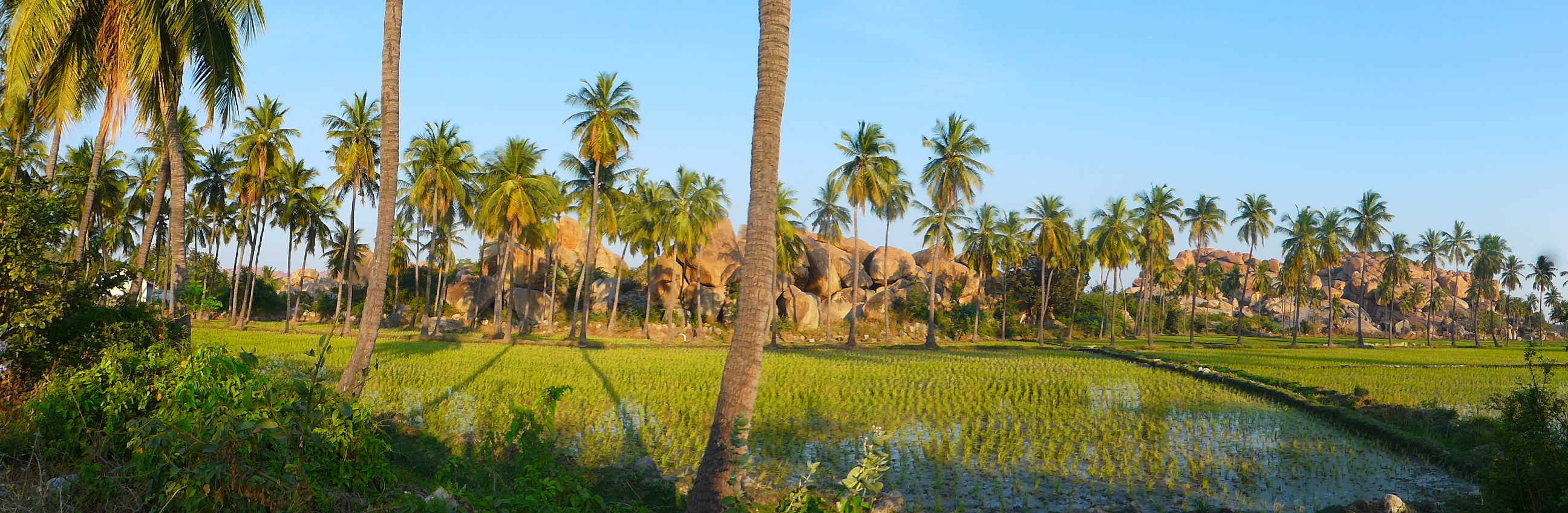
Yes, at halfway through the trip we were fully recharged (you may have noticed a trace of weariness creeping in earlier) and ready for the next stage, Hampi in Karnataka. Though I have to say my clothes, particularly my underwear, are disintegrating and I will have to search out the Mysore Cotton Undies Emporium when we get there. After a six-hour train journey east we had left the mountains behind and were travelling across central Karnataka with endless fields of sugar cane and chillies. I saw several million chillies during the journey. As we left the black volcanic rock of the Deccan Traps, huge granite boulders began to be pushed out of the earth and piled up in mounds.
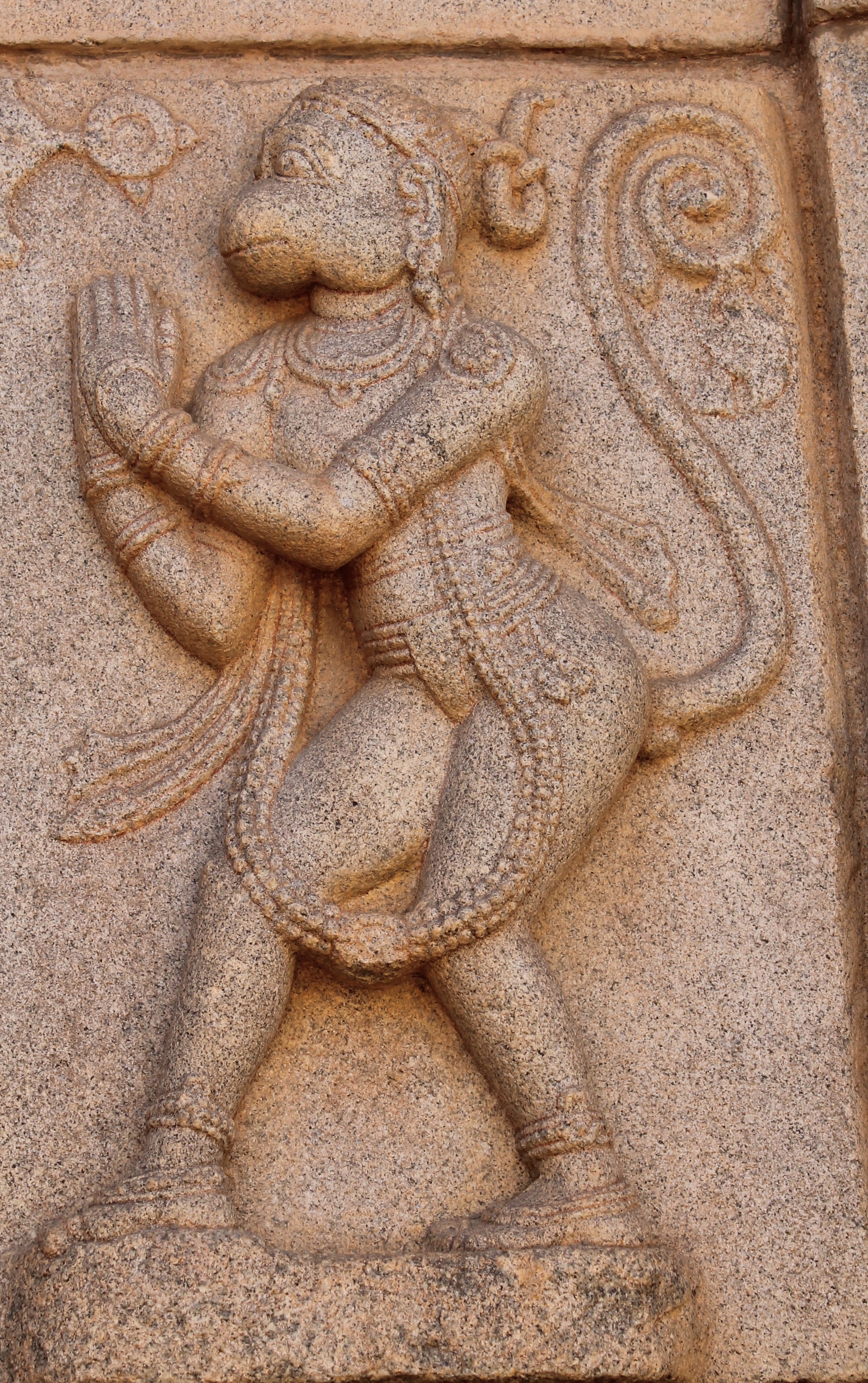
This was down to the armies of Hanuman, the Monkey-king, who seemed to spend a lot of time chucking boulders about, making them into hills and balancing them precariously on top of each other.
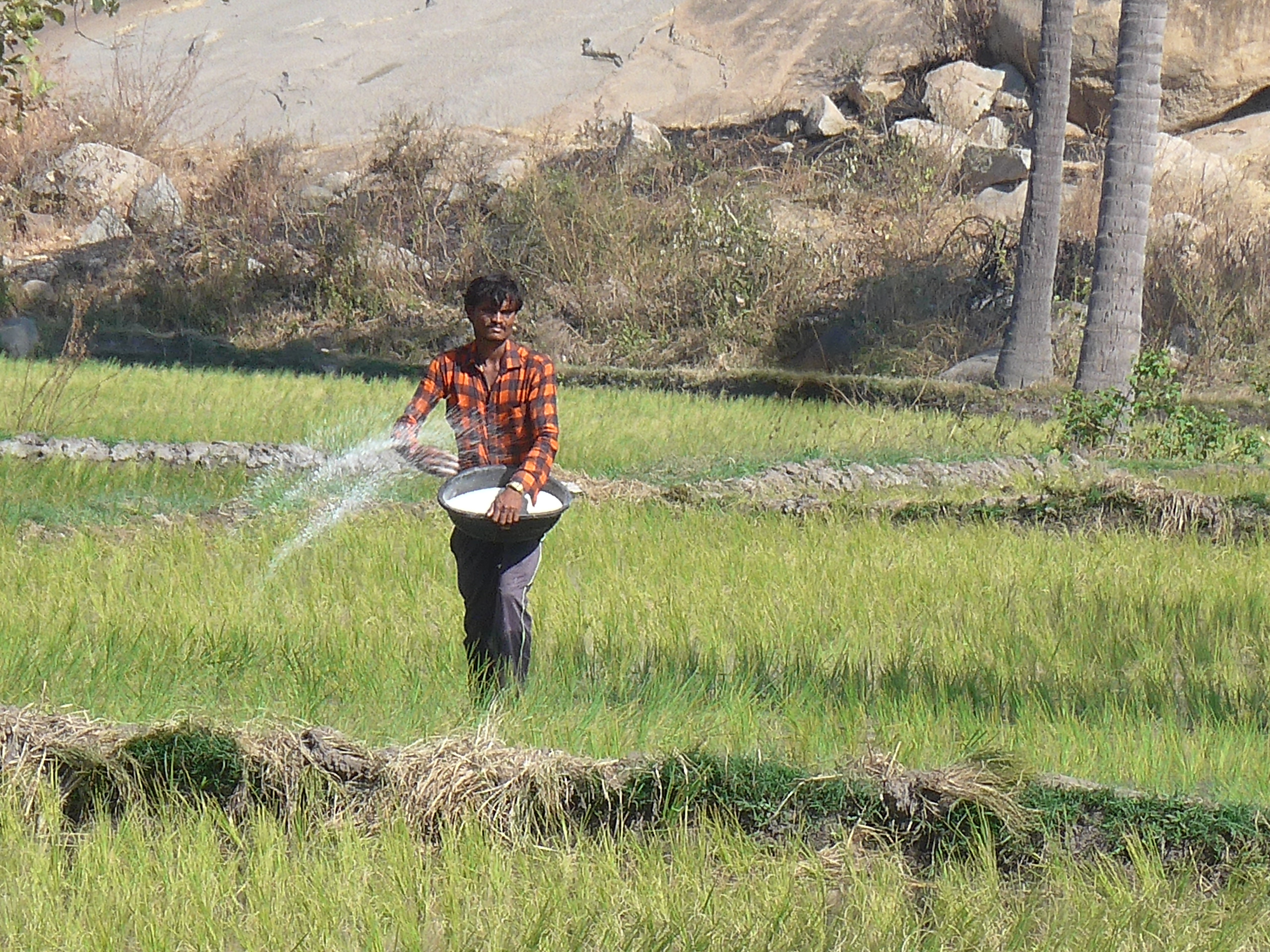
Between the outcrops, electric-green padi fields shone in the evening light and banana and coconut plantations waved their palms. Amongst the boulders the temples and palaces of Hampi, or Vijayanagar, stretched in all directions.
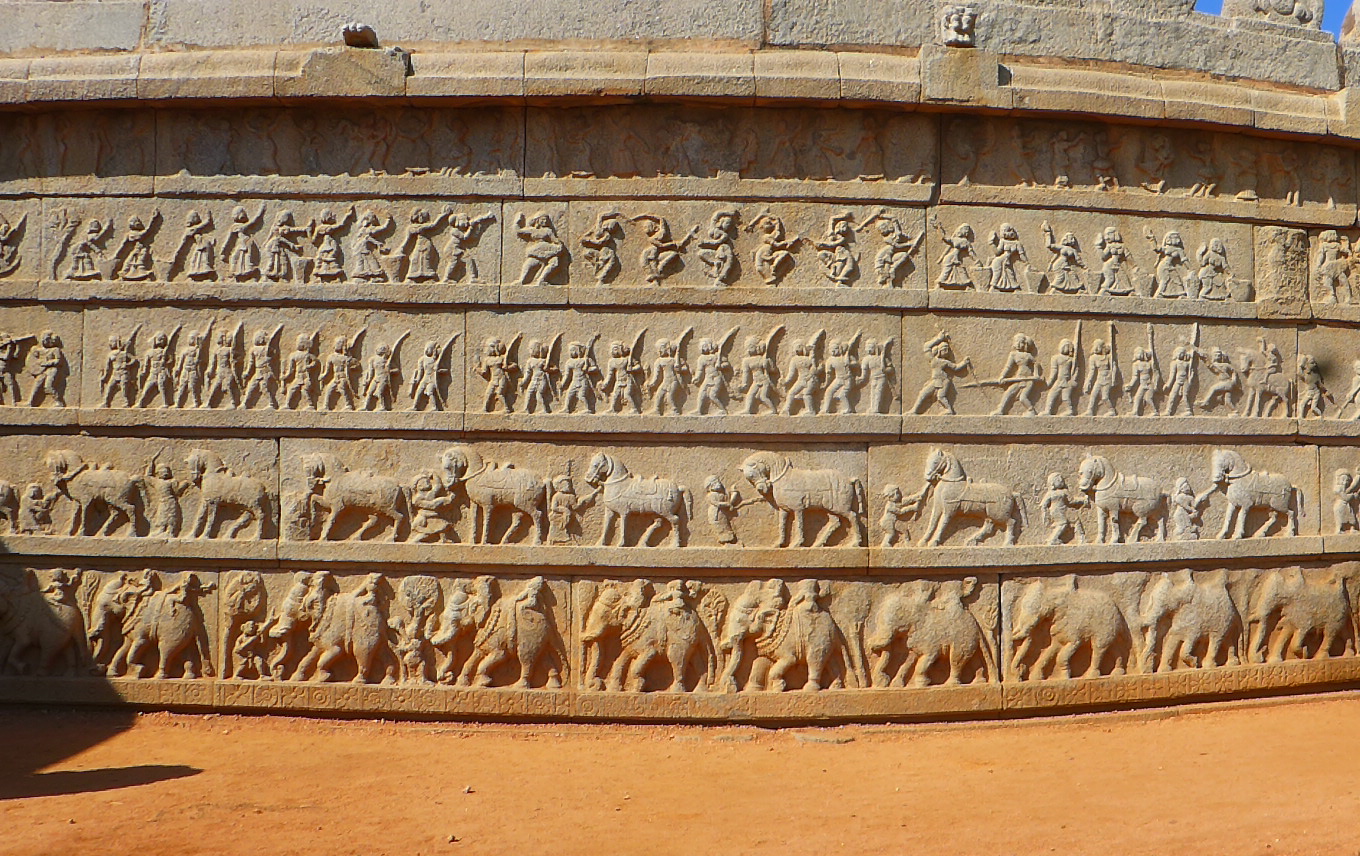
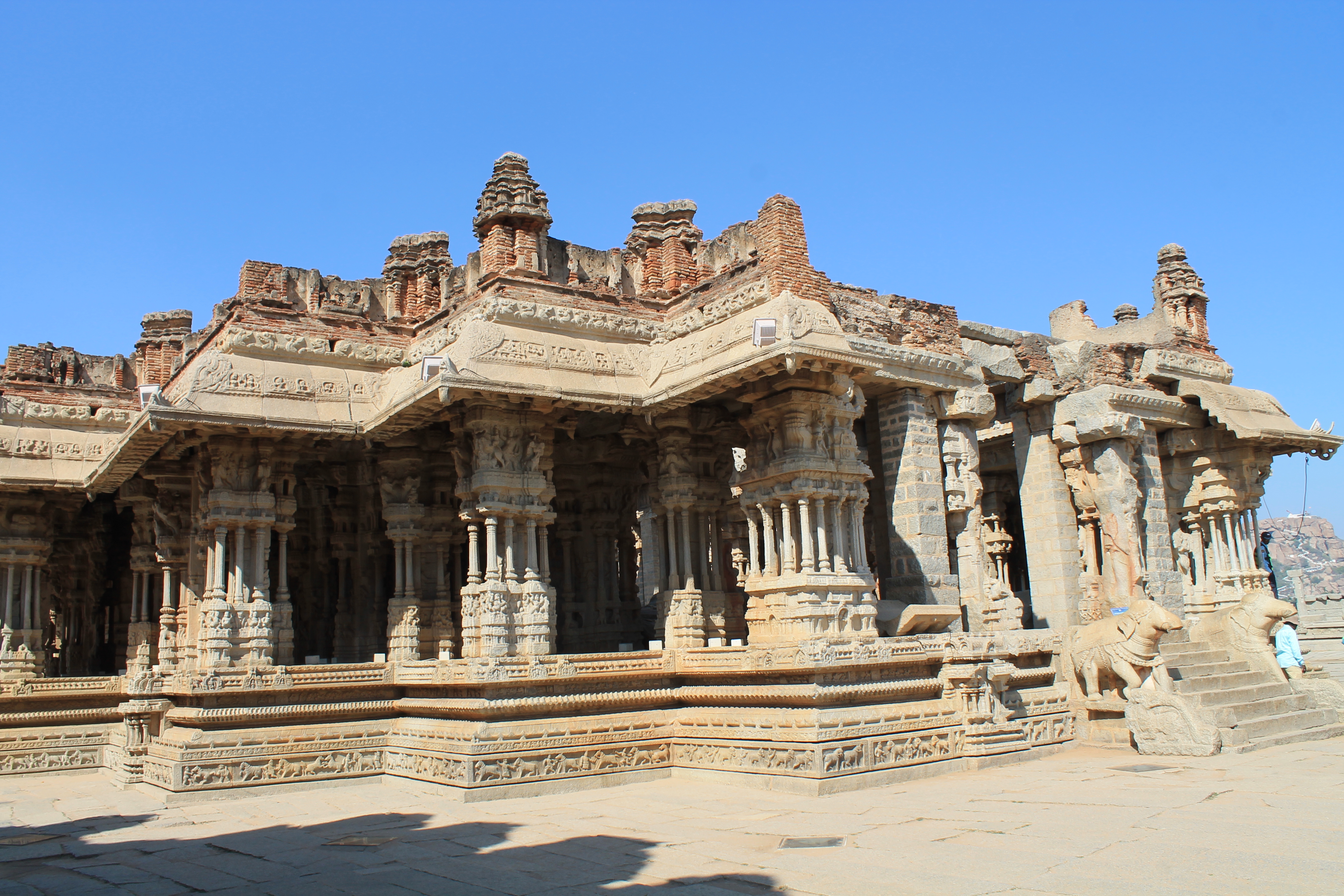
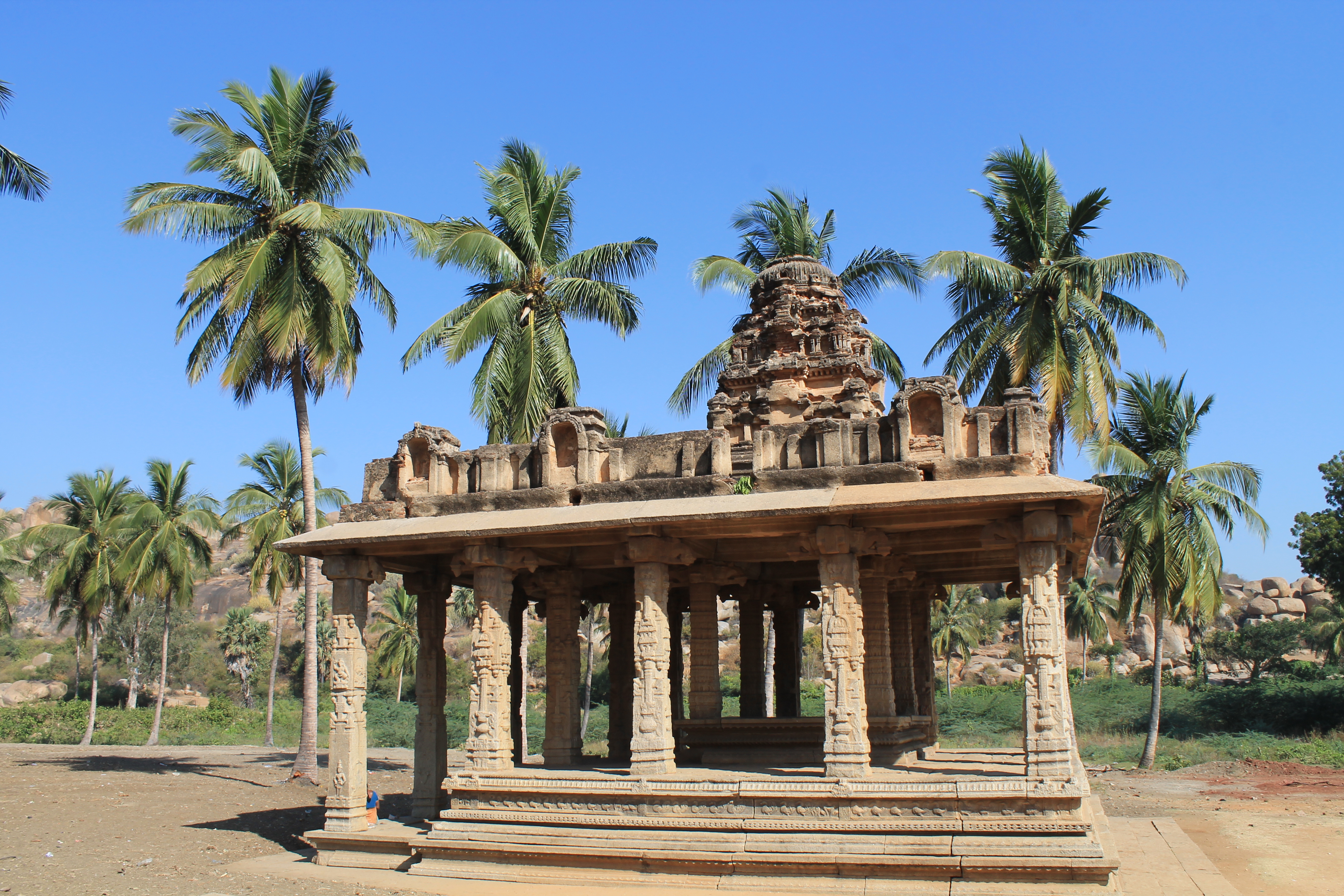
To avoid causing ancient ruin-fatigue I will just say there were lots and lots of them, many with their original carvings and sculptures, dating from the fourteenth and fifteenth centuries, when it was a Hindu empire of great wealth and power.
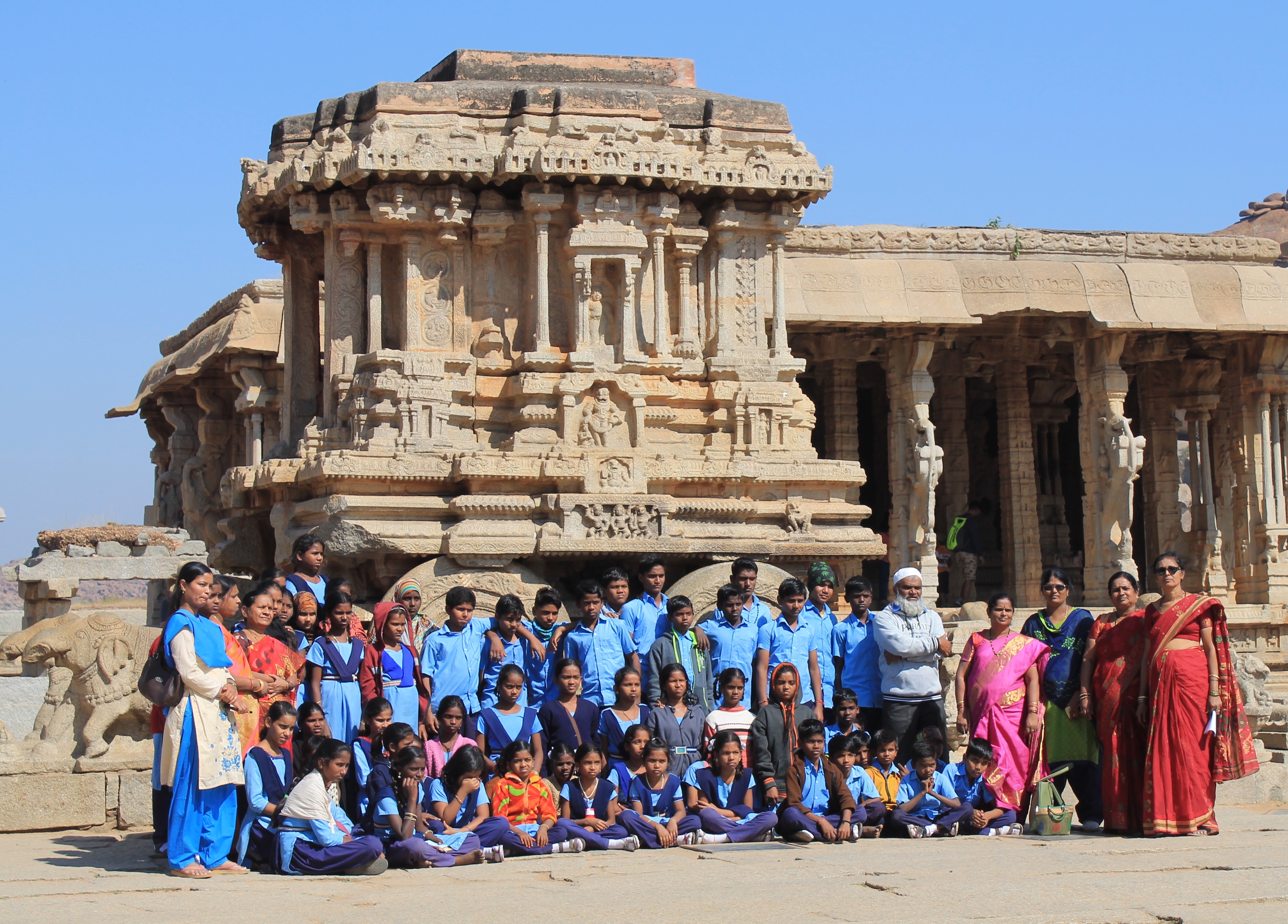
It was sacked by Muslim armies in the sixteenth century, presumably no longer enjoying the patronage of Hanuman, though plenty of his subjects were still about now, including a gang who liked to gallop across our cabin roof in the early morning.
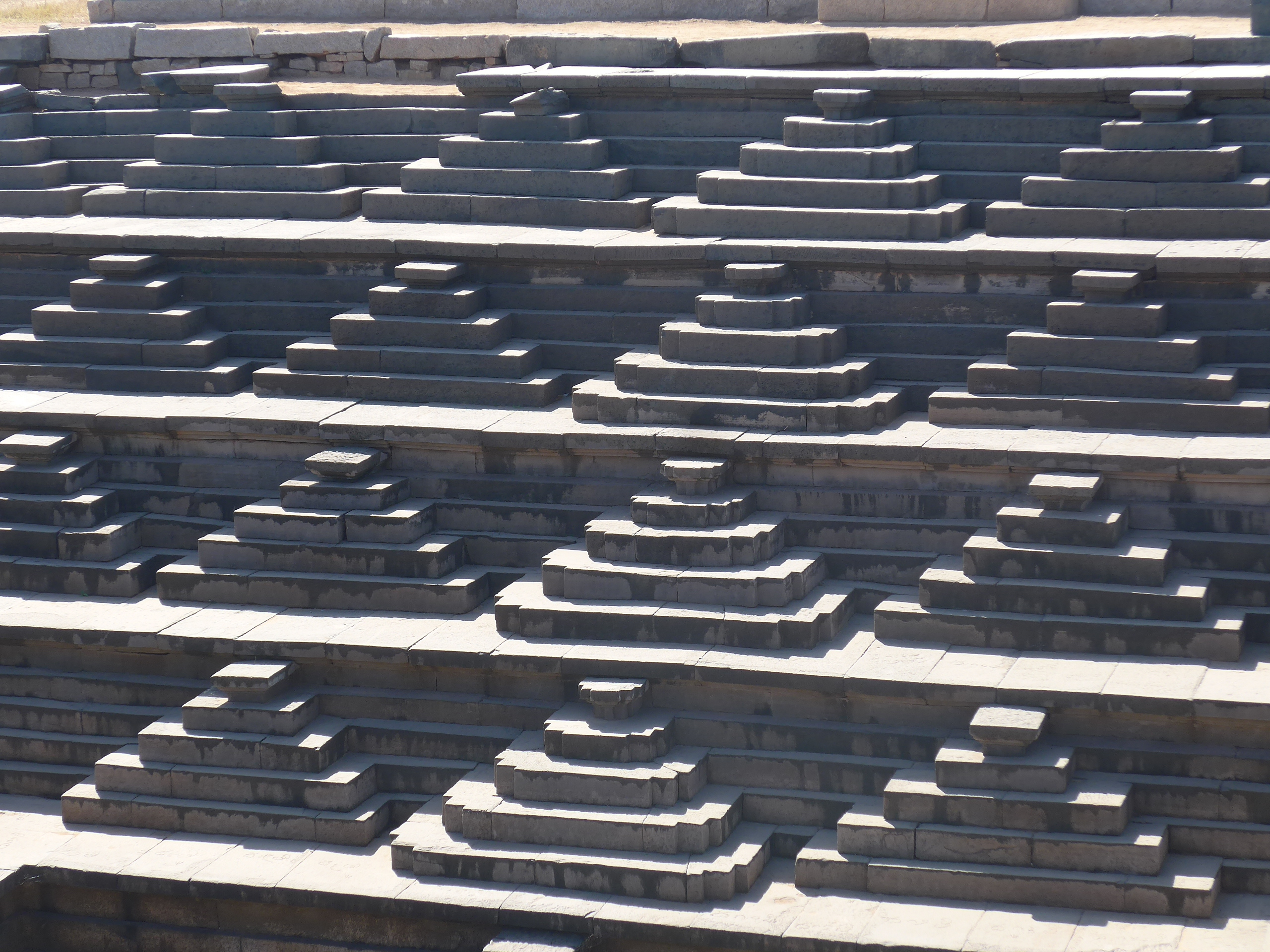
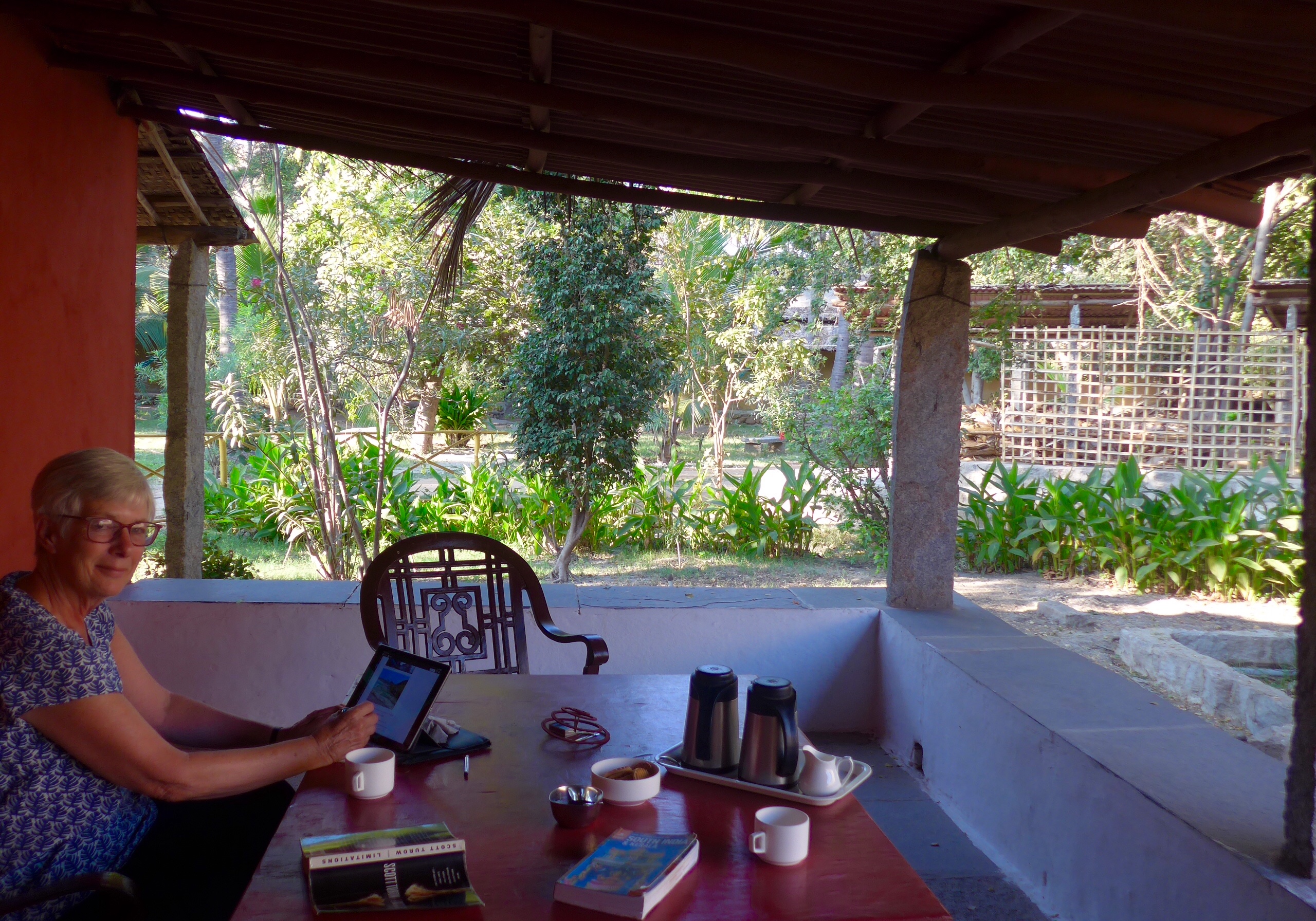
We stayed in the Uramma Cottages across the river, on the edge of a village called Anegundi, in a green garden which we shared with various chickens, cows, dogs and squirrels and the village sewing-circle.
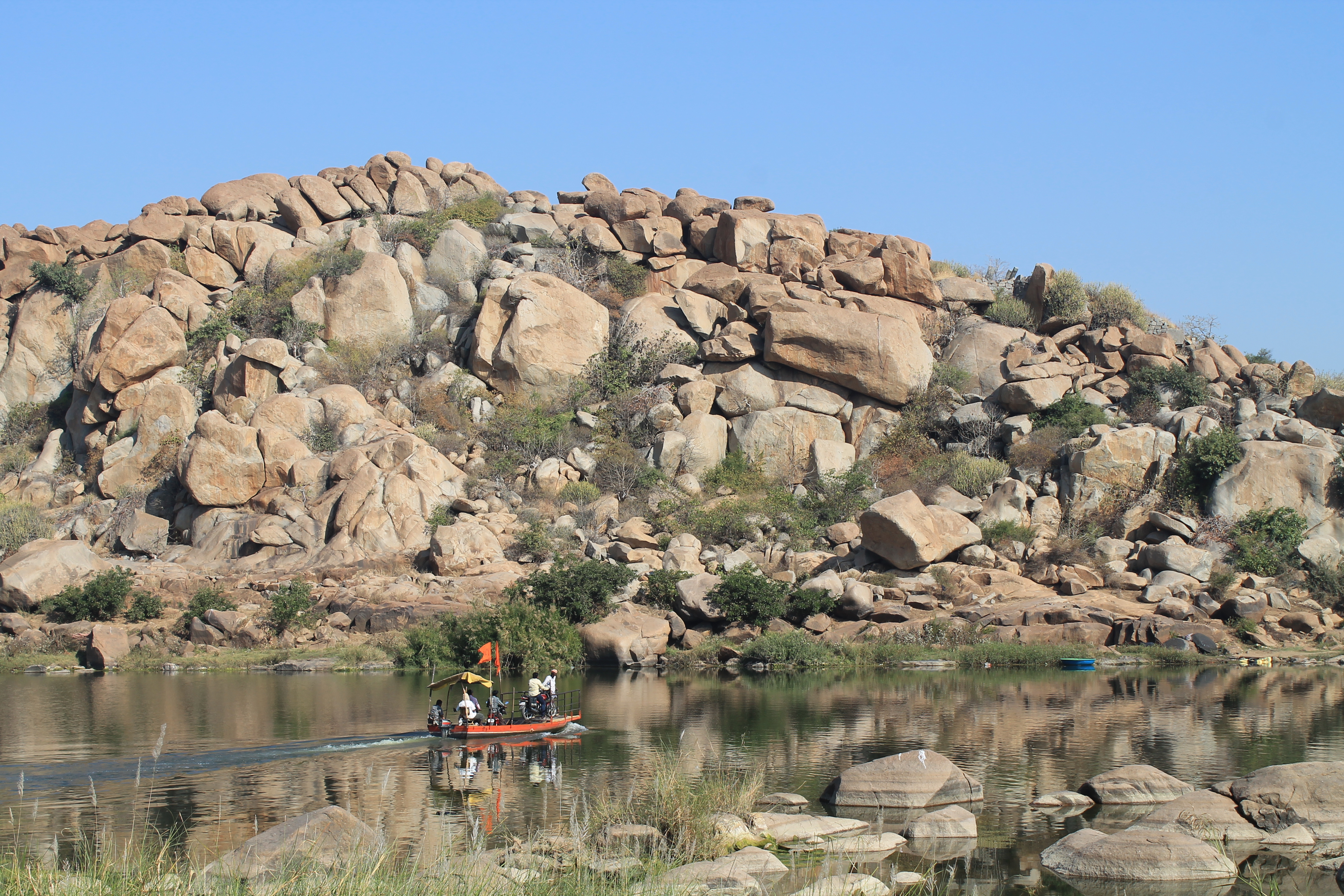

To reach Hampi there were three crossings, some with coracles but ours was by a small motor-ferry which went when the boatman could be bothered.
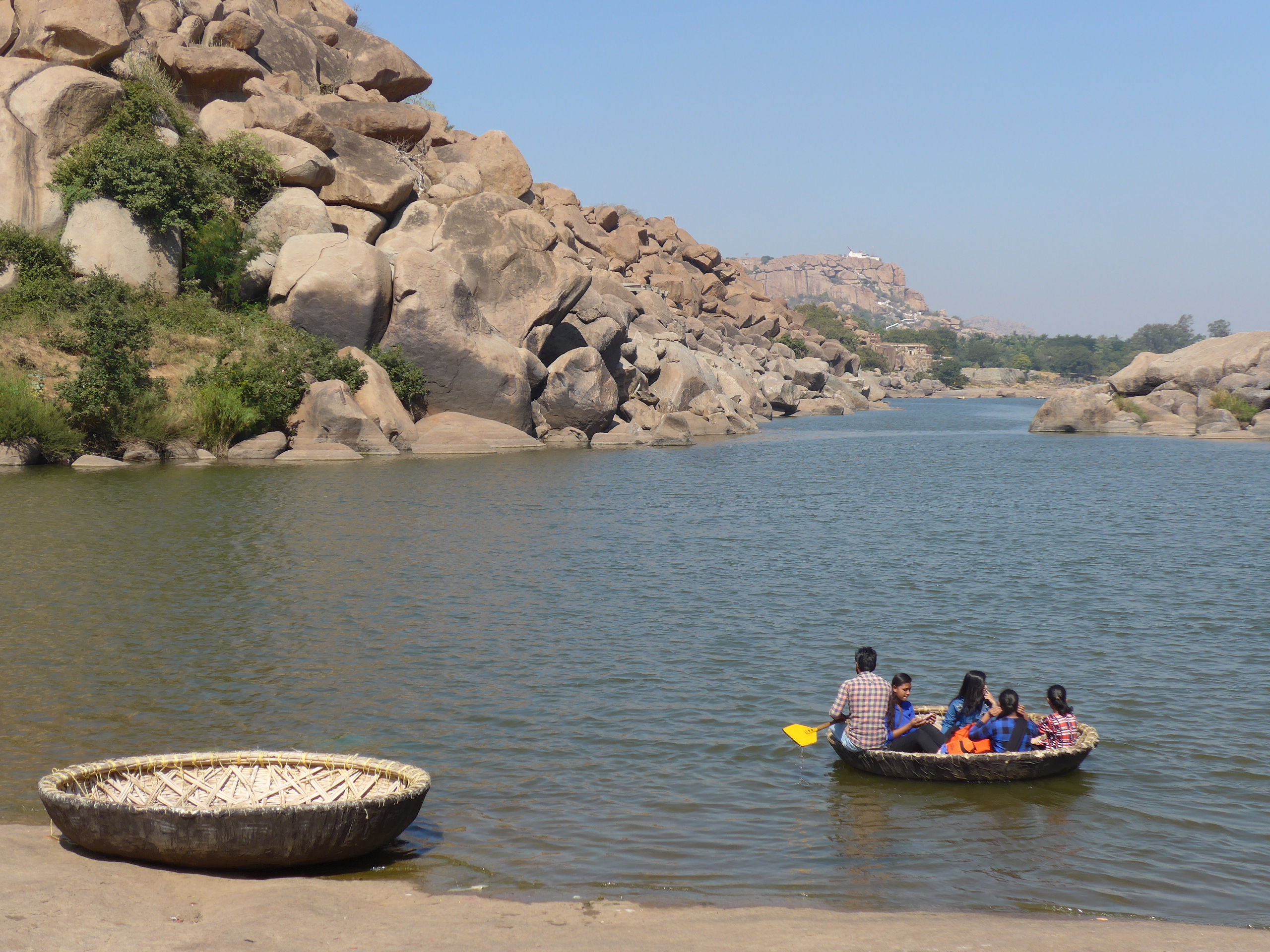
On one crossing seventeen people and six motorbikes were loaded and the gun whales were just four inches above the water.
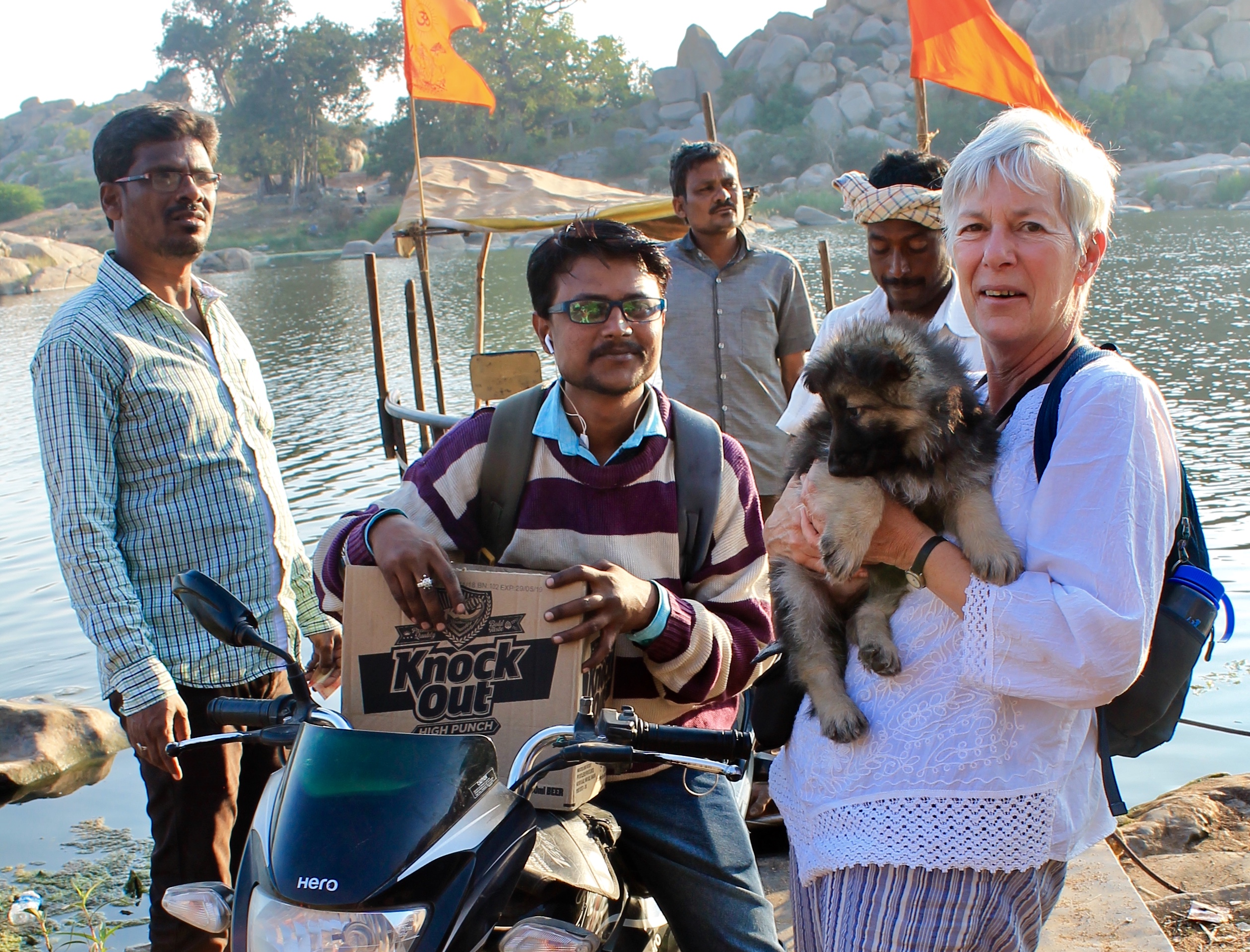
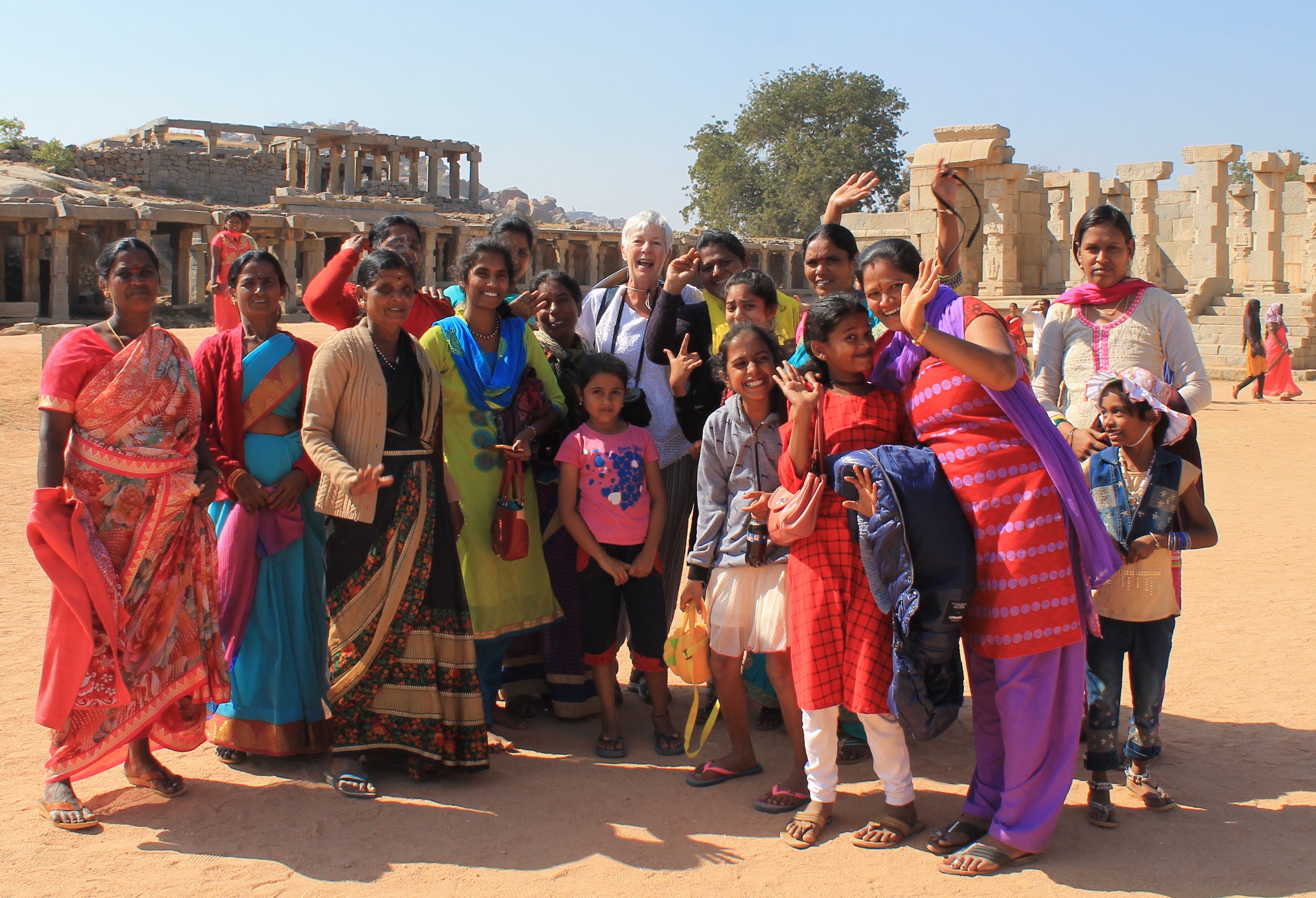
On another someone asked me to carry a large, delightful, fluffy puppy across in my arms. This lovely all-female group below had come all the way from Assam to visit the temples. Who could resist them? There was a lot of squeezing my cheeks and rubbing my hands to see if the colour would come off.
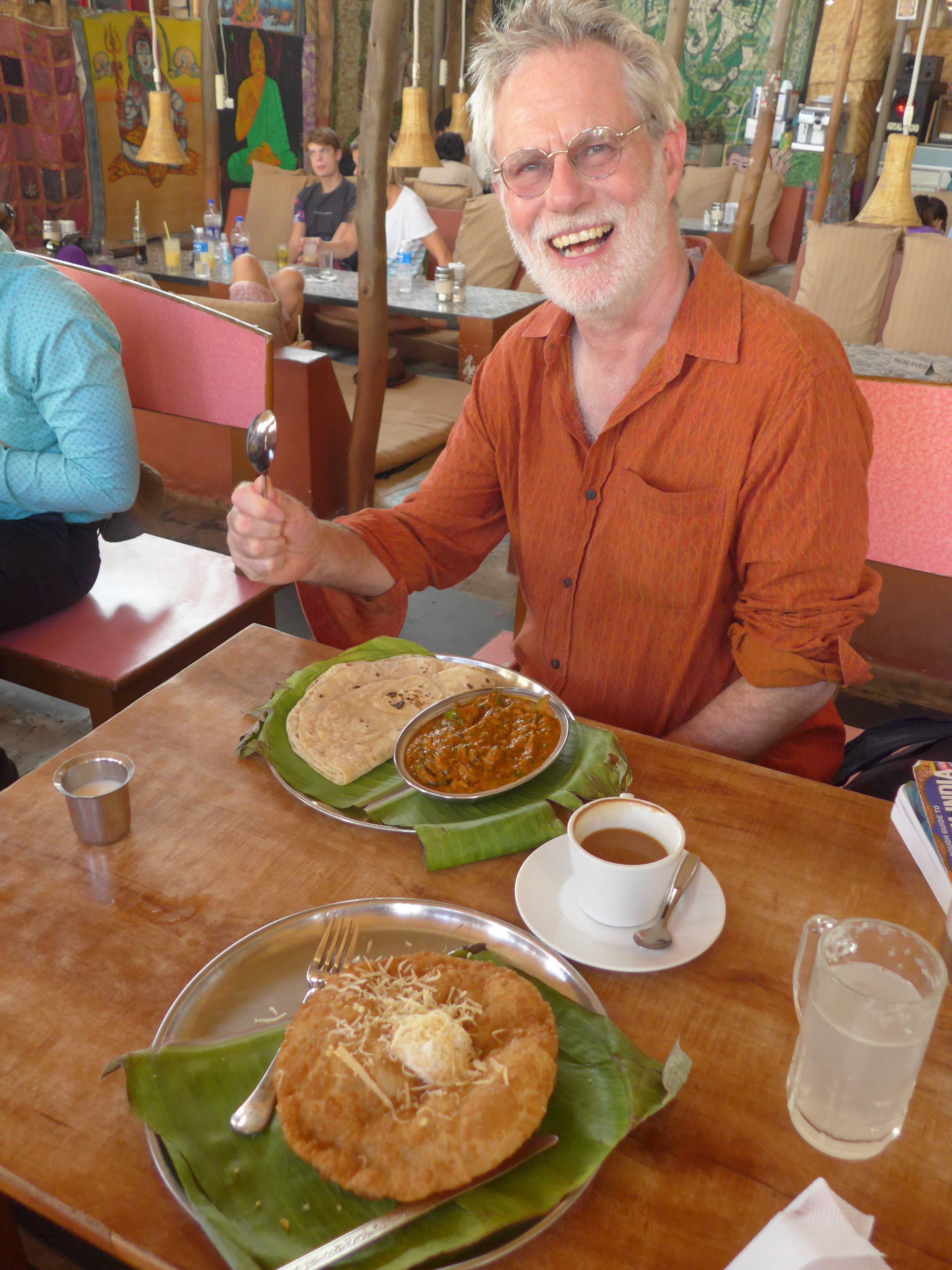
But a lot of foreigners still come here for the vibe. There’s nothing like sitting in the Mango Tree Cafe in Hampi eating banana pancakes to make you feel like an old hippie. It made it all worthwhile …
 Riki's Indian Rovings