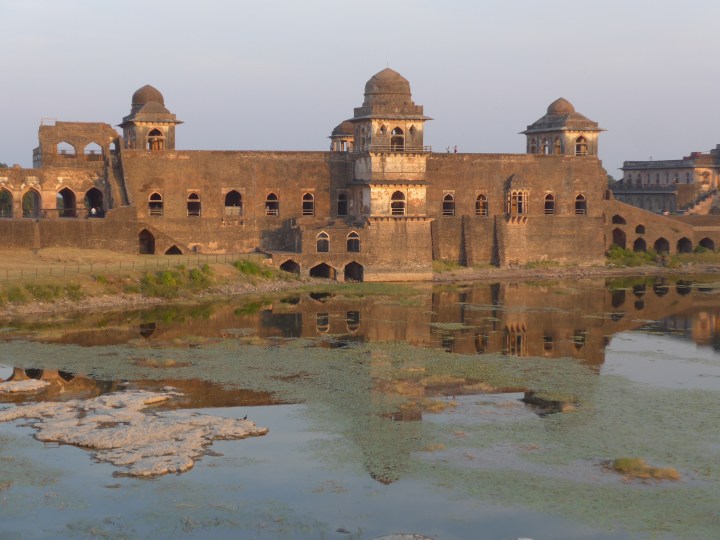

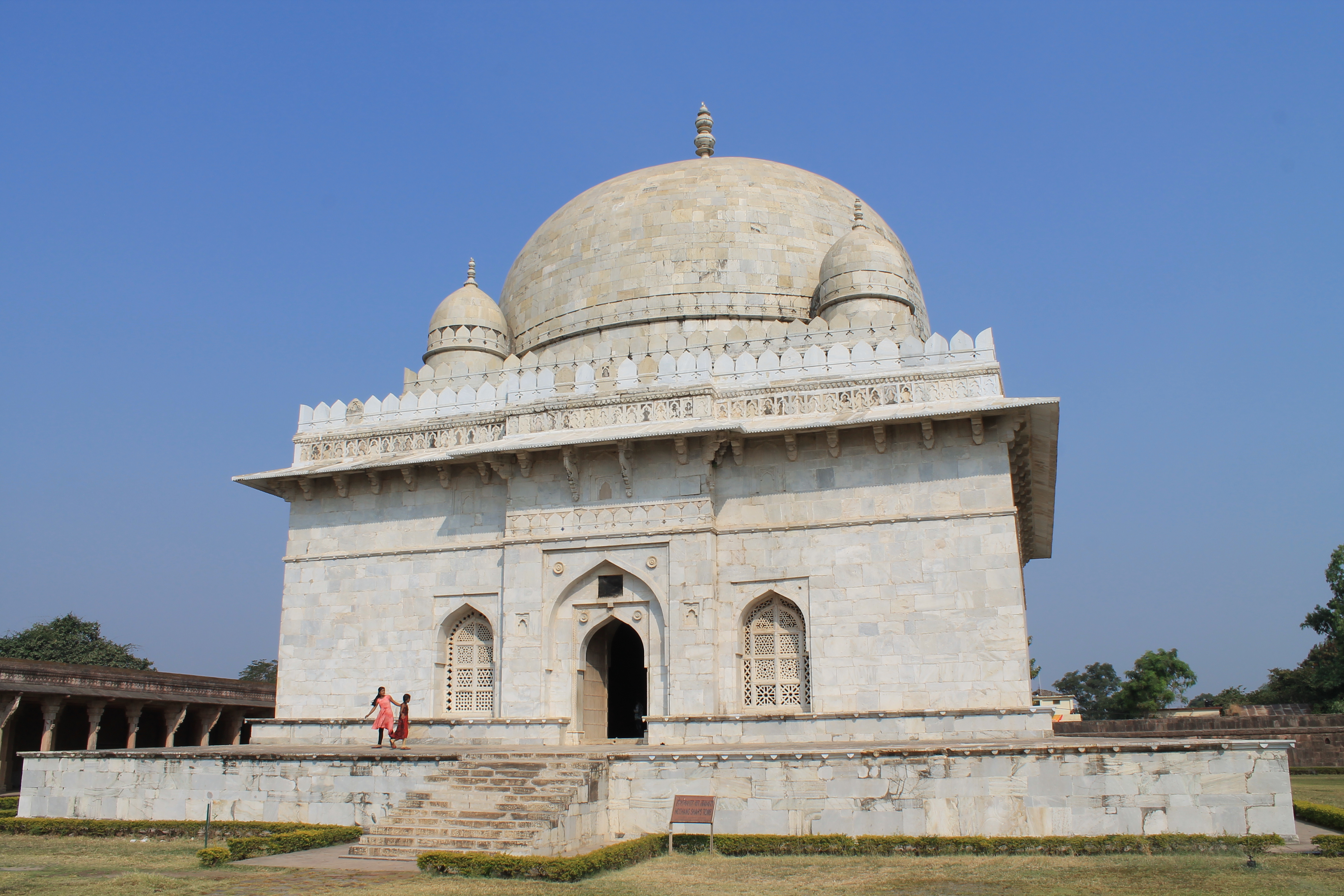
On a high plateau two hours’ drive from Indore, the remains of Mandu’s medieval palaces, mosques and mausoleums lie scattered amongst neat fields of wheat, potato and chick pea plants.
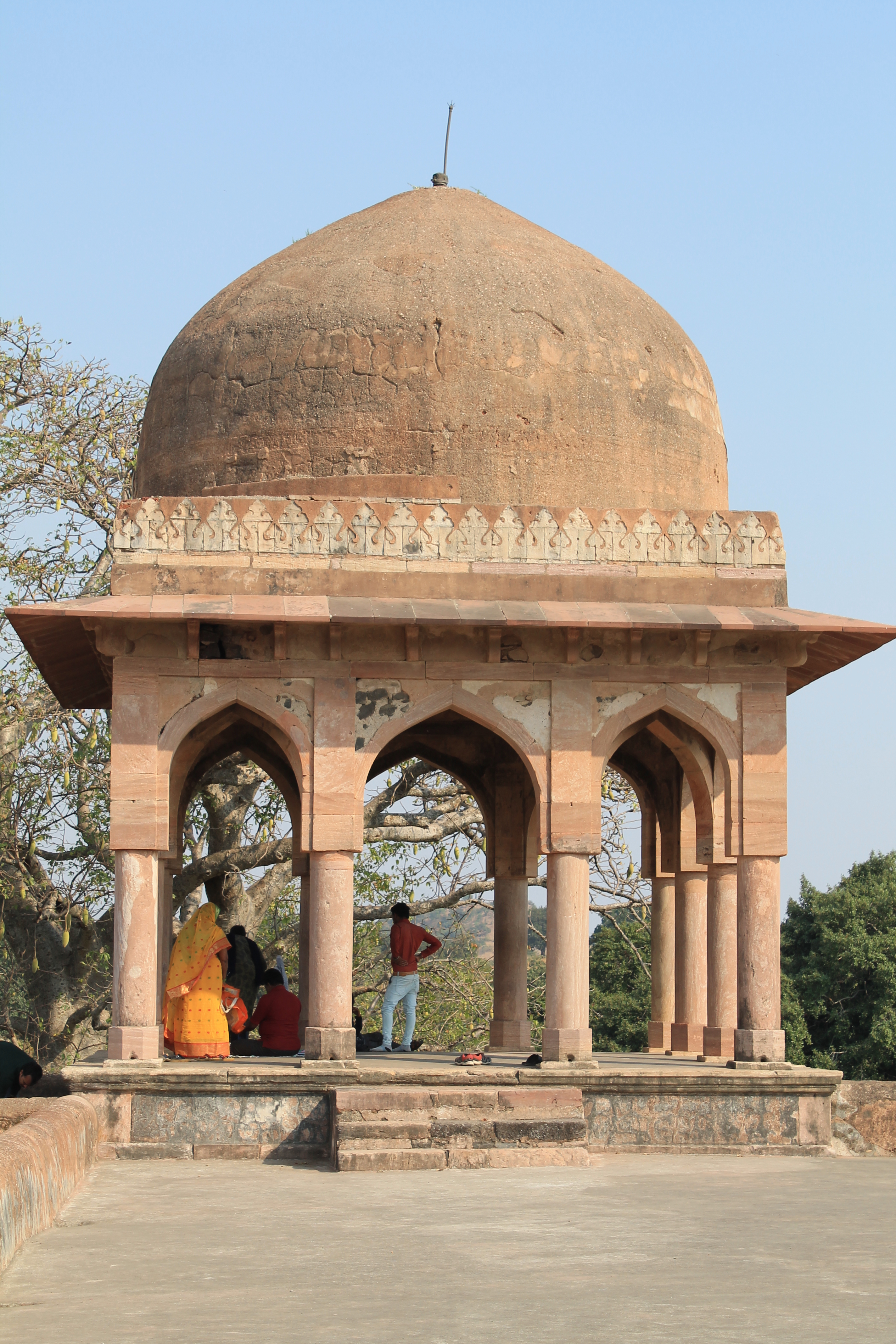
Built between 1400 and 1500, the buildings stand beside lakes, or perch on the edge of the ravines and gorges that made the plateau the fort-capital of both Hindu and Muslim dynasties in the 15th century. By 1600 it was deserted.
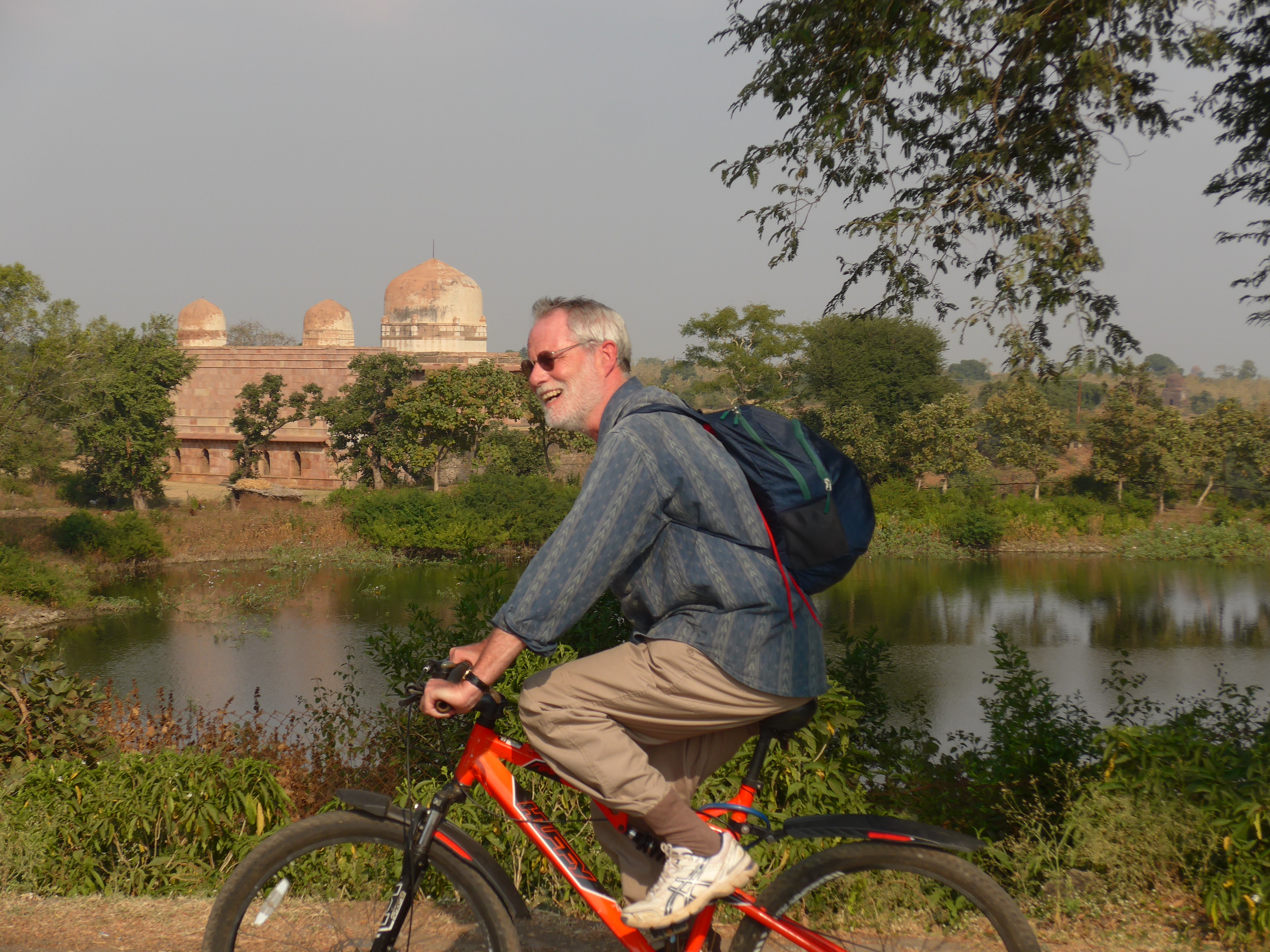
We hired bicycles and pedalled slowly, in the heat, past ruined pavilions, little mud houses,
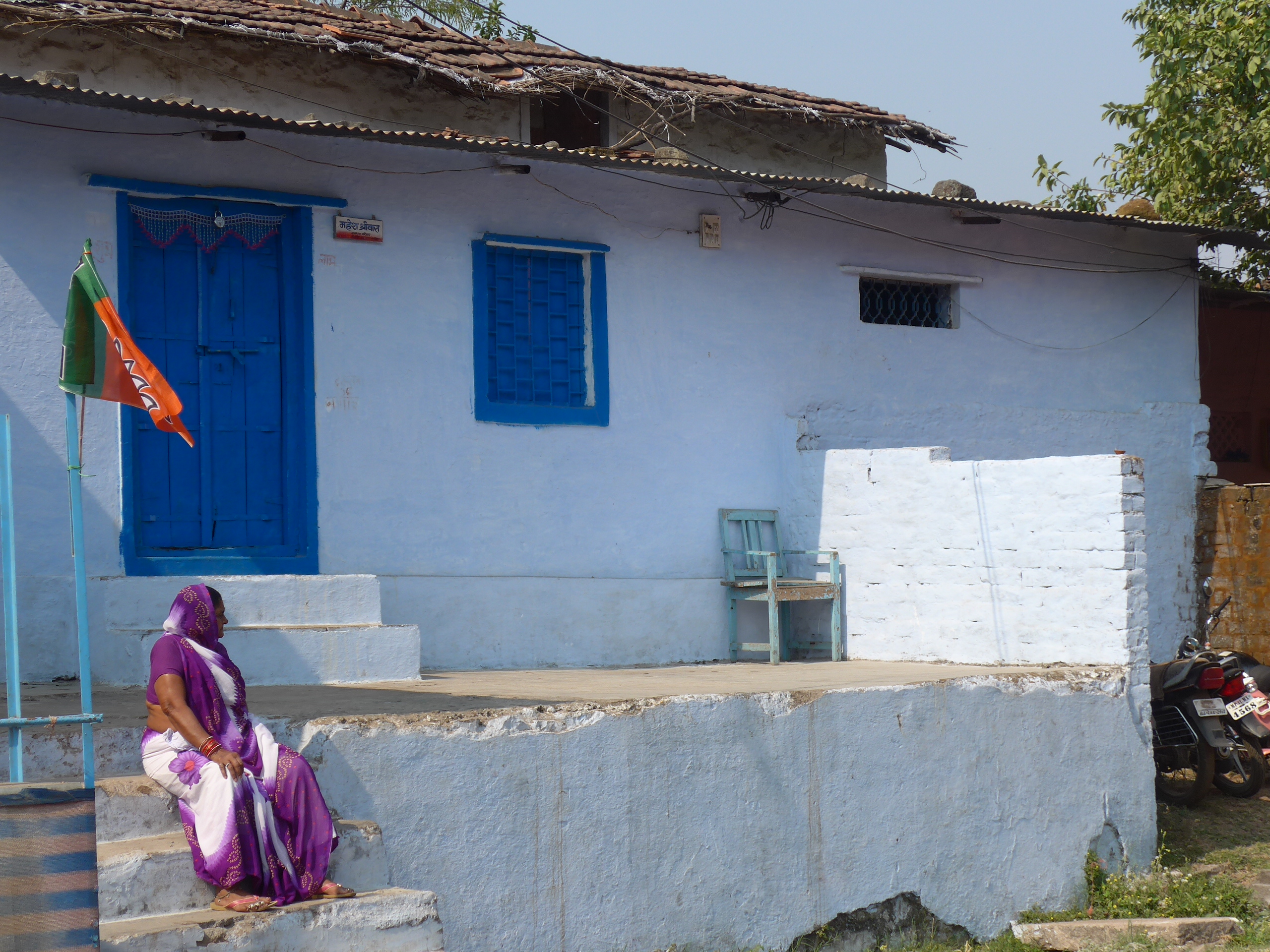

lakes, cows, goats and water buffaloes, and children waving “Bye-bye”, for the six kilometres out to the Palace of Baz Bahadur.
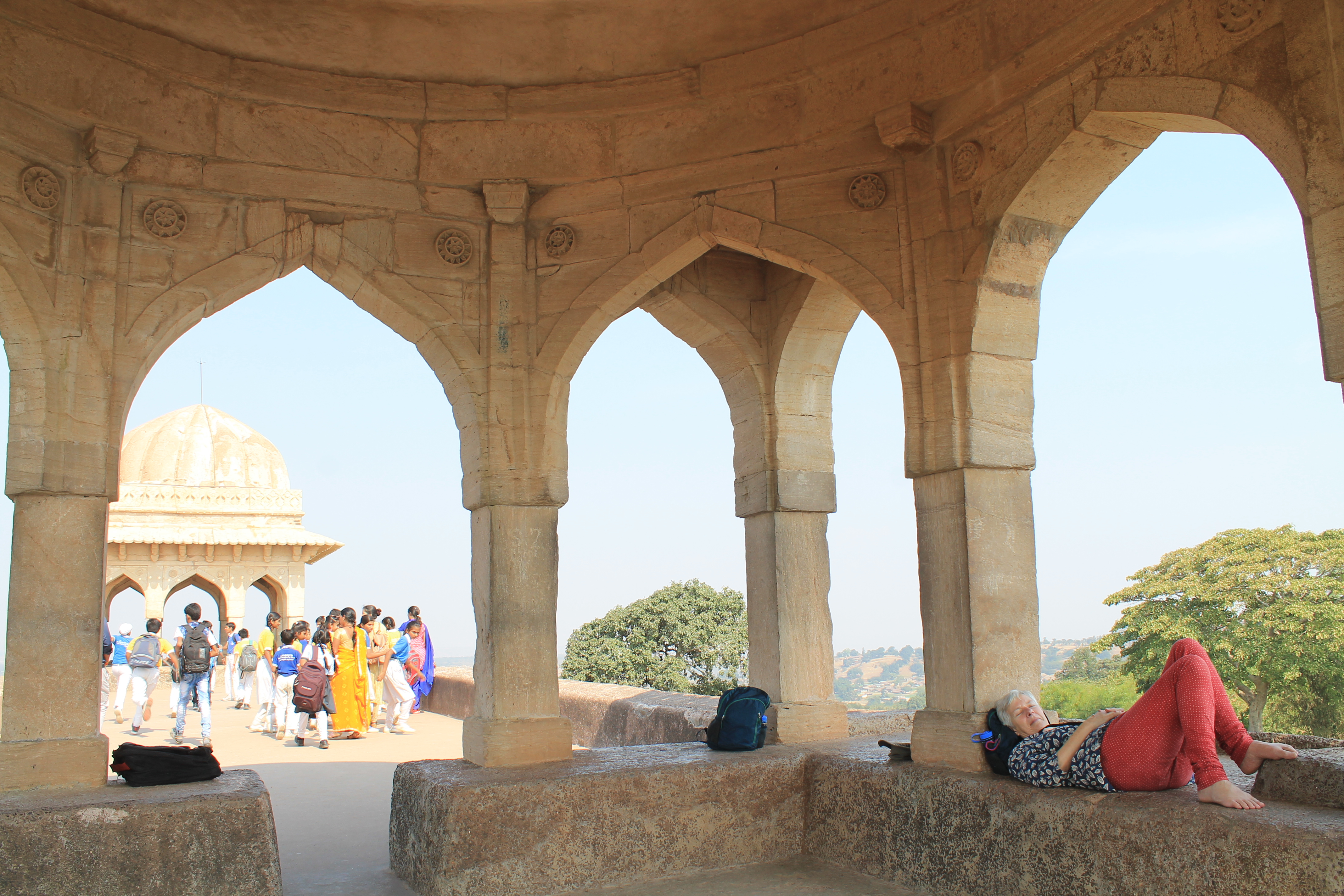
The last Sultan of Malwa, Baz Bahadur, fell in love with a Hindu shepherdess, Rupmati, who had the most beautiful singing voice, and built her a pavilion on the ridge above his palace, a romantic place always cooled by breezes from the the holy Narmada River, far below.
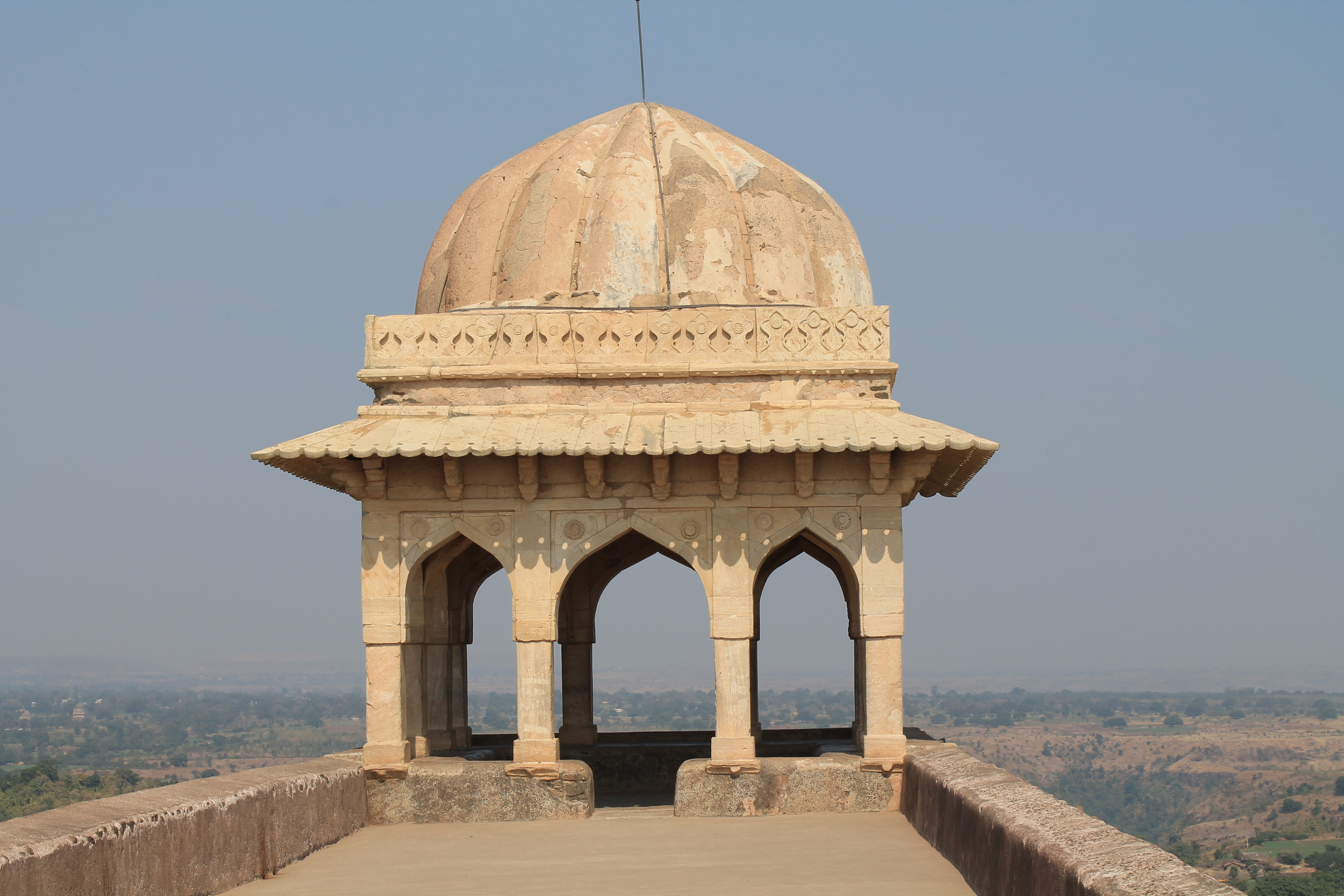
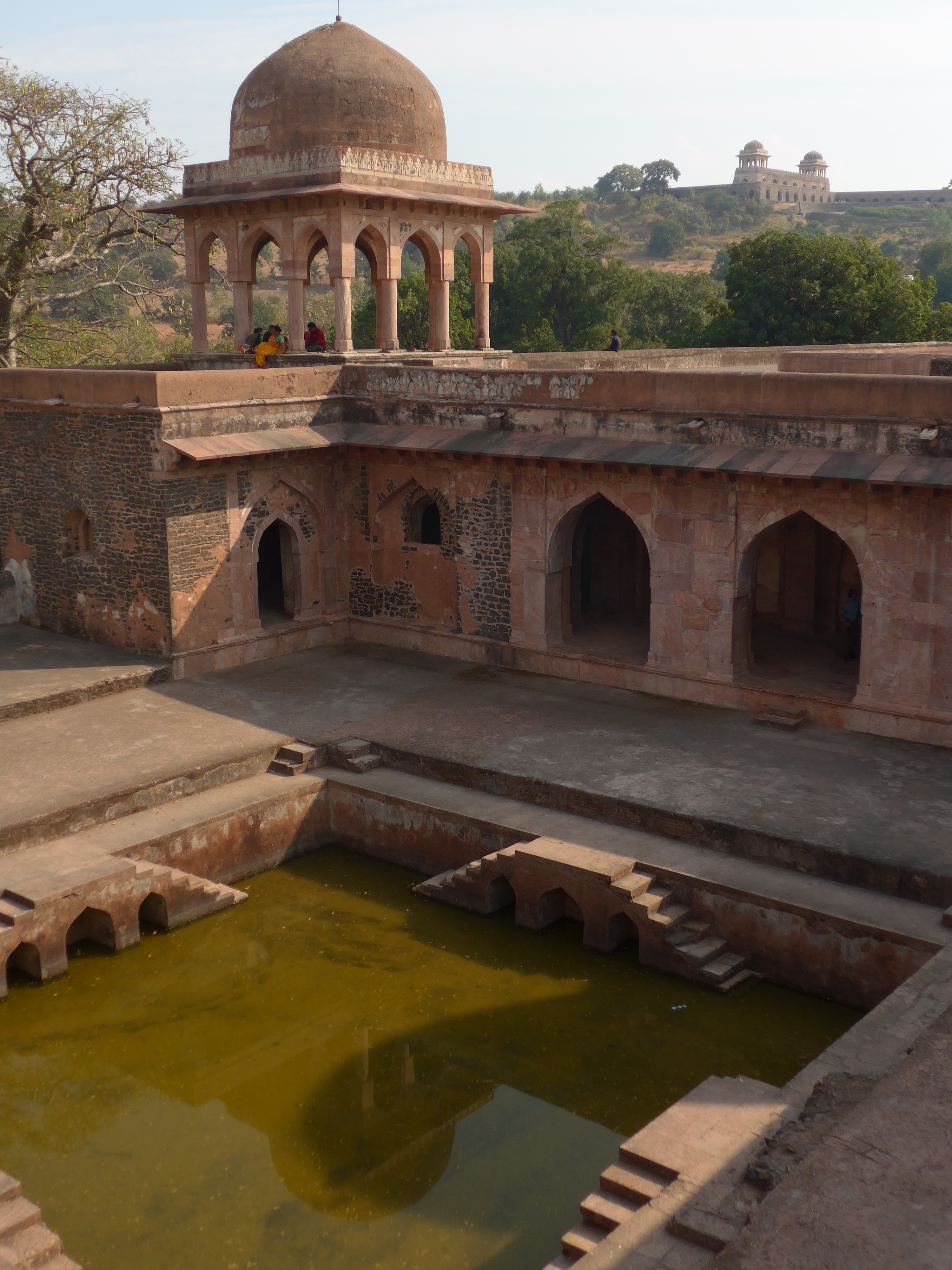
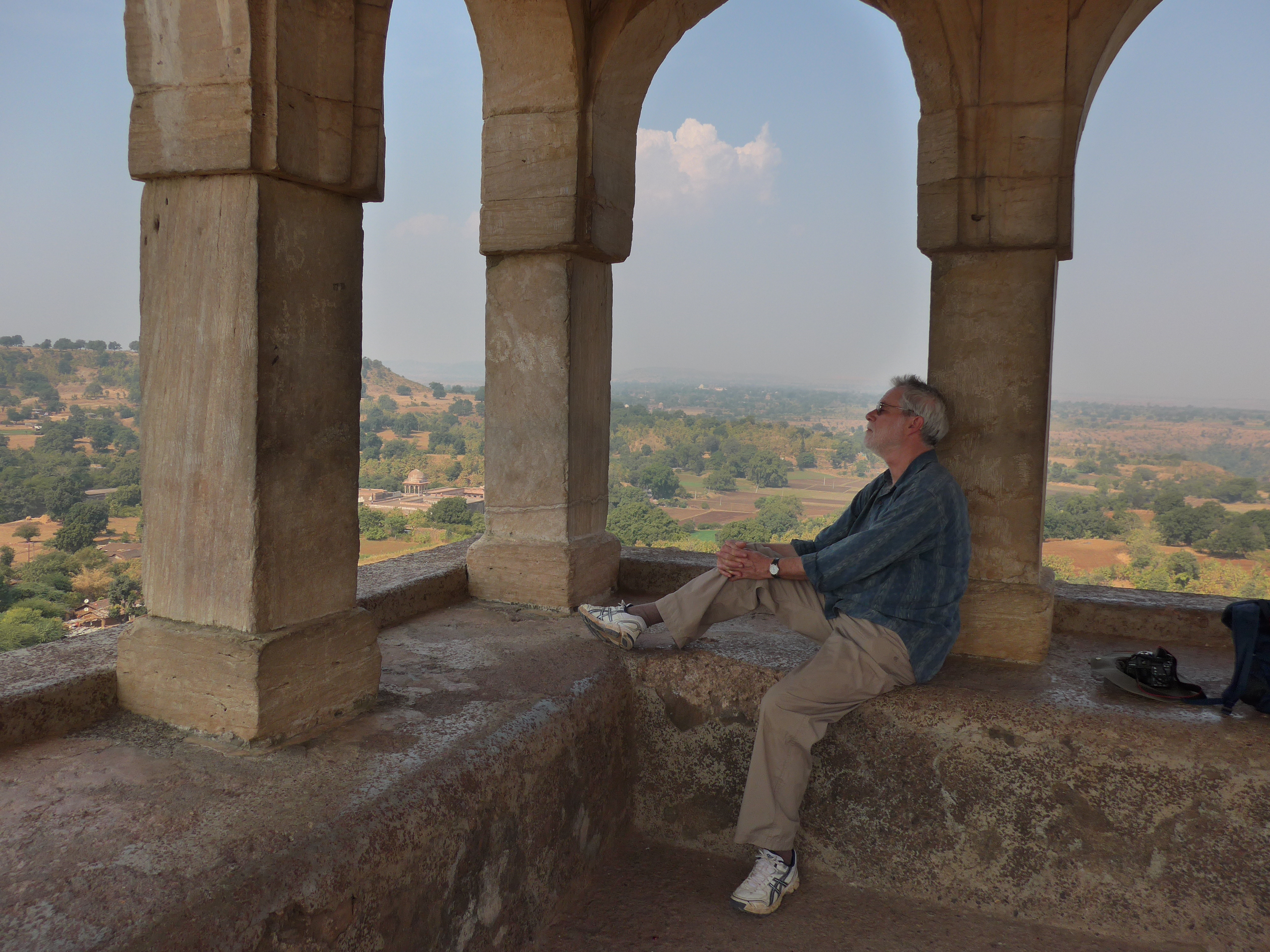
The Mughul emperor, Akbar, hearing of her beauty, sent his general to capture both the palace and Rupmati. Baz Bahadur escaped, abandoning Rupmati, who poisoned herself rather than be captured. Her crying ghost haunts the pavilion, and people sing sad folk-songs still about her fate.
It’s a favourite place for Indian tourists, too.
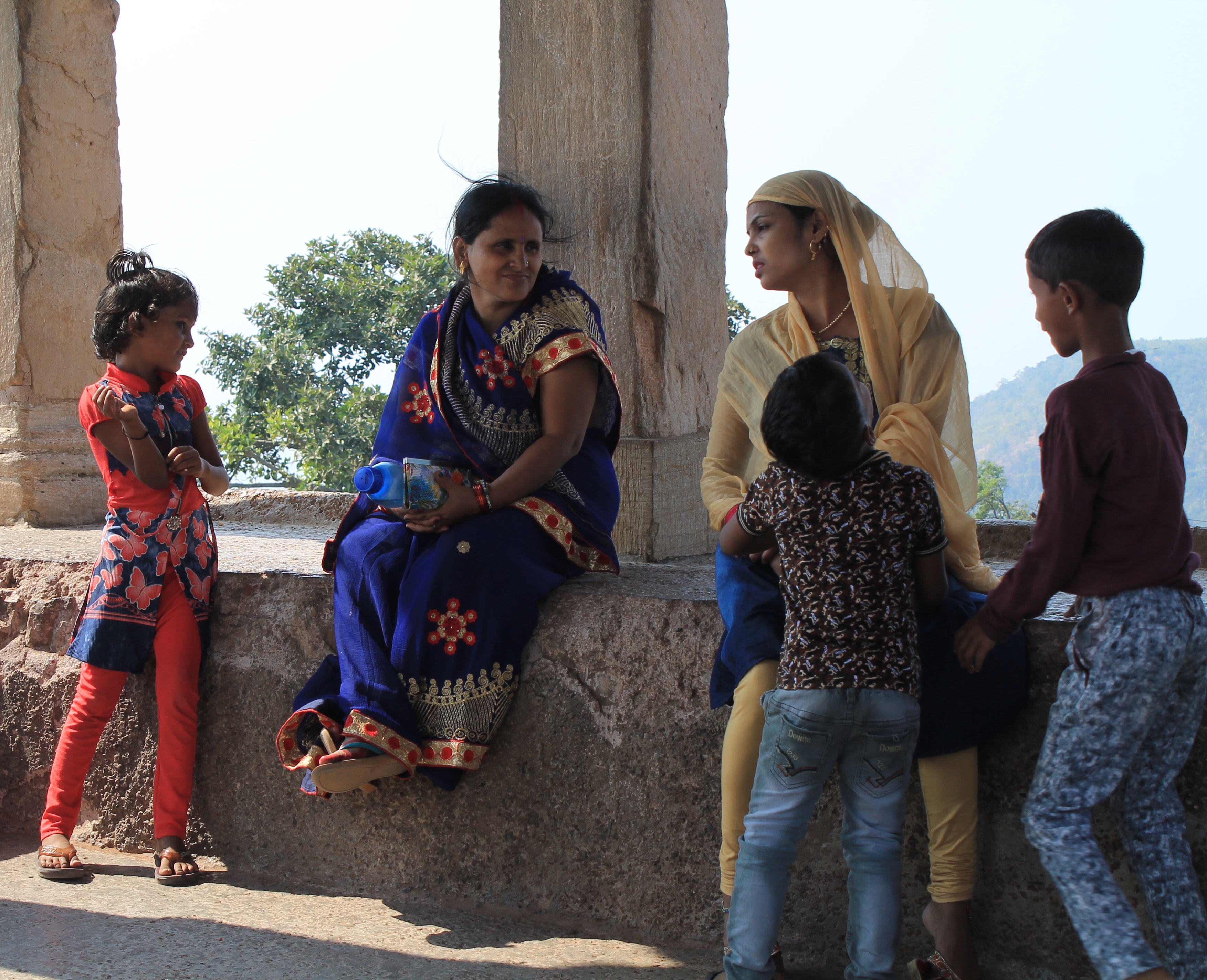
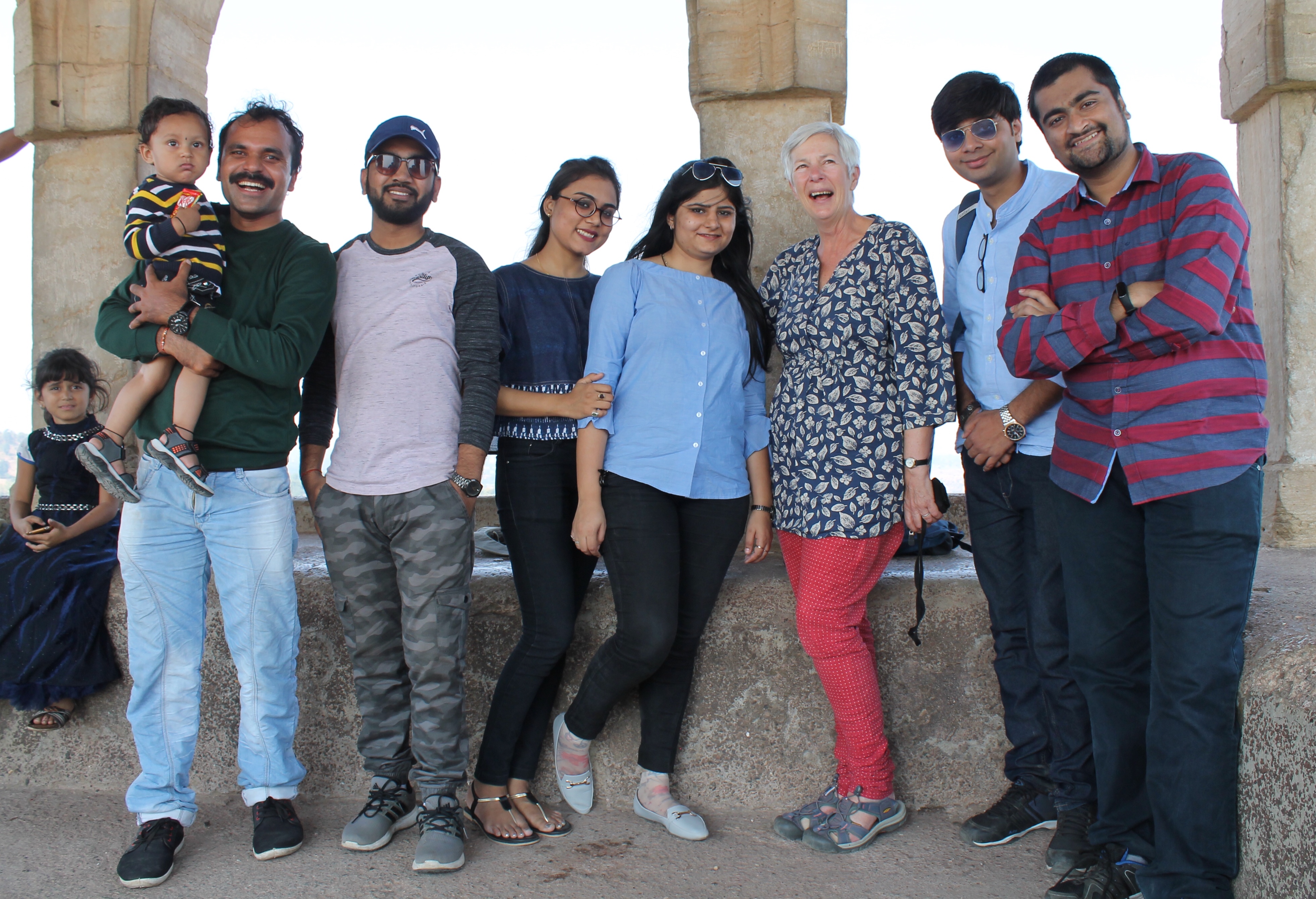
It’s strange to be amongst the austere simplicity of Mughal-style architecture after the sinuous and exuberant carvings of Hindu temples and palaces.


We took an overnight sleeper to the city of Ahmedabad, in the state of Gujarat. But a brilliant tip, before we arrive there, is from Claire, who told me that the back of a hot teaspoon pressed against a mosquito bite for a minute or two will stop it itching. It works! Thank you Claire, how could I have gone all these years and not known that!
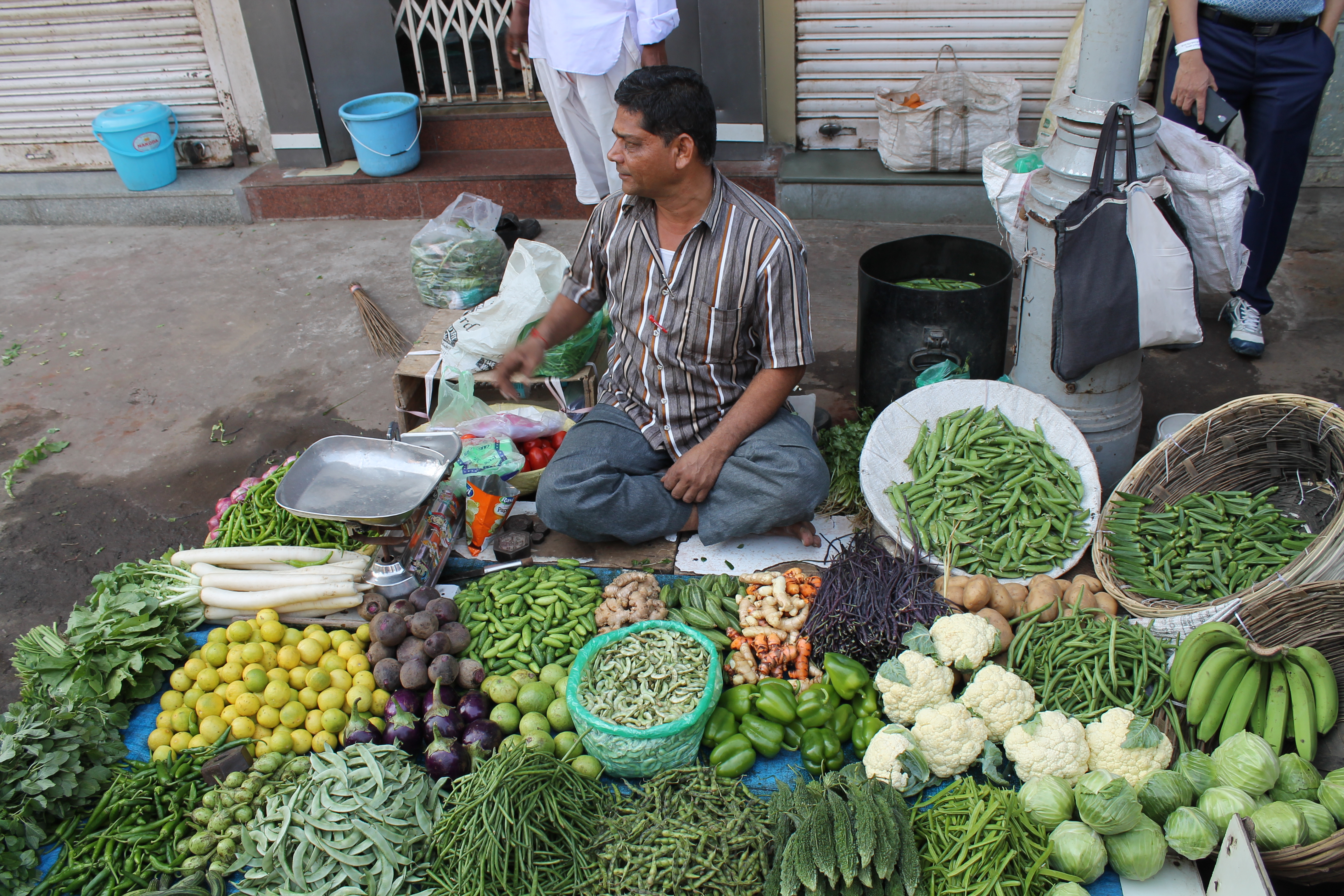
Gujarat is a place of scrub and desert, fields of cotton and castor-oil plants, cities of business and factories, and camels. It’s the home-state of the PM, Narendra Modi. He has erected the world’s biggest statue, in Gujarat, a state where drought-stricken farmers are protesting at imminent famine.
Ahmedabad, once called the Manchester of India for its textile industry, is a city of mixed communities, Jain, Moslem, Hindu and Christian, who traditionally lived in self-supporting communities called “pols”.
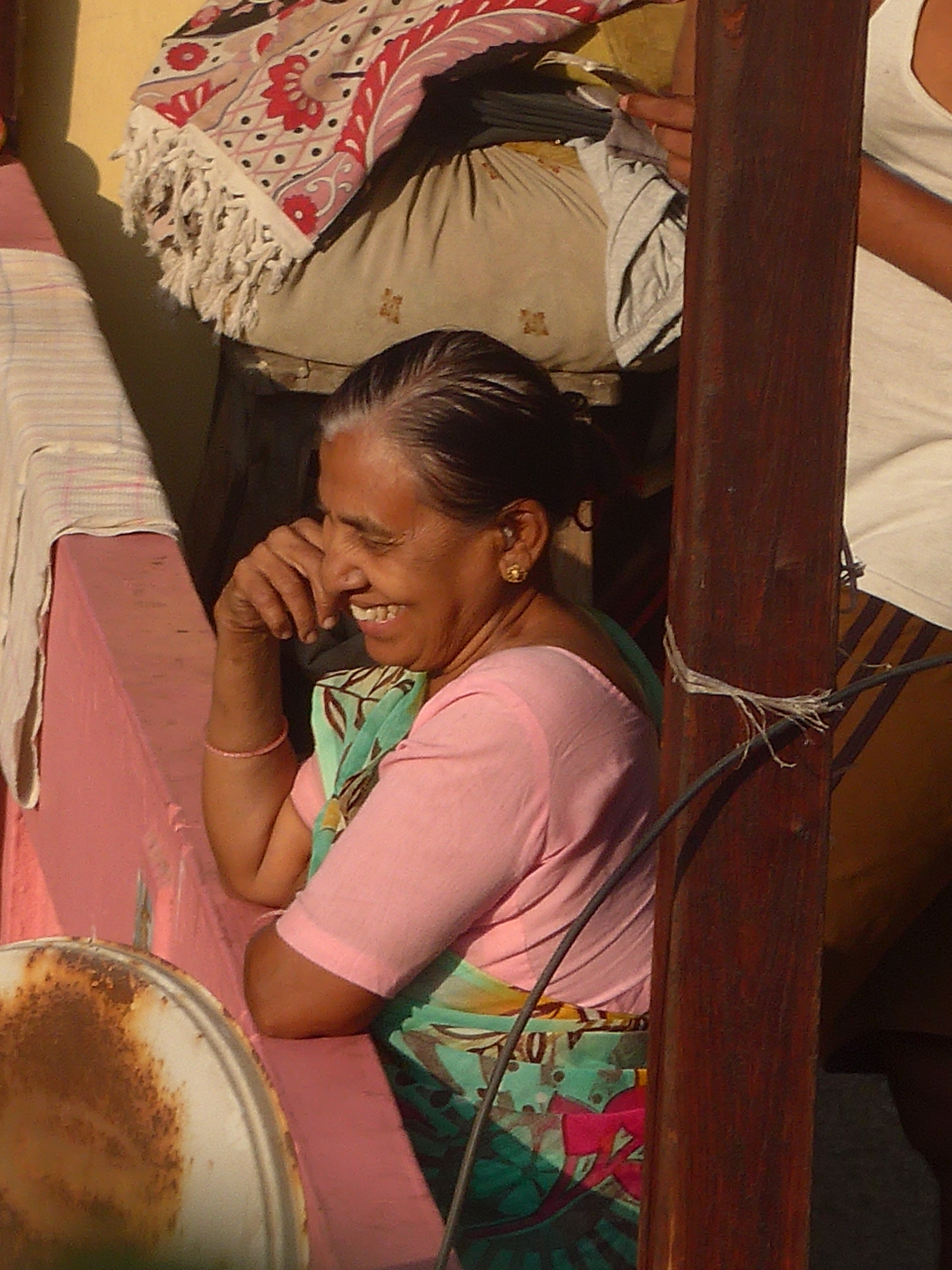
Separate, but joined, one man said.
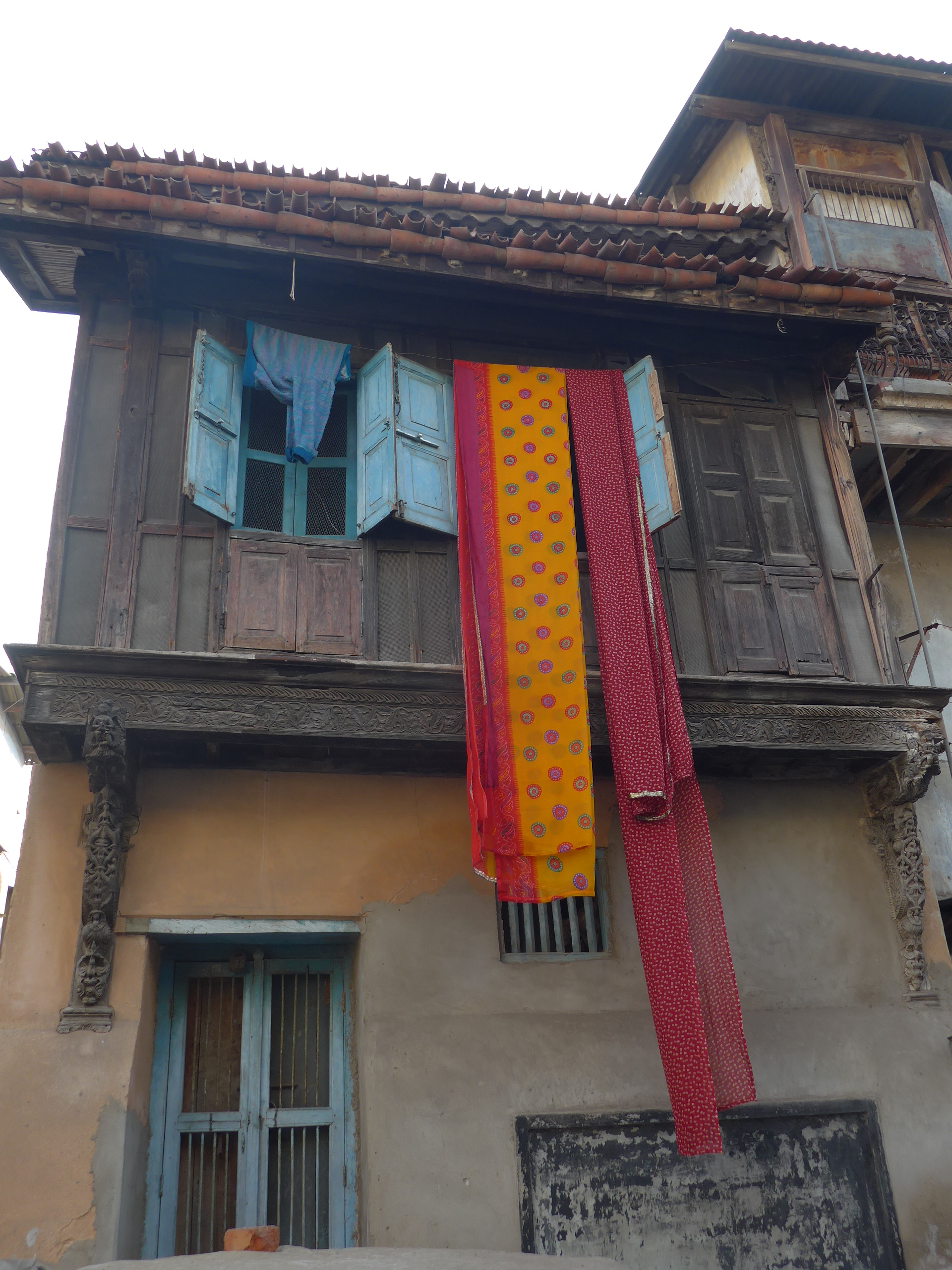
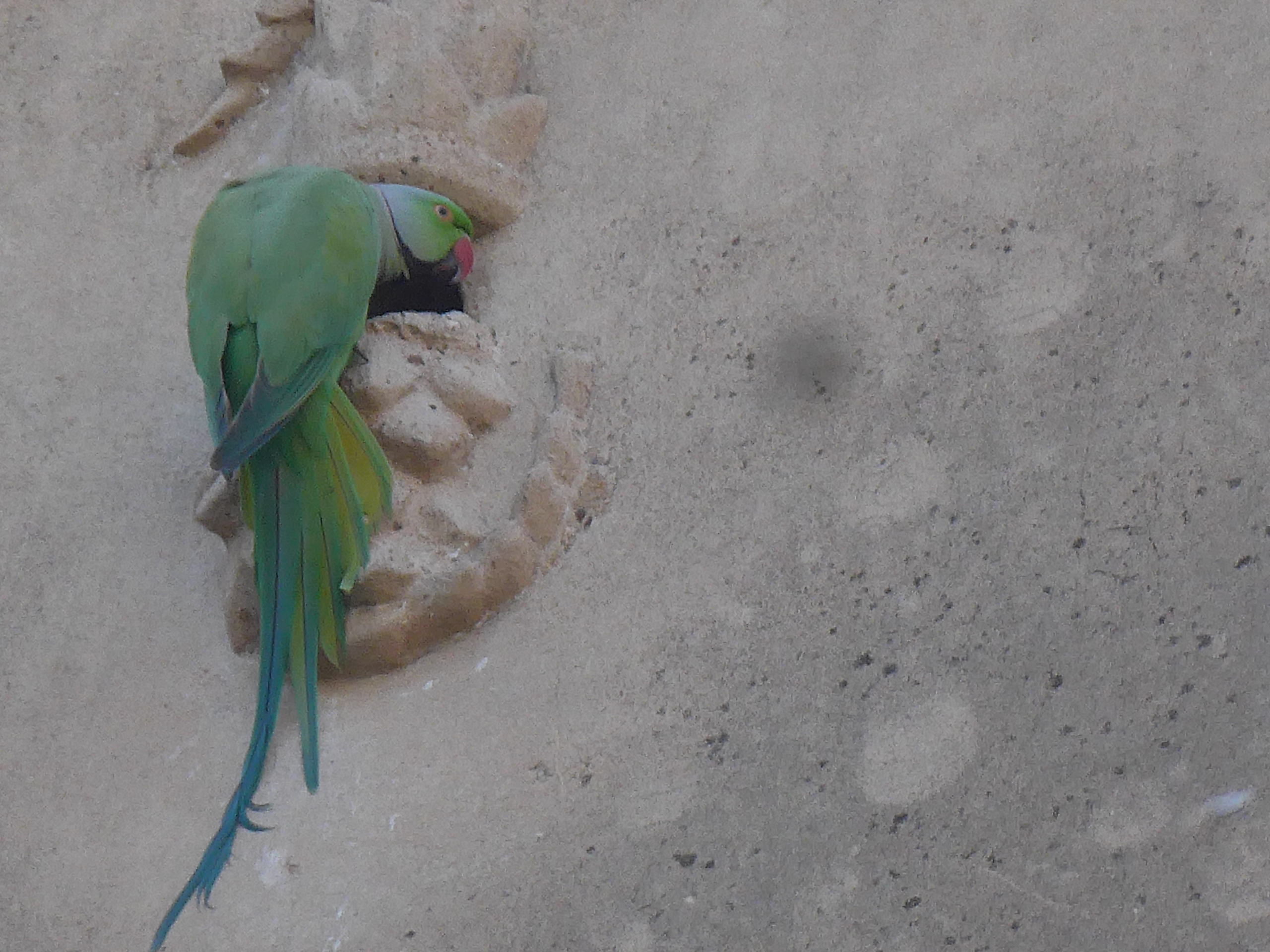
Each pol has its own temple or mosque, its well, its public space, and its bird feeder.
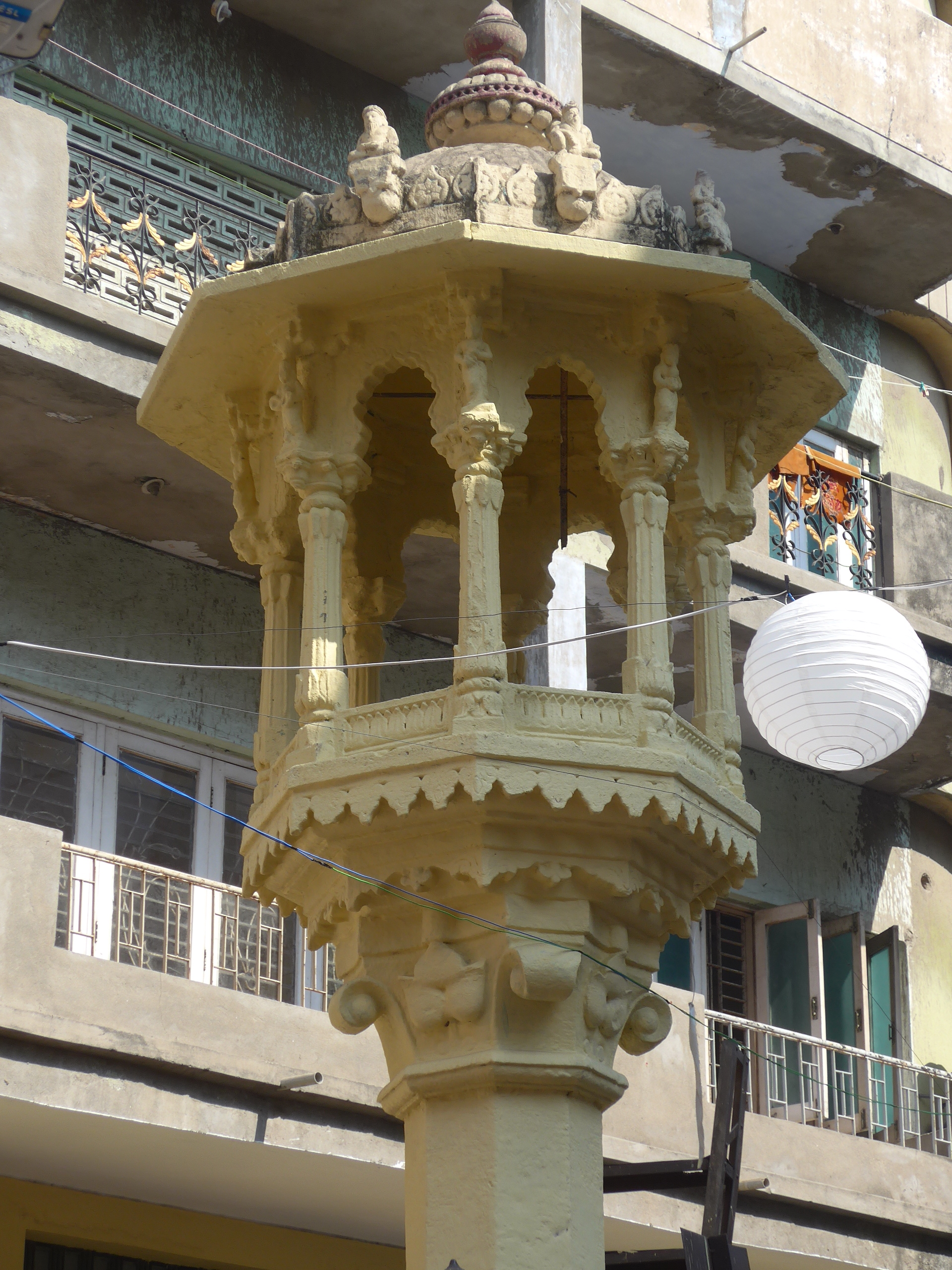
These ornate structures are a legacy of the Jains, who even built bird nests into the walls.
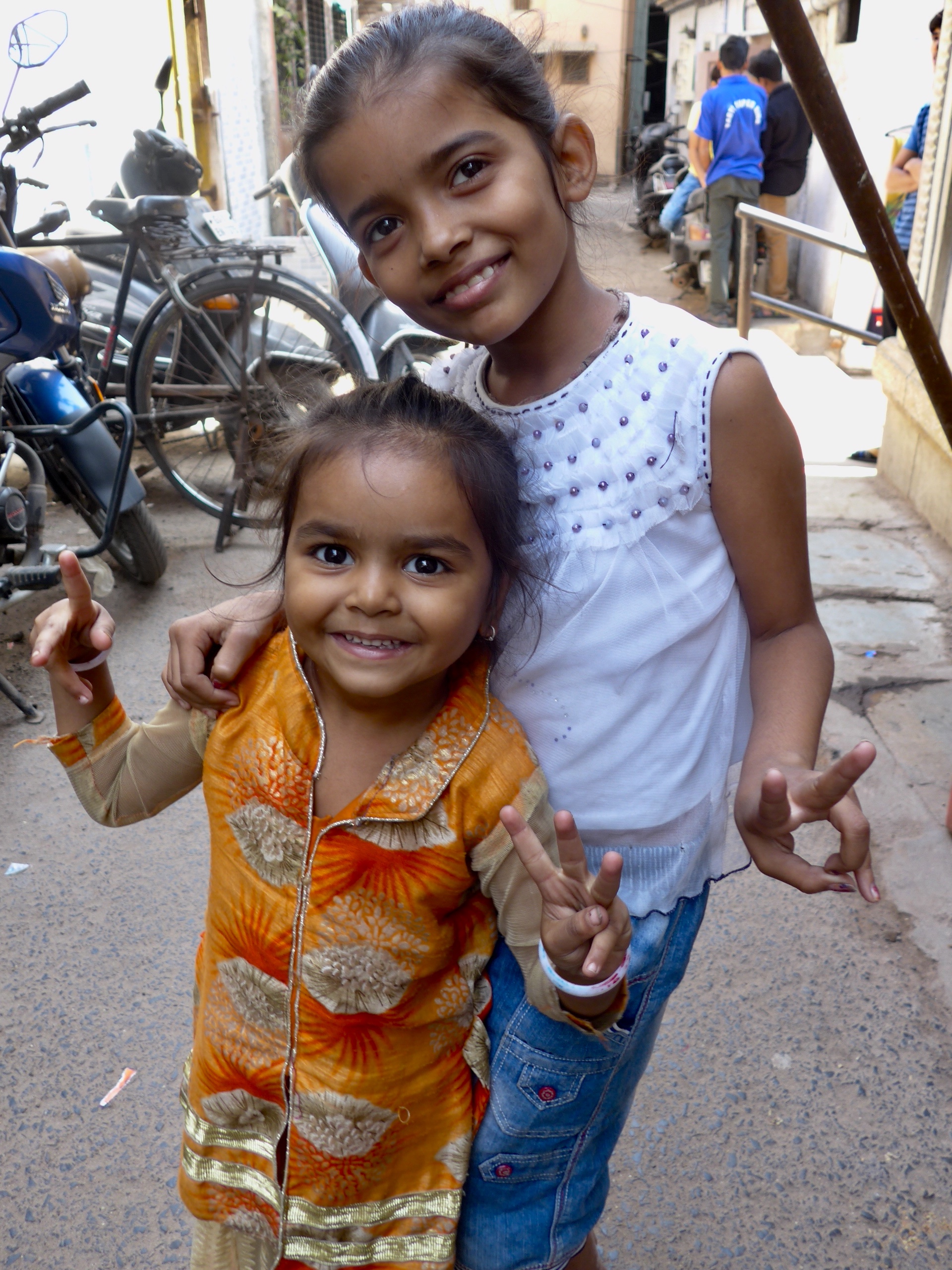
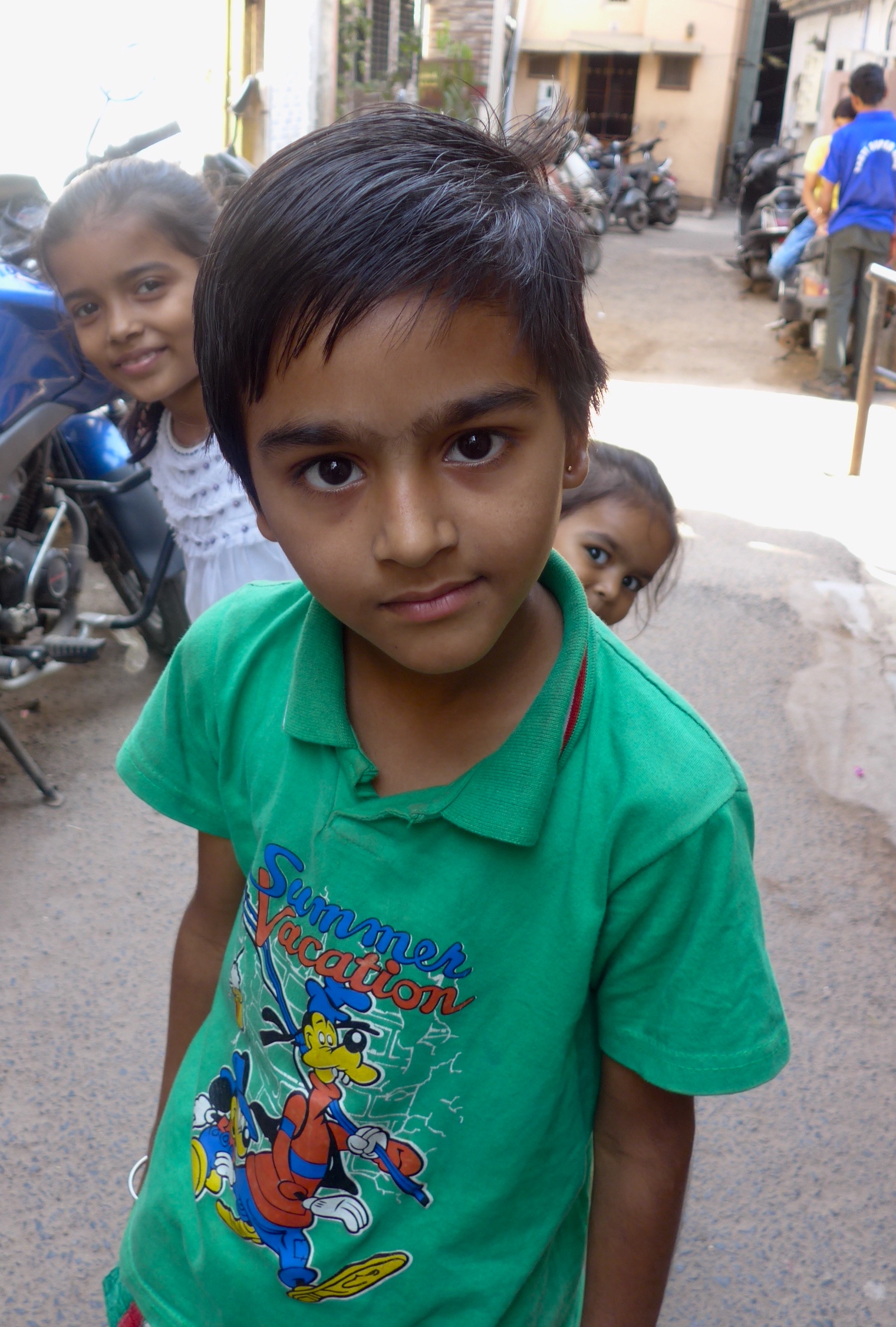
But despite this apparent harmony, inter-communal violent riots, called “hurricanes” for their fierce and sudden onslaughts, have hit this city more than once, the last one in 2002 resulting in the deaths of over 2,000 people. Yet it is also the city of Gandhi’s ashram, and the place he started his “Salt March” 240 miles to the Arabian Sea.
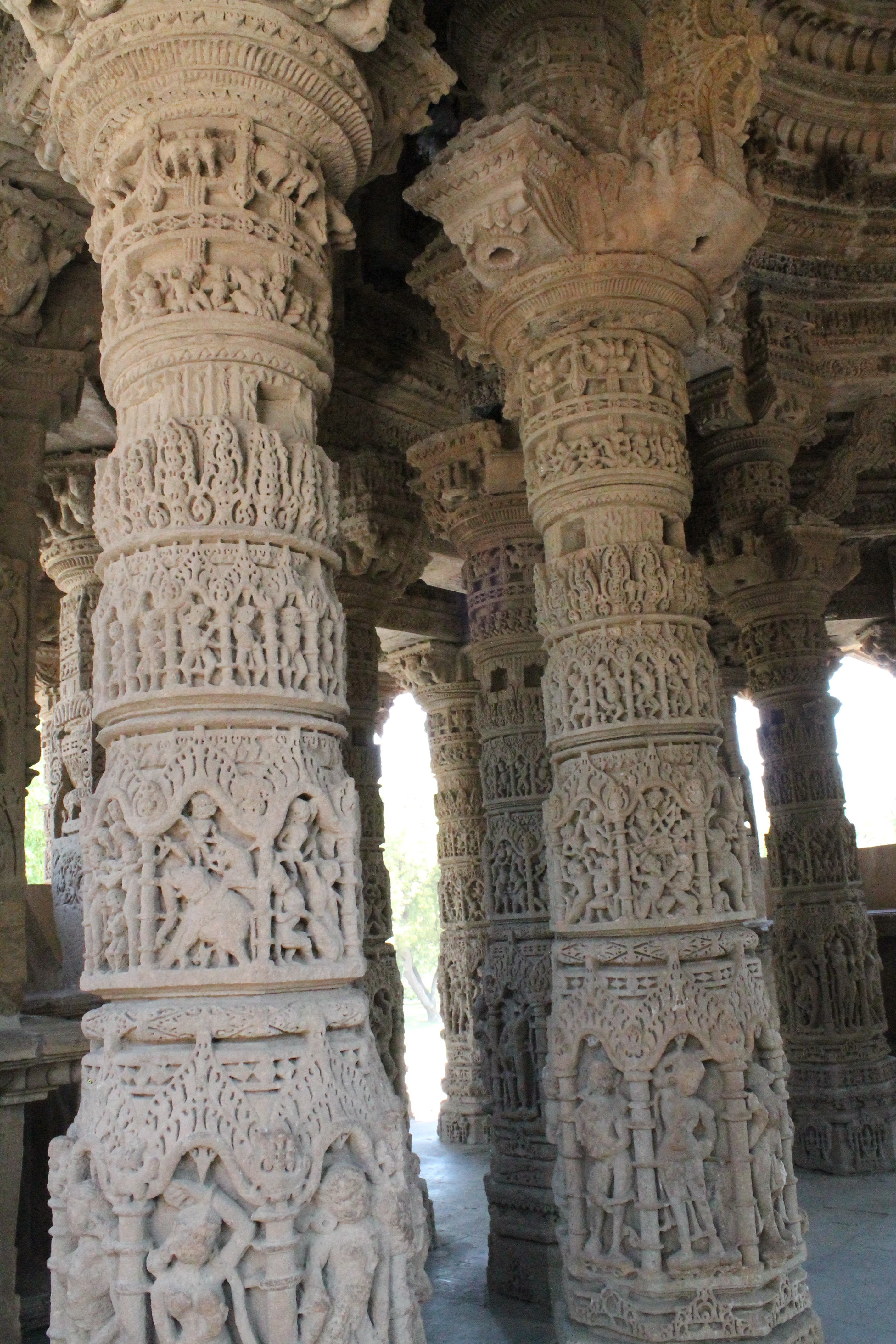
We saw mosques and temples aplenty, but the most impressive sights were 100 km north of Ahmedabad. First the sun-temple at Modhera, a thousand years old, with its zig-zag “step well”.
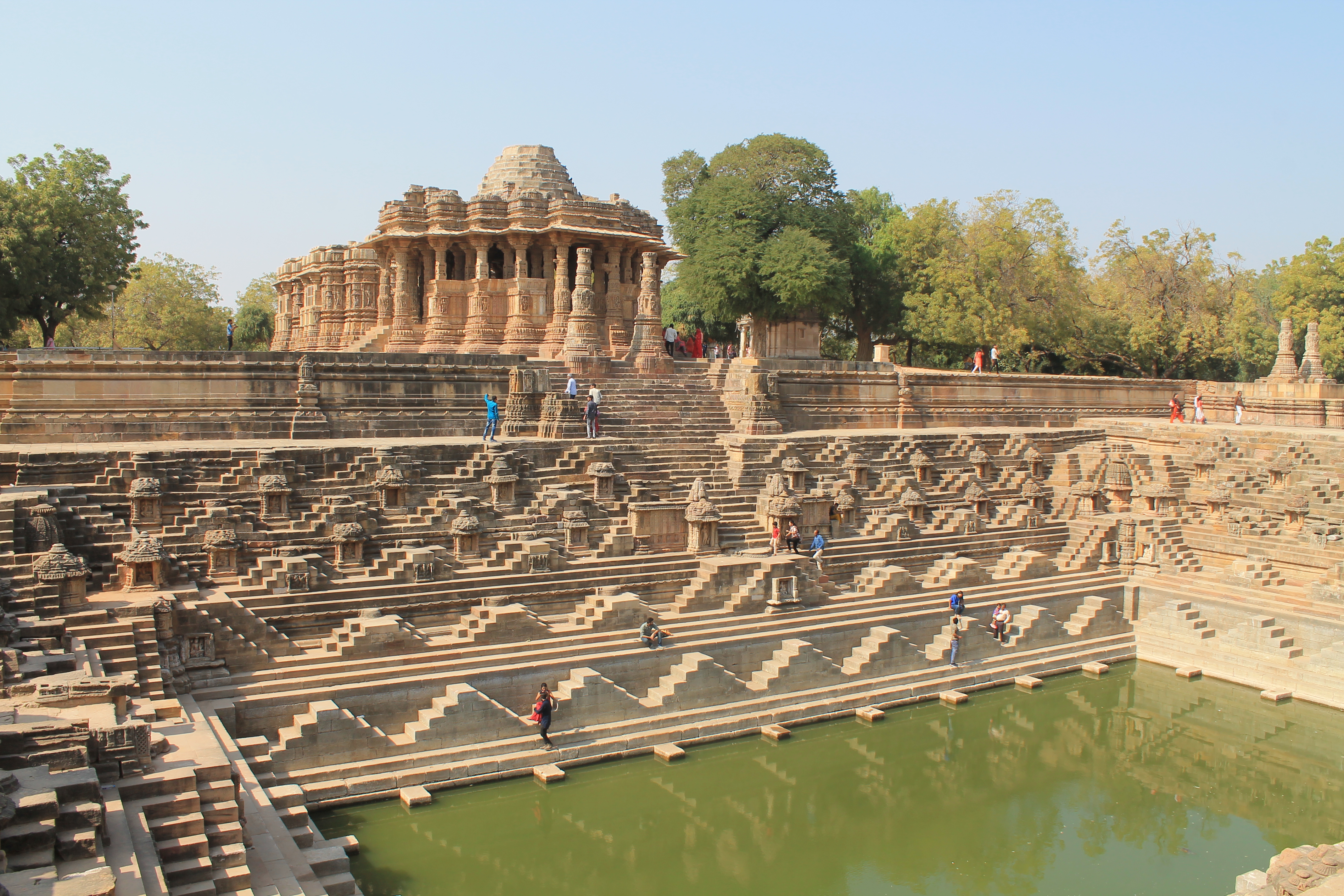

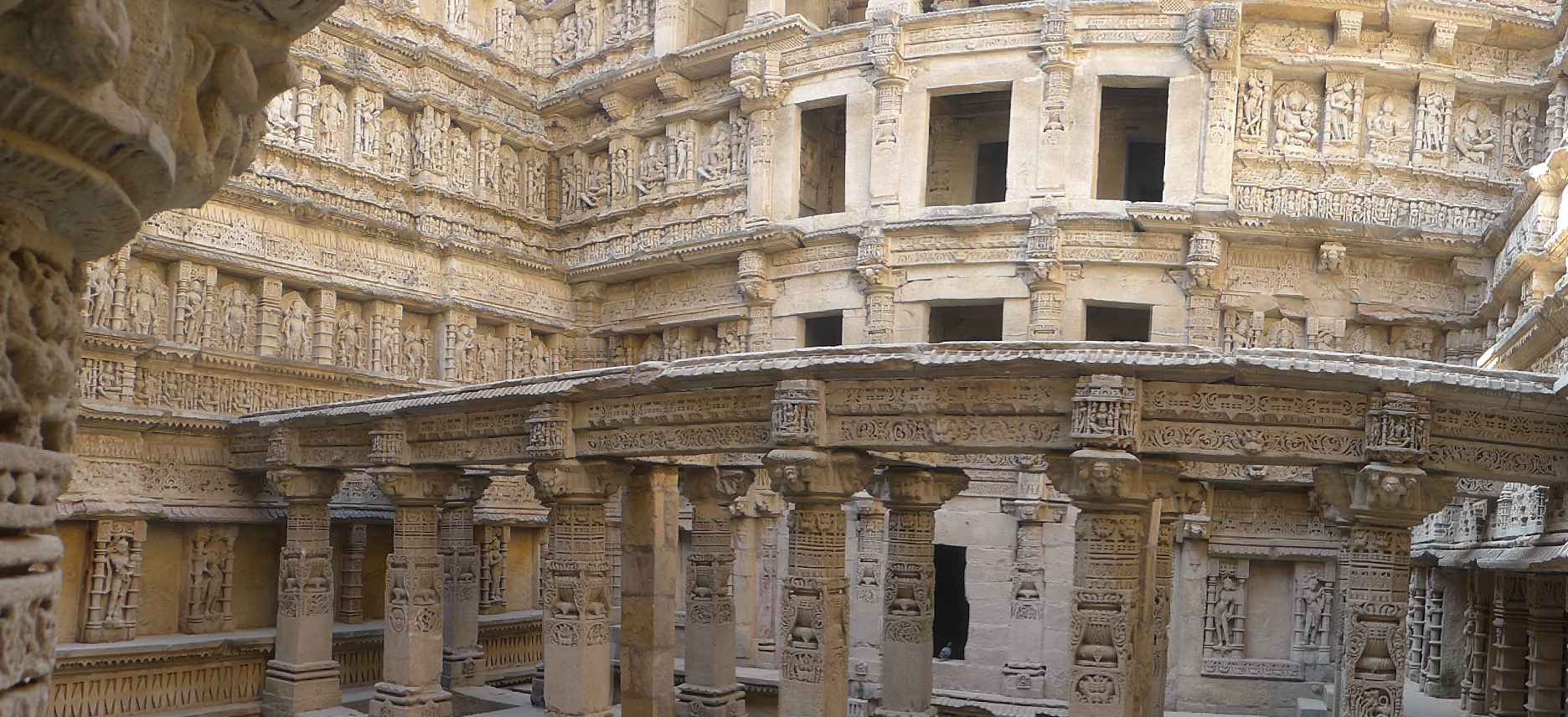
And even more extraordinary was the 90 foot deep step well of Rani-ki-vav. Built in 1063 by Rani (queen) Udayamati, it was covered from top to bottom in wonderful carvings.
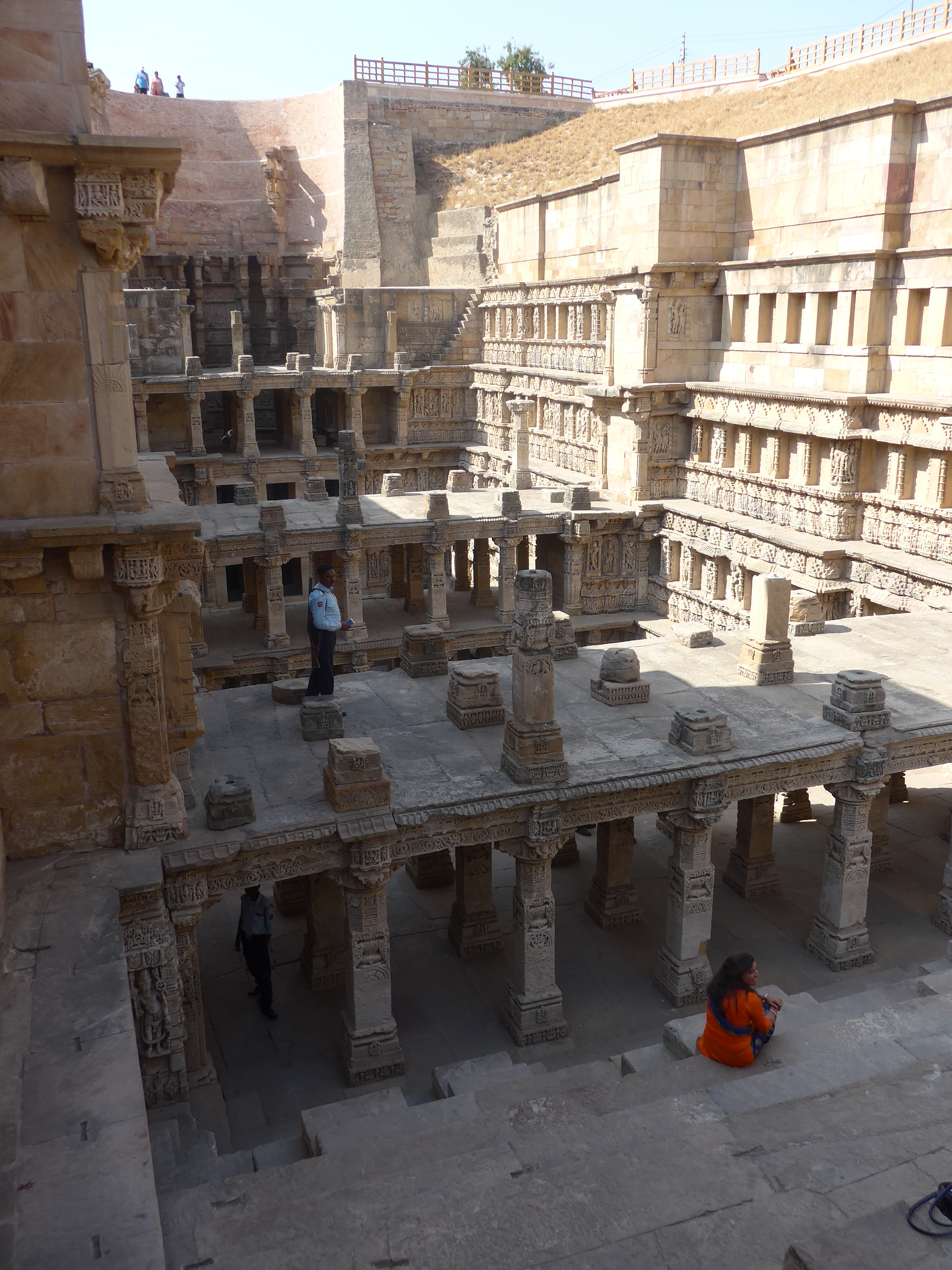
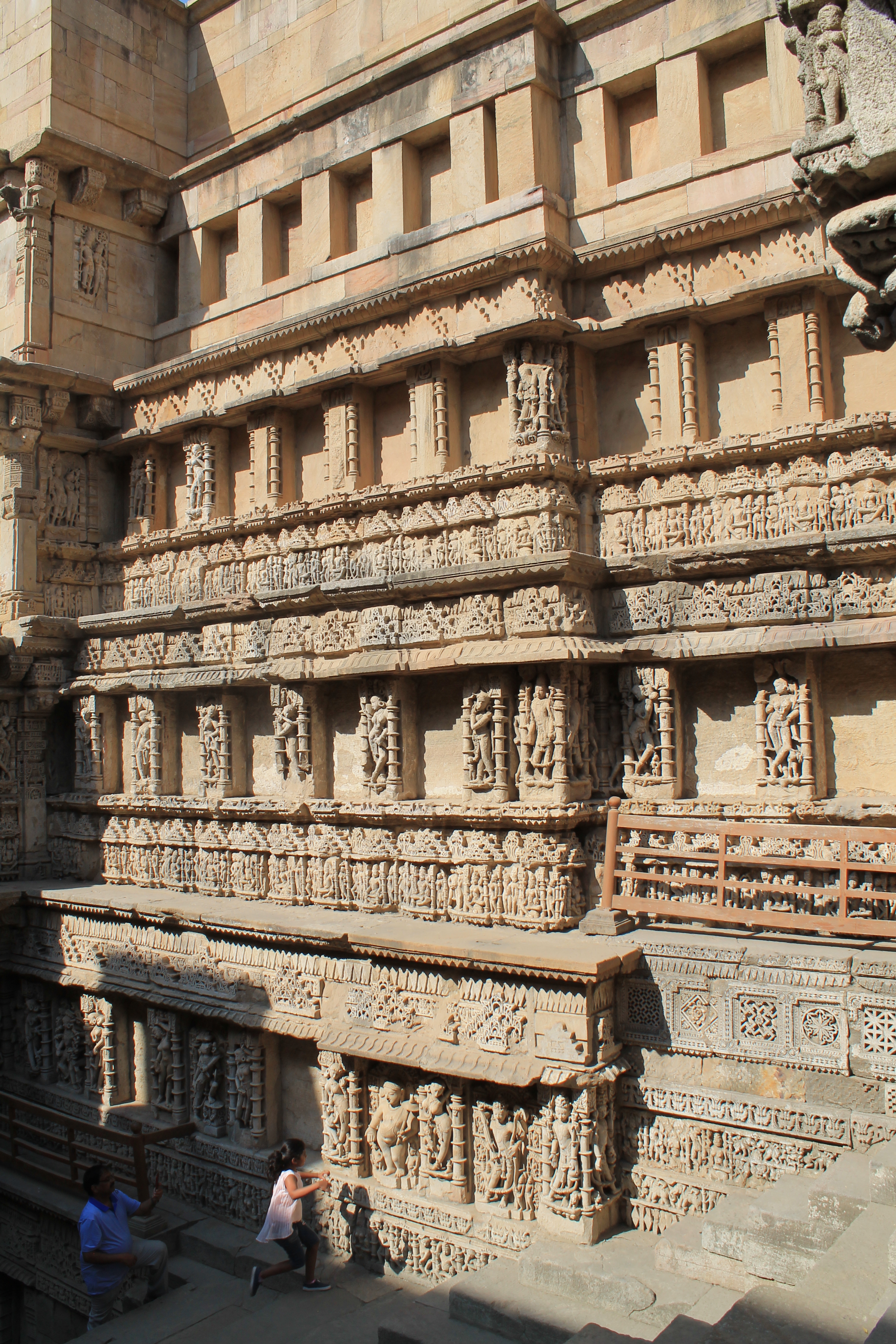
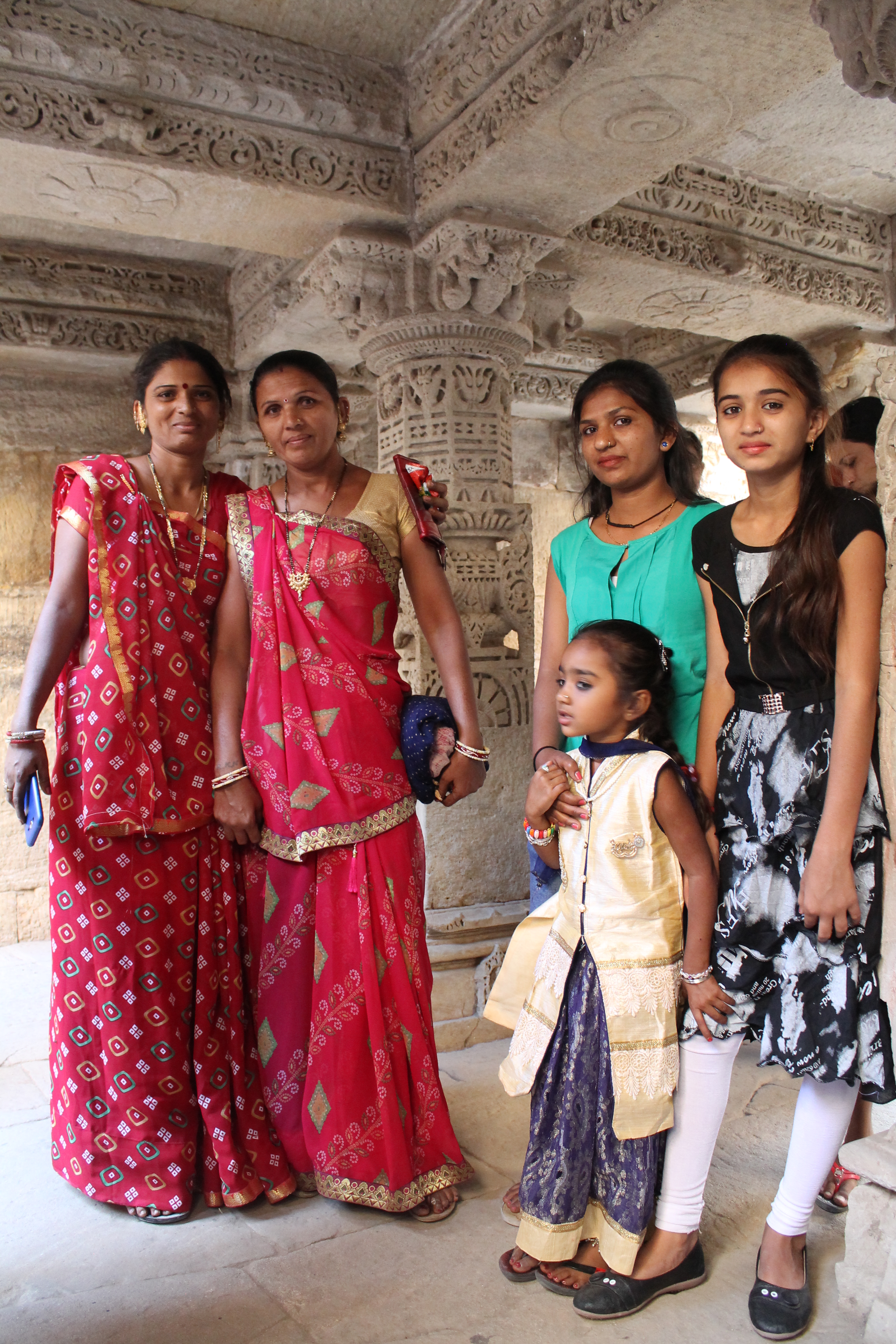
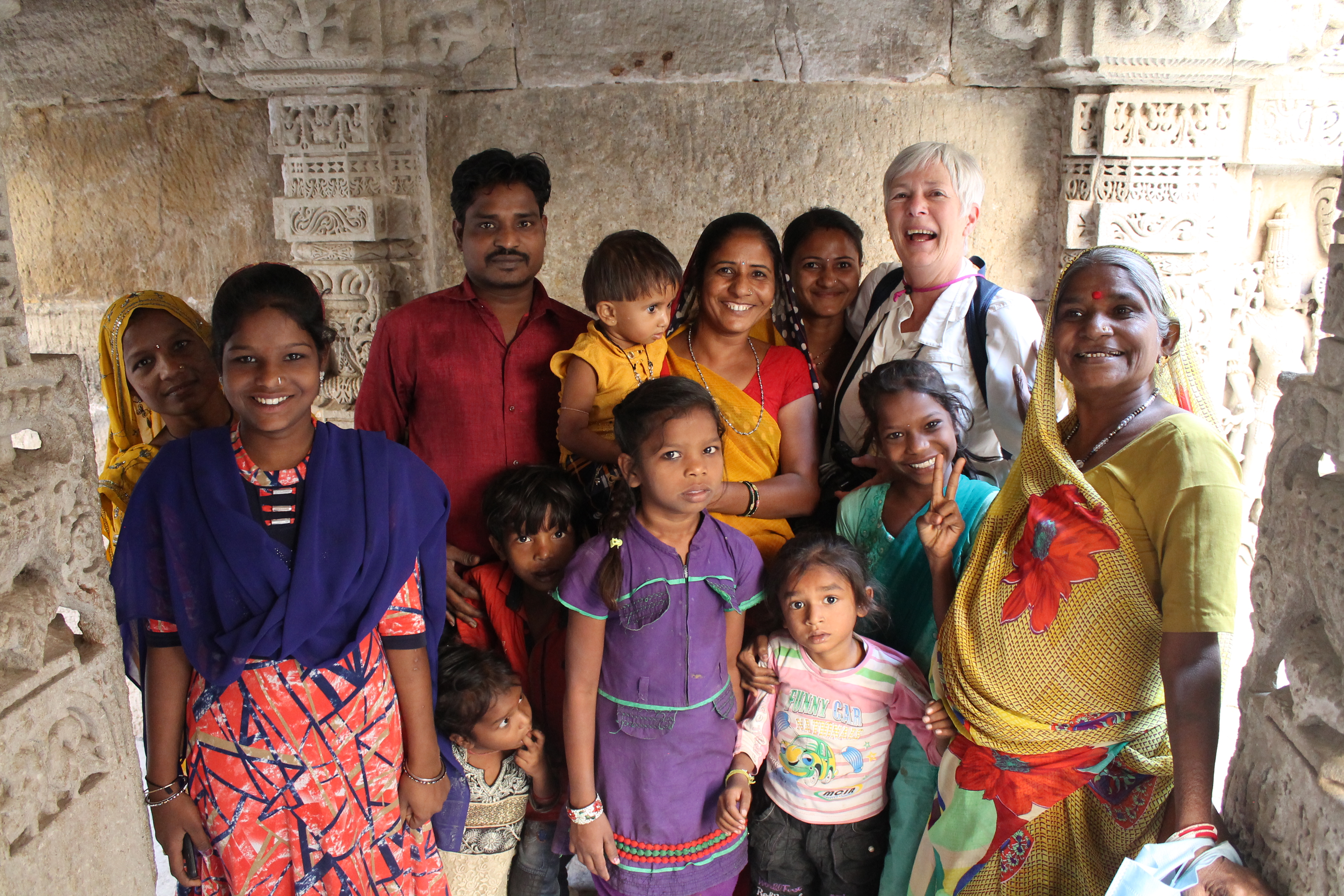
And, being Saturday, everyone was out in their weekend best.
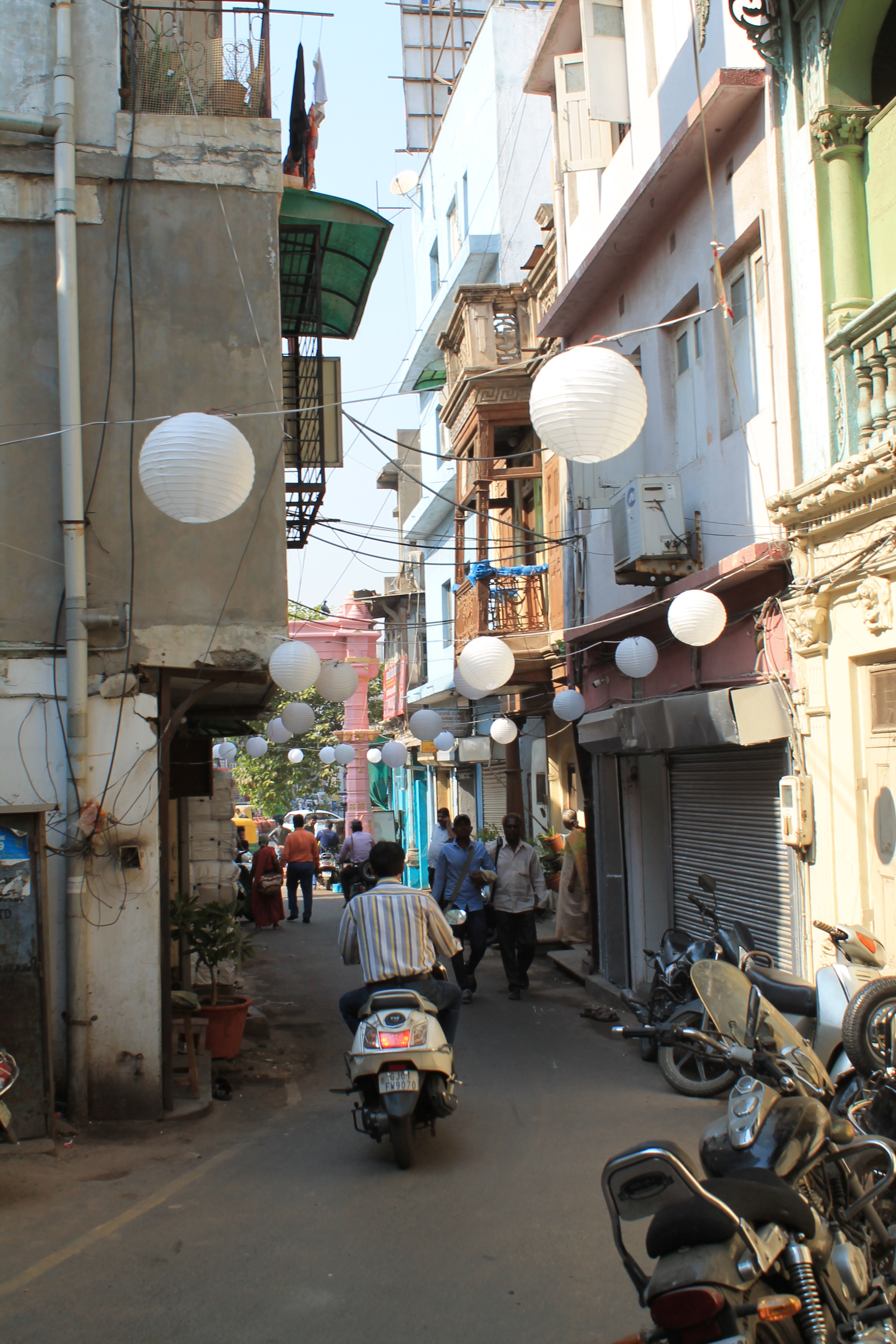
The city’s traffic and pollution were horrendous. There are no rules – at all. It’s every auto, motor-bike, cow, water buffalo, bus, or bicycle for themselves. We were stuck in a traffic jam for two hours at one point, with pollution rising round us like fog, and were so relieved to get back to our own “pol”, the Dal-ni-Pol, where we stayed in a 150-year-old restored Guajarati house, or Haveli, called French Haveli.
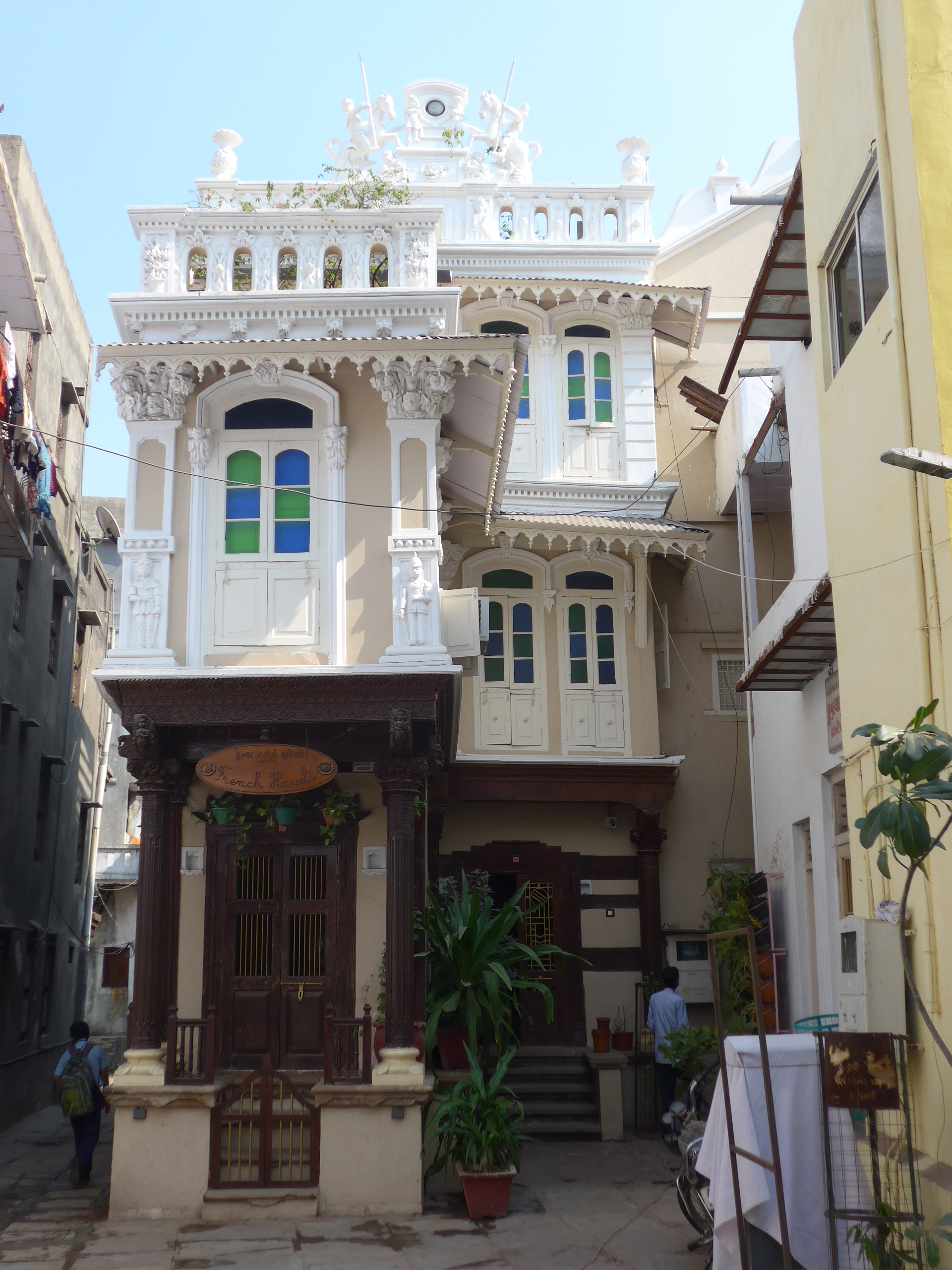
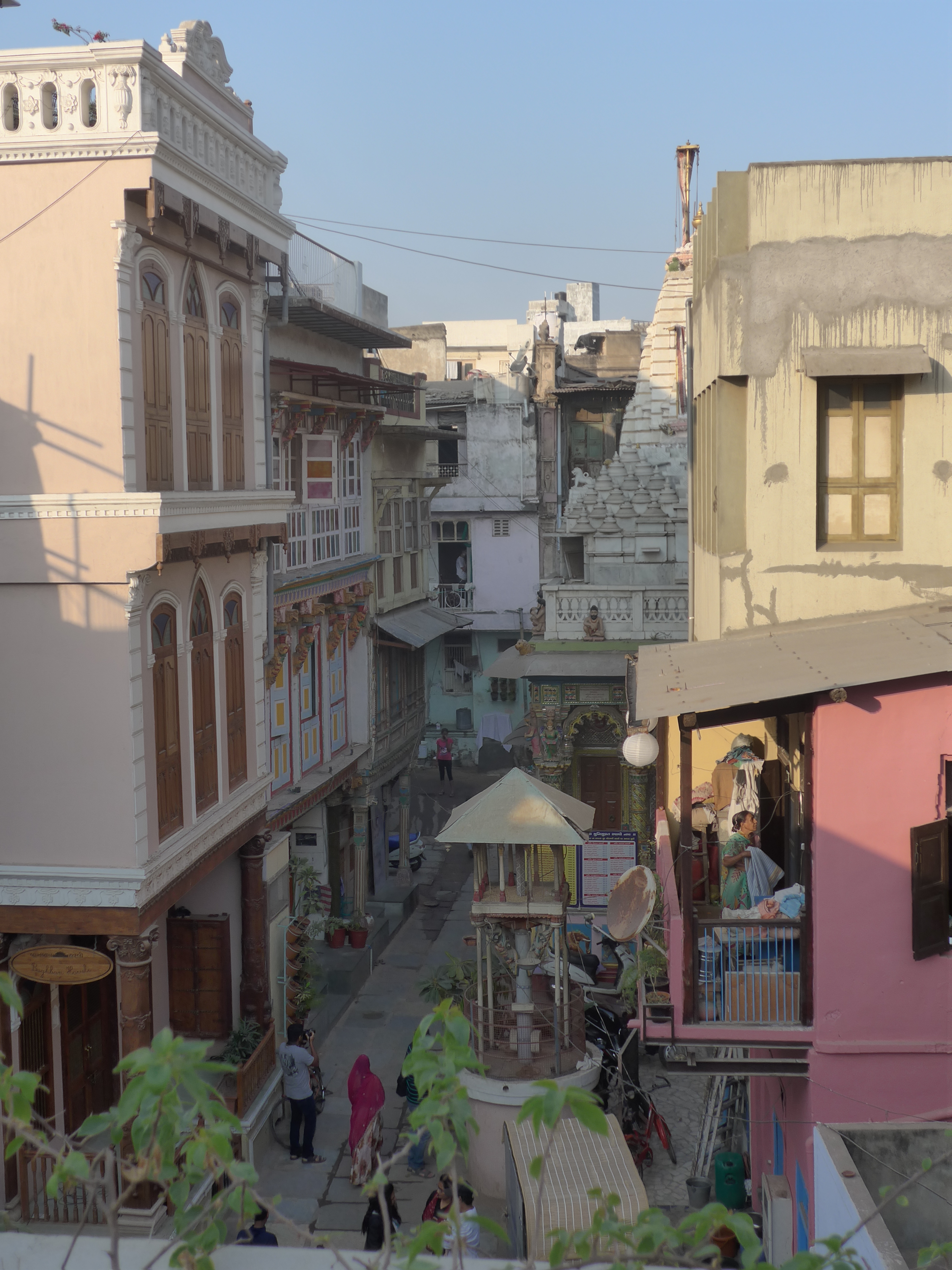
The alleyways of the pols stay comparatively cool and quiet, there is no room for cars and autos, and they give one a glimpse into this traditional communal life.
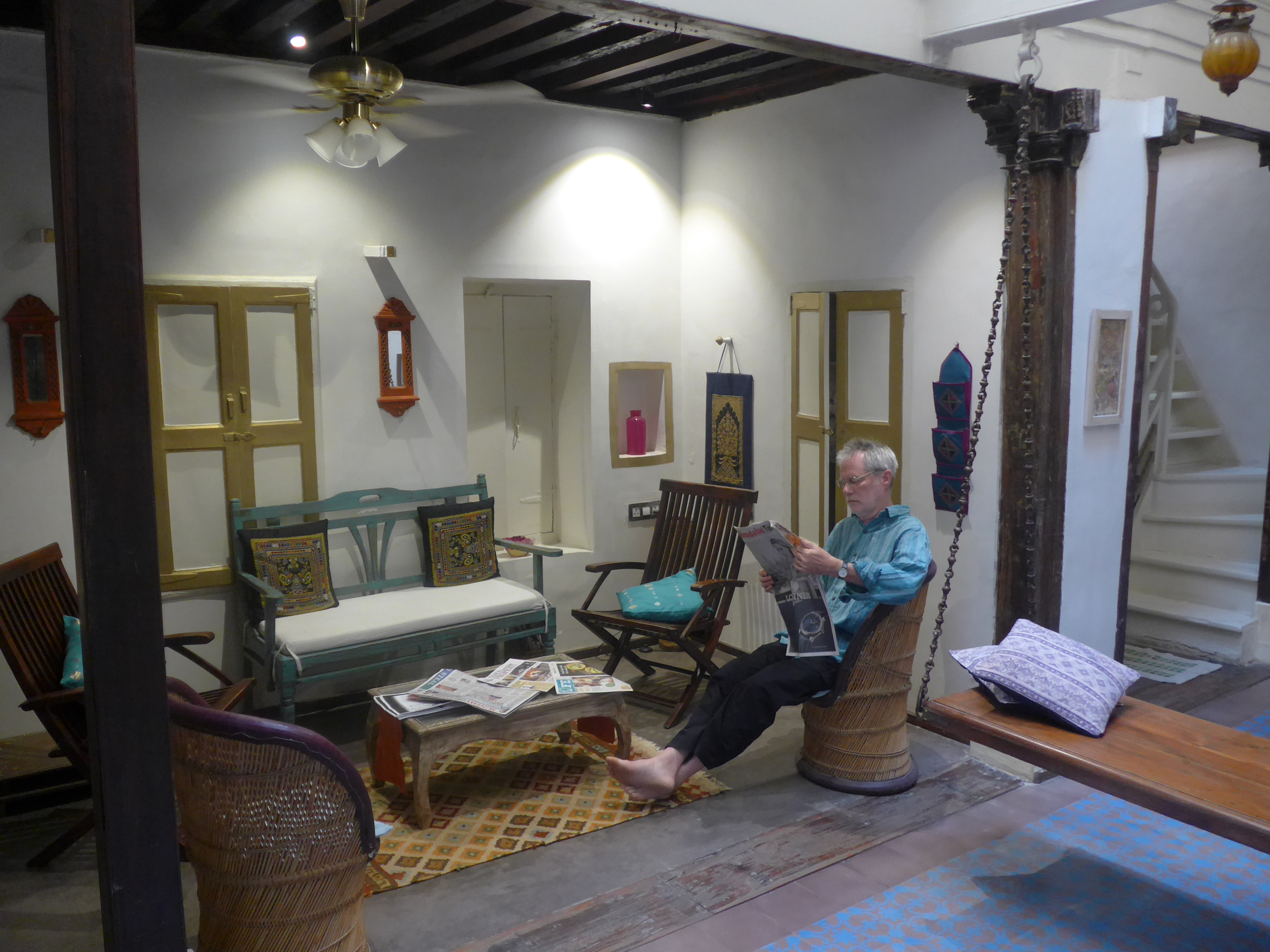
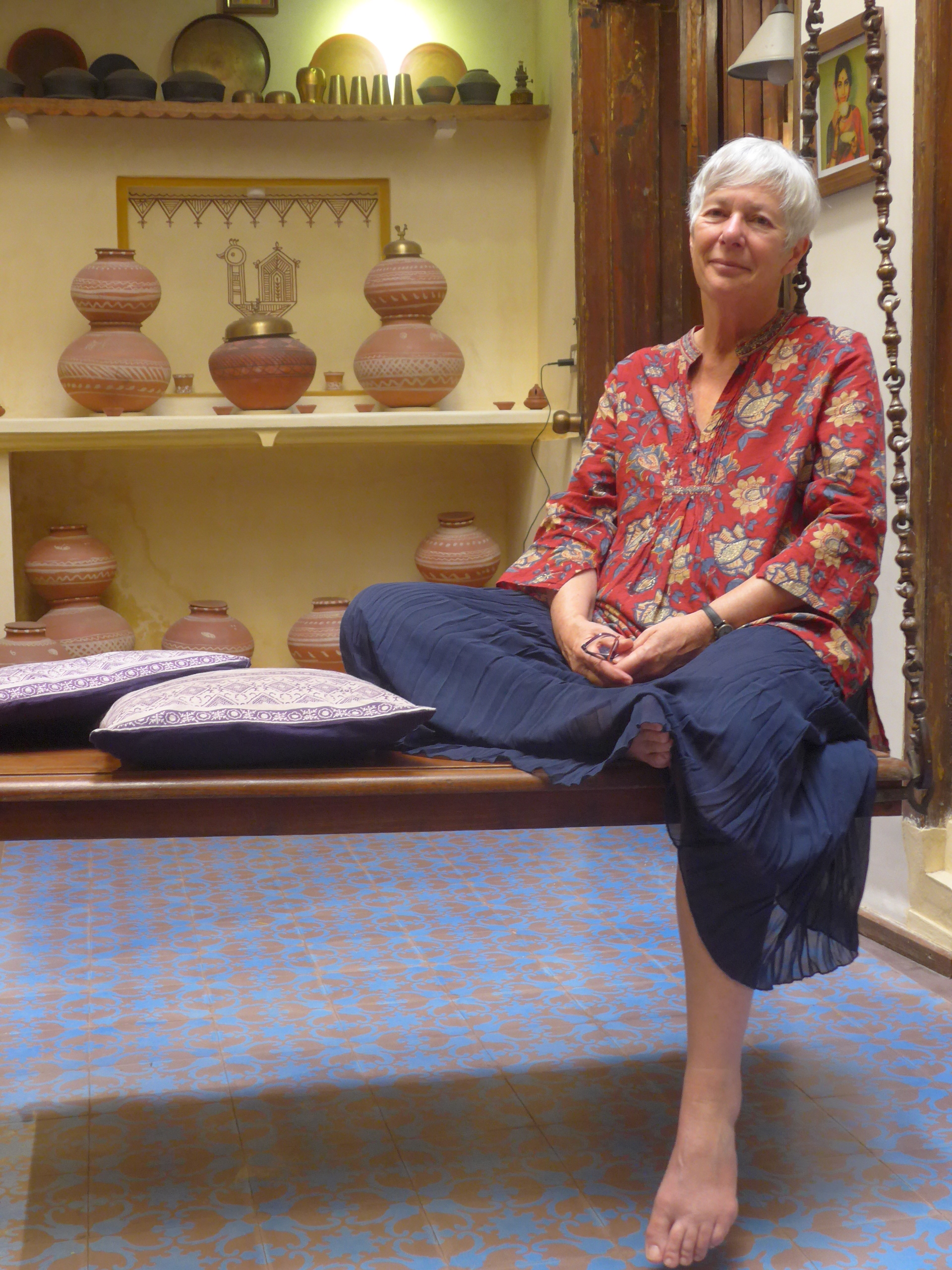
From our balcony we could touch hands with the neighbours: the woman who was always hanging brightly-coloured bras on the line while her husband lay in bed with his i-Phone, the woman below reading the paper by the light from her one window, the old lady sitting on her doorstep on the ground floor, the children lighting firecrackers in the narrow alleyway below.
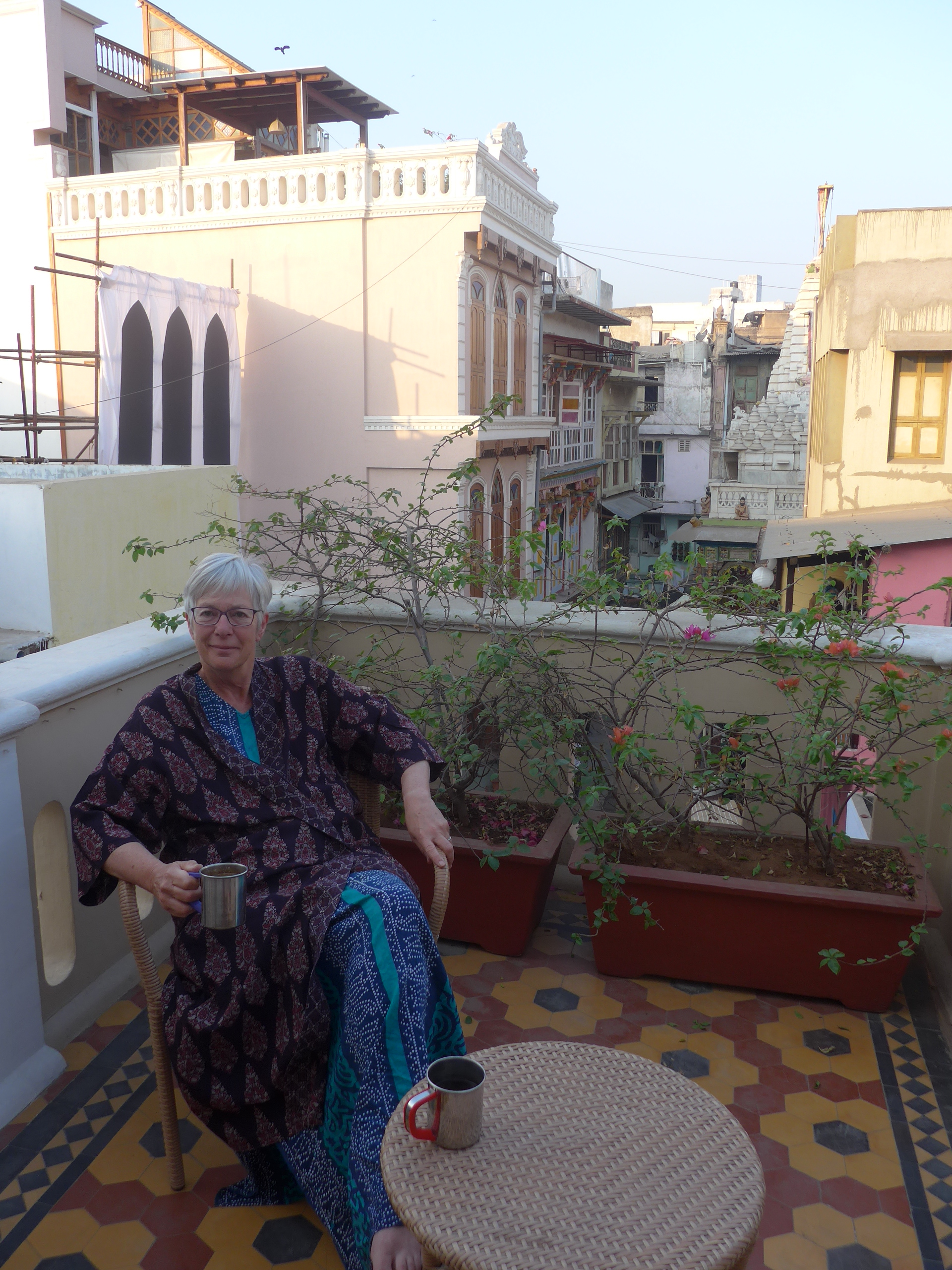
A place of peaceful communities, or a place where a whirlwind could erupt, fanned by some elements of the current government…..?
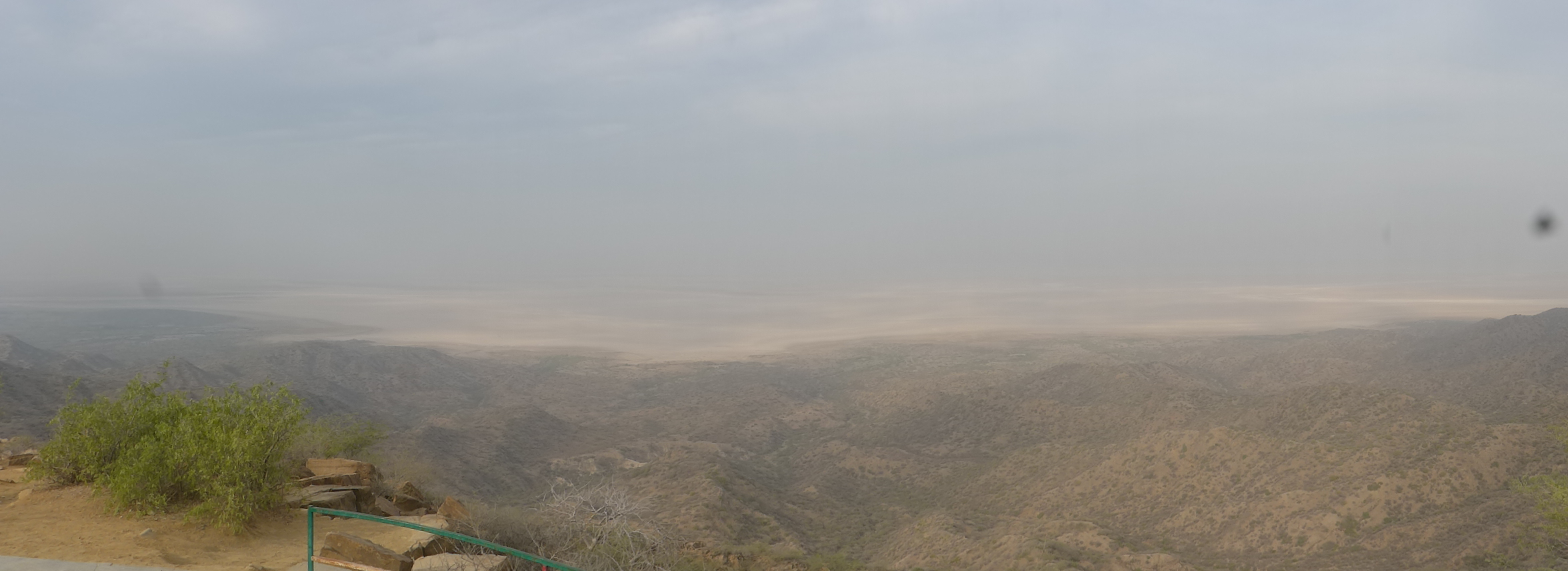
And from then on to Bhuj in the driest part of the state, on the edge of the Great Rann of Kutch, with its salt desert stretching 37 kilometres to the border with Pakistan, nomadic herders in brightly embroidered dresses and huge nose-rings, “sea-faring camels” swimming through mangrove swamps and force-fields that move stationary cars uphill backwards. Yes, it really did. We were in the car at the time!

 Riki's Indian Rovings