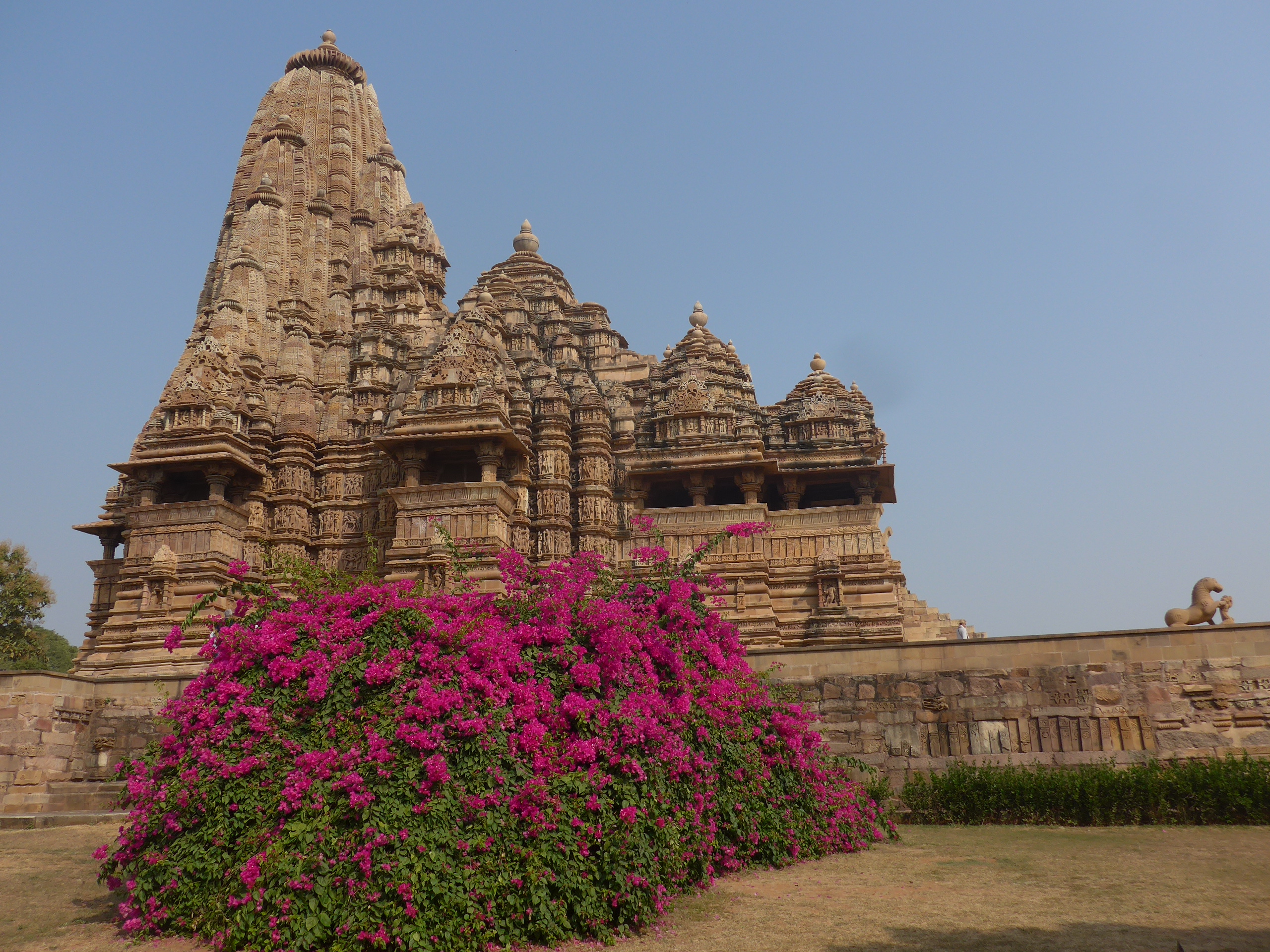
Another train ride to Khajuraho, town of Chandela temples, built a thousand years ago, and then forgottten for centuries.
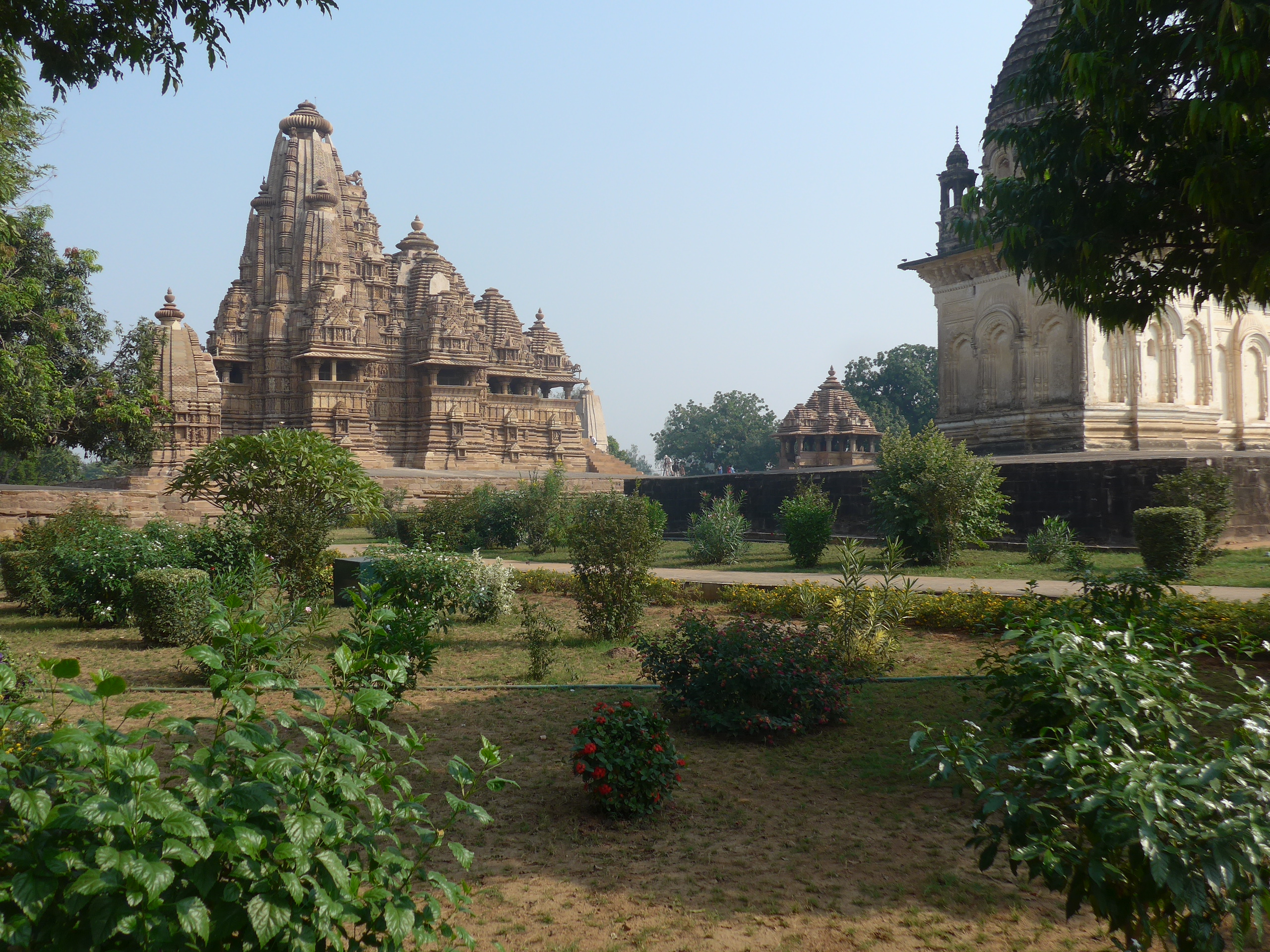
They were “rediscovered” in 1838 by Captain Burt of the Bengal Engineers.
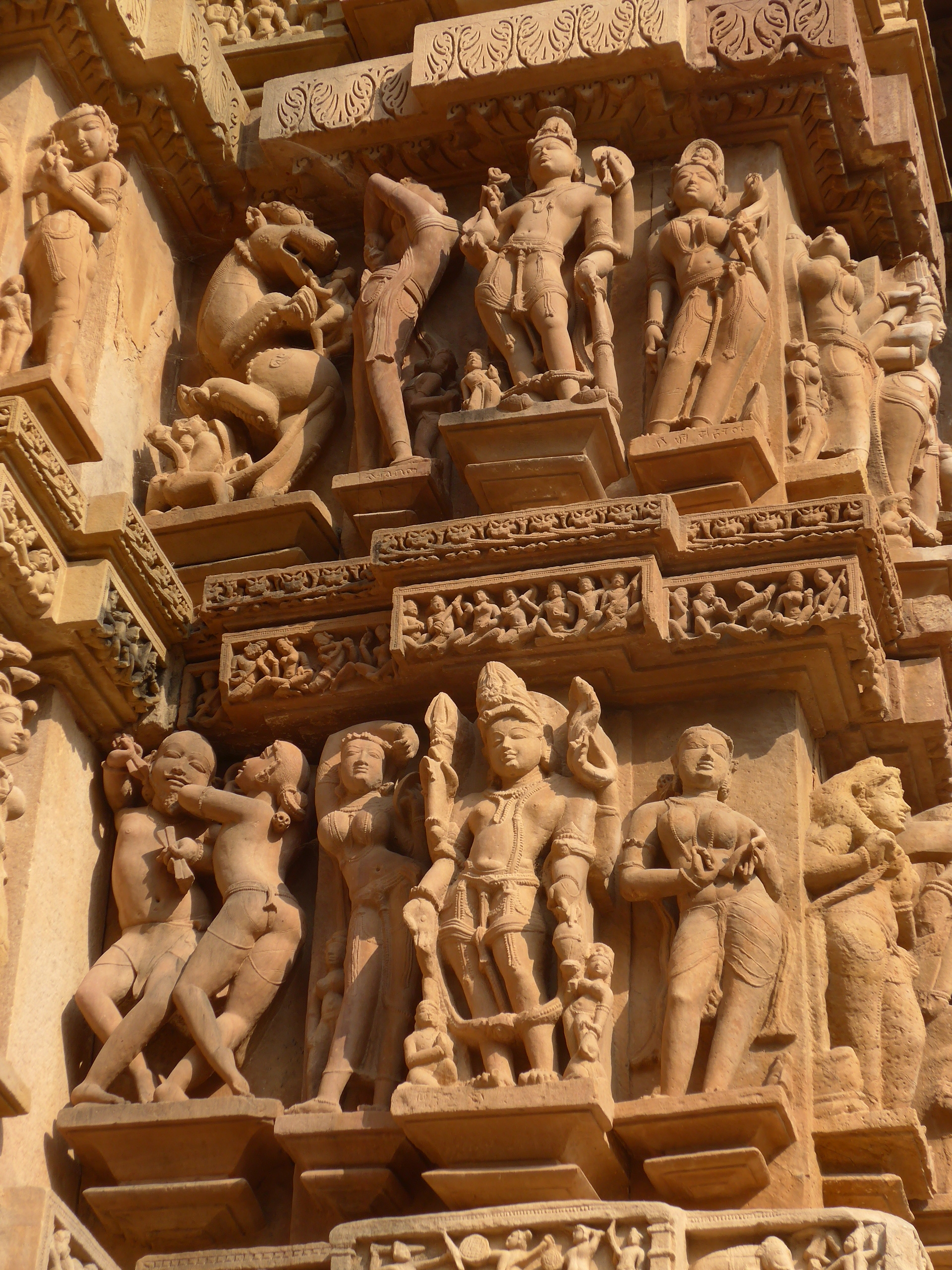
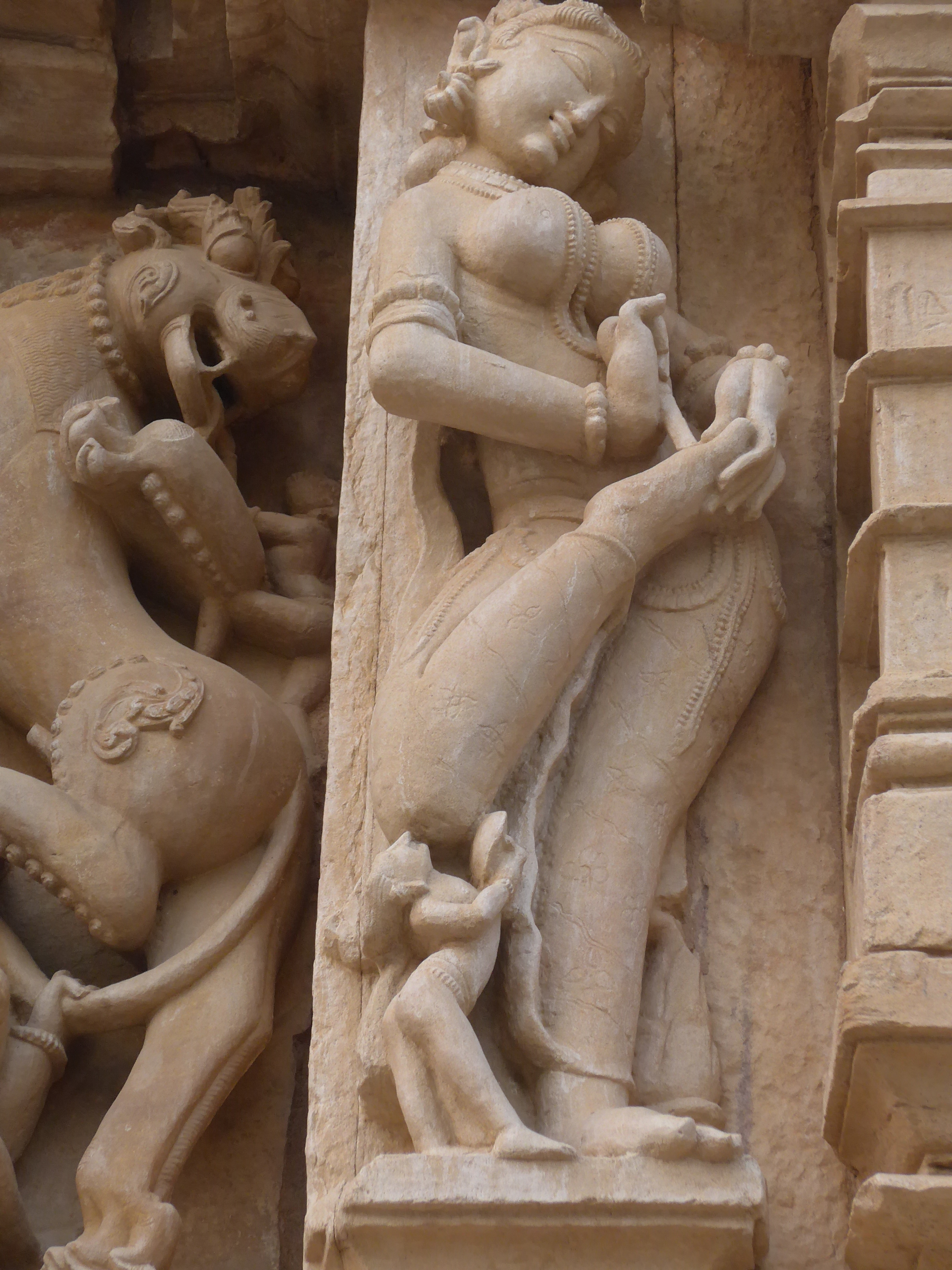
Known for their erotic sculptures, the temples are covered in delicate friezes of elephants, lions, musicians, women dancing, warriors, gods and goddesses.
As it was Diwali, villagers had come into town to dance outside the temples.
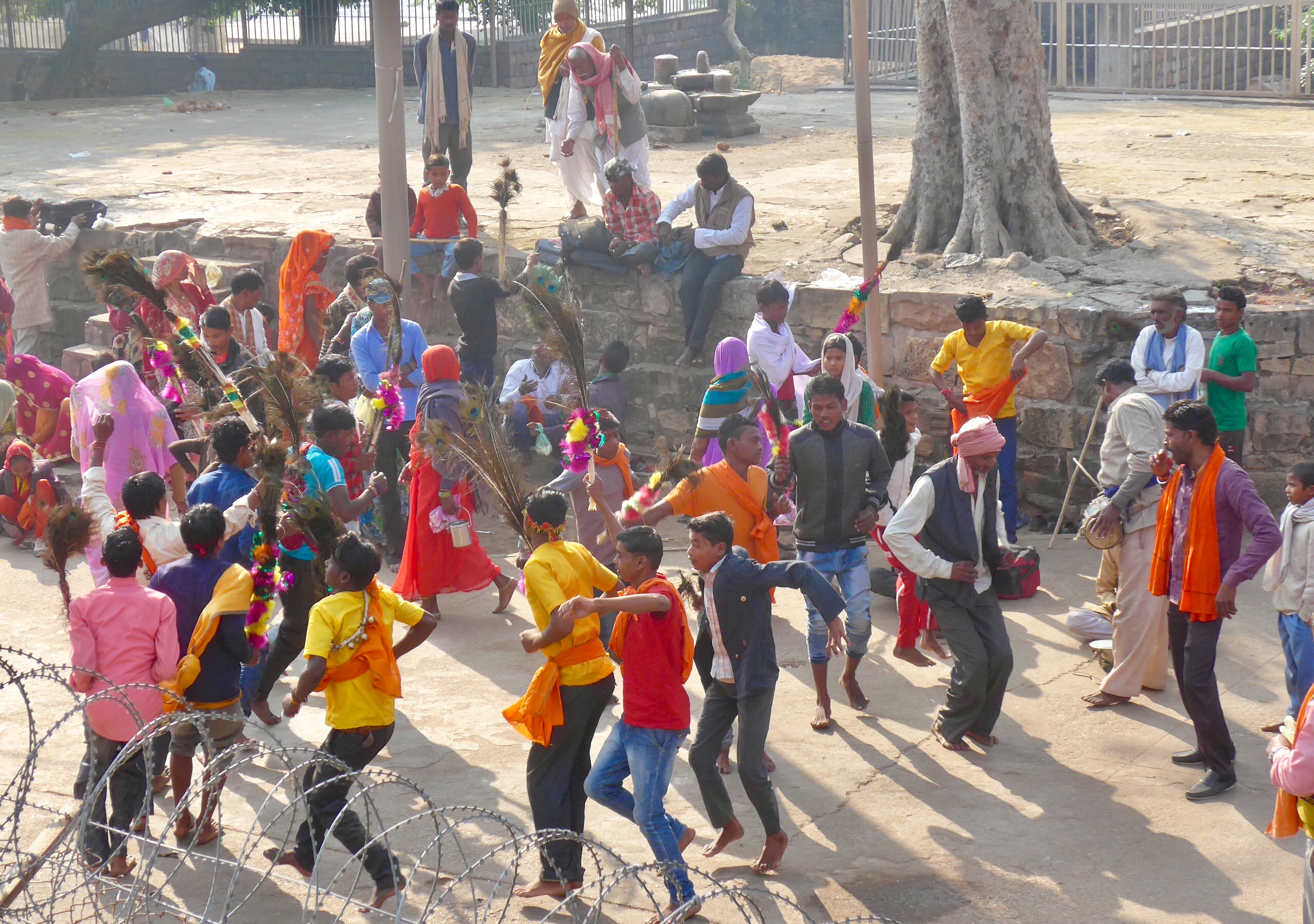
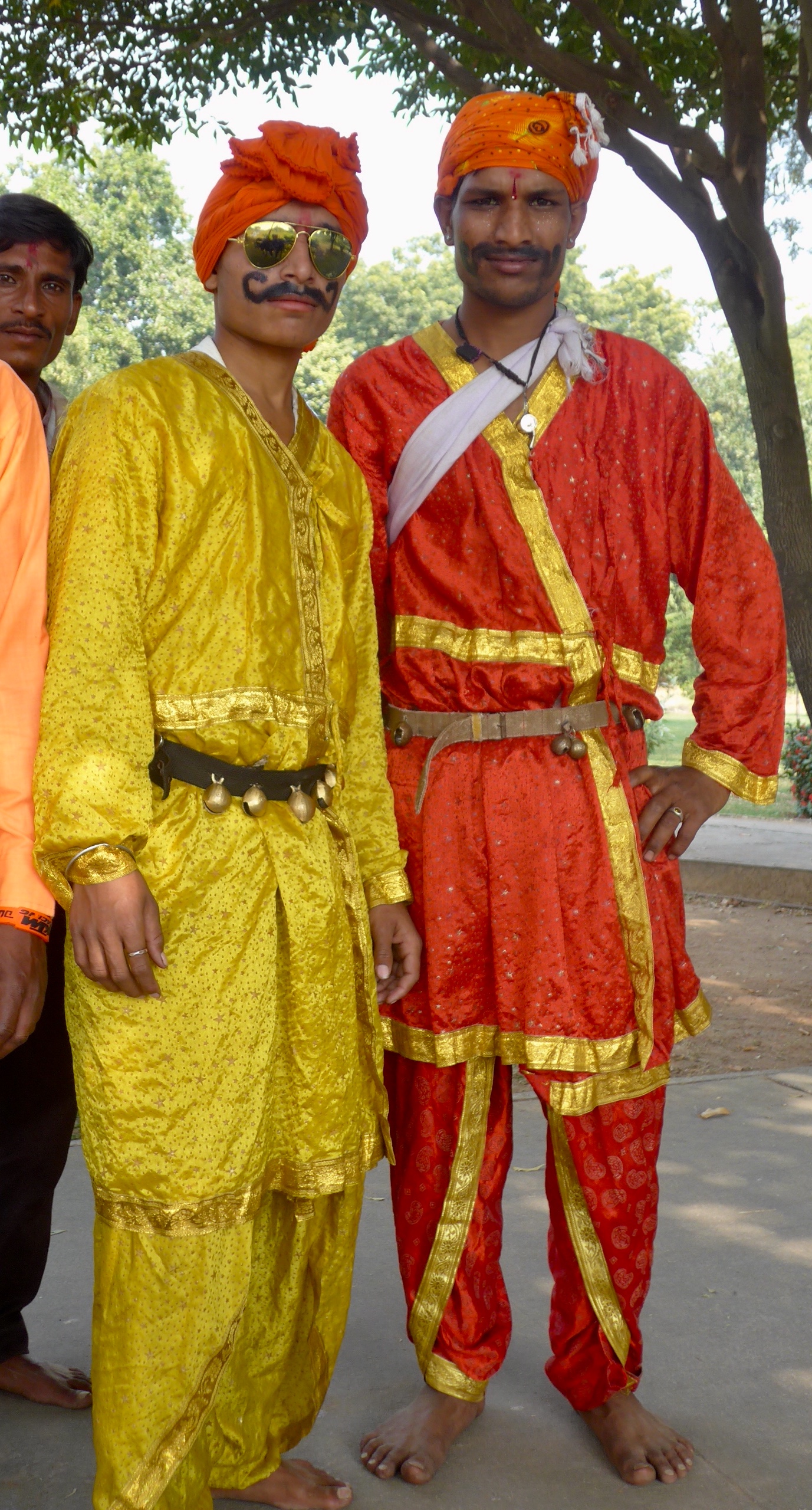
To see these groups of men and boys, progressing from place to place, dancing enthusiastically, hitting each other’s sticks, wearing jingling bells on waist and ankles, some with a male dancer dressed as a woman, was oddly reminiscent of watching Morris dancing in East Anglia.
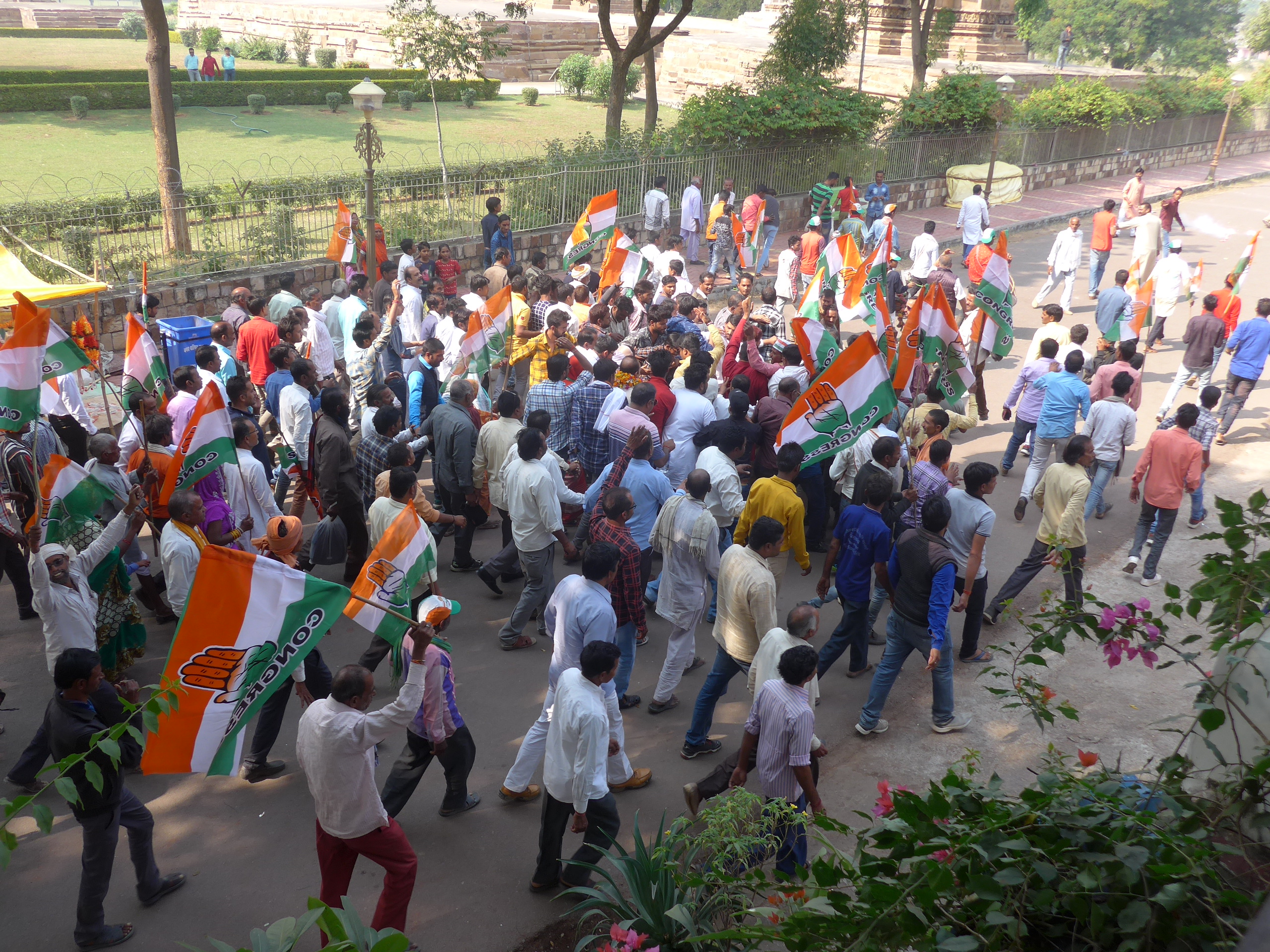
It was also odd to suddenly see so many “pink” tourists, as well as the crowds of Indian tourists. And a political march for the Congress Party, with firecrackers, added to the melee. There is a state election at the end of the month, by which time we should be in Gujarat. We only meet Congress supporters, but Modi and the BNP are popular with the poorer people.
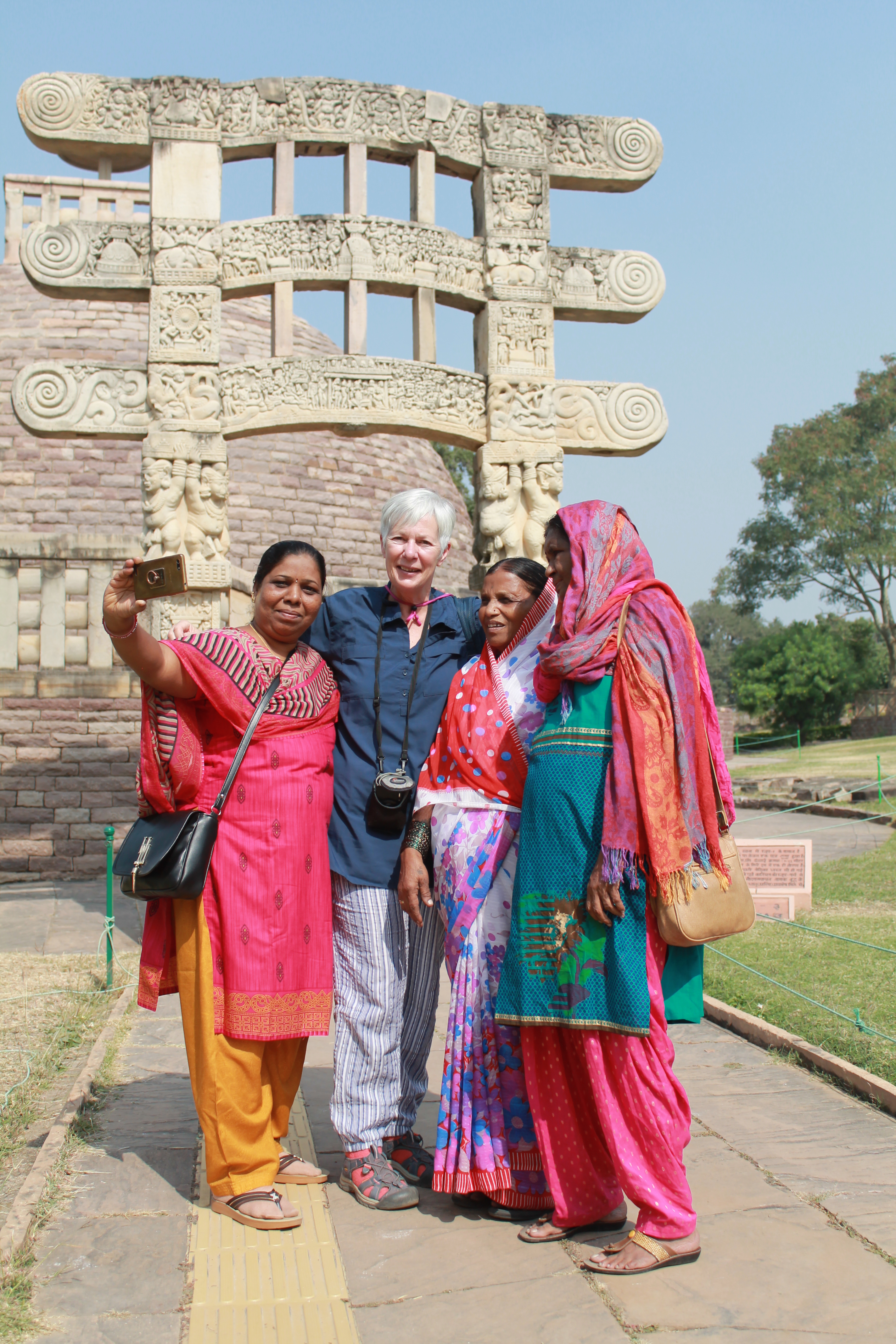
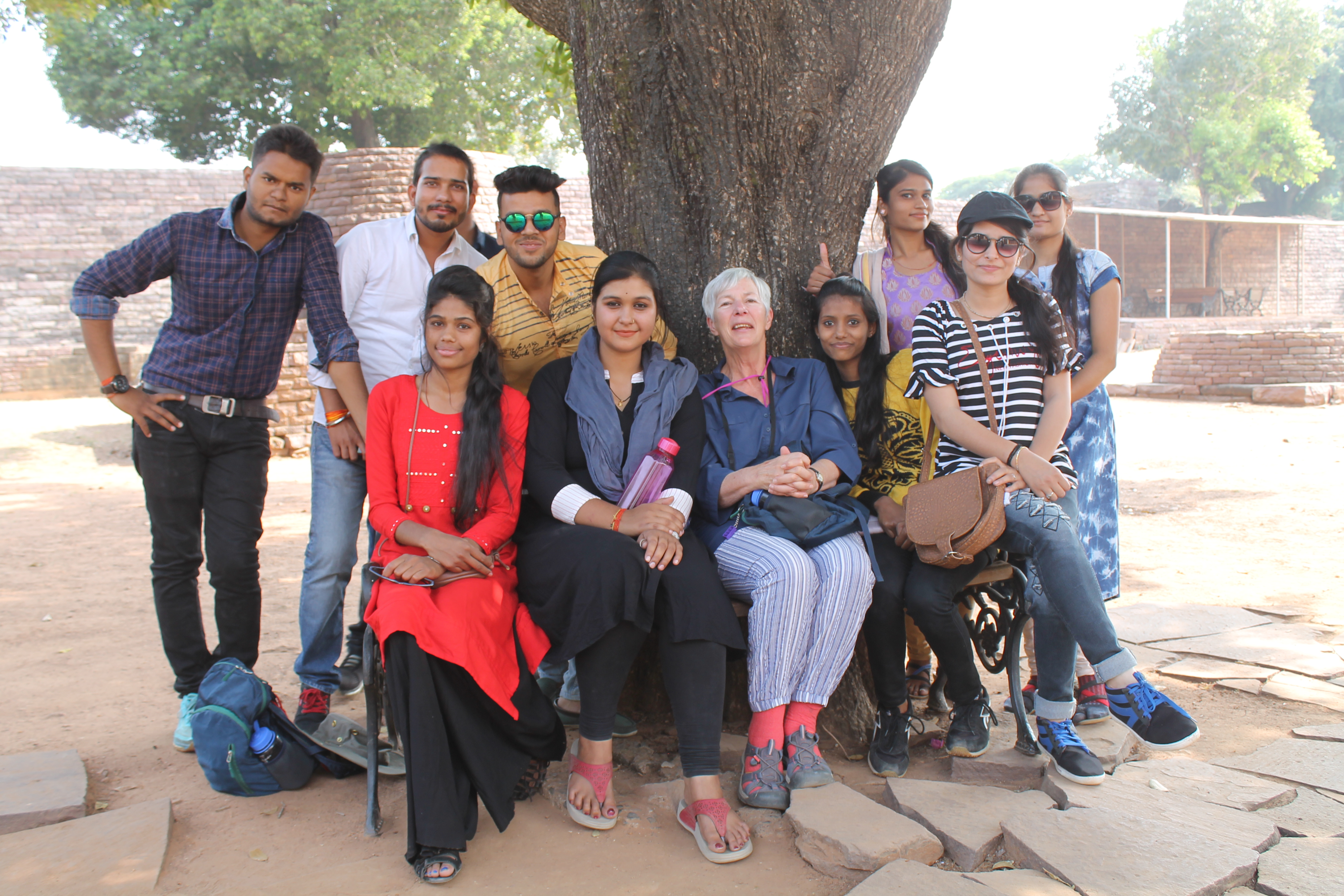
And then we would hear the patter of small feet behind us, the cry of “Uncle! Uncle! Auntie! Please one selfie!” Twenty-one selfies in one day was the record, so far. But the requests were always so polite we could not be churlish and refuse.

Our next leg was a five-hour taxi drive east through teak forest and national park to Bandhavgarh. Madhya Pradesh is the most forested state in India and has hills, a rarity on the Gangetic plain, and these are the oldest hills on the sub-continent, older than the youthful Himalayas. It was surprisingly cold at night, and even colder at 5 am when you started out on safari …
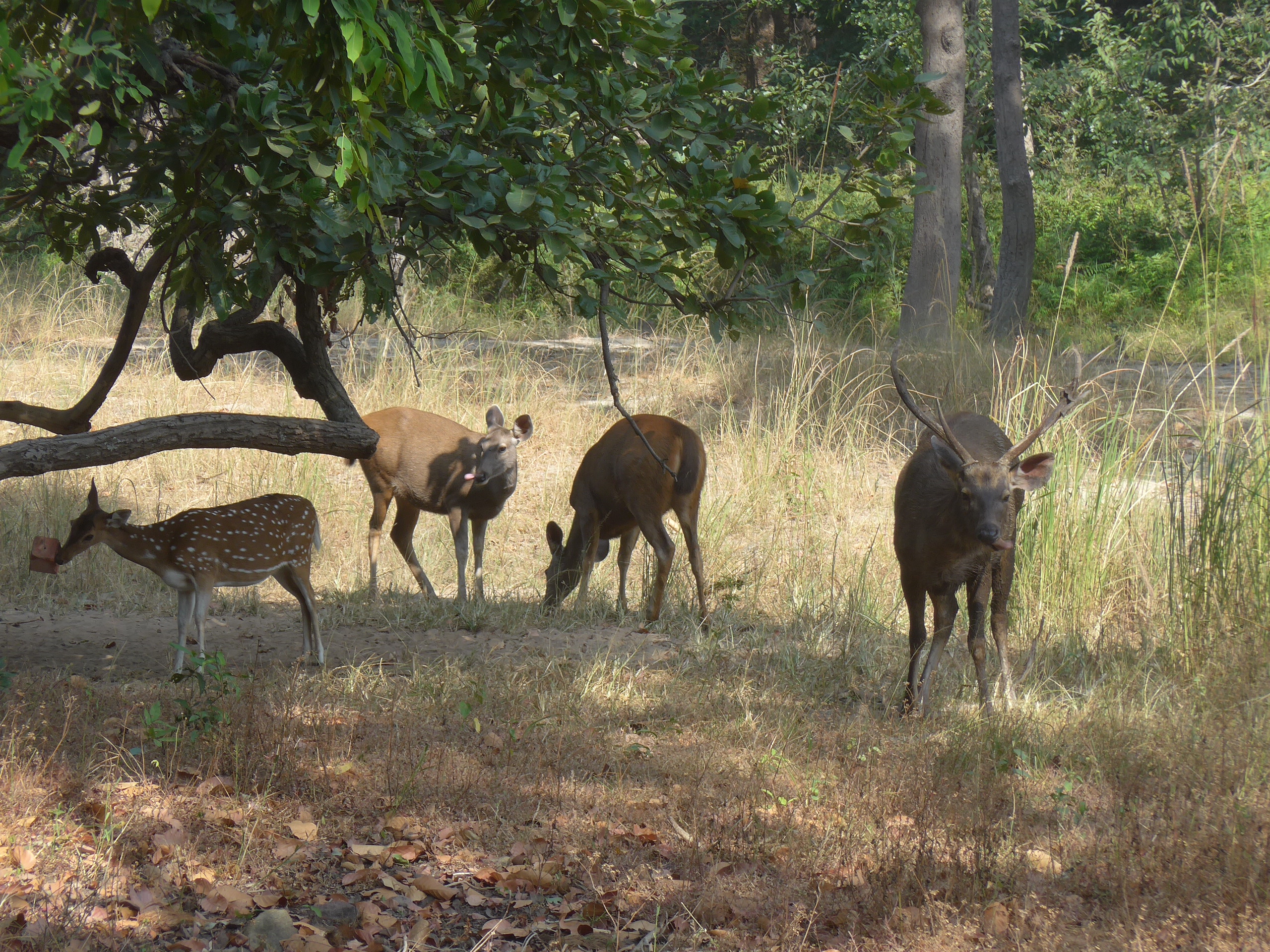
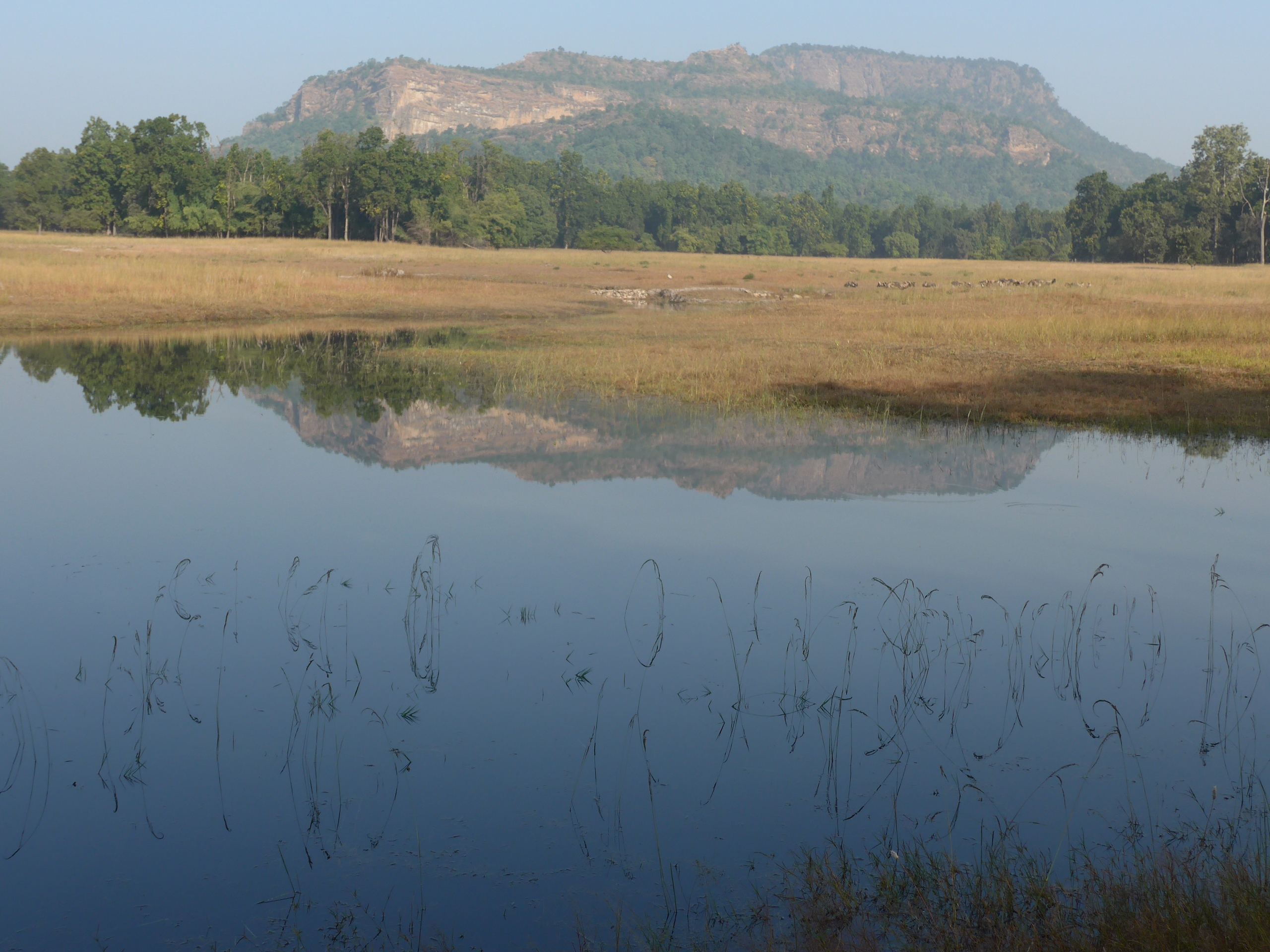
Bandhavgarh has the densest population of the notoriously difficult to spot Indian, or Bengal tiger. They managed to evade us, though we saw plenty of other creatures.

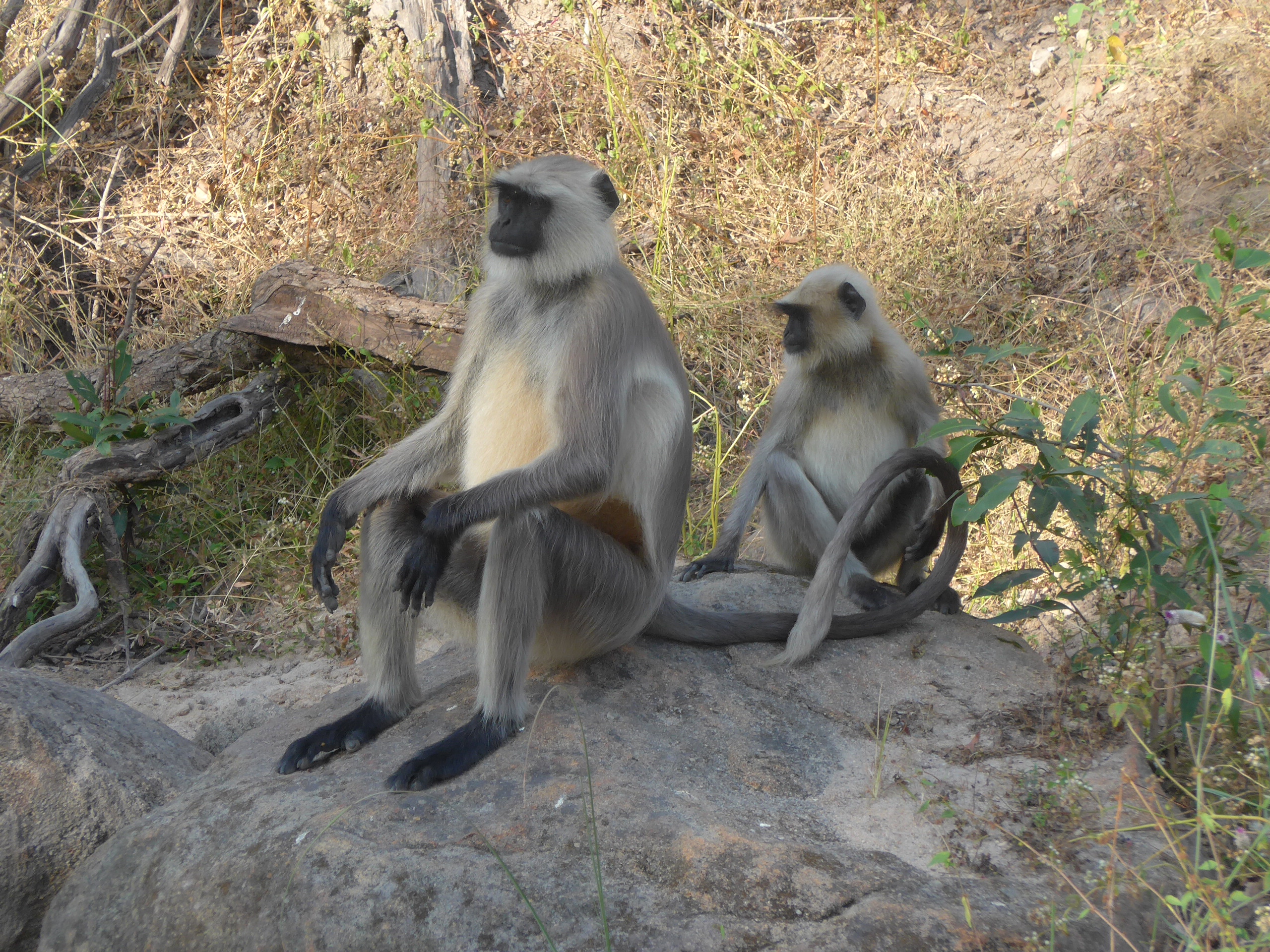
But our companions where we stayed at peaceful, green Skay’s Camp saw tigers most days. So they are there!
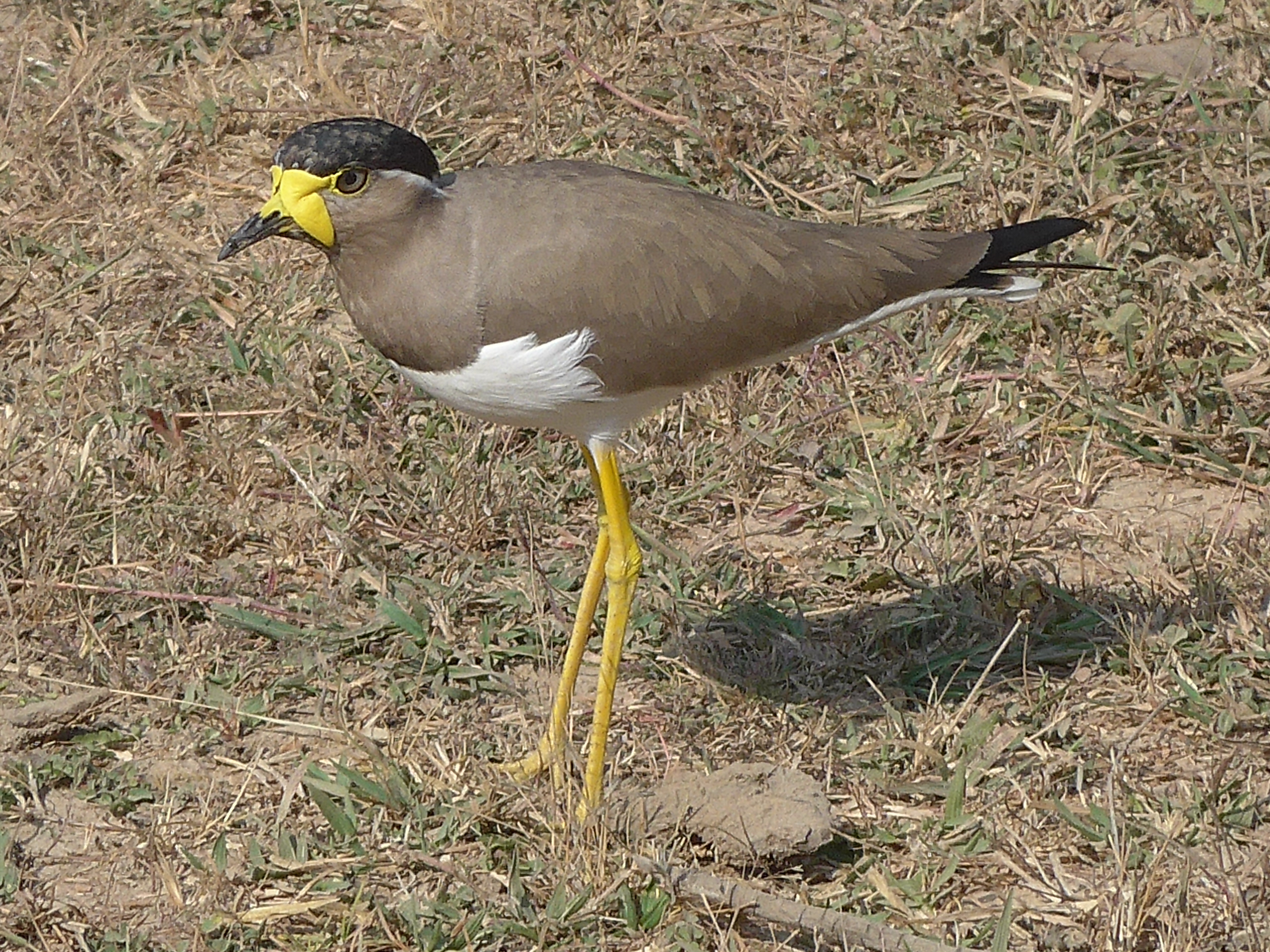
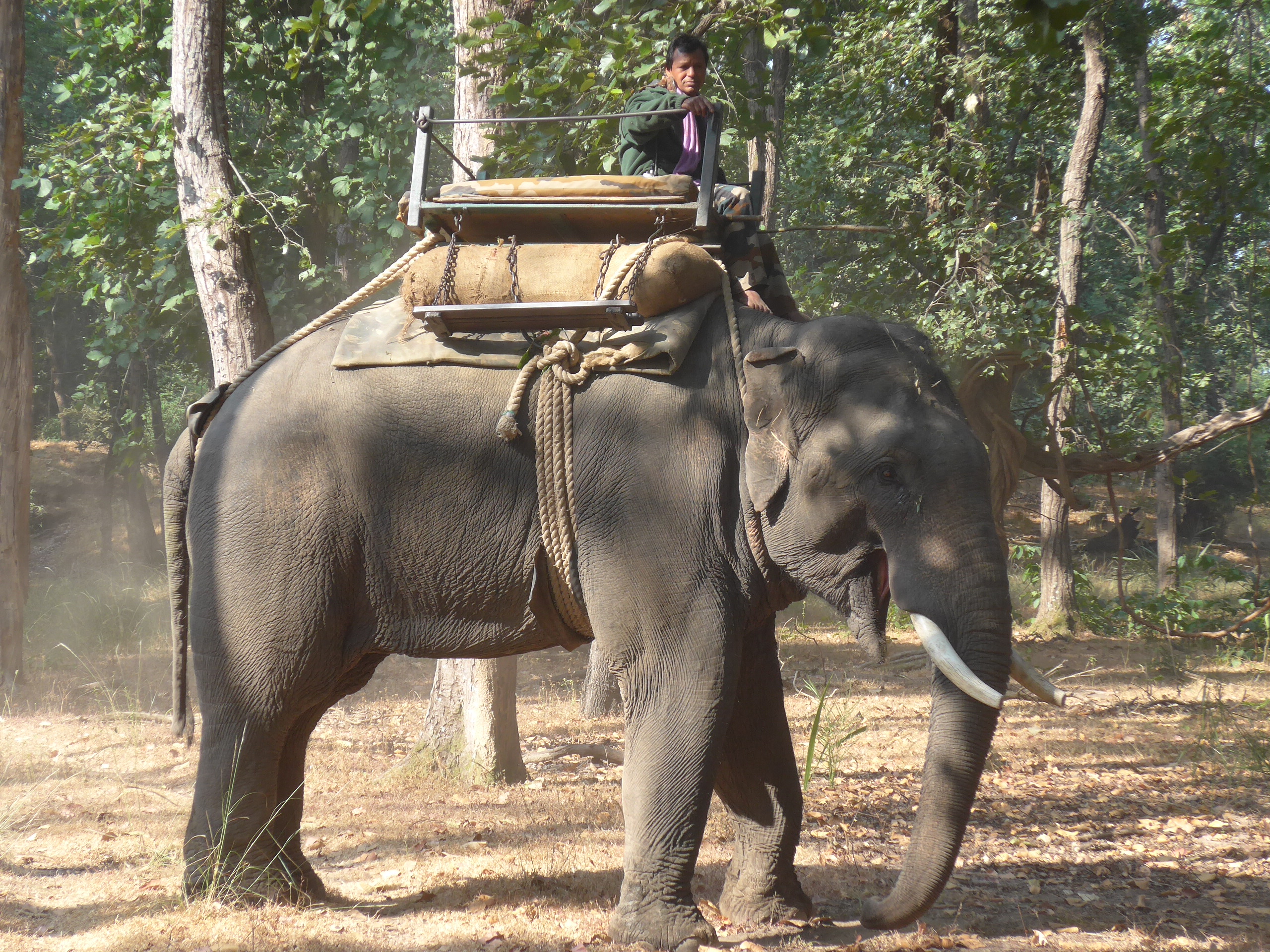
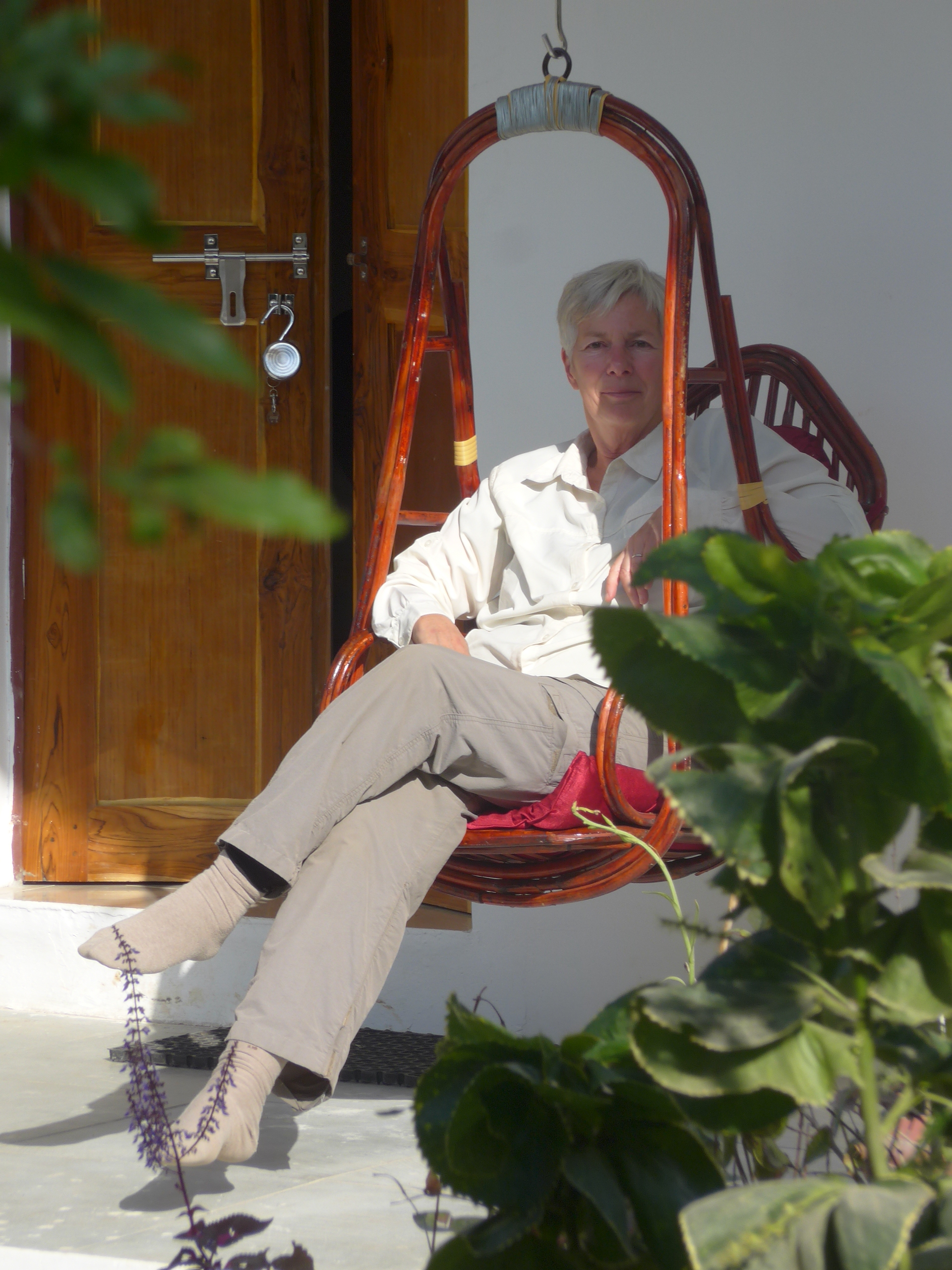
Skay’s Camp was a lovely place to stay, popular with tiger obsessives and wildlife photographers, and with a fine verandah. But there are just so many days spent bouncing around in a jeep, that you can take!
In the taxi to the nearest station at Umaria we met a bovine traffic jam.

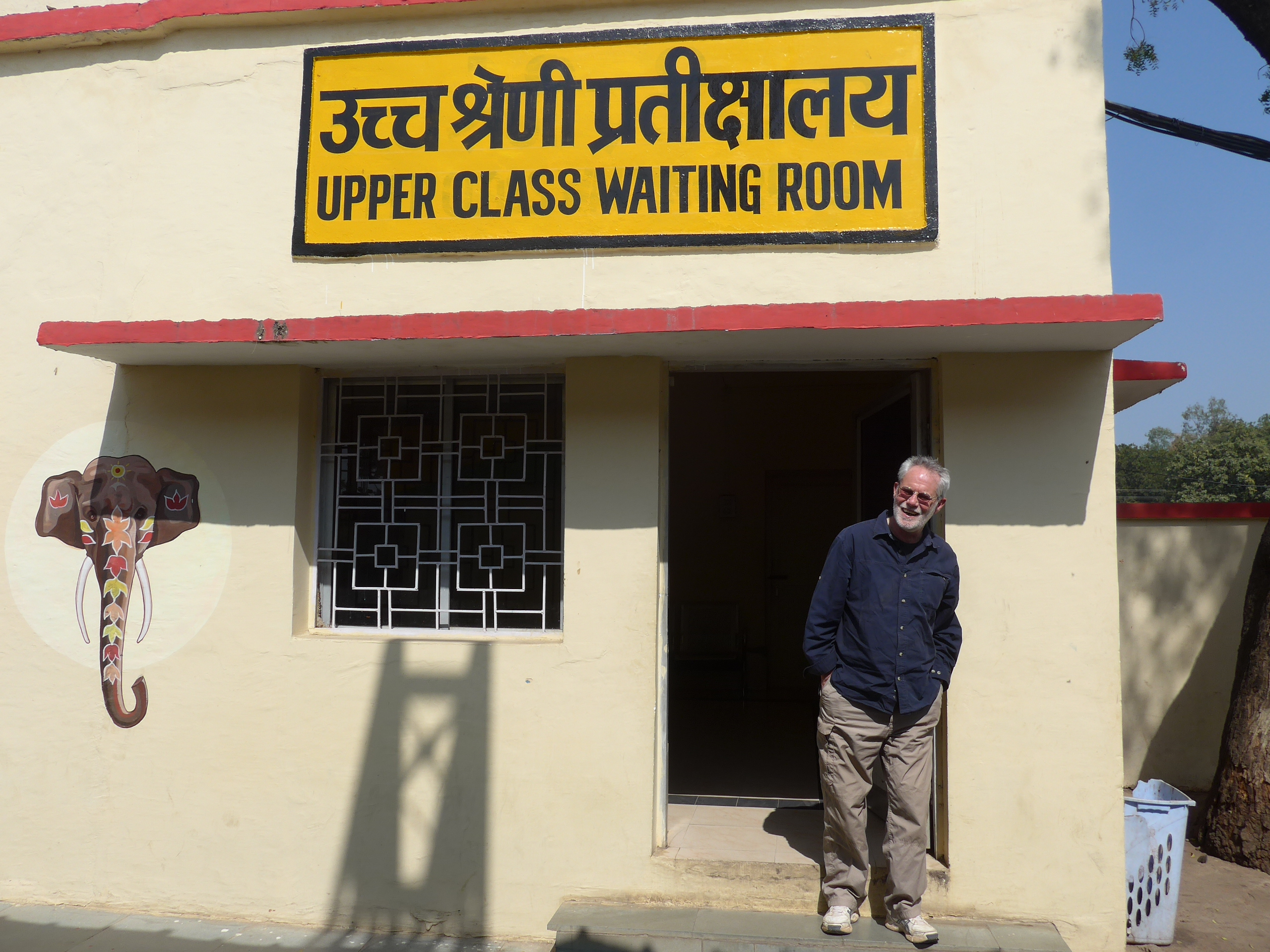
The train from Umaria jogged along, and stopped, and stopped again, and again. After an hour’s wait outside one town, many passengers got off and walked off across the tracks, carrying luggage, babies and even an elderly man who could not walk. His friends just managed to carry him to a concrete strip mid-track before an express train hurtled past. So we missed the connection at Jabalpur and were stranded overnight. But the Station Manager, and his six friends, took care of us, giving us tea while fixing a train for the next day.
There was a hotel half a kilometre away so we thought we would take a couple of cycle-rickshaws, as these ancient tricycles are being superseded by the ubiquitous motorised auto-rickshaw. The very elderly driver insisted he could take us, plus bags, for 40 rupees (40 p), but, to our dismay, weighed down by two plump tourists with their luggage, he had to push the bicycle half way there, before he was able to get in the saddle and creakily pedal along the main road and into the hotel drive. He was overjoyed to be given 100 rupees. I just hope he took the rest of the night off.
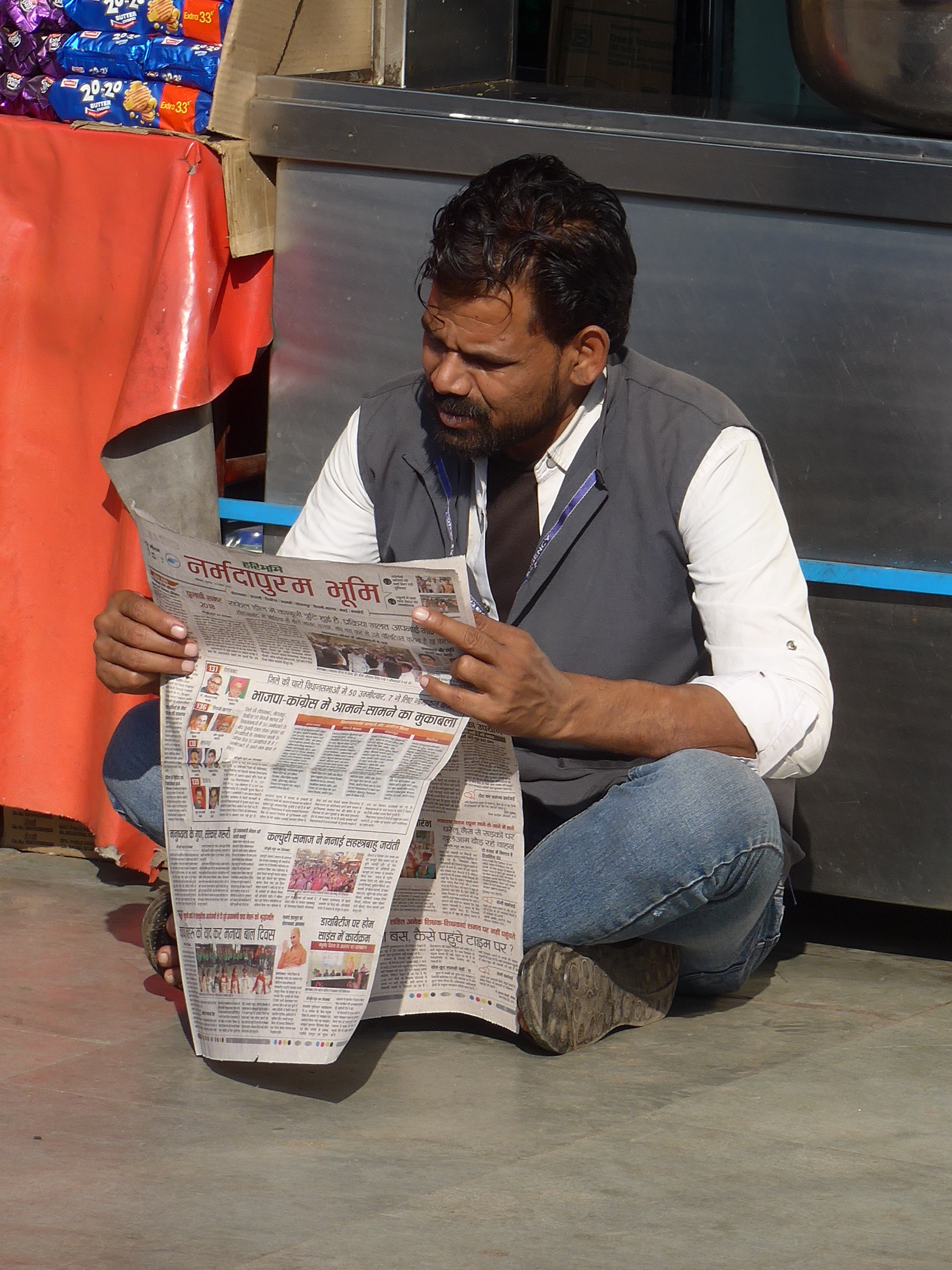
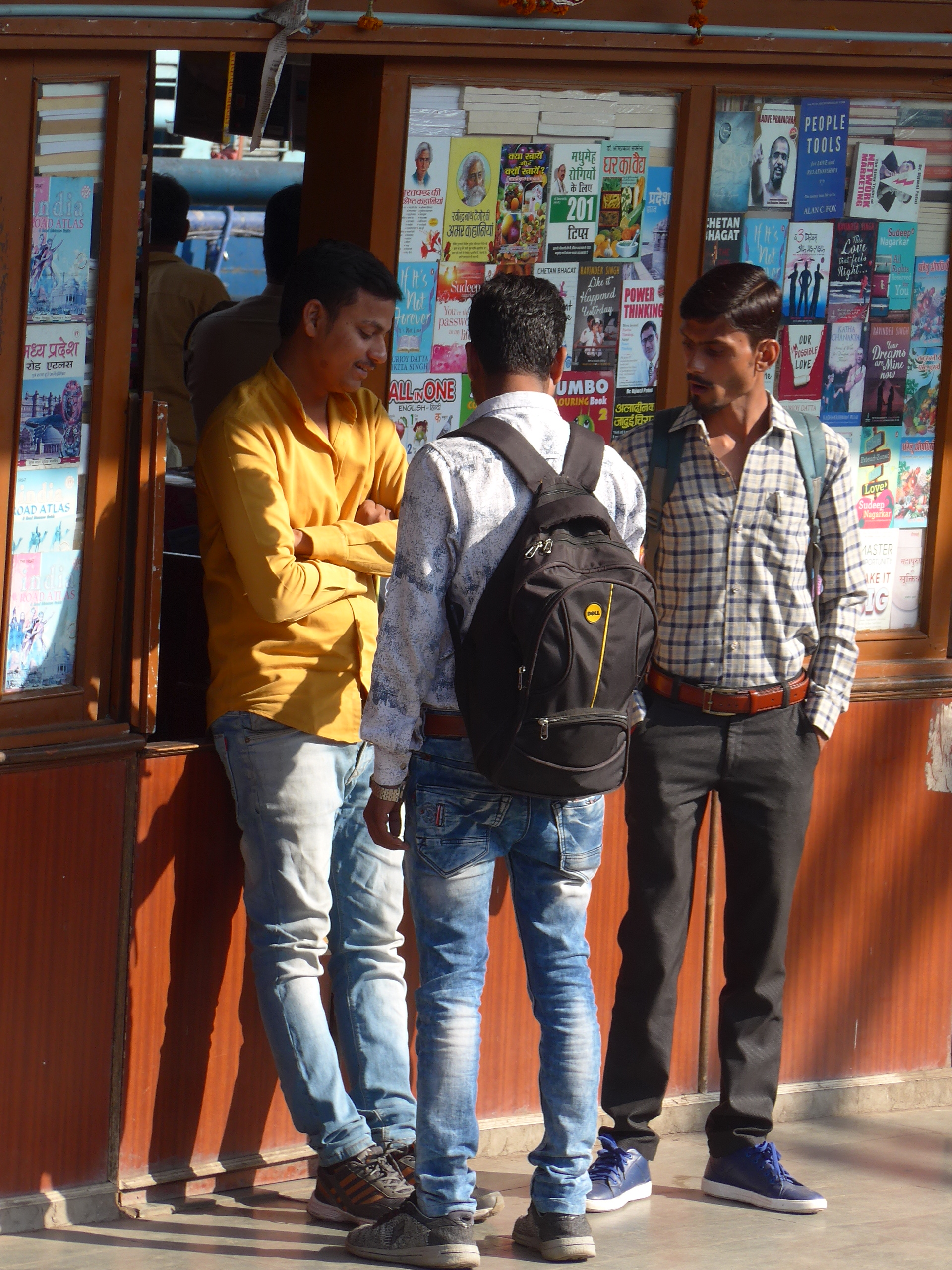
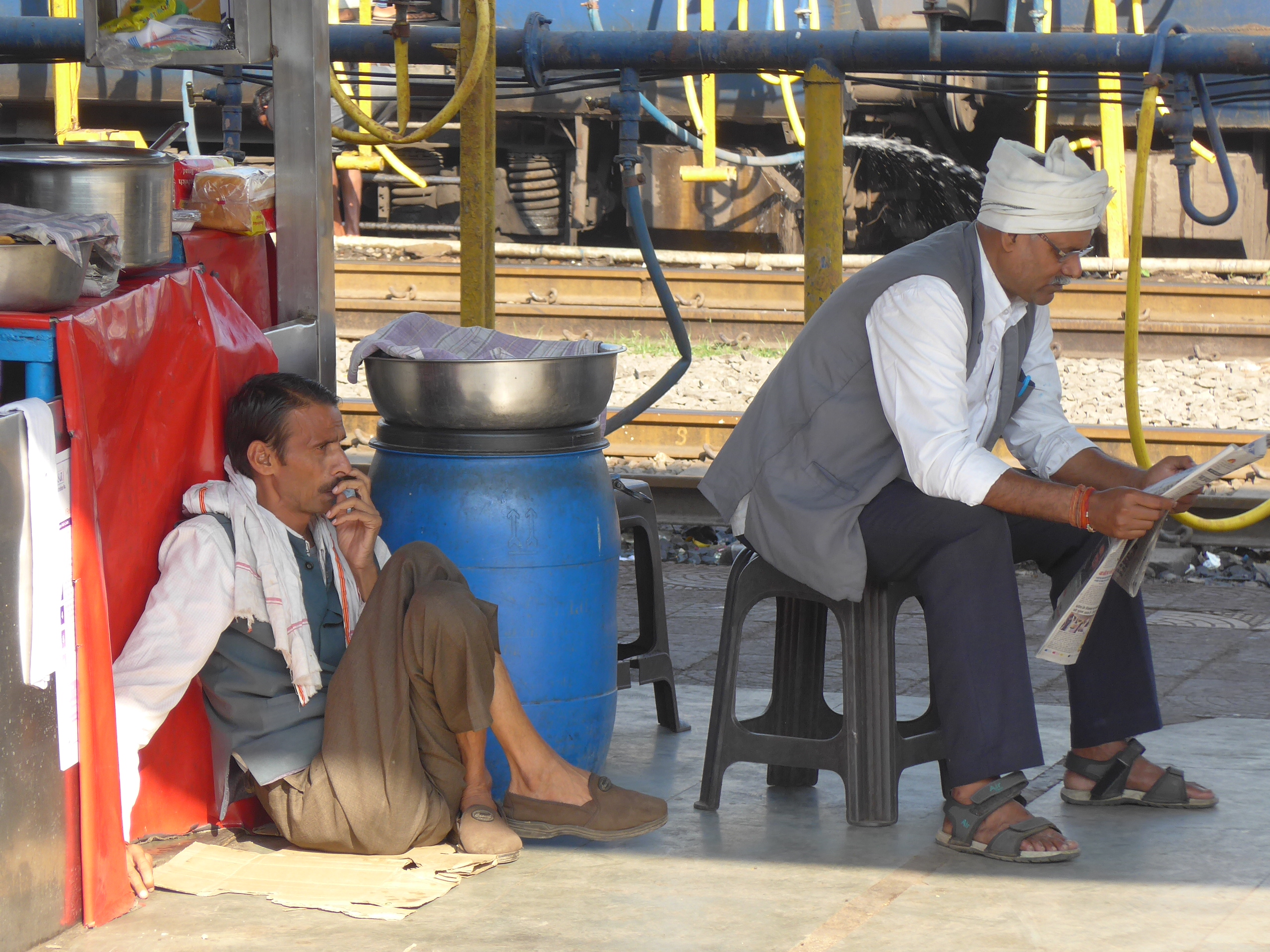
Indian trains are massive, at least 20 carriages of all different classes and there is always a moment of panic as you dash down the crowded platforms trying to find your berth. We saw freight trains of 120 wagons. And the town stations are enormous, with people sleeping on the floor, beggars, dogs, book stalls, snack stalls, sacks of stuff, bits of concrete lying around, flies, smells and worse. You see all levels of life, from the comfortably off middle classes, to the desperately poor, many of them living in utter destitution on the station itself, women with babies, blind and disabled people, begging for a few rupees.
Finally we reached Bhopal, from where we took another train out to Sanchi, the great stupa built by Ashoka in the 3rd century BC, and covered in wonderful carvings.
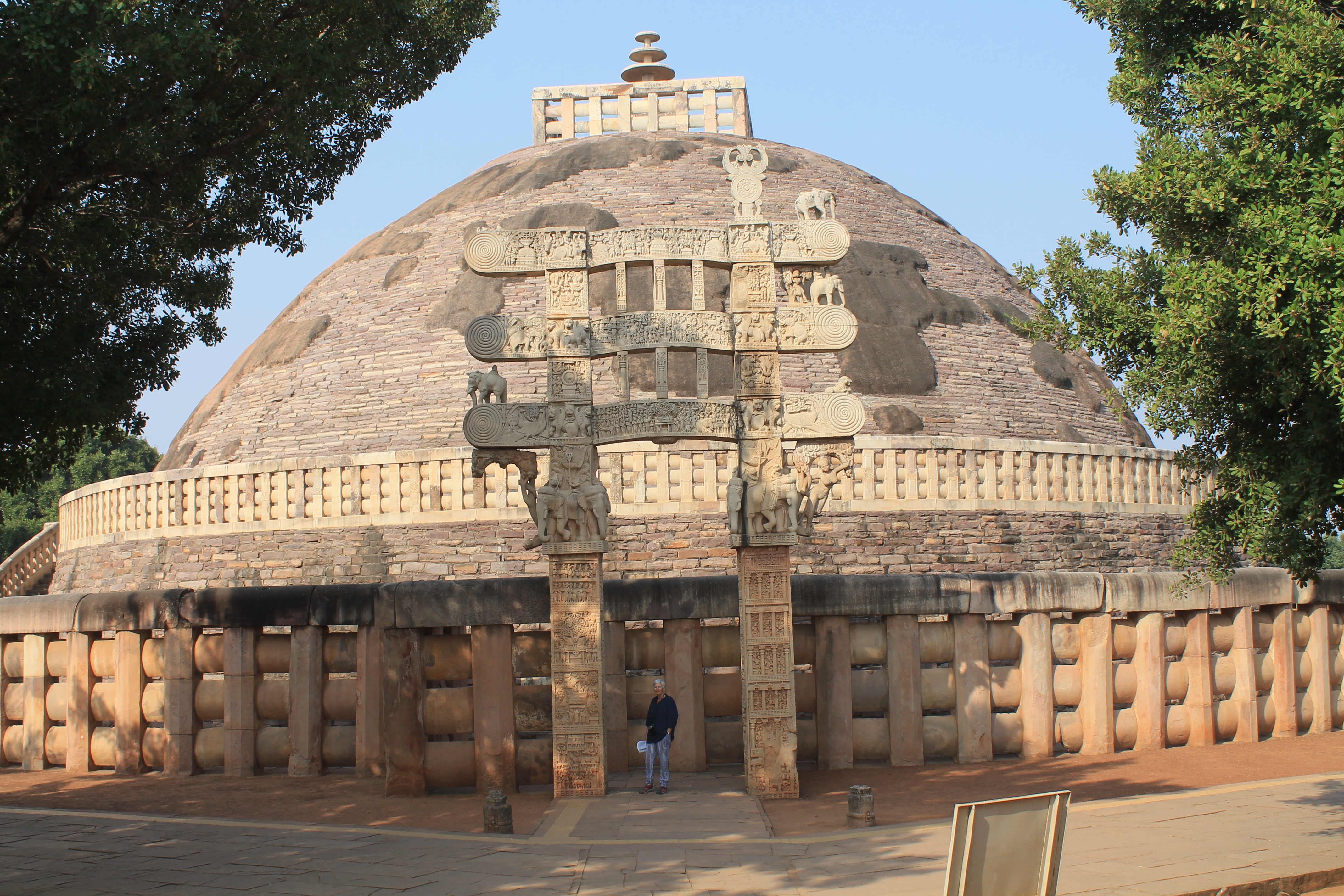
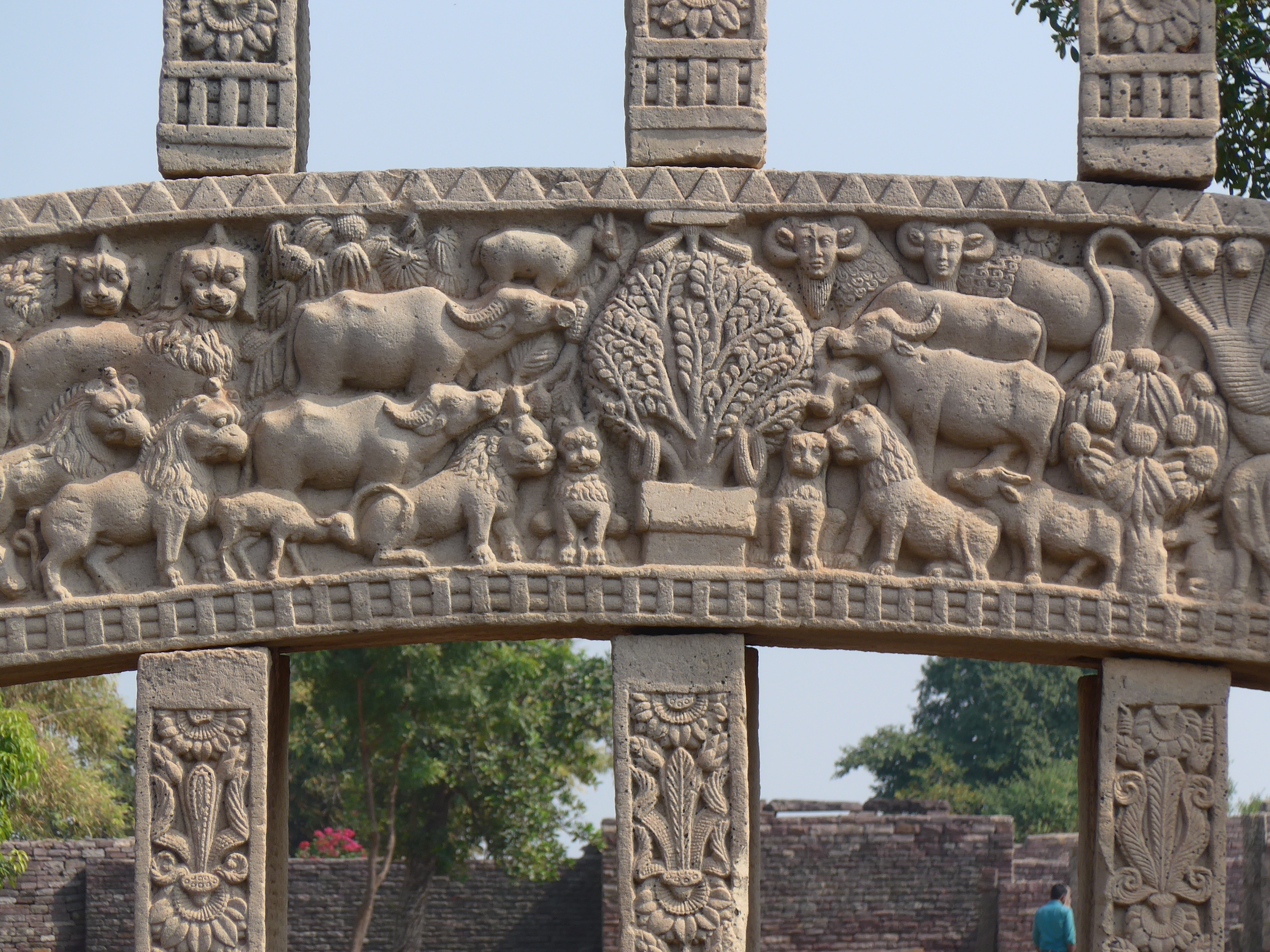

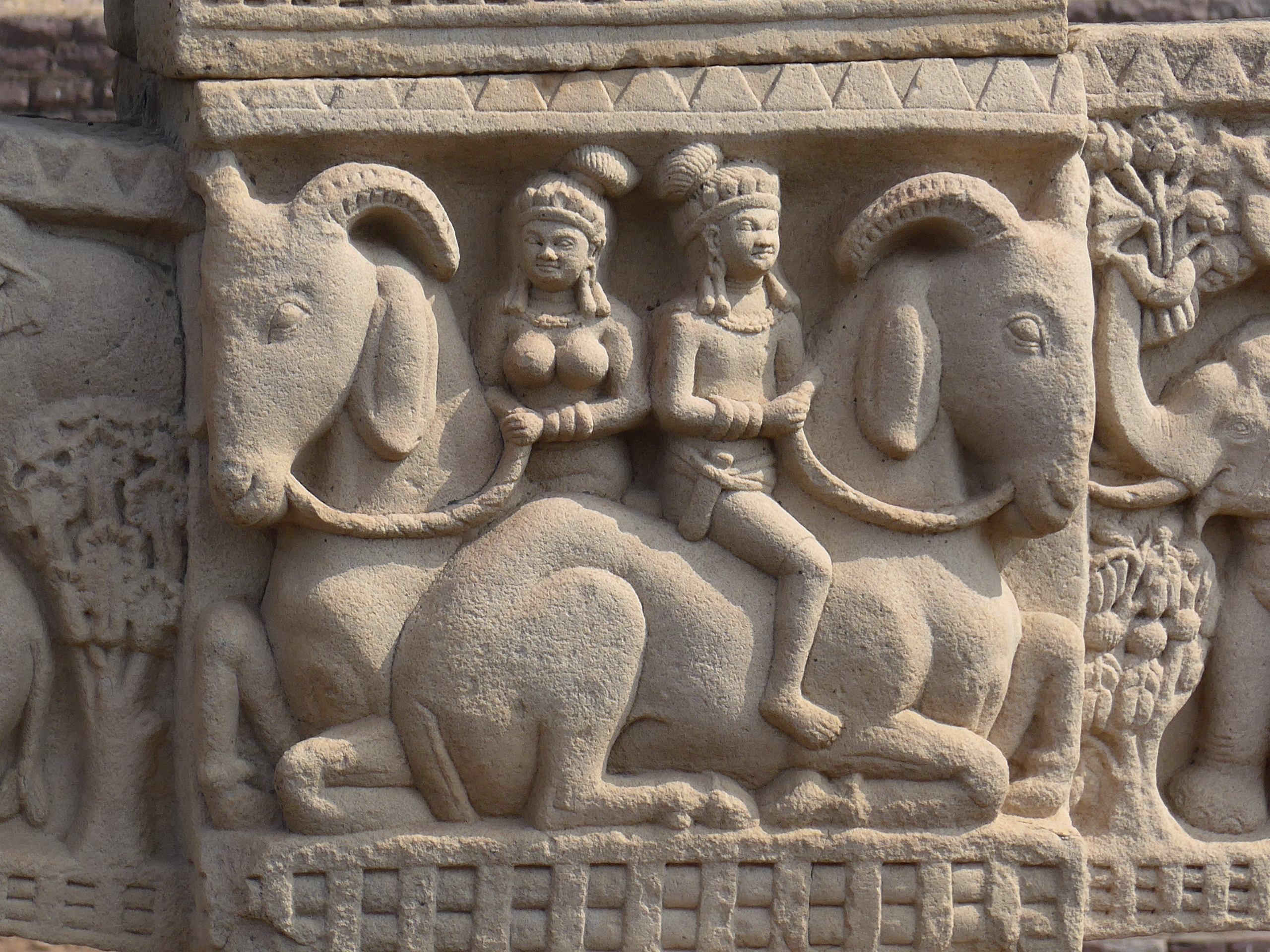
The beauty of these 2,200 year-old stone carvings was breath-taking. And it was popular with local tourists too, the older women all dressed in the most colourful saris like exotic butterflies against the stone.
We decided to try to catch a bus back to Bhopal. After waiting half an hour on a dusty, busy main road, we were able to fight our way on to a packed, rattling, old rust-bucket of a bus. The bus was full of fringed pelmets, and dangly, glittery decorations, loud Hindi pop music played and the passengers sang along, argued, talked loudly on their mobile phones. The bus blasted its horn every minute or two. It had various deafening “calls”: a horn like a mad, trumpeting elephant, one that was a burst of shrill music and one that was a blaring clarion call that made us feel like Assyrian warriors coming down “like the wolf on the fold”, as the bus careered into a village, scattering dogs, bicycles and villagers in the dust. Sometimes it played them all non-stop, several times in a row. It was like being on some mad, charabanc excursion-cum-raiding party.
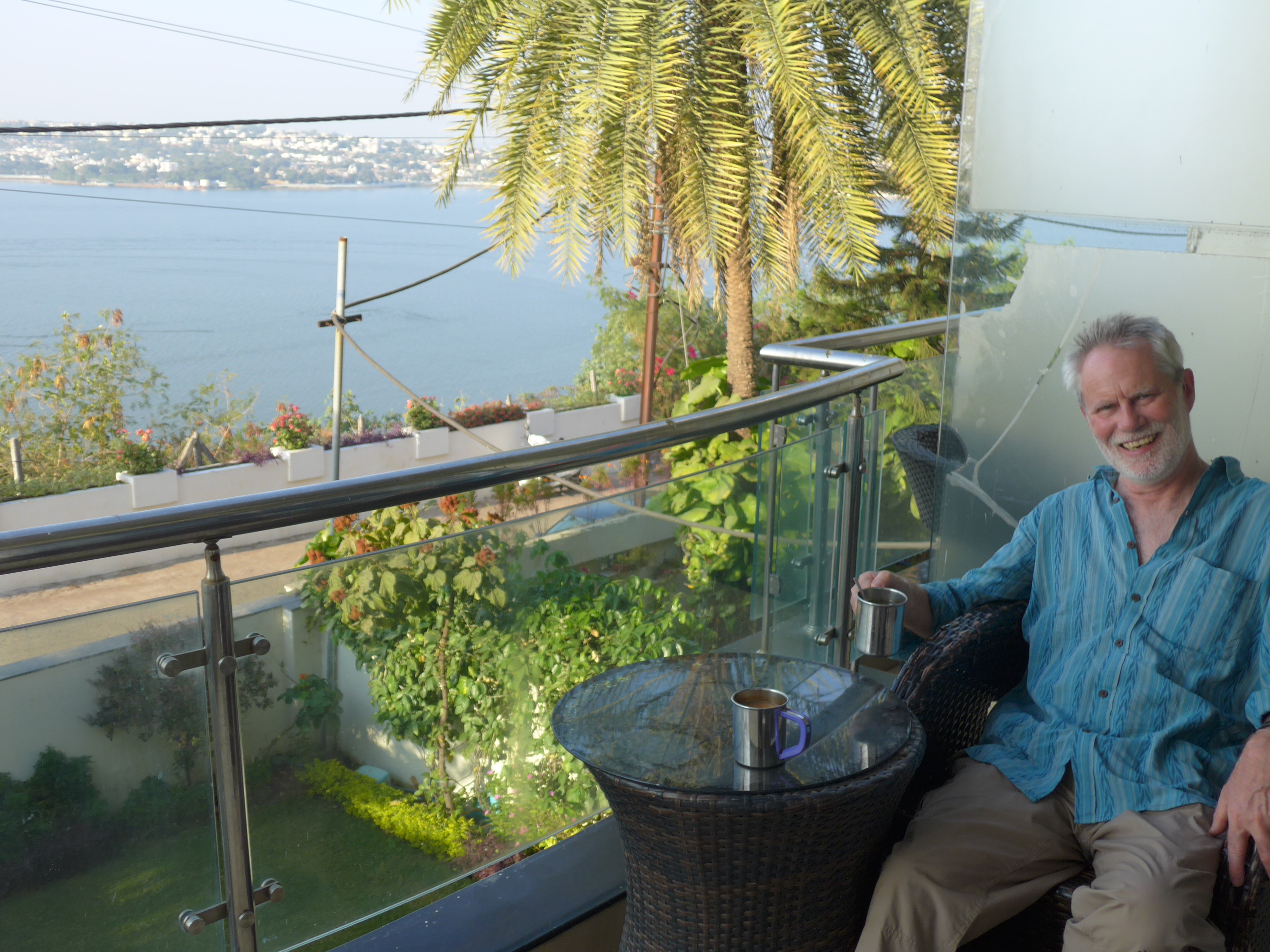
We were staying in a hilly suburb of Bhopal, overlooking its huge, beautiful lake, with a nature reserve nearby. But in the old town open drains, plastic-choked rivers/sewers, shacks of cardboard and plastic and narrow alleys of crowded, teetering buildings made one feel one had wandered into Dickens’s worst nightmare.

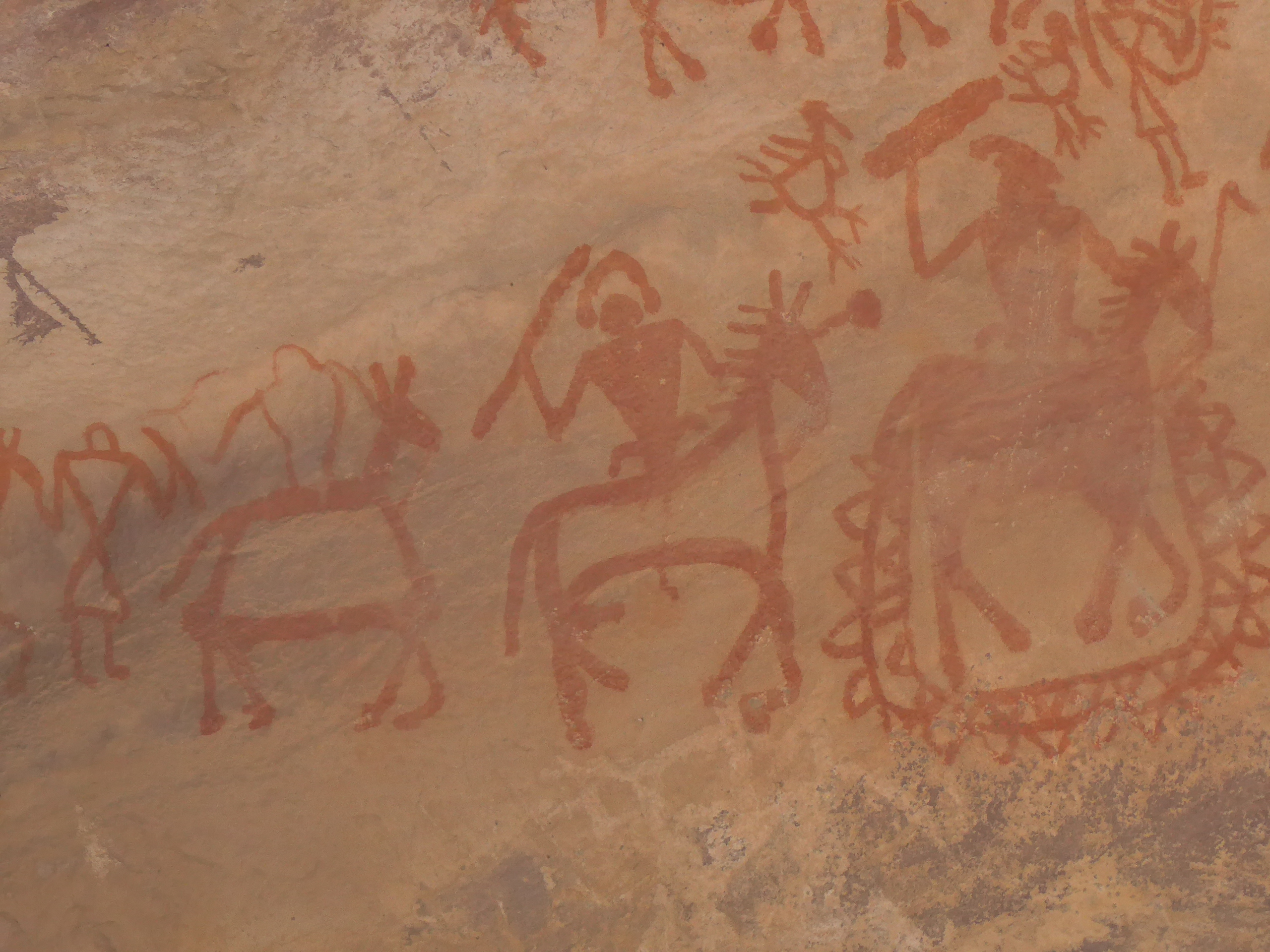
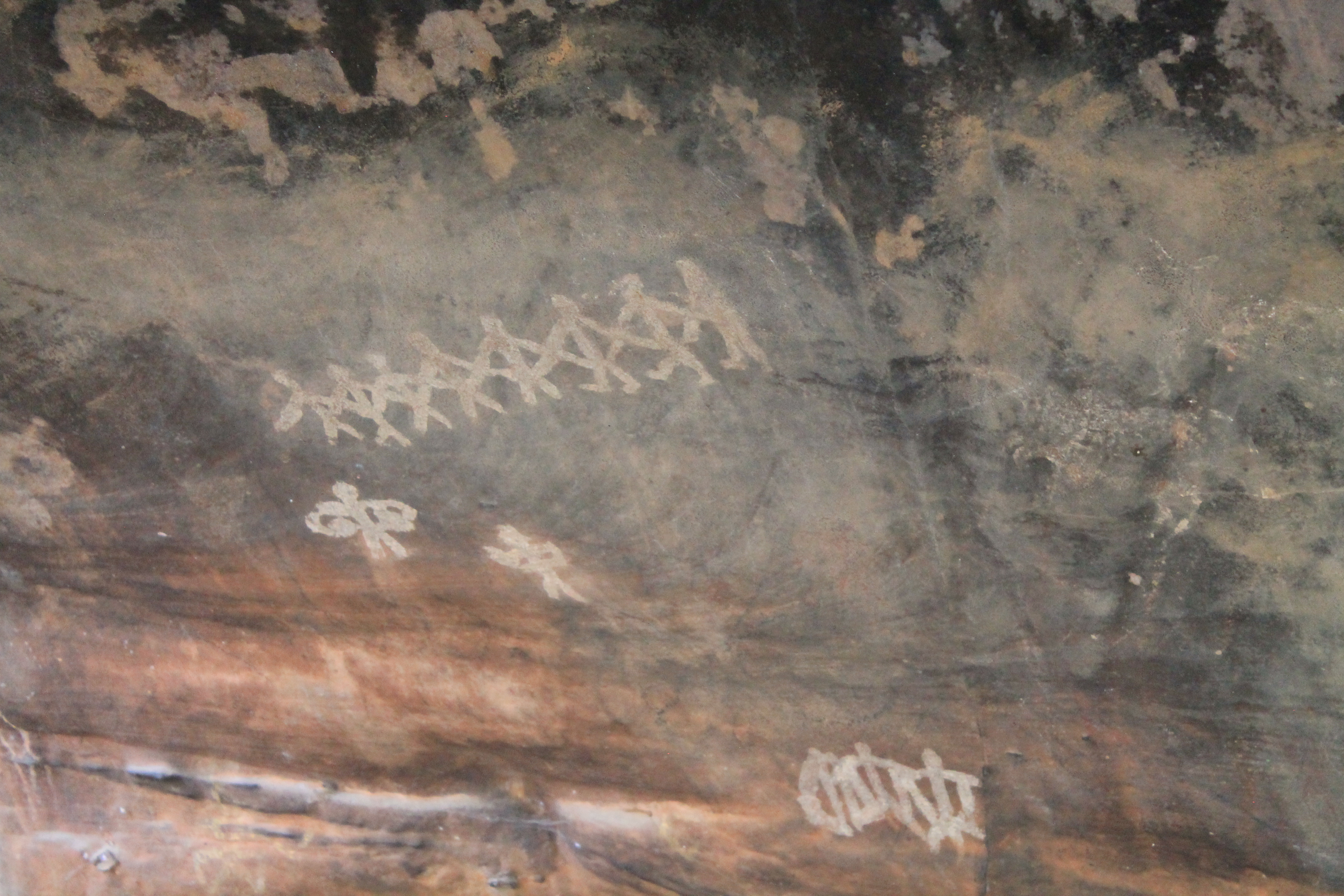
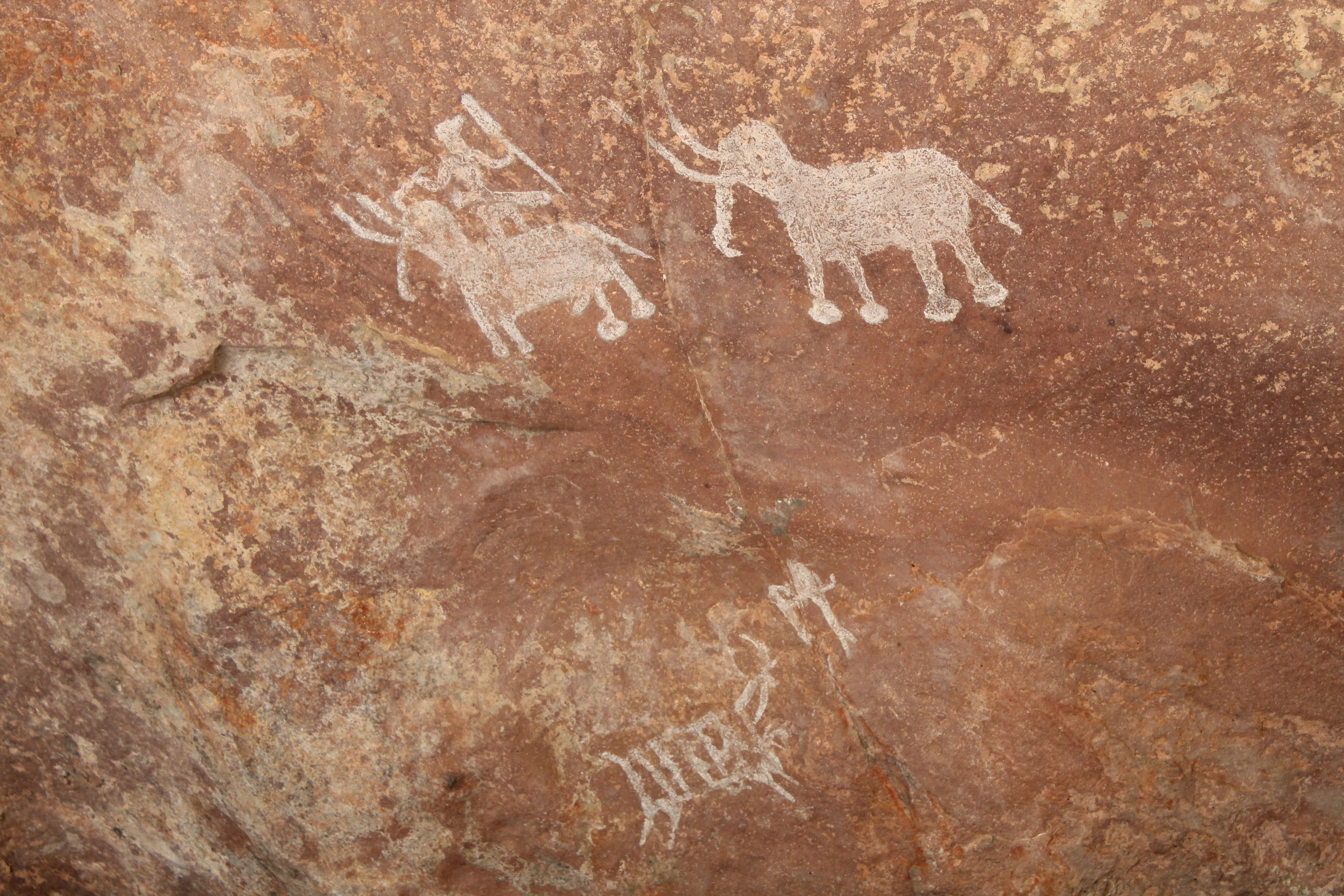
In complete contrast and luxury we took a taxi on our last day in Bhopal to Bhimbetka, where one of the largest collections of prehistoric cave paintings is found, mostly dating from 8,000 to 4,000 BC. We saw fifteen of the hundred or more caves, the paintings just a few feet away.
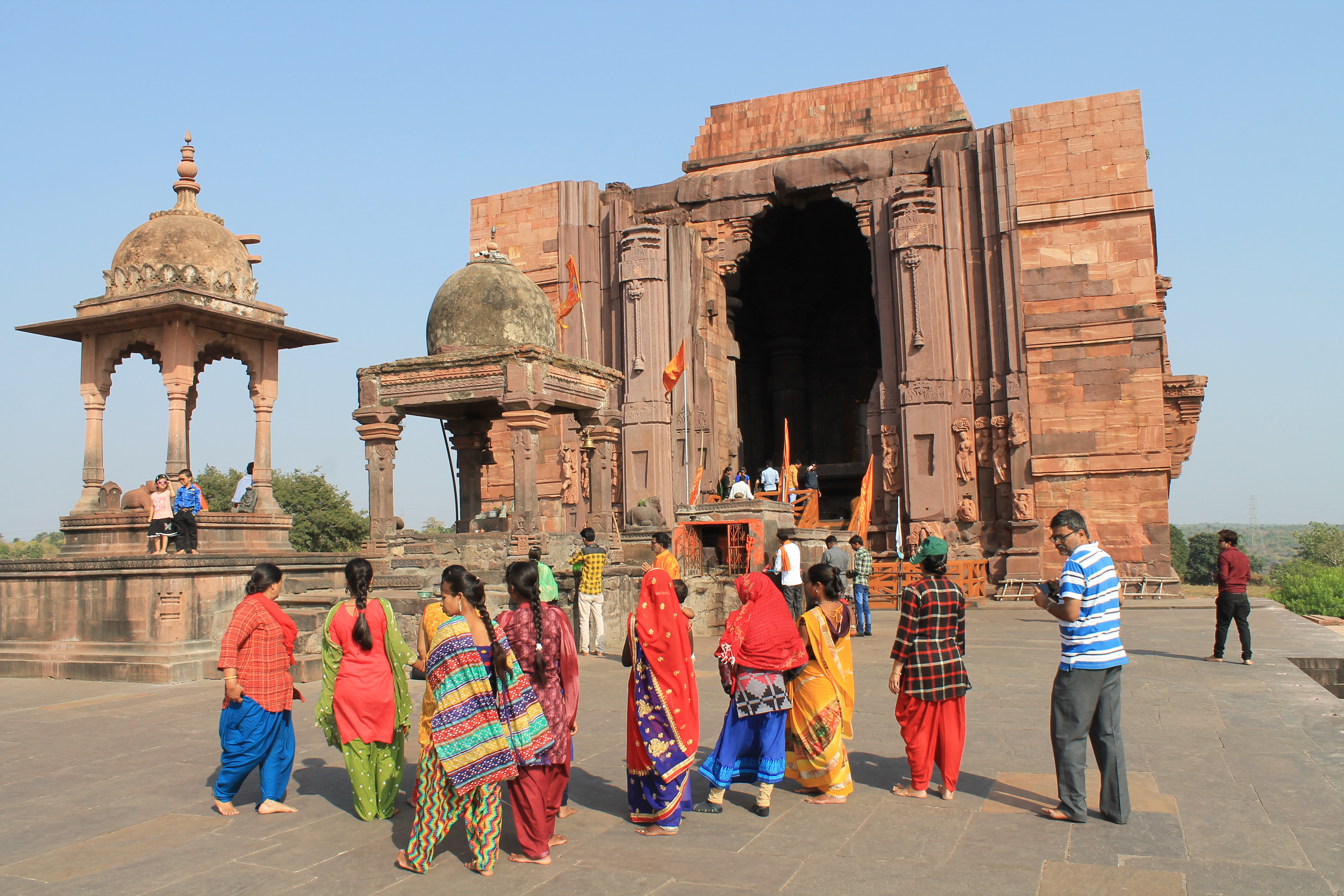
Finally, on the way back, we stopped at a 12th-century Shiva temple at Bhojpur.
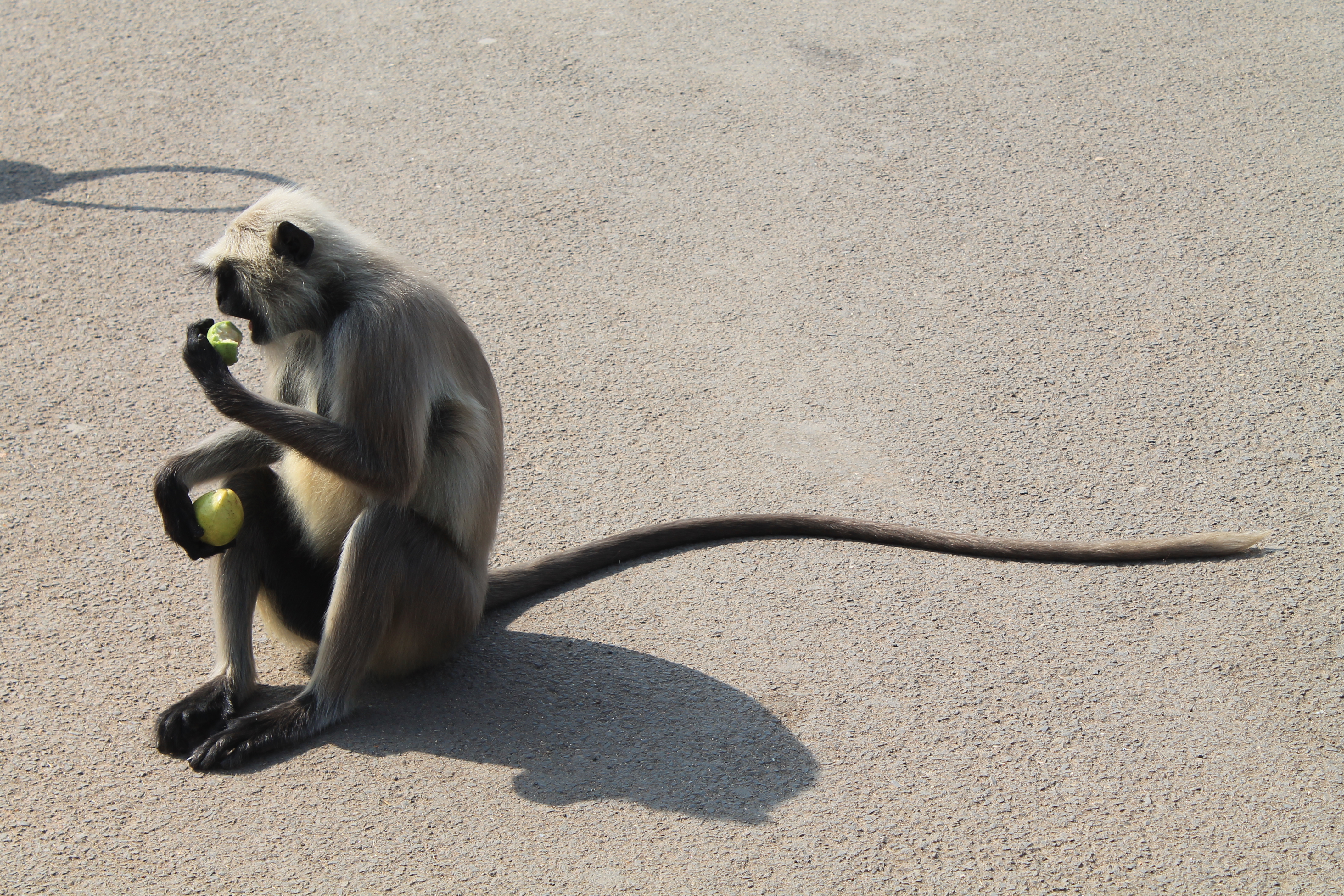
Here the local langur monkeys were adept at bounding out from behind bushes to grab the offerings of coconut, guava and sweets that the visitors bought to offer at the temple.
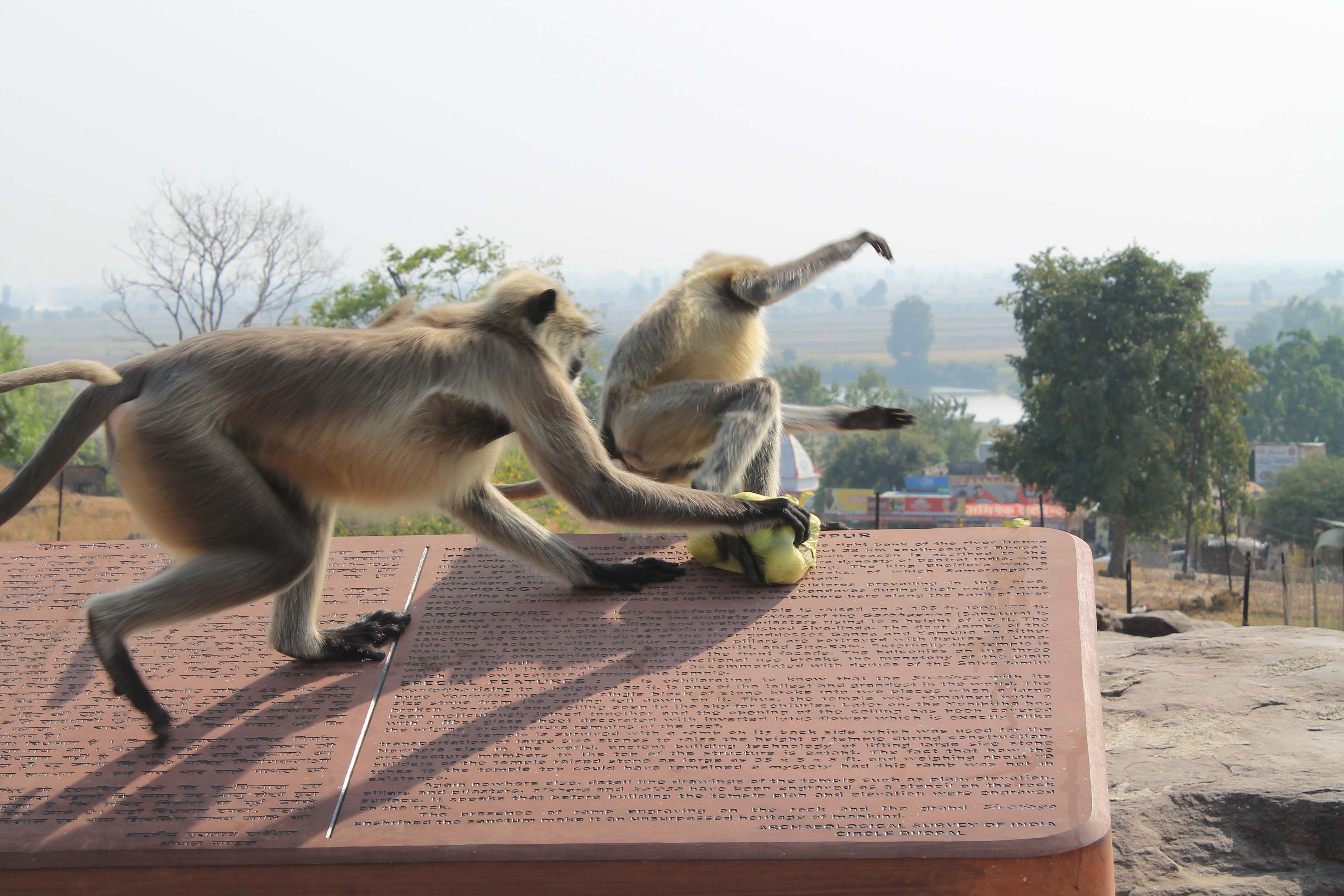

The skill with which they carried out their sorties was impressive, cunningly waiting until their prey was distracted and leaving much screaming and shrieking behind while they sauntered off to munch their prizes.
The last evening’s verandah scene at Bhopal.
 Riki's Indian Rovings