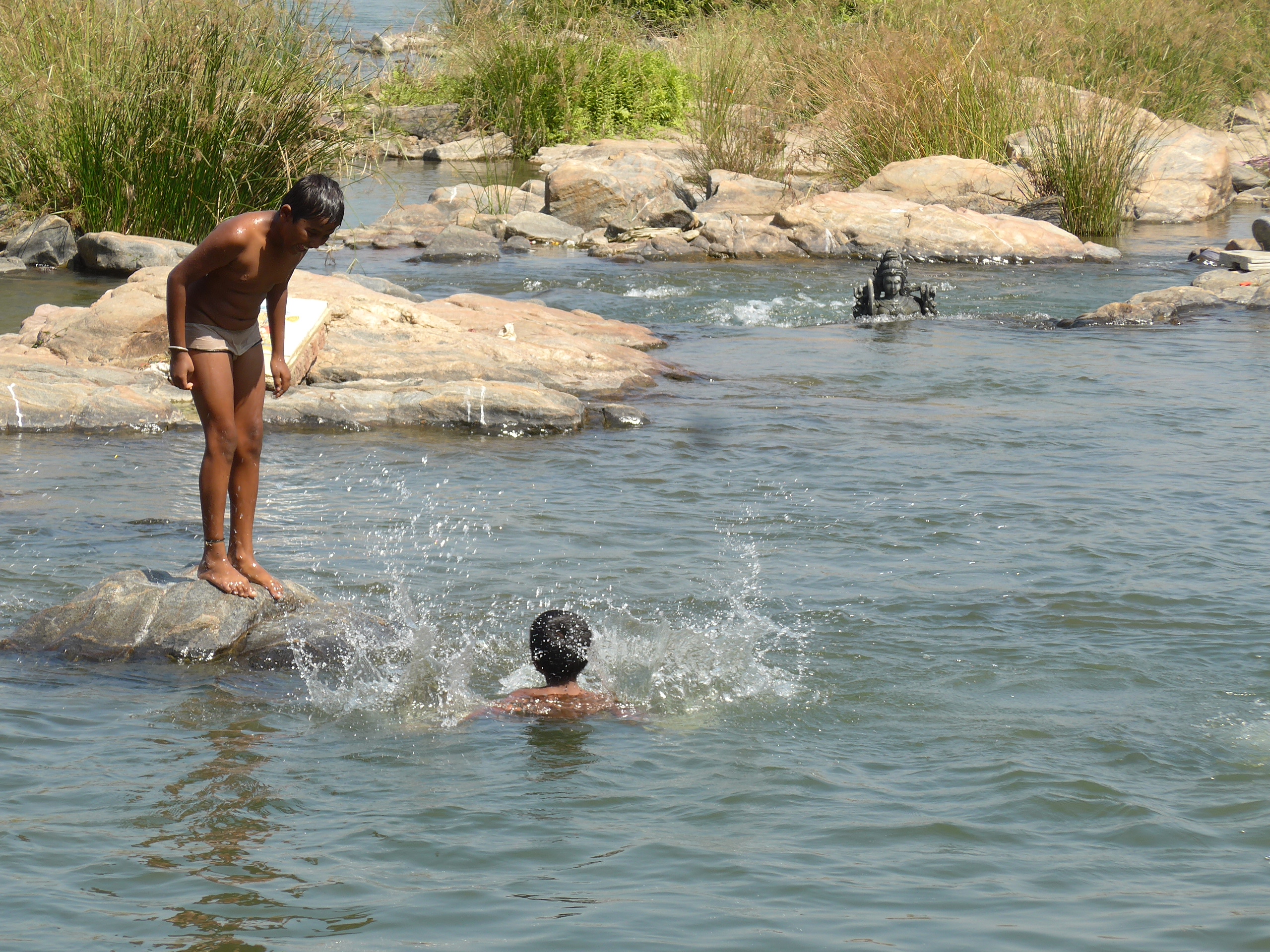
“Oh, land of little ease,
Oh, land of strange delight!”
(Quoted by Alexander Frater in Chasing the Monsoon)
We had had plenty of moments of little ease, now we began to experience the strange delight. With the peace of Off the Grid, and the laid-back atmosphere of Hampi, it felt more like a holiday and less like an endurance test.
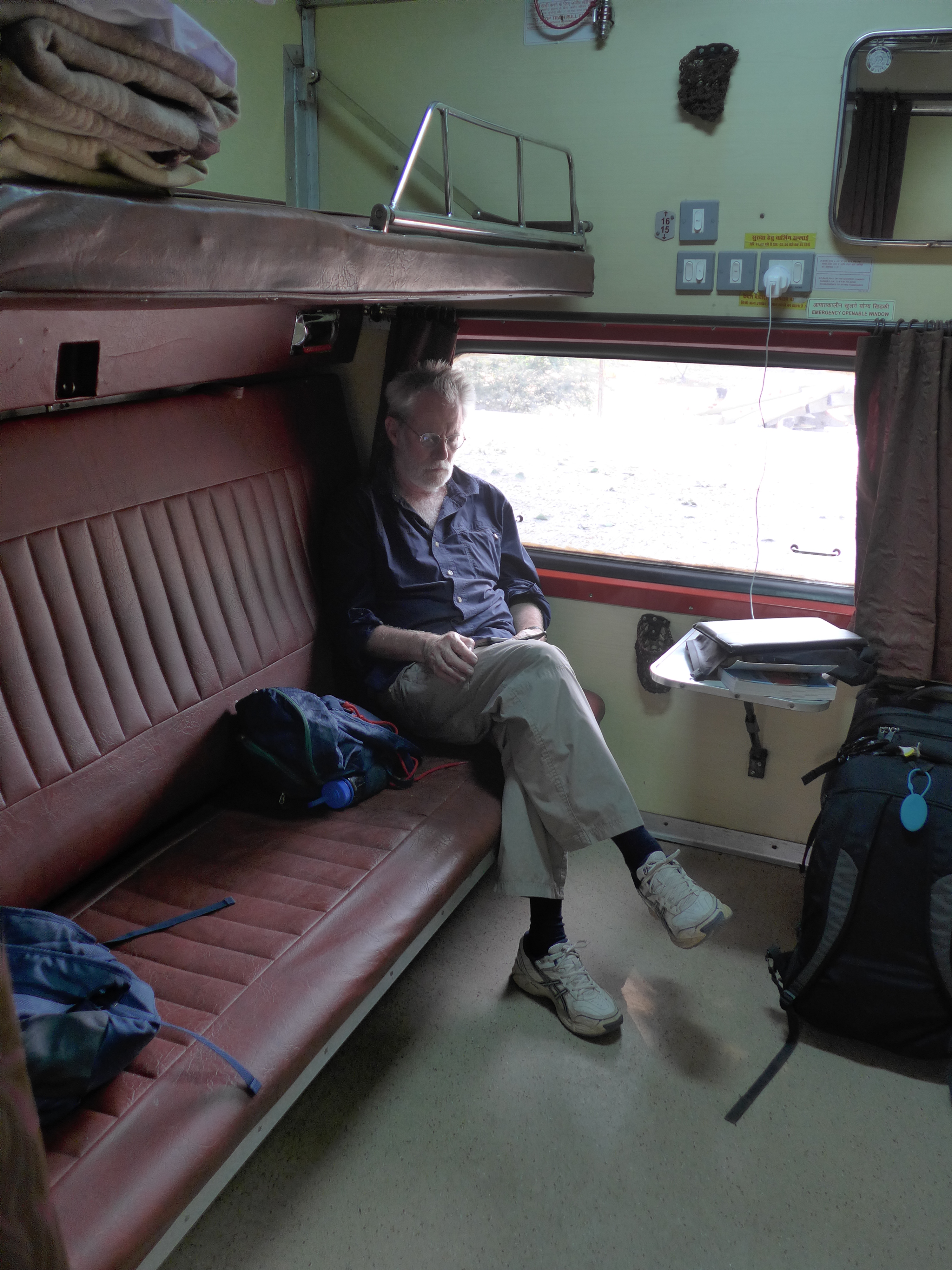
We took an overnight sleeper down to Mysuru (Mysore), through green, and cleaner countryside with banana, coconut and sugar-cane plantations.
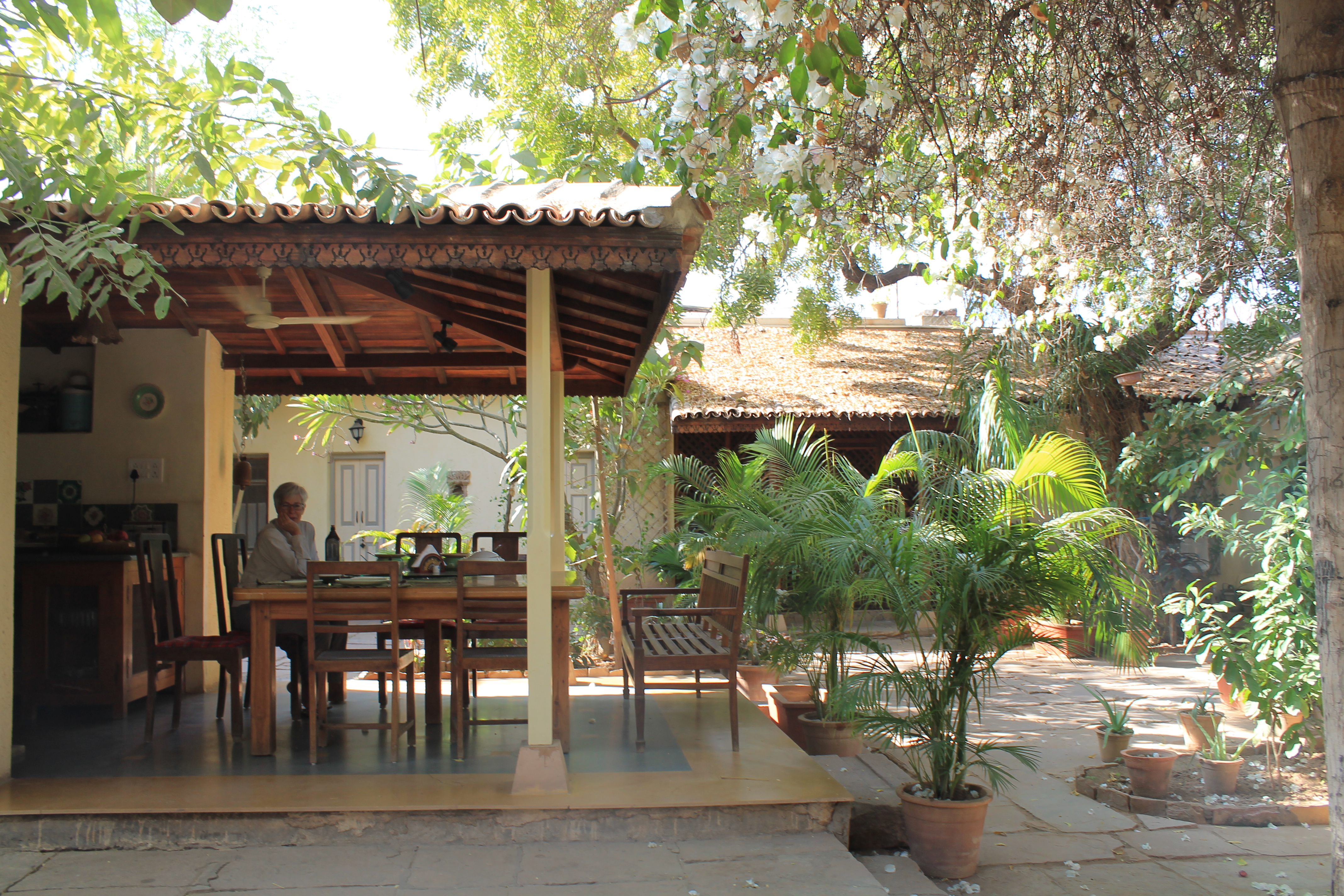
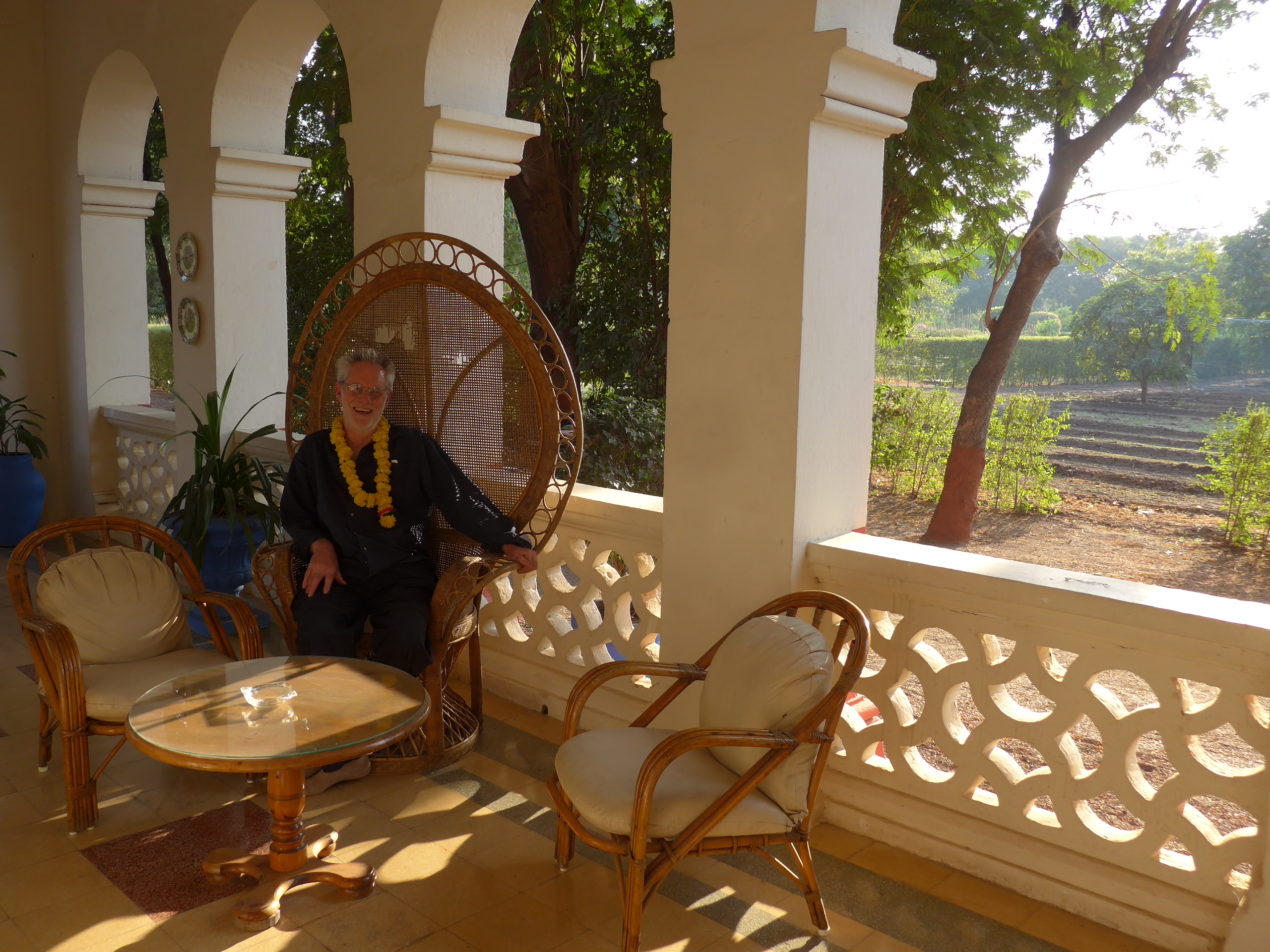
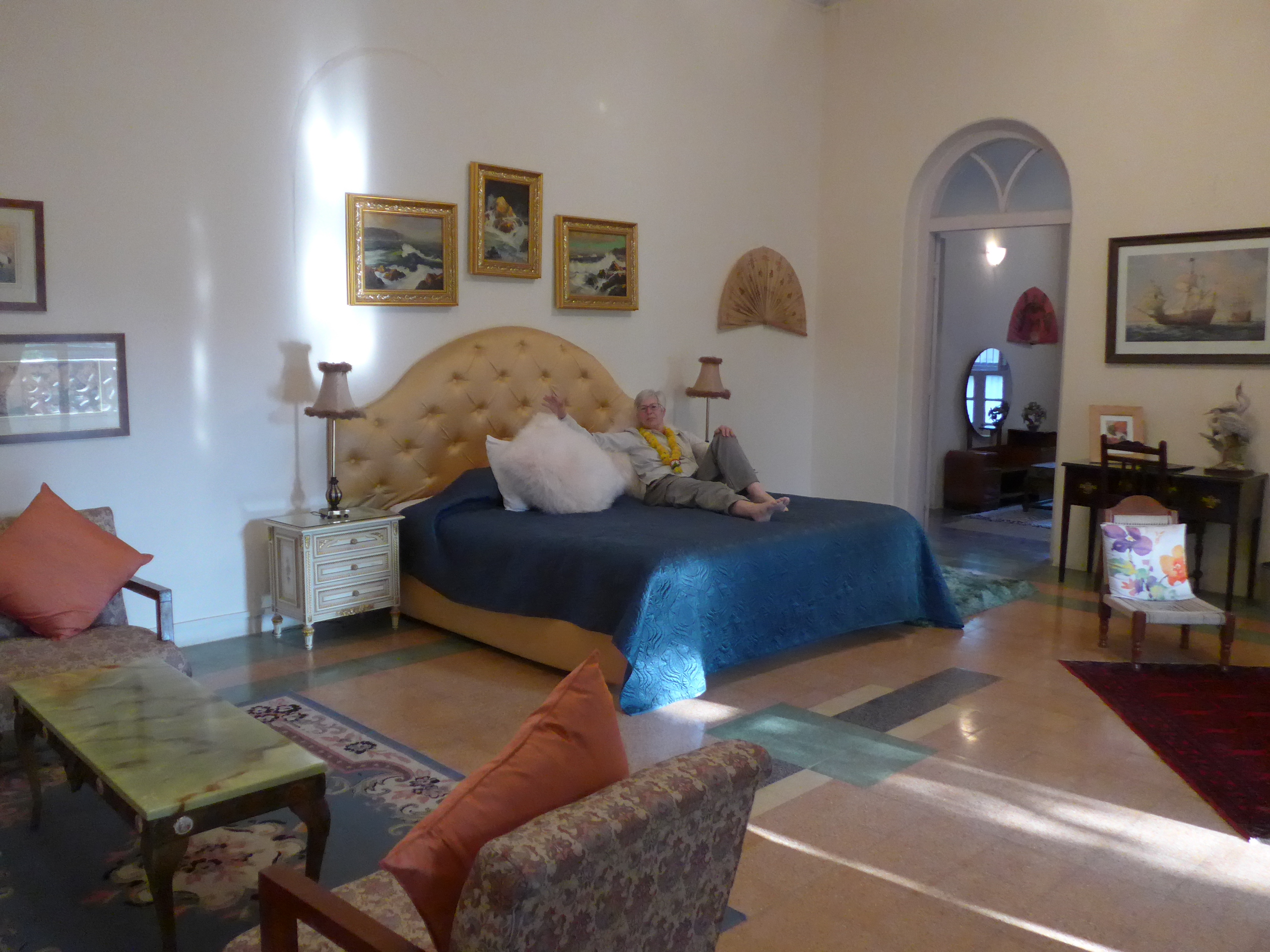
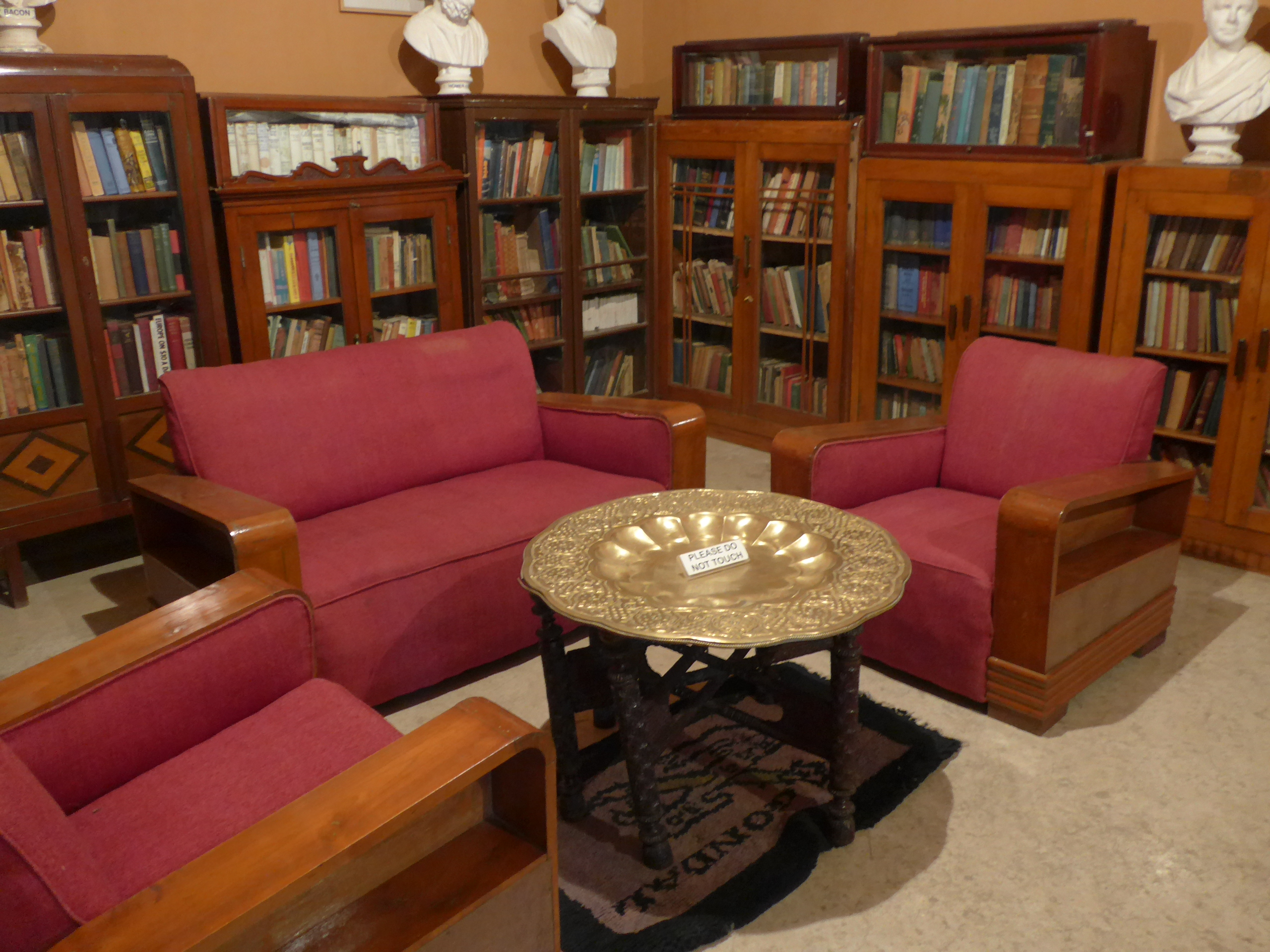
Mysuru is a comparatively clean and green city, and we were staying at the Green Hotel, a small converted palace set in large gardens, in which one could loll at much ease.
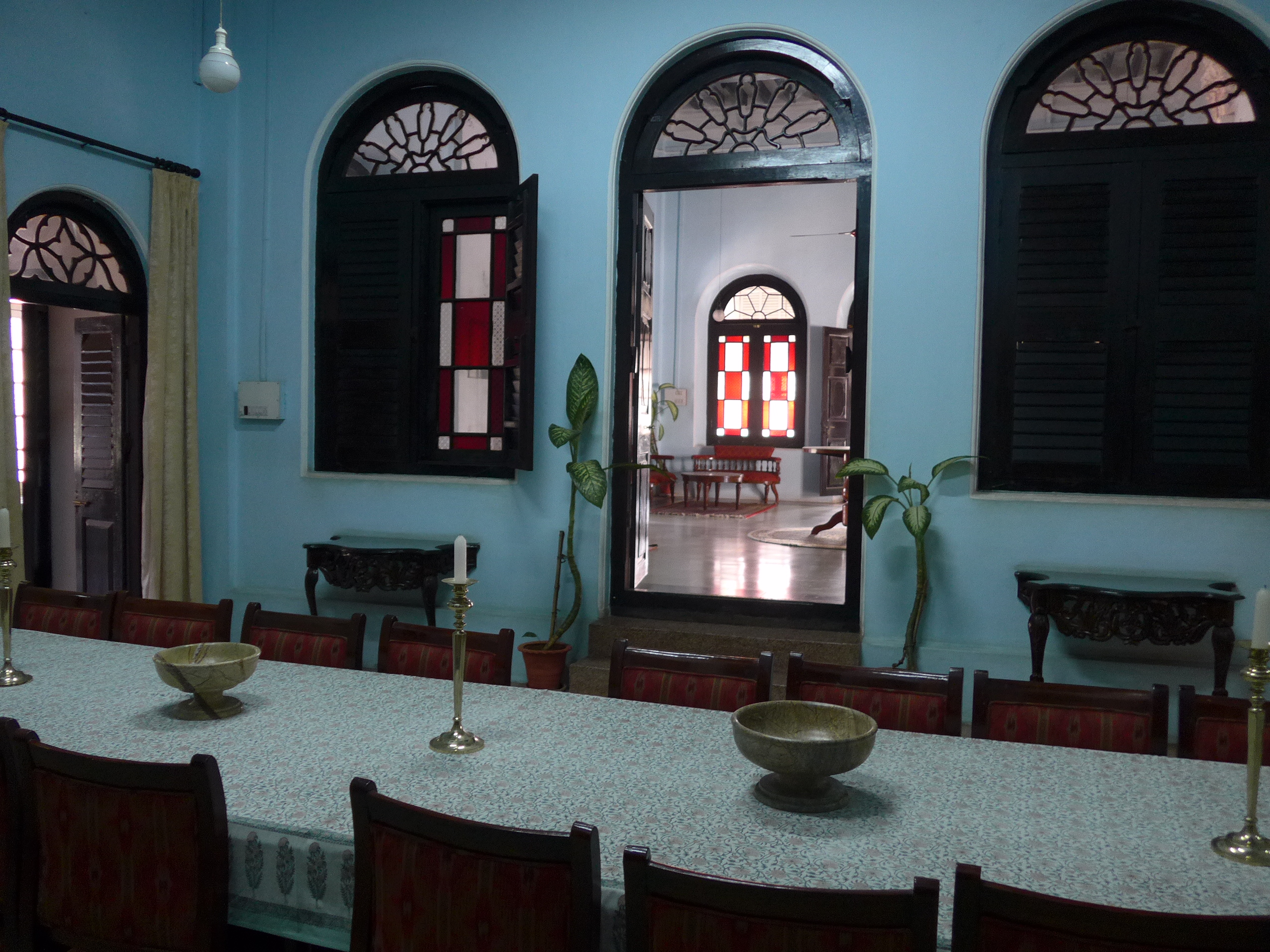
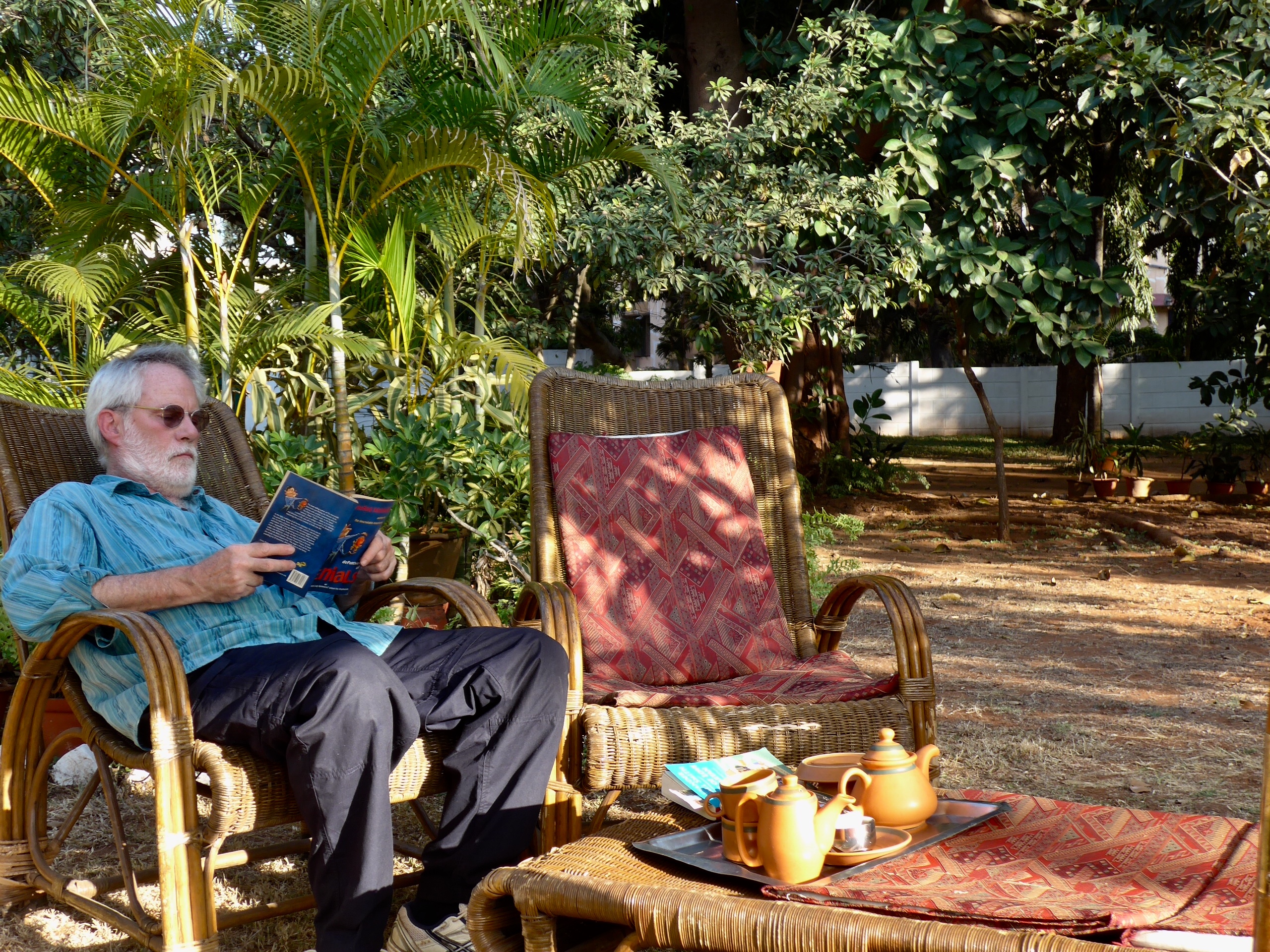
I could get used to living in palaces …
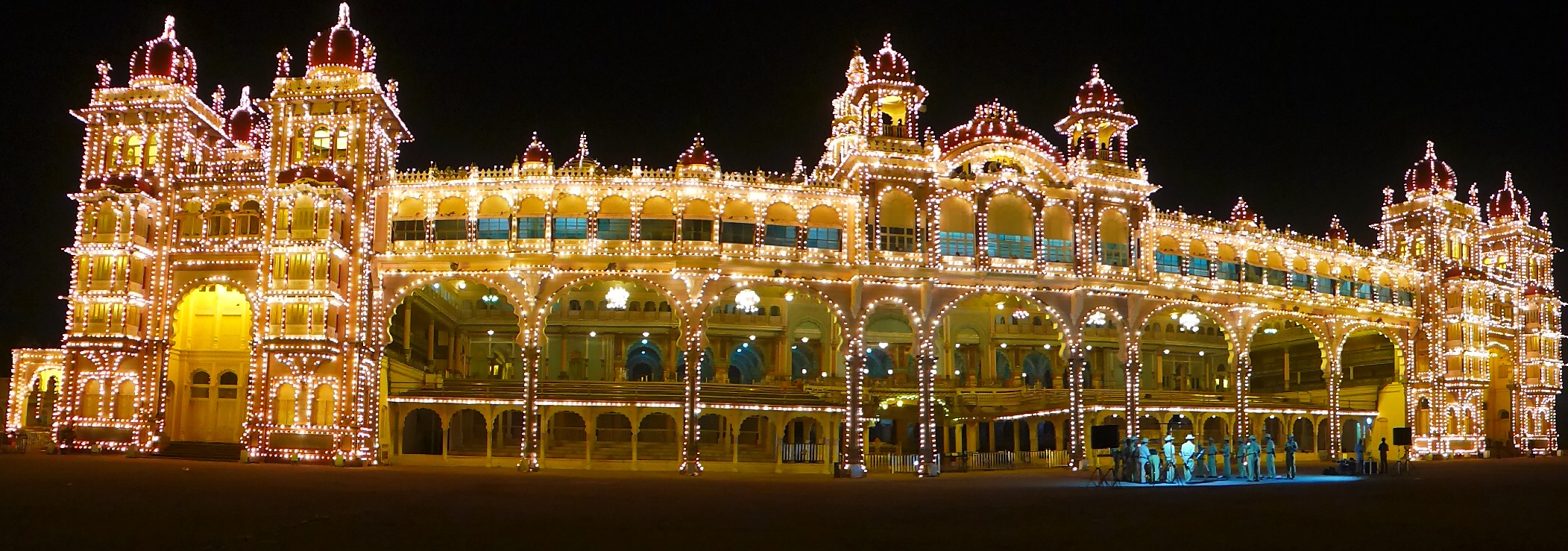
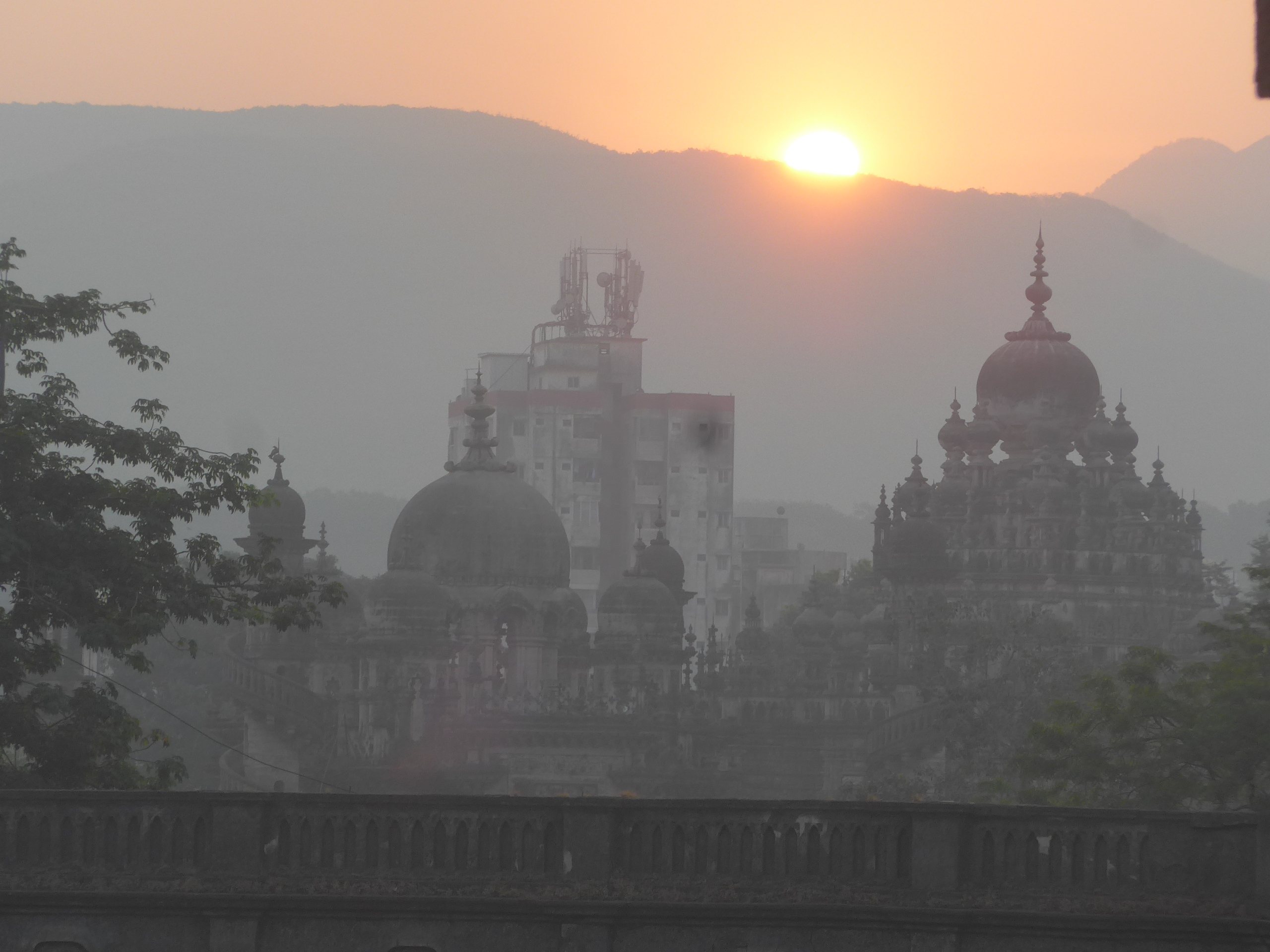
Mysore Palace proper was the biggest and grandest yet, a rococo extravaganza, built 1897-1912, in a mixture of Indo-Saracenic styles with plenty of Mughal, Rajput and Gothic thrown in.
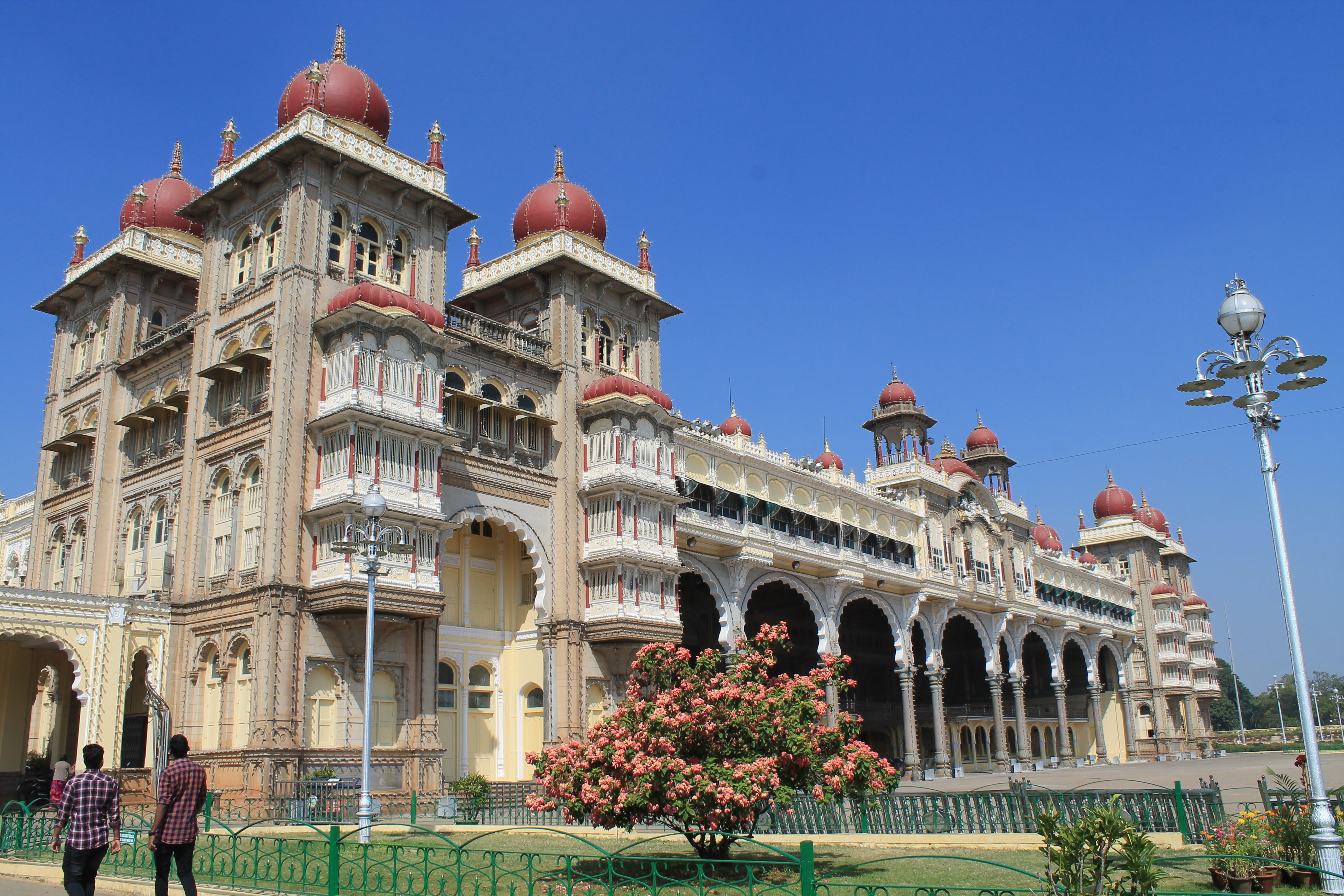
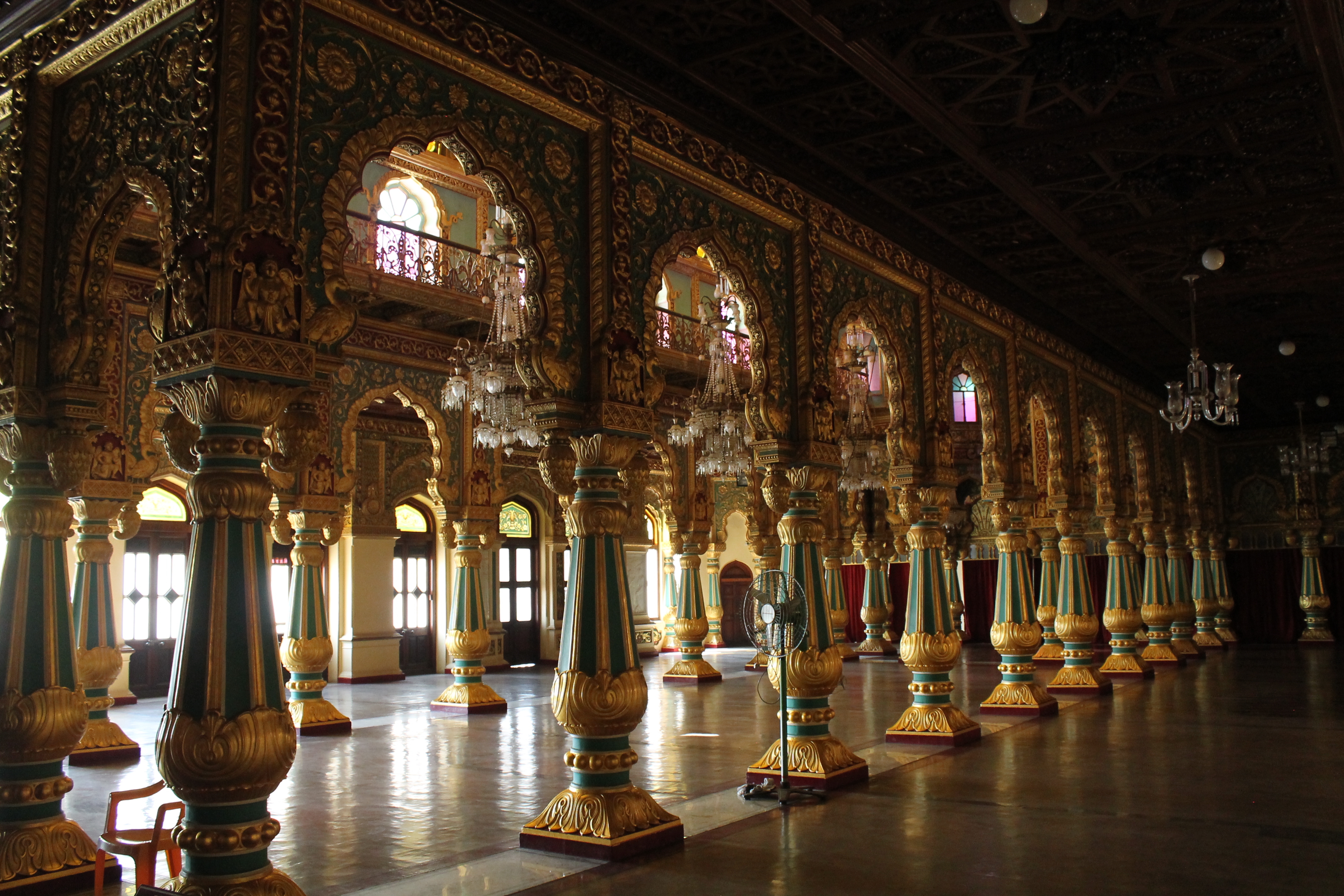
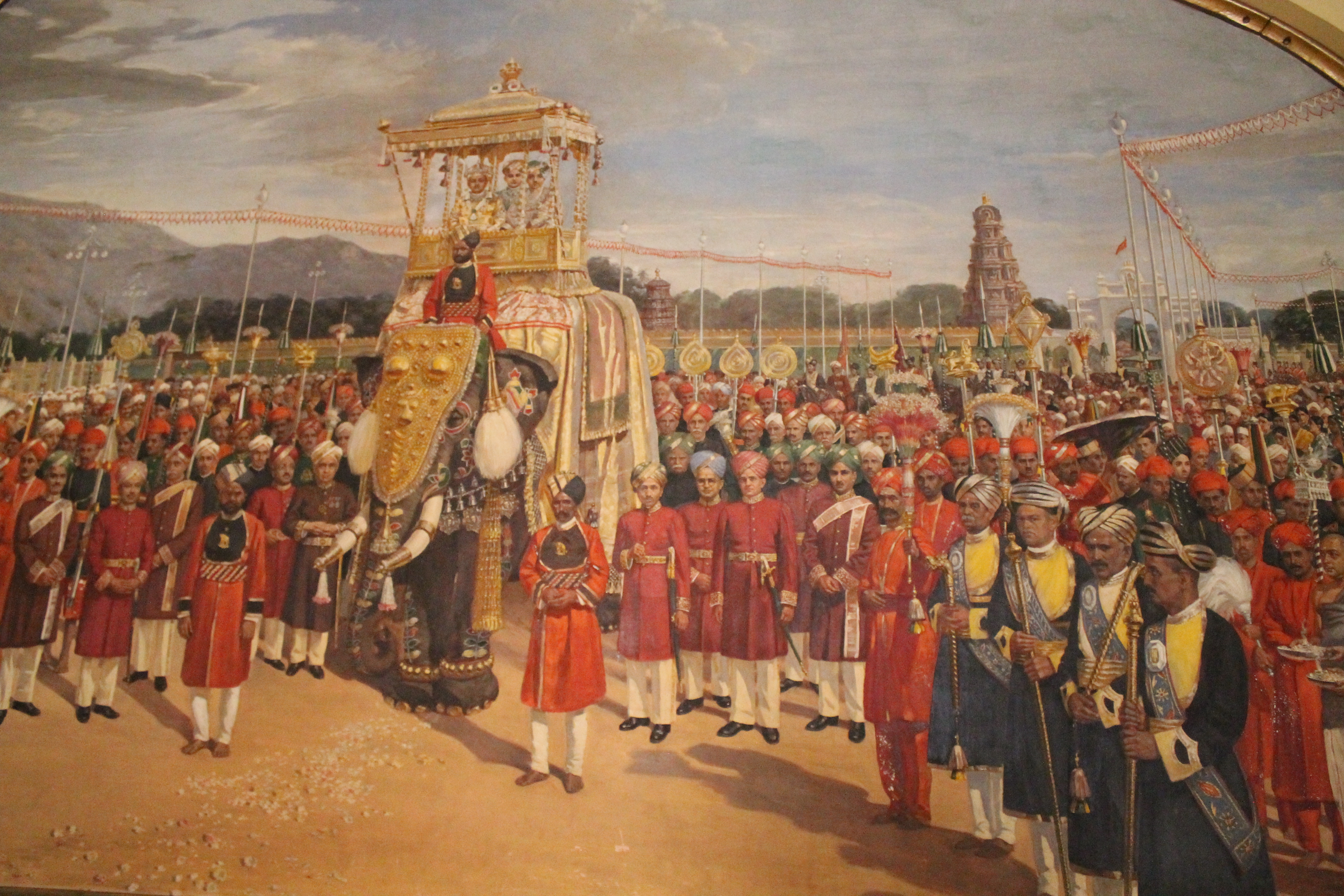
And on Sundays between 7 and 8 pm the vast palace and its three gates and three temples are lit by 76,000 light bulbs, the police band plays and everyone is allowed in for free. It was one big party …
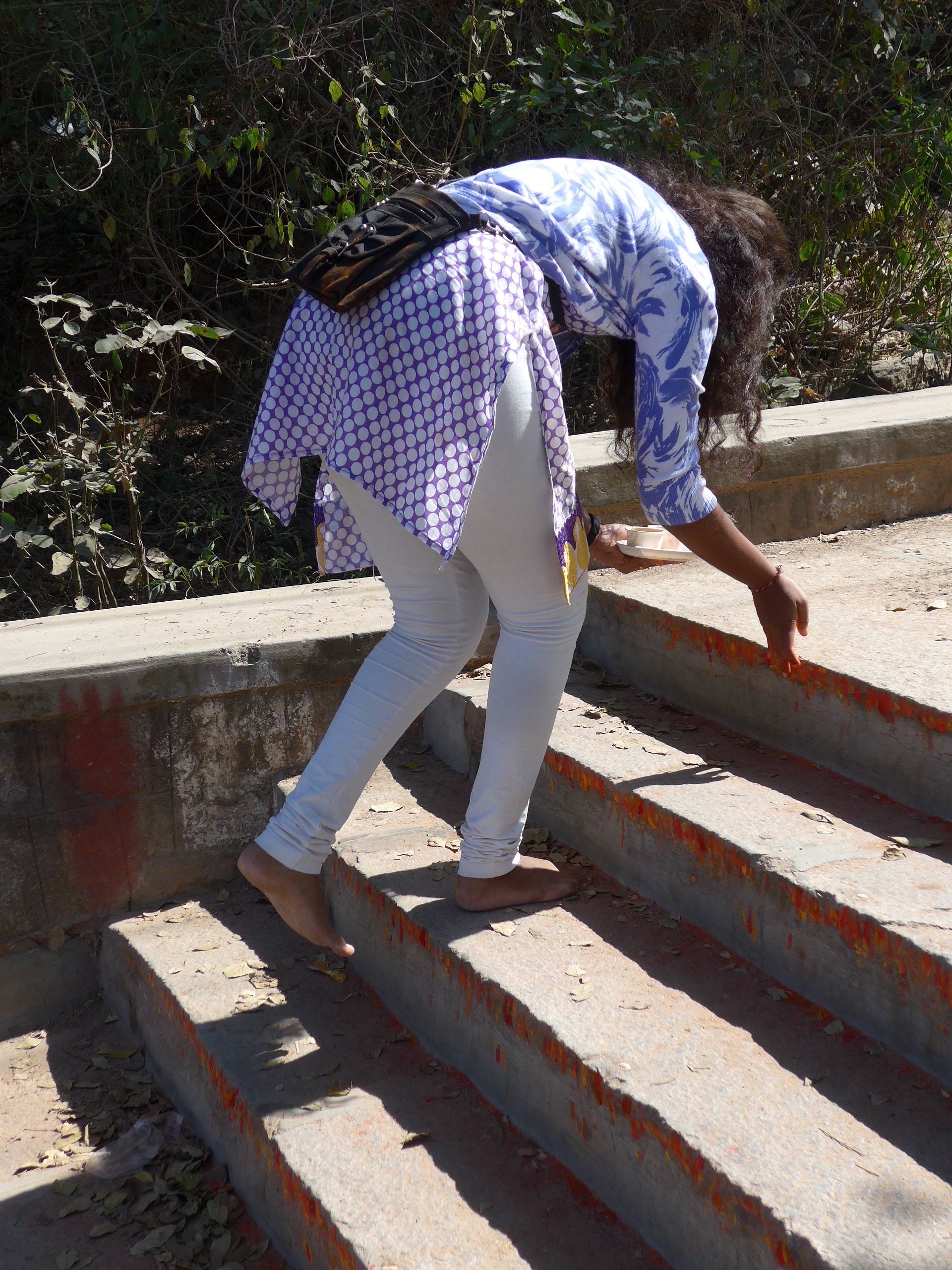
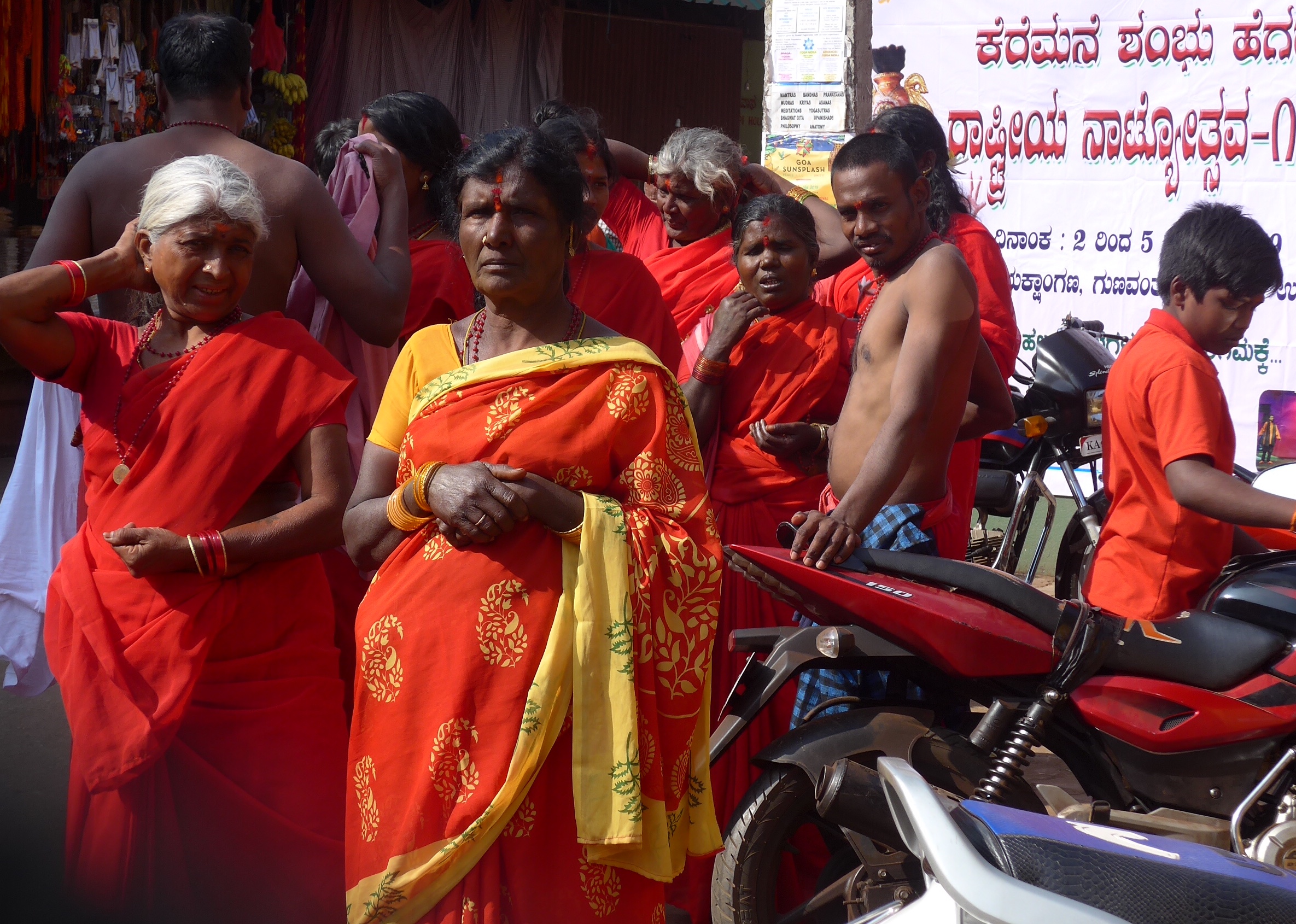
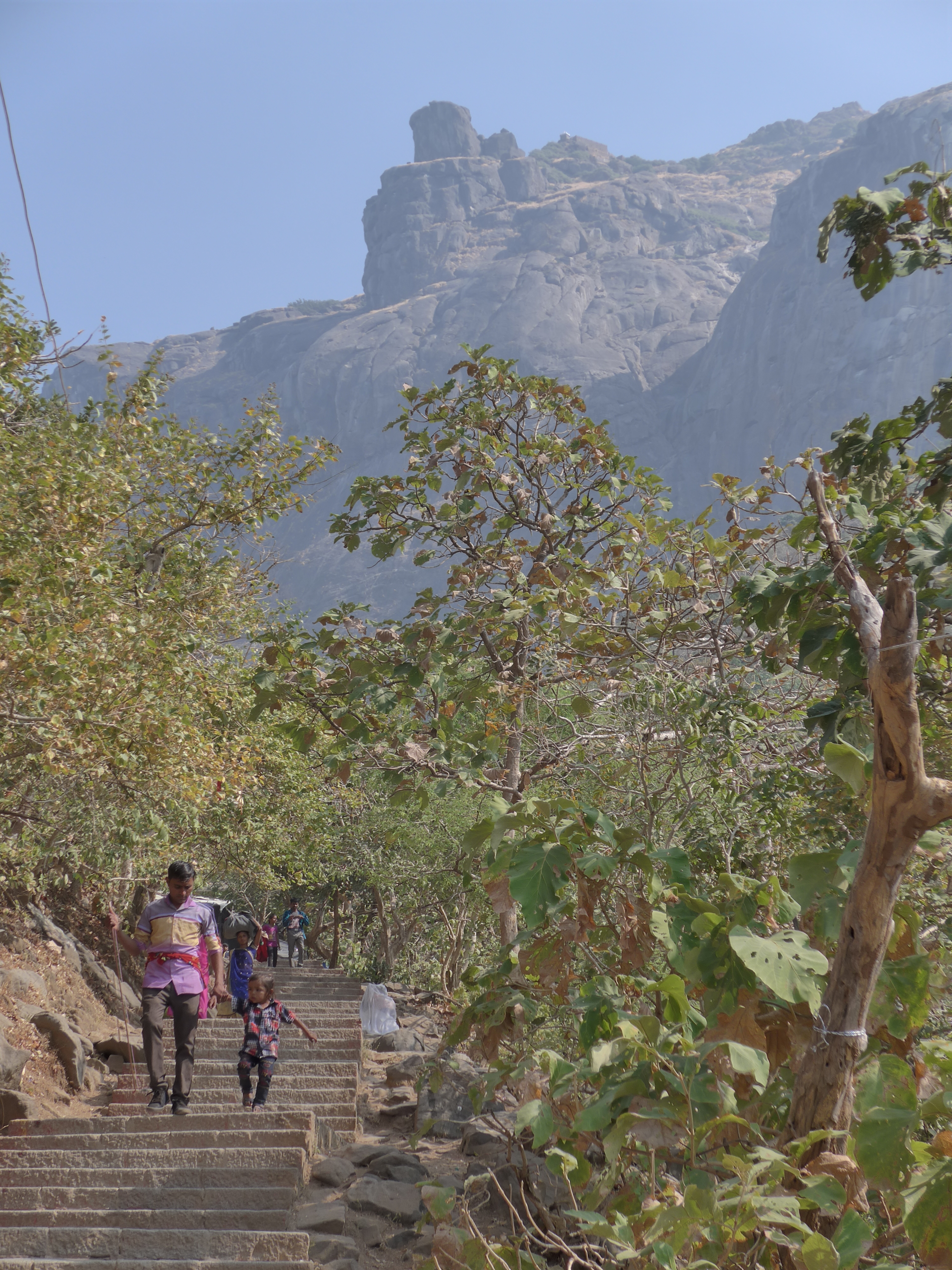
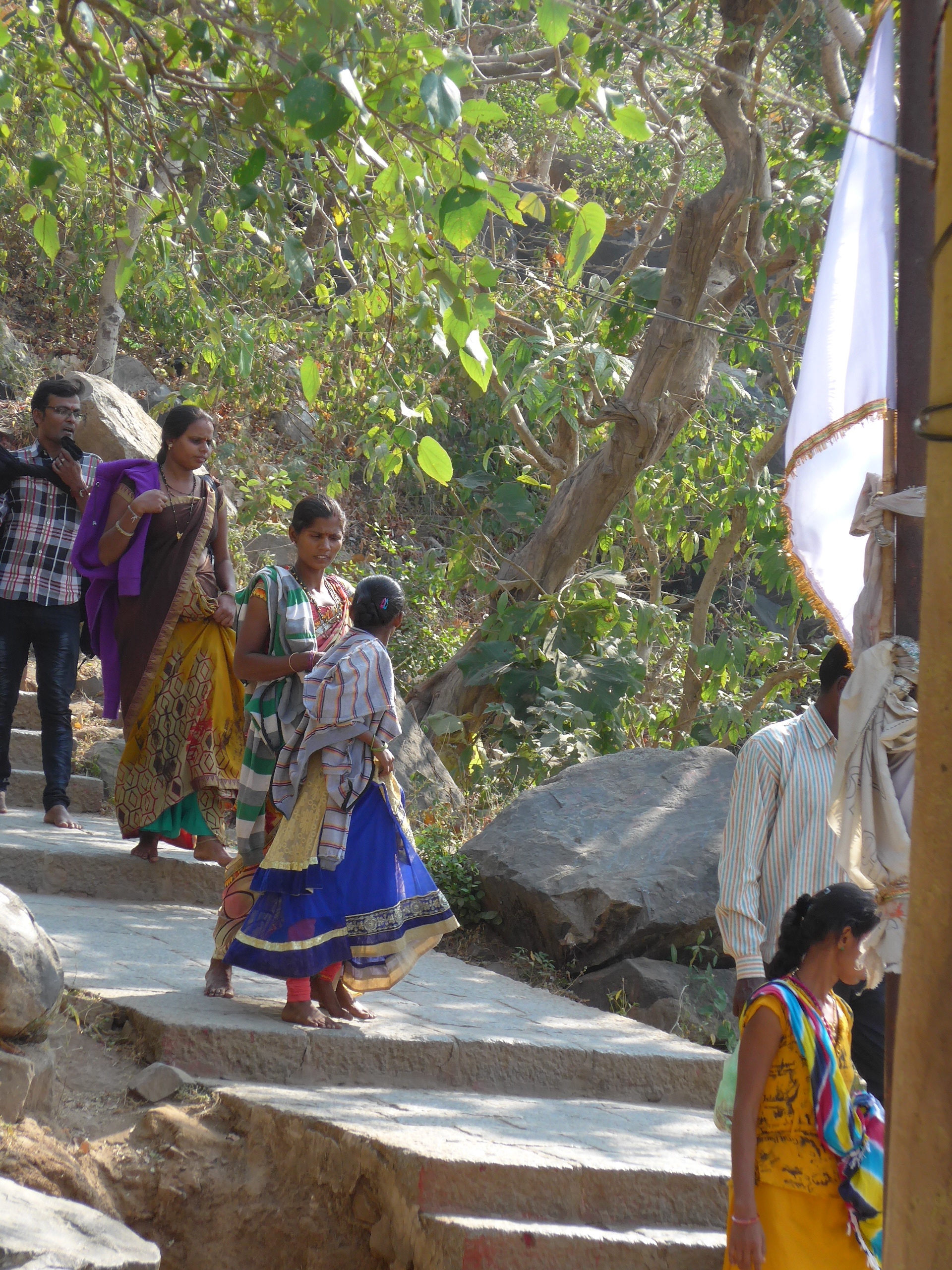
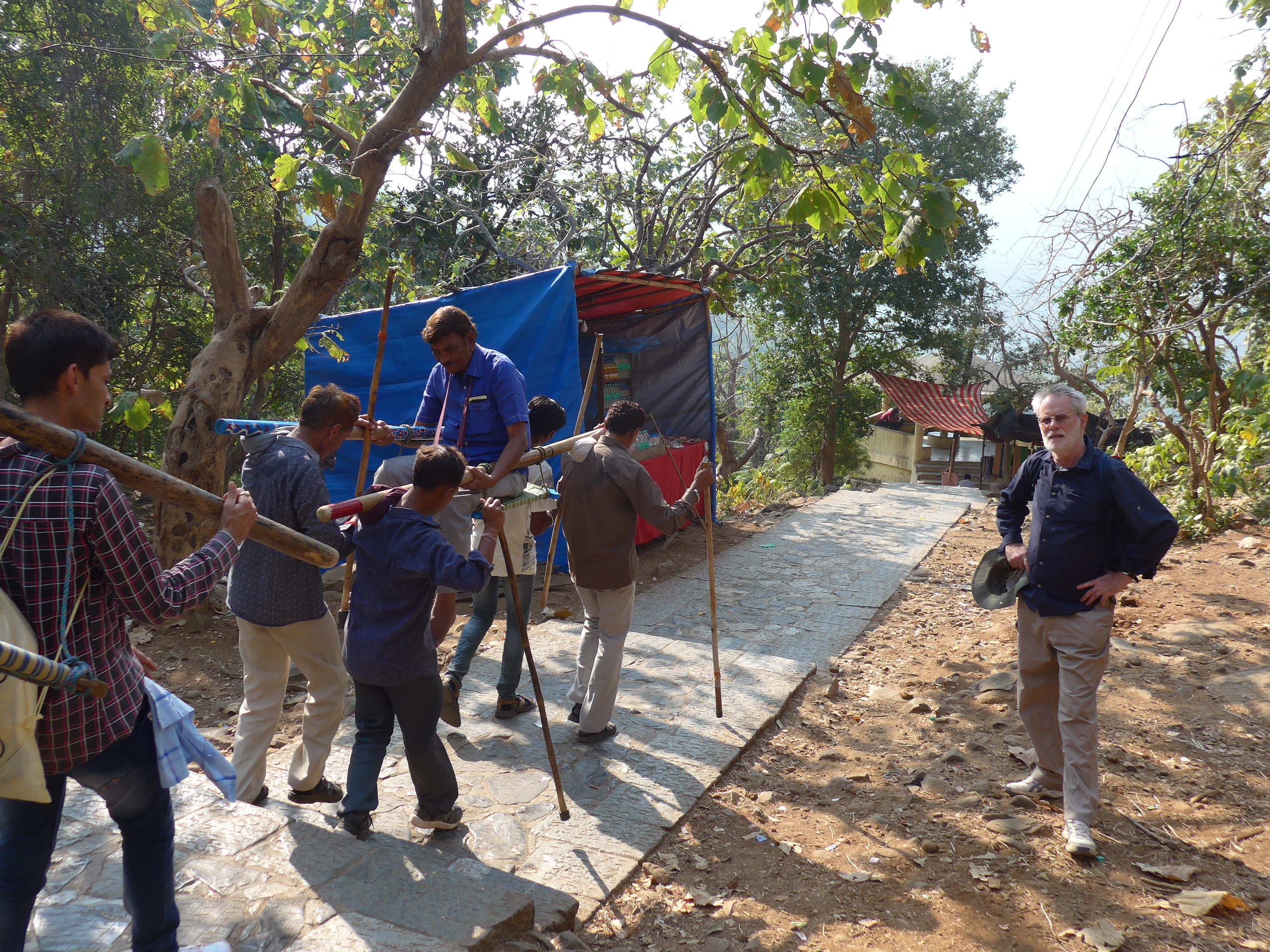
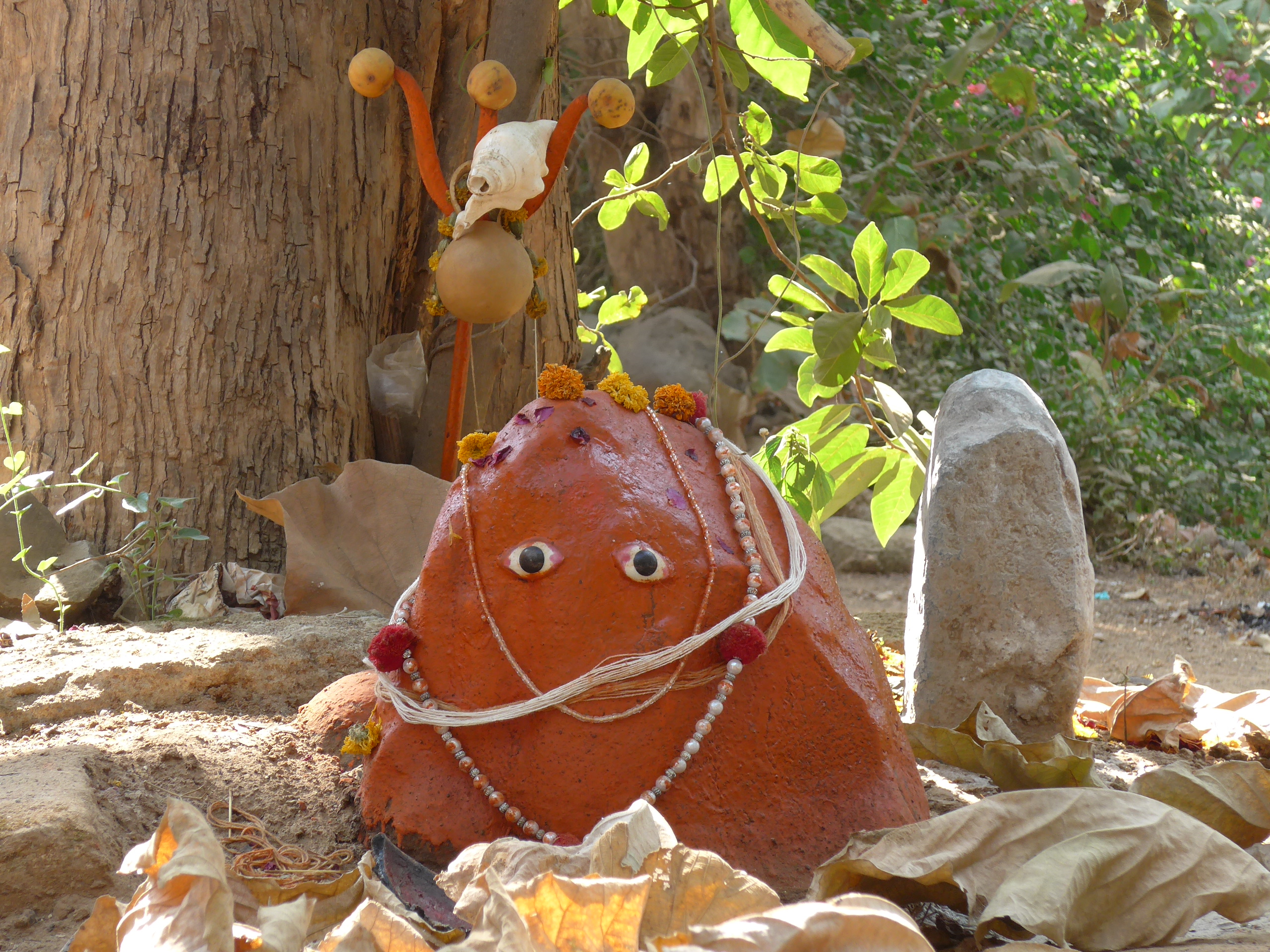
There was Chamundi Hill to climb with the Chamundeshwari Temple (to the goddess Durga) on top. Women, hoping for intercession from the goddess, bend down and mark every single step with red and orange powder as they climb, and there are one thousand steps.
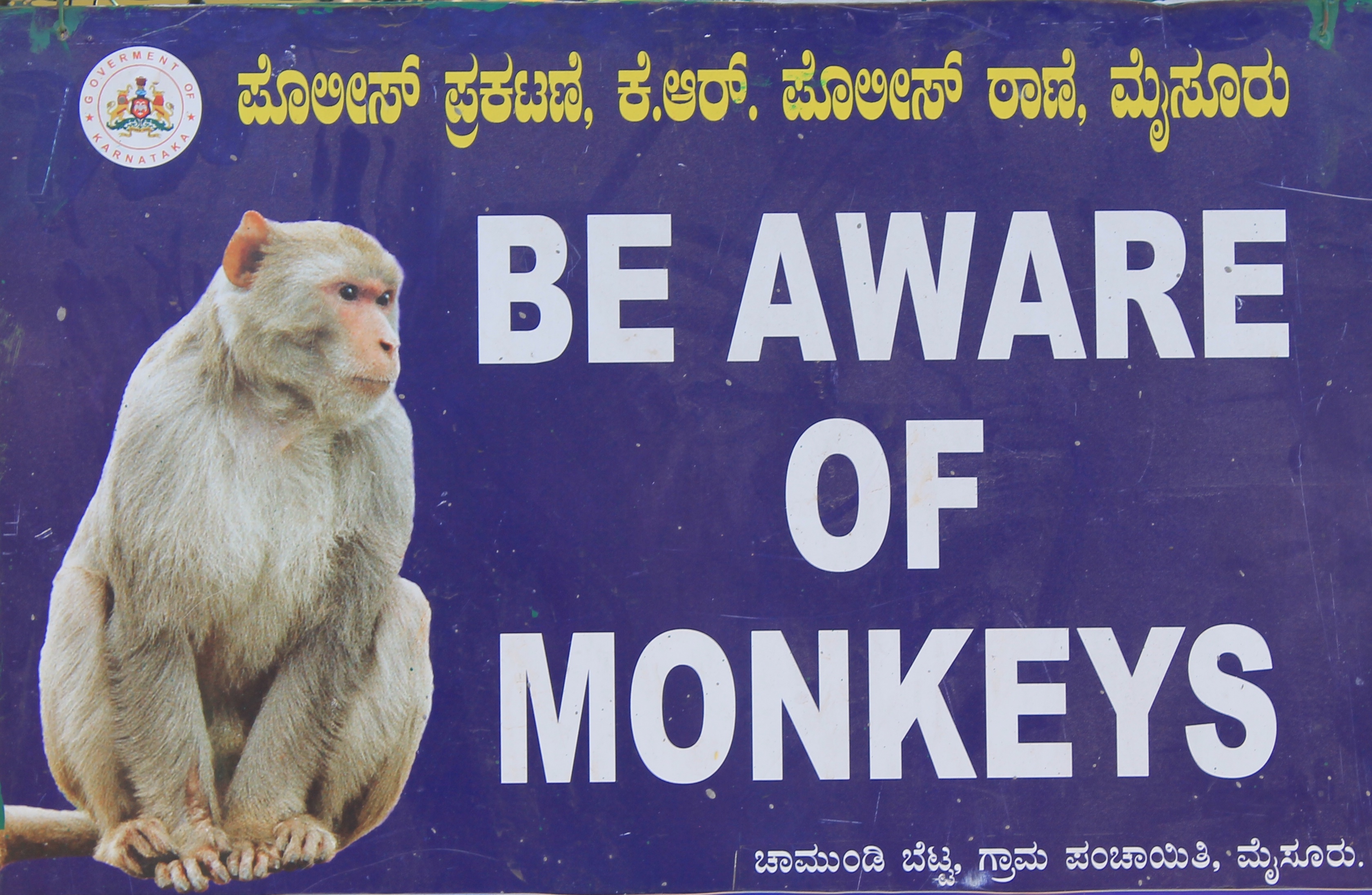
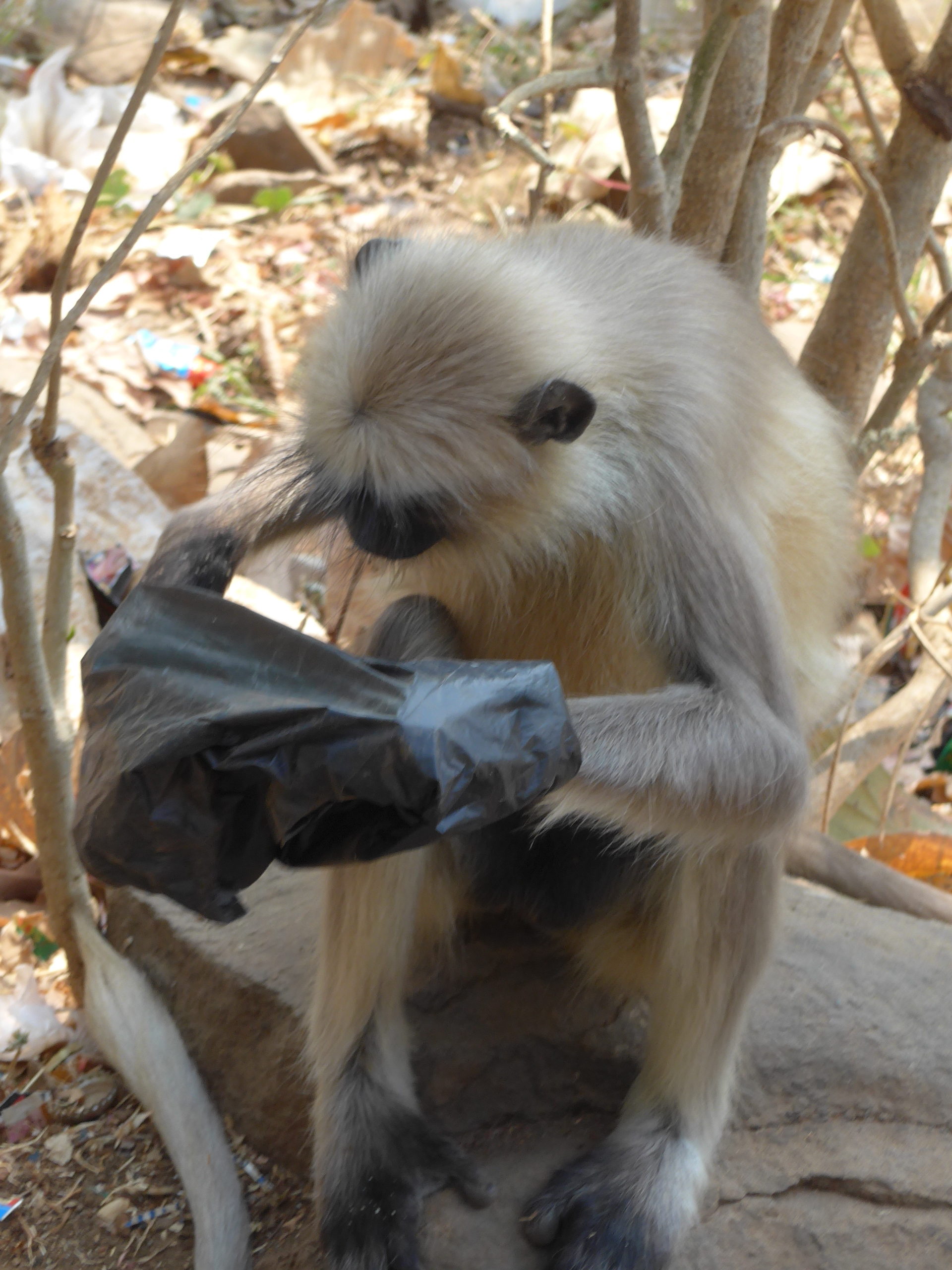
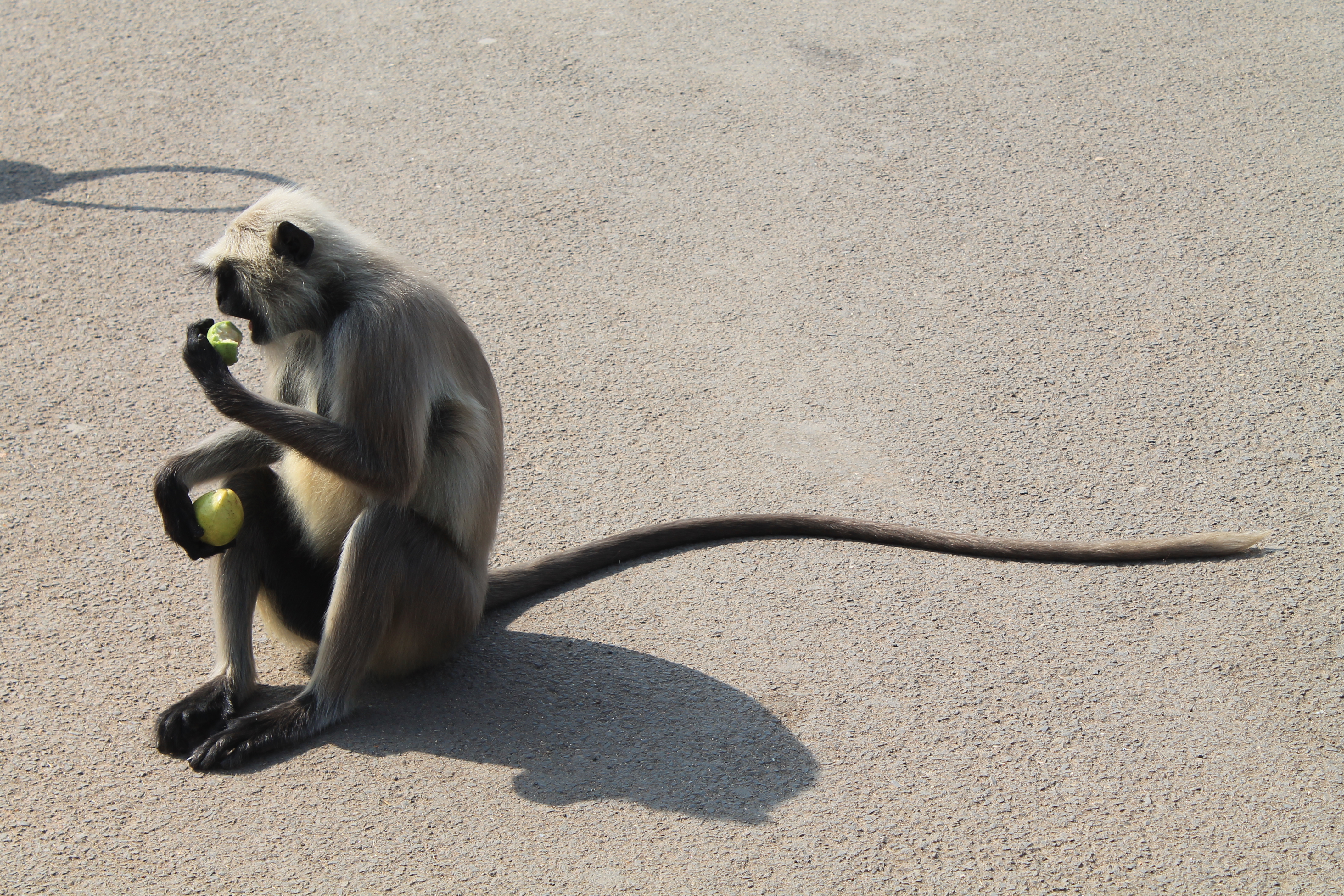
There were huge crowds of pilgrims and a number of canny, long-tailed onlookers.
We have been keeping an eye on the riots over women entering the Sabarimala Temple in Kerala. Recent disturbances and bombs were in Kannur through which we will be passing in a few weeks time.
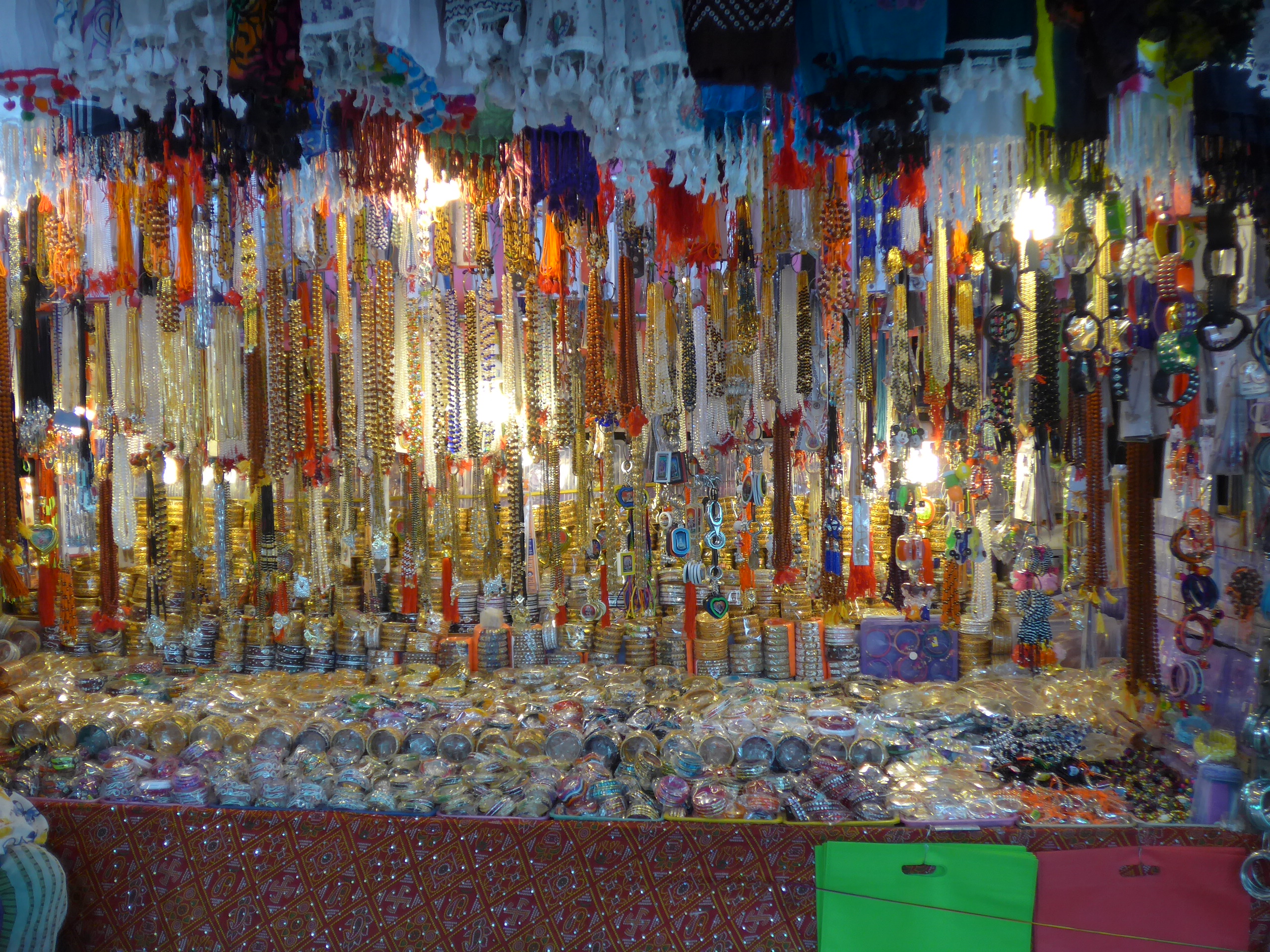
In Mysuru market plausible young men tried to sell us incense sticks, unguents and soaps made from sandalwood, for which Mysuru is famous.
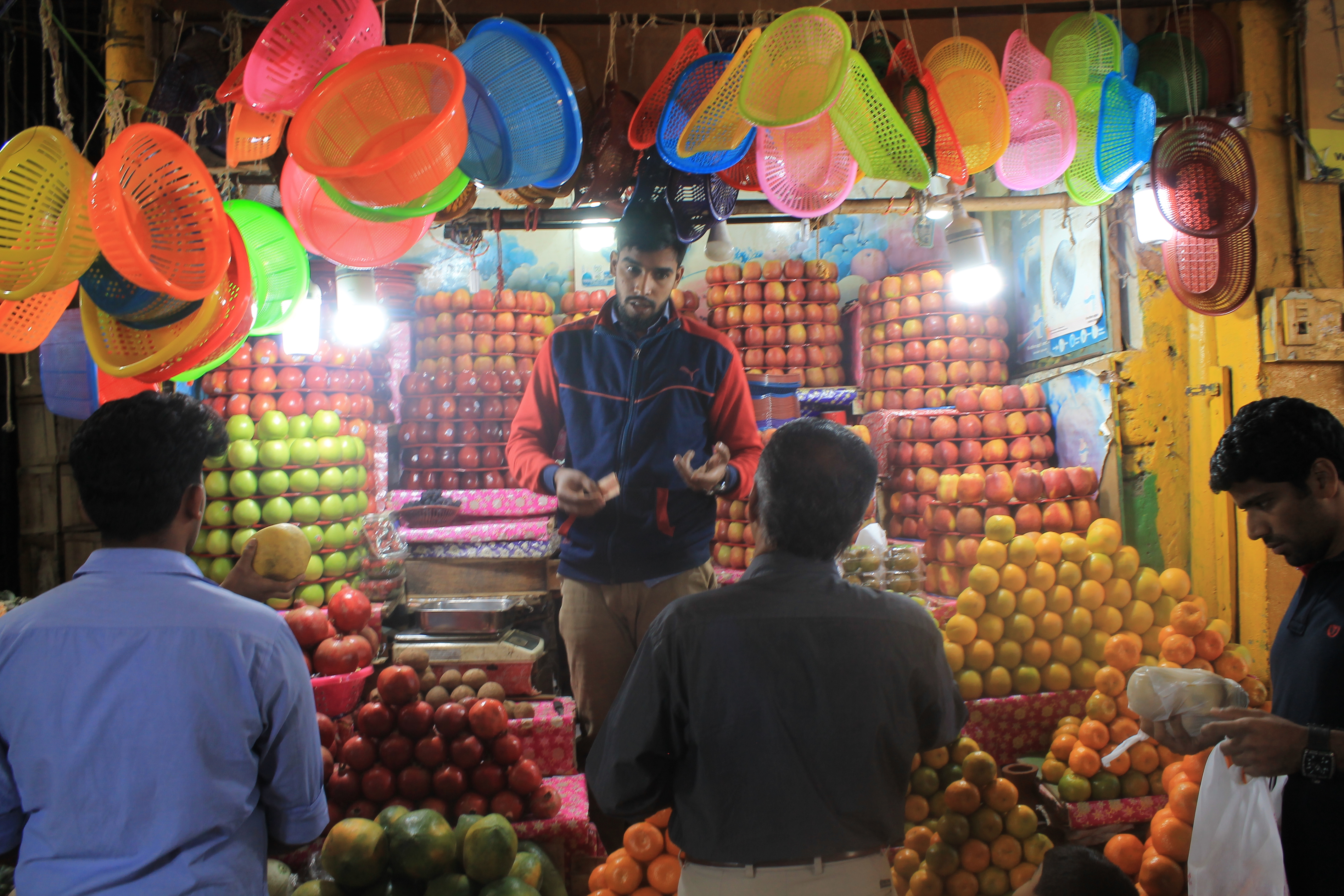
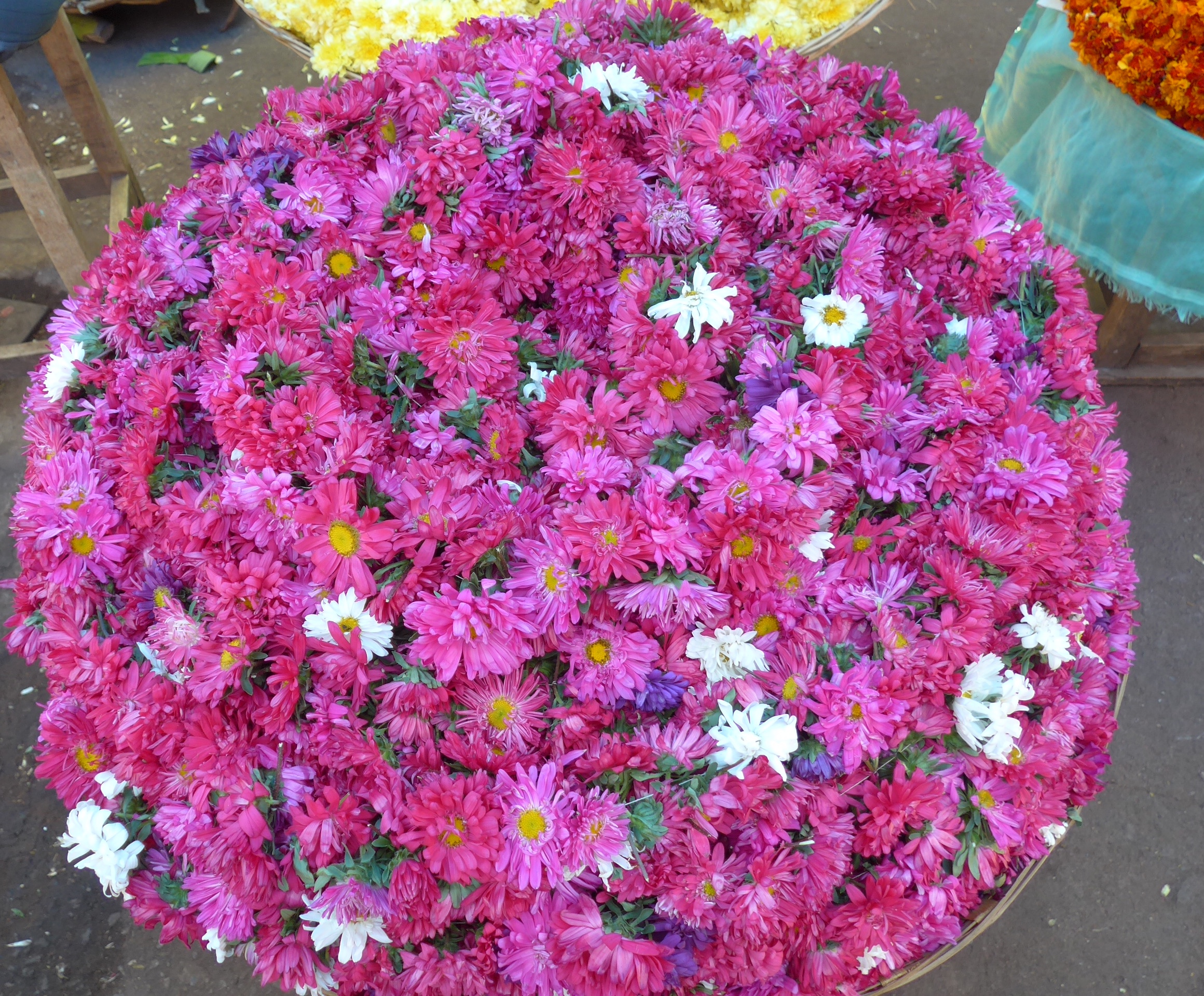
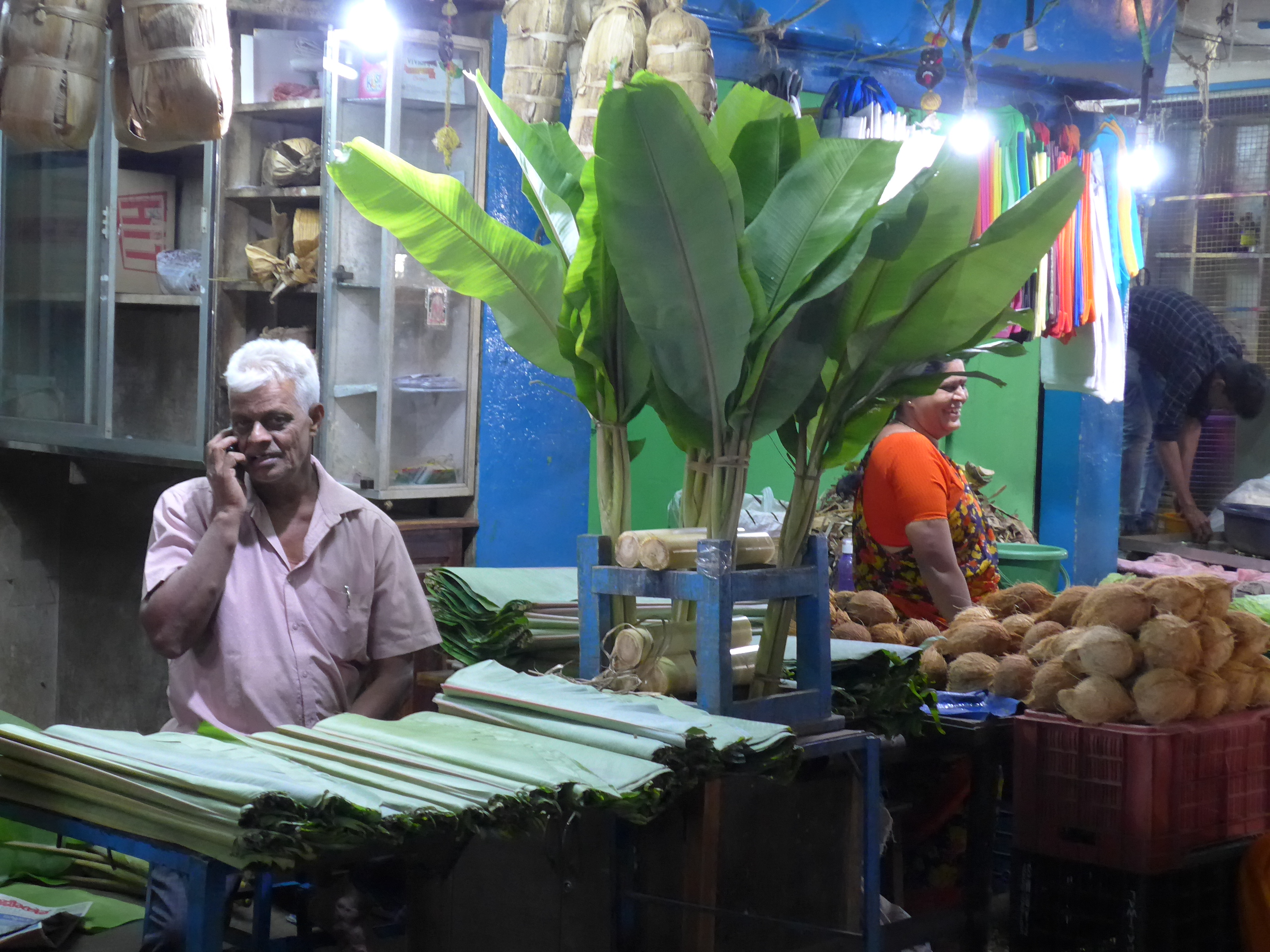
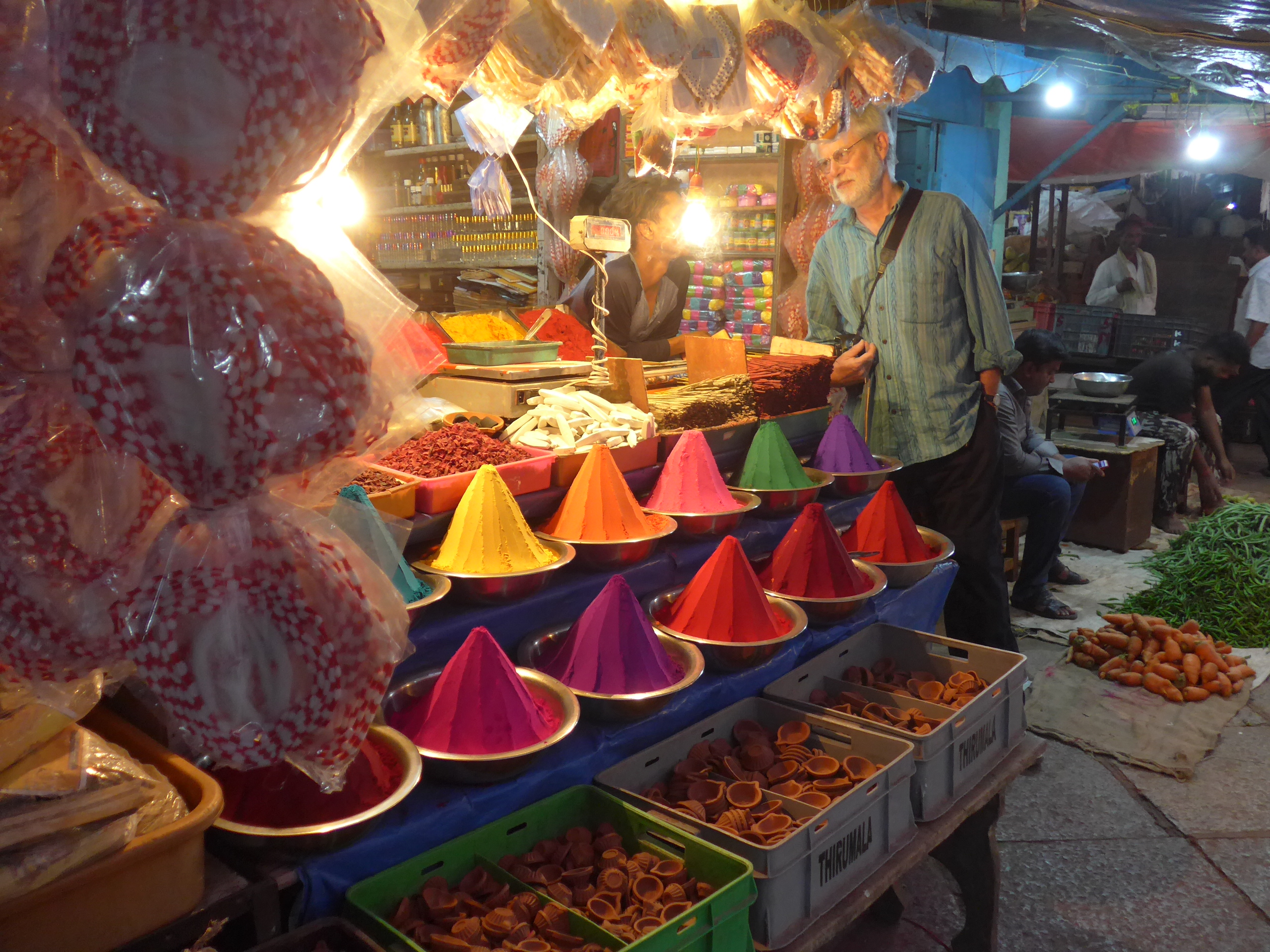
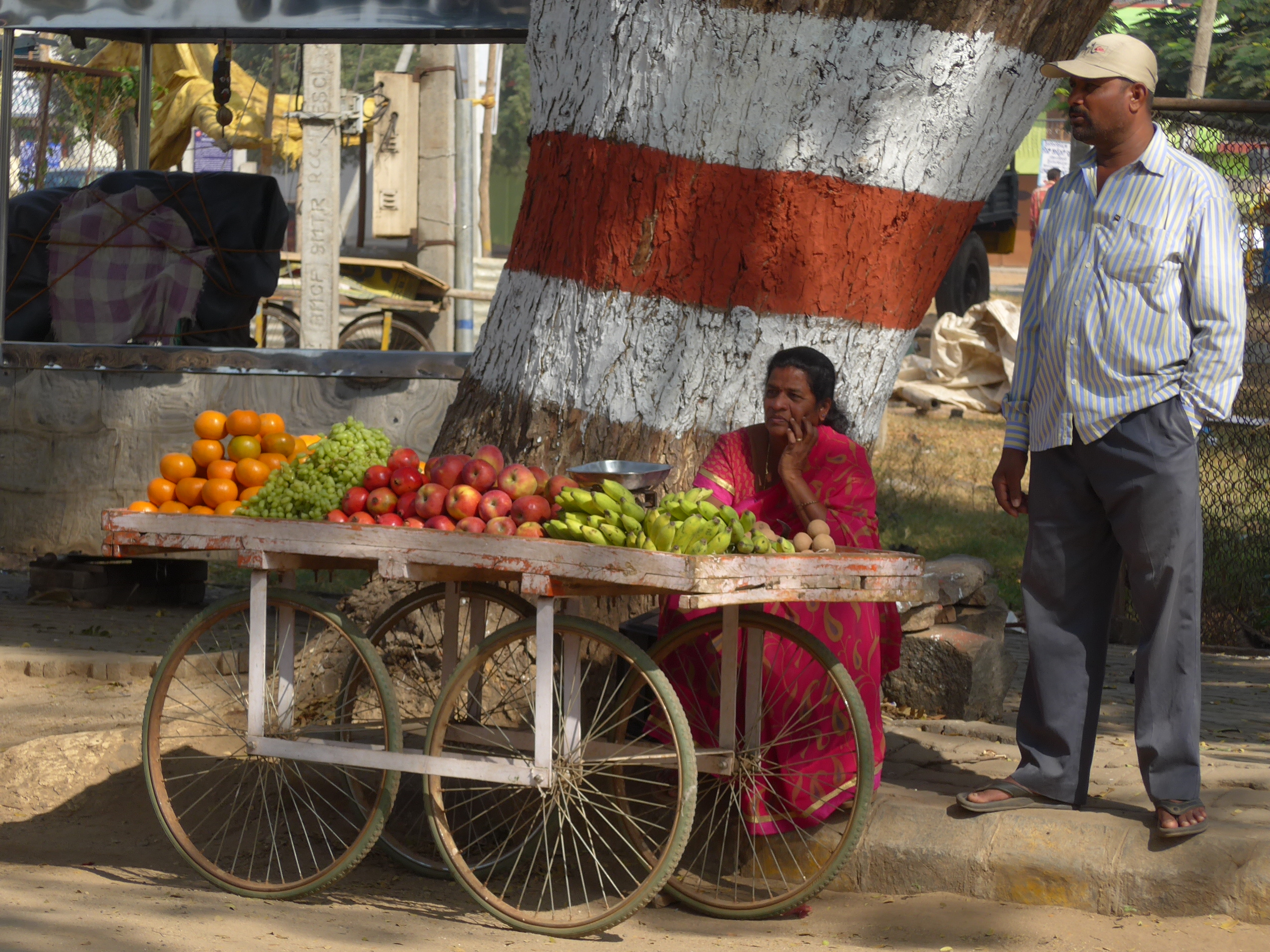
I was puzzled by stories in the local press about police raids on “sandalwood criminals”. Stealing trees perhaps? Smuggling incense? No, it was about tax evasion by the film stars, producers and directors of Karnataka’s film industry “Sandalwood”!
The best outing was a cycle tour around Seringapatam, the fort of Hyder Ali and his son Tipu Sultan (of the V & A’s mechanical-tiger-eating-British-soldier automaton-cum-musical organ fame).
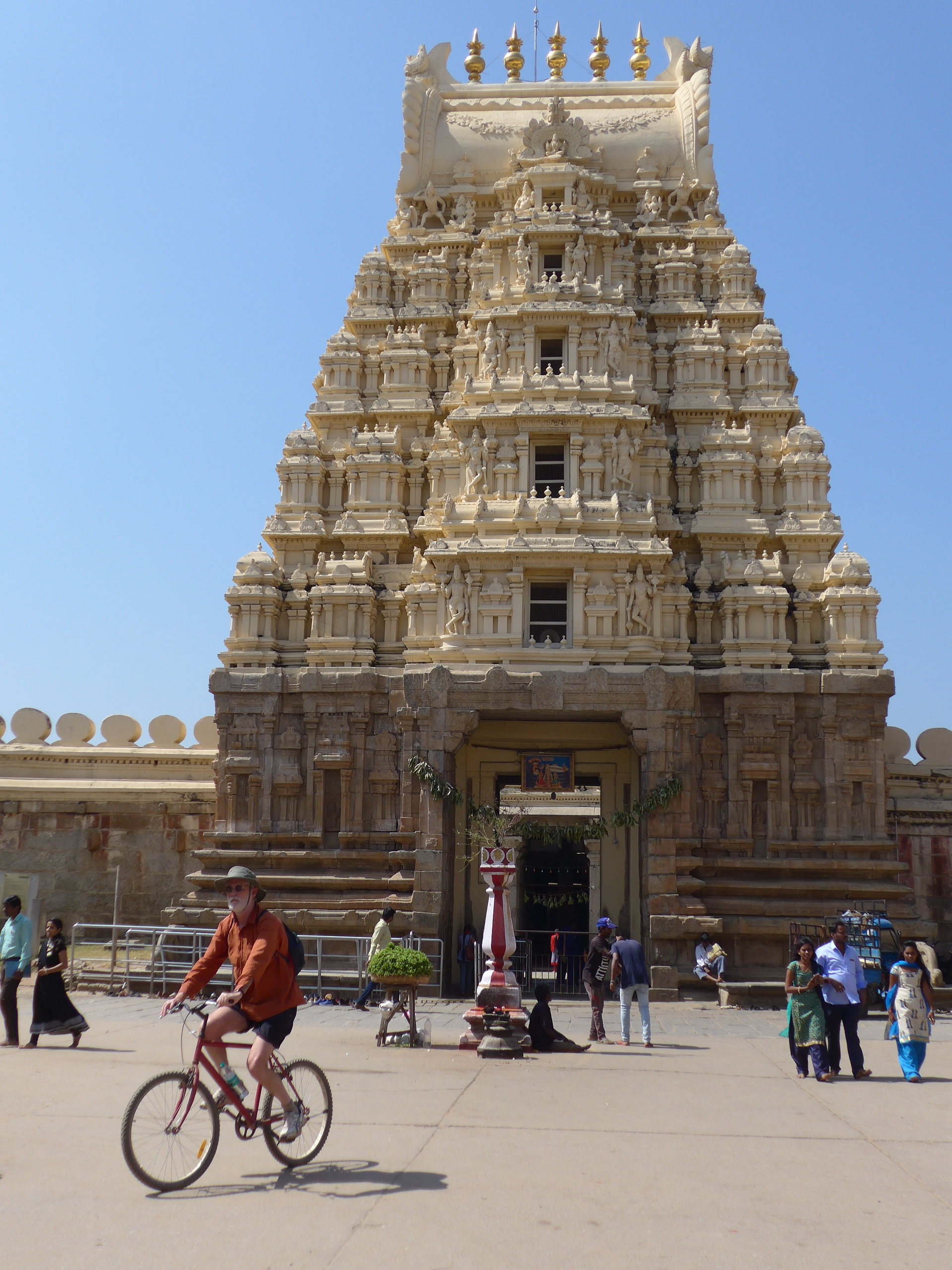
They trounced the East India Company and British armies during the early Anglo-Mysore Wars but Tipu Sultan, the “Tiger of Mysore”, was defeated and died during the Siege of Seringapatam, under forces led by Arthur Wellesley, later Duke of Wellington. Tipu was considered an enlightened ruler by many and the interior of his lovely little summer palace was completely covered in wall paintings of flowers and battle scenes, with tiger-striped pillars.

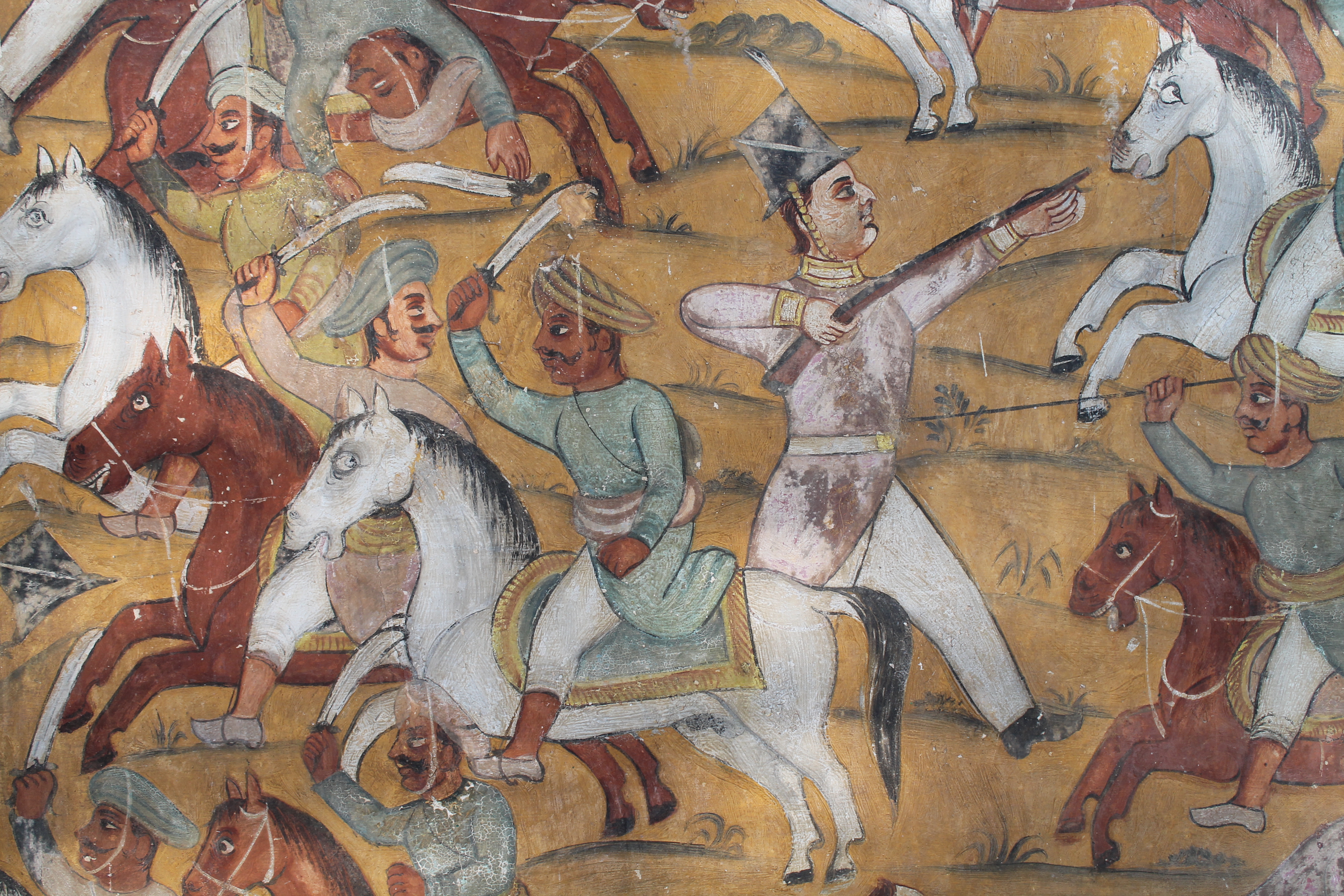
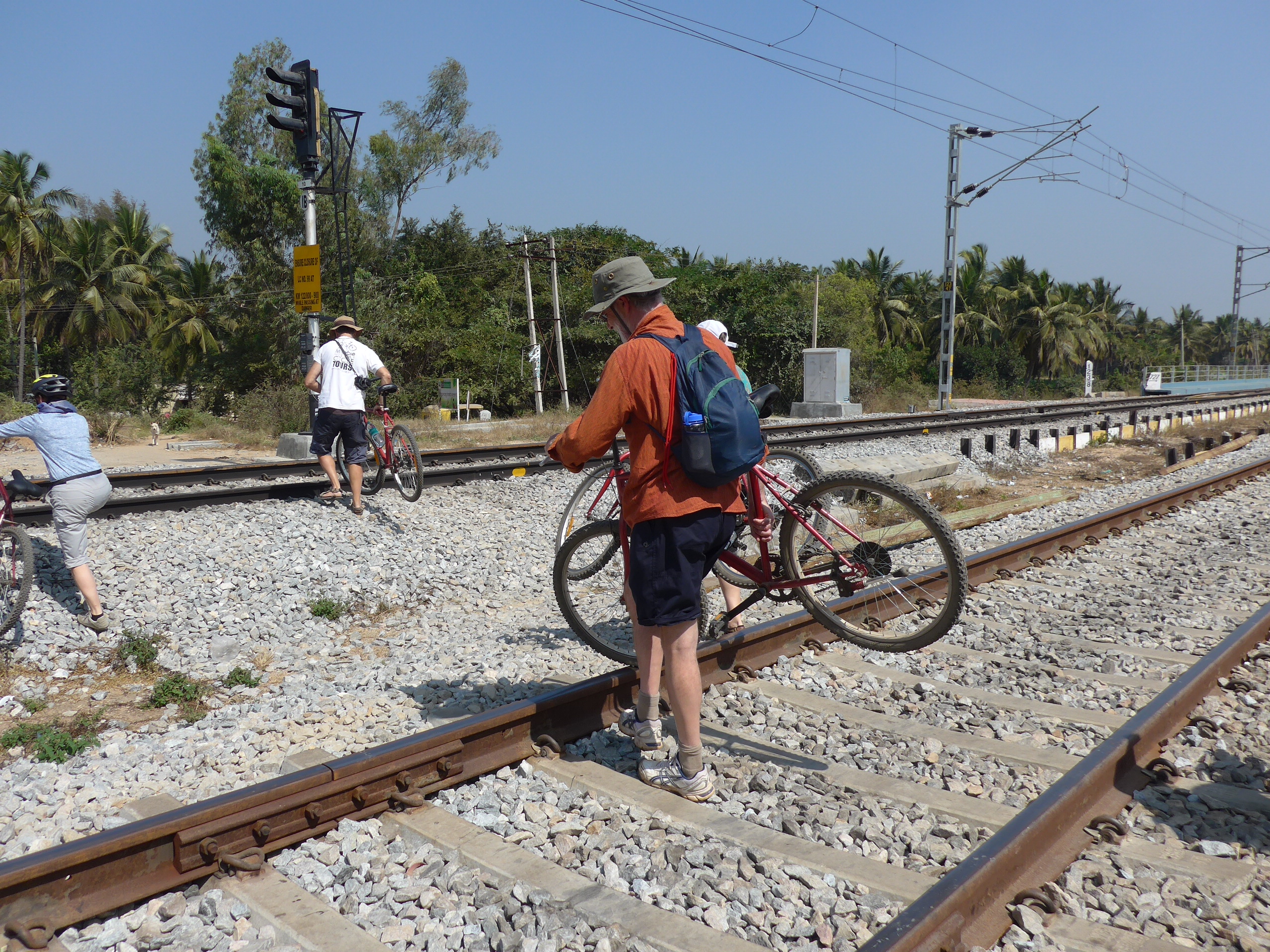
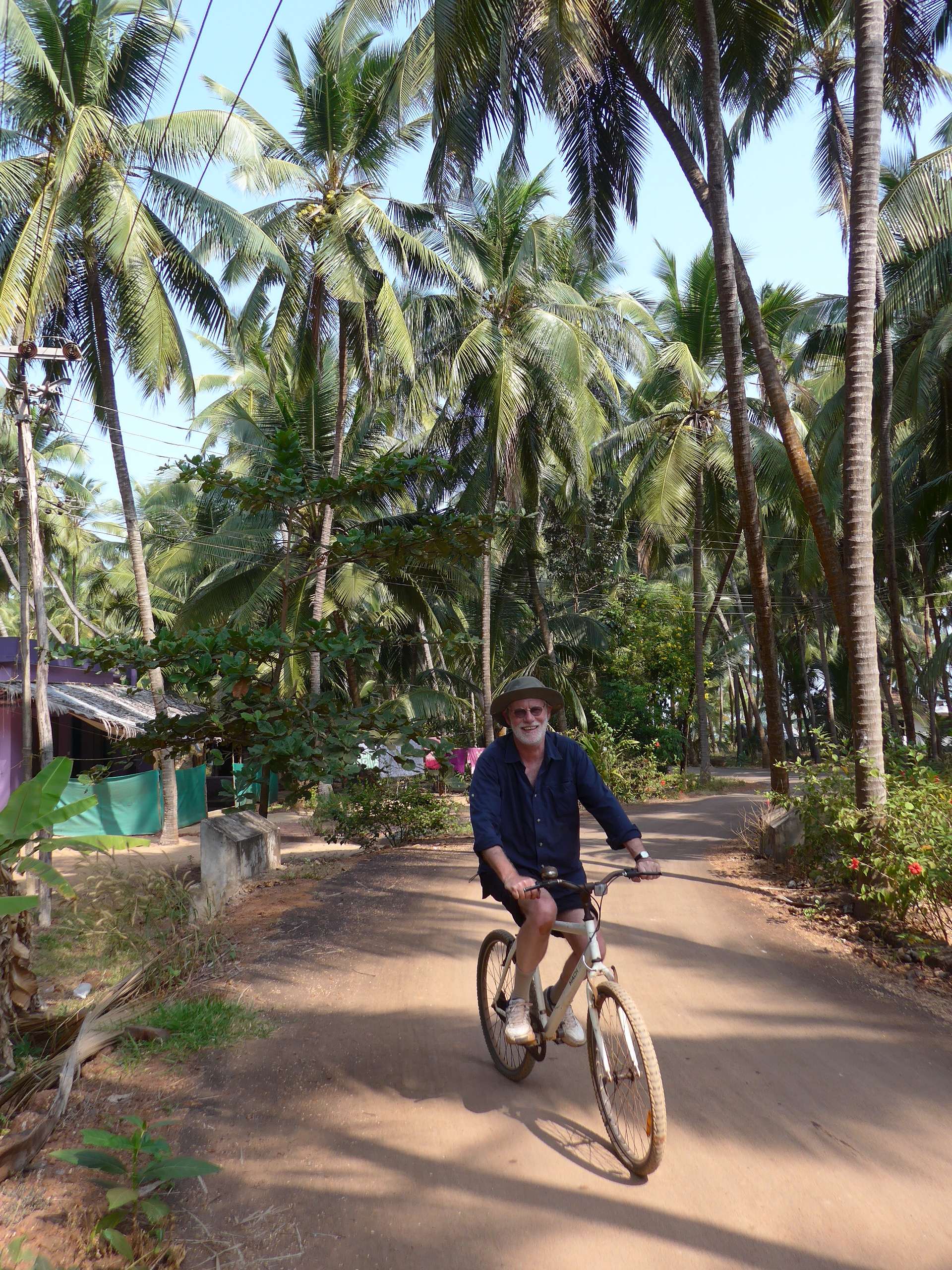
The cycle tour through the countryside, led by Stephen Farrell of Mysore B & B, allowed us to see small villages and the Cauvery River and the rice and sugar cane harvests,
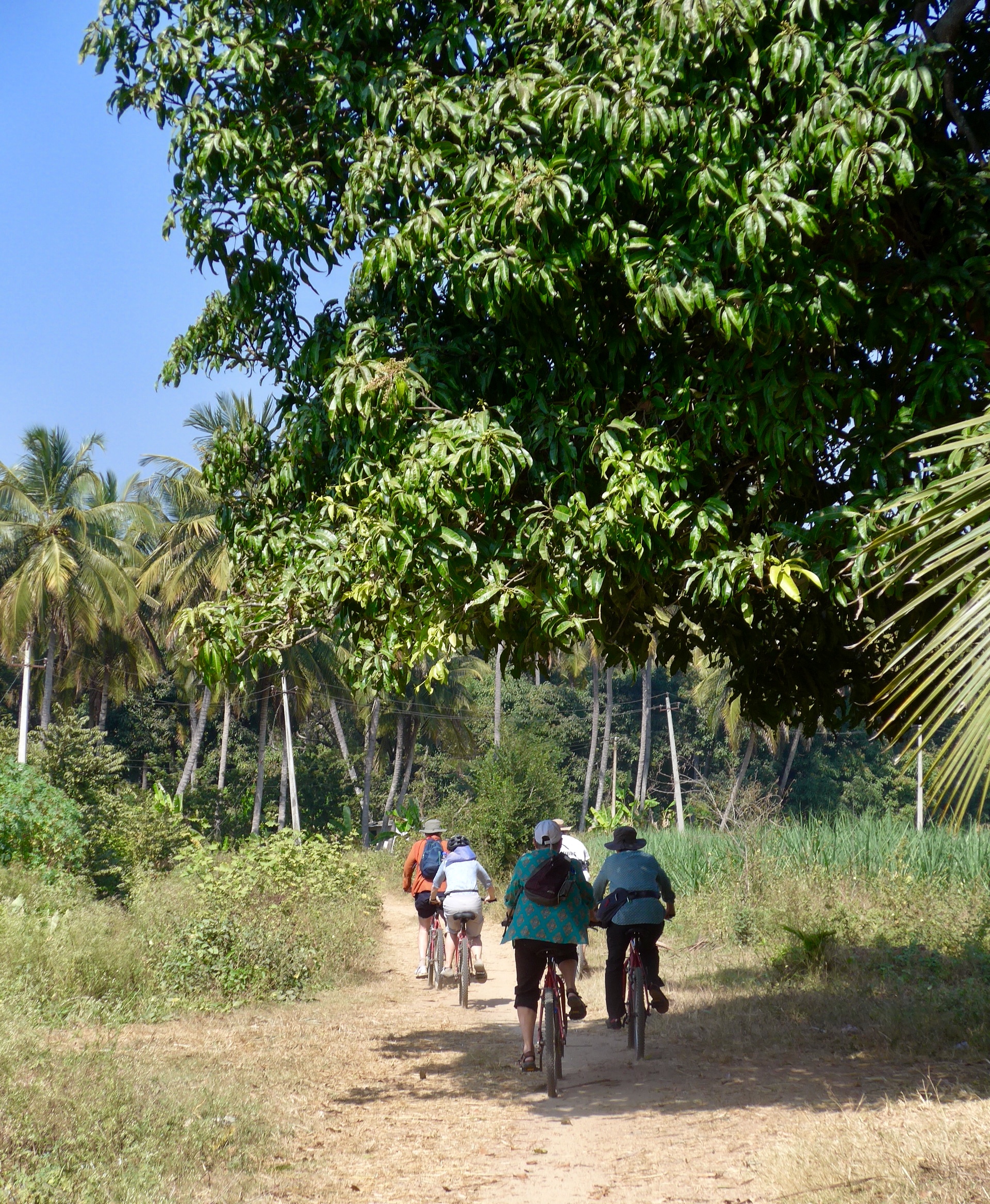


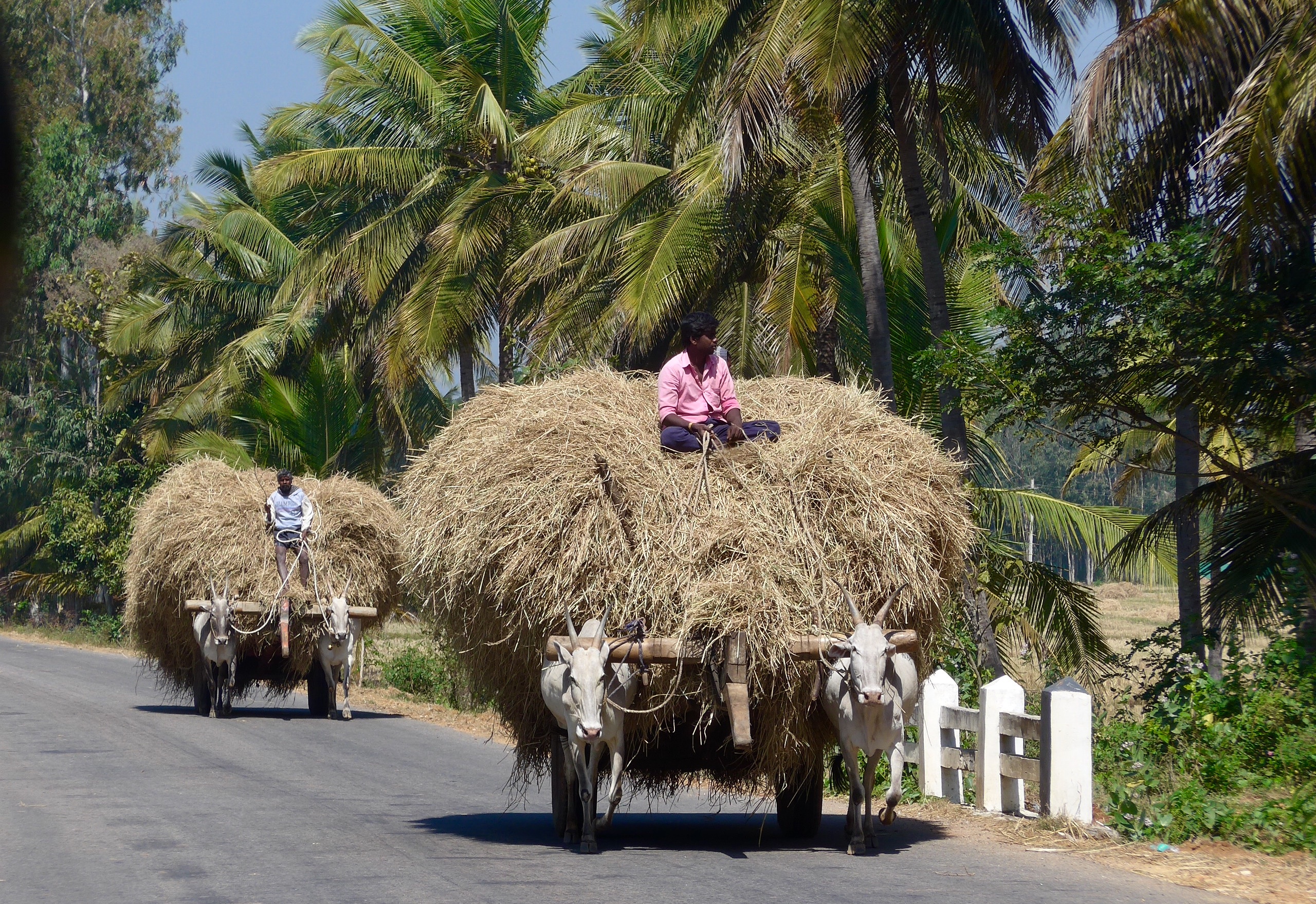
though the route was sometimes unusual.
I find the frequent intrusion on personal space, either through friendliness, or curiosity or to sell something, more wearing as the trip progresses and I have snapped “Just leave me alone!” on more than one occasion. The dilution of attention resulting from being in a group and the ability to cycle away rapidly was really welcome!
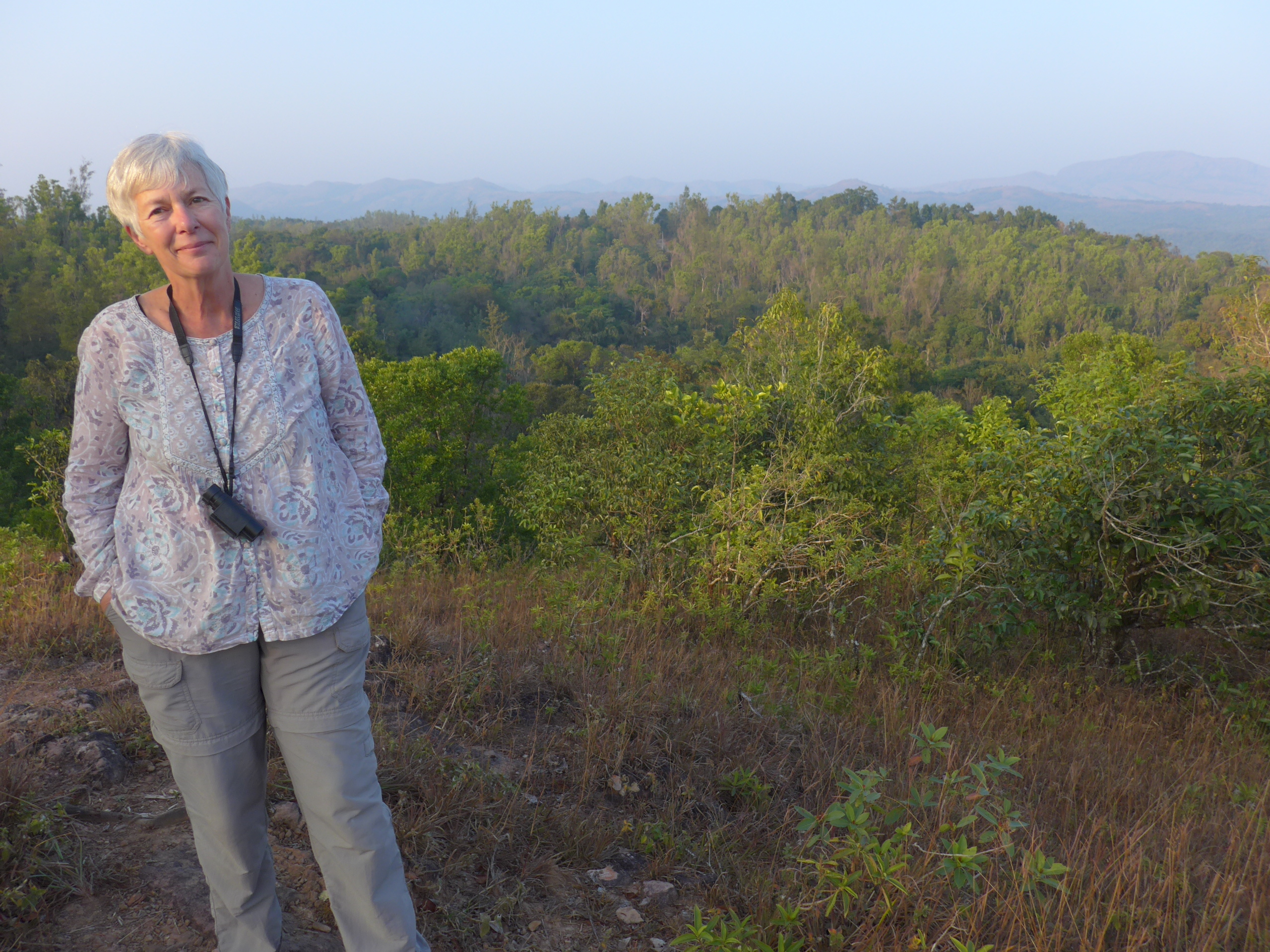
In the Western Ghats above Mysuru is the district of Coorg, or Kodagu, where the fair-skinned Kodavu people claim to be from Afghanistan, or even the descendants of Alexander’s soldiers. Here we stayed at the Rainforest Retreat, a coffee and cardamom plantation, completely run on organic and conservationist lines by two plant scientists, Doctors Sujata and Anurag Goel.
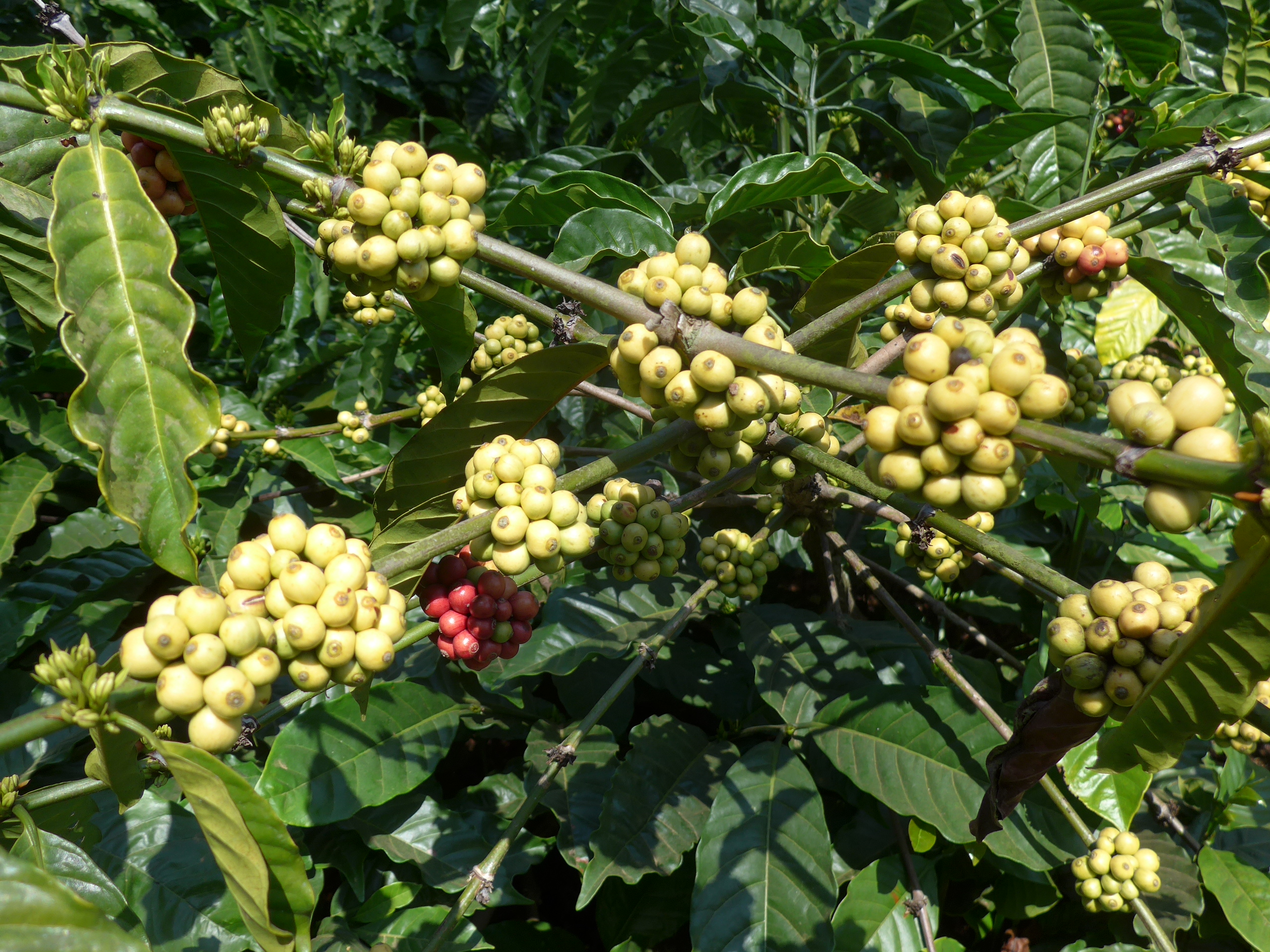
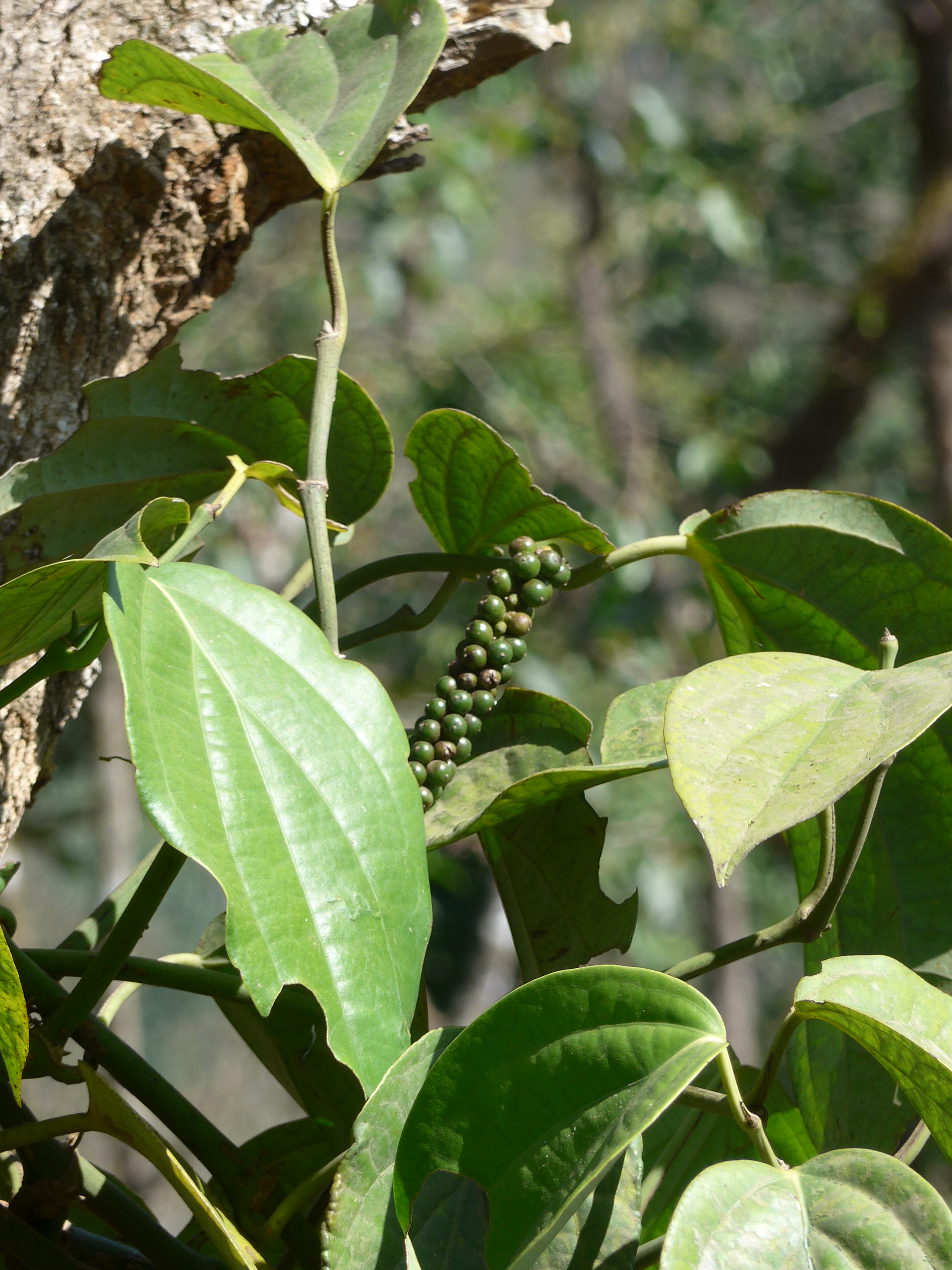
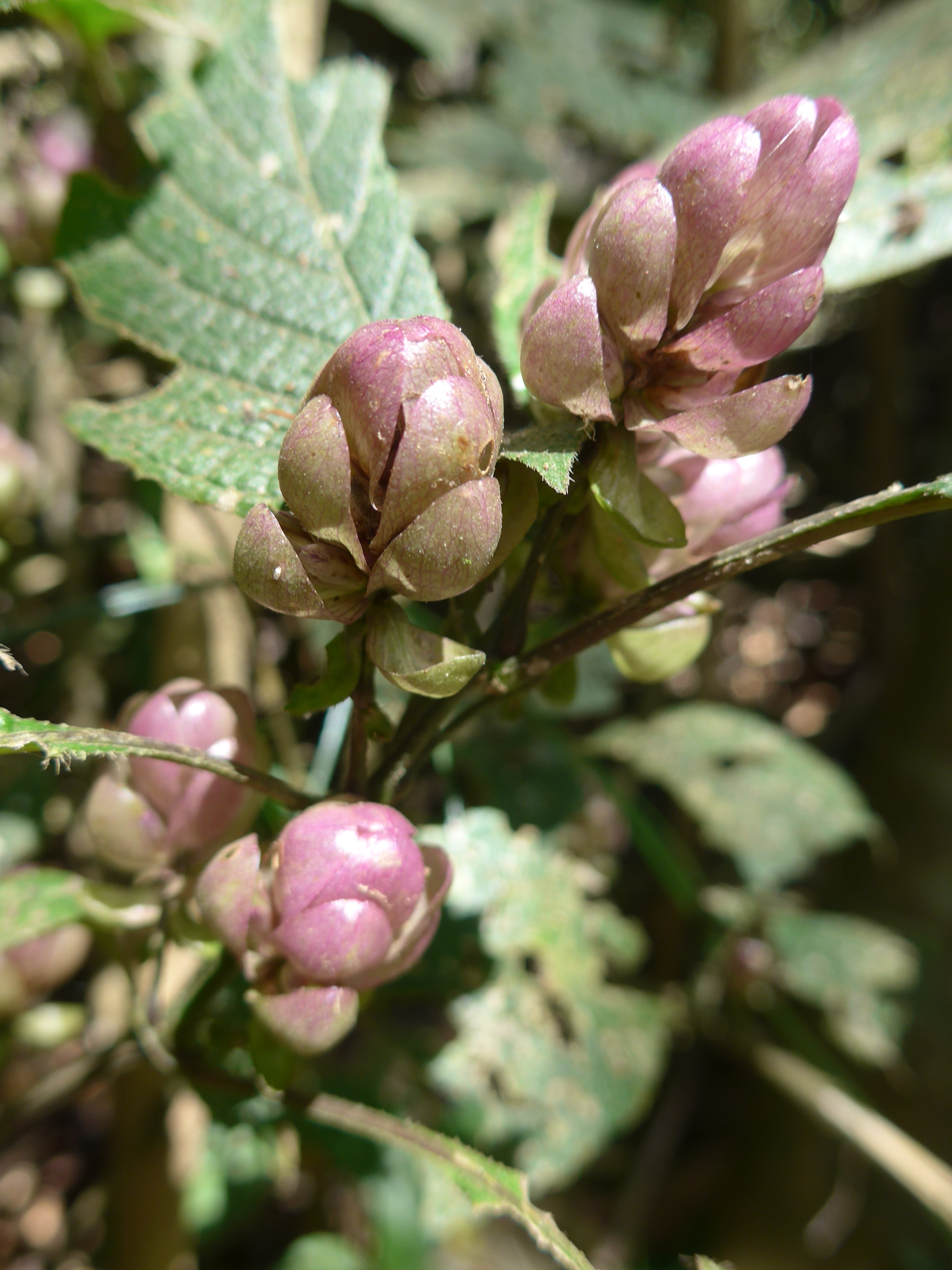
Sujata gave us an inspiring tour and talk about their efforts to restore and conserve the biodiversity of the plantation, increasing the populations of insects, frogs and birds,
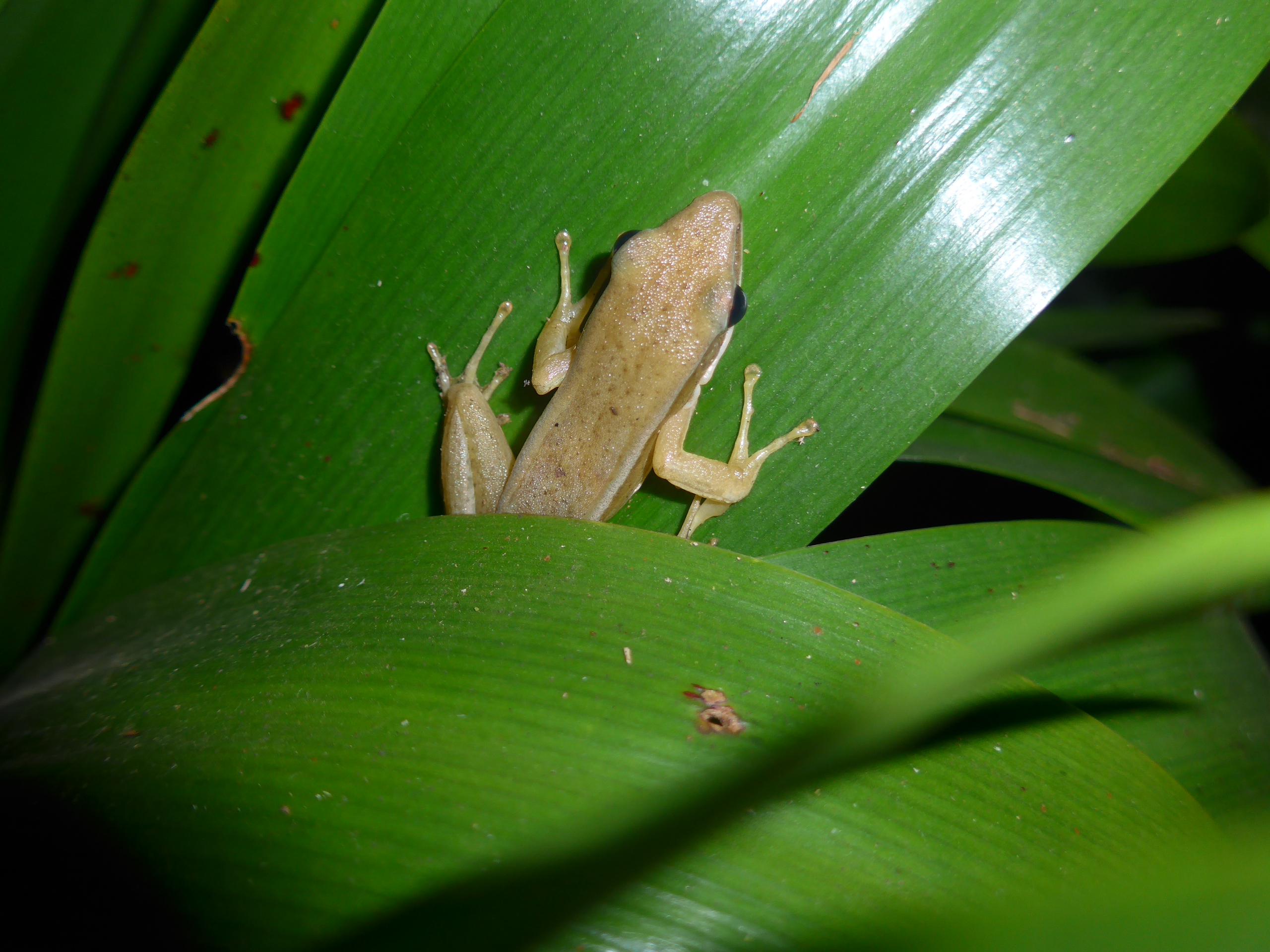
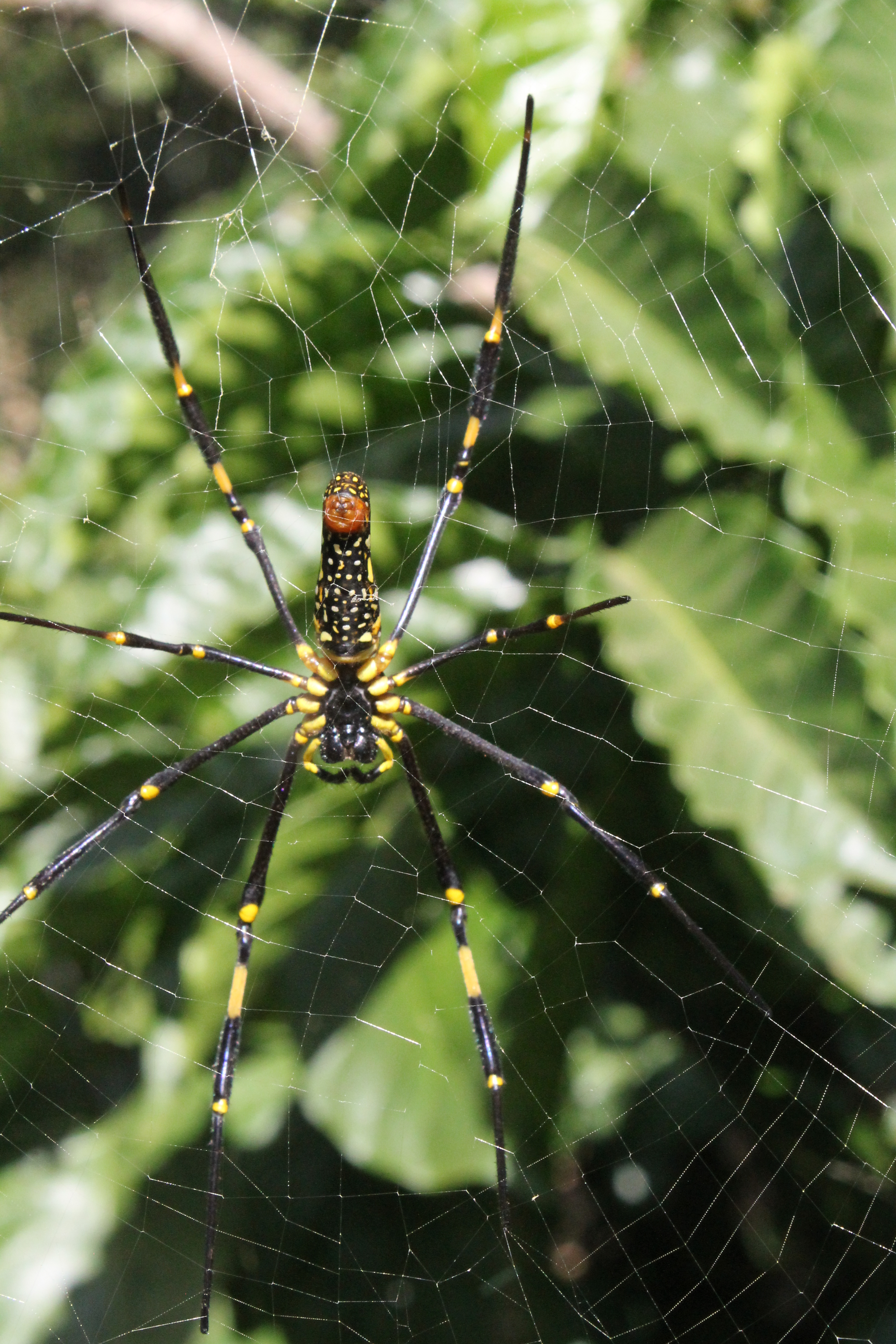
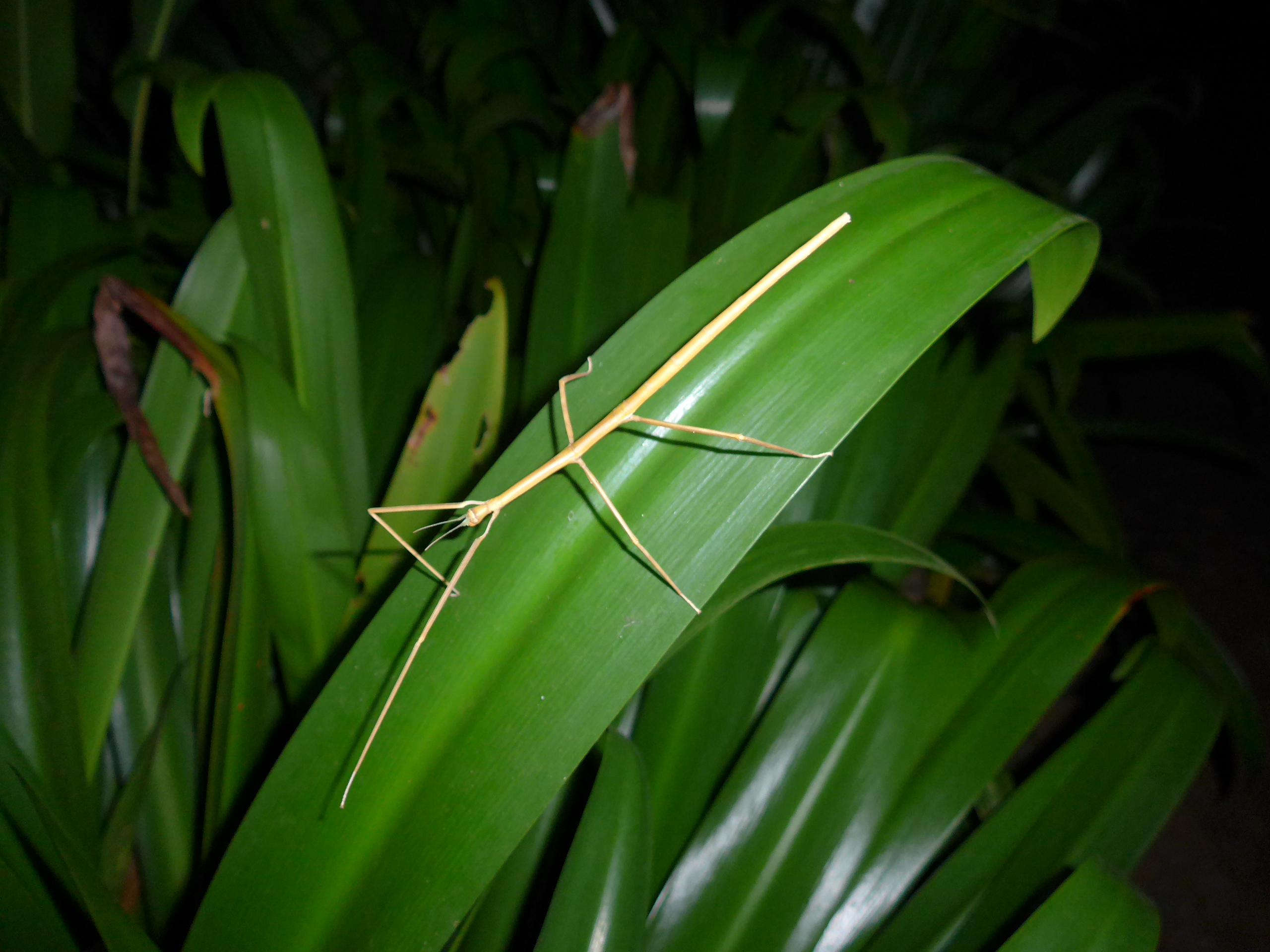
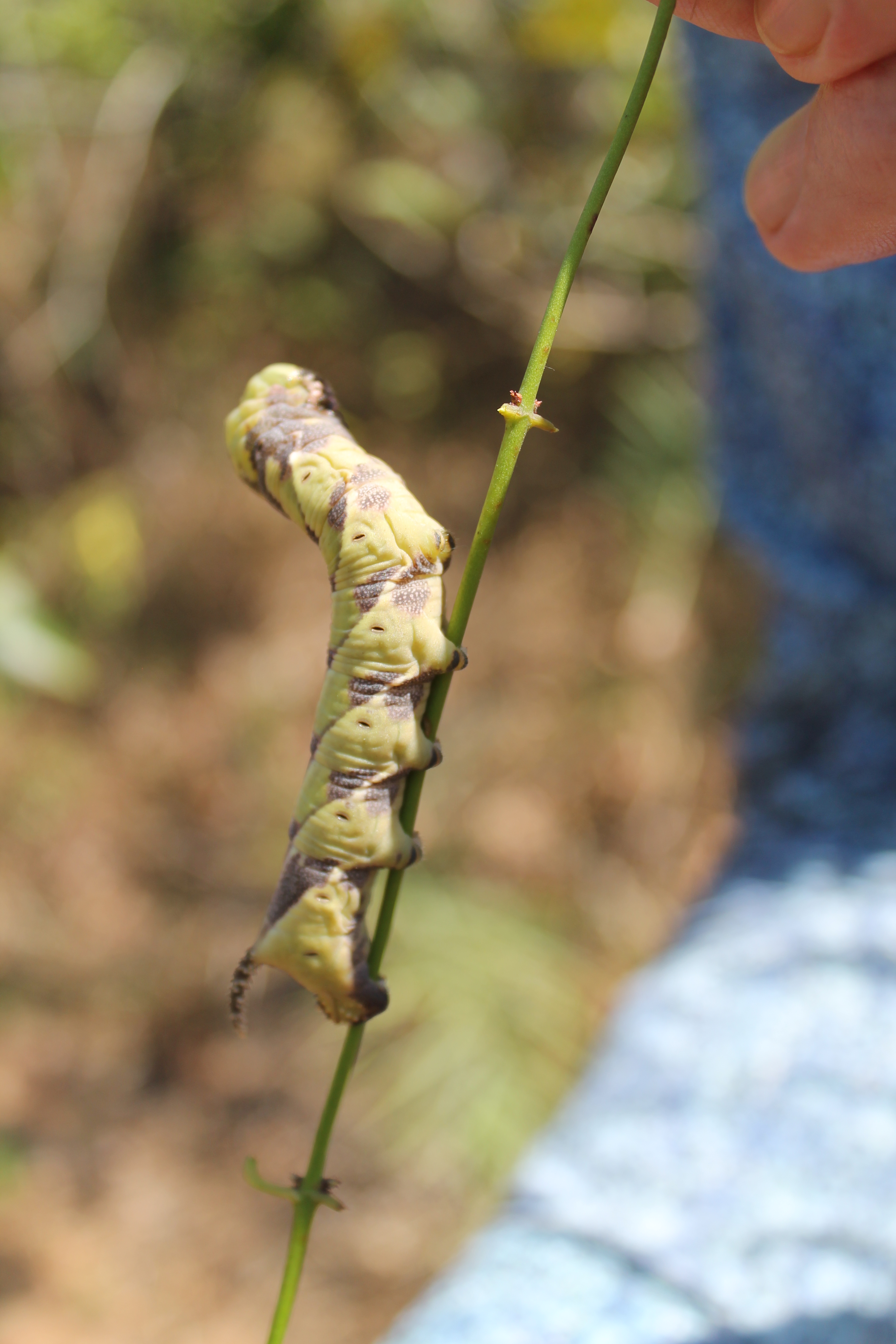
as well as encouraging plants and weeds to protect the environment, particularly after the monsoon floods last summer.
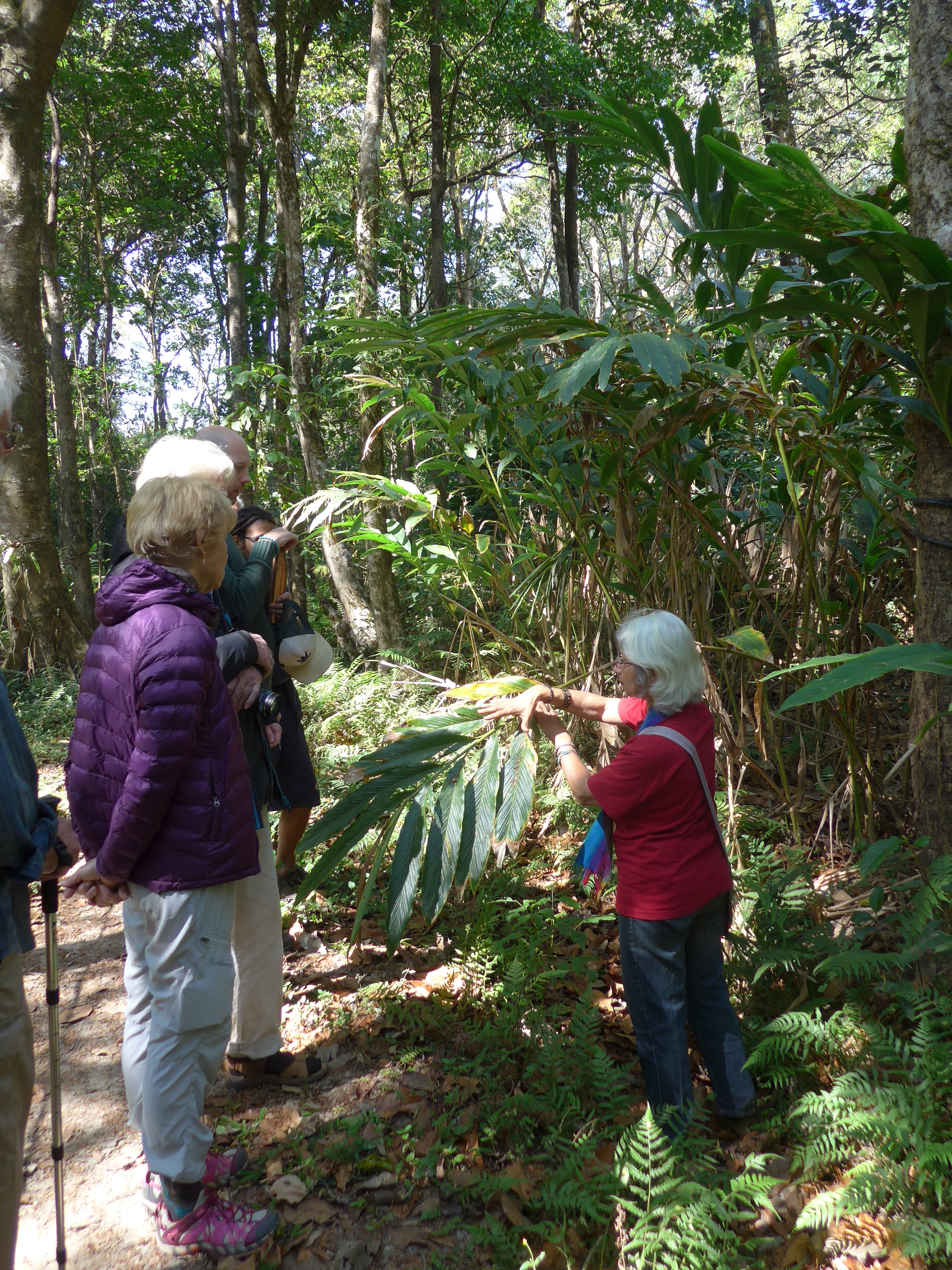
The estate runs on solar power and biogas produced from their animal dung and plantation foliage, with six tourist cottages to supplement their income from organic coffee sales. And our cottage was right in the forest,
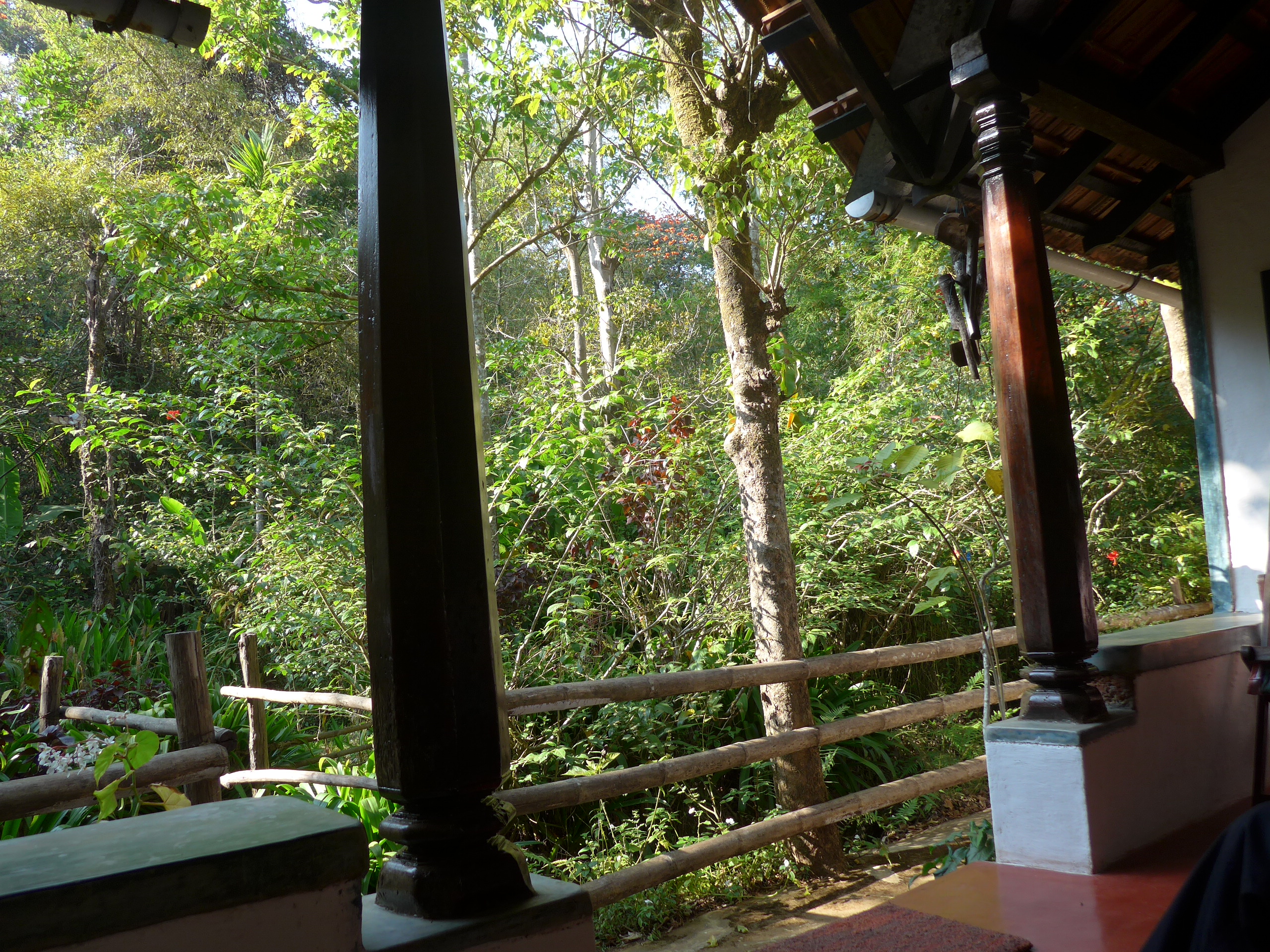
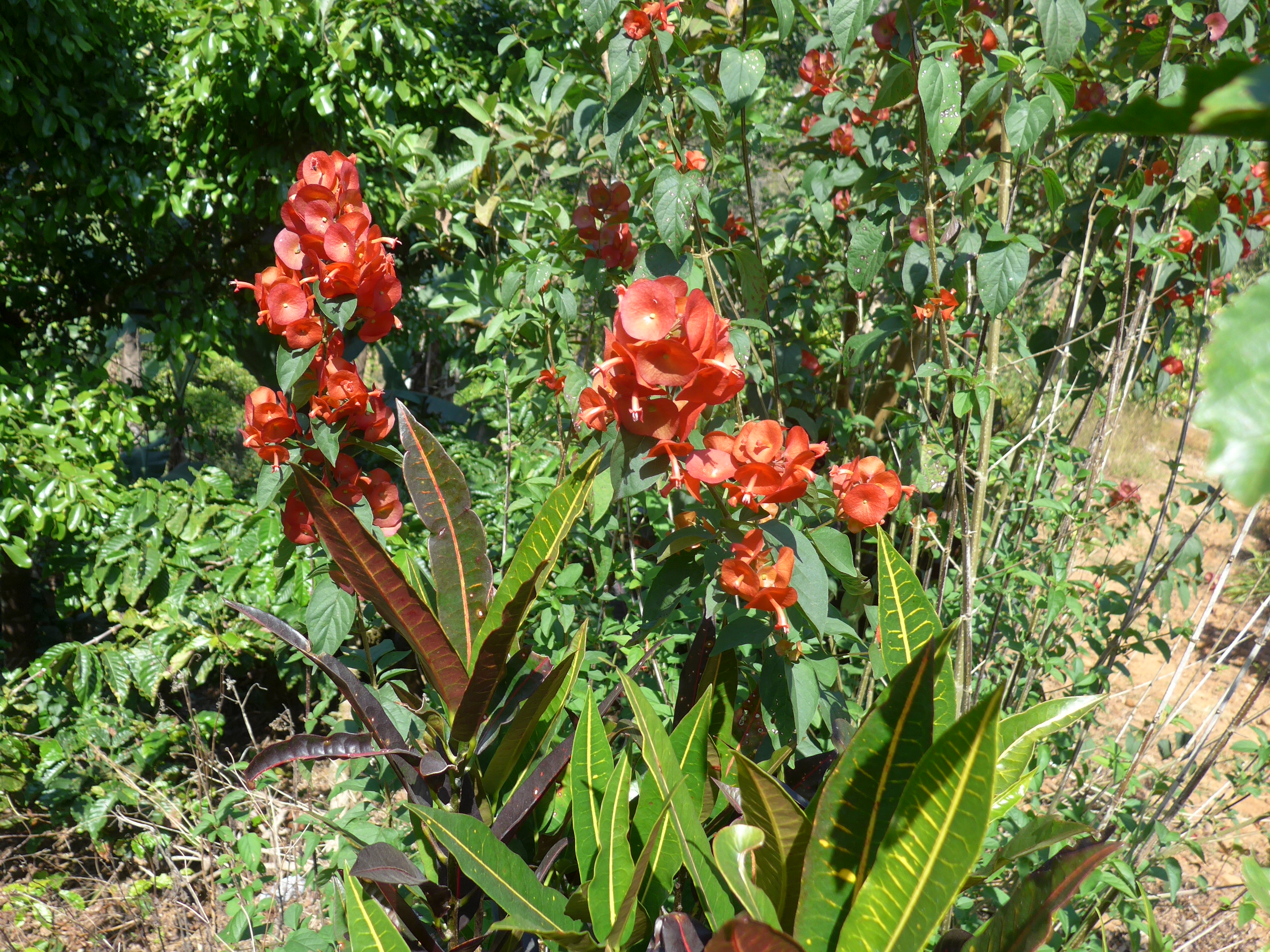
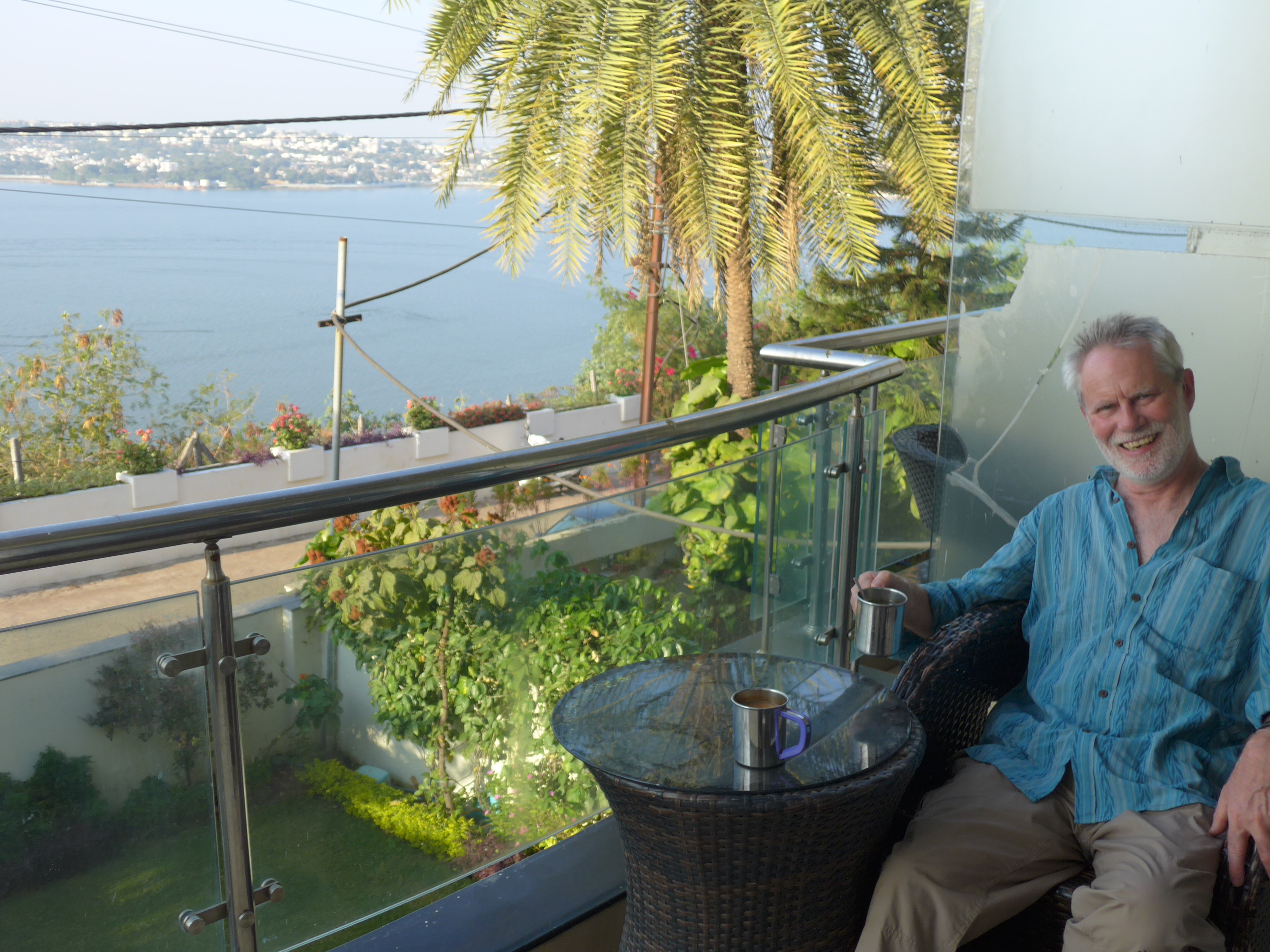
with a stream to cross on a wooden bridge, and wood-fired hot water morning and evening. For the cold nights there was a bonfire to sit round with guests and staff. In the morning it was tea on the verandah as the birdsong tried to drown out the sound of the rushing stream. In the daytime there would be a trek into the hills.

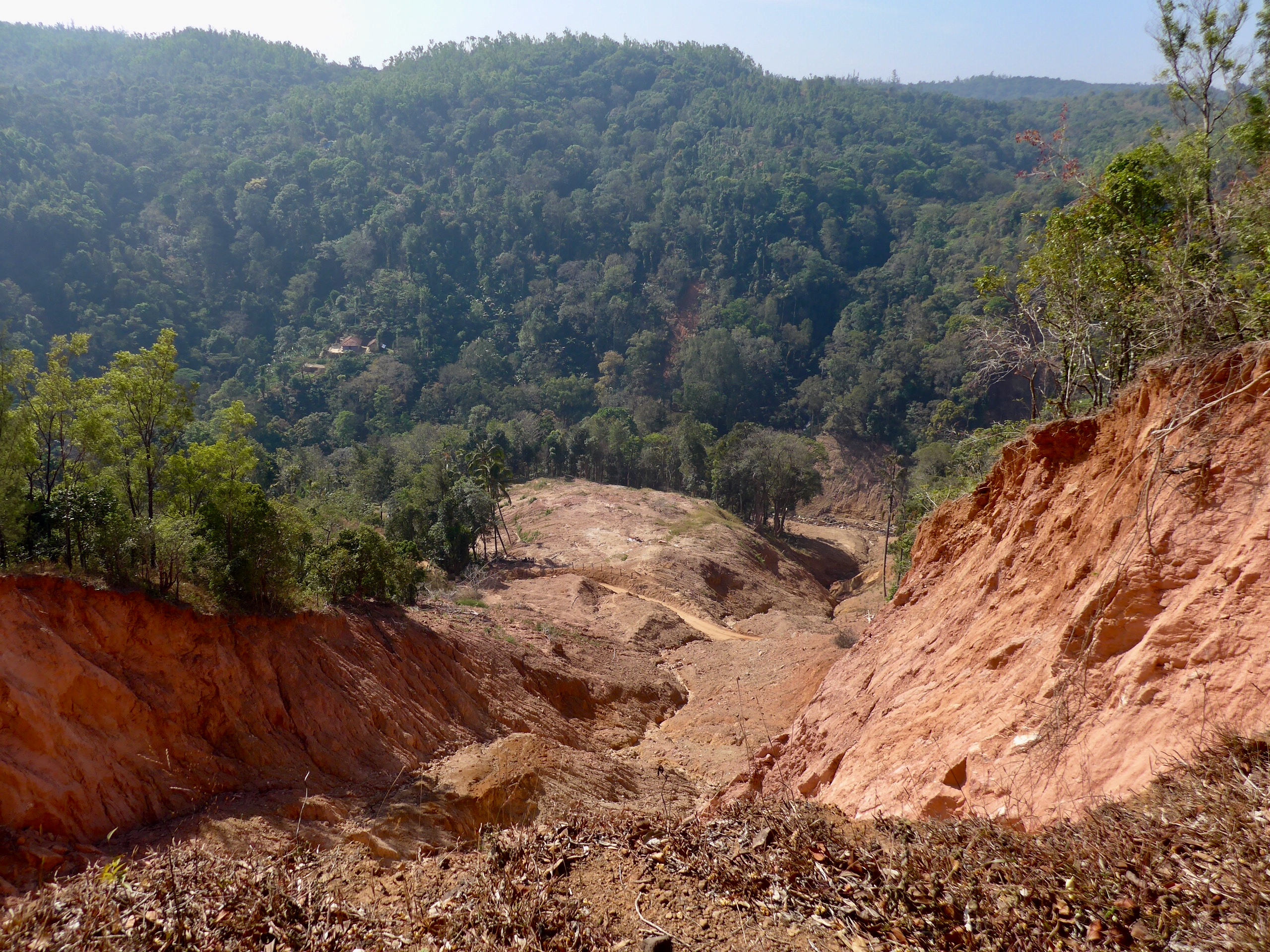
But this was also an area that suffered terribly in the monsoon floods last summer, when torrential rain fell for three days and nights without a break.
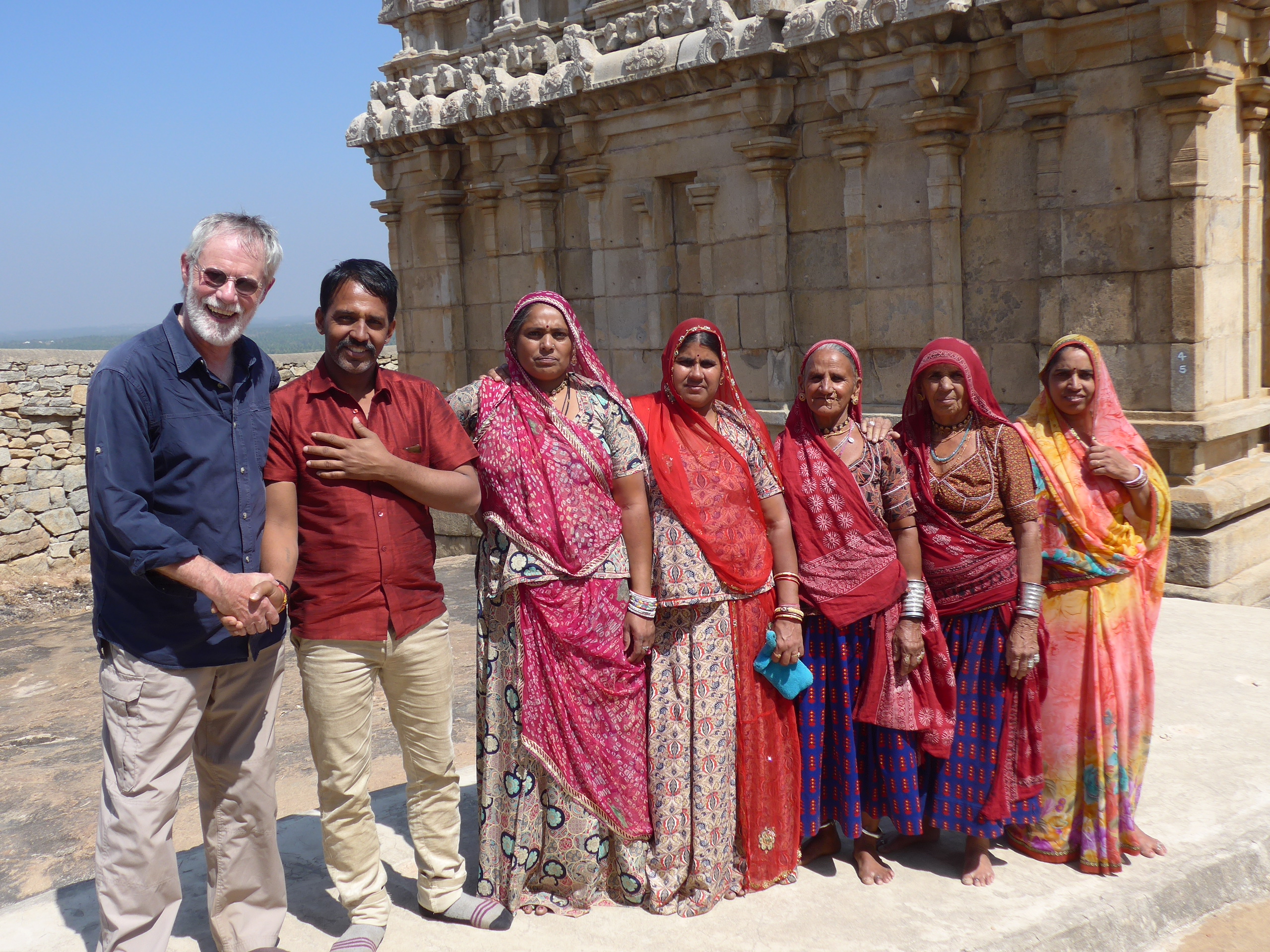
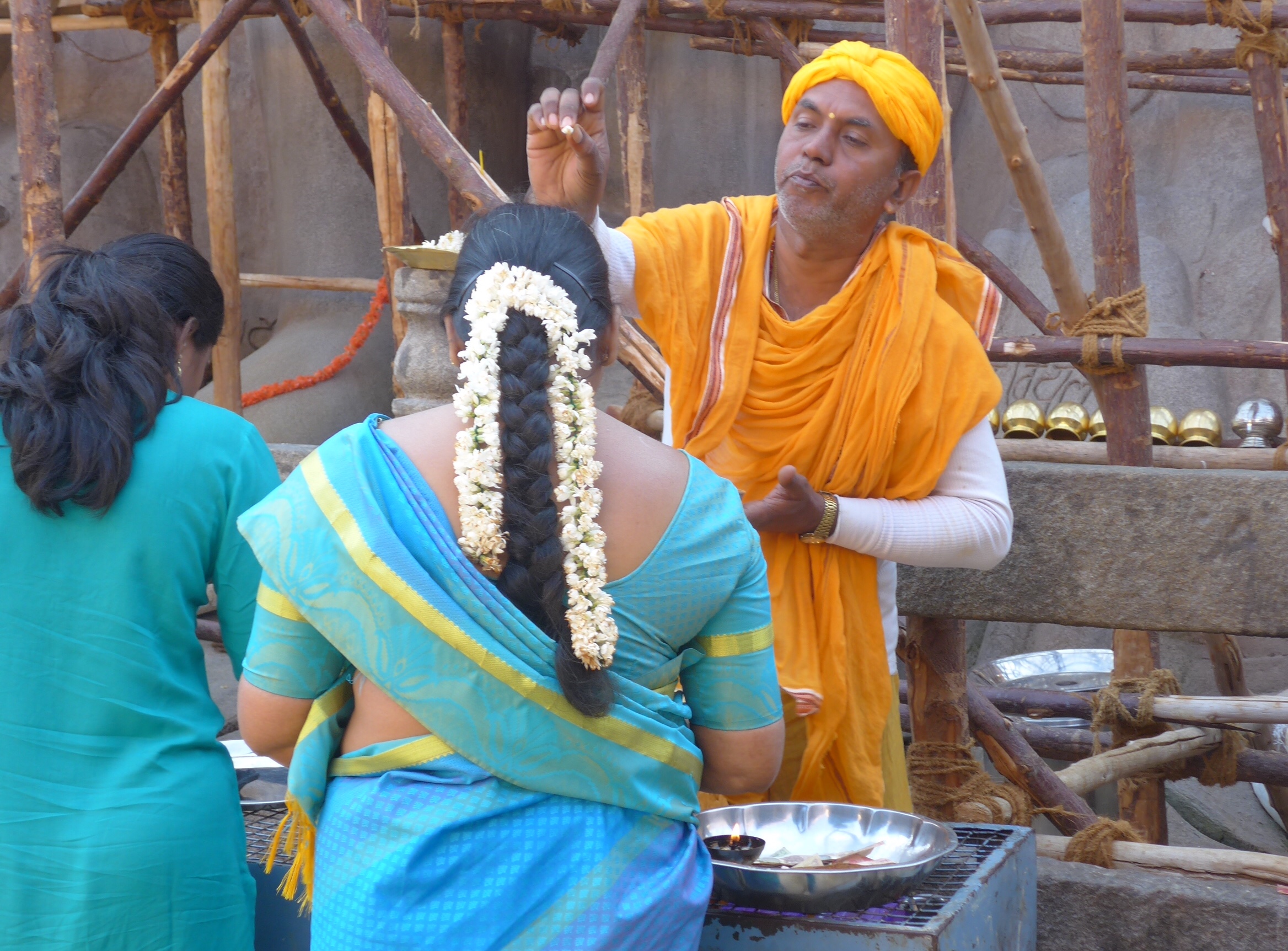
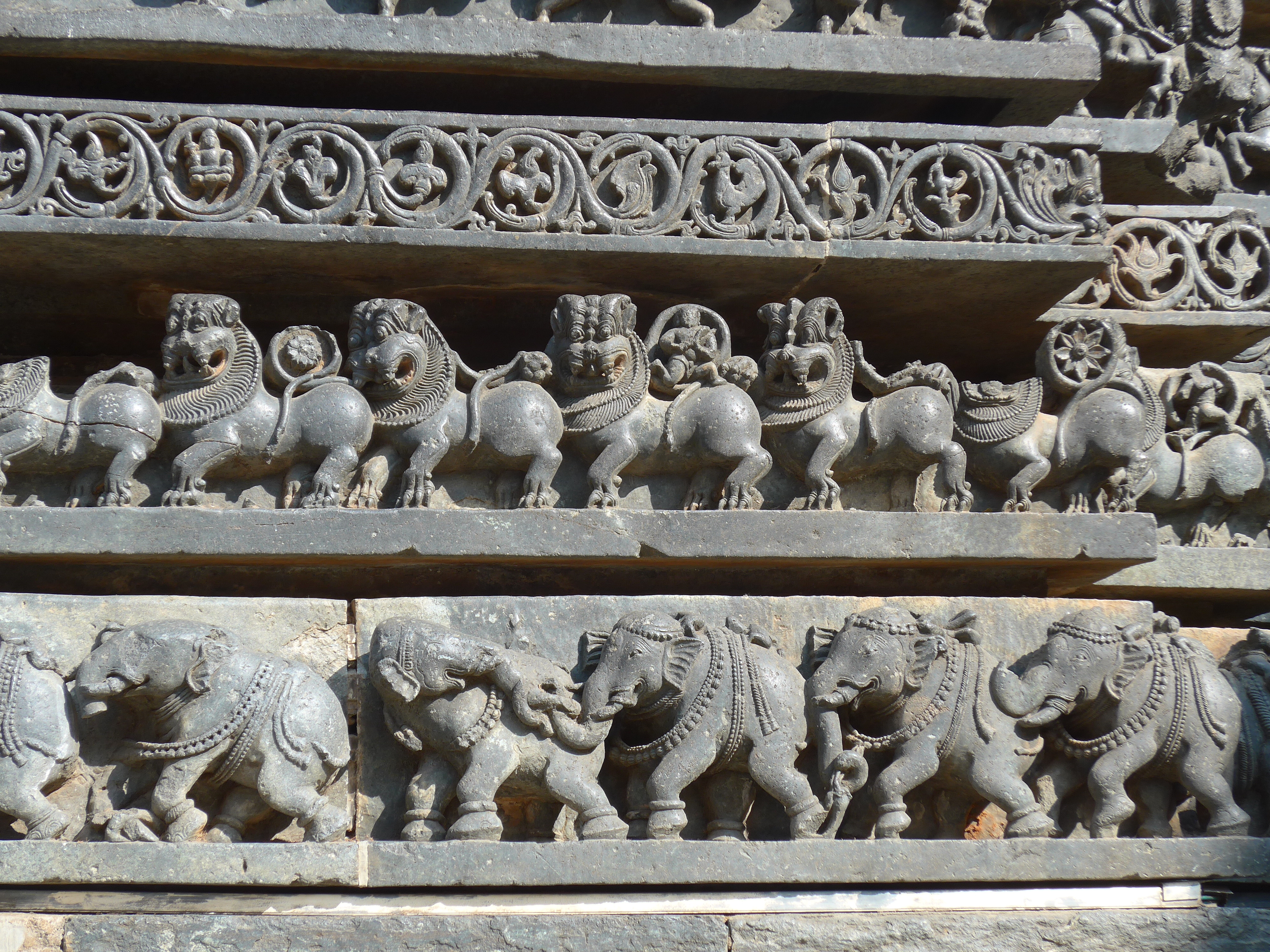
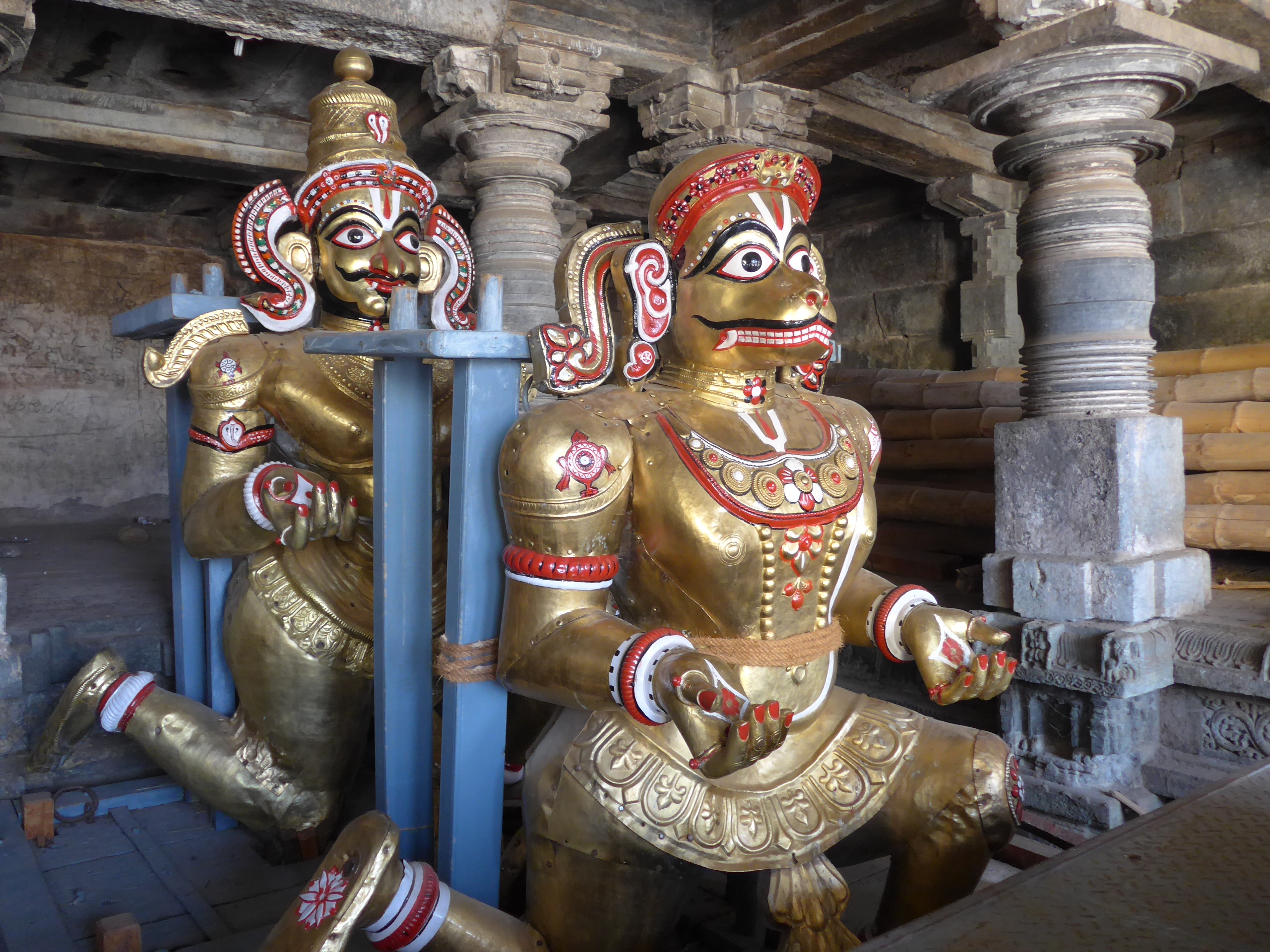
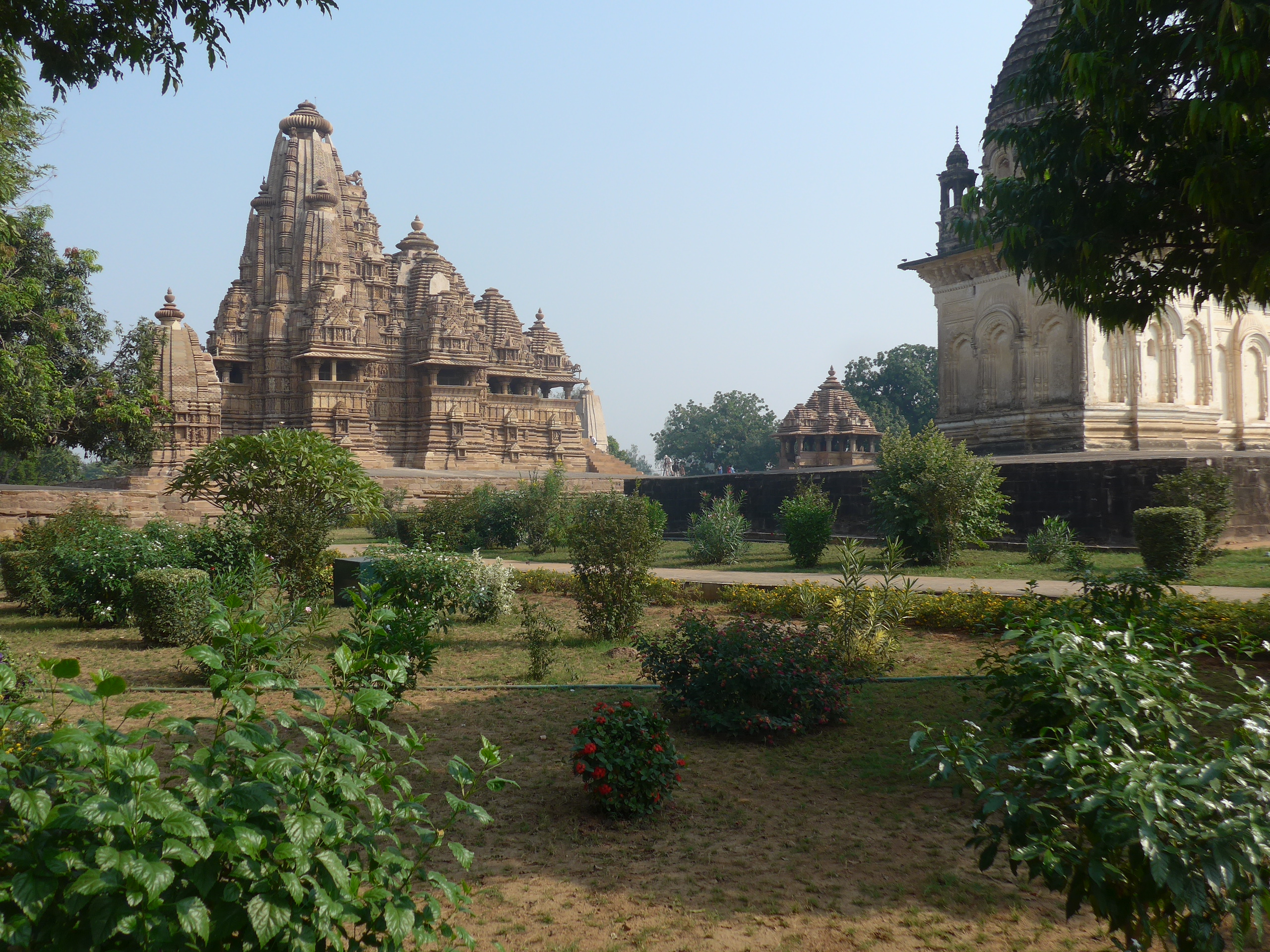
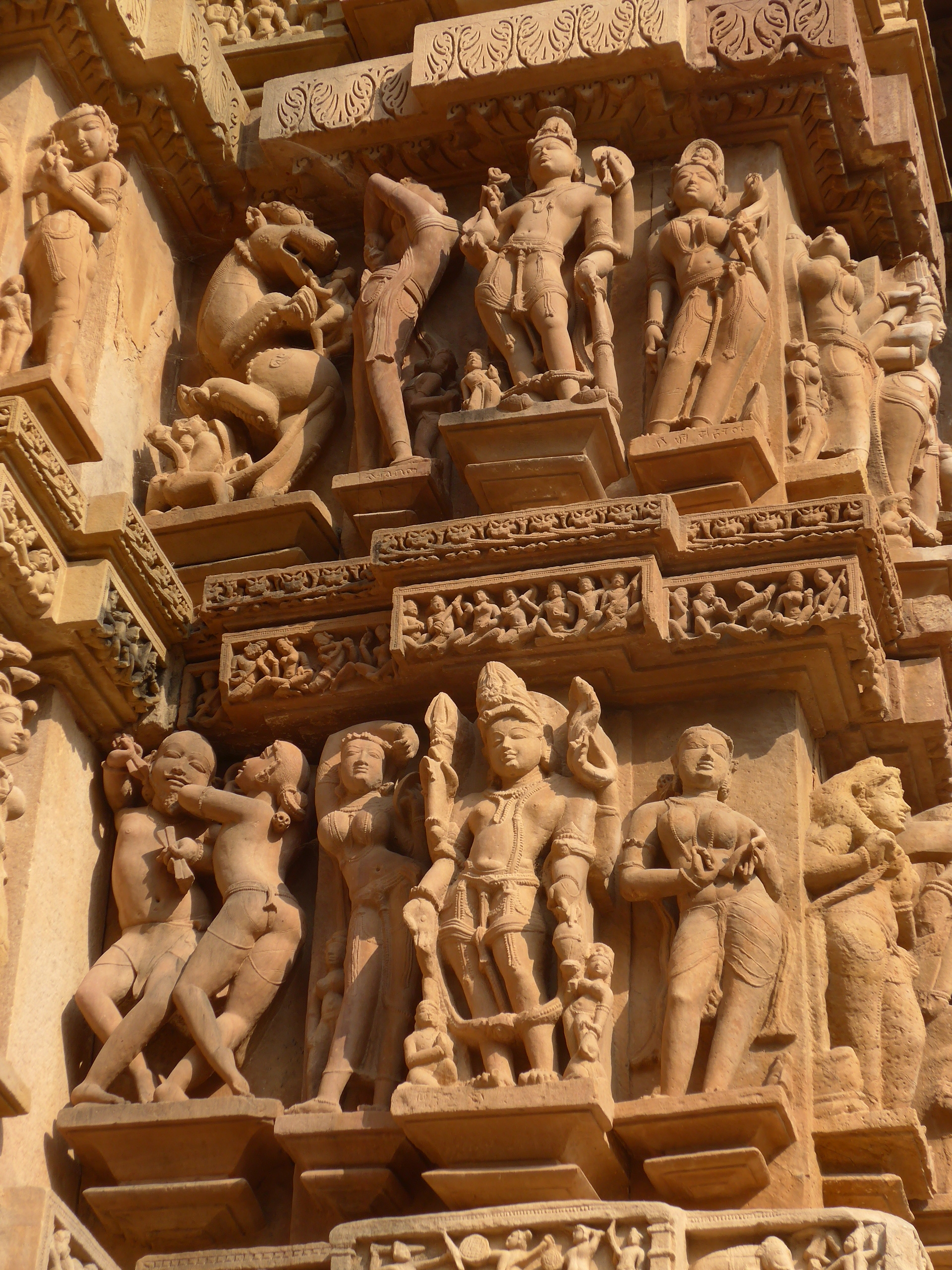
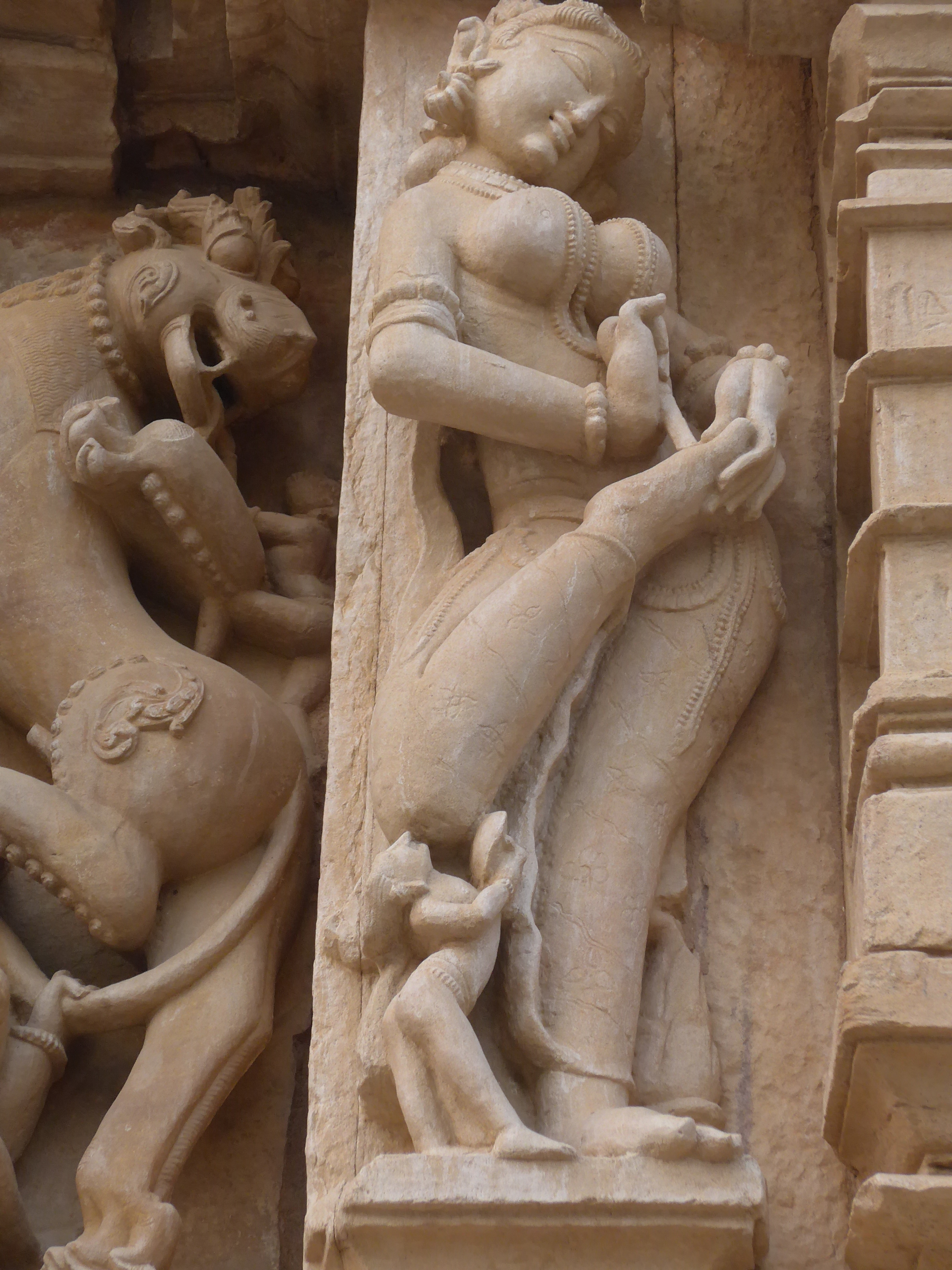
You may think you have escaped temples but no such luck. We left the foreign tourist trail as our fellow travellers headed south to Kerala and we turned north again to Hassan where there are 10th-century Hoysala temples aplenty.
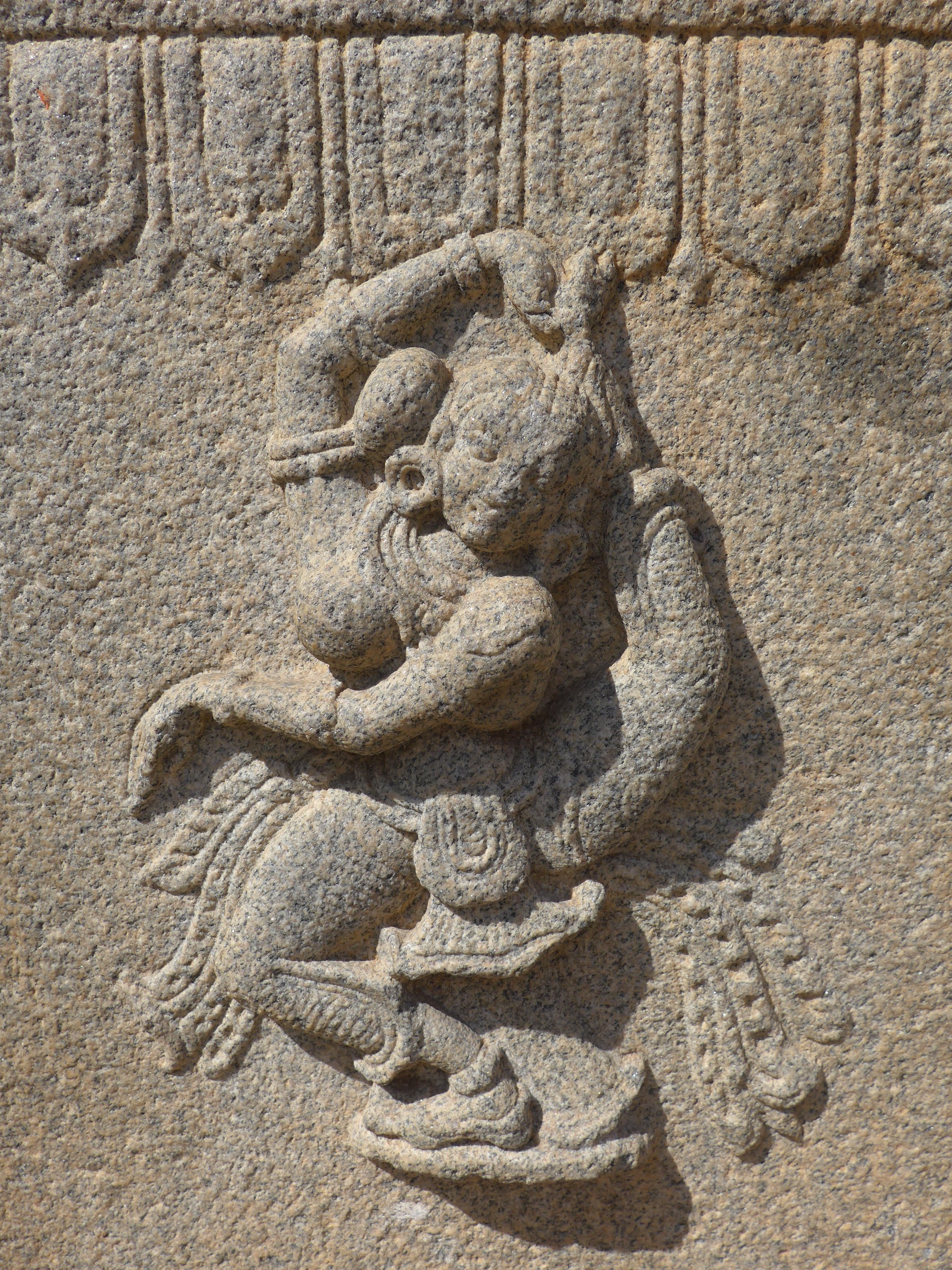
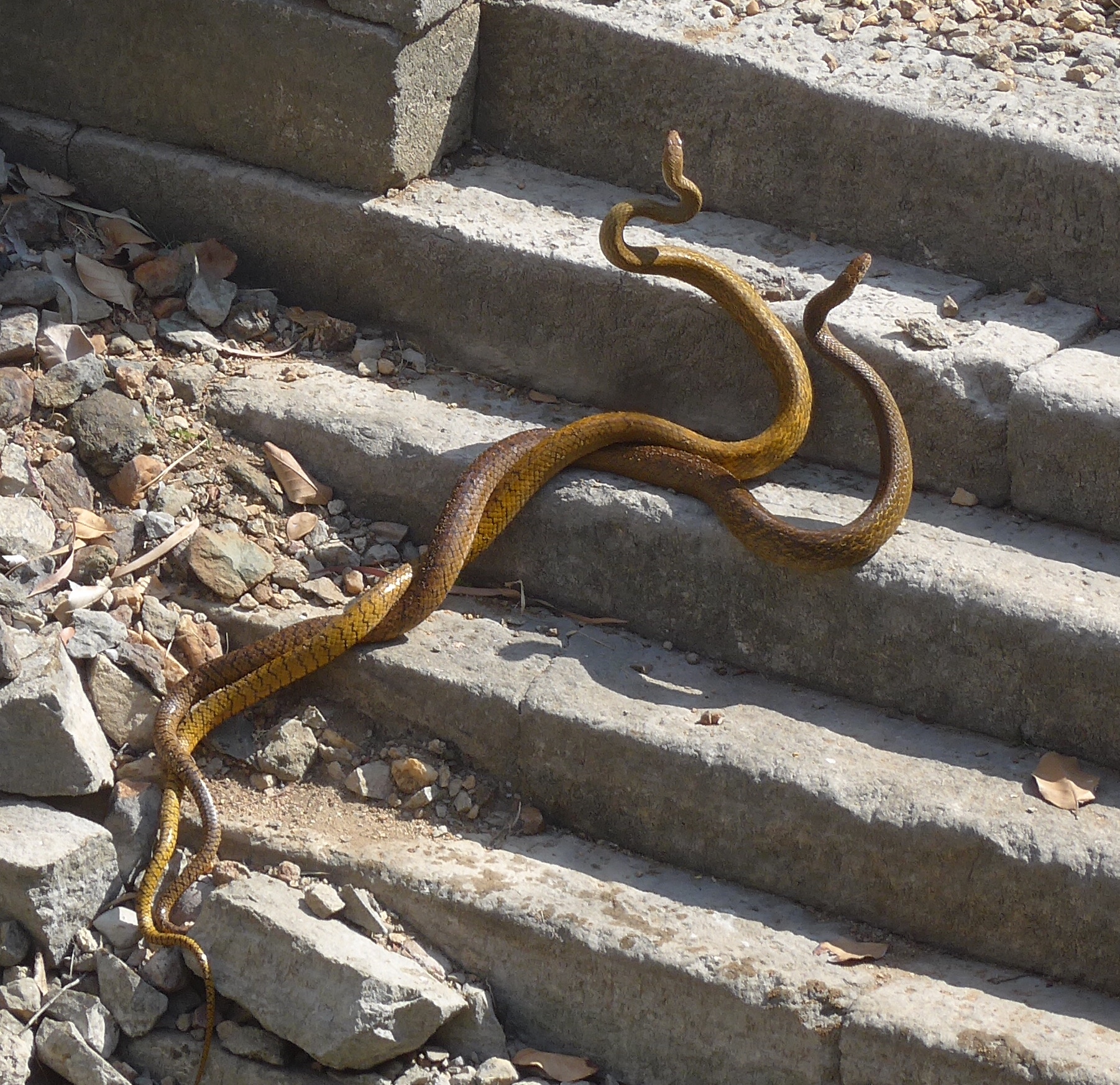
Some mating Indian Rat Snakes performing a sinuous dance near the Jain temples at Halebid.
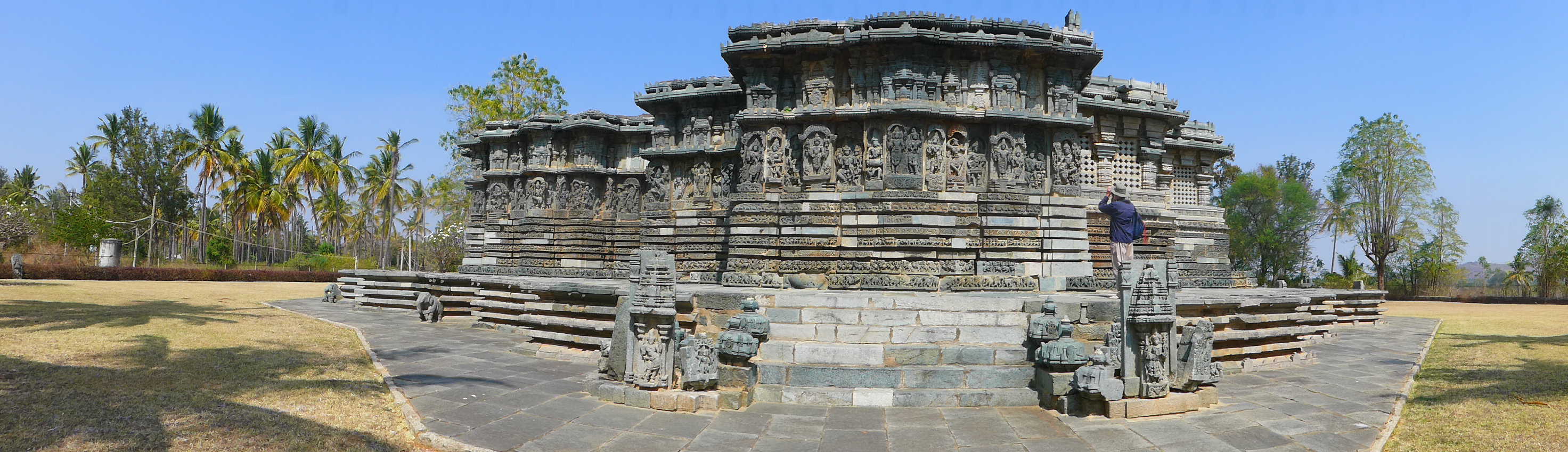

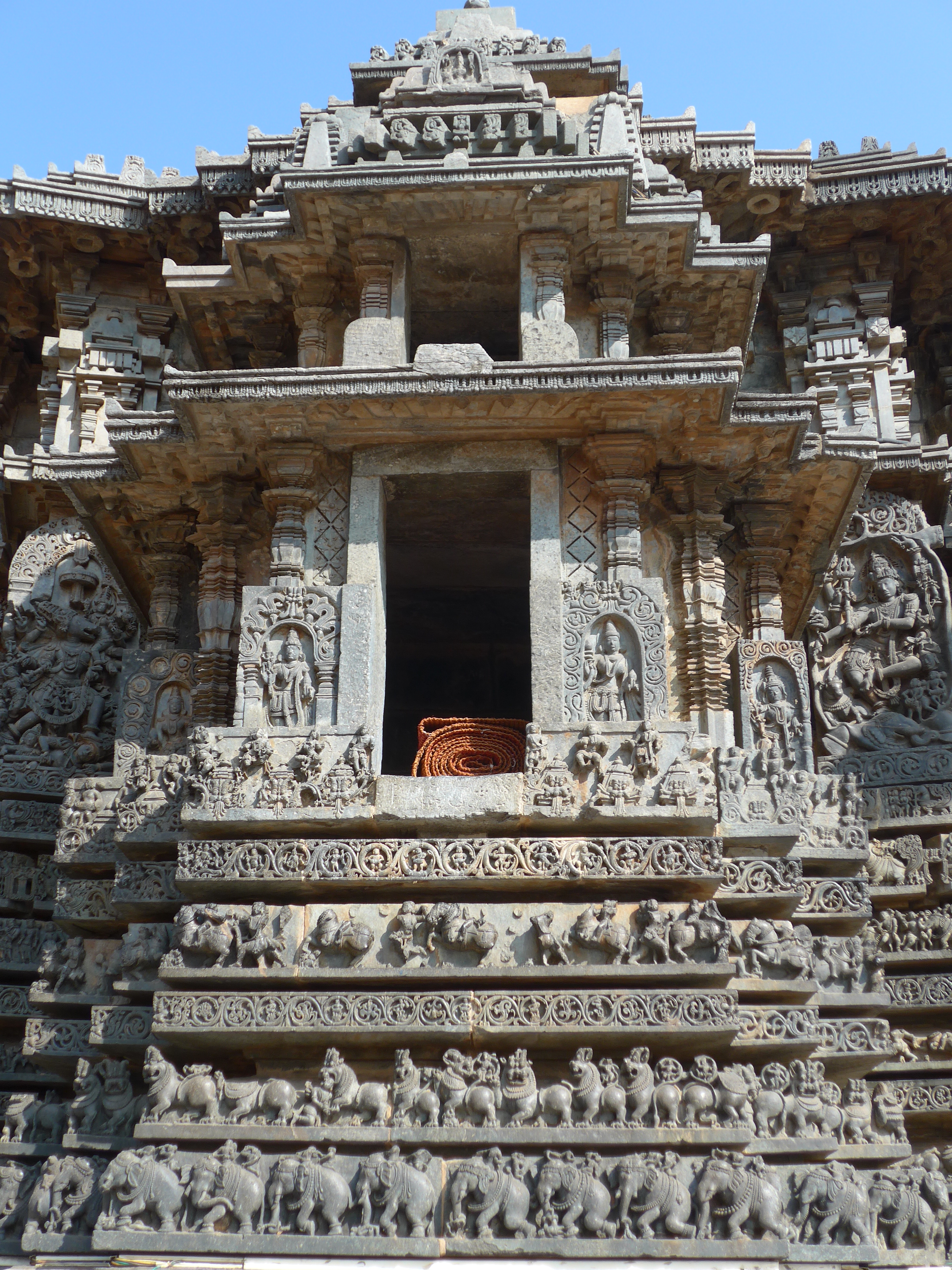
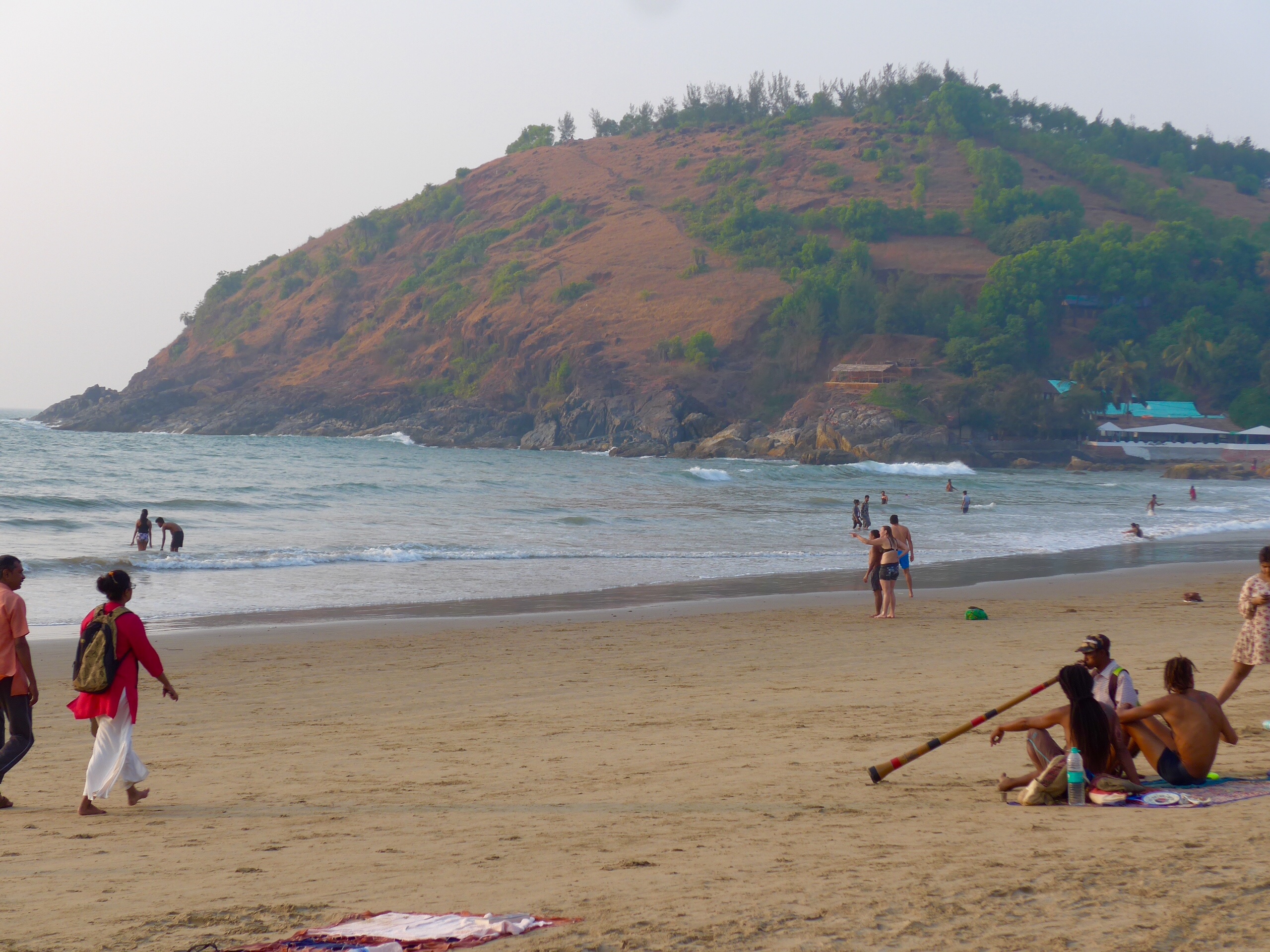
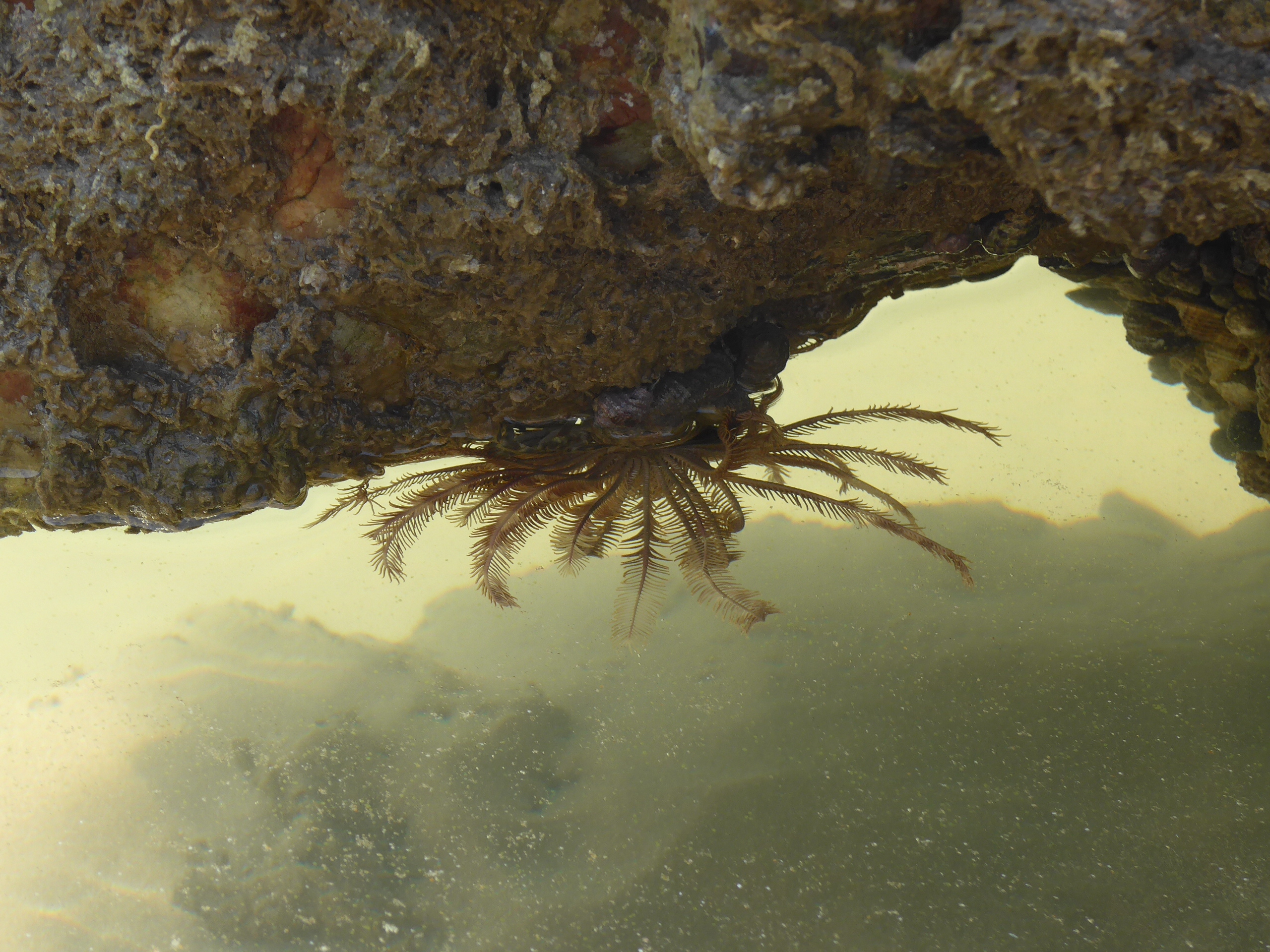
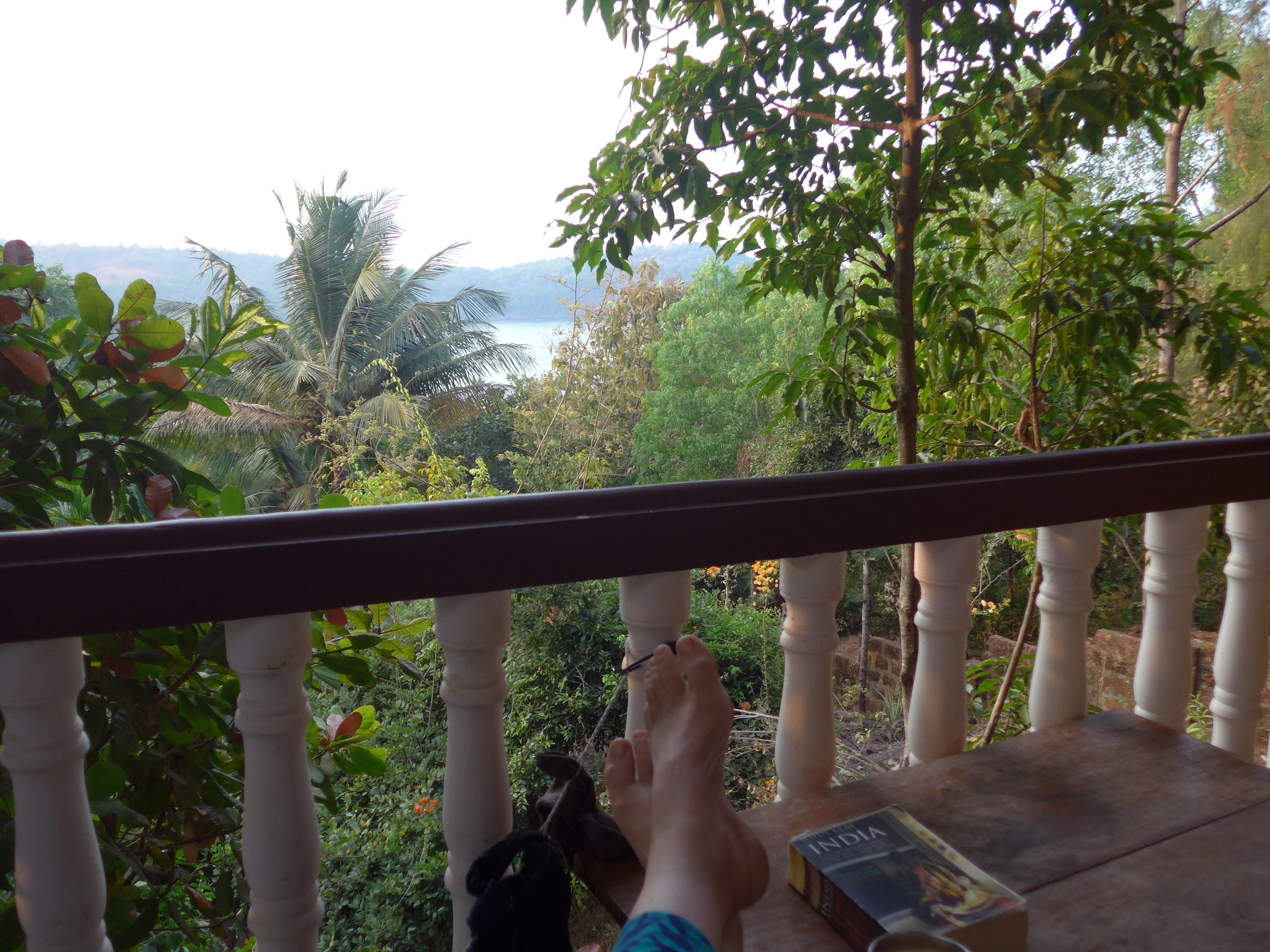
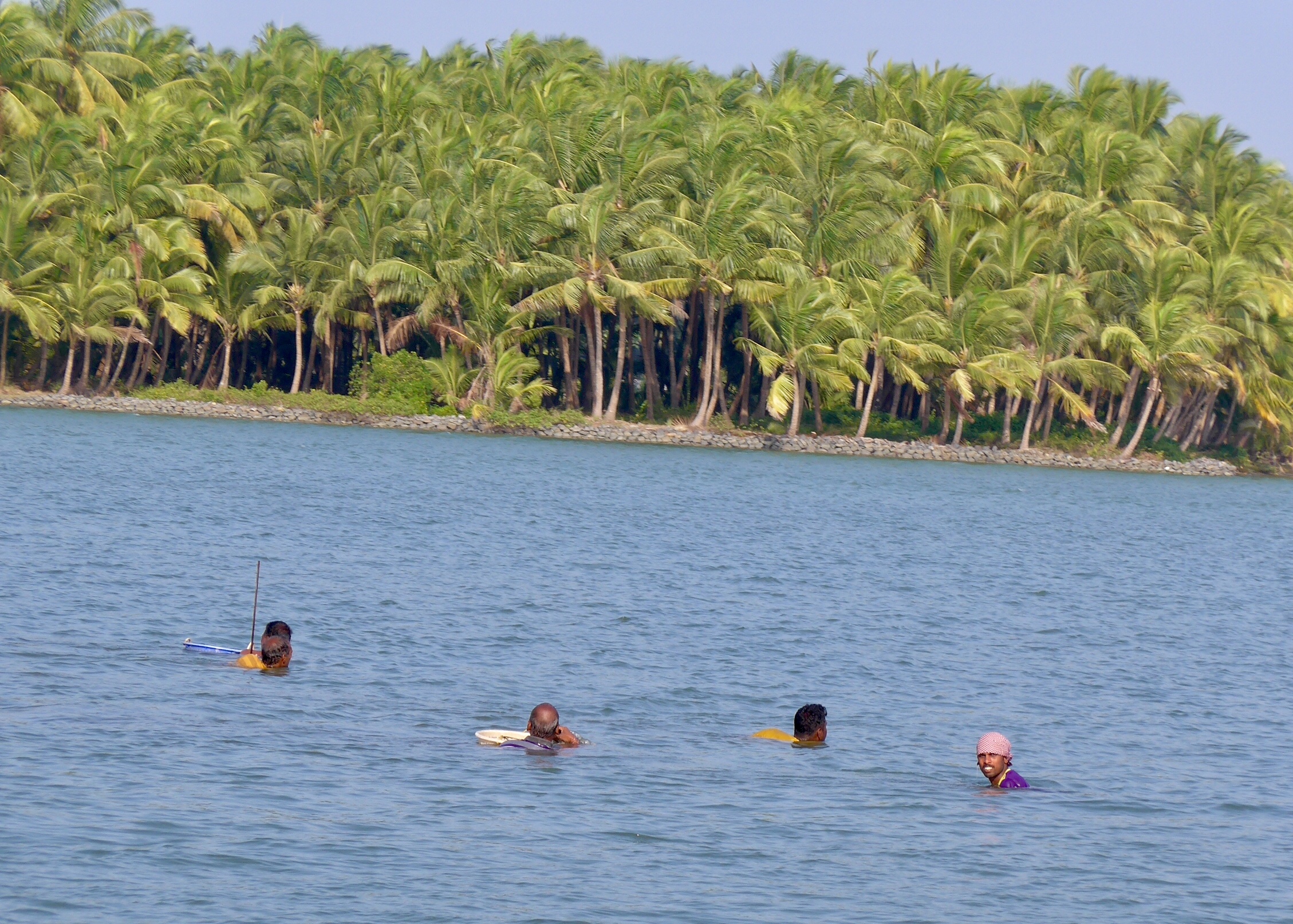
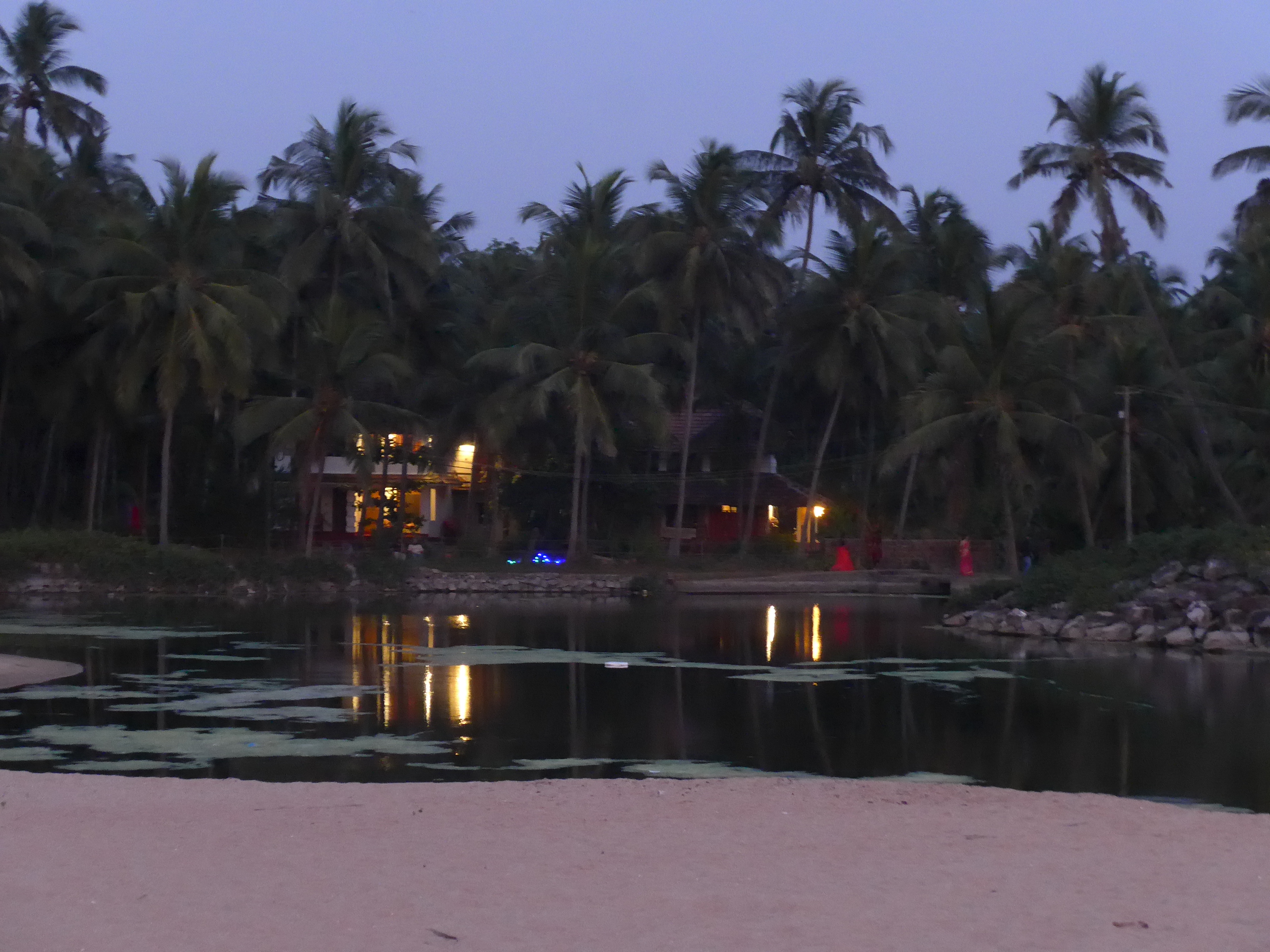
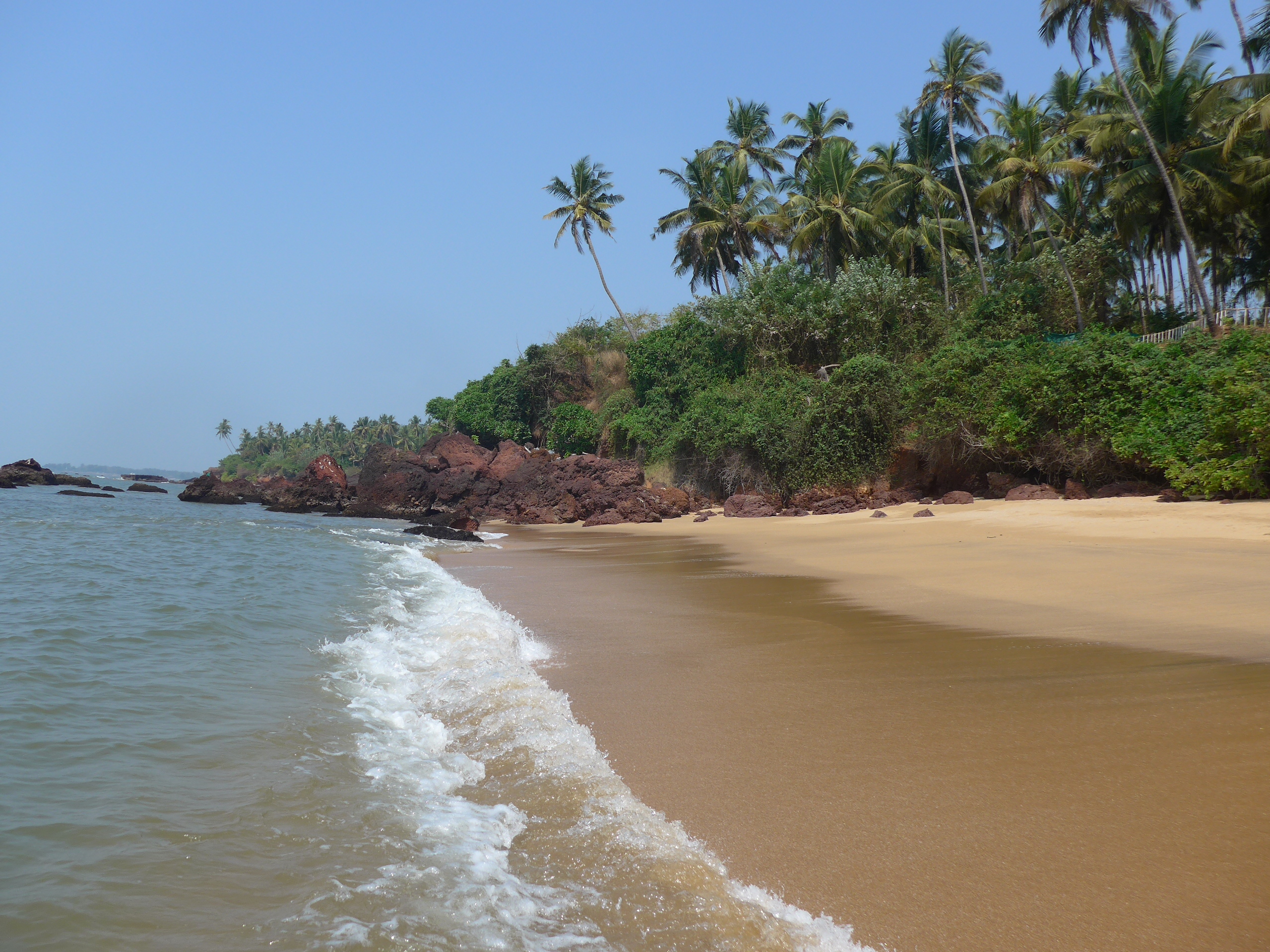
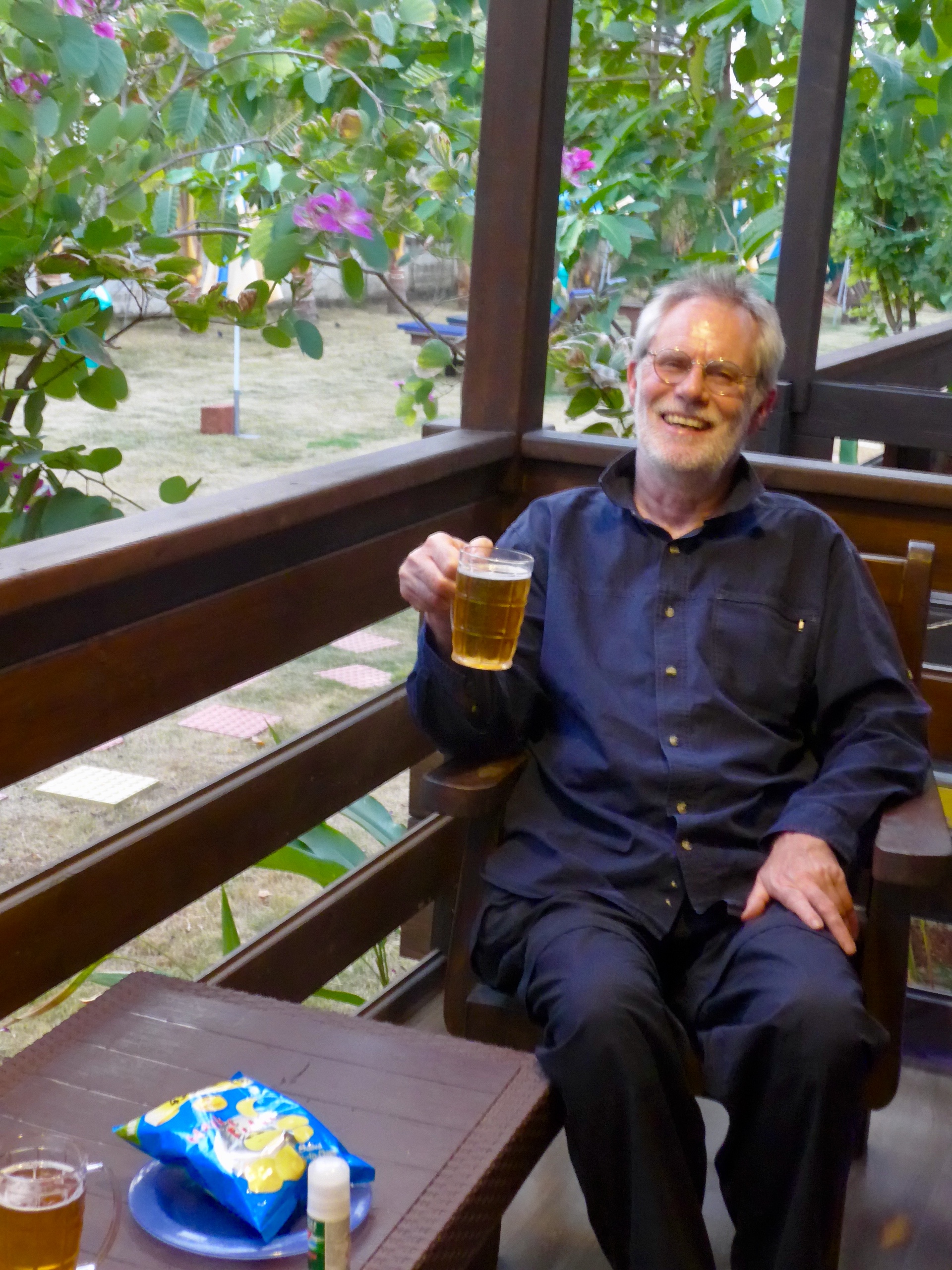
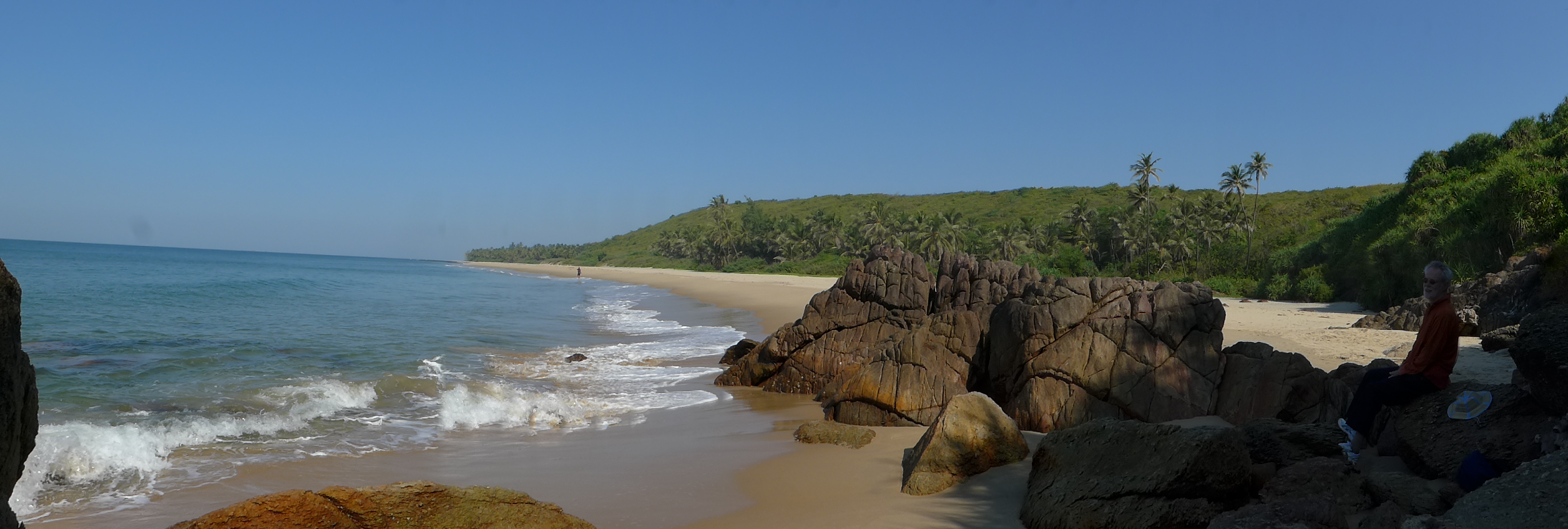
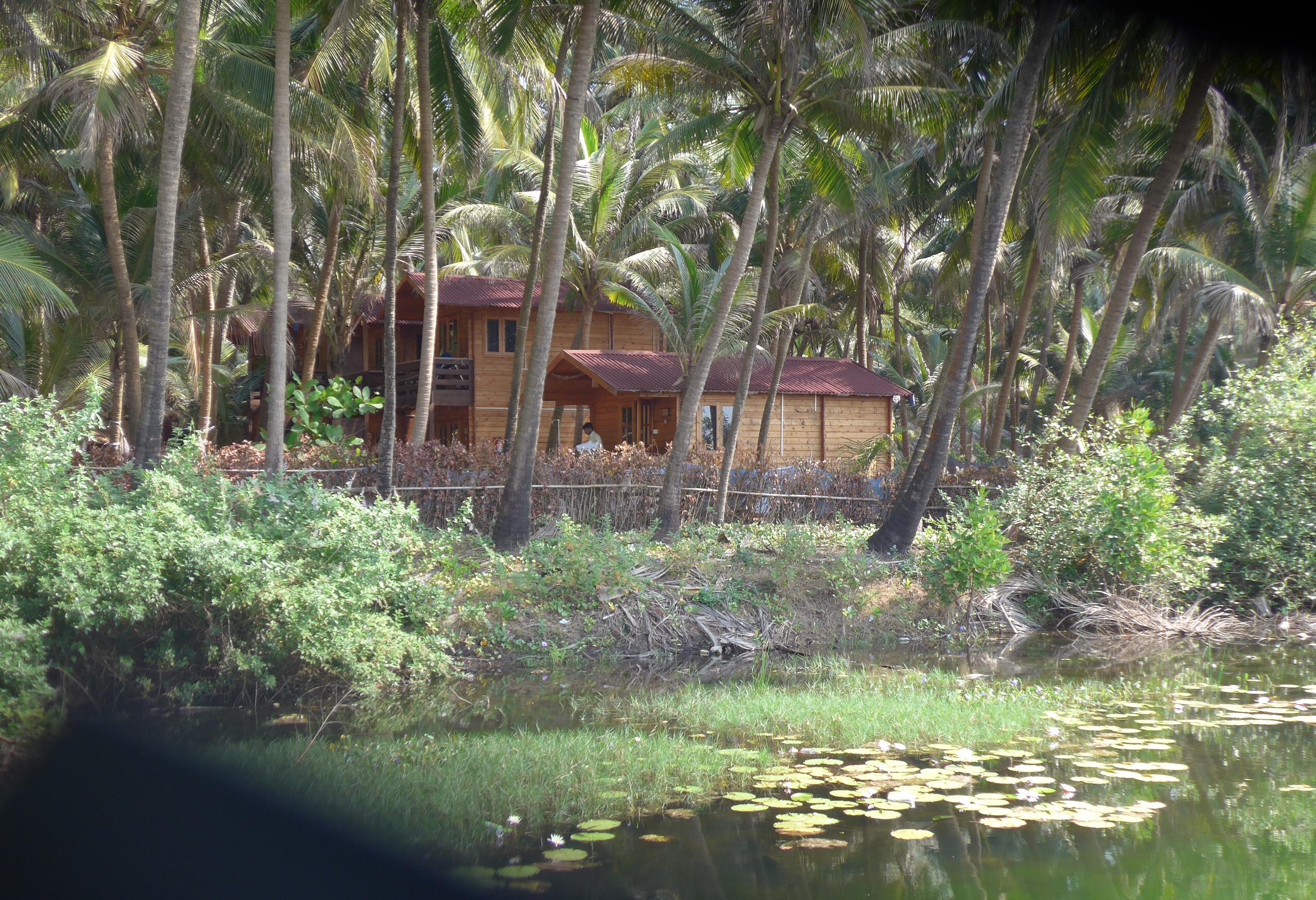
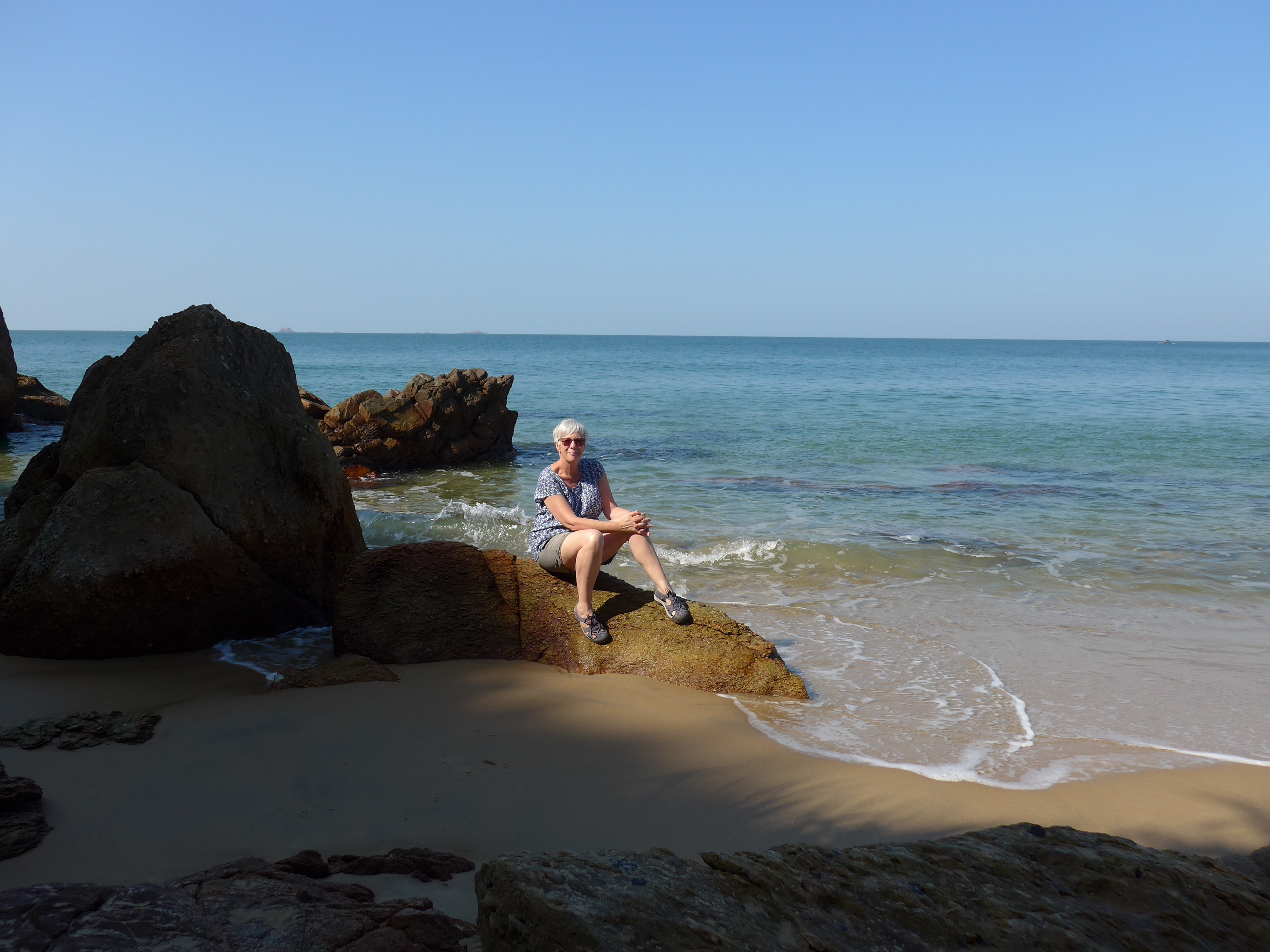
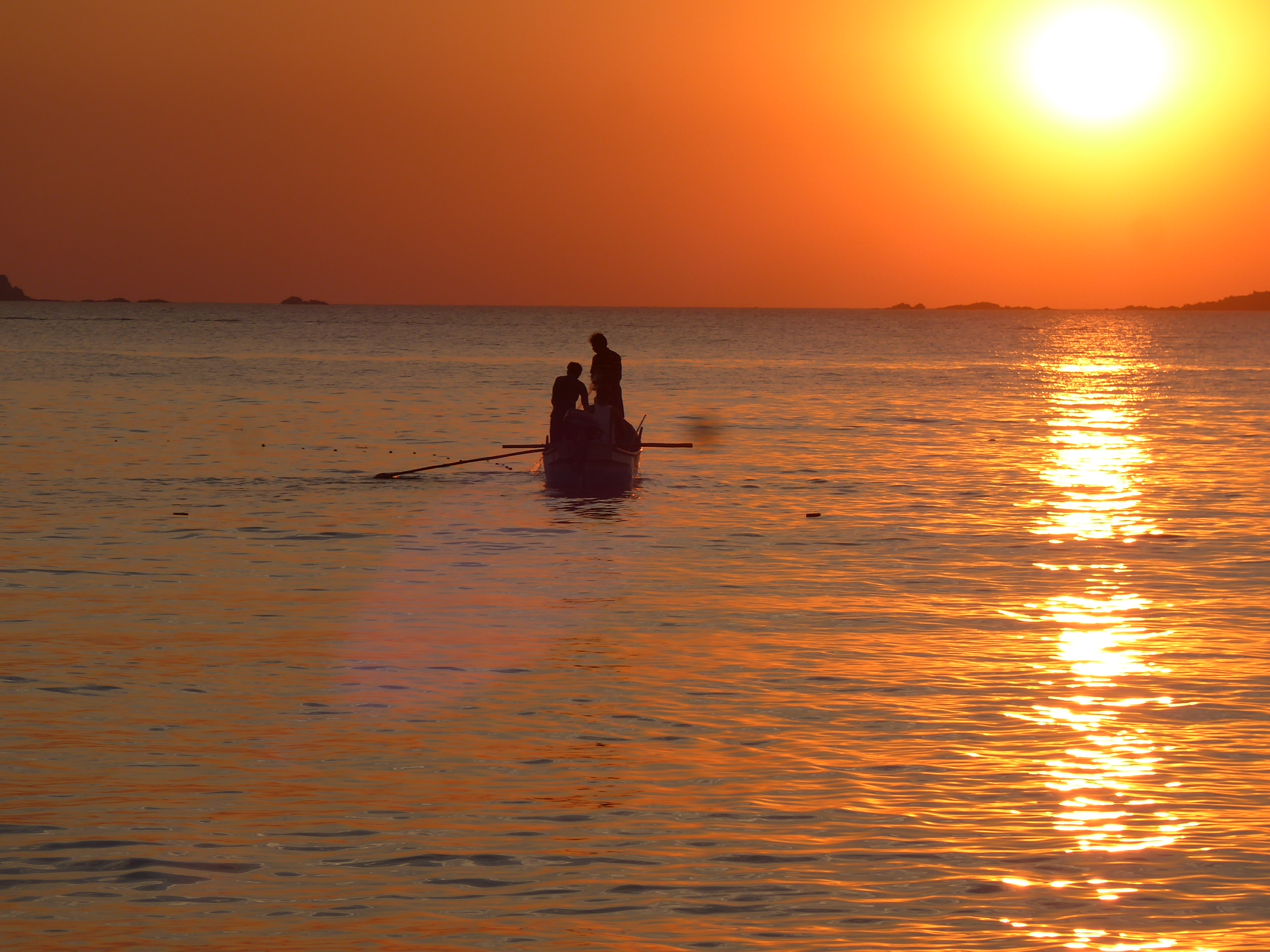
And so, completely templed out, we headed further north again on a twelve-hour overnight sleeper train to Gokarna, (yes a complete circle around Karnataka) for four days on the beach.




























 Riki's Indian Rovings