“These paper boats of mine are meant to dance on the ripples of hours and not reach any destination.” Rabindranath Tagore.
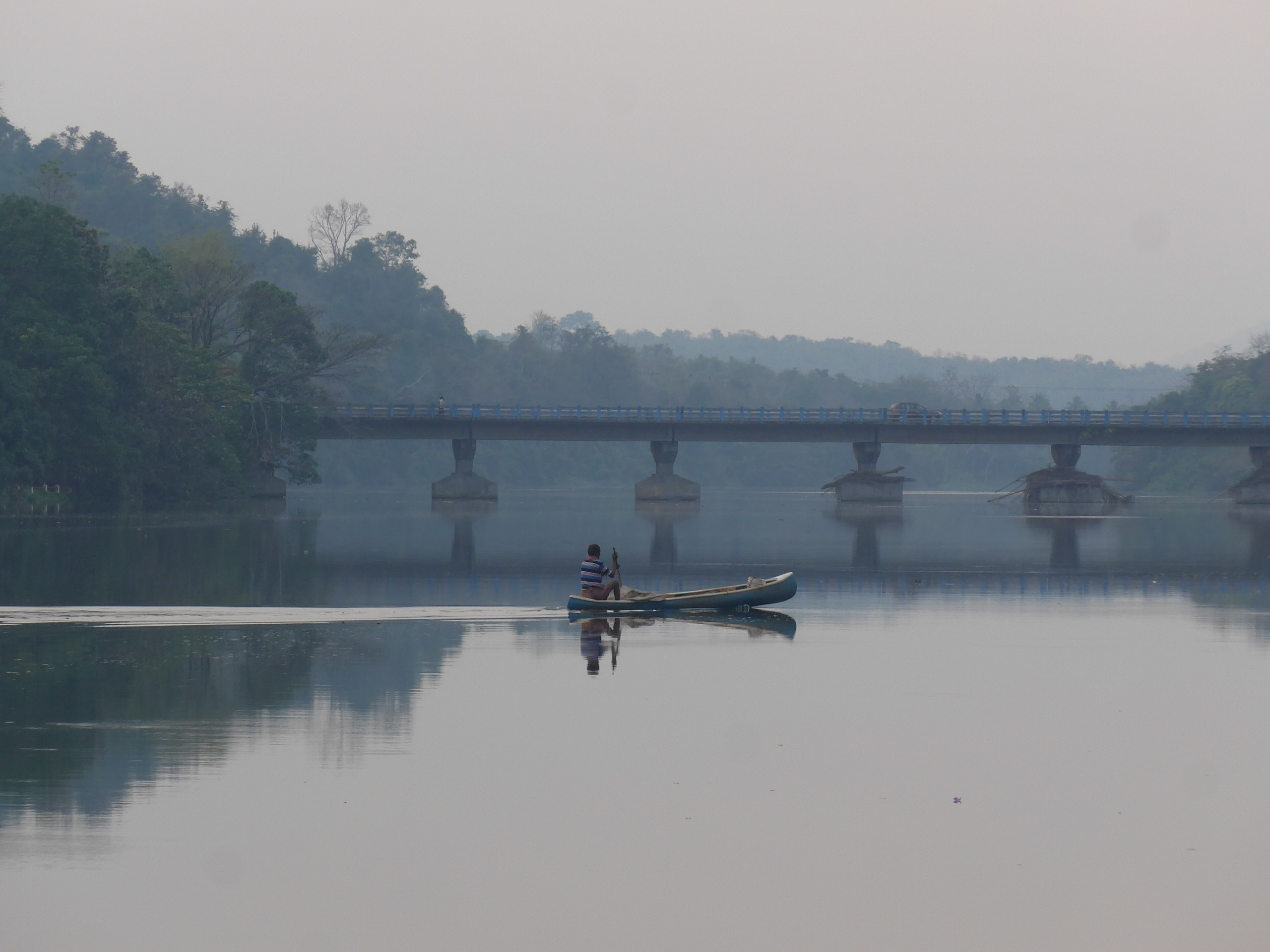
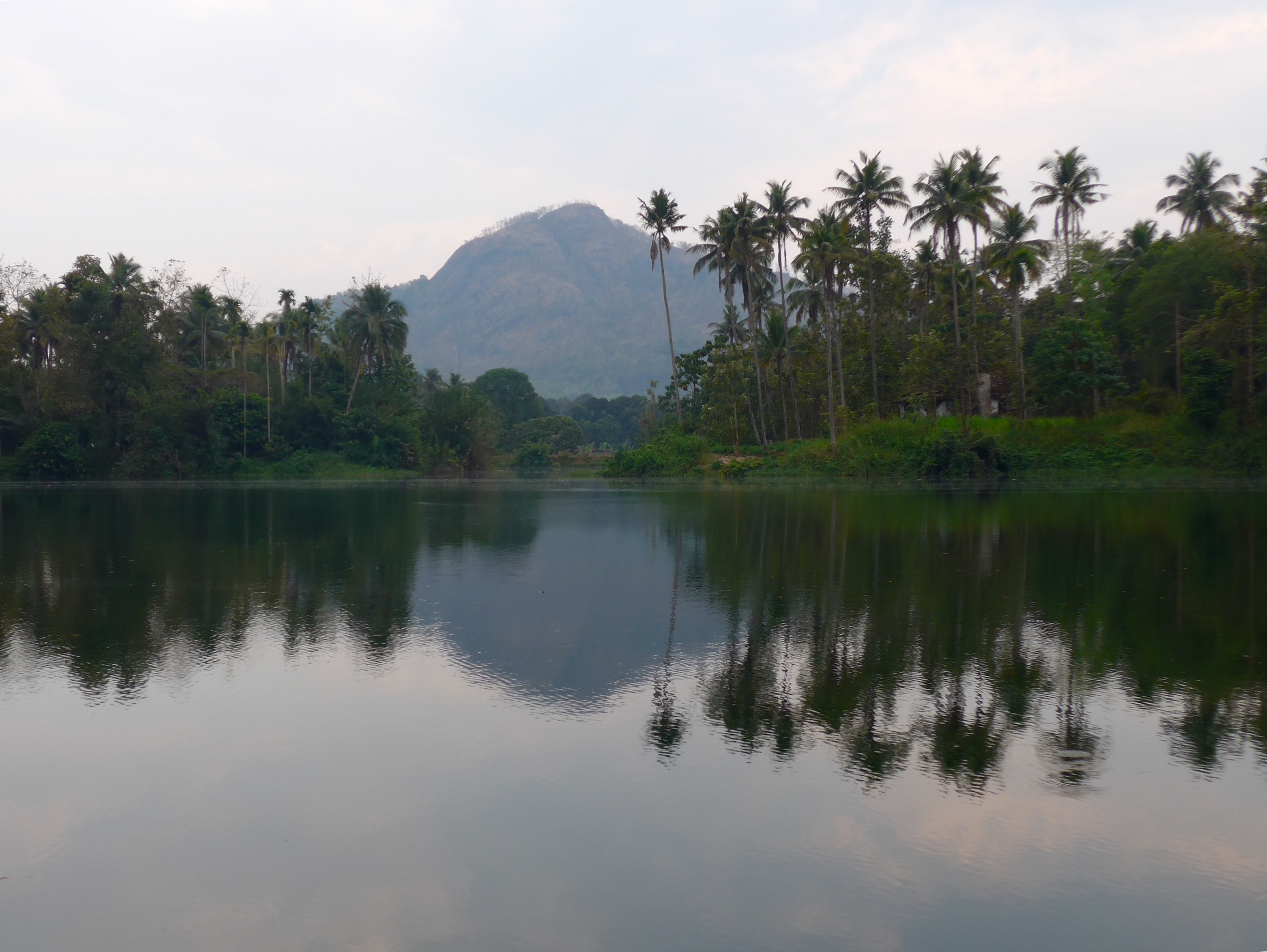
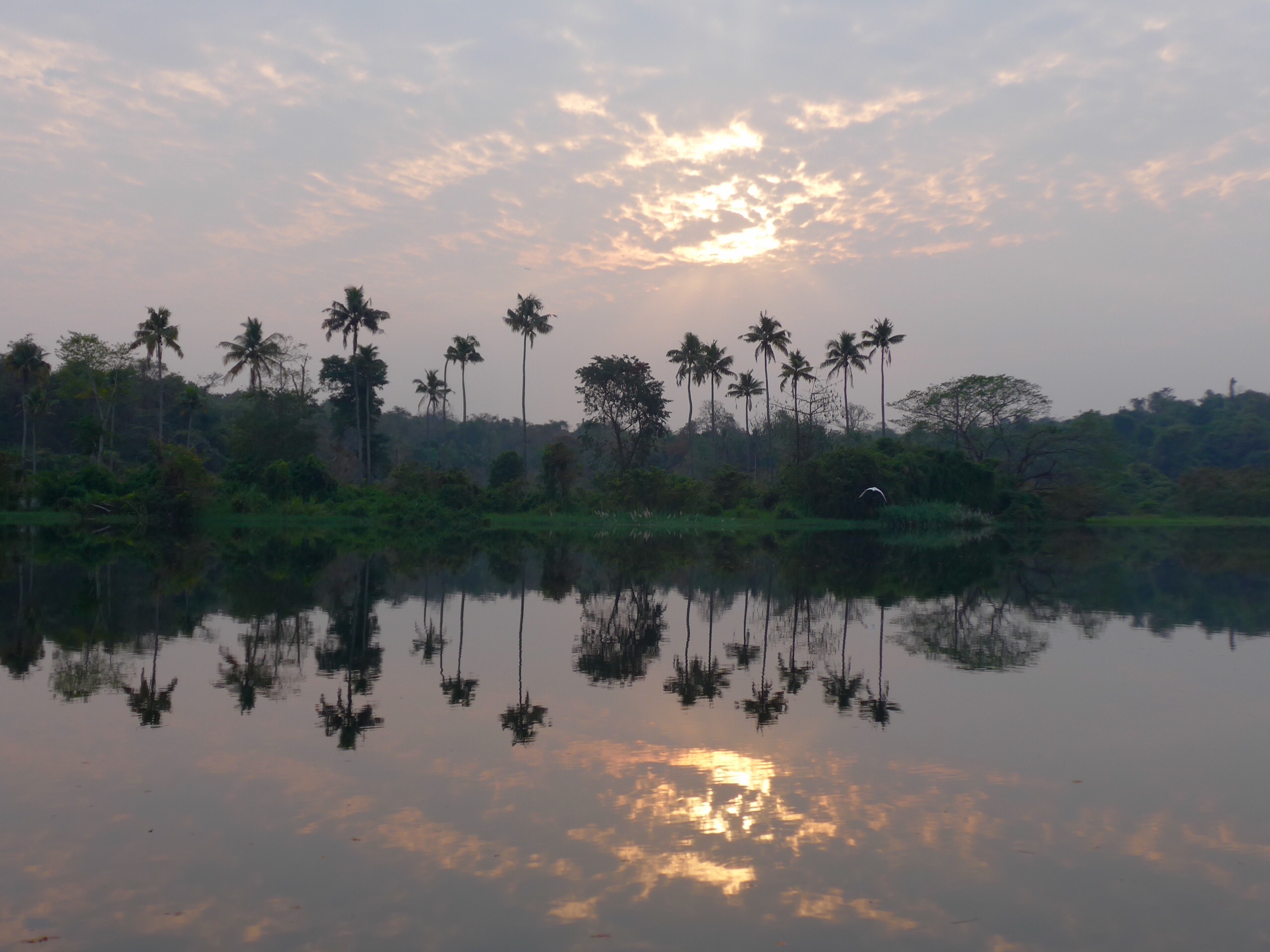
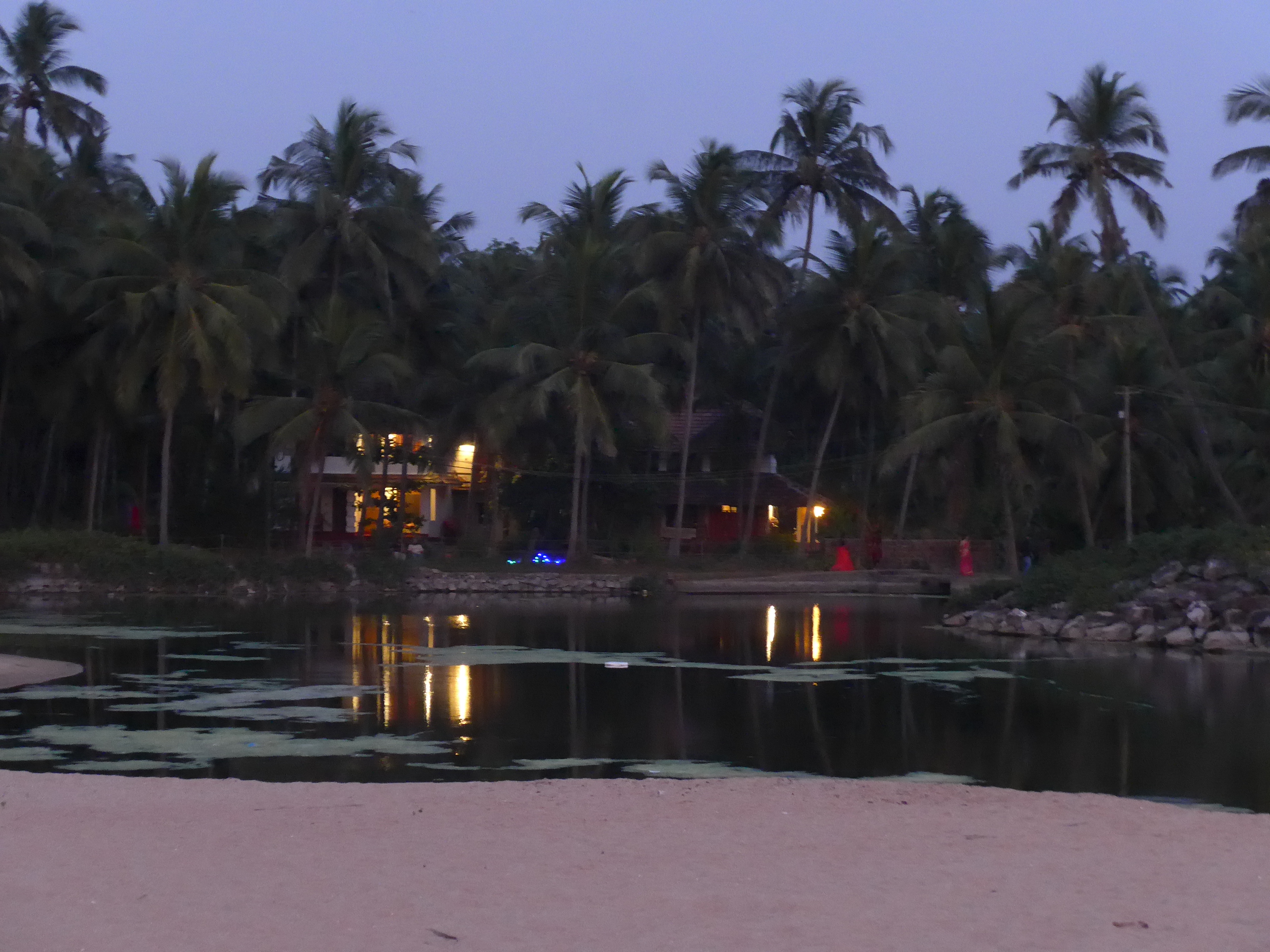
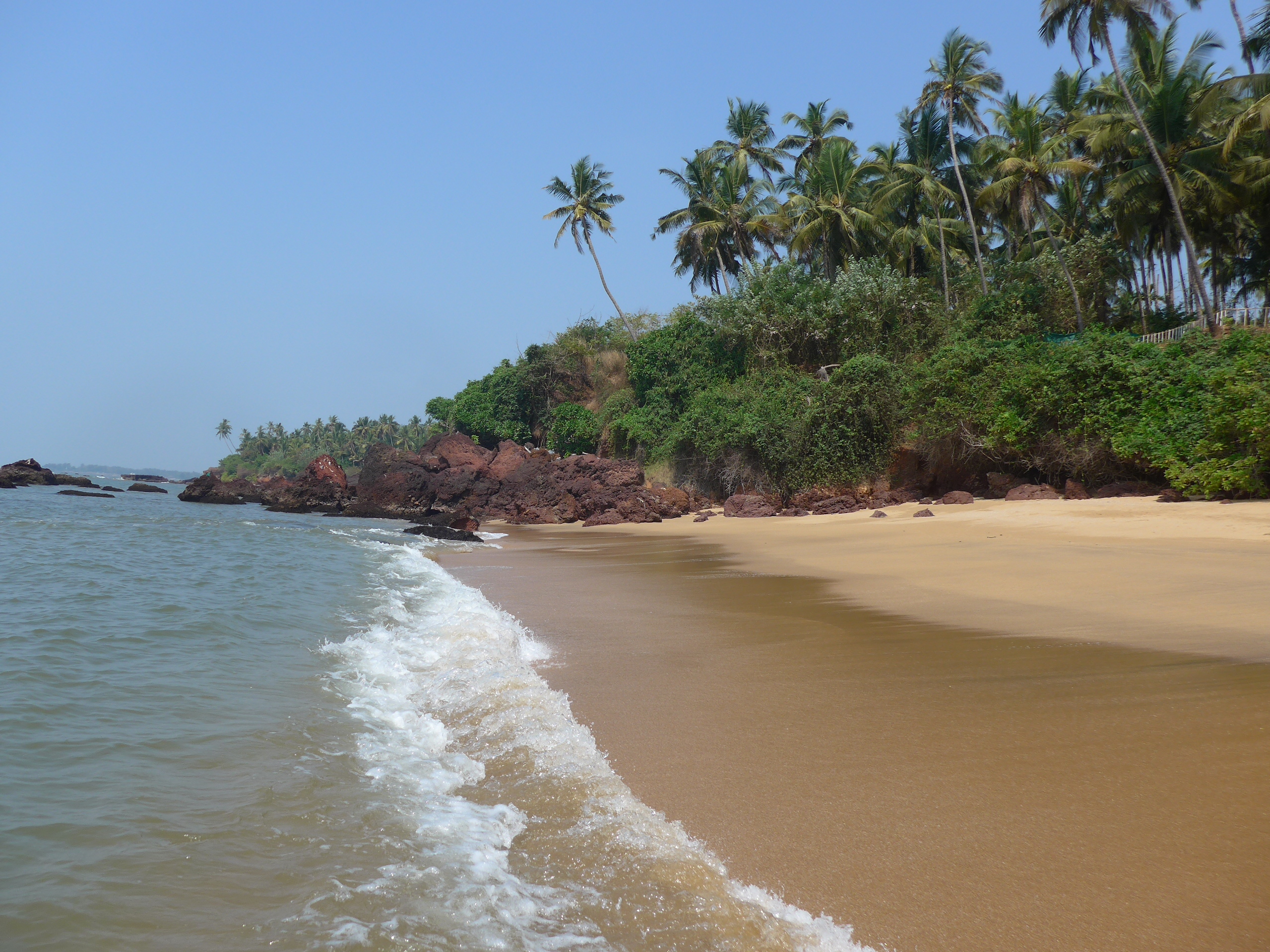
This seemed an apposite description of the ephemeral nature of the posts on this blog but also an image of the landscape of Kerala. In the east the Ghats are bisected by rivers and lakes and in the west is a narrow coastal plain of seashore, estuaries, lagoons and backwaters, parts of which were badly affected by the monsoon floods.
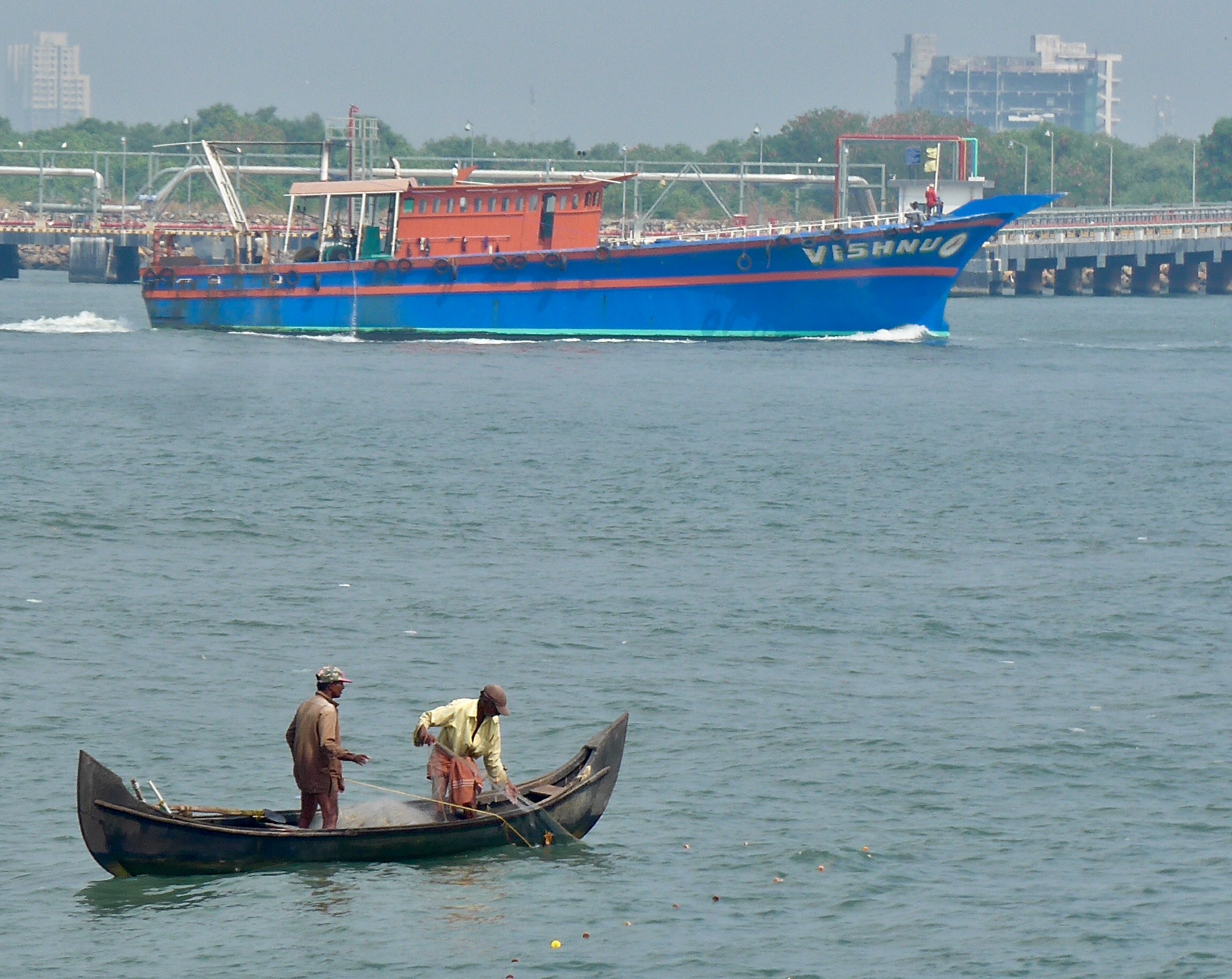
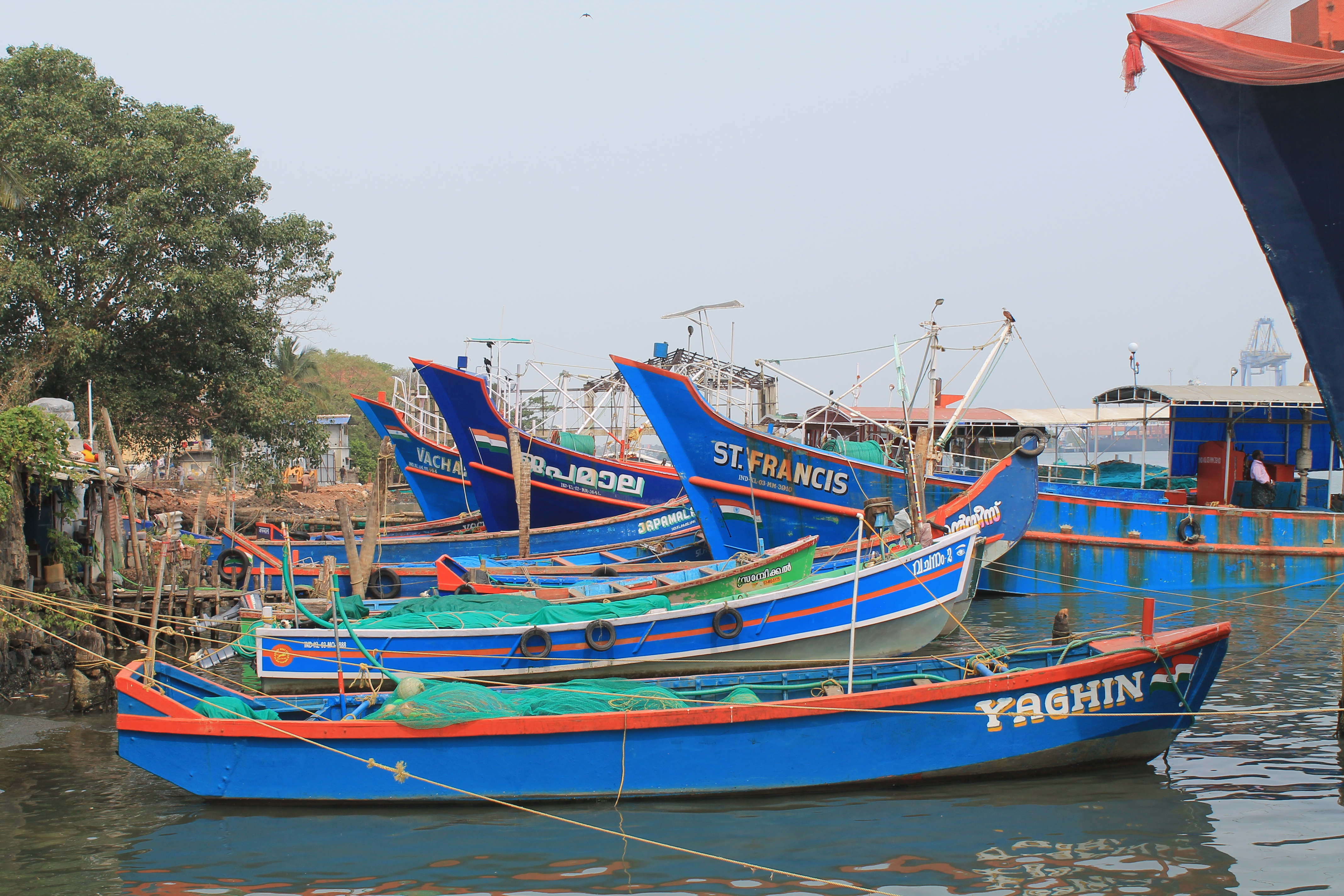
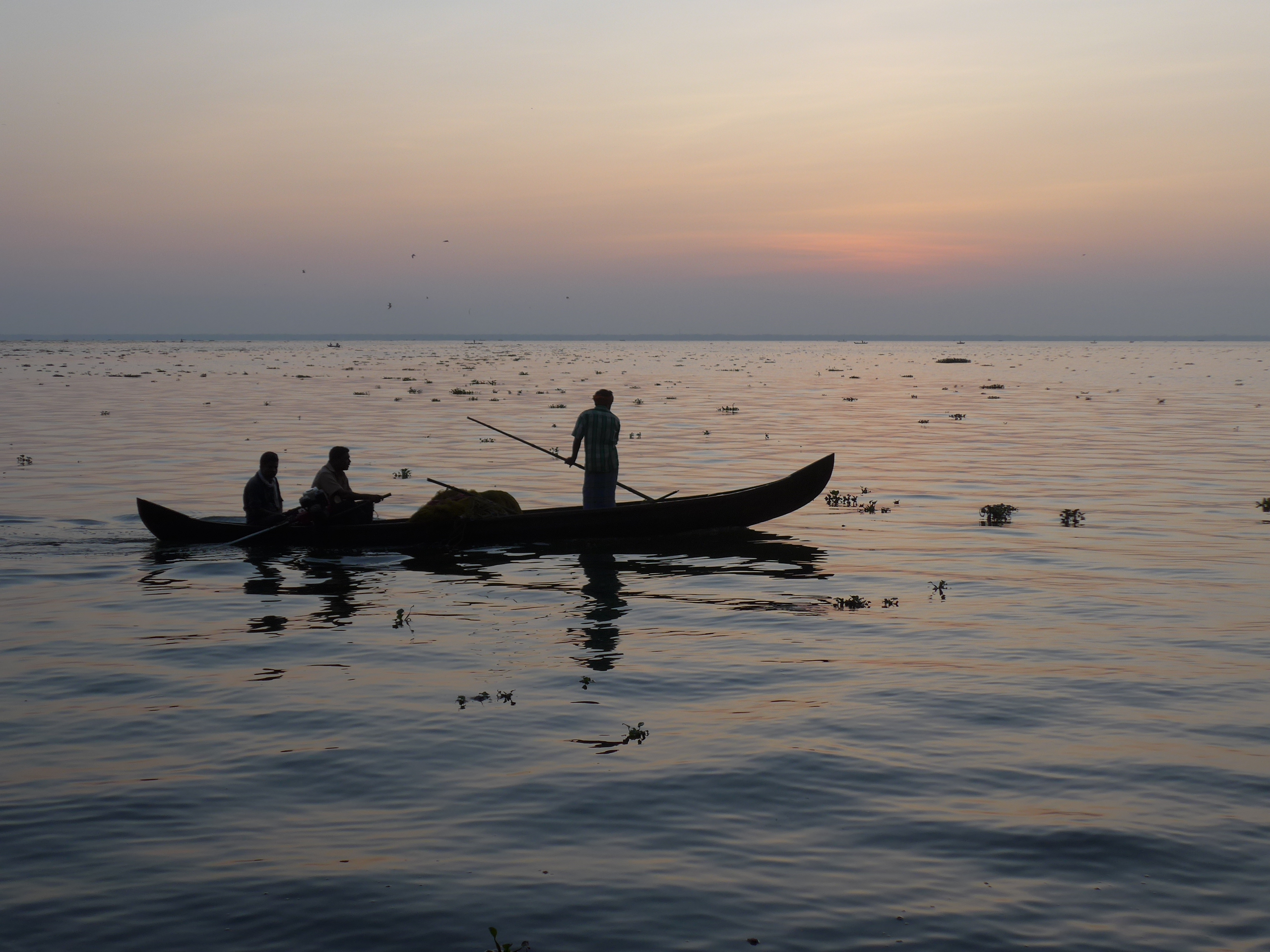
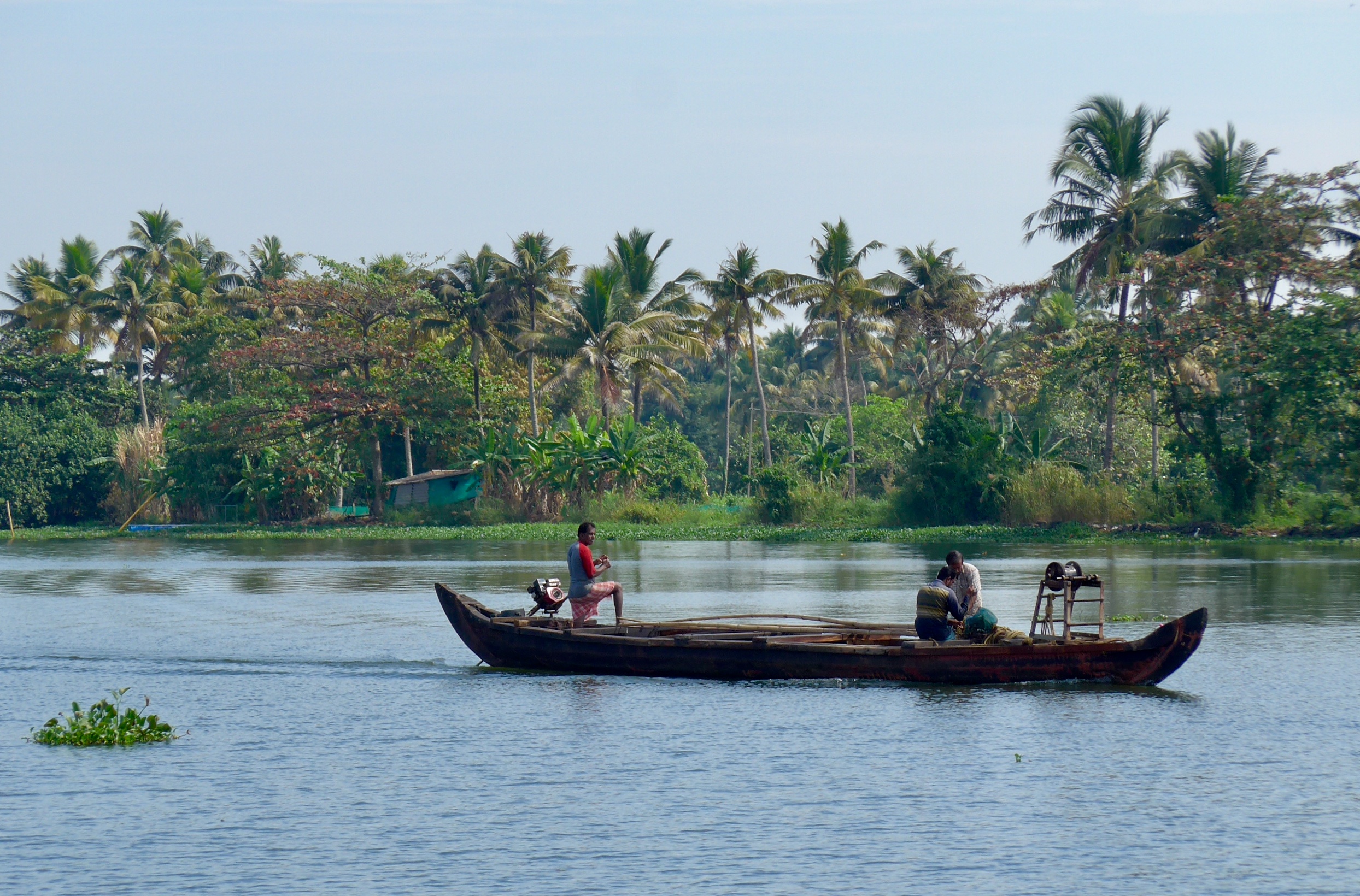
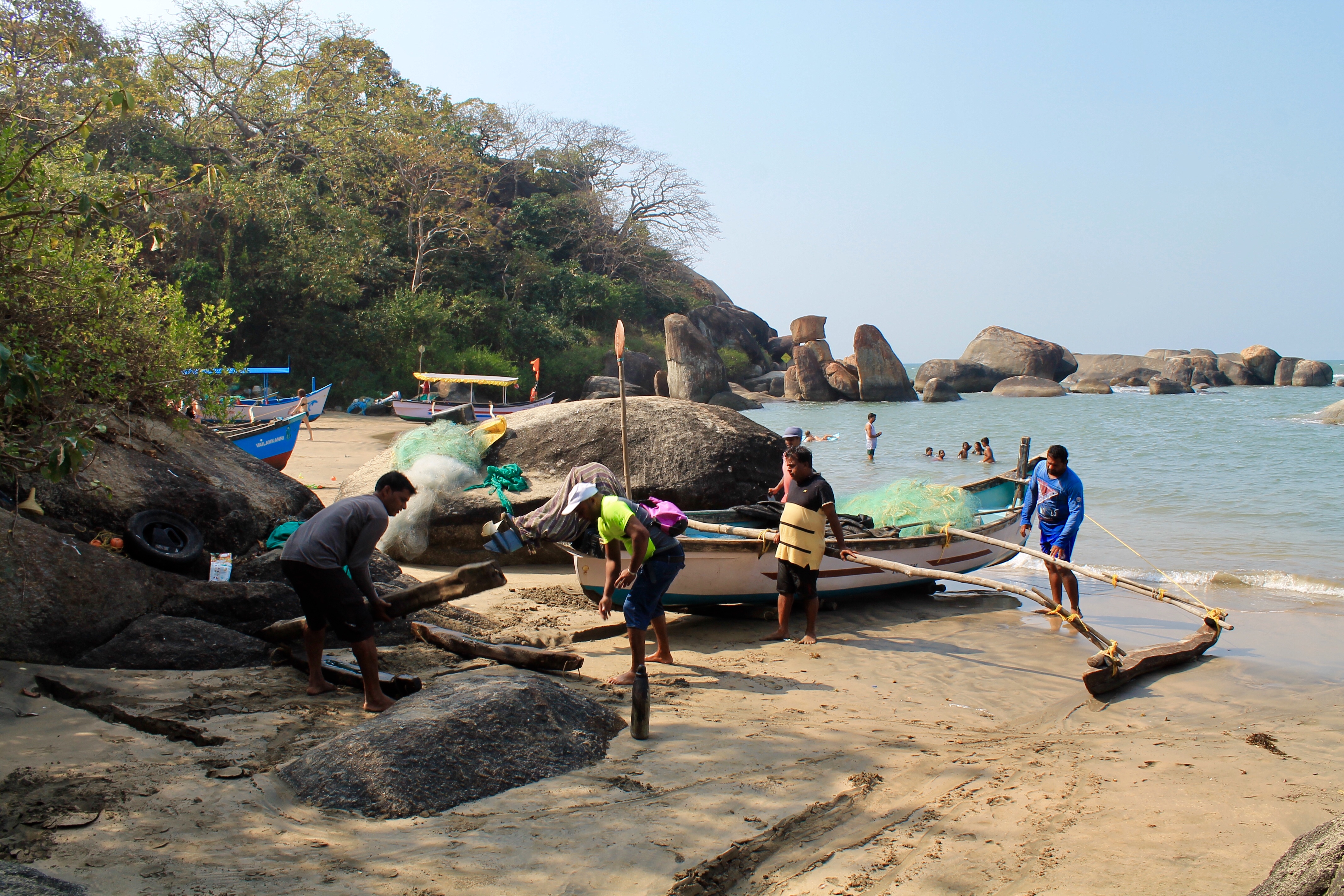
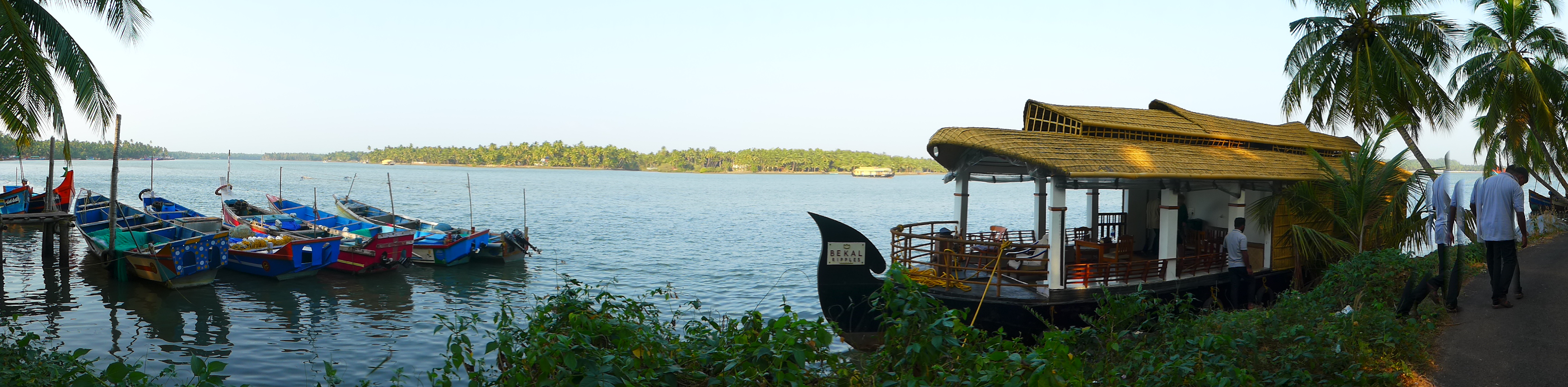
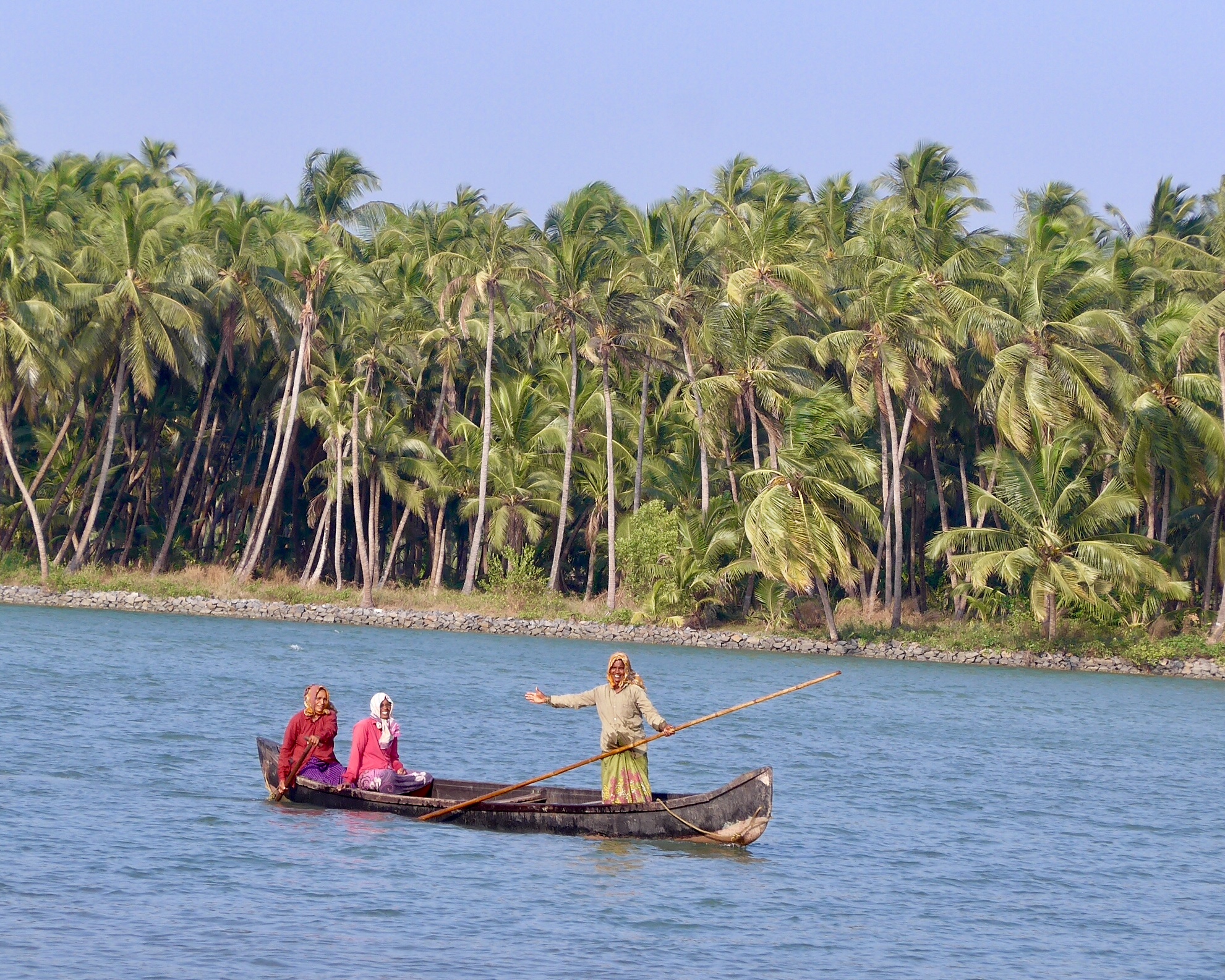
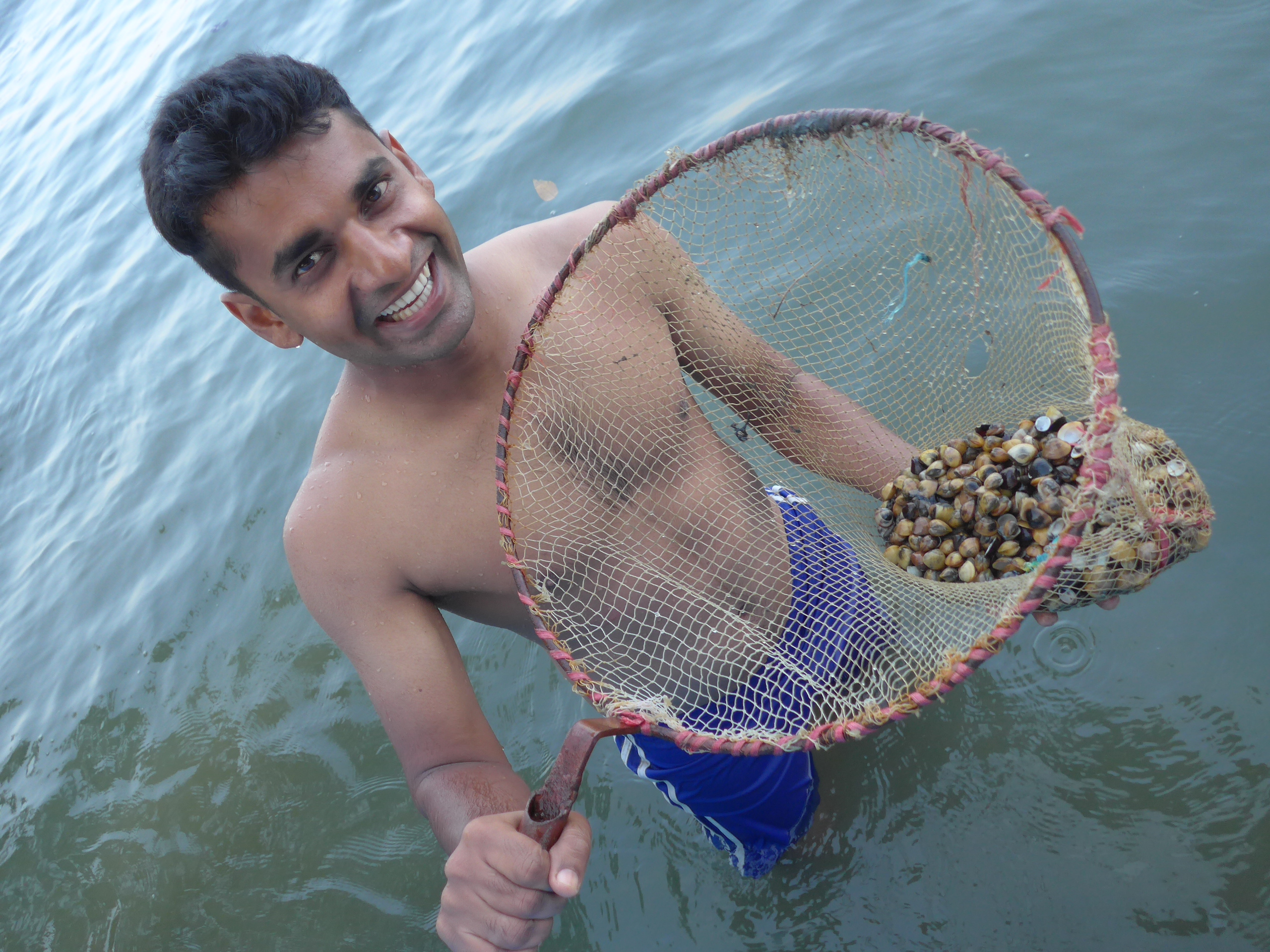
You cannot travel far without seeing or crossing water, on which you will see fishing boats and dugout canoes, or the sea-going trawlers and freighters approaching the ancient ports of Cochin (Kochi) and Calicut (Kozhikode).
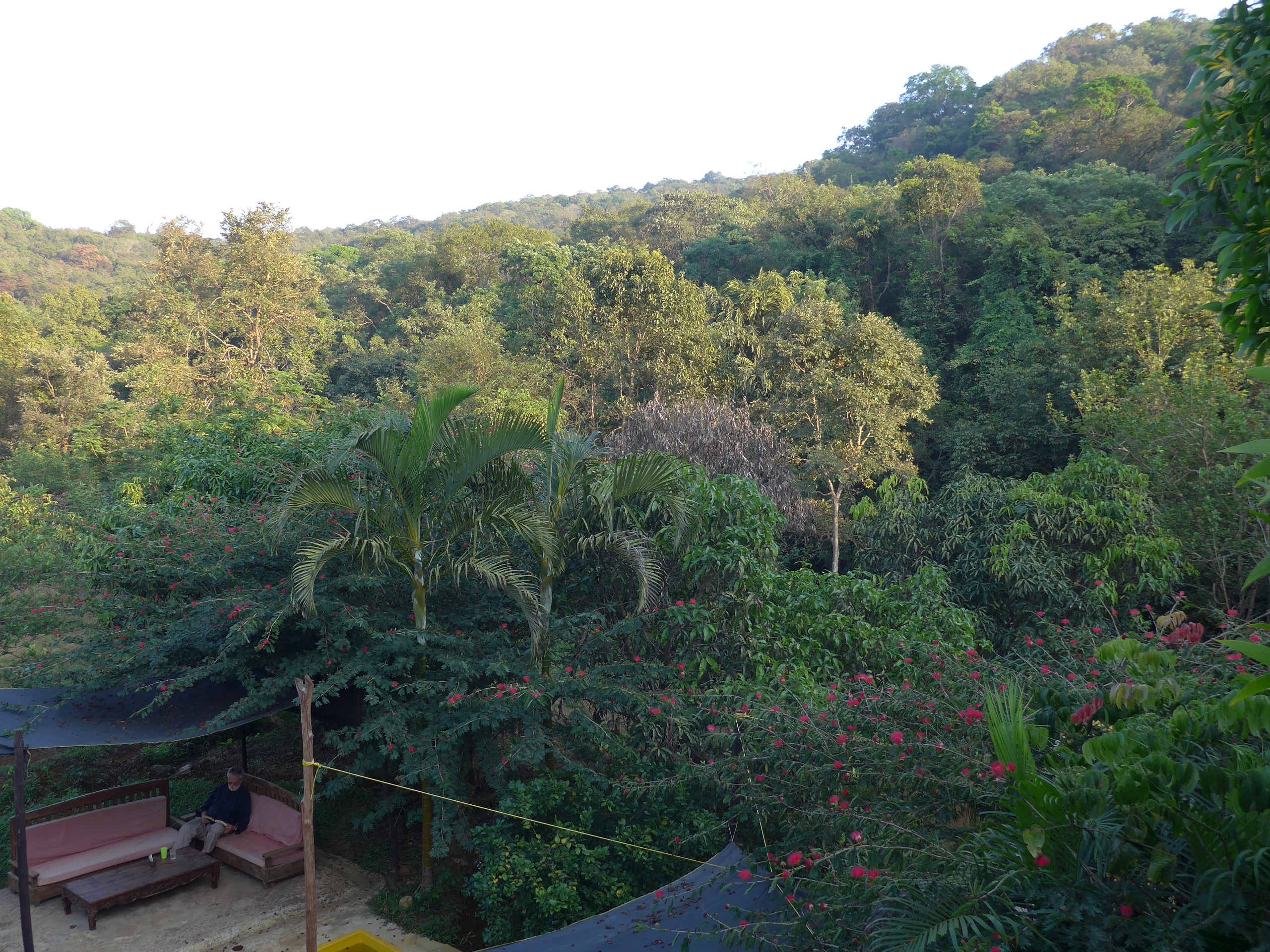
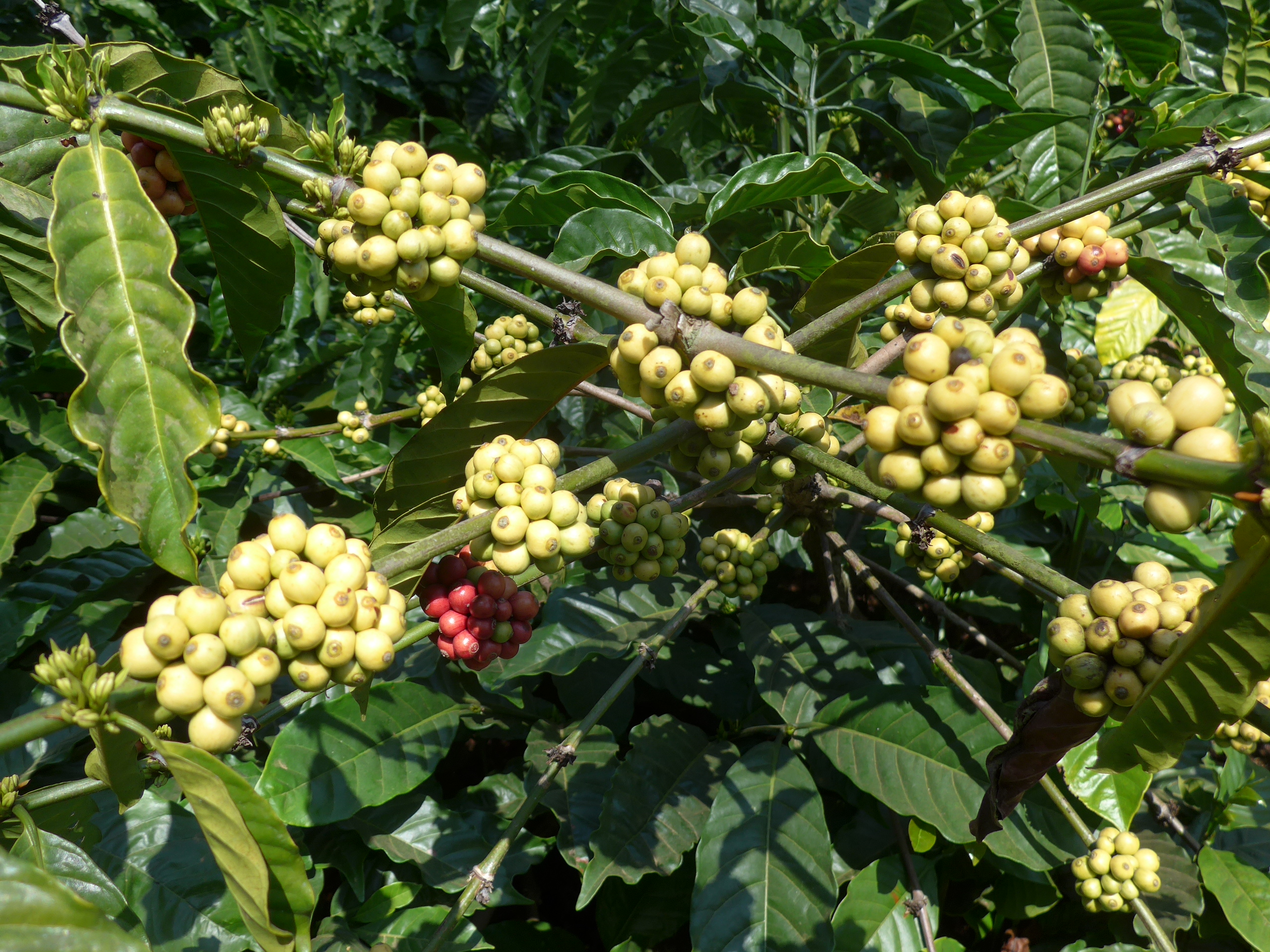
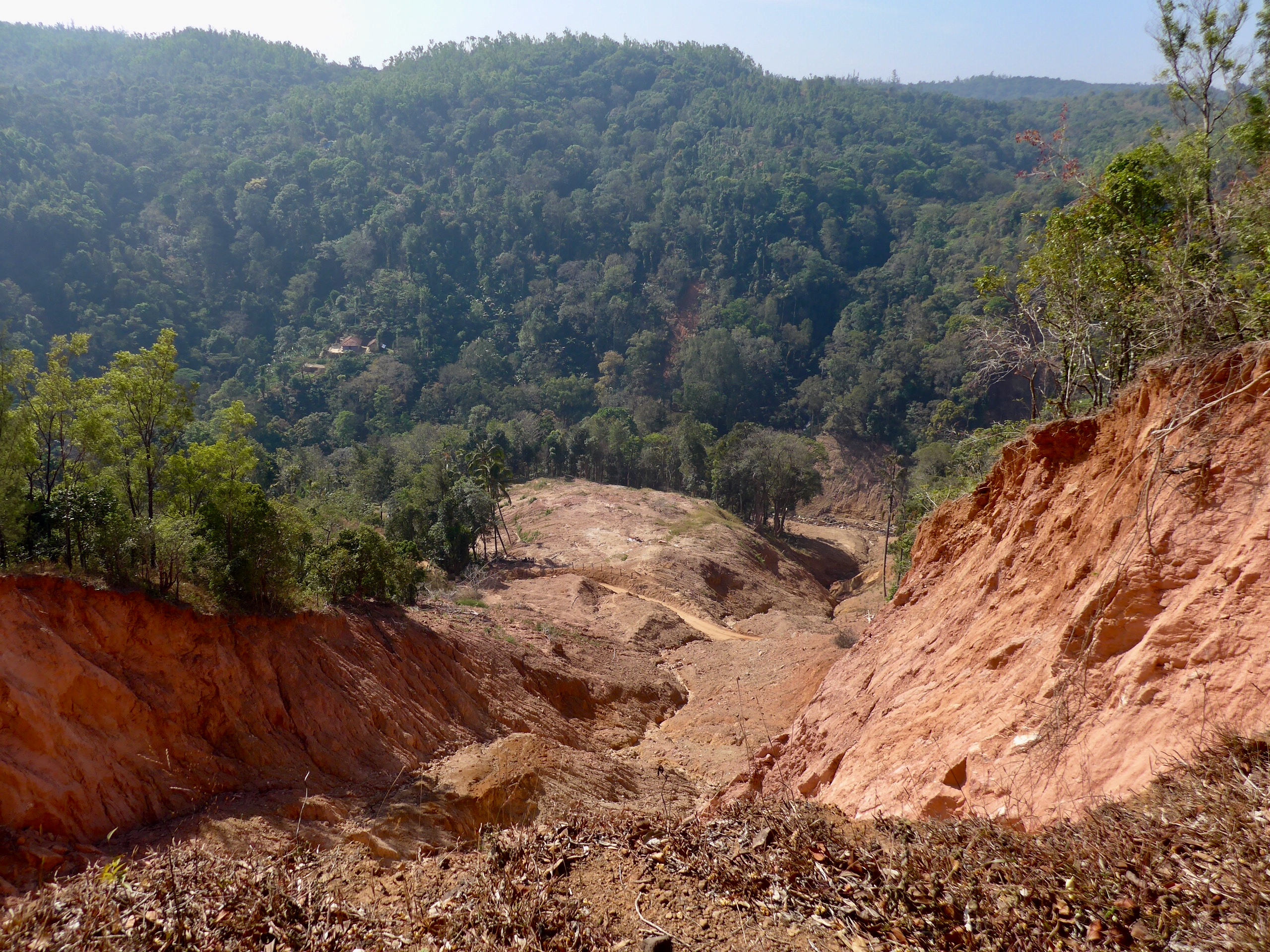
Back up in Wayanad in the Western Ghats the night time air was cool and the landscape a mixture of jungle and coffee plantations.
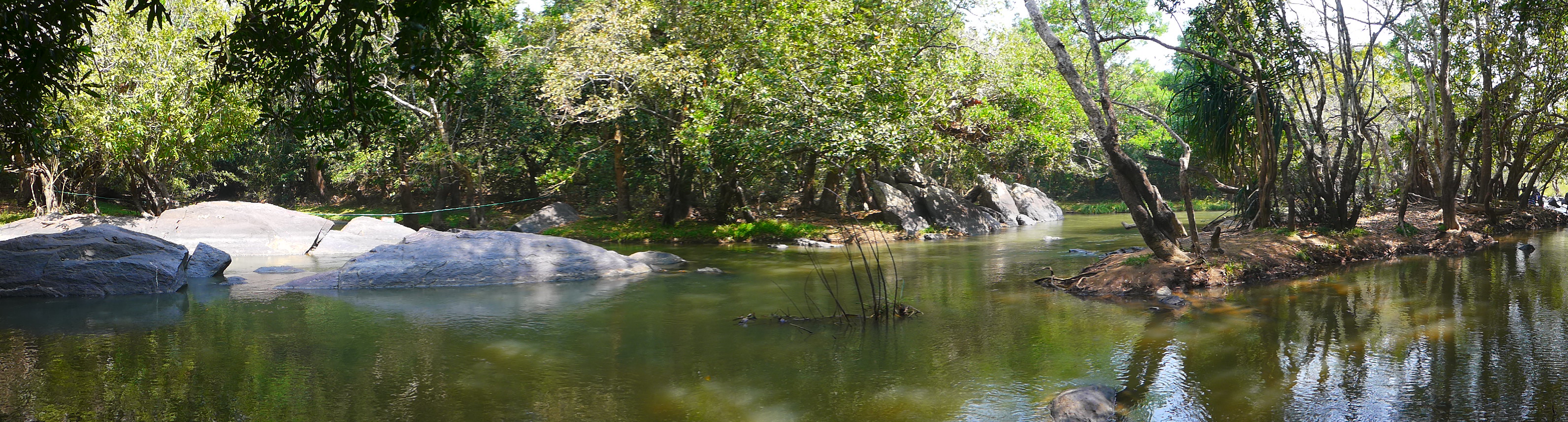
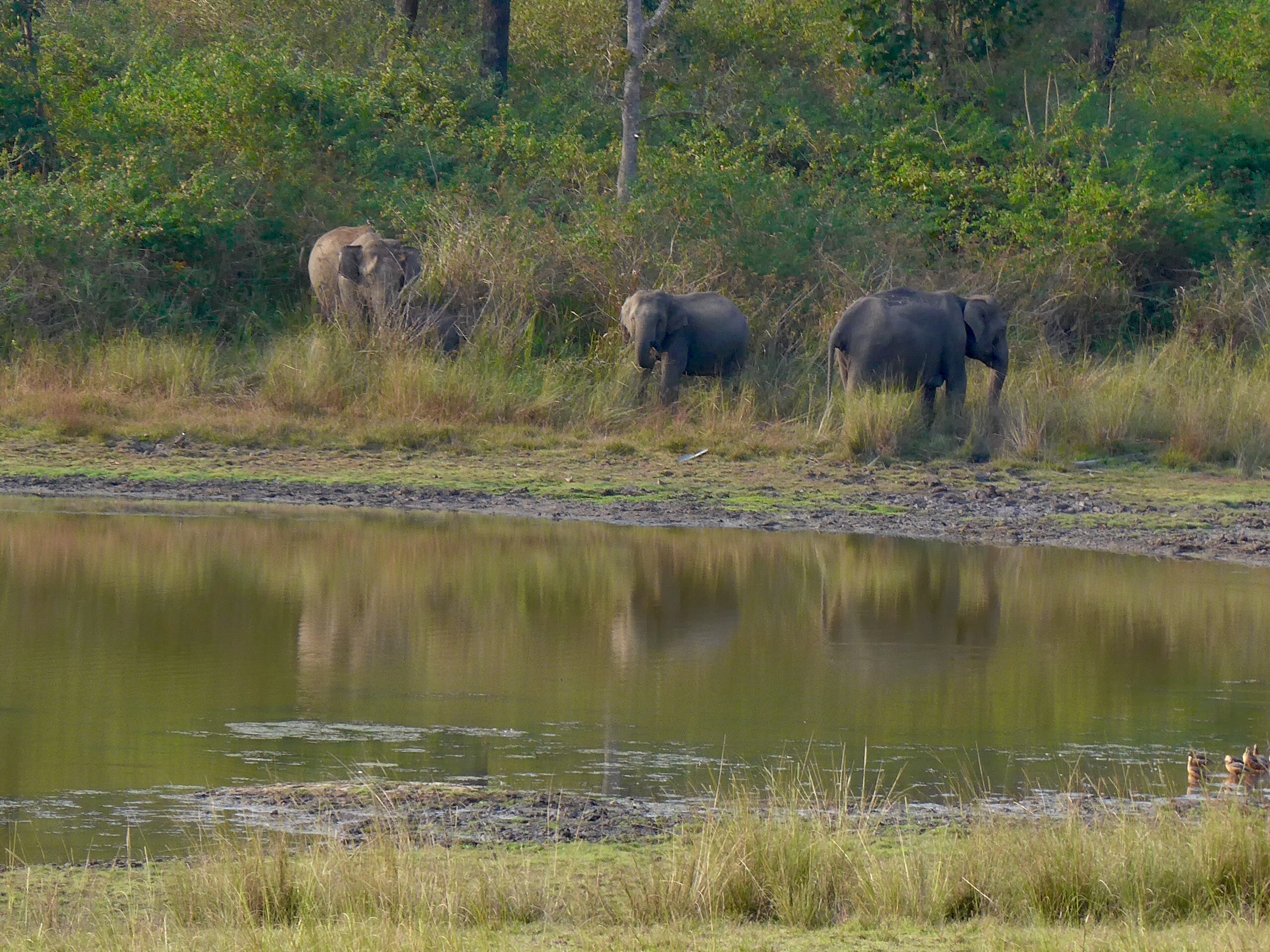
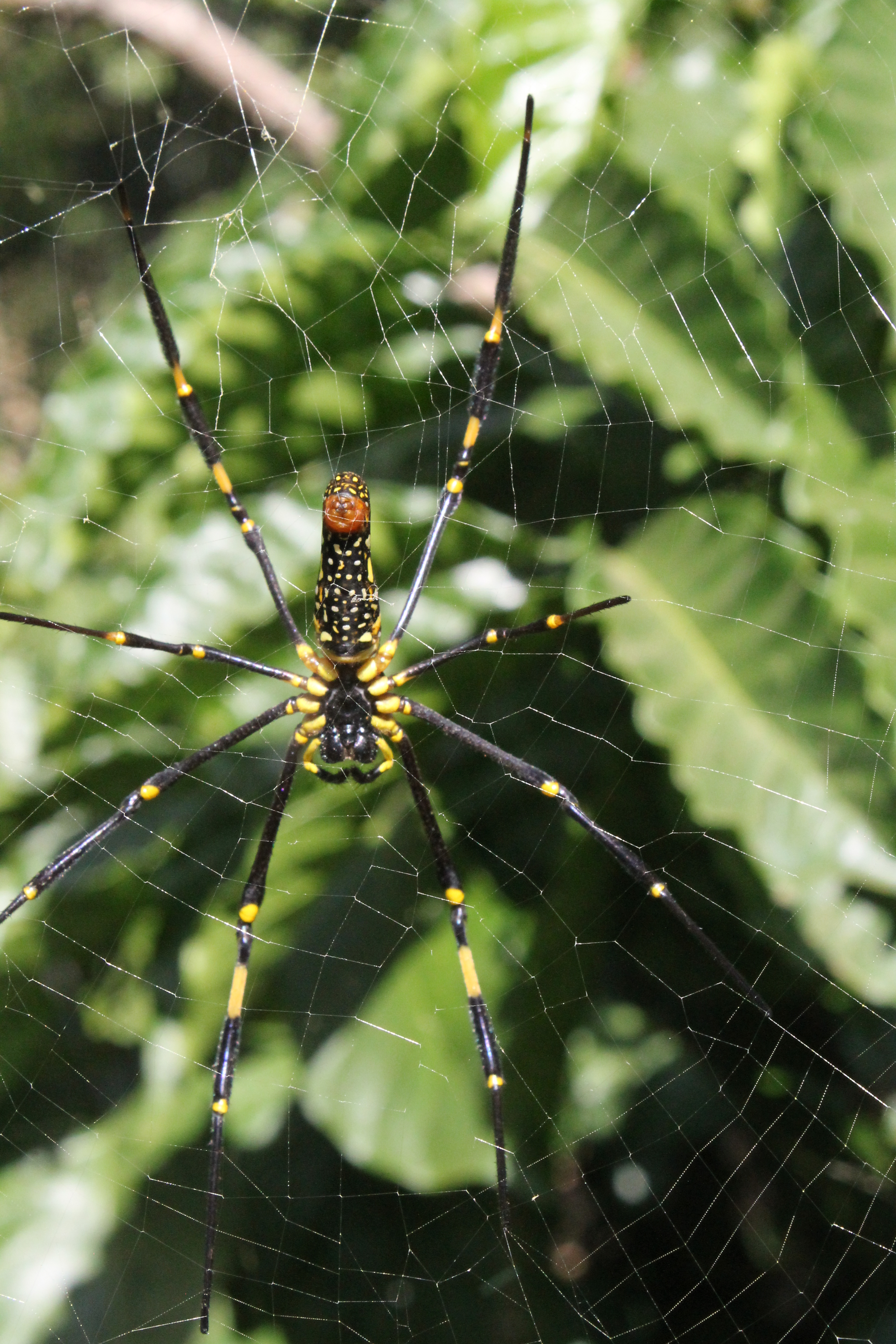
The tigers proved elusive but Jim did have to grapple with a giant spider in the bathroom and wrestle it to the floor. Luckily the spider conceded. On safari we saw four wild elephants coming down to a waterhole in the evening to drink, and we did meet a rare sloth bear. This belied its name by galumphing rapidly away when it saw us.
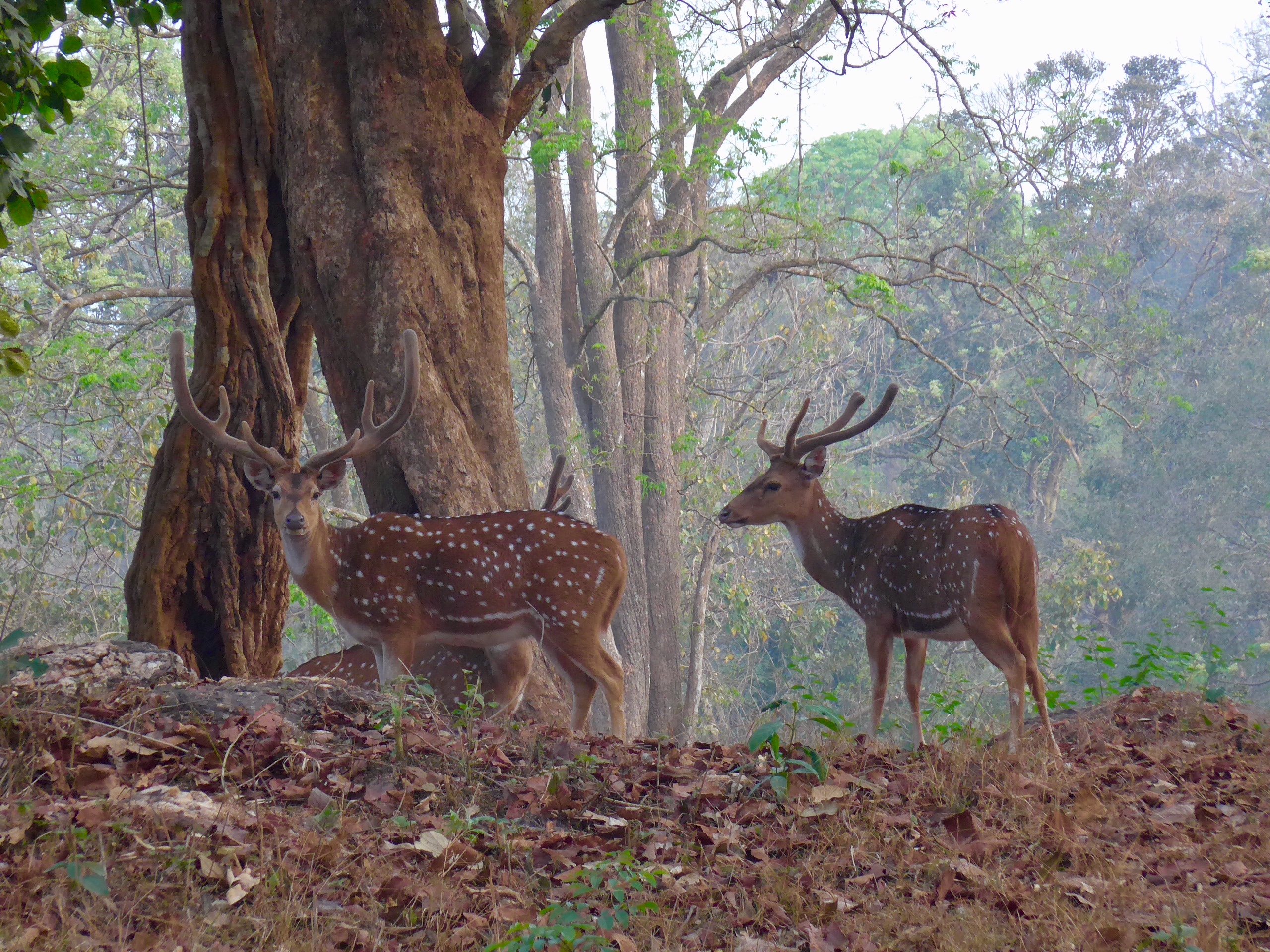
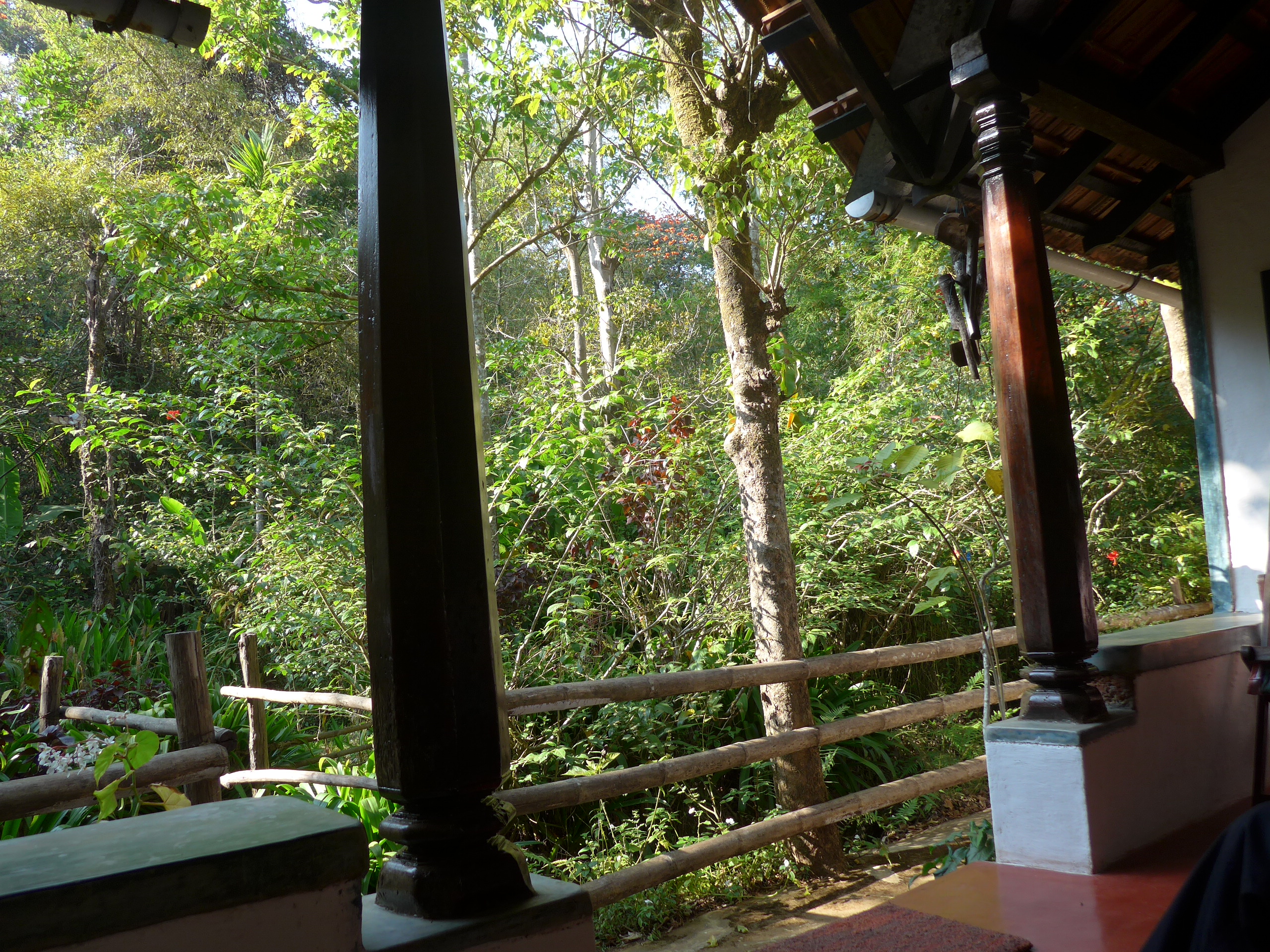
At Varnam Homestay we stayed in a house on stilts with fruit trees of all kinds growing round us.
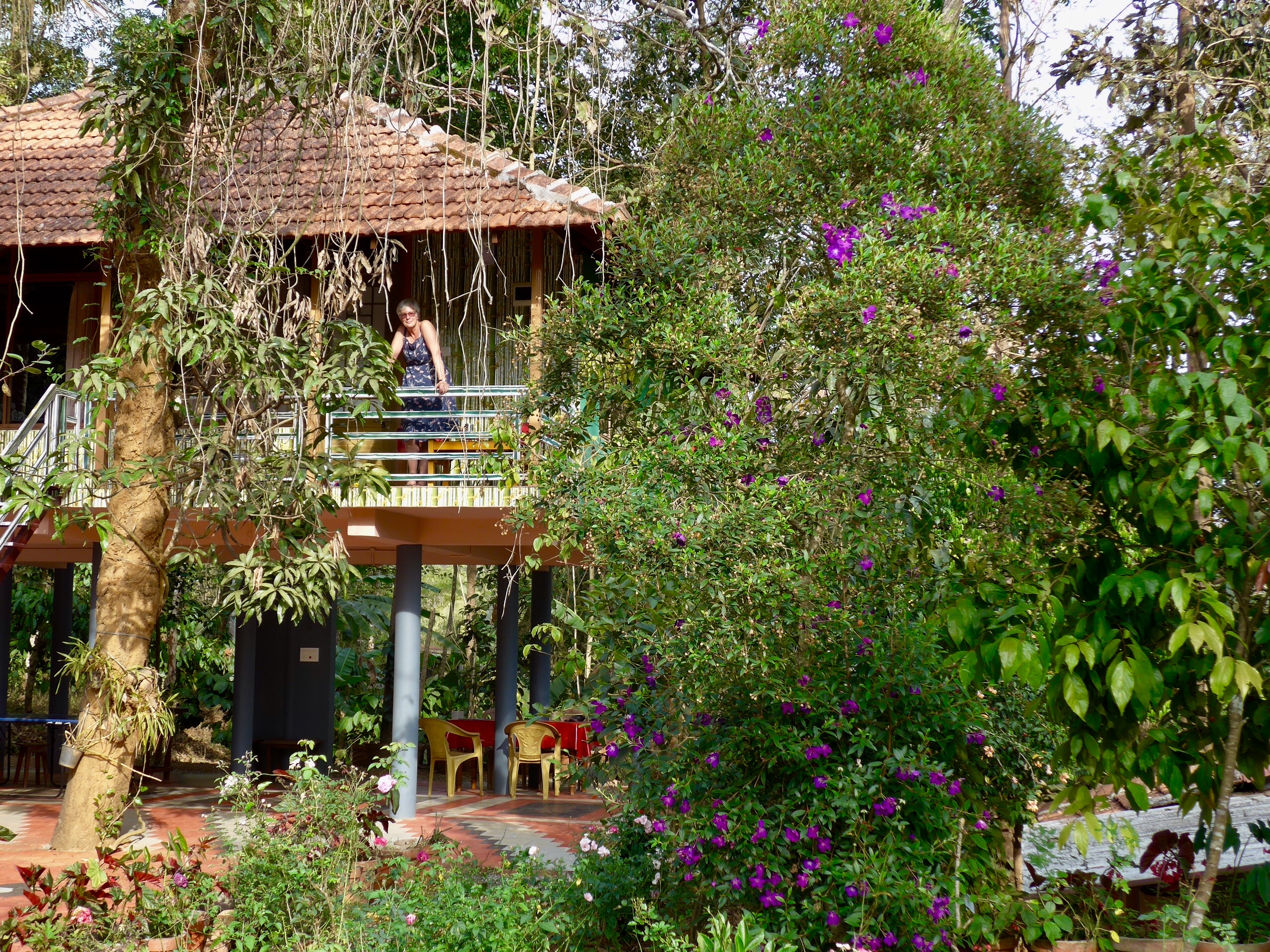
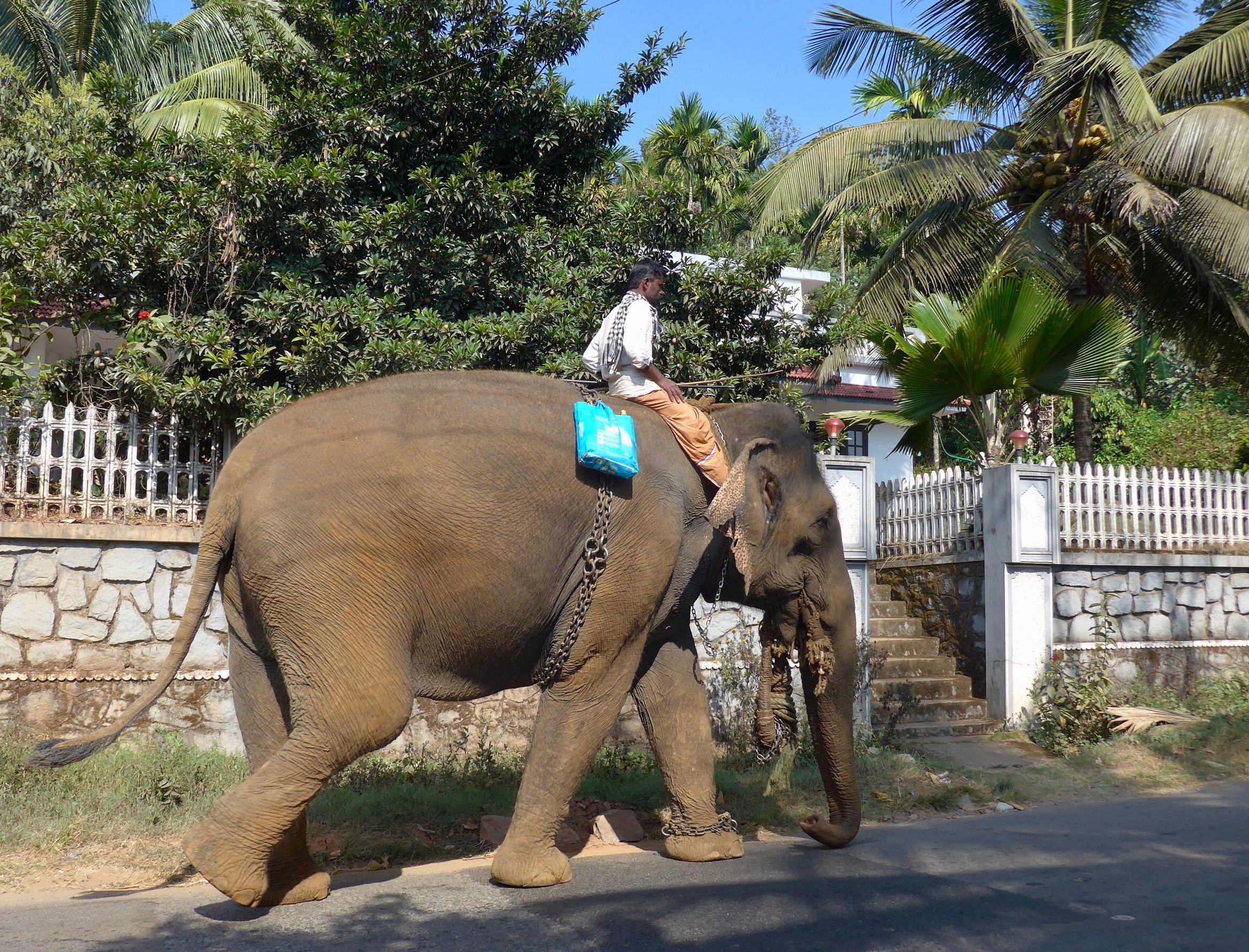
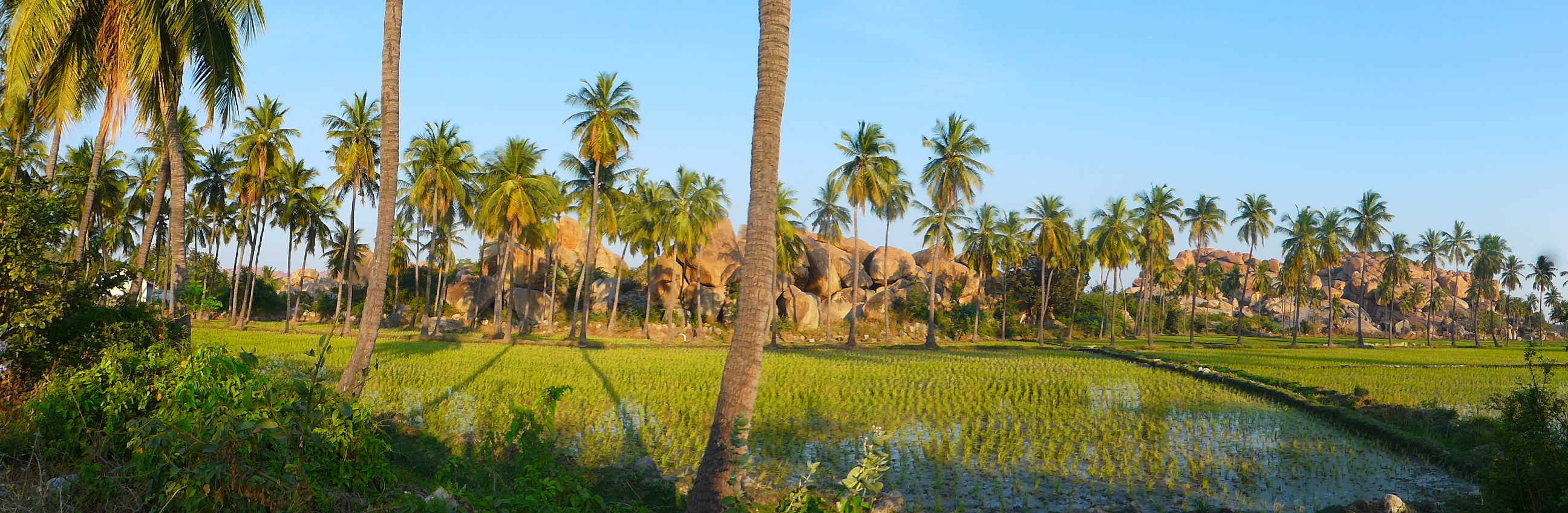
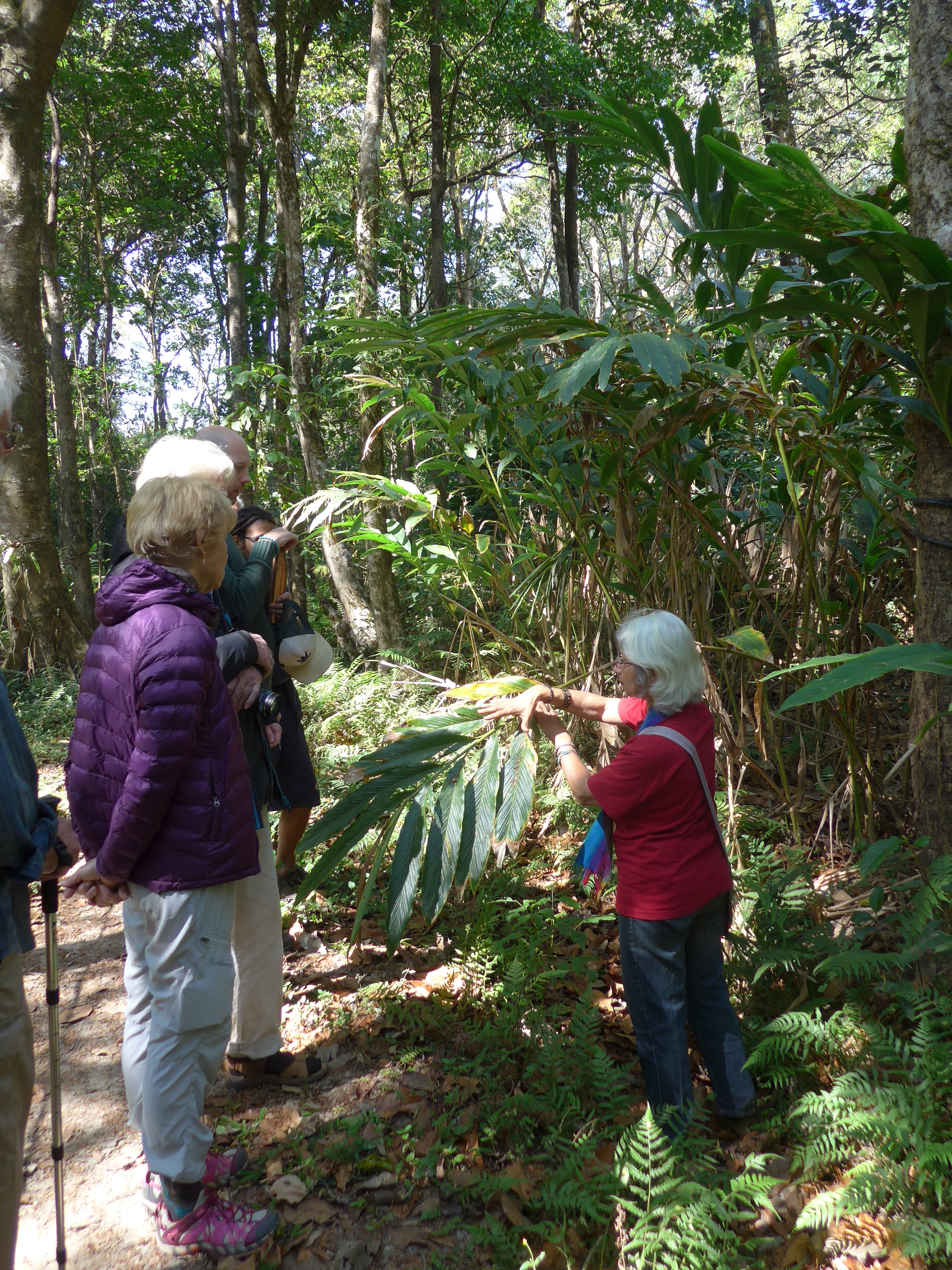
There were walks in the padi fields, rubber plantations and the surrounding forest where we watched giant (three feet long) Malabar squirrels doing acrobatics in the topmost branches. Some guests met wild elephants crossing the road. Electric fences are everywhere in an attempt, not always successful, to protect both people and crops from elephants, tigers, wild boar and leopards.
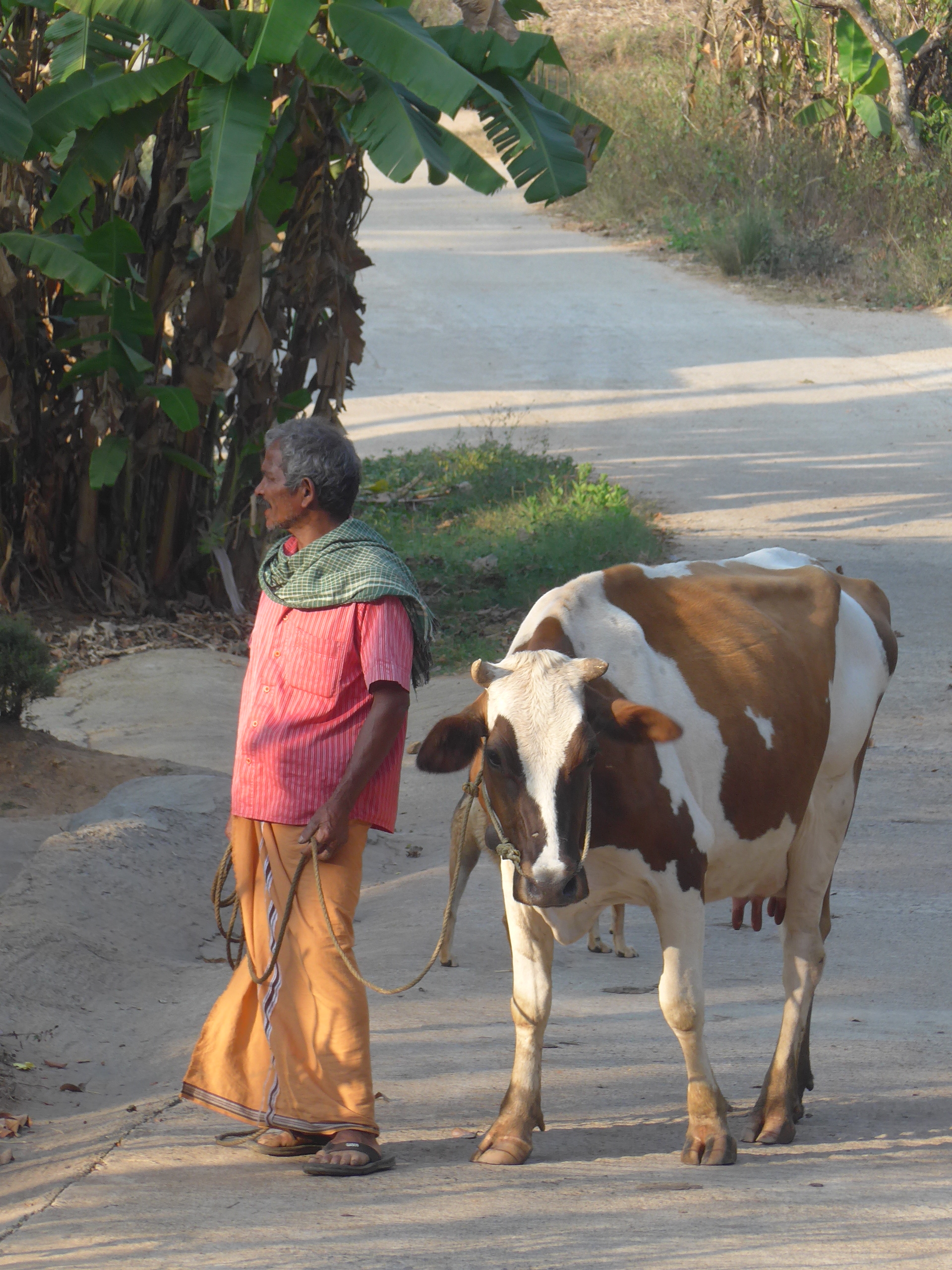
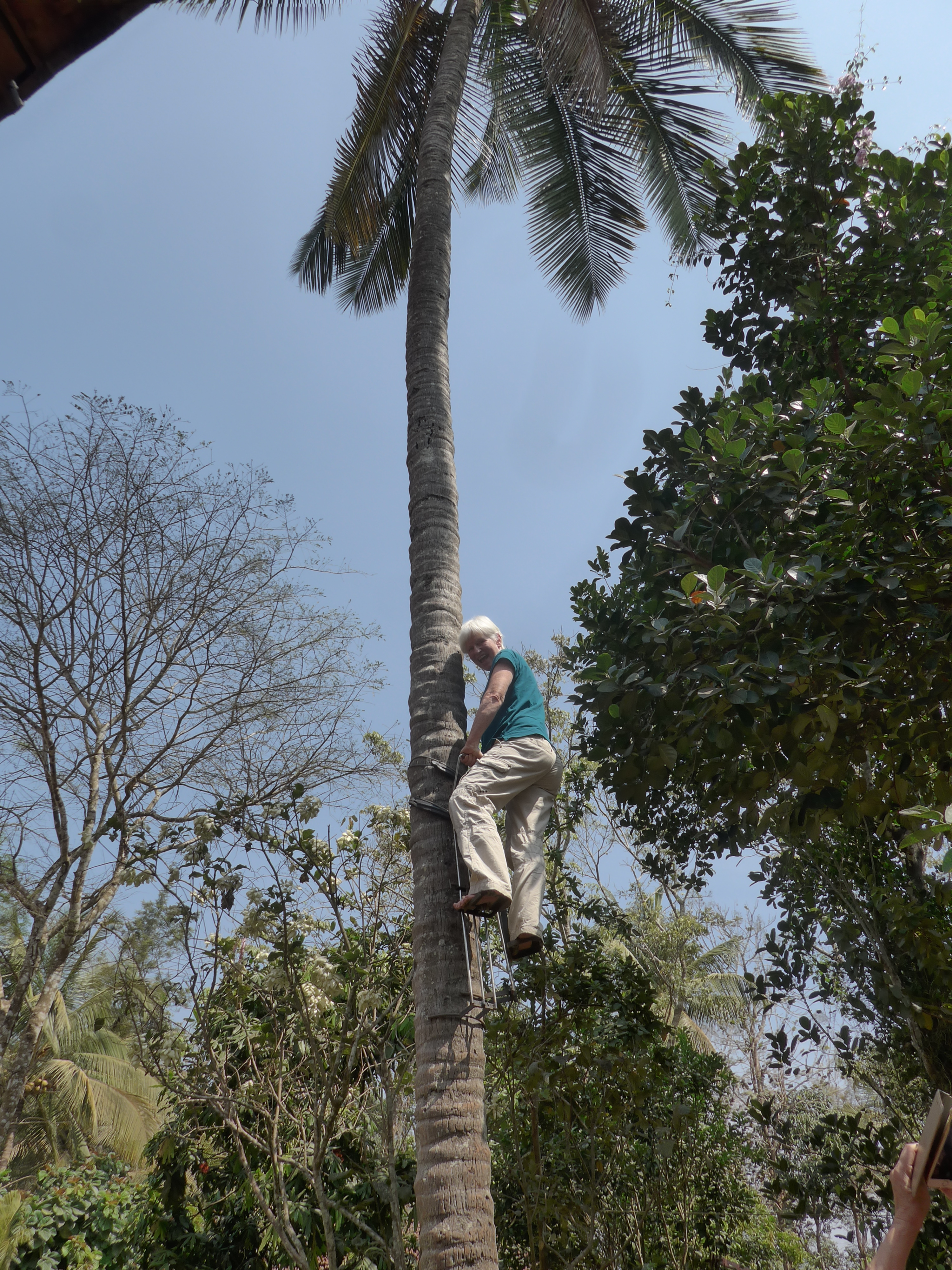
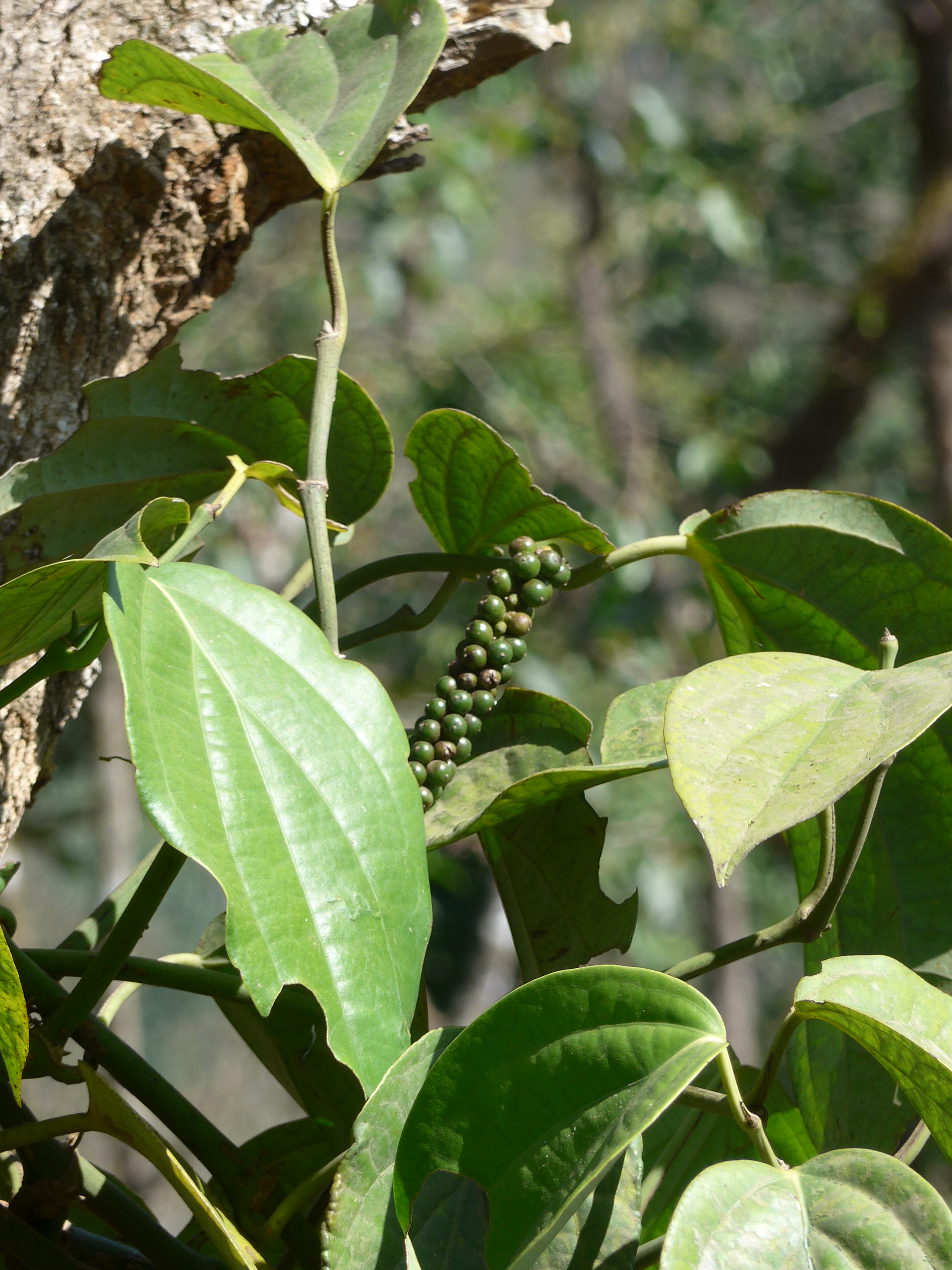
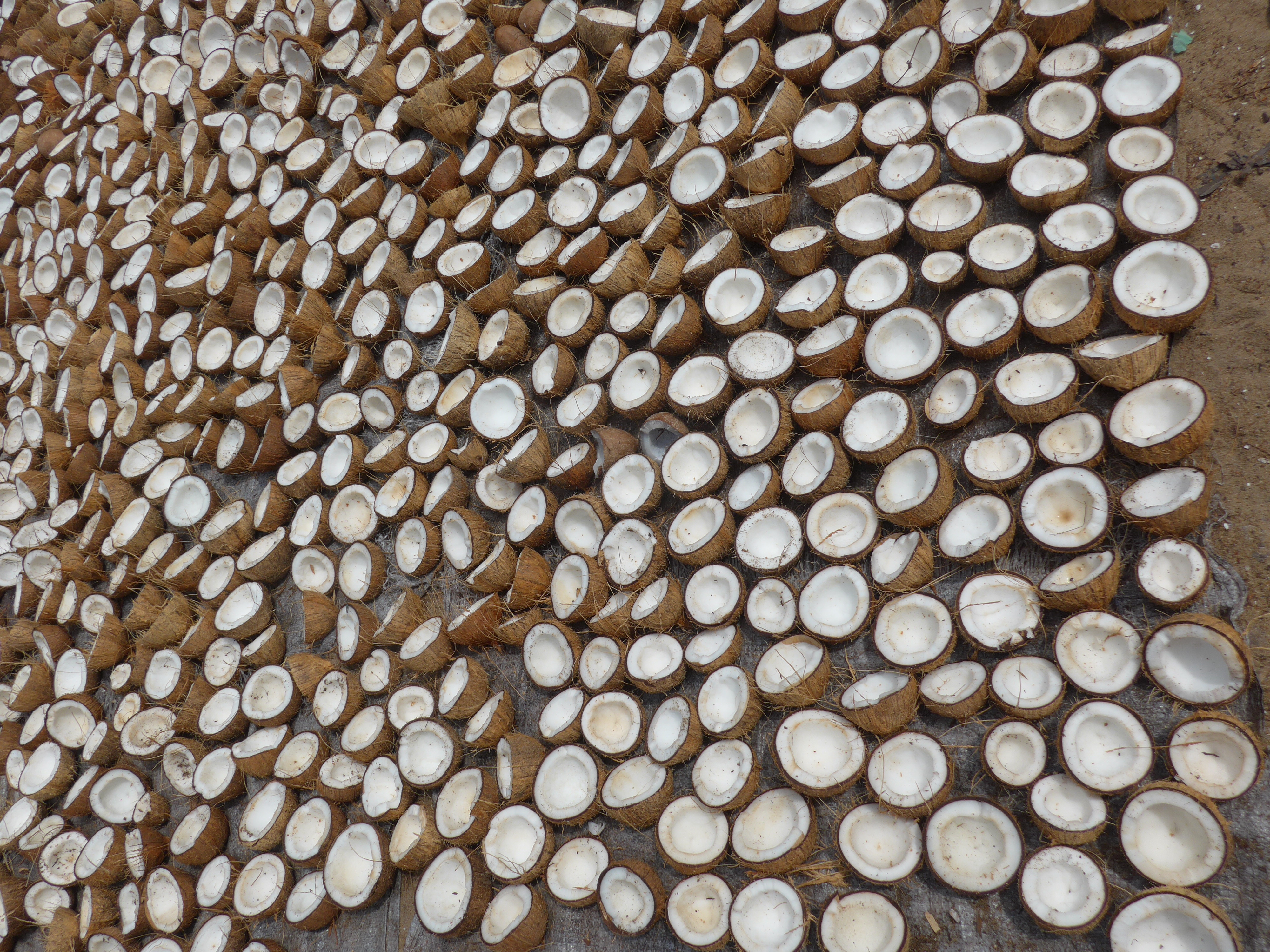
Our lovely hostess Beena cooked meals from their organic plantation and made various Ayurvedic remedies for those she felt in need. She did make our neighbour, Doris, climb the coconut palms to gather the nuts. Doris, being from Switzerland, was a dab hand at climbing palm trees.
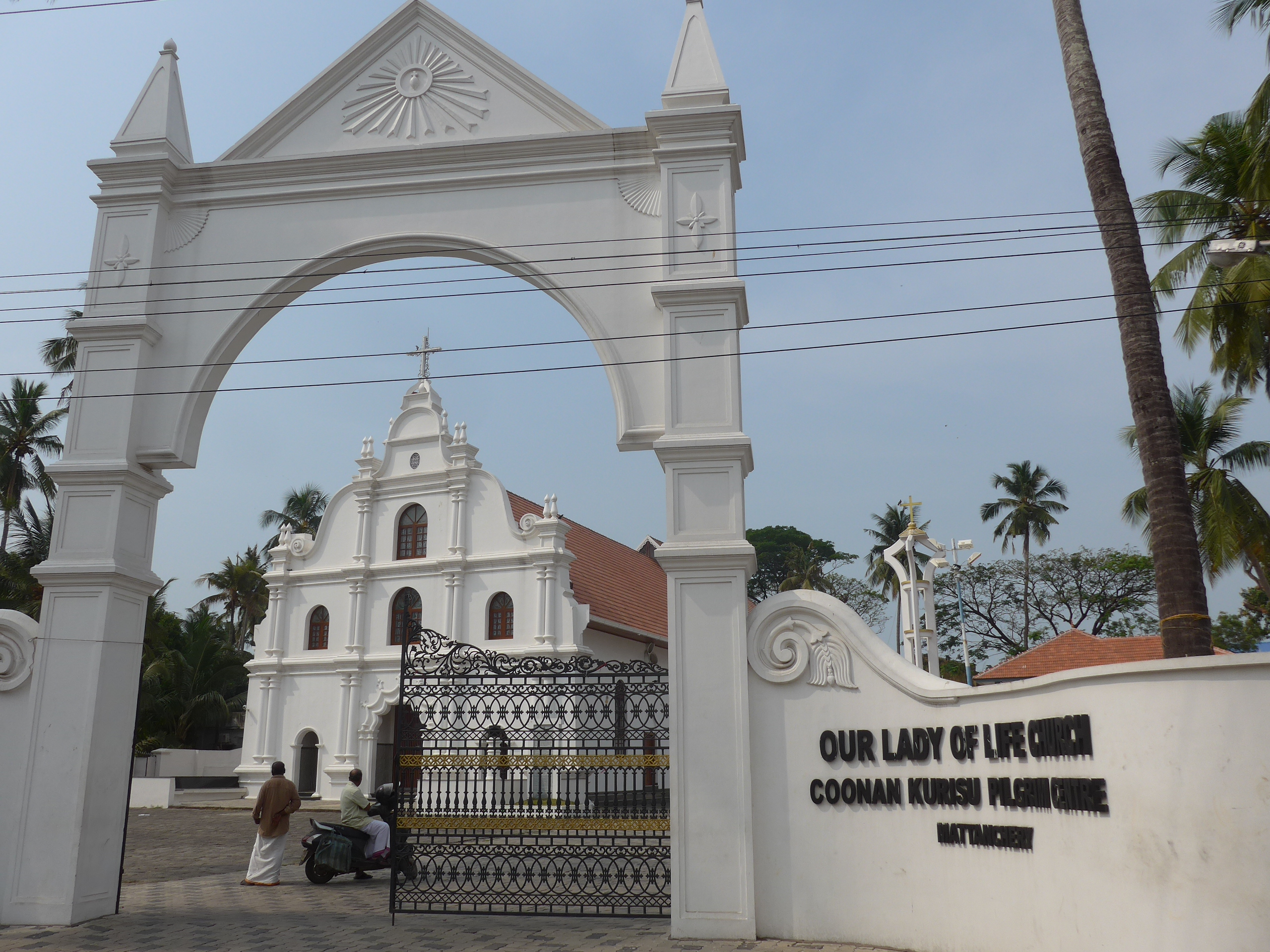
Some of us went to a very musical church service on Sunday. The Orthodox Syriac Christians are amongst the oldest Christian communities in existence. They were converted by Saint Thomas in 52 AD. This rather stumped the Portuguese missionaries who came to convert them in the 16th century and found they had been Christians long before the Portuguese. A large Catholic community is the Portuguese legacy.
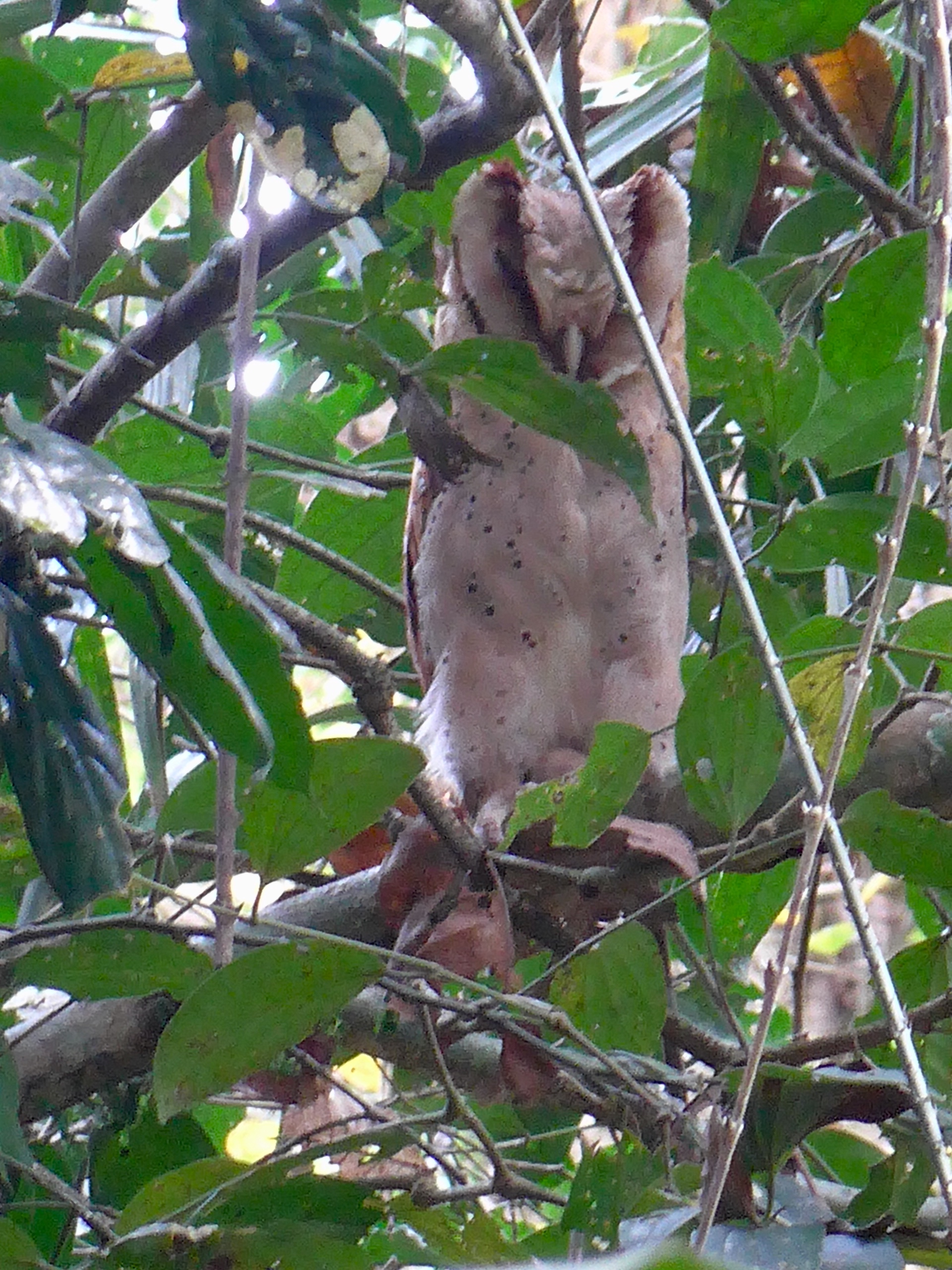
At Thattekad Bird Sanctuary, back on the coastal plain on the Periyar river, we saw some very rare birds, (frogmouths, trogons, bay owls) and, on a night safari, two kinds of nightjar and that most extraordinary creature, the slender loris. It was incredibly hot and humid and standing in the jungle in the night for twenty minutes without moving was a memorable experience. We were surrounded by calling nightjars, but also feasted on by mosquitoes which bit through my clothes and licked up my insect repellant. It reminded me never ever to go trekking in the tropical forest again, not even for a Jerdon’s nightjar.

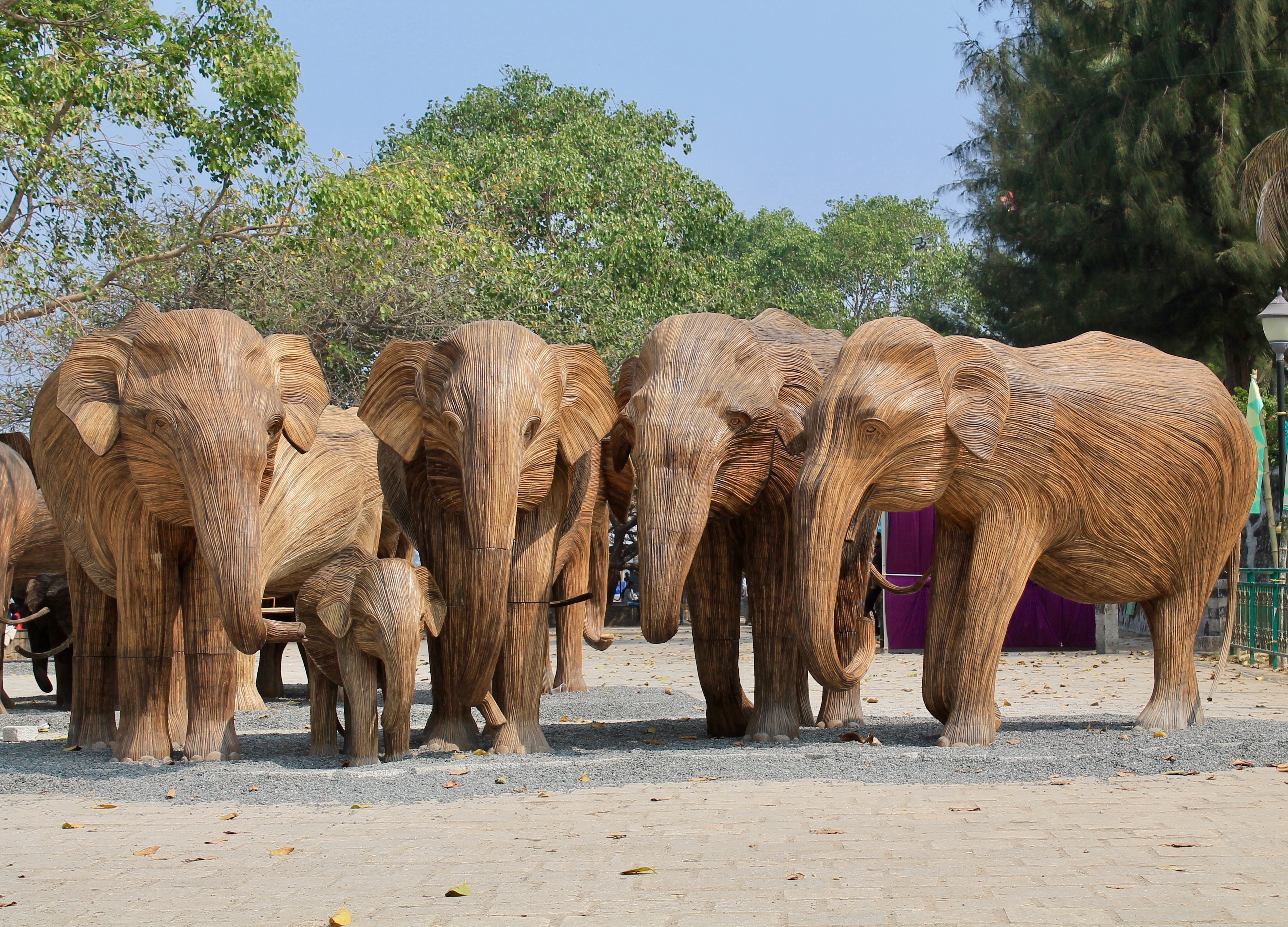
Next was something completely different. We headed to hot, humid Fort Kochi where there were smart shops, foreign tourists, art galleries (the Biennale was on), colonial Dutch houses, cafes with filter coffee and chocolate cake, wood-fired pizza, and air-conditioning!
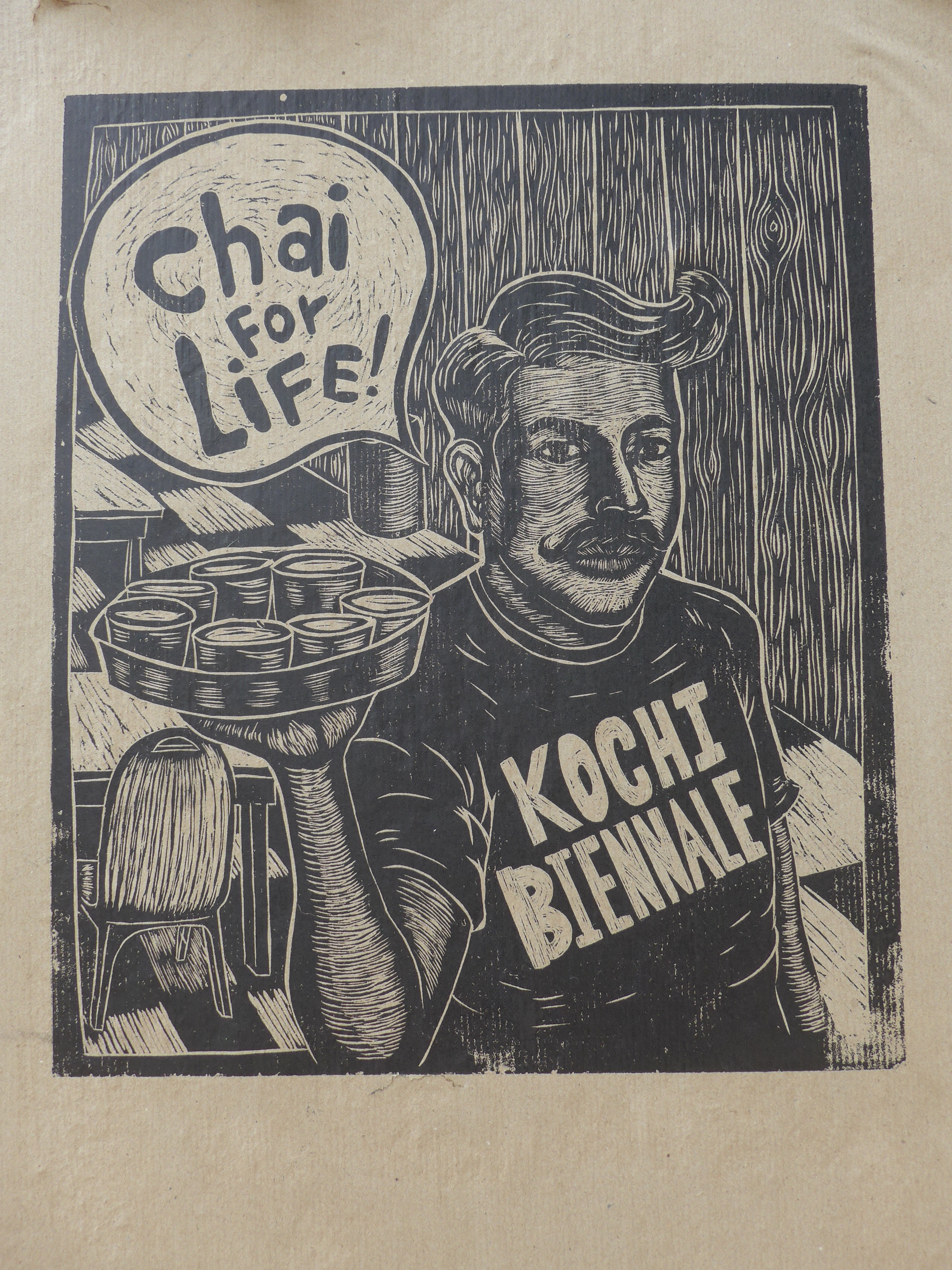
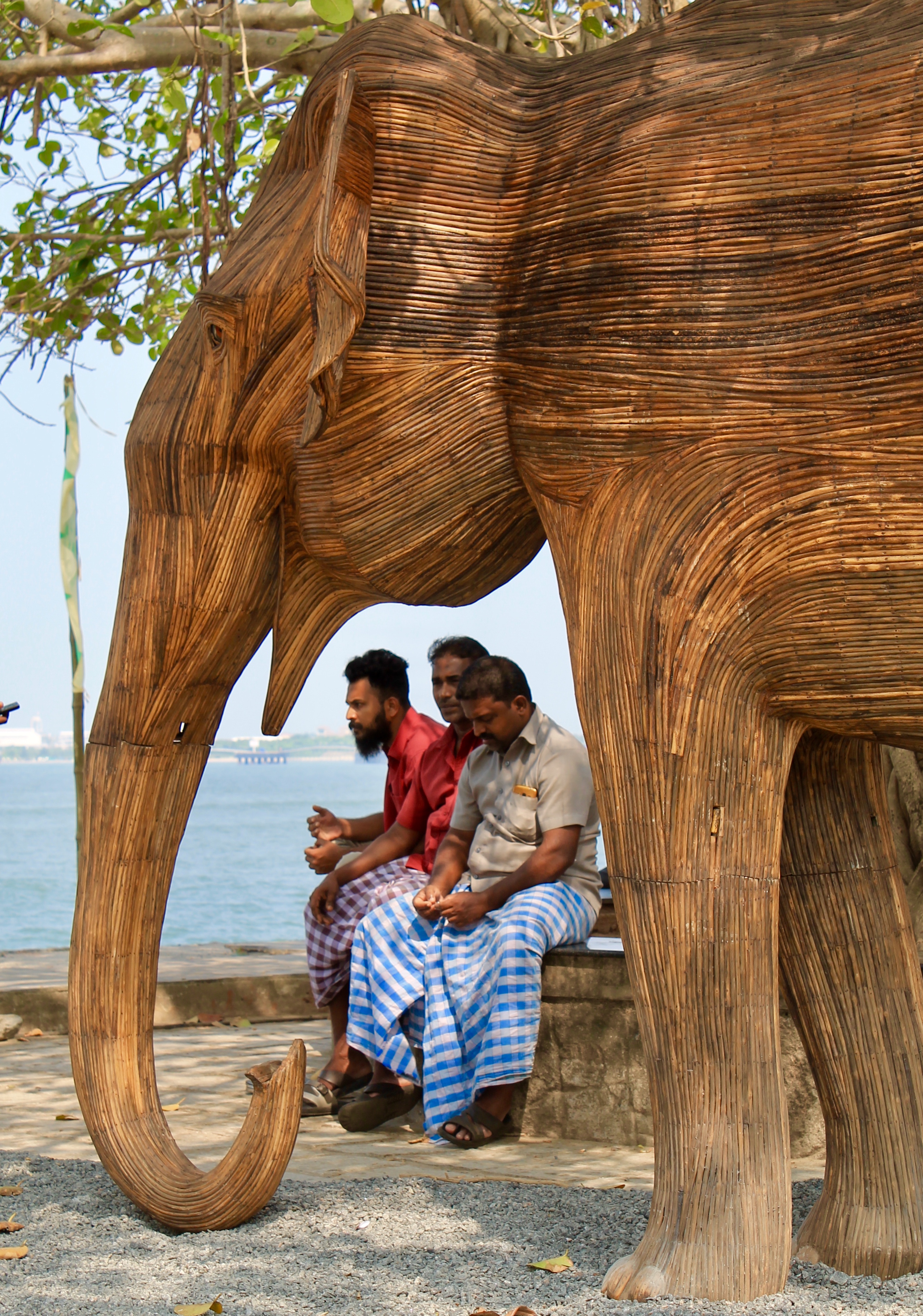
Kerala is an affluent state with a high state of literacy, the road traffic is relatively well-behaved and there is little litter. It’s a green and prosperous land. When I asked where all the skinny wandering cows were, I was told “We eat them!”
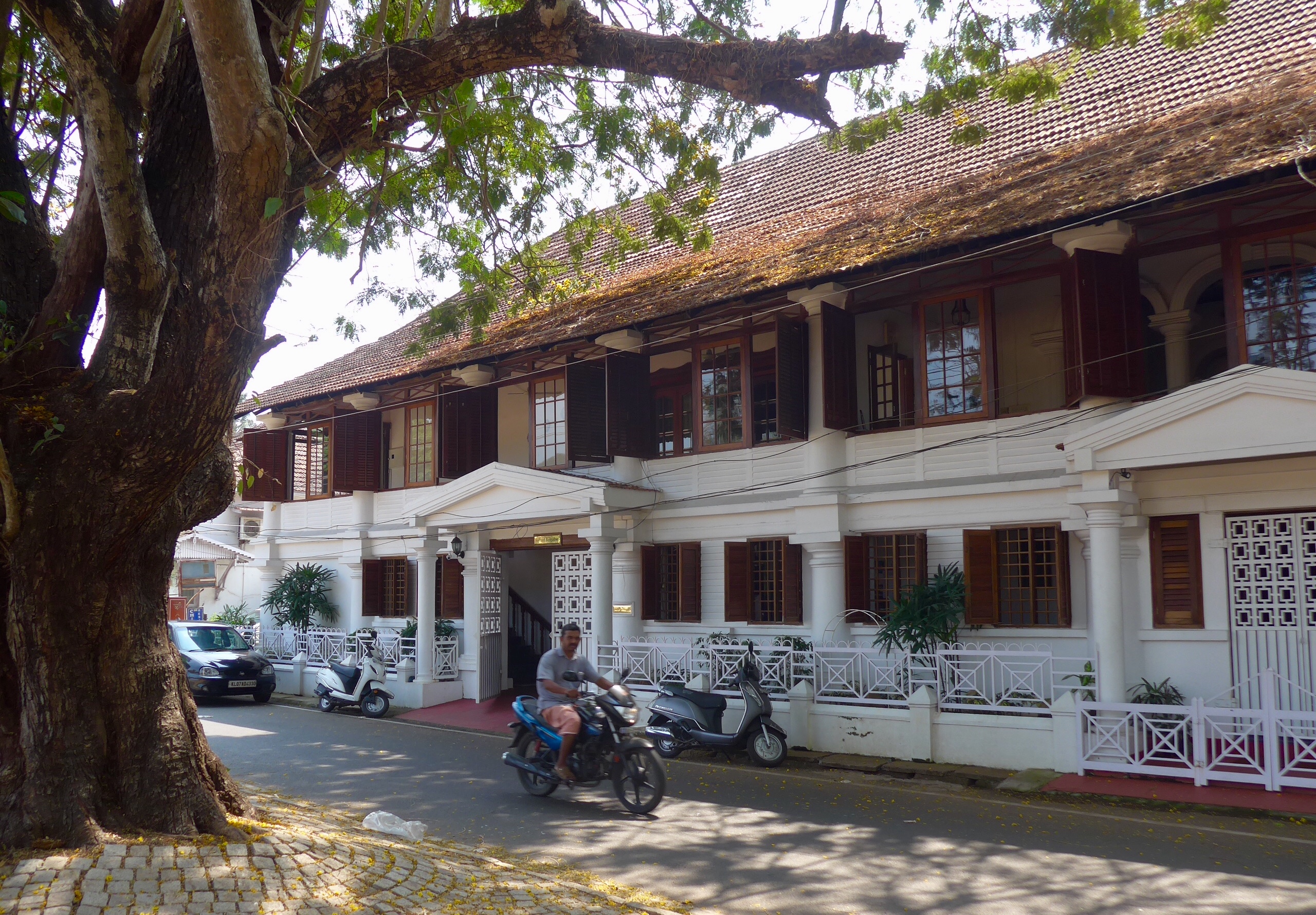
The population is Christian (Orthodox and Catholic), Muslim (probably descendants of the Arab traders) and Hindu, and the state has a democratically elected Communist government.
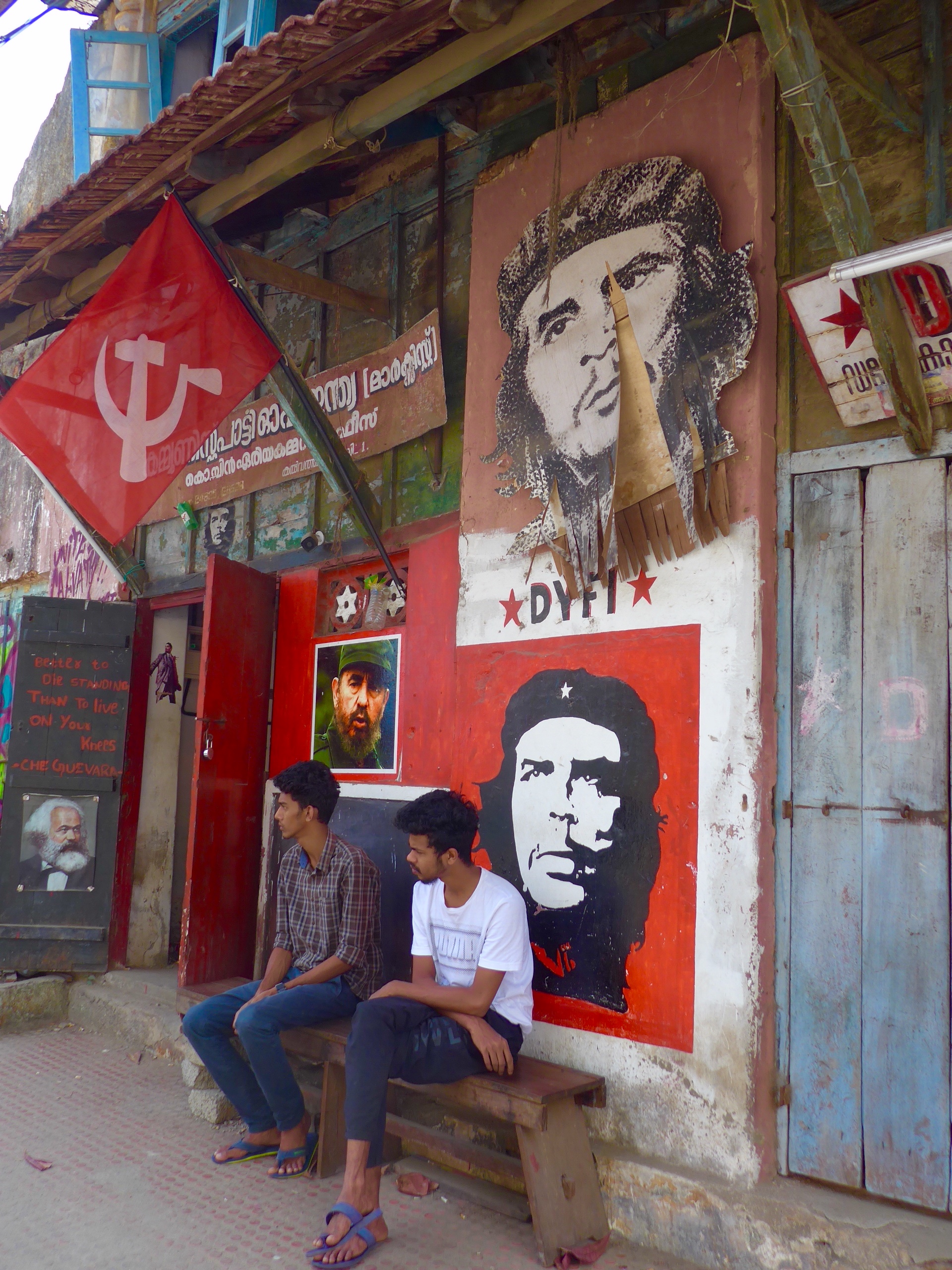
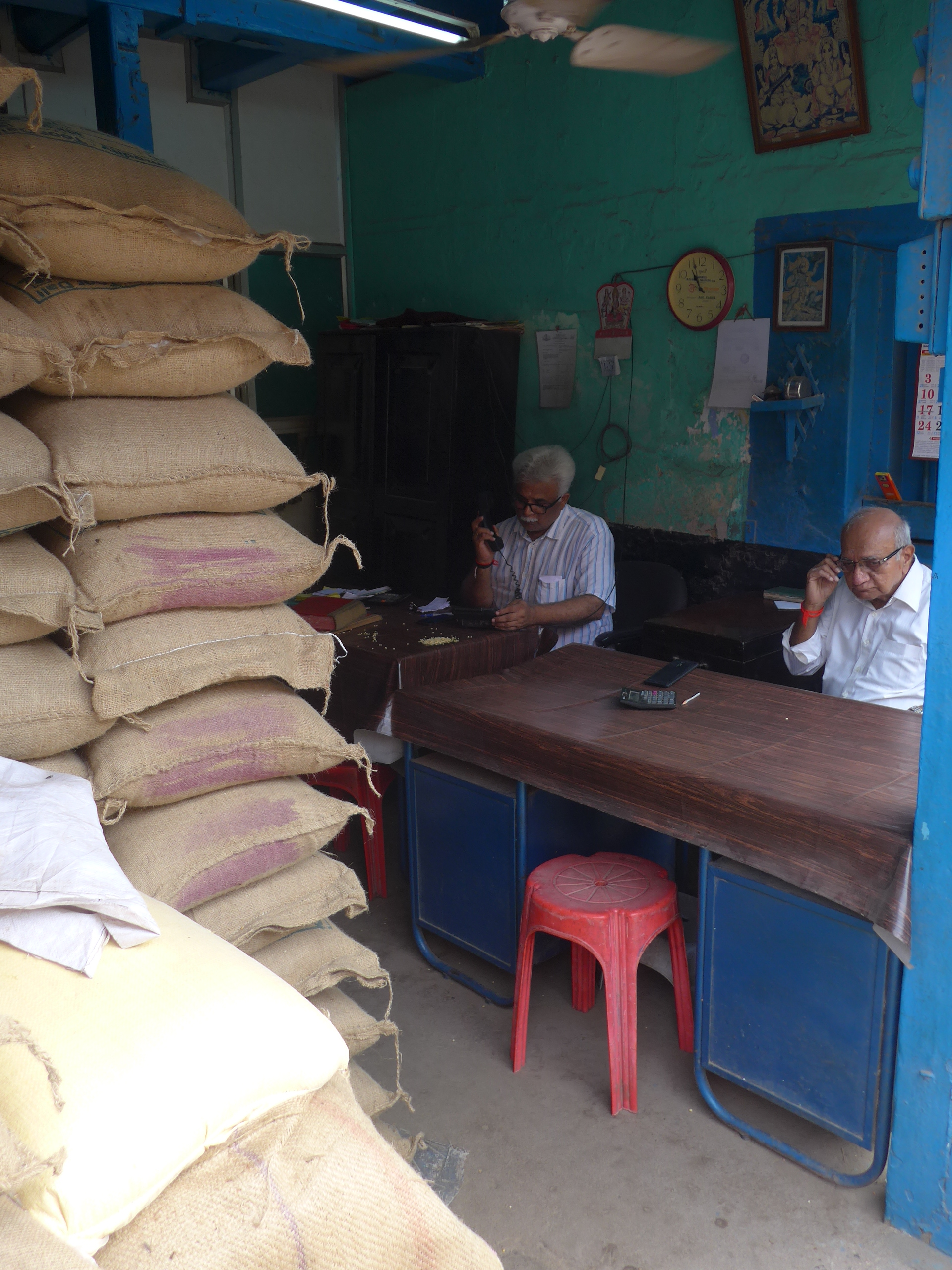
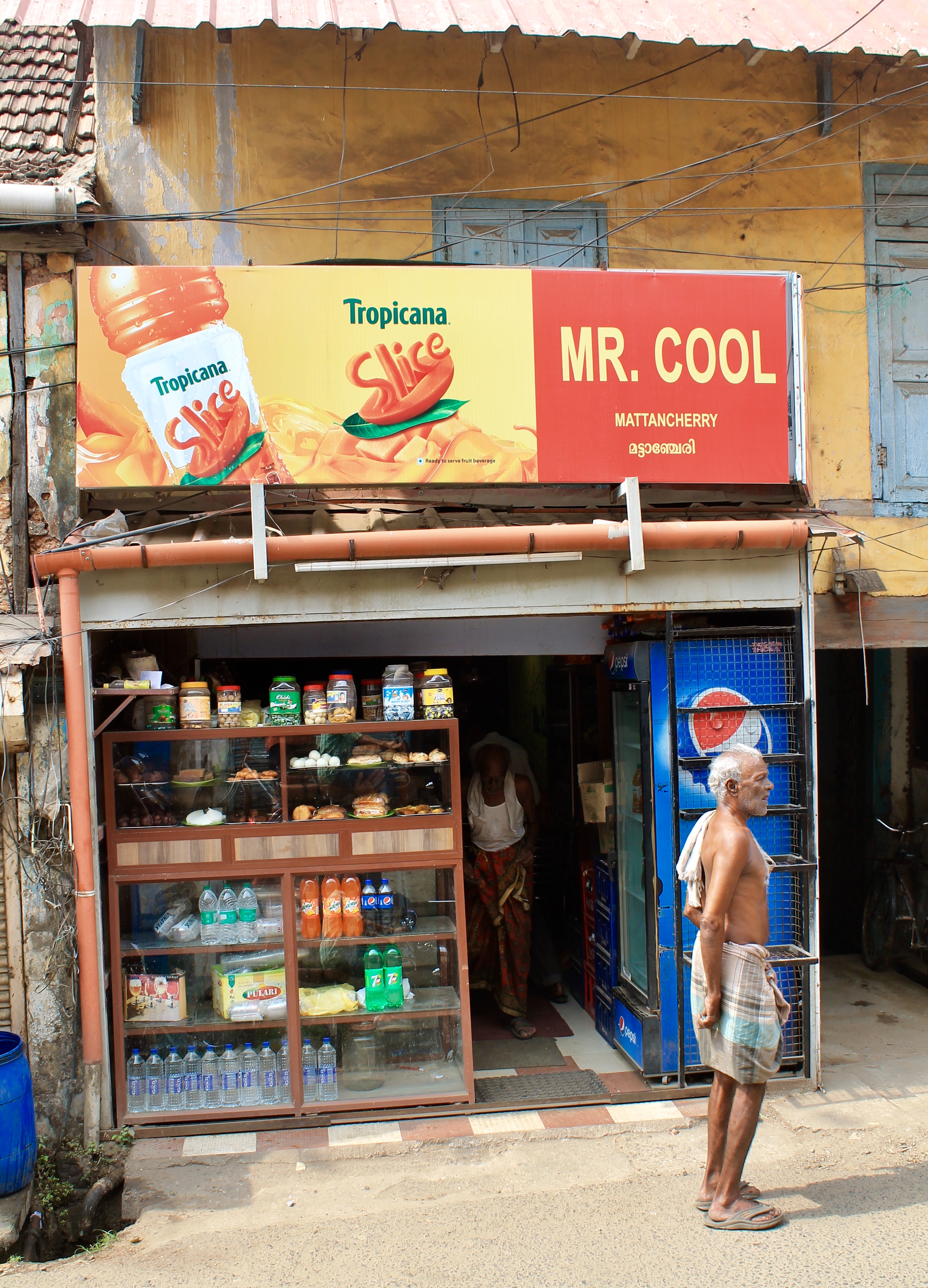
Kochi is still an important entrepôt, and the Mattancherry area is all godowns (warehouses) for rice and spices.
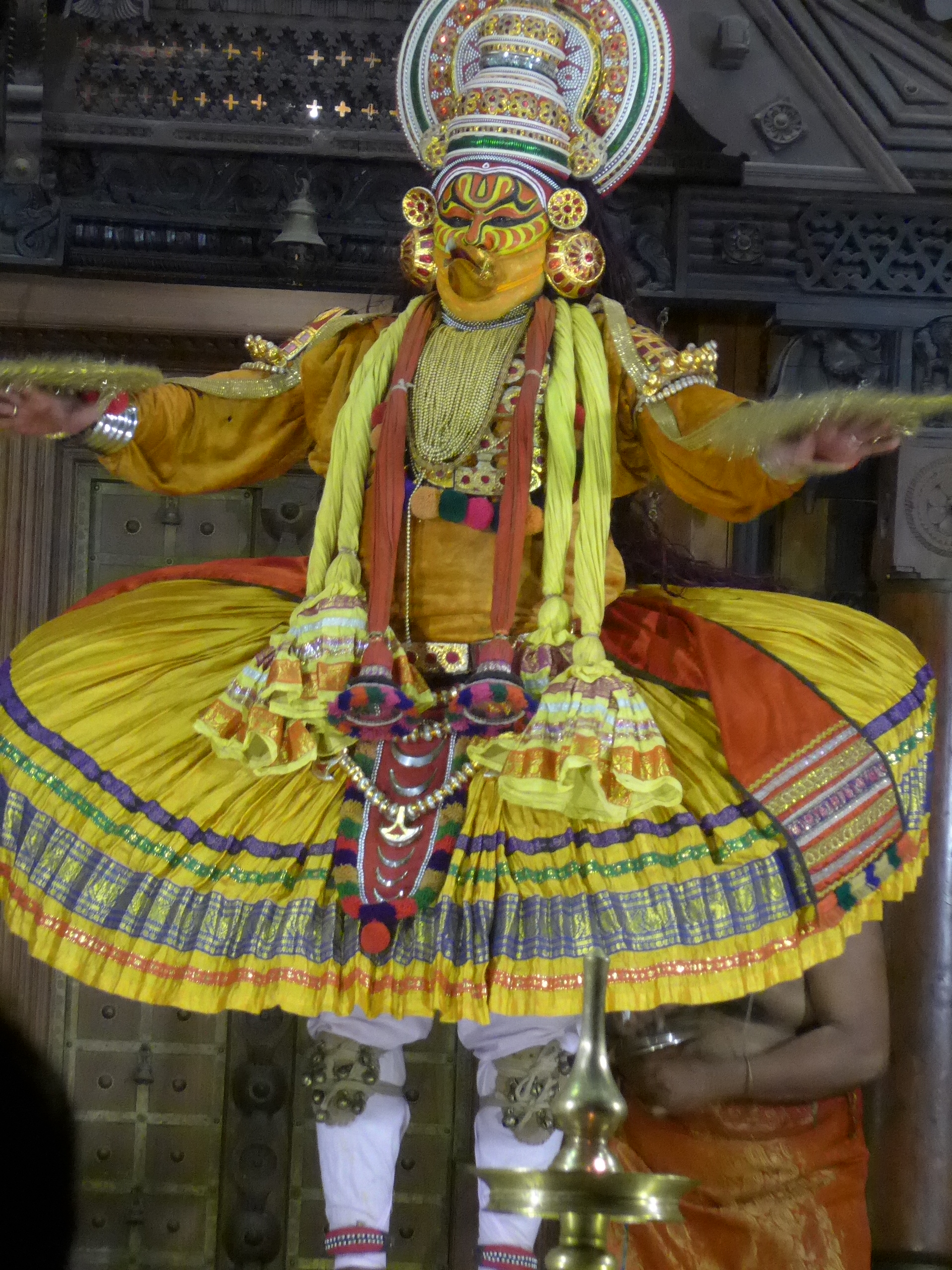
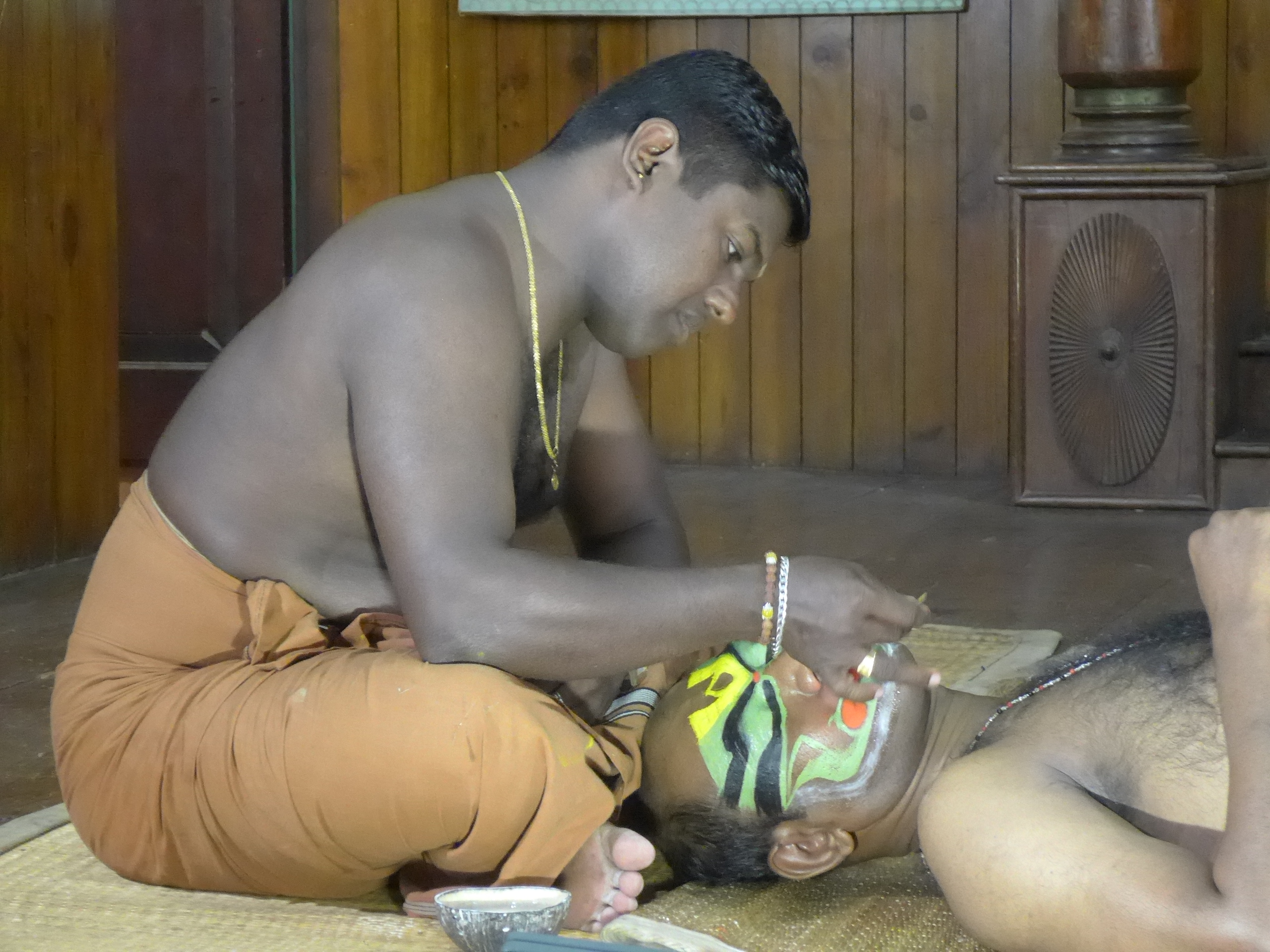
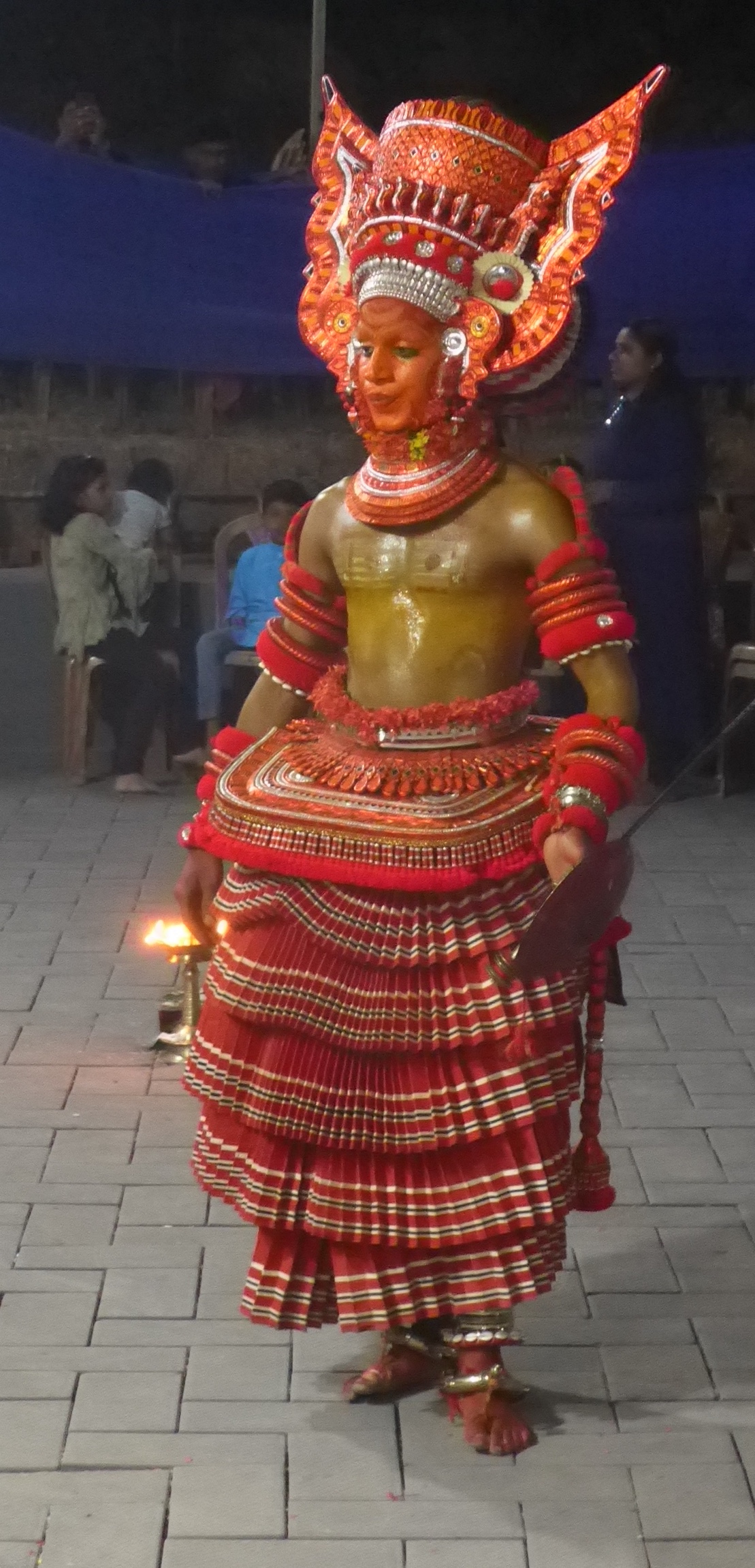
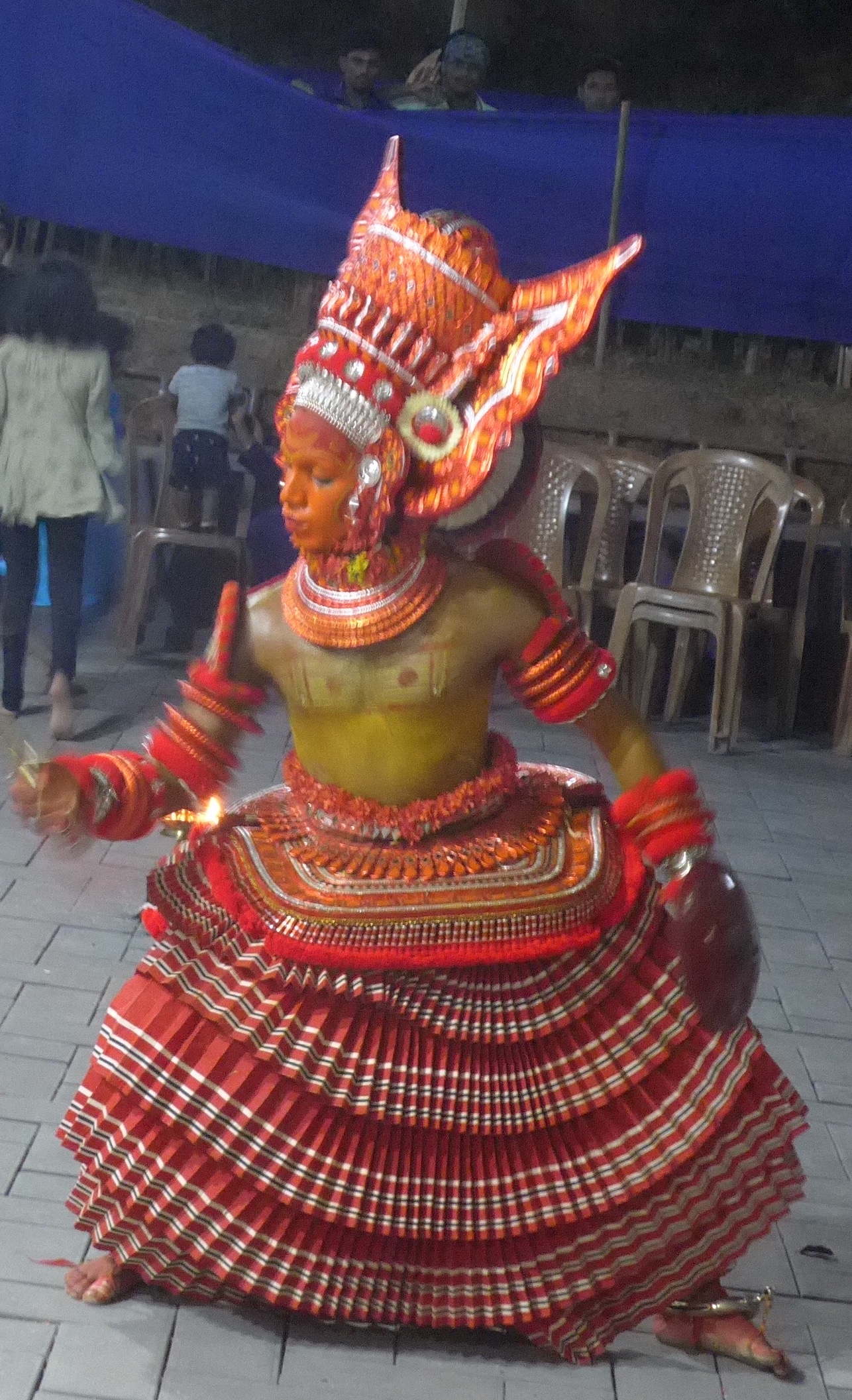
In Fort Kochi you can see Kathakali dance, a form of dance-drama from the 16th century that uses complex eye movements, facial expressions and hand gestures to convey the meaning of the story.
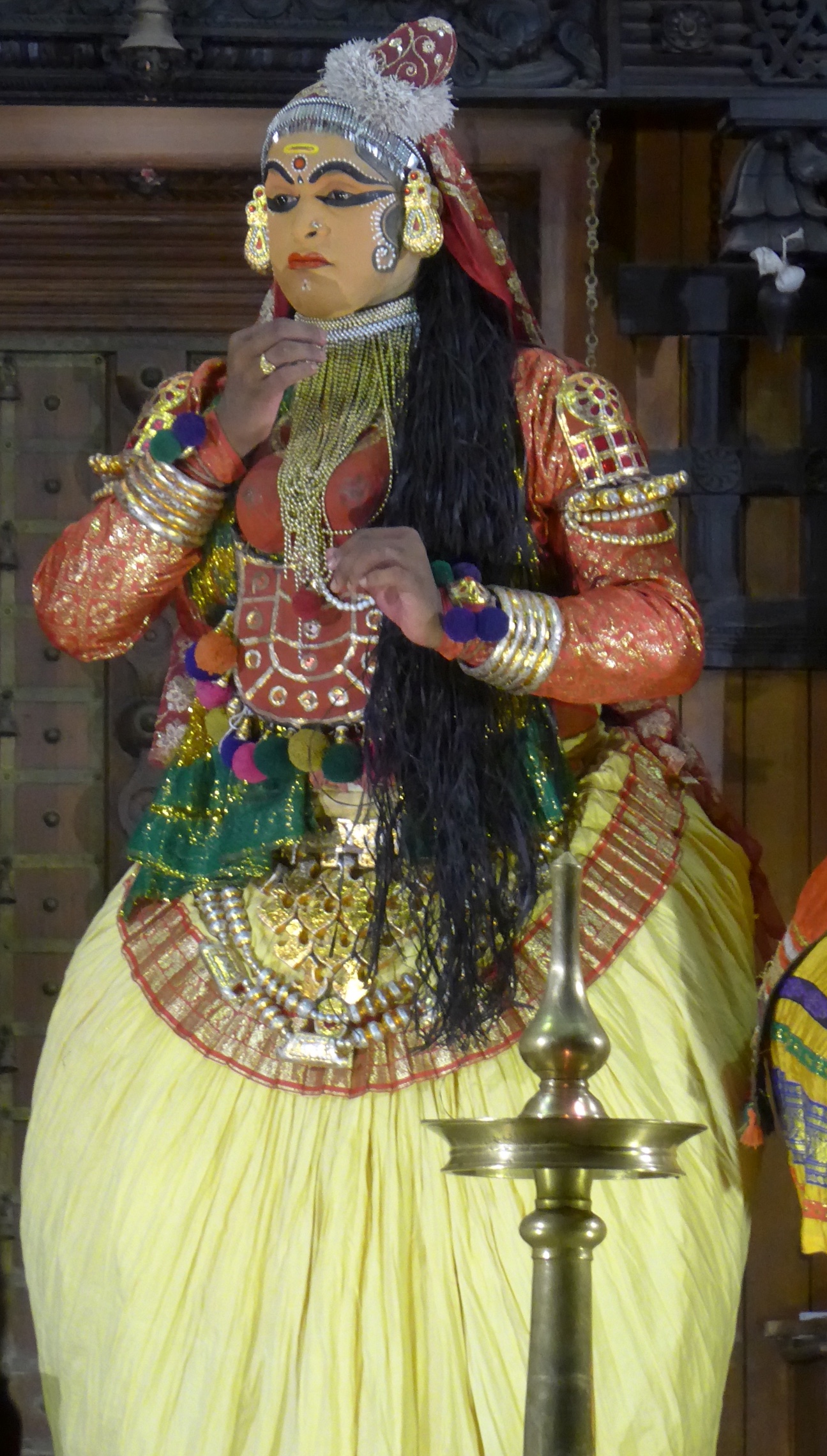
The application of the make-up and costumes takes hours.

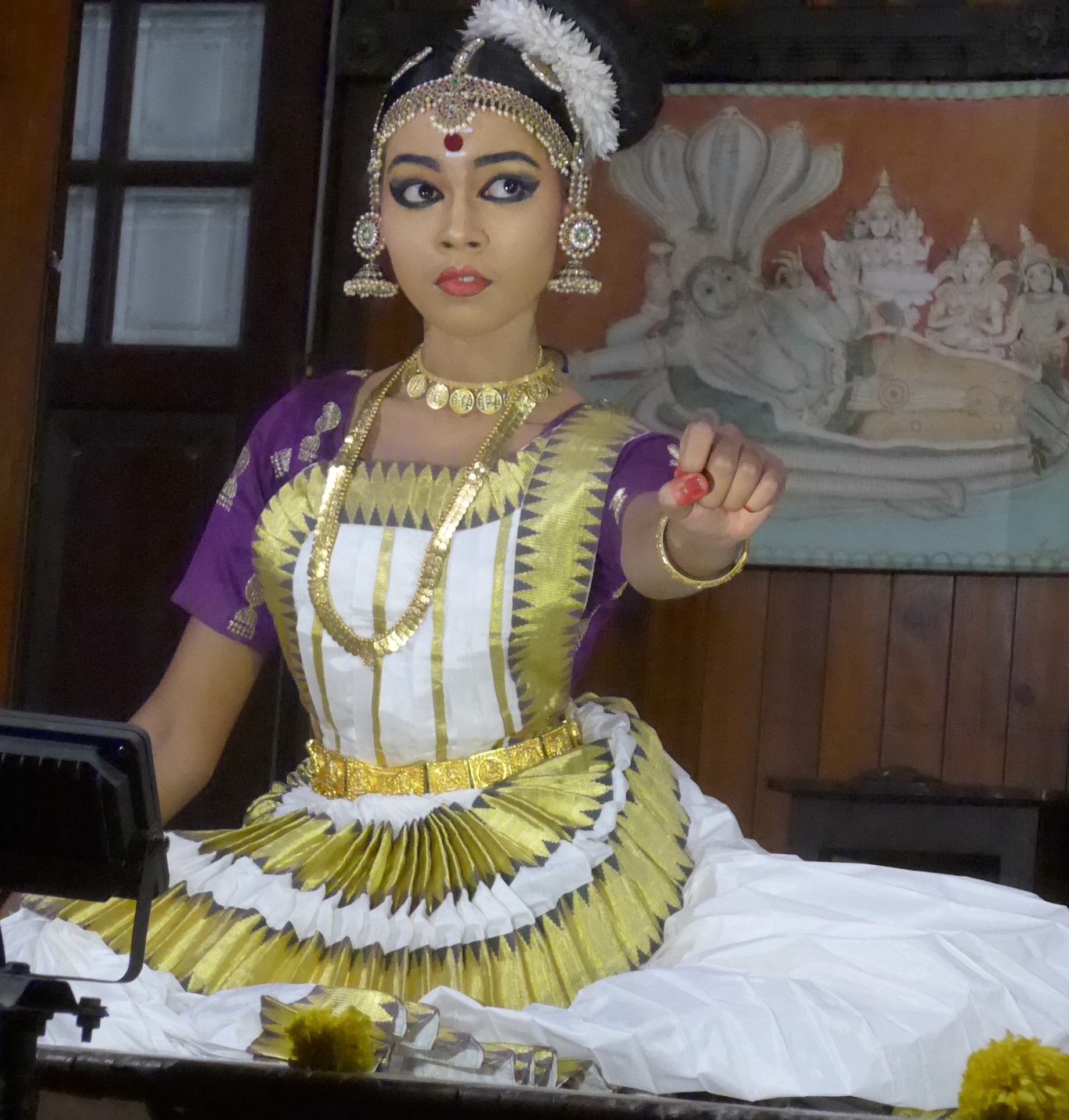
Or you could see the more traditional Indian classical dances.

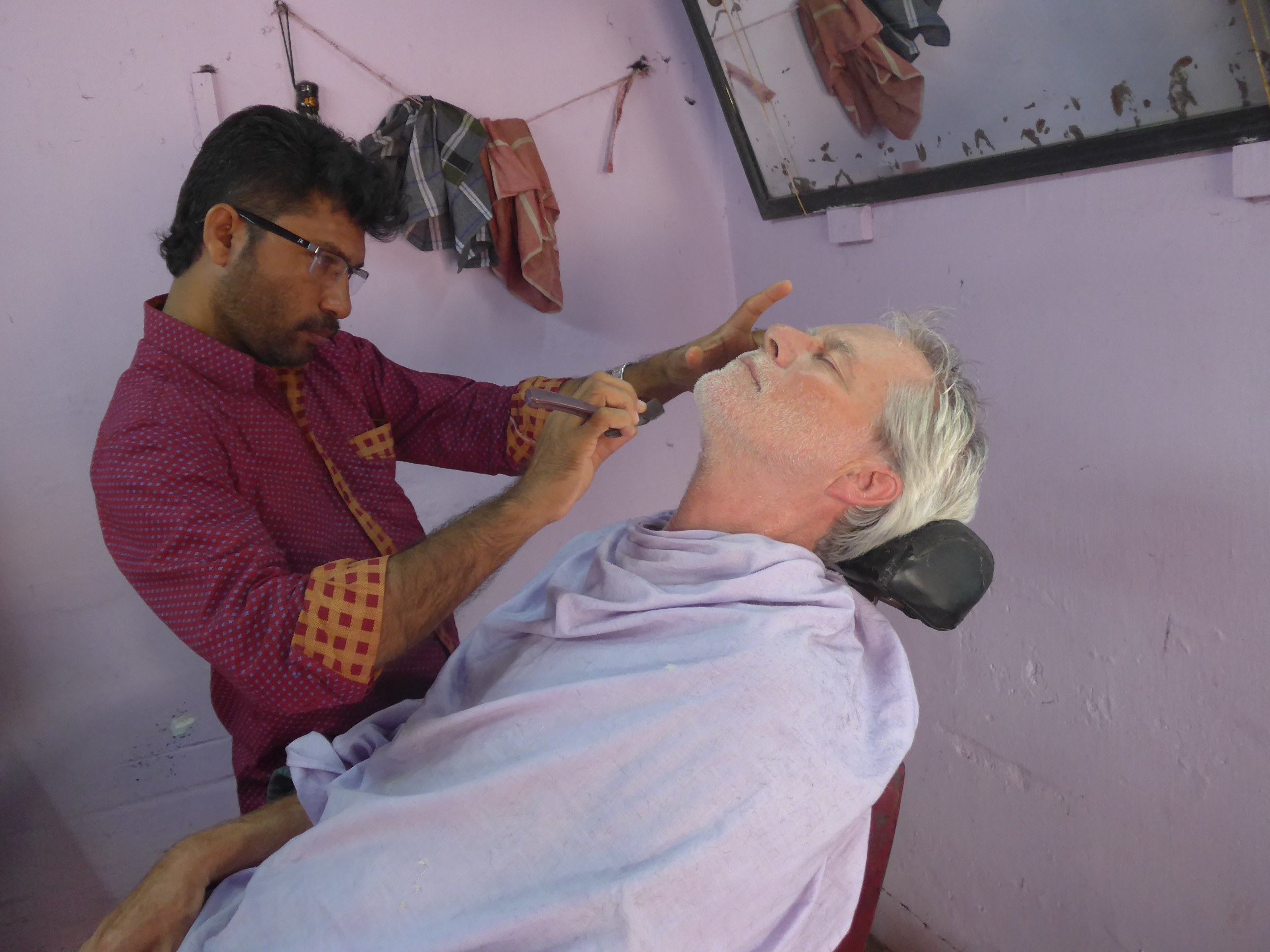
Or you could catch up on some beauty culture.
Having had our fix of caffeine and culture we headed south for the last time to Lake Vembanad, our last stop in India.
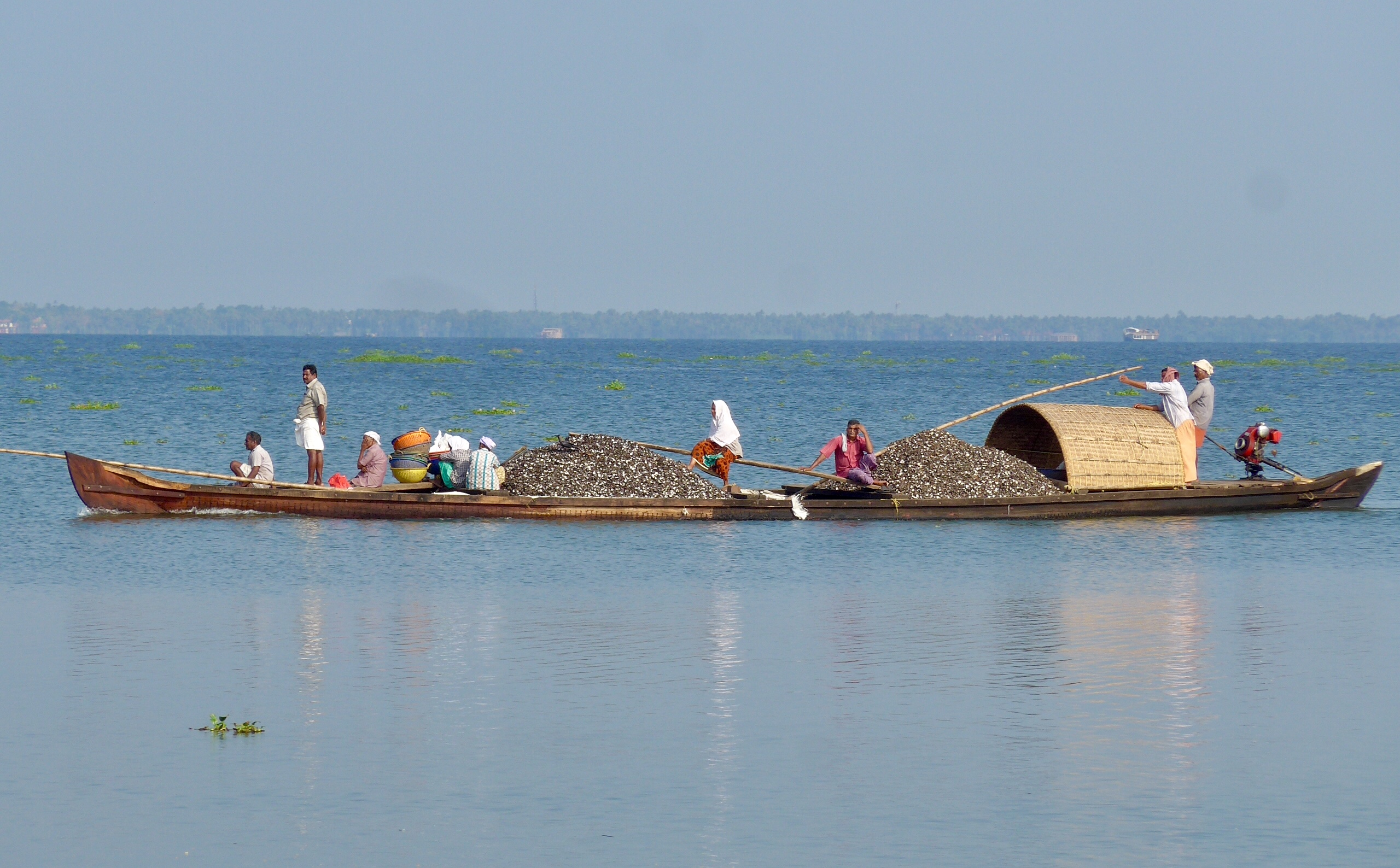
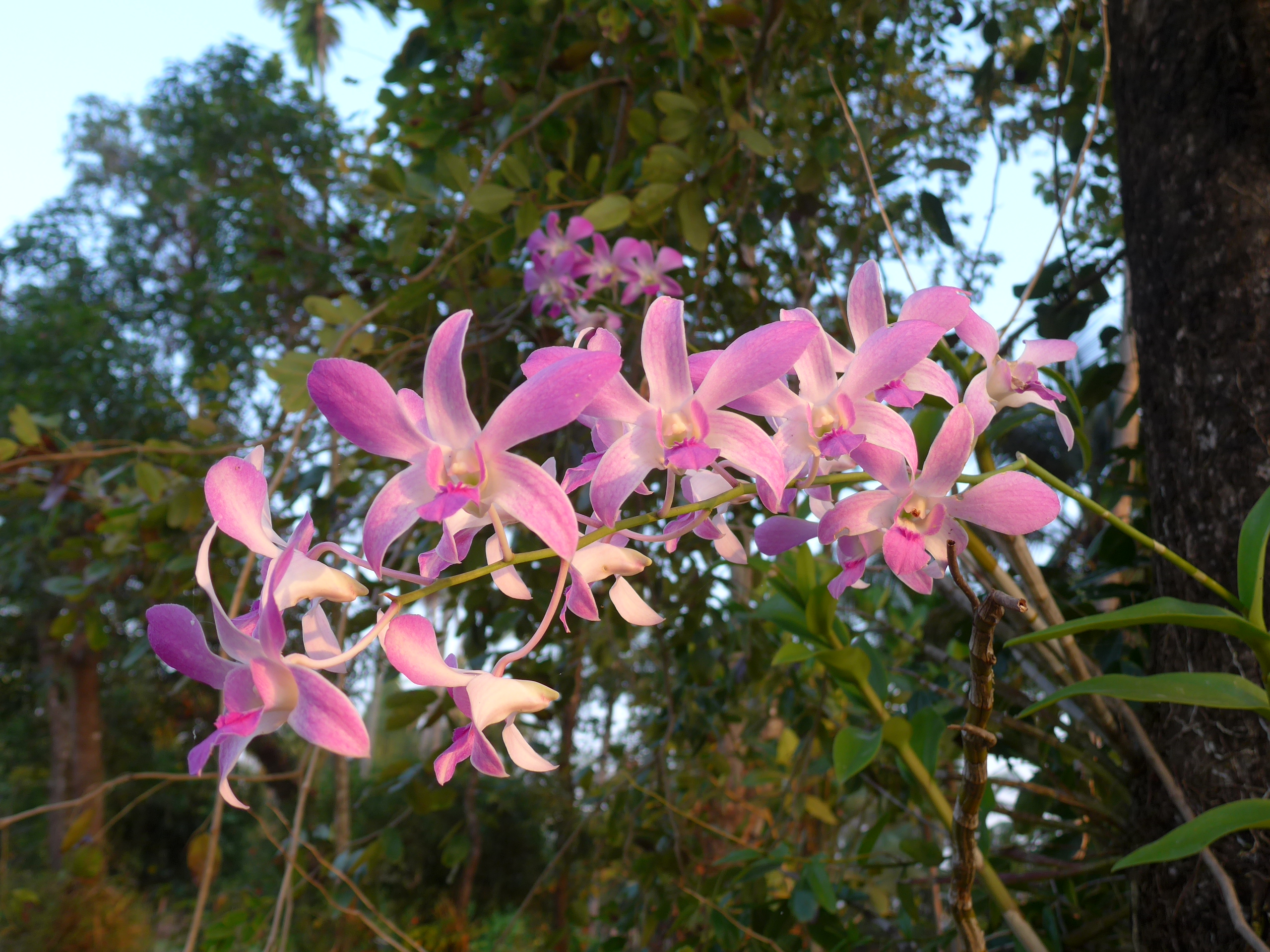
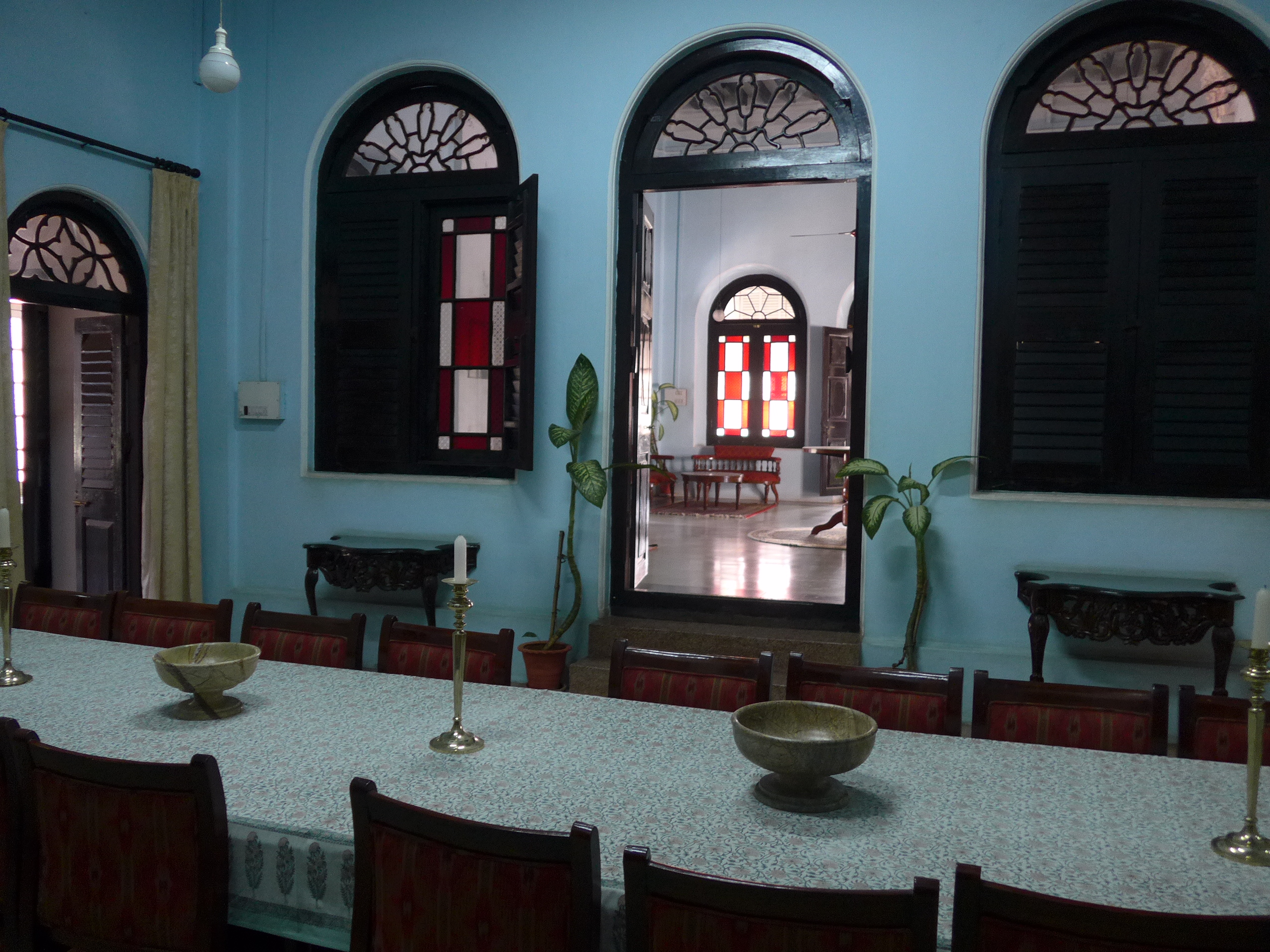
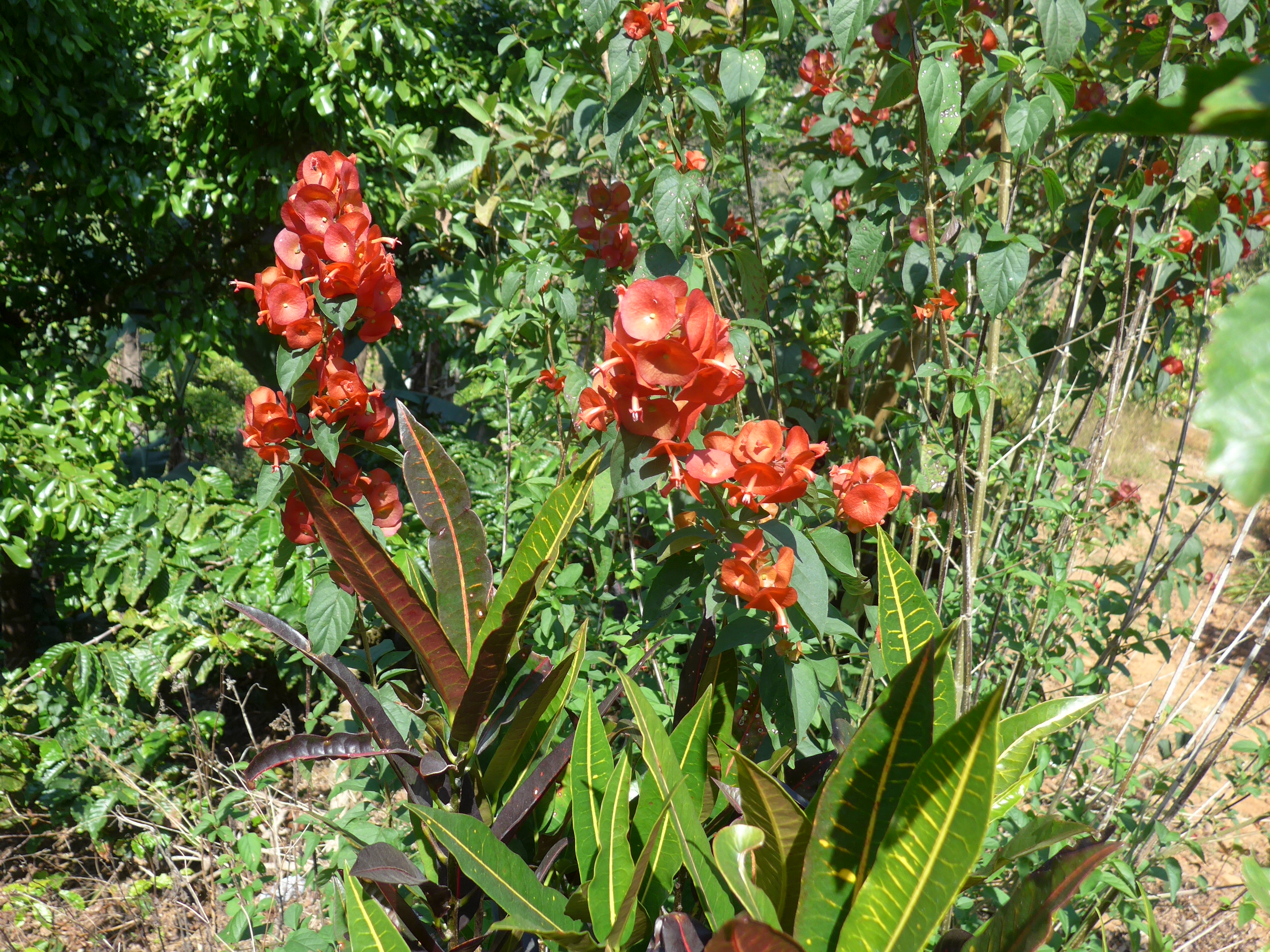
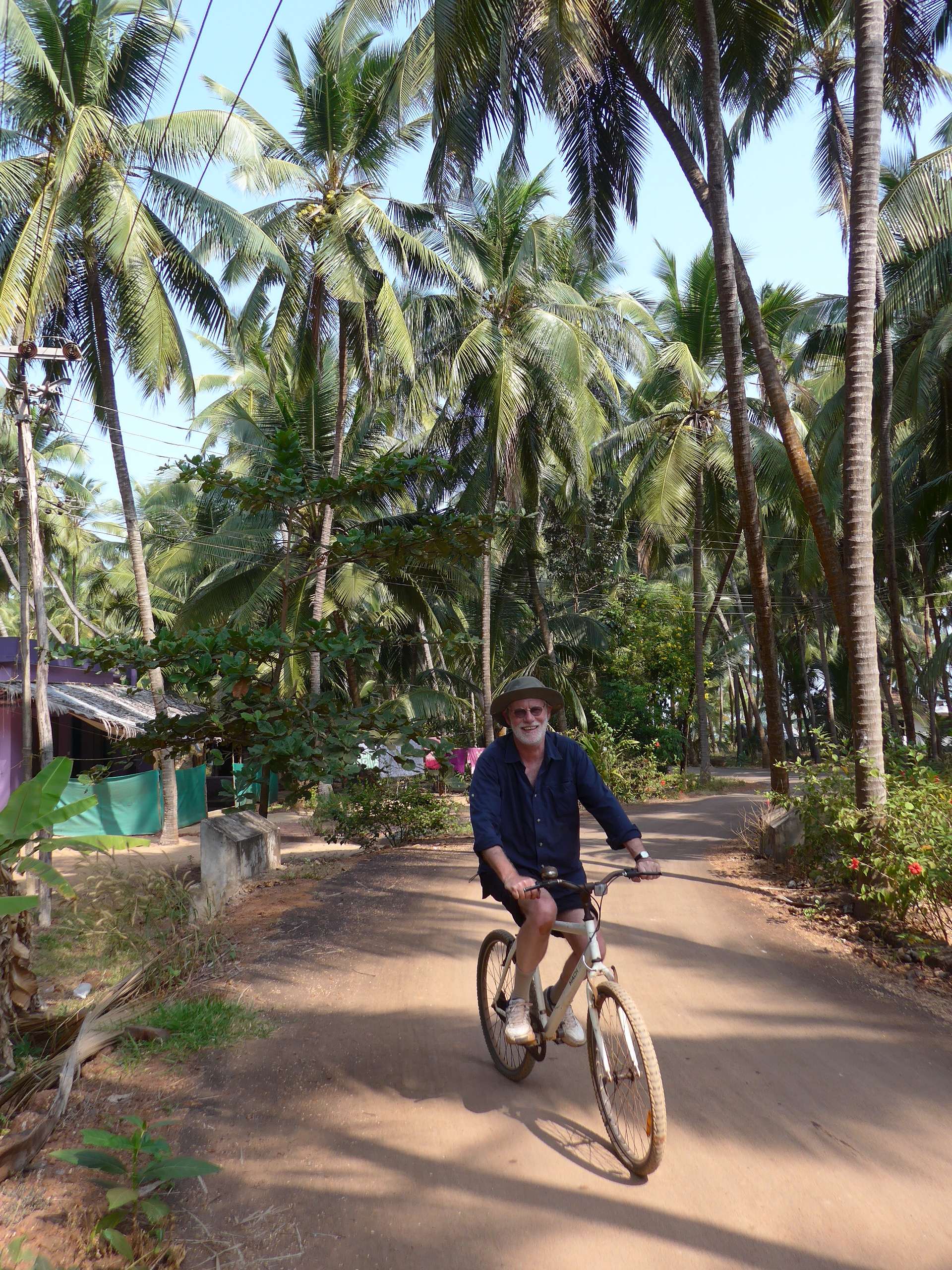
The temperature was 33 and the humidity 76%. Our hosts at Vembanad House, Sandhiya and Bala, told us that under the Communists most of their land was taken away as no-one is allowed to own more than 15 acres. Luckily they still have their beautiful traditional Keralan home, with ornate wood-carving, and terracotta tiles. Around it they had planted coconut groves, flowering shrubs and orchids.
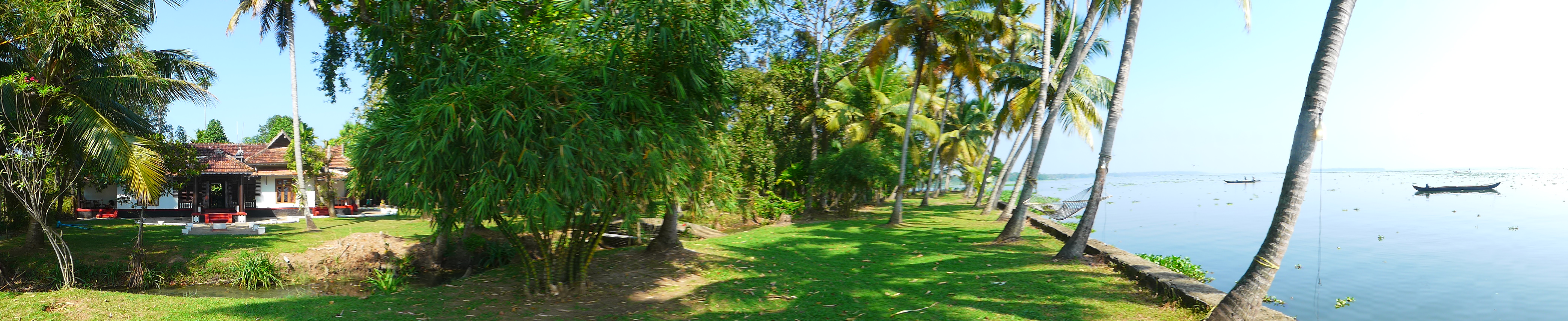
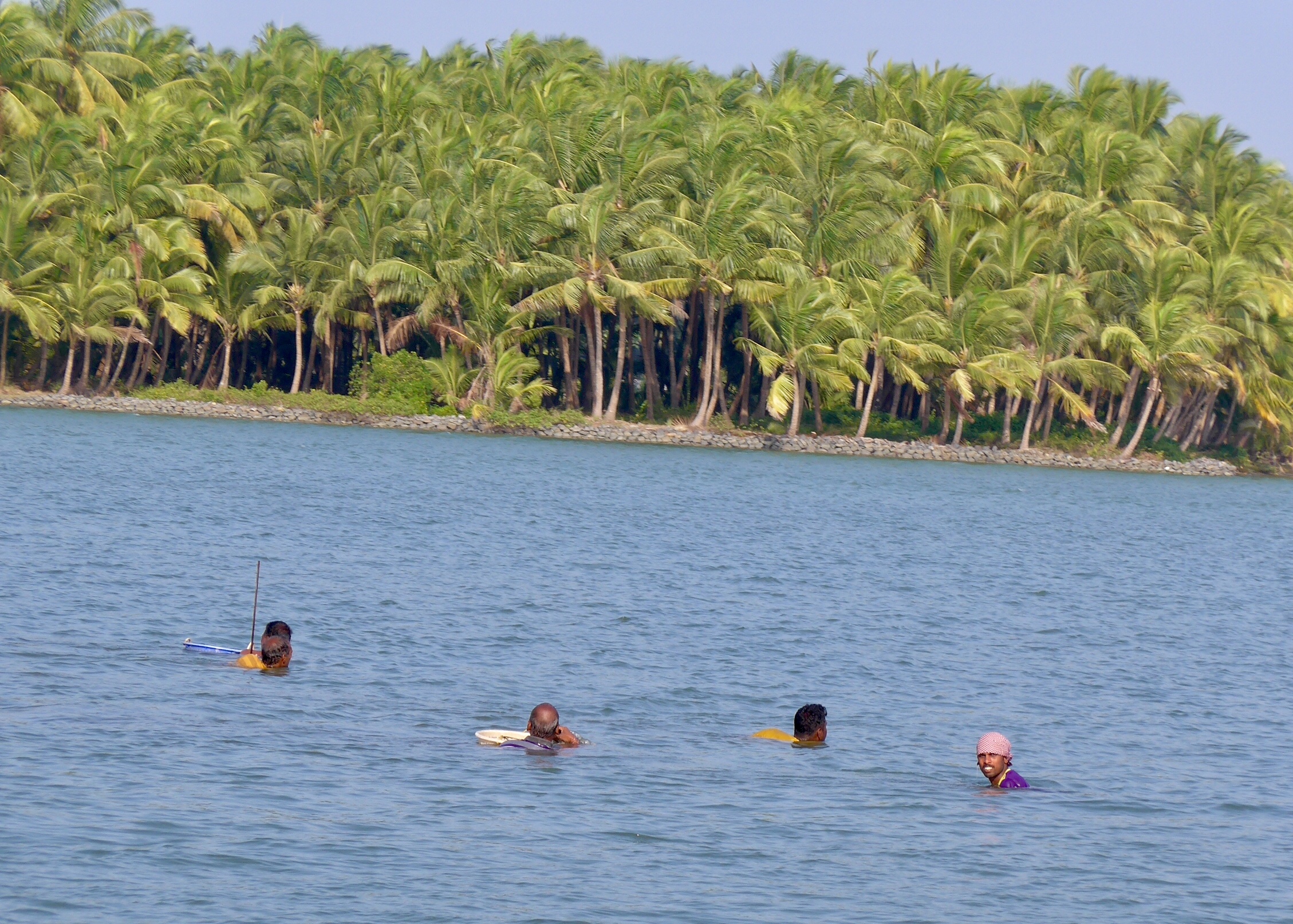
Behind were two large padi fields and in front the 60-mile long lake spread out like a watery mirror.
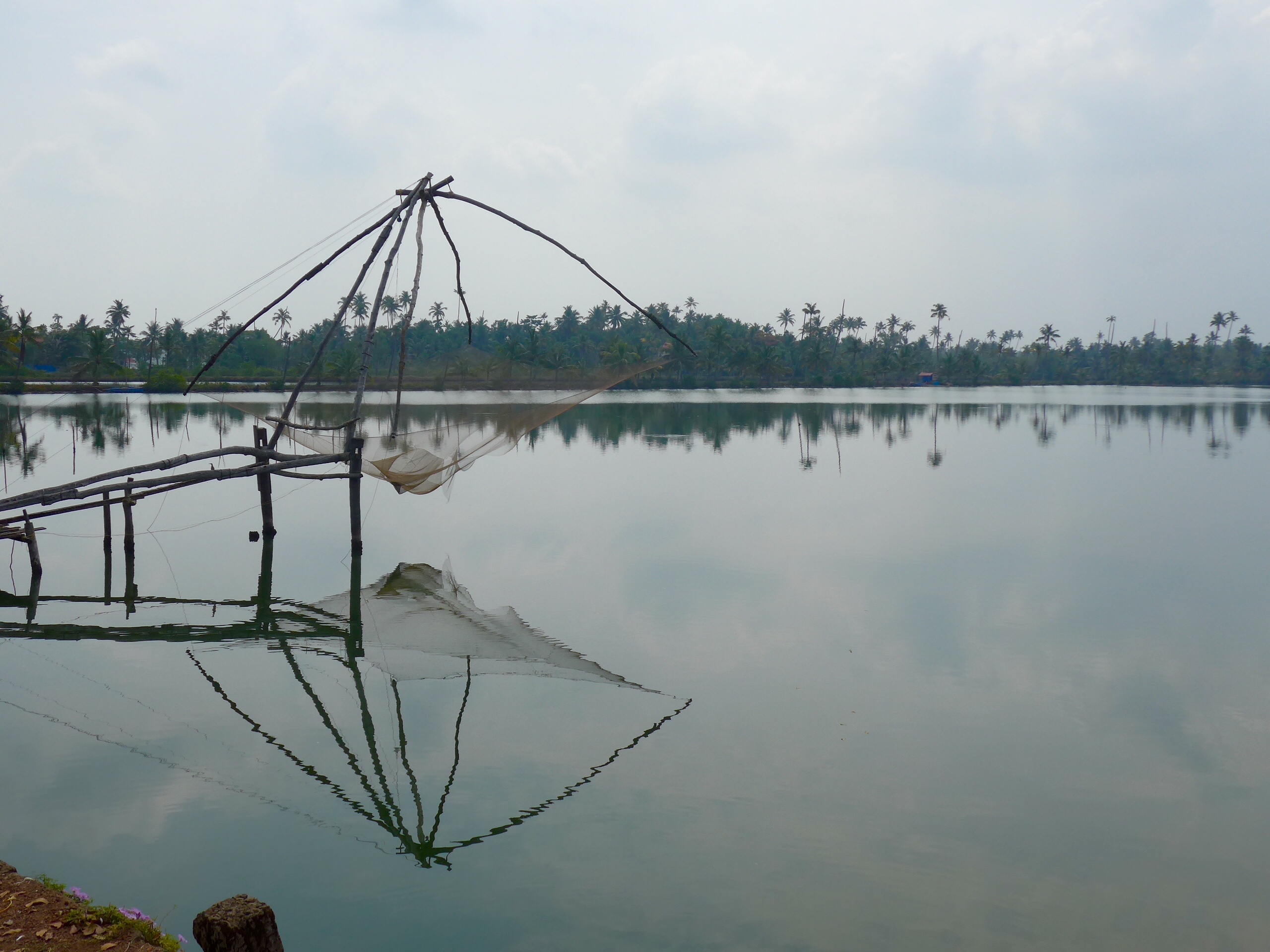
That night we watched thunder and lightning across the lake. Suddenly a tremendous wind rushed across the water followed by a tropical downpour. It was the first rain we had seen in nearly four months.

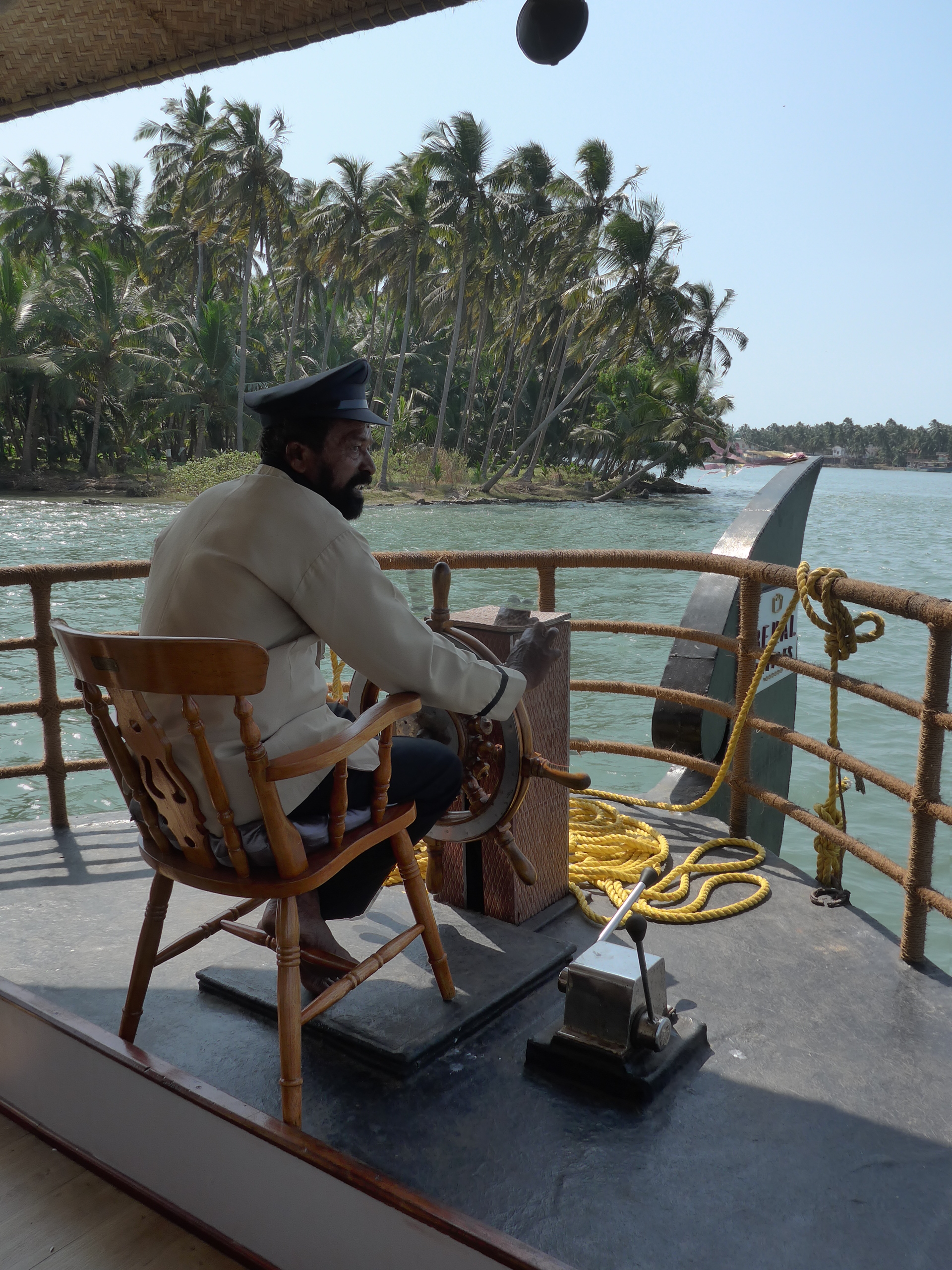
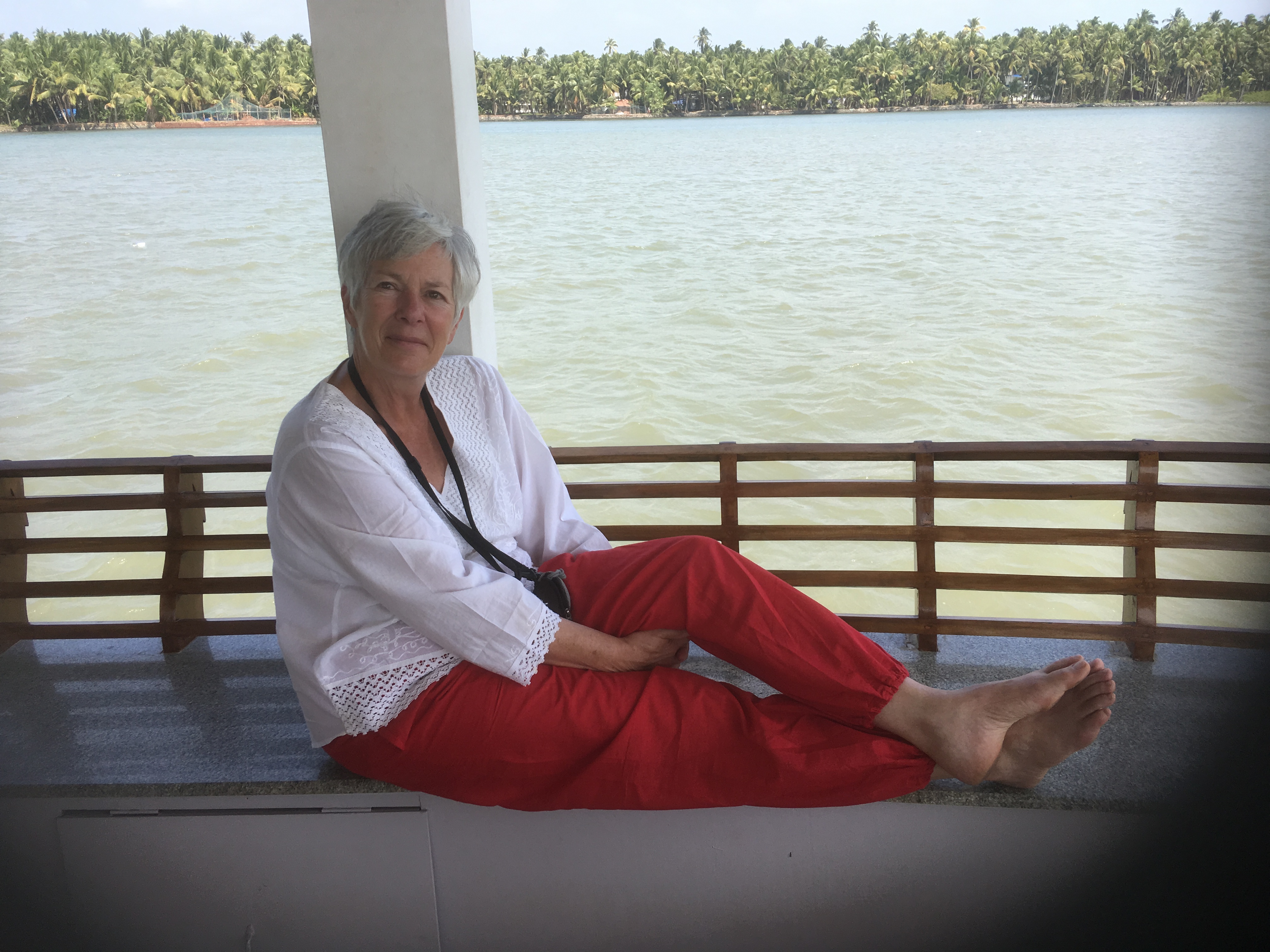
This was part of Kerala’s famous “backwaters”, a sort of tropical green Venice, where tourists hire luxuriously-converted rice boats at Aleppey and glide down the canals and across the lake.
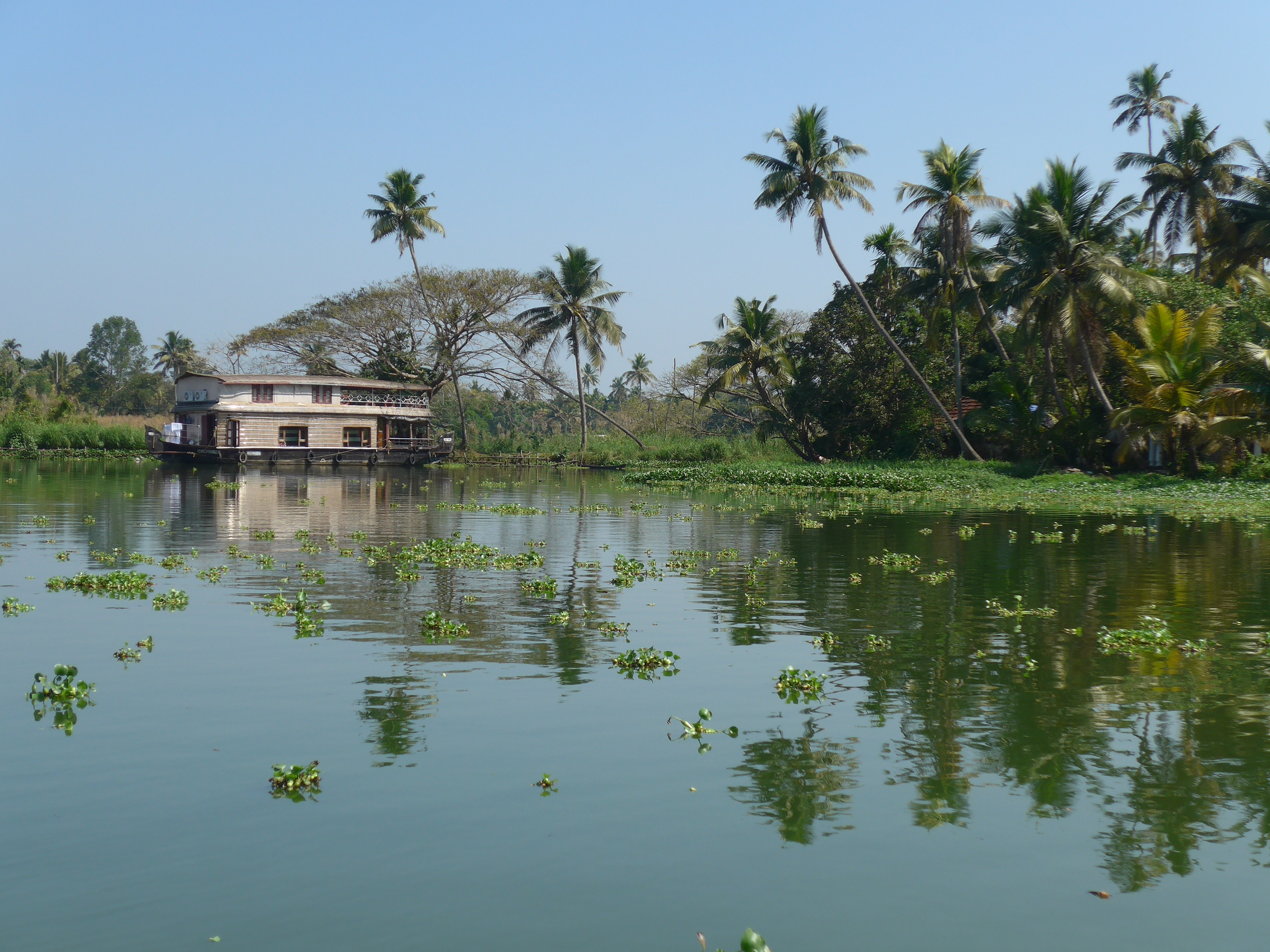
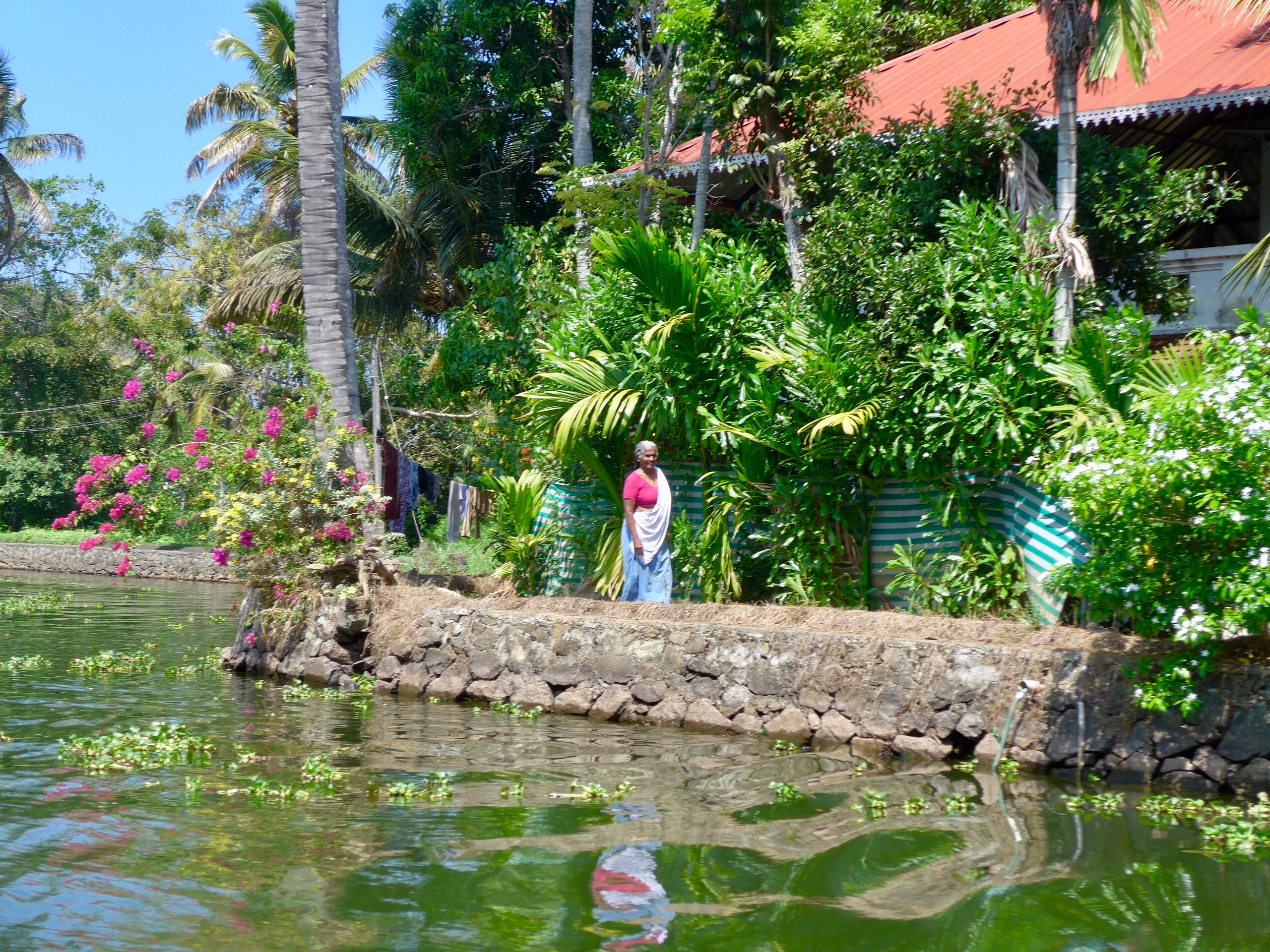
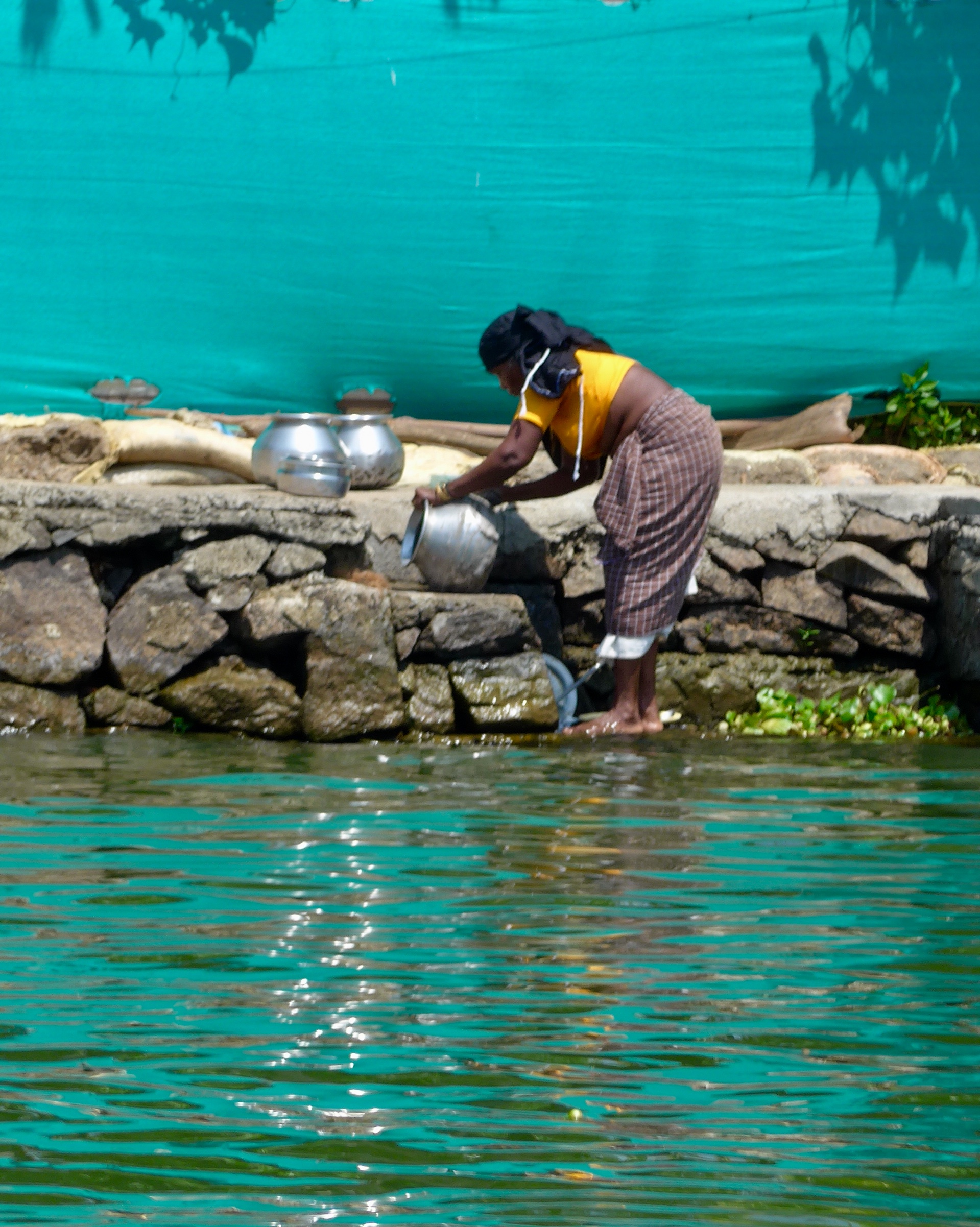
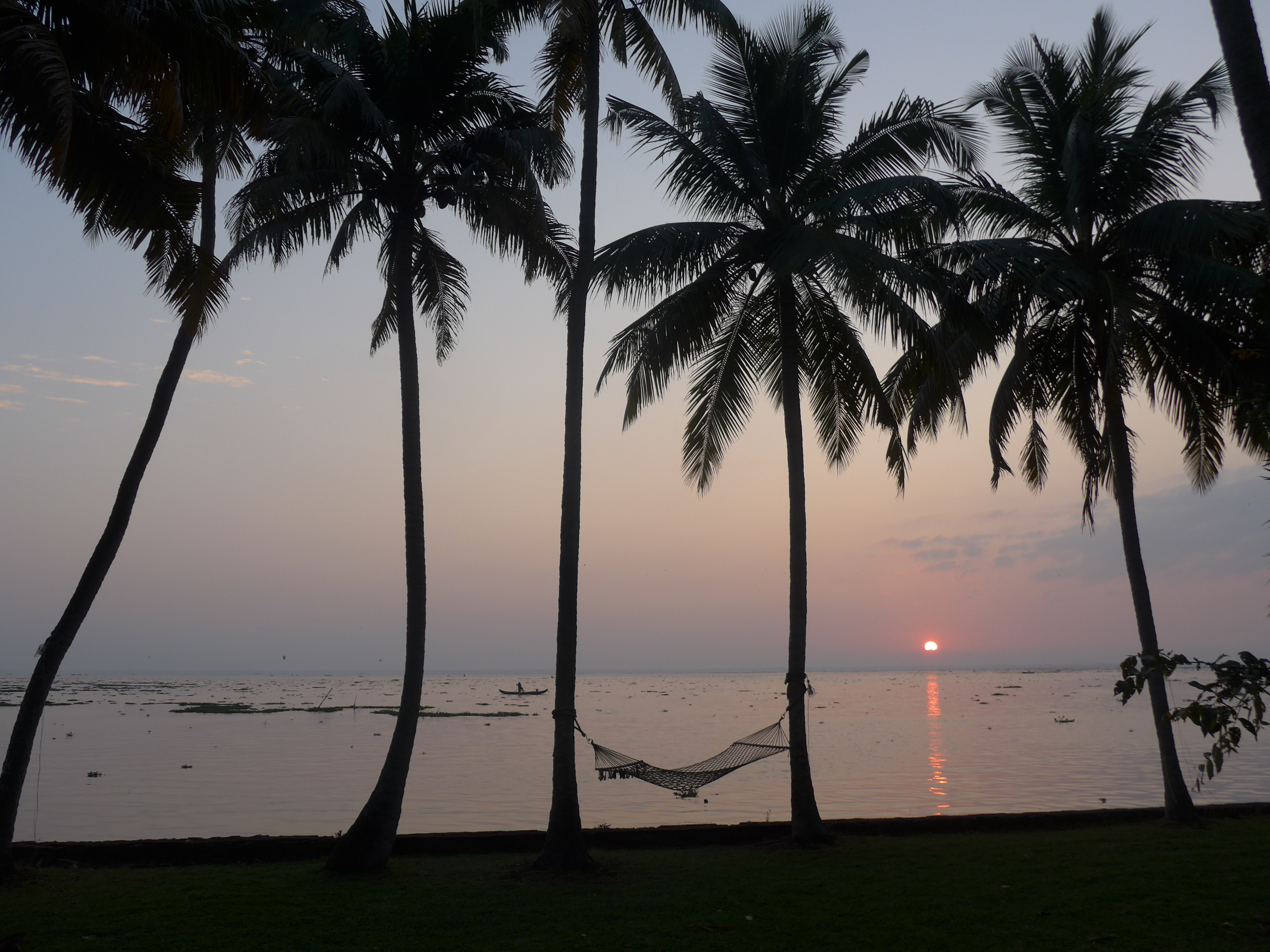
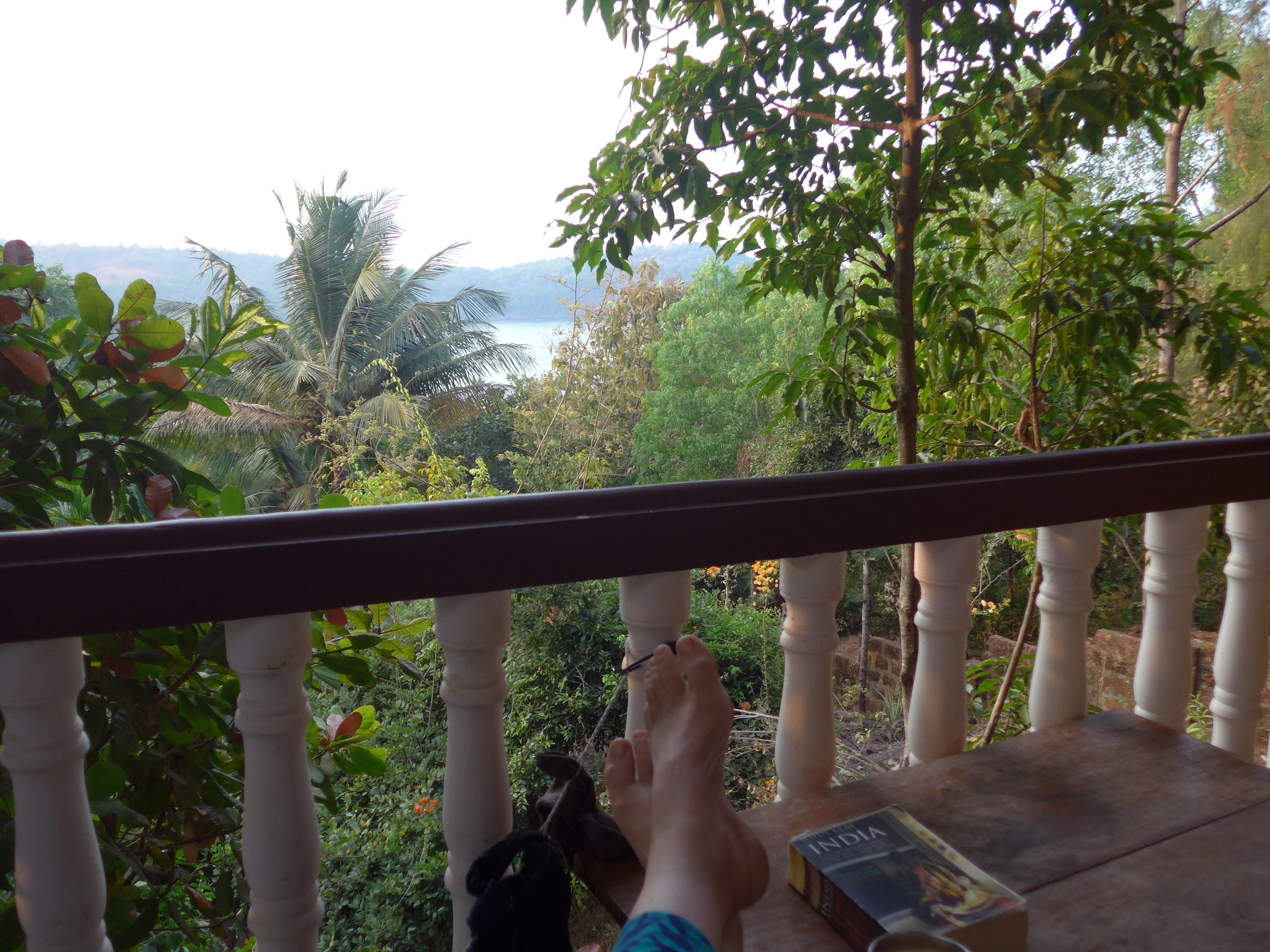
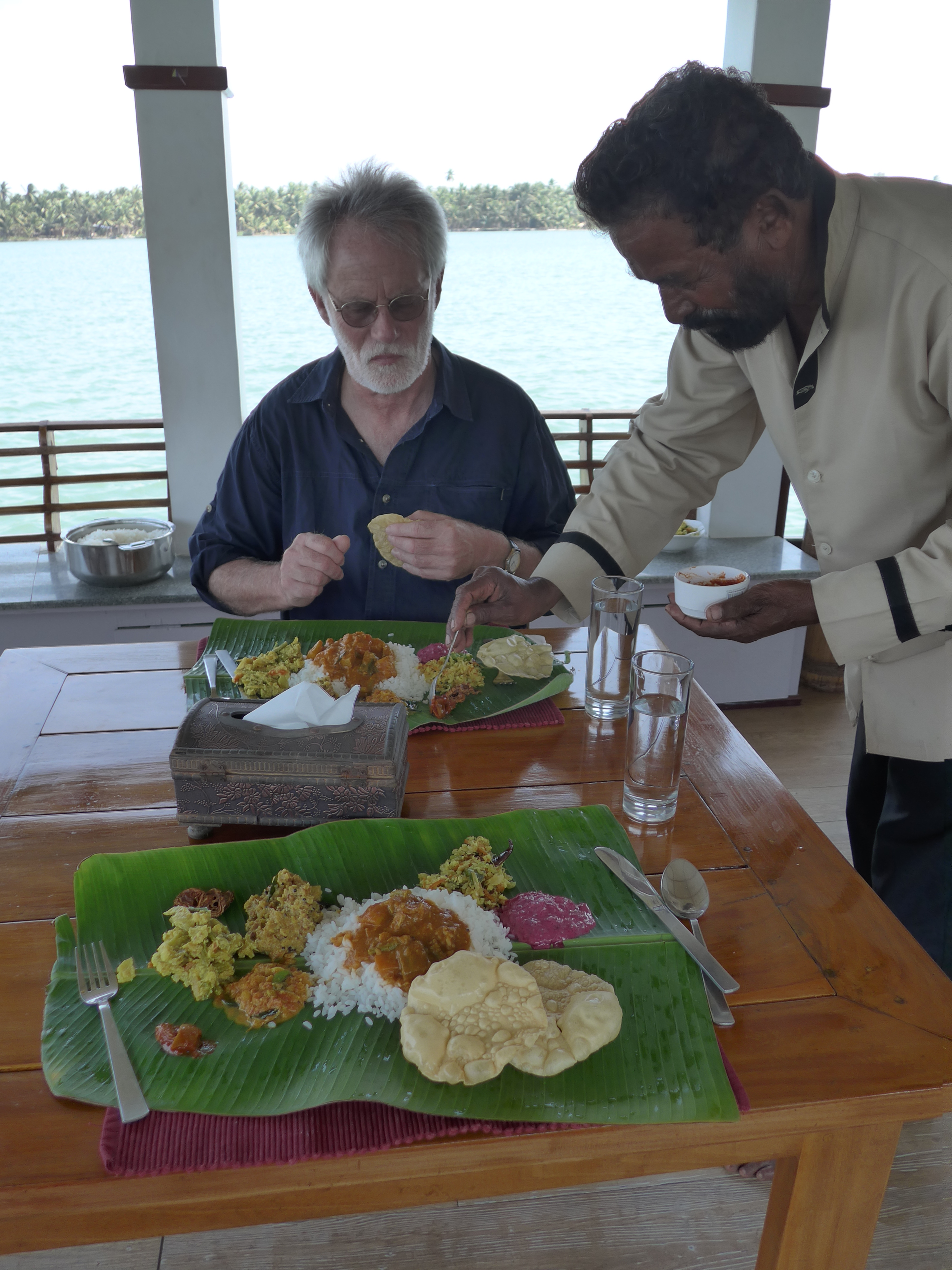
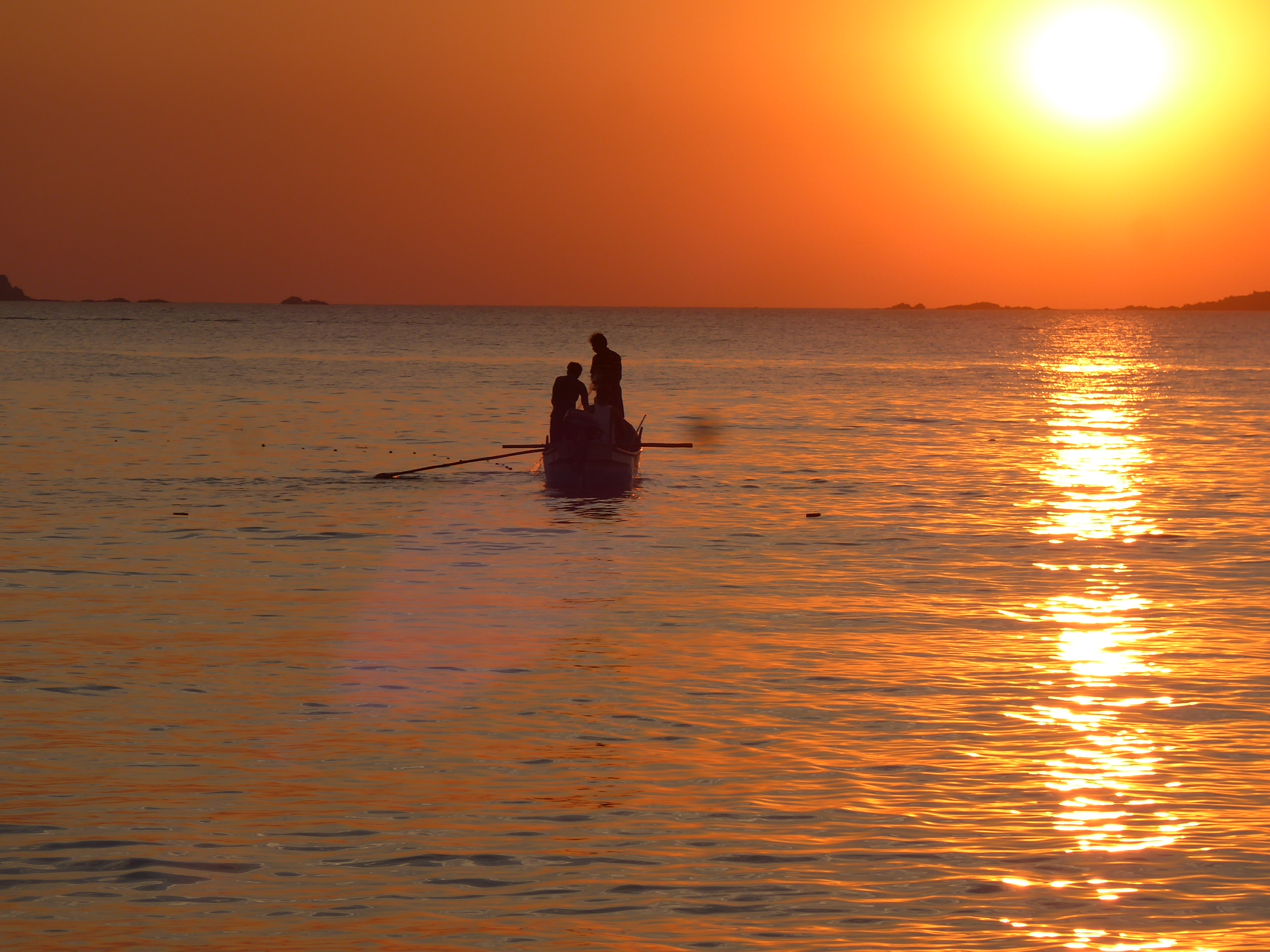
But who would want to do more than lie in the hammock by the water’s edge, at Vambanad House, watching the fishing boats paddle by, while exotic birds pottered about, and Sandhiya produced meal after delicious meal? It was a restful end to the India part of our trip, all memories of dust and traffic and malevolent insects fading away, before we flew to Colombo. Just two more weeks in Sri Lanka and the Rovings will be over.























 Riki's Indian Rovings