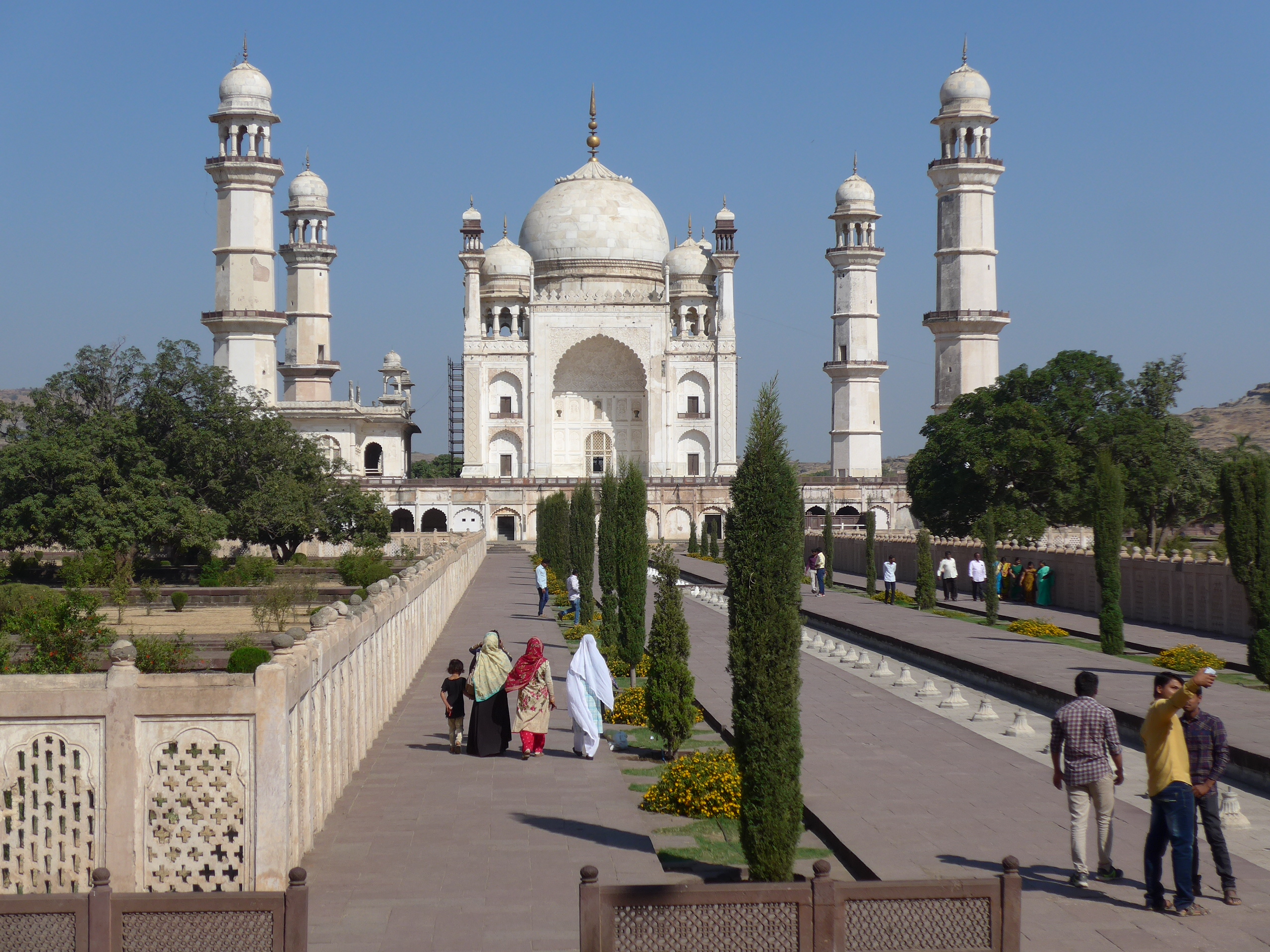
You are probably thinking, oh no, not more ancient sites but this will be the last for some time, I promise. Inland, by a long, seven-hour train journey, was the city of Aurangabad, a base for the two cave temple sites, Ellora and Ajanta.
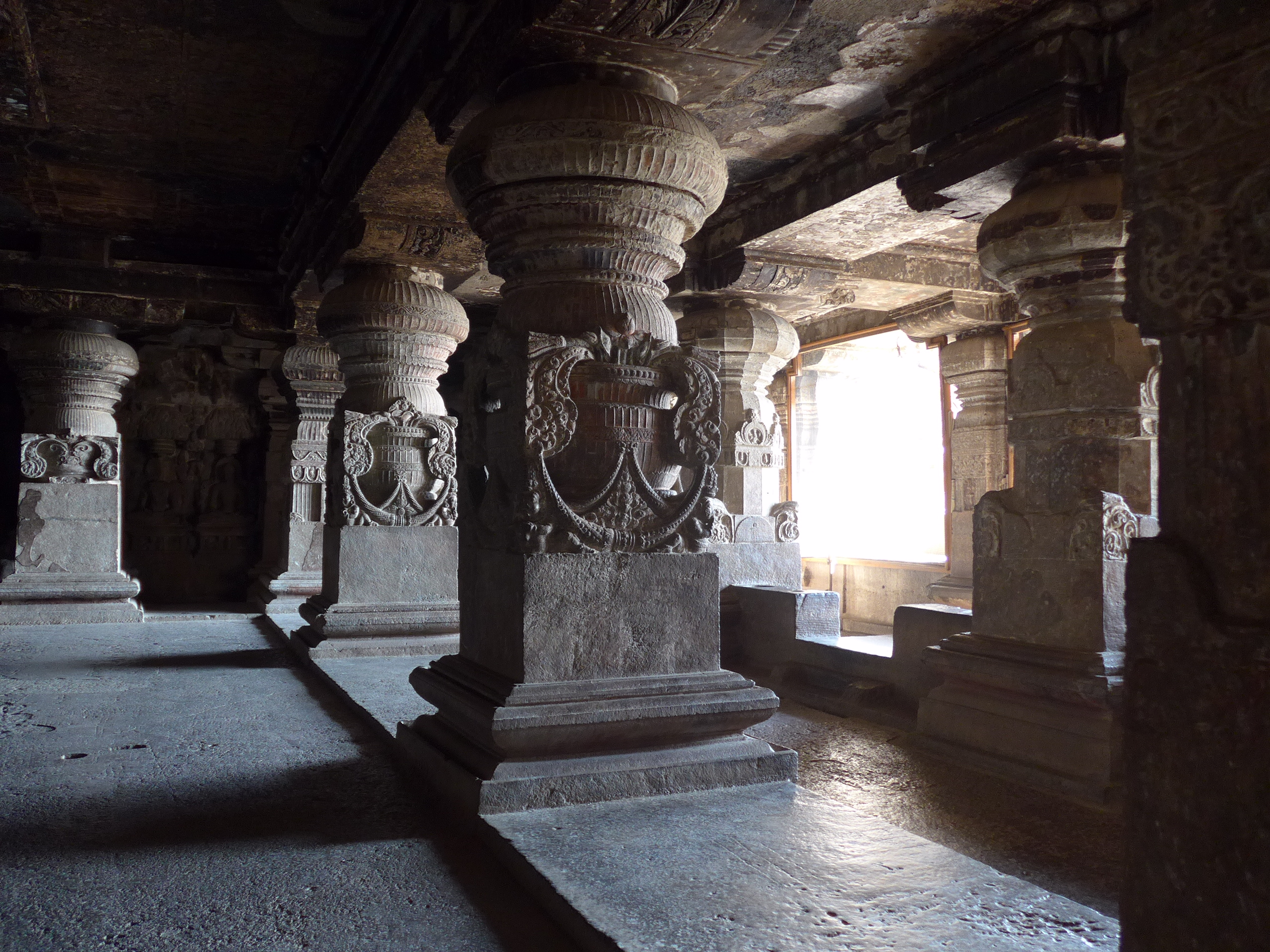
The 34 rock-cut cave temples
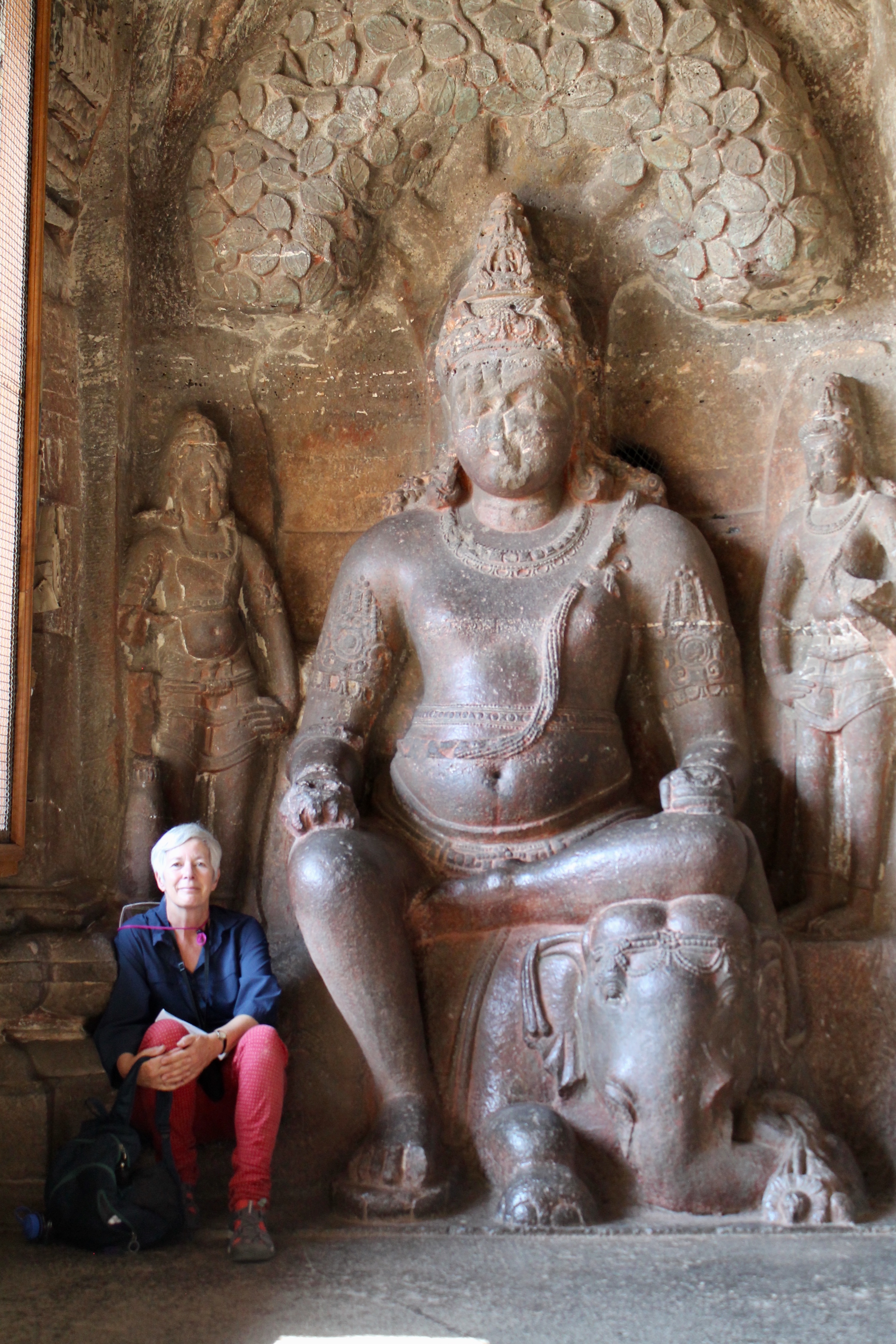
at Ellora are Buddhist, Hindu and Jain and date from 500 to 800 AD.
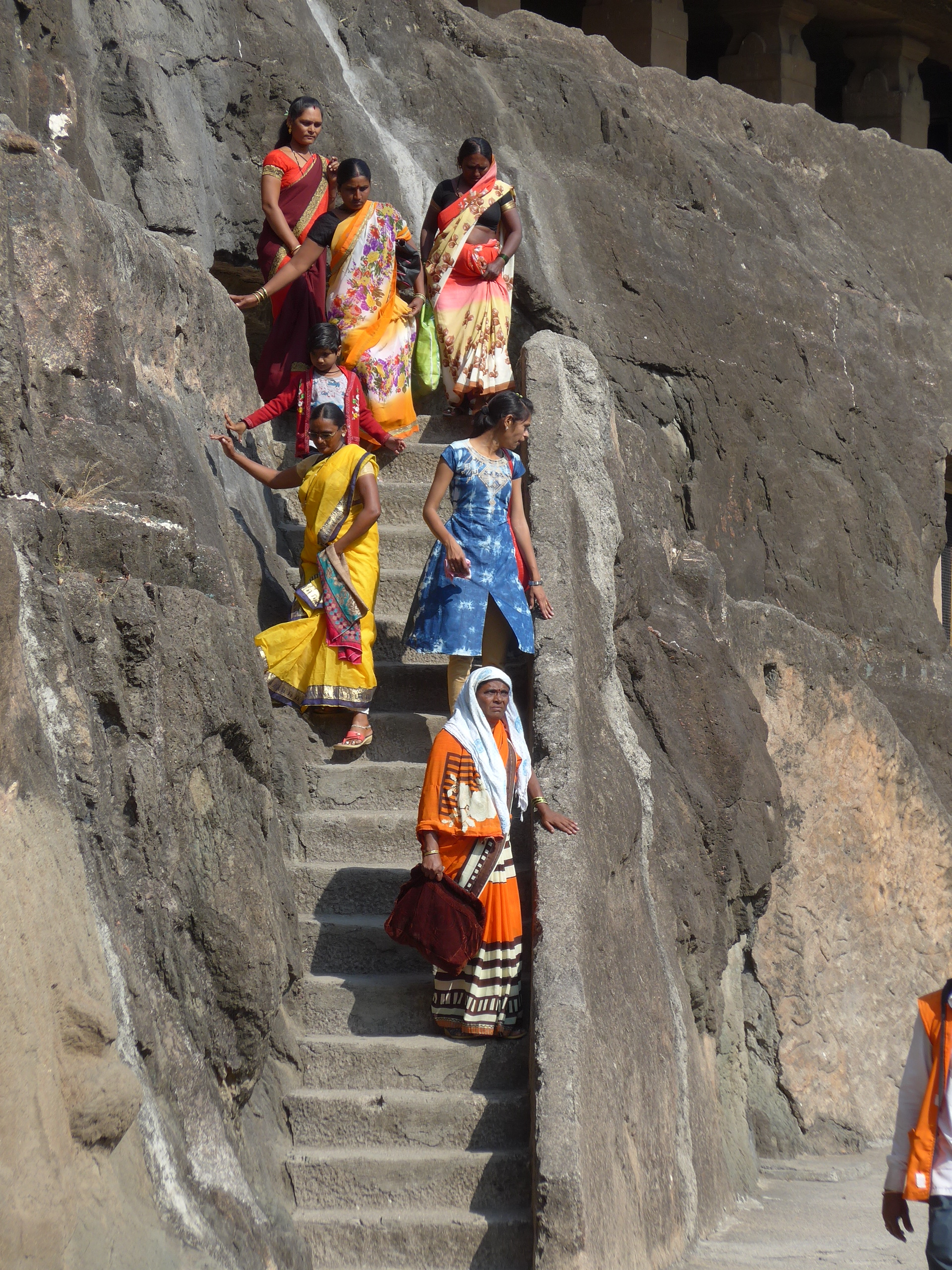
The most famous is the Kailash, the largest rock-cut structure in the world and it is impossible to convey how massive and extraordinary it is. Its maker exclaimed “Oh how was it that I created this?”

Ajanta’s 28 caves, set in a beautiful green gorge, date from the first century BC to the seventh AD and some still have frescoes as well as sculptures.
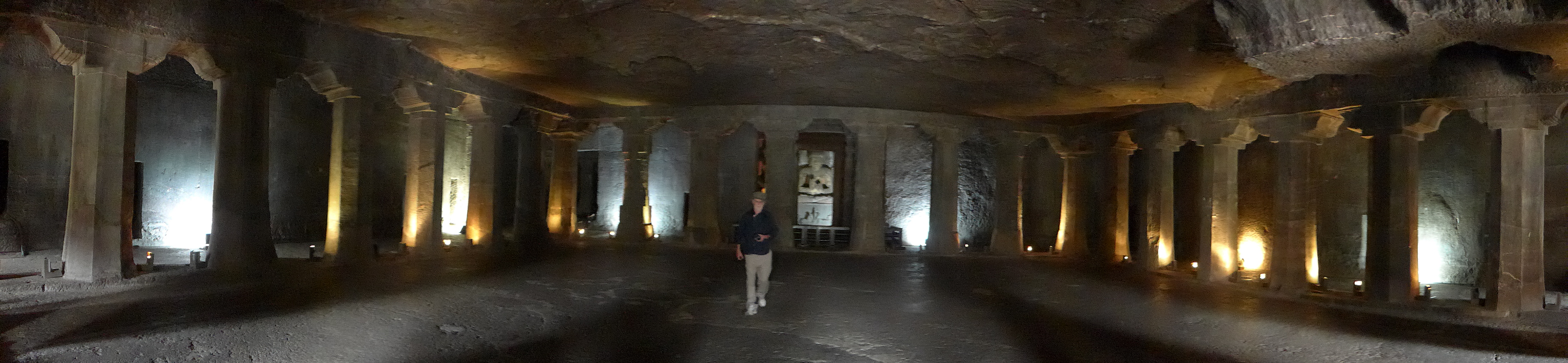
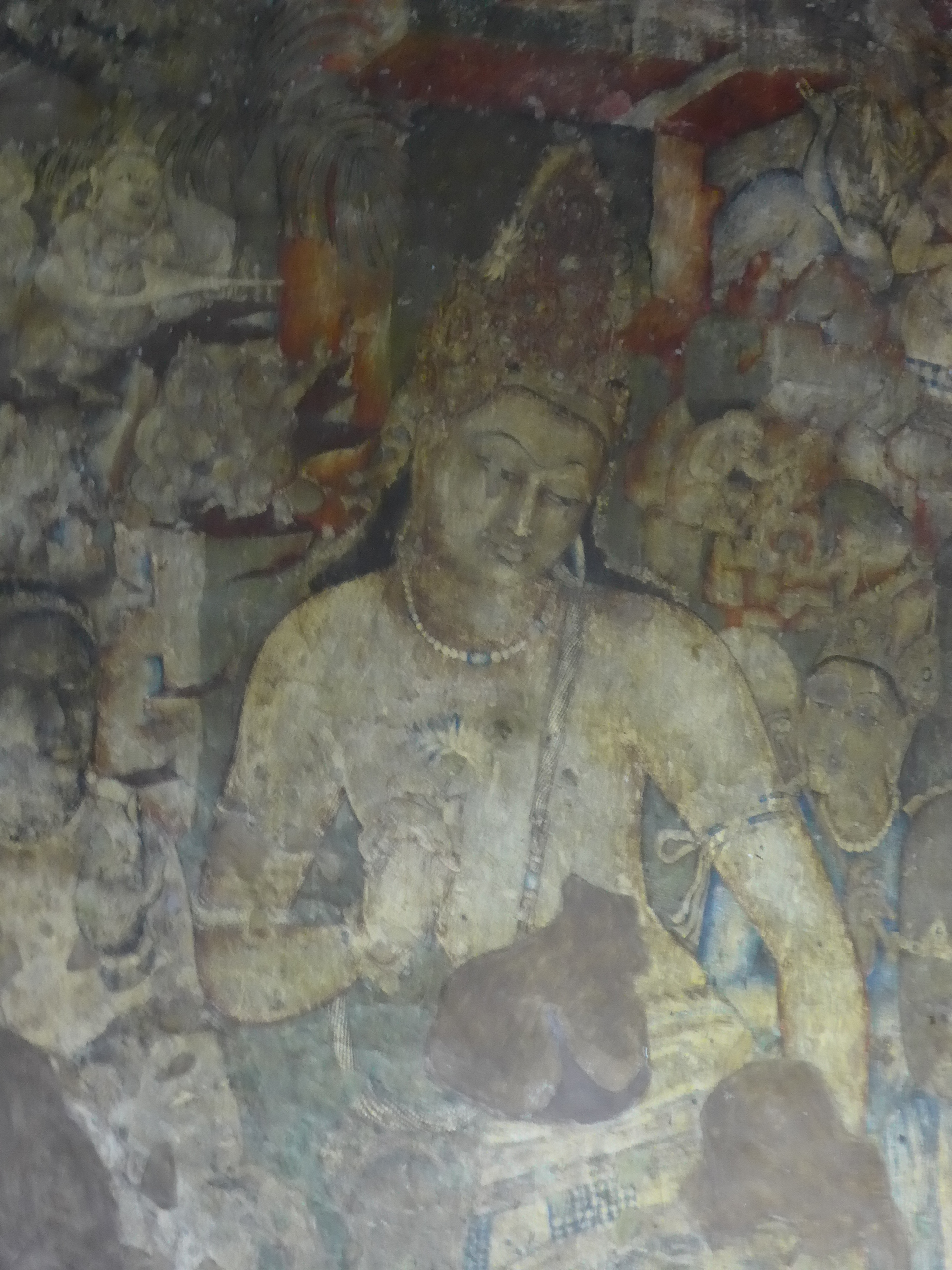
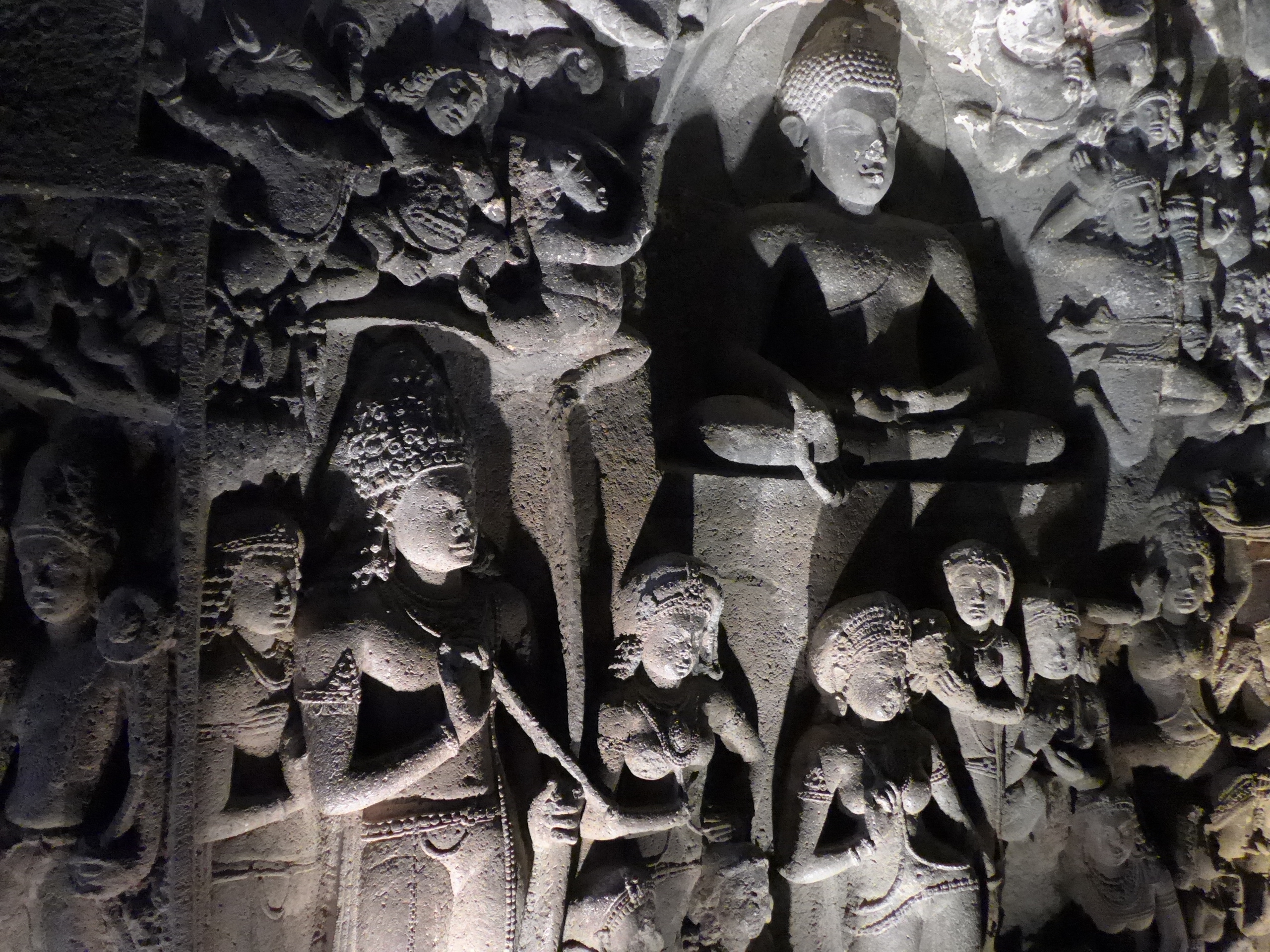
Some East India Company troops, out tiger-hunting, spotted an overgrown pillar in 1819 and lost Ajanta was rediscovered.
We passed through the grape-growing district of Nasik on the way to Mumbai, famous for its Sula wine. Fields of chick peas and cotton were replaced by grape vines. We have been through dry and semi-dry states and have been quite happy not having a drink, but at our hotel, the Green Olive at Aurangabad, there was a very discreet bar. So, feeling a little like social lepers, we pushed open the heavy dark door, surprising a lone barman who was watching television, and ordered a Kingfisher beer and a white Sula wine. We drank them in solitary splendour feeling very decadent.
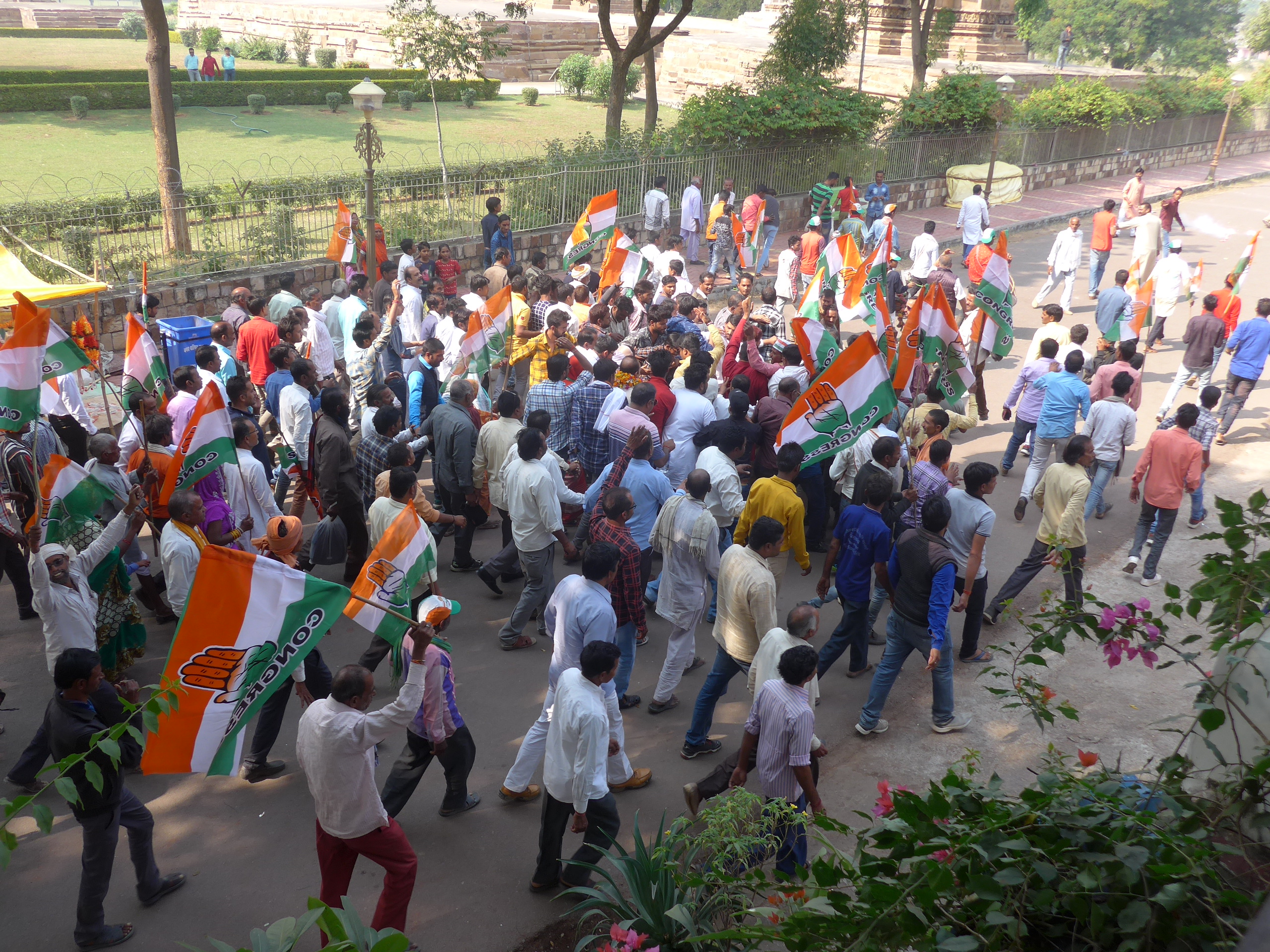
Those elections in four Indian states that I mentioned earlier have resulted in substantial gains for the Congress party and losses for Modi and the nationalist BJP party which has pleased everyone we have met. Nice to get some good political news for a change!
“Unsuitable for song as well as sense
The island flowers into slums and skyscrapers”.
Island by Nissim Ezekiel.
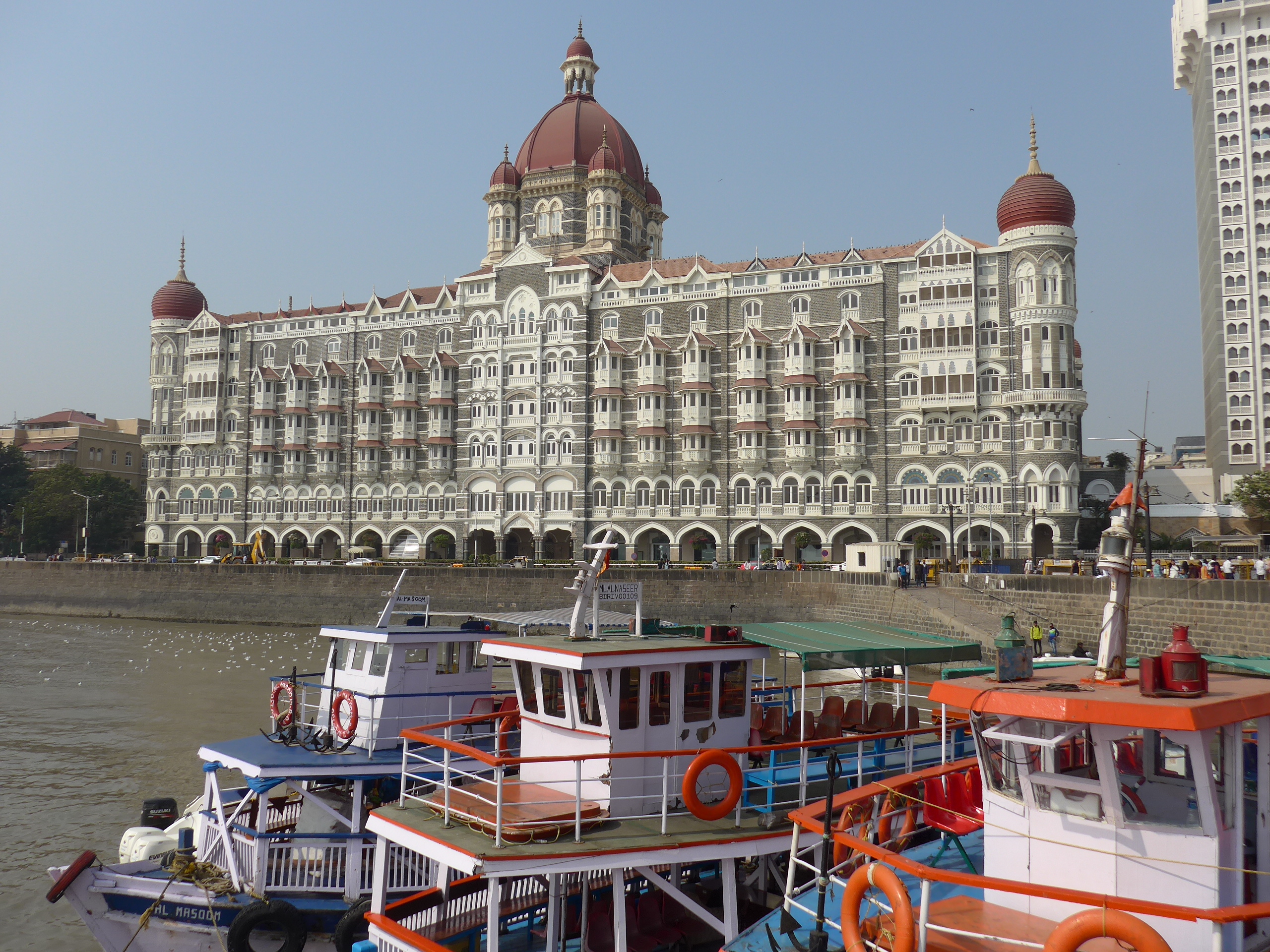
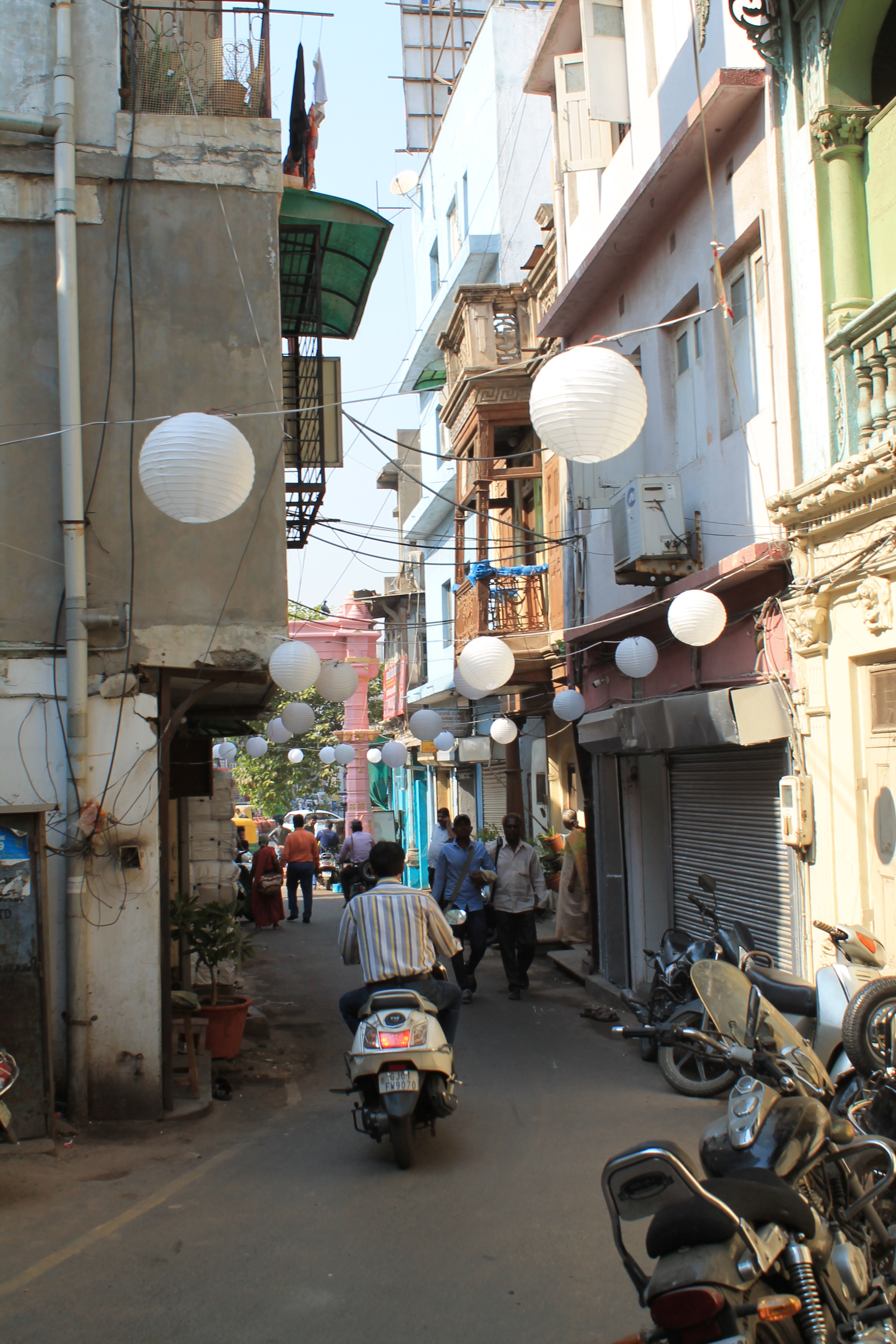
Everyone rolled their eyes when we said we were going to Mumbai (Bombay). Once seven marshy islands, it is now home to an estimated 24 million people and is frenetic, noisy, overcrowded, polluted etc., full of skyscrapers and slums, extreme riches and extreme poverty, and home to Bollywood. But we were pleasantly surprised. Granted we were staying in the central area of Fort with some lovely old East India Company period buildings, but the traffic stopped at lights, we could cross the road, we could even stroll down the back streets on pavements and look at shops. We could drink Americanos and eat almond croissants. There were even some British tourists!
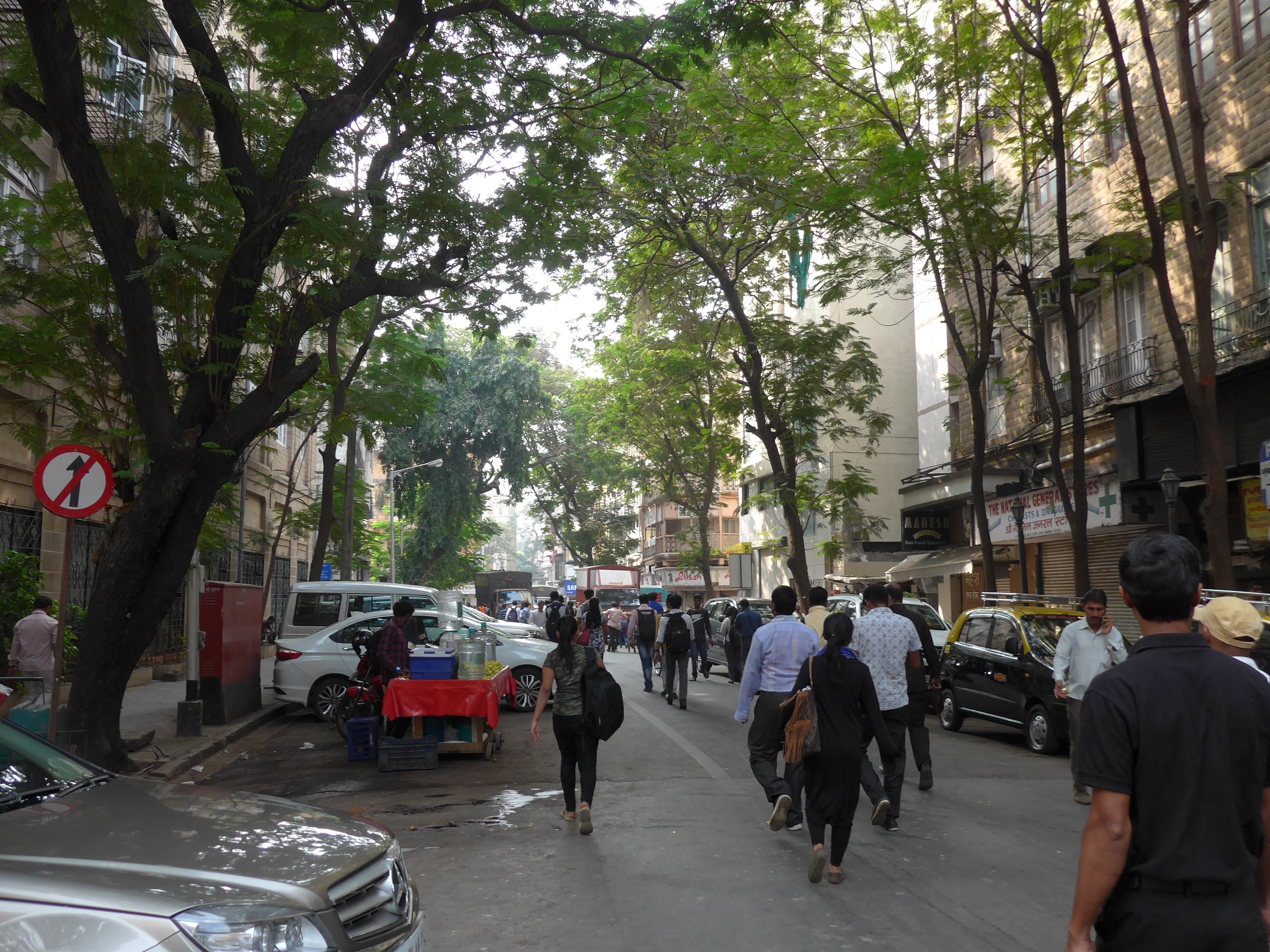
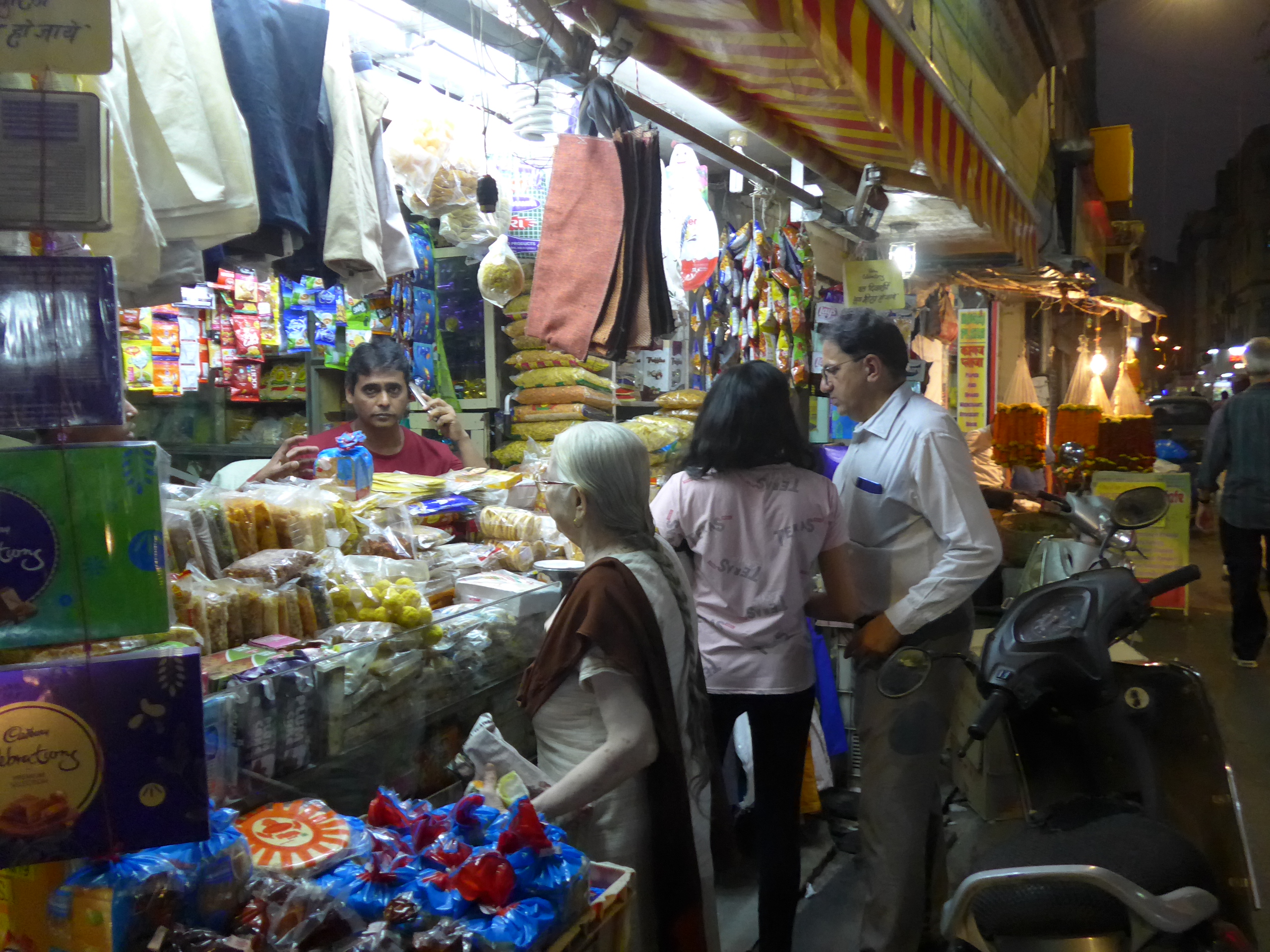
But of course we could not see the slums where 42% of the population live. That’s more than five million people. The Bombayites take pride in being sophisticated and organised but the scale of such a problem seems beyond them.

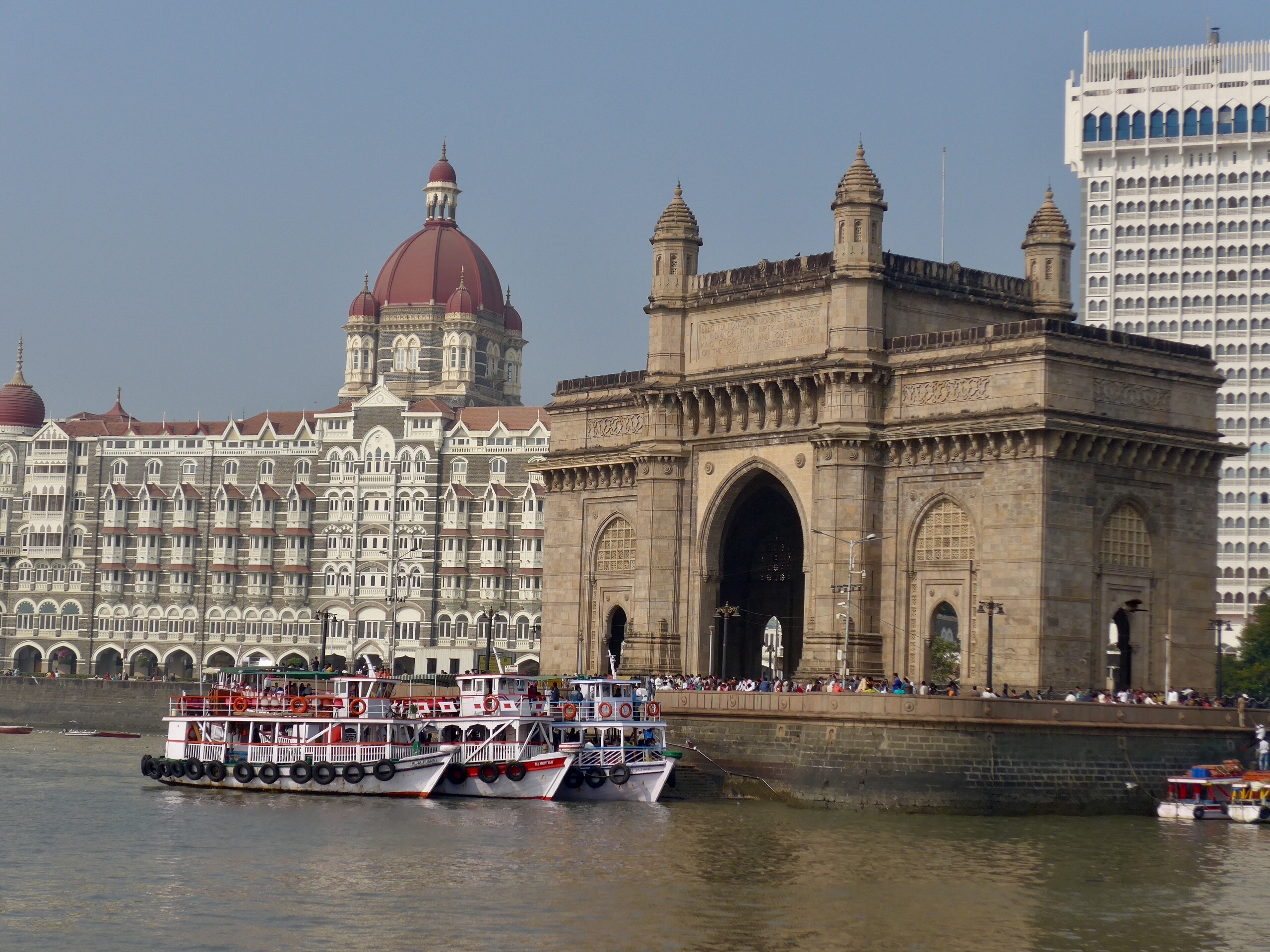
Facing the sea, the Gateway to India was the first stop in Asia on the outward journey for P&O liners and the first place in Asia that I made landfall at the age of four weeks. After the 2008 bombings at the Taj Hotel the Gateway itself has been cordoned off but it was still affecting to see this remnant of the Raj through which the last departing British soldiers marched in 1948. It was our first sighting of the Arabian Sea, dotted with ferry boats, cargo ships and a watchful naval vessel.
A librarian of the estimable Bombay Asiatic Society, Dr Maya Avasia, kindly took the time to show us around the library,
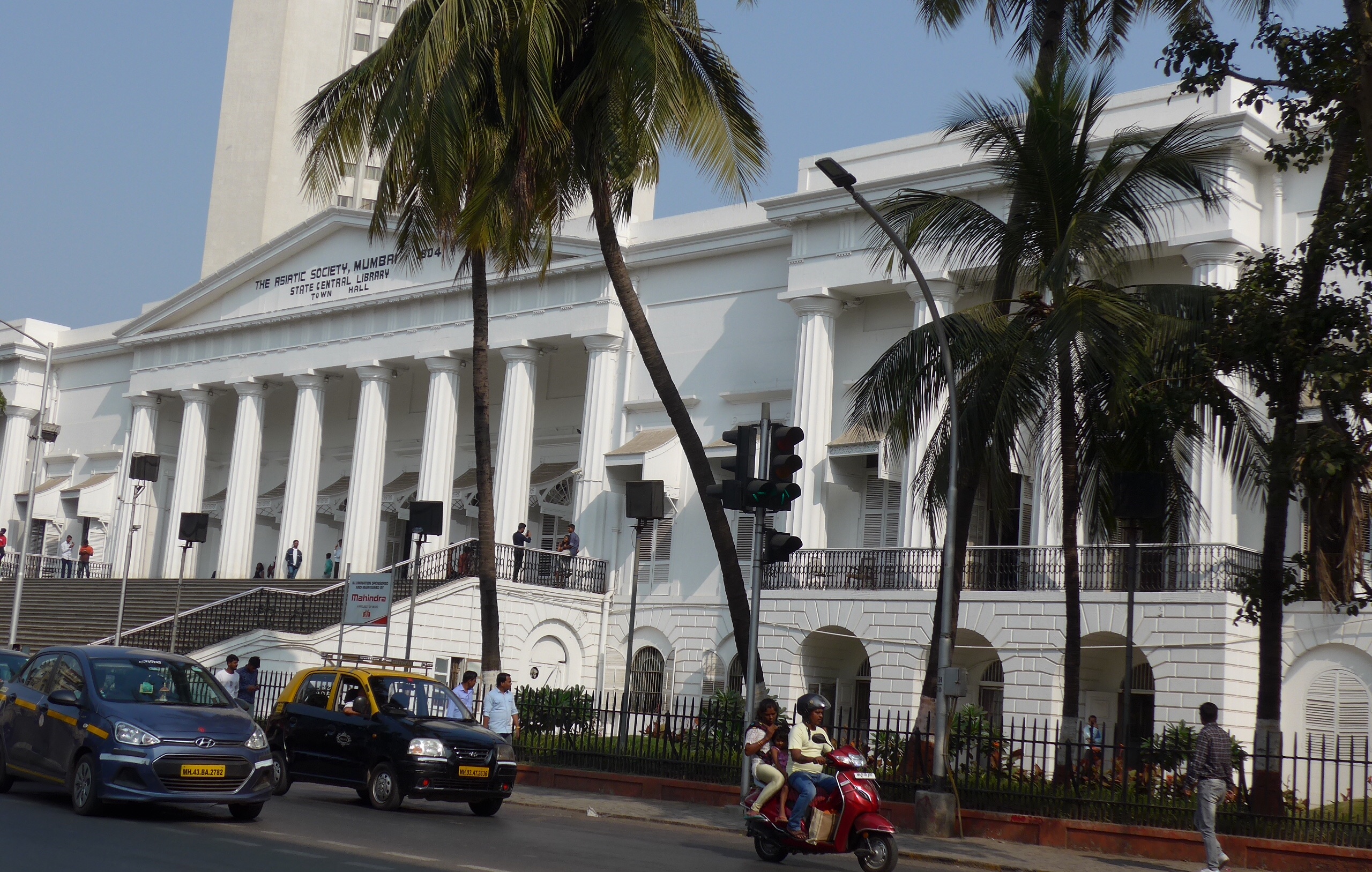
and we discussed digitisation, metadata, the dread of donations and other topics beloved of academic librarians.
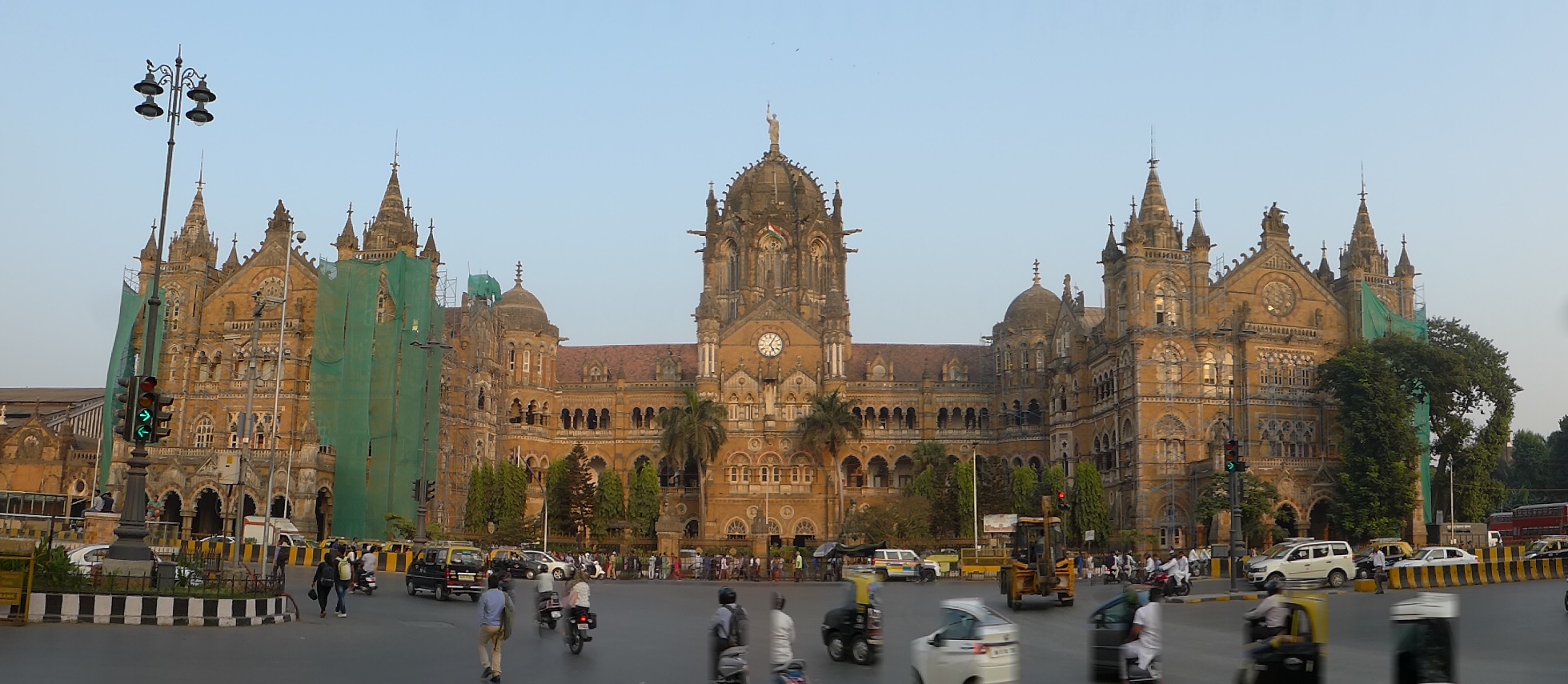
Our train had arrived at Victoria Terminus, built in 1887 and the largest British edifice in India, and probably the most extraordinary railway station you will ever see. It out-Gothiqued St Pancras Station.

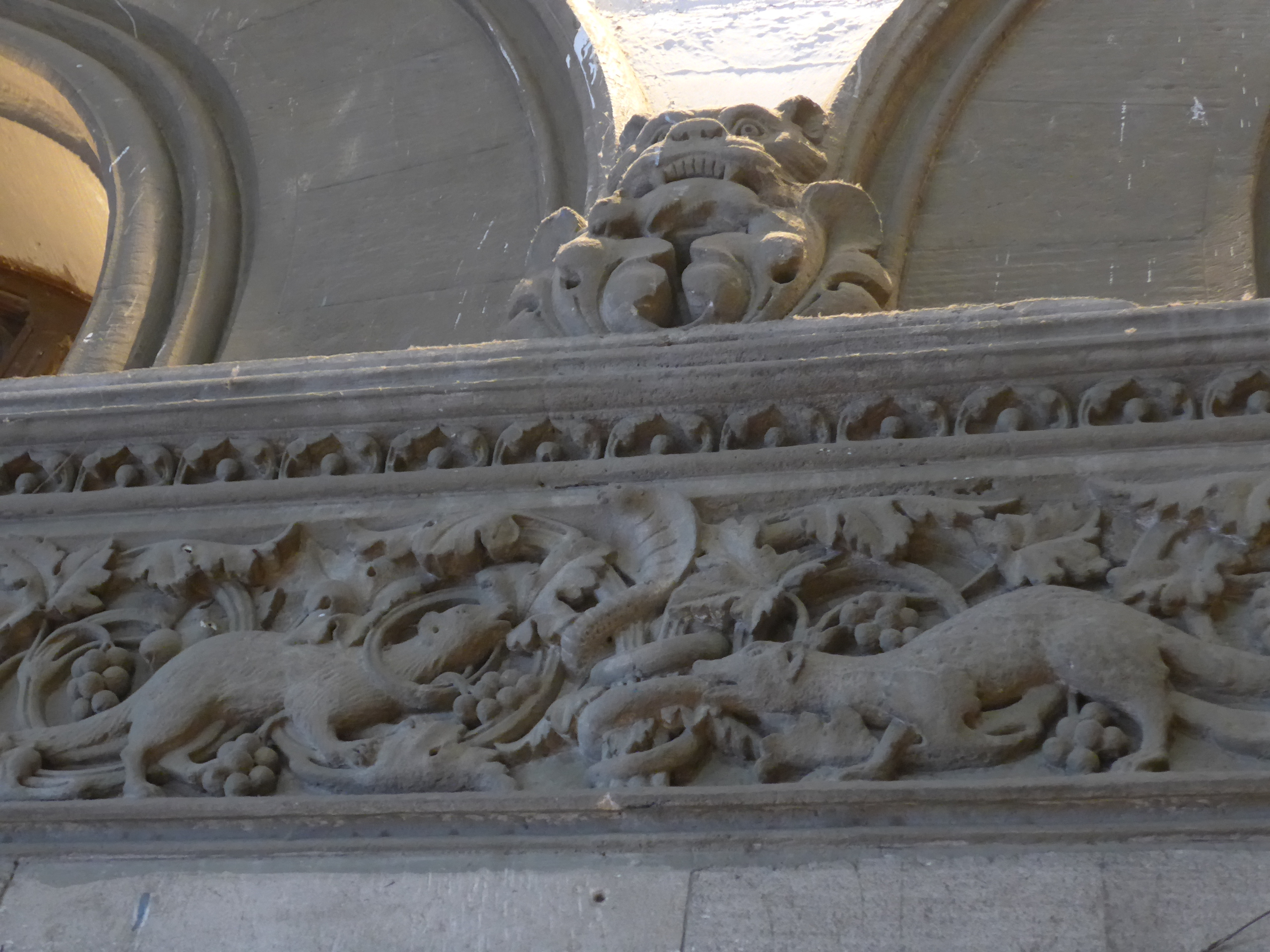
More than 1,250 trains carrying three million people leave it daily.
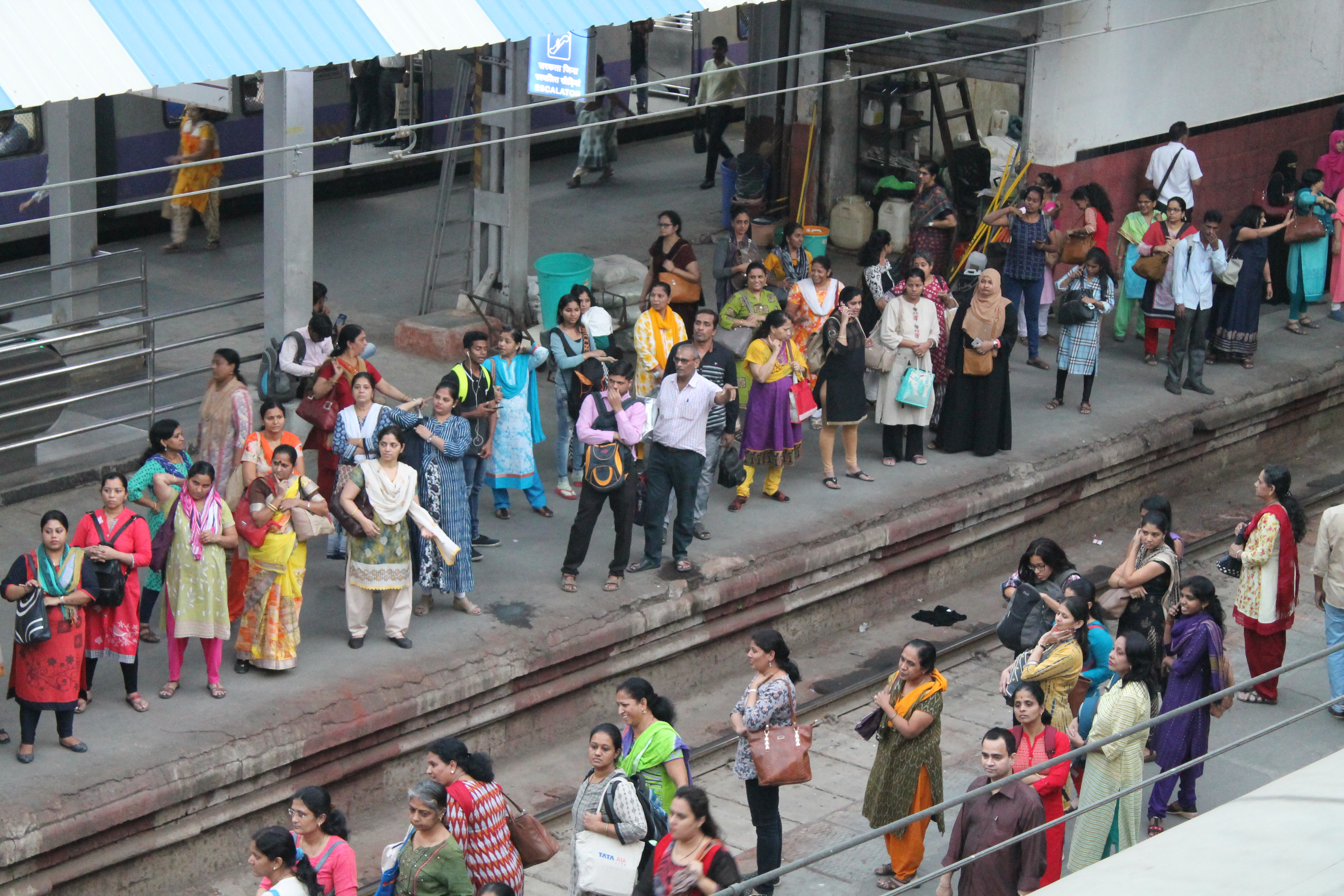
When we visited, trains were pulling out every three minutes in a remarkable display of precise timetabling. Could lessons be learnt here?
A monk meditating under a tree was killed by a leopard yesterday. In fact there is a leopard attack or kill nearly every day in the national papers. Mumbai is famously the city where leopards prowl at night in search of suburban, as opposed to village, dogs that make up 40% of their diet.
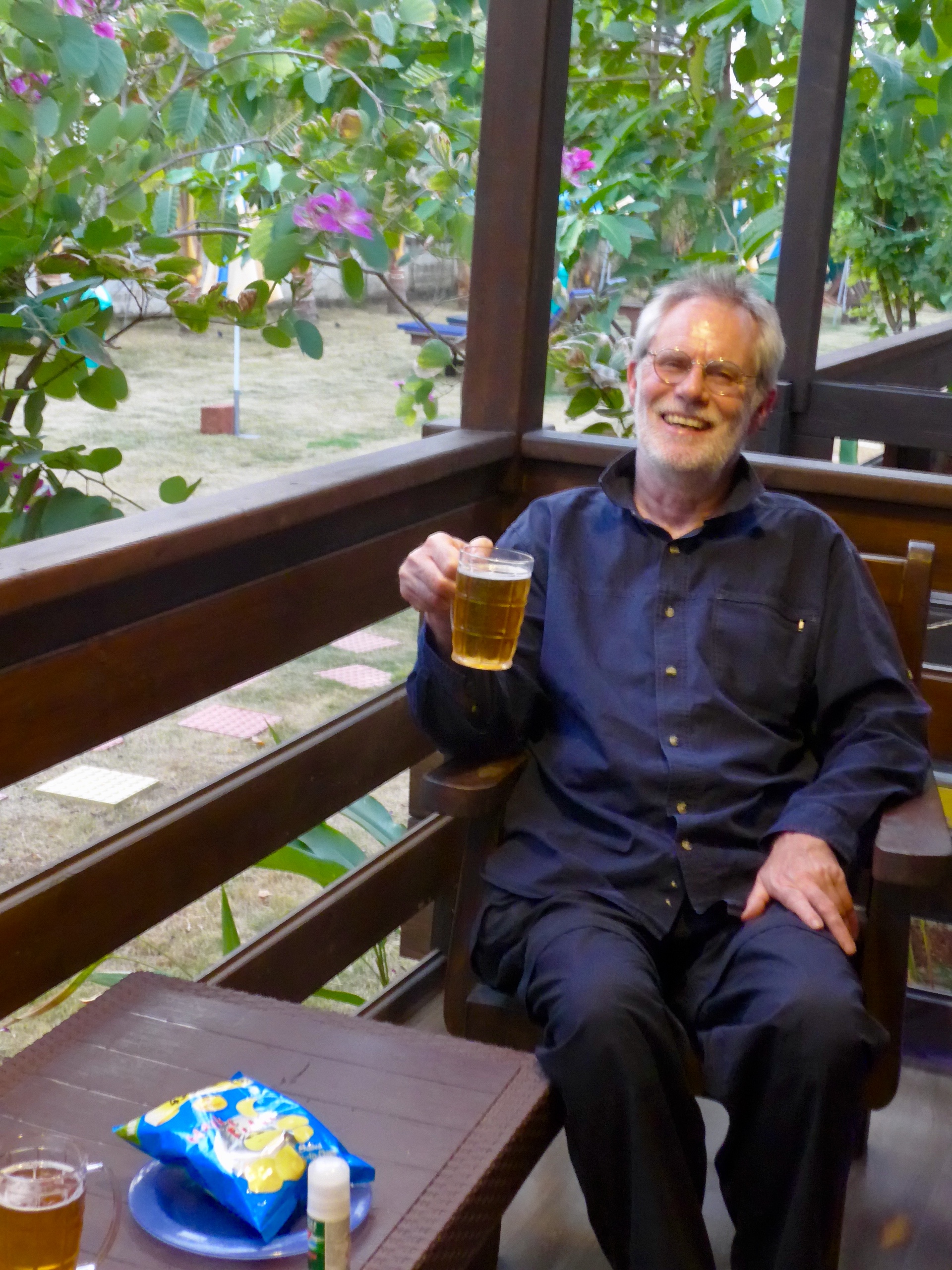
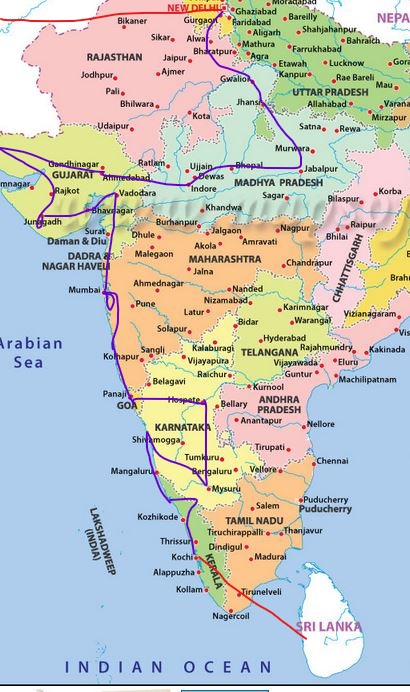
And then it was time for some leopard-free beach time. The Konkan railway trundled down the west coast of south India, crossing streams and estuaries, driving through tunnels as it edged the Western Ghats, passing through green forest with occasional padi fields, and coconut palms. On the train were lots of westerners, especially Russians, heading further south to party in Goa. They were surprised when we disembarked at a tiny station called Kudal.
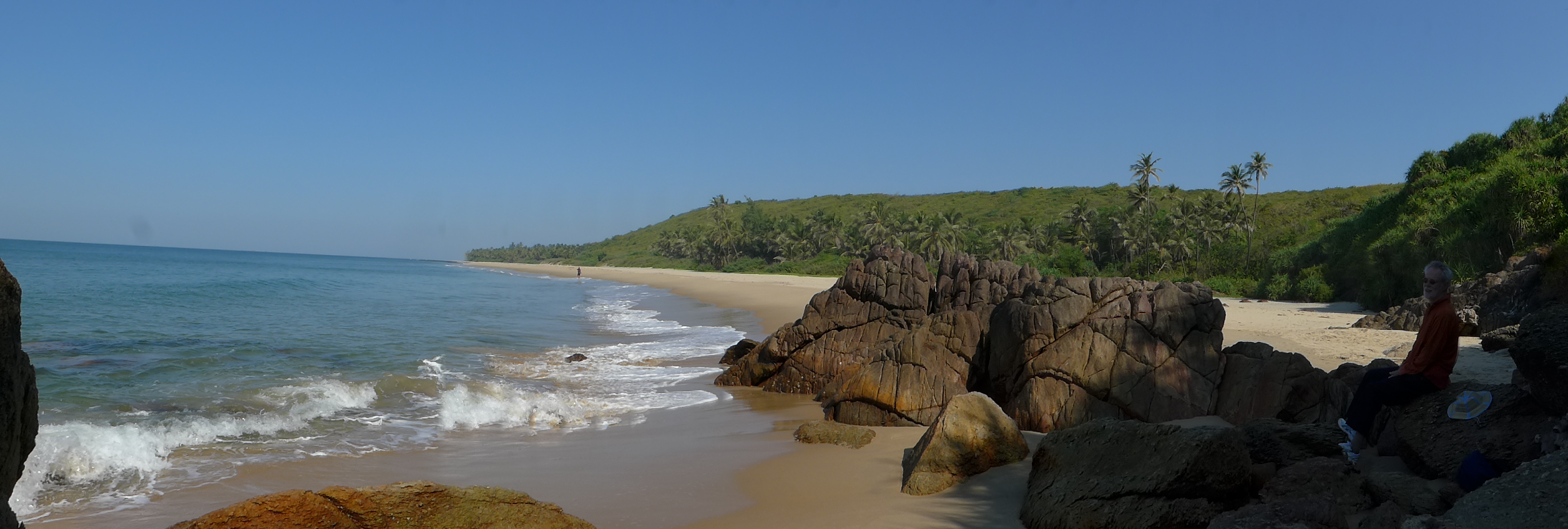
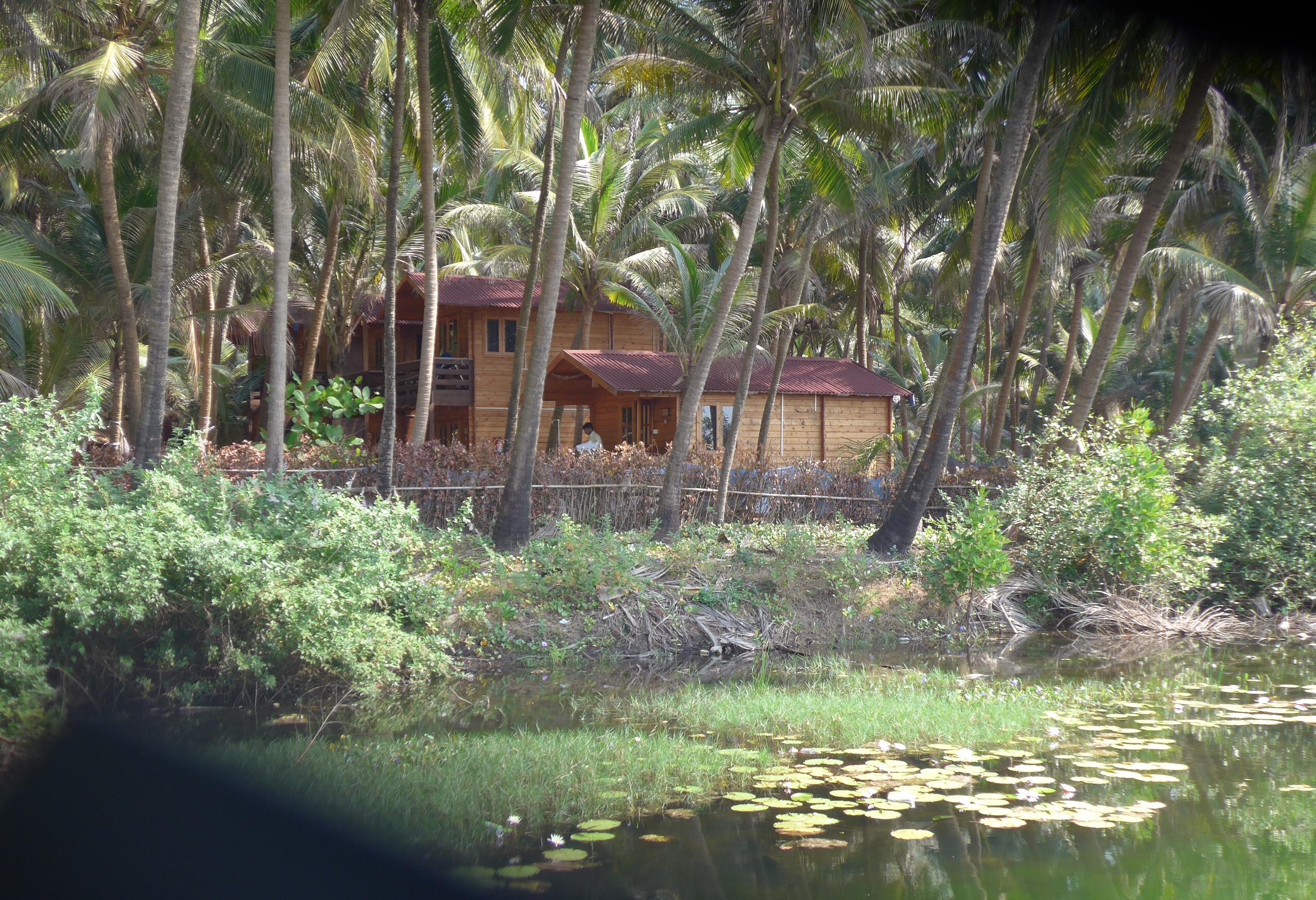
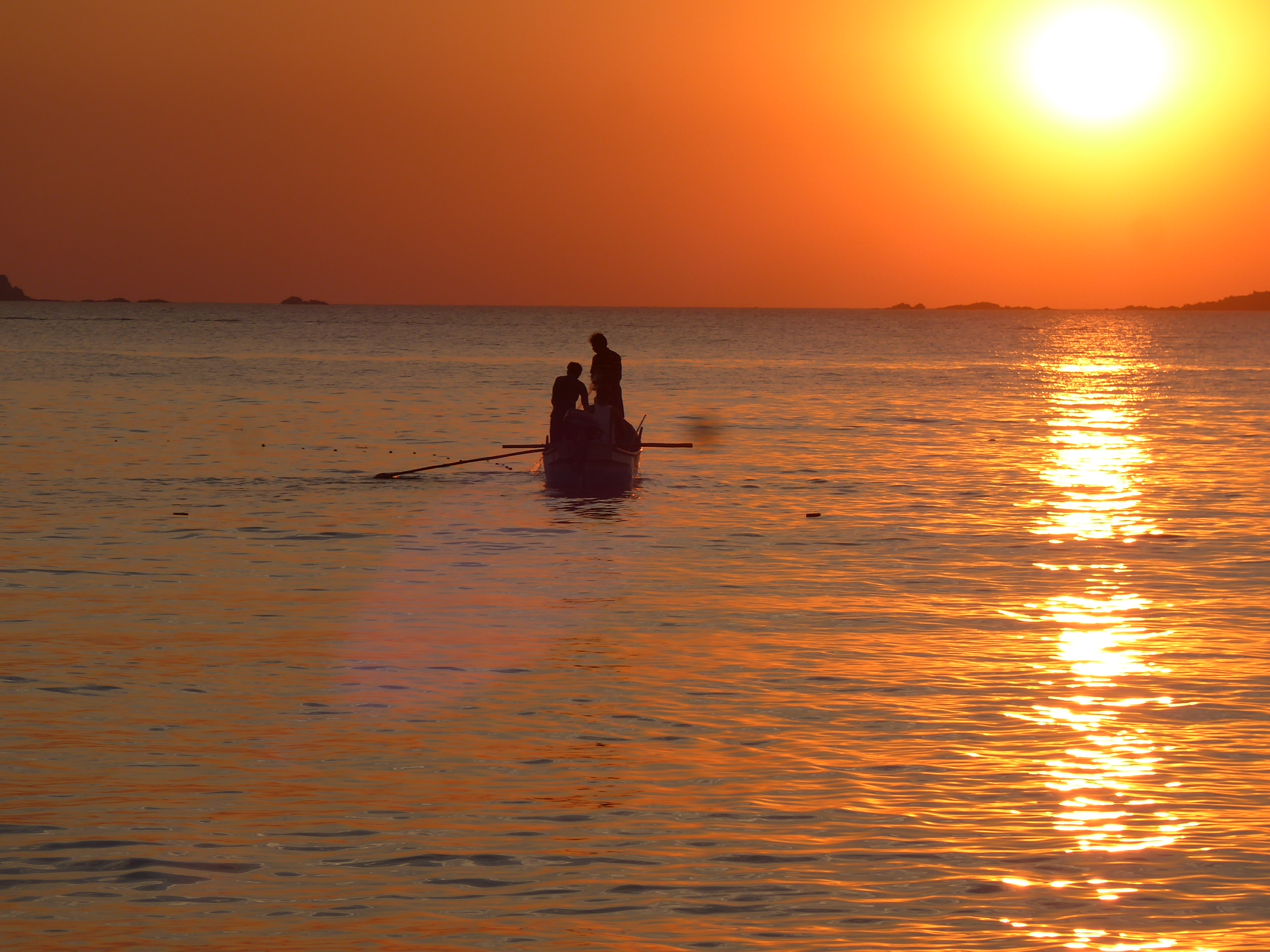
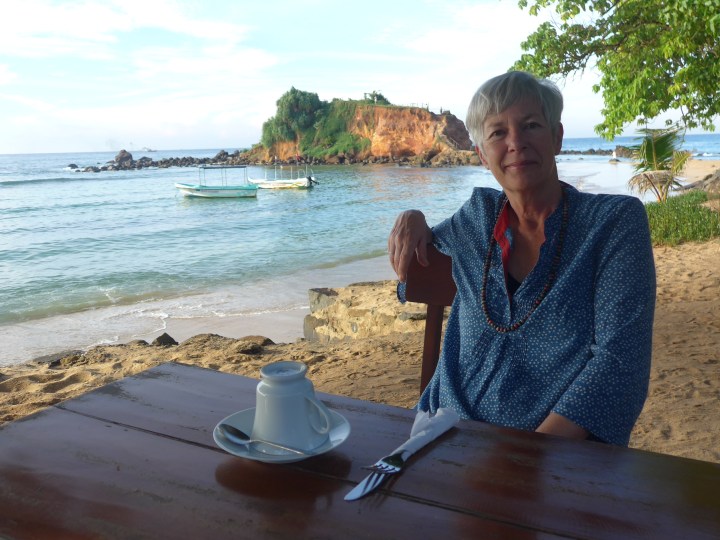
Where we went was secret. Our wooden cabin in the coconut grove overlooked a soft, clean beach with half-a-dozen brightly-painted fishing boats drawn up, and the dark blue Arabian Sea, dotted with rocky outcrops. Apart from some plastic bottles washed up from the sea the beach was clean and perfect, with clear water and rock-pools full of striped fish and crabs. I could swim while Jim gently tested how fast a crab can bury itself once you’ve dug it up.
Being a bit of a conchologist I was pleased to find three cowrie shells, no more than an inch long. Cowries from India formed the currency in the Indian/Arabic/African slave trade. Strange to think these were valued against human lives, until the bottom dropped out of the cowrie market, leaving African slavers with worthless shells.
Each night the round, molten sun plopped down into the ocean while the moon rose behind us.
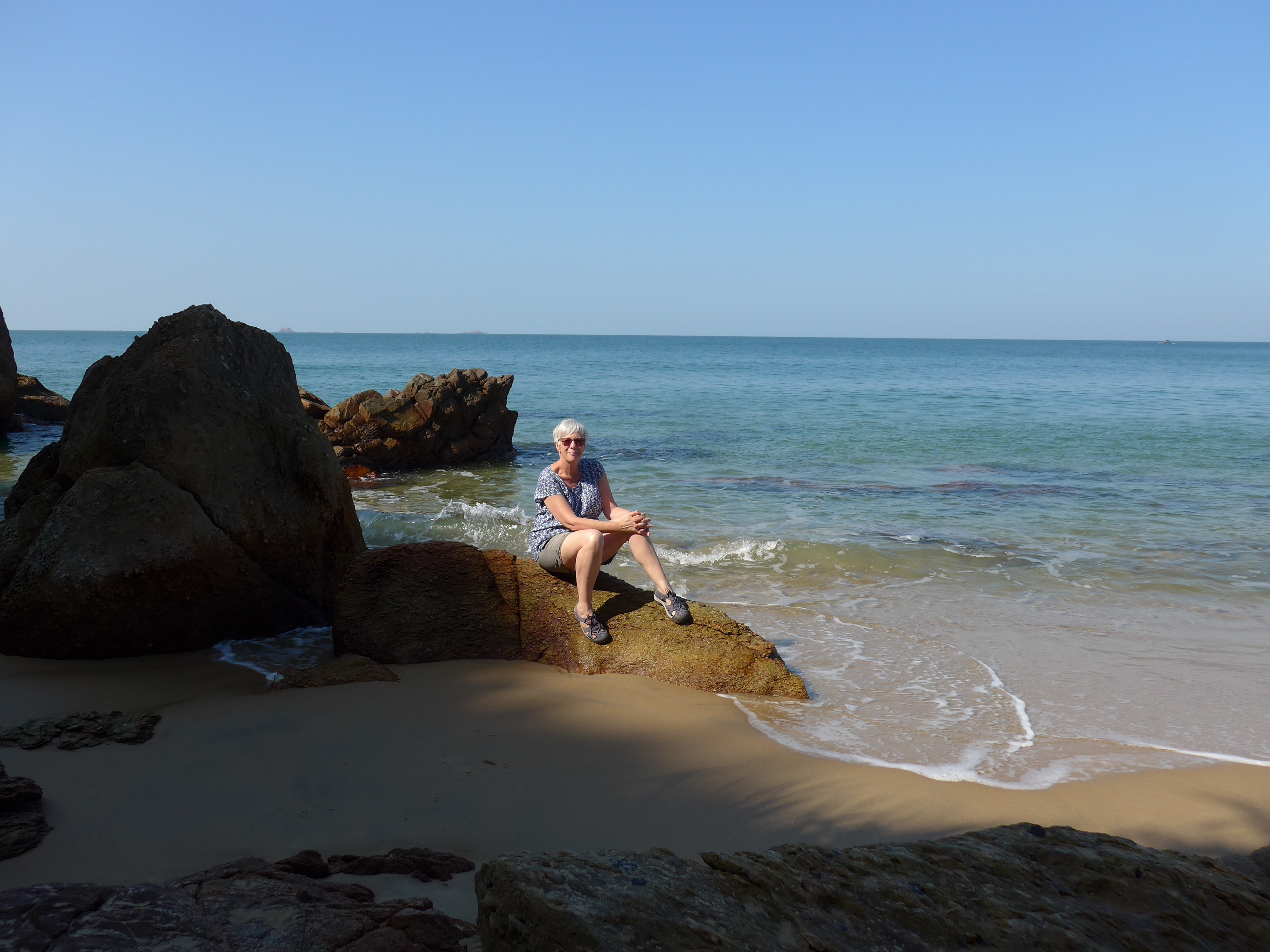

To think some people spend their entire holiday doing this when they could be rushing around in the dust and the heat sight-seeing! This rest was very much needed before we headed a bit further south to the melee of Goa at Christmas. On which note season’s greetings to you all. We’ll be back in touch in 2019.















 Riki's Indian Rovings