2. Madya Pradesh: Gwalior and Orchha: culture and vultures

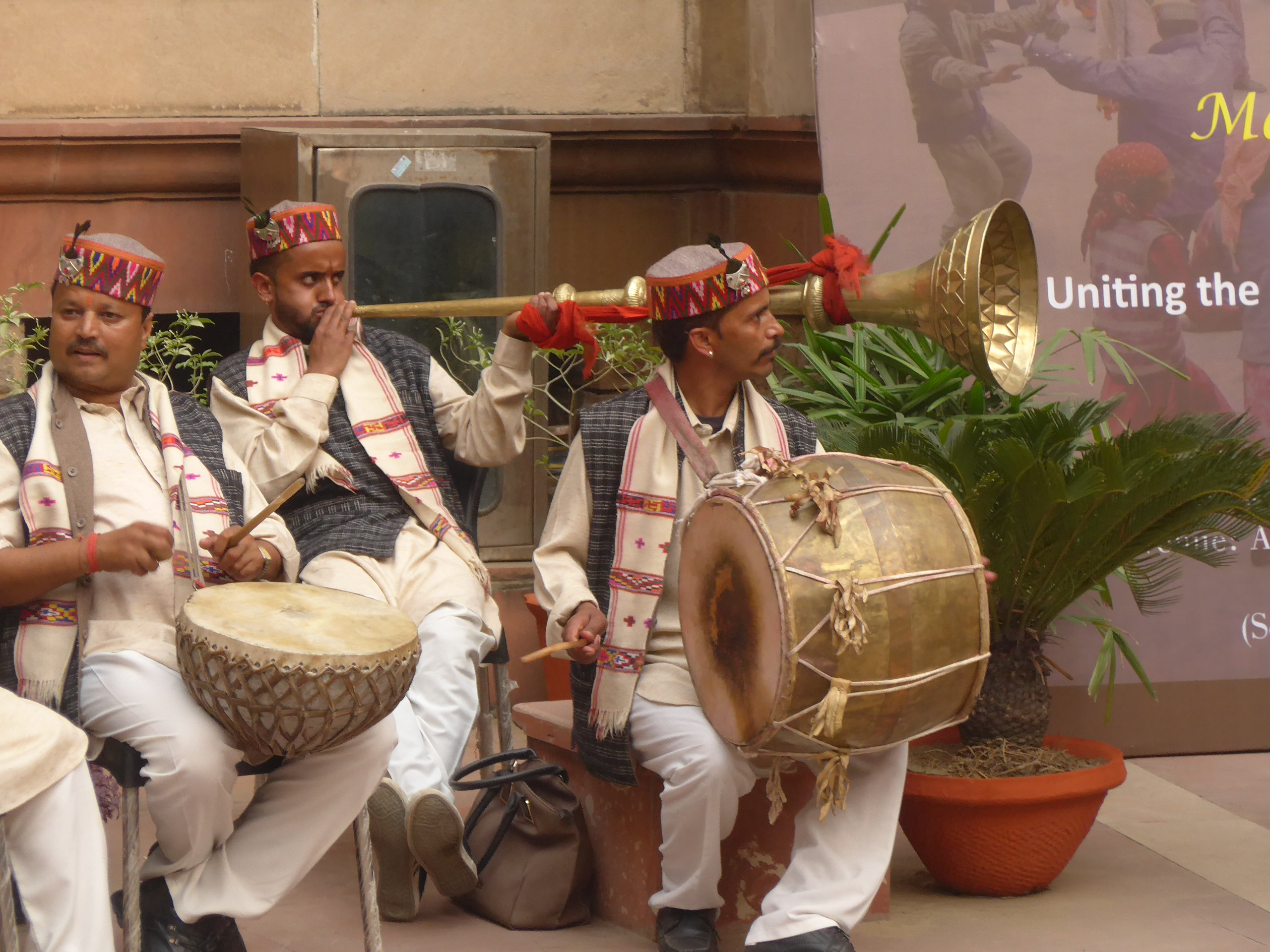
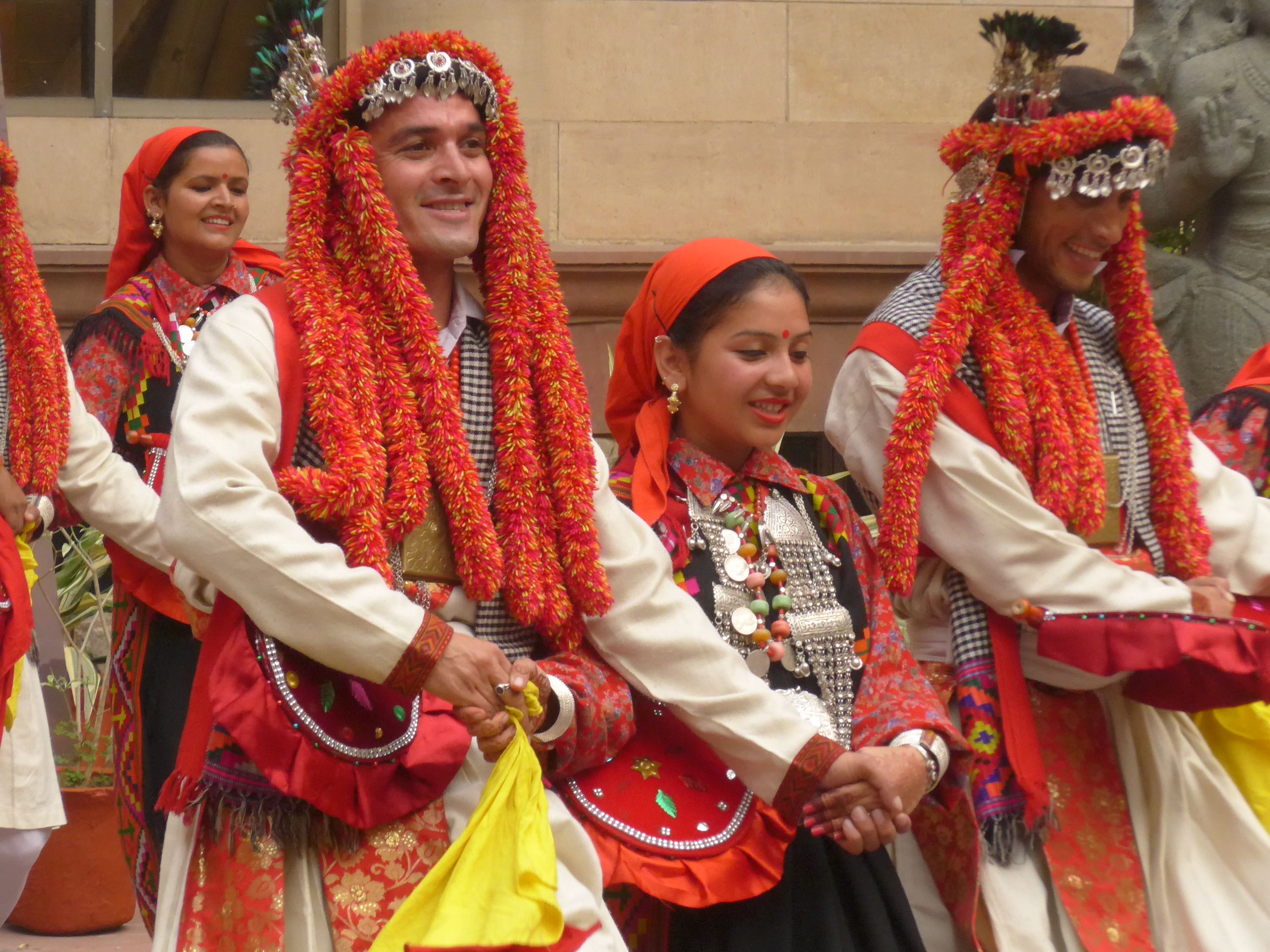
Delhi: sounds of car horns, trains and parakeets; smells of dust, incense, drains and frangipane; sights of flyovers and traffic jams, Mughal tombs and dancers from Himachal Pradesh.
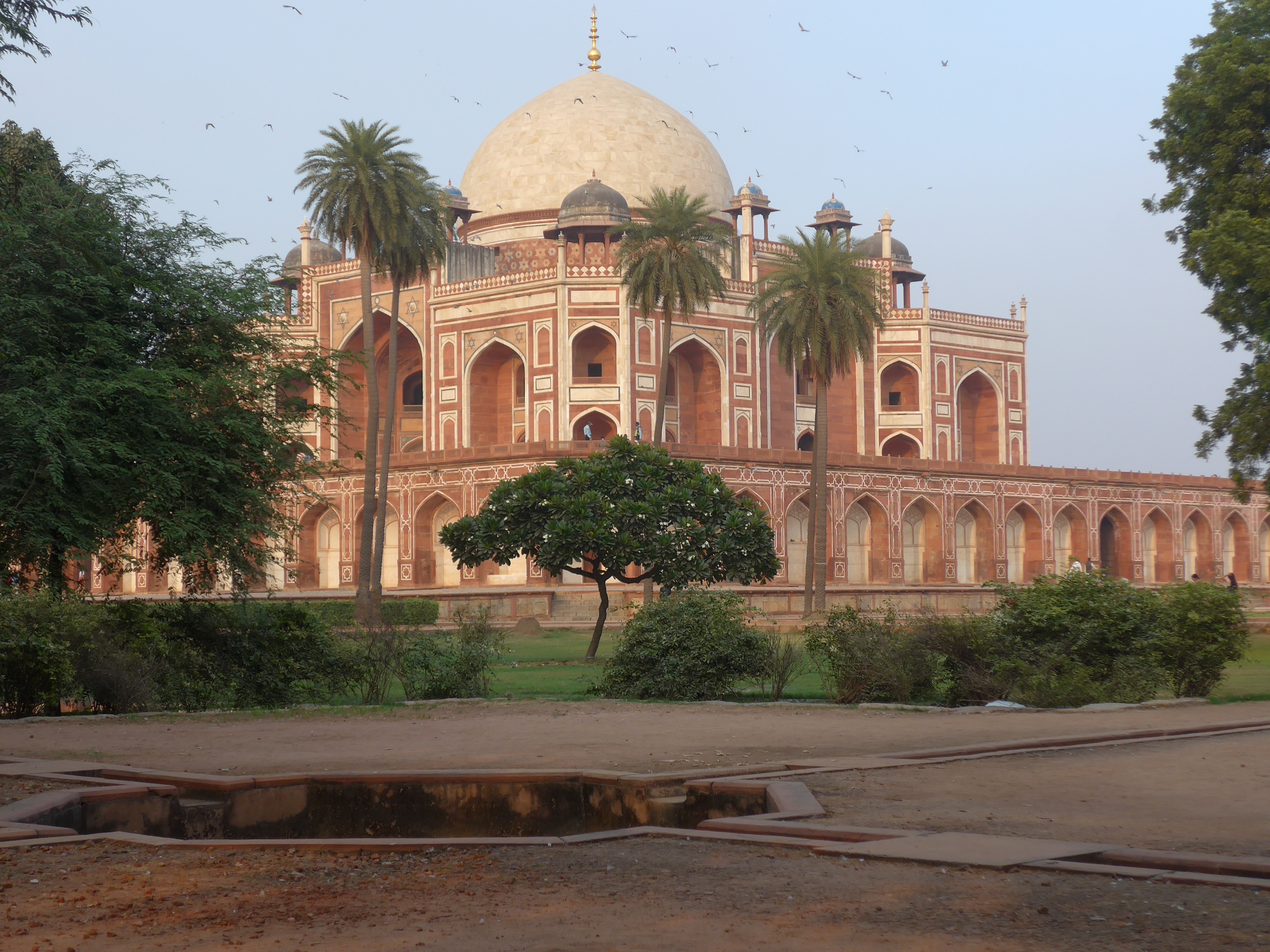
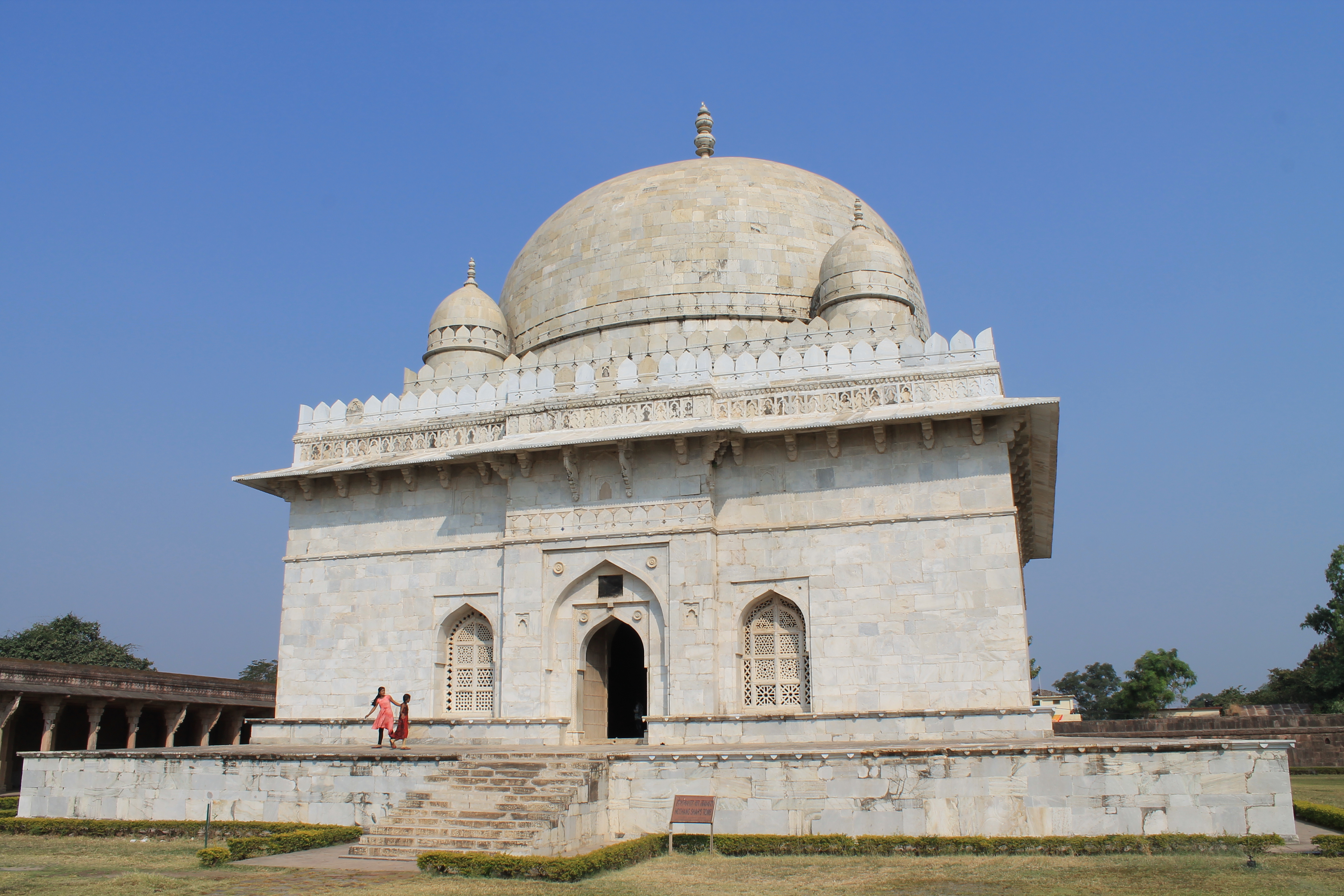
Humayun’s Tomb


For half an hour the train leaving Delhi for Gwalior passed endless slums and shacks, stagnant, litter-choked rivers and pools with a scurf of plastic lapping everywhere. The pall of Delhi’s famous smog half-hid the factory buildings and tower blocks and the pollution levels had reached “severe”. The scale of the problems India faces was overwhelming and depressing.  And then the fields of wheat and cotton began and traditional, village India appeared. The smog thinned, the sun broke through and the other passengers started to chat. Outside Agra a vast area of eroded sand dunes and scrub had been the hideout of “dacoits” until it was recently cleared. “What happened to the bandits?” “They are in the government!”
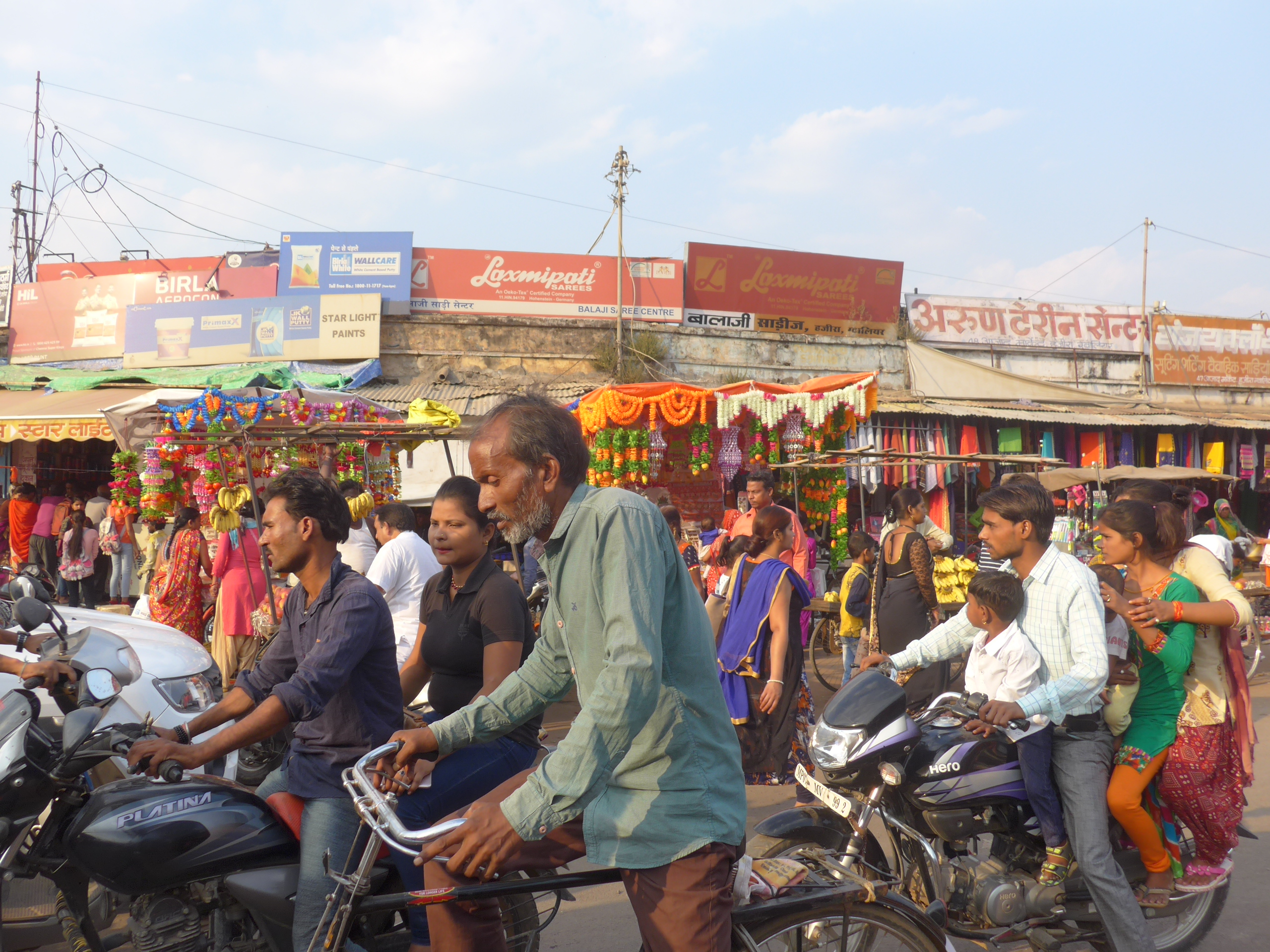
Gwalior bazaar

Madhya Pradesh is one of India’s poorest states and the city of Gwalior was a challenge. It was a madly busy place, full of noise, auto-rickshaw horns, barking dogs, building sites, cars driving in all directions. It was such bedlam it was easier to hail an auto, rather than try to walk anywhere or even cross the road. So why come to Gwalior? Palaces, forts and temples.
The Jai Vilas Palace, still the home of the Maharajas of Gwalior, was an enormous, 19th-century hotch-potch of east and west, stuffed full of such oddities as a silver train that carried cut-glass brandy decanters on rails around the massive dining tables when the maharajah entertained. He was a favourite with the British, holding some of the biggest tiger shoots in India. I particularly liked the ladies’ Art Deco indoor pool with mirror-glass cocktail cabinet: I hope the maharani made good use of it.
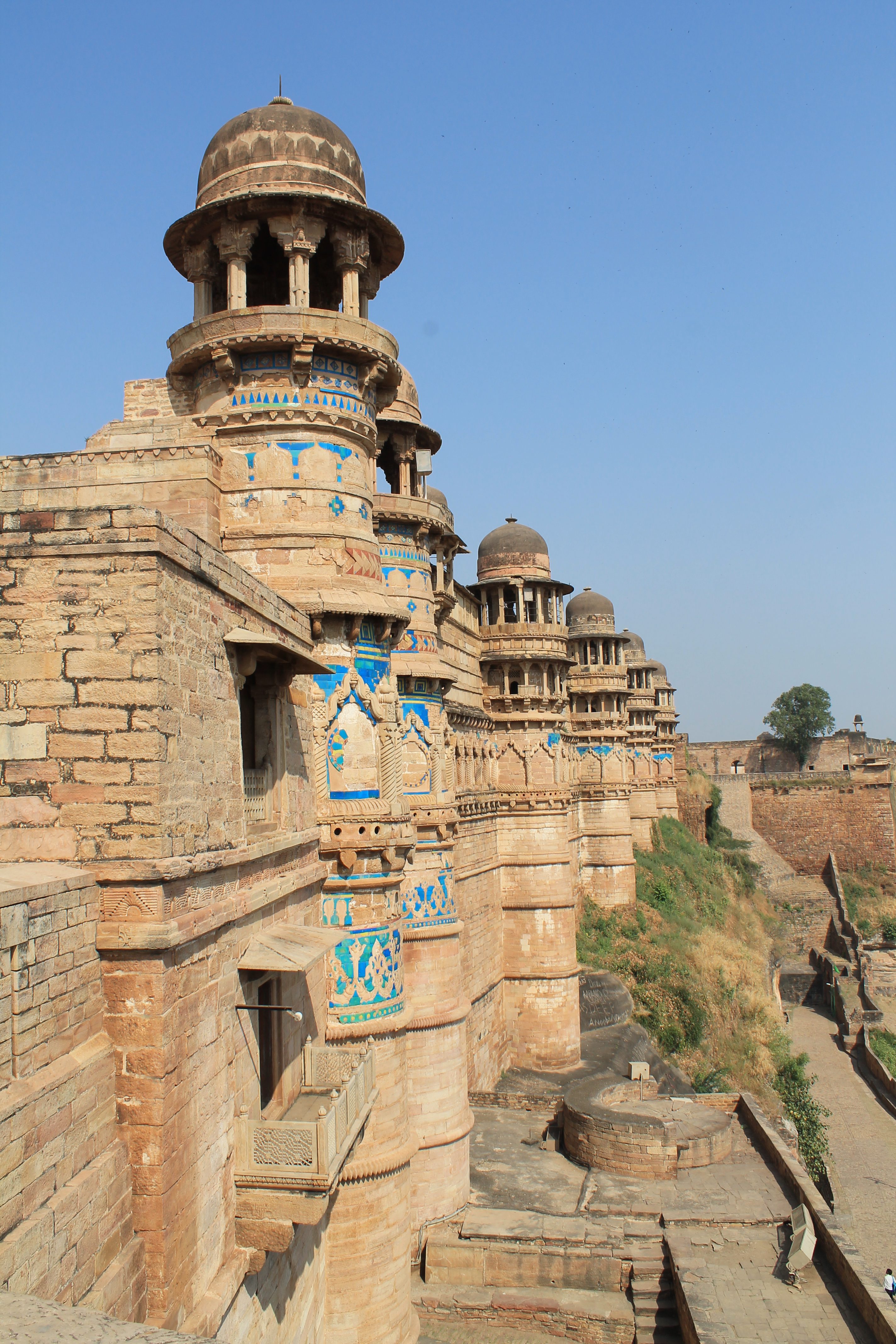
Man Singh Palace gate, Gwalior Fort

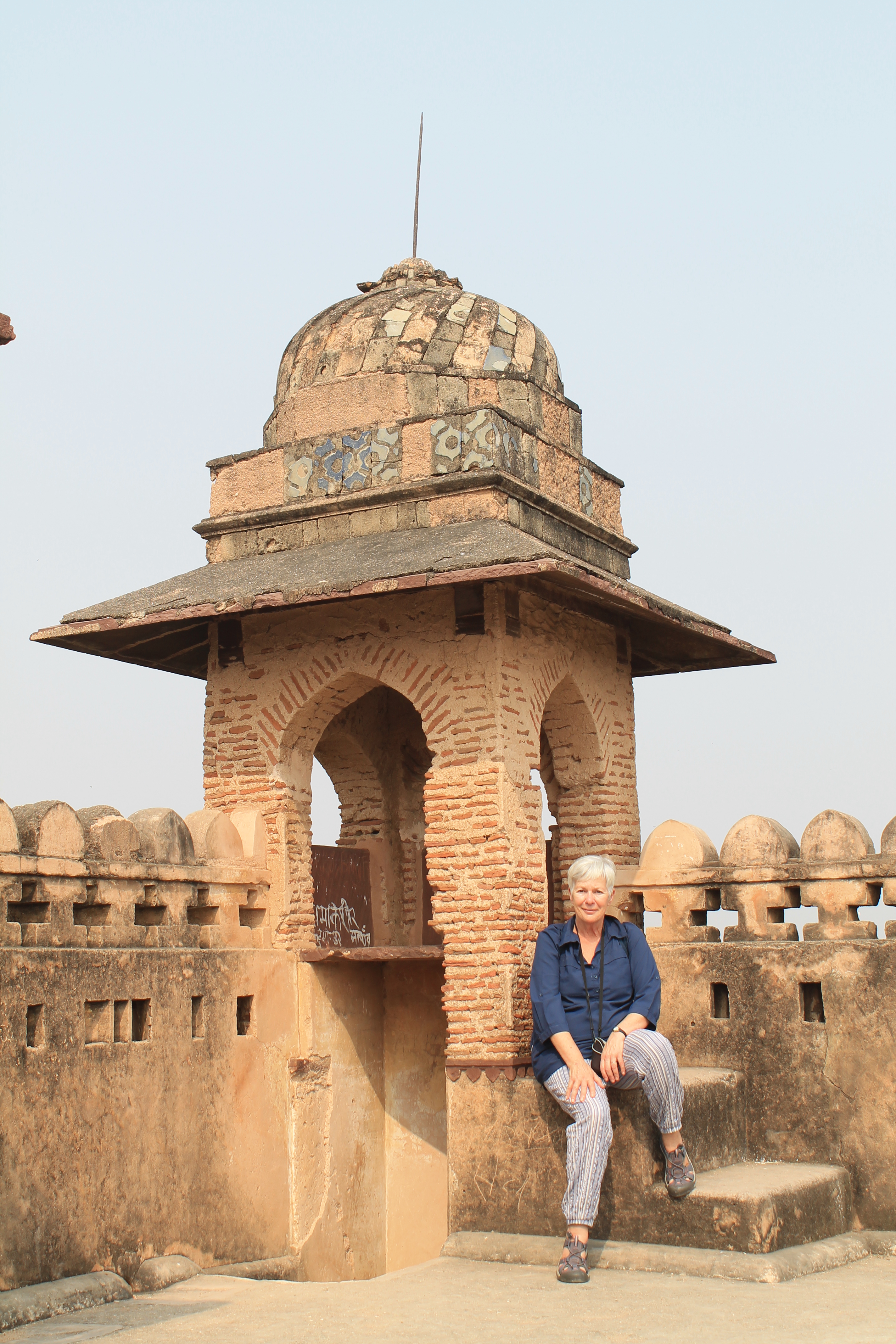
Overlooking the city was a massive fort, studded with palaces and temples built by the Rajputs from the 9th century onwards.
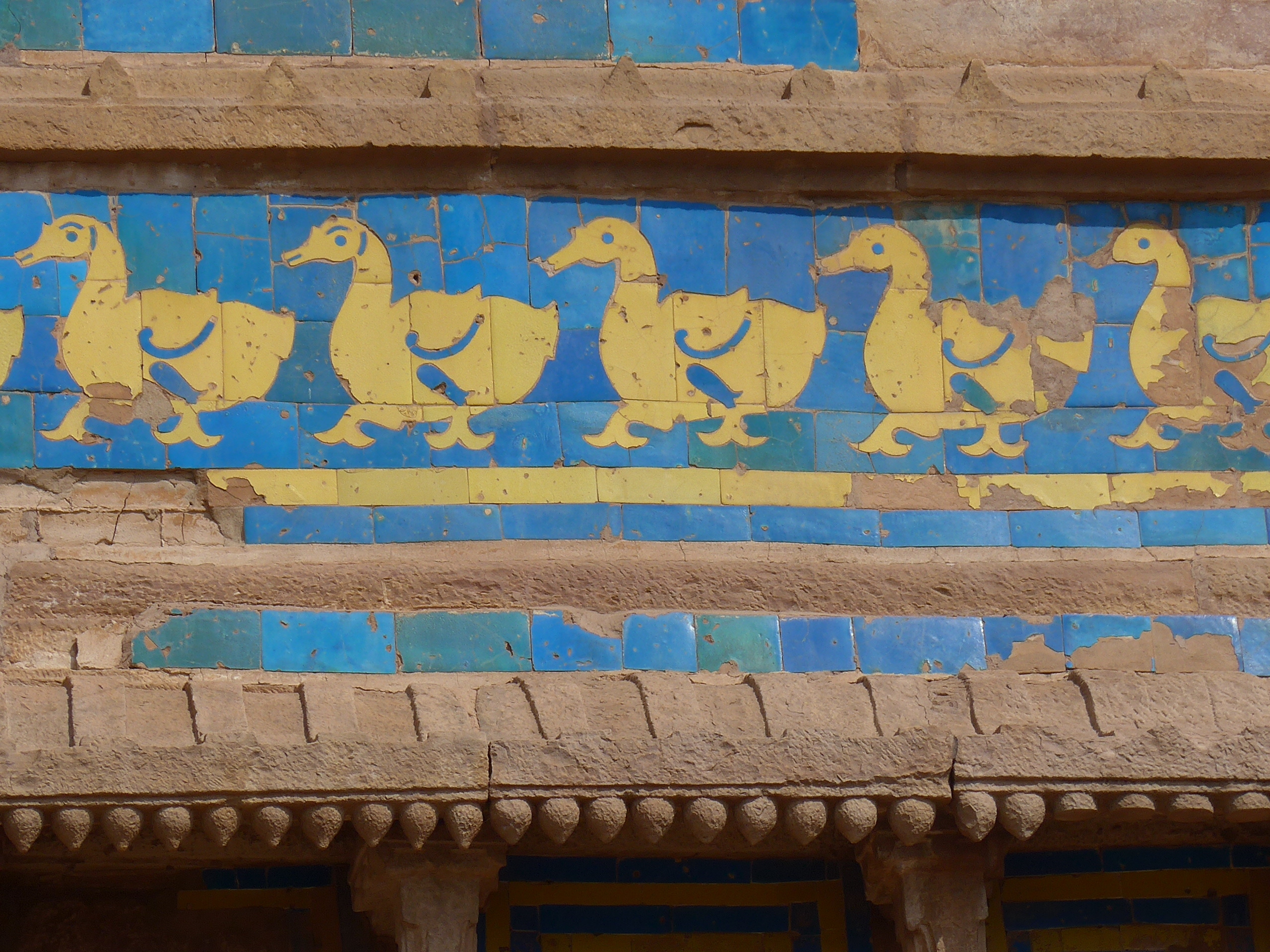
Ducks on the Man Singh Palace

The walls of the Man Singh Palace, the only intact pre-Mughal palace, were decorated with tiles of ducks, parakeets, elephants and the ghariwal, the Indian alligator. Inside, a maze of palace rooms were decorated with animal and flower carvings and open-lattice work screens allowed spying from room to room.
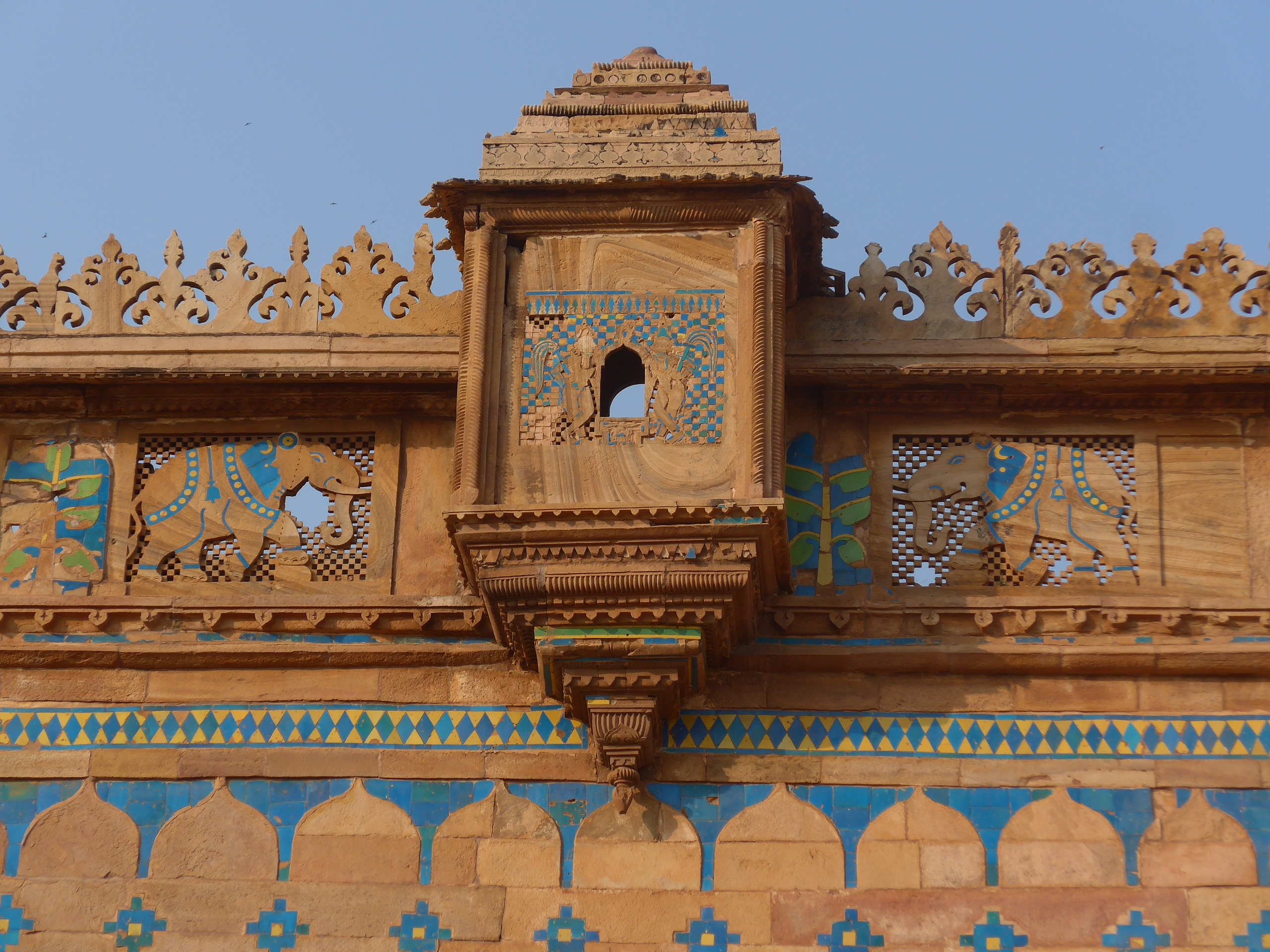
Elephant lattice work on the Man Singh Palace


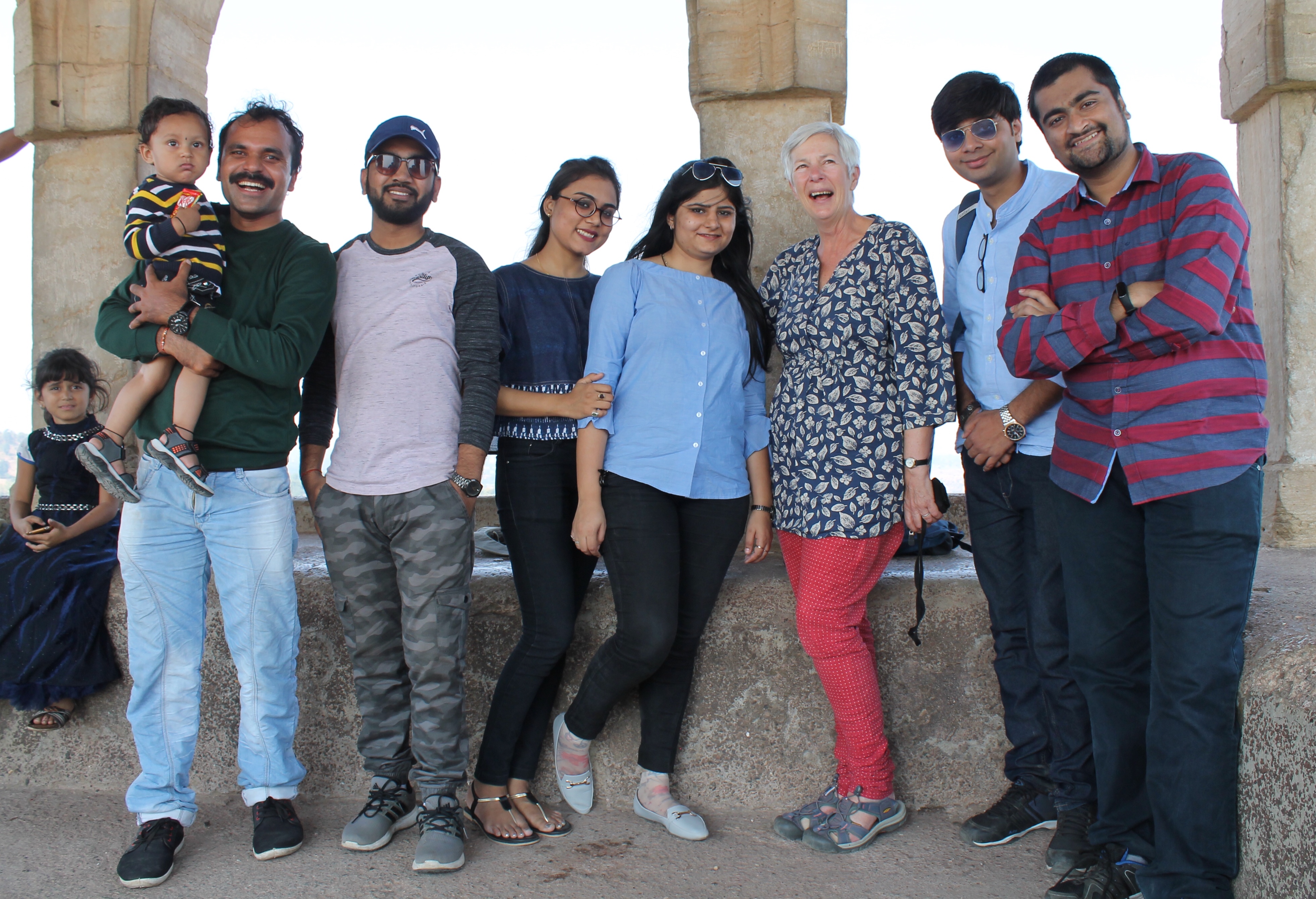
The visiting Indians were in their Sunday best and we were in demand for “selfies”.


One room was coated with bats, twittering slightly and stretching their wings as the visitors disturbed their rest.
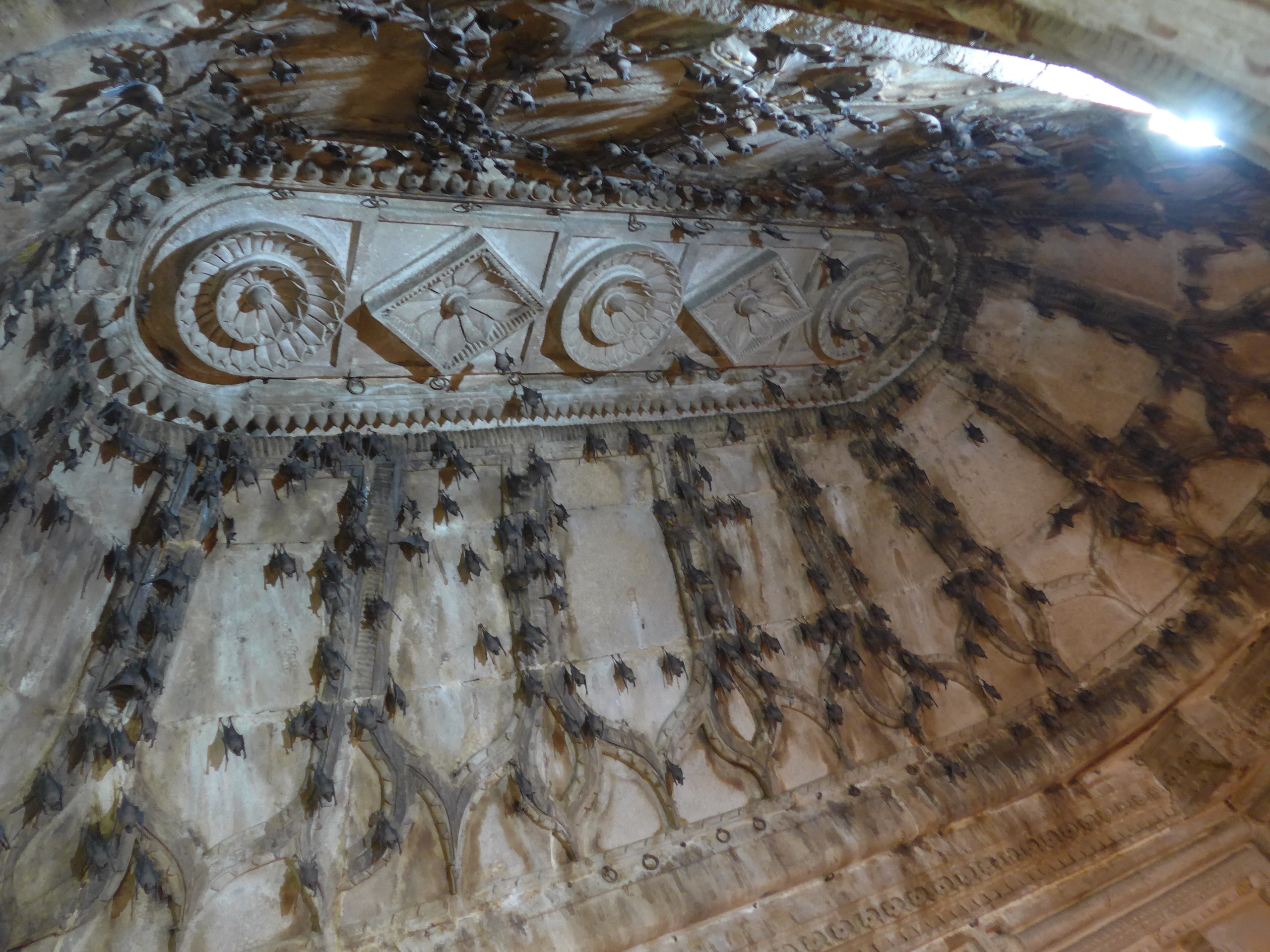
Bats roosting in the palace

Two beautiful 9th-century temples, the Subhasu Mandirs, stood on the edge of the cliff, the carved figures defaced by Muslim conquerors.
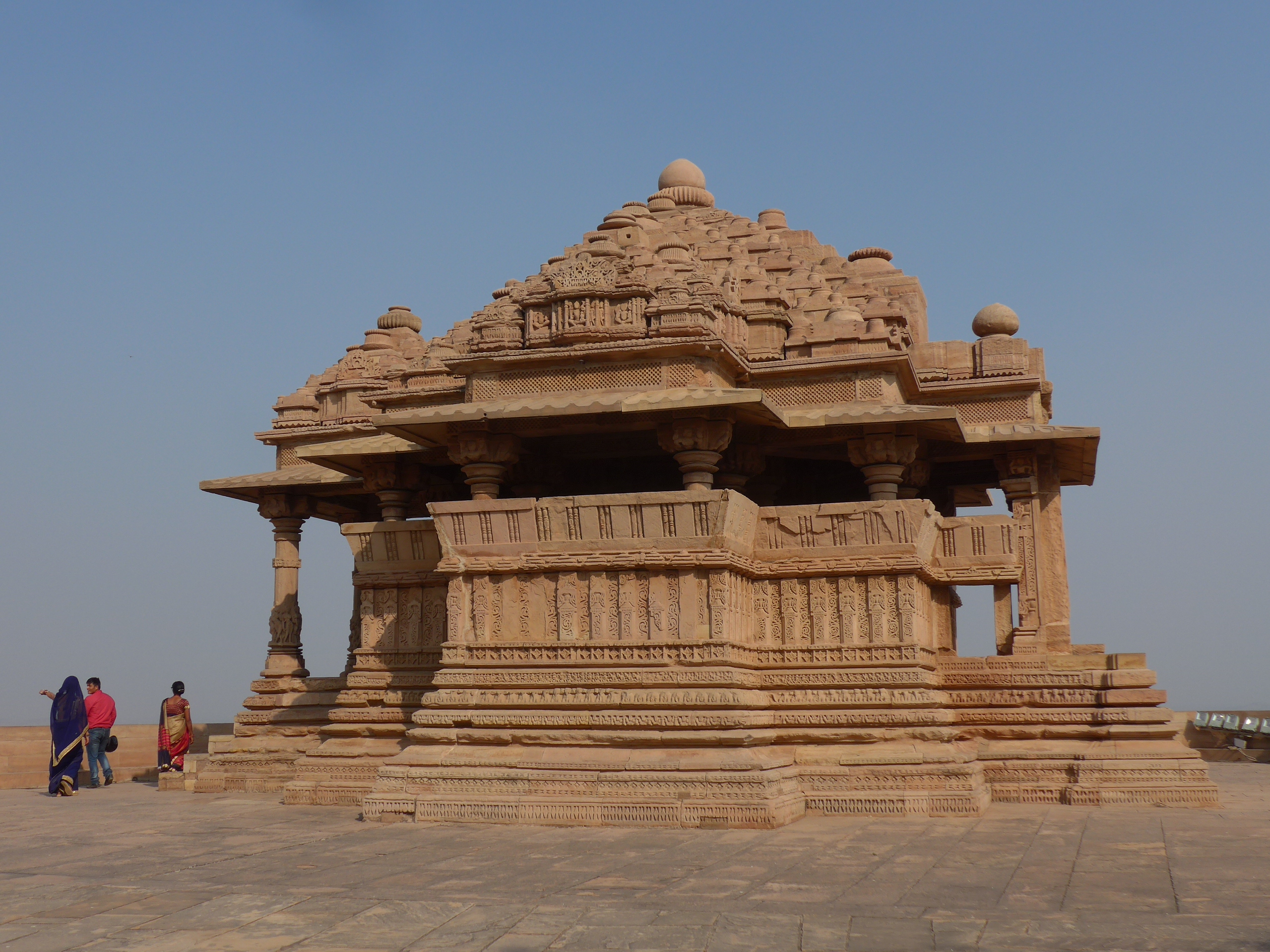
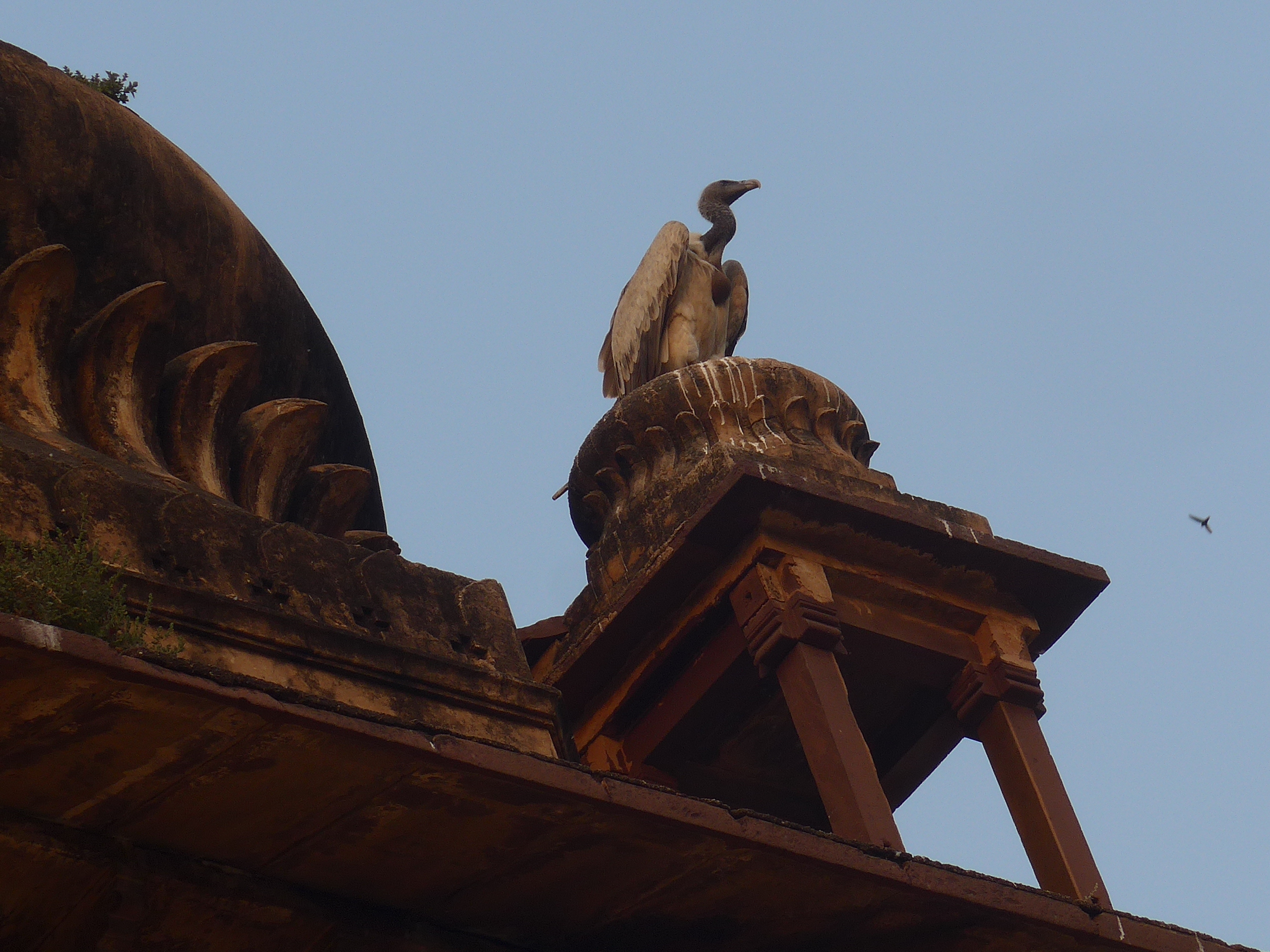
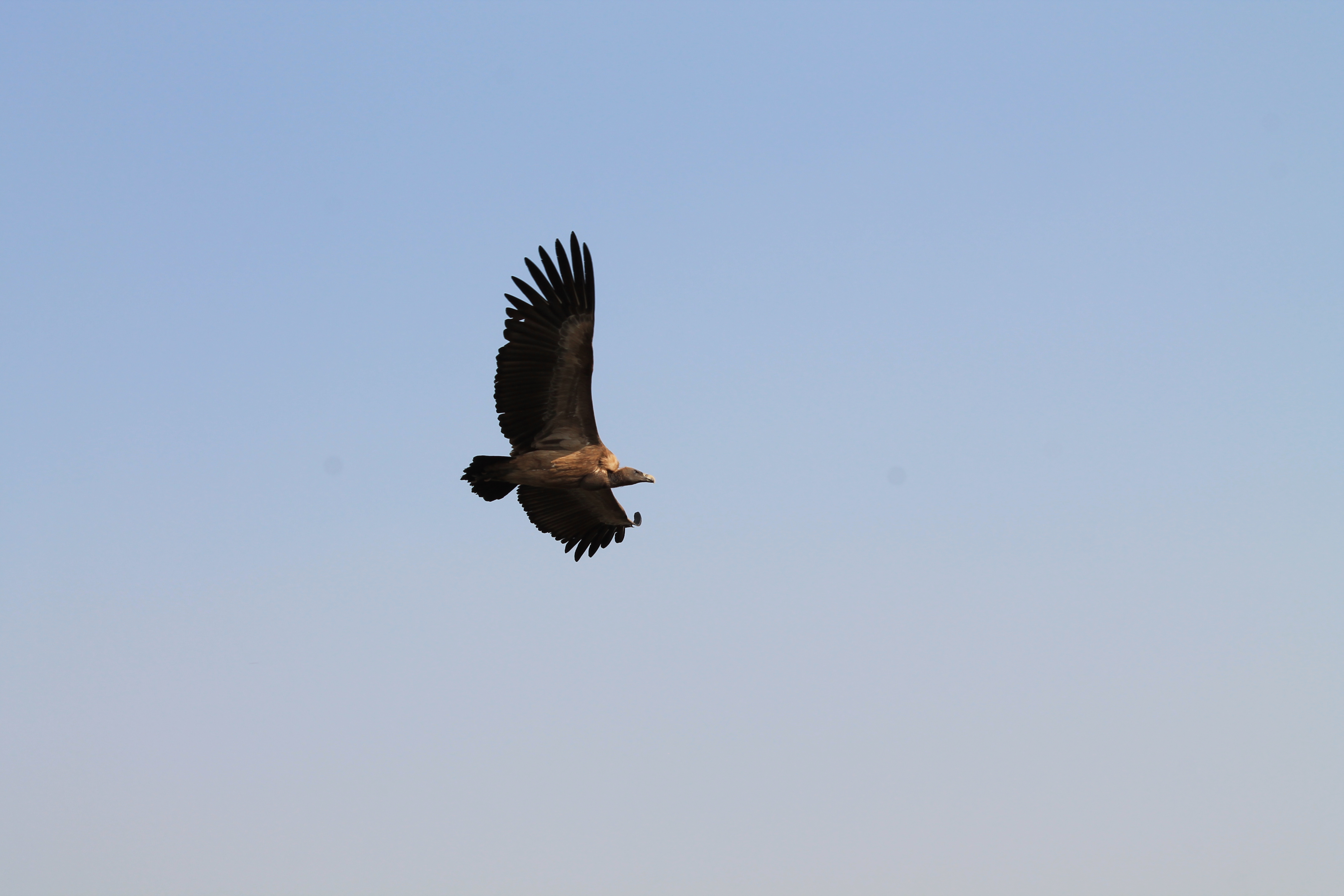
Above us circled a dozen vultures, on the lookout for weakened tourists.
Outside the Uwhari Gate, Jain figures were carved in the cliff-face of a ravine, sadly also mostly defaced. Young people on motorbikes stopped in excitement at seeing us, for more selfies, never mind the Jain sculptures.

Halfway down from the Elephant Gate a 9th-century temple depicted the earliest use of the figure zero, a concept attributed to India.
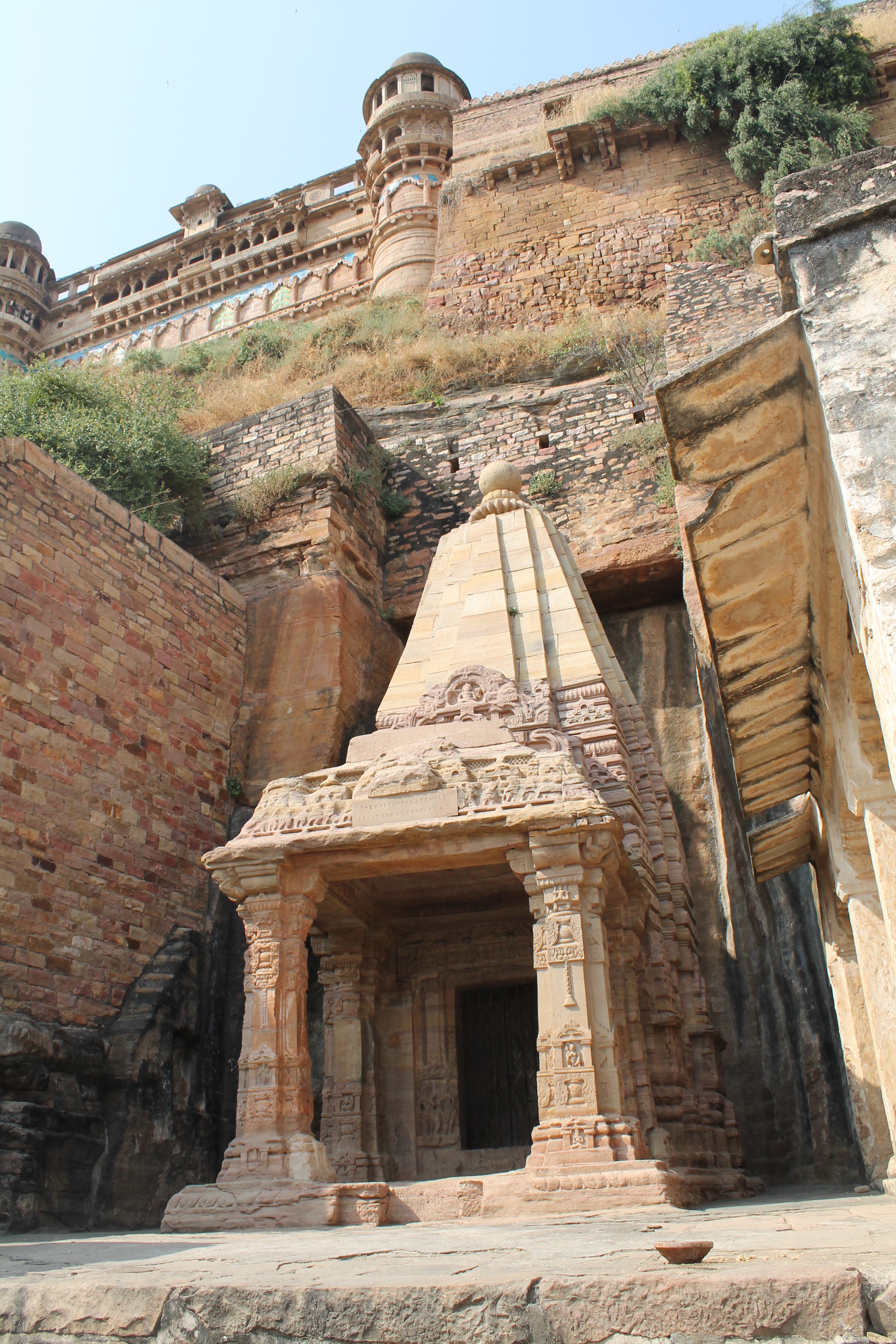
9th century Jain temple

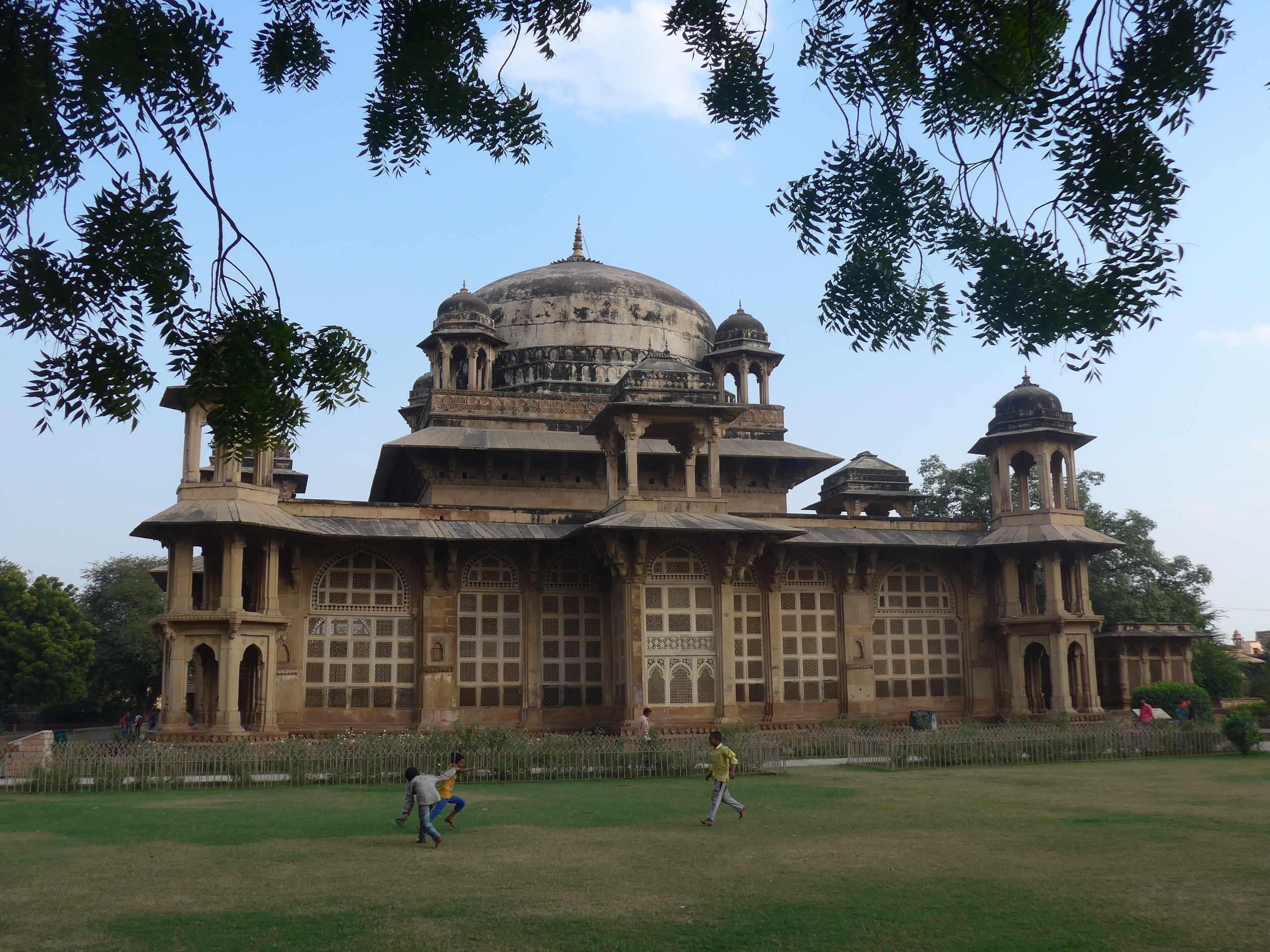
By the time we visited the Tansen Tombs (Tansen was a musician at the court of the Emperor Akbar), I was weary enough to fall asleep in a marble pavilion, only to be awoken for more selfies. I met a mongoose in the rose gardens of the tomb of Tansen…


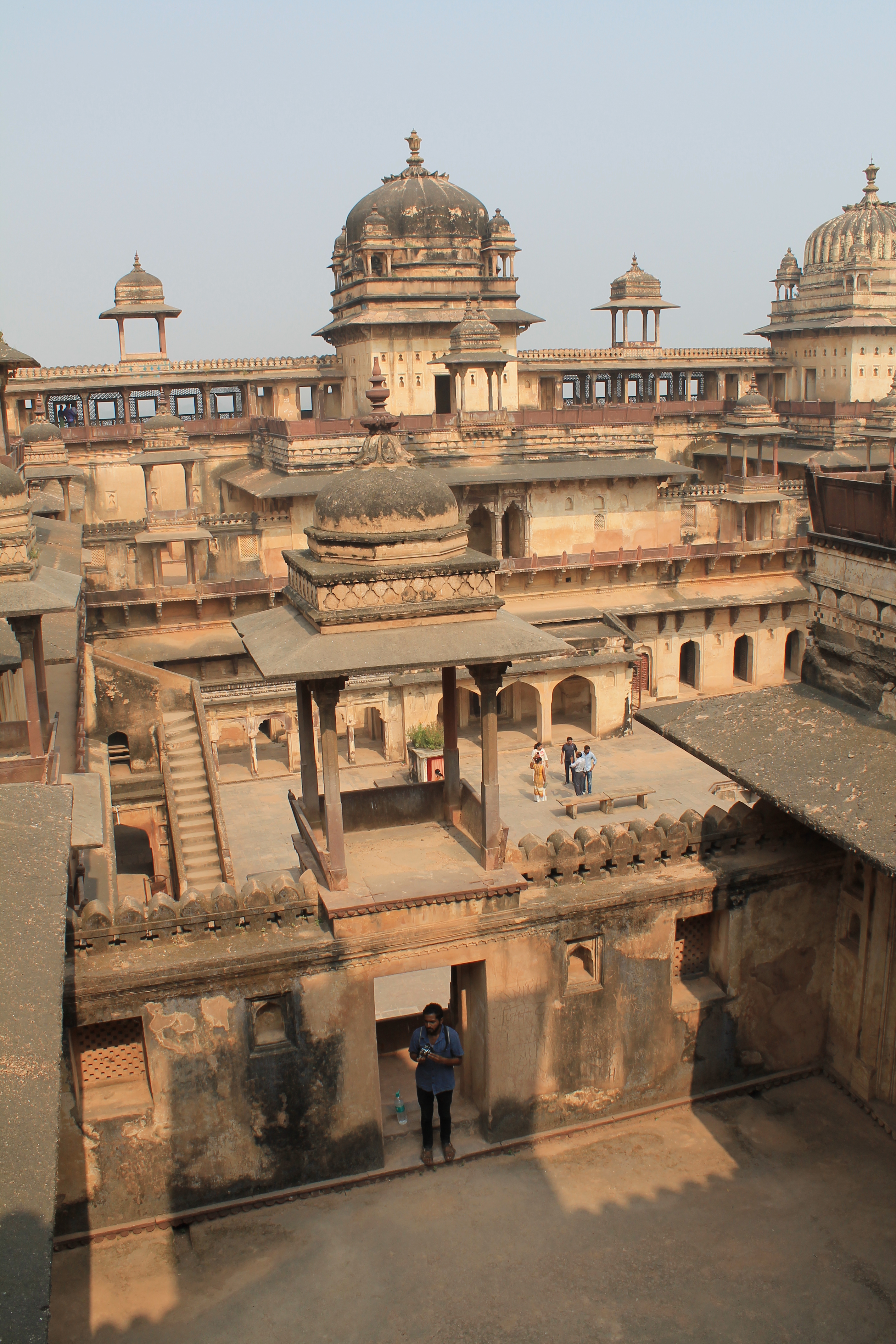
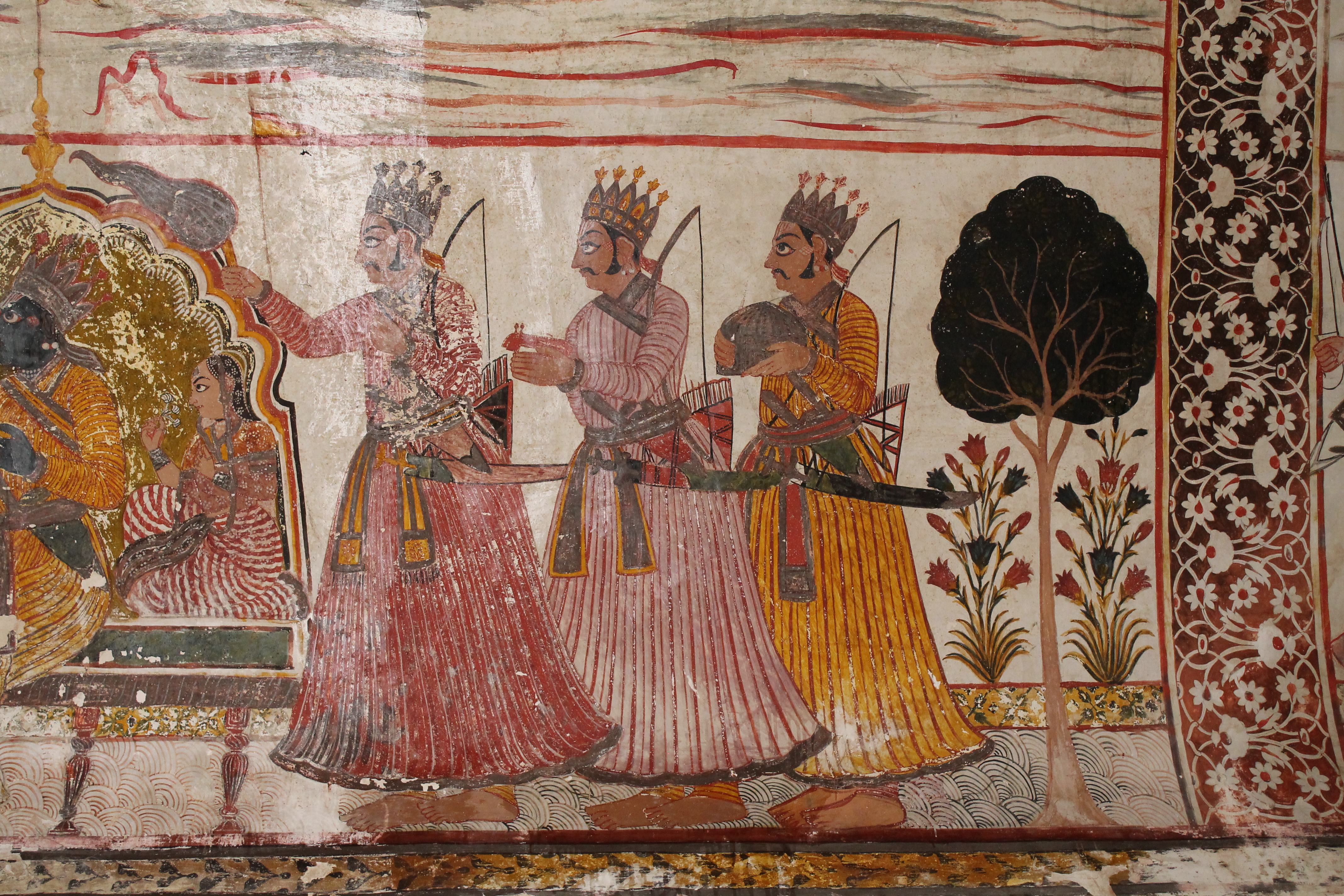
A short train ride away was the small town of Orchha, small and quiet enough for us to be able to walk down the street. It was full of palaces and shrines, clustered around the banks of the Betwa river.


Staying in a palatial “cottage”, set in the landscaped gardens of the Betwa Retreat, and right by the pool, certainly helped us to feel we could cope after the mayhem of Gwalior.
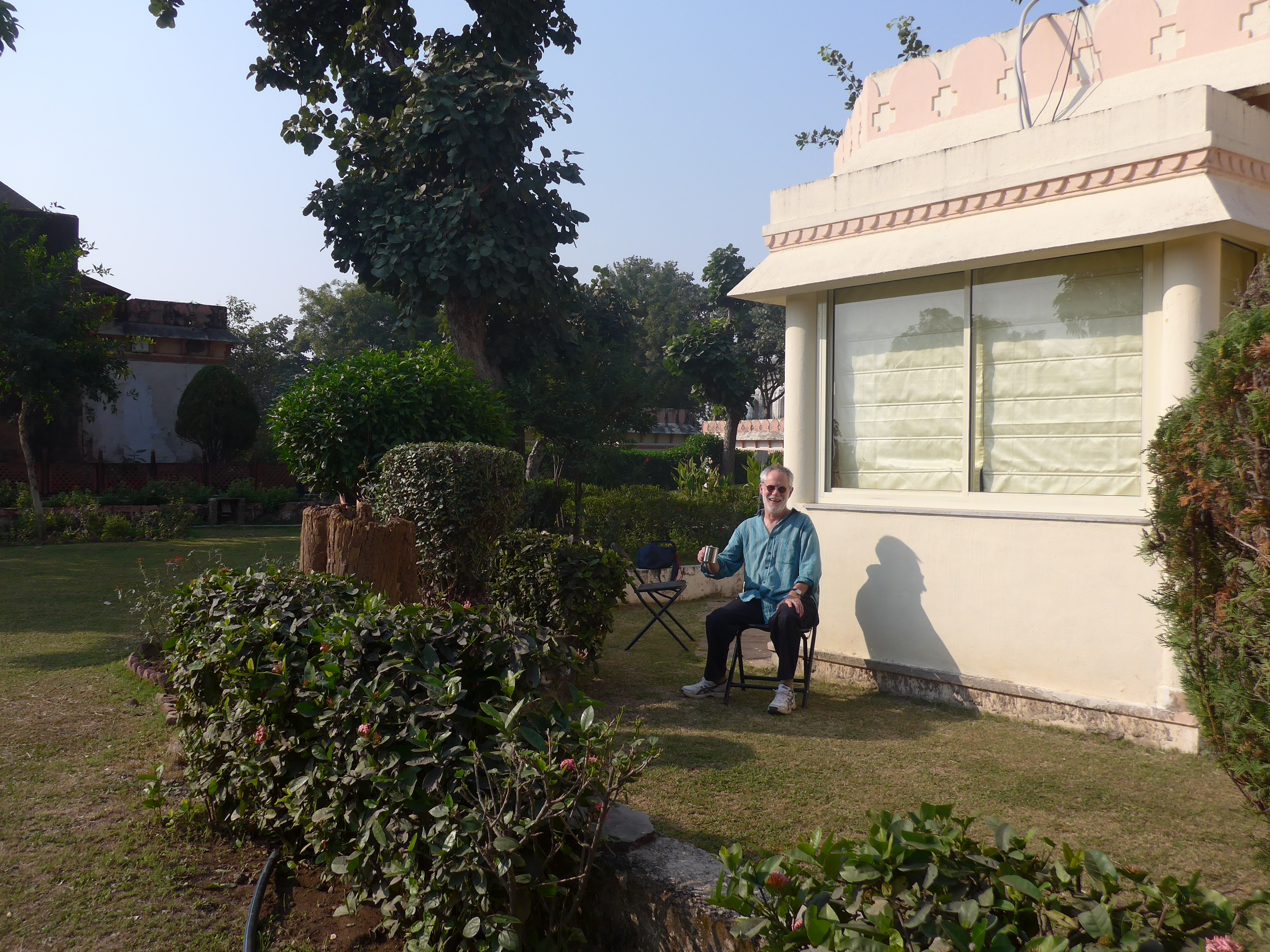
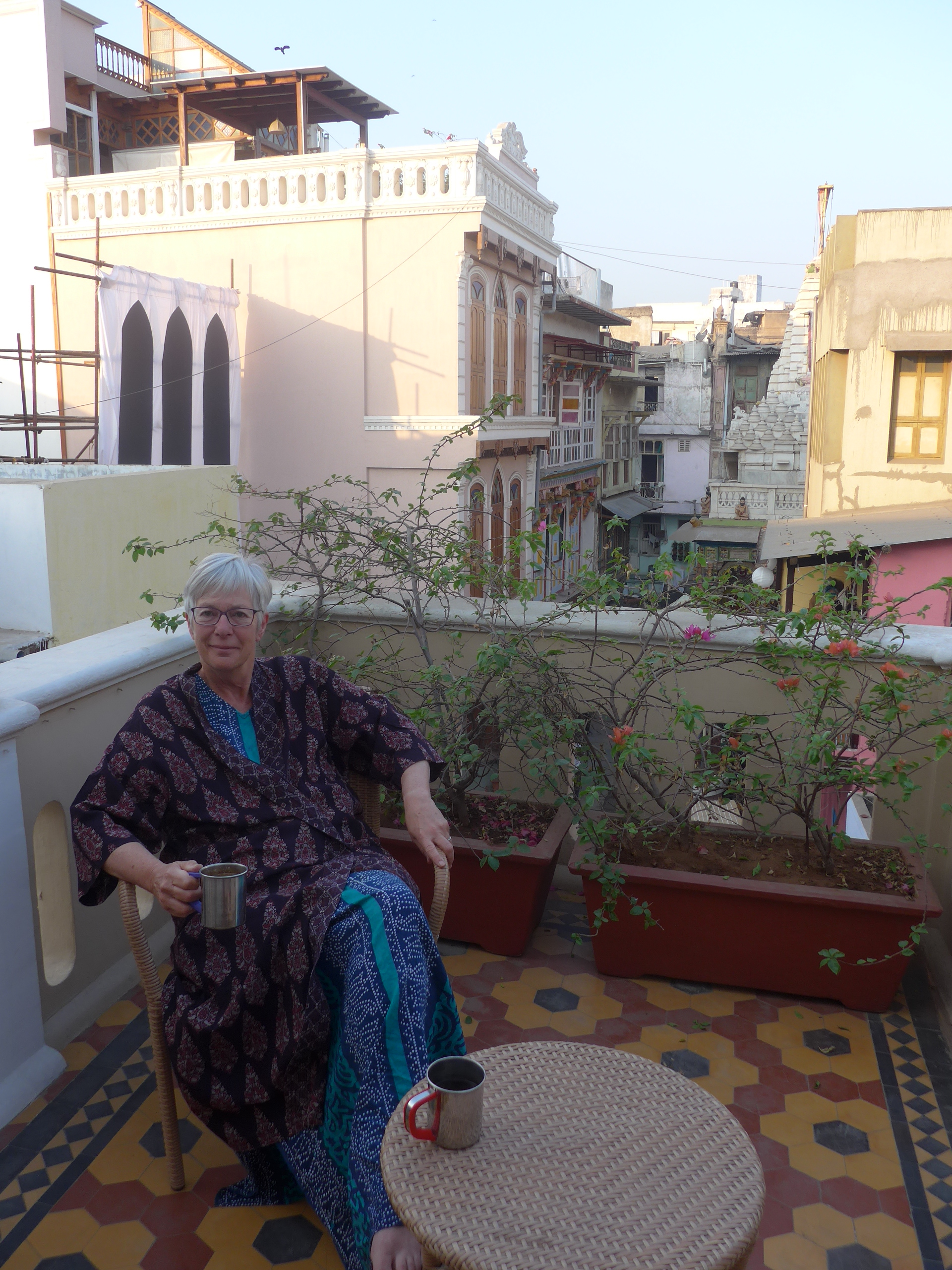
Our “sit-out” at the Betwa Retreat

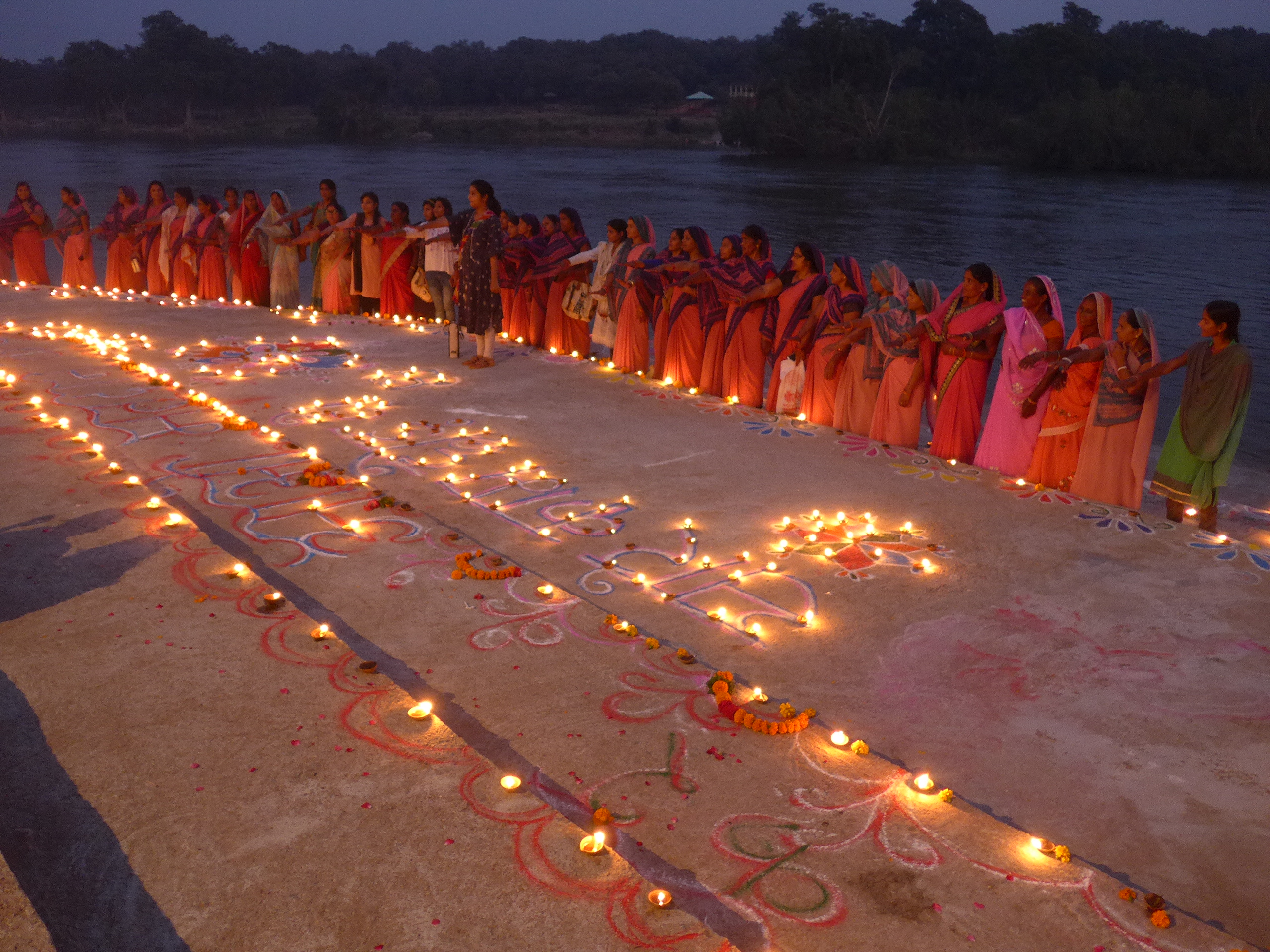
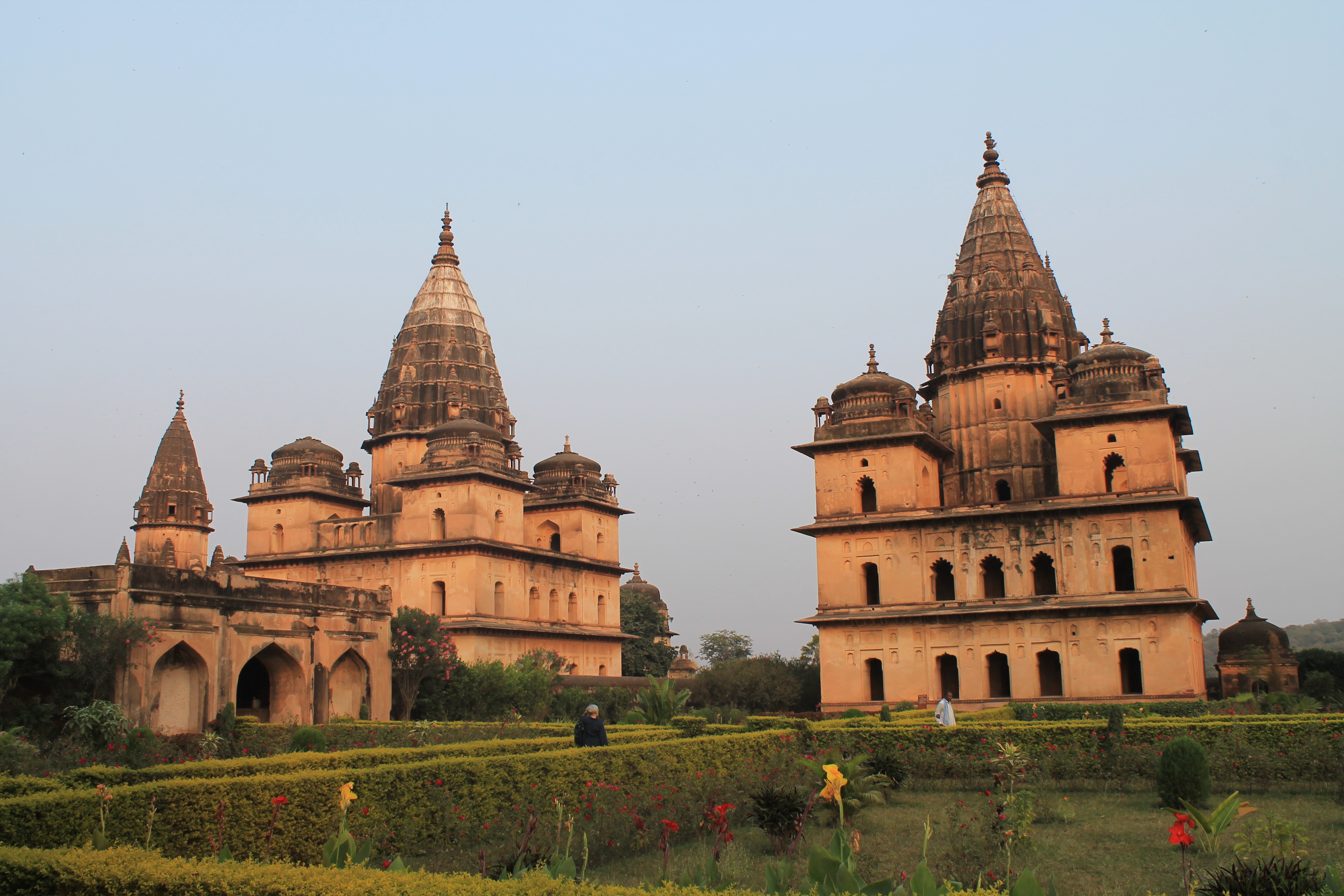
On the banks of the Betwa, overlooked by the 16th century funerary monuments called the Chhatris, a celebration of women’s right to vote was taking place.
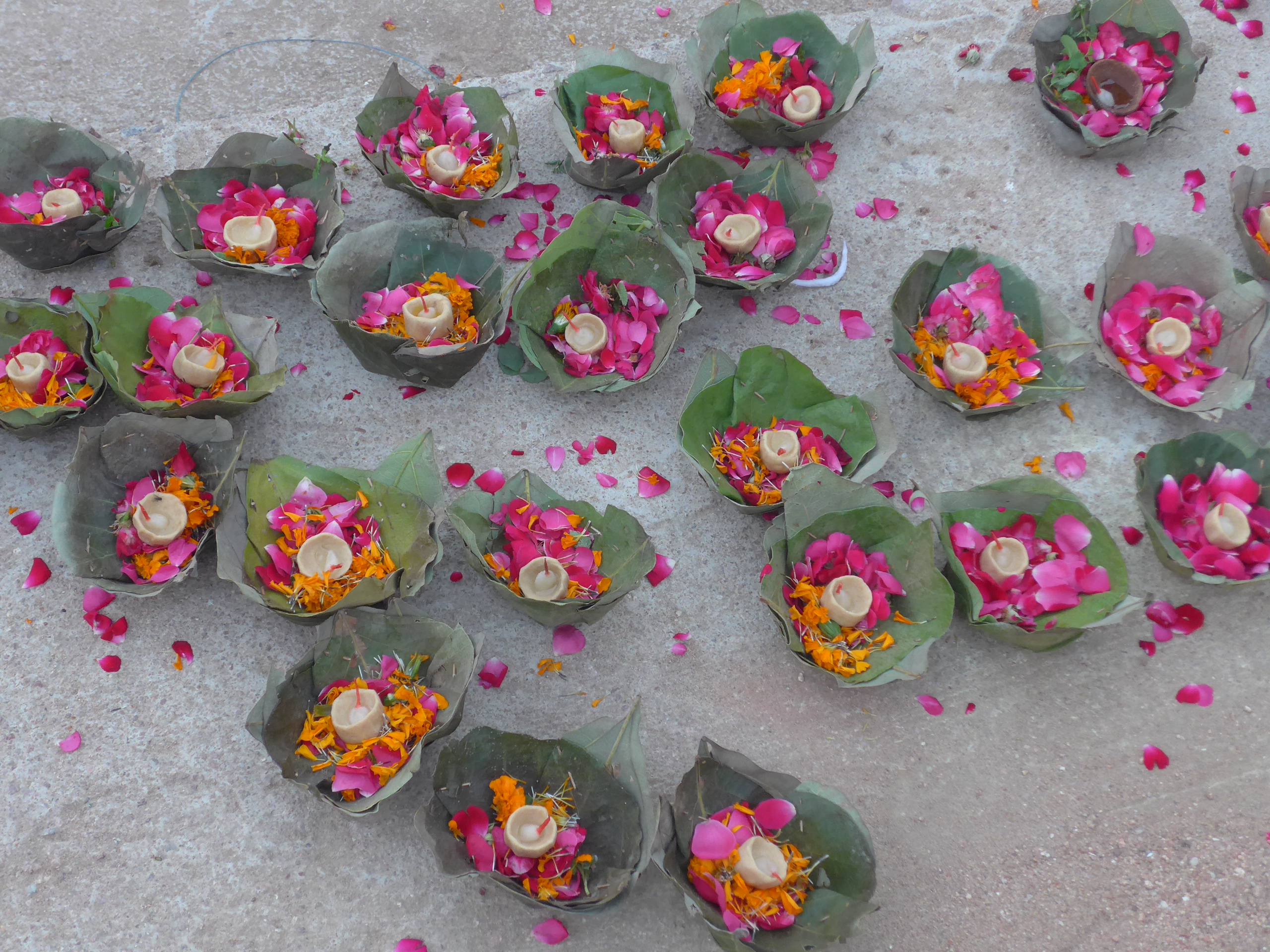


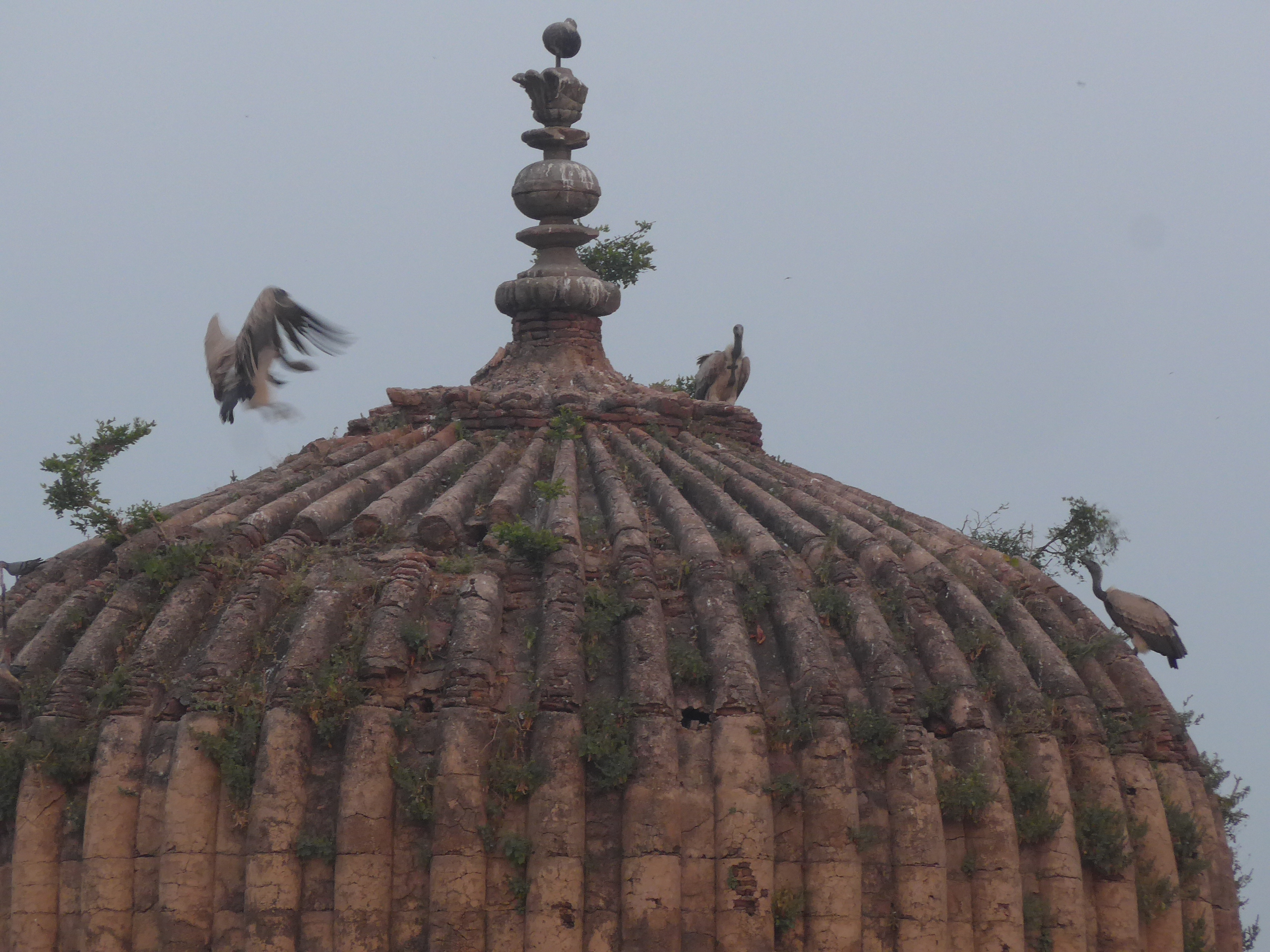
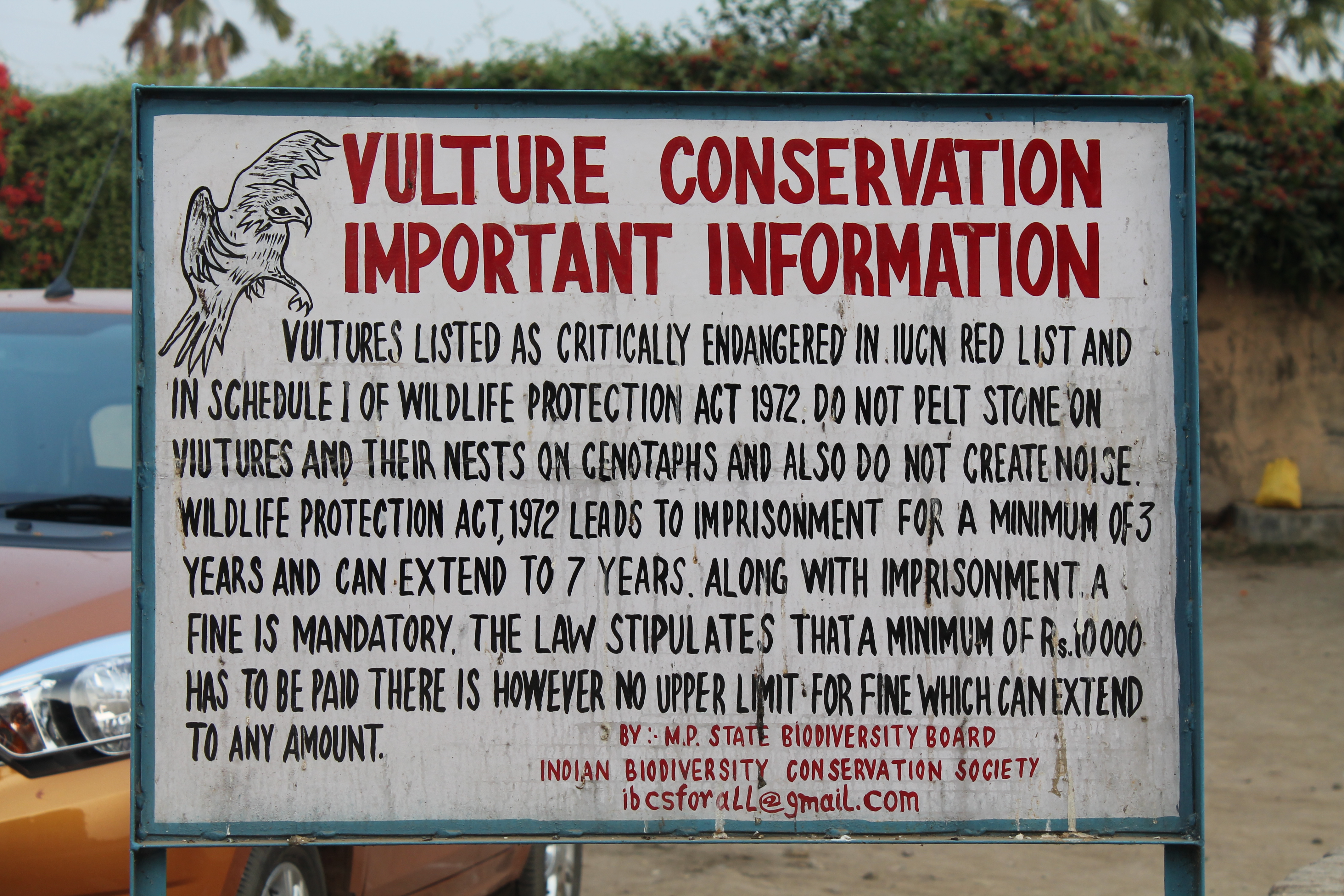
Orchha may have been peaceful but the local wildlife was pretty mean. I was head-butted by one of those placid-looking cows that stand around on street corners. A monkey jumped on our table and grabbed a Fanta drink. We remonstrated, it bared its teeth, we beat a hasty retreat. The vultures, however, behaved impeccably.


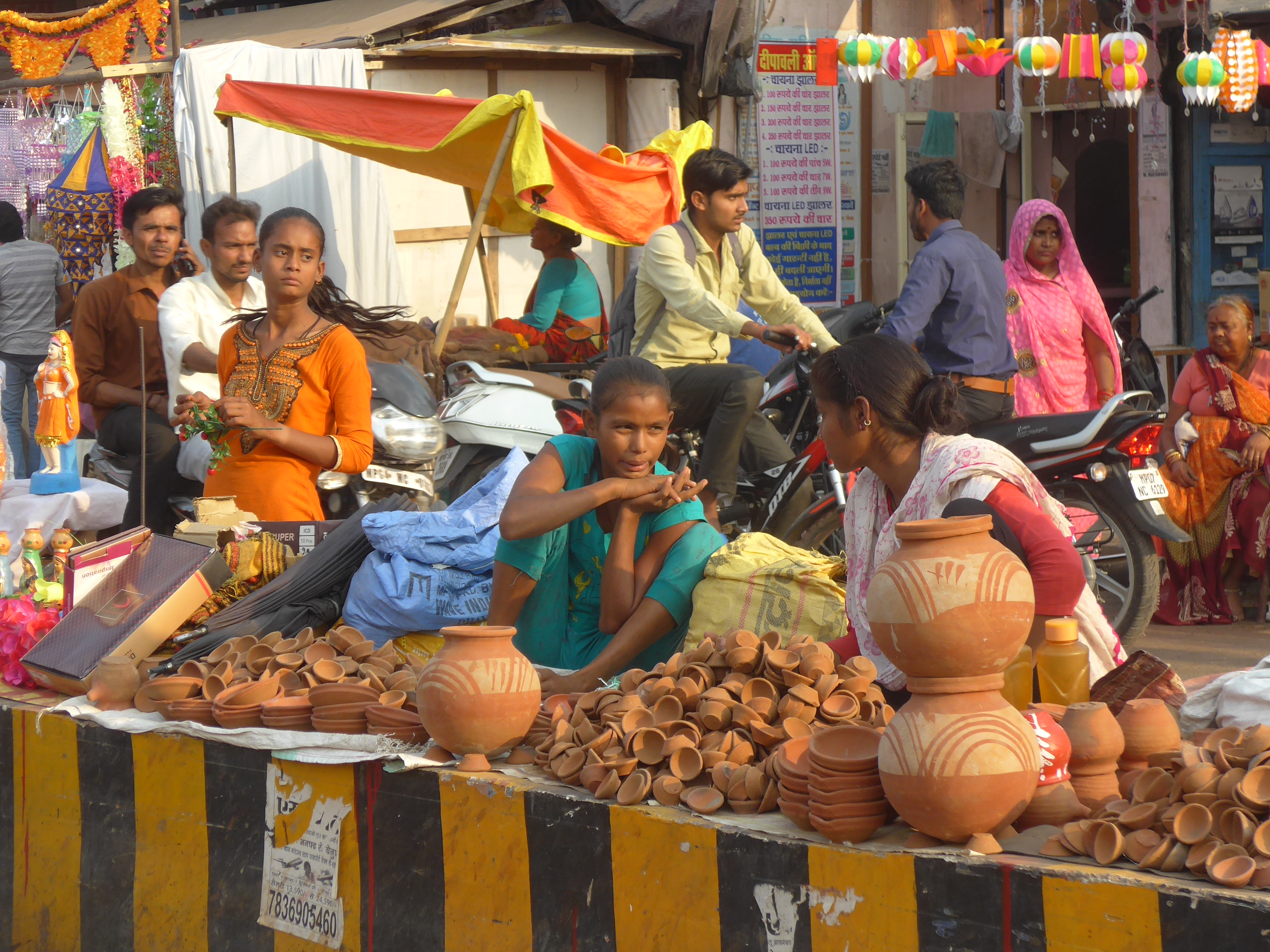
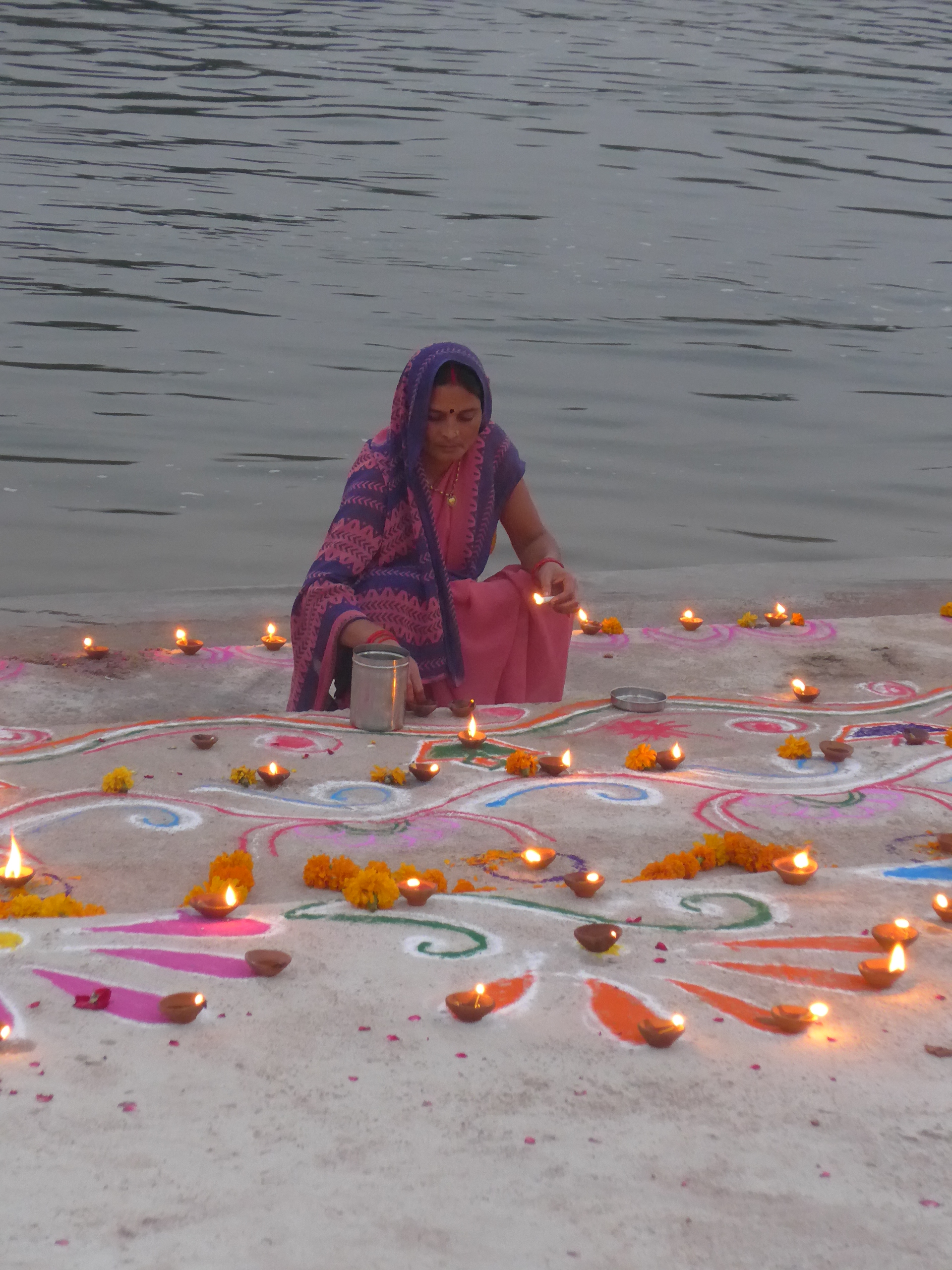
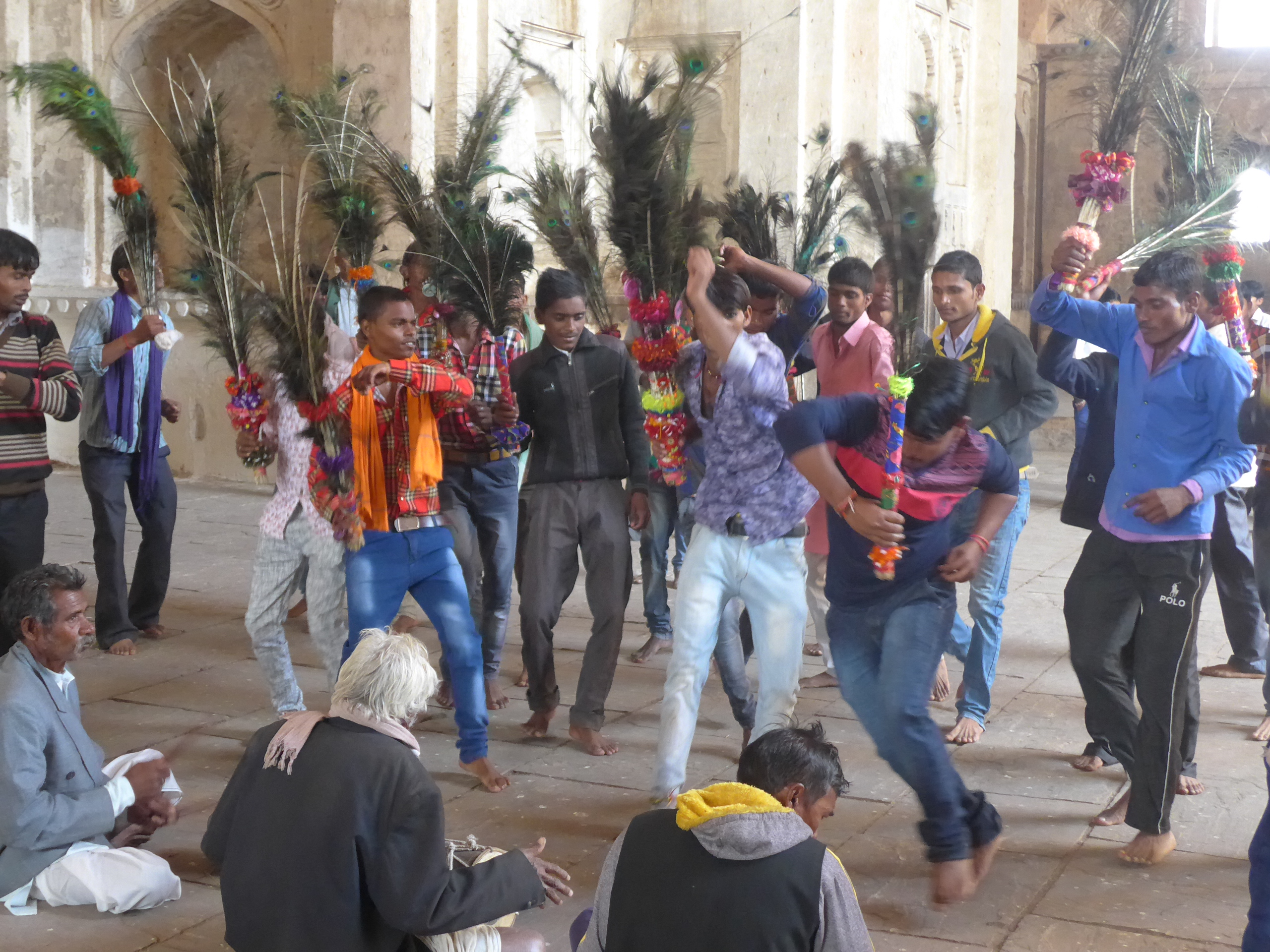
As it was Diwali, people were pouring in to visit the temple, buy souvenirs, set off firecrackers and generally have a good time.
And four days here have given us enough time to recover, relax, and publish the first real Indian posting at the Ram Raja restaurant, Orchha.
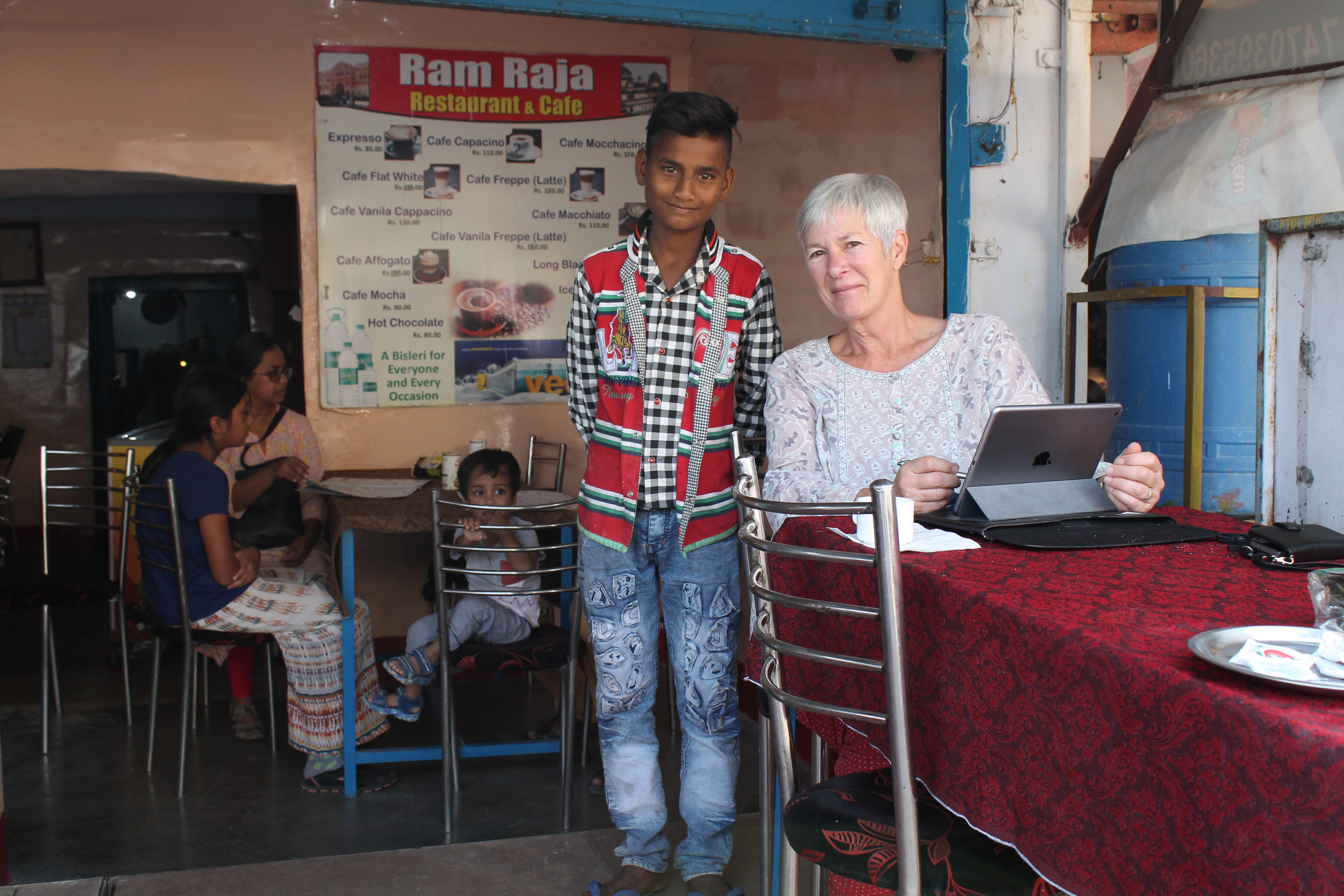
Ramraja Restaurant


4. Madhya Pradesh to Gujarat: Ahmedabad “hurricane city”

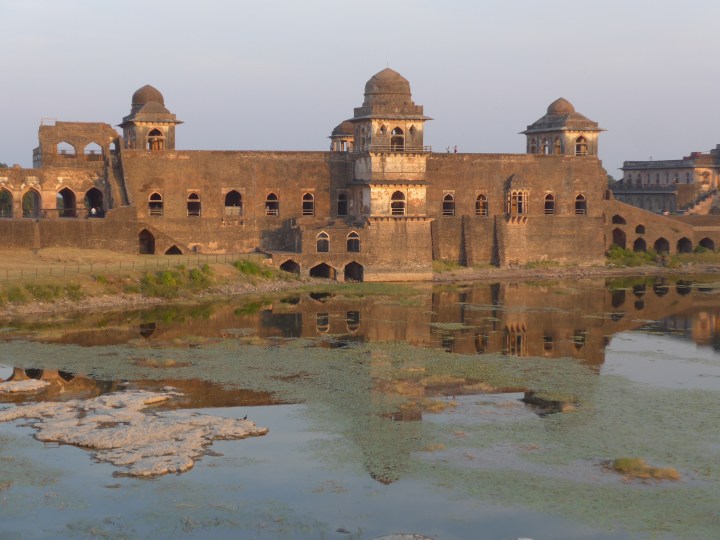
Jahan Mahal, or Ship Palace, Mandu
Mandu

On a high plateau two hours’ drive from Indore, the remains of  Mandu’s medieval palaces, mosques and mausoleums lie scattered amongst neat fields of wheat, potato and chick pea plants.


BazBahadur Palace, 1550s, Mandu


Built between 1400 and 1500, the buildings stand beside lakes, or perch on the edge of the ravines and gorges that made the plateau the fort-capital of both Hindu and Muslim dynasties in the 15th century. By 1600 it was deserted.

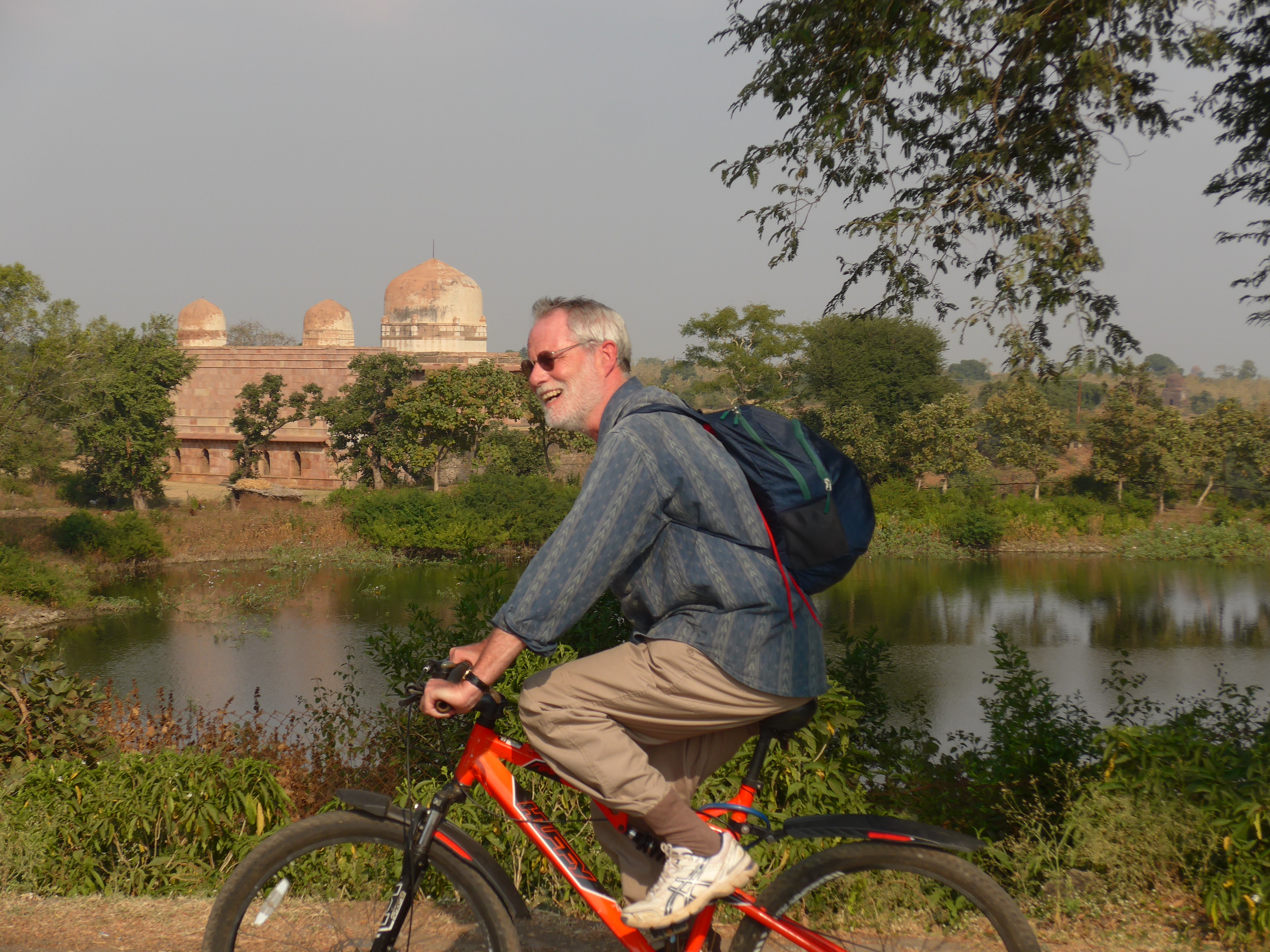
Cycling in Mandu

We hired bicycles and pedalled slowly, in the heat, past ruined pavilions, little mud houses,

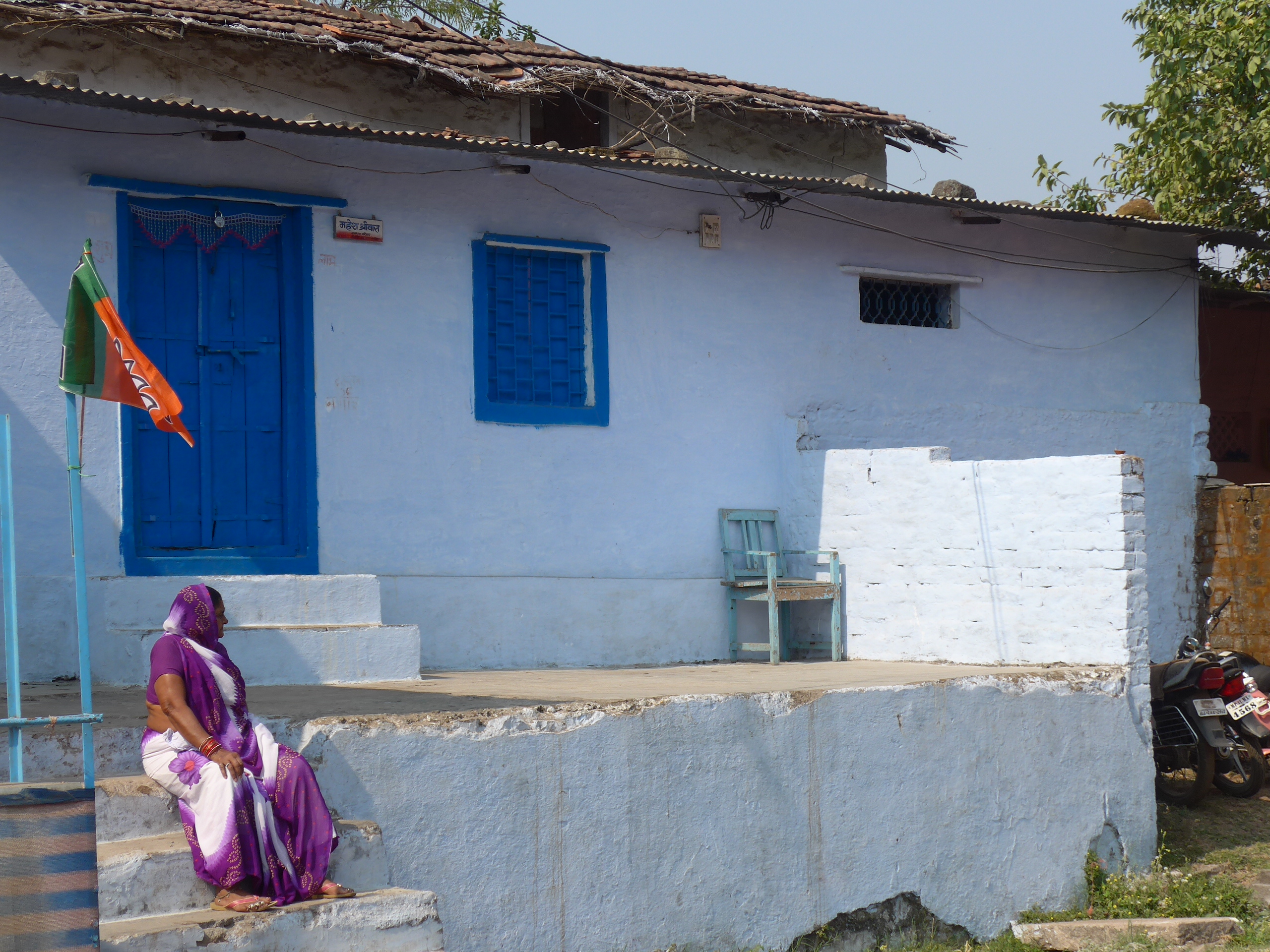
House in Mandu village
Mandala in coloured powder on doorstep


lakes, cows, goats and water buffaloes, and children waving “Bye-bye”, for the six kilometres out to the Palace of Baz Bahadur.

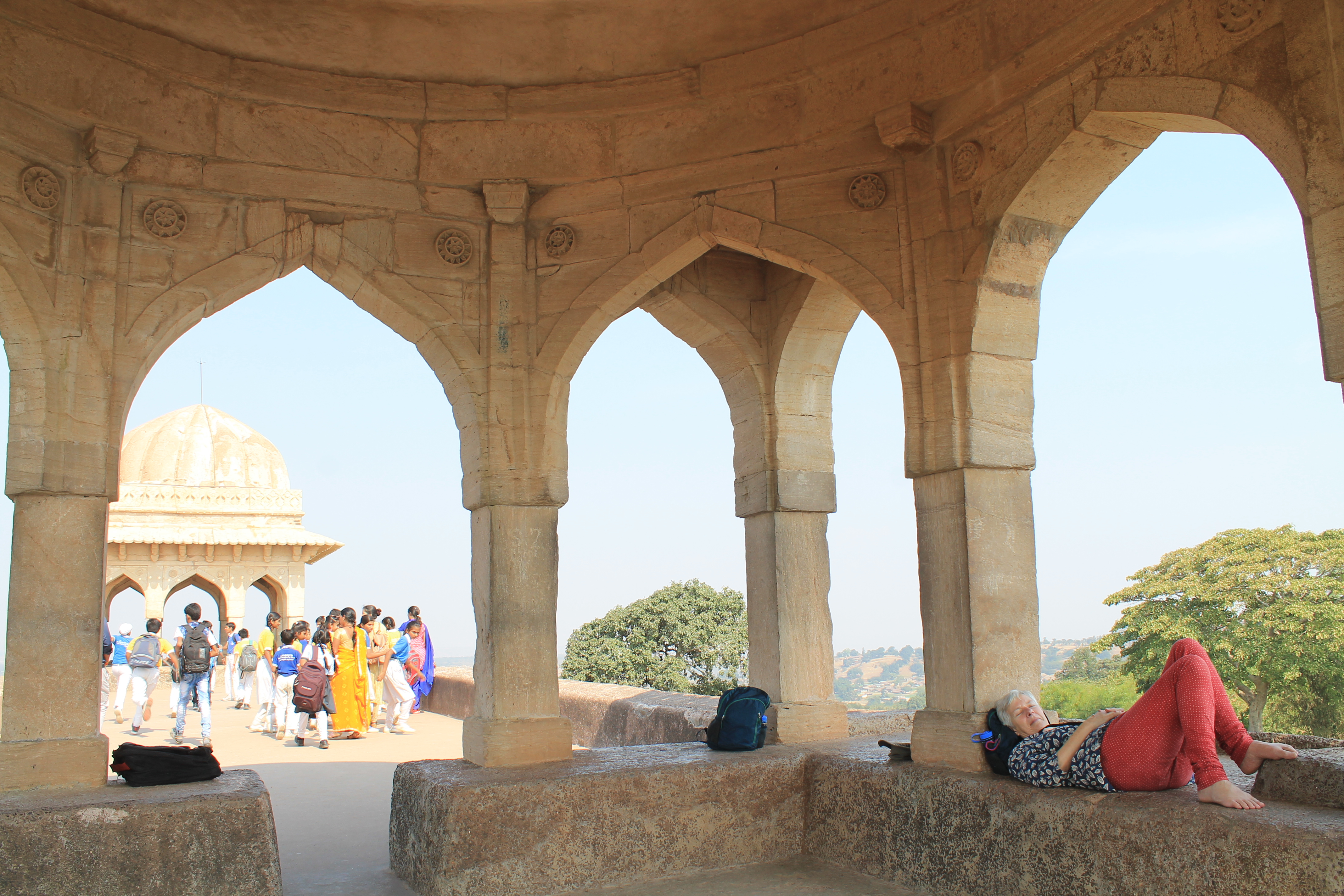
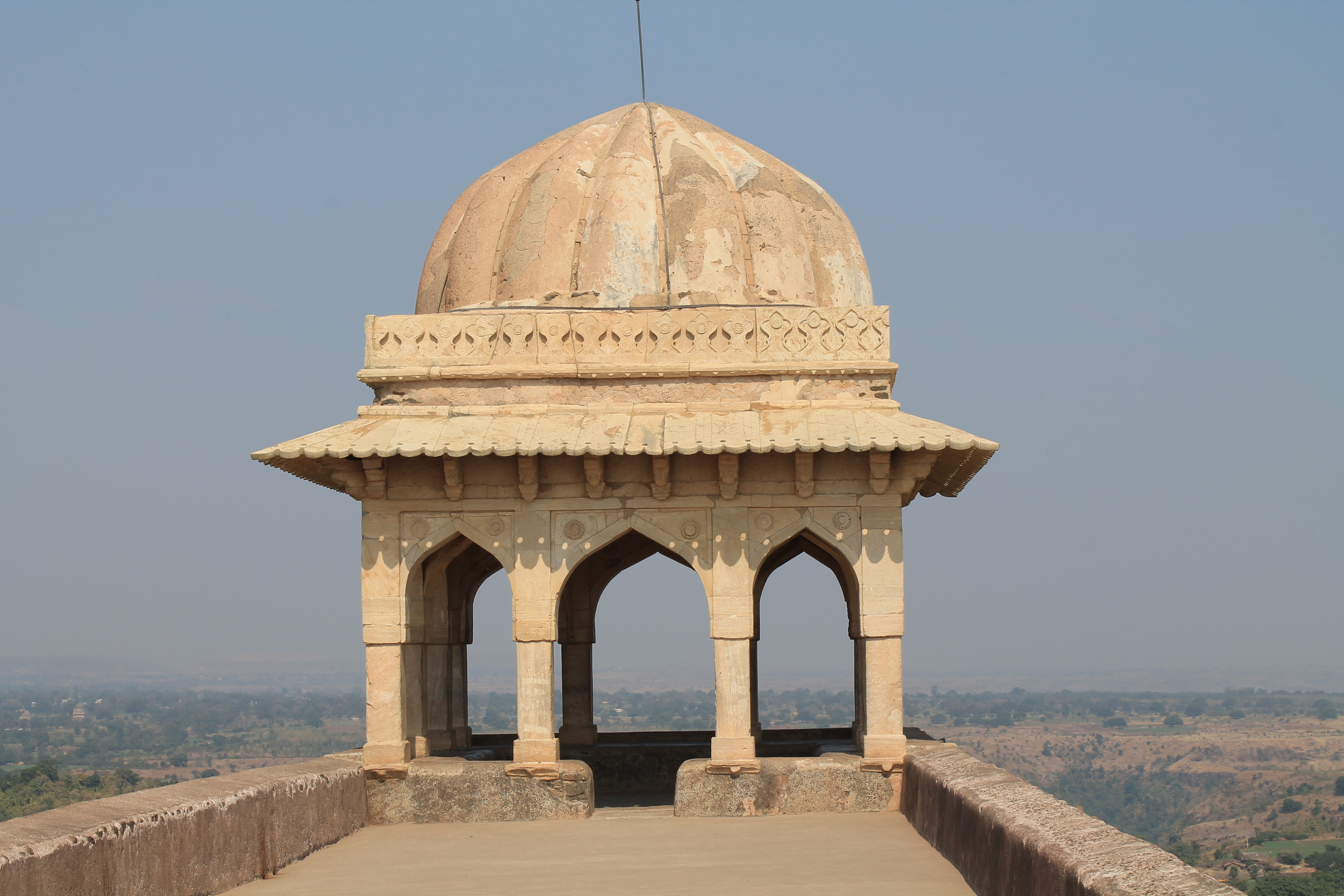
Asleep in Rupmati’s Pavilion

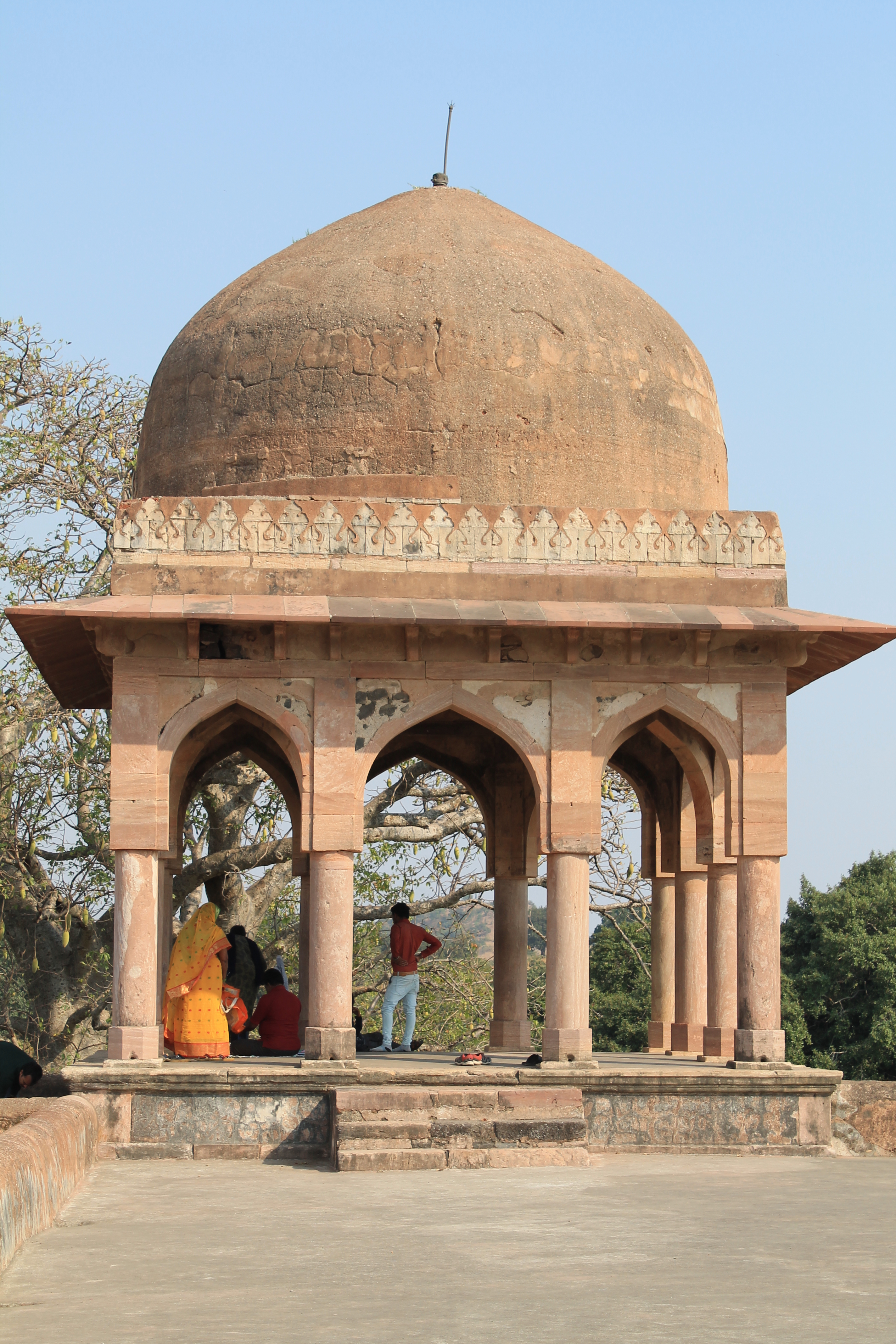
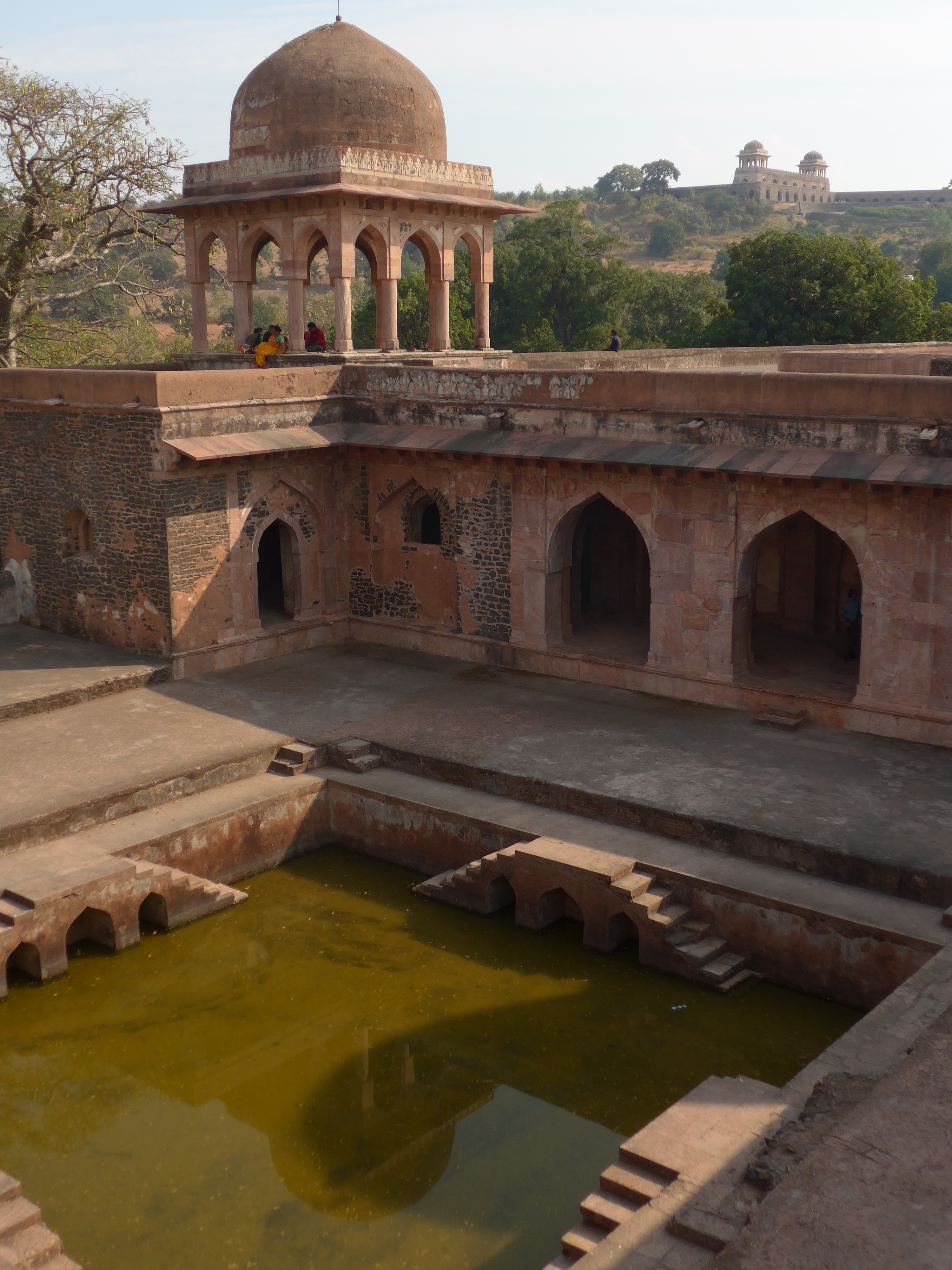
The last Sultan of Malwa, Baz Bahadur, fell in love with a Hindu shepherdess, Rupmati, who had the most beautiful singing voice, and built her a pavilion on the ridge above his palace, a romantic place always cooled by breezes from the the holy Narmada River, far below.

Rupmati’s Pavilion
Baz Bahadur’s Palace with Rupmati’s pavilion on the ridge above


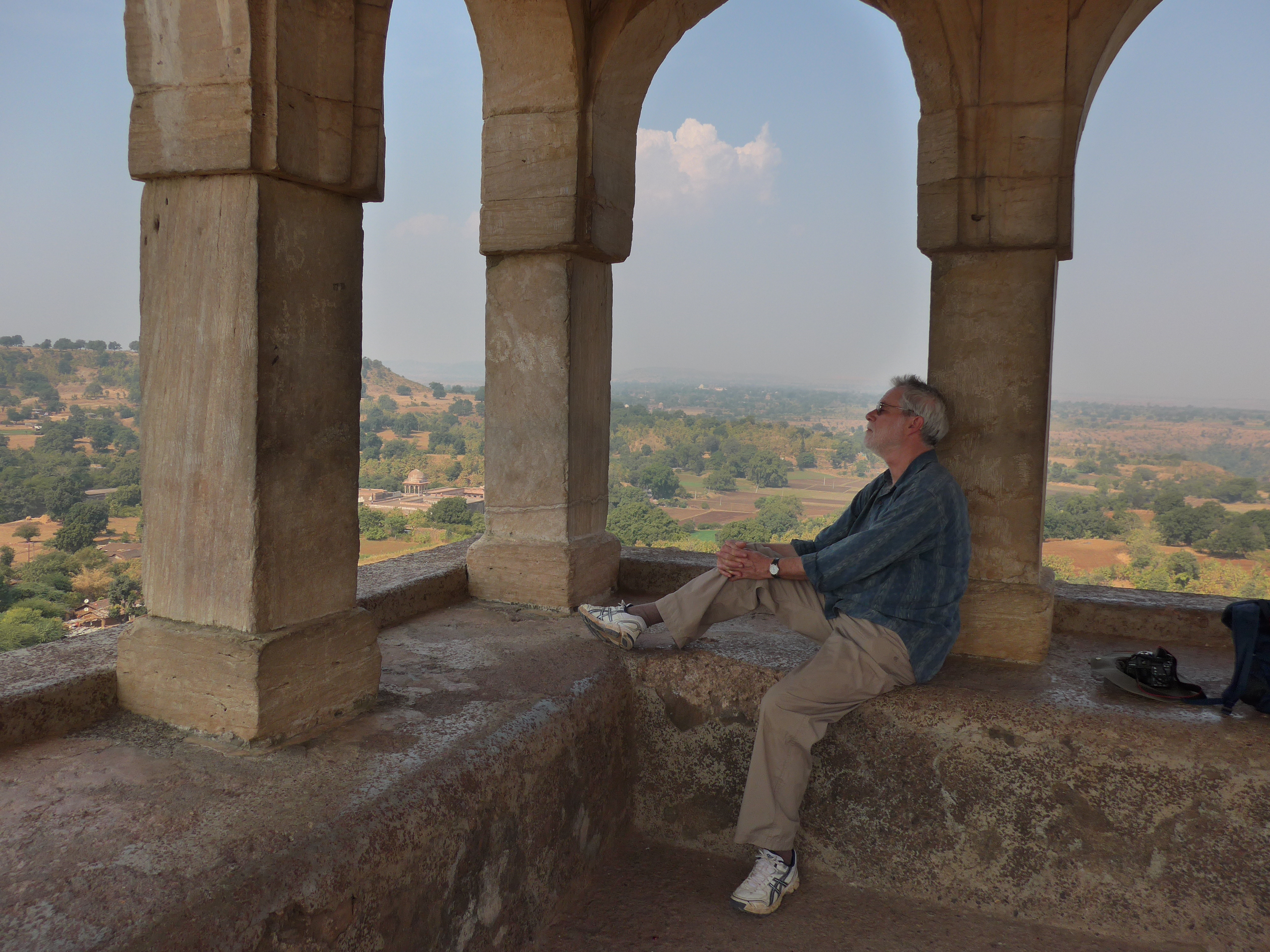
Jim in pensive mood in Rupmati’s Pavilion, Mandu

The Mughul emperor, Akbar, hearing of her beauty, sent his general to capture both the palace and Rupmati. Baz Bahadur escaped, abandoning Rupmati, who poisoned herself rather than be captured. Her crying ghost haunts the pavilion, and people sing sad folk-songs still about her fate.


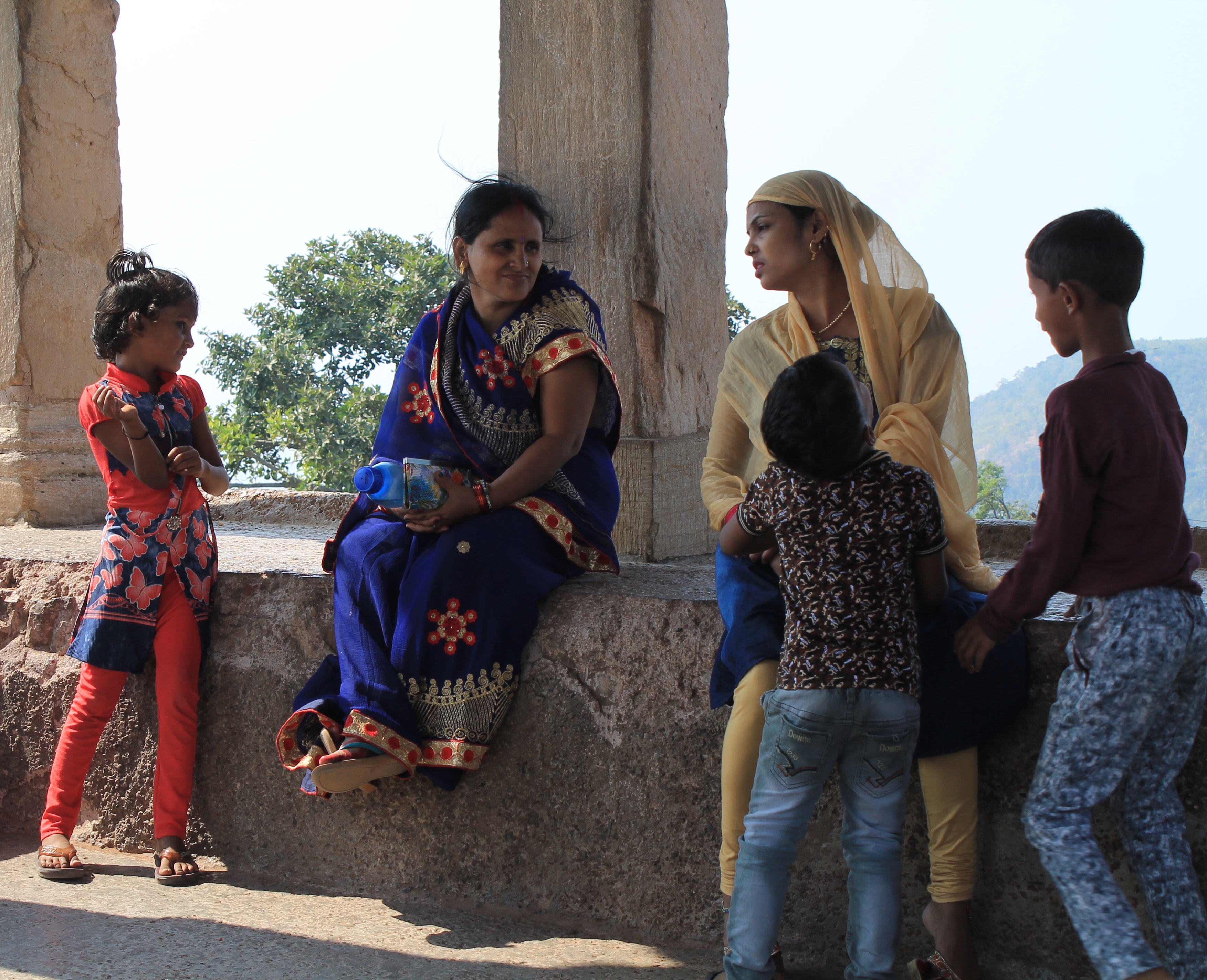
It’s a favourite place for Indian tourists, too.

Rupmati’s Pavilion
Selfie!


It’s strange to be amongst the austere simplicity of Mughal-style architecture after the sinuous and exuberant carvings of Hindu temples and palaces.

No selfies please
Tomb, Jama Masjid, 15th century, Mandu


Jali screen in Jama Masjid, Mandu


We took an overnight sleeper to the city of Ahmedabad, in the state of Gujarat. But a brilliant tip, before we arrive there, is from Claire, who told me that the back of a hot teaspoon pressed against a mosquito bite for a minute or two will stop it itching. It works! Thank you Claire, how could I have gone all these years and not known that!

The old city, Ahmedabad
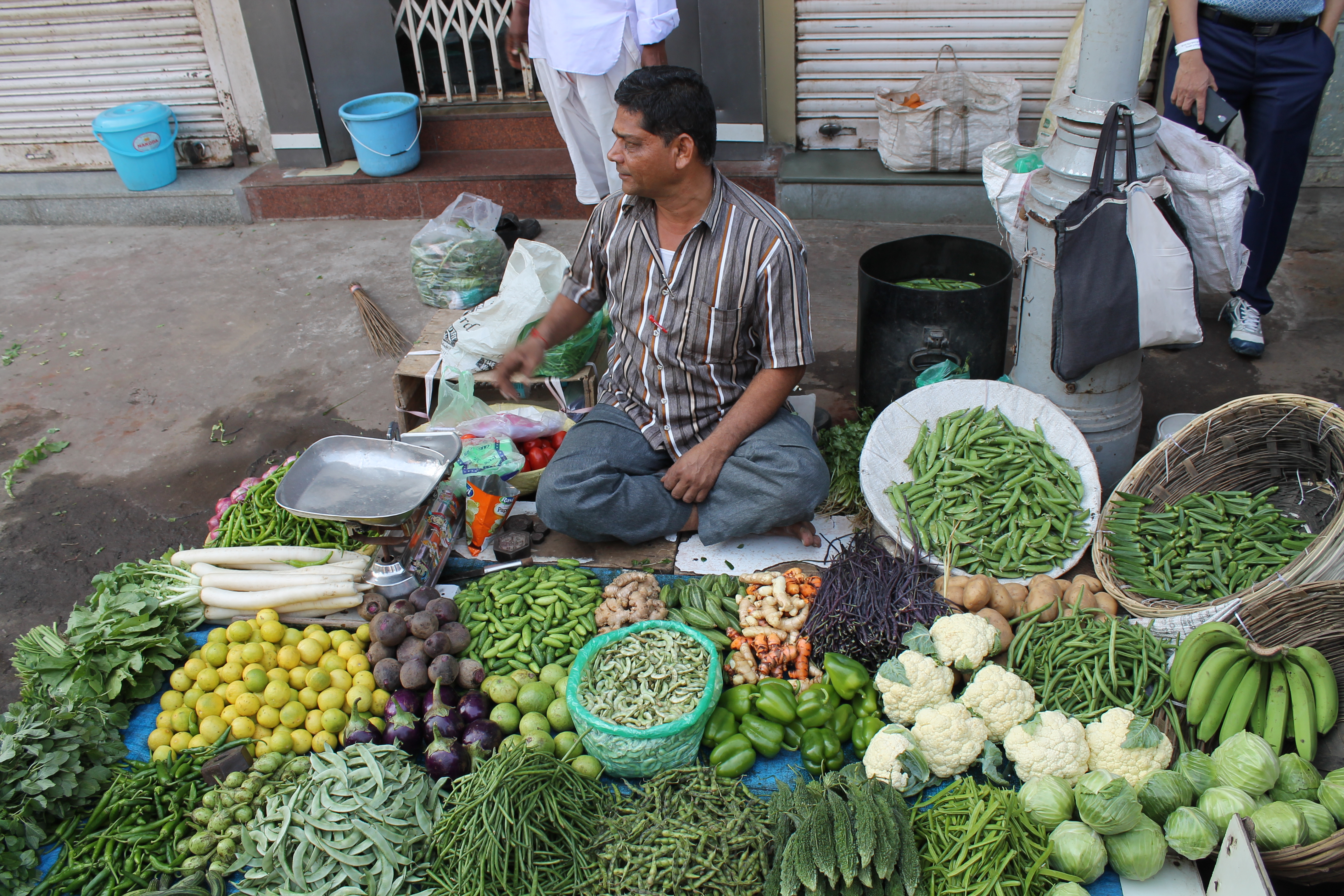
Market in Ahmedabad

Gujarat is a place of scrub and desert, fields of cotton and castor-oil plants, cities of business and factories, and camels. It’s the home-state of the PM, Narendra Modi. He has erected the world’s biggest statue, in Gujarat, a state where drought-stricken farmers are protesting at imminent famine.

Ahmedabad, once called the Manchester of India for its textile industry, is a city of mixed communities, Jain, Moslem, Hindu and Christian, who traditionally lived in self-supporting communities called “pols”.

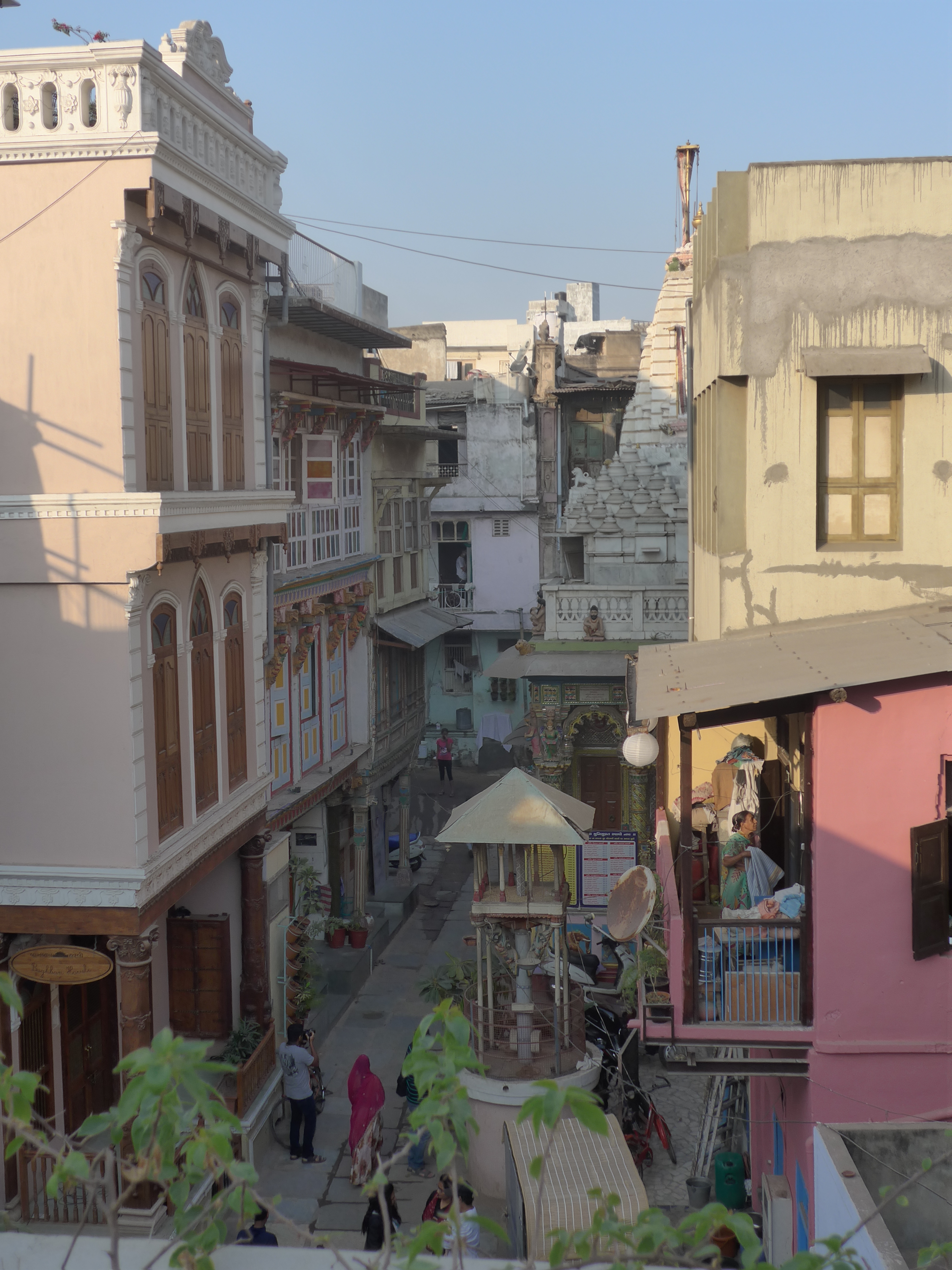
Dal-ni-Pol, from French Haveli

Separate, but joined, one man said.

Pol in Ahmedabad

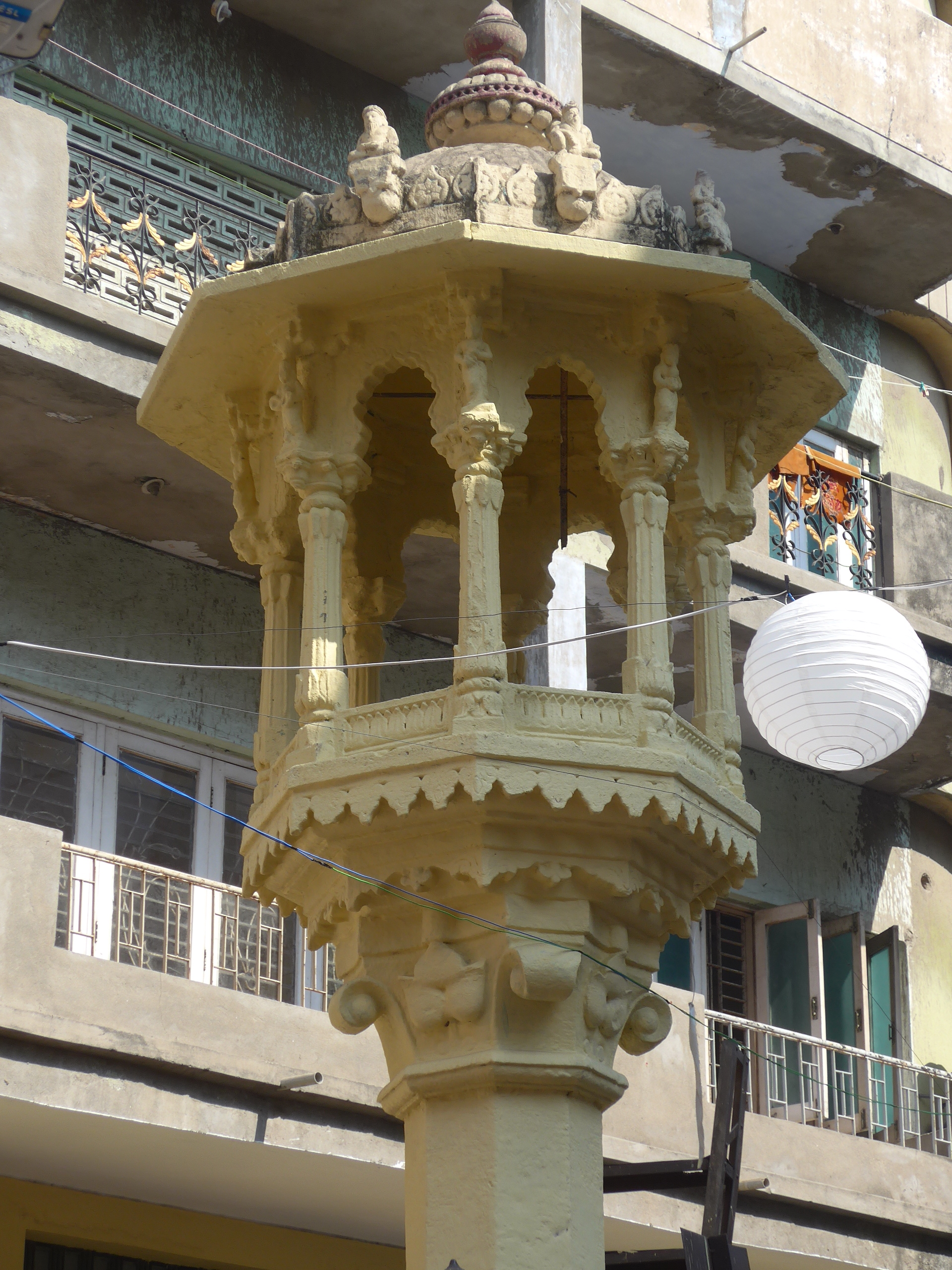
Each pol has its own temple or mosque, its well, its public space, and its bird feeder.

Dal-in-pol bird feeder

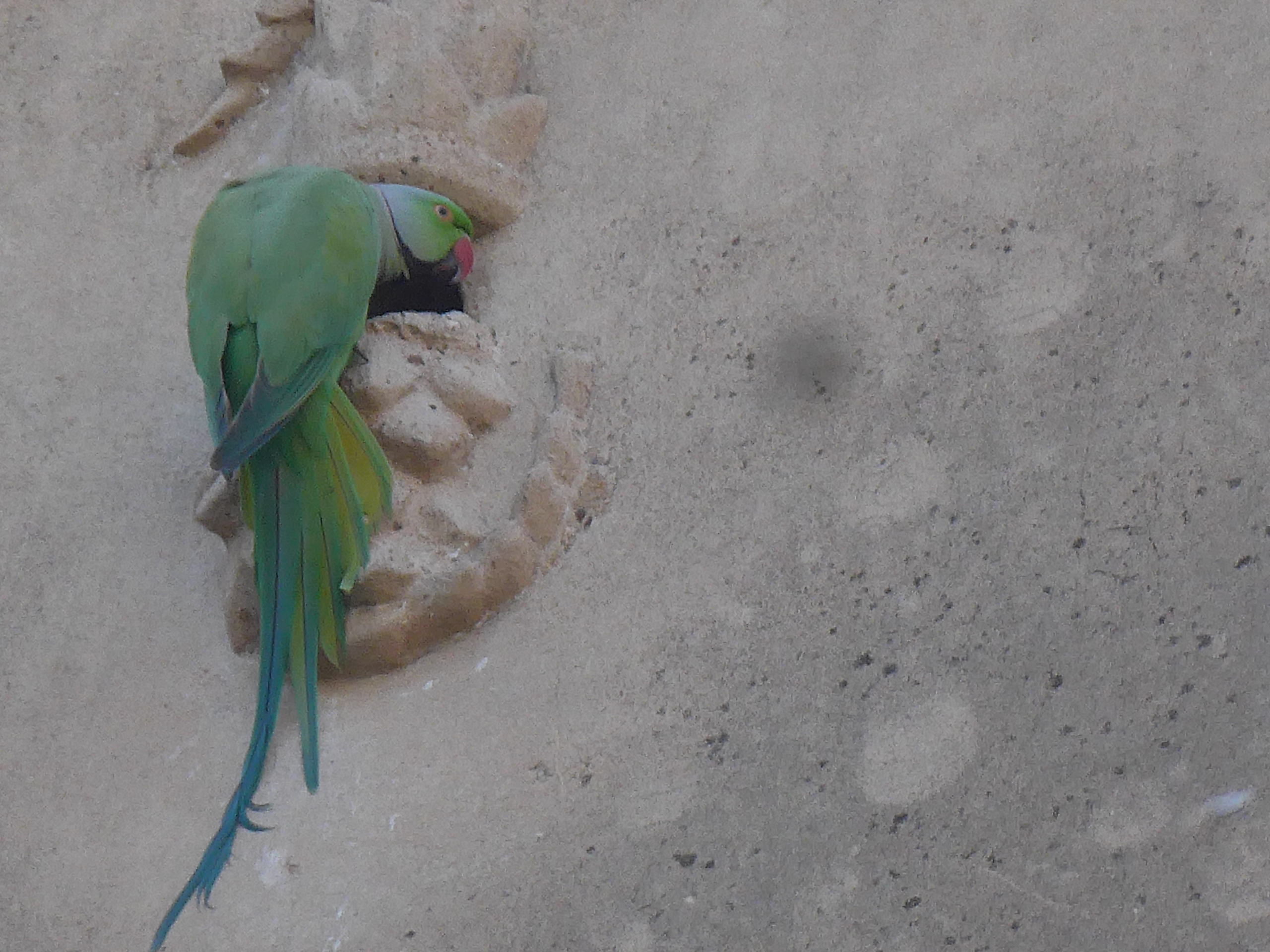
These ornate structures are a legacy of the Jains, who even built bird nests into the walls.

Parakeet in purpose-sculpted stone nest


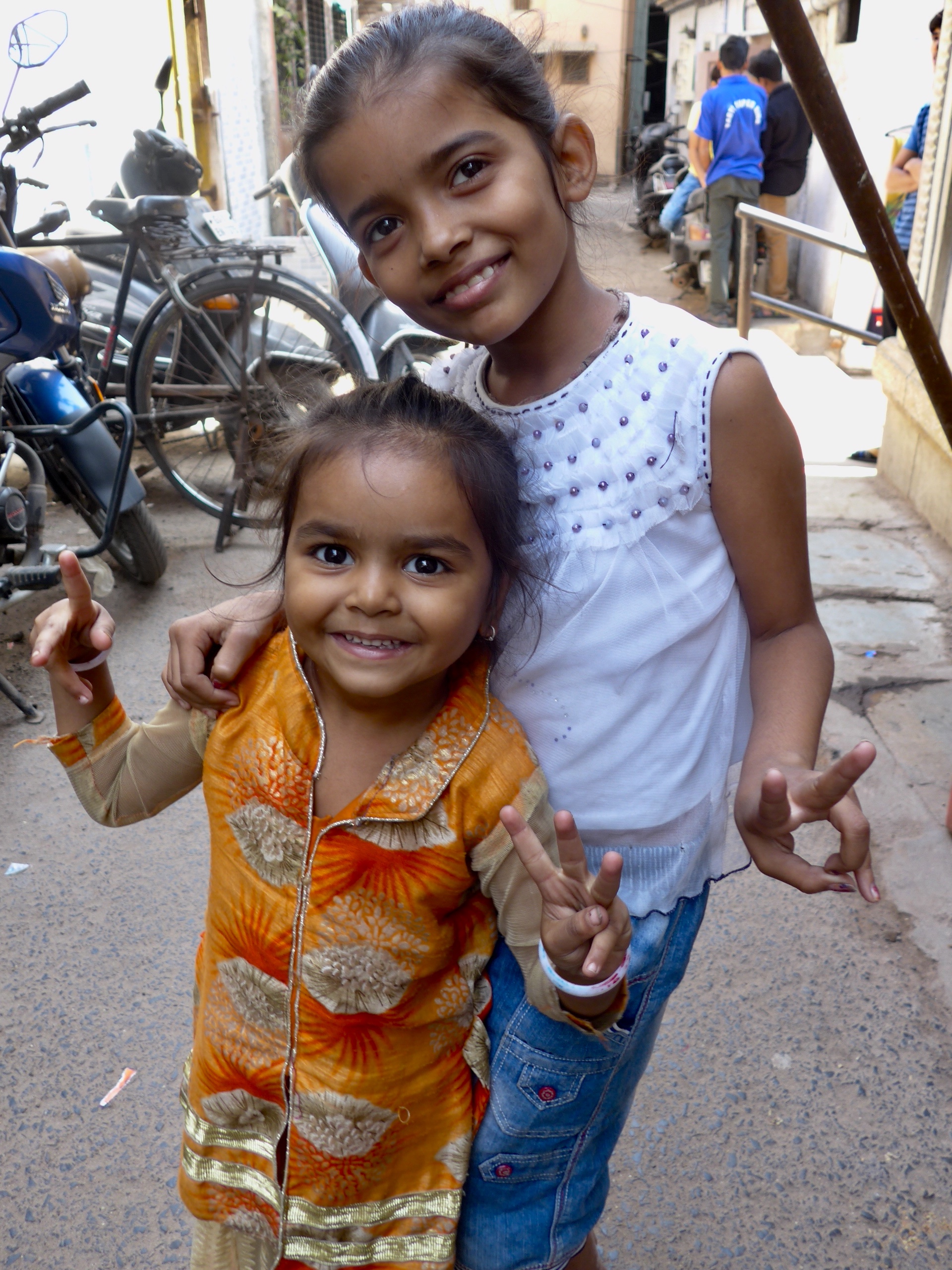
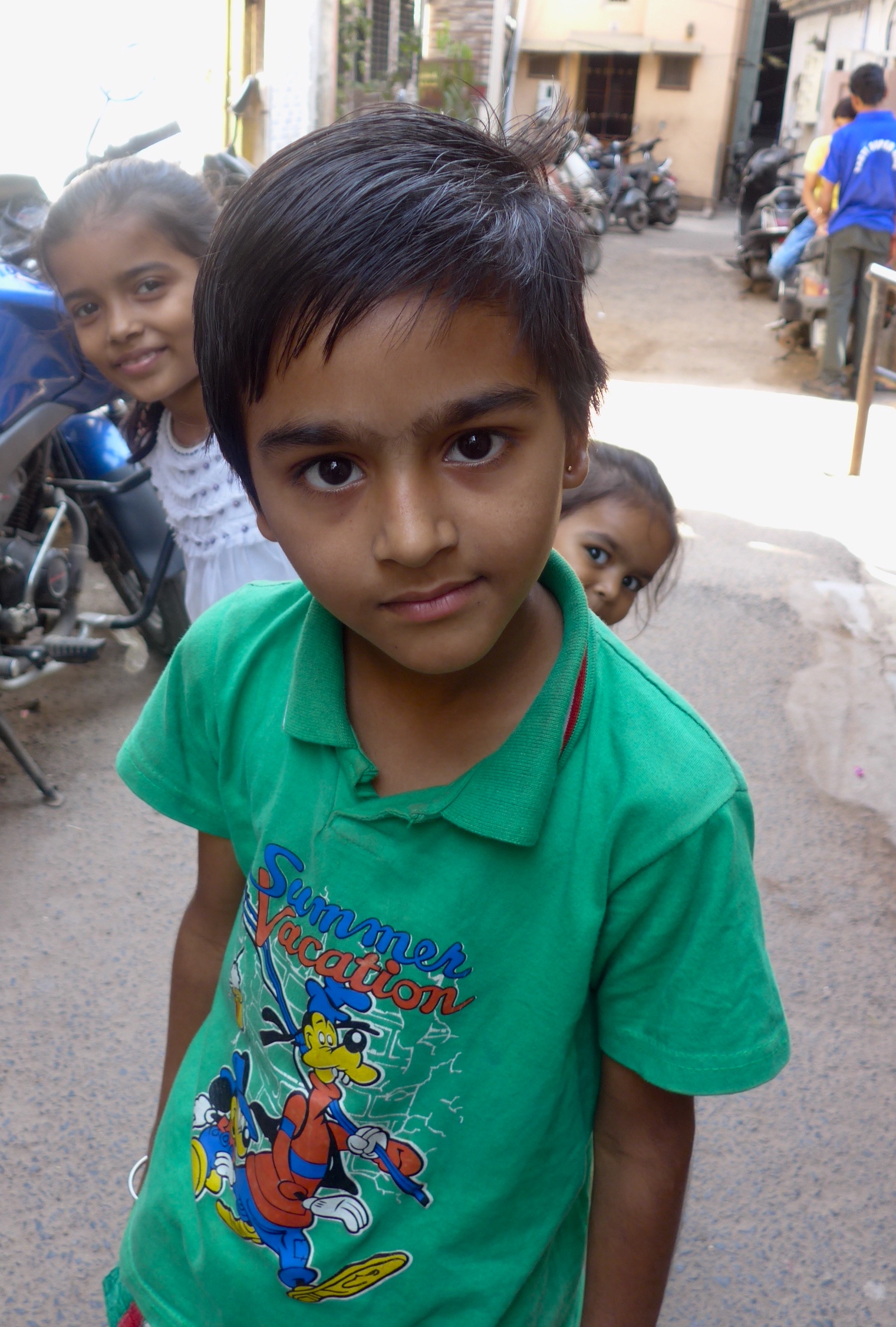
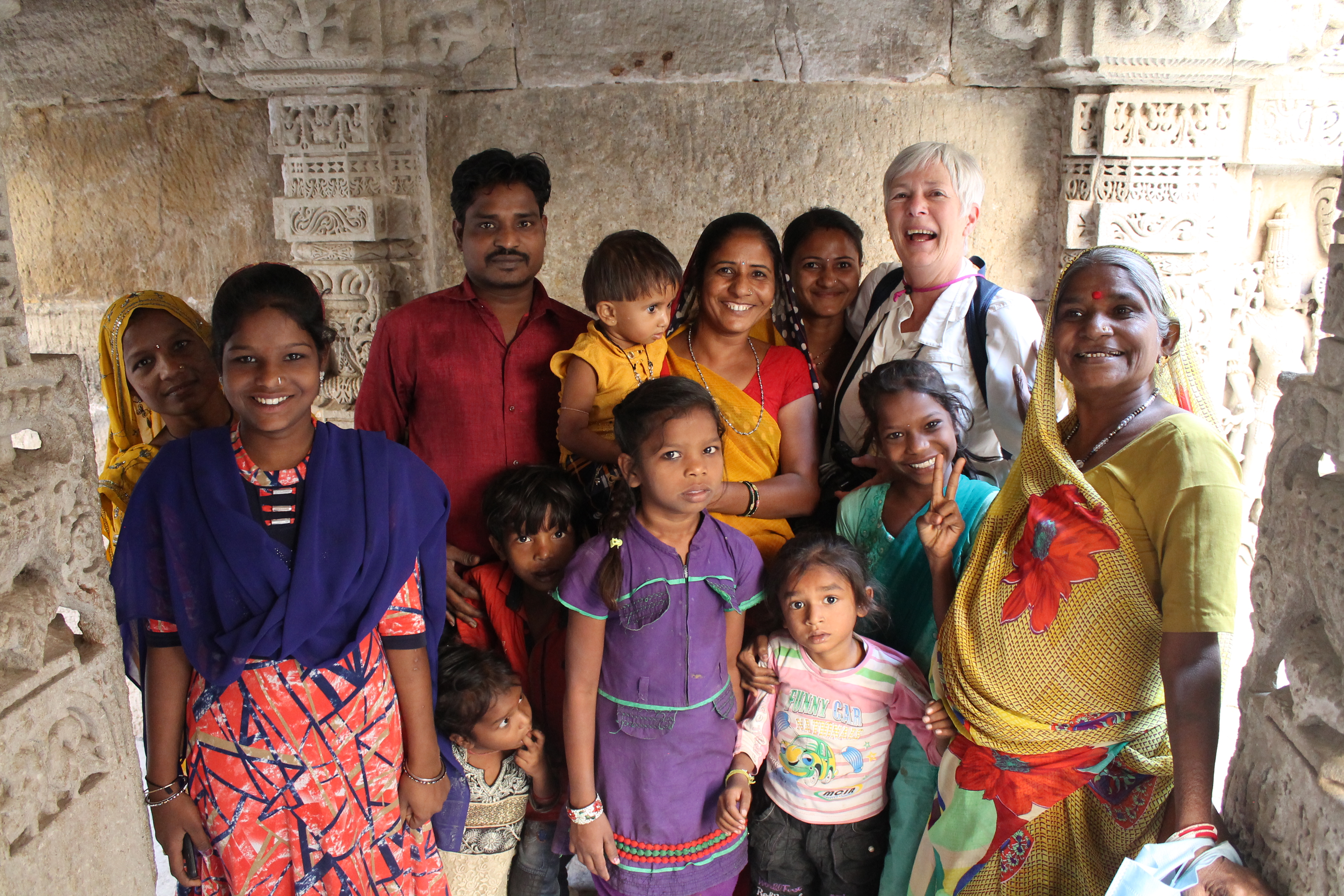
Dal-ni-pol, sisters
Your sisters will photobomb you!


But despite this apparent harmony, inter-communal violent riots, called “hurricanes” for their fierce and sudden onslaughts, have hit this city more than once, the last one in 2002 resulting in the deaths of over 2,000 people. Yet it is also the city of Gandhi’s ashram, and the place he started his “Salt March” 240 miles to the Arabian Sea.
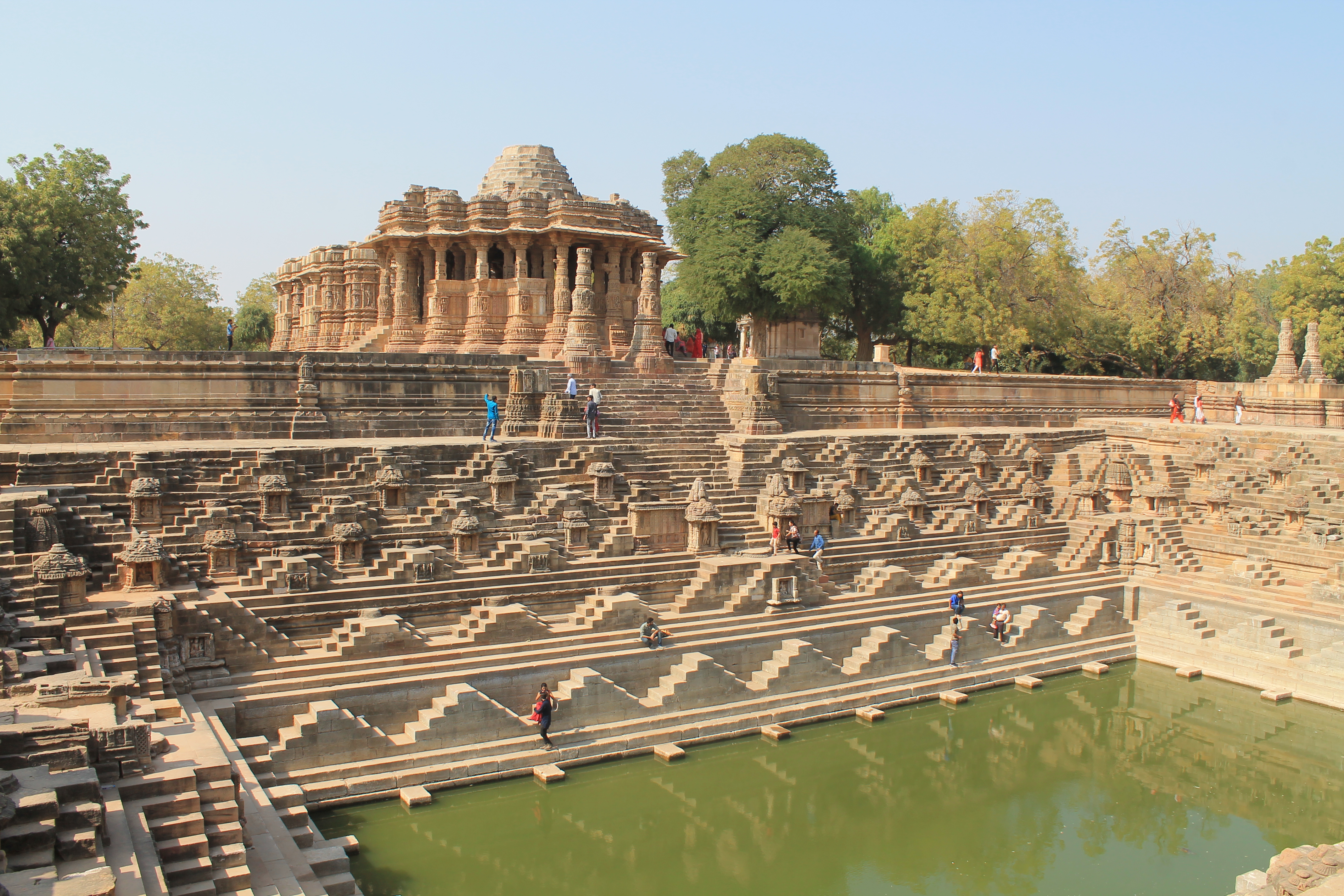
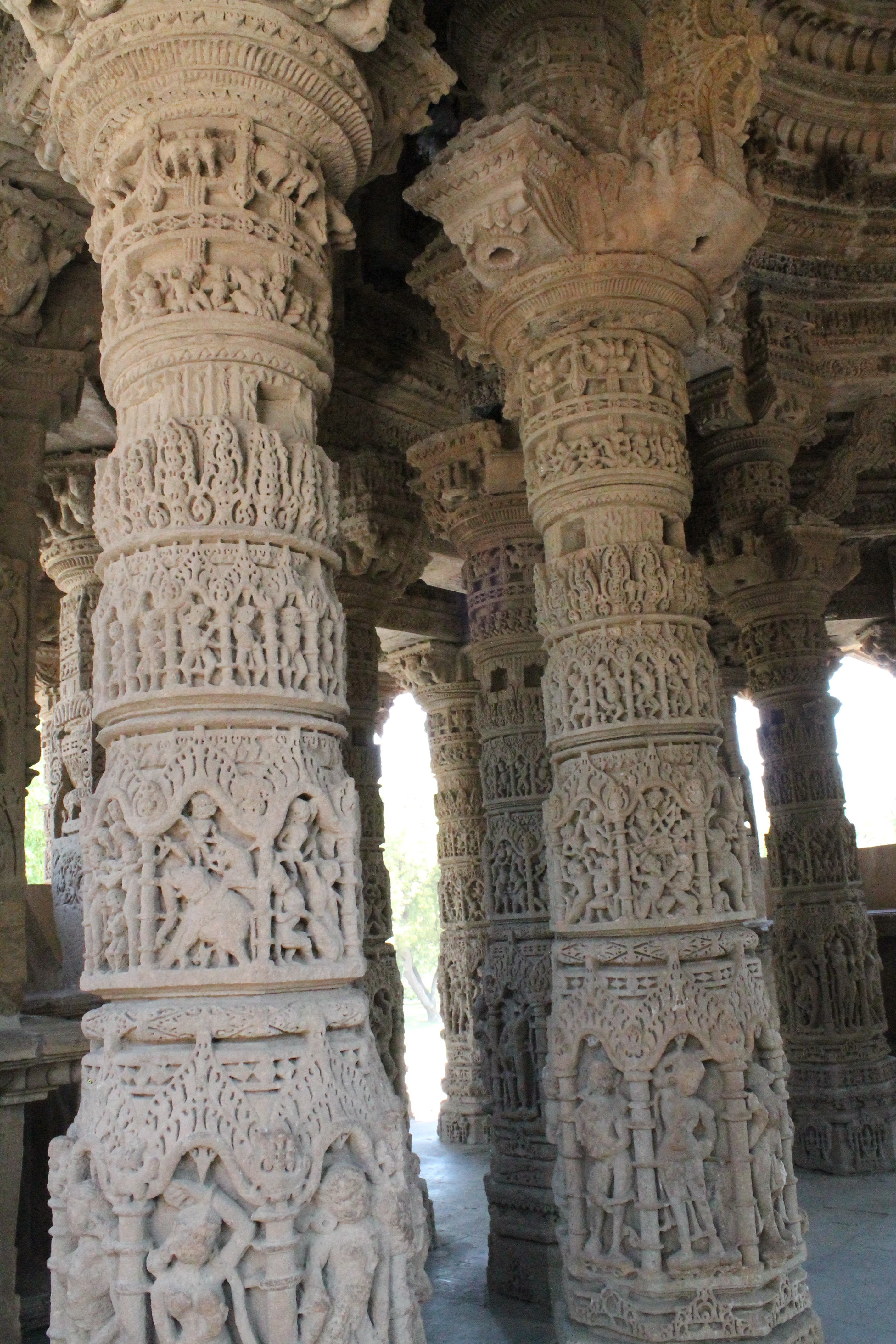
We saw mosques and temples aplenty, but the most impressive sights were 100 km north of Ahmedabad. First the sun-temple at Modhera, a thousand years old, with its zig-zag “step well”.

Sun Temple at Modhera and step-well
Sun Temple Modhera

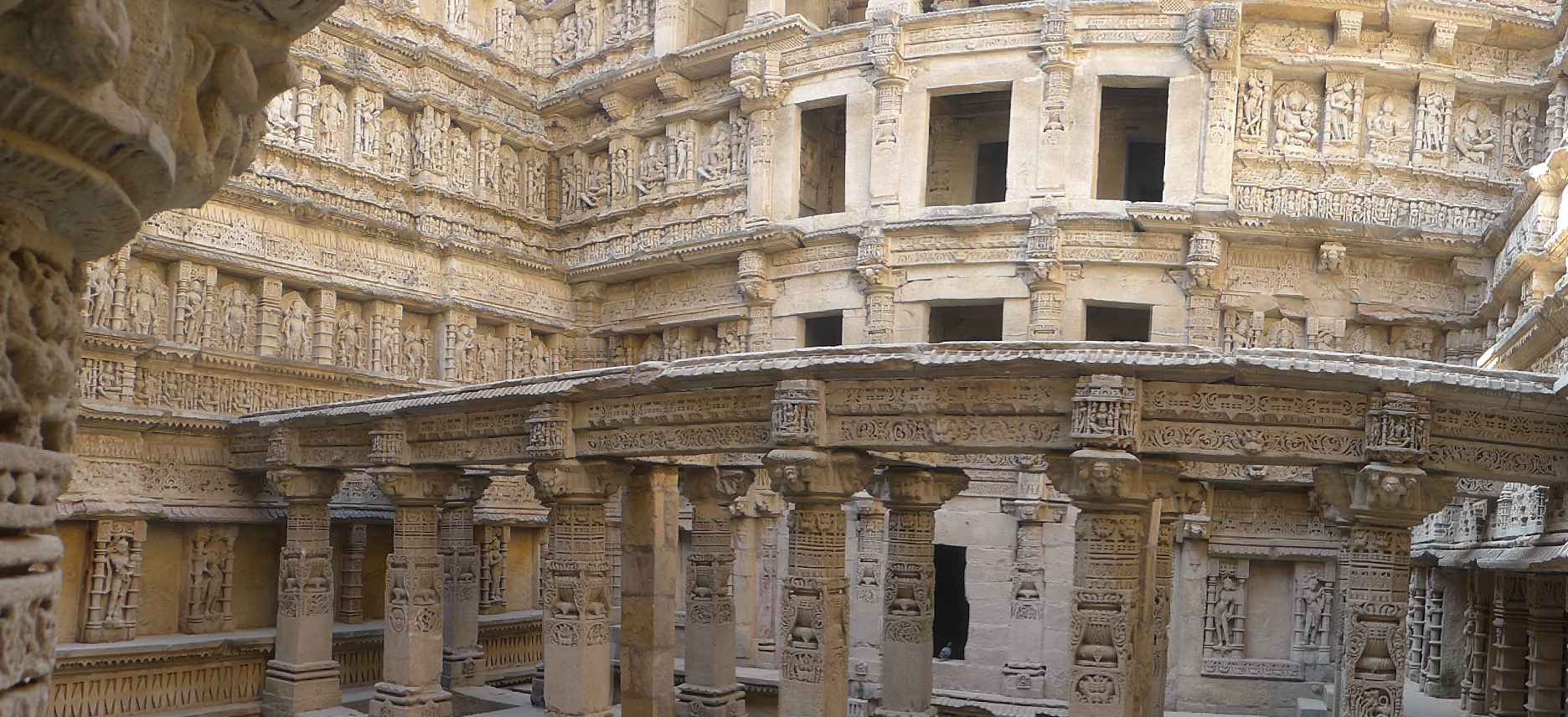
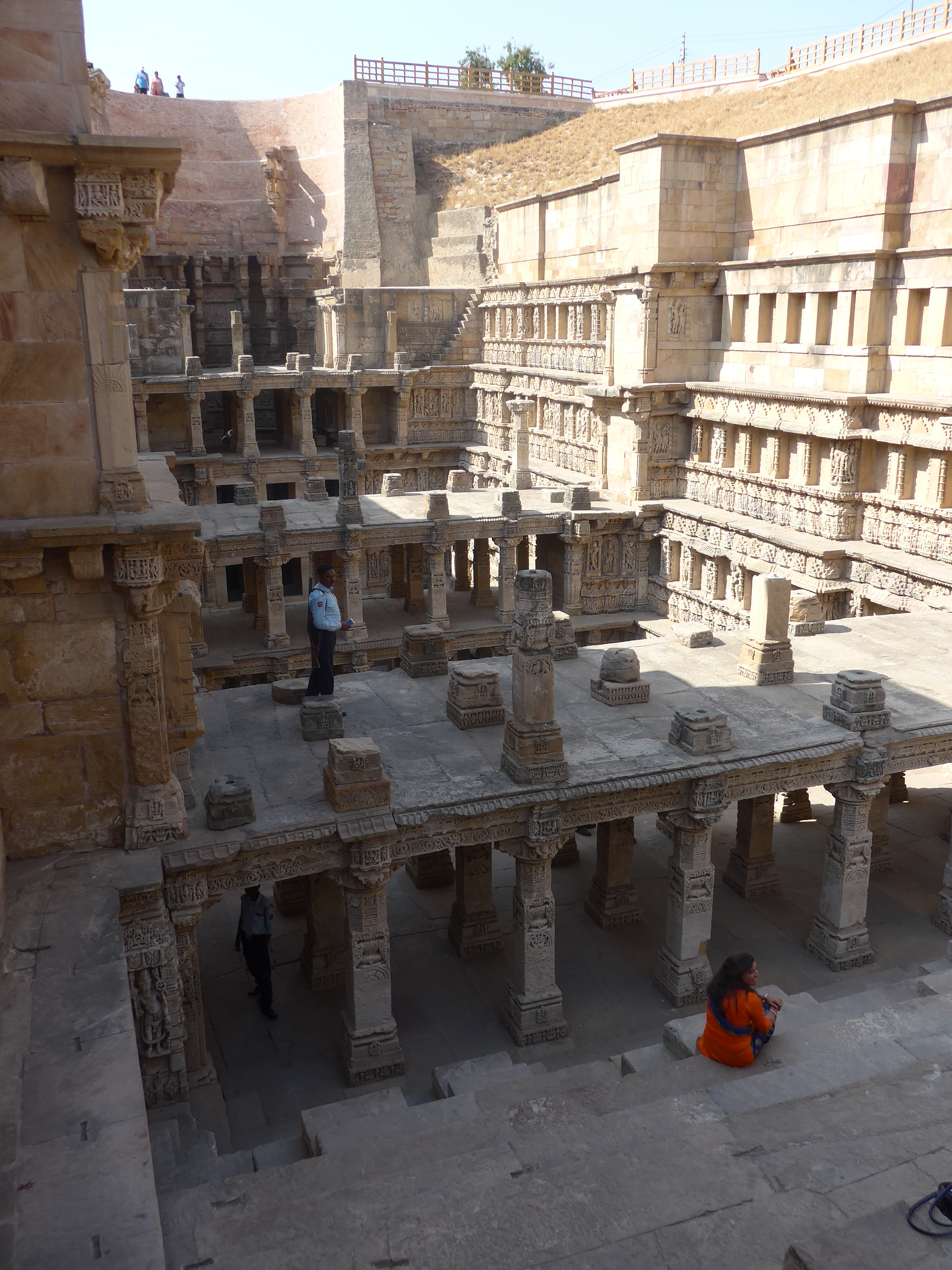
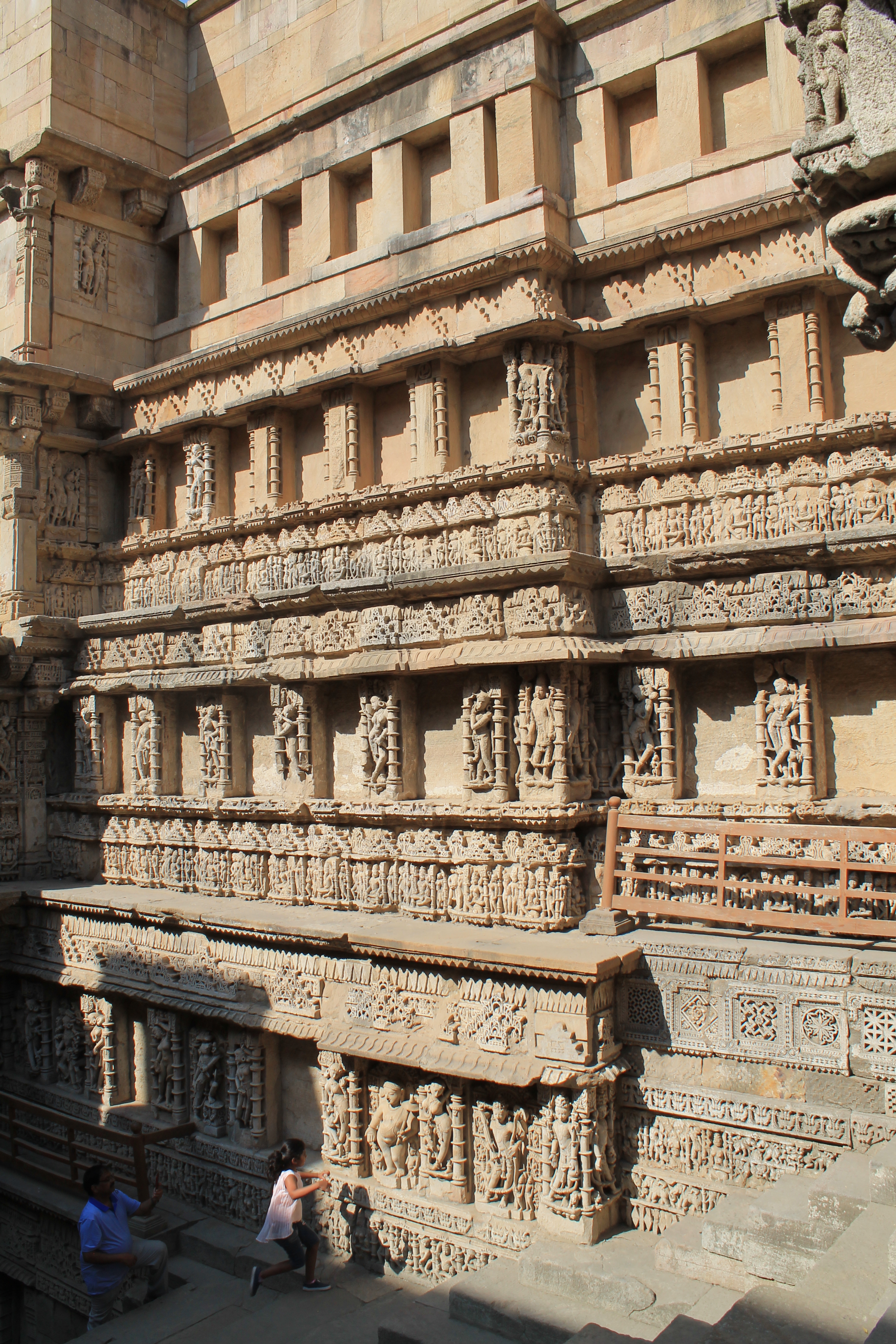
And even more extraordinary was the 90 foot deep step well of Rani-ki-vav. Built in 1063 by Rani (queen)  Udayamati, it was covered from top to bottom in wonderful carvings.

Rani-ki-vav step-well
Rani-ki-vav step-well, 1050


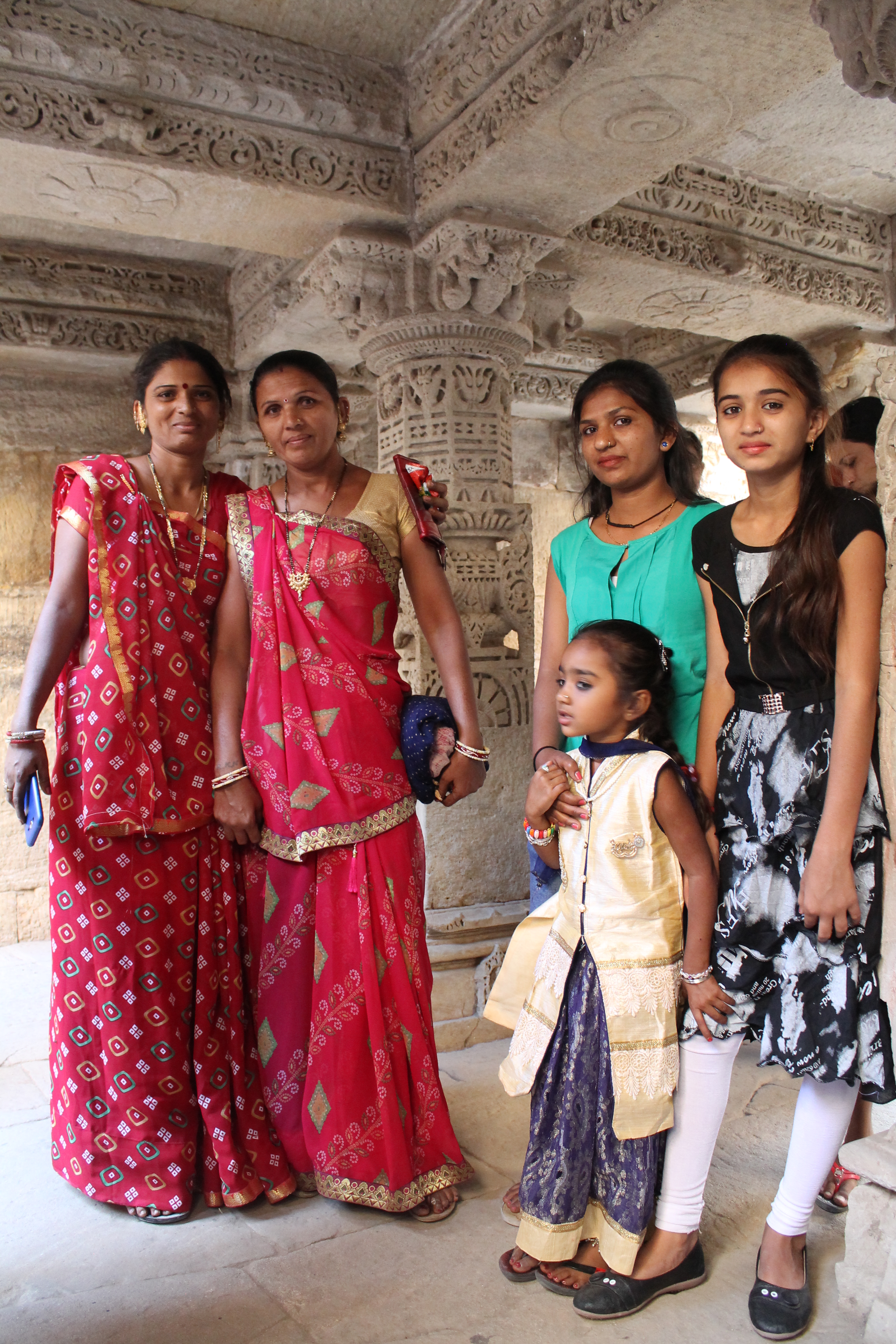
And, being Saturday, everyone was out in their weekend best.

Beautiful Gujarati saris
Selfie!

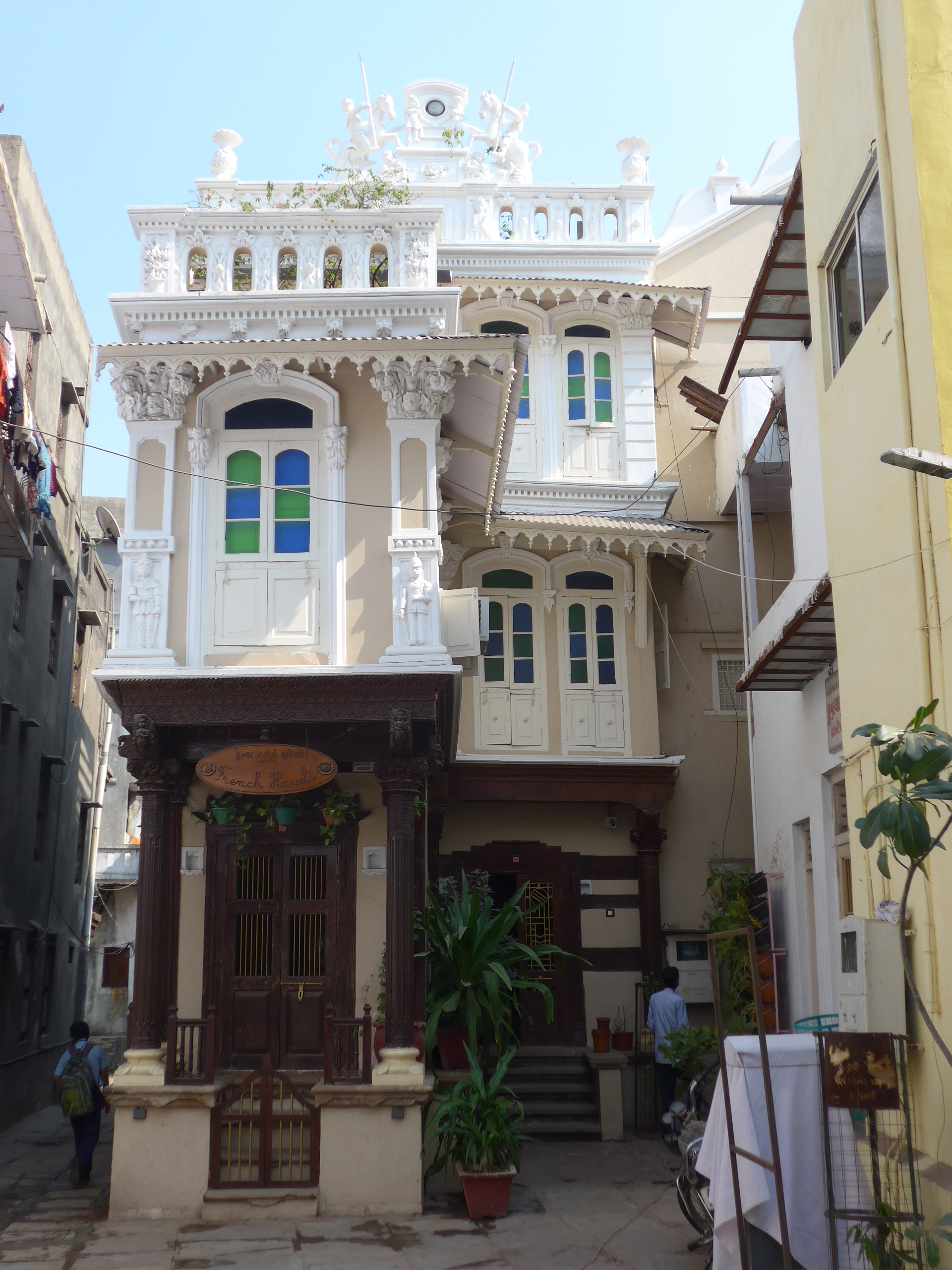
The city’s traffic and pollution were horrendous. There are no rules – at all. It’s every auto, motor-bike, cow, water buffalo, bus, or bicycle for themselves. We were stuck in a traffic jam for two hours at one point, with pollution rising round us like fog, and were so relieved to get back to our own “pol”, the Dal-ni-Pol, where we stayed in a 150-year-old restored Guajarati house, or Haveli, called French Haveli.

French Haveli, Ahmedabad
French Haveli, view of Dal-ni-pol

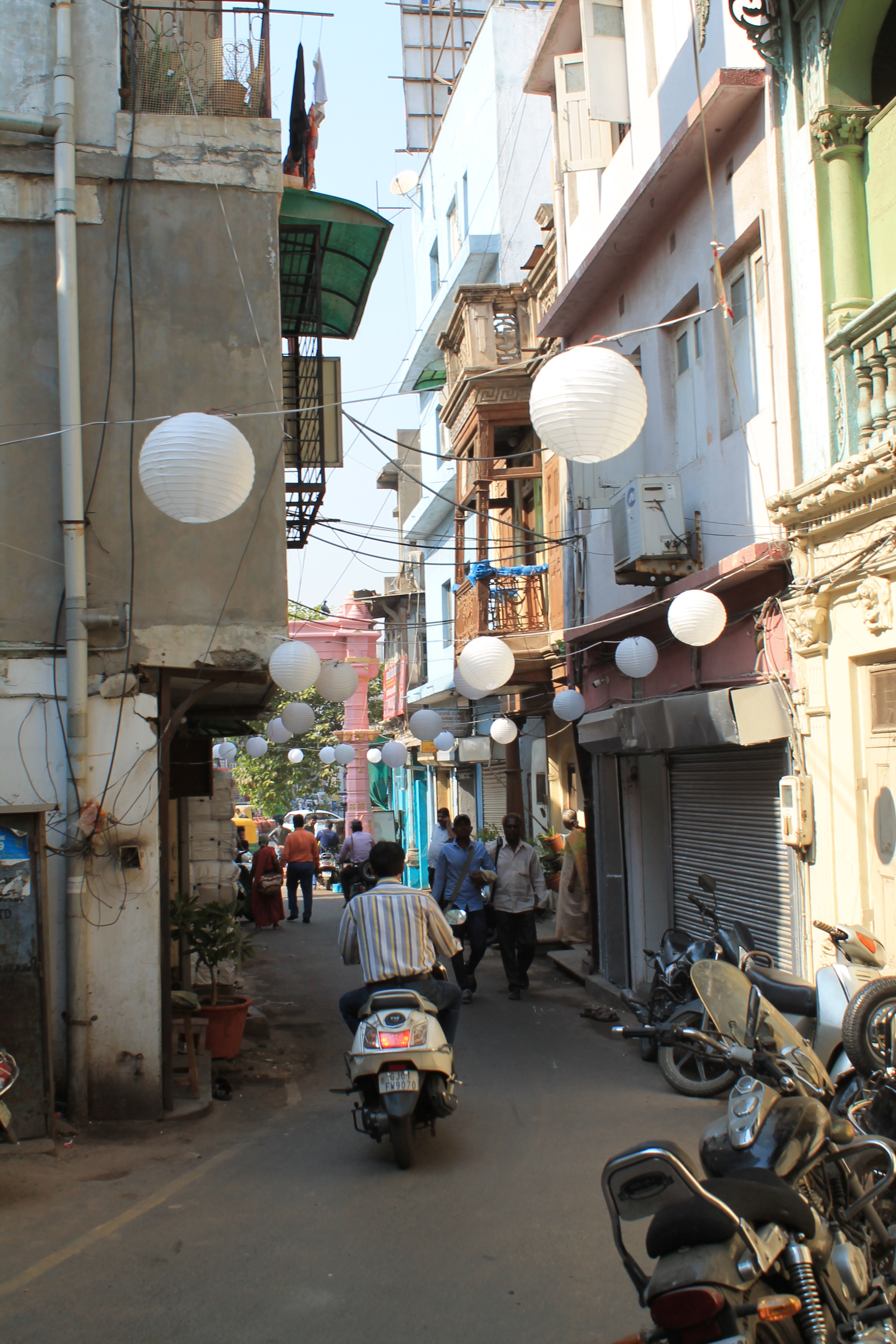
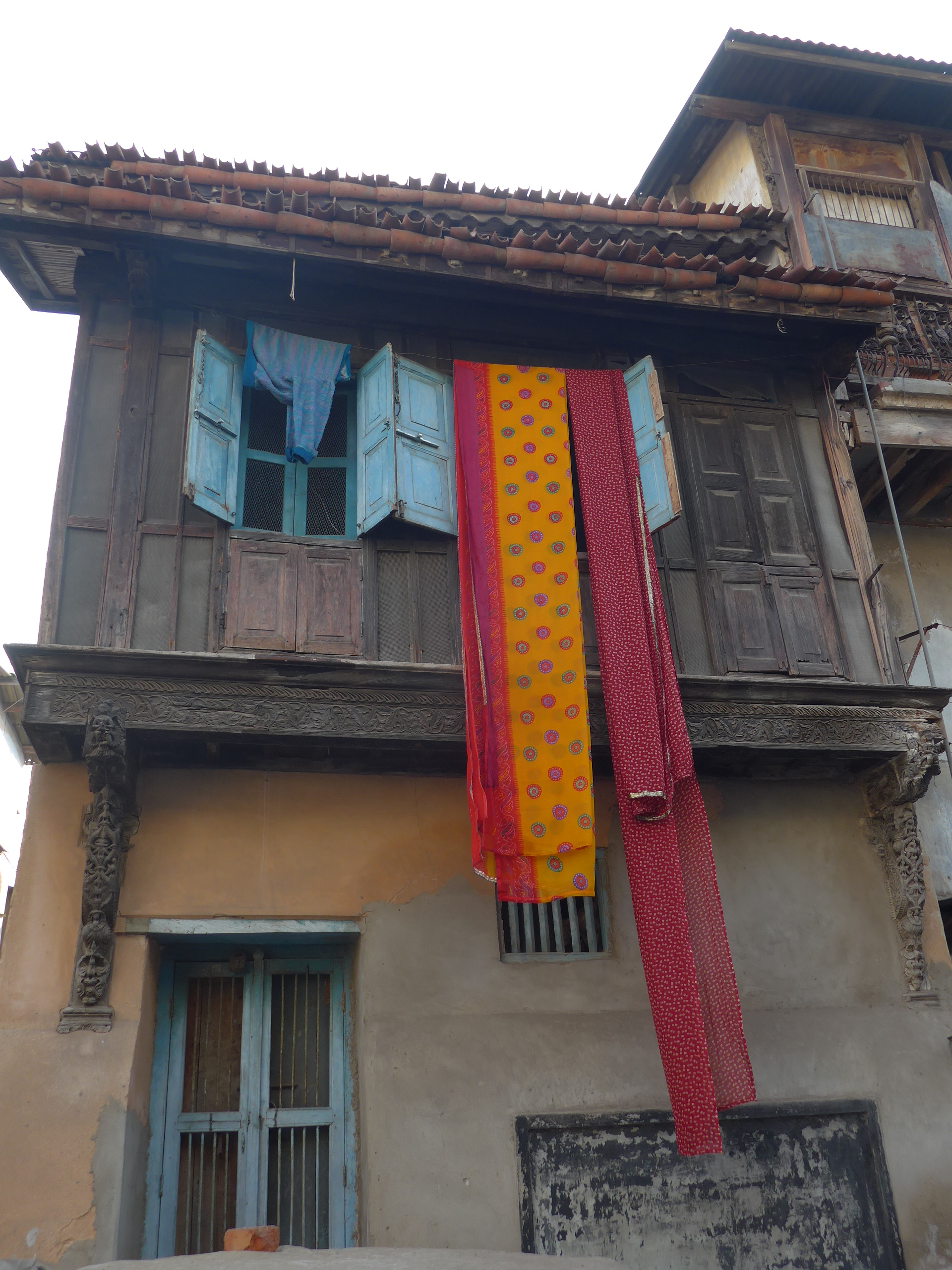
The alleyways of the pols stay comparatively cool and quiet, there is no room for cars and autos, and they give one a glimpse into this traditional communal life.


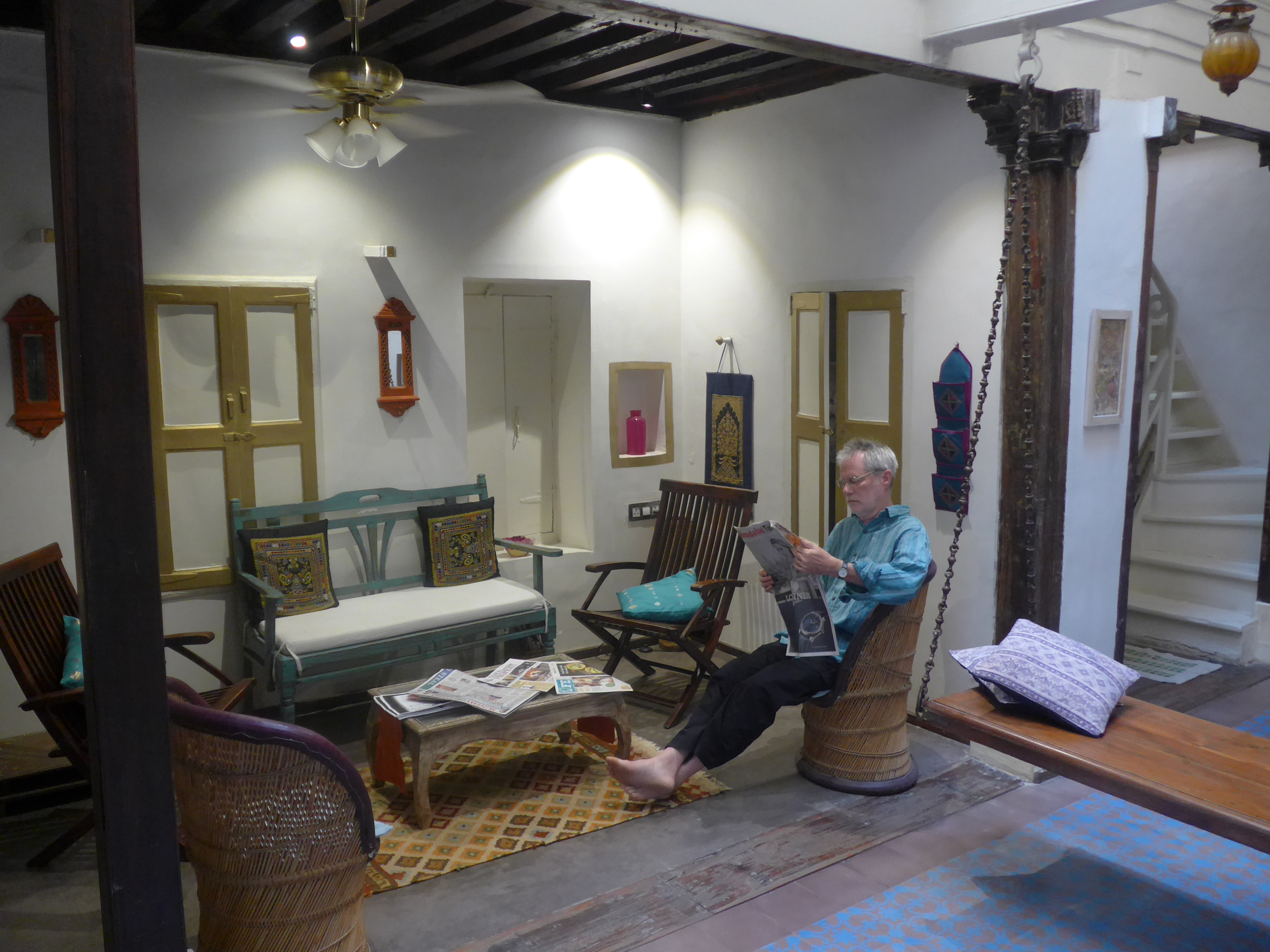
French Haveli, reading the papers Sunday morning
French Haveli, traditional swing

From our balcony we could touch hands with the neighbours: the woman who was always hanging brightly-coloured bras on the line while her husband lay in bed with his i-Phone, the woman below reading the paper by the light from her one window, the old lady sitting on her doorstep on the ground floor, the children lighting firecrackers in the narrow alleyway below.

French Haveli, our verandah

A place of peaceful communities, or a place where a whirlwind could erupt, fanned by some elements of the current government…..?

The Great Rann of Kutch

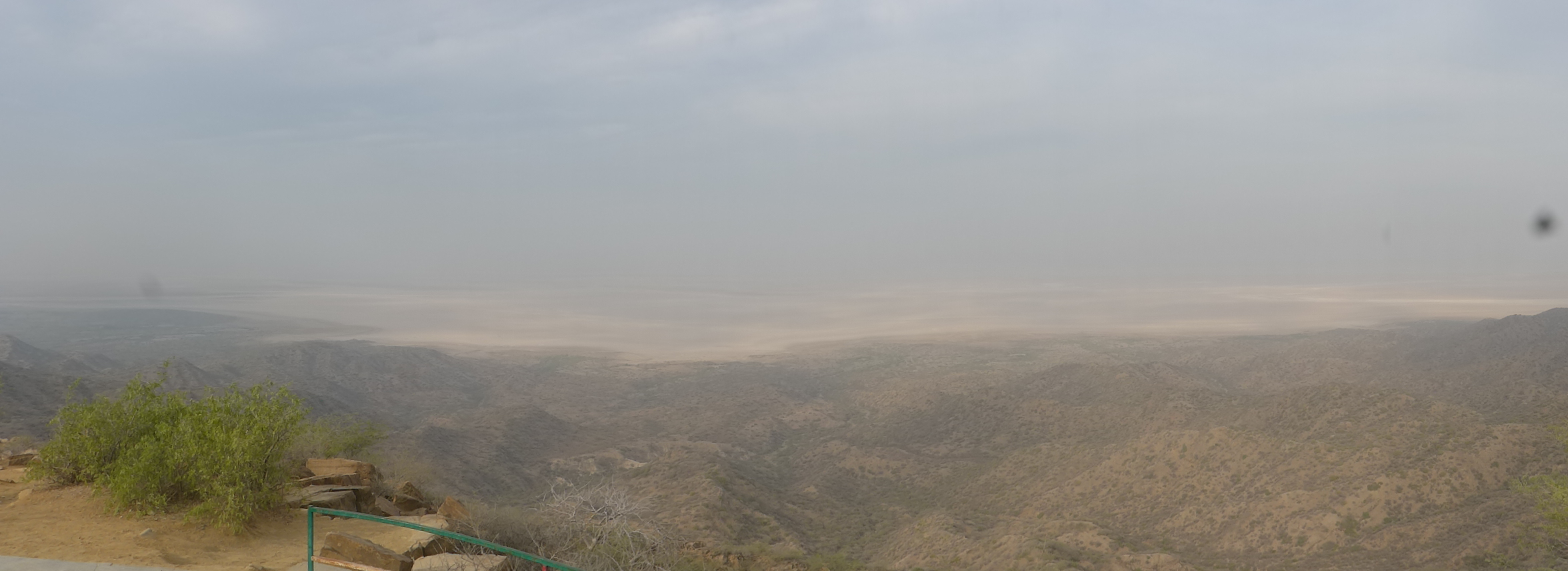
And from then on to Bhuj in the driest part of the state, on the edge of the Great Rann of Kutch, with its salt desert stretching 37 kilometres to the border with Pakistan, nomadic herders in brightly embroidered dresses and huge nose-rings, “sea-faring camels” swimming through mangrove swamps and force-fields that move stationary cars uphill backwards. Yes, it really did.   We were in the car at the time!

A Gujarati spread at the Bhuj House, Bhuj


1. “I am athirst for far-away things”

“I am restless. I am athirst for far-away things.
My soul goes out in a longing to touch the skirt of the dim distance.
O Great Beyond, O the keen call of thy flute!”
     Rabindranath Tagore. “I am Restless
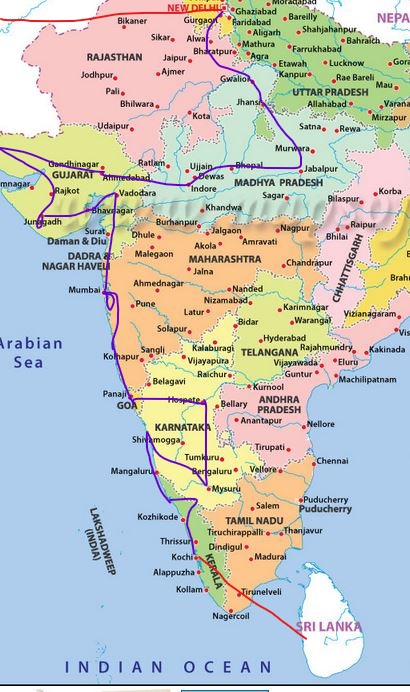
West and south India route
Route in purple – red is flights.

From 1878 to 1932 the Bengali polymath Rabindranath Tagore visited more than thirty countries on five continents. Our search for “far-away things” is a much shorter odyssey. We will travel by train south from Delhi through the state of Madya Pradesh, to see temples and forts, and perhaps tigers in Bhandavghar. Then we turn west to Bhopal and into the hot, coastal state of Gujarat, home of the Rann of Kutch and the last Asian lions. Next we go south down the coast to Mumbai (Bombay) and the temples of Ajanta and Ellora, spending Christmas in Goa.

DSC00099
Christmas in India 2010

In the new year we travel east to Hampi and then south again through Karnataka to the city of Mysuru (Mysore).  And then it’s down the coast again to Kerala, finally flying to Sri Lanka for the last two weeks to visit Jaffna.

ASL119
Sri lanka 2010

So a big welcome to those of you joining the journey, as we travel with “the skirt of the dim distance” ever receding before us.