
When William Cowper wrote this line in Charity, the coast of Karnataka and Kerala was famous for its spices: pepper, cardamom, cinnamon and cloves, the scent of which drifted across the waves to the Arab and European sailing ships hoping to trade for these expensive and luxurious commodities.
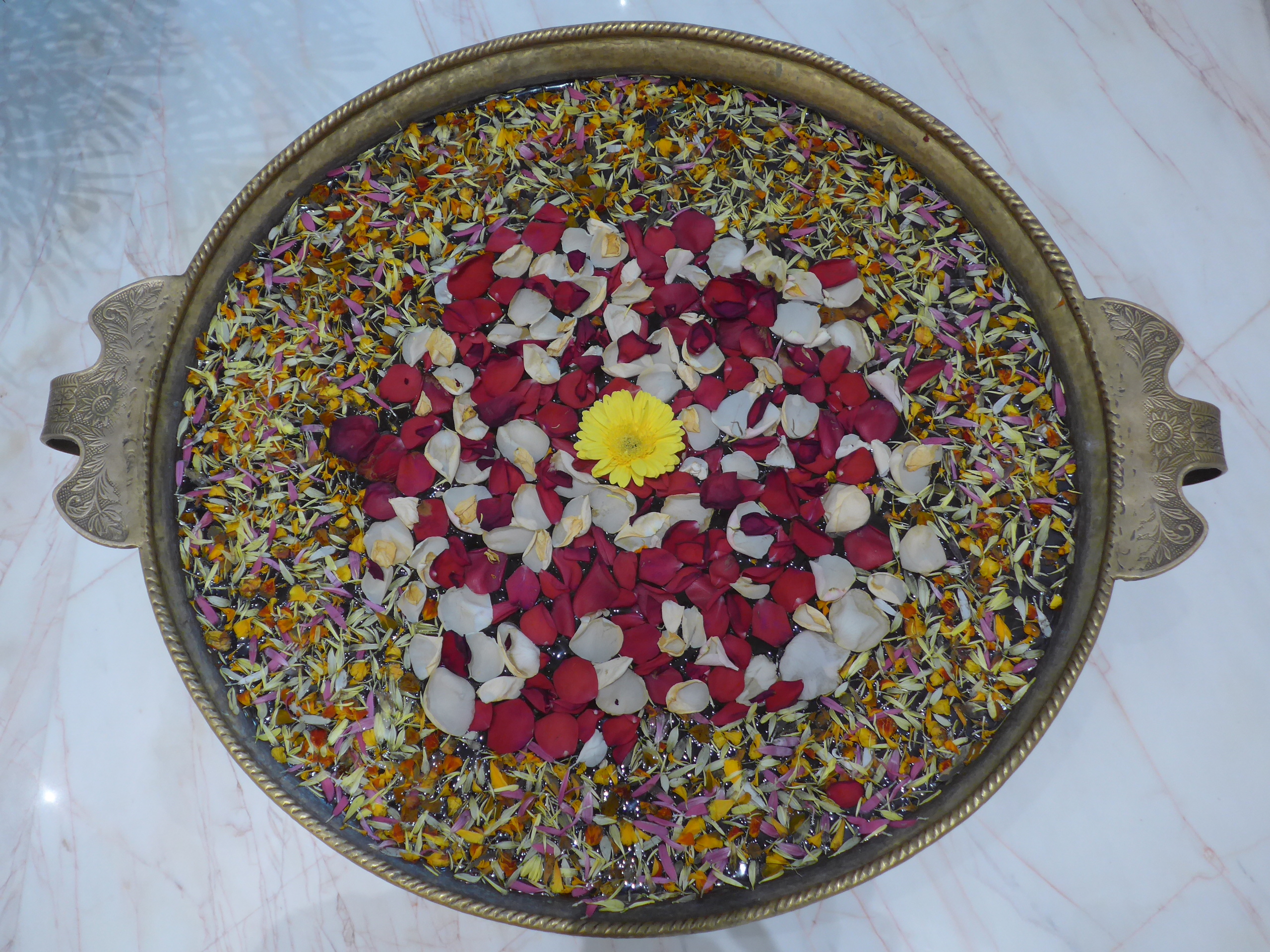
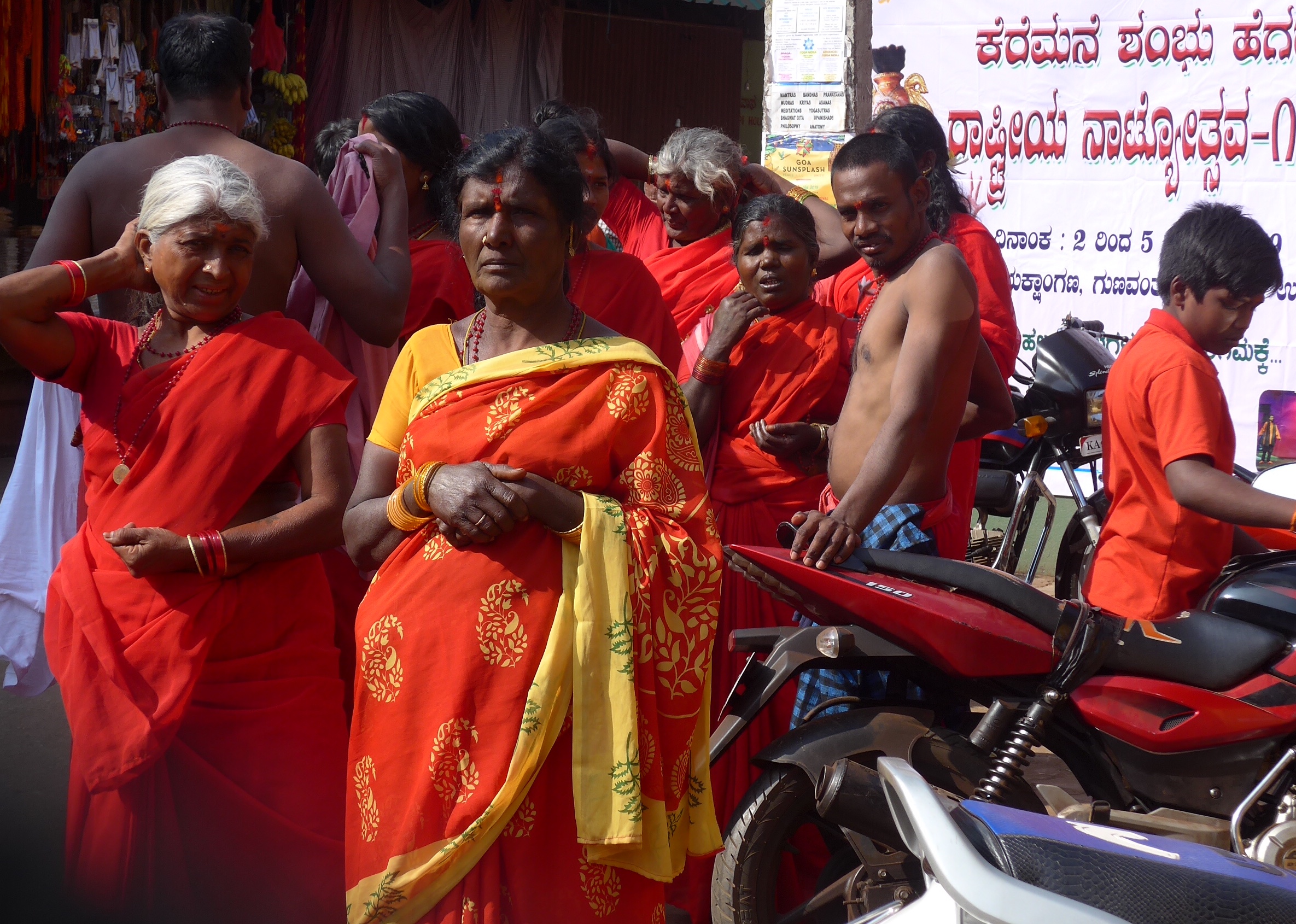
Gokarna, on the north coast of Karnataka, was now known for its temples,

its beautiful beaches, for yoga and for the hippies who have drifted down from Goa. Men’s hair fashion on the beach was top-knots for the young, and grizzled dreadlocks or ponytails for the older men. Each night a little hippie market of hand-made jewellery was set out on the beach while people played guitars, and even, yes, a didgeridoo!
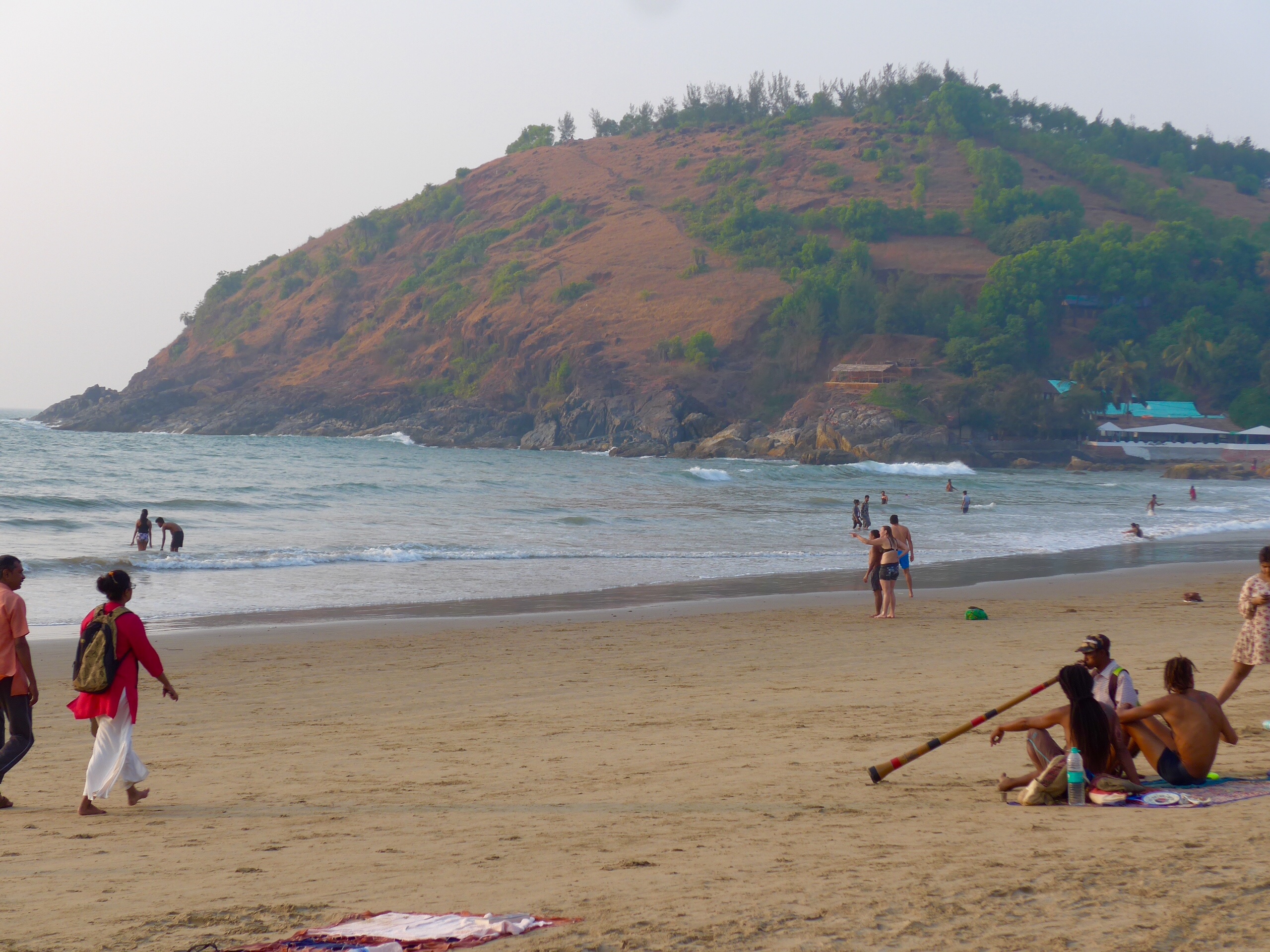
As the sun set, the beautiful young sat cross-legged at the waves’ edge, eyes closed, hands open on knees, intoning “ommm”. Breakfast at our hotel was accompanied by the local temple’s “ommm”s as well as bells, chanting and the blowing of conch shells. The ommms were omnipresent. On the night of the full moon there was fire-juggling and dancing on the beach by the younger dreadlocked ones. Good to see the locals preserving their old customs.
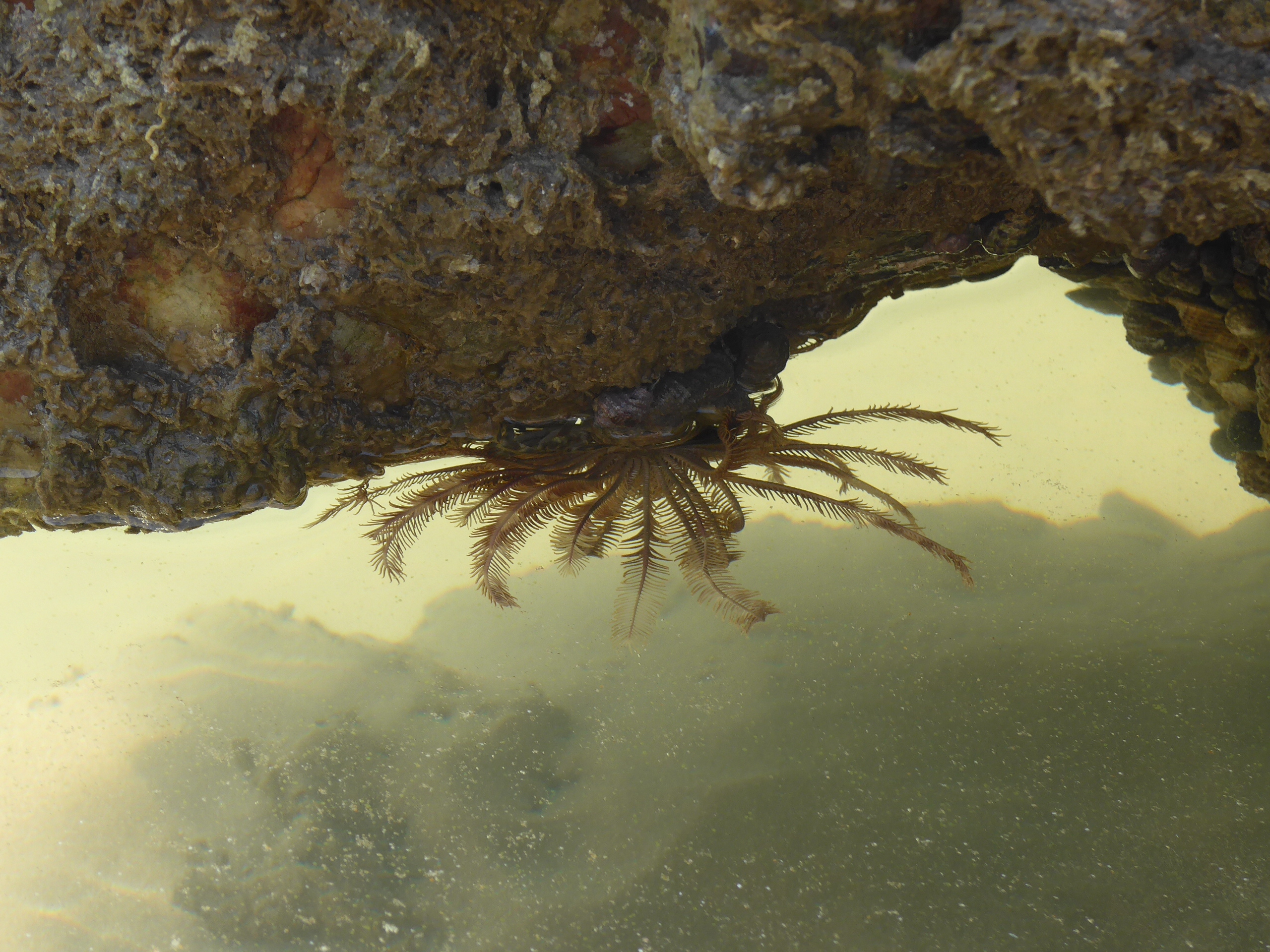
Each morning I would sit on our balcony as the sun rose and watch the waves crashing on Kudle Beach below.
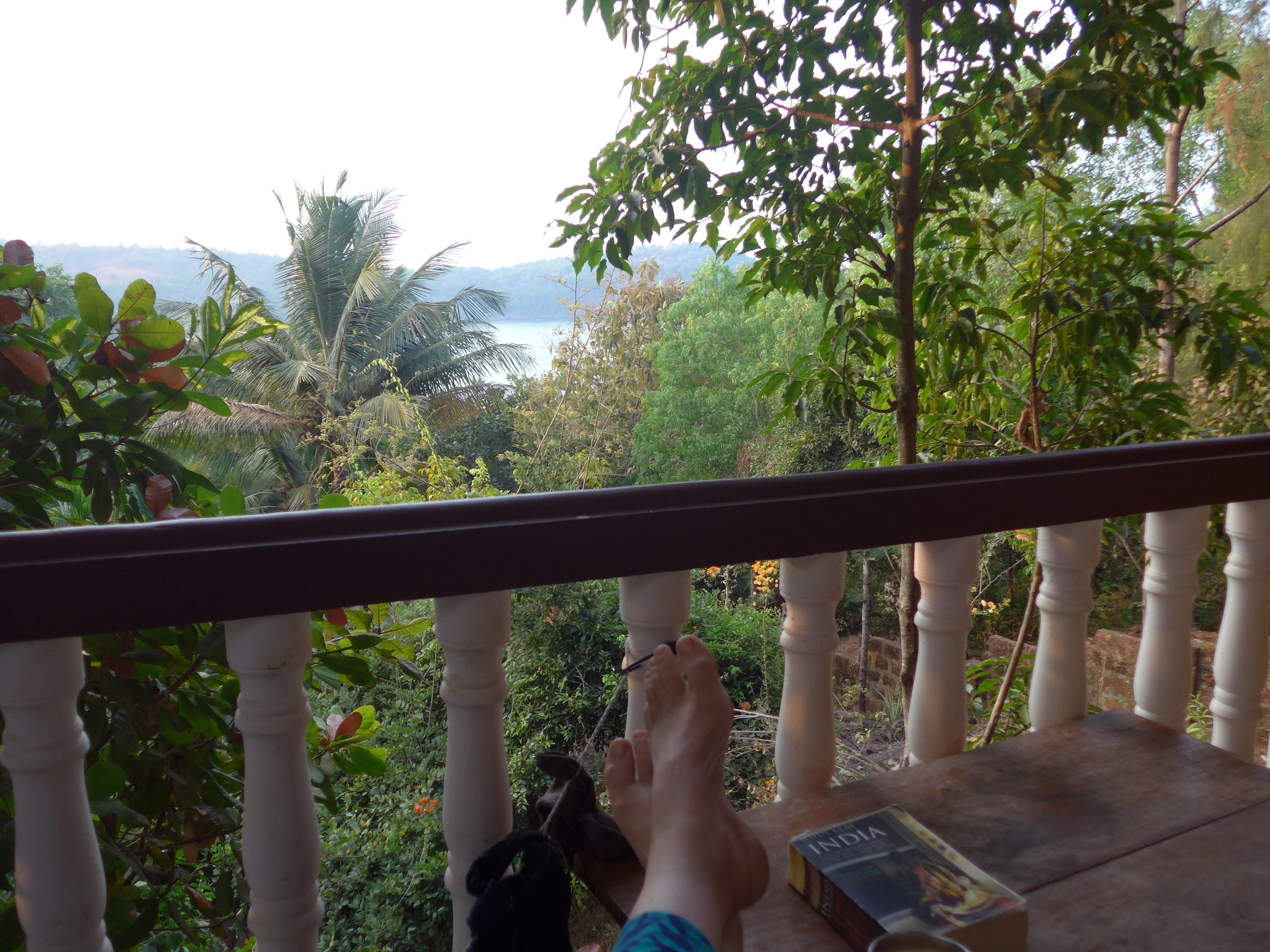
Some mornings I had the distinct feeling I was being watched …

Elegant brahminy kites floated over the sea’s edge, barely stirring a wing feather as they gently circled. Perhaps they were looking for fish but we thought they were really saying “Oh wow, man, just look at that blue sea …. oh wow …”
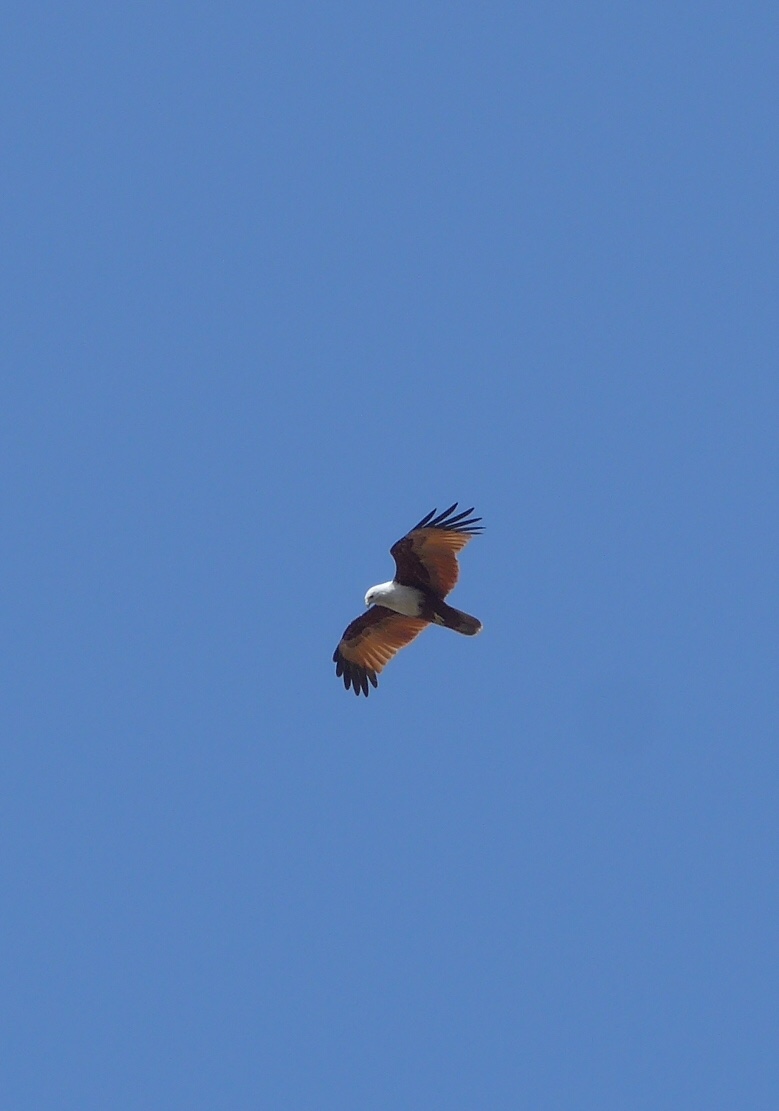

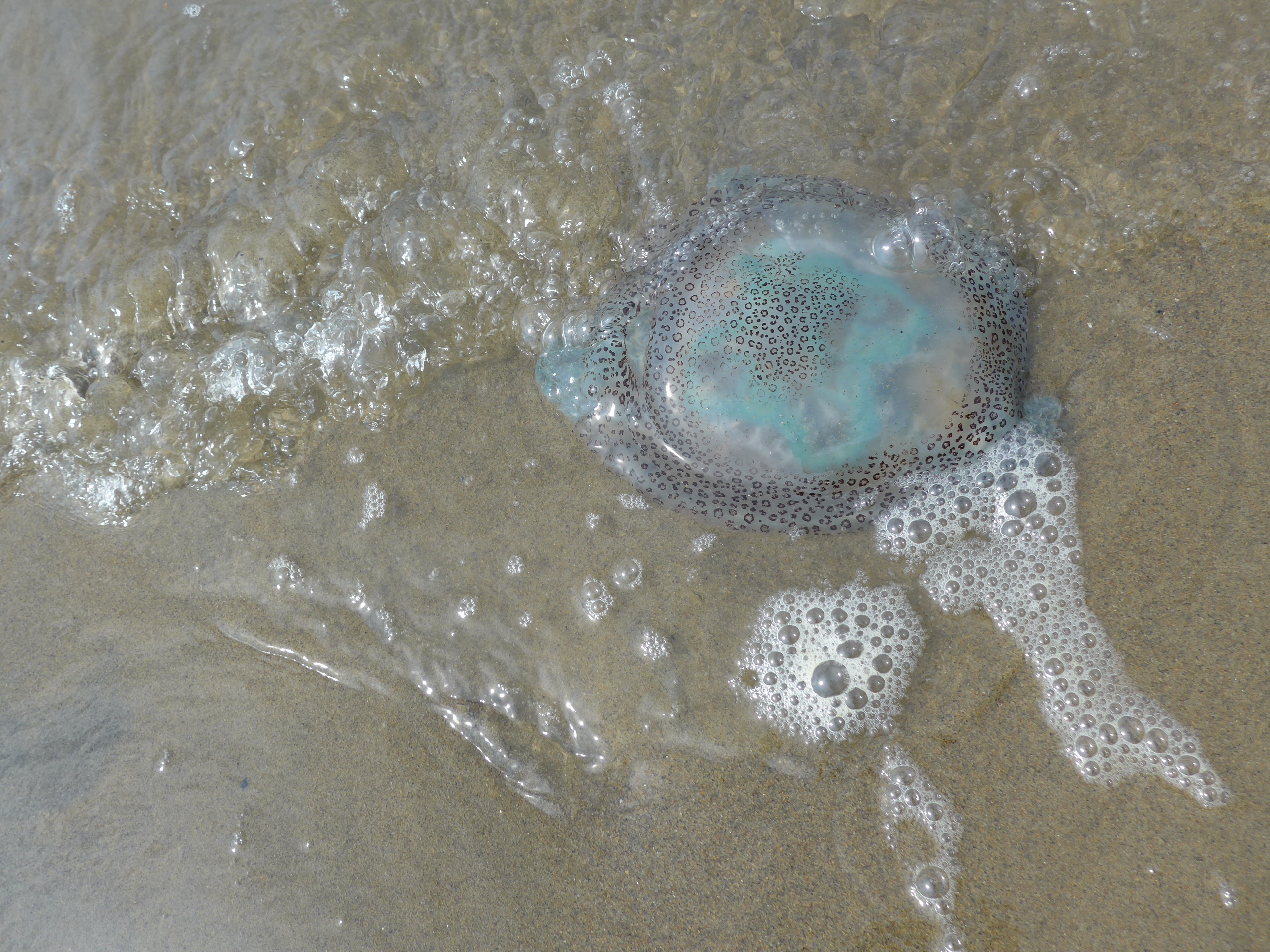
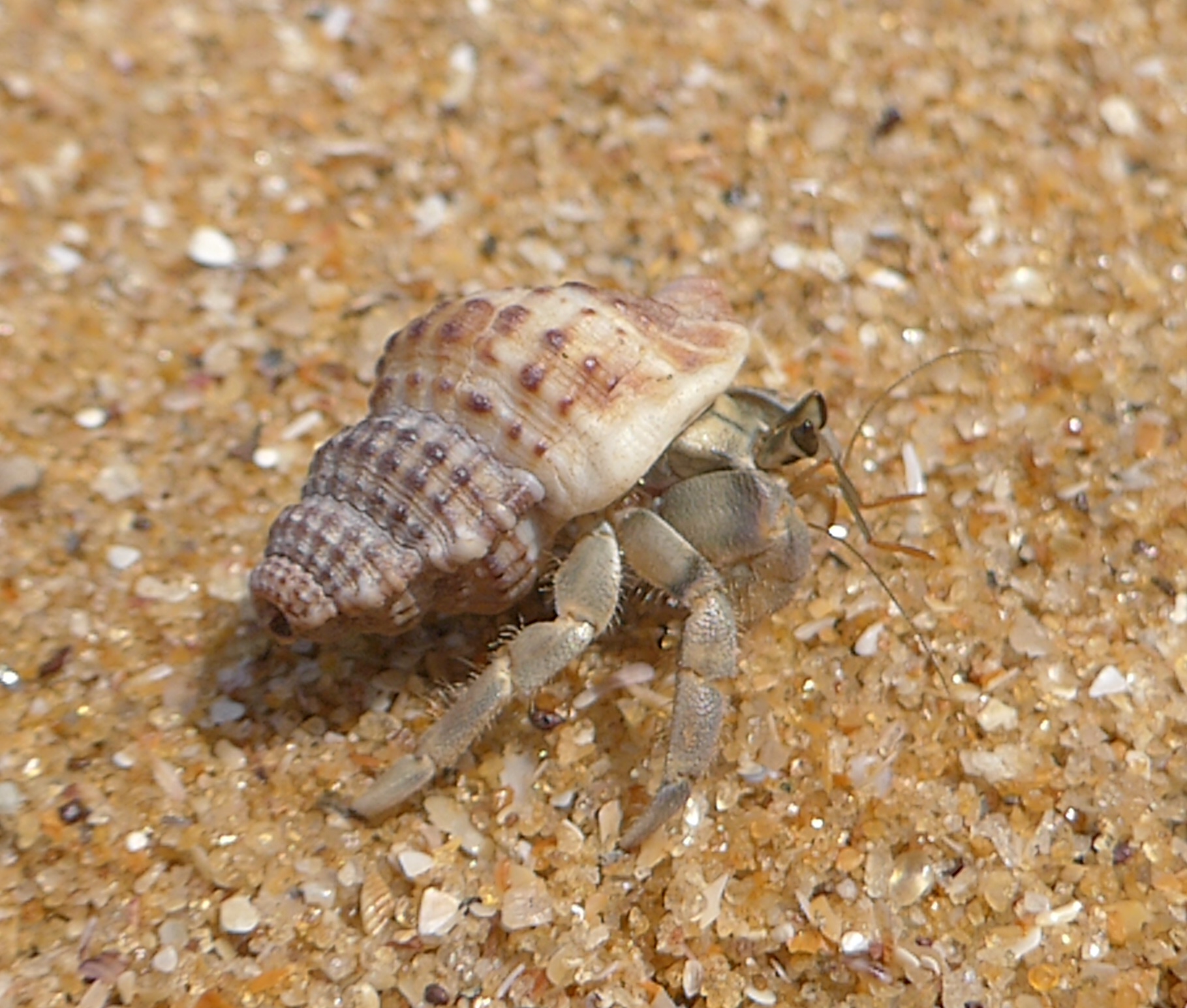
We tried doing the Big Garden Bird-watch but found no category for fish eagles, brahminy kites or racket-tailed drongos. We did spot three mongooses and some other fauna (Gloria, look away now).

The Konkan Railway was built over twenty years to cover the 461-mile route down the west coast of India. The mountainous and estuarine coast required more than 2,000 bridges and 91 tunnels to be built. Gokarna to Udupi was another section in our attempt to travel its length.

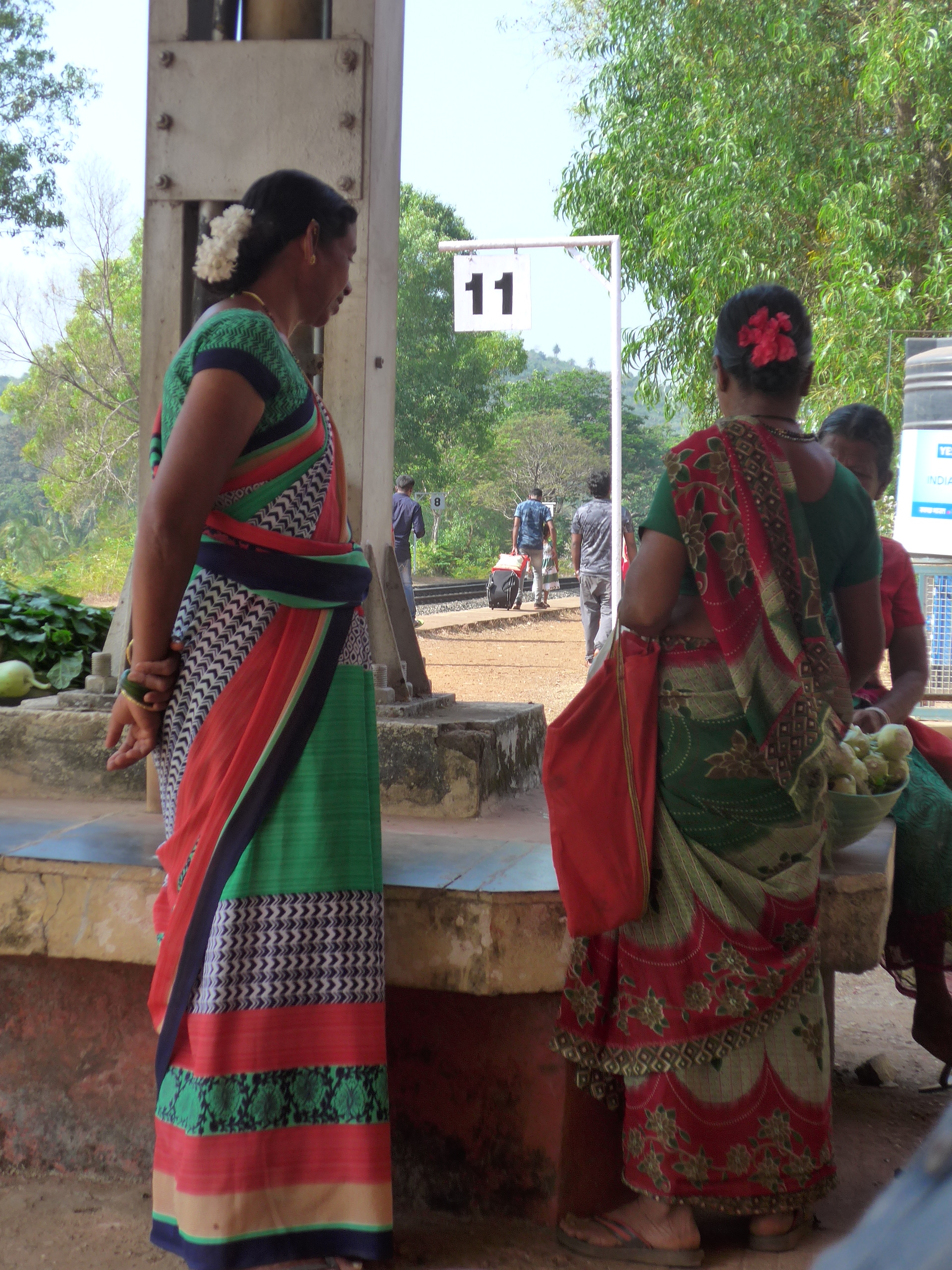
Udupi is famous as a temple town, and as the home of the masala dosa, and with gusto we sampled both. The heart of the town is a cluster of old but very much living temples, each with their “car” or chariot outside.
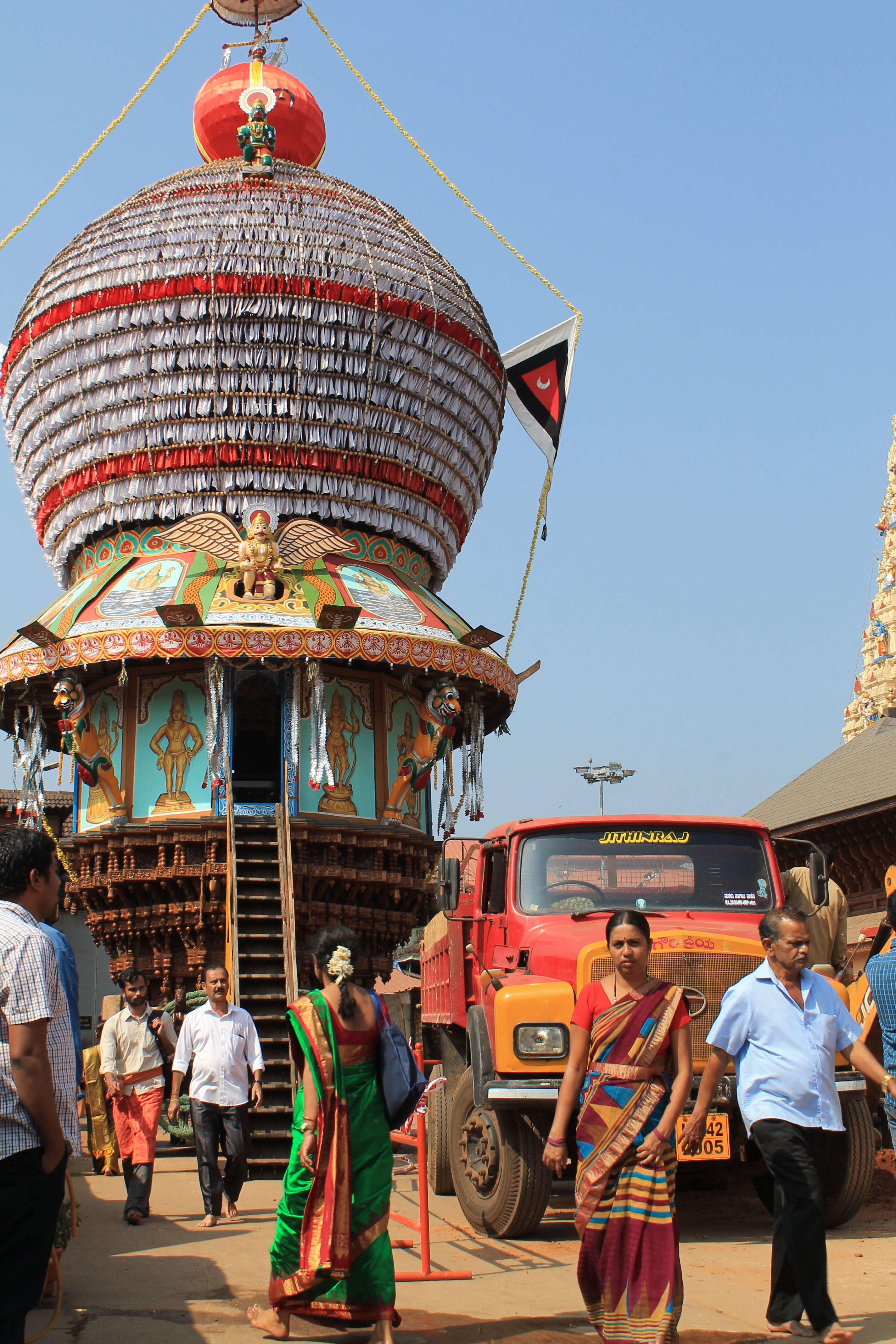

The area was alive with pilgrims going to worship, devotional singing and bands playing what sounded extraordinarily like jazz.
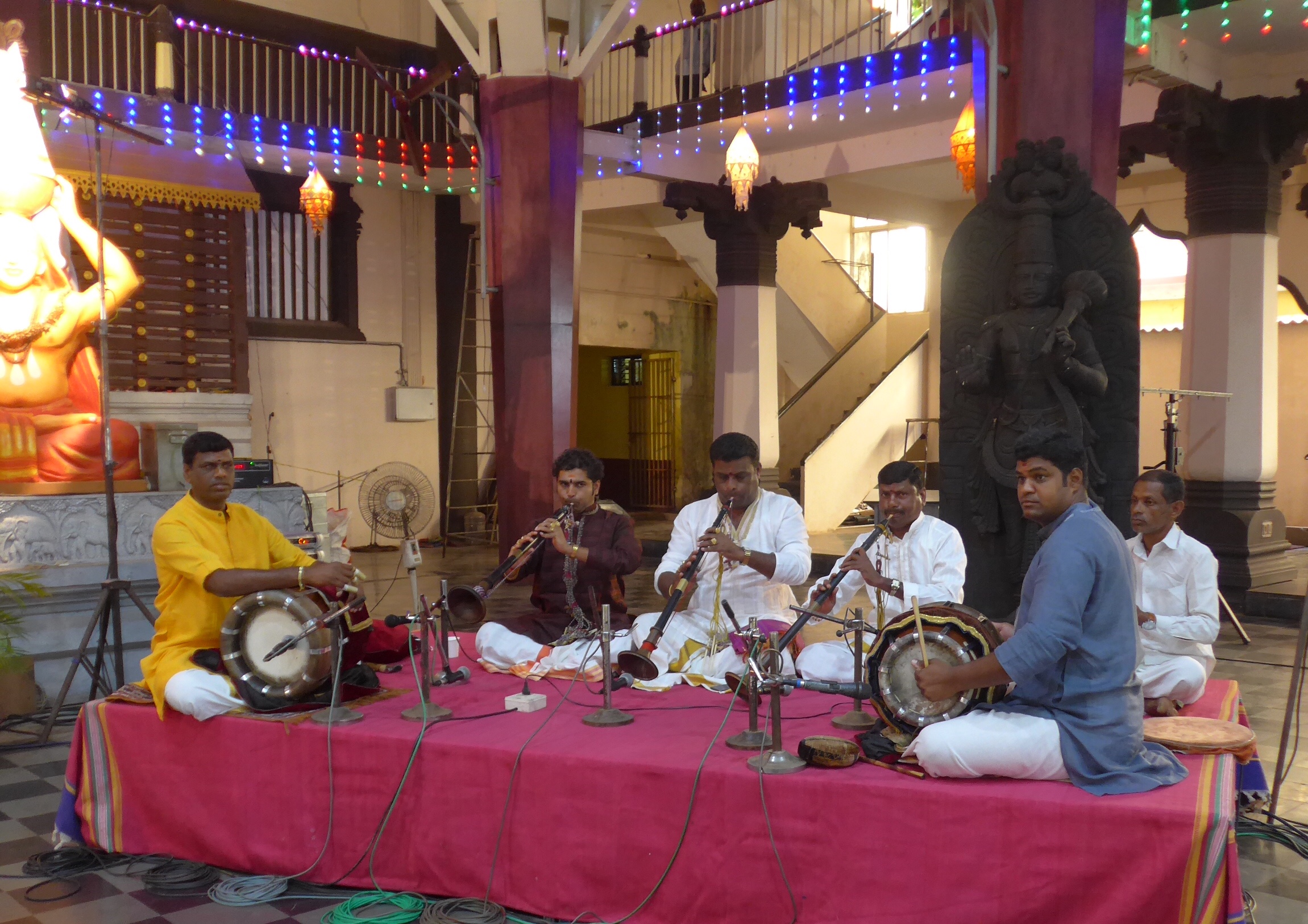

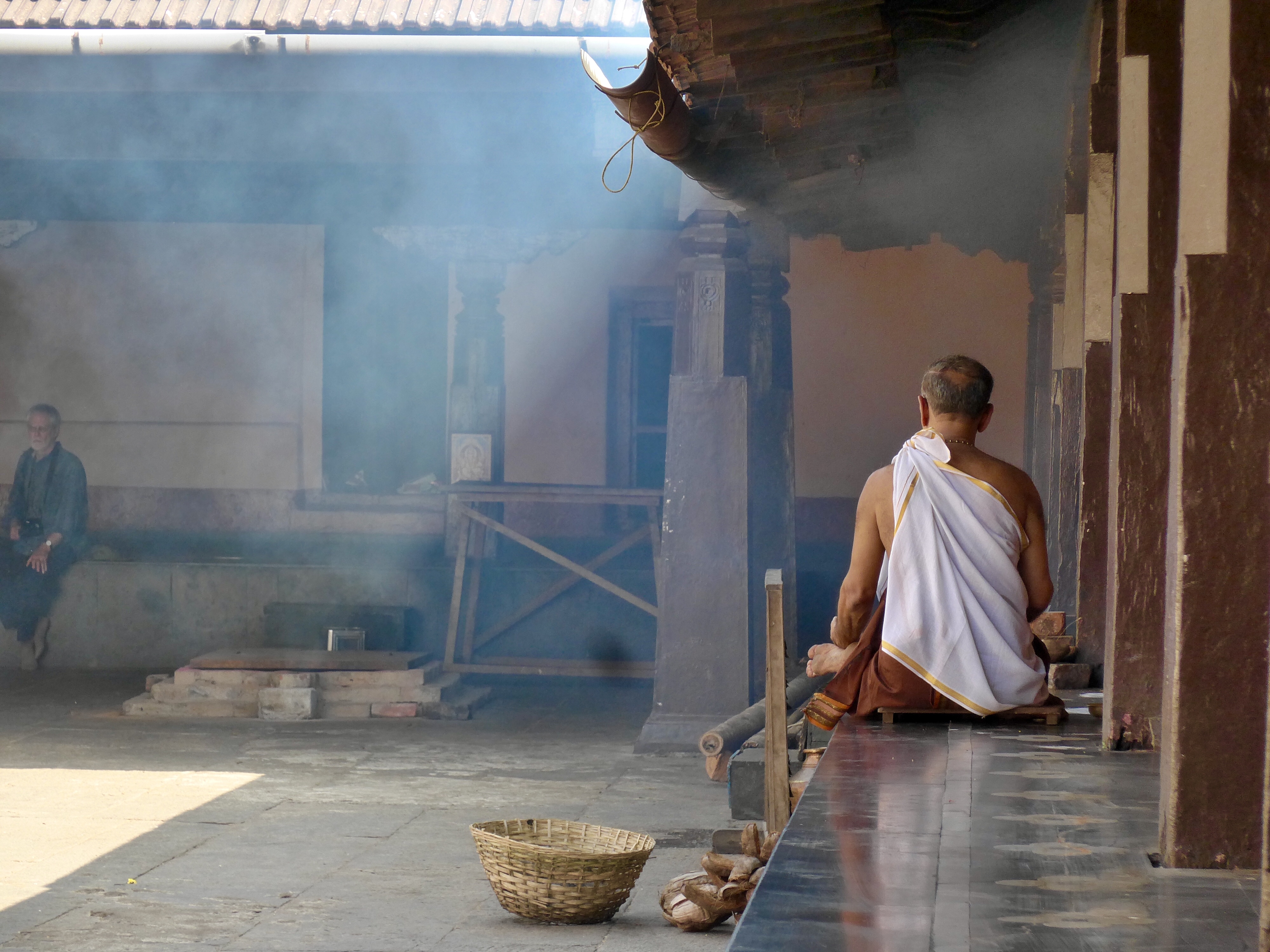
It was like a giant jazz/folk/religious festival. The inner shrines could not be entered but just sitting in the temple courtyards as people of all ages made their offerings, prayed and circled the inner temples was fascinating and atmospheric.
Further down the coast we crossed into Kerala, to spend a day and a night on a rice-boat in the northern backwaters at the Tejaswini River.
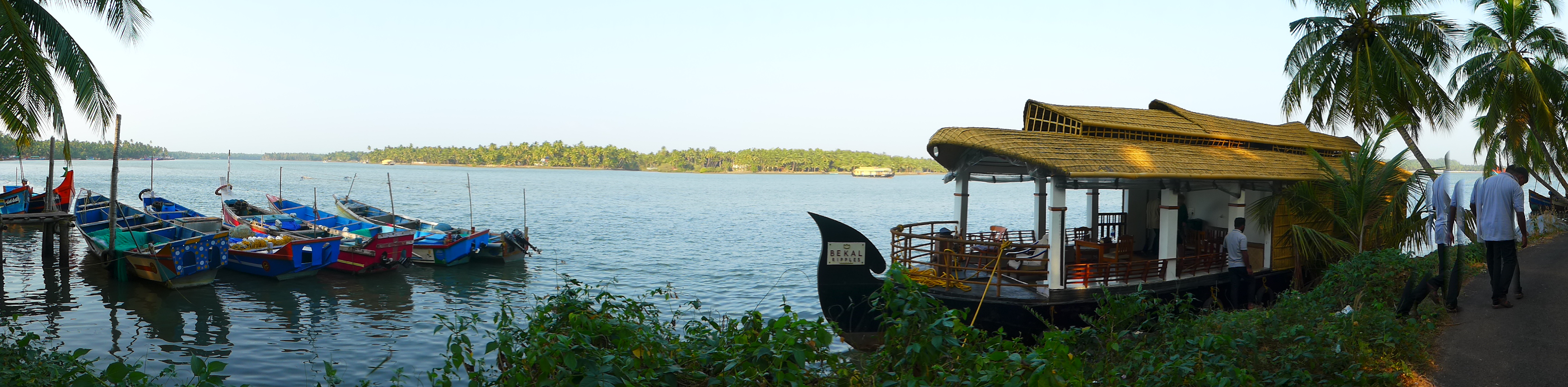
Steered by the charismatic Captain Krishna, “Forty years a sea-going fishing captain”,
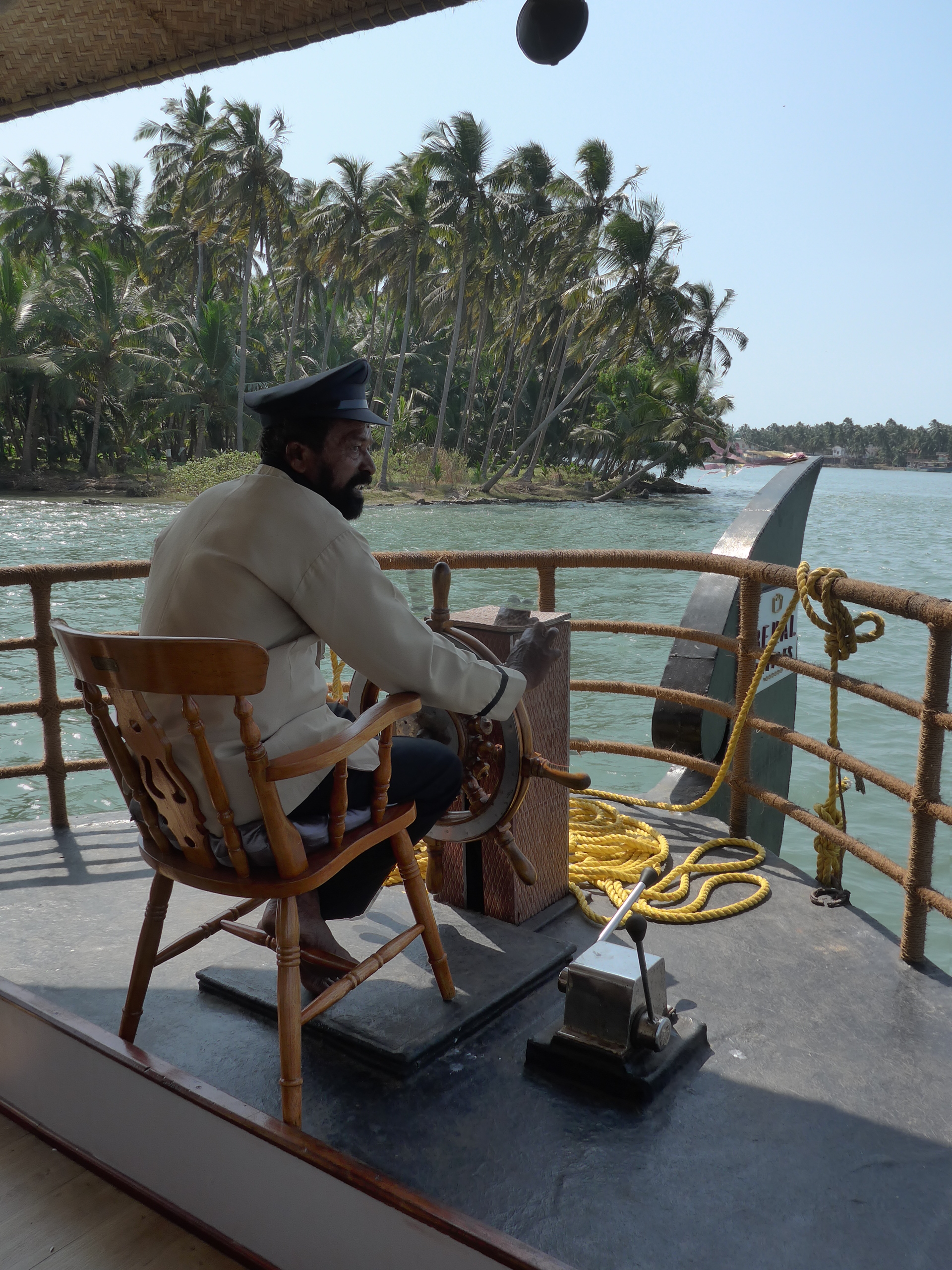
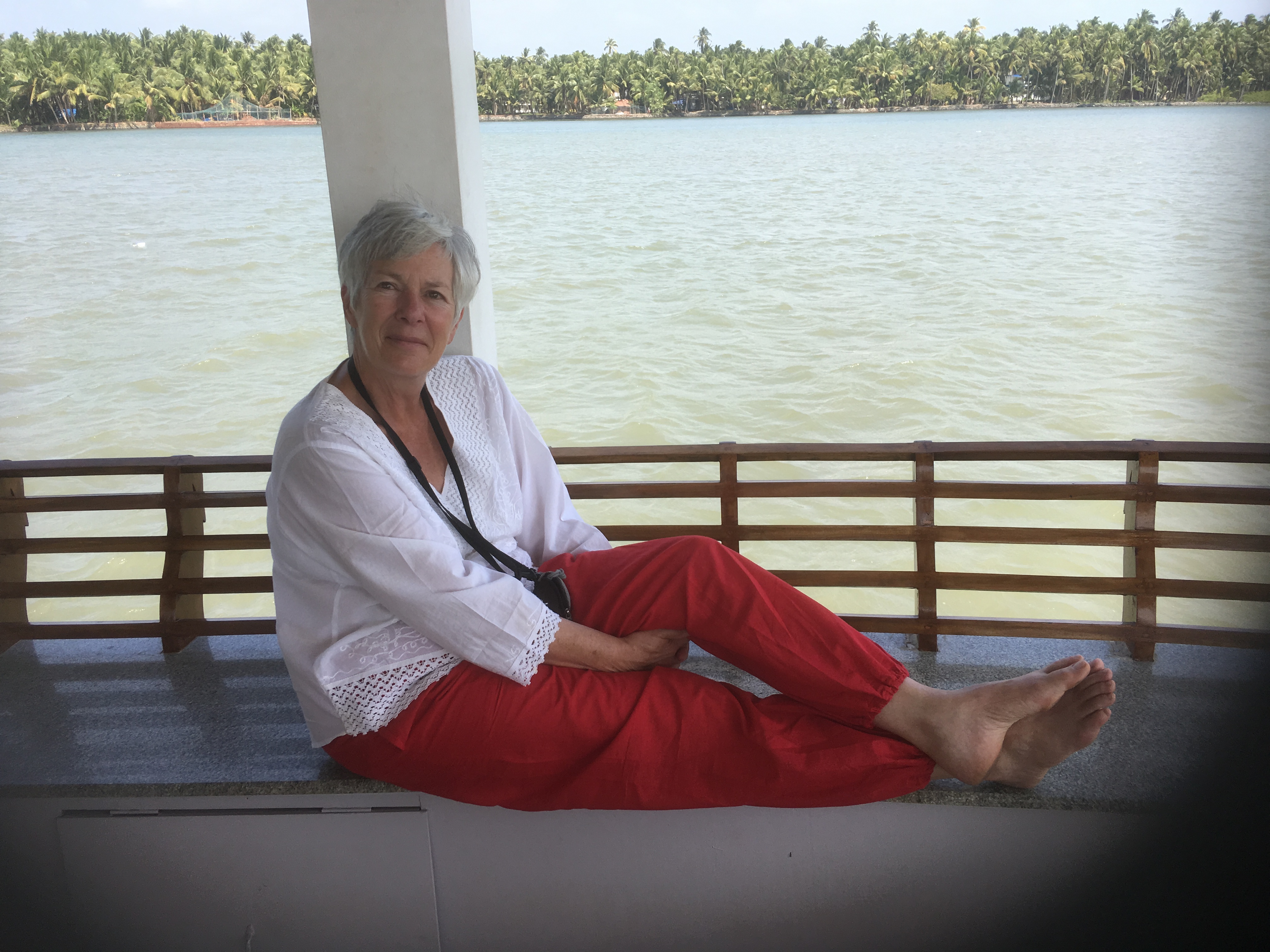
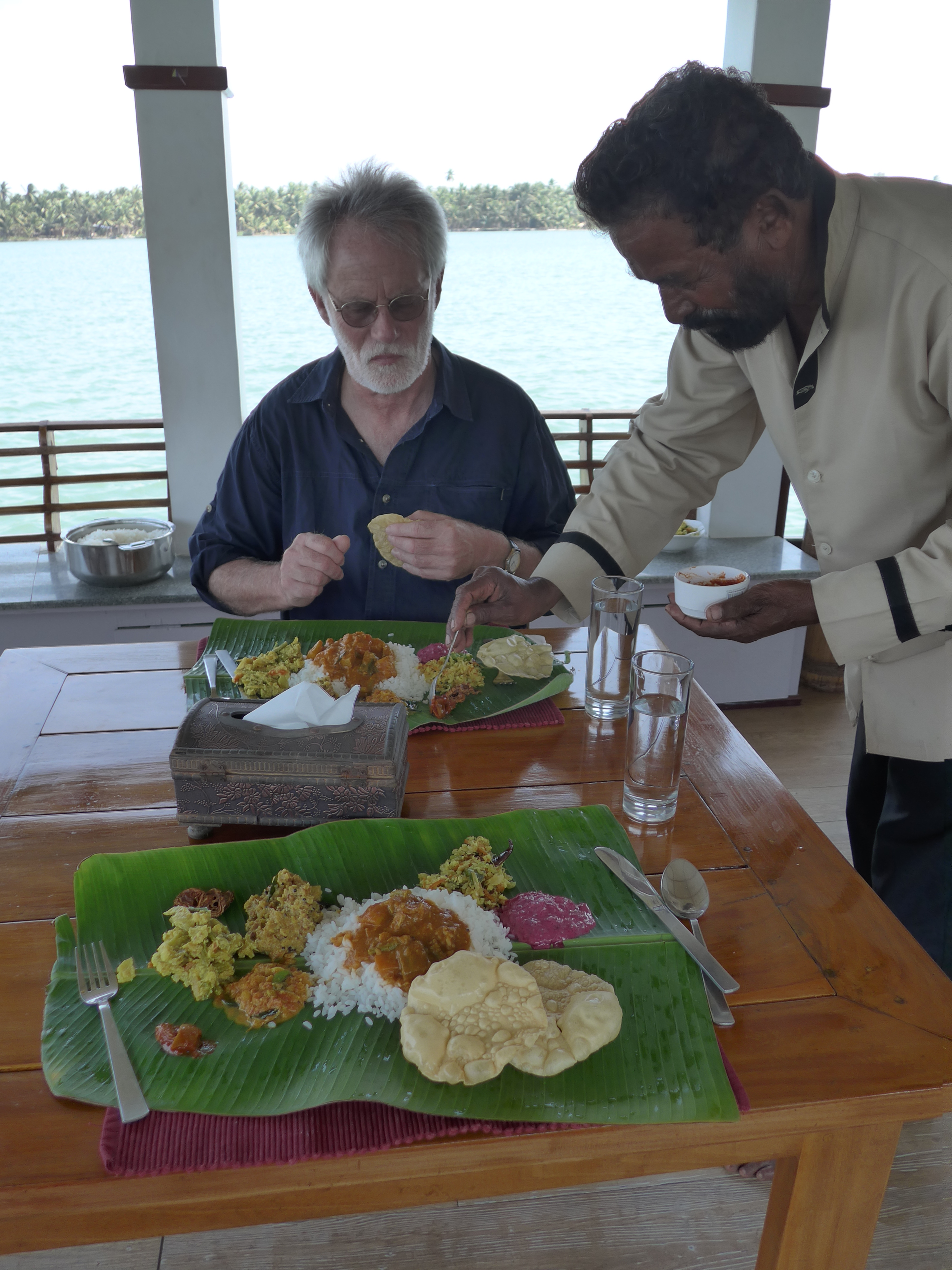
we enjoyed 24 hours of luxury, floating past wooden fishing boats, little houses amongst the trees, lagoons and islands and a million palm trees.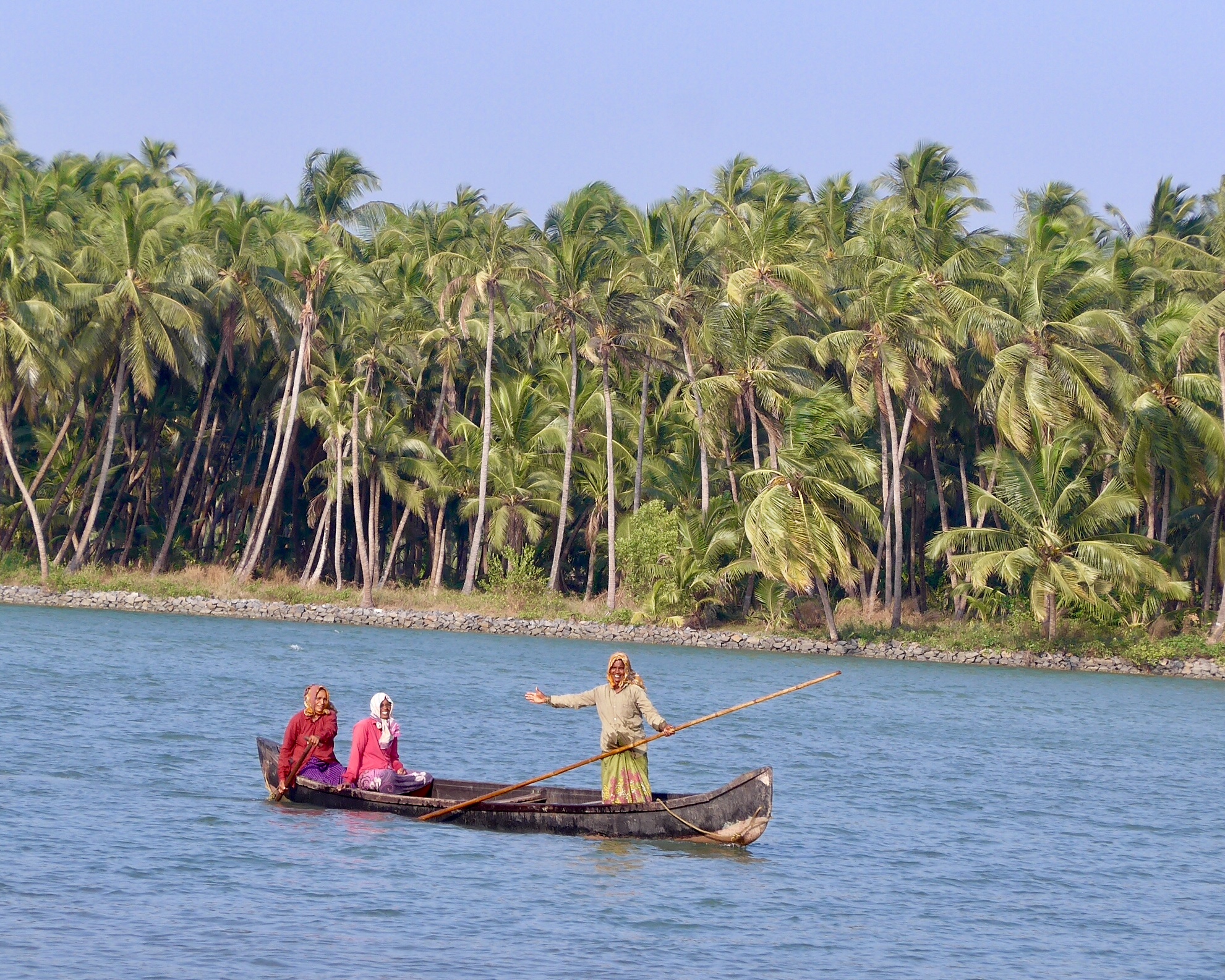

We were gathering pace now as went further south to the Avisa Beach House, in Valiyaparamba. Such hard work! On a coconut-palm-covered peninsula, 150 yards wide, there was little to do other than sit and watch the waves crashing on the empty beach and count the coconut palms, and eat and drink. But we did stir ourselves to do some cycling.
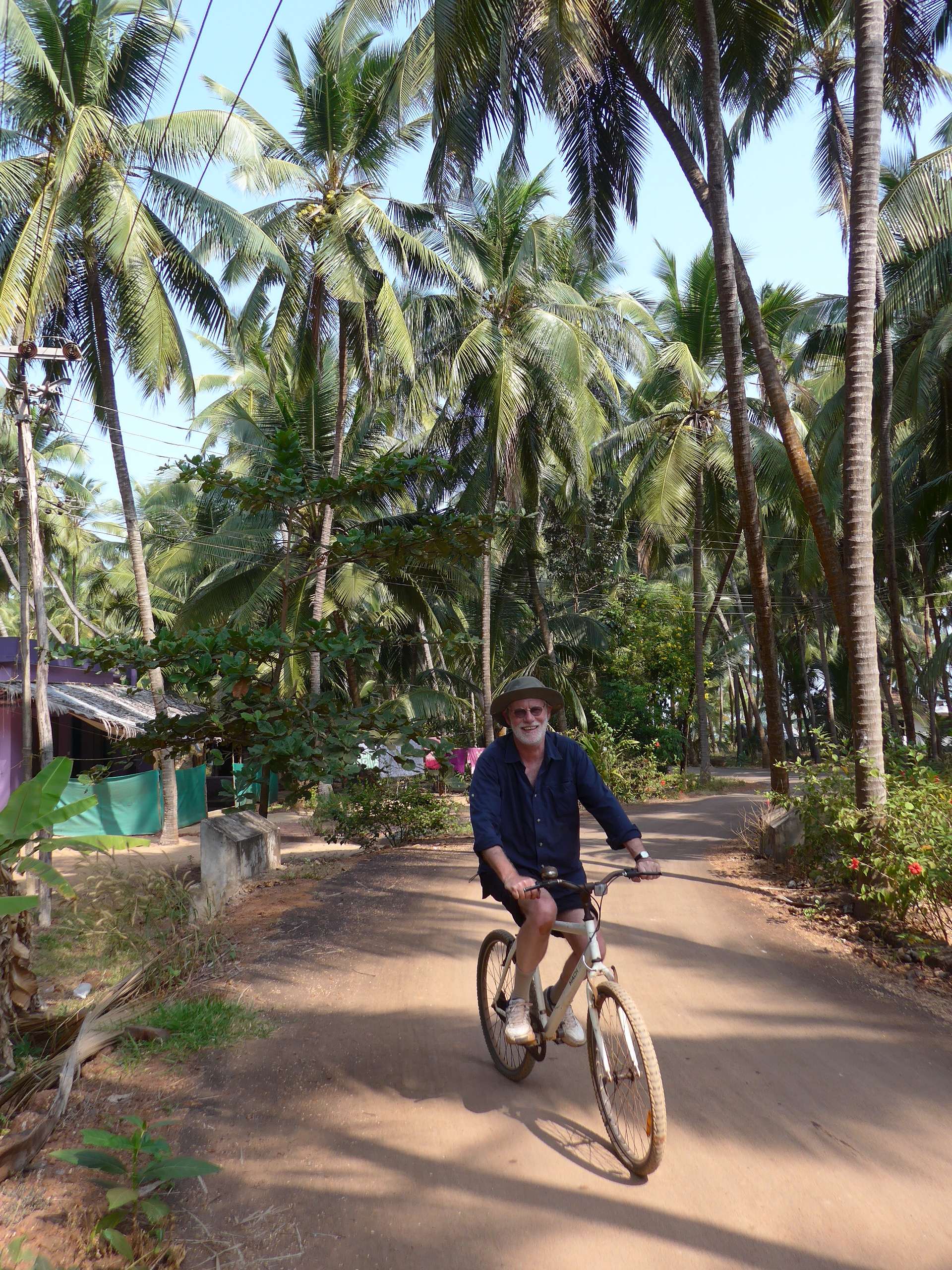
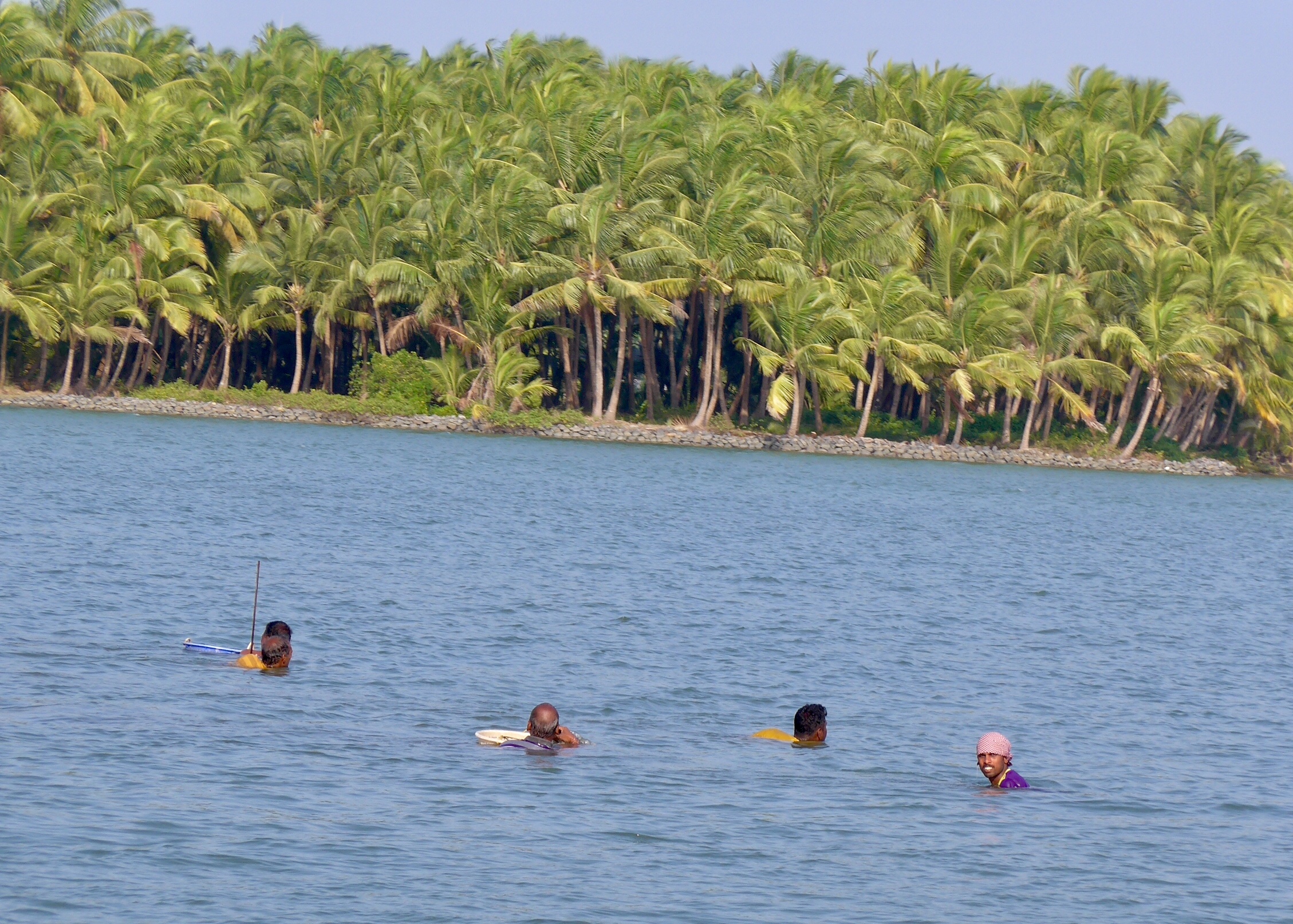
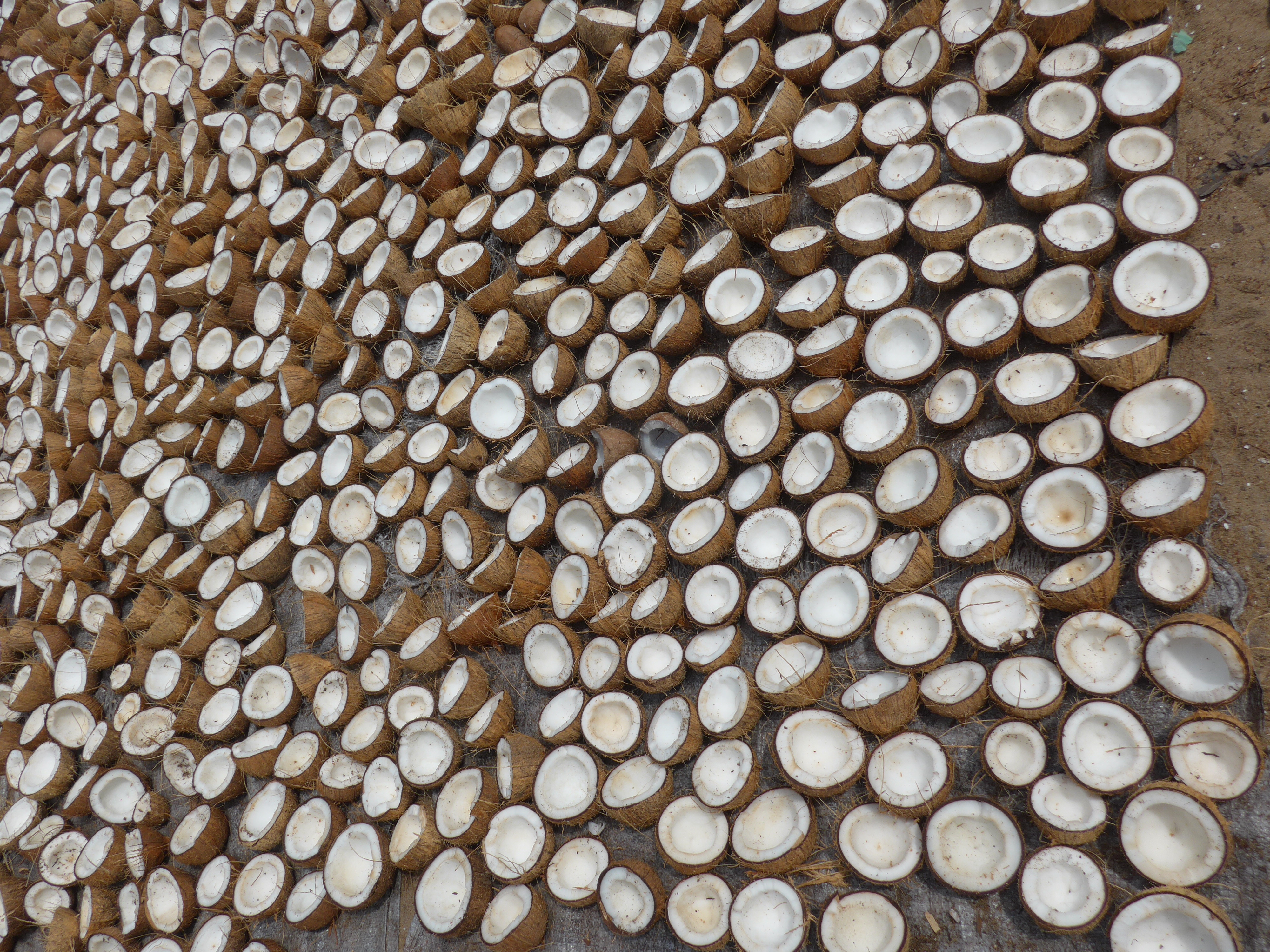
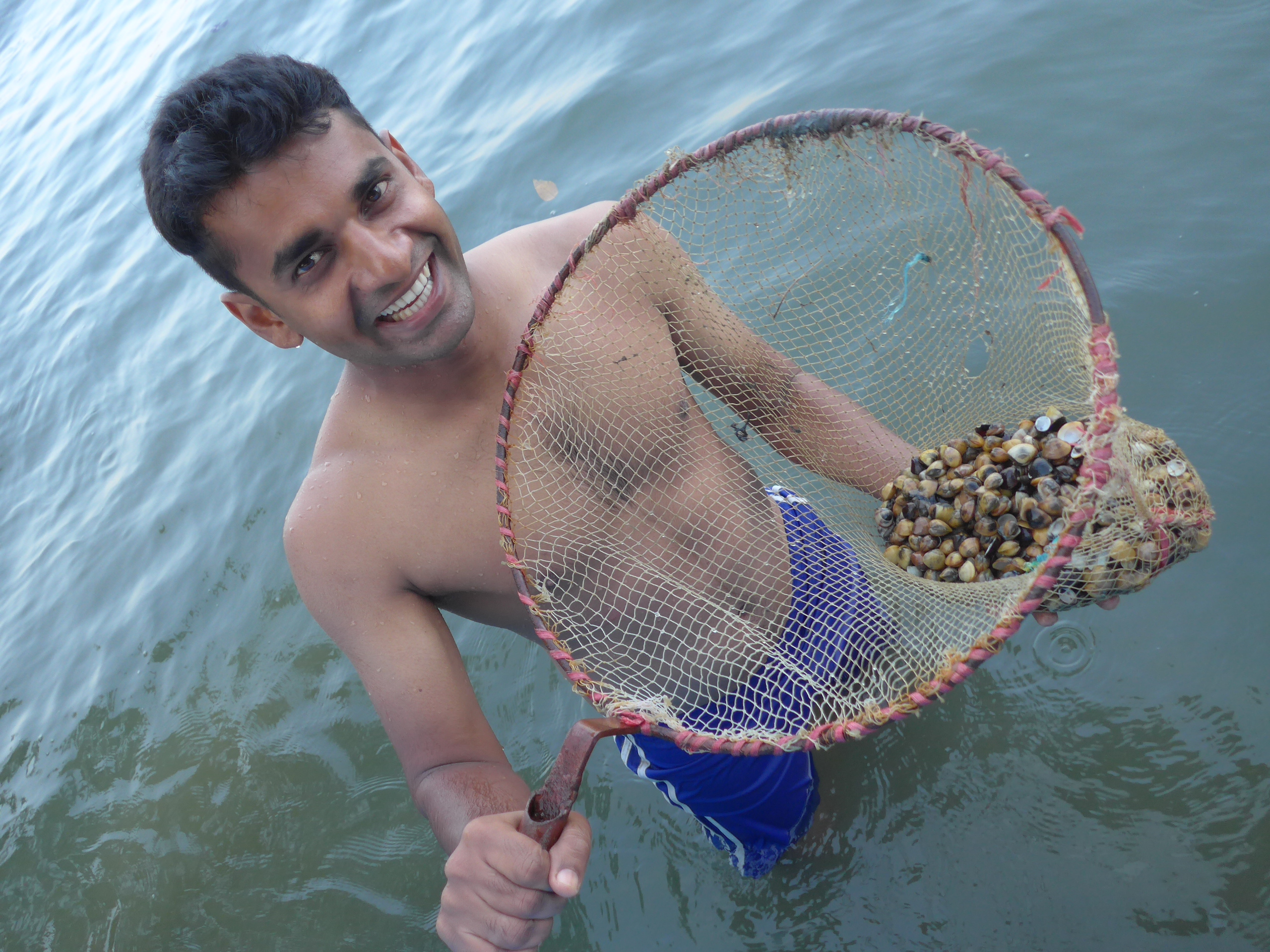
People make a living gathering coconut, or farmed mussels from ropes, or tiny clams from the lagoon bed.
Another thirty kilometres south and we stopped at Kannur Beach House.
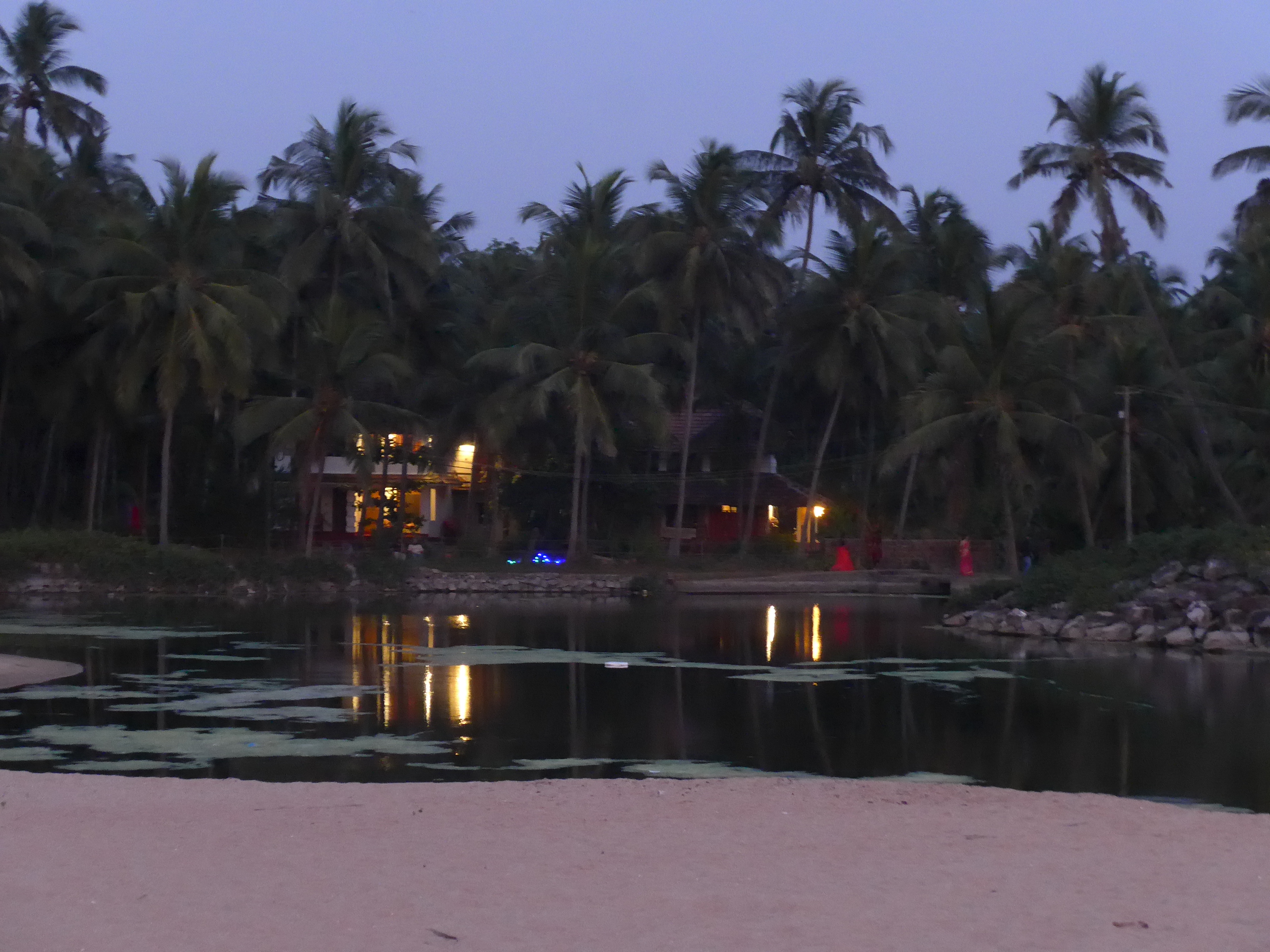
The empty coconut grove which had one homestay when we came in 2014, now had half-a-dozen but my favourite beach was still unspoilt.
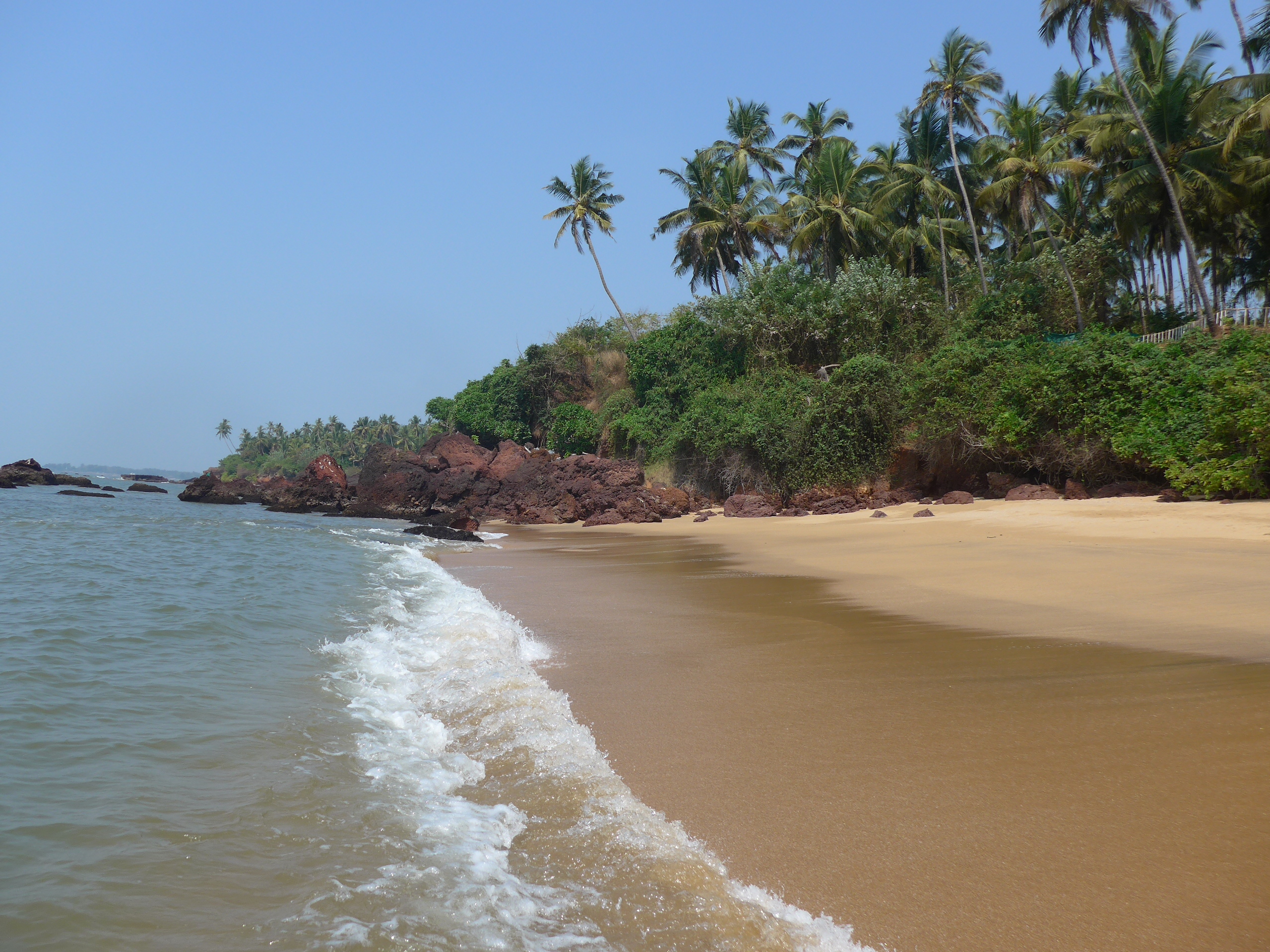
Kannur opened an international airport in December so if you want to see unspoilt northern Kerala go now before it becomes developed like the south.

North Kerala is the only place where you can see theyyam, the pre-Hindu ceremony where the performer takes on the trance-induced role of a god in an extraordinary performance involving music, costume, dance and ritual.
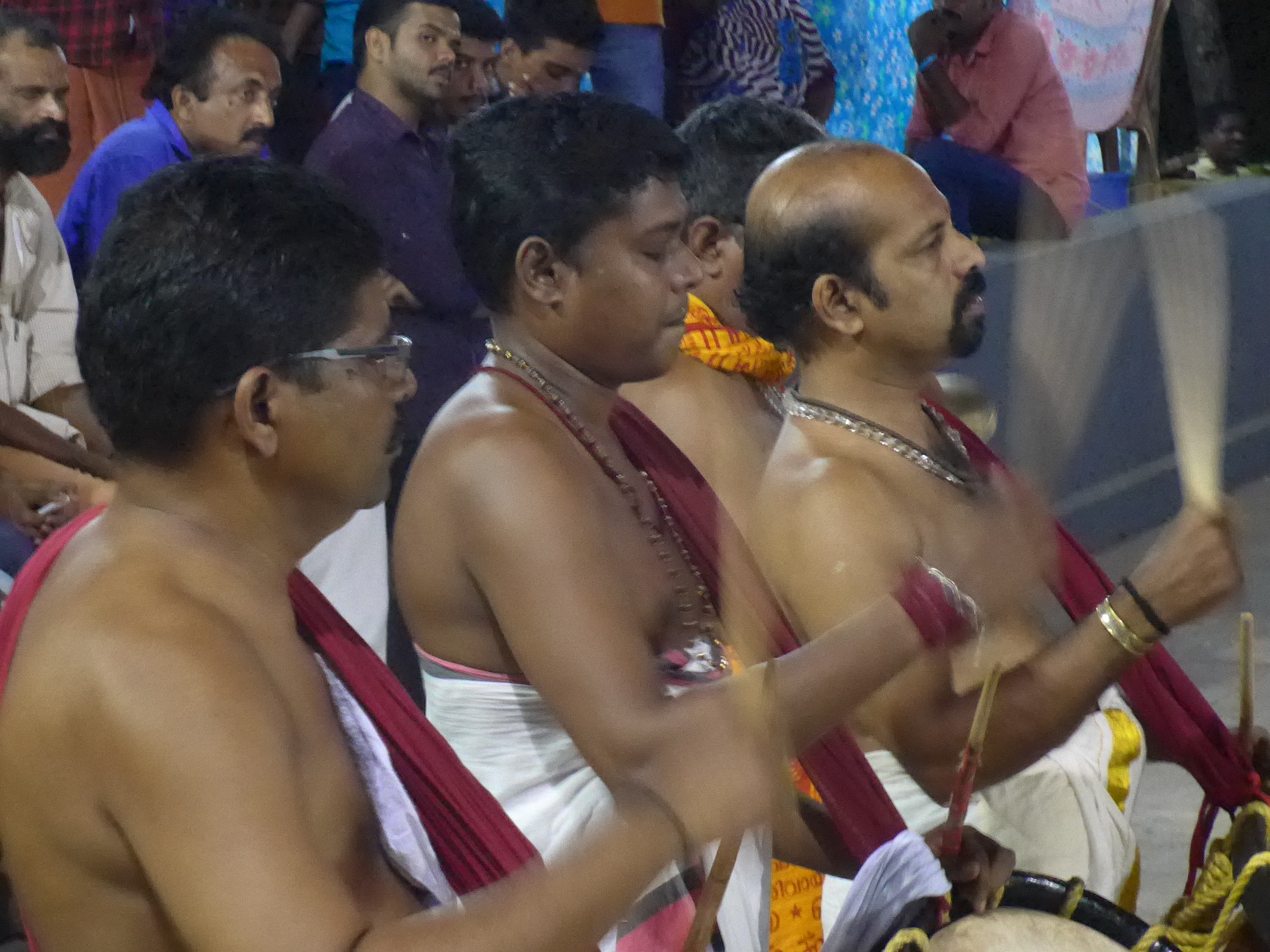
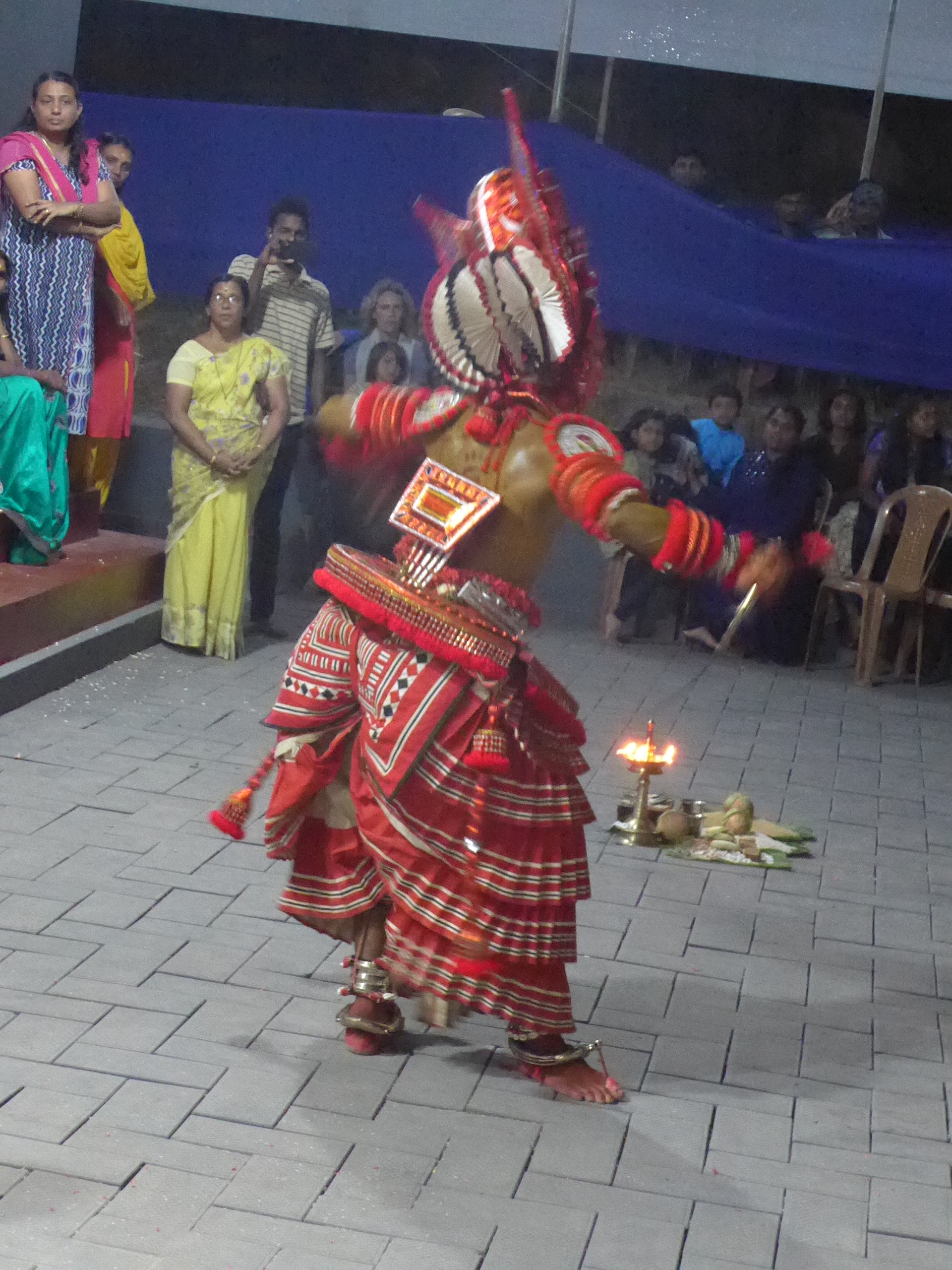
This ancient practice has its roots in a pantheistic form of worship, where animals, trees and rocks have a religious value, as well as over 300 gods and characters. The theyyam passes into a trance in which they become one of these gods.
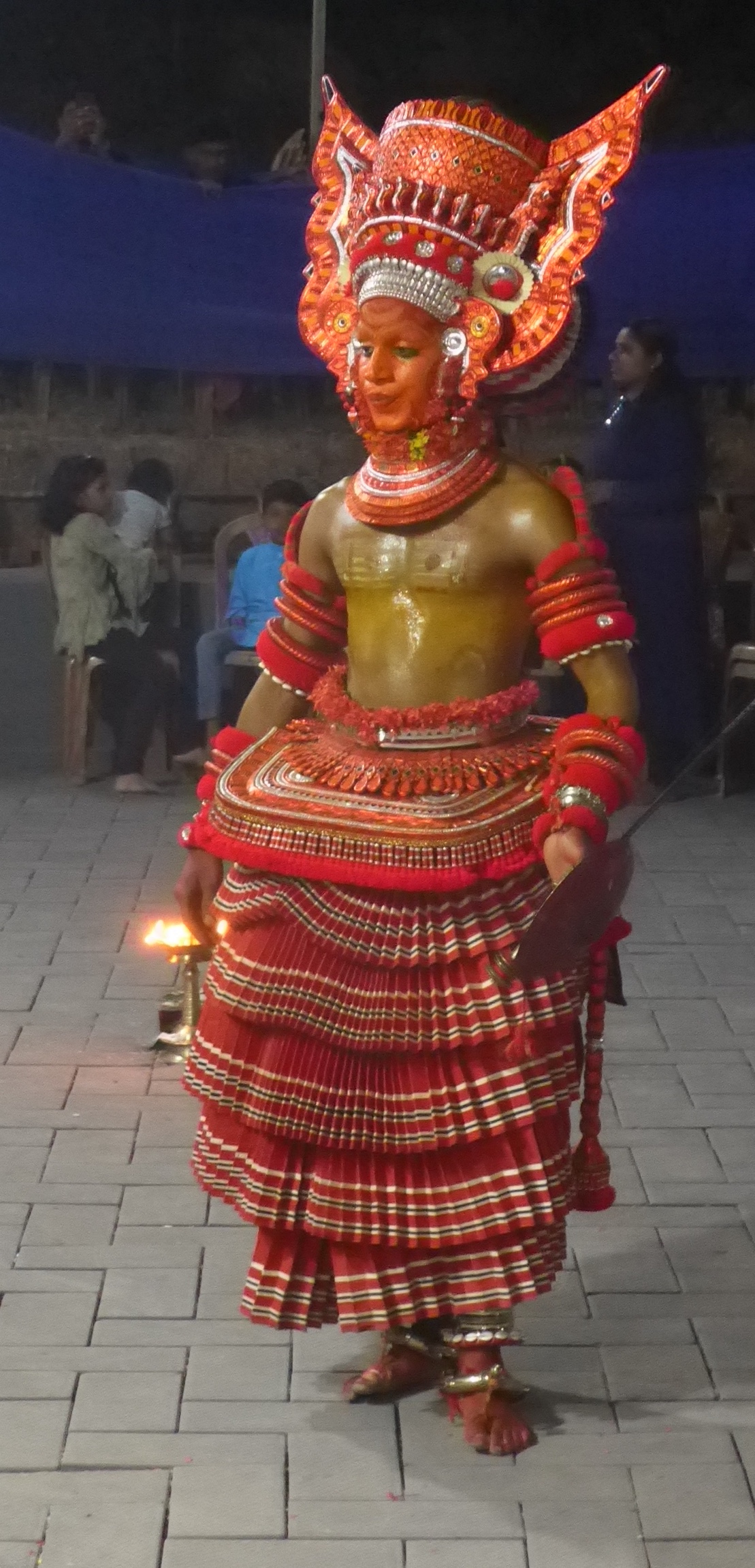
The theyyams take place in “groves”, not temples, can go on for three days and inspire huge respect amongst the people who come and ask for advice and blessings.
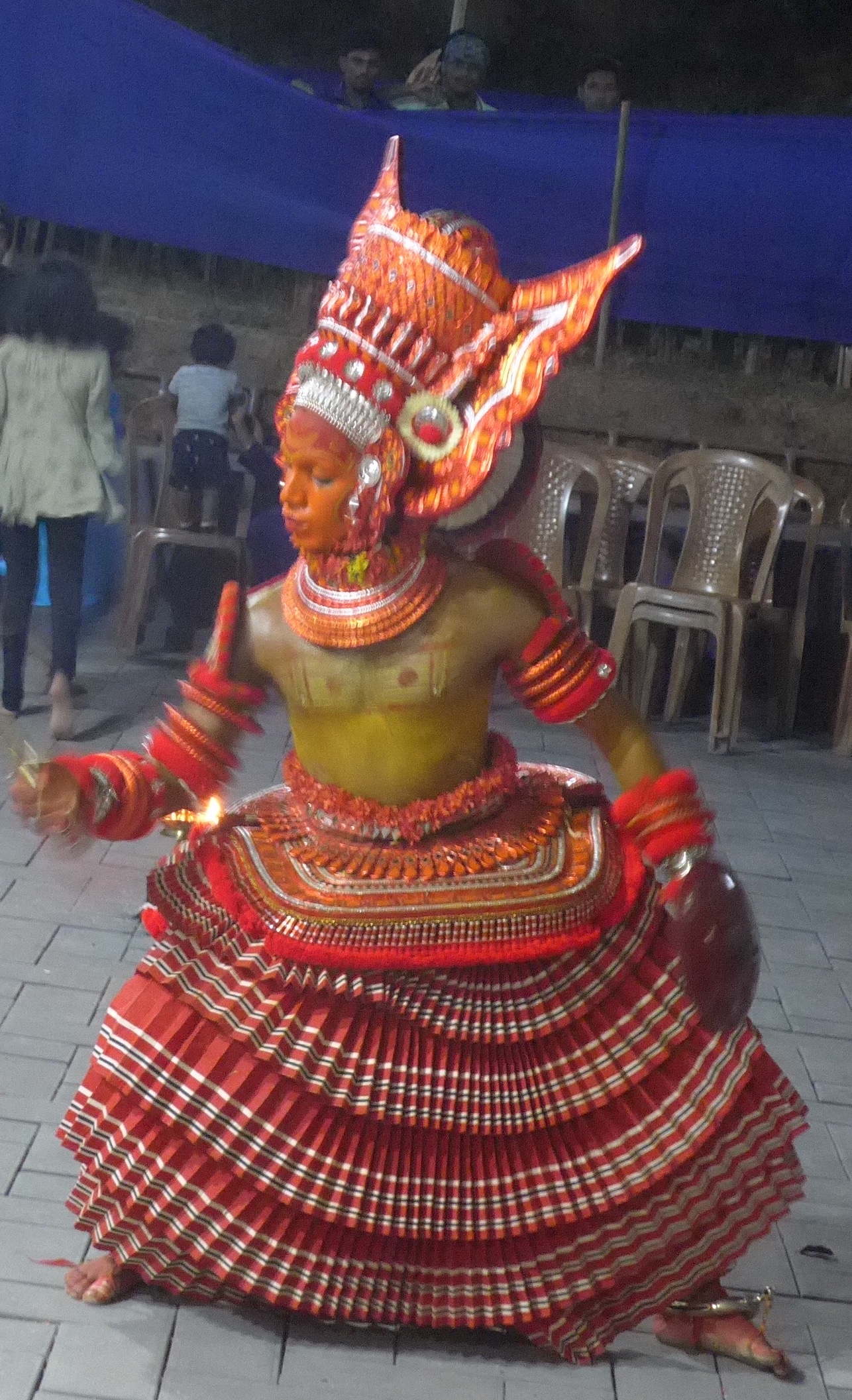

It is never performed elsewhere or as anything other than a religious event.
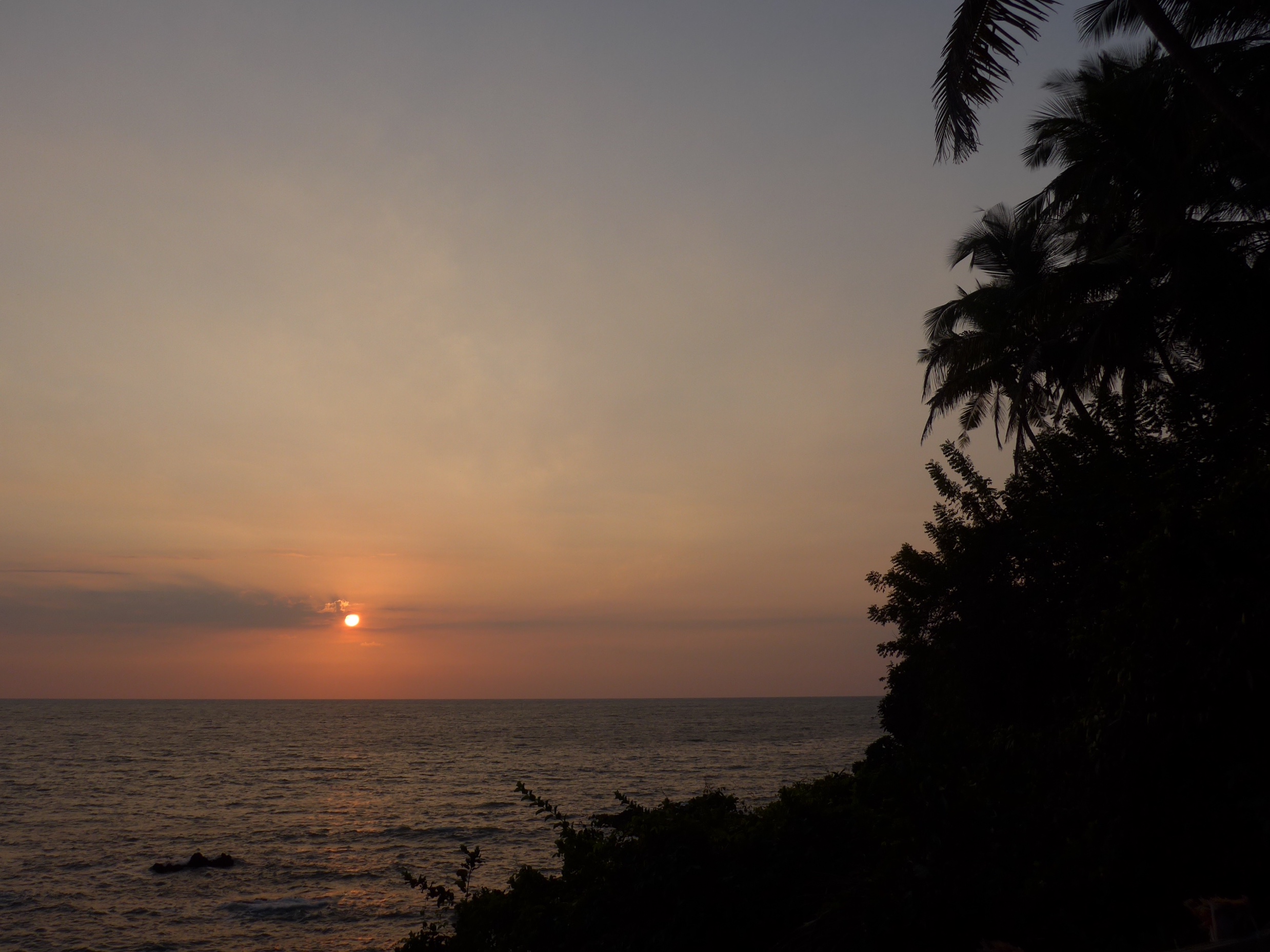
As the sun sets on the Malabar Coast I have to apologise for all this hedonism which must be getting tedious for you all. I hope to describe some suffering and discomfort soon. We are heading back up into the Western Ghats where the temperature at night will be only 15 degrees and we are sure to be trampled by wild elephants, or eaten by tigers.
 Riki's Indian Rovings