5. Gujarat: “How now, my metal of India” Twelfth Night II, 5.

The fame of India’s metalwork had even reached the comparatively obscure country of England in Shakepeare’s day. Once part of the 4,500 year old Harappan civilisation, famous for its bronze work, Kutch was now a strange, flat land of sand desert, salt desert, with thorn scrub “forest”. But still today the handicrafts of metalwork, laquerwork, printing and embroidery are famous.
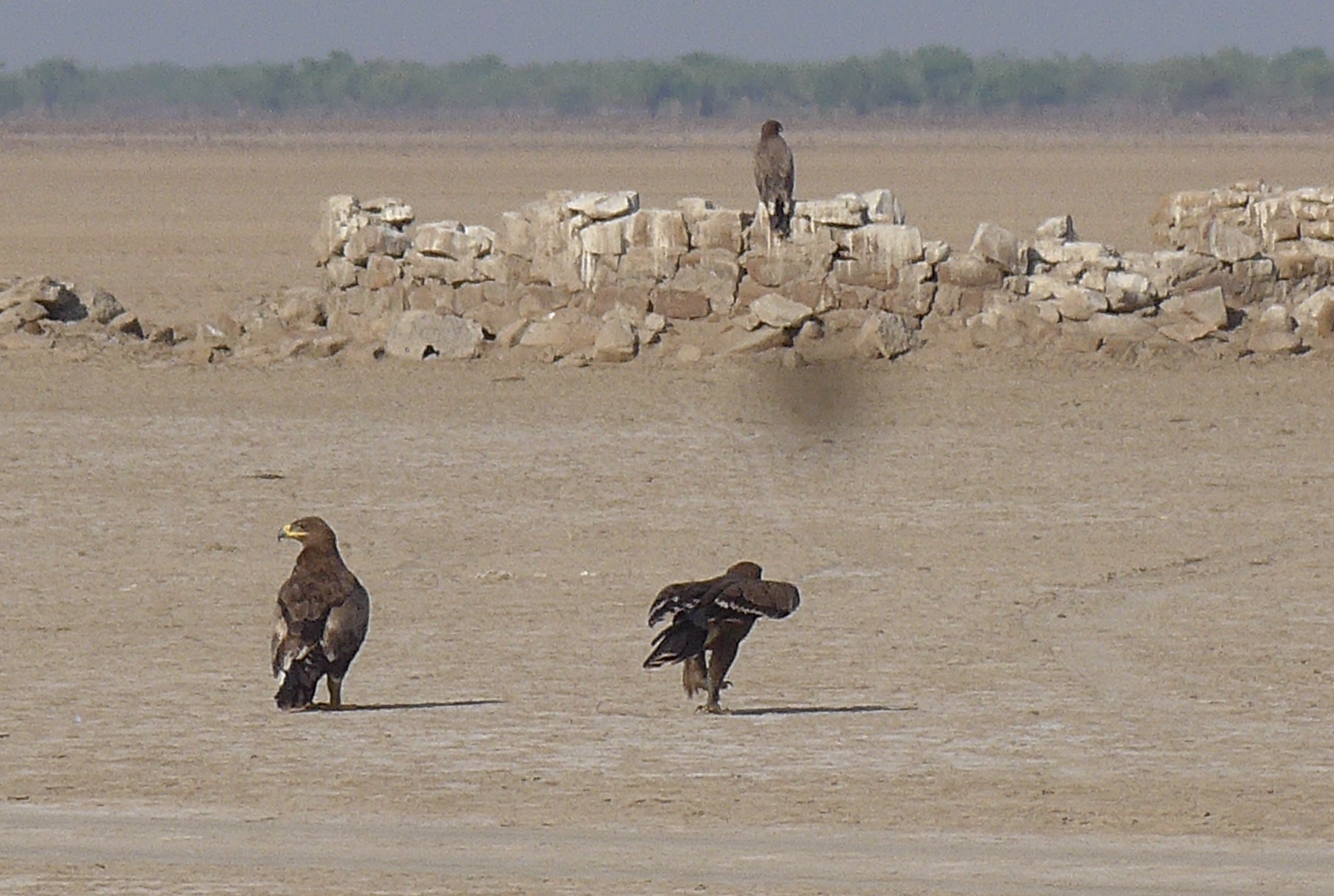
Steppe eagles in dried-up Banni Grasslands

In the barren Banni Grasslands eagles and buzzards lived off the burrowing “bandicoot rats” that can survive here even in drought.
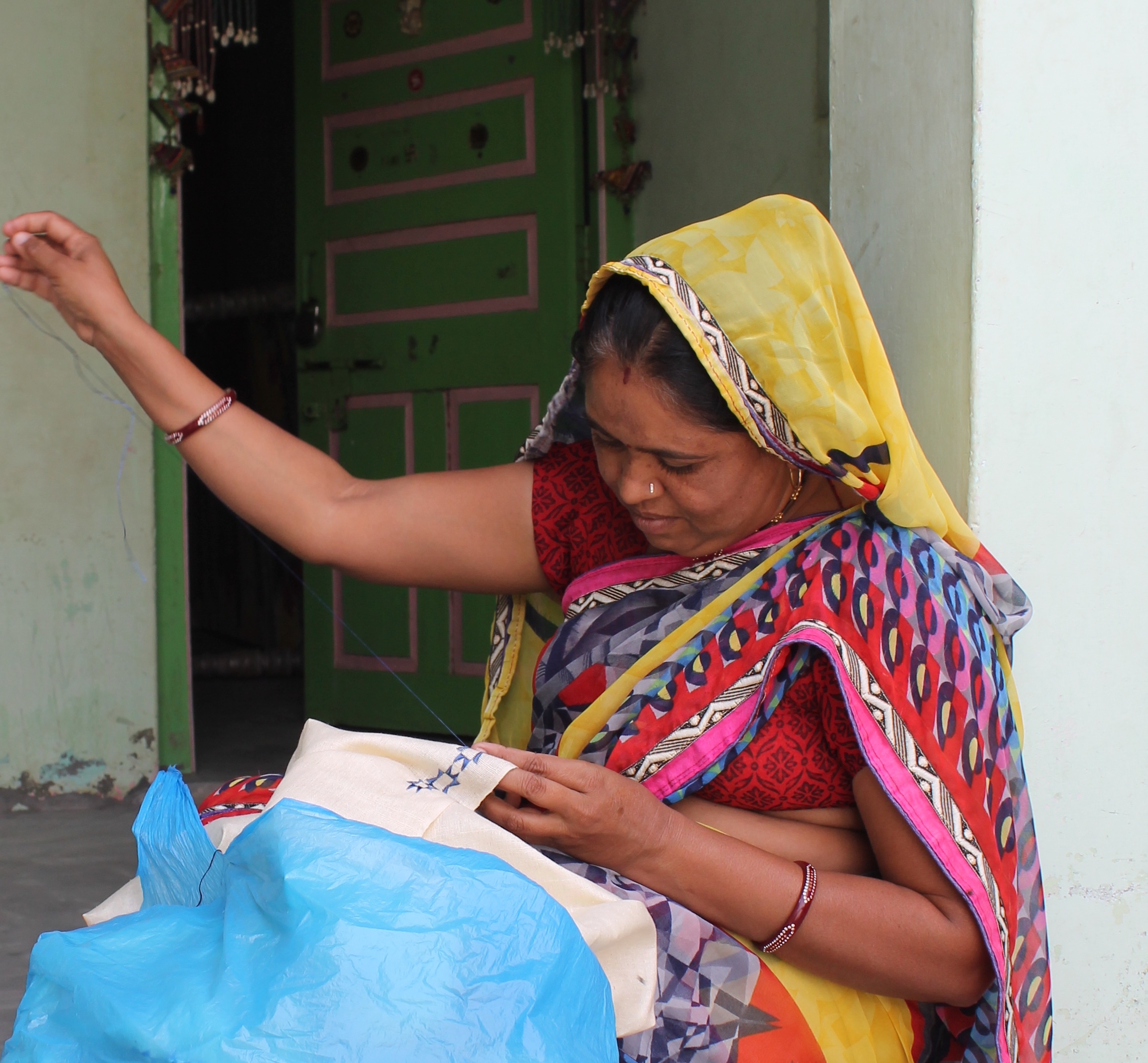
Embroidery in Bhuj

The few people here were nomadic camel or buffalo herders, living as their ancestors had done for centuries. In the midst of this dry and dusty landscape, the women wore the most brilliant and complex embroidery, gold nose-plates and silver bracelets. They do not like to be photographed so you will have to imagine the sight of a woman, all in bright red and yellow and blue with gold and silver jewellery, appearing out of a cloud of dust with a herd of camels, or buffalo.
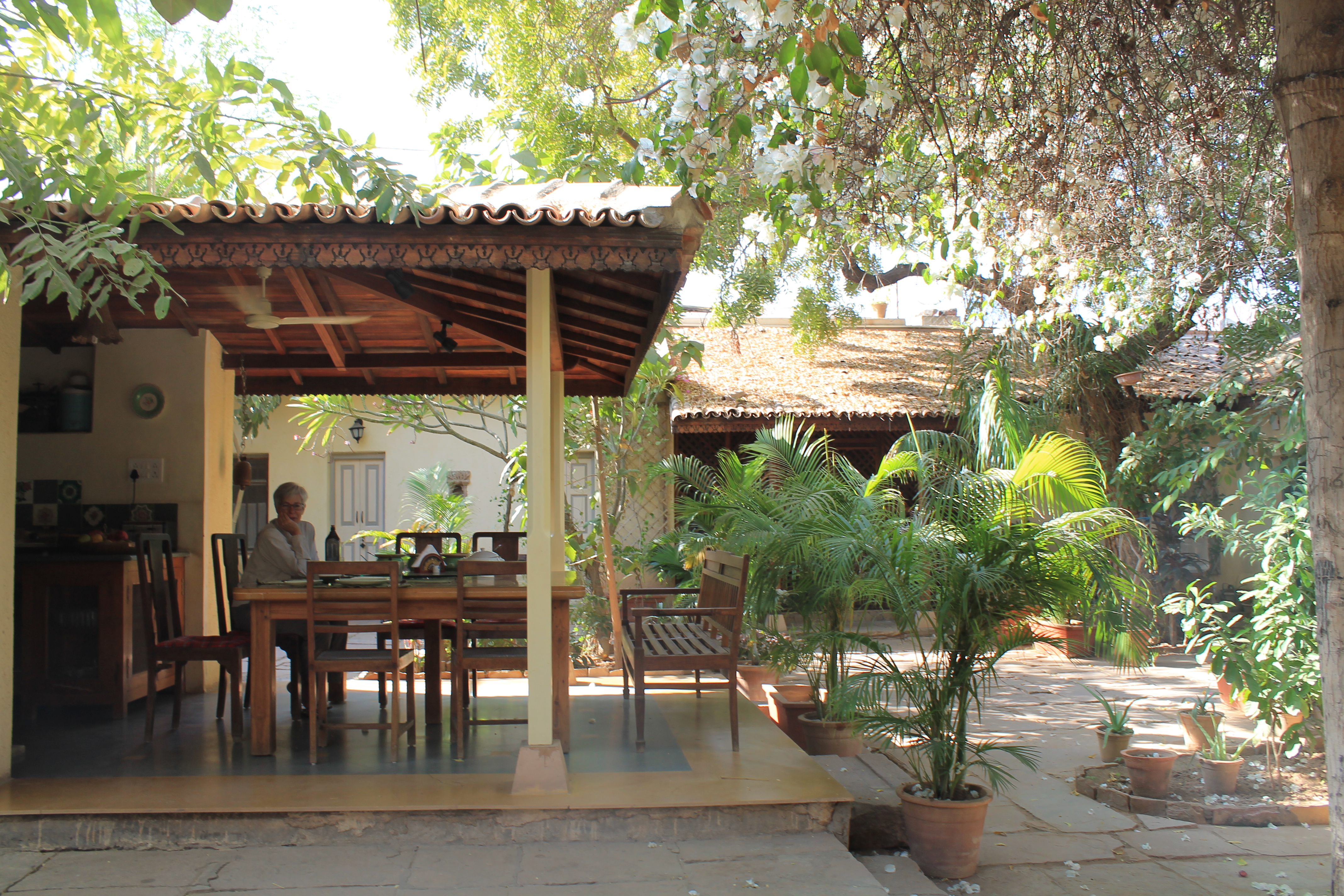
The Bhuj House

The place we stayed, Bhuj House, was a green oasis run by a Parsi family who overfed us with wonderful Parsi and Gujarati food.

Once we had crossed the estuary of interminable, grey salt-flats (surely one of the worst places to live and work) that separate Kutch from the rest of Gujarat, we were in a more prosperous land of fields and factories and, carrying on the metalwork tradition, there were steel and metalworks. Amazingly we were driving on three-lane dual carriageways. And what did we meet on the dual carriageway? A herd of over a hundred sheep and goats, herds of fifty or more cows, a gang of water-buffalo sauntering across the road, and a camel train, each camel loaded with a large upside-down wooden bed, the family goods and a small child perched on top, while the brightly dressed women walked alongside. Oh and an elephant and mahout in the slow lane “going to work”. The taxi-driver scooted in and out of these at terrifyingly high speeds.

Orchard Palace, Gondal

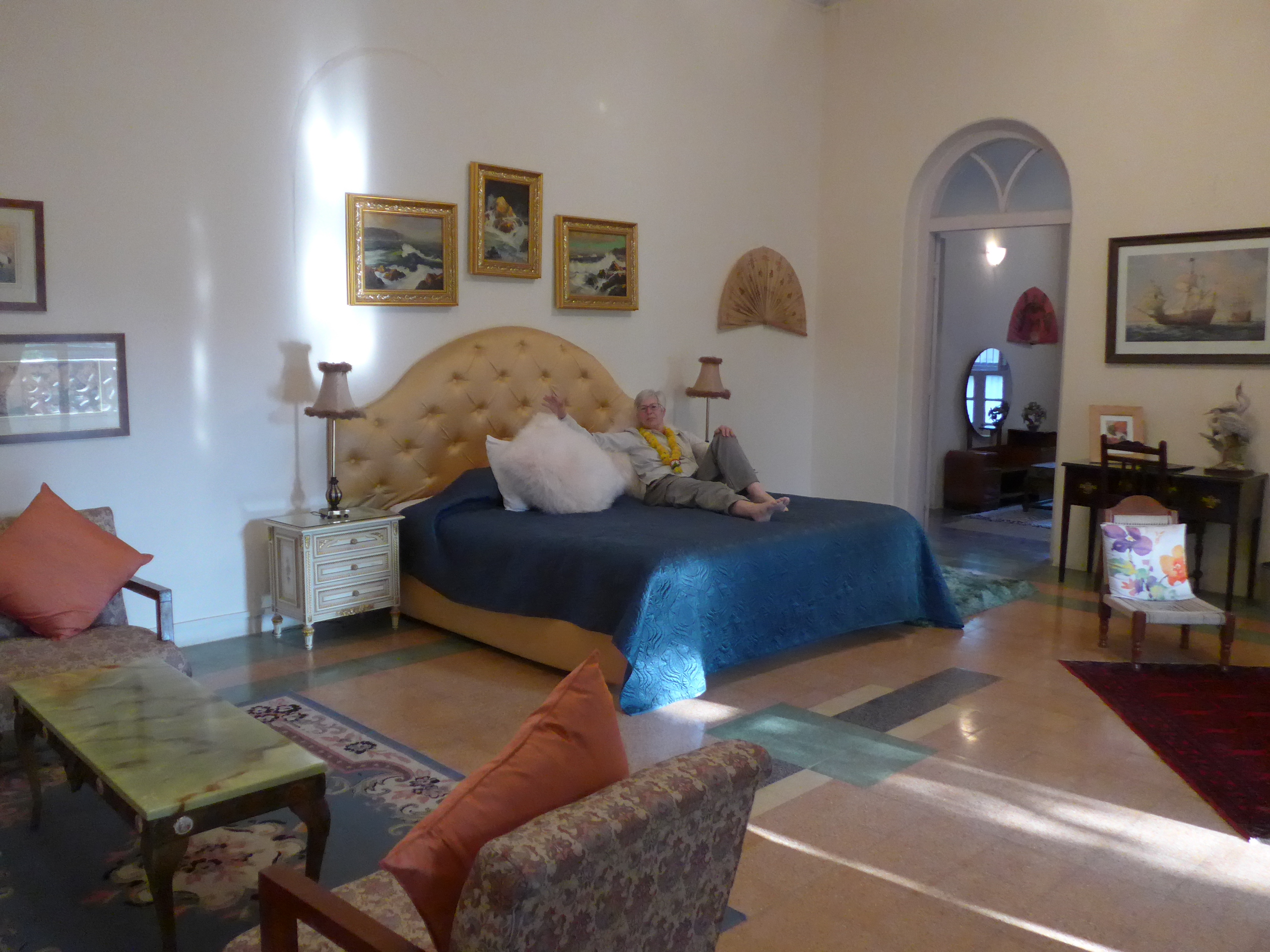
What a relief to reach leafy, peaceful Gondal and to spend two nights at the Orchard Palace, just us in an enormous suite of rooms, with the Maharajah’s family in the palace next door. Each night we ate in solitary splendour at the head of a long dining table, served by a gang of waiters, who brought dish, after dish, after dish, and such exotic puddings as apple amber and chocolate mousse.
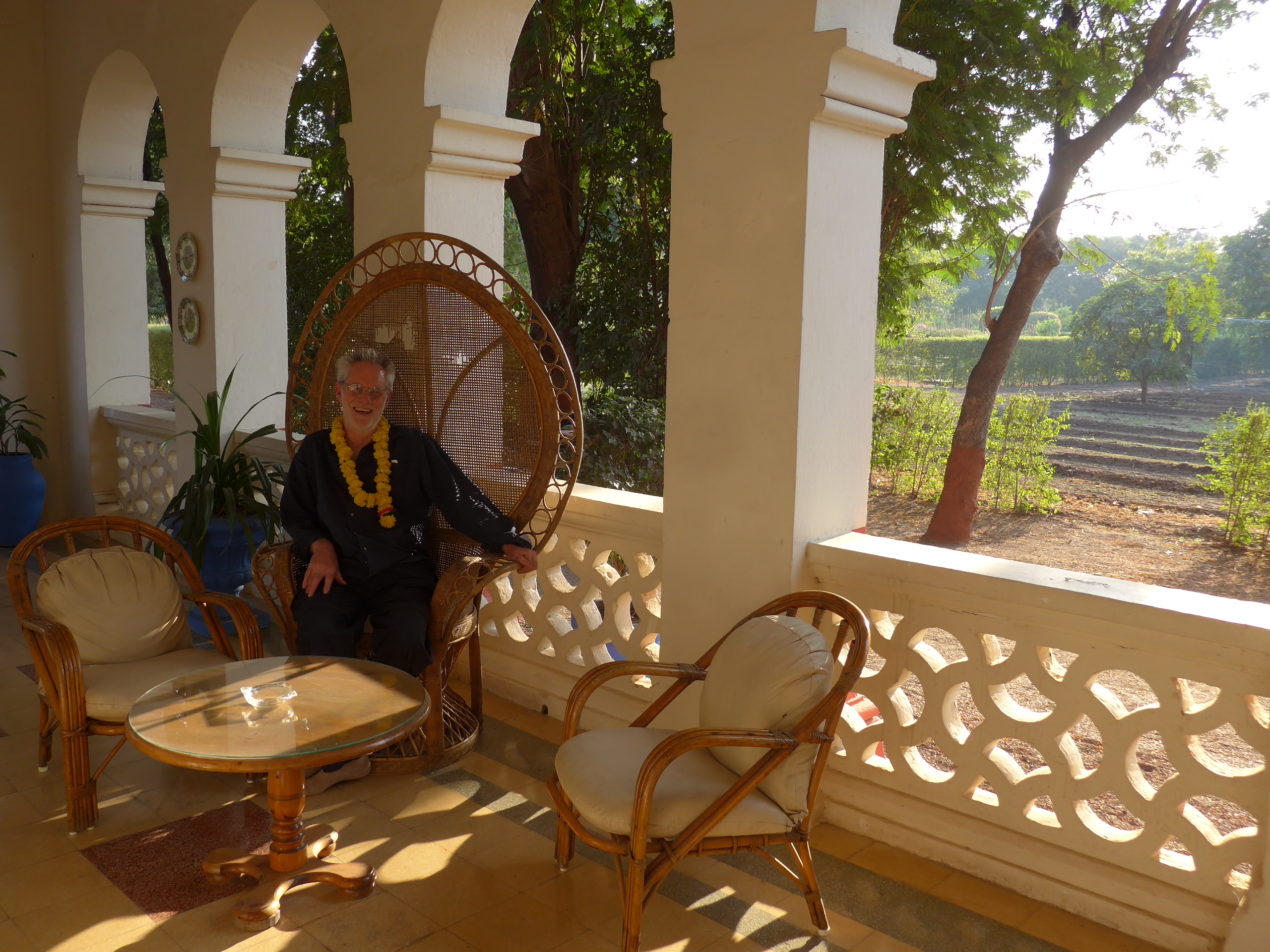
Jim at Orchard Palace, Gondal
Suite of rooms at Orchard Palace, Gondal


And what an eclectic mixture of furnishings and collections the maharajahs had amassed: horse carriages, vintage cars, Dinky toys, novelty teapots, a 1930s library and the scales where the Maharajah was weighed before giving his weight in gold to the people of Gondal.
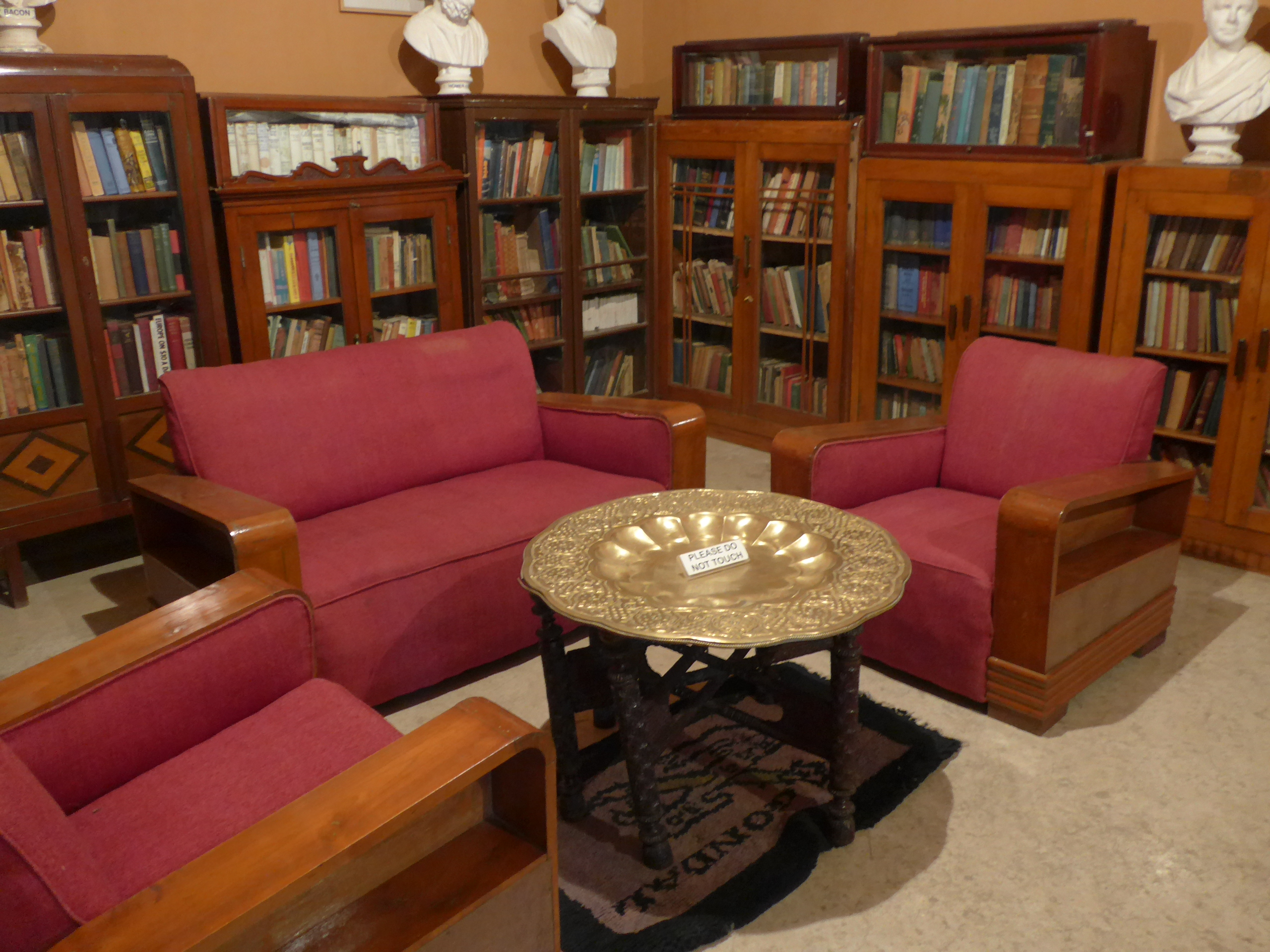
The Orchard Palace, Gondal


You  can see why the Indian government did away with the princely states, but the people of Gondal still love their maharajah who built their railway line and the smartest of stations.
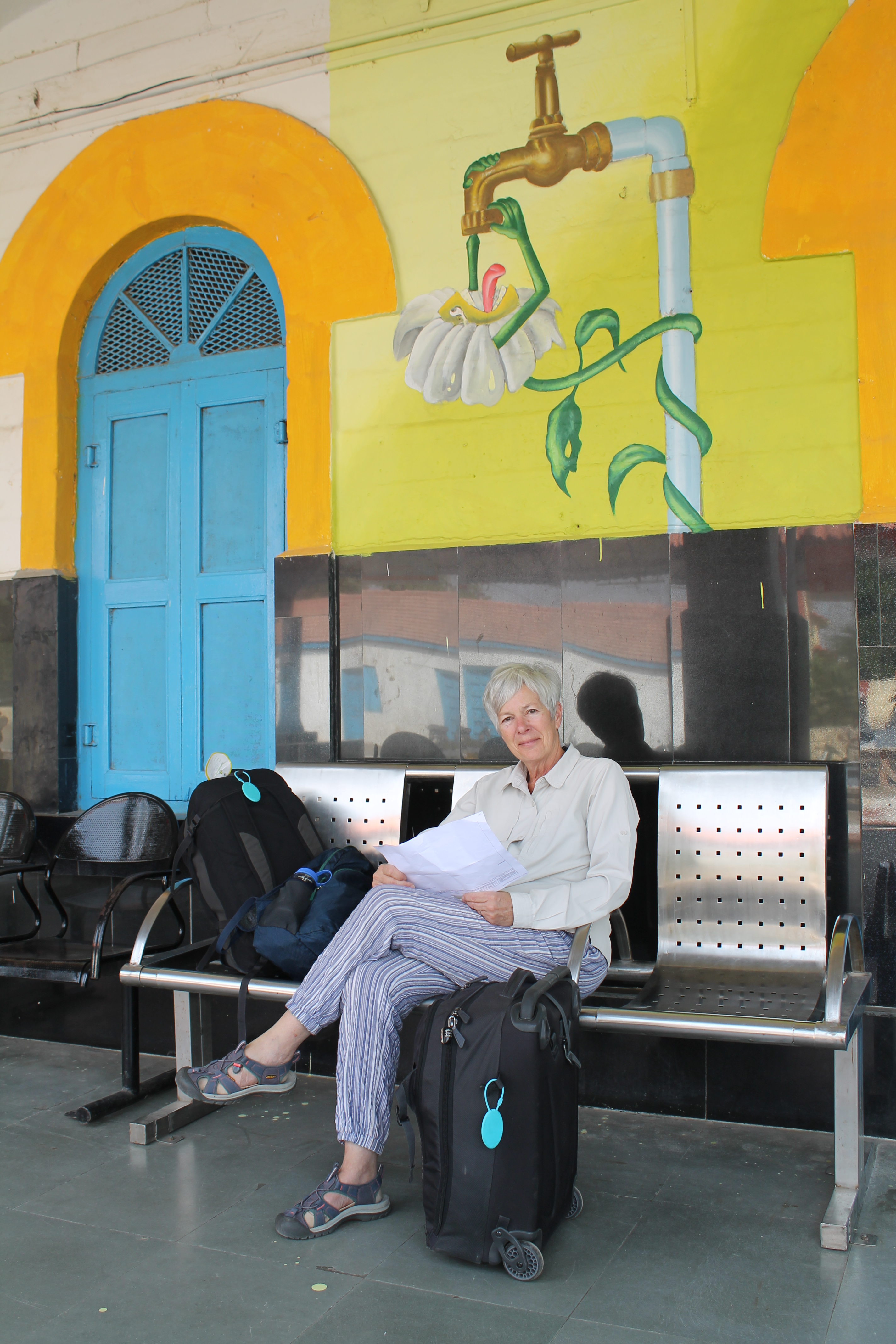
 

Waiting for the train at Gondal Station


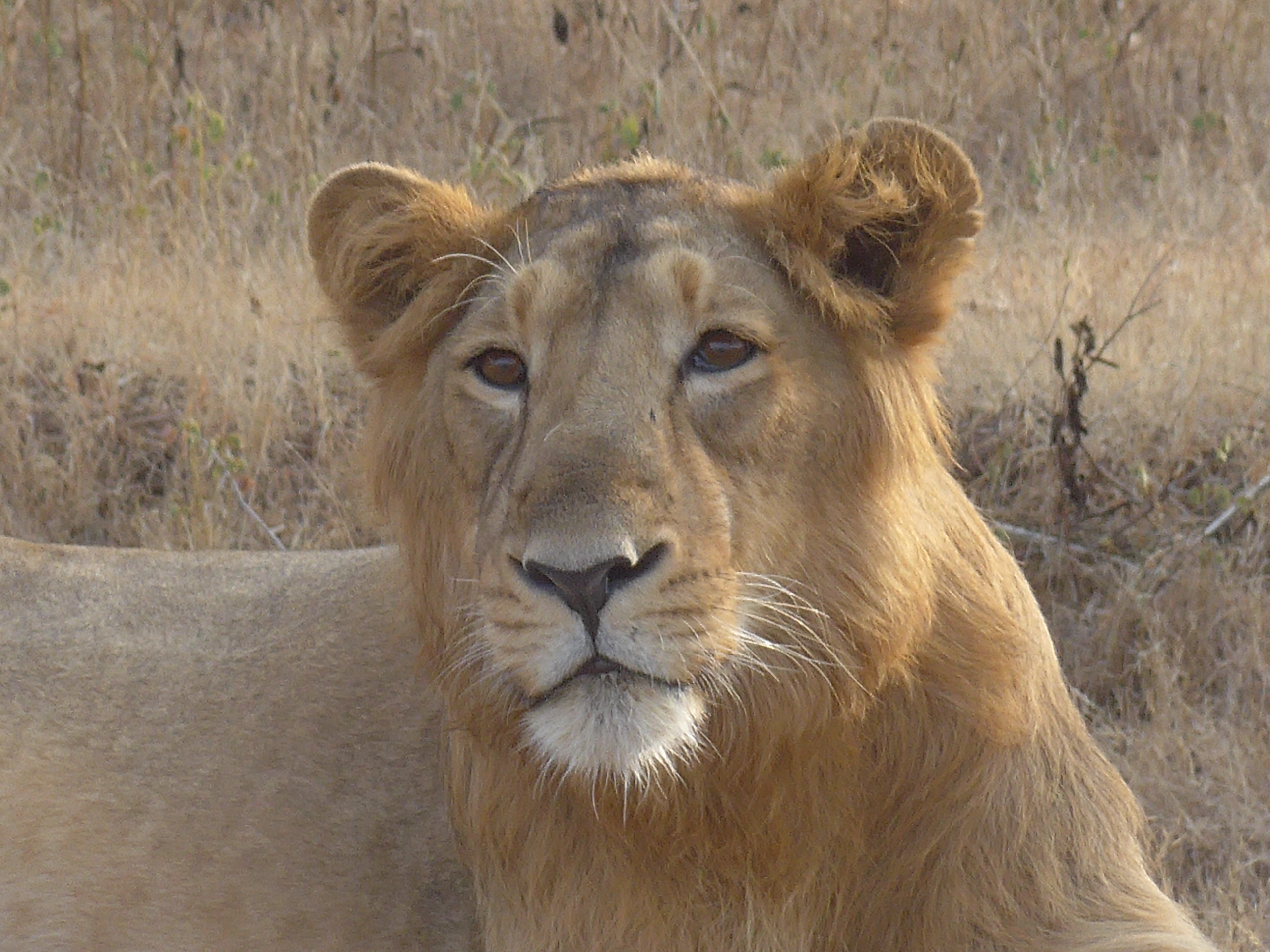
The last 500 Asiatic lions live in Gir National Park. Unlike their stripey cousins in Bhandhavgar, the Gir lions were happy to pose.
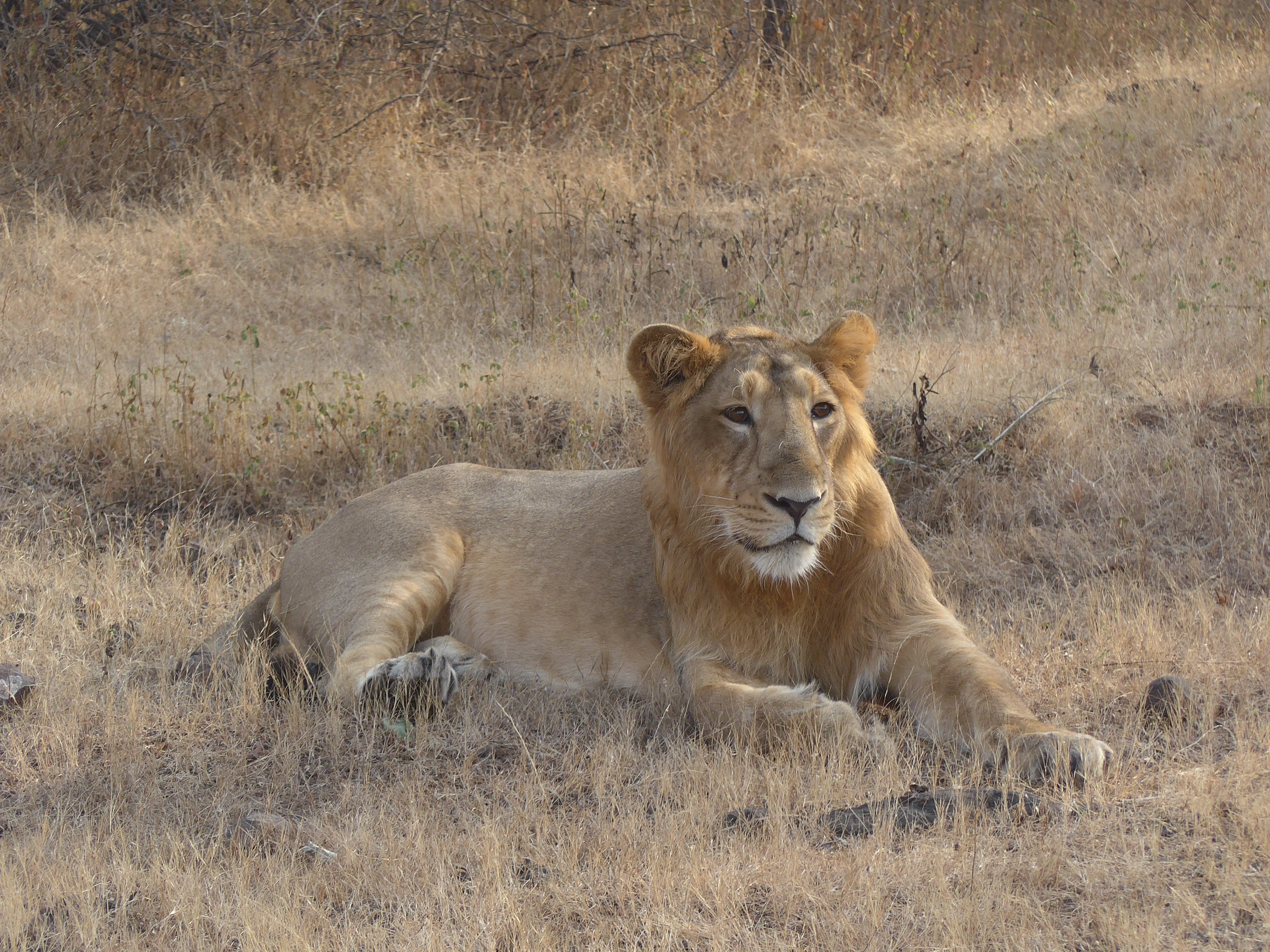
Gir lion

Trackers, armed only with sticks, seek out the lions to make it easier for tourists to spot them and then strictly limit the viewing. Two days before we arrived two lions here attacked a tracker, killing him and wounding two others who tried to rescue him. And yet they looked as if butter would not melt in their very large mouths.
In the city of Junagadh we had three nights in a comfortable business hotel, with roof-top swimming pool, spotless rooms, TV and WiFi.
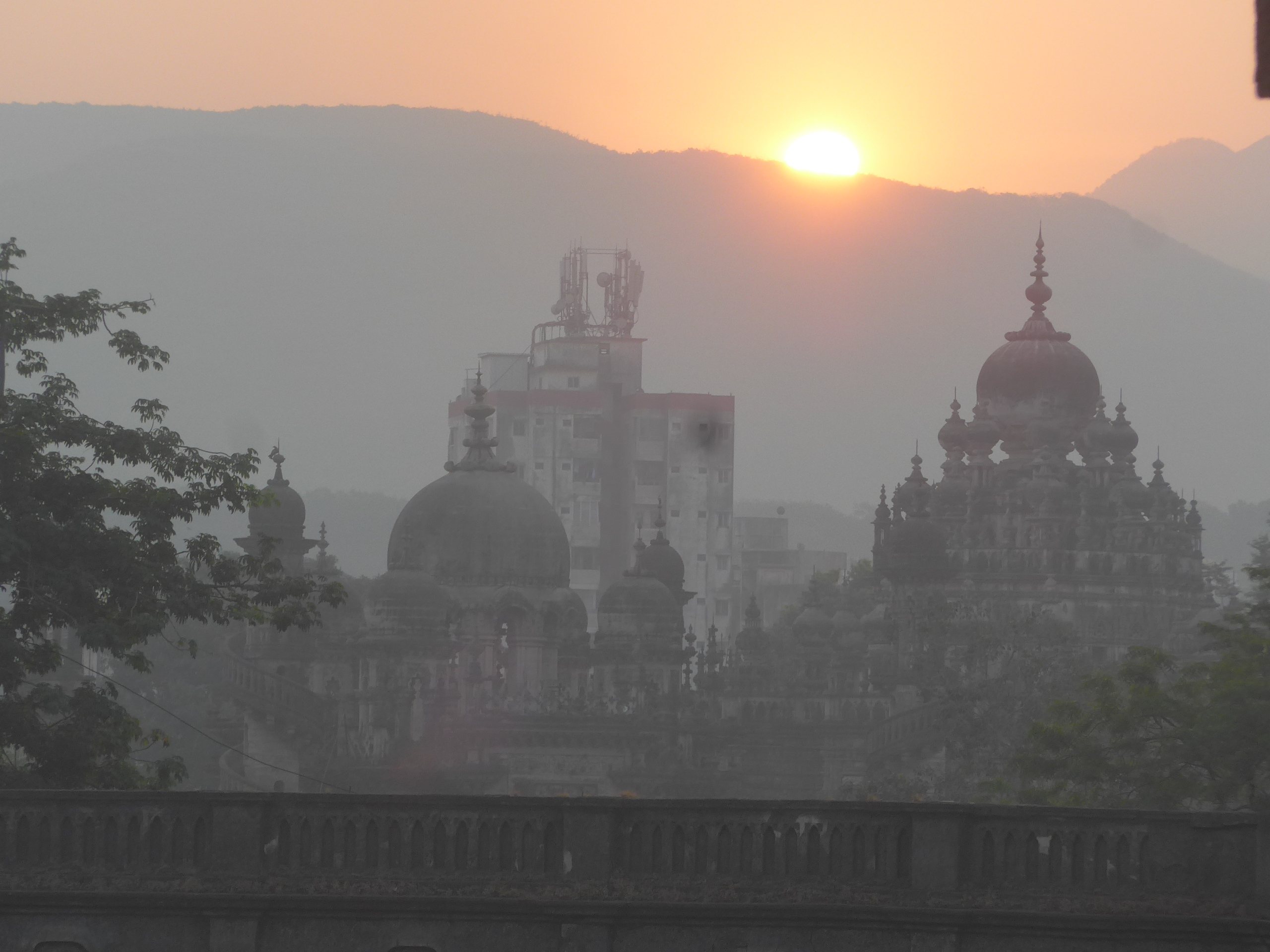
Junagadh at sunrise

We were in need of some rest and home comforts! There is a constant assault on the senses in the towns – noise, smells, disturbing images and the feel of dust everywhere – so a retreat to a western-style oasis was more than welcome.
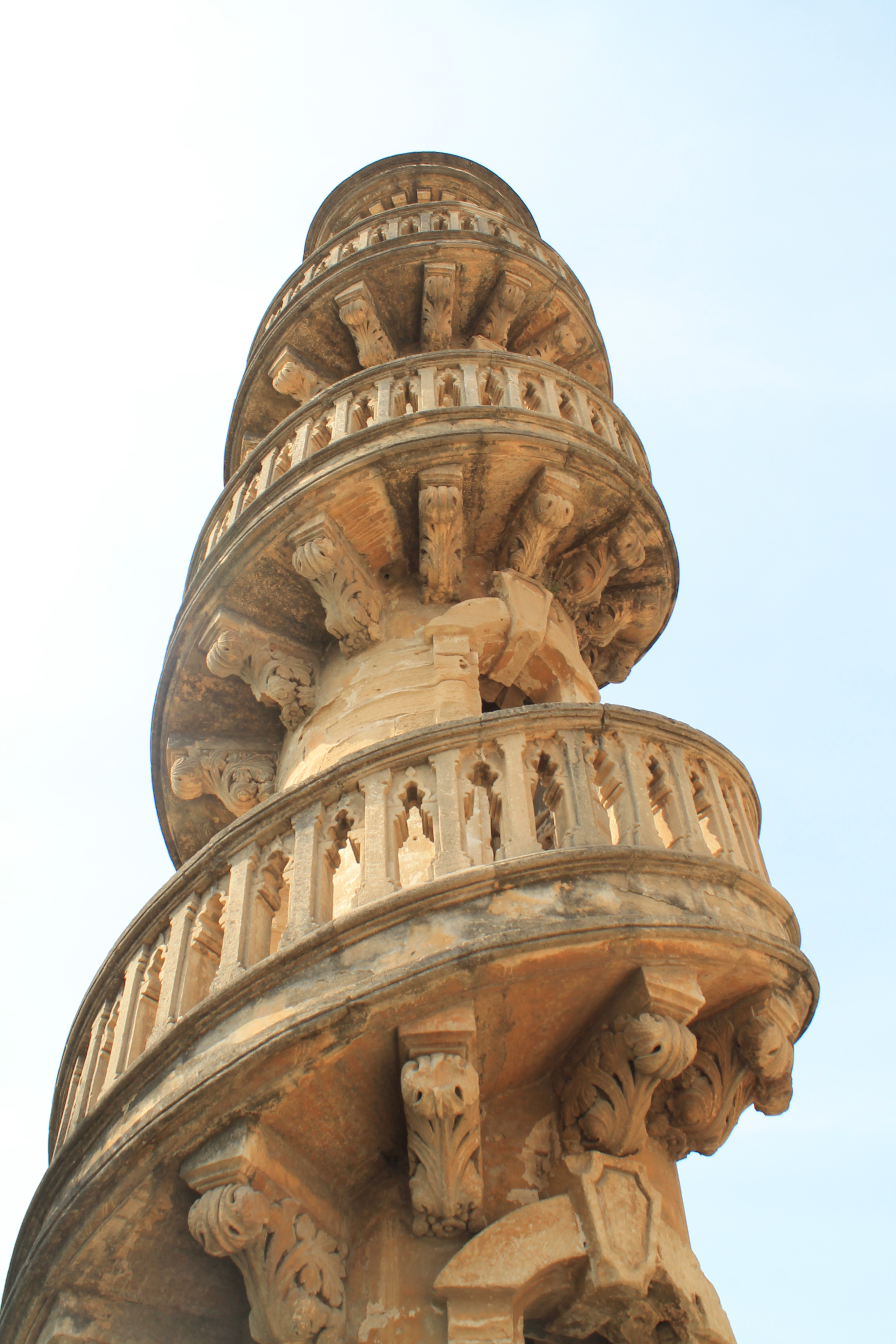
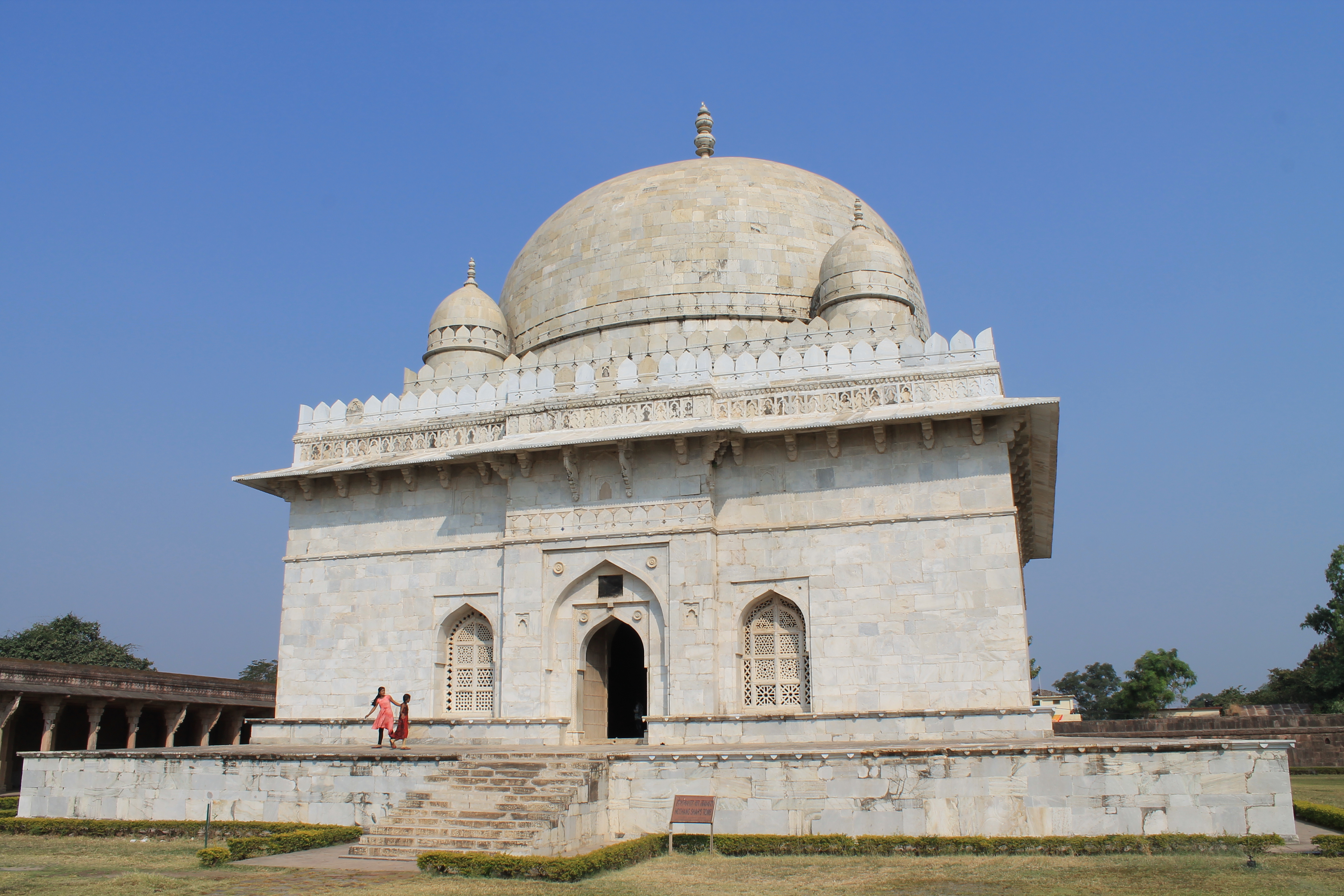
Vazir’s Mausoleum, Junagadh


Audi-Kadi-Vav well at Uparkot Fort, Junagadh


Junagadh had a number of remarkable buildings, mosques, palaces and wells, but also large amounts of rubbish everywhere and no maintenance on these crumbling buildings.


Mahabad Maqbara mosque, Junagadh

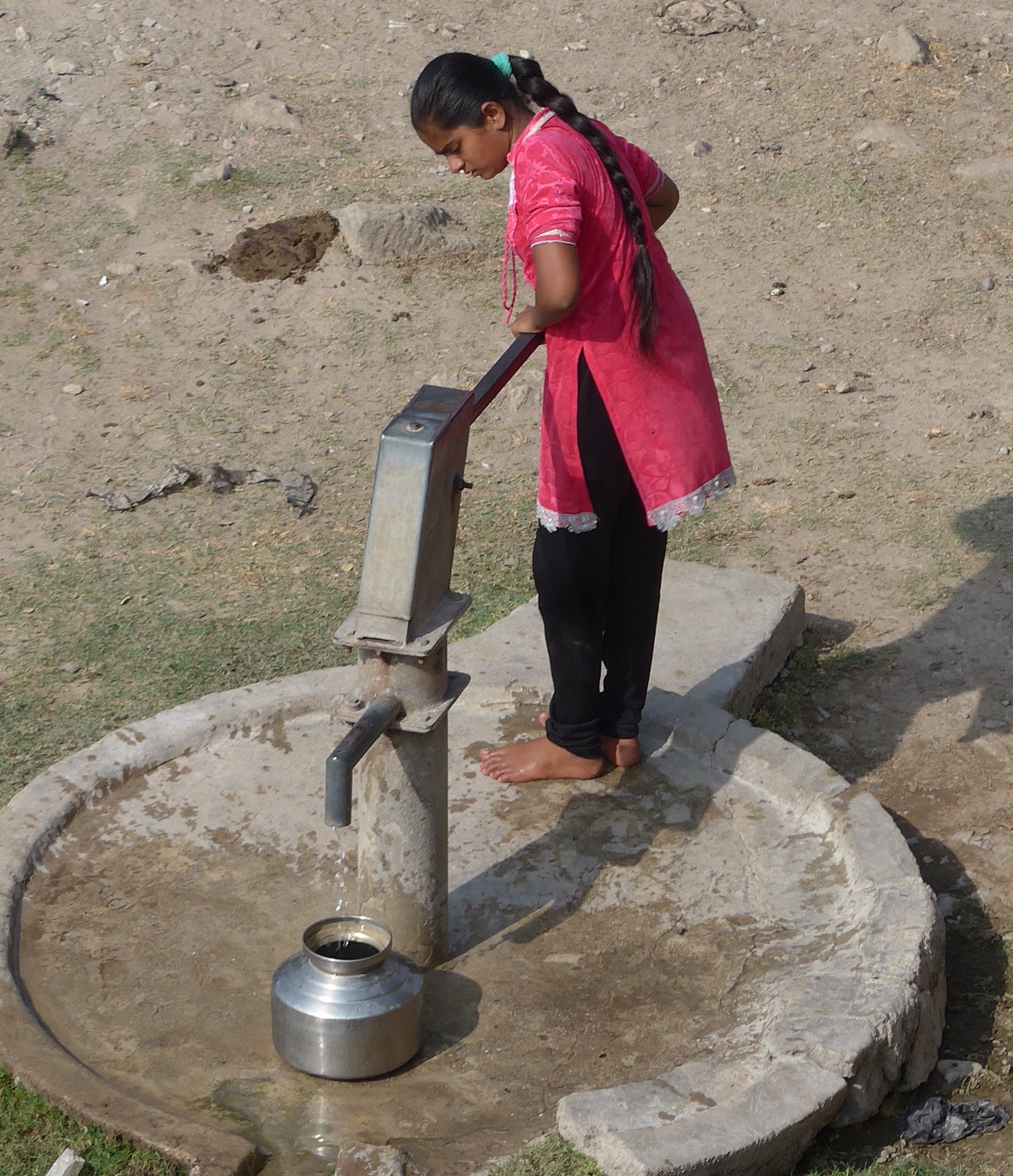
The people, as always, are friendly and helpful and carry on living their lives in the toughest of conditions.
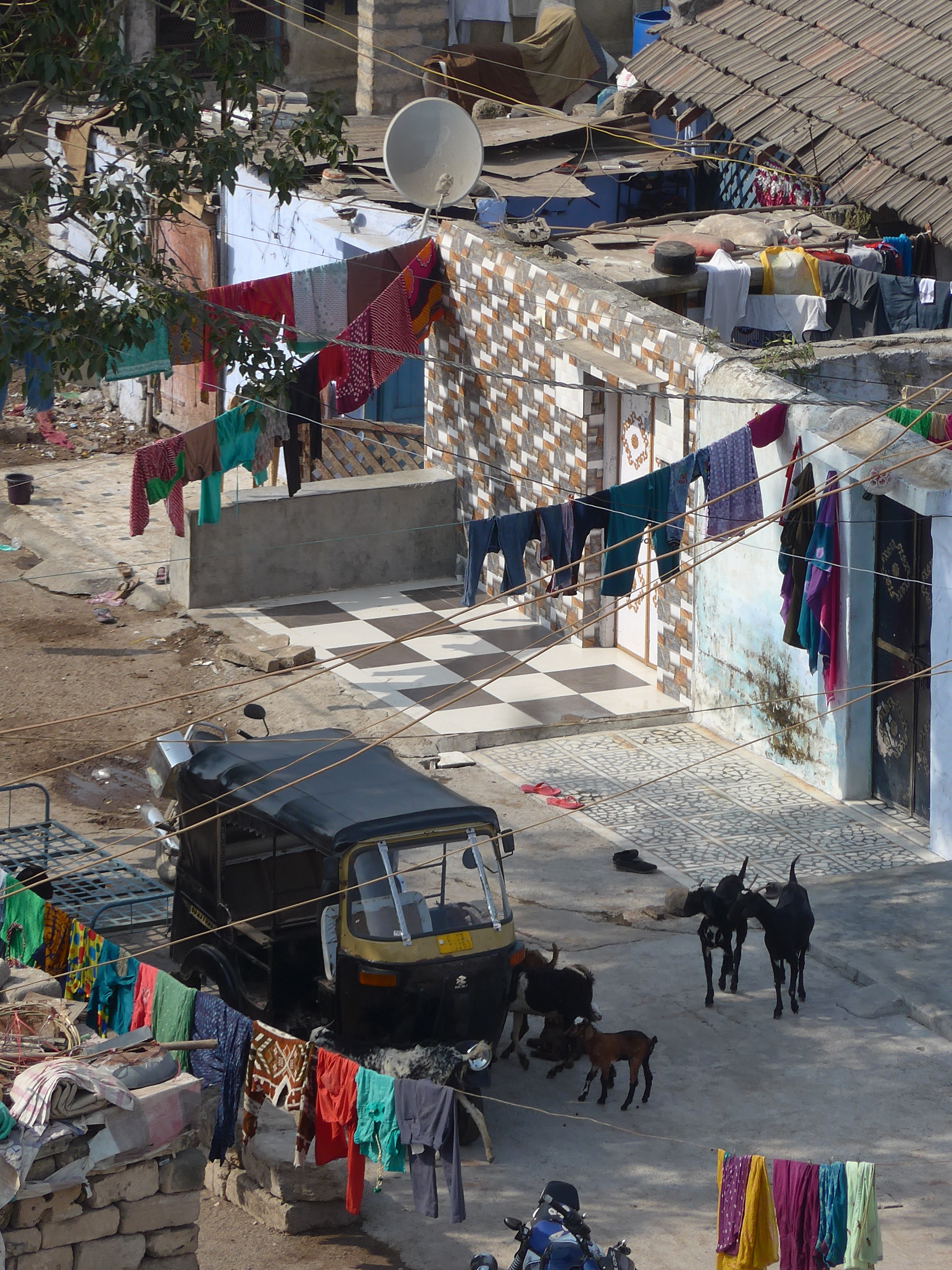
Goats and auto outside houses, Junagadh
Pumping water, Junagadh


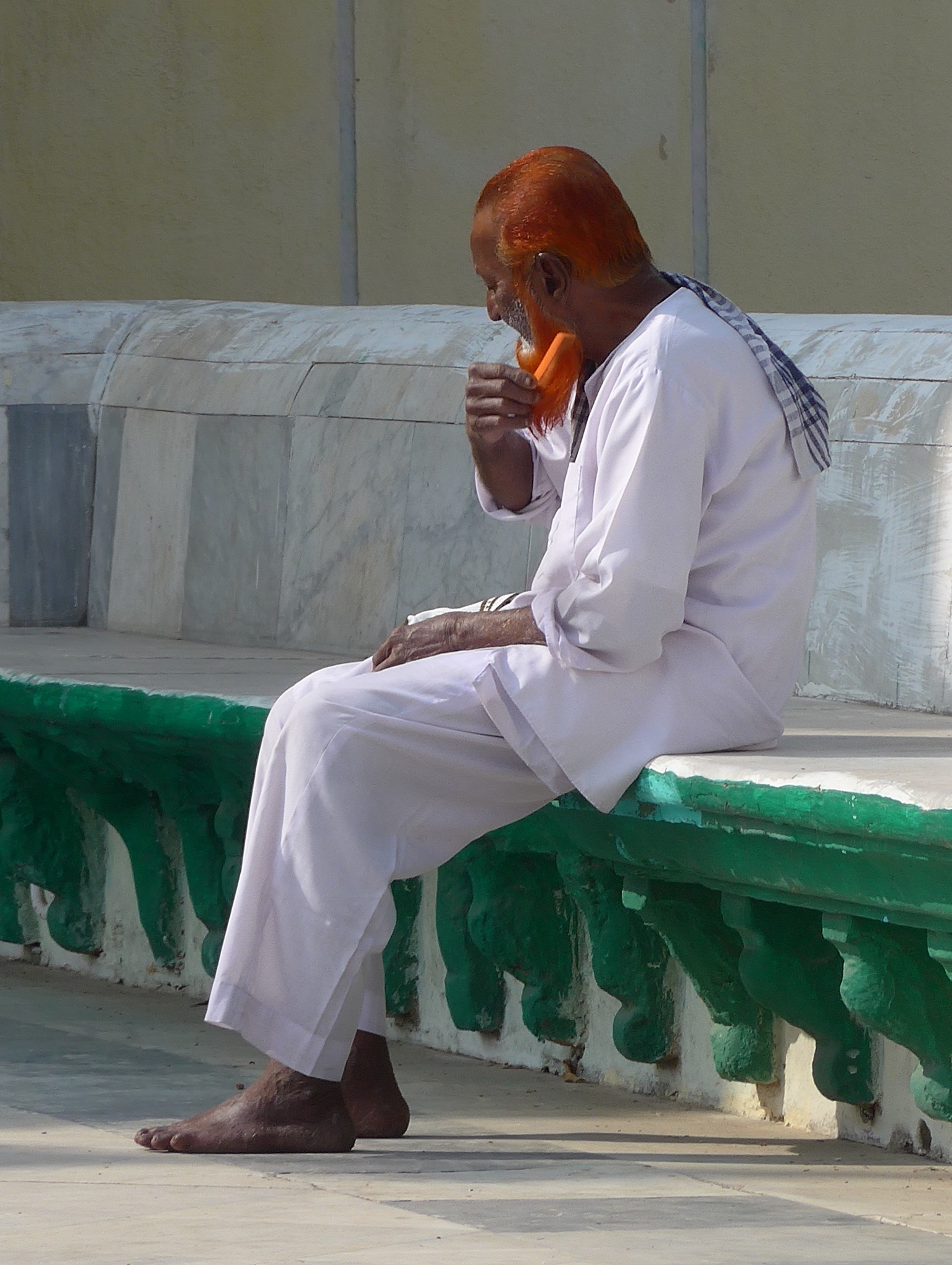
Looking good for a visit to the mosque, Junagadh
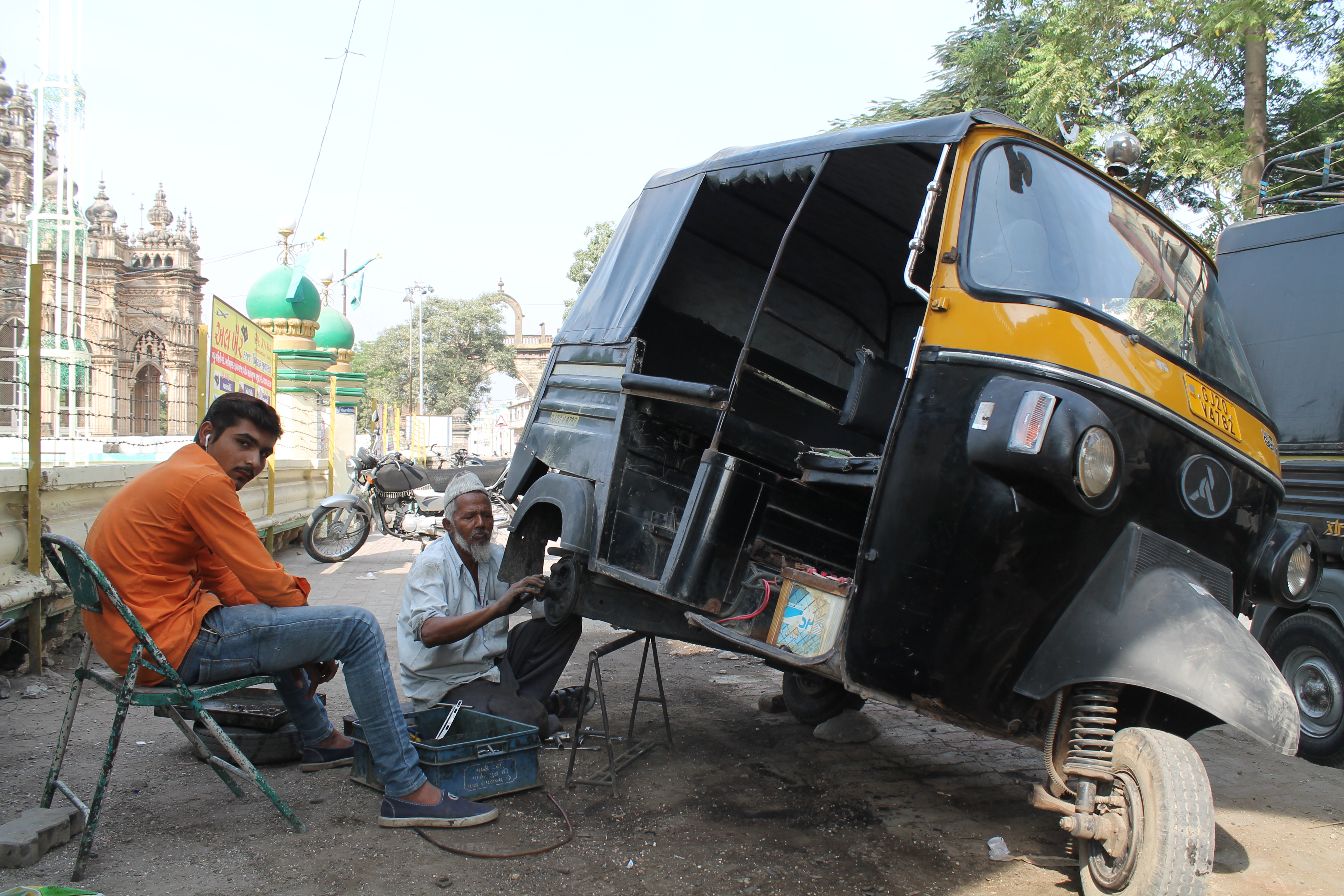
Auto repair, Junagadh
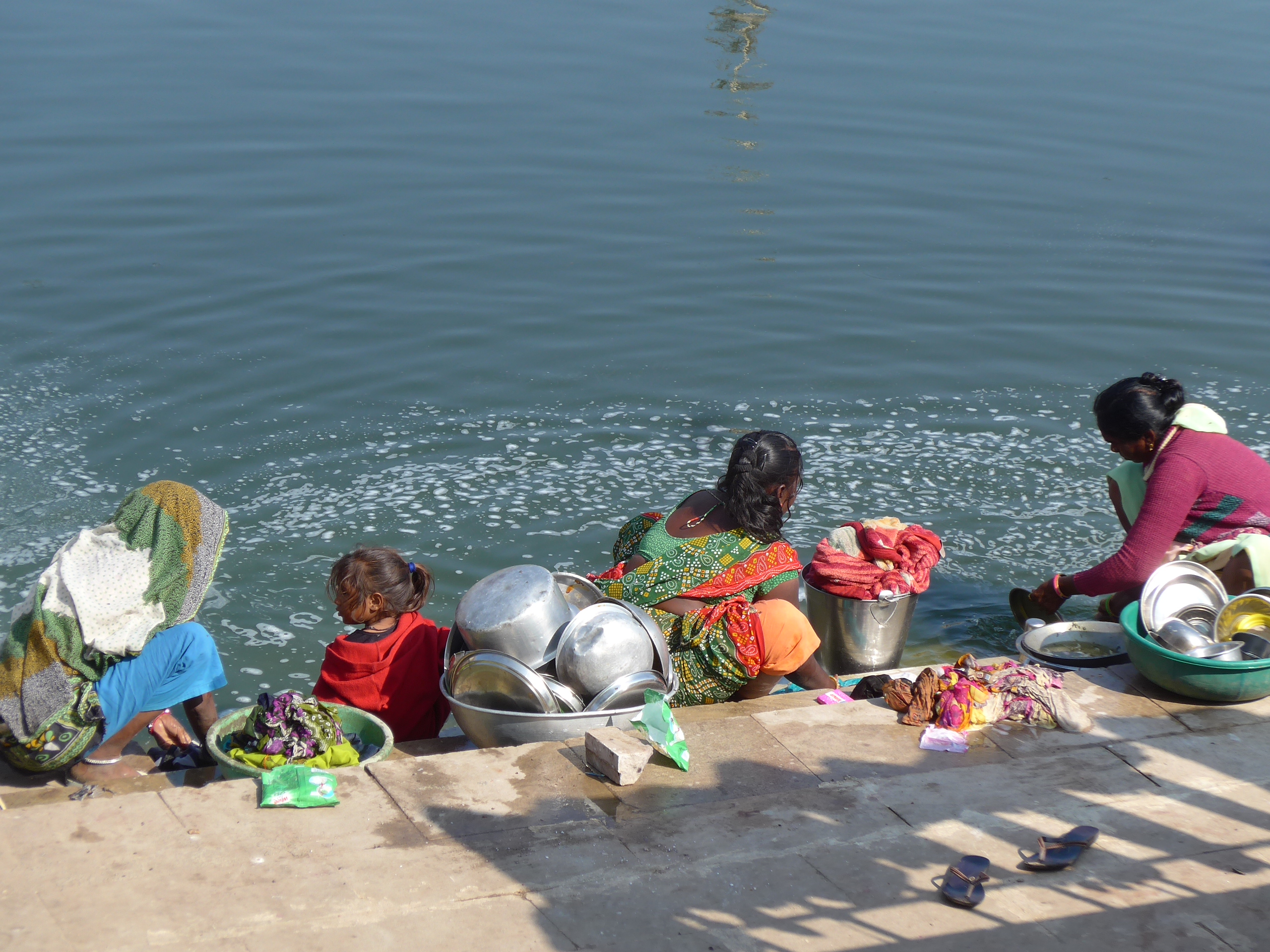
Washing clothes in a “tank”

In response to Sheila’s question why there have been no selfies with Jim, he gets the guys asking for selfies and they don’t make such good pictures.
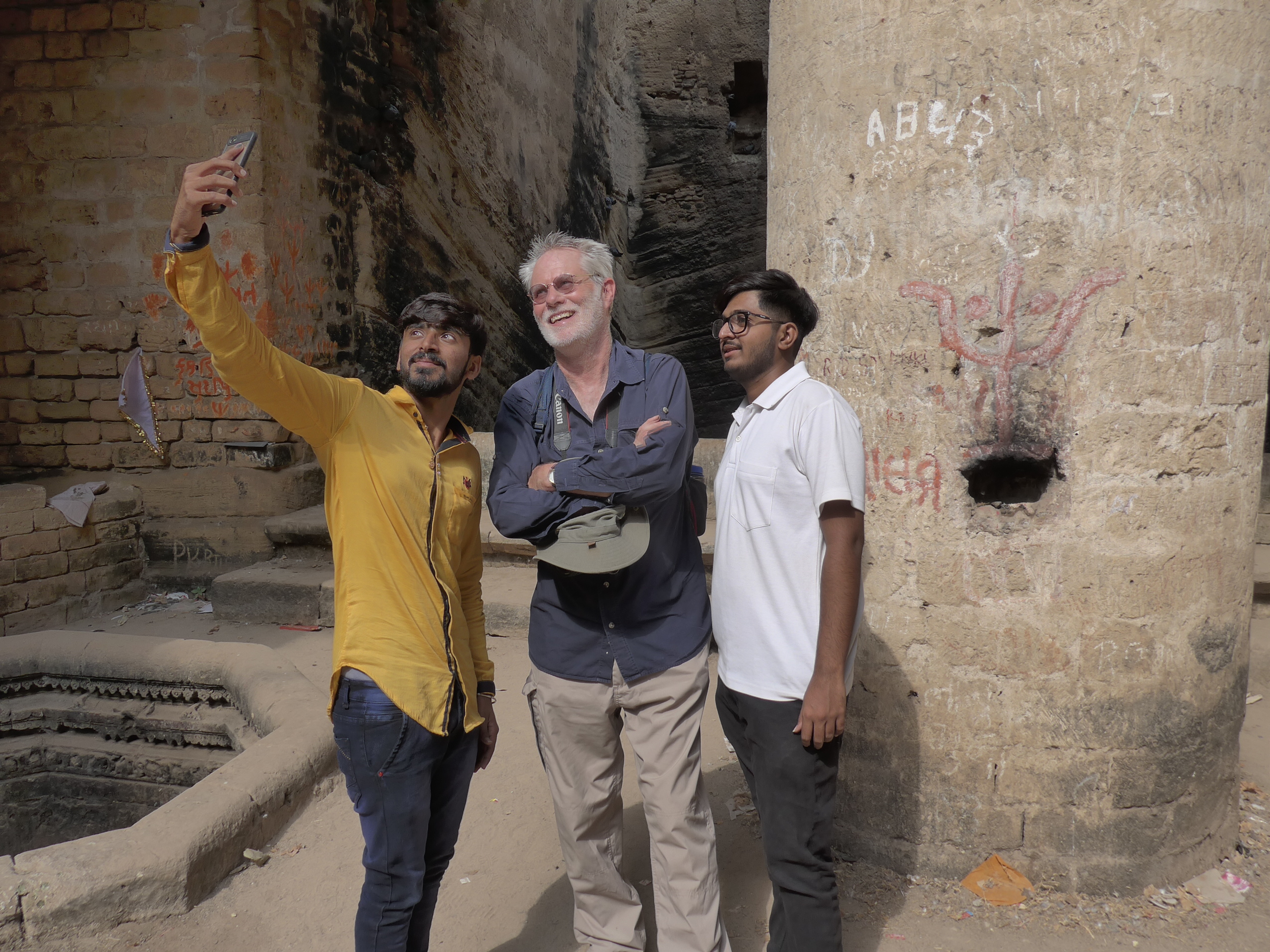
Selfie!
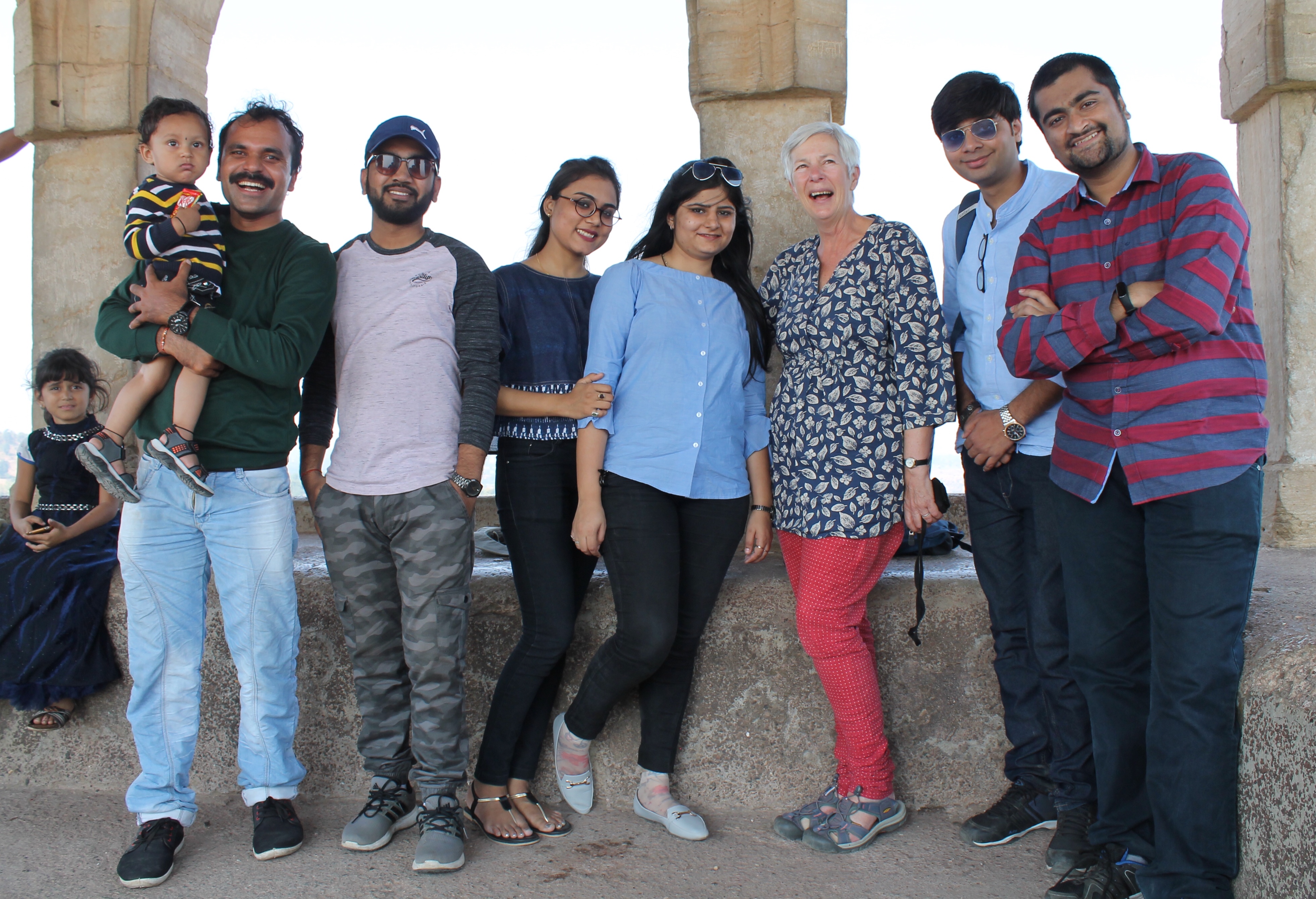
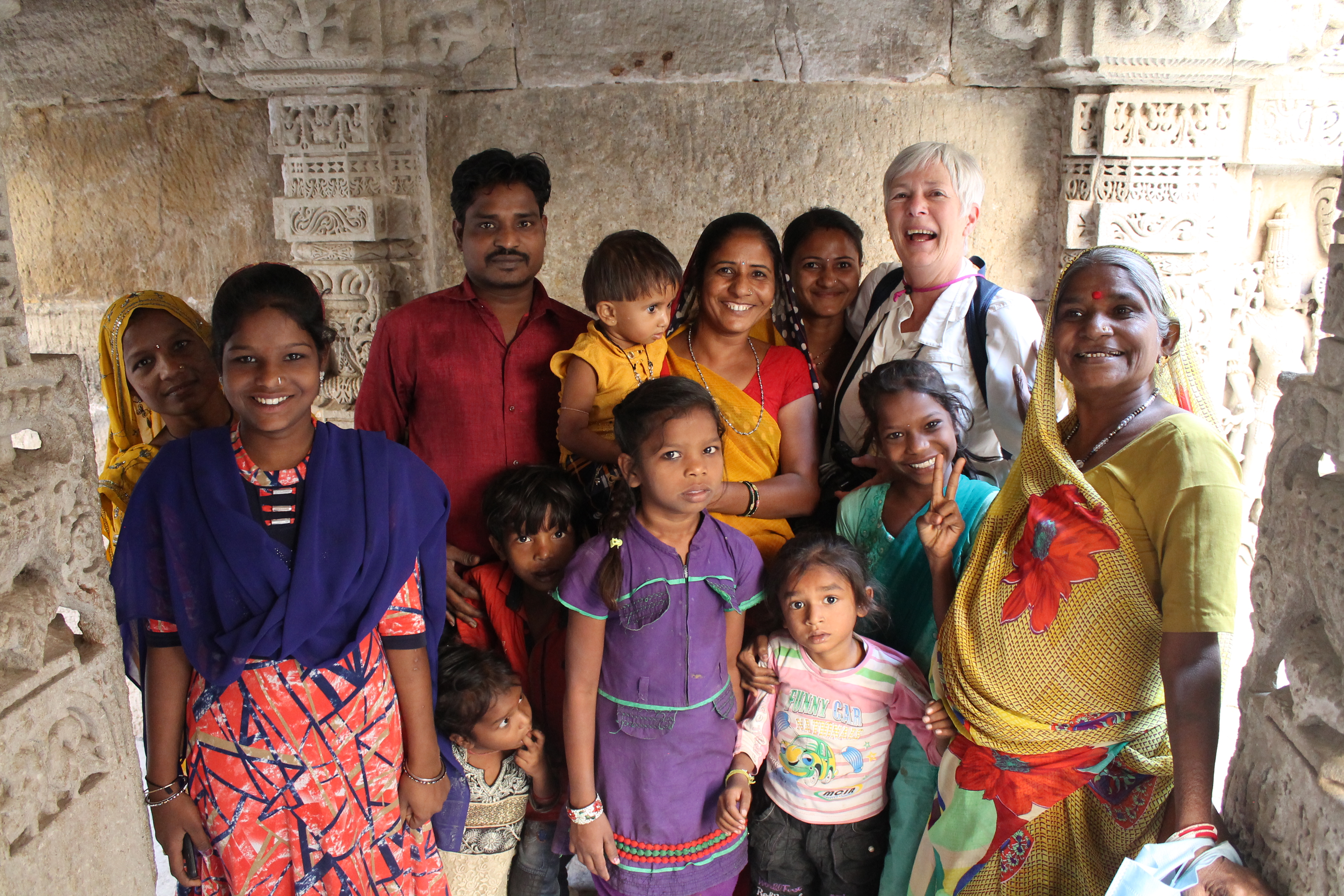
A lovely family visiting Junagadh from Vadodara


Near to the city is Mount Girnar, rising straight out of the plain and topped with a string of Jain temples. Every day, from 3 am onwards, hundreds of pilgrims climb the 10,000 steps to the summit,  the way dotted with tiny shrines and much-needed drinks stalls.
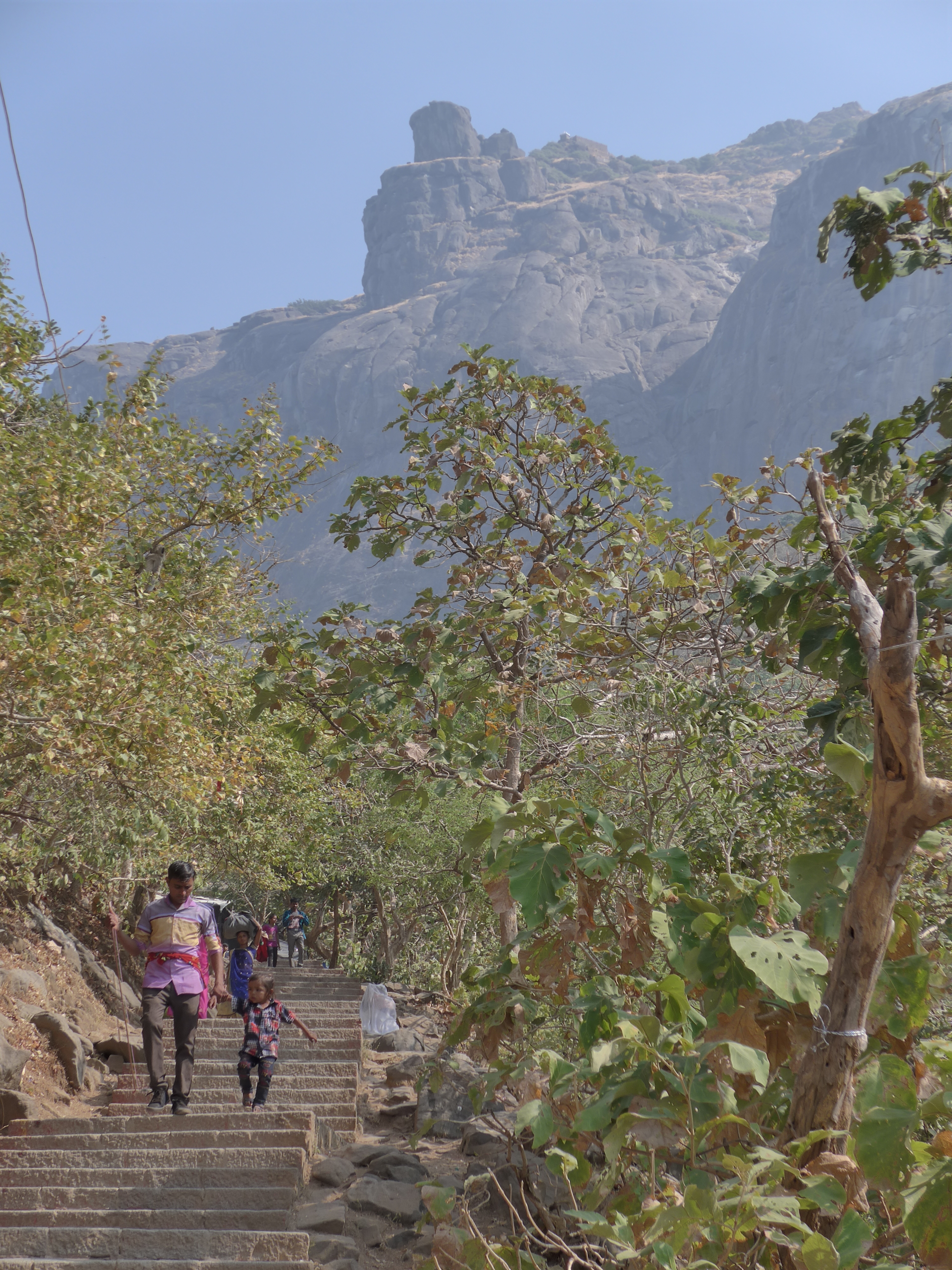
Mount Girnar 
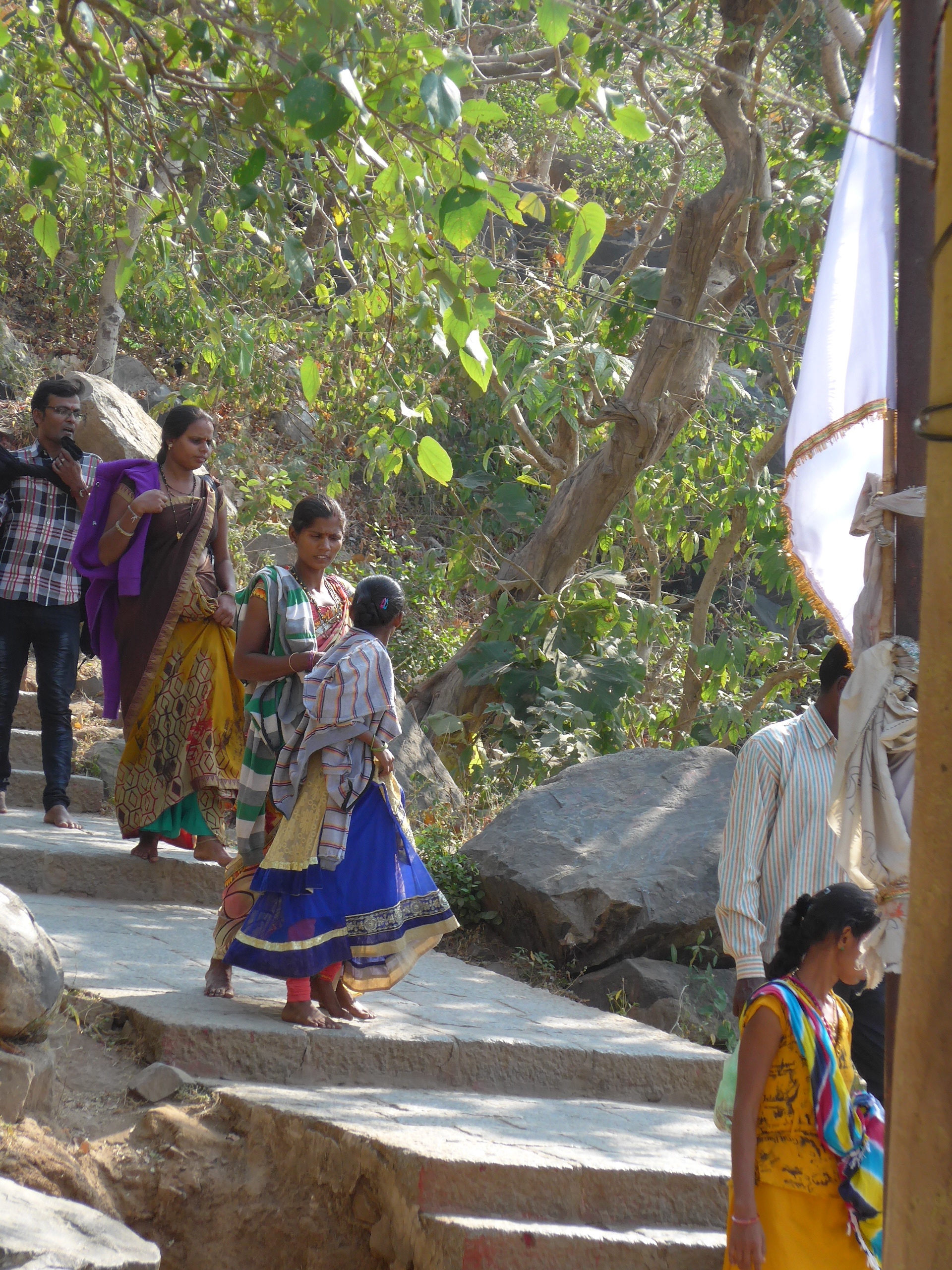
Pilgrims descending from Mount Girnar

The elderly or frail were weighed and then carried on a mat and pole slung across four men’s shoulders. They positively trotted the route.
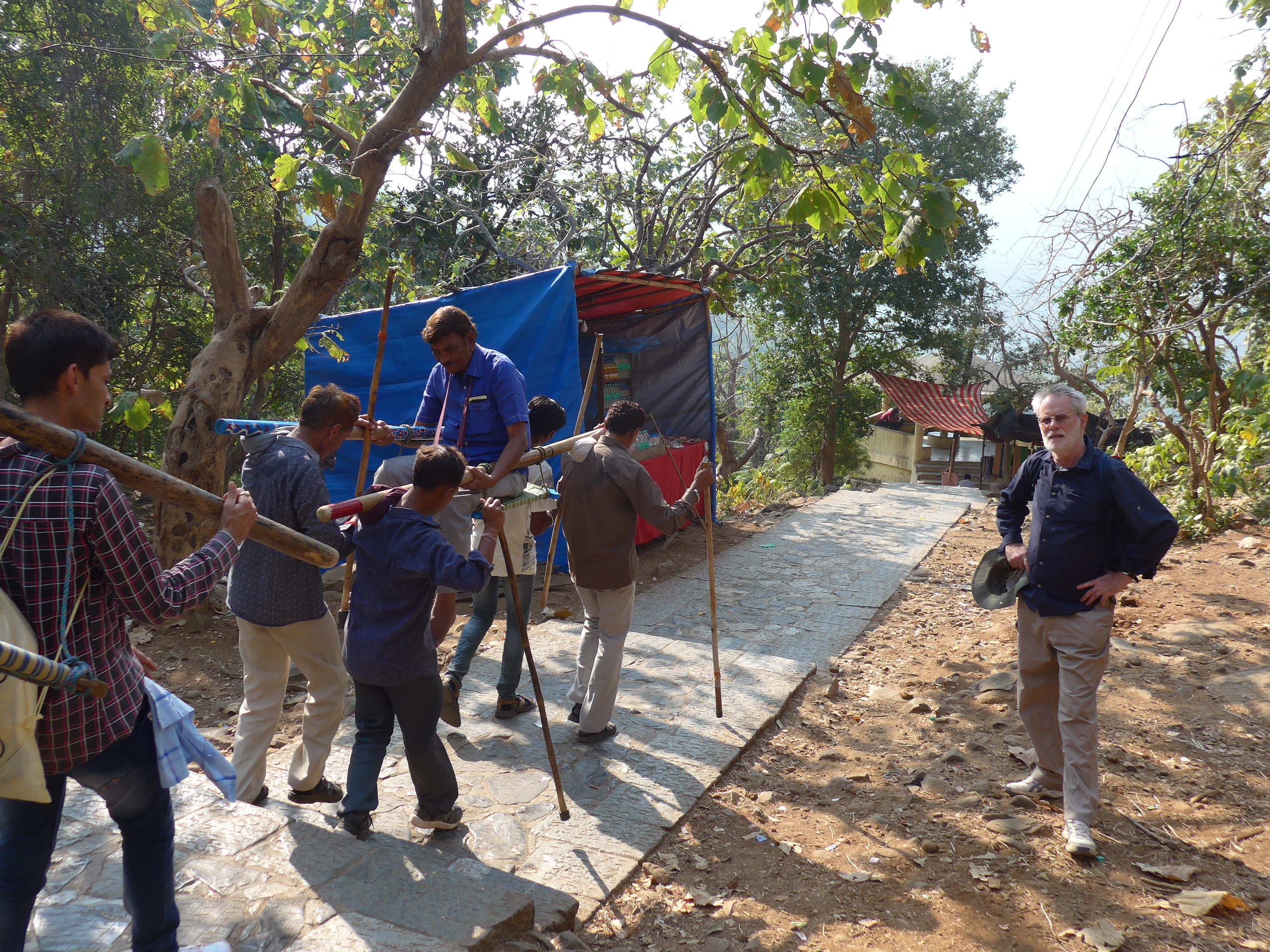
Being carried down from Mount Girnar

I’m afraid we only managed 1,500 steps, which in 33 degrees heat was enough for us, the antics of the langurs and the wayside shrines keeping us entertained on the way.
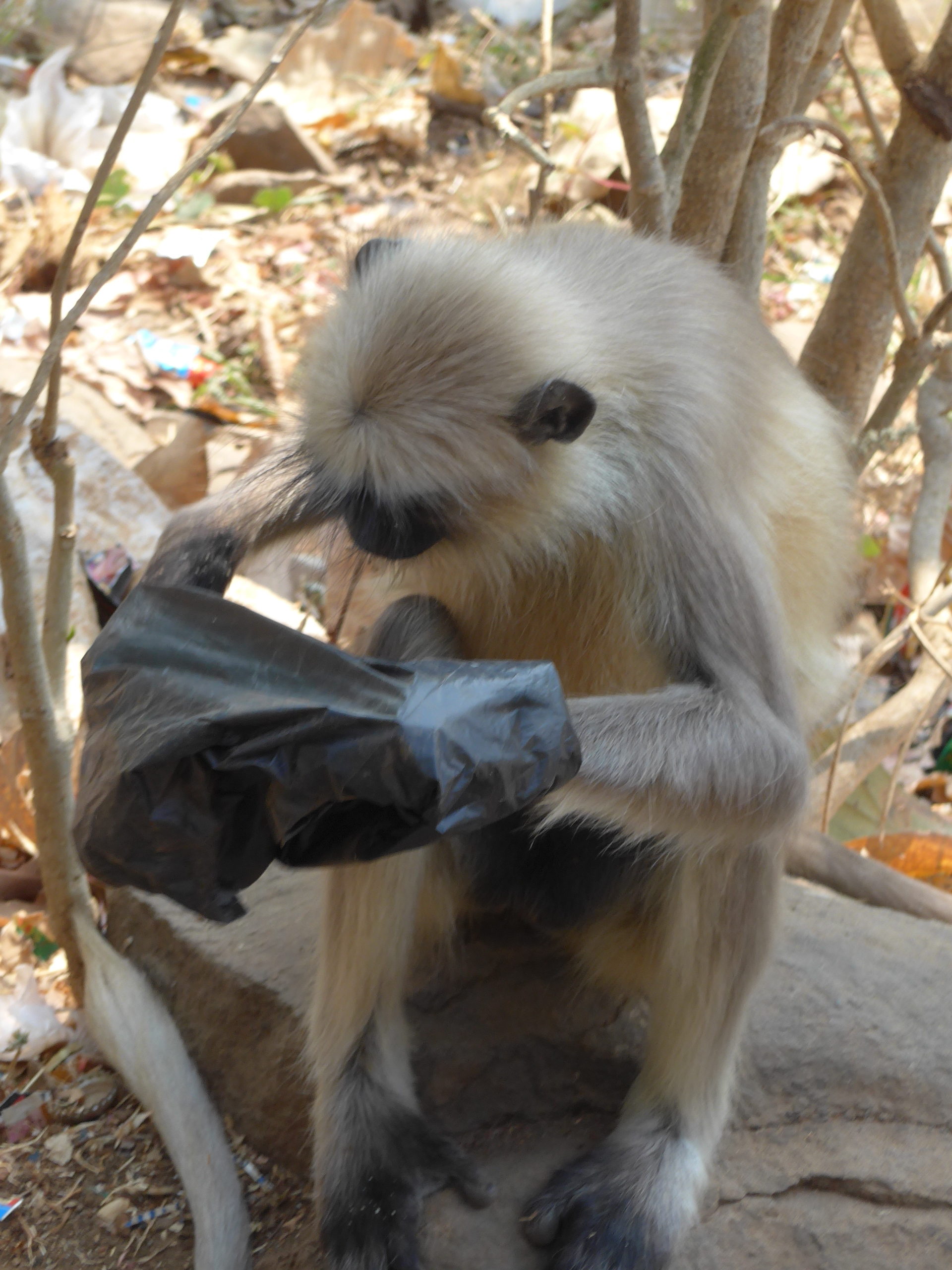
There must be something at the bottom of this bag….


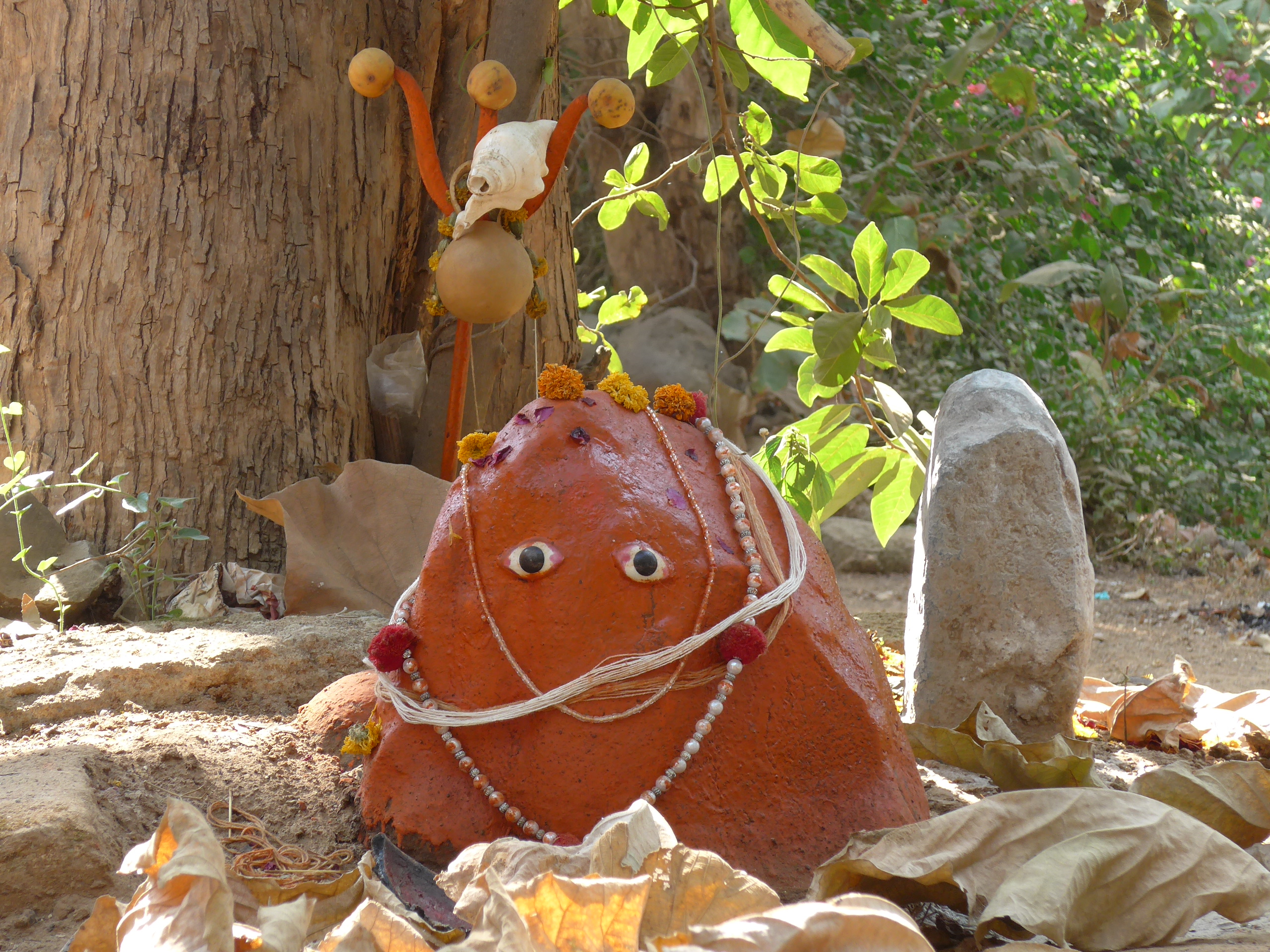
Hmmm, slightly intimidating shrine …


Another slightly scary shrine

Those of you who know about my cork-fuelled campaign against pigeons nesting under our solar panels at home may be amused at this tale. Staying in a rather seedy hotel in Vadodara that looked out onto a dystopian wasteland, we returned to find the air-con panel on the floor and rat-like scratchings from the unit. Banging on the replaced cover had little effect on the sound of scratching claws. But suddenly we heard that “Coo-coo-coo” that normally has me running for my catapult. We have never been so relieved to hear pigeons!
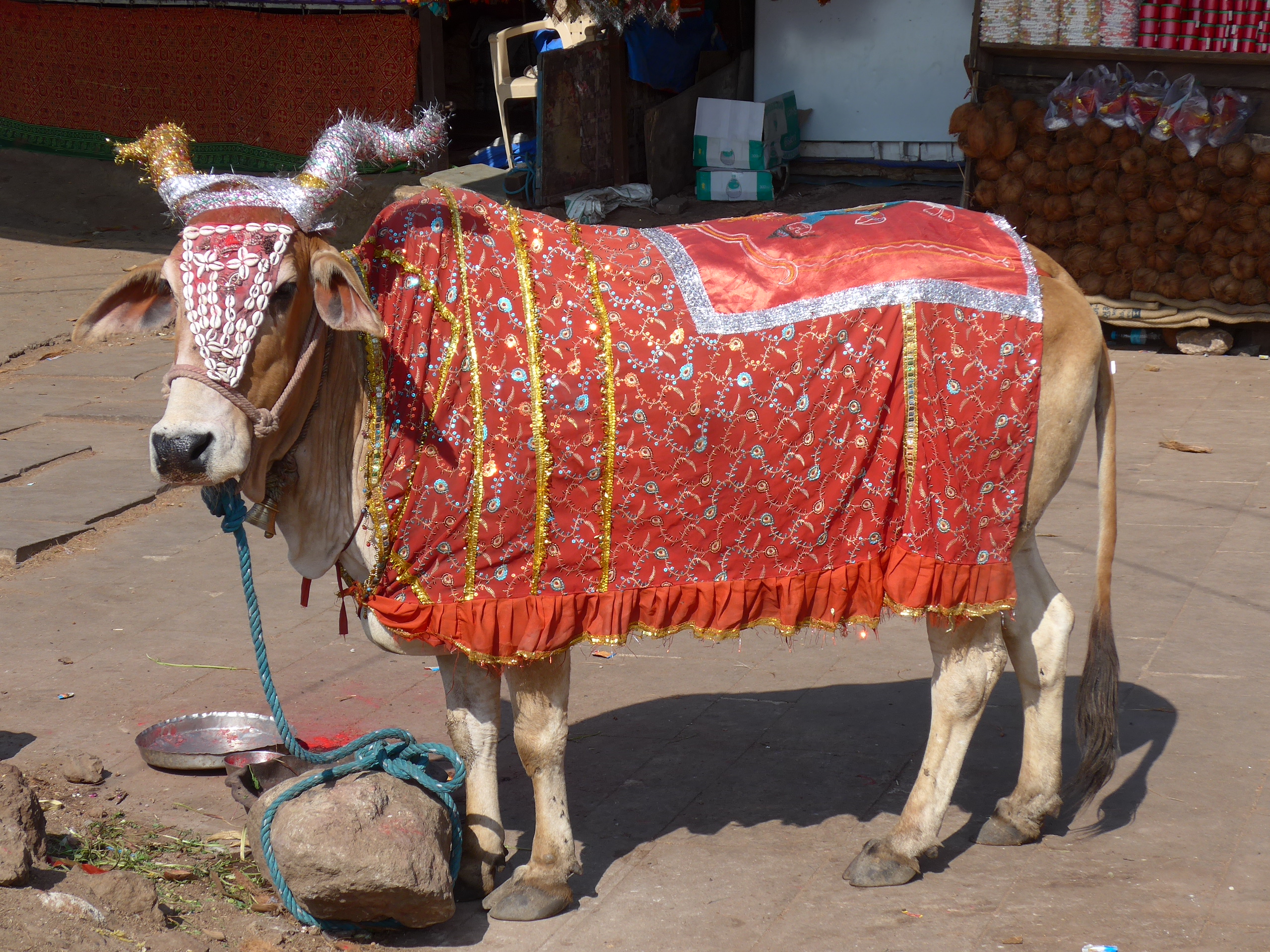
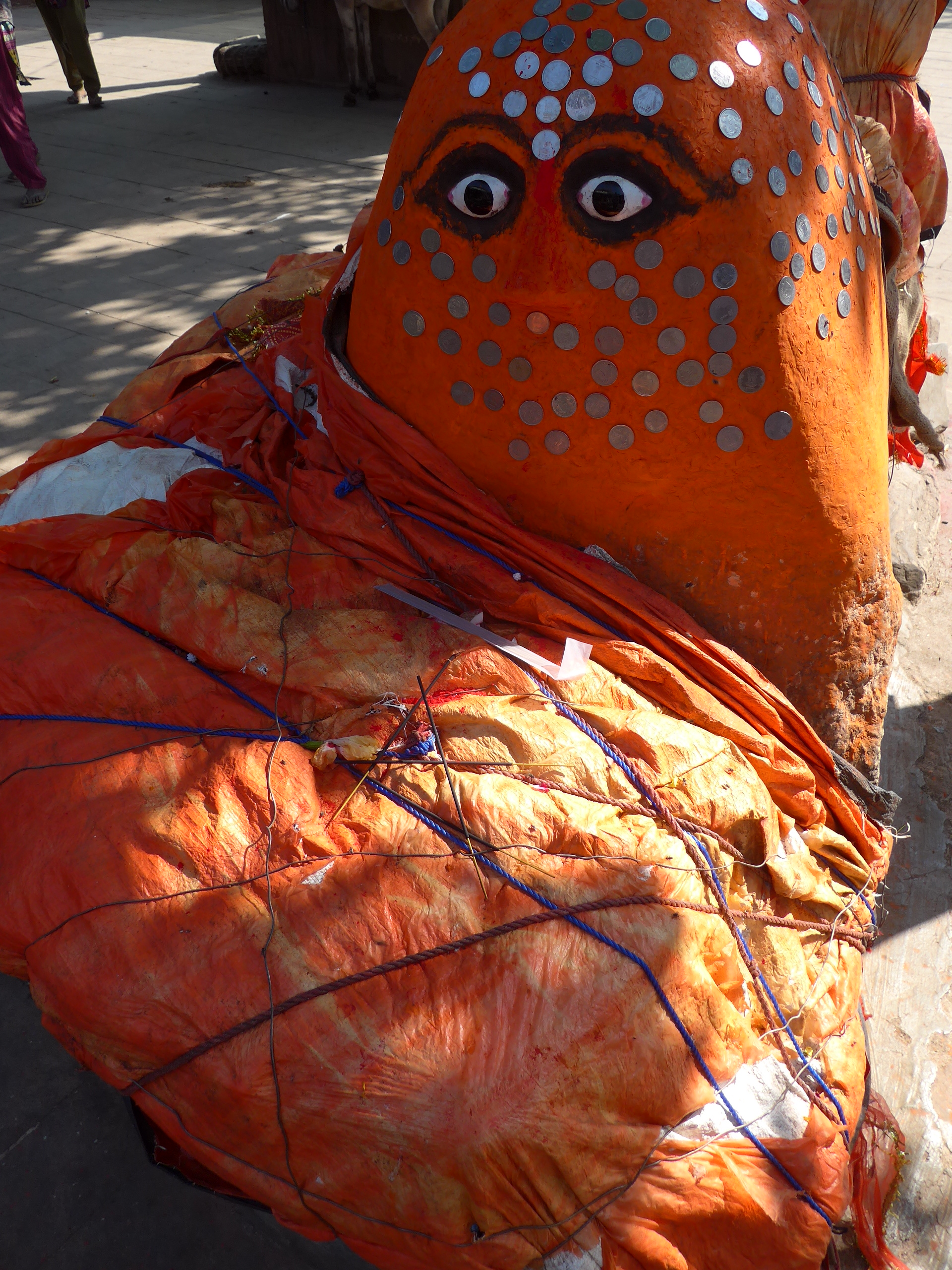
Presumably a rather special cow?

From Vadodara we visited the mosques and tombs of Champaner, more beautiful buildings, more delicate stone carvings and the antics of wedding photographers with their posing brides and grooms draped across every ancient monument.
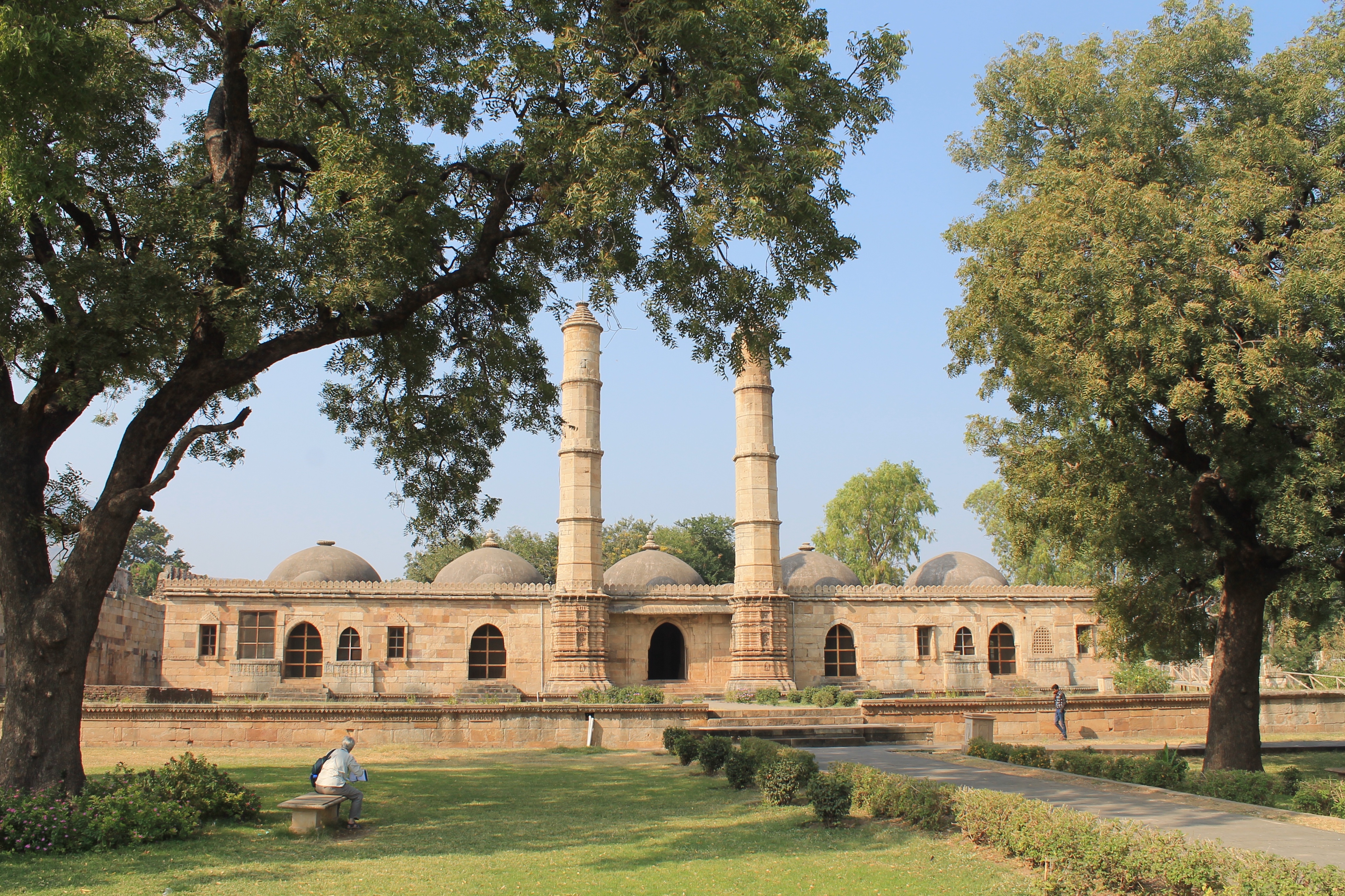
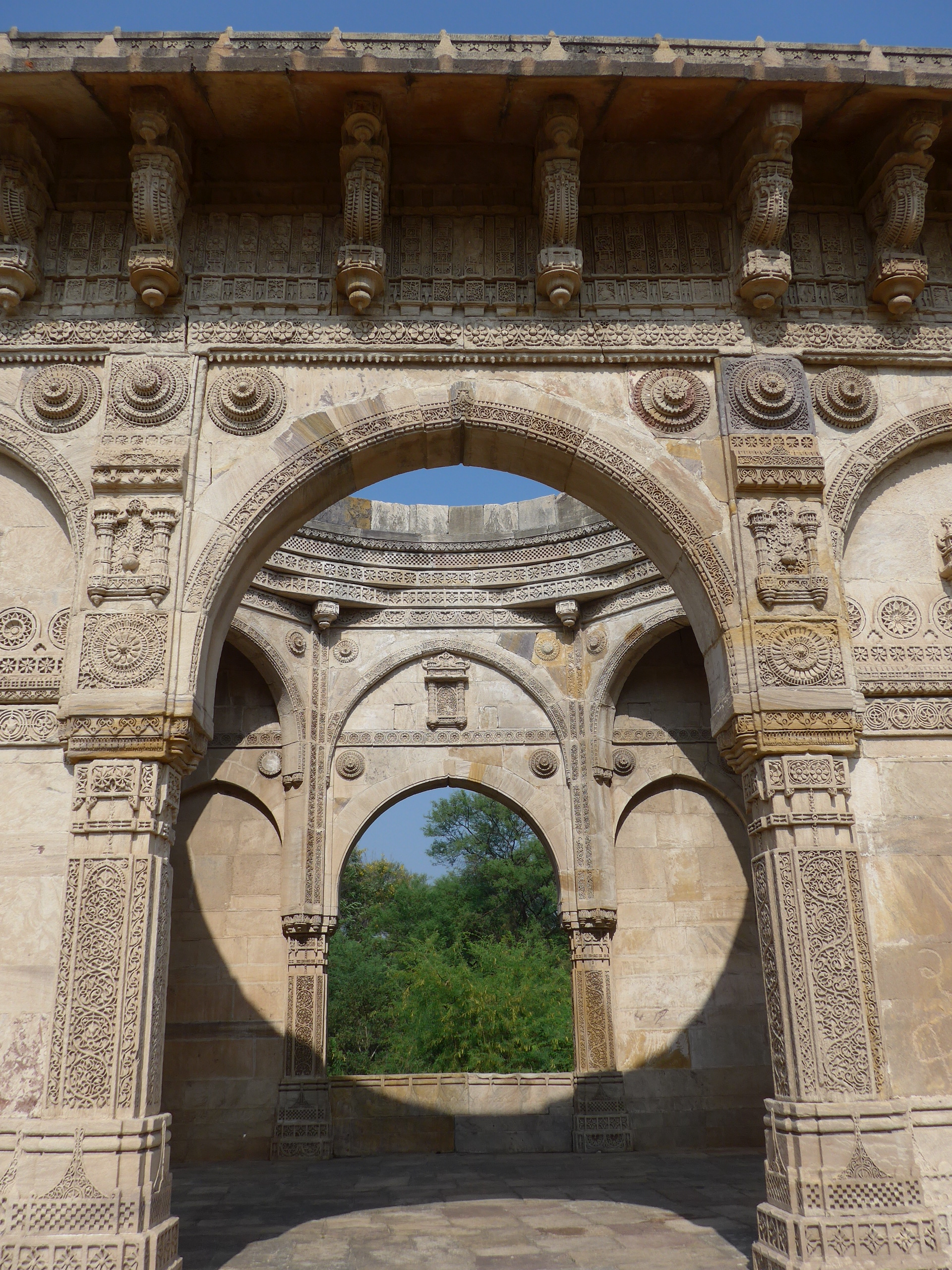
Asher Ki Masjid mosque, Champaner
Jama Masjid, Champaner
Nagina Mosque, Champaner


Any selfie-takers will be shot on sight….

This old capital of Gujarat, abandoned in 1537, stands at the door of another holy mountain, Pavagadh, topped by Jain temples and another place of pilgrimage. We took the cable car but the faithful of all ages tripped happily to the top, on a path lined the whole way with trinket stalls. So after all the high culture of Champaner, here are some more popular sights.
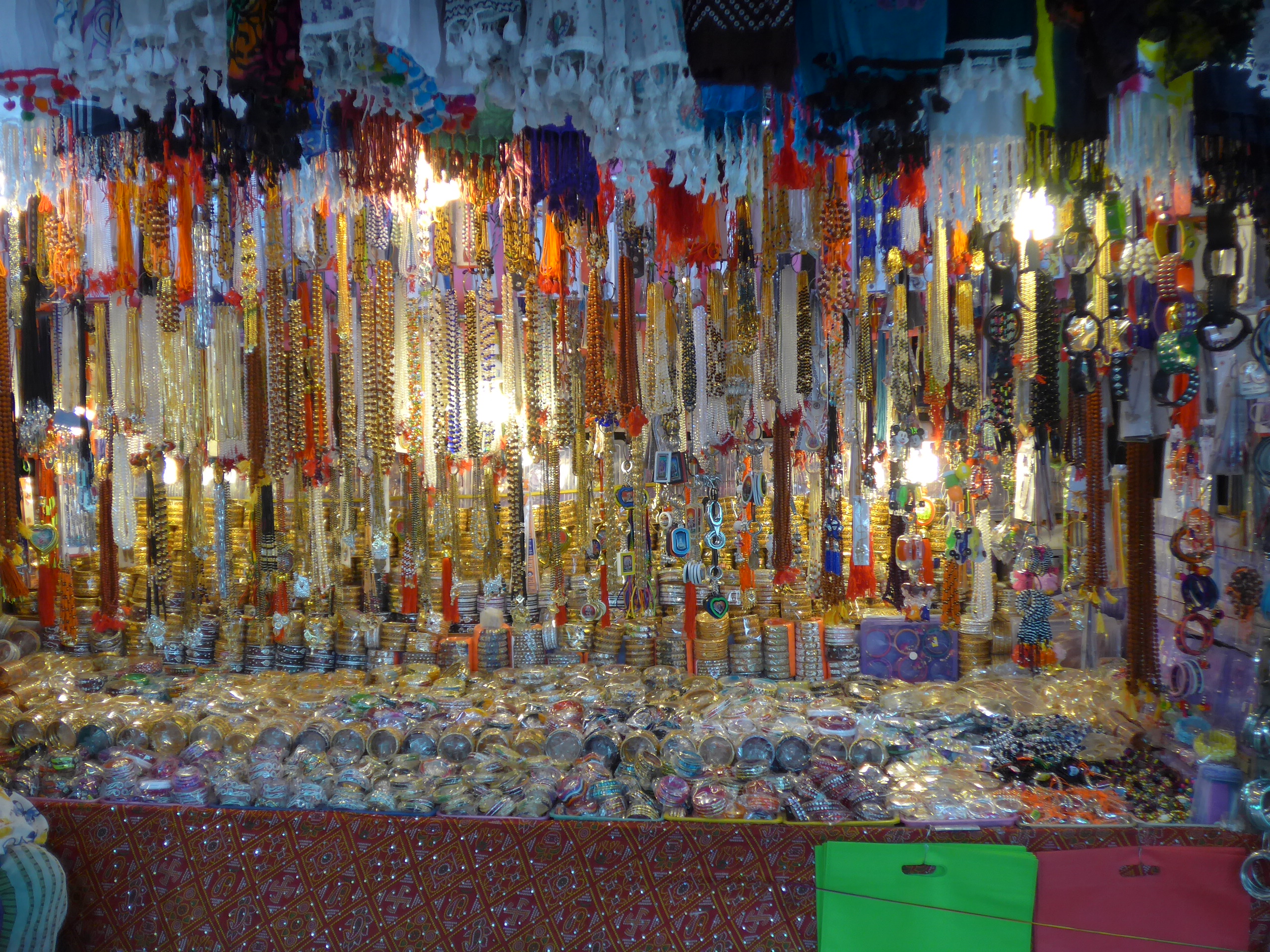
Stalls at Mount Pavagadh


Stalls at Mount Pavagadh

And that ended our travels in Gujarat as we headed due south on another long, but comparatively stress-free train journey to Mumbai in the state of Maharashtra.
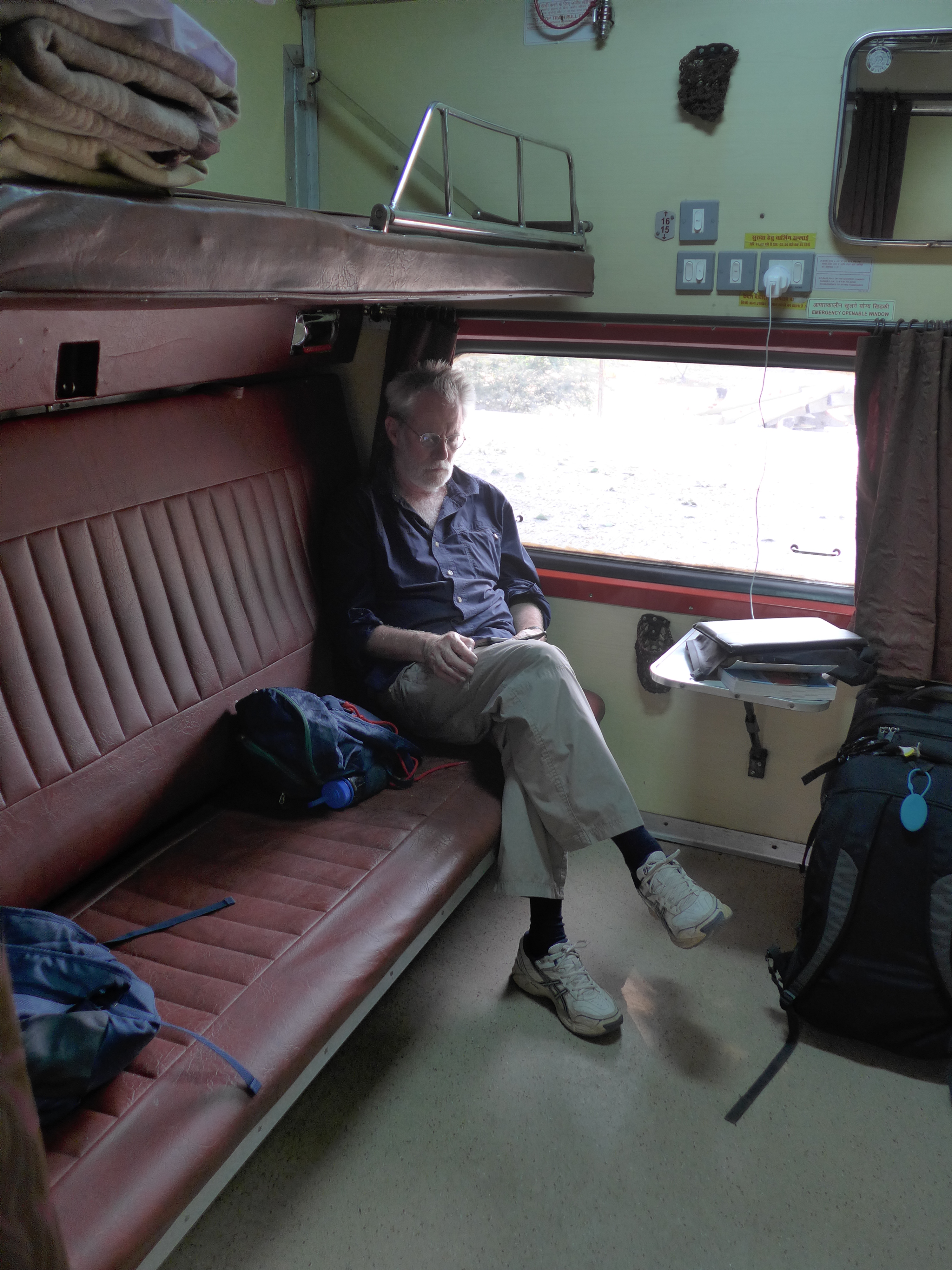
First class double berth train compartment

We are one third of the way through the trip, still standing, and finally heading south down the west coast.
6. Mumbai and Maharashtra: “The island flowers into slums and skyscrapers”

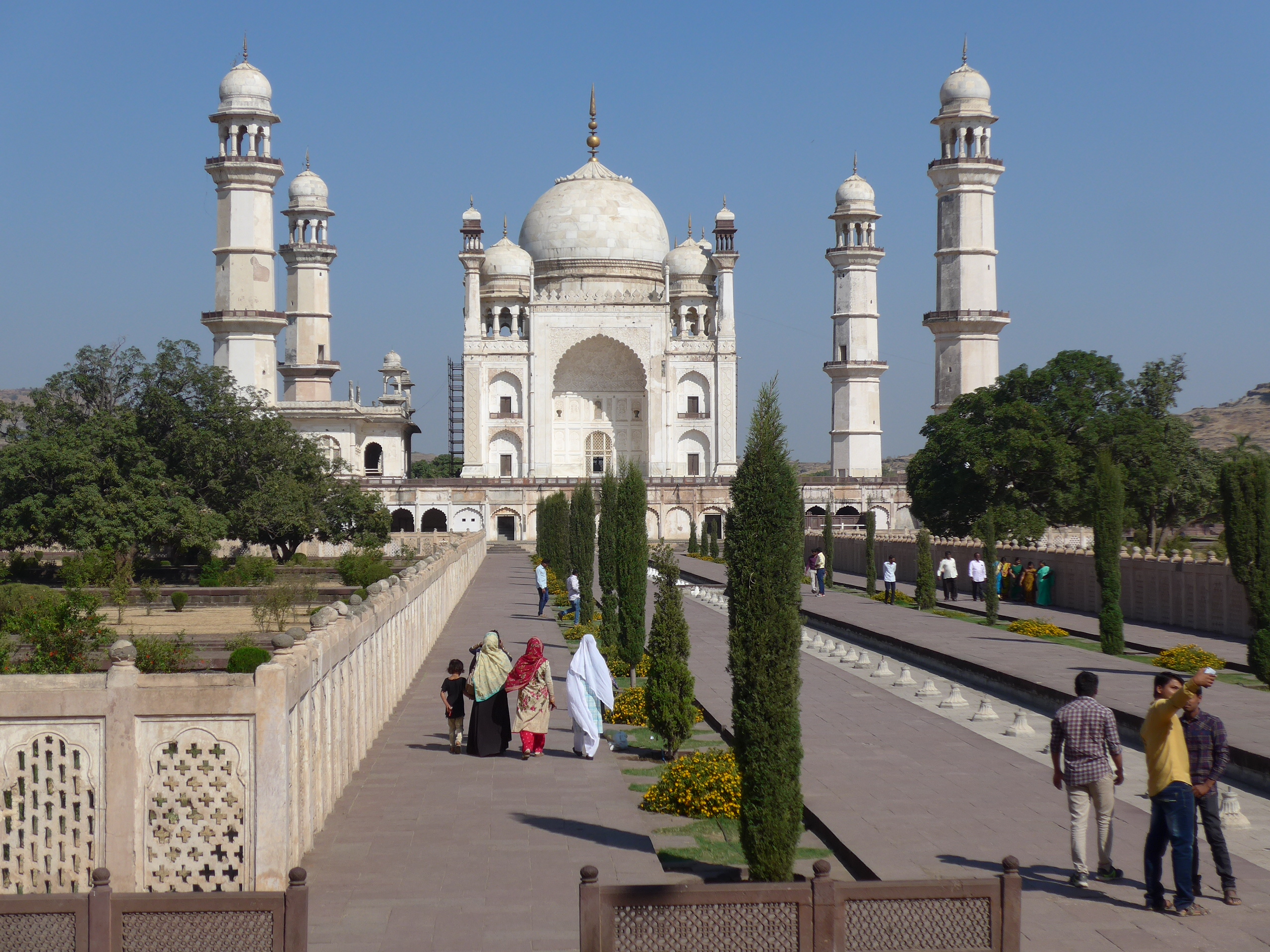
Bibi-ka-Maqbara, Mausoleum, Aurangabad, the mini Taj Mahal.

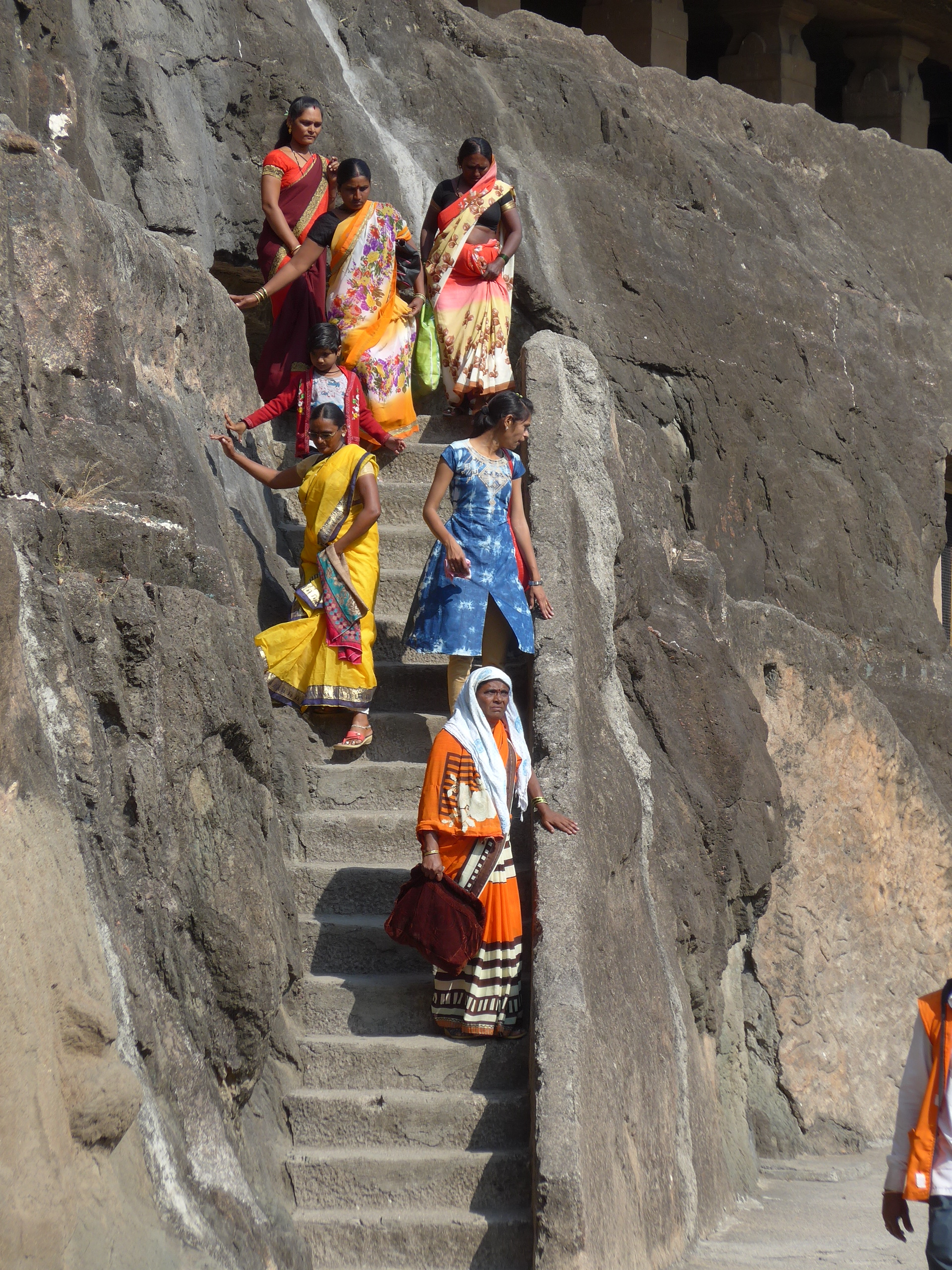
You are probably thinking, oh no, not more ancient sites but this will be the last for some time, I promise. Inland, by a long, seven-hour train journey, was the city of Aurangabad, a base for the two cave temple sites, Ellora and Ajanta.

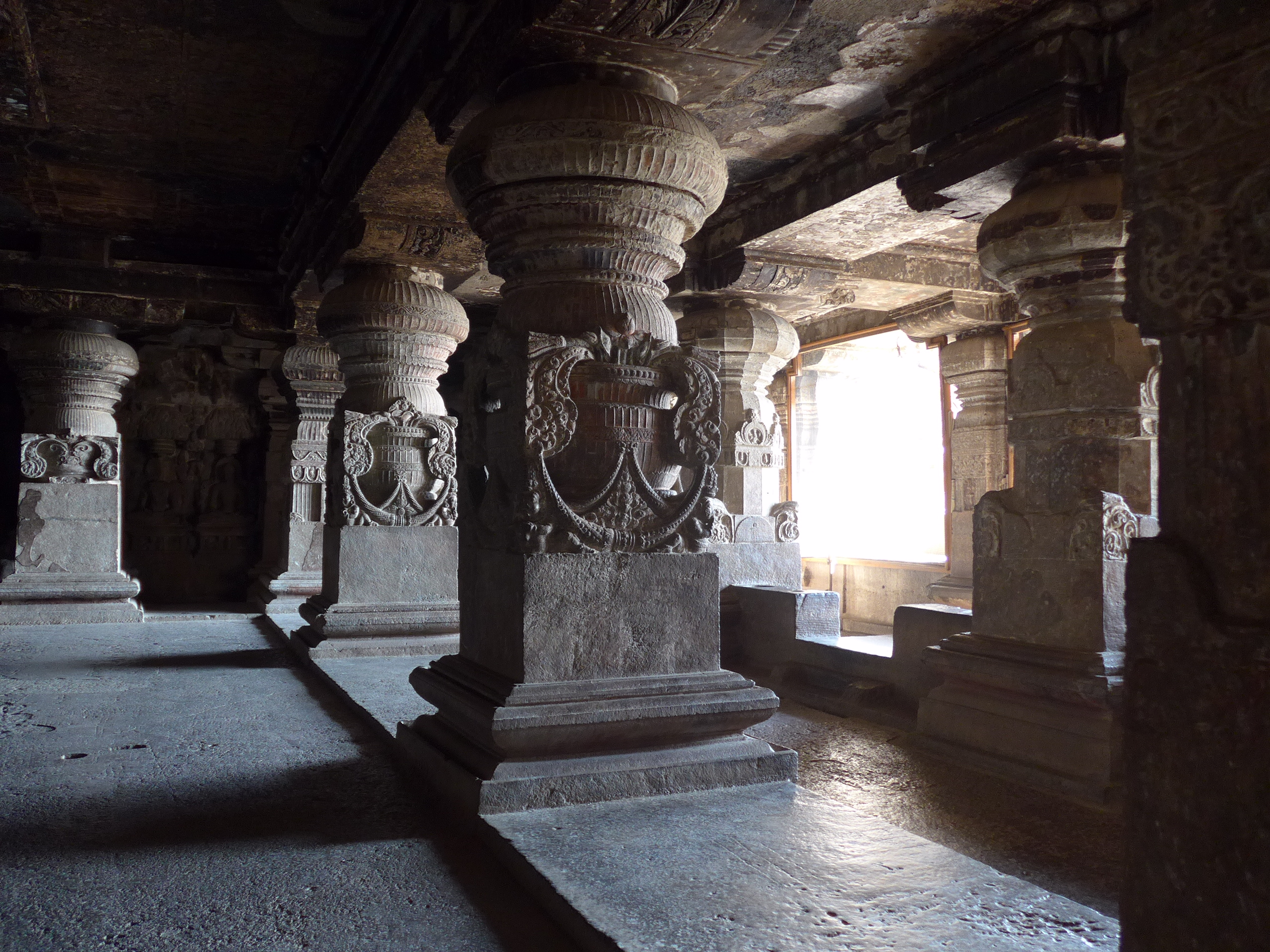
Ellora cave temple

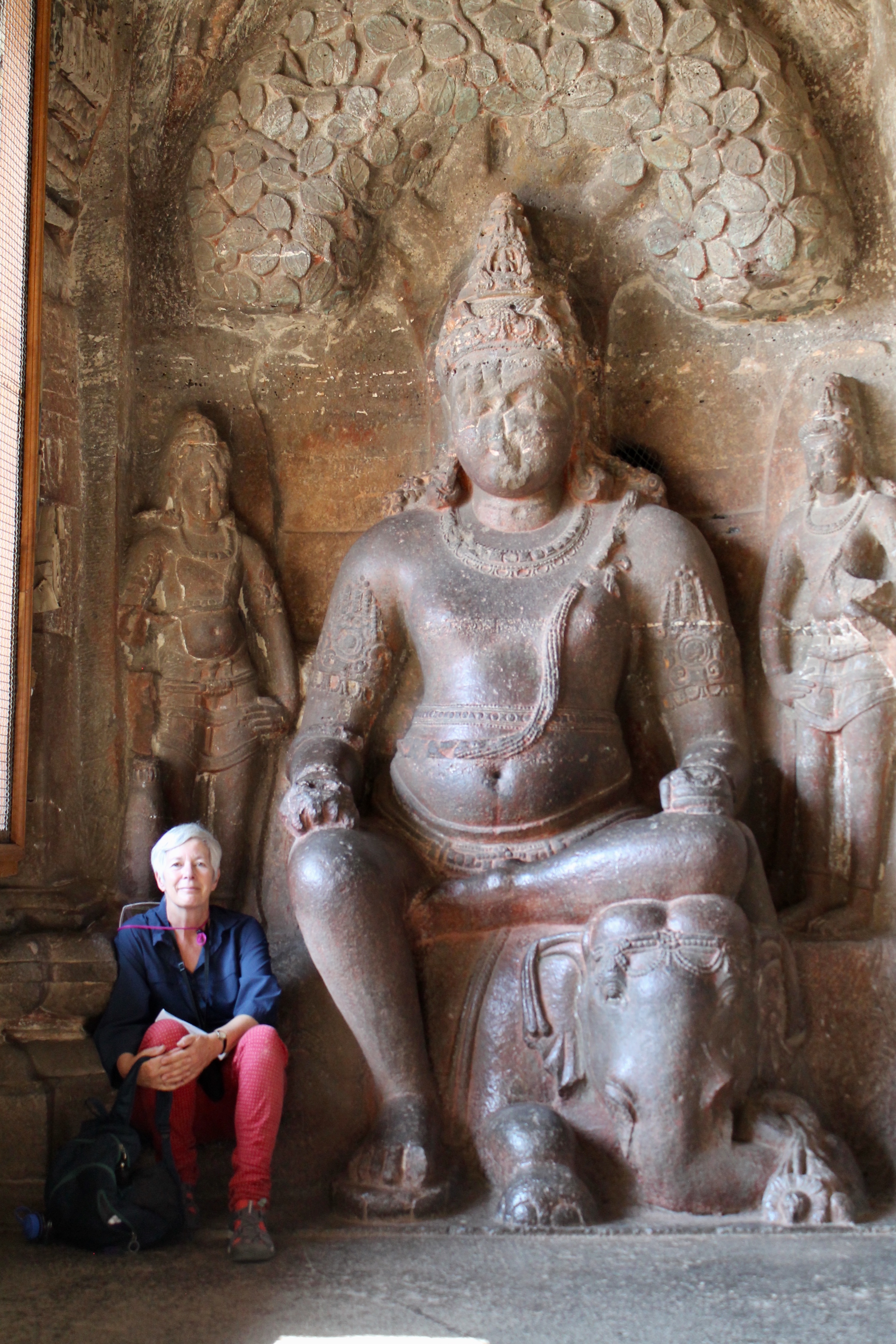
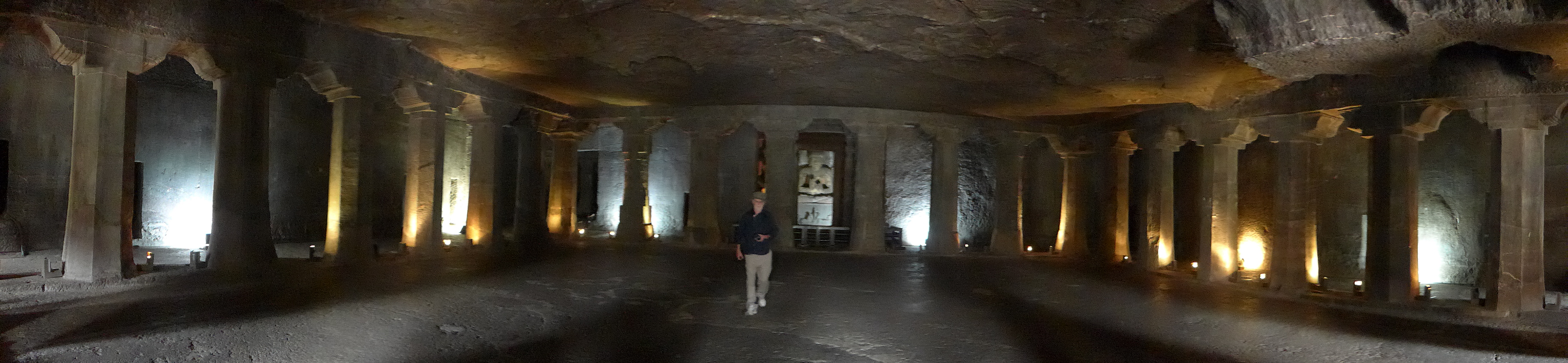
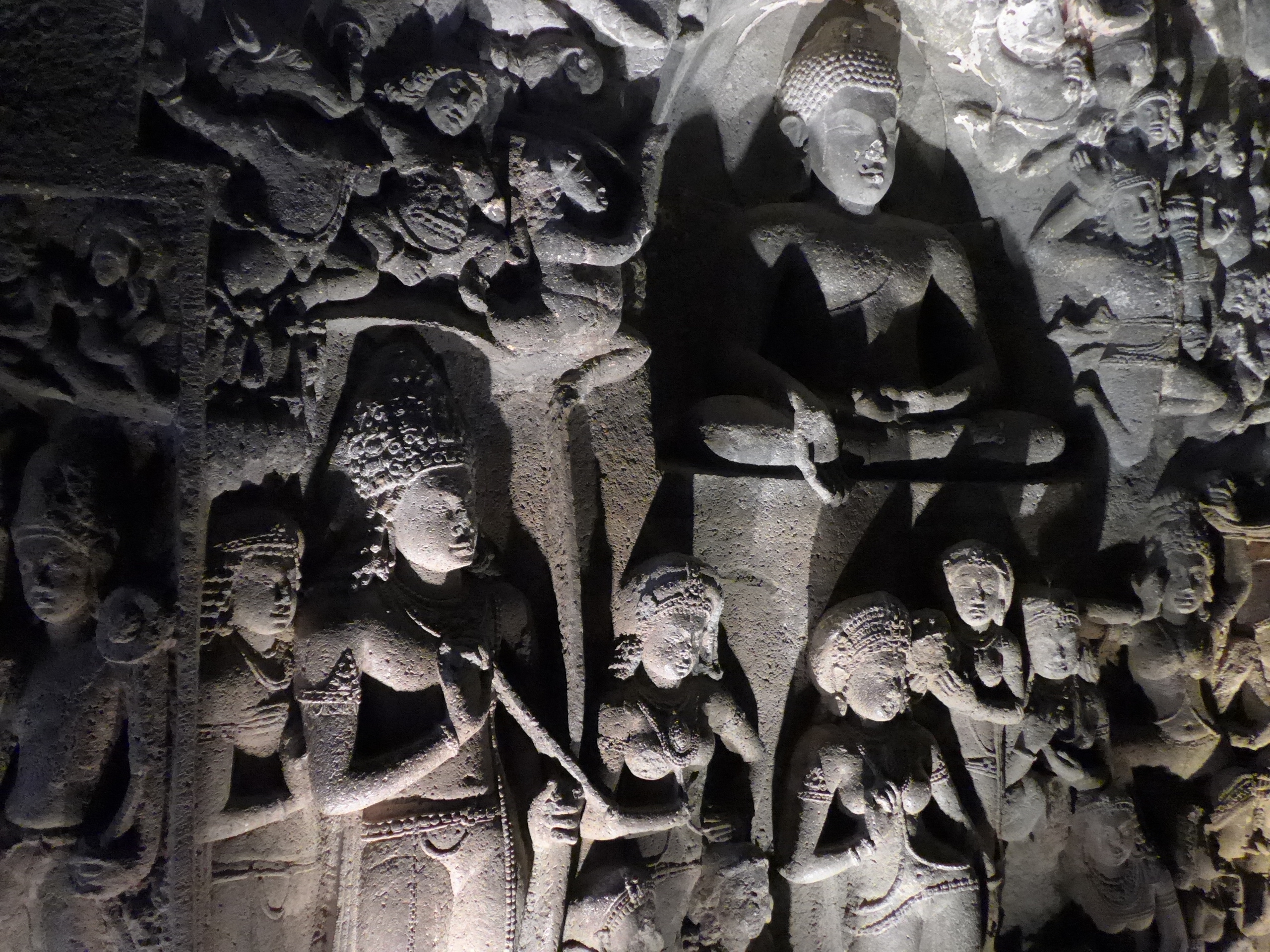
The 34 rock-cut cave temples

Ellora cave temple

at Ellora are Buddhist, Hindu and Jain and date from 500 to 800 AD.

Ajanta

The  most famous is the Kailash, the largest rock-cut structure in the world and it is impossible to convey how massive and extraordinary it is. Its maker exclaimed “Oh how was it that I created this?”

Kailash temple, Ellora

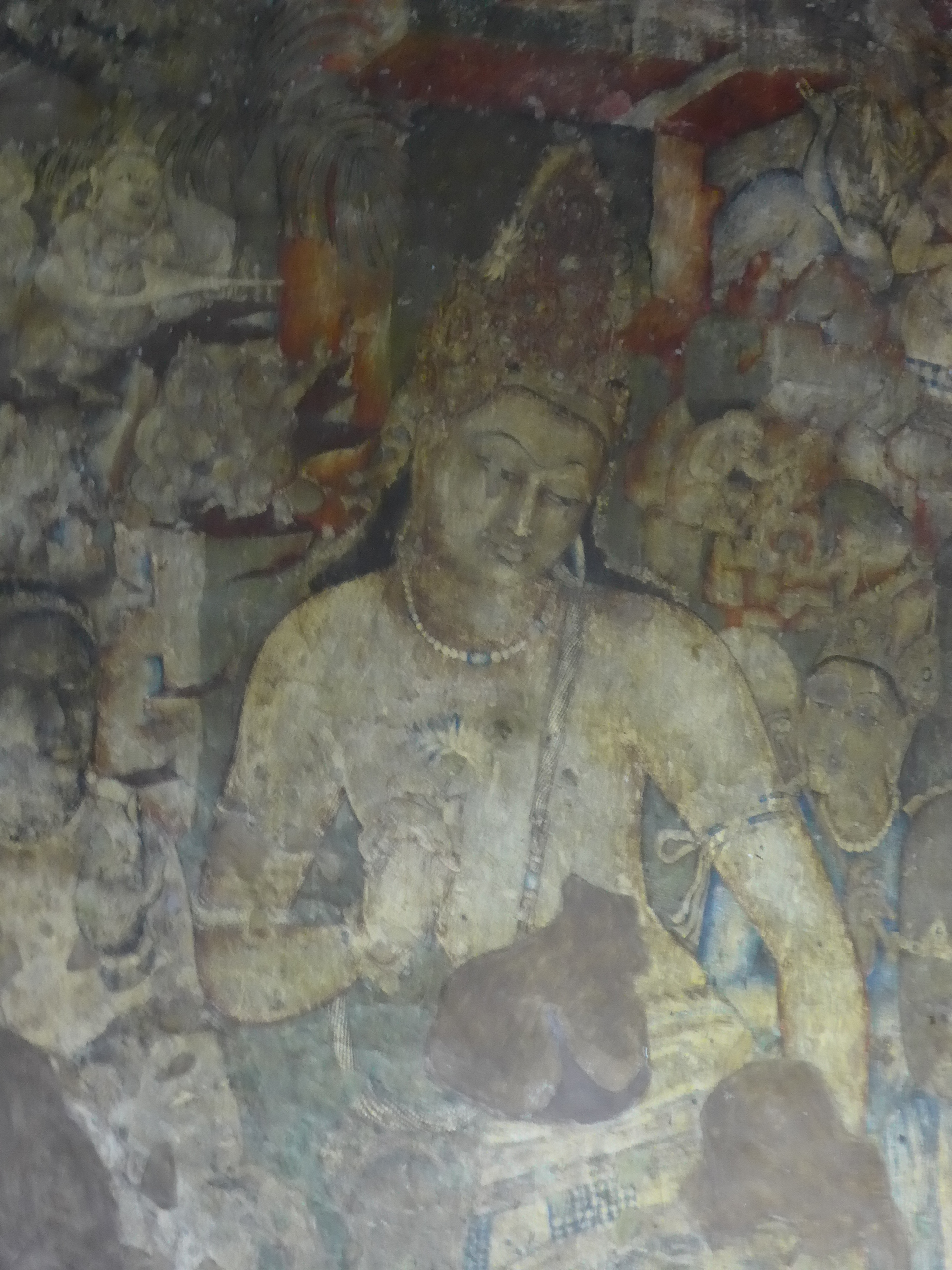
Ajanta’s 28 caves, set in a beautiful green gorge, date from the first century BC to the seventh AD and some still have frescoes as well as sculptures.

Ajanta cave temple
Fresco at Ajanta
Cave temple, Ajanta


Some East India Company troops, out tiger-hunting, spotted an overgrown pillar in 1819 and lost Ajanta was rediscovered.

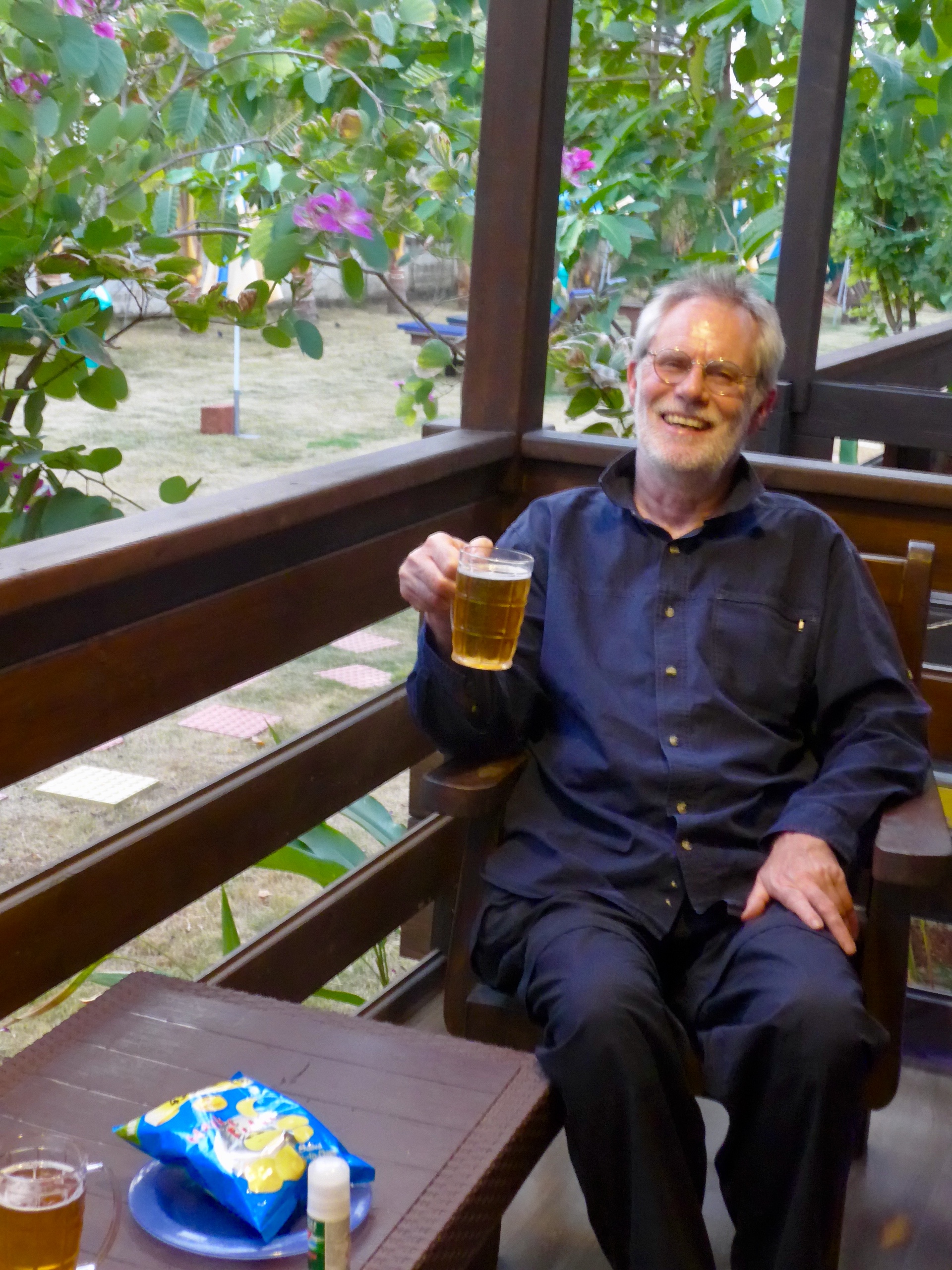
We passed through the grape-growing district of Nasik on the way to Mumbai, famous for its Sula wine. Fields of chick peas and cotton were replaced by grape vines. We have been through dry and semi-dry states and have been quite happy not having a drink, but at our hotel, the Green Olive at Aurangabad, there was a very discreet bar. So, feeling a little like social lepers, we pushed open the heavy dark door, surprising a lone barman who was watching television, and ordered a Kingfisher beer and a white Sula wine. We drank them in solitary splendour feeling very decadent.

Ha-ha!

Those elections in four Indian states that I mentioned earlier have resulted in substantial gains for the Congress party and losses for Modi and the nationalist BJP party which has pleased everyone we have met. Nice to get some good political news for a change!

“Unsuitable for song as well as sense

The island flowers into slums and skyscrapers”.

Island by Nissim Ezekiel.

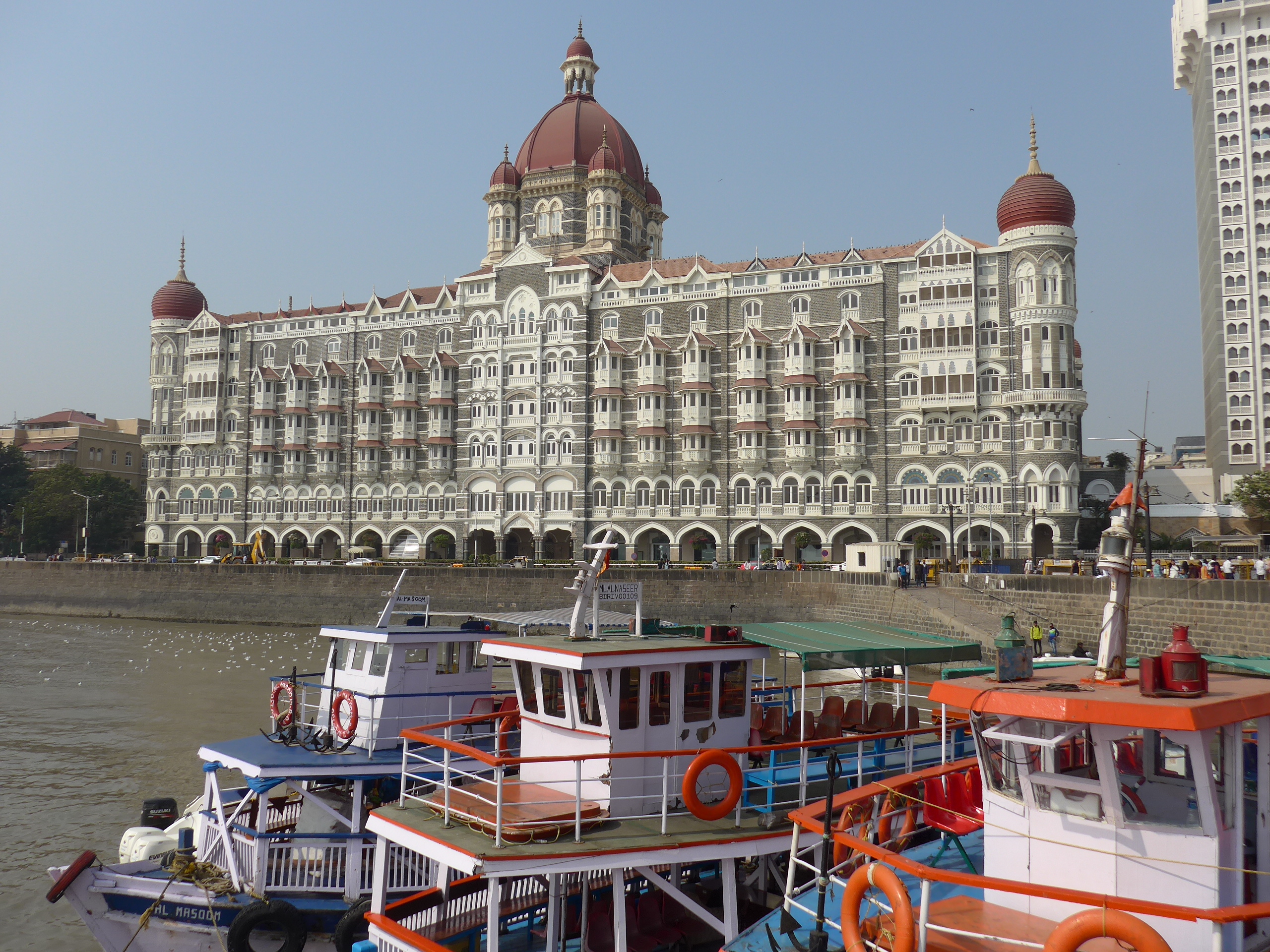
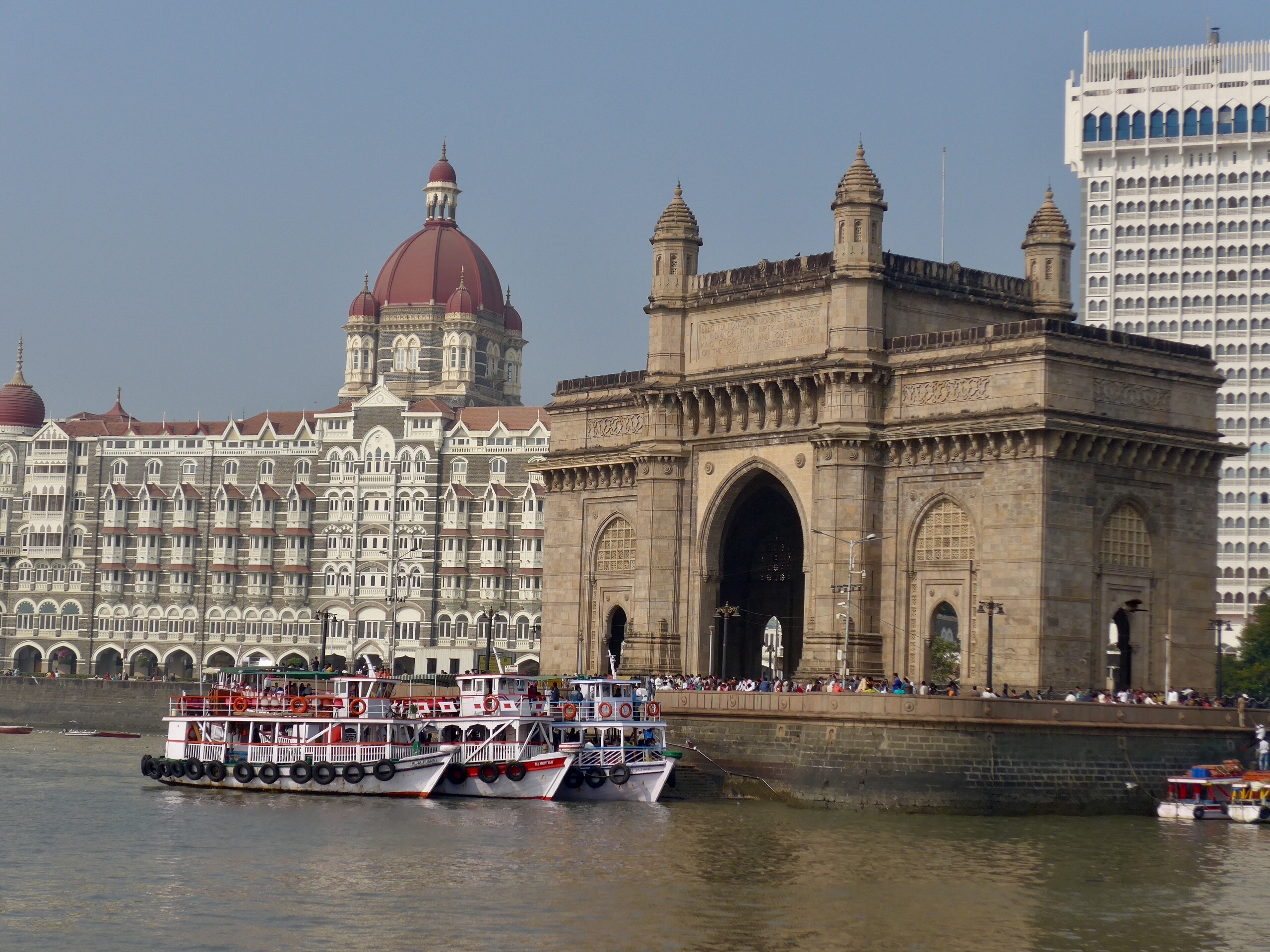
The Taj Hotel, Mumbai

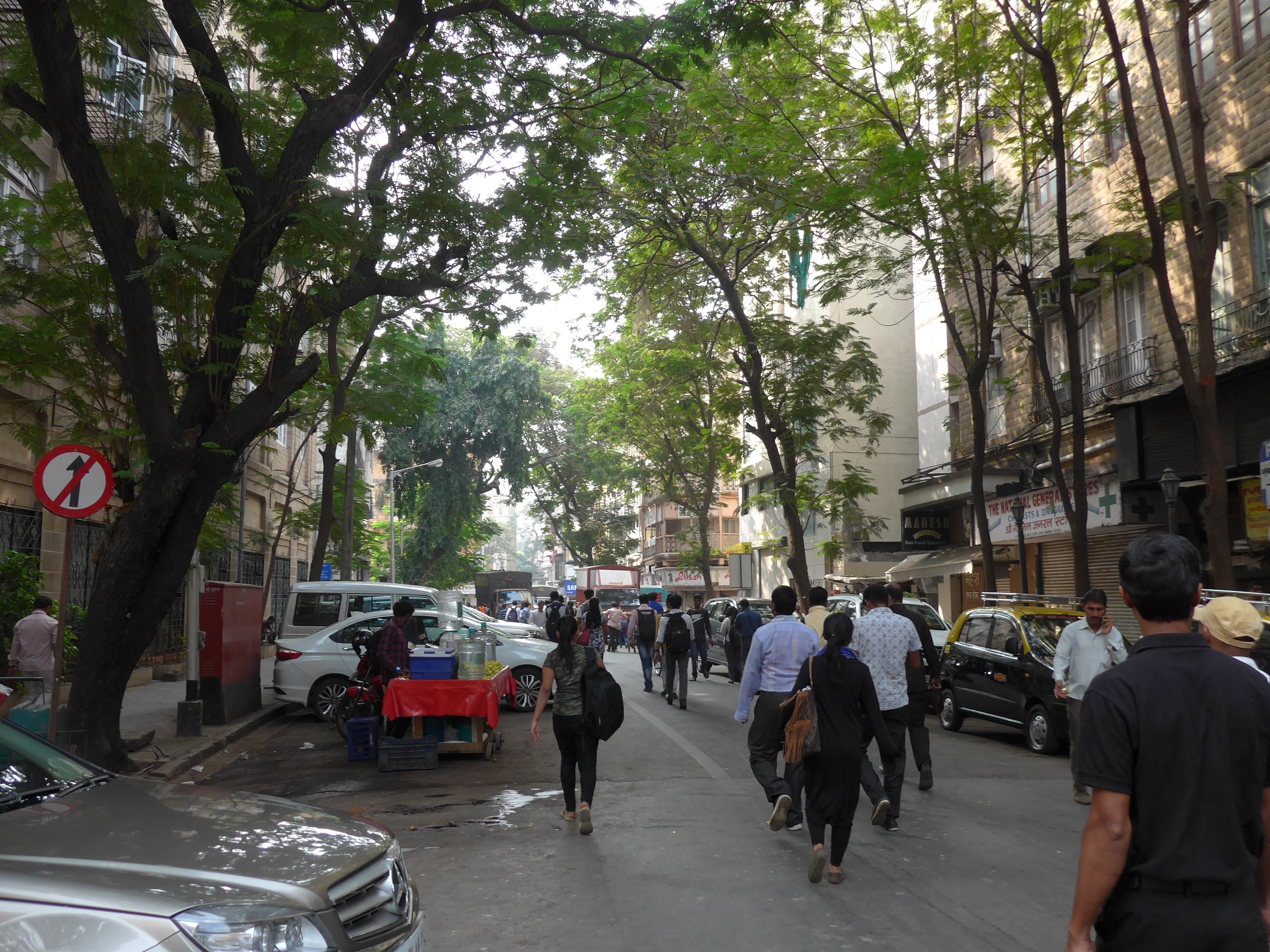
Everyone rolled their eyes when we said we were going to Mumbai (Bombay). Once seven marshy islands, it is now home to an estimated 24 million people and is frenetic, noisy, overcrowded, polluted etc., full of skyscrapers and slums, extreme riches and extreme poverty, and home to Bollywood. But we were pleasantly surprised. Granted we were staying in the central area of Fort with some lovely old East India Company period buildings, but the traffic stopped at lights, we could cross the road, we could even stroll down the back streets on pavements and look at shops. We could drink Americanos and eat almond croissants. There were even some British tourists!

Walking to work, Mumbai
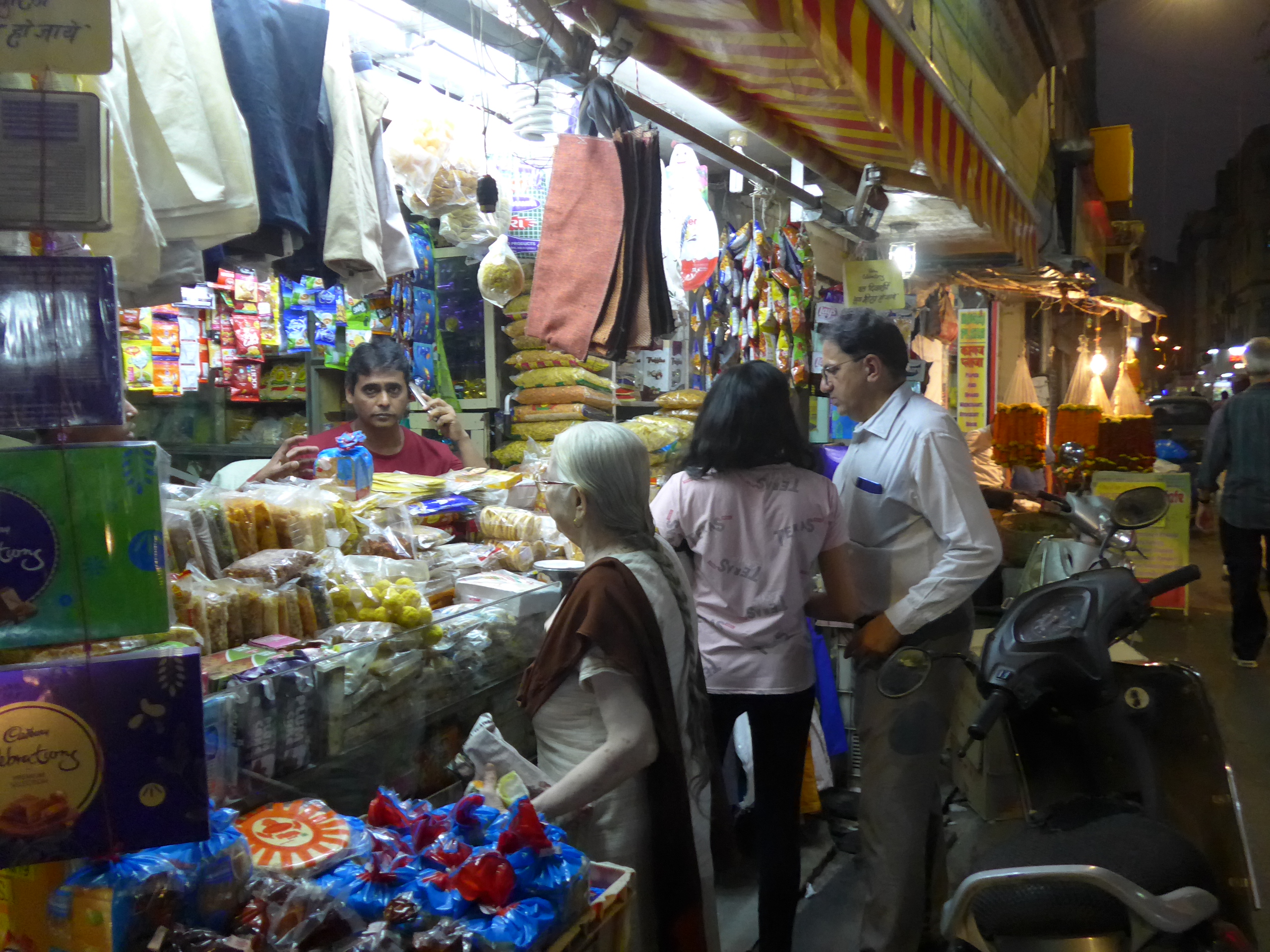
Bombay never sleeps, twenty-four hour shopping


But of course we could not see the slums where 42% of the population live. That’s more than five million people. The Bombayites take pride in being sophisticated and organised but the scale of such a problem seems beyond them.

Prince of Wales Museum now renamed, Mumbai


Facing the sea, the Gateway to India was the first stop in Asia on the outward journey for P&O liners and the first place in Asia that I made landfall at the age of four weeks. After the 2008 bombings at the Taj Hotel the Gateway itself has been cordoned off but it was still affecting to see this remnant of the Raj through which the last departing British soldiers marched in 1948. It was our first sighting of the Arabian Sea, dotted with ferry boats, cargo ships and a watchful naval vessel.

The Gateway to India

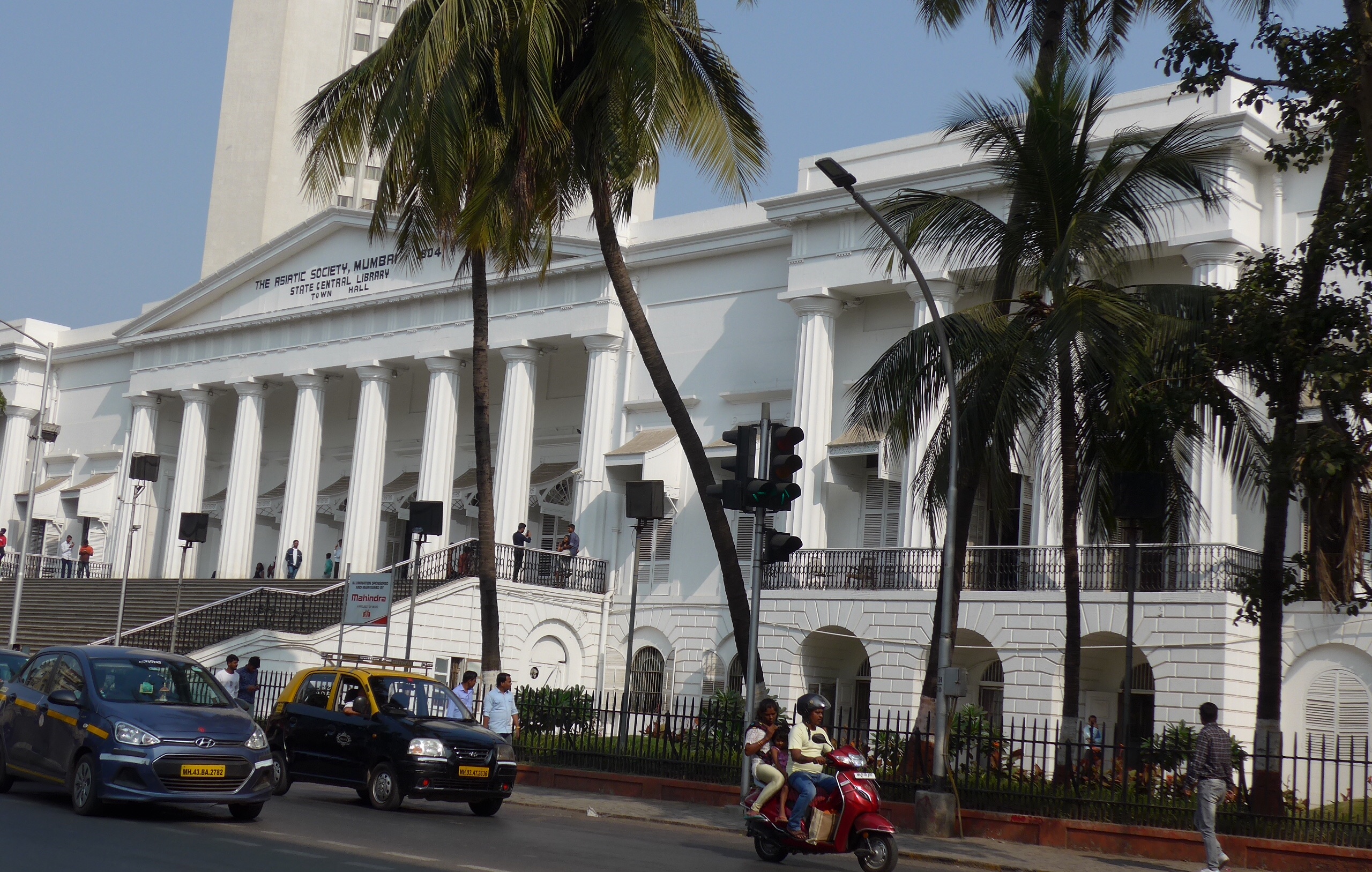
A librarian of the estimable Bombay Asiatic Society, Dr Maya Avasia, kindly took the time to show us around the library,

The Asiatic Society of Bombay, founded in 1804

and we discussed digitisation, metadata, the dread of donations and other topics beloved of academic librarians.


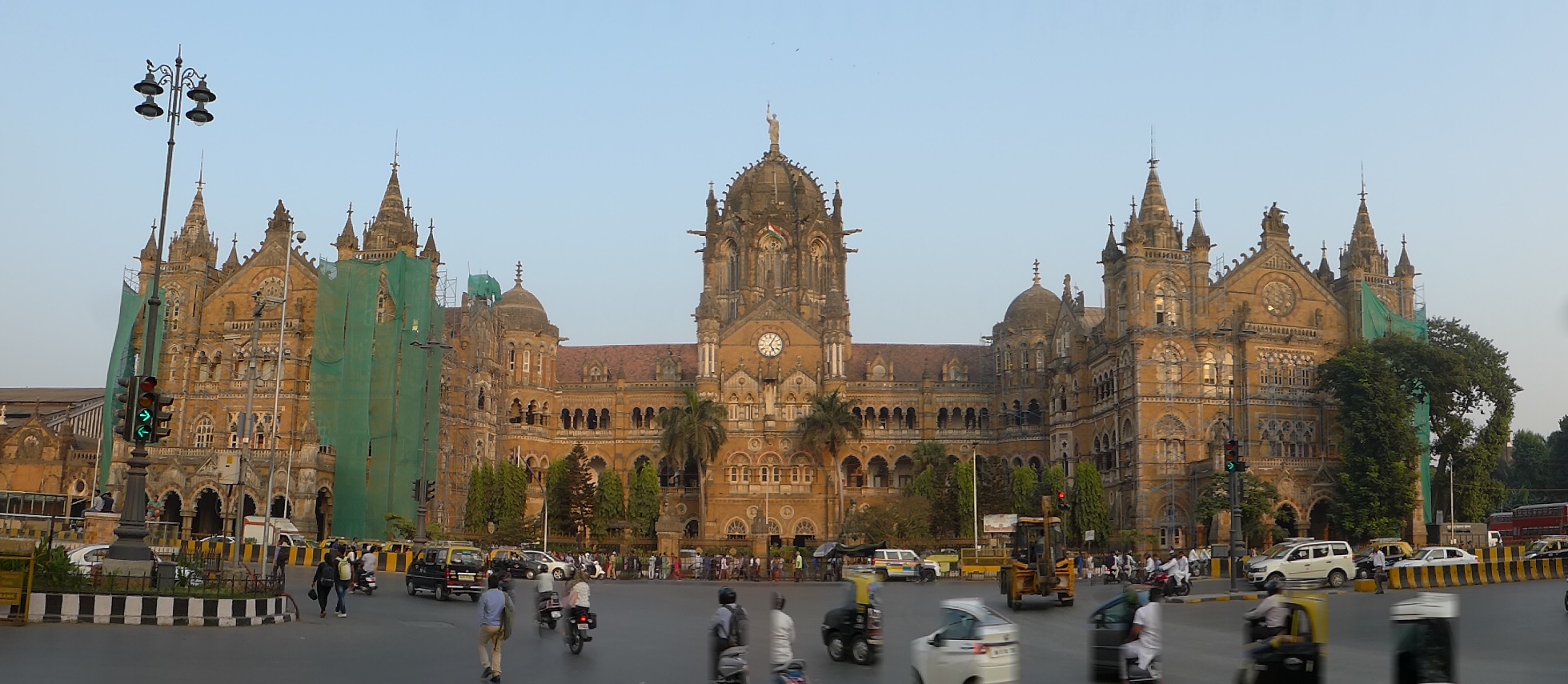
CSTM, previously Victoria Terminus, Mumbai

Our train had arrived at Victoria Terminus, built in 1887 and the largest British edifice in India, and probably the most extraordinary railway station you will ever see. It out-Gothiqued St Pancras Station.

Victoria Terminus lit up at night


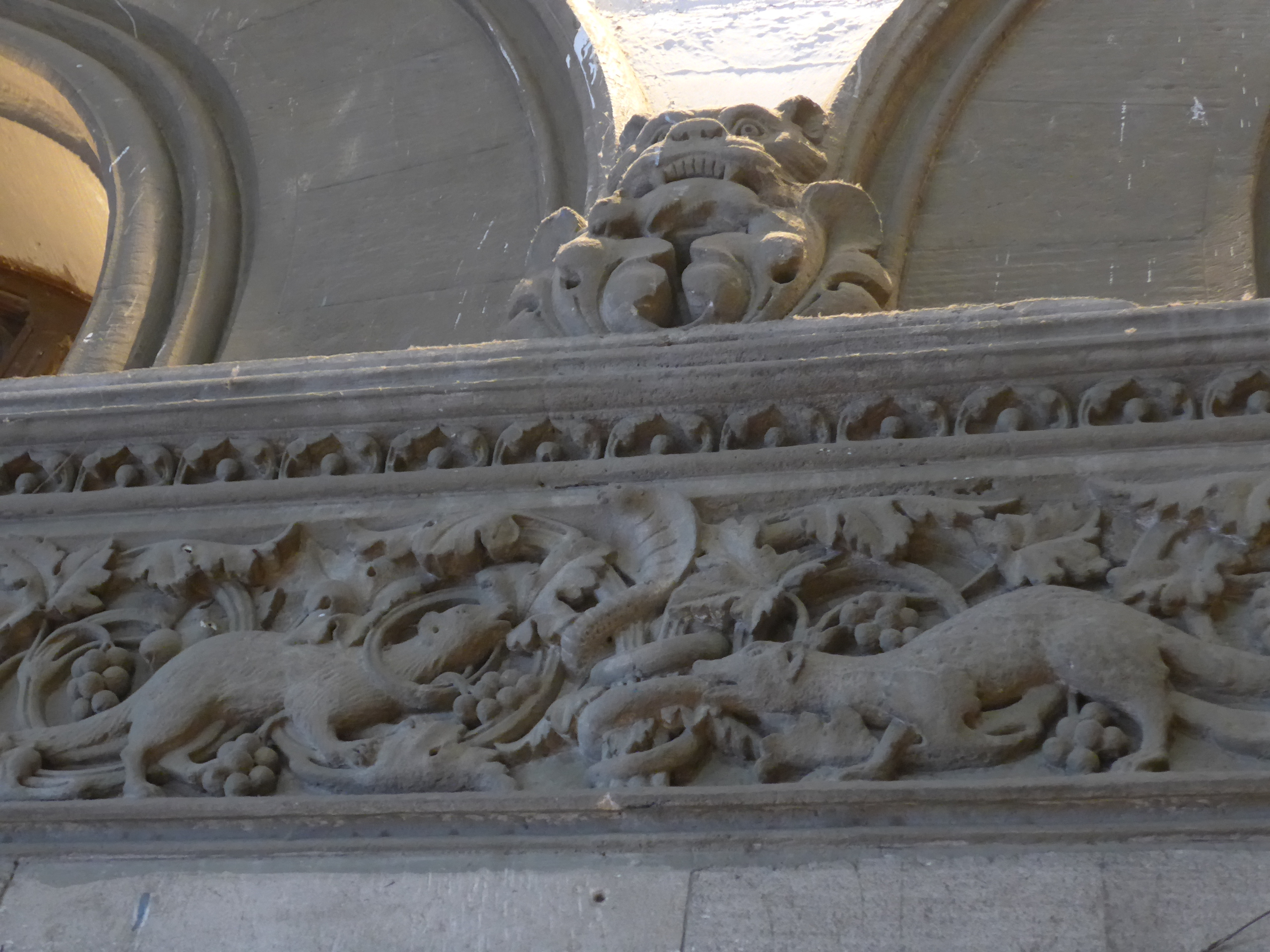
Mongoose design by John Lockwood Kipling, Rudyard Kipling’s father.


More than 1,250 trains carrying three million people leave it daily.

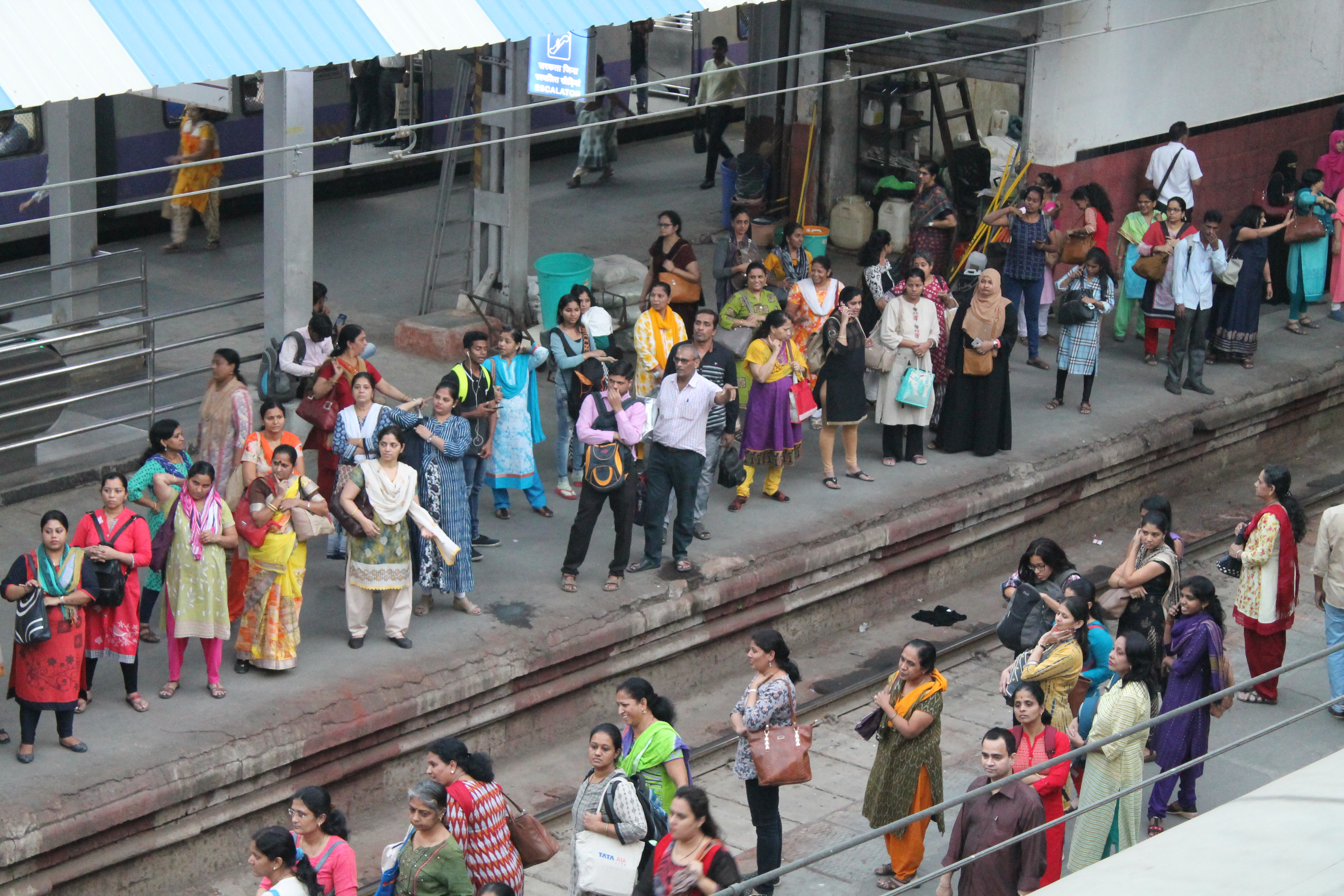
Waiting for the ladies only train – not sure what those men are doing!

When we visited, trains were pulling out every three minutes in a remarkable display of precise timetabling. Could lessons be learnt here?

A monk meditating under a tree was killed by a leopard yesterday. In fact there is a leopard attack or kill nearly every day in the national papers. Mumbai is famously the city where leopards prowl at night in search of suburban, as opposed to village, dogs that make up 40% of their diet.

Verandah in Murud, south of Mumbai

And then it was time for some leopard-free beach time. The Konkan railway trundled down the west coast of south India, crossing streams and estuaries, driving through tunnels as it edged the Western Ghats, passing through green forest with occasional padi fields, and coconut palms. On the train were lots of westerners, especially Russians, heading further south to party in Goa. They were surprised when we disembarked at a tiny station called Kudal.

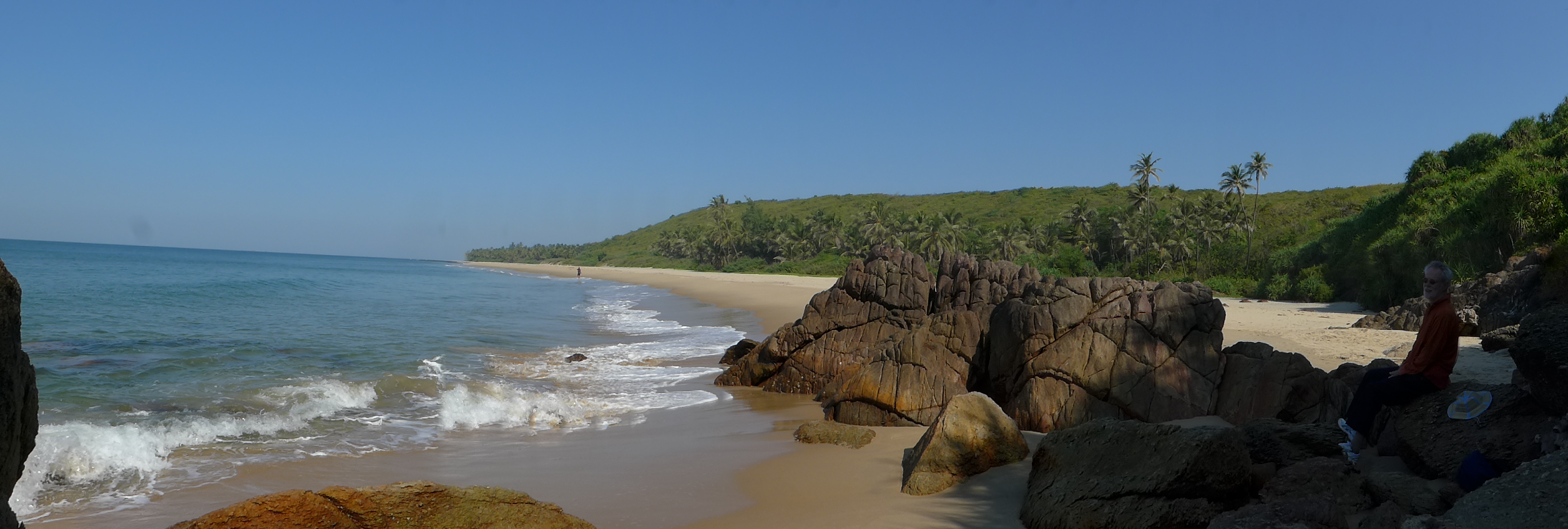
Beach in South Maharashtra

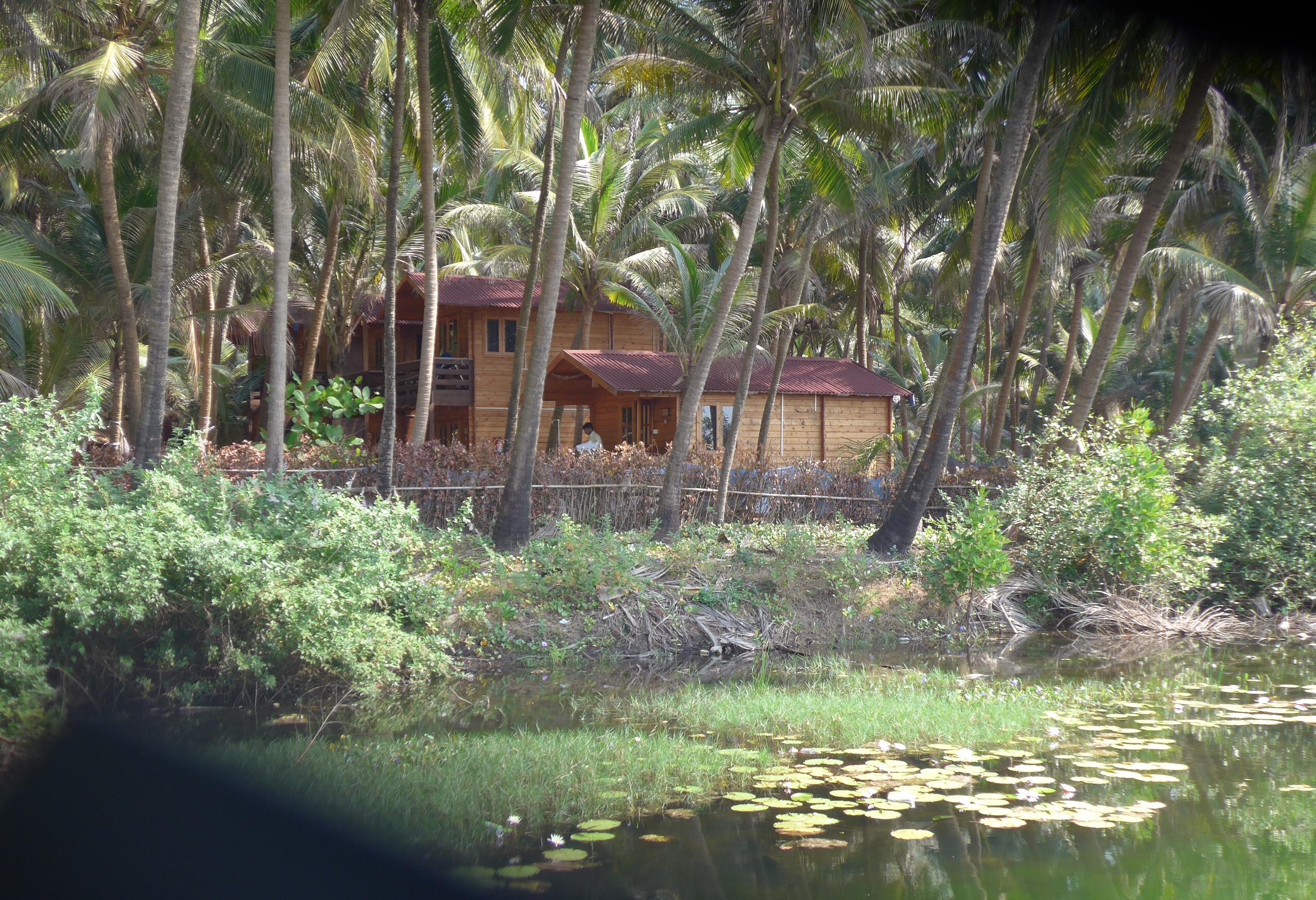
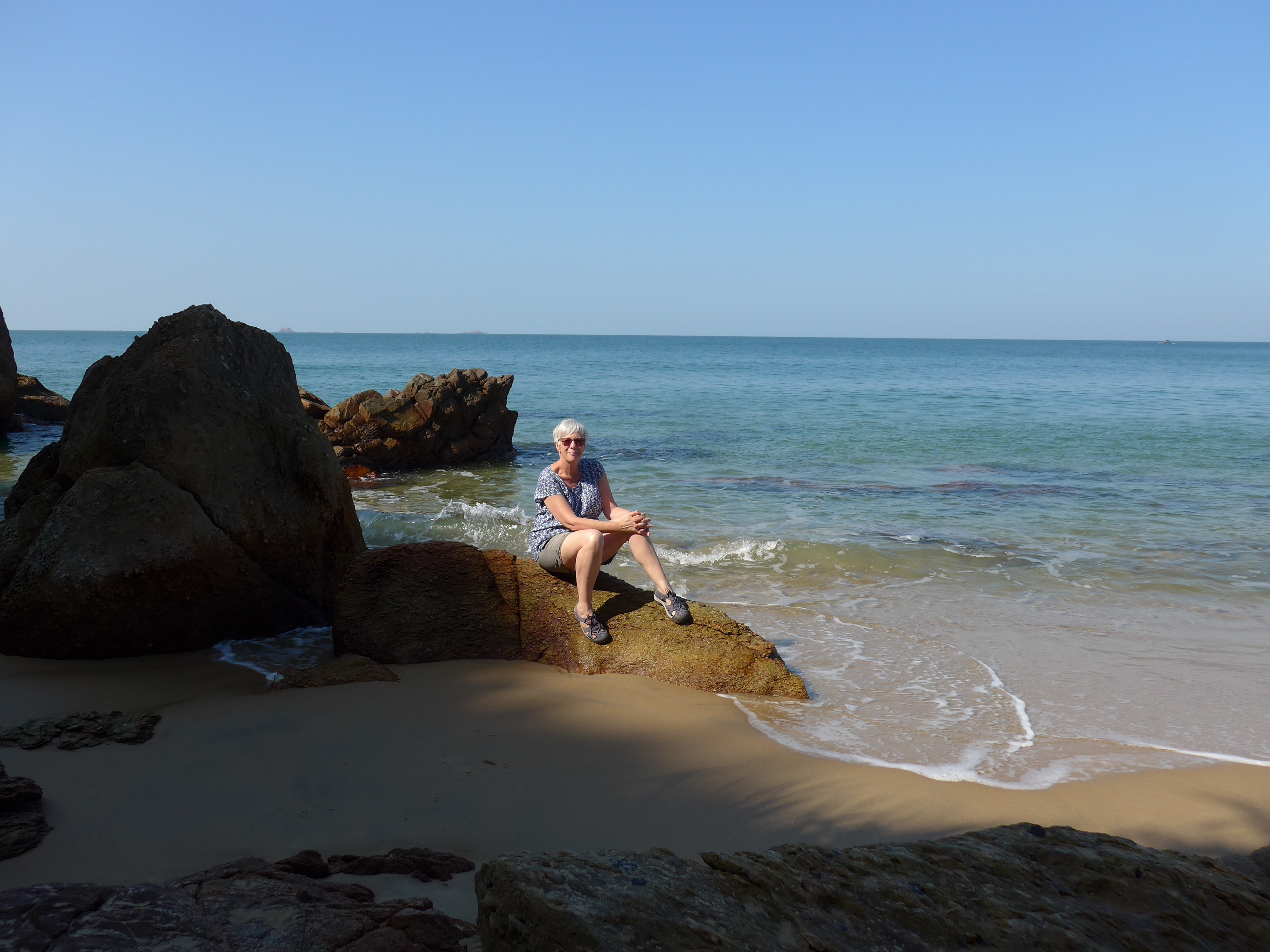
Where we went was secret. Our wooden cabin in the coconut grove overlooked a soft, clean beach with half-a-dozen brightly-painted fishing boats drawn up, and the dark blue Arabian Sea, dotted with rocky outcrops. Apart from some plastic bottles washed up from the sea the beach was clean and perfect, with clear water and rock-pools full of striped fish and crabs. I could swim while Jim gently tested how fast a crab can bury itself once you’ve dug it up.

The wooden cabin in the coconut grove

Being a bit of a conchologist I was pleased to find three cowrie shells, no more than an inch long. Cowries from India formed the currency in the Indian/Arabic/African slave trade. Strange to think these were valued against human lives, until the bottom dropped out of the cowrie market, leaving African slavers with worthless shells.

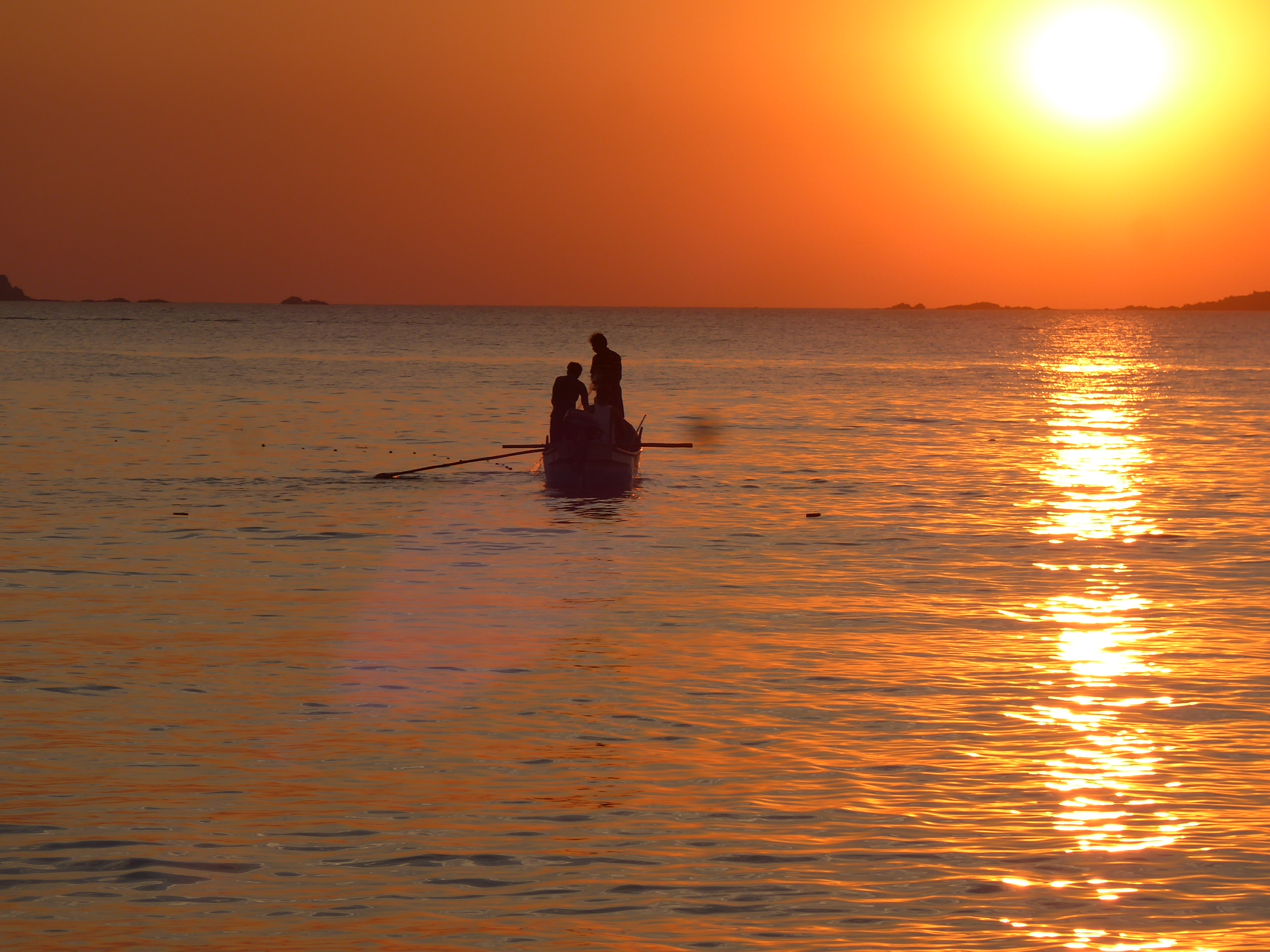
Each night the round, molten sun plopped down into the ocean while the moon rose behind us.

Beach, south Mahraashtra
Moonlight in the coconut grove

To think some people spend their entire holiday doing this when they could be rushing around in the dust and the heat sight-seeing! This rest was very much needed before we headed a bit further south to the melee of Goa at Christmas. On which note season’s greetings to you all. We’ll be back in touch in 2019.

View from our cabin at sunset
Returning fishing boat, south Maharashtra


3. Khajuraho to Bhopal: the “train drew up there unwontedly …” and frequently

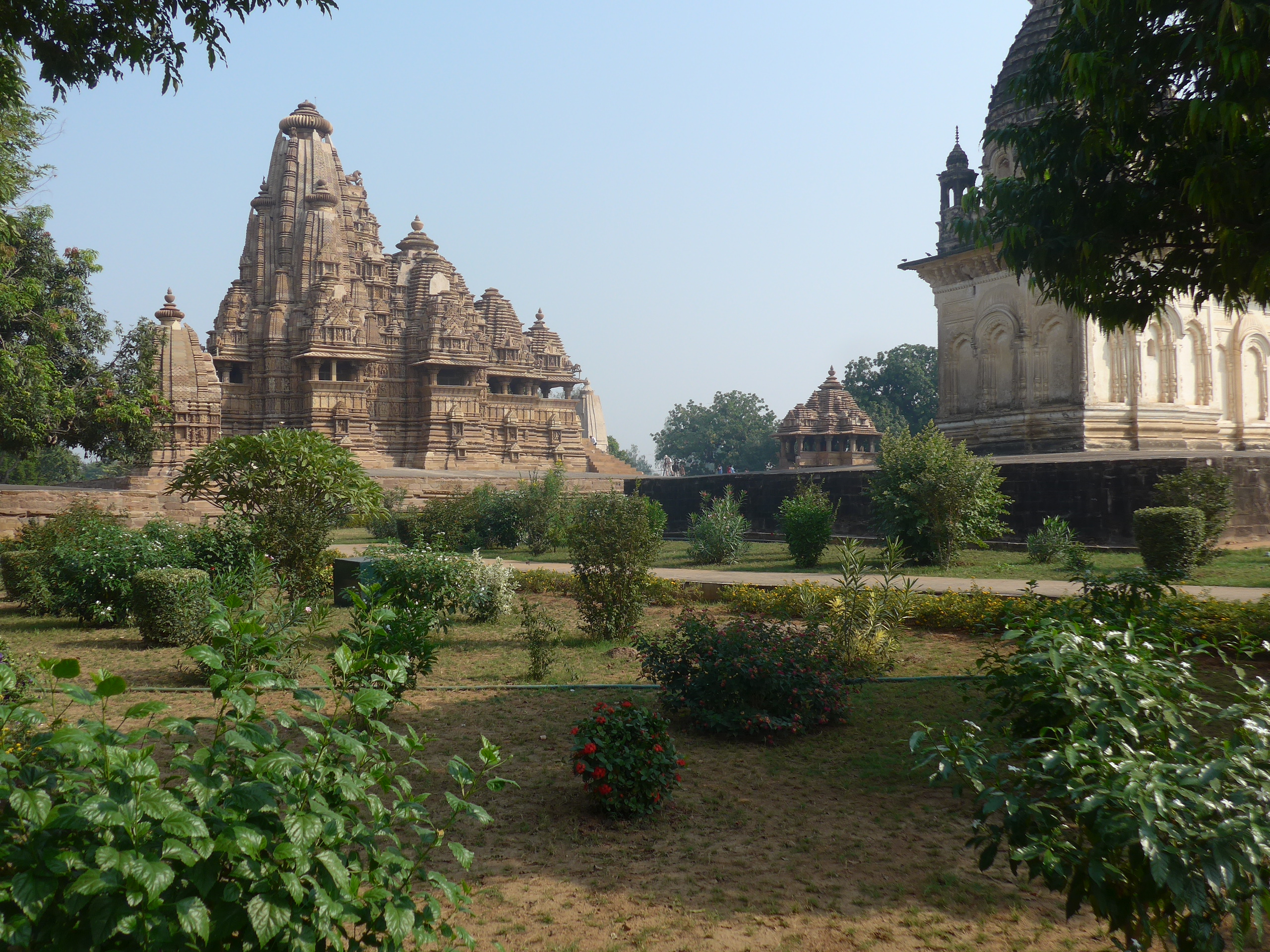
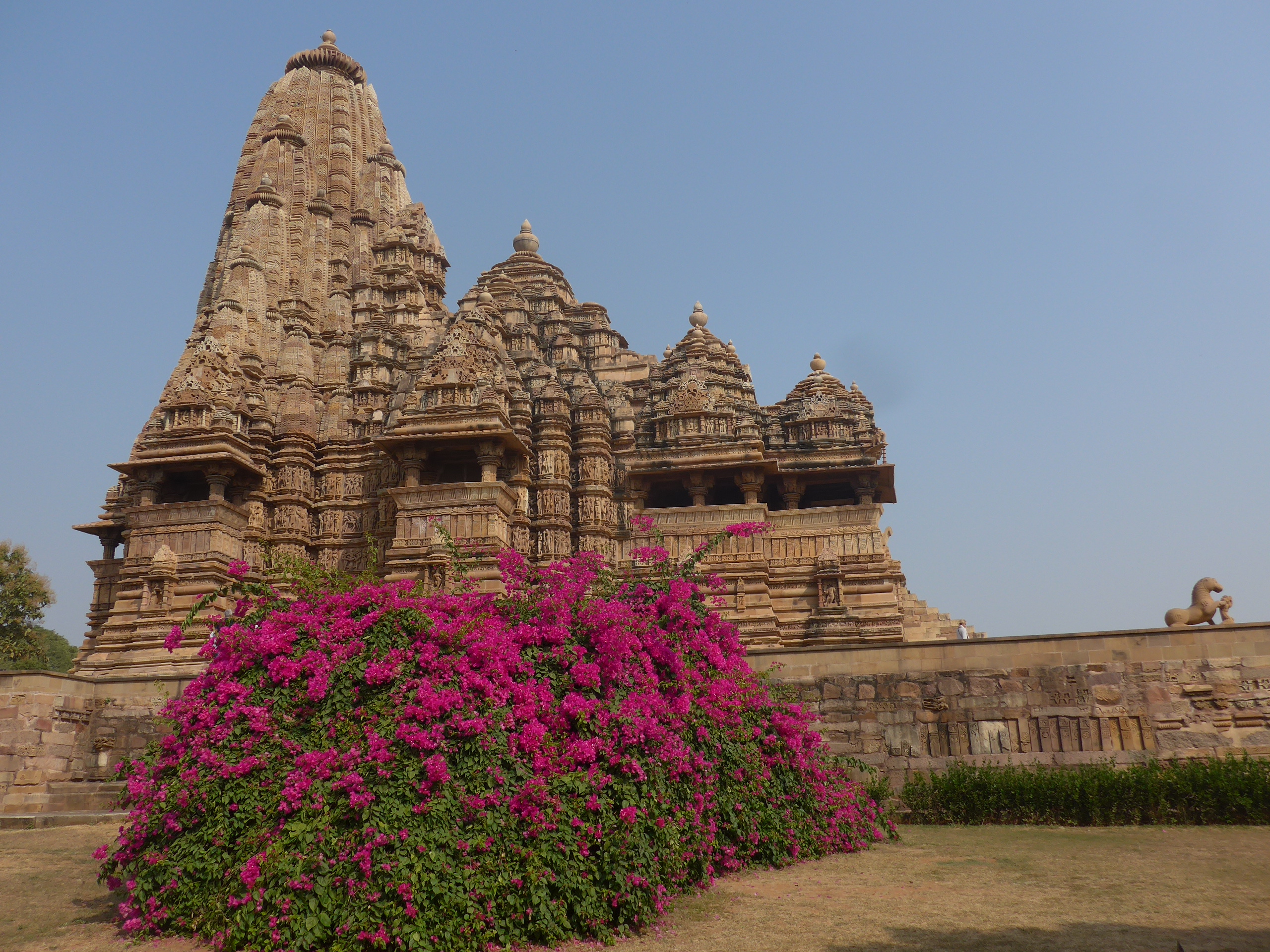
Another train ride to Khajuraho, town of Chandela temples, built a thousand years ago, and then forgottten for centuries.

Khajuraho temples, western group

They were “rediscovered” in 1838 by Captain Burt of the Bengal Engineers.

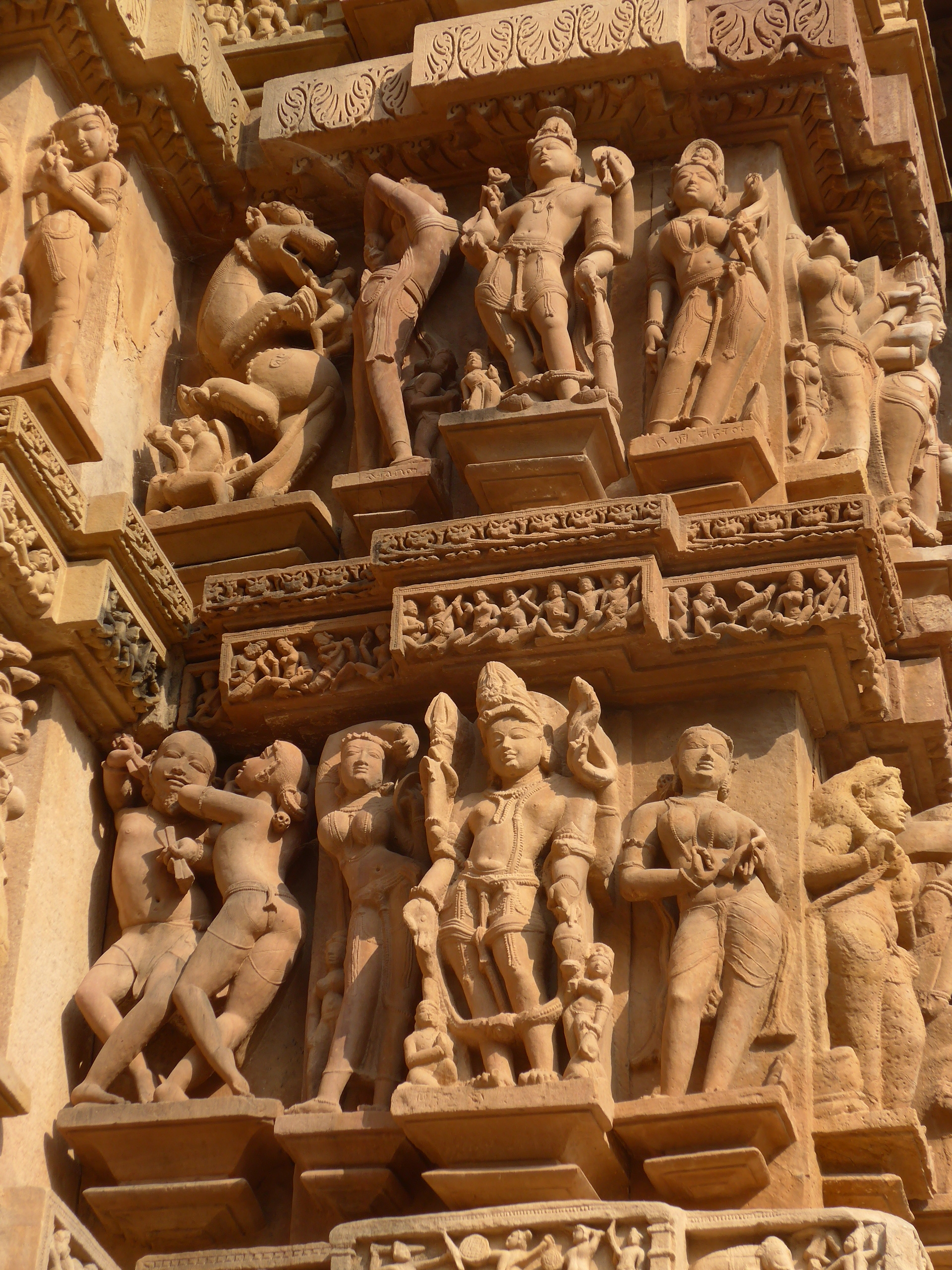
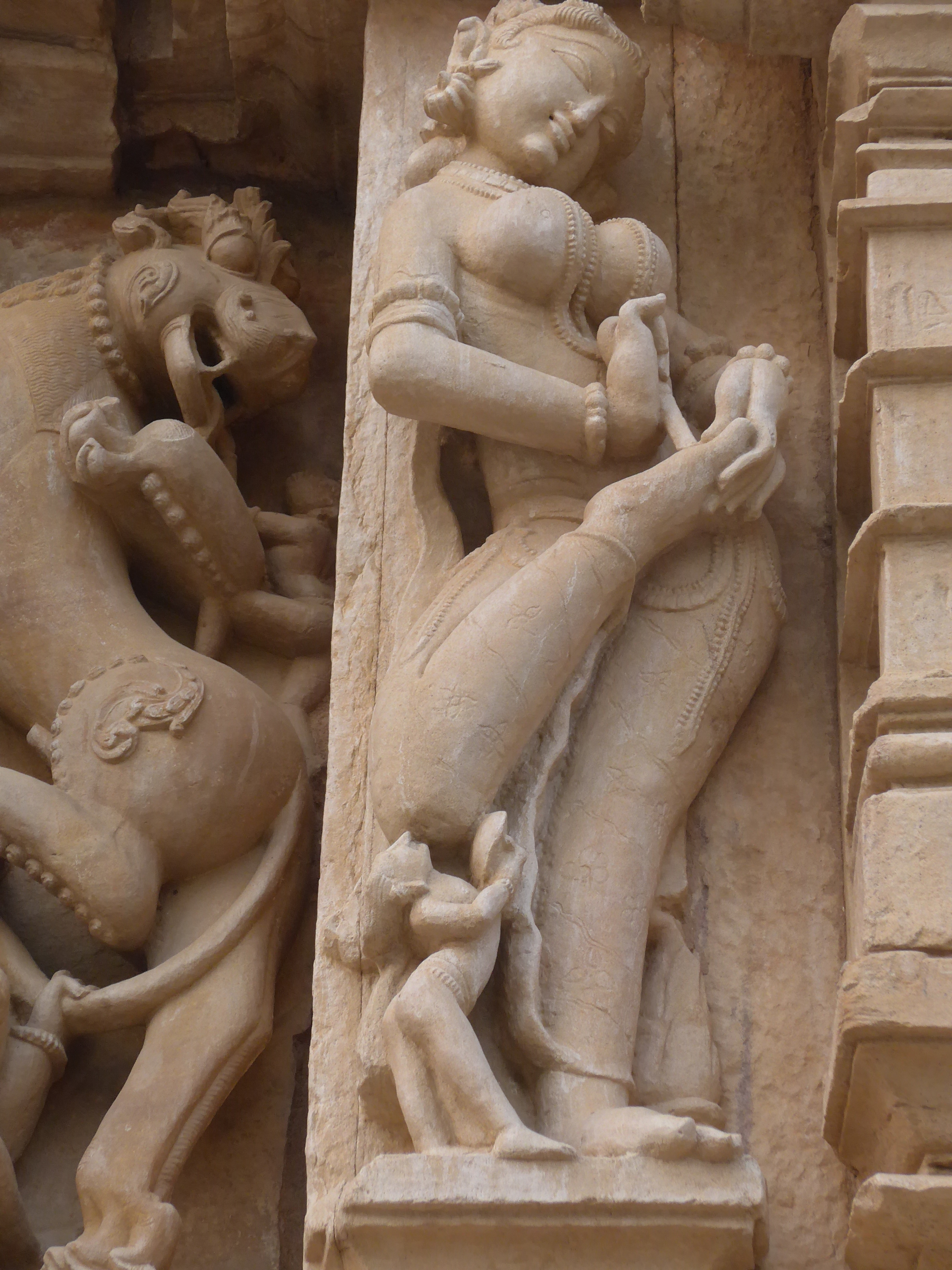
Khajuraho temple carvings
Khajuraho sculpture

Known for their erotic sculptures, the temples are covered in delicate friezes of elephants, lions, musicians, women dancing, warriors, gods and goddesses.

Khajuraho

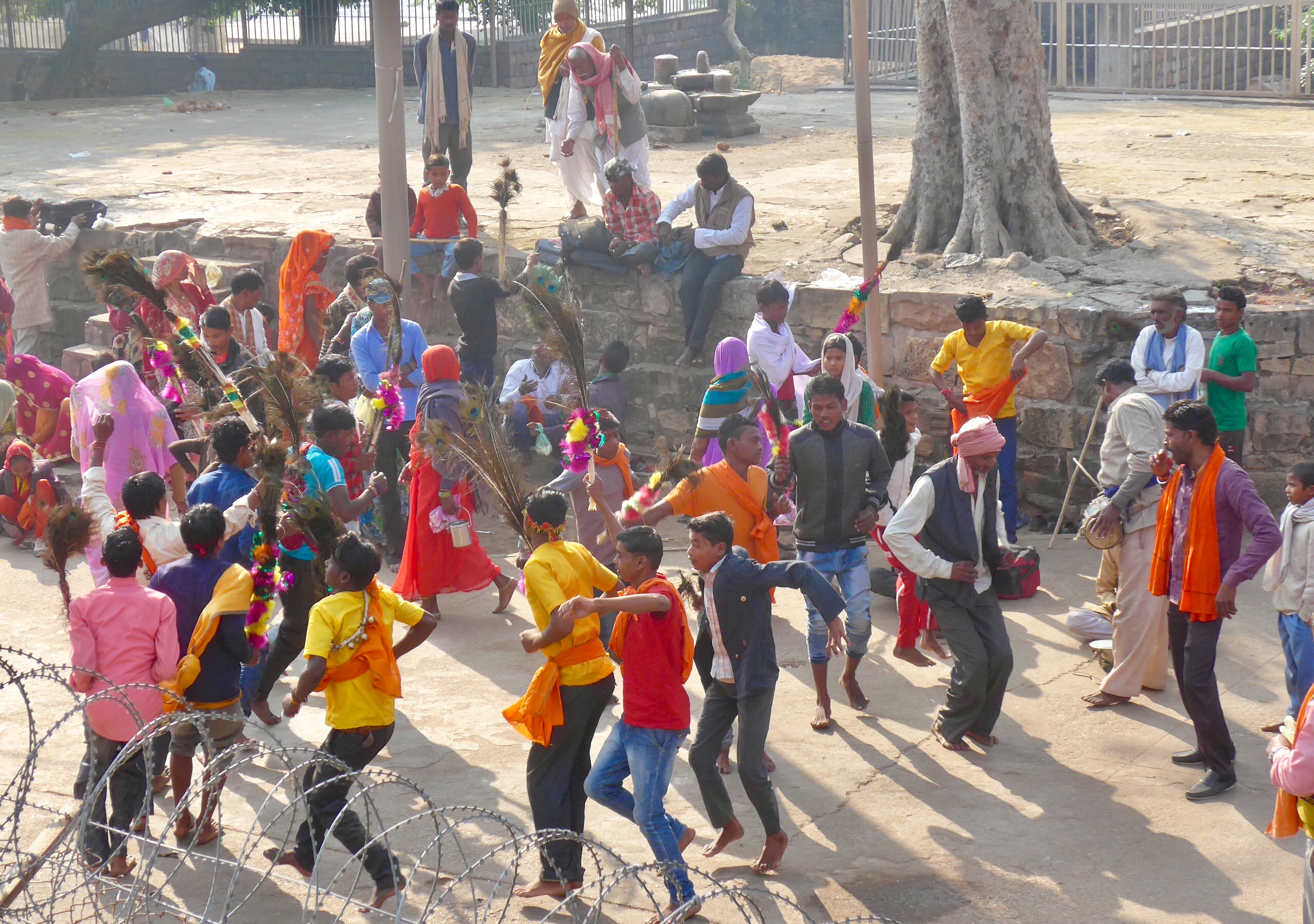
As it was Diwali, villagers had come into town to dance outside the temples.

Folk dancers

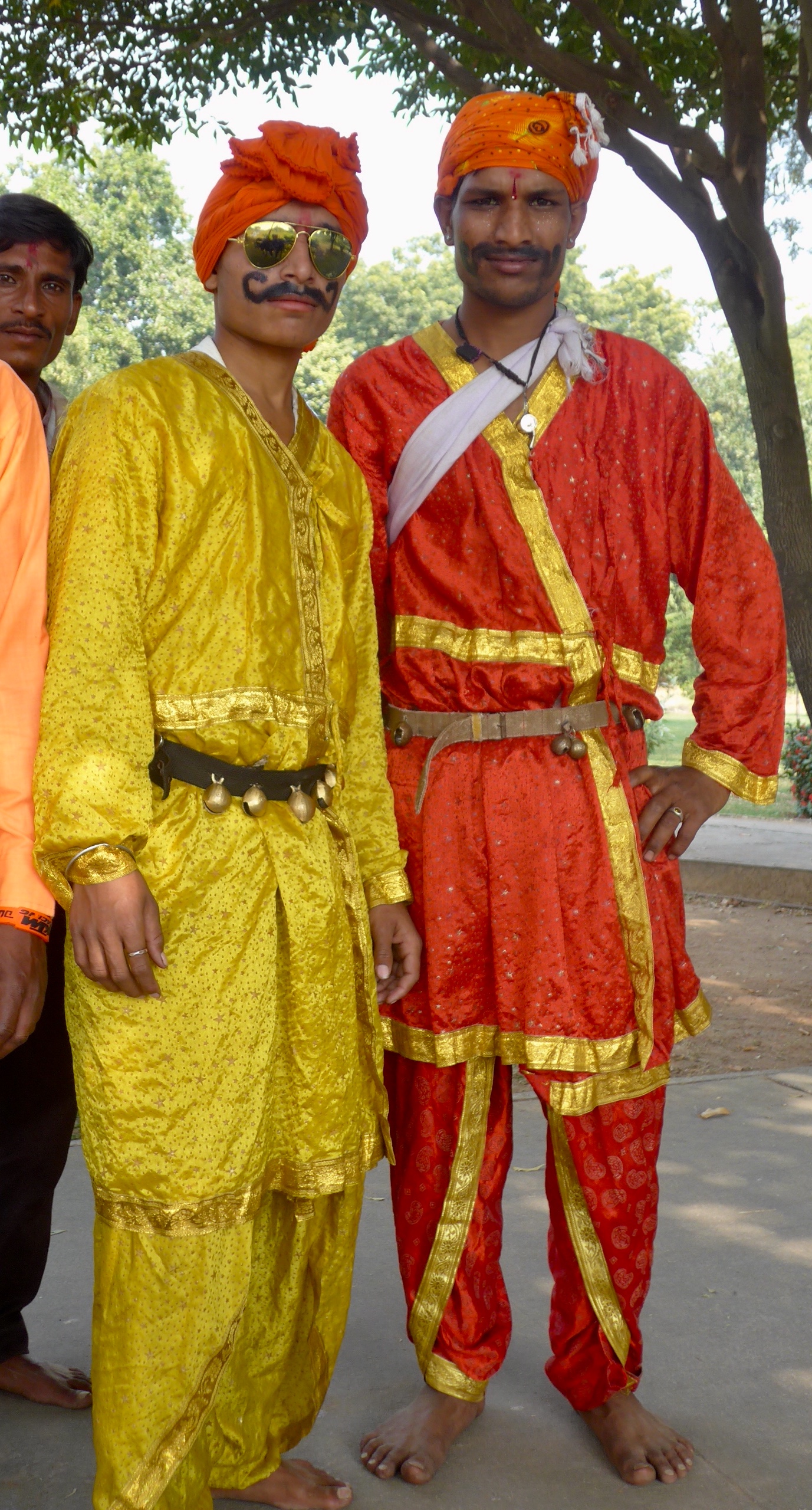
To see these groups of men and boys, progressing from place to place, dancing enthusiastically, hitting each other’s sticks, wearing jingling bells on waist and ankles, some with a male dancer dressed as a woman, was oddly  reminiscent of watching Morris dancing in East Anglia.

Folk dancers at Khajuraho

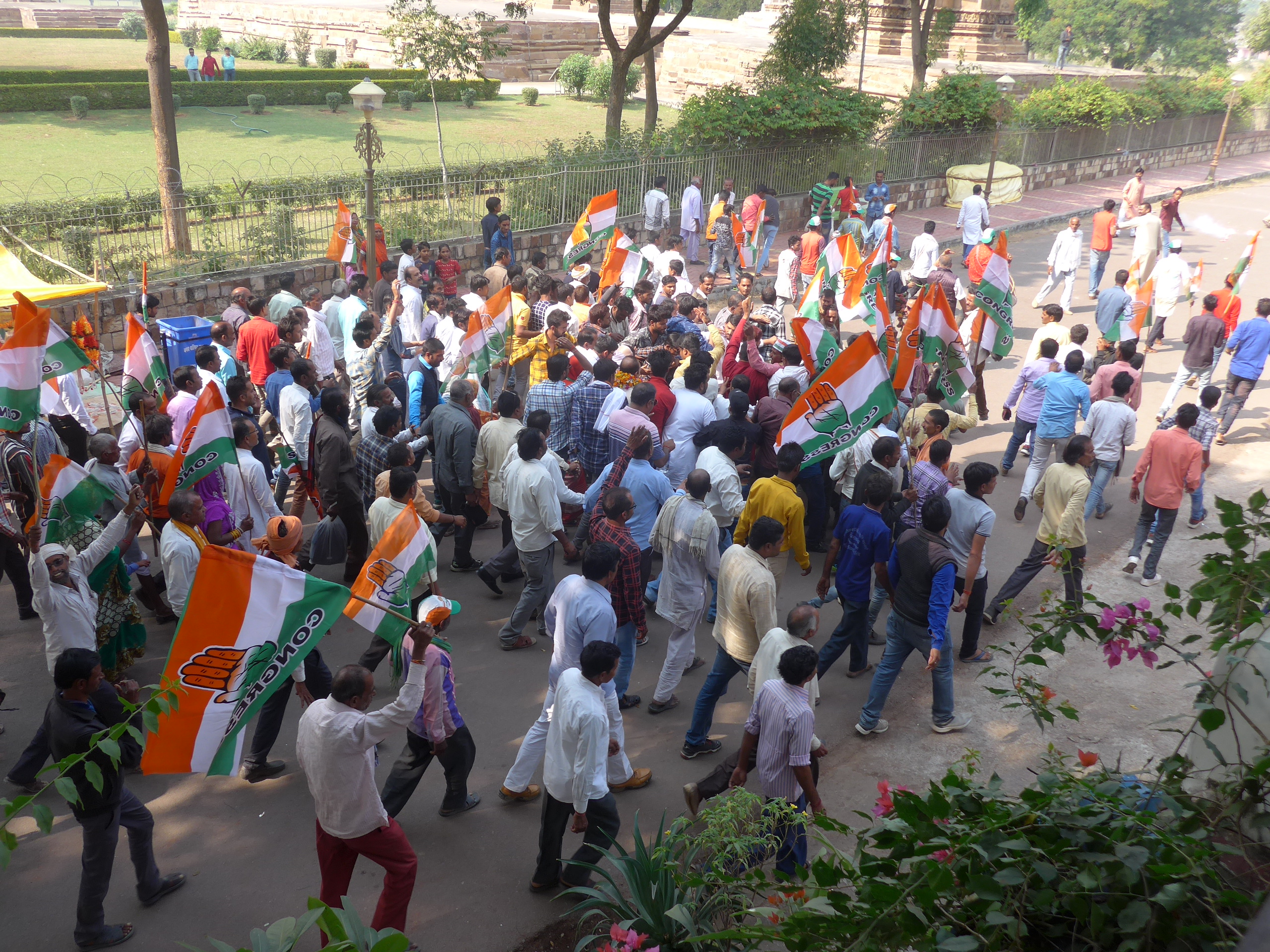
It was also odd to suddenly see so many “pink” tourists, as well as the crowds of Indian tourists. And a political march for the Congress Party, with firecrackers, added to the melee. There is a state election at the end of the month, by which time we should be in Gujarat. We only meet Congress supporters, but Modi and the BNP are popular with the poorer people.

Political demonstration for Congress Party

And then we would hear the patter of small feet behind us, the cry of “Uncle! Uncle! Auntie! Please one selfie!” Twenty-one selfies in one day was the record, so far. But the requests were always so polite we could not be churlish and refuse.

The elusive tiger

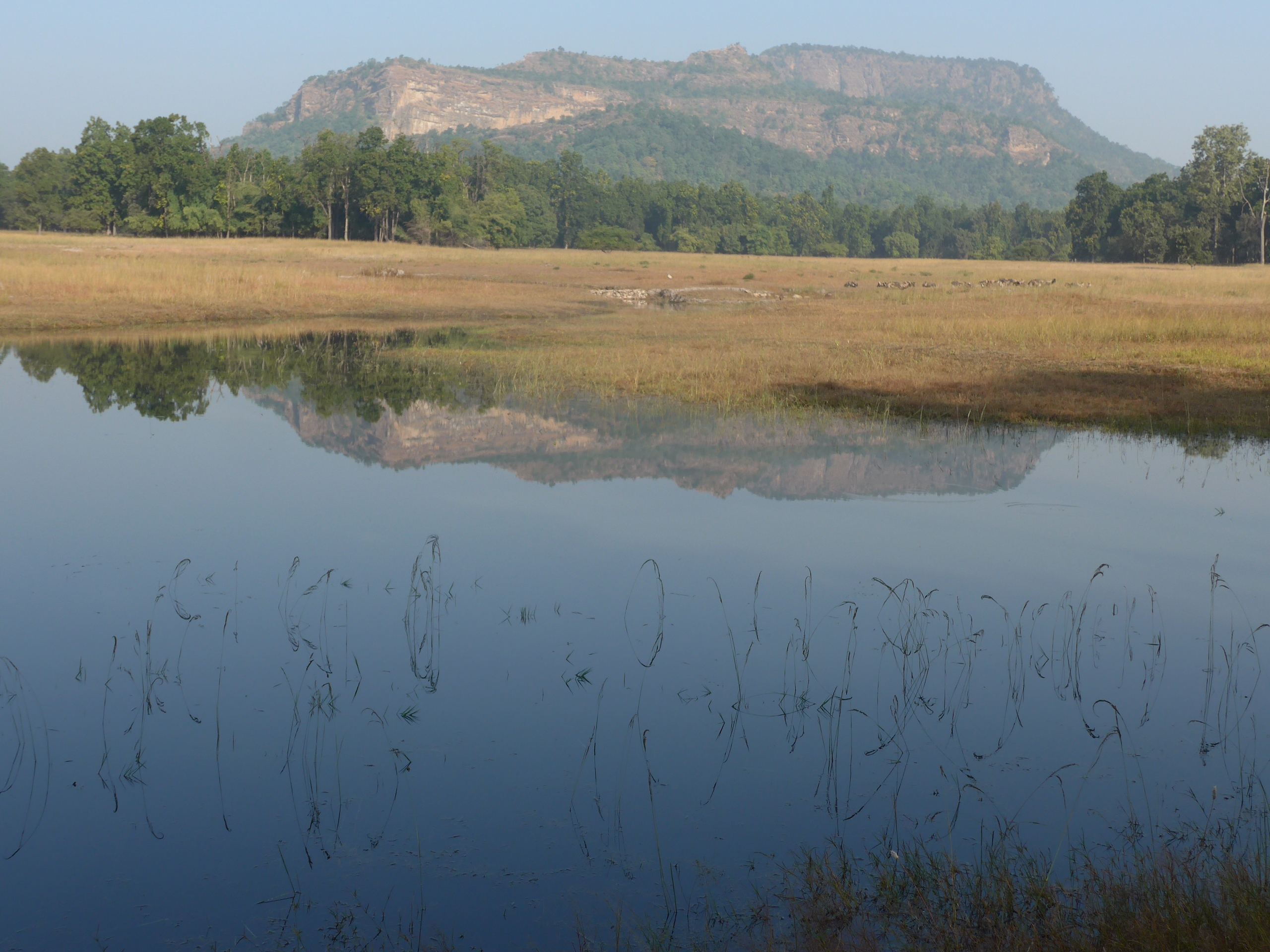
Our next leg was a five-hour taxi drive east through teak forest and national park to Bandhavgarh. Madhya Pradesh is the most forested state in India and has hills, a rarity on the Gangetic plain, and these are the oldest hills on the sub-continent, older than the youthful Himalayas. It was surprisingly cold at night, and even colder at 5 am when you started out on safari …

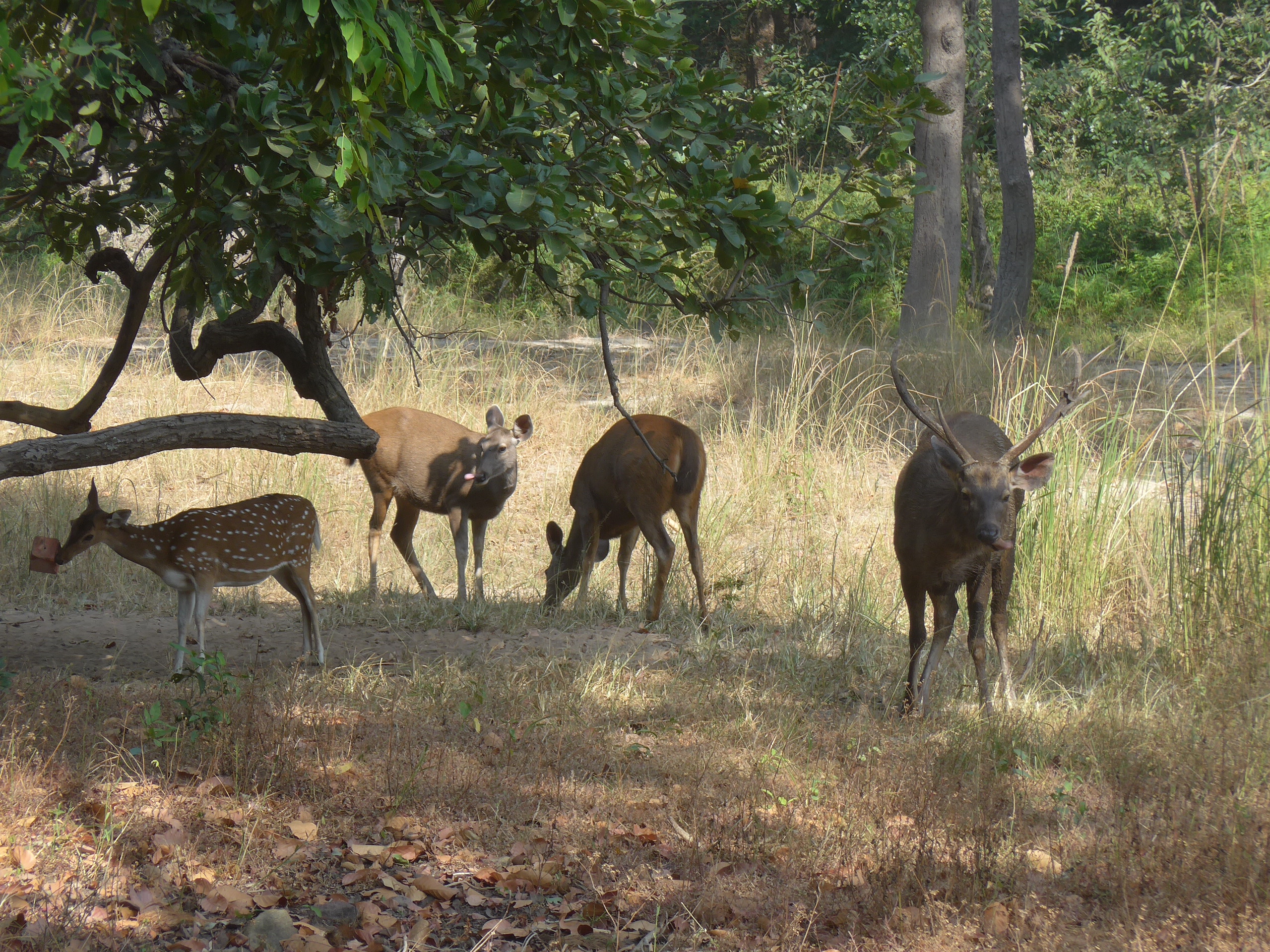
Spotted deer and sambar deer at Bandhavgarh


Bandhavgarh


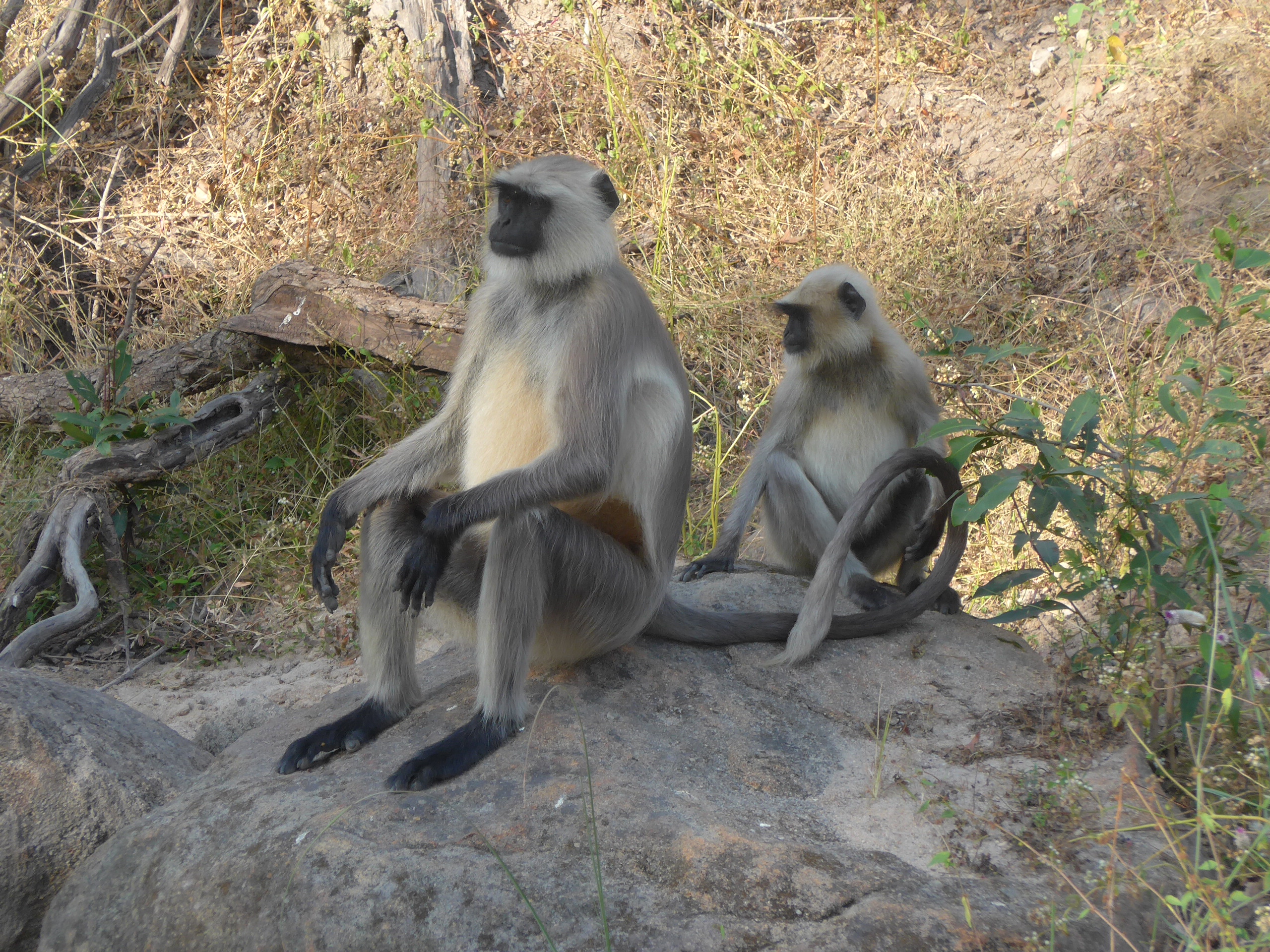
Bandhavgarh has the densest population of the notoriously difficult to spot Indian, or Bengal tiger. They managed to evade us, though we saw plenty of other creatures.

Sambar deer at Bandhavgarh


Langur monkeys at Bandhavgarh


But our companions where we stayed at peaceful, green Skay’s Camp saw tigers most days. So they are there!


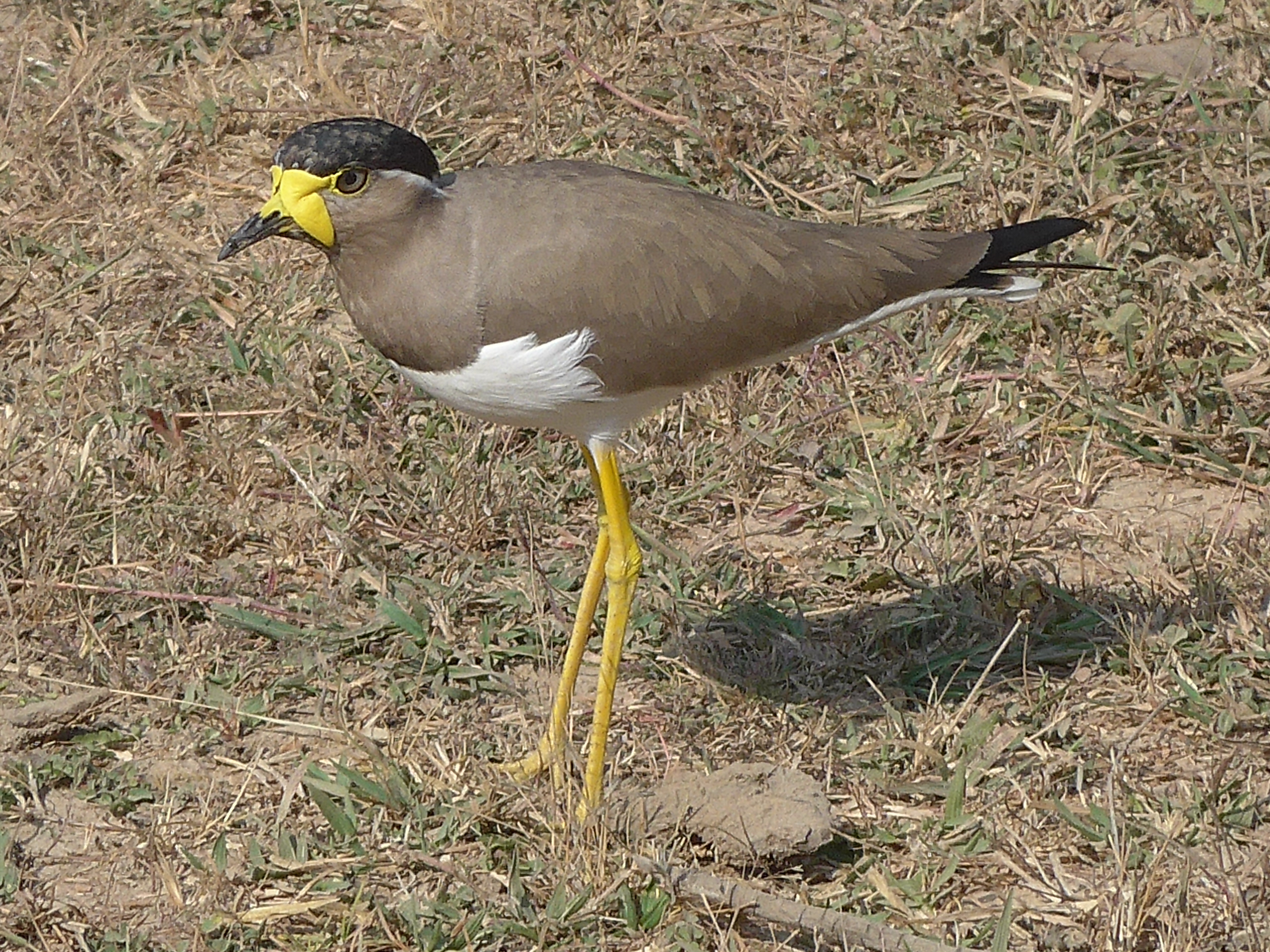
Bhandhavgar. Yellow wattled lapwing
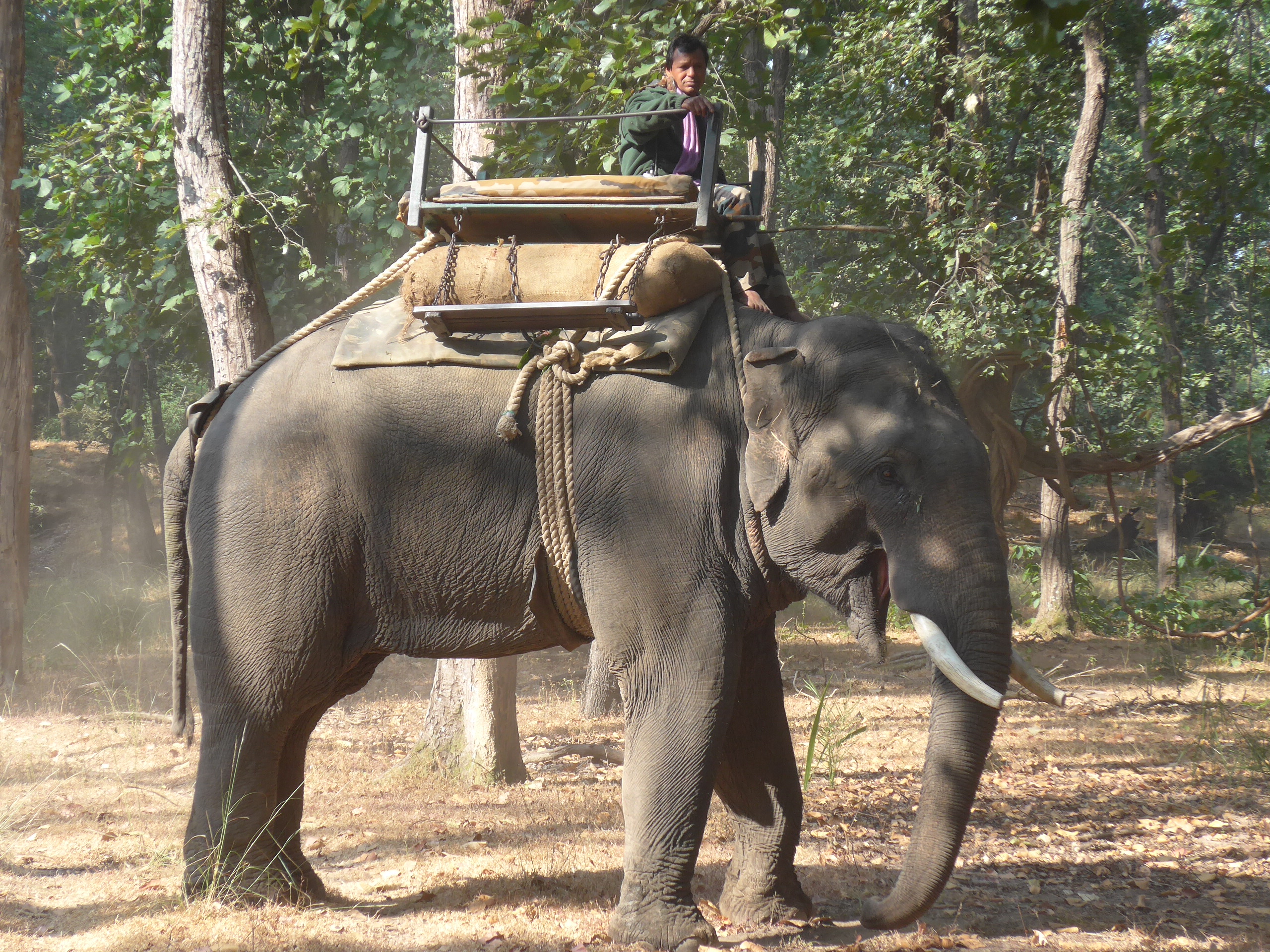
Elephant patrol at Bandhavgarh
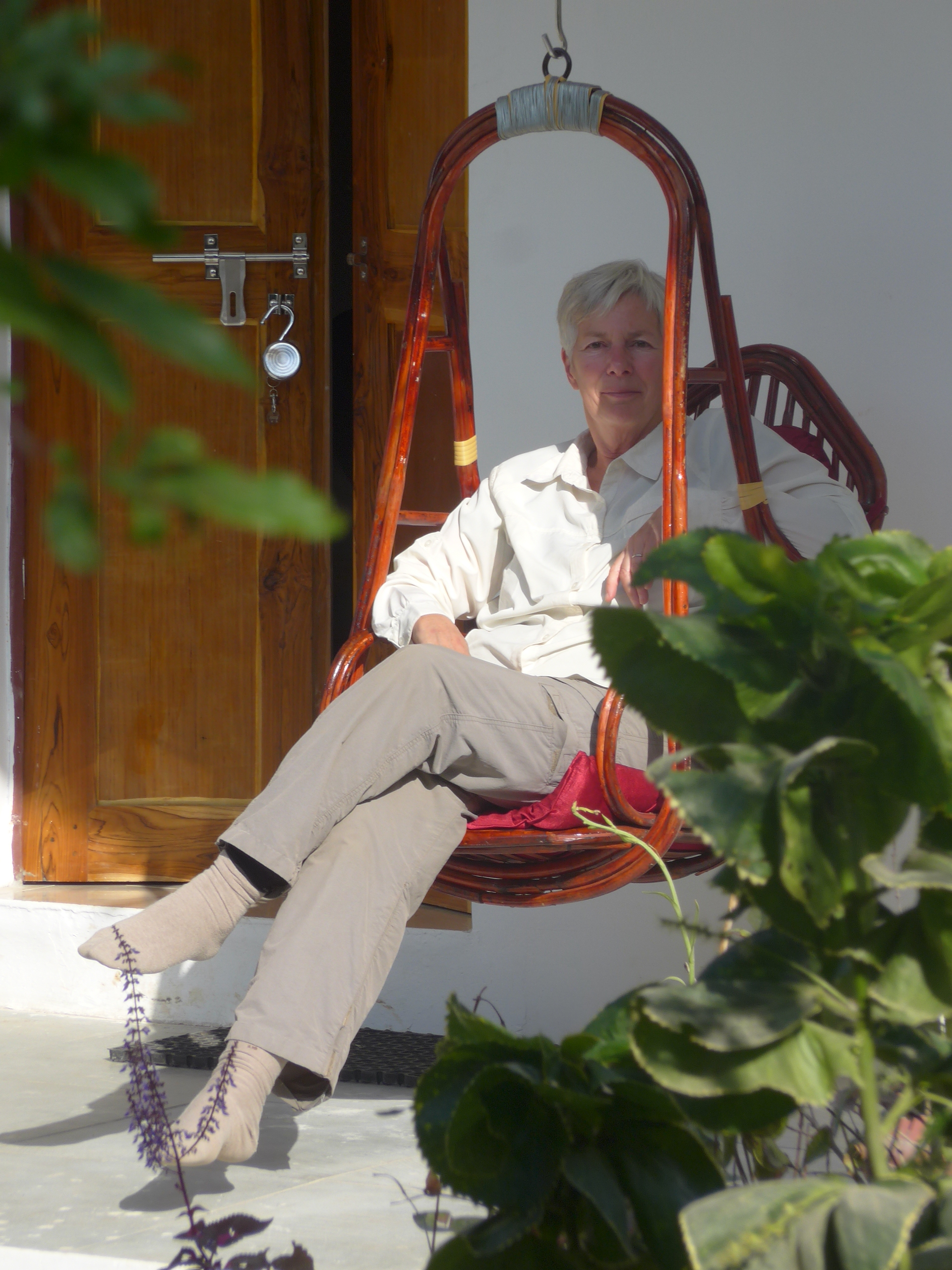
The verandah at Skay’s Camp

Skay’s Camp was a lovely place to stay, popular with tiger obsessives and wildlife photographers, and with a fine verandah. But there are just so many days spent bouncing around in a jeep, that you can take!


In the taxi to the nearest station at Umaria we met a bovine traffic jam.

Traffic jam on the way to Umaria station
Umaria station


The train from Umaria jogged along, and stopped, and stopped again, and again. After an hour’s wait outside one town, many passengers got off and walked off across the tracks, carrying luggage, babies and even an elderly man who could not walk. His friends just managed to carry him to a concrete strip mid-track before an express train hurtled past. So we missed the connection at Jabalpur and were stranded overnight. But the Station Manager, and his six friends, took care of us, giving us tea while fixing a train for the next day.
There was a hotel half a kilometre away so we thought we would take a couple of cycle-rickshaws, as these ancient tricycles are being superseded by the ubiquitous motorised auto-rickshaw. The very elderly driver insisted he could take us, plus bags, for 40 rupees (40 p), but, to our dismay, weighed down by two plump tourists with their luggage, he had to push the bicycle half way there, before he was able to get in the saddle and creakily pedal along the main road and into the hotel drive. He was overjoyed to be given 100 rupees. I just hope he took the rest of the night off.

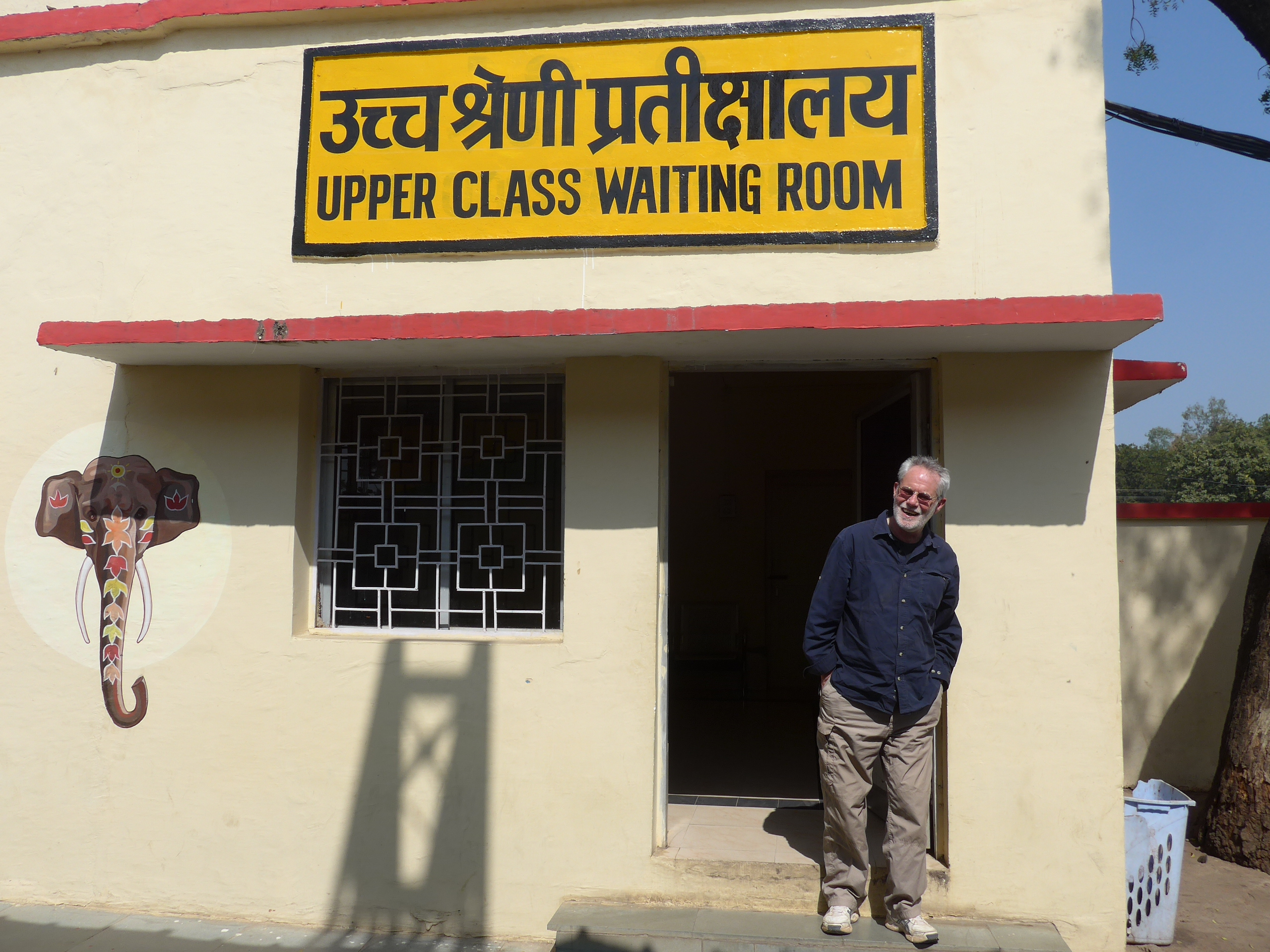
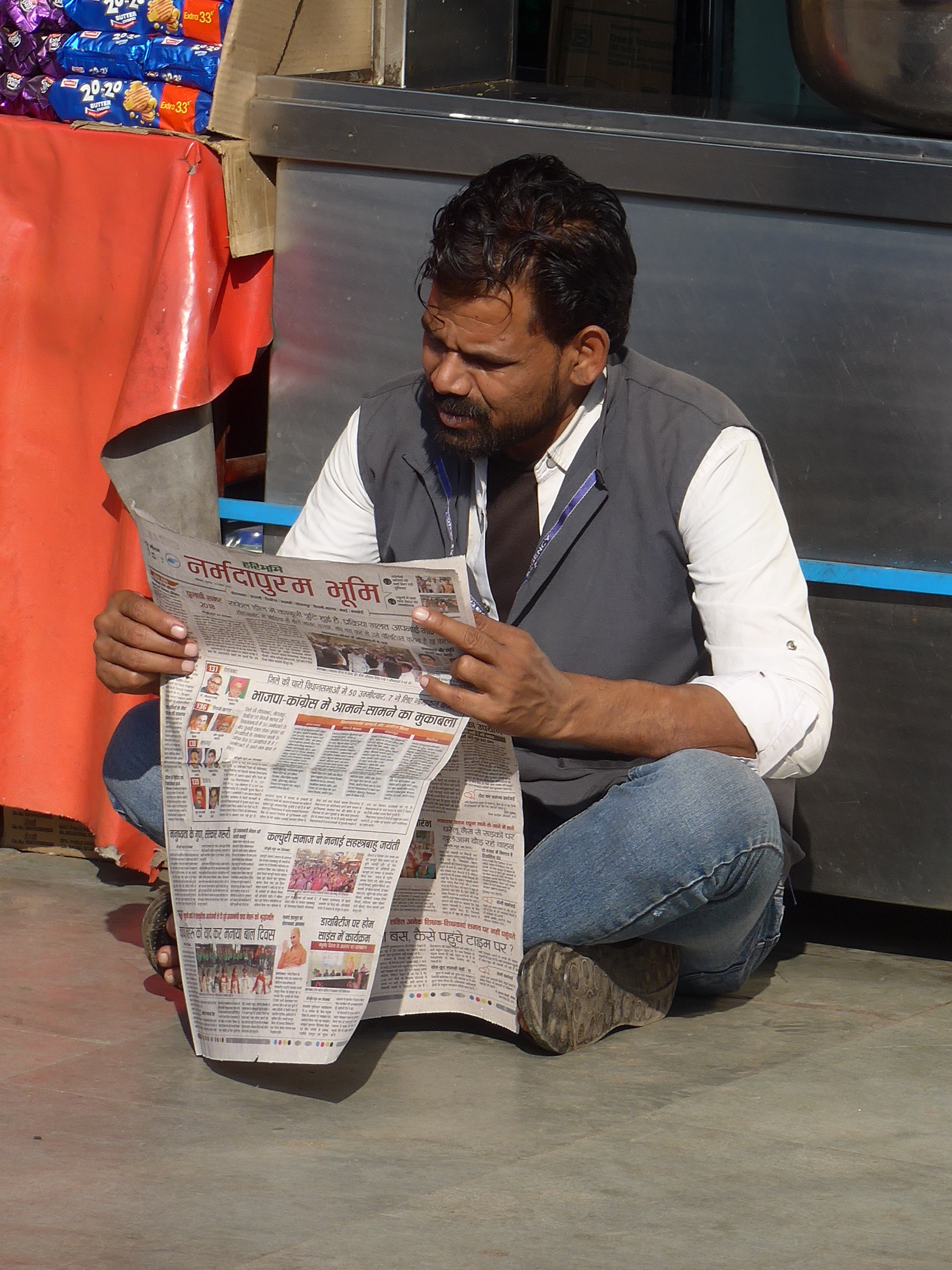
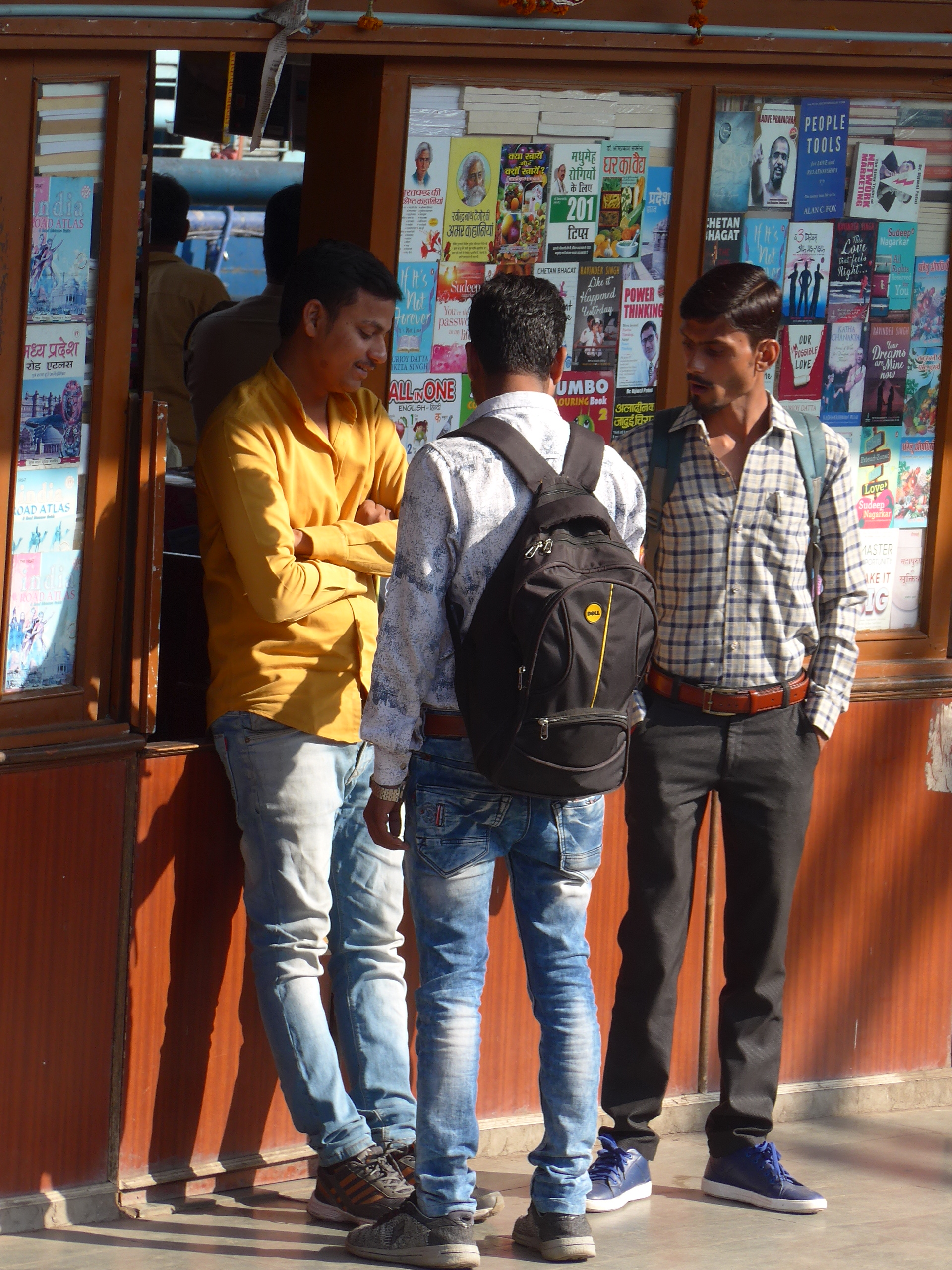
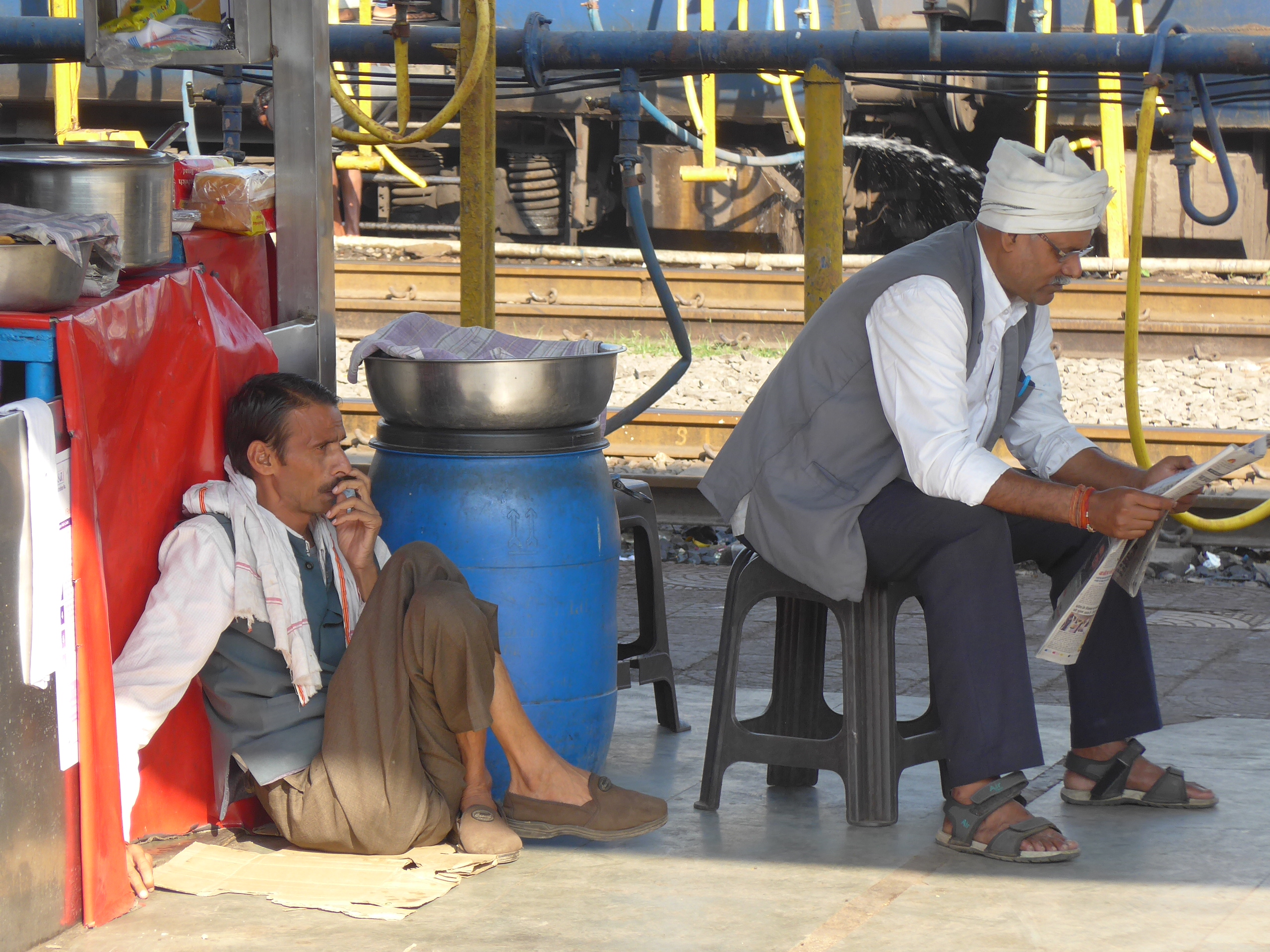
Passing the time at the station

Indian trains are massive, at least 20 carriages of all different classes and there is always a moment of panic as you dash down the crowded platforms trying to find your berth. We saw freight trains of 120 wagons. And the town stations are enormous, with people sleeping on the floor, beggars, dogs, book stalls, snack stalls, sacks of stuff, bits of concrete lying around, flies, smells and worse. You see all levels of life, from the comfortably off middle classes, to the desperately poor, many of them living in utter destitution on the station itself, women with babies, blind and disabled people, begging for a few rupees.

Passing the time at the station


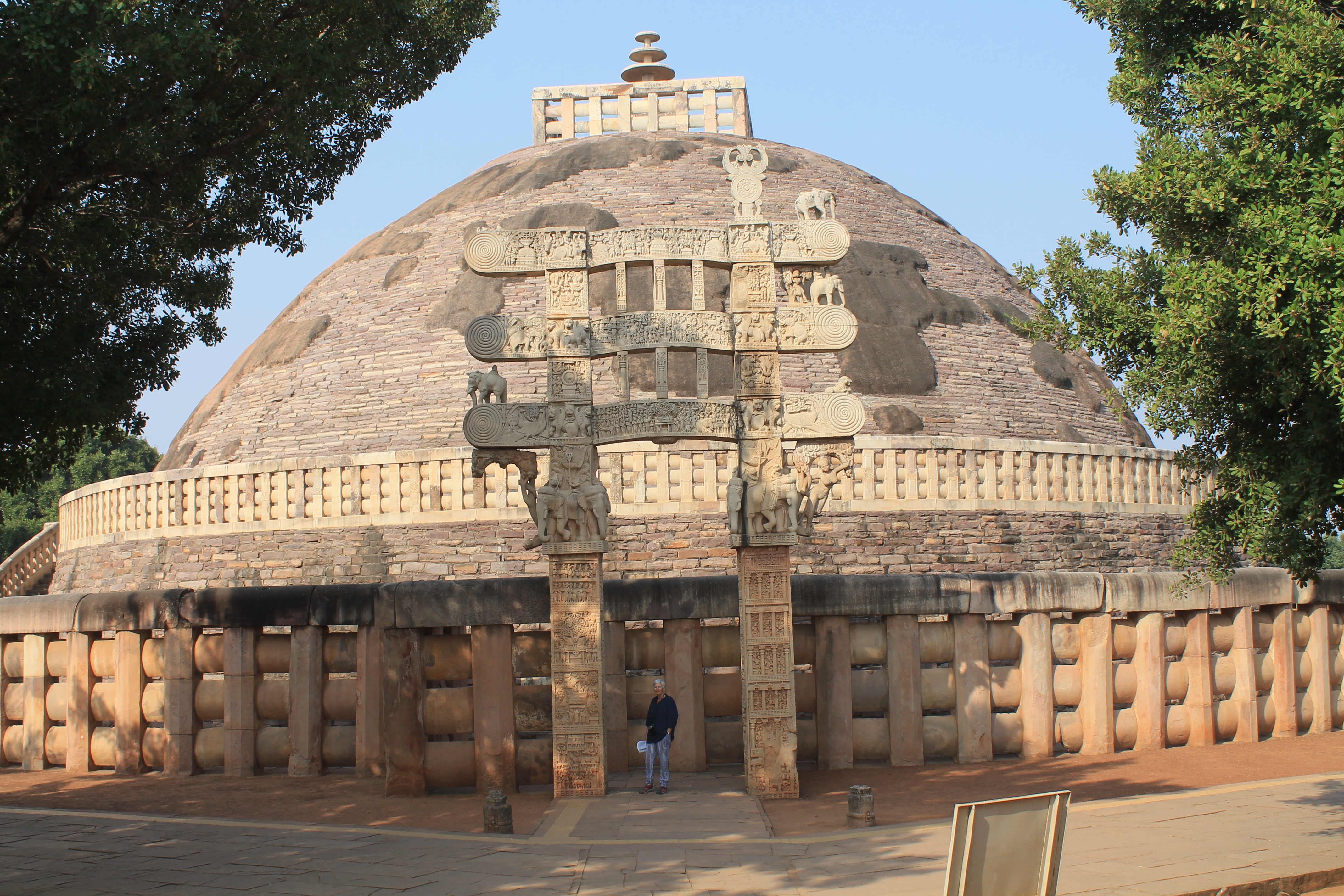
Finally we reached Bhopal, from where we took another train out to Sanchi, the great stupa built by Ashoka in the 3rd century BC, and covered in wonderful carvings.

Great Stupa at Sanchi
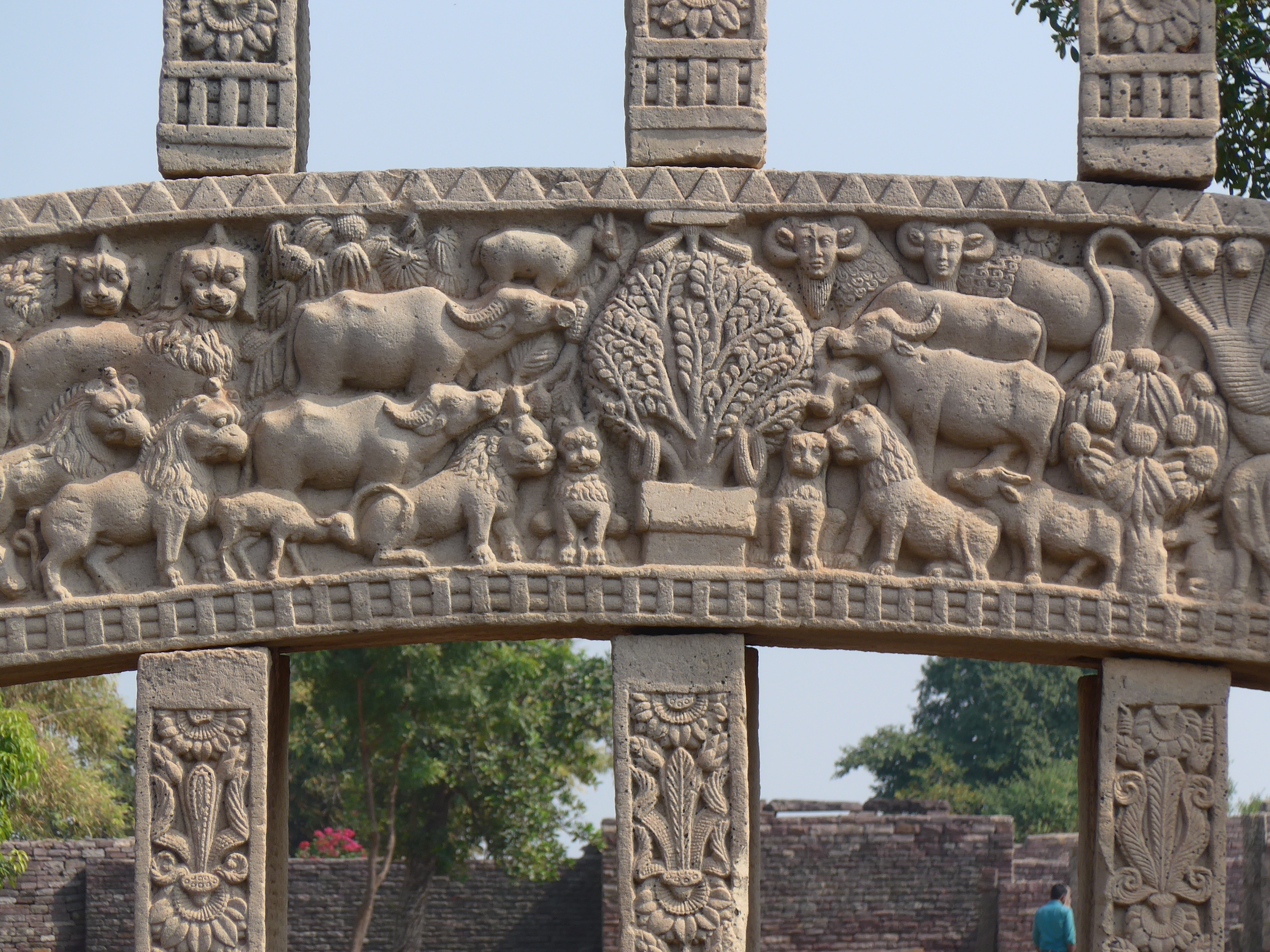
Animals worshipping the Buddha
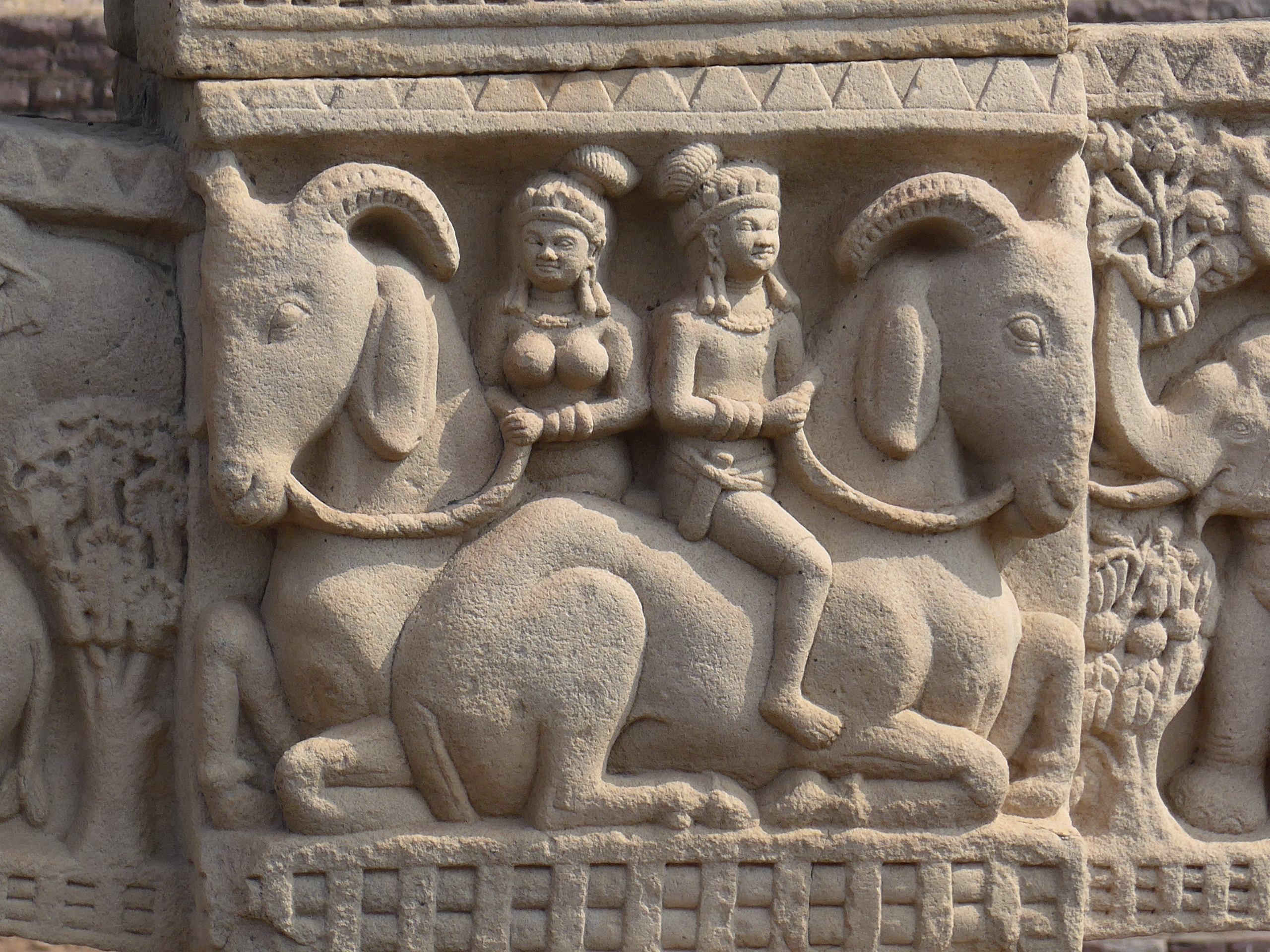
Sanchi, the Mara


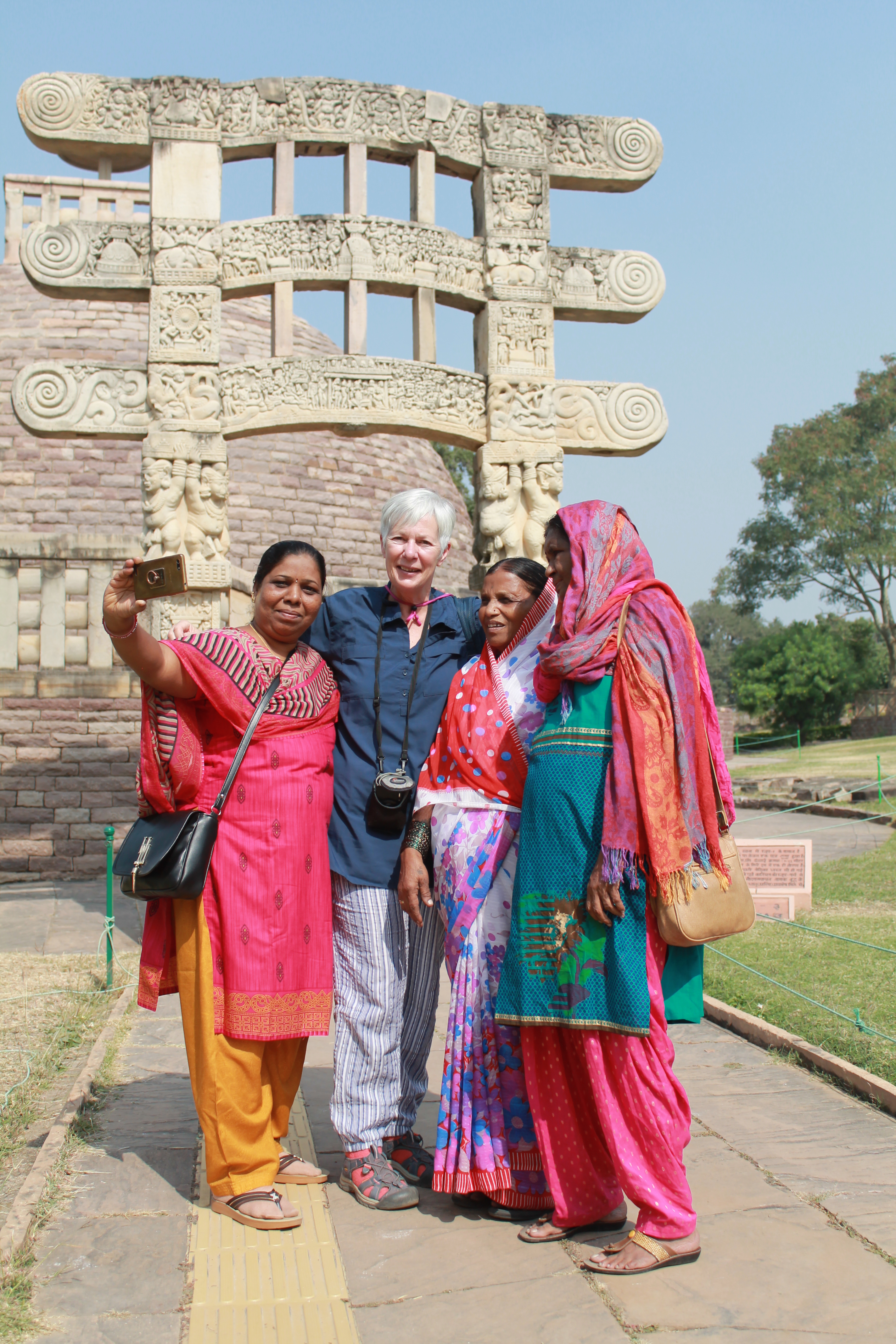
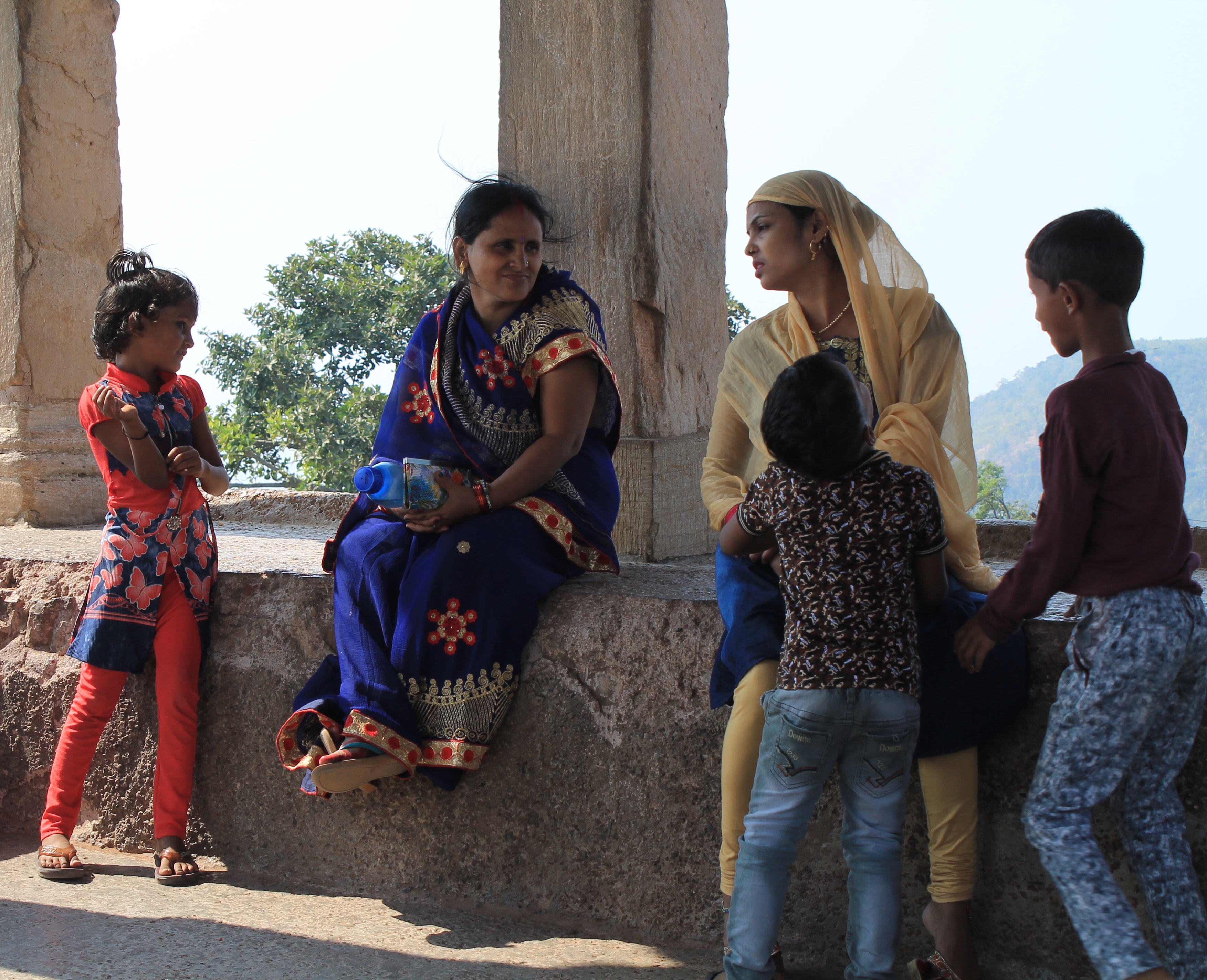
The beauty of these 2,200 year-old stone carvings was breath-taking. And it was popular with local tourists too, the older women all dressed in the most colourful saris like exotic butterflies against the stone.

Selfie!
Selfie!!!


We decided to try to catch a bus back to Bhopal. After waiting half an hour on a dusty, busy main road, we were able to fight our way on to a packed, rattling, old rust-bucket of a bus. The bus was full of fringed pelmets, and dangly, glittery decorations, loud Hindi pop music played and the passengers sang along, argued, talked loudly on their mobile phones. The bus blasted its horn every minute or two. It had various deafening “calls”: a horn like a mad, trumpeting elephant, one that was a burst of shrill music and one that was a blaring clarion call that made us feel like Assyrian warriors coming down “like the wolf on the fold”, as the bus careered into a village, scattering dogs, bicycles and villagers in the dust. Sometimes it played them all non-stop, several times in a row. It was like being on some mad, charabanc excursion-cum-raiding party.

We were staying in a hilly suburb of Bhopal, overlooking its huge, beautiful lake, with a nature reserve nearby. But in the old town open drains, plastic-choked rivers/sewers, shacks of cardboard and plastic and narrow alleys of crowded, teetering buildings made one feel one had wandered into Dickens’s worst nightmare.

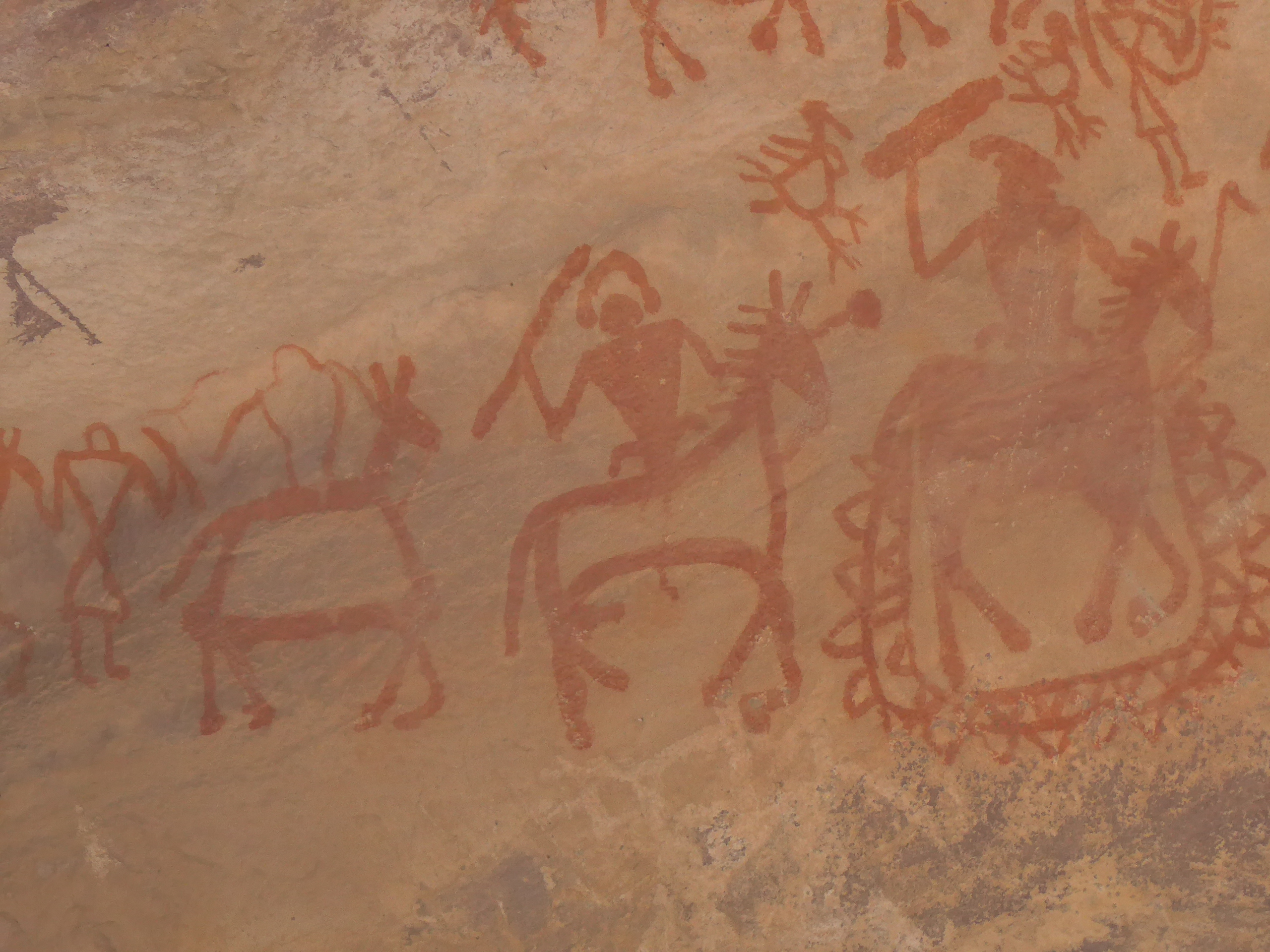
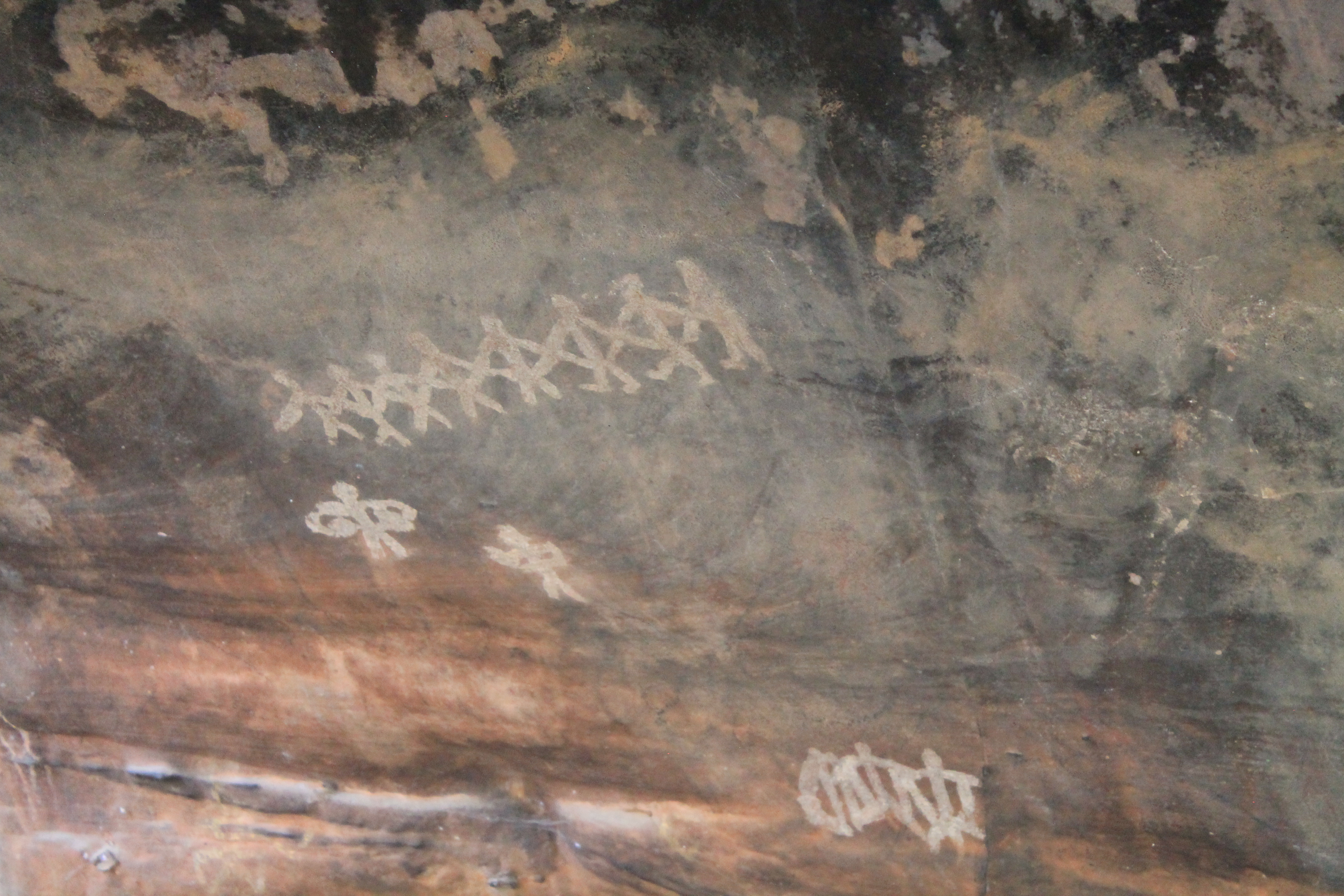
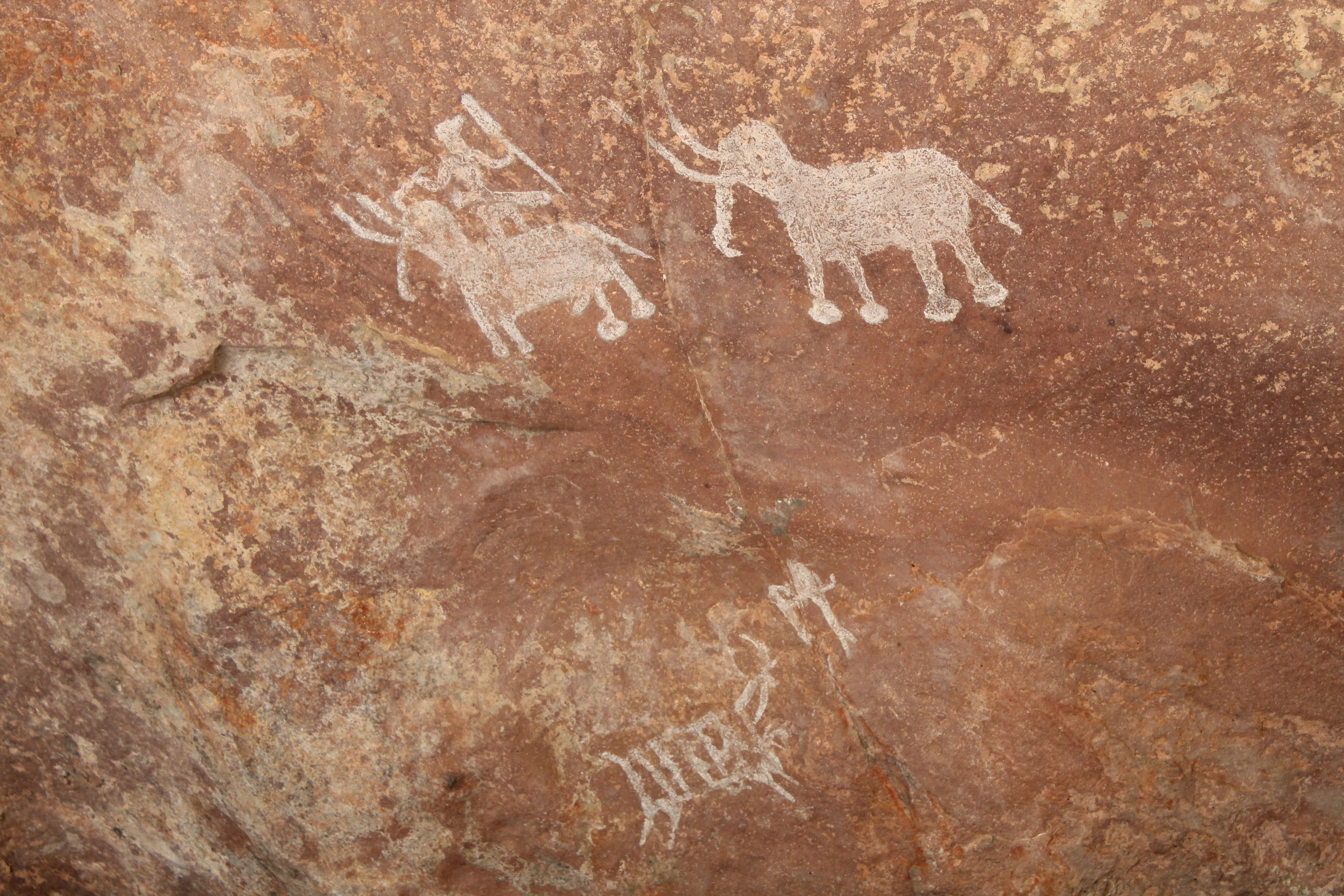
The caves at Bhimbetka

In complete contrast and luxury we took a taxi on our last day in Bhopal to Bhimbetka, where one of the largest collections of prehistoric cave paintings is found, mostly dating from 8,000 to 4,000 BC. We saw fifteen of the hundred or more caves, the paintings just a few feet away.

Royal procession


Dancing figures
Warrior riding elephant at Bhimbetka caves

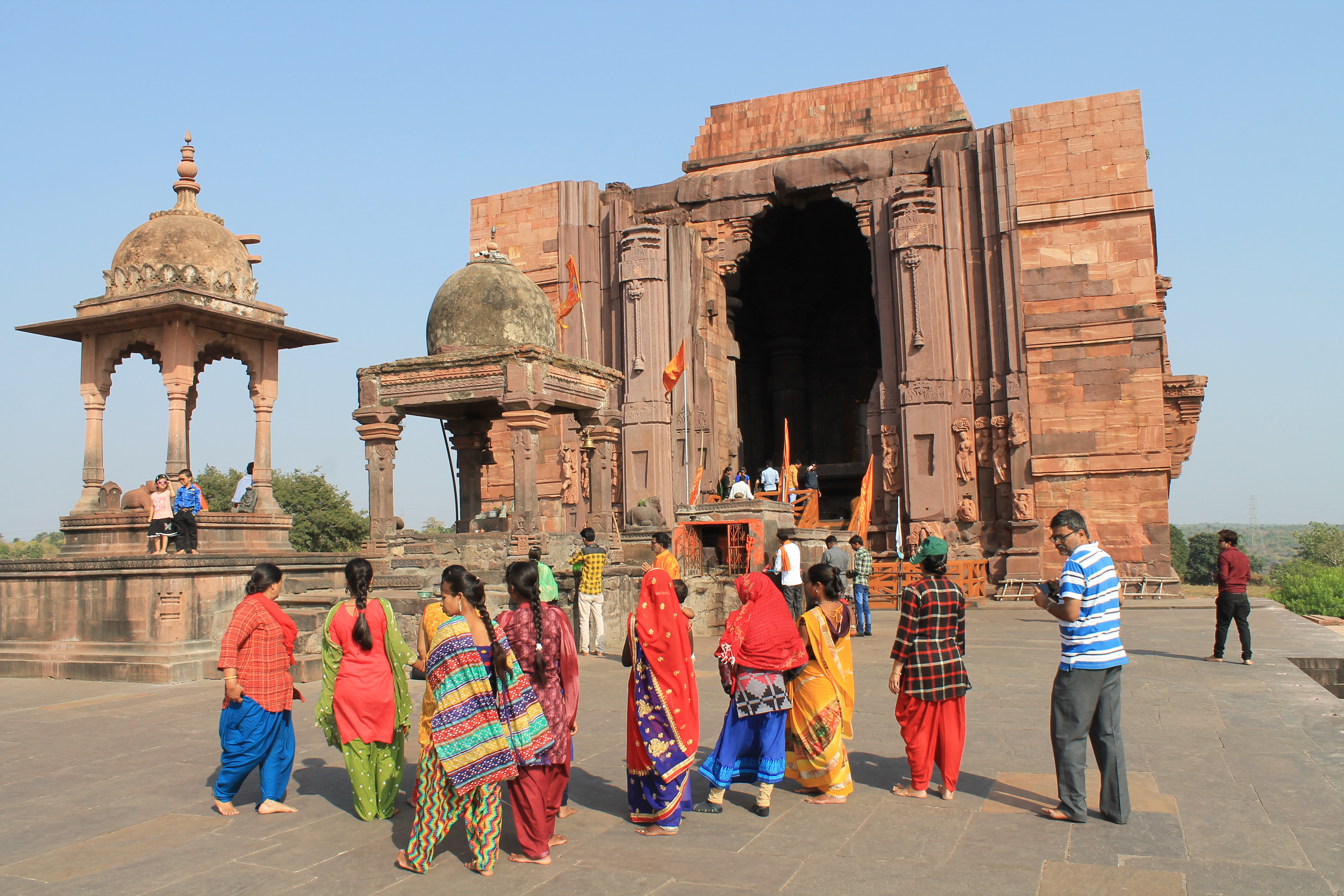
Finally, on the way back, we stopped at a 12th-century Shiva temple at Bhojpur.

12th century Shiva Temple at Bhojpur

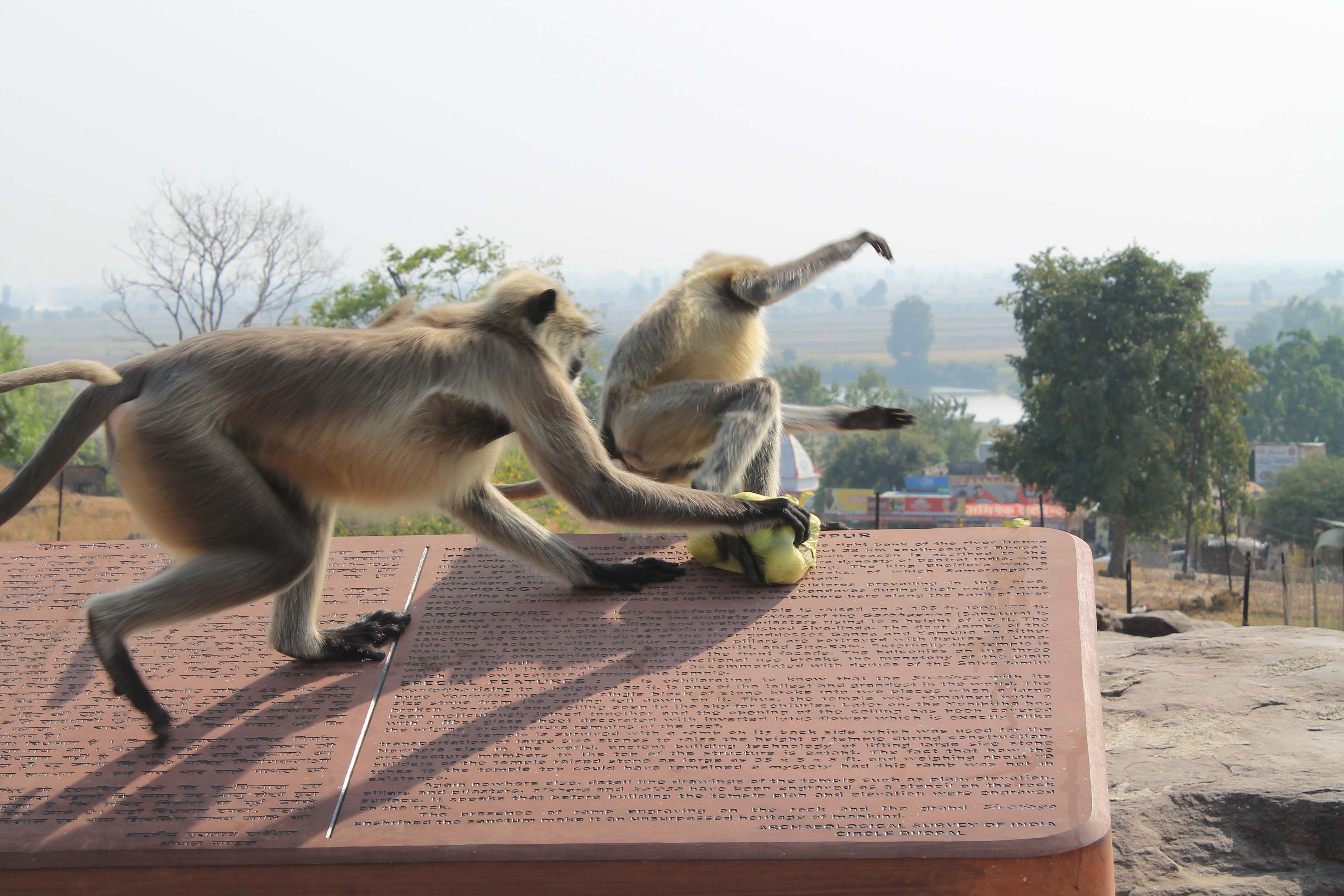
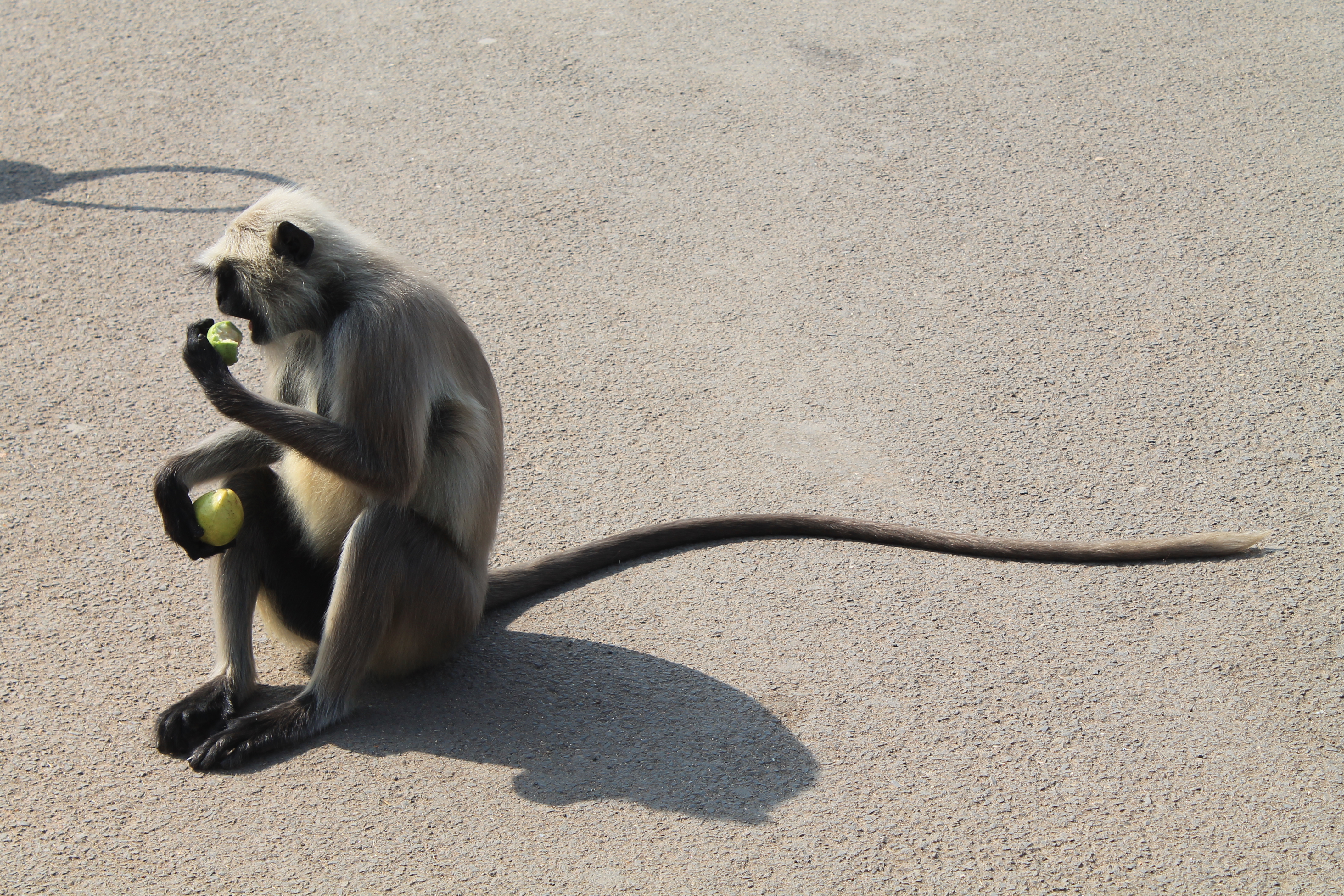
Here the local langur monkeys were adept at bounding out from behind bushes to grab the offerings of coconut, guava and sweets that the visitors bought to offer at the temple.

Langurs stealing guavas


The skill with which they carried out their sorties was impressive, cunningly waiting until their prey was distracted and leaving much screaming and shrieking behind while they sauntered off to munch their prizes.

Success!

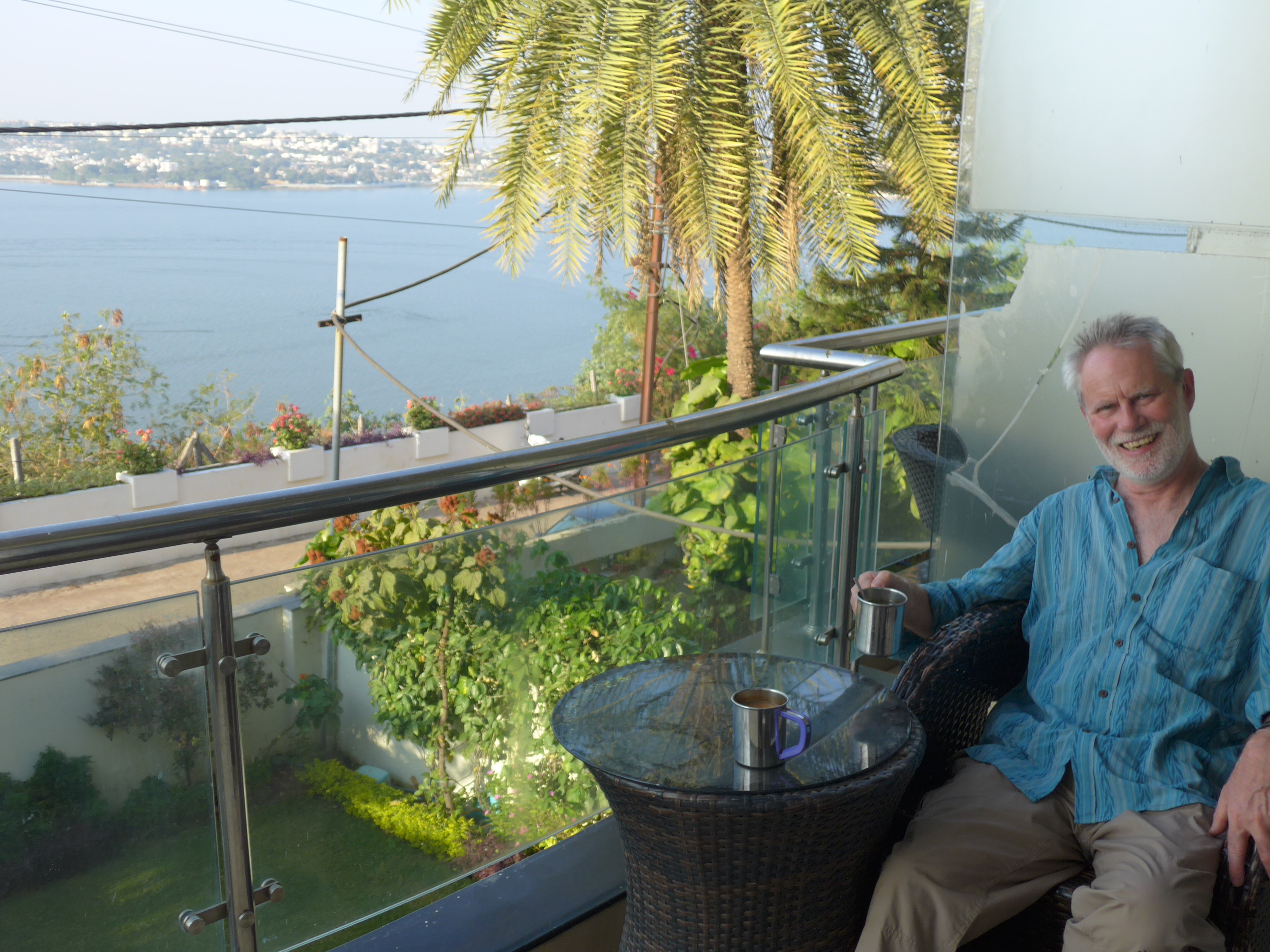
The last evening’s verandah scene at Bhopal.

Bhopal Lake view

4. Madhya Pradesh to Gujarat: Ahmedabad “hurricane city”

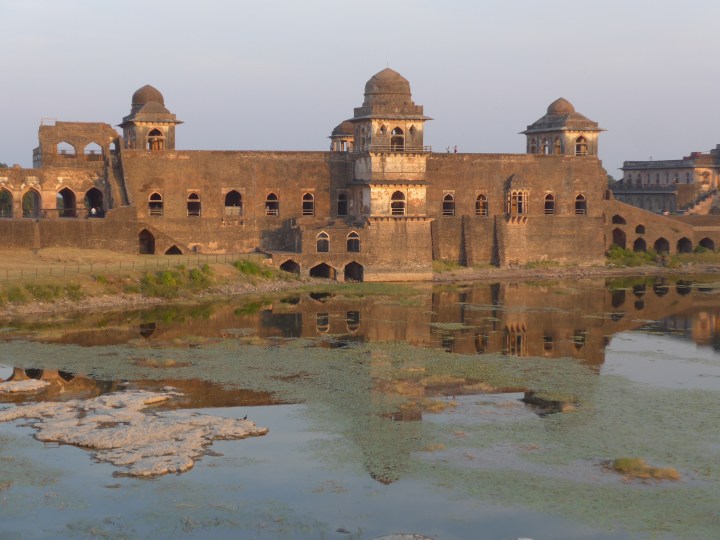
Jahan Mahal, or Ship Palace, Mandu
Mandu

On a high plateau two hours’ drive from Indore, the remains of  Mandu’s medieval palaces, mosques and mausoleums lie scattered amongst neat fields of wheat, potato and chick pea plants.


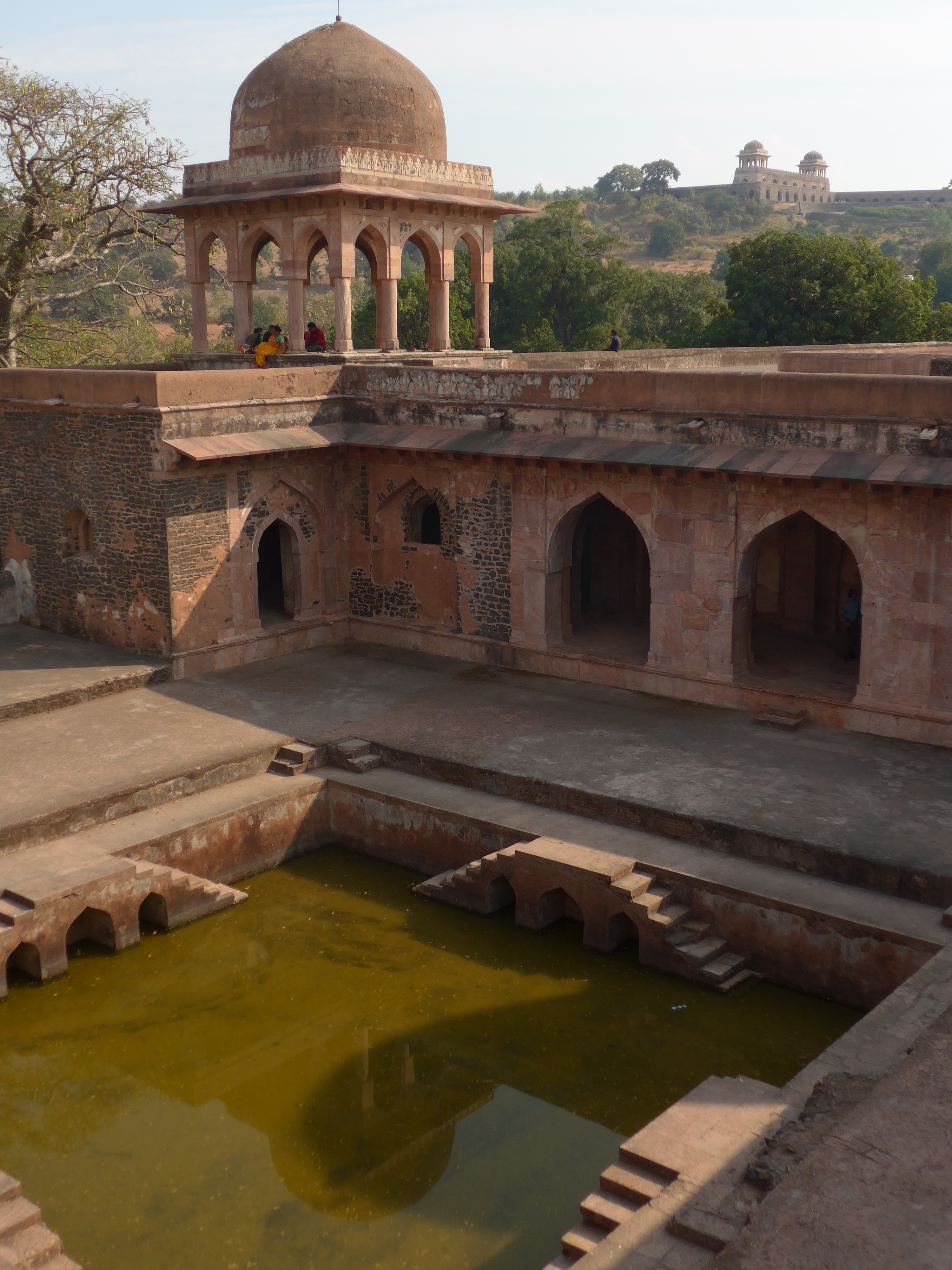
BazBahadur Palace, 1550s, Mandu


Built between 1400 and 1500, the buildings stand beside lakes, or perch on the edge of the ravines and gorges that made the plateau the fort-capital of both Hindu and Muslim dynasties in the 15th century. By 1600 it was deserted.

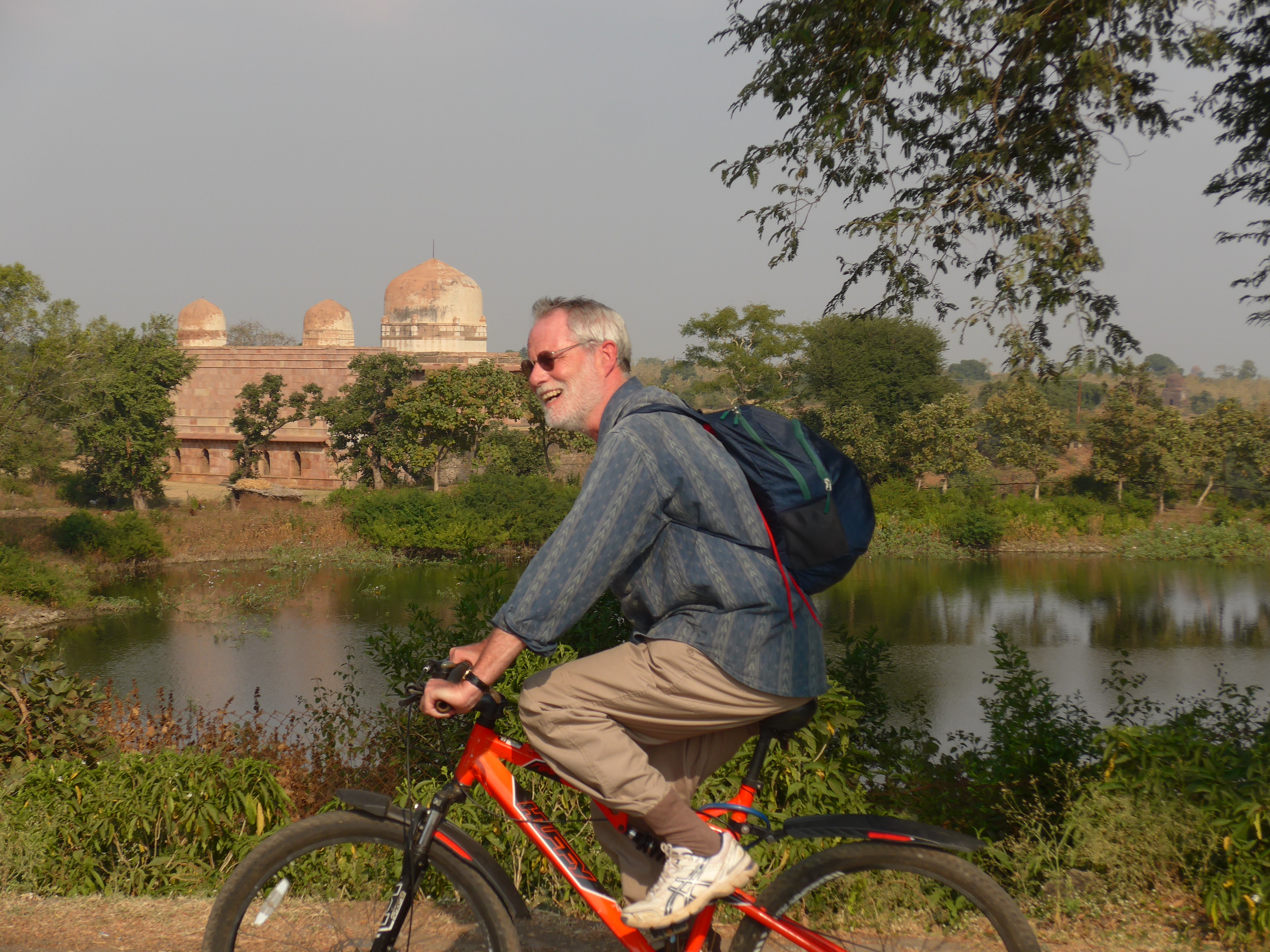
Cycling in Mandu

We hired bicycles and pedalled slowly, in the heat, past ruined pavilions, little mud houses,

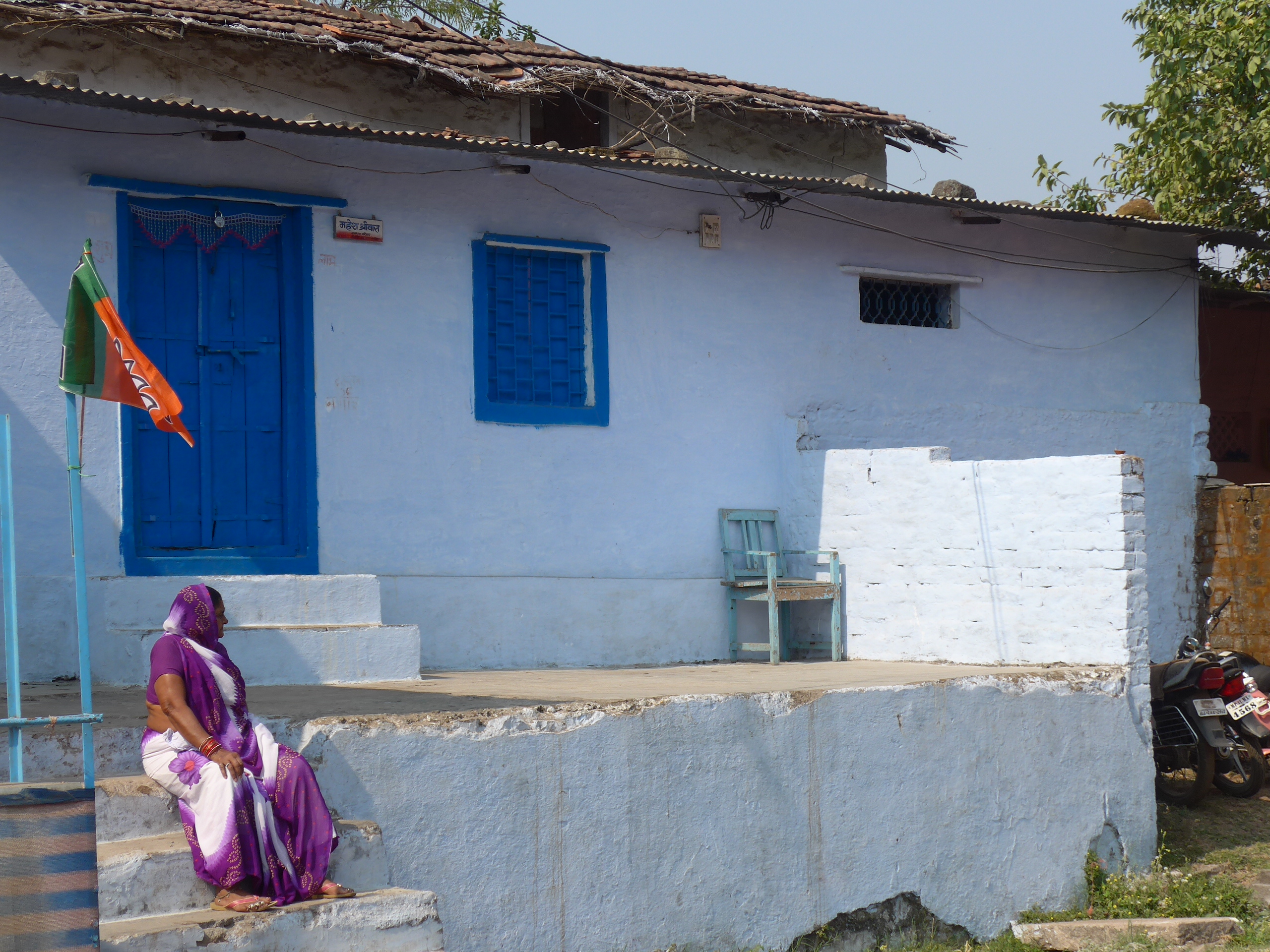
House in Mandu village
Mandala in coloured powder on doorstep


lakes, cows, goats and water buffaloes, and children waving “Bye-bye”, for the six kilometres out to the Palace of Baz Bahadur.

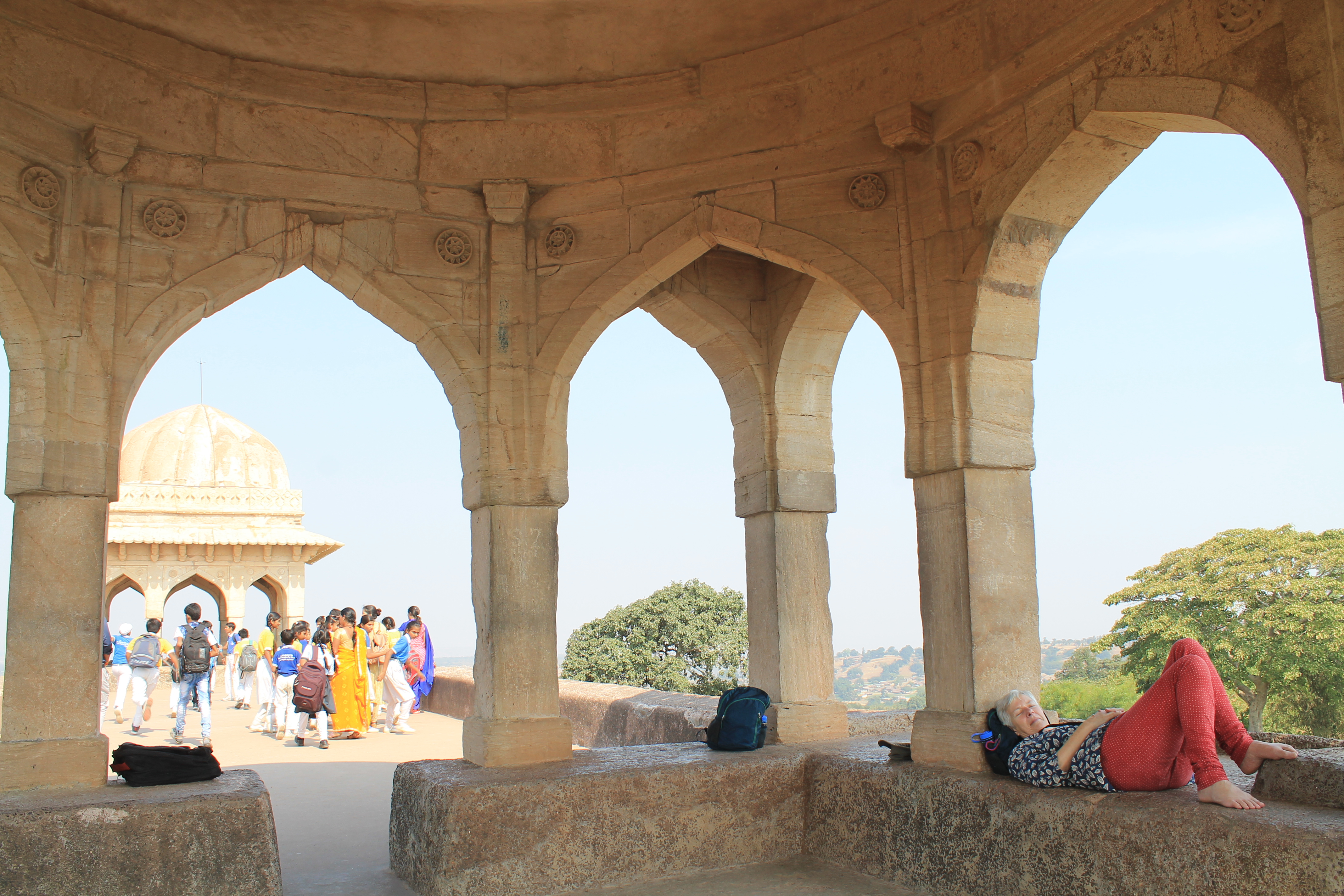
Asleep in Rupmati’s Pavilion

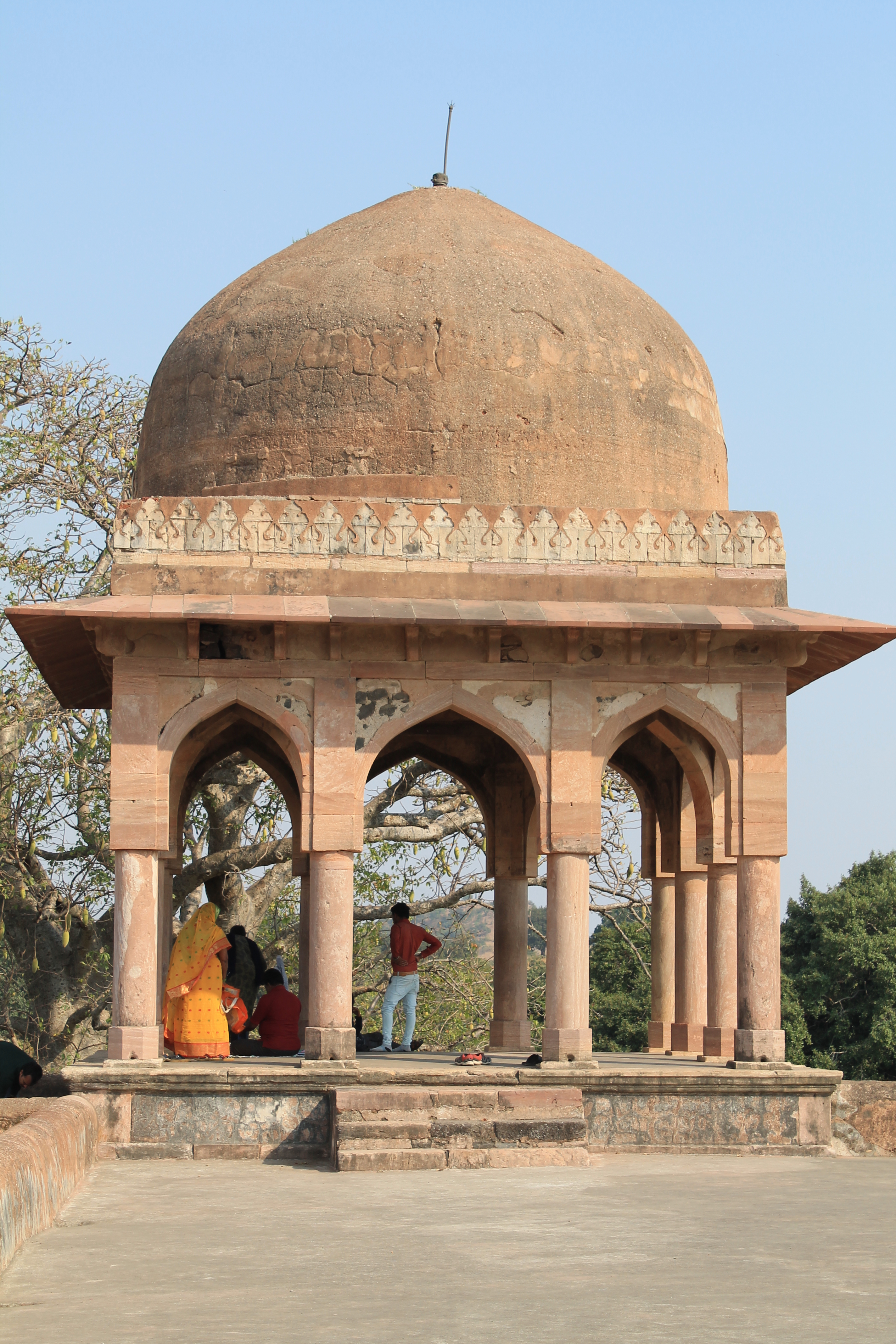
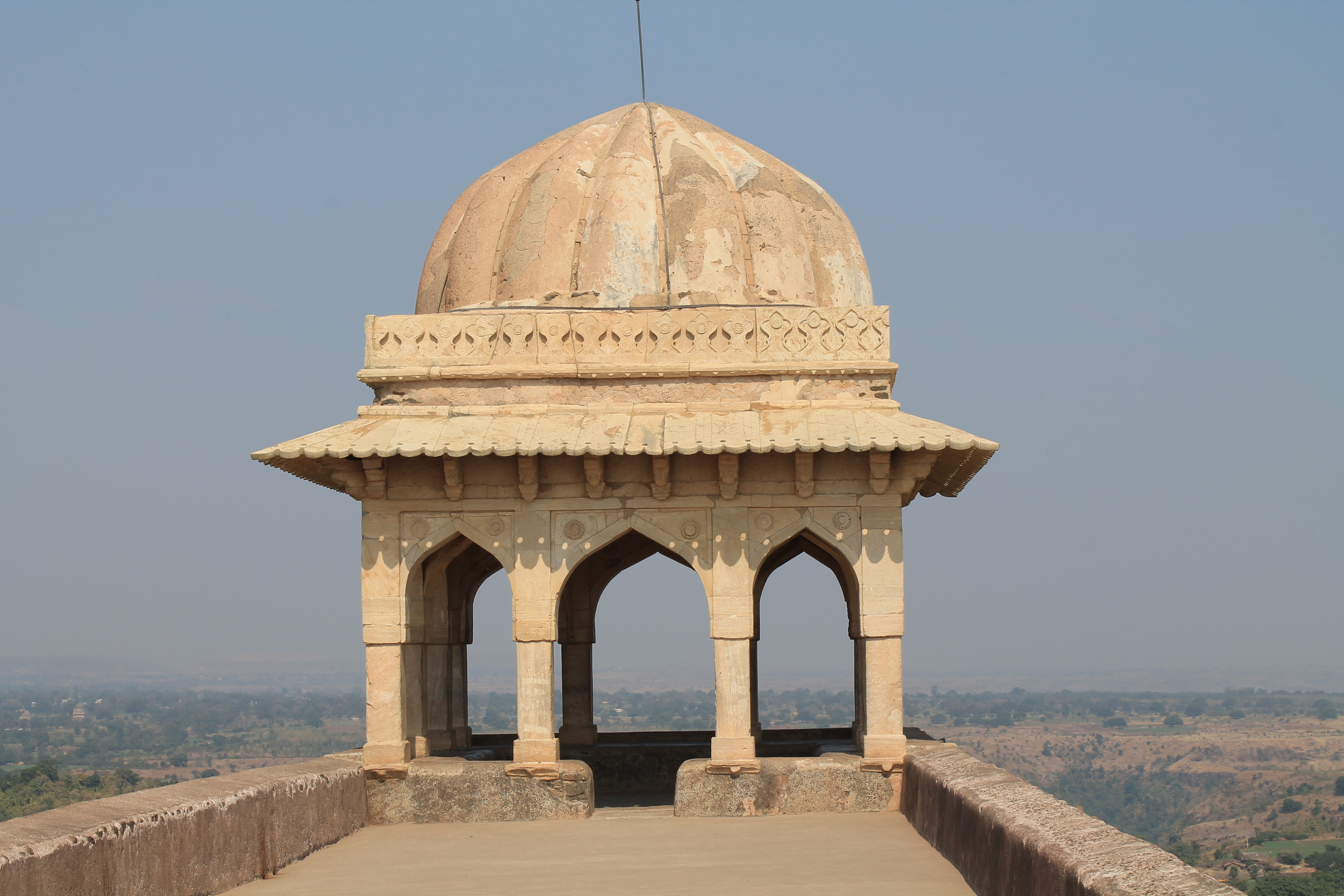
The last Sultan of Malwa, Baz Bahadur, fell in love with a Hindu shepherdess, Rupmati, who had the most beautiful singing voice, and built her a pavilion on the ridge above his palace, a romantic place always cooled by breezes from the the holy Narmada River, far below.

Rupmati’s Pavilion
Baz Bahadur’s Palace with Rupmati’s pavilion on the ridge above


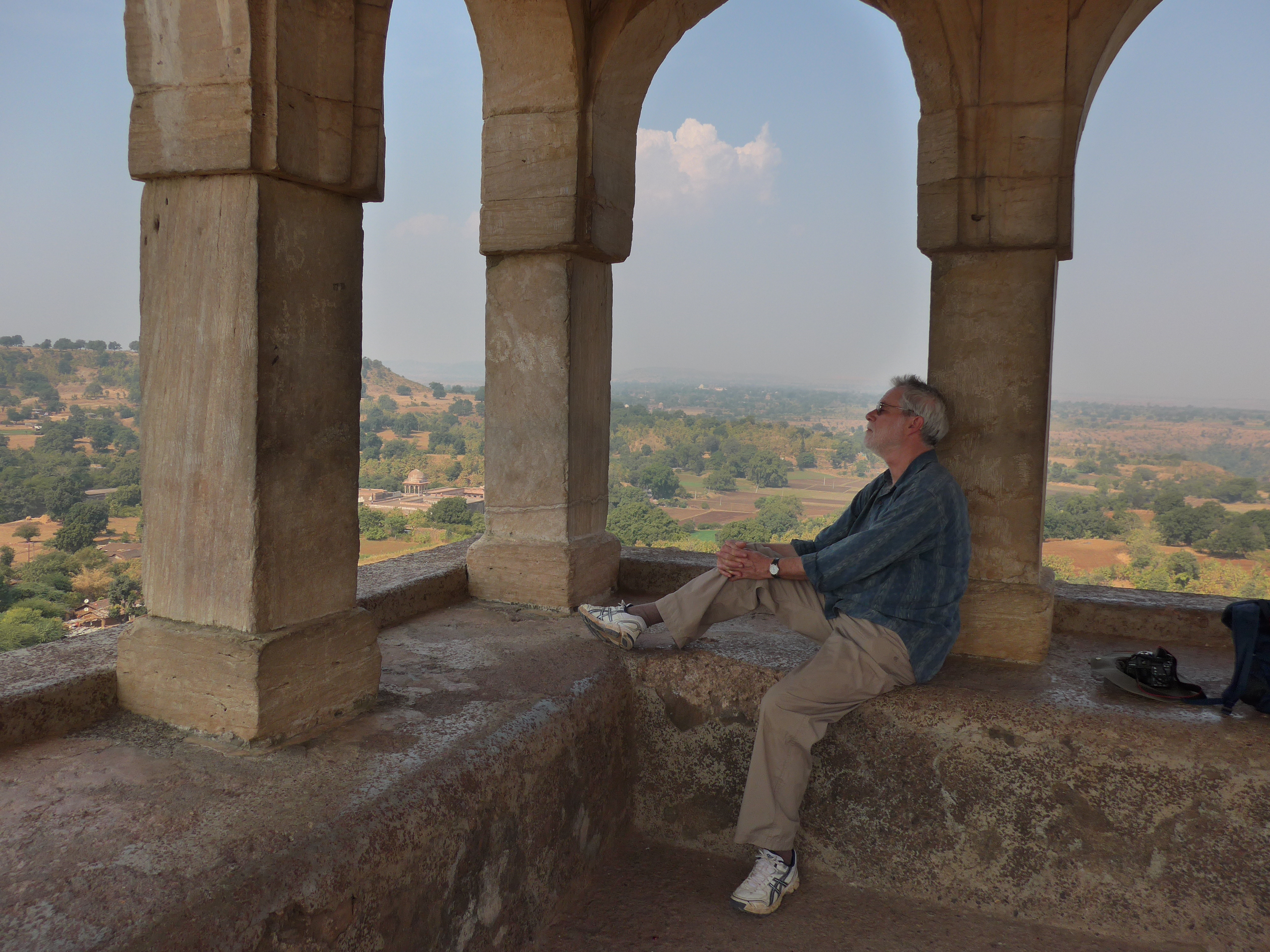
Jim in pensive mood in Rupmati’s Pavilion, Mandu

The Mughul emperor, Akbar, hearing of her beauty, sent his general to capture both the palace and Rupmati. Baz Bahadur escaped, abandoning Rupmati, who poisoned herself rather than be captured. Her crying ghost haunts the pavilion, and people sing sad folk-songs still about her fate.


It’s a favourite place for Indian tourists, too.

Rupmati’s Pavilion
Selfie!


It’s strange to be amongst the austere simplicity of Mughal-style architecture after the sinuous and exuberant carvings of Hindu temples and palaces.

No selfies please
Tomb, Jama Masjid, 15th century, Mandu


Jali screen in Jama Masjid, Mandu


We took an overnight sleeper to the city of Ahmedabad, in the state of Gujarat. But a brilliant tip, before we arrive there, is from Claire, who told me that the back of a hot teaspoon pressed against a mosquito bite for a minute or two will stop it itching. It works! Thank you Claire, how could I have gone all these years and not known that!
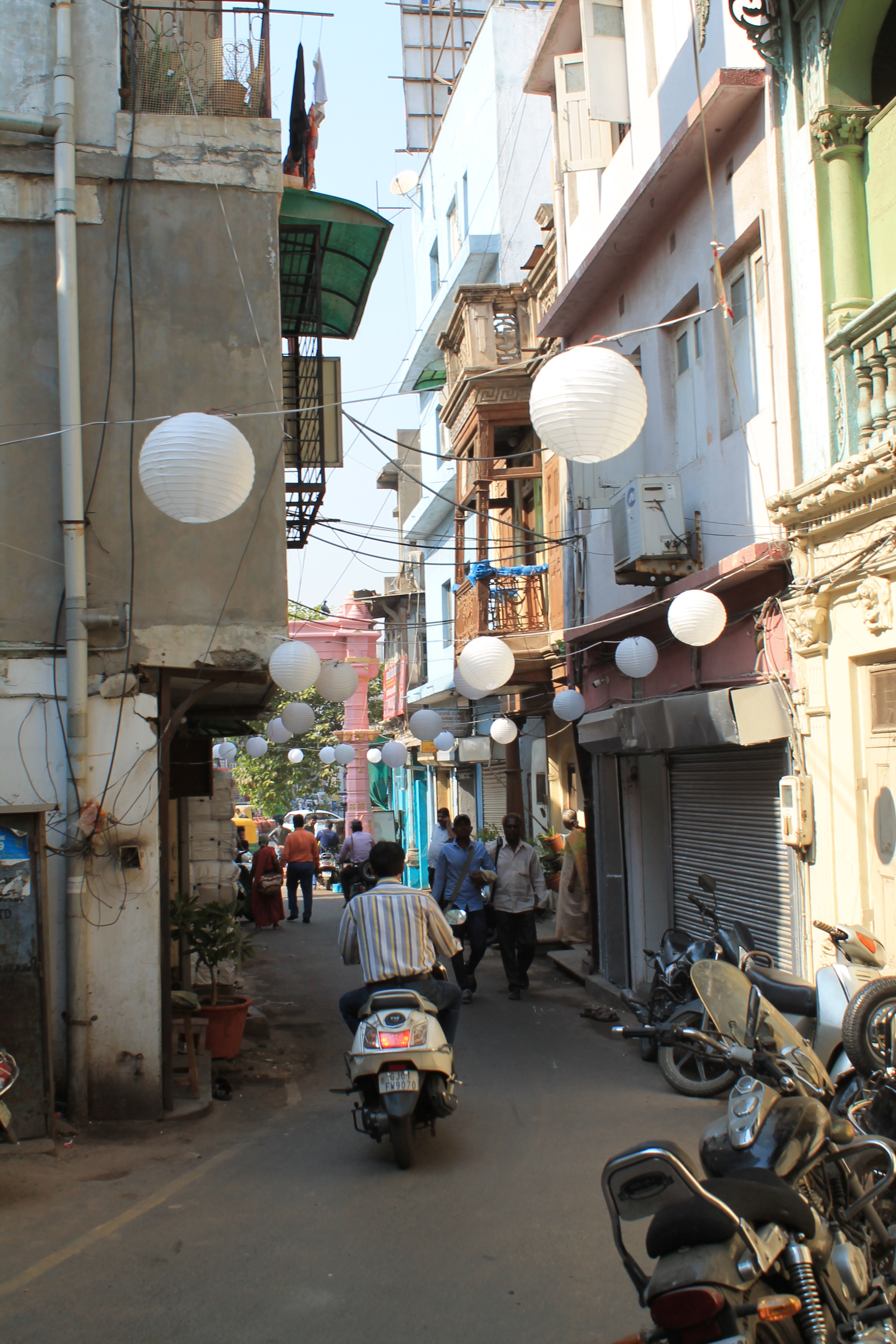
The old city, Ahmedabad
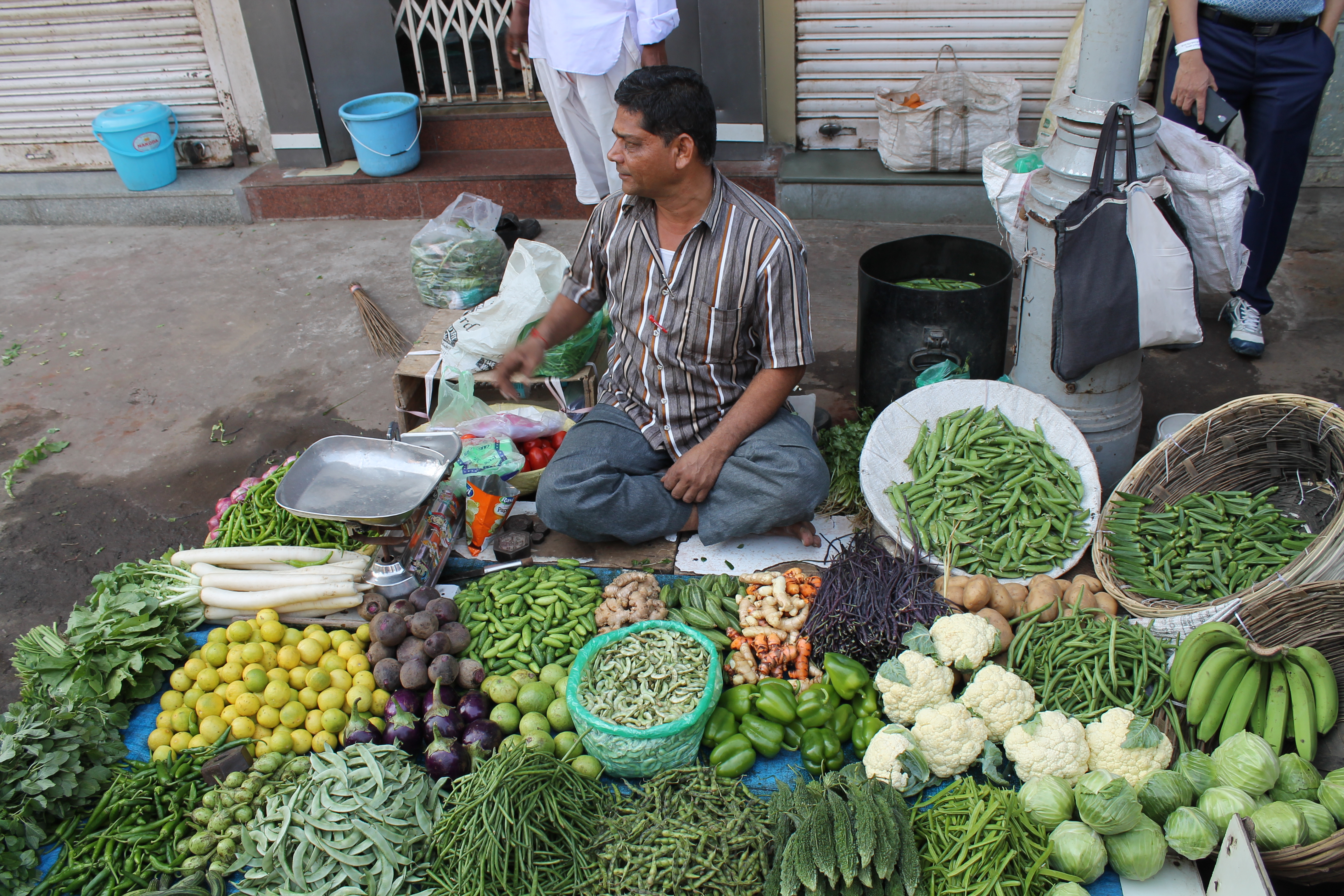
Market in Ahmedabad

Gujarat is a place of scrub and desert, fields of cotton and castor-oil plants, cities of business and factories, and camels. It’s the home-state of the PM, Narendra Modi. He has erected the world’s biggest statue, in Gujarat, a state where drought-stricken farmers are protesting at imminent famine.

Ahmedabad, once called the Manchester of India for its textile industry, is a city of mixed communities, Jain, Moslem, Hindu and Christian, who traditionally lived in self-supporting communities called “pols”.

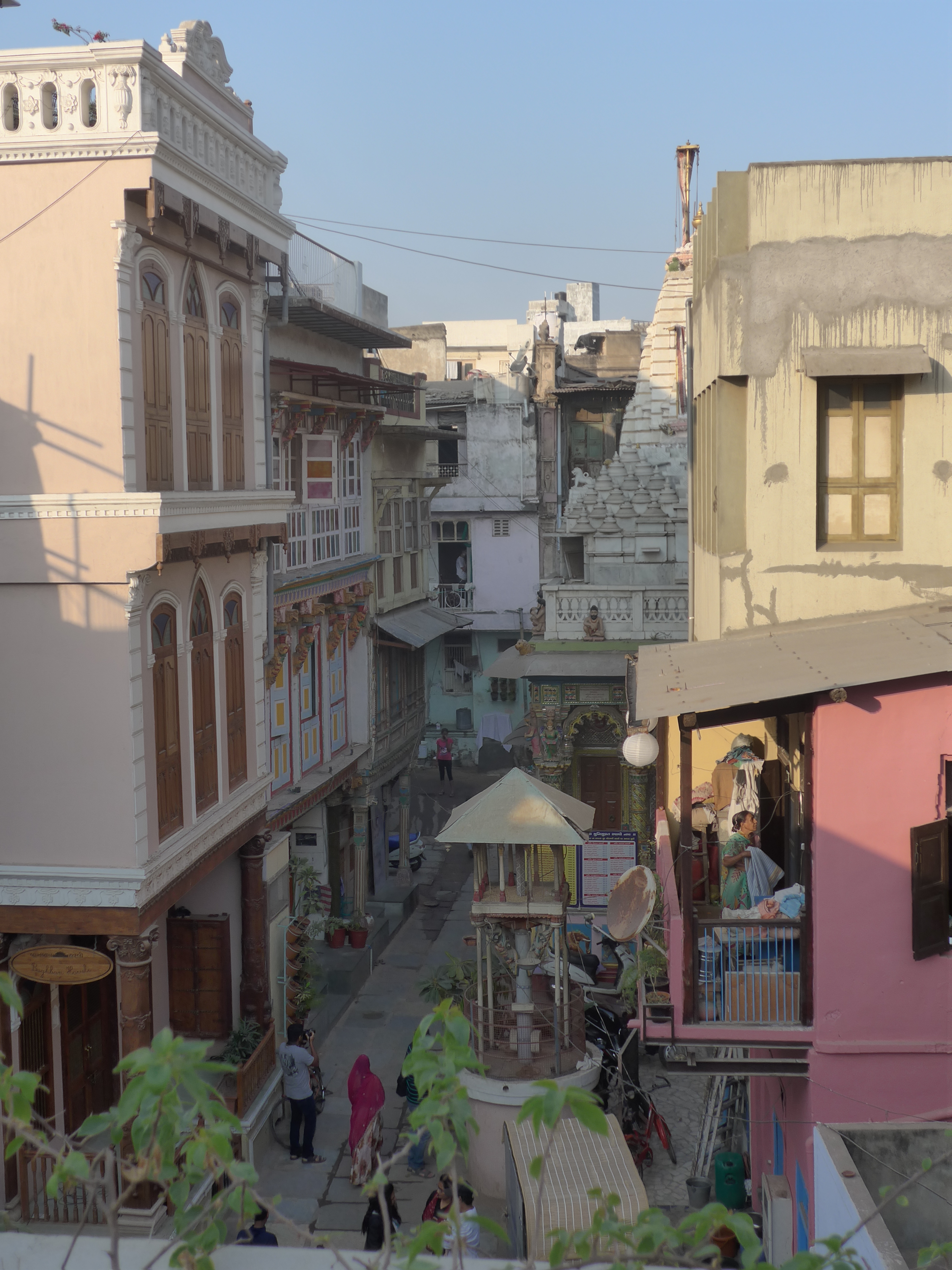
Dal-ni-Pol, from French Haveli

Separate, but joined, one man said.

Pol in Ahmedabad

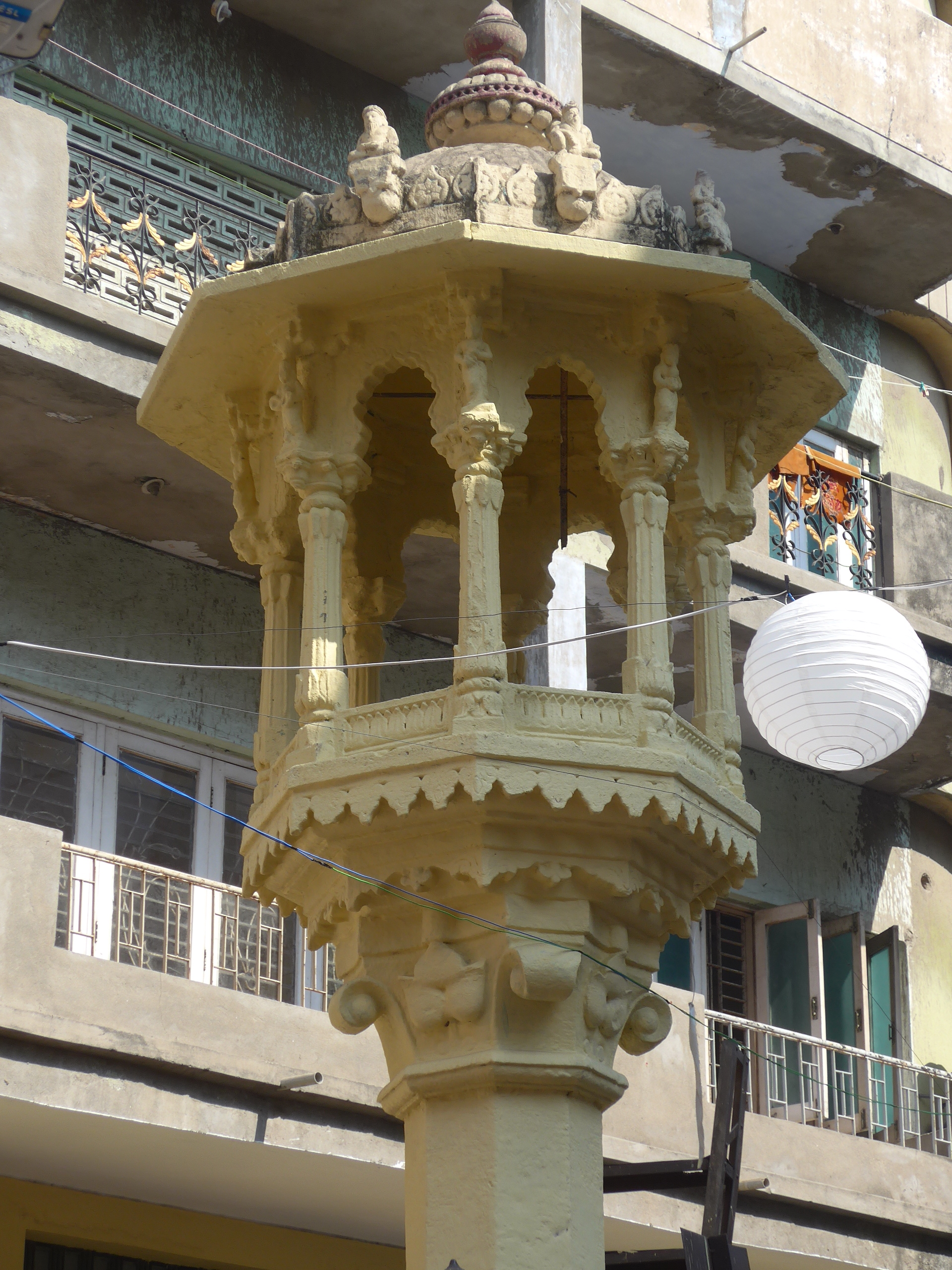
Each pol has its own temple or mosque, its well, its public space, and its bird feeder.

Dal-in-pol bird feeder

These ornate structures are a legacy of the Jains, who even built bird nests into the walls.

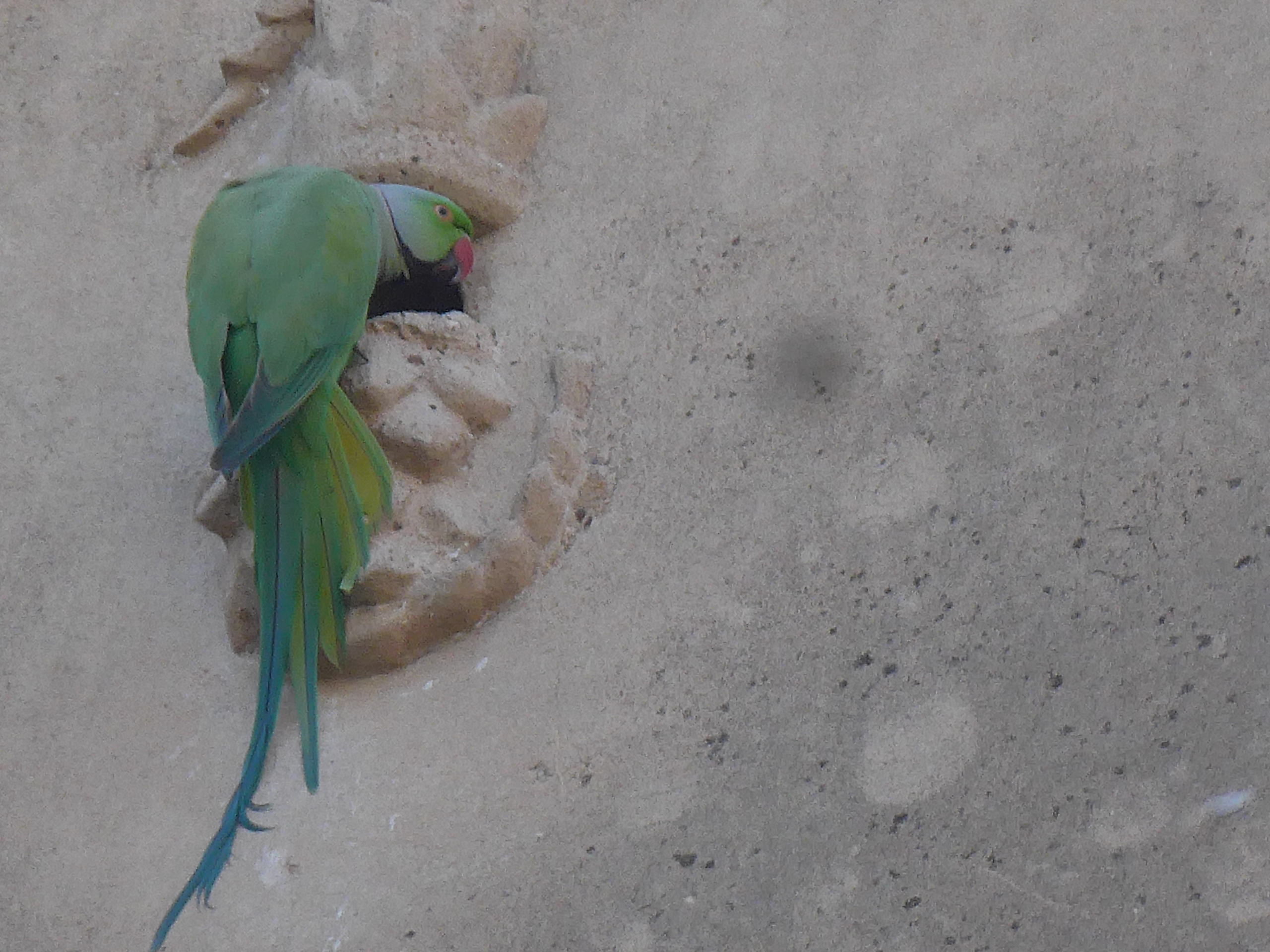
Parakeet in purpose-sculpted stone nest


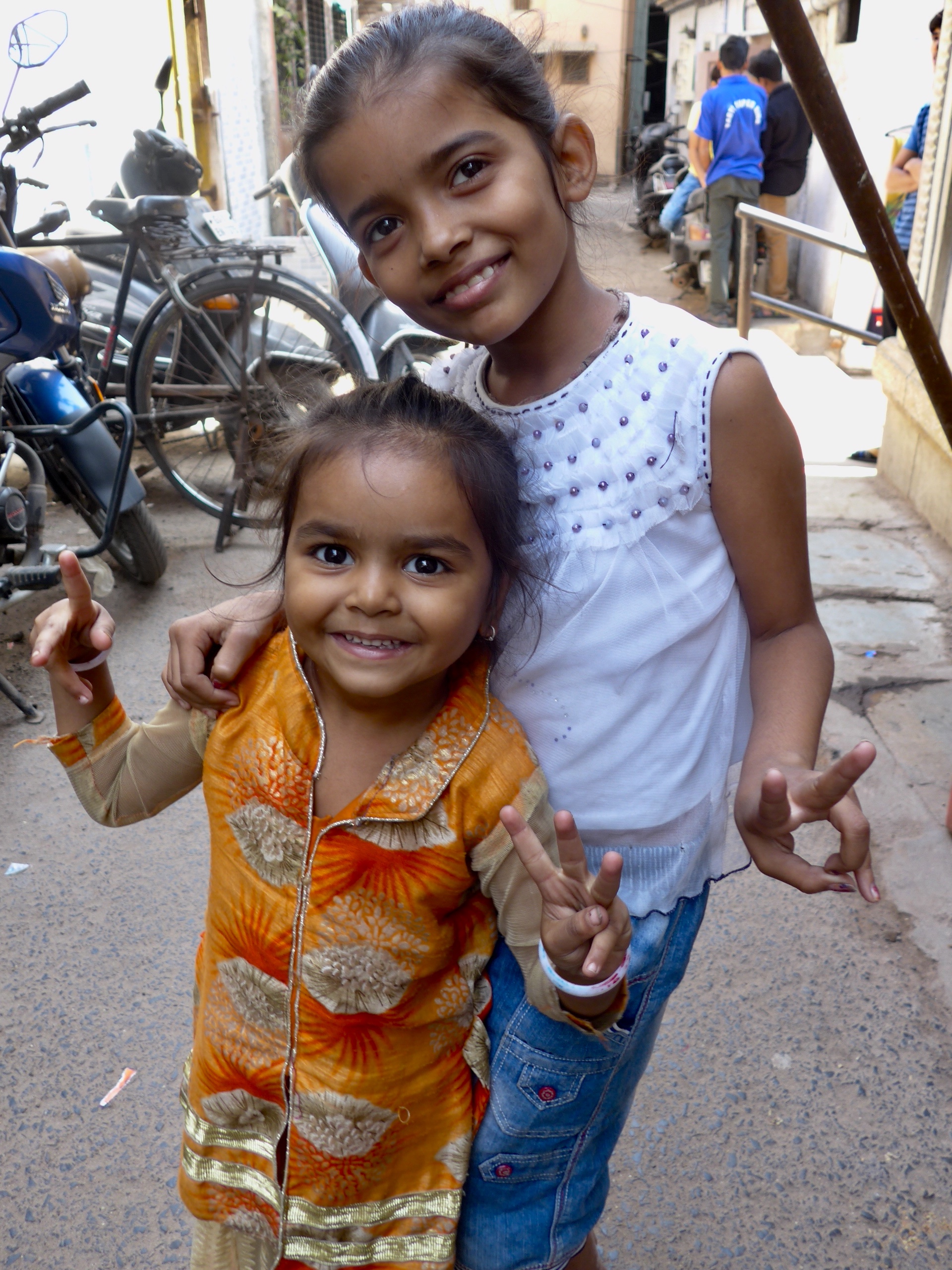
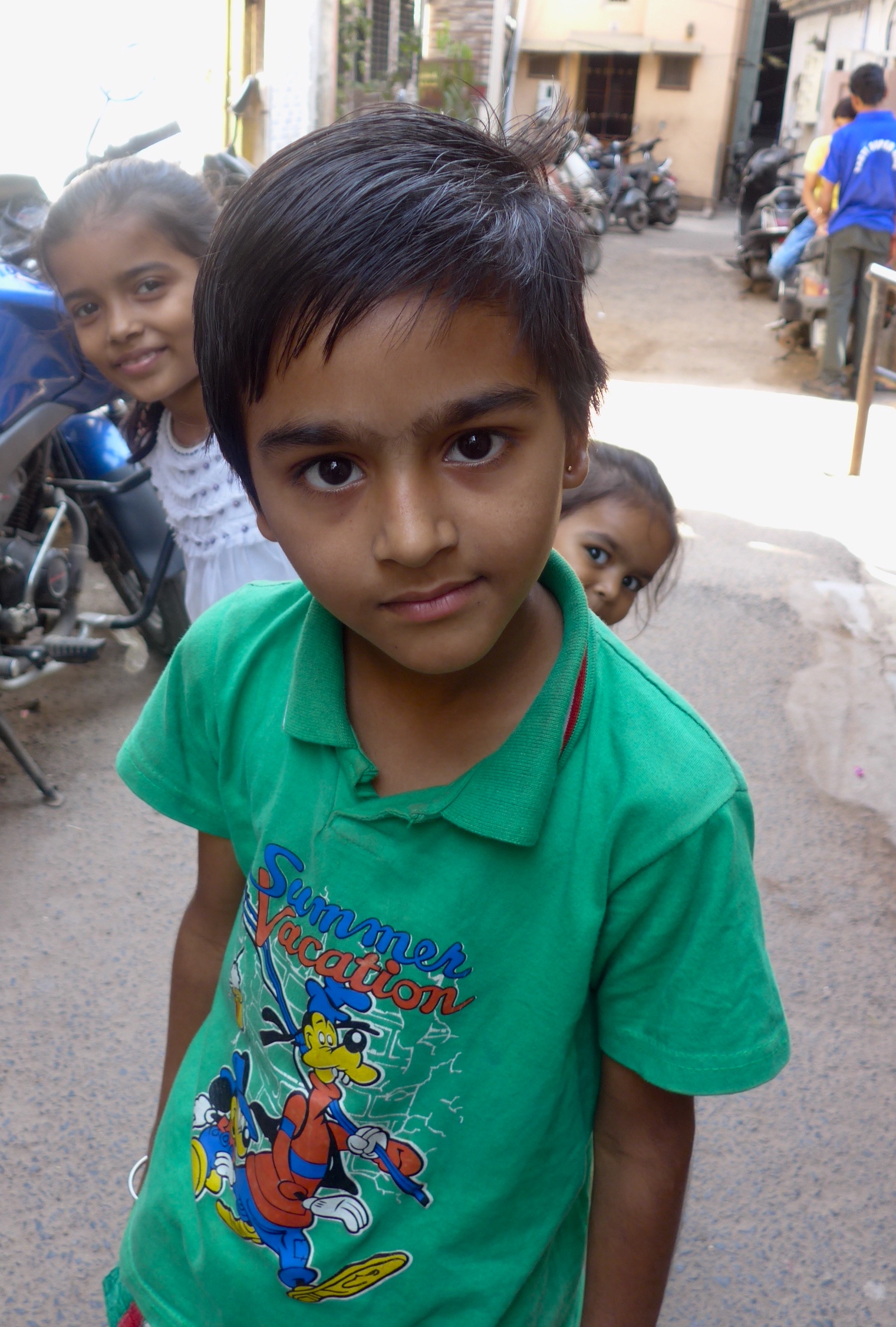
Dal-ni-pol, sisters
Your sisters will photobomb you!


But despite this apparent harmony, inter-communal violent riots, called “hurricanes” for their fierce and sudden onslaughts, have hit this city more than once, the last one in 2002 resulting in the deaths of over 2,000 people. Yet it is also the city of Gandhi’s ashram, and the place he started his “Salt March” 240 miles to the Arabian Sea.

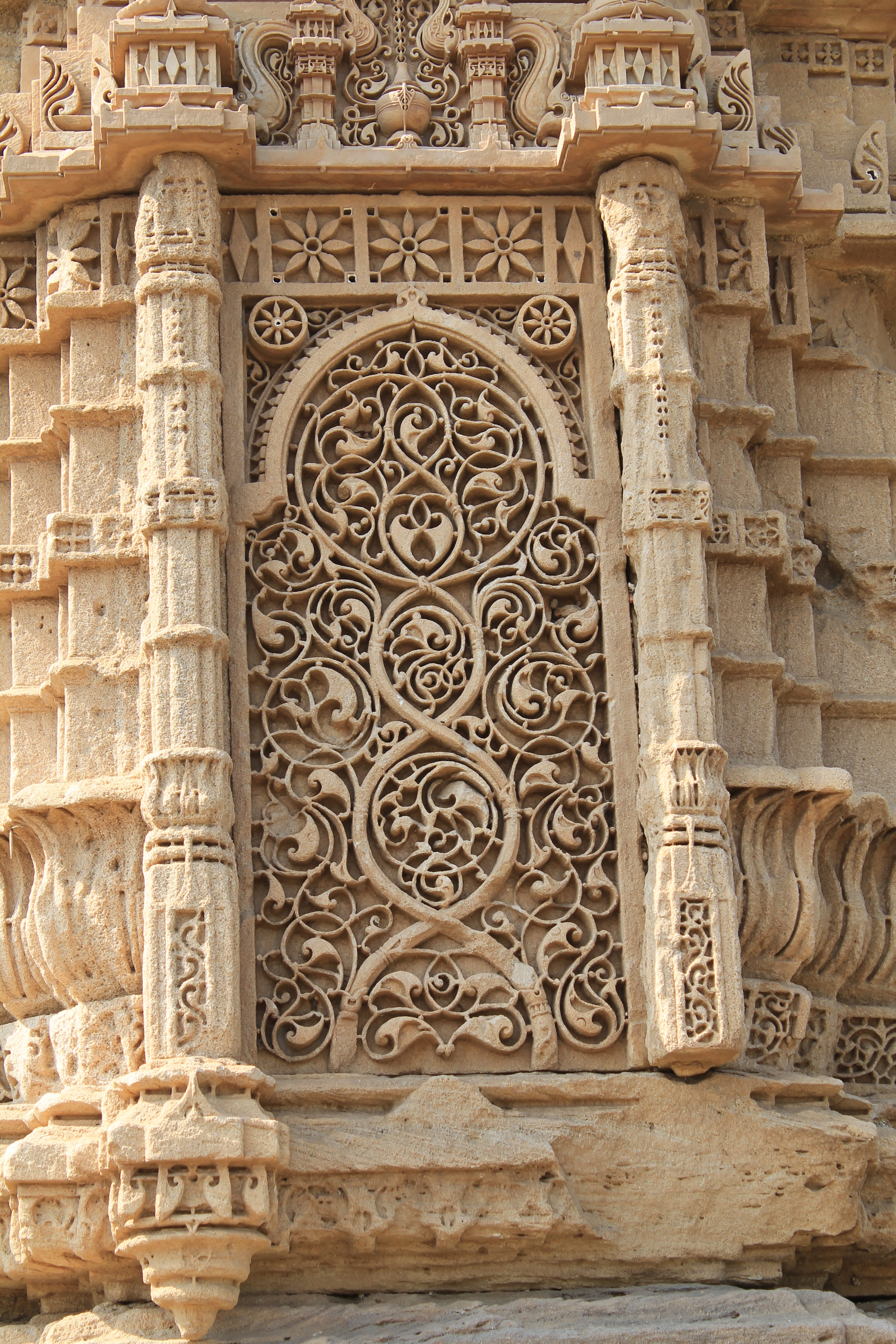
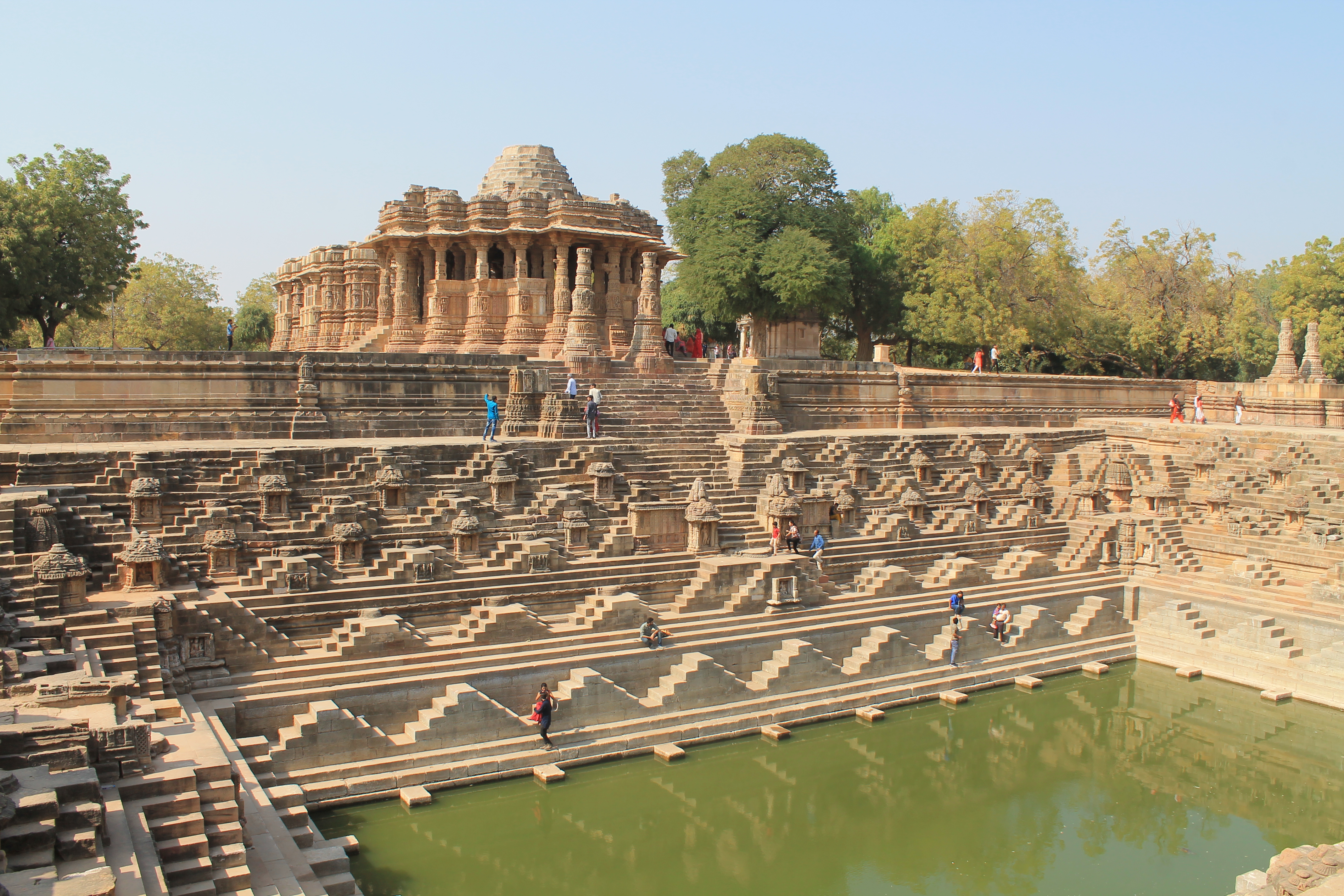
We saw mosques and temples aplenty, but the most impressive sights were 100 km north of Ahmedabad. First the sun-temple at Modhera, a thousand years old, with its zig-zag “step well”.

Sun Temple at Modhera and step-well
Sun Temple Modhera

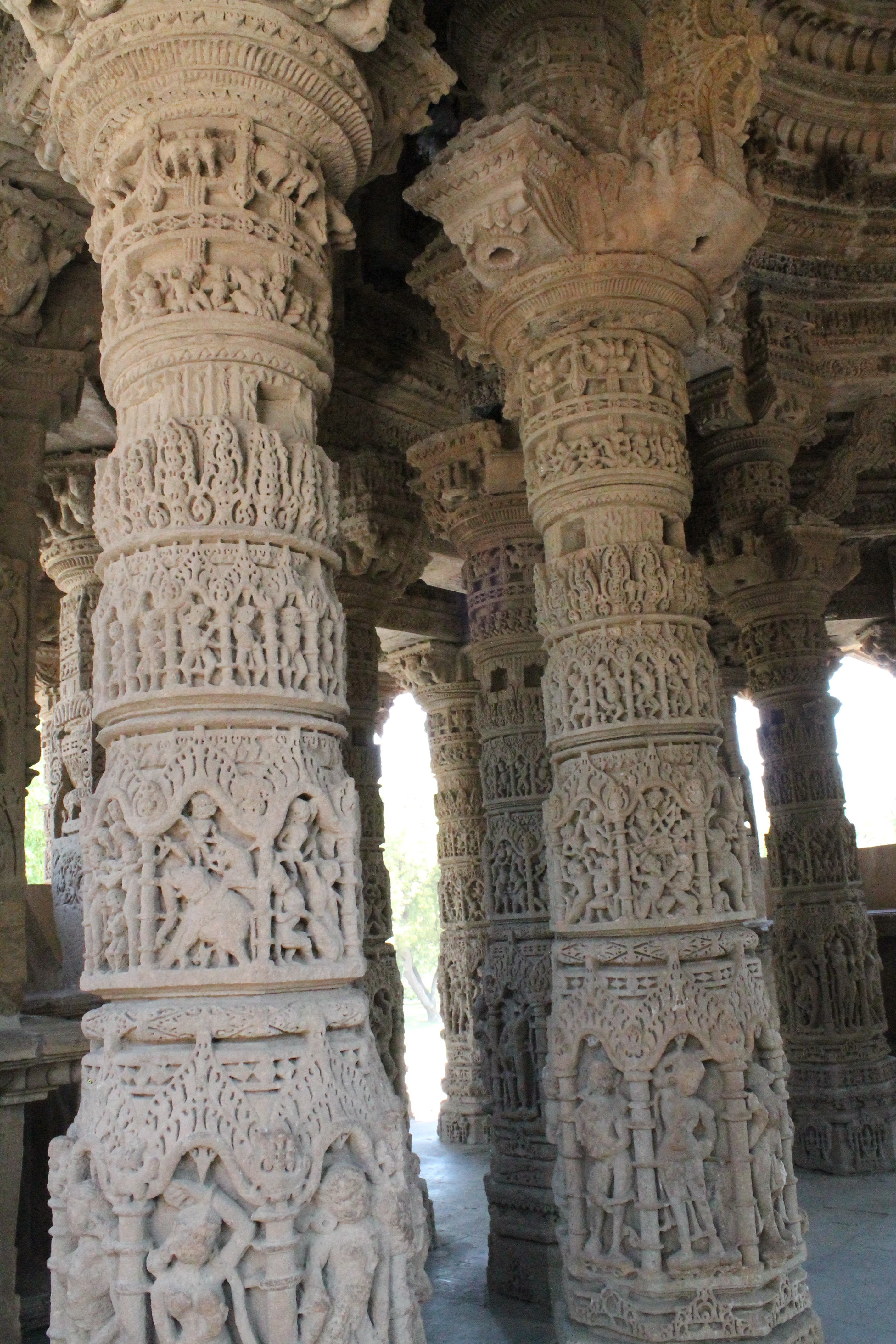
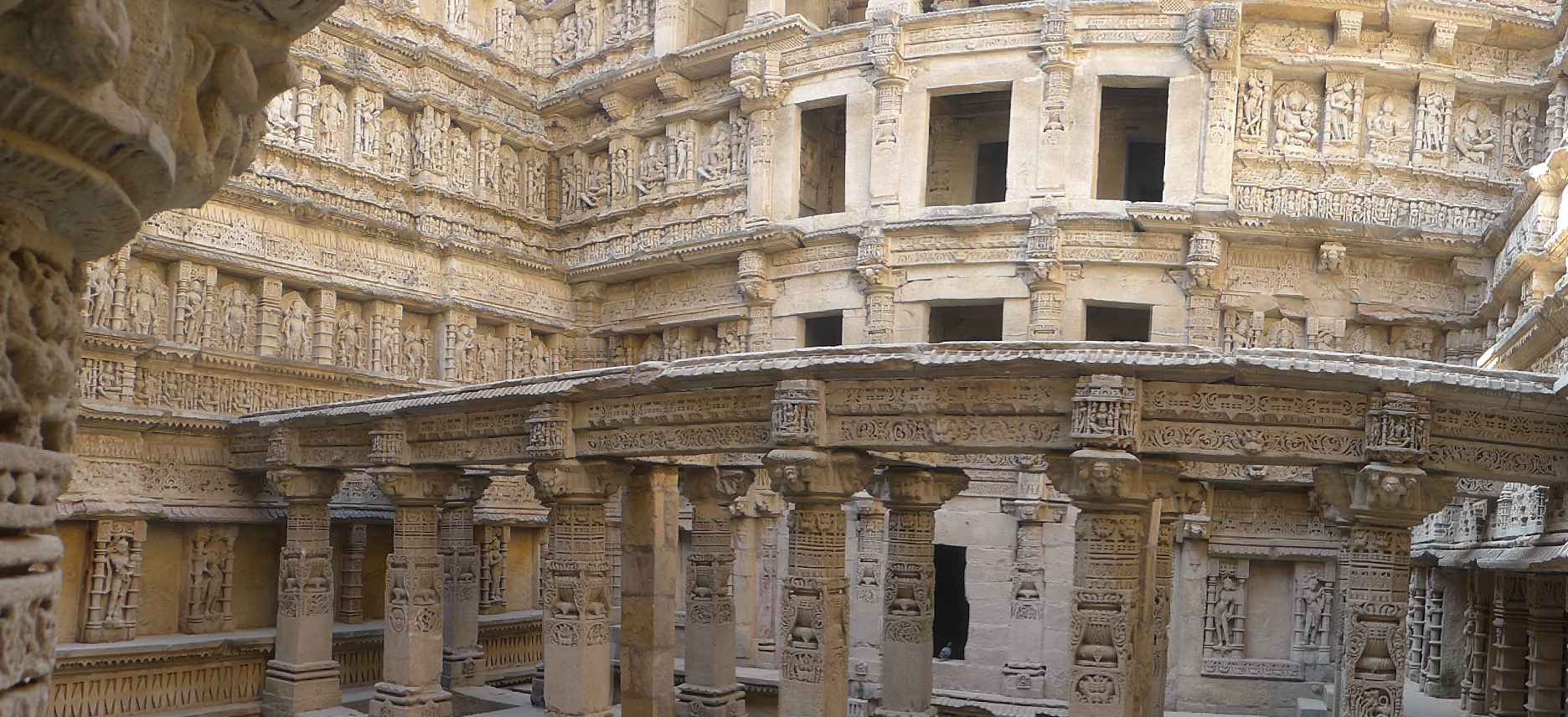
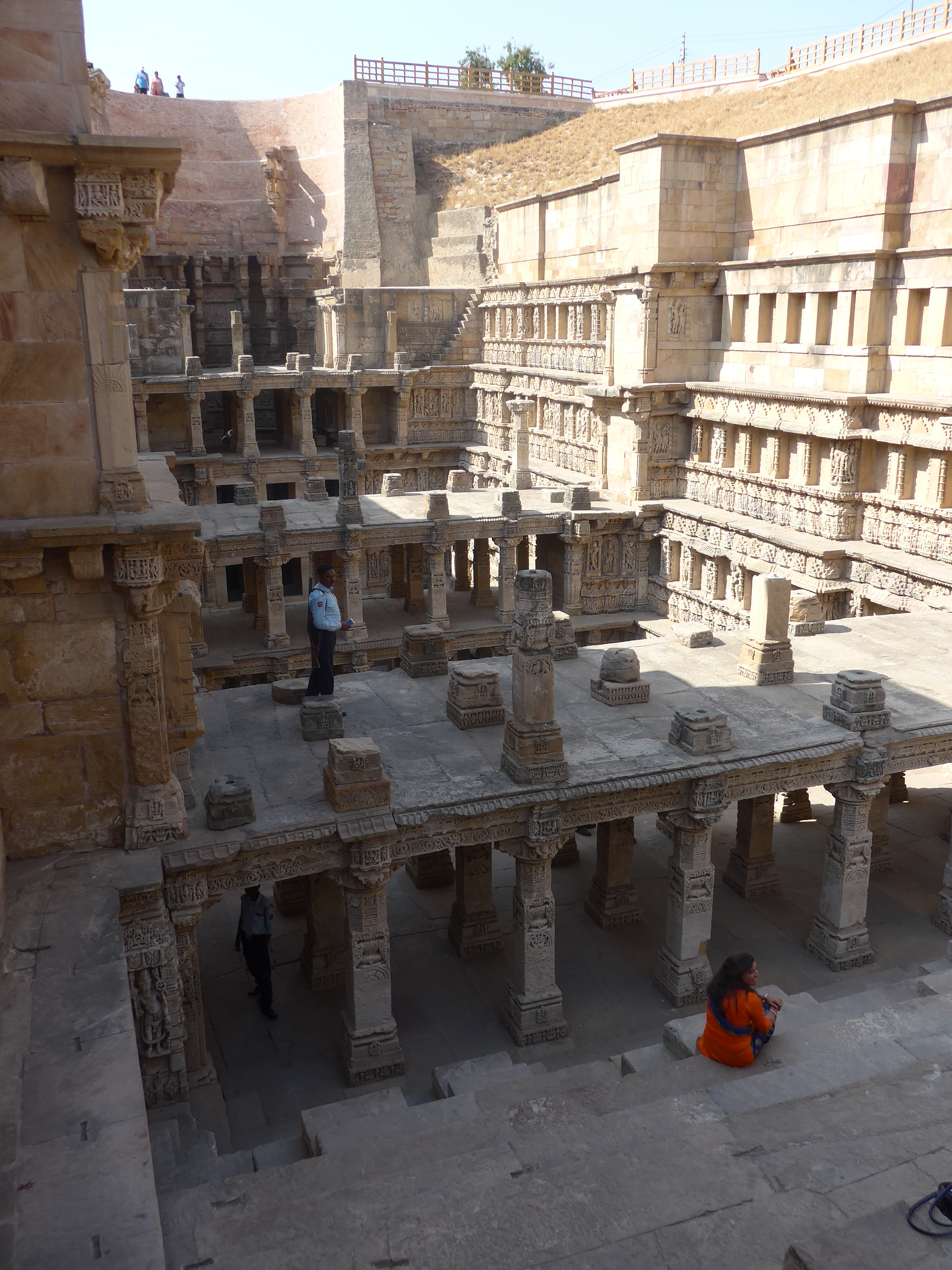
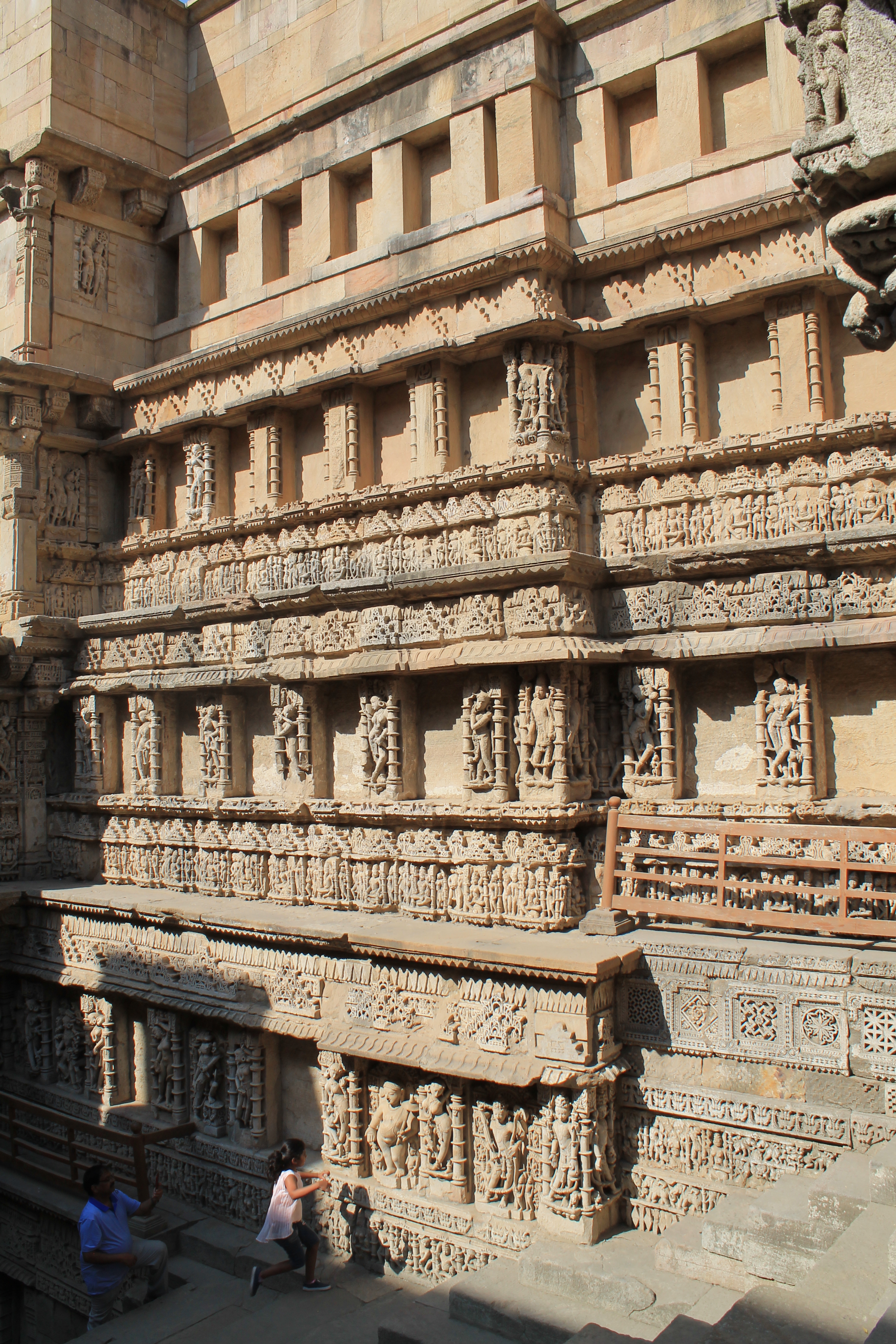
And even more extraordinary was the 90 foot deep step well of Rani-ki-vav. Built in 1063 by Rani (queen)  Udayamati, it was covered from top to bottom in wonderful carvings.

Rani-ki-vav step-well
Rani-ki-vav step-well, 1050


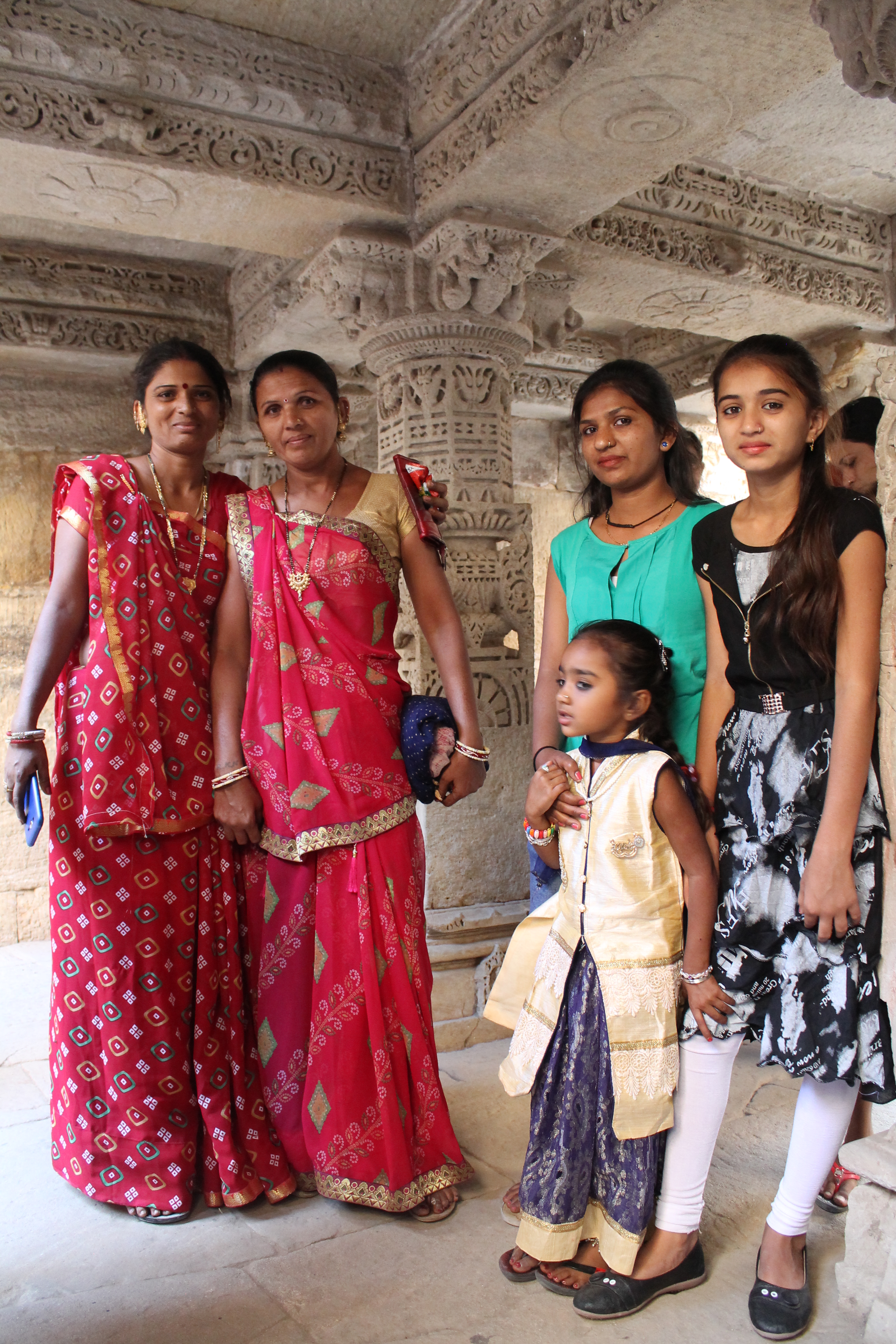
And, being Saturday, everyone was out in their weekend best.
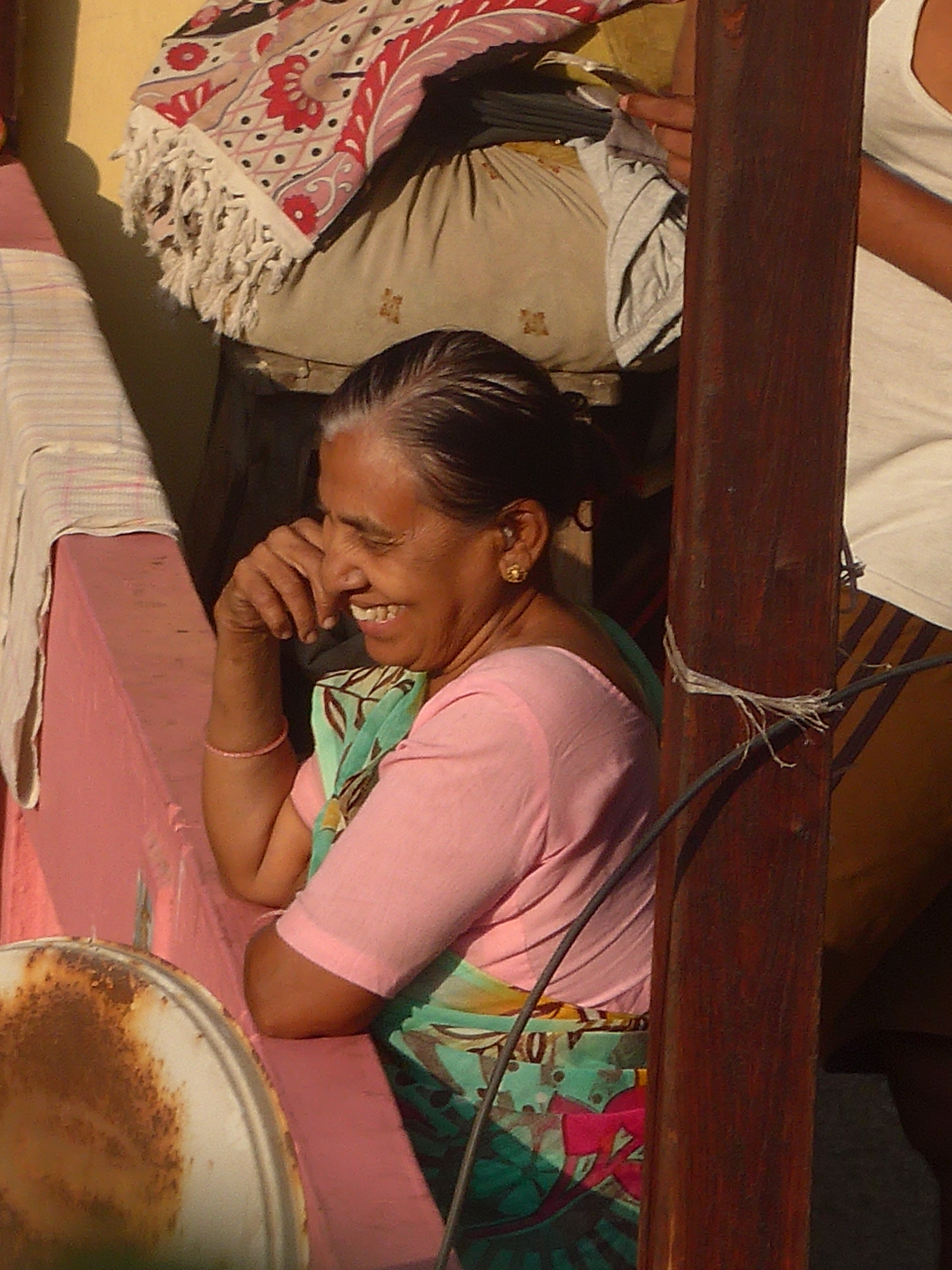
Beautiful Gujarati saris
Selfie!

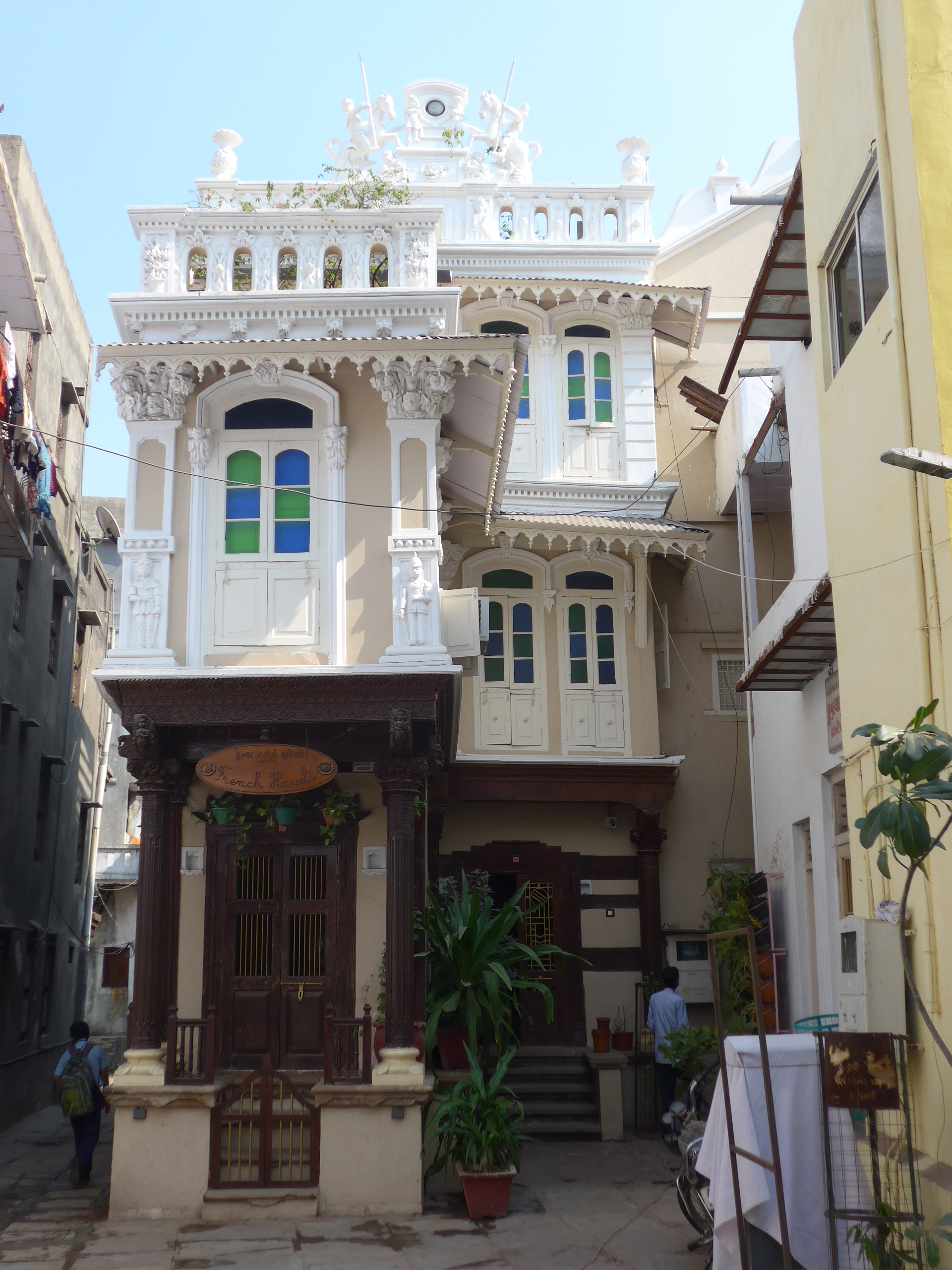
The city’s traffic and pollution were horrendous. There are no rules – at all. It’s every auto, motor-bike, cow, water buffalo, bus, or bicycle for themselves. We were stuck in a traffic jam for two hours at one point, with pollution rising round us like fog, and were so relieved to get back to our own “pol”, the Dal-ni-Pol, where we stayed in a 150-year-old restored Guajarati house, or Haveli, called French Haveli.

French Haveli, Ahmedabad
French Haveli, view of Dal-ni-pol

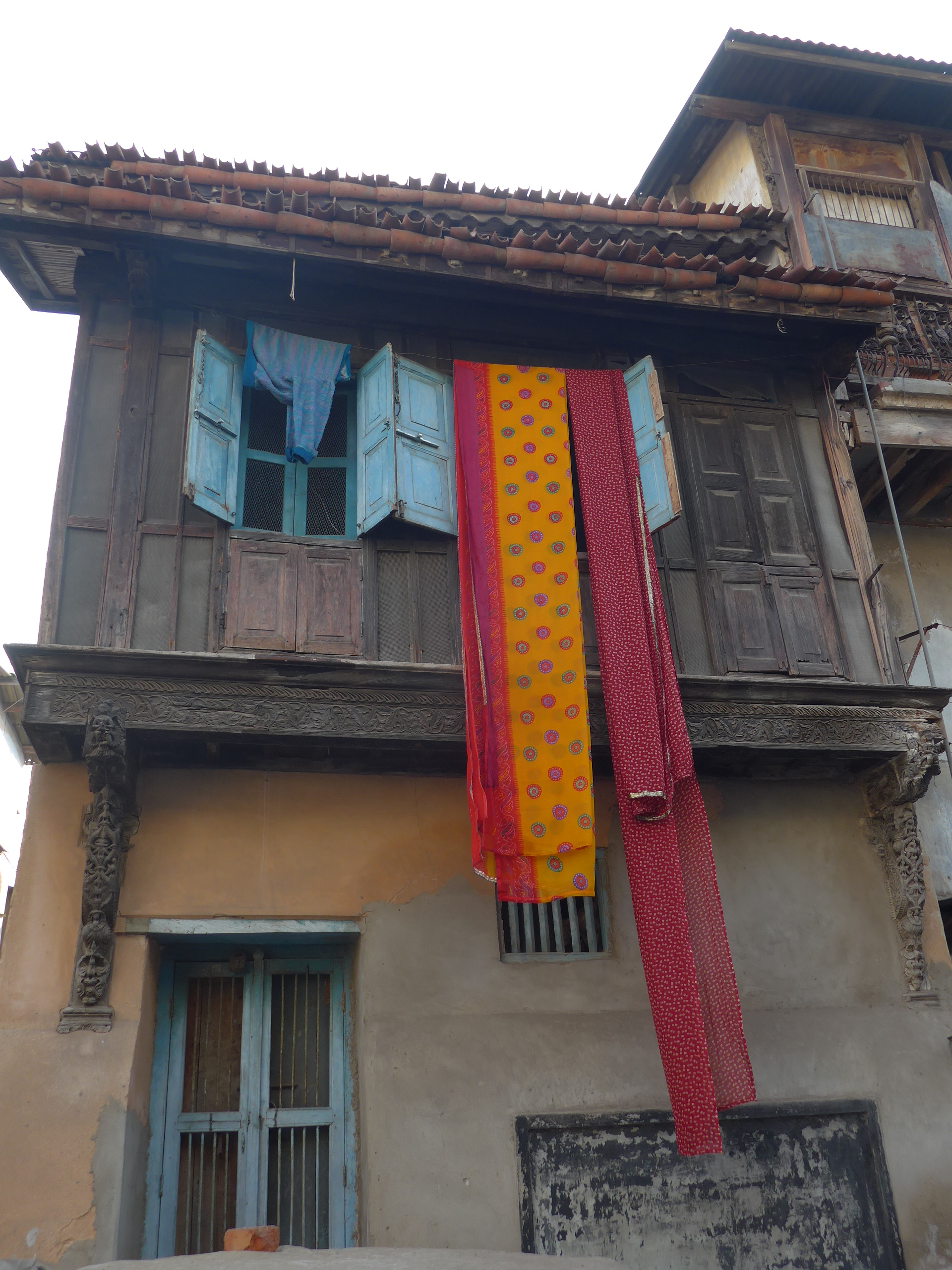
The alleyways of the pols stay comparatively cool and quiet, there is no room for cars and autos, and they give one a glimpse into this traditional communal life.


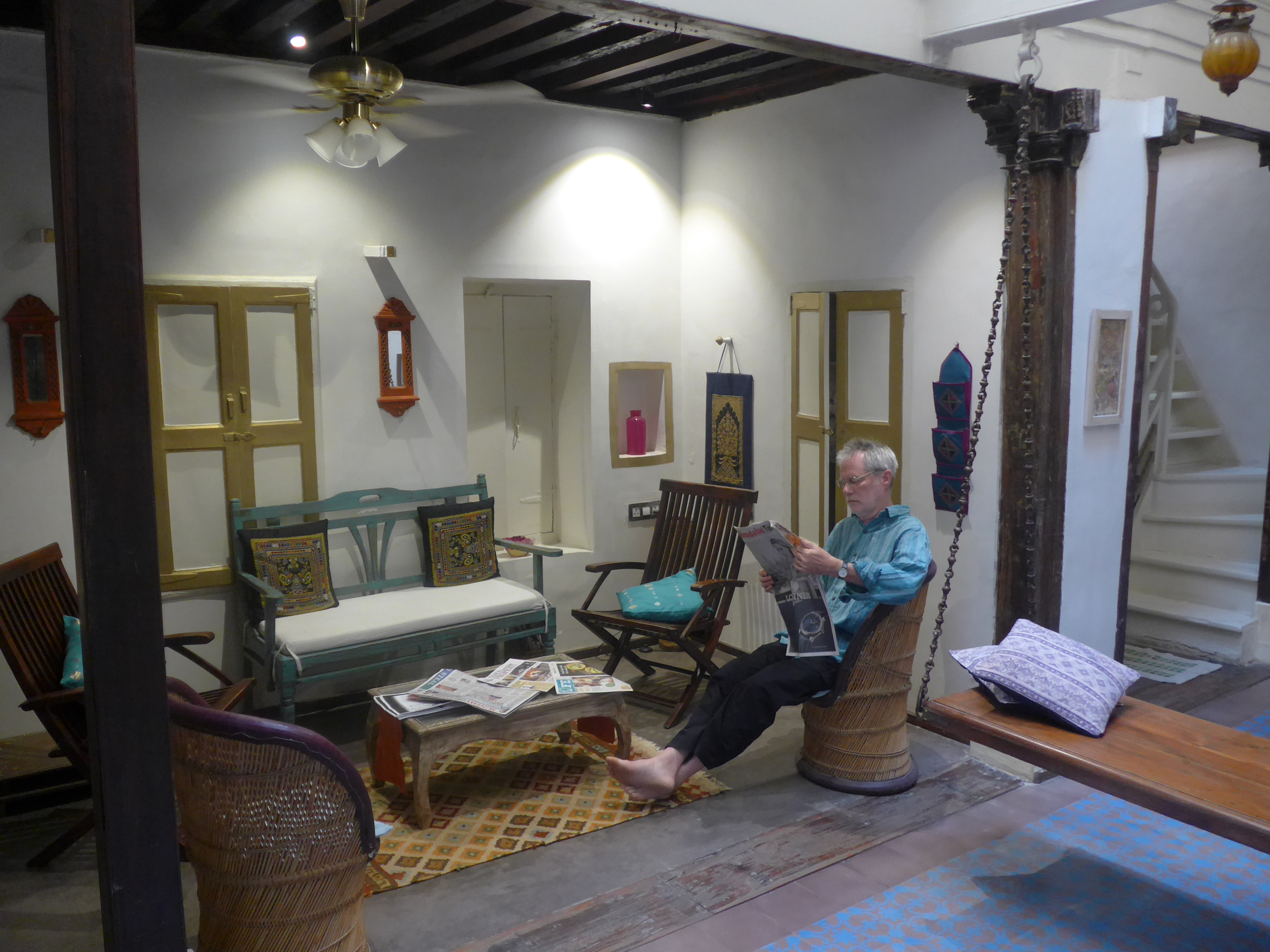
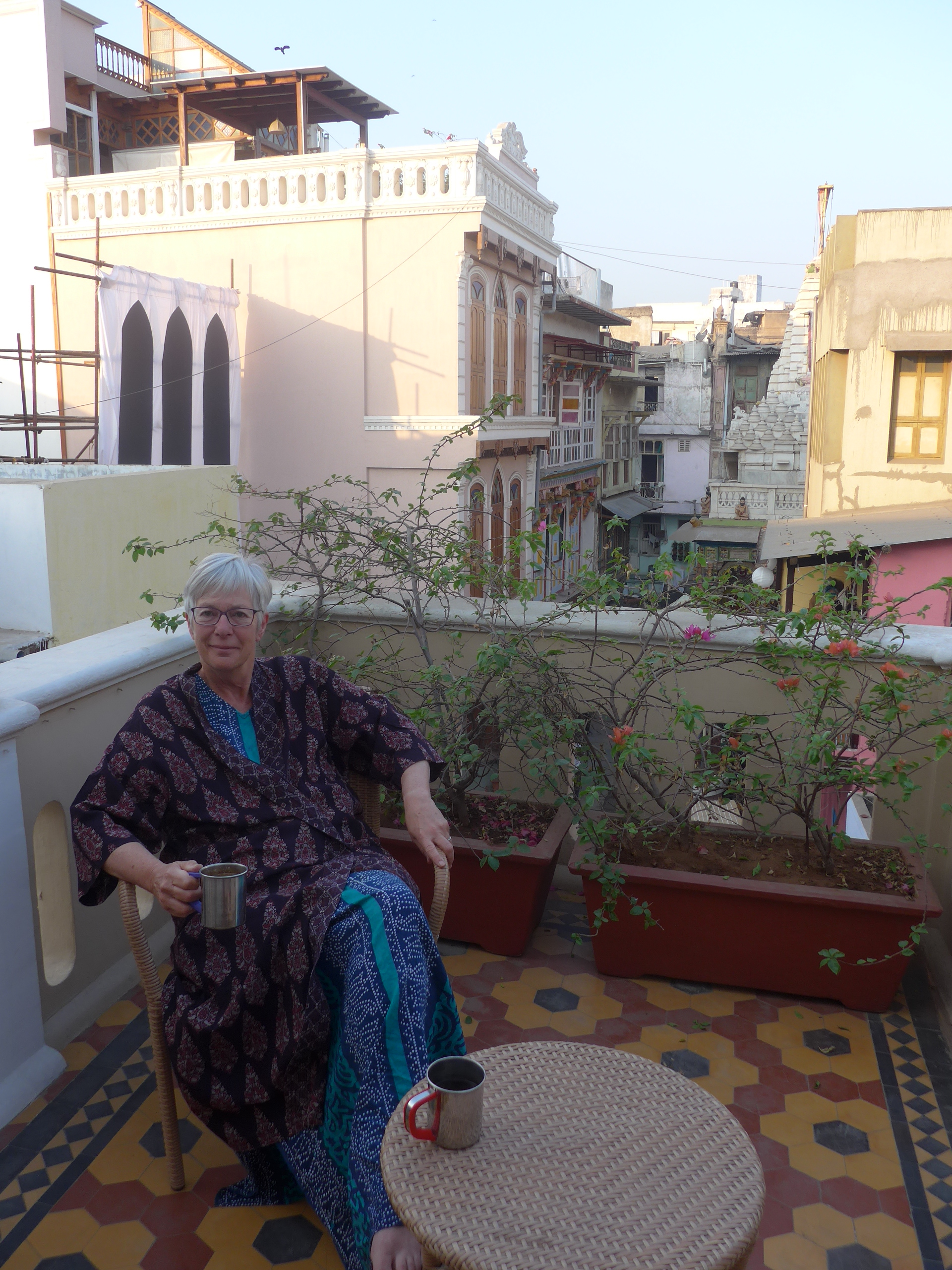
French Haveli, reading the papers Sunday morning
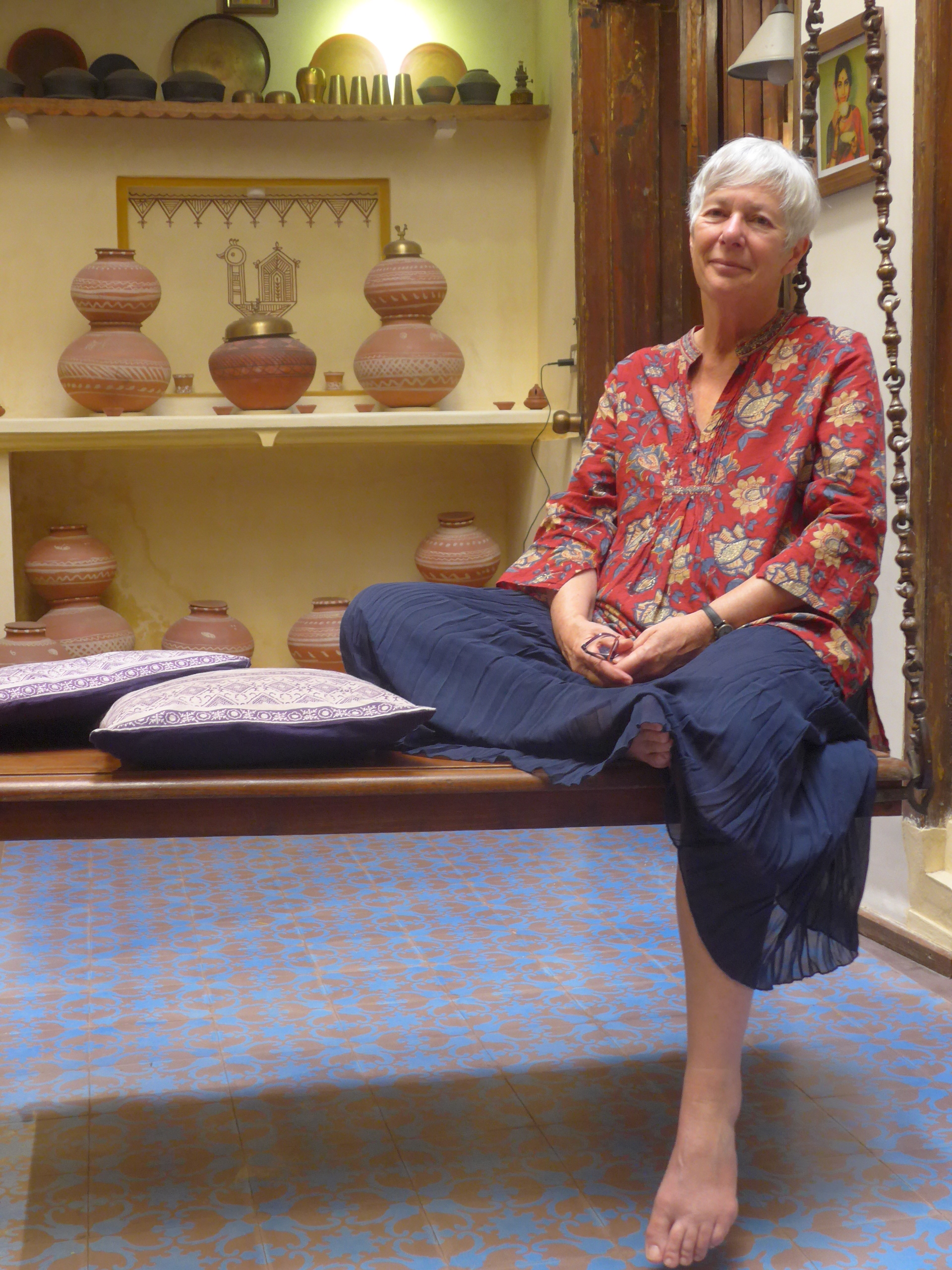
French Haveli, traditional swing

From our balcony we could touch hands with the neighbours: the woman who was always hanging brightly-coloured bras on the line while her husband lay in bed with his i-Phone, the woman below reading the paper by the light from her one window, the old lady sitting on her doorstep on the ground floor, the children lighting firecrackers in the narrow alleyway below.

French Haveli, our verandah

A place of peaceful communities, or a place where a whirlwind could erupt, fanned by some elements of the current government…..?

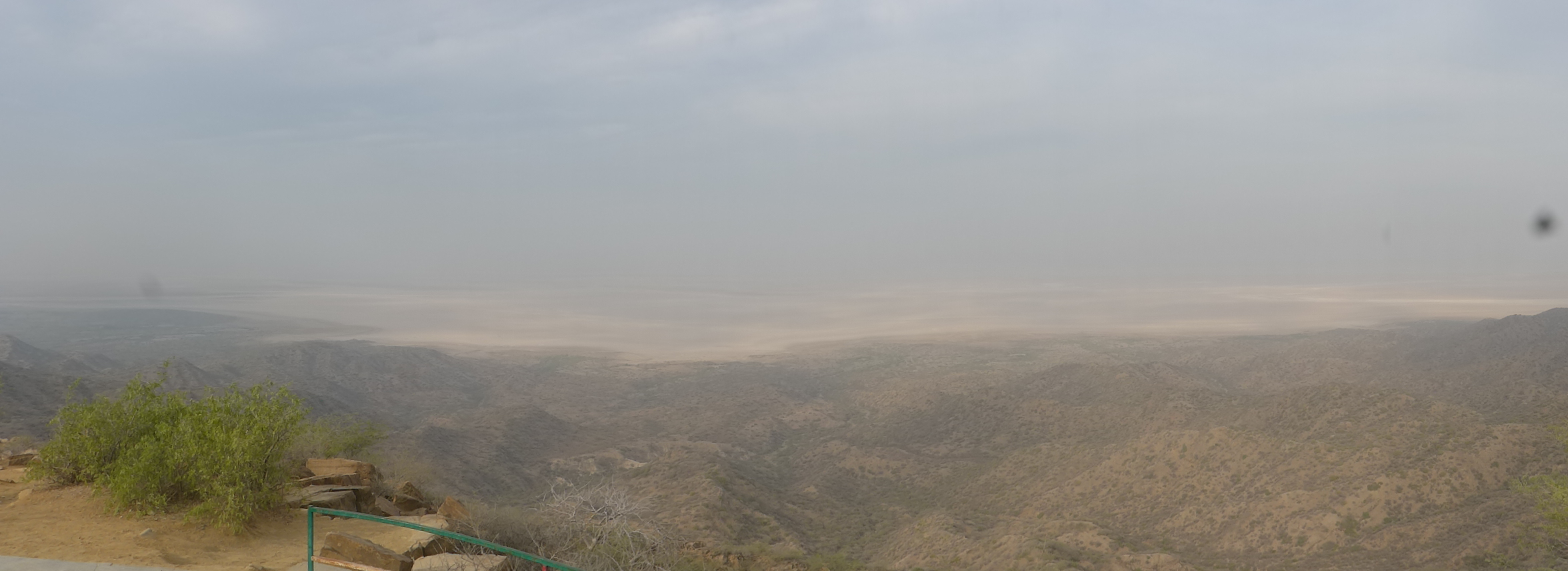
The Great Rann of Kutch

And from then on to Bhuj in the driest part of the state, on the edge of the Great Rann of Kutch, with its salt desert stretching 37 kilometres to the border with Pakistan, nomadic herders in brightly embroidered dresses and huge nose-rings, “sea-faring camels” swimming through mangrove swamps and force-fields that move stationary cars uphill backwards. Yes, it really did.   We were in the car at the time!

A Gujarati spread at the Bhuj House, Bhuj