Hold fast fellow-travellers, we have reached the final voyage, through a sombre but ultimately beautiful Sri Lanka.
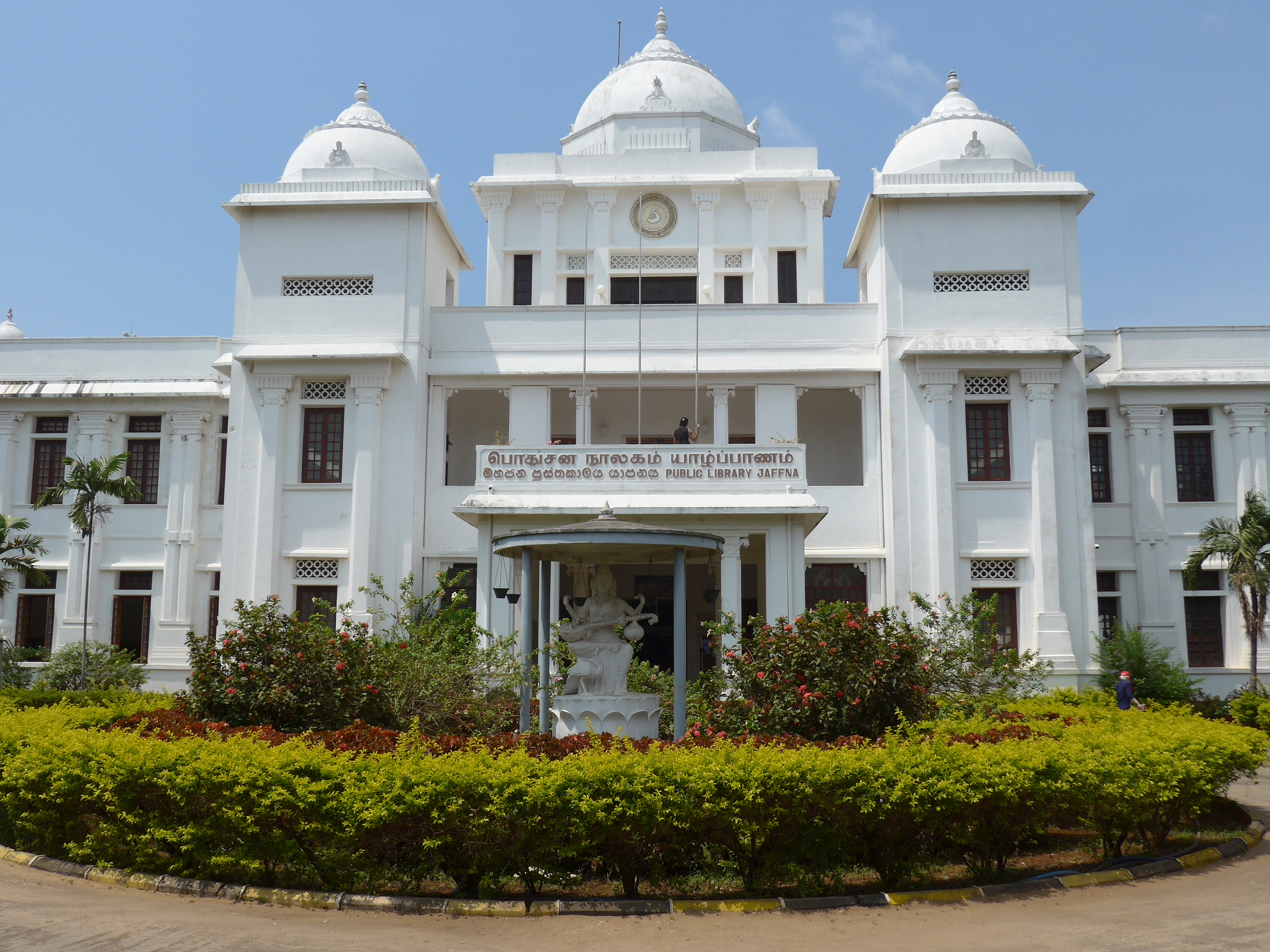
On the night of 1st June 1981, early in Sri Lanka’s recent civil war, the Jaffna Public Library was burnt to the ground by police and paramilitaries, destroying 97,000 volumes and irreplaceable manuscripts, of huge importance to the Tamil community. But it was one of the first buildings to be rebuilt, a symbol of the determination of the Tamil population to keep their culture alive.
Poet Jean Arasanayagam comments on the scarred Jaffna Peninsula:
“Somewhere lost landscape
White sands and palmyrah fronds
Freakishly black,
Beside the broken wall,
The ruined gopuram.”
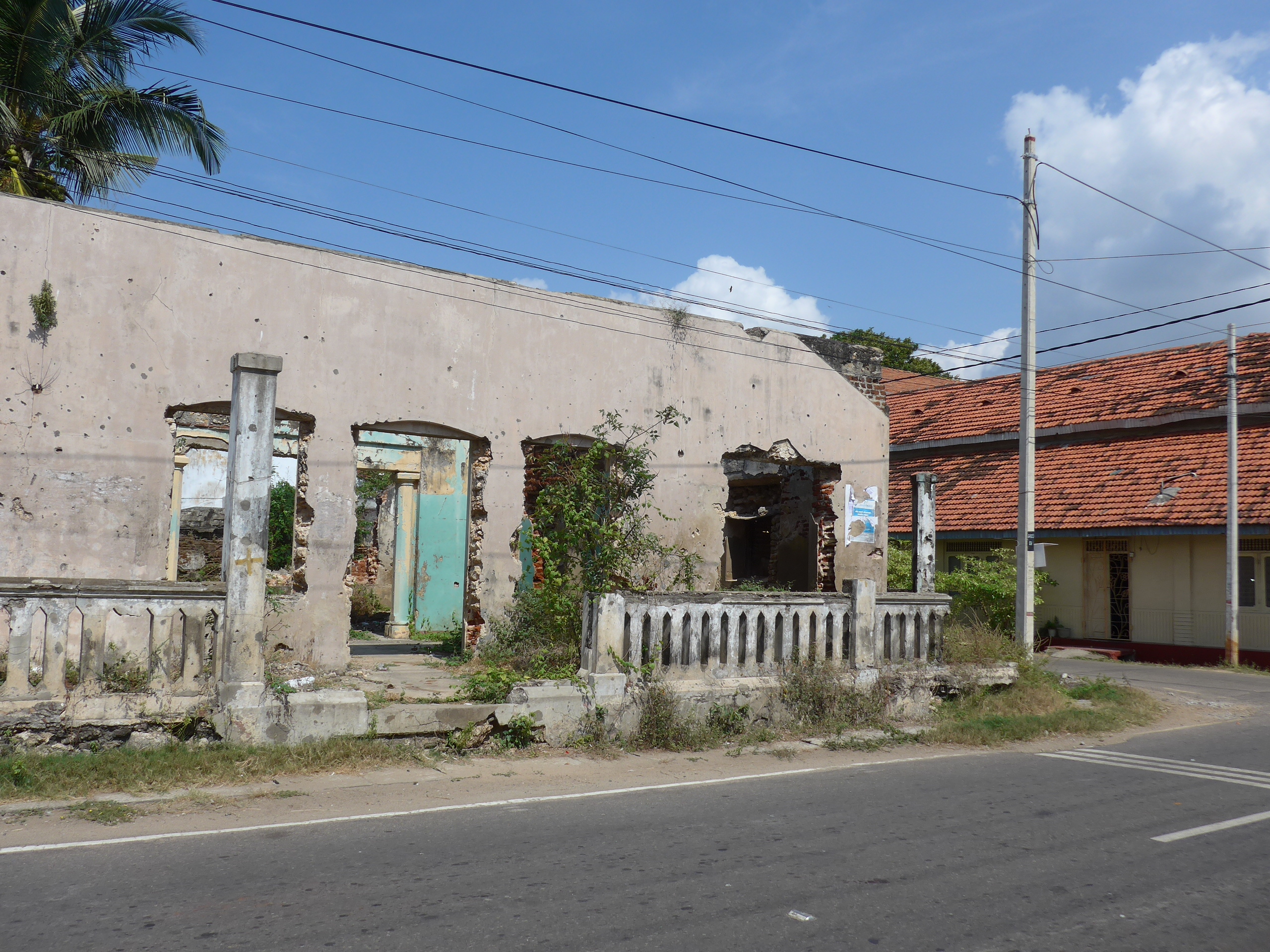
We returned to Sri Lanka to visit Jaffna in the north and the north-east coast, Tamil areas that had suffered under the fighting. Houses reduced to a shell in a quiet, suburban street brought home some of the horror for the civilians, caught between two warring factions for thirty years.

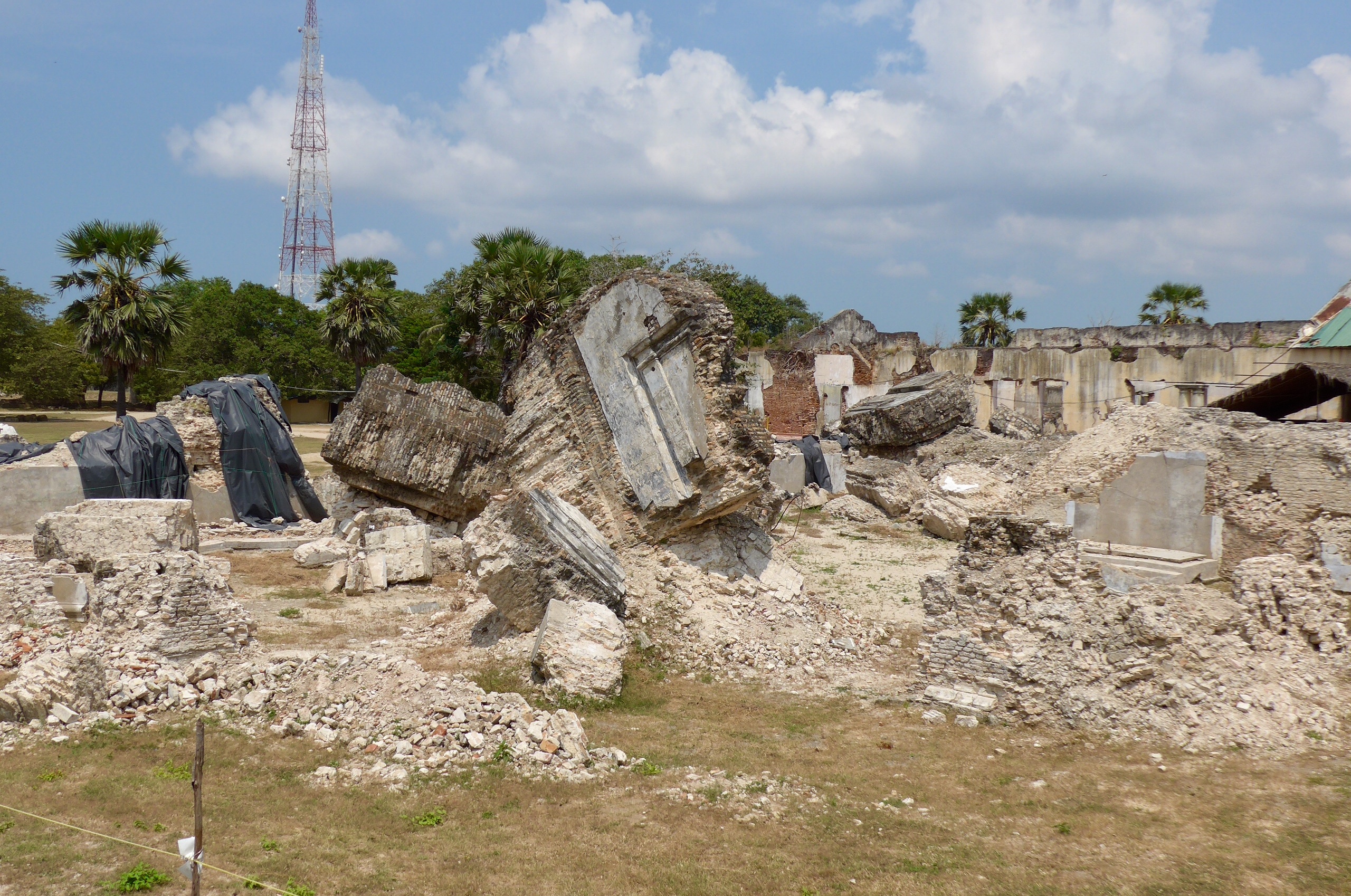
Though the old Dutch Fort has been repaired, the Dutch Church, dating from 1707, has been left exactly as it was after the war.
We cycled, despite the heat, and were rewarded by friendly greetings from all that made us glad we had made the effort of the seven-hour train journey from Colombo.
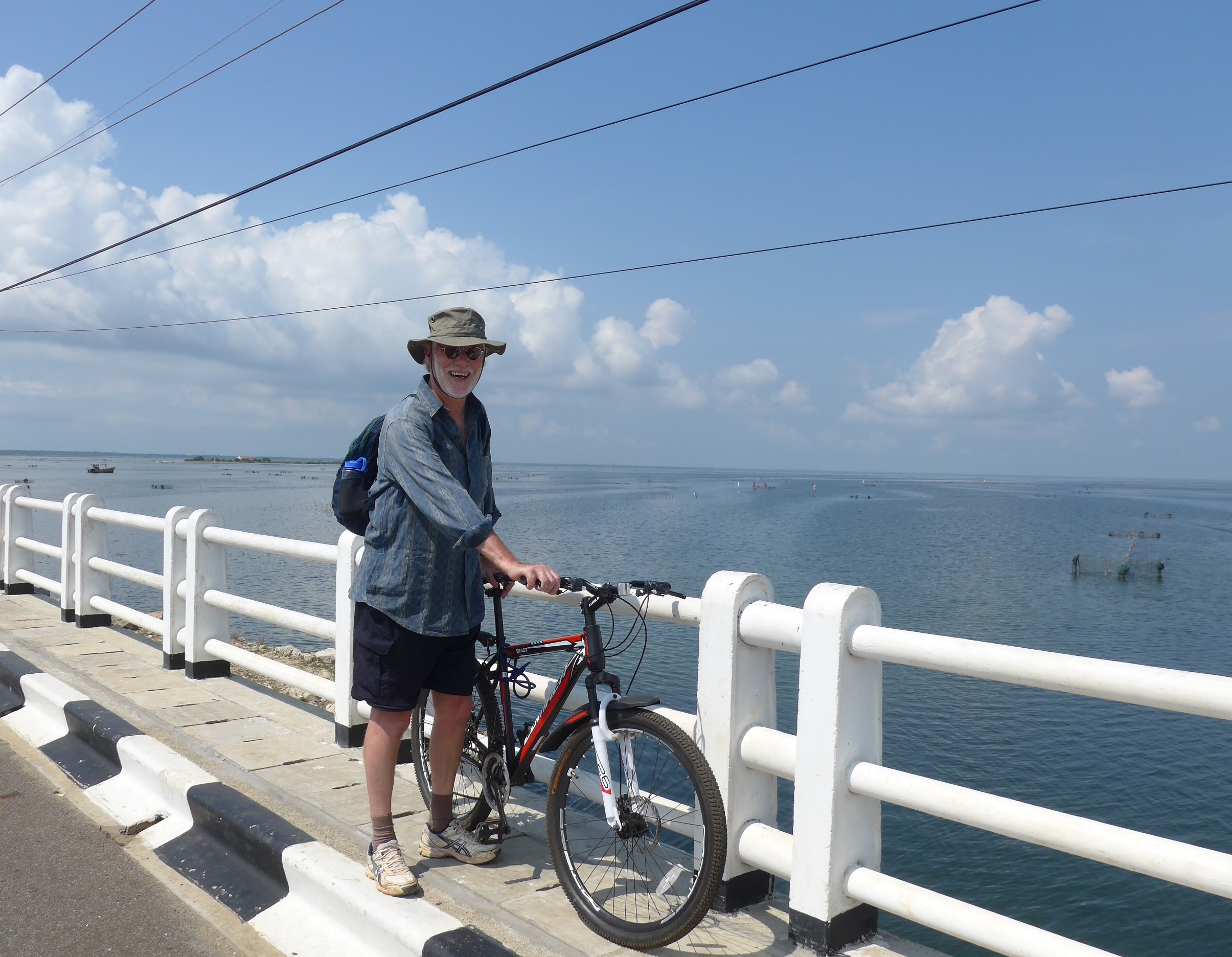
As with India, the temperatures were far higher than normal. For the locals it was a level of a heat expected in May, not February.
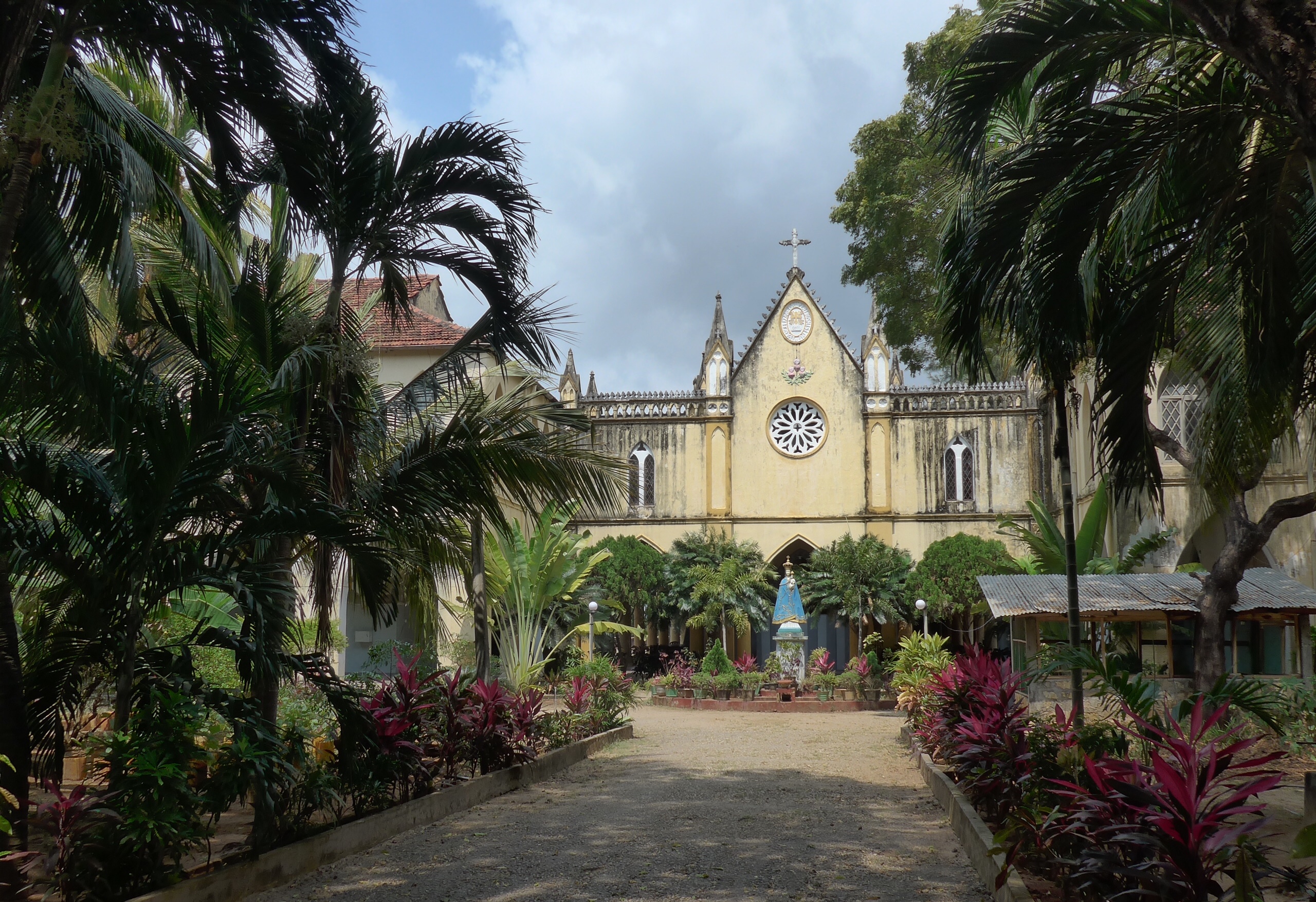
The land at Jaffna petered out in a string of islands, flat and watery, set about with lagoons and the round-topped palmyrah palm.
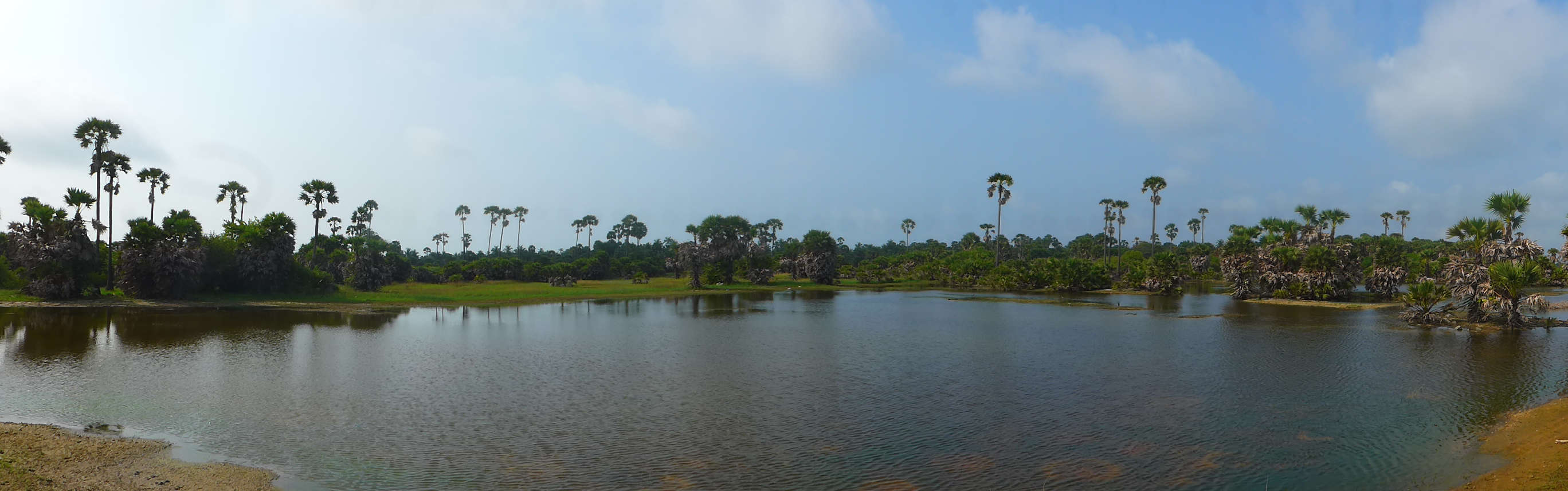
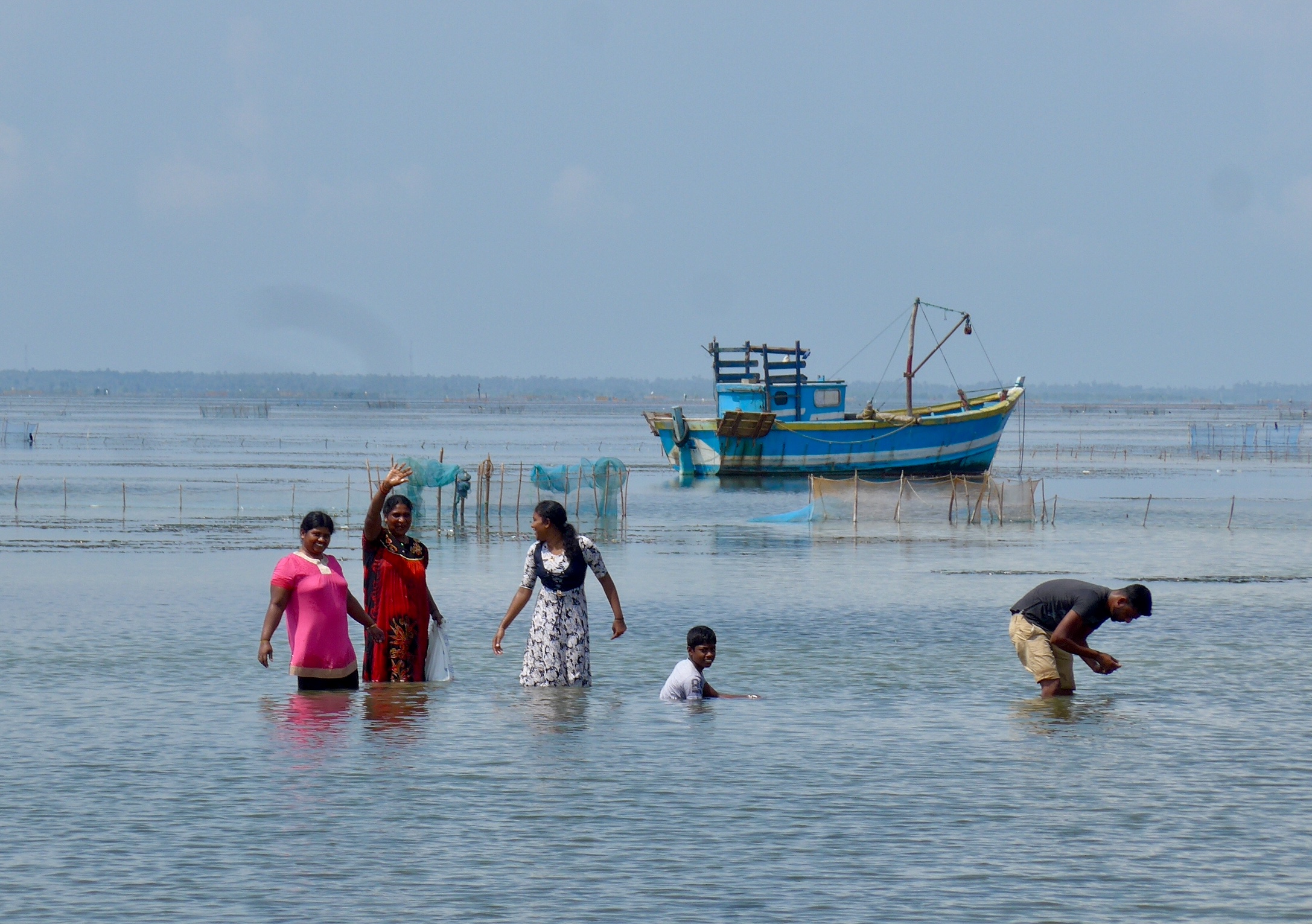
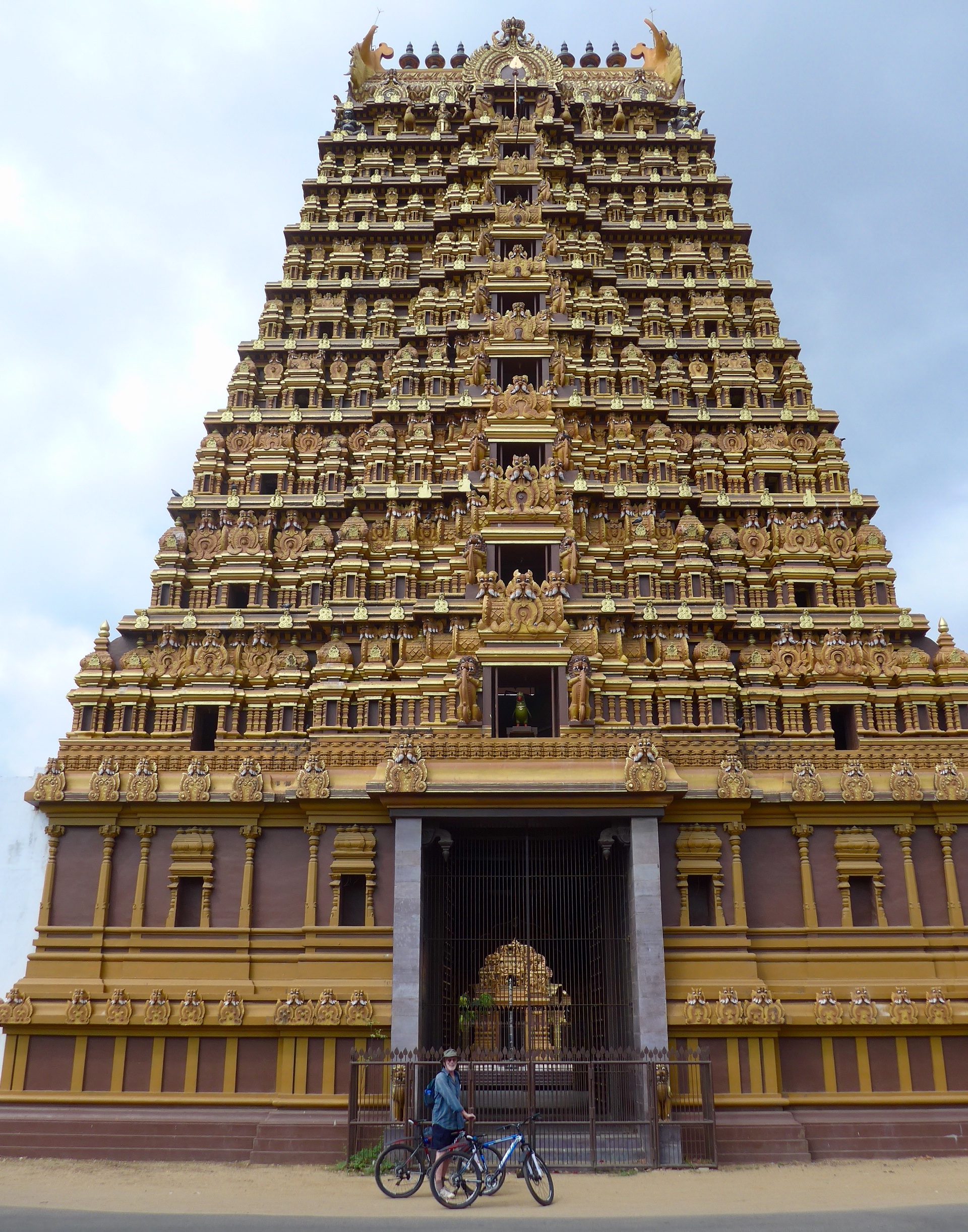
Most of the houses were maliciously destroyed by the military, but gaudy new Hindu temples were being built, and new houses through aid from India and the UN, while fishing and tourism are increasing.
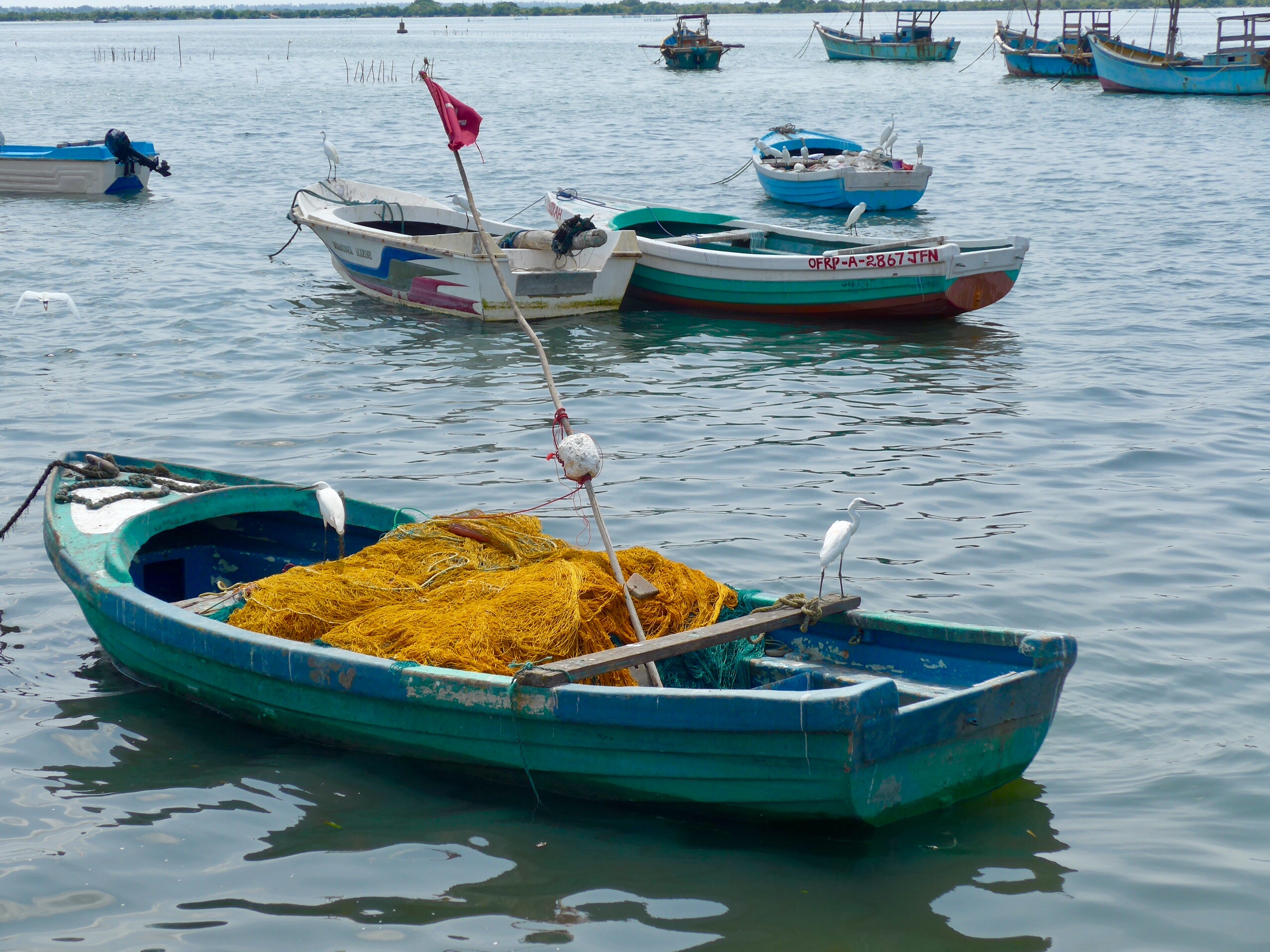
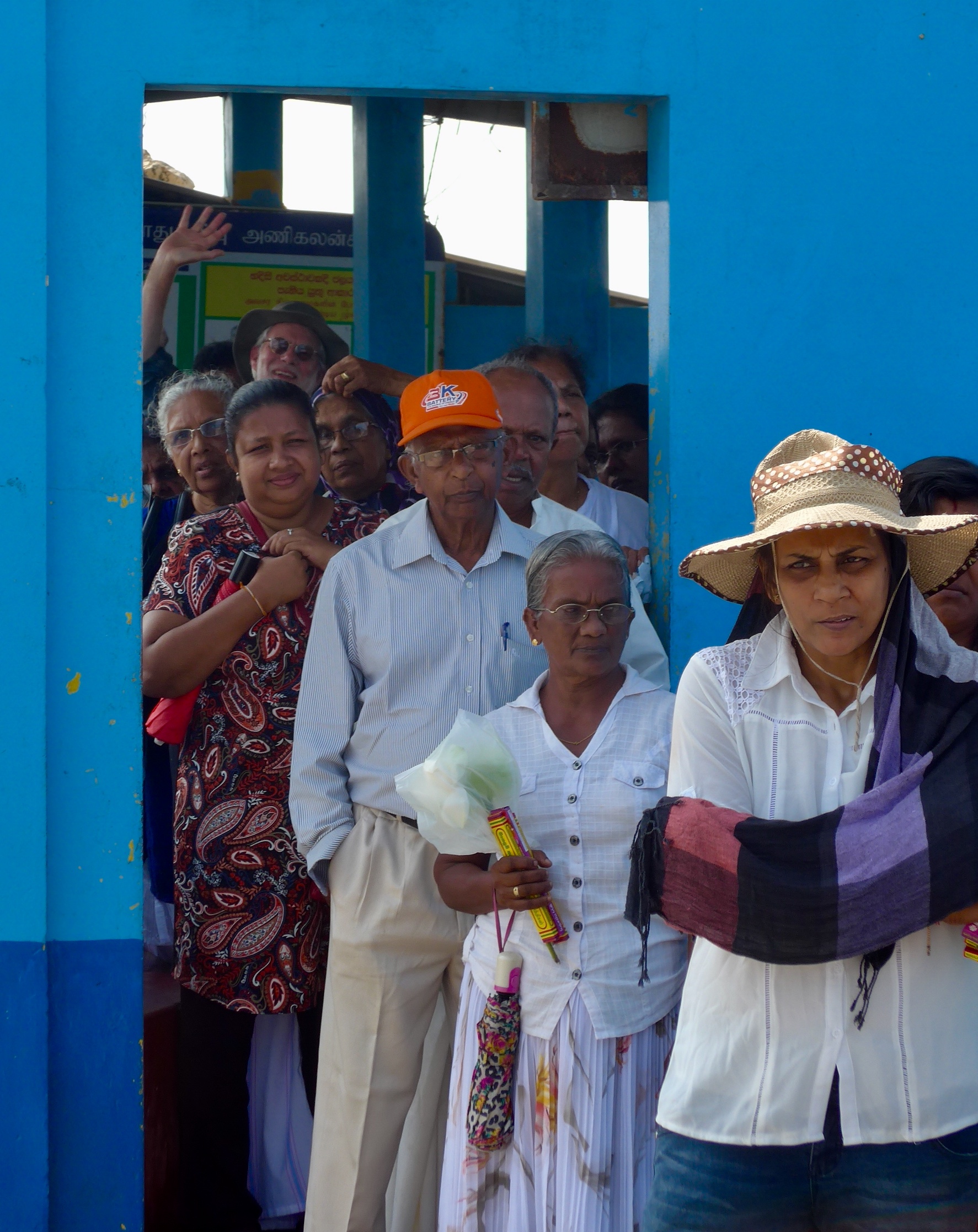
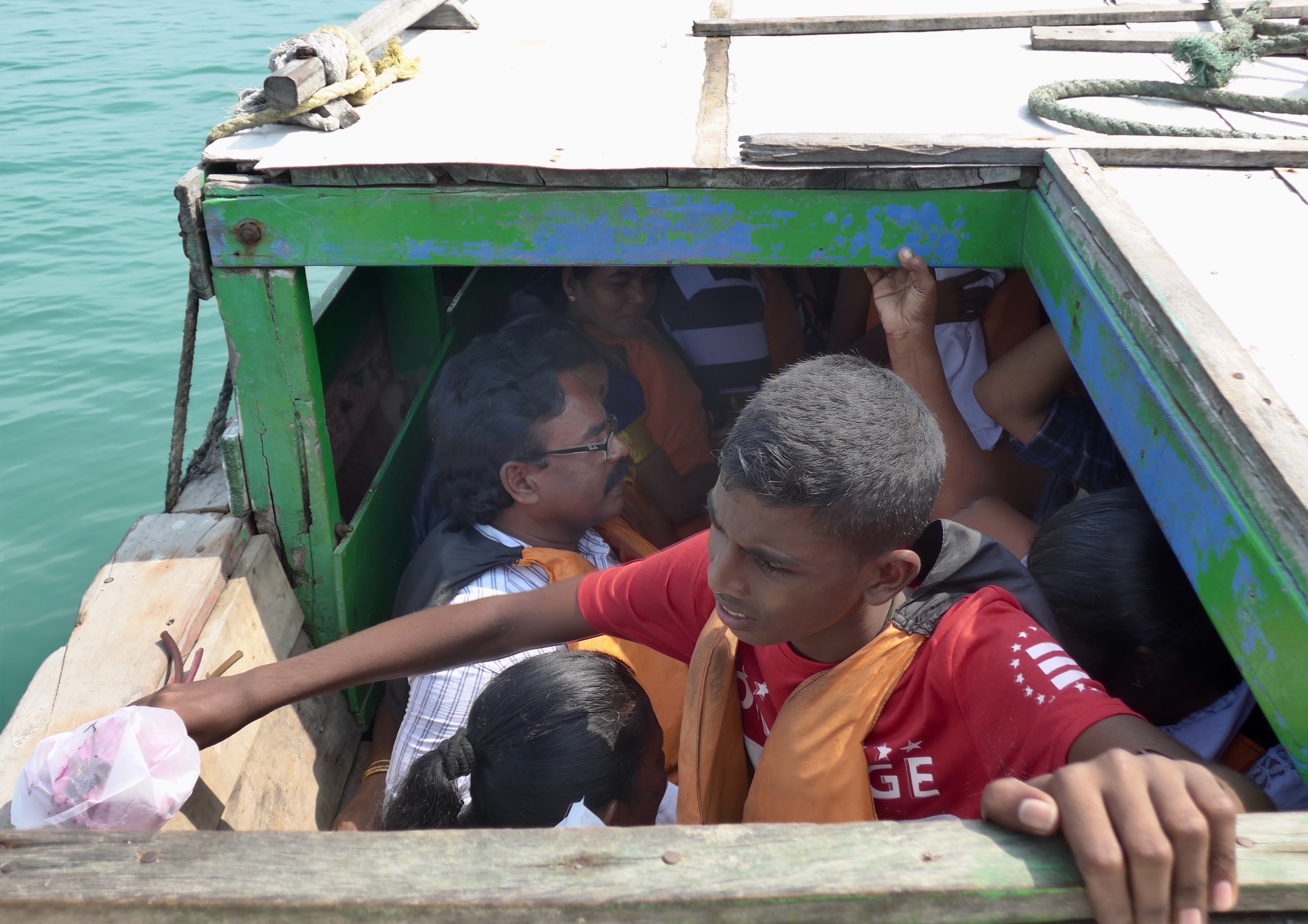
The rickety old ferry boats did not inspire confidence. Over sixty people were crammed below decks on the first one we clambered into, with people standing in every space. Had the boat capsized there was no way anyone would have escaped.
We fought our way off and insisted on sitting on the roof of the next boat with the luggage and motorbikes, and so chugged more confidently across to Nainativu island.
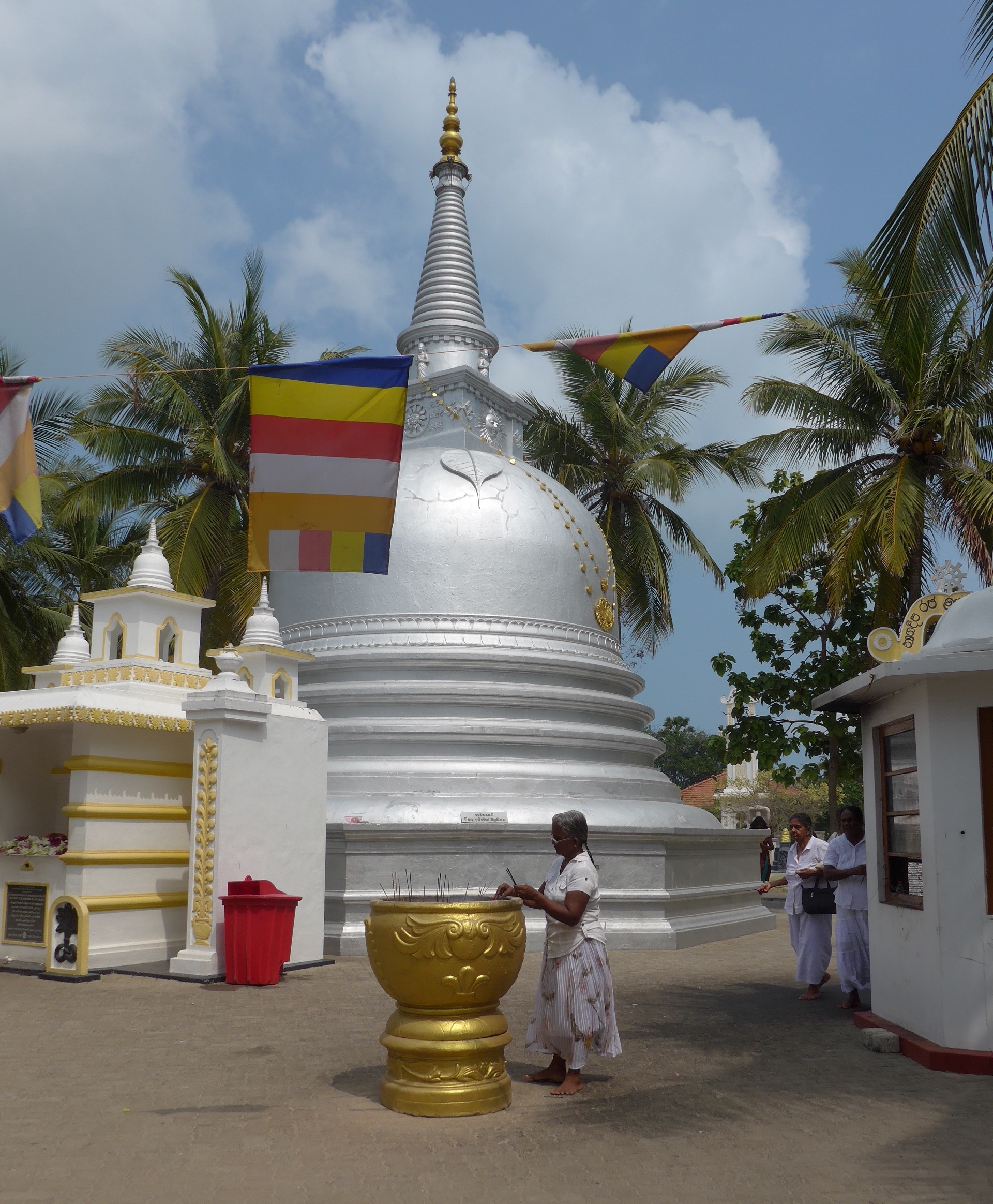

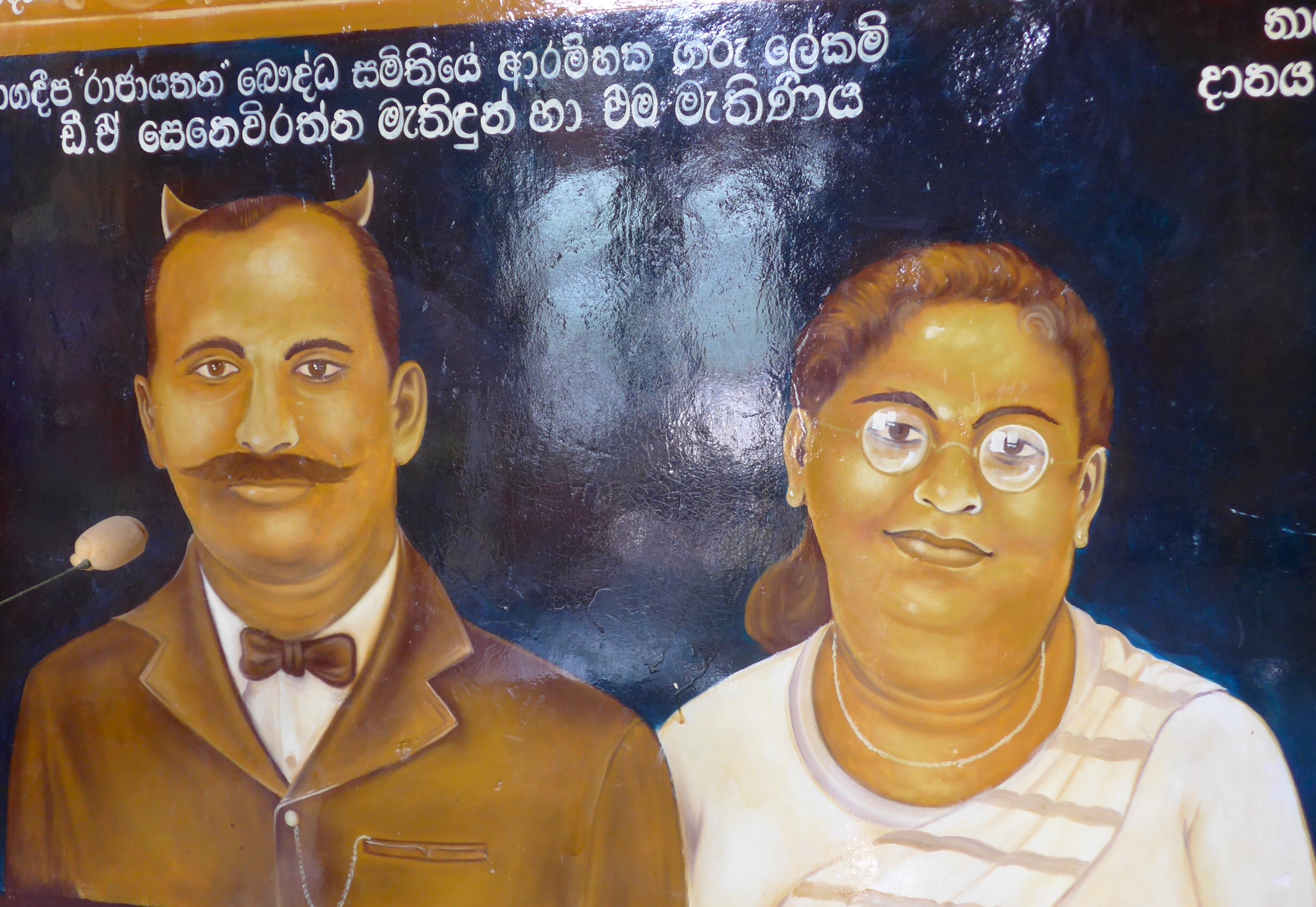
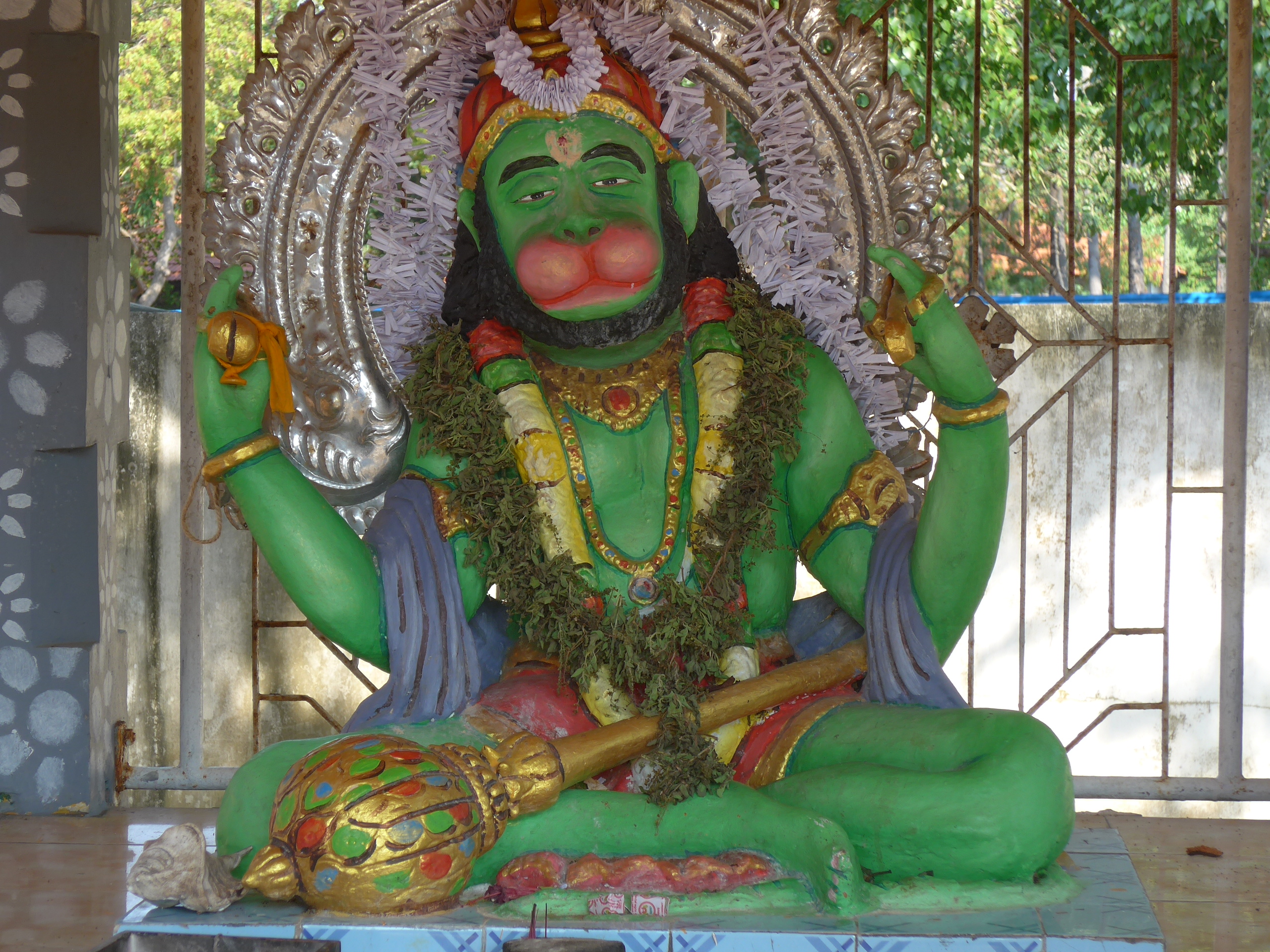
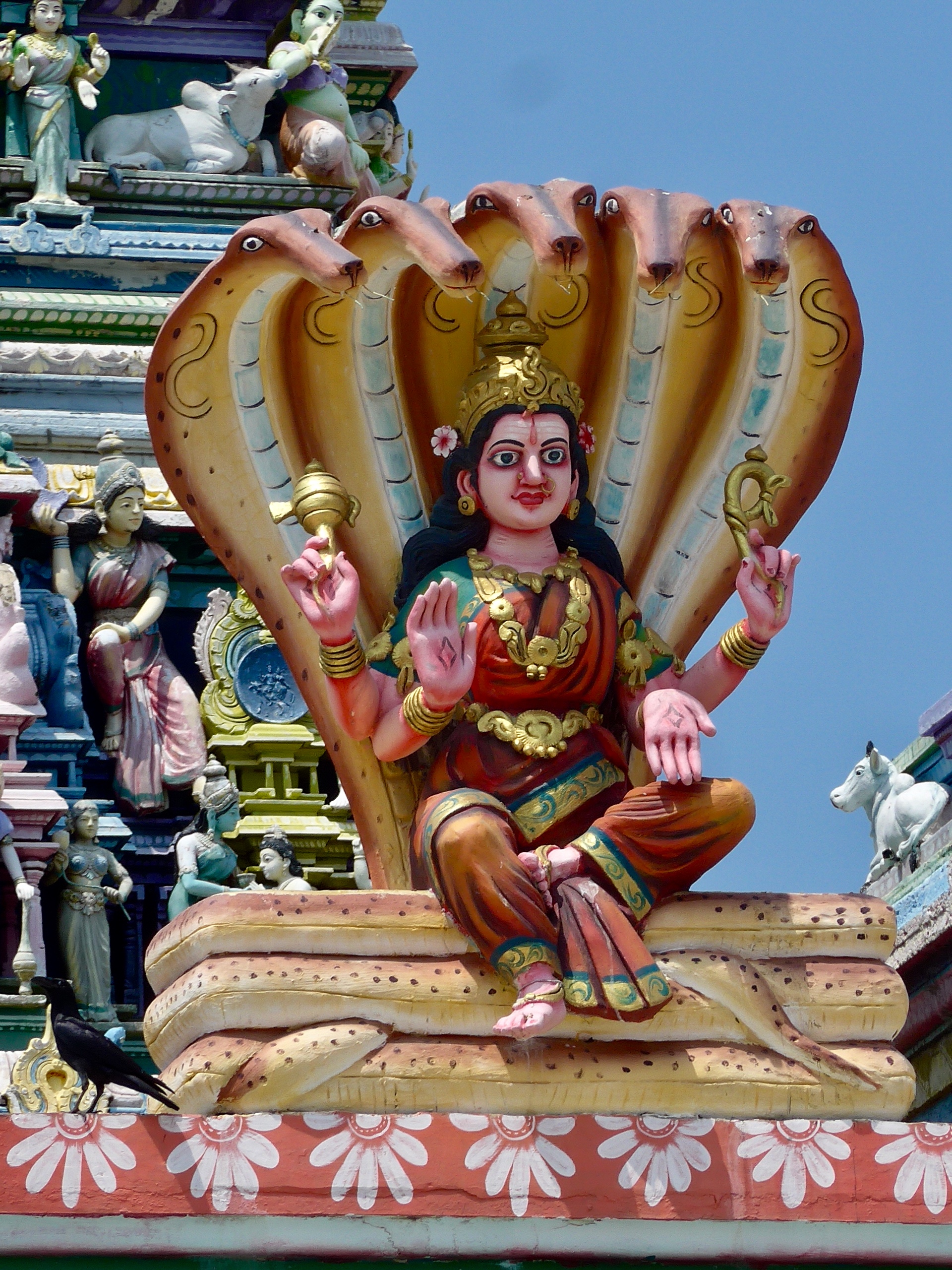
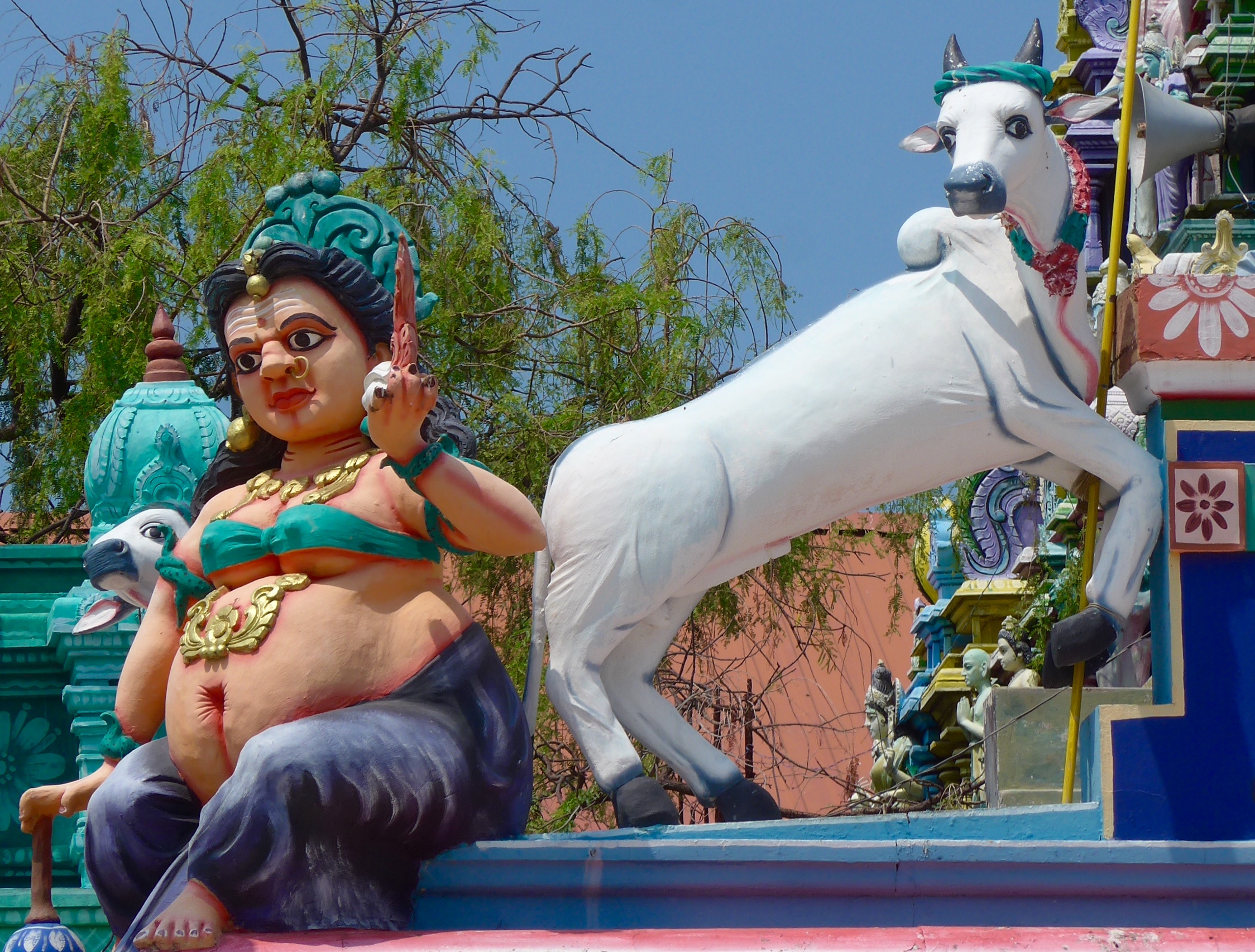
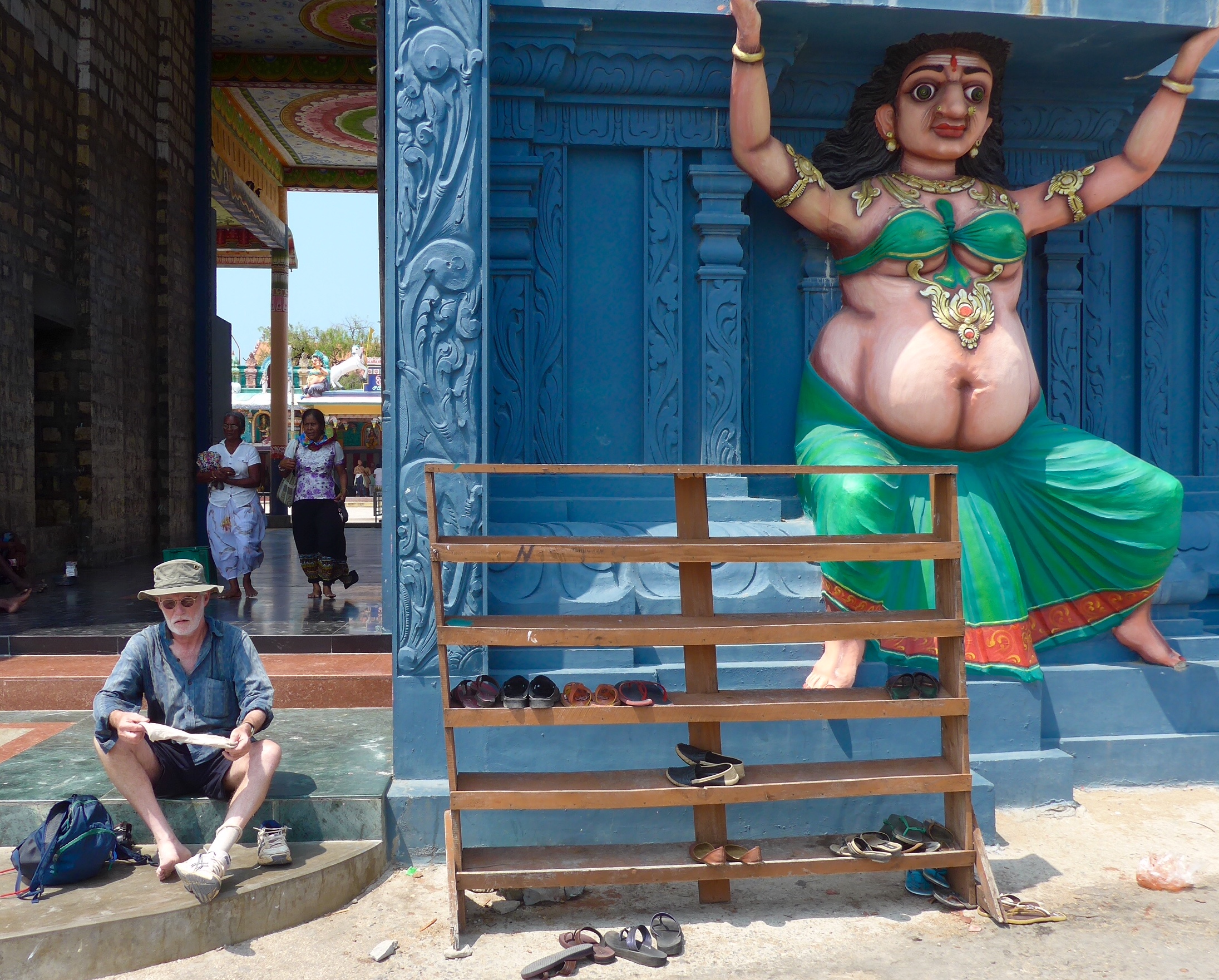
As well as the Buddhist shrine there was a Hindu Temple dedicated to the goddess Durga, a favourite place to take newborn babies. Presumably if the frightening boat journey does not silence them, the intimidating female goddesses will.
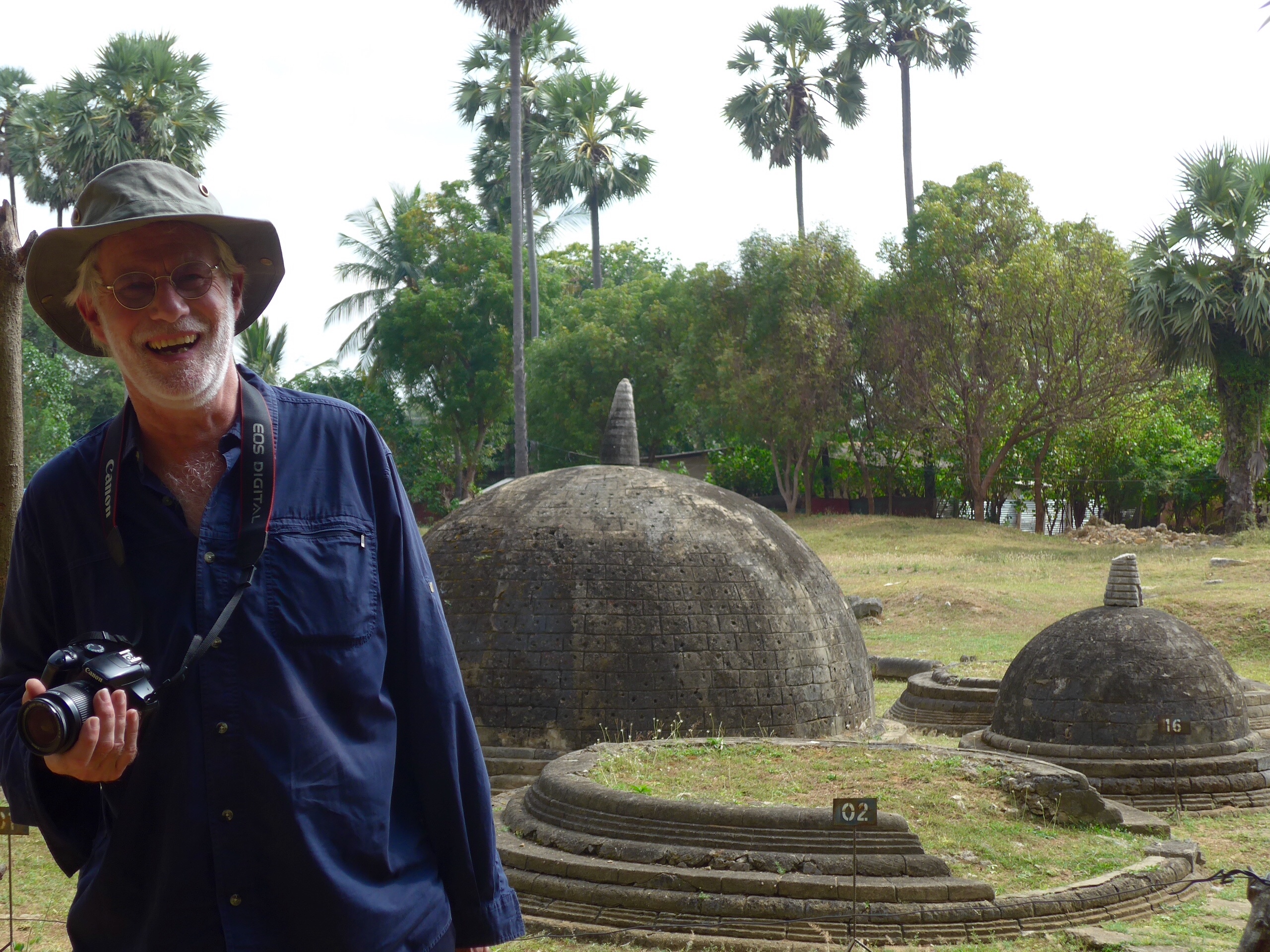
Back on the mainland, no-one is quite sure what the cluster of possibly 2,000-year-old Buddhist dagobas at Kantharodai were for, but they looked pleasingly round and simple after the Hindu temples.
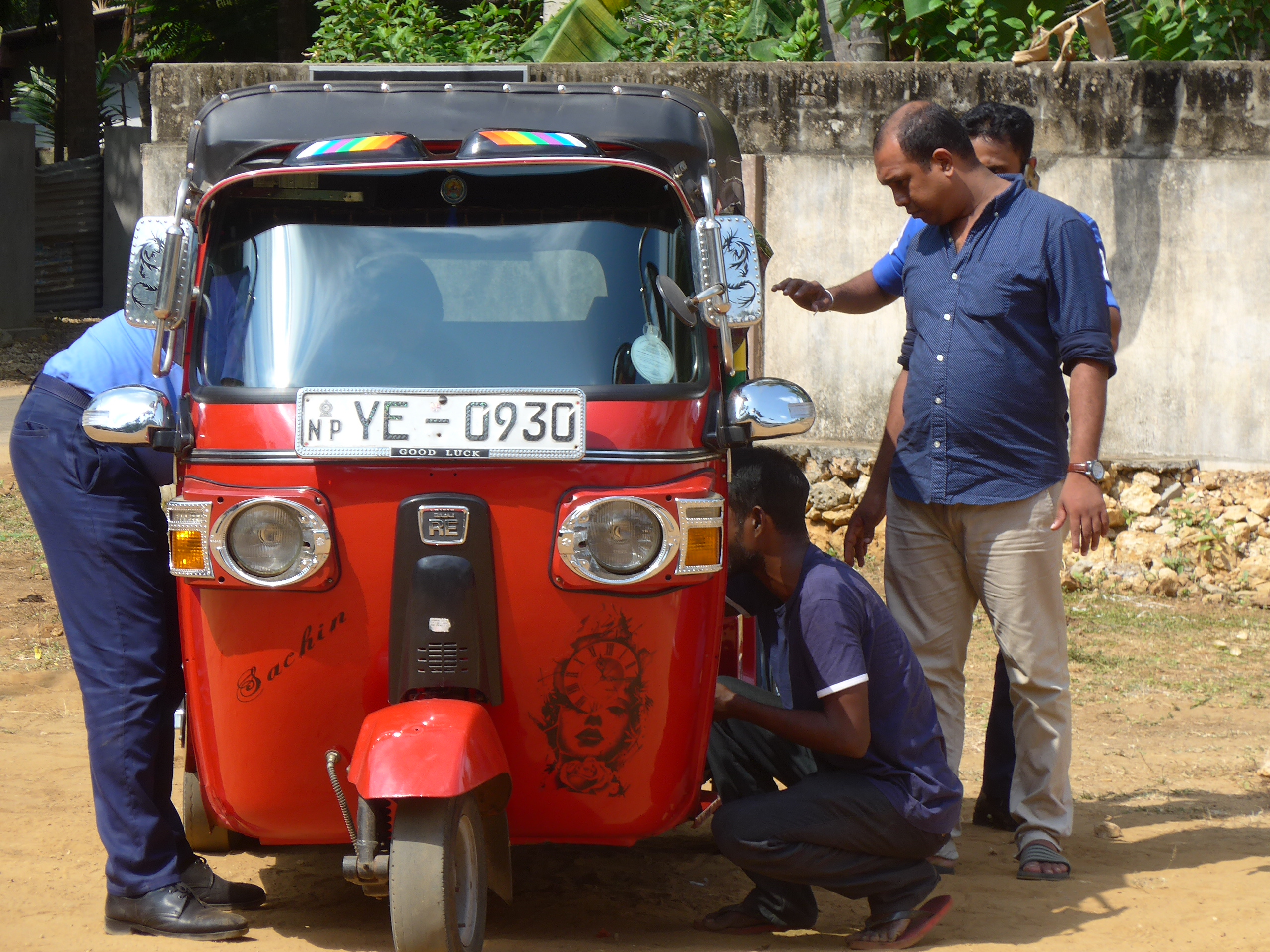
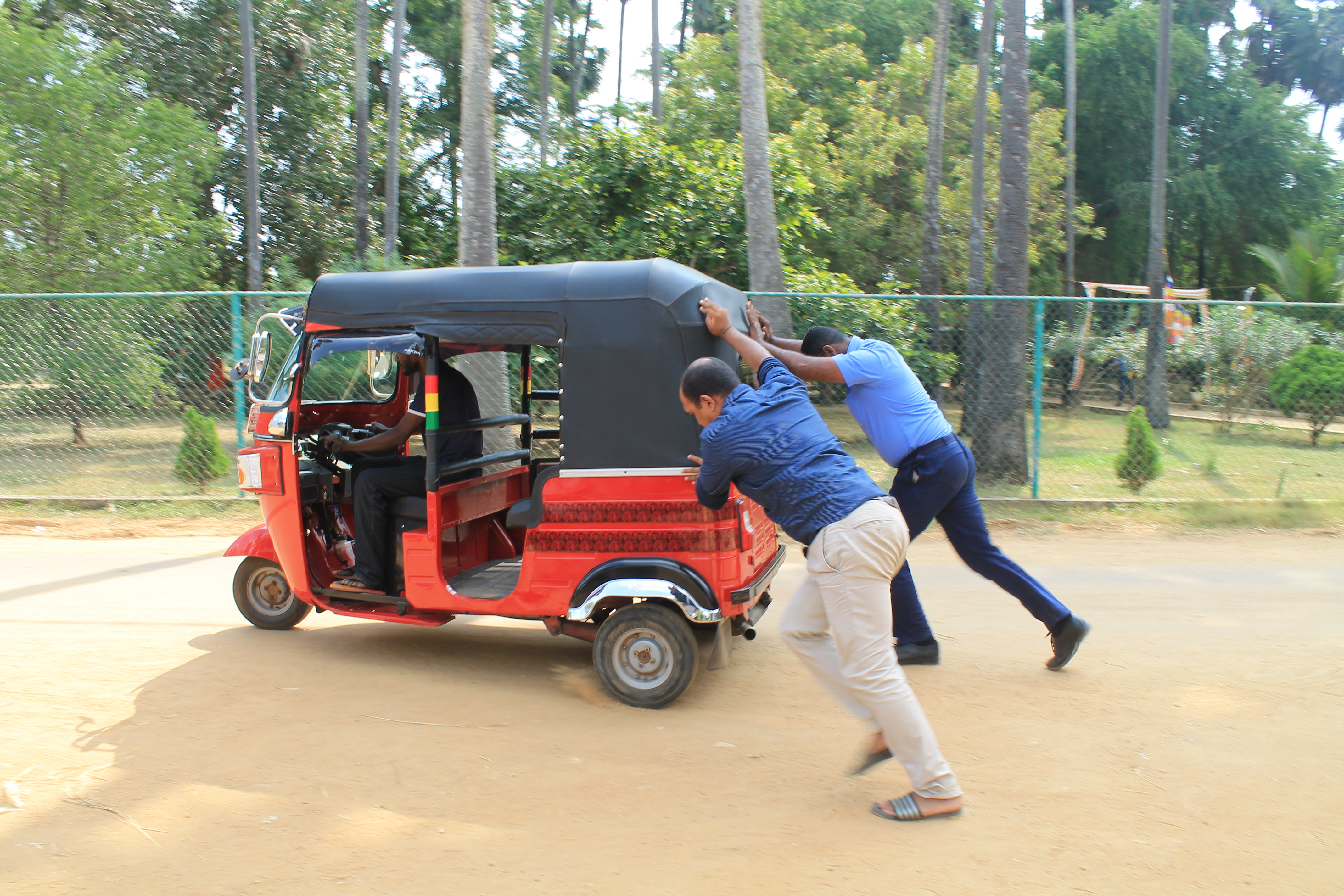
Our tuk-tuk out there broke down but luckily the Sri Lankan Navy were on hand to help it get started.

A big treat for our final week was having a car and driver, Sugath. Half-way to the east coast we explored the peaceful ruins of Ritigala, dating from 250 BC, and set in the thickest jungle we had seen so far.
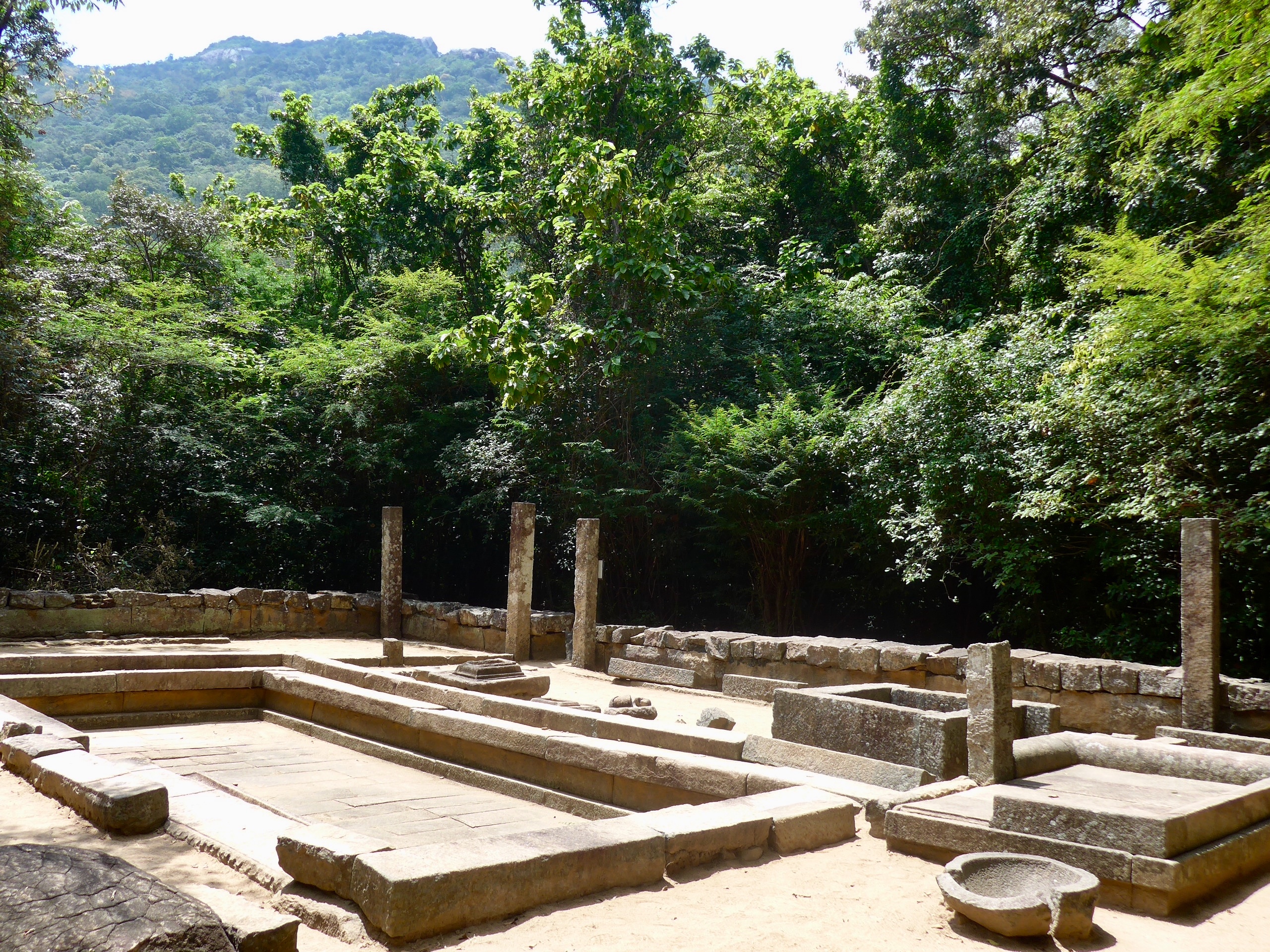
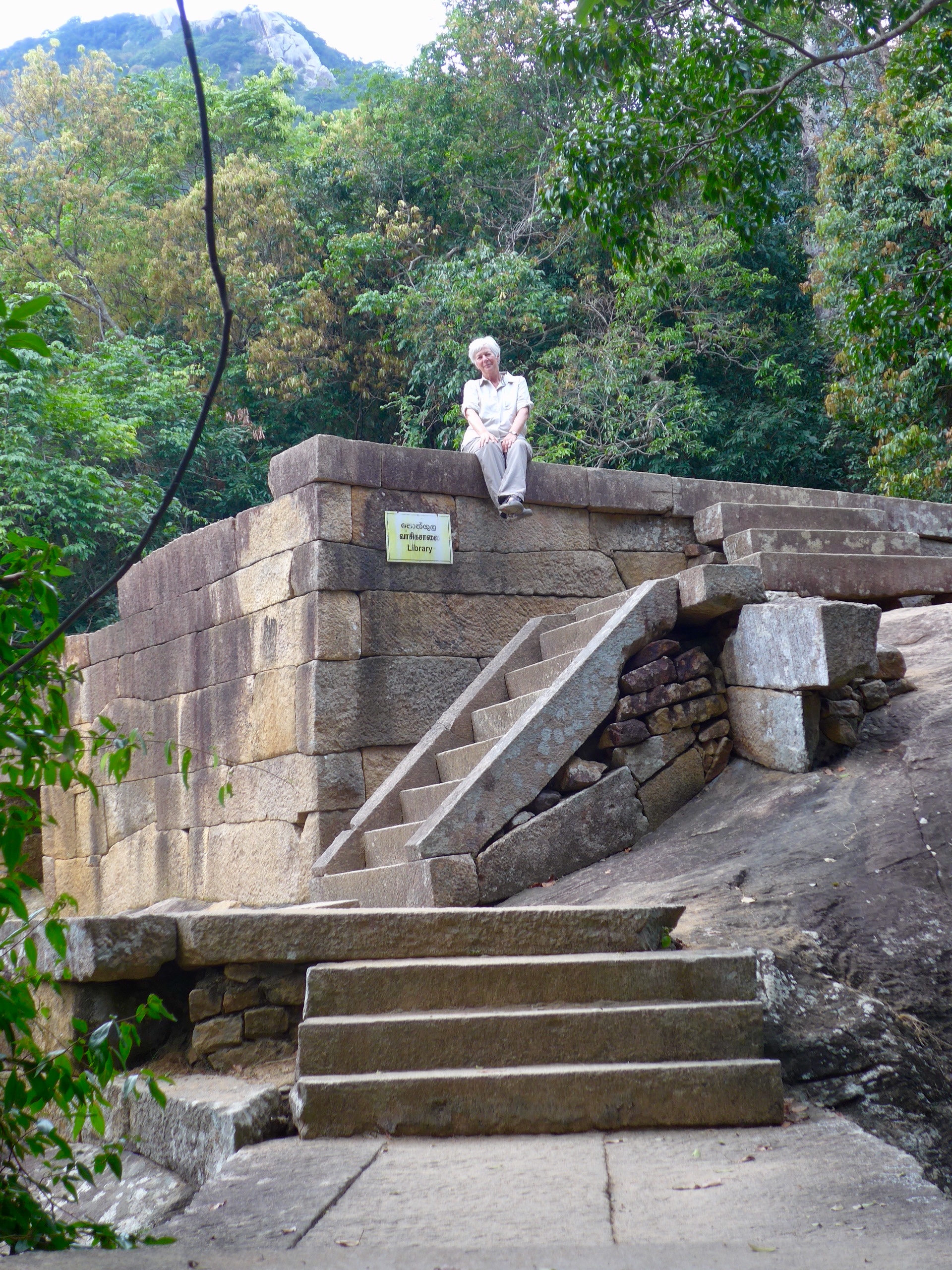
There was a library with a wonderful view across endless forest to the central mountains, and some venerable trees.
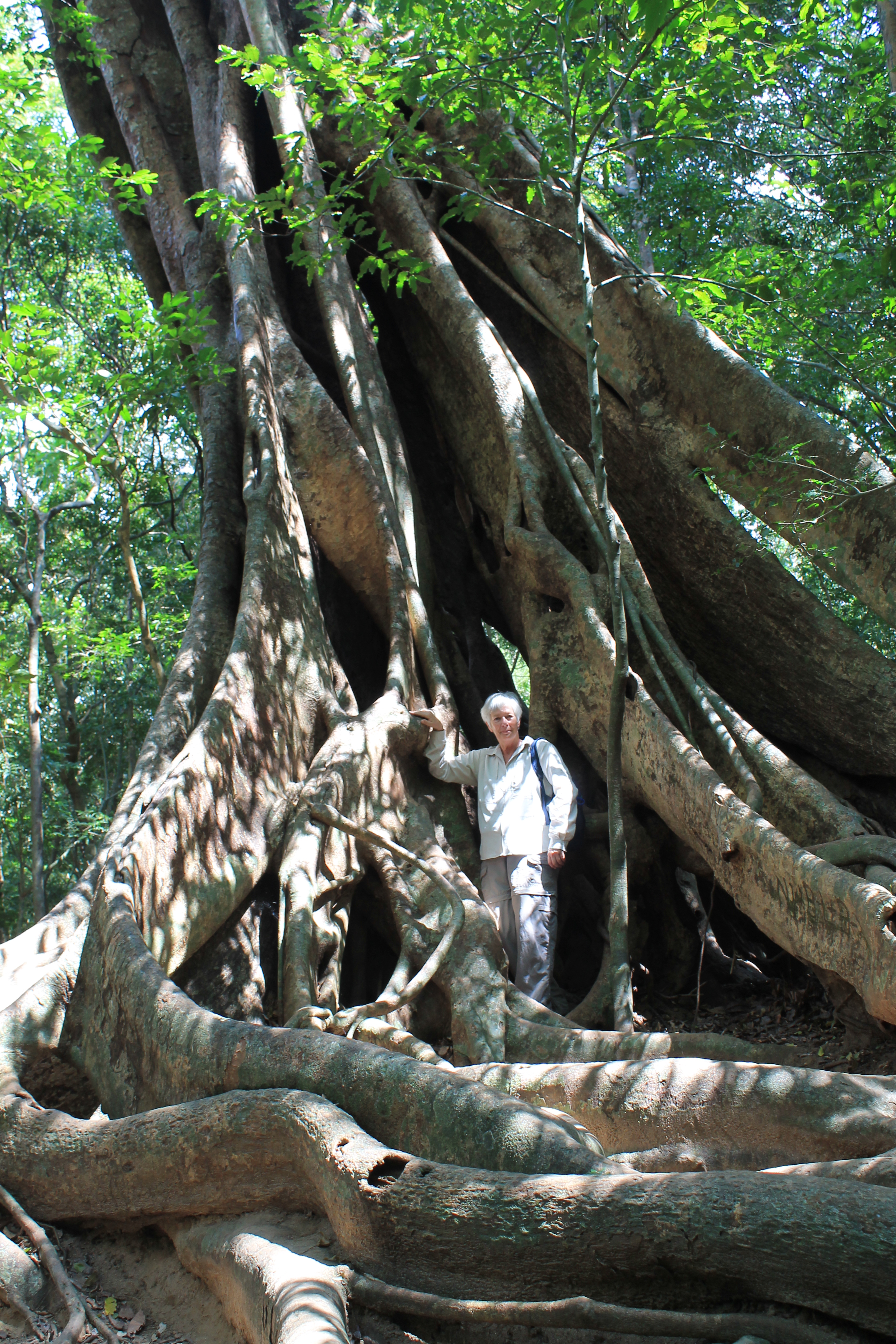
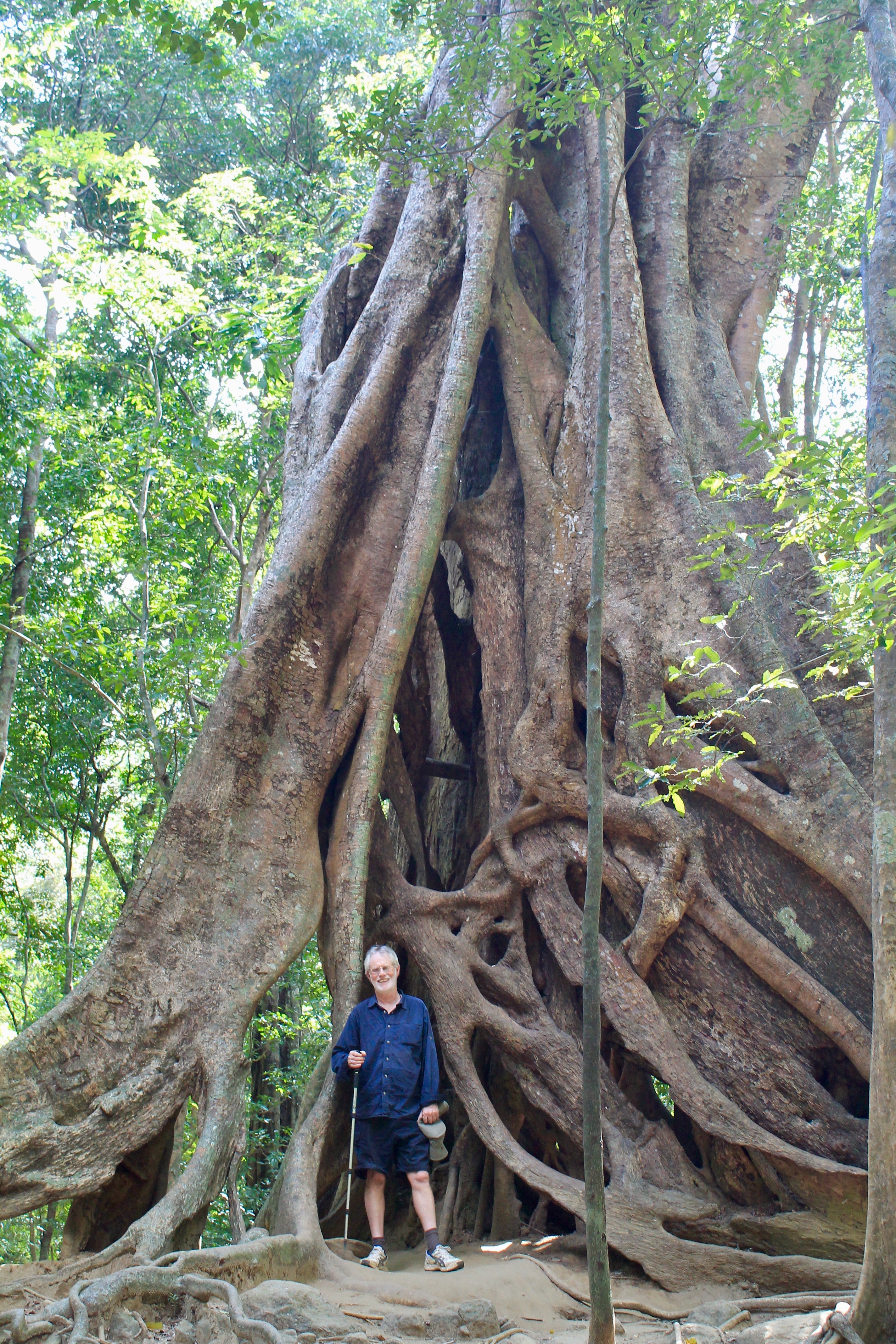
And from that thick jungle an
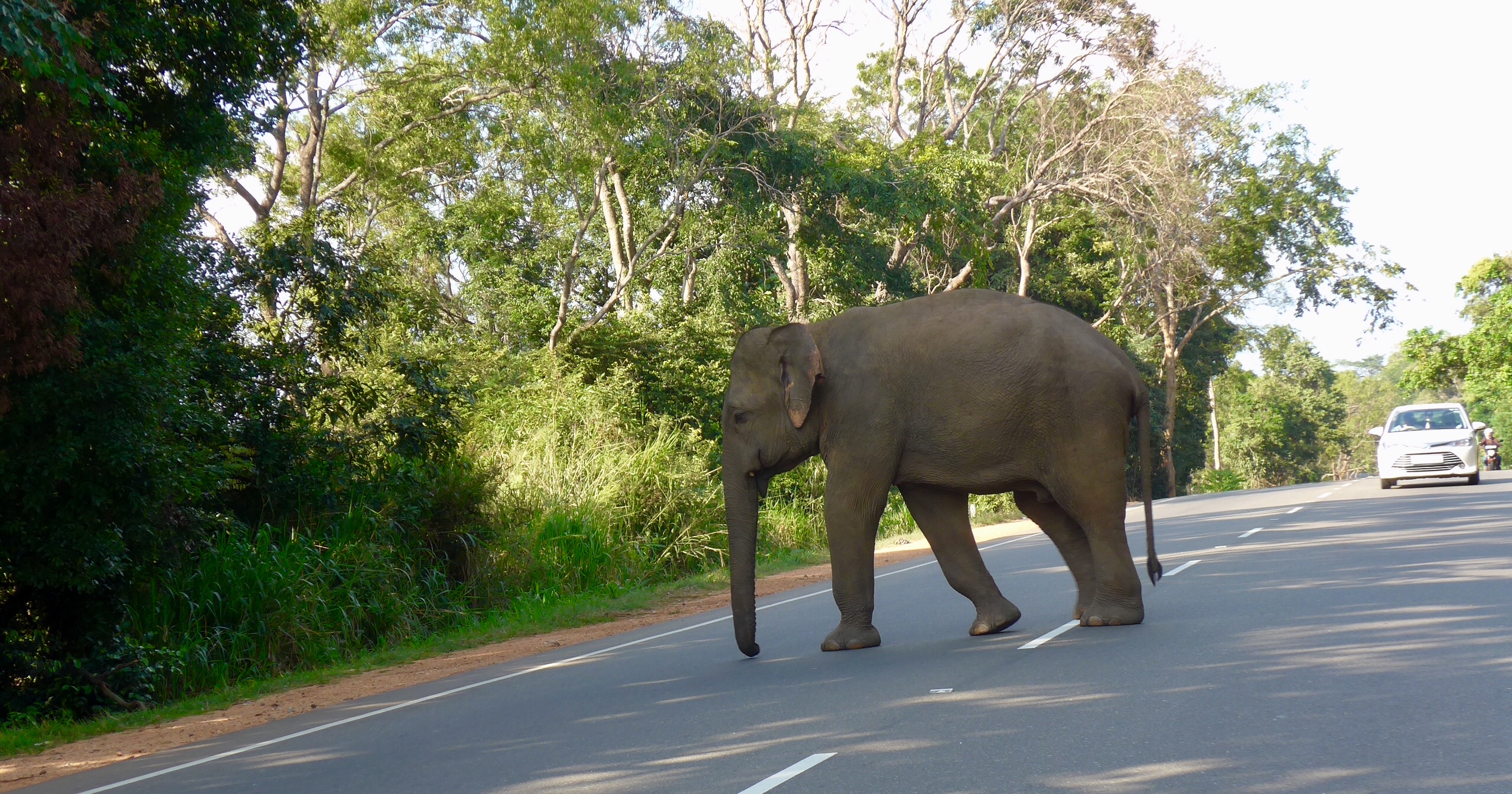
unexpected pedestrian crossed the road.
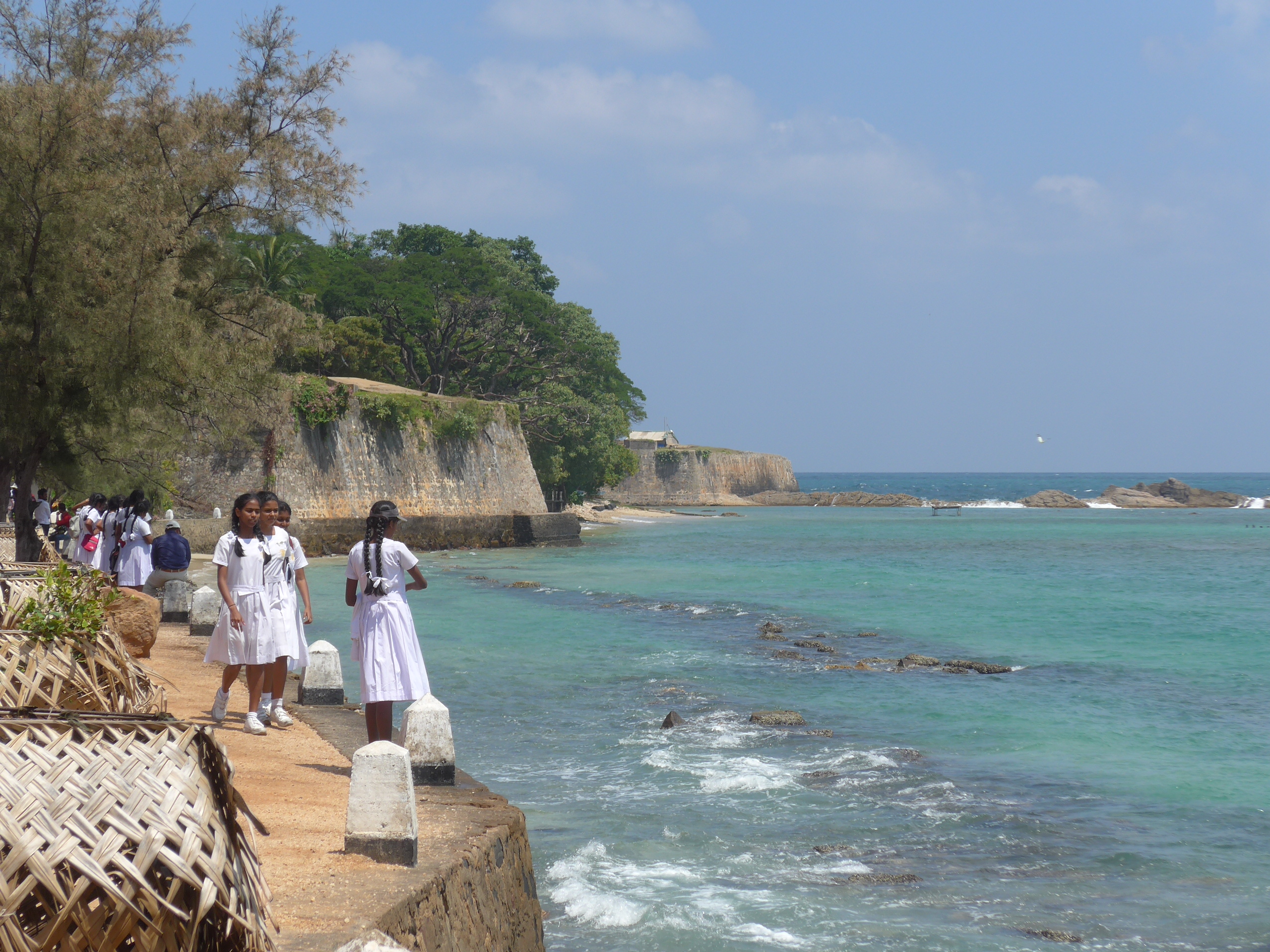
On the east coast of Sri Lanka is the port of Trincomalee, the fifth largest natural harbour in the world. Fought over by the Portuguese, the Dutch, the French and the British, the old fort still dominates the town.

The temple to Kali had one of the strangest interiors I had seen, including disembodied mouths and a giant octopus.
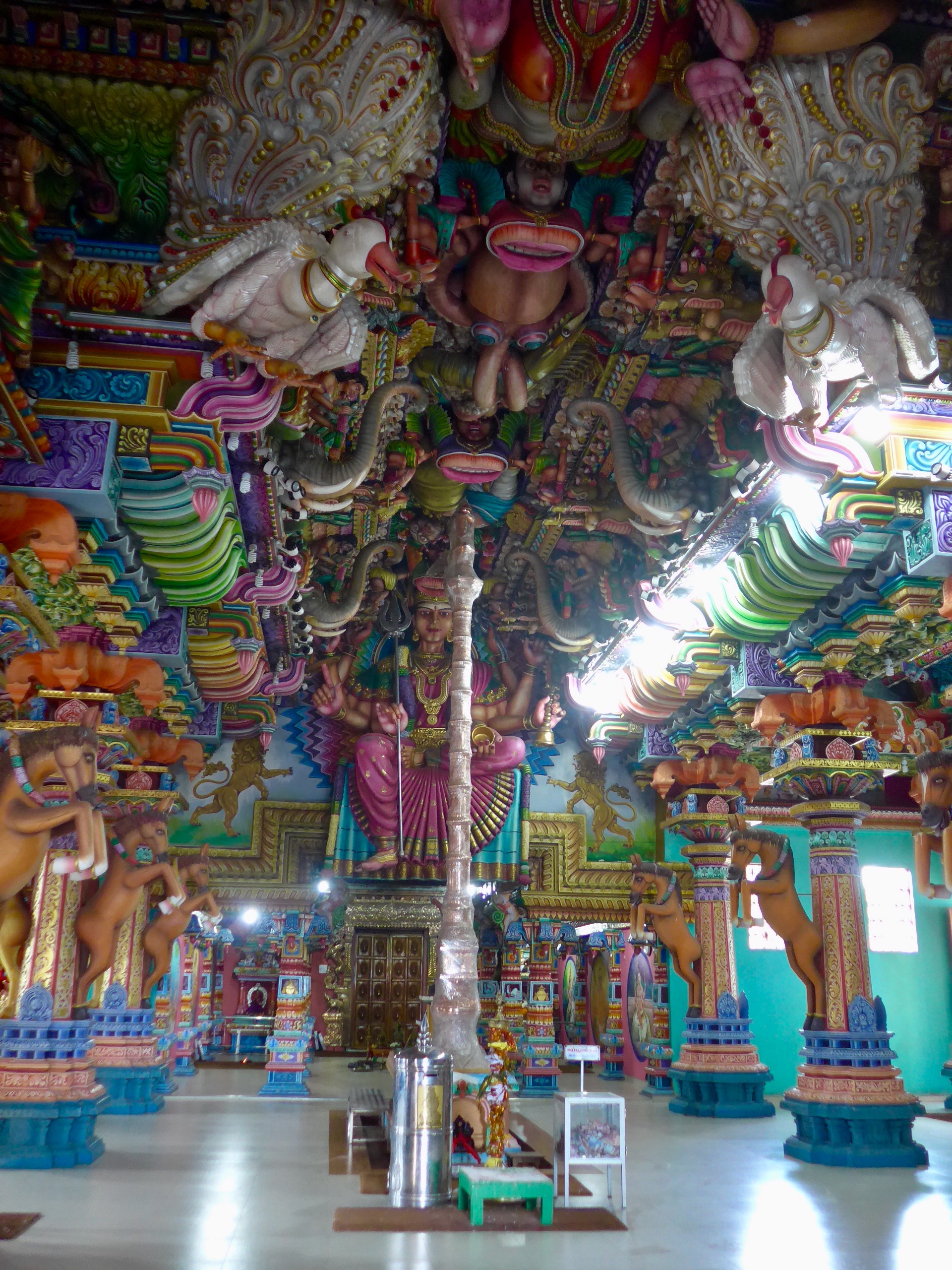

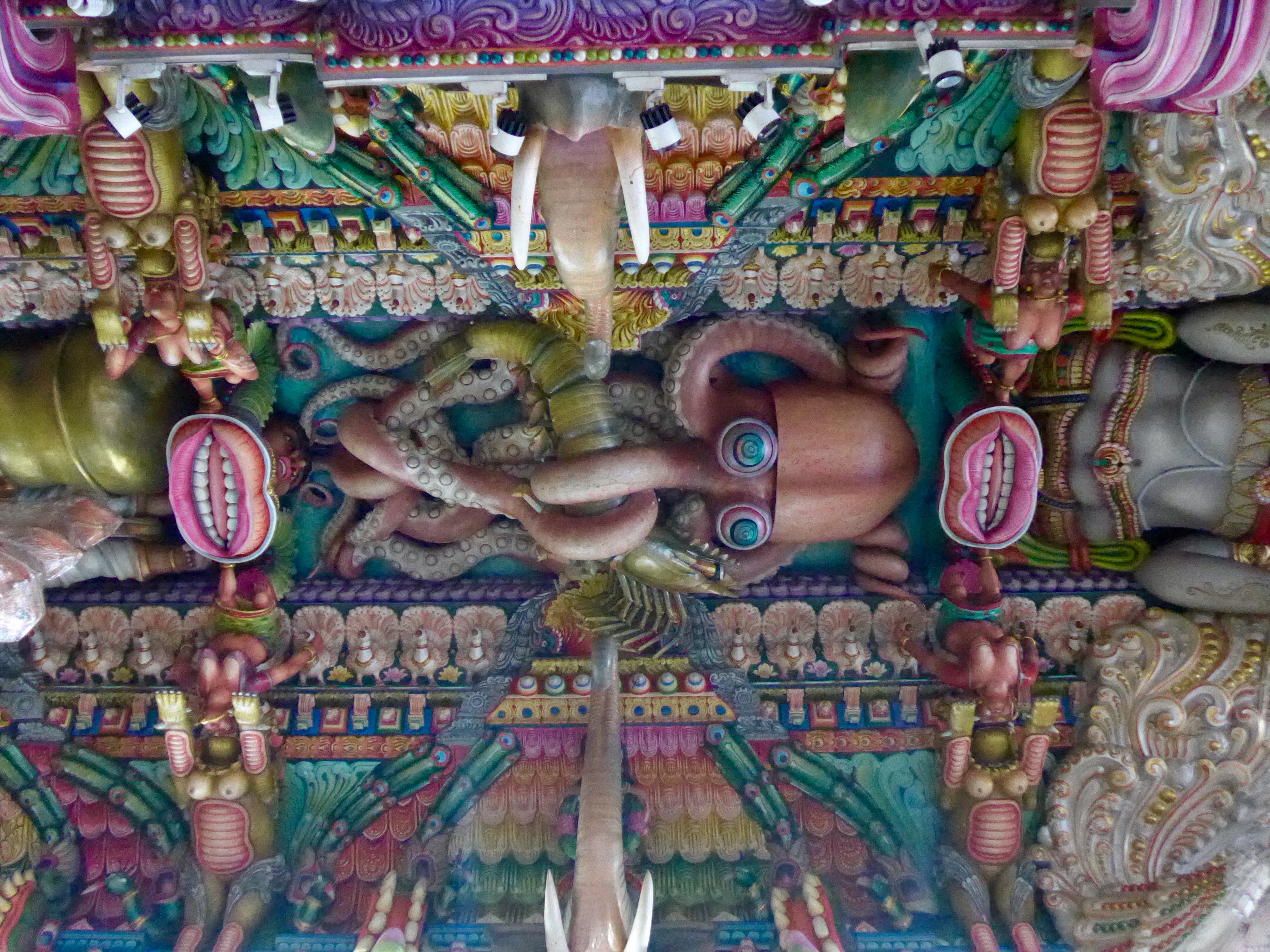
At Batticaloa there were beautiful beaches but the economy was still struggling after the devastation both of the war and the 2004 tsunami.
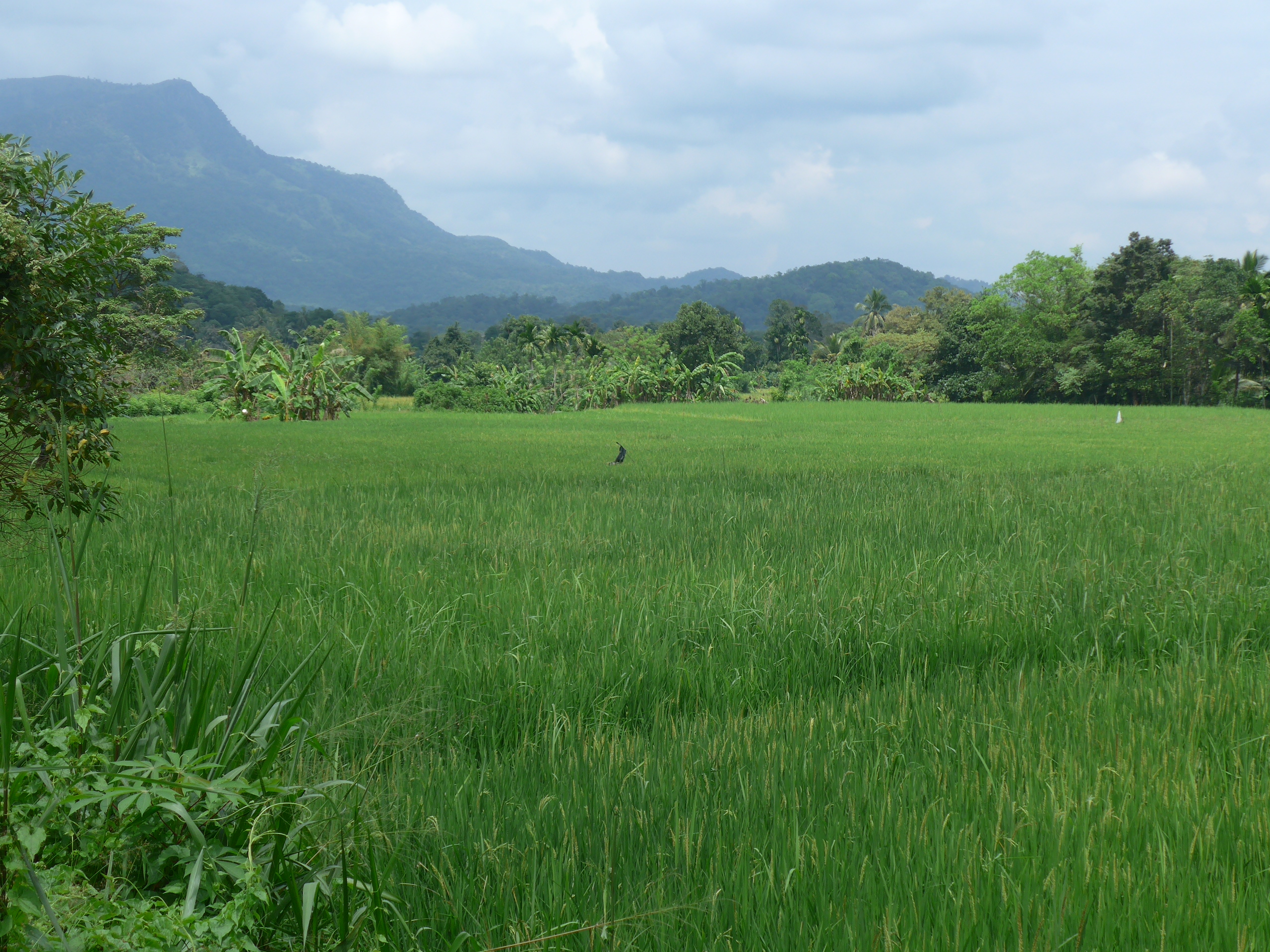
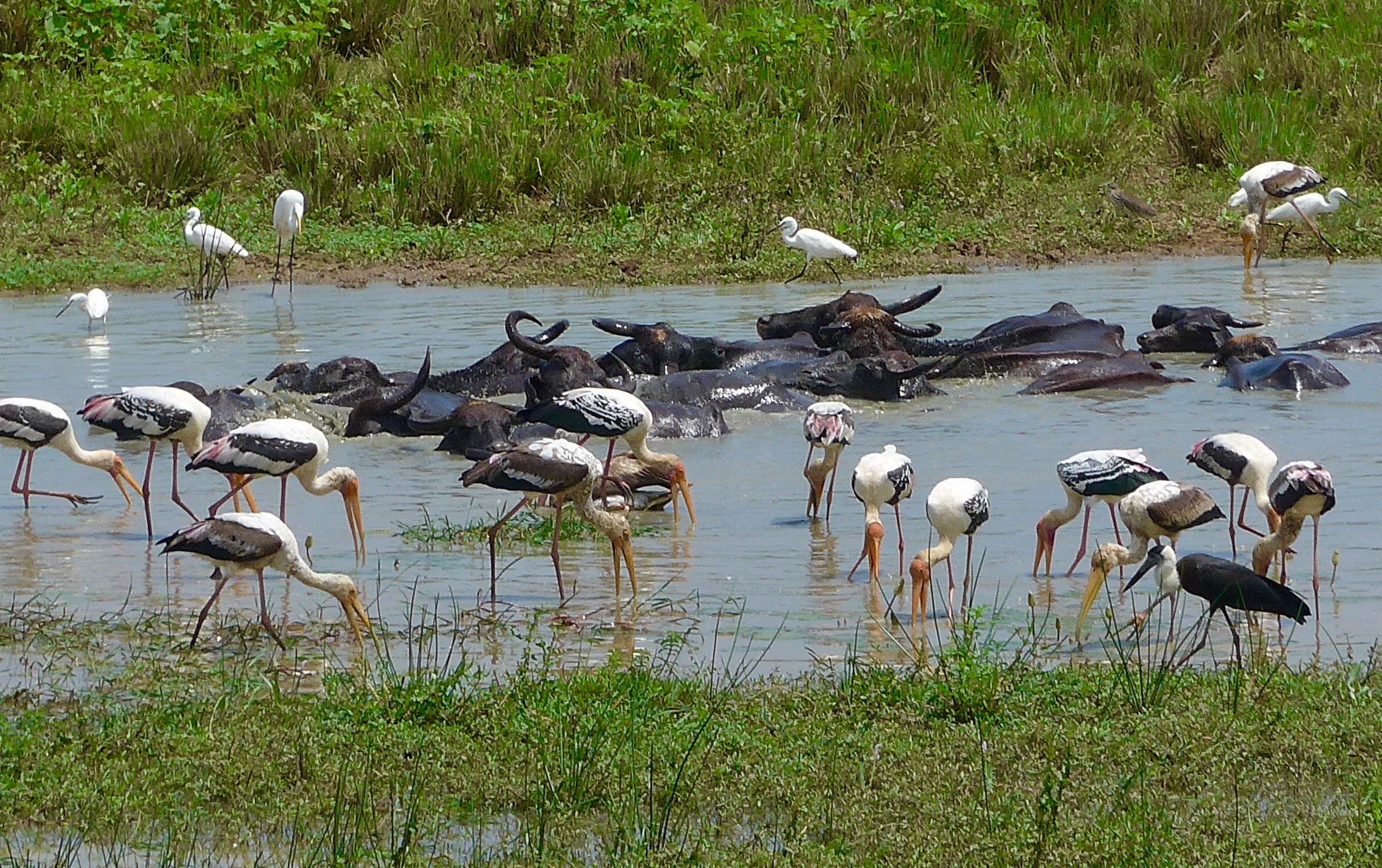
Finally we turned inland away from the mainly Tamil and Hindu coast and drove through electric-green padi fields, coconut groves, lotus-filled lakes and the granite outcrops of central Sri Lanka. We were back in lands that were mainly Sinhalese and Buddhist.
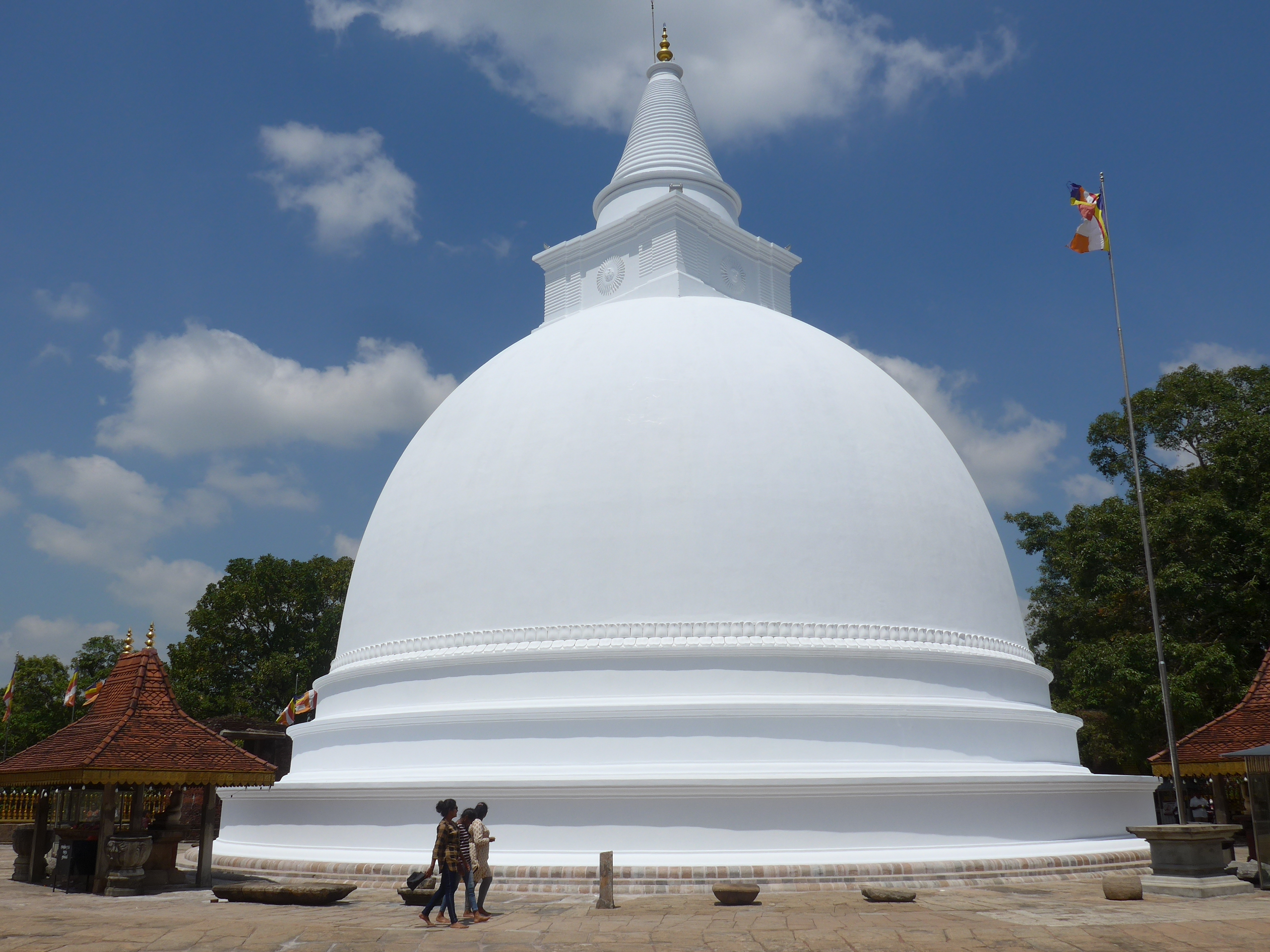
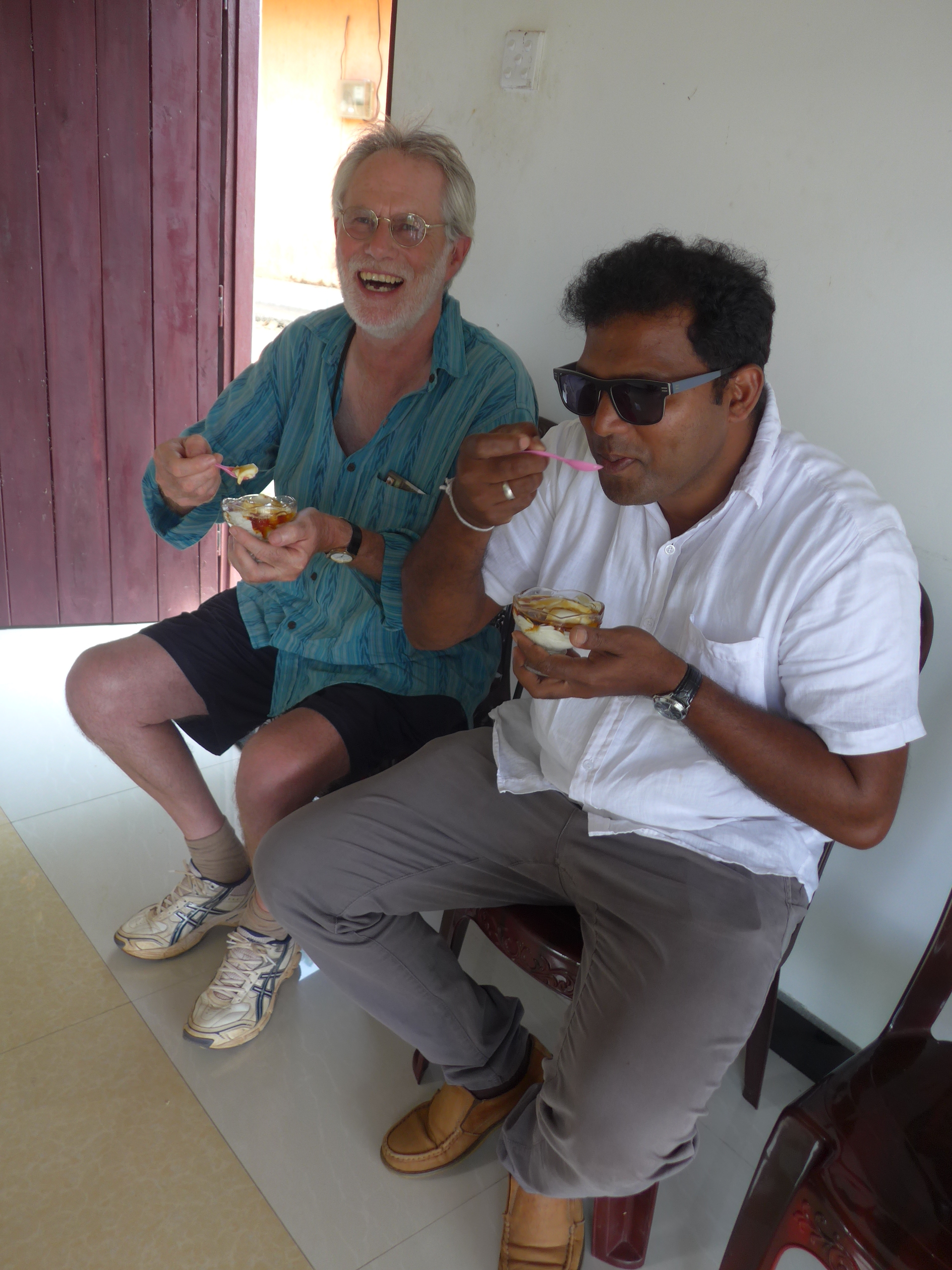
After India, Sri Lanka seemed so green, and so clean. And the traffic was positively civilised! Traffic lights, pedestrian crossings, overtaking on the right, all the things we take for granted. And very little plastic rubbish. And smiling, friendly people.
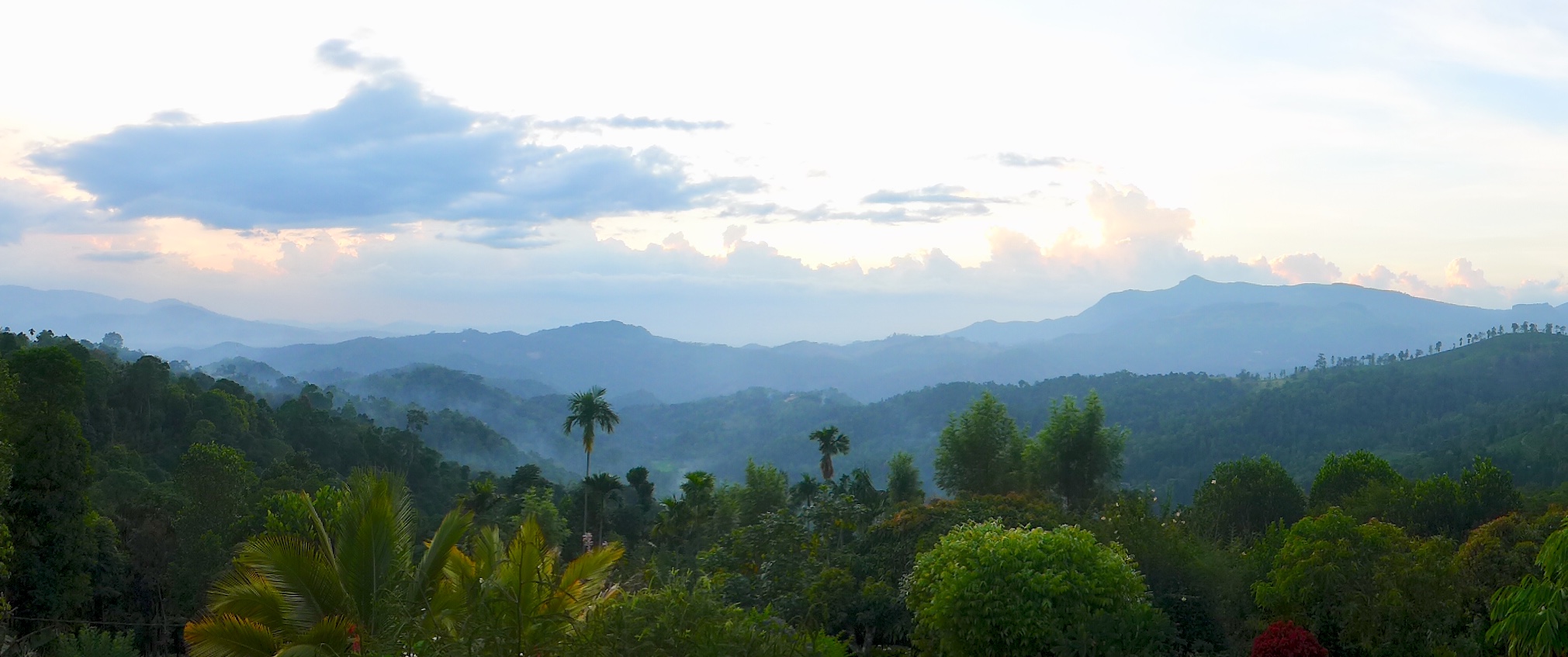
And our last stop was Rangala House high in the Knuckles Range of hills near Kandy. A big thank-you to Barbara W. for suggesting we come here for our last few days, saving the best of the trip to the last. What a view, cool walks in the tea plantations and the best food in Sri Lanka.
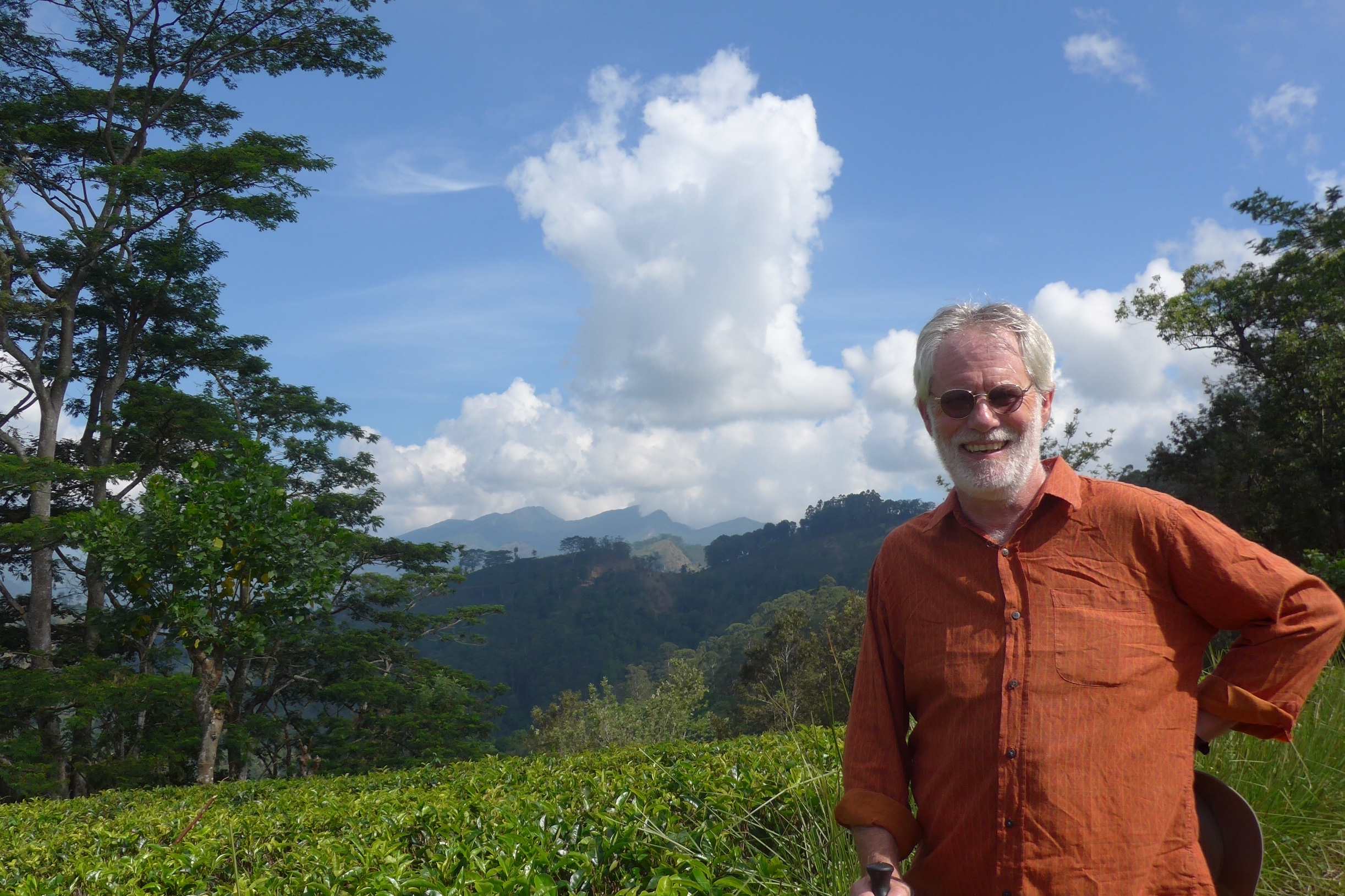
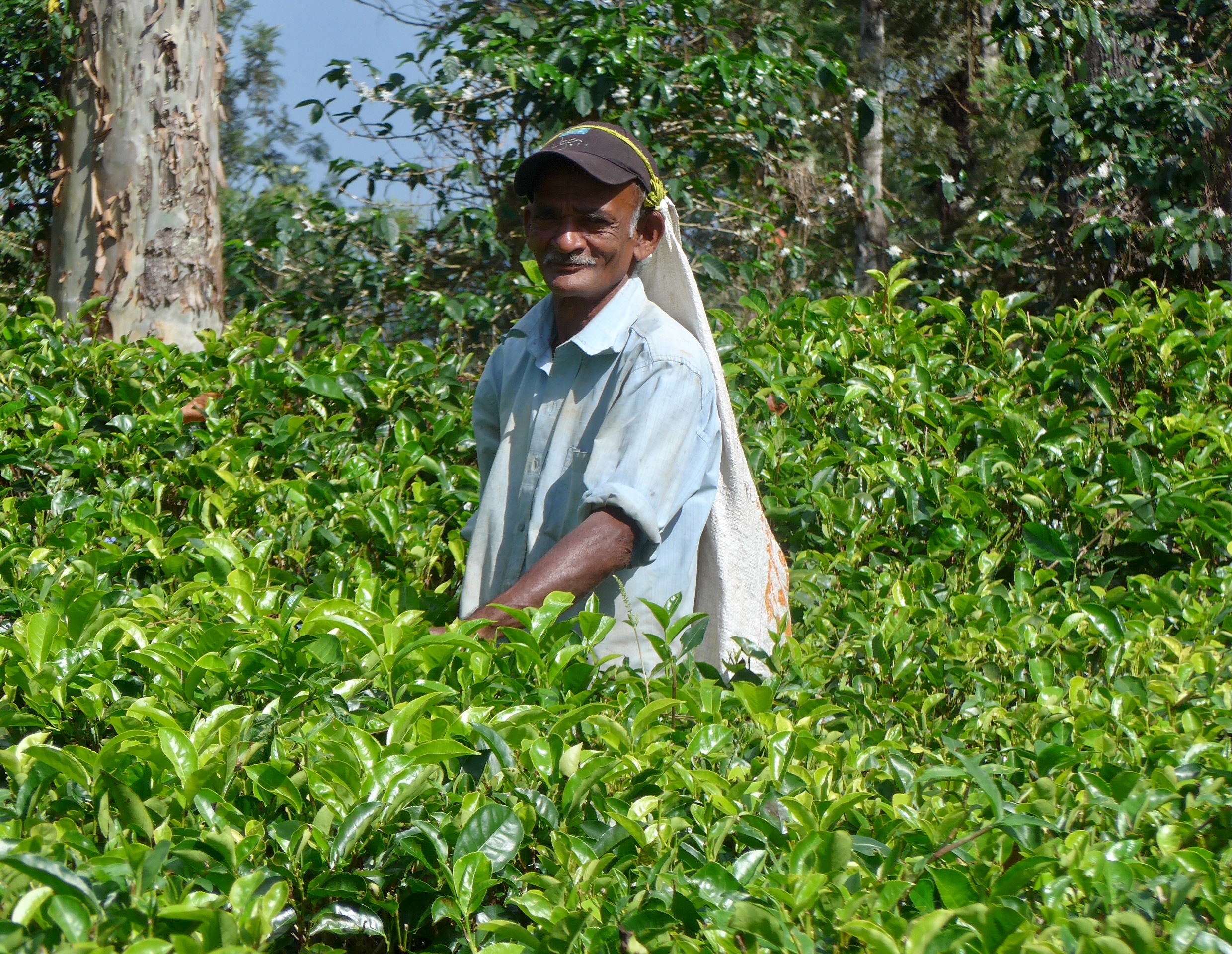
What a wonderful place to end the trip.
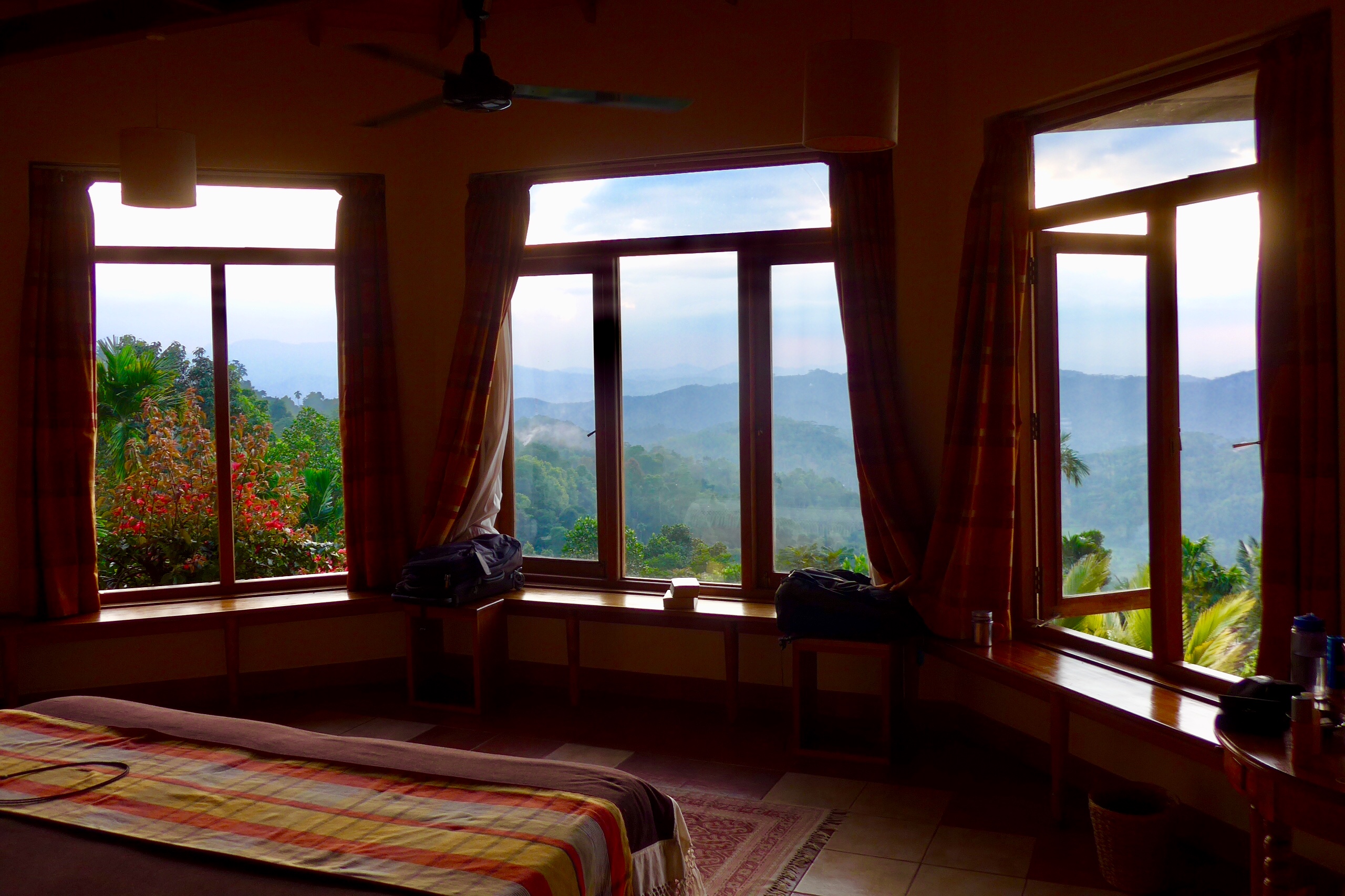
A good antidote to Brexit is to come here to Sri Lanka. Thank you all for your company on this long trip, and thank you to Jim for his photos, for proofreading, and for putting up with my grumpiness when the heat, dust and selfies were all too much!
See you all very soon.
 Riki's Indian Rovings
Hi Riki and Jim,
Ian and I really enjoyed sharing your journey through your wonderful photos and quotes and descriptions. Thank you both for putting it out there for us all.
Welcome home !
LikeLike
wow!! 6810. Southern Kerala and the backwaters : “These paper boats of mine …”
LikeLike